Category: Food

Retail News Asia is committed to providing both local and global retailers with the latest Food and Food & Beverage news throughout the Asian market. This on a daily base.

  • Haigh’s Chocolates Launches Luxurious Hot Chocolate Cube In Celebration Of World Chocolate Day

    Haigh’s Chocolates Launches Luxurious Hot Chocolate Cube In Celebration Of World Chocolate Day

    Haigh’s Chocolates, a renowned confectionery company, recently introduced a limited-edition product called the Hot Chocolate Cube. This new offering was launched in celebration of World Chocolate Day, which is observed annually on July 7th.

    The Ultimate Indulgence

    Characterized as the epitome of luxury, the Hot Chocolate Cube is constructed with a marshmallow centre encased in a layer of rich, dark chocolate ganache. This delicious concoction is then enveloped in a smooth milk chocolate casing. This carefully crafted combination of flavors provides an indulgent treat for chocolate enthusiasts.

    The company suggests two ways to enjoy this delectable product. One can either melt it in warm milk, creating a delightful hot chocolate beverage, or simply devour it as it is, appreciating its unique combination of textures and flavors.

    Availability and Pricing

    The Hot Chocolate Cube from Haigh’s Chocolates is retailed at $14.50 for a pack of four. It can be found in all Haigh’s stores, which are dotted across various Australian locations including Adelaide, Melbourne, Sydney, and Canberra.

    Questions & Answers

    How is the Hot Chocolate Cube from Haigh’s Chocolates designed?
    – The Hot Chocolate Cube is a marshmallow cube layered with dark chocolate ganache and wrapped in milk chocolate.

    How can the Hot Chocolate Cube be enjoyed?
    – It can be melted in warm milk to make a hot chocolate or consumed directly as a treat.

    Where can the Hot Chocolate Cube be purchased?
    – The product is available in all Haigh’s stores across Adelaide, Melbourne, Sydney, and Canberra in Australia.

  • Del Monte Foods Files For Chapter 11 Bankruptcy To Facilitate Business Sale

    Del Monte Foods Files For Chapter 11 Bankruptcy To Facilitate Business Sale

    Del Monte Foods, a renowned food production company, has recently applied for Chapter 11 bankruptcy protection within the United States. This move comes as a part of the company’s strategy to facilitate a successful sale of its business operations.

    Restructuring Support Agreement

    In order to conduct a comprehensive sale of all or most of its assets, Del Monte Foods has settled on a restructuring support agreement (RSA) with several of its lenders. Furthermore, to maintain sufficient liquidity throughout this transition, the company has secured a staggering $912.5 million in debtor-in-possession financing.

    Despite the ongoing bankruptcy proceedings, the company intends to keep its business operations running normally and without any interruptions.

    A Necessary Step Towards a Brighter Future

    The company’s President and CEO, Greg Longstreet, has acknowledged the challenging circumstances that have been accentuated by a rapidly changing macroeconomic environment. Longstreet stated, “After thoroughly evaluating all possible options, we concluded that a court-supervised sale process is the most effective method to expedite our turnaround and establish a stronger and more resilient Del Monte Foods.”

    He further added that the company, with a renovated capital structure, improved financial position, and new ownership, will be better equipped to ensure long-term success.

    A Rich Heritage

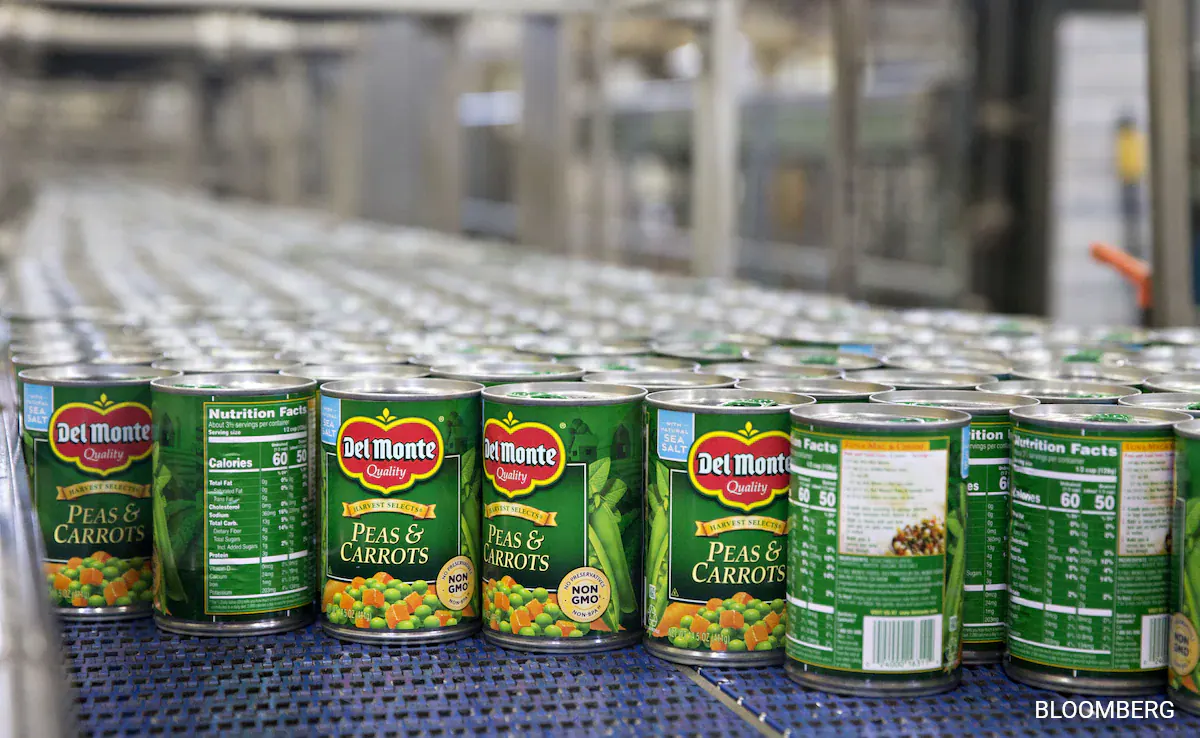
    Founded in 1886, Del Monte Foods boasts a vast portfolio including the canned fruits and vegetables brand Del Monte, the broth and stock business College Inn, and tea brands like Joyba. It should be noted, however, that certain non-US subsidiaries of the company are not part of the Chapter 11 proceedings and continue to operate as regular.

    Clarification on Affiliations

    In a recent development, Fresh Del Monte Produce Inc, which is listed on the NYSE, clarified that it has no financial or operational ties with Del Monte Foods. The two companies are entirely separate entities, with no shared ownership, governance, or operations.

    While both companies have rights to the Del Monte name due to historic licensing arrangements, they operate under unique ownership and cater to different geographical markets.

    Questions & Answers

    What is the purpose of Del Monte Foods filing for Chapter 11 bankruptcy?
    The company has filed for bankruptcy to facilitate a successful sale of its business.

    How will Del Monte Foods maintain operations during the bankruptcy proceedings?
    The company has secured $912.5 million in debtor-in-possession financing to ensure sufficient liquidity throughout the process.

    Are Fresh Del Monte Produce Inc and Del Monte Foods affiliated?
    No, the two companies are entirely separate entities, with no shared ownership, governance, or operations.

  • Cafe Deco Pizzeria Refreshes its Elements Branch with a More Expansive Ambience and Convivial Menu

    Cafe Deco Pizzeria Refreshes its Elements Branch with a More Expansive Ambience and Convivial Menu

    CAFE DECO PIZZERIA, the home of deliciously thin, light and crispy pizza and eclectic pan-European dishes, unveils a fresh and inviting new look at ELEMENTS in West Kowloon. The popular casual-dining venue managed by Cafe Deco Group offers a sleeker, more contemporary Italian vibe and additional seating for those seeking the house-signature thin-crust pizzas that have delighted locals and visitors for two generations. This revitalised space continues the legacy of Cafe Deco at the Peak, renowned for its stone-oven pizzas in the 1990s.

    Spanning more than 2,100 sq. ft, the pizzeria now accommodates 118 diners in welcoming contemporary interiors with calming neutral tones and wood accents. Pizzas are made to order with premium Caputo ‘00’ Pizzeria Flour, sun-ripened seasonal tomatoes and textured mozzarella from Italy, and baked in a state-of-the-art Wood Stone oven that reaches perfect temperatures for enhanced flavours and a crispy finish.

    In addition to its delectable pizzas, the menu features flavourful comfort food, taking diners on a journey from Italy to Europe and beyond. With tempting starters, nourishing soups, hearty main courses, and decadent desserts, complemented by an everyday happy hour, it is the perfect haven for family gatherings and get-togethers with friends.

    To mark its reimagined space, CAFE DECO PIZZERIA introduces new delicacies that are set to become firm favourites with lively diners looking to share. Trio Pork BBQ Pizza (HK$188) is an ideal summer meaty feast featuring sausage, ham, bacon and an elevated barbecue sauce that evokes the sizzle of country-park family outings. New starters include delectable Baked Garlic Flat Bread (HK$68), moreish Truffle Fries (HK$88) and Squash & Parmesan Croquettes (HK$98), a cheesy treat with pumpkin and lemon aioli. Japan’s savoury pancake brings a new twist to the street-food-inspired Okonomiyaki Corn Ribs (HK$98), dressed with bonito, sesame and seaweed.

    New mains include Grilled Togarashi Spring Chicken (HK$228), featuring tender half chicken with chilli-pepper togarashi seasoning, served with baby carrot, kale, orange and red onion. Blue Mussel (500g, HK$198) showcases sweet Australian mussels in a creamy herb sauce, perfect with garlicky toast. The dessert menu now offers four tempting options at HK$78 each, starring all-time favourites Fresh Strawberry, Mascarpone Cream and Banoffee Delice.

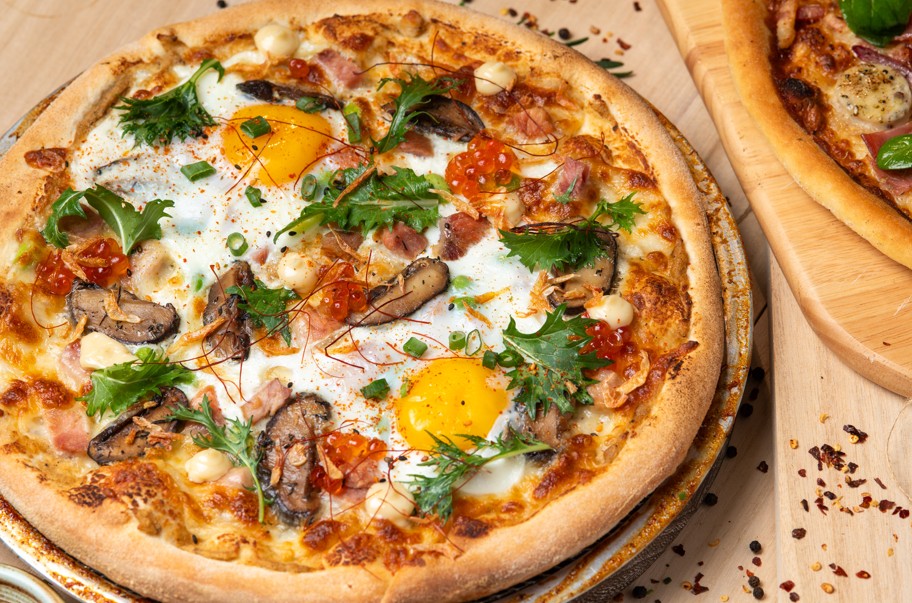
    Smoked Tuna Belly with Free Range Egg (HK$198) is the headlining pizza of the house, with gorgeous gooey, yolky egg highlighting a rich topping of tuna, shiitake, salmon roe, edamame, sakura shrimp and teriyaki eggplant paste. A premium surf and turf offering of M6 Wagyu Beef & Prawn (HK$208) with asparagus and capsicum; and Seafood Supreme (HK$198) embracing fresh seaside aromas and flavours of scallop, shrimp, crab meat, cuttlefish and mussel are other must-order pizzas.

    Beef Tartare (HK$168) with truffle cream on a toasted baguette; Roasted Octopus (HK$168); Garlic Prawn (HK$128) with a chilli kick served with sourdough; and House Spiced Chicken Wing (HK$108) stand out among the appetiser selections.

    Chef’s pasta recommendations include Tiger Prawn Linguine (HK$198) in a rich lobster cream sauce, the classic Linguine Alle Vongole (HK$178) with clams, white wine butter sauce, chilli and parsley, and Italian Sausage Rigatoni (HK$172) with pancetta, tomato cream, parmesan and a healthy crunch of kale and pea. The beloved Braised Pork Belly & Pumpkin Risotto (HK$178) features generous chunks of pork belly and roasted pumpkin, with kale, hazelnut and pumpkin seeds.

    Carnivores will enjoy the juicy USDA Black Angus Ribeye Steak (300g, HK$388) served with fries, roasted wild mushrooms and garlic herb butter; Slow-cooked Pork Rack (HK$248) is paired with tangy braised red wine cabbage, silky potato purée and caramelised apple; and an attractive Wagyu Beef Burger (HK$182) has all the expected accompaniments.

    Delicious new arrivals and house specials are available in Combo Sets for sharing on Saturday, Sunday and public holidays – choose 1 snack, appetiser and main for 2 people at HK$458, or 2 of each for HK$928 for 4 diners. Coffee or tea is included, with upgrades to speciality drinks for HK$18 each or HK$30 for a glass of house wine, Prosecco or a cocktail or mocktail. Dinner Sets are priced at HK$598 for 2 and HK$1,198 for 4, offering great value for weekday indulgence after 6:00 p.m. (excluding public holidays). Lunch Sets, served from 12 noon to 3:00 p.m., start at HK$128 per person and comprise a starter and a main, with dessert at 50% off.

    The beverage menu has been refreshed, featuring vibrant cocktails and mocktails ideal for summer. Priced at HK$82 each, premium cocktails are crafted in-house, including the tropical The Enchanted Garden with white rum, peach liqueur, coconut water, butterfly pea tea and lemon juice. The Darker Secret combines gin with hibiscus and lemon, while The Belly Button mixes vodka, apple juice, lemon juice and kiwi.

    Mocktails (HK$72 each) are equally imaginative, such as Bed of Roses, a blend of jasmine tea, butterfly pea tea and coconut water with a milky head and edible petals. Tuscan Afternoon combines green grape pulp and cranberry juice with lemon and rosemary, while Mango & Orange Nojito boasts fresh fruits and mint leaves. Happy Hour enlivens each day with rotating promotions.

    Gelato Milkshakes (HK$78) are house signatures made with premium Bonne Nature gelato, featuring rich Valrhona chocolate and flavourful Adamance fruit purées. Topped with cream and colourful accents, flavours include Chocolate with Guanaja 70%, Strawberry using wild strawberry purée, and White Chocolate Lotus Biscoff combining Dulcey 35% and caramelised biscuit.

  • Sichuan Rouge to Open Soon in Midtown, Causeway Bay Celebrating a Spectrum of Regional Flavours

    Sichuan Rouge to Open Soon in Midtown, Causeway Bay Celebrating a Spectrum of Regional Flavours

    Sichuan Rouge, a vibrant new culinary gem, is set to open in early July 2025 at Soundwill Plaza II, Midtown, Causeway Bay. Helmed by renowned Sichuan chef Hu Taiqing and homegrown veteran Kenny Chan, the restaurant aims to showcase the true essence of affordable, fine Sichuan cuisine. With authentic ingredients sourced from Sichuan province and Chongqing, the team will challenge the notion that Sichuan food is solely about numbing spiciness, or mala, presenting instead a rich and complex array of flavours.

    Spanning ​​more than 1,000 sq. ft, Sichuan Rouge’s interior design is inspired by the glamorous nightlife hotspot of Shek Tong Tsui in 1930s’ Hong Kong. Taking its lead from antique Chinese hard-wood cabinets and traditional Sichuan architecture, the space is dressed with dark wood-grained tables and chairs, a wooden archway and beams bedecked with Chinese lanterns, ornate carved window frames and old-fashioned neon signs – transporting diners back to an era of rich sentimentality. The main colour palette of deep, decadent reds extends from wall panels hand-painted with floral motifs to crimson velvet upholstered seating. Soft orange-red wall lighting reflects the vivid, lively essence of Sichuan cuisine.

    The main dining room seats a total of 76 people, with diners also invited outside to the terrace of its sister restaurant, modern Hong Kong hot-pot destination A Smoking Affair, to experience a unique Sichuan-style happy hour with beautiful views of Victoria Harbour.

    Lauded as a Culinary Master of China, Chef Hu Taiqing is an iconic figure in Sichuan gastronomy, known for his contemporary flair and crowd-pleasing hotpot brands. In a glittering career spanning more than 30 years, he has won numerous honours, including the ‘Gold Award’ in the 7th China Hotel Industry Professional Skill Competition – Sichuan District, and the ‘King of Chef’ award in the very first edition of a competition for famed chefs and restaurants in China. Chef Hu regularly serves as a guest lecturer and competition judge and appears on television food shows in mainland China, further consolidating his elevated status in the industry.

    Known locally as the walking dictionary of contemporary Sichuan cuisine, Chef Kenny Chan hails from a family of culinary artists who once operated a Sichuan bean-paste factory in Hong Kong. In his nearly 60 years as a chef, he has led the kitchens of many former top-rated Sichuan restaurants, including the Michelin-recommended Yunyan, Lumiere Sichuan Bistro + Bar, Sze Chuen Lau in Wanchai, and the World Trade Center Club. Among the culinary highlights of his distinguished career has been cooking for global political and business celebrities and hosting banquets for visiting British royal family members such as the Prince of Wales and the Duke of Edinburgh.

    Revered for its “hundred dishes and hundreds of flavours”, the complexity of Sichuan cuisine stems from the clever and careful use of local spices – an art of seasoning perfected over more than 3,000 years. There are 24 classic Sichuan flavour profiles, each imbued with the wisdom of the region’s Ba-Shu food culture, and achieved through precise matching of key ingredients. At the heart of the cuisine are the three peppers – the palate-numbing Sichuan pepper, hot and spicy chilli pepper, and pepper – and the golden trio of spring onion, ginger and garlic.

    Sichuan Rouge is committed to revealing the region’s authentic but less well-known flavour essences, while layering the menu with the creativity of its master chefs and an integration of Chinese and Western cultures. A bouquet of more than 40 spices and herbs imported from Sichuan and Chongqing infuses a feast of appetisers, soups, classic hot dishes, authentic rice and noodle preparations, and desserts, all showcasing the wonderful diversity of Sichuan flavours.

    Among must-try appetisers are Razor Clam with Sichuan Peppercorn, combining the plumpest razor clams with a refined sauce delivering spicy and numbing flavours; and the popular Chengdu street food of Sliced Beef and Ox Tripe in Chilli Sauce, whose secret recipe of red chilli oil with a splash of Baoning black vinegar has the perfect ratio of spiciness and sourness. Other highlights include the melt-in-the-mouth Deep-Fried Sliced Beef with Sichuan Peppercorn and Rock Salt; Chilled South African Abalone with Hangzhou Chilli; Young Pigeon with Pepper, and more.

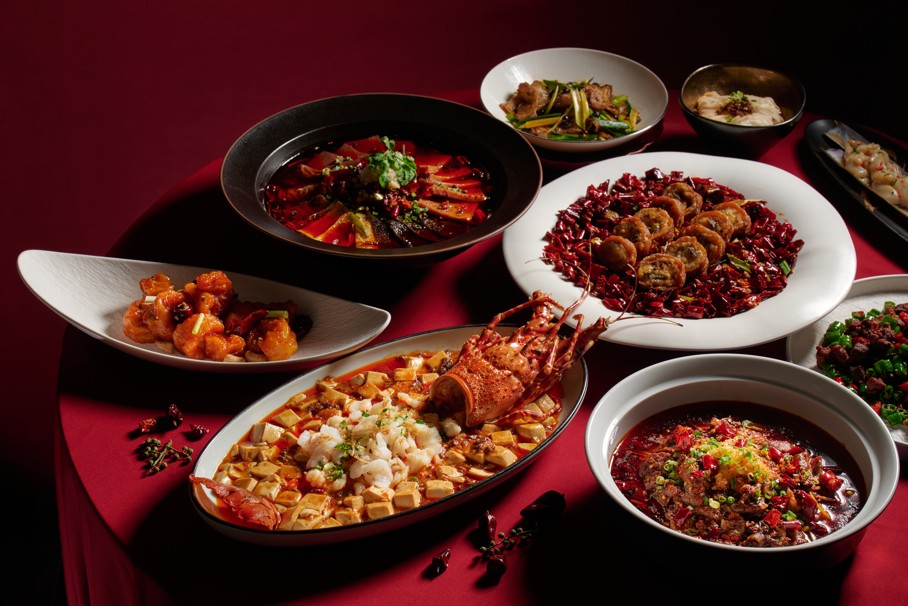
    The menu is grounded in an array of home-style main dishes including the invitingly spicy Smoked Eel Wrapped with Fried Pork Intestine, which embodies the craftsmanship of the chefs. Smoked boneless local white eels are stuffed with chitlins marinated in fermented chilli bean paste, then diced and garnished with fried chillies. Featuring abalone and prawns, Duck Blood in Chilli Sauce is a luxurious take on a street-food tradition, while Mapo Tofu with Lobster pairs a lobster weighing approximately one catty with tender, silky tofu doused in hot red oil, resulting in spicy, fresh aromas and a delightful lingering aftertaste. 

    Rich in flavour and texture, Sautéed Prawn with Chilli Sauce is crispy on the outside and tender on the inside. Savoury and mellow on the palate,Twice-Cooked Pork with Black Bean and Soybean Paste is packed with Sichuan farm flavours. Sichuan Style Boiled Hand Cut Beef is similarly authentic, the meat imparting soft, spicy freshness as it ignites the taste buds.

    “Since ancient times, the Sichuan Basin has been called the ‘Land of Abundance’, thanks to its vast fertile land. Chilli peppers were not introduced to China until the late Ming Dynasty, so traditional Sichuan cooking featured milder and more nuanced flavours compared to the bright red, spicy profile widely known today,” says Chef Kenny Chan. “Chef Hu and I are excited to bring diners the original, diverse flavours of this glorious cuisine – a regional treasure that is in urgent need of rediscovery.”

    “Chef Chan and I have carefully curated a menu of many classic Sichuan dishes beloved for their variety of flavours. We hope gourmets from all around the world will come to Sichuan Rouge to appreciate the true essence of Sichuan cuisine and understand that its richness is not limited to numbing spices,” says Chef Hu Taiqing.

    Located on the 27th floor of Soundwill Plaza II, Midtown, 1-29 Tang Lung Street, Causeway Bay, Hong Kong, Sichuan Rouge will celebrate its soft opening in early July 2025. Initially, à la carte dishes will be served during the operating hours of 12 noon to 11 pm daily, with the launch of a dedicated lunch menu to follow in early August 2025.

  • Malaysia Expands Durian Horizons: Introducing Premium Varieties Beyond the Beloved Musang King

    Malaysia Expands Durian Horizons: Introducing Premium Varieties Beyond the Beloved Musang King

    In a bid to elevate its status on the global stage, Malaysia is setting its sights on spotlighting premium durian cultivars, including the Black Thorn, Red Prawn, and Hajah Hasmah. According to Datuk Nor Sam Alwi, director-general of the country’s Department of Agriculture, these lesser-known varieties are undergoing evaluations for future certification and export readiness, focusing on their flavor profile, texture, shelf life, and suitability for long-distance shipping.

    China, the top consumer of durians globally, is particularly interested in these exclusive variants, with consumers willing to pay a premium for quality. To facilitate this ambitious plan, the Department of Agriculture is diligently working to register more local cultivars and perform vital agronomic assessments.

    On top of this, the department is ramping up efforts to ensure Malaysian farms meet the stringent import standards of their international buyers. This includes compliance with pest control measures, robust traceability systems, and comprehensive export certification schemes.

    Abdul Rashid Bahri, director-general of the Federal Agricultural Marketing Authority, pointed out that other elite varieties like IOI and D9 are also undergoing assessments to ensure they comply with the phytosanitary and quality standards expected by export markets, particularly China. Moreover, the agency is actively looking to expand durian exports to new territories, including the U.K., Canada, the UAE, Australia, and the Netherlands.

    The durian, often hailed as the “king of fruits,” garners a staggering array of commercially available cultivars—over 200 registered varieties in Malaysia alone. Musang King, long celebrated as the nation’s prized export, remains fiercely protected under Malaysian intellectual property laws, recently renewed for another decade.

    Yet, the landscape is shifting with the emergence of newer varieties like the pricey Tupai King, which have shaken up the traditional dominance of Musang King. Beyond these rising stars lies an even broader kaleidoscope of lesser-known durians, such as Hor Lor, Mas Hijau (Green Gold), and the D24 (Sultan).

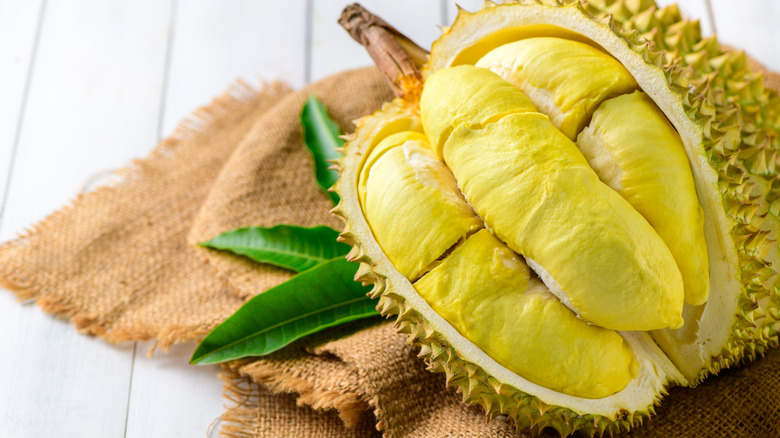
    Consumer appetite for diverse flavors is surging, with many seeking out regional and distinctive kampung durians. The Malaysian Agricultural Research and Development Institute (MARDI) is capitalizing on this trend by developing new hybrid varieties that cater to both local tastes and international markets. A standout in this effort is the MDUR 88, a cross between D10 and D24, boasting a golden yellow hue and a creamy texture that draws favorable comparisons to Musang King.

    Promoted for export under the catchy moniker “MARDI Super 88,” this hybrid is seen as a potential game-changer. “Our hybrids, especially MDUR 88, possess the quality needed to compete internationally,” said MARDI representatives.

    In recent years, Malaysia’s durian production has surged, with expectations to reach nearly 570,000 tons this year, up from 390,635 tons in 2020. Currently, the nation has around 92,000 hectares devoted to the fruit, a significant increase from 70,000 in 2019.

    As the industry continues to expand, 2023 marks a pivotal year with Malaysia exporting 54,374 tons of durians worth RM1.51 billion (US$357 million), with China accounting for nearly half of this export volume. A notable milestone involved securing permission from Beijing to export fresh durians, a leap from the previous limitations of frozen shipments.

    Tan Sue Yee, CEO of Malaysian exporter Top Fruits, emphasizes the company’s shifting focus toward more premium varieties like D198, Golden Phoenix, and IOI. “Finding the right variety and the correct quantity is crucial for our export goals,” he stated, highlighting the balance between quality and demand.

    Adviser Lim Chin Khee from the Durian Academy applauds Malaysia’s pivot toward premium markets, asserting that the country is strategically leveraging its strengths. “Targeting high-end durians is the ideal path forward for us,” he remarked. “Indeed, charging more for superior quality is a wise move.”

    Questions & Answers

    What premium durian varieties is Malaysia focusing on for export?
    Malaysia is highlighting lesser-known cultivars such as Black Thorn, Red Prawn, and Hajah Hasmah, which are being evaluated for their export potential.

    How has durian production changed in Malaysia in recent years?
    Durian production in Malaysia is expected to rise to nearly 570,000 tons this year, up from 390,635 tons in 2020, reflecting a growing industry.

    What new market opportunities are being explored for Malaysian durians?
    Malaysia is looking to expand its durian exports to new markets such as the U.K., Canada, the UAE, Australia, and the Netherlands, in addition to strengthening its ties with existing markets.

  • Celonis And Peech Unveil Innovative Solution To Curb Perishable Goods Loss In Retail Industry

    Celonis And Peech Unveil Innovative Solution To Curb Perishable Goods Loss In Retail Industry

    A new inventory management solution developed by Celonis and Peech has been launched to help retailers and consumer packaged goods companies reduce waste and revenue loss from perishable goods.

    The product, called the Celonis Inventory Lifecycle Optimisation app, is designed to enhance how businesses manage perishable items, including fresh produce and baked goods, by improving the effectiveness of price markdowns before products reach the end of their shelf life.

    Price adjustments for perishable goods are a key part of inventory management and have a direct impact on reducing unnecessary food waste. However, existing inventory management systems often lack mechanisms to track whether established markdown procedures are being correctly followed. This gap can lead to missed markdown opportunities, resulting in product disposal that diminishes stock and affects revenue.

    New inventory solution from Celonis and Peech enables retailers to reduce perishable goods losses

    Retailers and consumer packaged goods companies will be able to reduce product waste and lost revenue with the launch of a new solution co-developed by Process Mining leader Celonis and tech company Peech.

    The Celonis Inventory Lifestyle Optimisation app optimises the process of managing perishable inventory.

    Adjusting, or marking down, the price of products with a limited shelf life, such as fresh produce and baked goods, is a critical aspect of inventory management. It’s also critical for reducing food waste.

    Traditional inventory management systems can identify perishable products that are at risk of expiring, but they lack the ability to track adherence to standard markdown processes. Missed markdown opportunities can result in needless product disposal, which leads to inventory loss (or shrinkage) and negatively affects revenue.

    Dean Tarpley, Industry Principal for Retail & CPG at Celonis, said retail and CPG’s incredibly tight margins leave no room for operational inefficiencies.

    “The Inventory Lifecycle Optimisation app enables organisations to identify process improvement opportunities, take action to increase markdown adherence, and monitor the effectiveness of those efforts.”

    Anmol Gupta, Founder and CEO of Peech, said: “By bringing Celonis Process Intelligence to the inventory lifecycle process, we were able to create a solution that lets retailers and CPG companies answer the question, ‘Did we do everything possible to sell the inventory before it goes bad?’ whether it’s a loaf of bread on the grocery store shelf or cosmetics waiting for delivery in the warehouse.”

    A leading global retailer that is using the solution to minimise shrink in perishable inventory, has improved its sell-through rate by 2% leading to a projected $35 million in recaptured revenue.

    The company, which has more than $200 billion in annual revenue, found that its stores were not properly executing against defined processes for discounting limited shelf-life goods within bakery, meat, prepared foods, and other departments. Non-adherence was leading to lost sales opportunities, increased wastage, and compliance risks.

    Using the Inventory Lifecycle Optimisation app, regional managers are now able to identify products, stores, and departments falling behind regional benchmarks in program compliance. They can also get insights on a weekly basis to guide staff conversations for markdown process adherence improvement. The solution is being scaled across 4,000 stores and the company expects meaningful gains in process compliance.

    The app identifies and quantifies missed revenue opportunities by tracking markdown adherence and highlighting areas for improvement. It provides:

    • Increased visibility for data-driven improvements: Monitoring shrink prevention processes across all levels of the business, companies get in-depth insights to better identify and understand adherence improvement opportunities. Main View that tracks compliance and performance at the region, market, store, department, and even associate levels, enabling targeted process interventions.
    • Better tracking of intervention effectiveness: Companies can observe the impact of process changes over time, with a user-customised targeted view on the specific areas they care about most. Once interventions are made, a Monitoring View lets companies track the impact of their process improvements over time, in both relative rate and recaptured revenue contexts.
    • Customised reporting: Companies can use insights from the app to drive impactful process improvement conversations through built-in user-specific notifications. Customers can elect to have scheduled notifications that highlight the improvement of the stores, departments, etc. sent to managers and decision makers (via Celonis Action Flows).

    The app is the latest addition to the Celonis Platform Apps Program, enabling companies to quickly realise value with solutions built by ecosystem partners on the Celonis Process Intelligence Platform.


  • Lychee Farmers Brace for Hardships as Prices Plummet Below $1 Per Kilogram

    Lychee Farmers Brace for Hardships as Prices Plummet Below $1 Per Kilogram

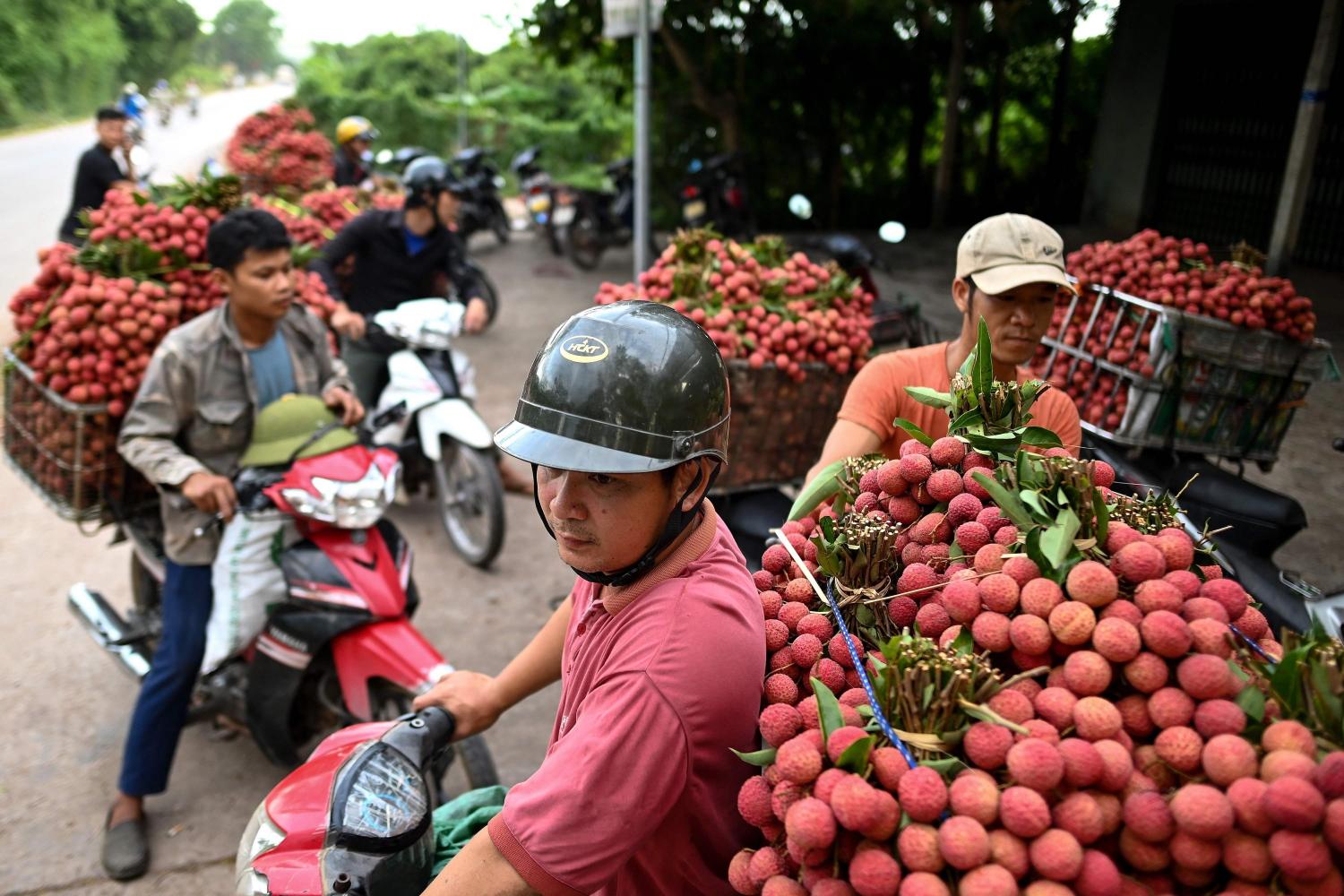
    Fruits from certified export orchards in Vietnam now command prices between VND25,000-30,000 per kilogram, a drop from VND35,000-40,000 at the season’s outset. Luc, a seasoned lychee farmer from Bac Giang Province’s Luc Ngan District—the country’s leading lychee producing region—revealed that prices have plummeted by a third compared to last year, putting his profit margins at risk.

    Despite producing high-quality lychees from his one-hectare orchard, Luc warns he may barely break even if market prices do not rebound. Growers report that the production cost for a kilogram of lychee, including packaging, hovers between VND8,000-12,000. In southern Vietnam, retail prices range from VND25,000-40,000 per kilogram, reflecting a nearly 30% dip from earlier this month and a staggering 50% drop compared to the same time last year.

    Giang, another farmer from Hai Duong Province’s Thanh Ha District, explains that an oversupply of lychees coupled with fierce competition from other tropical fruits has contributed to the current price slump. The situation has been exacerbated by a 26.6% year-on-year decline in lychee exports during the first four months of this year, with 17 markets pulling back on imports, notably the Netherlands and France, which reduced purchases by 84% and 40%, respectively. However, markets such as the U.S. and China have seen increases in demand, ranging from 25% to 116%.

    Transportation costs, propelled by ongoing tensions in the Middle East, have also played a significant role in suppressing imports. Competing with Vietnam, China has stepped up its own lychee exports, putting additional pressure on the market.

    This year, Vietnam’s lychee output is projected at about 250,000 tons—up 25% from 2022—with Bac Giang accounting for a substantial 165,000 tons. Yet, since the season launched, the province has managed to sell only 13,000 tons locally, with export figures remaining modest.

    In a move to ease the situation, the Bac Giang Department of Industry and Trade is advocating for processing initiatives, such as drying, juicing, or freezing the fruit, as a strategy to broaden sales channels. They launched a promotional program in both Hanoi and Ho Chi Minh City this week, aiming to boost the visibility and demand for this seasonal delicacy.

    Questions & Answers

    How has the lychee market in Vietnam changed this year?
    This year, Vietnam’s lychee market has experienced a significant downturn, with prices dropping by a third compared to last year, largely due to oversupply and competition from other fruits.

    What factors are affecting lychee exports from Vietnam?
    Lychee exports have fallen due to reduced demand from several markets, including notable decreases from the Netherlands and France, alongside rising transportation costs and increased competition from Chinese lychee exports.

    What steps is Bac Giang Province taking to improve lychee sales?
    Bac Giang Province is encouraging businesses to process lychee into products like dried fruit and juice to diversify sales channels, while also rolling out promotional programs in major cities like Hanoi and Ho Chi Minh City.

  • Vietnam to Inspect Cooking Oil Producers After Uncovering Animal-Feed Oil Scandal

    Vietnam to Inspect Cooking Oil Producers After Uncovering Animal-Feed Oil Scandal

    In a proactive move to bolster food safety, Vietnam’s Industry Agency announced plans to conduct thorough inspections at oil production facilities, particularly focusing on smaller establishments that may lack adequate safety certification. This initiative aims to address growing concerns over substandard cooking oils entering the market.

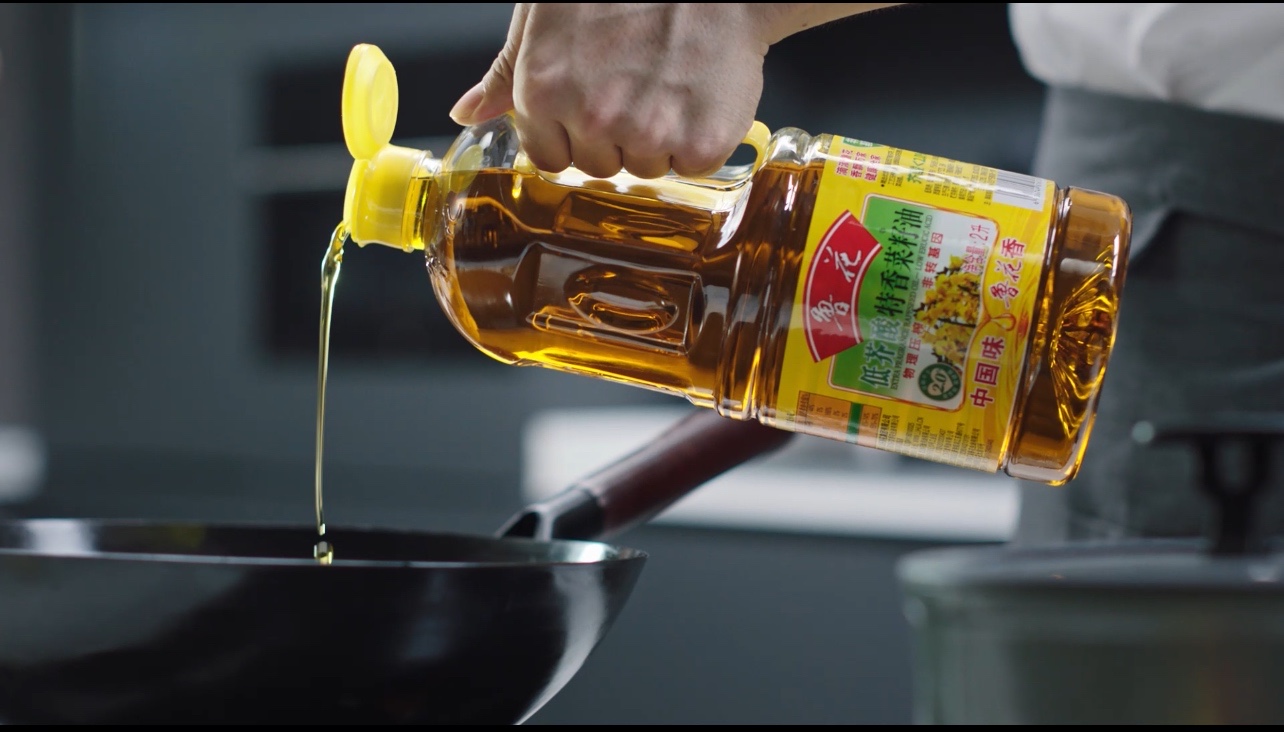
    Following a significant crackdown on adulterated cooking oil, notably a case involving Nhat Minh Food Production and Import-Export Co., the Ministry of Industry and Trade is ramping up its market oversight. Reports revealed that authorities in northern Hung Yen Province discovered the company had unscrupulously imported seed oil meant for animal feed, rebranding it as “OFOOD” to pass it off as cooking oil. The mislabeling scam has reportedly led to the sale of tens of thousands of tons of this fake cooking oil, predominantly to industrial kitchens, restaurants, and food processing units.

    The deceptive seed oil lacks essential food safety and hygiene standards and is devoid of nutritional value, raising alarms about consumer safety. While the ministry acknowledged that Nhat Minh had submitted a self-declaration for its seed oil product, it also noted the absence of a food safety certificate, leading to further scrutiny. Intriguingly, despite the alarming findings, local authorities had not previously raised concerns regarding the company’s operations, making this revelation all the more startling.

    Now, the ministry is determined to investigate thoroughly, promising to safeguard the food industry and restore confidence among consumers. In a previous enforcement action, authorities seized 71,000 liters of illegitimate cooking oil and 40 tons of counterfeit monosodium glutamate (MSG) in Phu Tho, products that had infiltrated various sales channels, including social media and local markets within industrial zones. The trend of uncovering substandard and adulterated food products suggests a deeper issue within the food supply chain.

    The risks associated with consuming unsafe food extend beyond immediate health issues such as diarrhea and food poisoning. Long-term effects like liver and kidney damage, reproductive health disorders, and other complications from chemical or microbial contamination pose serious threats to public health, significantly straining healthcare resources.

    Vietnam’s cooking oil market, with an annual demand of 1.5 million tons, represents a substantial economic segment, valued at approximately VND30 trillion (US$1.15 billion). As scrutiny intensifies, the hope is that stronger regulations will ensure that consumers no longer have to play detective in their quest for safe food options.

    Questions & Answers

    What prompted the inspections of cooking oil production facilities in Vietnam?
    The inspections were initiated following a significant scandal involving Nhat Minh Food Production, which sold adulterated cooking oil labeled as safe despite being made from seed oil intended for animal feed.

    What health risks are associated with consuming substandard cooking oils?
    Consuming unsafe cooking oils can lead to immediate health issues like diarrhea and food poisoning, as well as long-term risks such as liver and kidney damage and reproductive health disorders due to contamination.

    How large is Vietnam’s cooking oil market?
    Vietnam’s cooking oil market has an annual demand of 1.5 million tons, translating into a market value of around VND30 trillion (US$1.15 billion).

  • Starbucks Refutes Rumors of a Complete Sale of Its China Operations

    Starbucks Refutes Rumors of a Complete Sale of Its China Operations

    Starbucks has ignited speculation by initiating discussions with over a dozen potential buyers for its China operations, as reported by Caixin. However, amidst this buzz, the company has clarified that a complete sale is not on the table.

    Not Selling the Farm — Yet

    “I can confirm Starbucks is not currently considering a full sale of its China operations,” a company spokesperson stated. This directive comes in the wake of a formal sale process that Starbucks commenced in May 2023, inviting interested parties to submit their proposals by last week.

    What’s Brewing Behind the Scenes

    Under the guidance of Goldman Sachs, Starbucks is on a quest to learn more about the corporate cultures and management styles of potential buyers, while also assessing their sustainability practices, employee treatment, and overall business strategies for Starbucks China. Insiders familiar with the matter, who spoke on condition of anonymity, suggested the retail giant has yet to determine whether it will sell a controlling or minority stake in its operations.

    Evaluating the Landscape

    Despite the uncertainty, Starbucks has received interest from more than 20 institutional investors, including private equity firms eager to carve out a piece of the Starbucks pie. The potential move comes after a notable dip in market share for the brand, which fell from 34% in 2019 to a mere 14% by 2024, according to Euromonitor International. With lower-priced competitors like Luckin and Cotti aggressively challenging Starbucks’ pricing strategy, the American coffee titan faces increasing pressure to adapt.

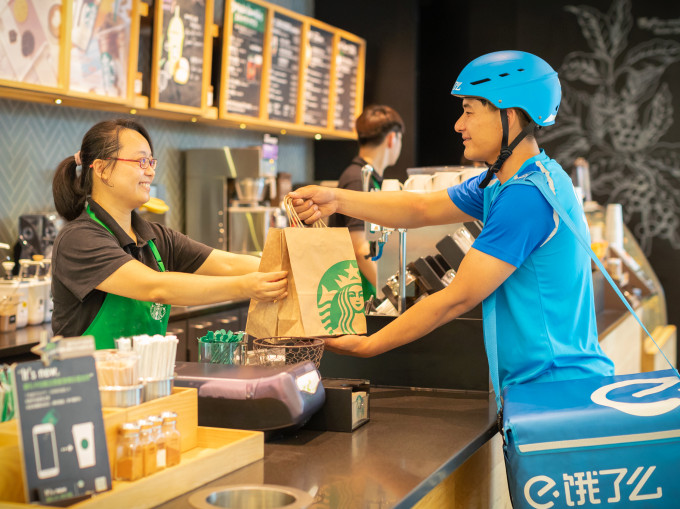
    This transition is not just numbers on a spreadsheet; it’s reflective of changing consumer preferences in a market increasingly defined by affordability and accessibility. In a twist of irony, while Starbucks is pulling back on prices—marking its first-ever price drop in China for non-coffee iced drinks earlier this month—challenges abound as e-commerce giants in China further erode market pricing by offering consumers subsidies on food delivery, allowing coffee enthusiasts to pay as little as 5 yuan for their caffeine fix delivered to their door.

    Charting a Path Forward

    Starbucks has poured substantial investment into its China operations, exemplified by the launch of its 1.5 billion yuan ($209 million) Coffee Innovation Park in Kunshan in 2023, aimed at supplying its expansive store network. As the company continues its dialogues with potential investors, it is expected that a shortlist of buyers will soon be formed. “The purpose was to let everyone tell their story freely and choose whatever the best prospect is and proceed,” one insider noted.

    Questions & Answers

    What prompted Starbucks to consider selling part of its China operations?
    Starbucks is navigating a rapidly evolving market in China, having lost significant market share to lower-priced competitors, which has raised questions about its pricing strategy and long-term prospects.

    How has the competition impacted Starbucks in China?
    Starbucks has seen its market share plunge from 34% in 2019 to 14% in 2024, thanks to fierce competition from fast-growing rivals offering cheaper options.

    What recent steps has Starbucks taken in response to pricing pressures?
    Earlier this month, Starbucks implemented its first-ever price drop in China, lowering the cost of some non-coffee iced drinks by an average of 5 yuan to stay competitive.

  • Coconut Prices Soar to $7 a Dozen: What This Means for Retail and Consumers

    Coconut Prices Soar to $7 a Dozen: What This Means for Retail and Consumers

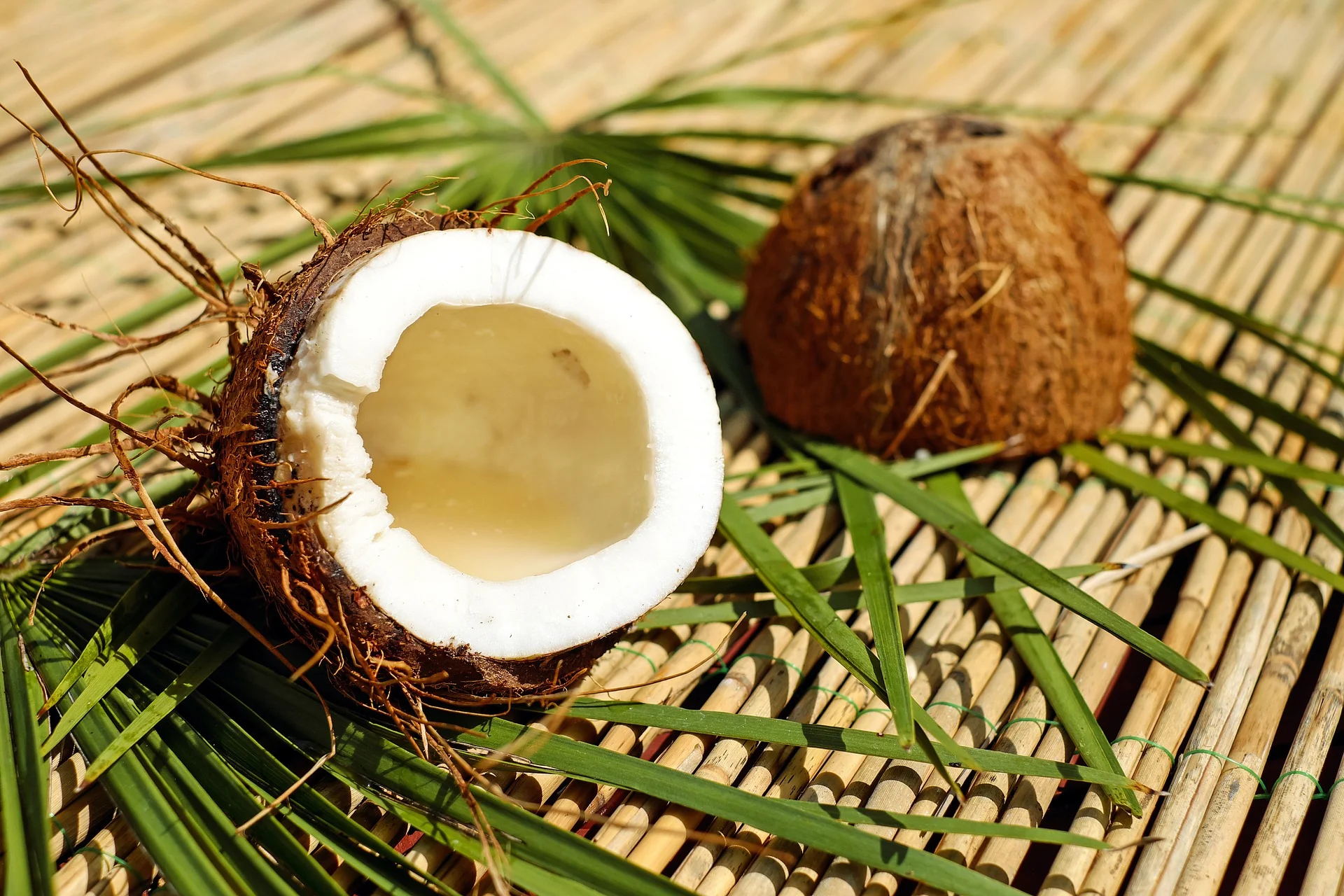
    Coconut prices have soared six-fold since 2022, reaching VND190,000 (US$7.26) per dozen, driven by soaring global demand.

    Soaring Demand Meets Shrinking Supply

    According to the Vietnam Coconut Association, the appetite for coconut-derived products—including food, cosmetics, and biofuels—is expanding rapidly. Yet, this booming demand stands in stark contrast to the declining coconut output in Vietnam, a situation exacerbated by climate change, persistent droughts, pests, and outdated farming practices.

    Farming Challenges Highlighted

    Investments in proper crop care remain woefully low; only about 20% of coconut farmers engage in necessary fertilization and pest control, leading to unsatisfactory and erratic yields. Most farmers opt for a more laissez-faire approach, allowing their trees to grow naturally, which contributes to the ongoing supply crunch.

    Global Markets Pivot to Vietnamese Coconuts

    The U.S. officially welcomed fresh coconut imports from Vietnam in 2023, adding to existing exports to China and a surge in purchases from various Middle Eastern nations. These international openings have tightened domestic supply and propelled prices upward, according to Cao Ba Dang Khoa, General Secretary of the Vietnam Coconut Association.

    While the rise in prices signals a potential boost to farmers’ incomes, it presents difficult challenges for processing companies, which find it hard to increase their prices in an intensely competitive global market. Notably, prices are also climbing in neighboring coconut-producing nations such as Thailand, Malaysia, the Philippines, and Indonesia.

    A Thriving Industry in the Face of Challenges

    Vietnam boasts over 200,000 hectares dedicated to coconut cultivation, yielding approximately two million tons annually. The processing sector has witnessed impressive growth, expanding from just eight facilities in 2015 to 45 by 2024. Prominent firms like Betrimex, Luong Quoi, and Beinco are adopting modern technologies to adapt to this evolving market landscape.

    As the coconut industry lumbers forward, it seems we may be witnessing the rise of the “water of life” from the tropics—because who could resist those benefits?

    Questions & Answers

    What is driving the rising price of coconuts in Vietnam?
    The surge in coconut prices is largely attributed to increasing global demand for coconut-based products, combined with a decline in domestic supply due to factors like climate change and inadequate farming practices.

    How has the processing sector adapted to these market conditions?
    The number of coconut processing facilities has escalated from eight in 2015 to 45 in 2024, with companies investing in modern technologies to enhance efficiency and meet growing demand.

    What challenges do farmers face in coconut cultivation?
    Many farmers struggle with consistent yields due to outdated farming techniques, with only a minority investing in essential crop maintenance practices such as fertilization and pest control.

  • Vietnam Coffee Prices Plunge 14% in a Week as Global Market Reaches Yearly Low

    Vietnam Coffee Prices Plunge 14% in a Week as Global Market Reaches Yearly Low

    In the Central Highlands provinces of Dak Lak, Gia Lai, and Kon Tum, coffee prices have taken a significant dip, plummeting 30% from the peak of VND135,000 reached in March. This downward trend in coffee prices is not limited to Vietnam; it mirrors a broader decline seen across the global market in recent months.

    Currently, Robusta coffee for September delivery is priced at $3,737 per ton, while Arabica fetches $6,950. The cause of this price shift can largely be traced back to Brazil, the world’s foremost coffee exporter, which initiated its harvest in May, yielding more than anticipated. This surplus has contributed to a notable increase in global supply, putting further pressure on prices.

    In Asia, Indonesia is ramping up its robusta exports in response to rising production levels, adding to the already steep competition and exerting downward pressure on prices. It’s a classic case of supply and demand, where larger harvests create a buyer’s market. Meanwhile, as global capital flows gravitate toward the stability of the U.S. dollar amid economic uncertainties, coffee—priced in dollars—has become comparatively more expensive for consumers using other currencies. This shift has dampened international demand, prompting necessary price corrections.

    In light of these market conditions, coffee sellers are keen to capitalize on quick sales, actively seeking to ensure profits which, in turn, has accelerated the short-term decline in prices. Despite these challenges, the U.S. Department of Agriculture predicts that Vietnam’s coffee production for the 2025-2026 season will reach 31 million bags, a 6.9% increase from the previous year.

    Farmers in key growing regions like Dak Lak and Kon Tum are finding reason for optimism this year, buoyed by favorable weather conditions that have thus far limited the impacts of climate change on their crops. Notably, plantations that were replanted four years ago are now entering a high-yield phase, reinforcing production forecasts.

    Vietnam’s coffee exports have also been strong, with the country shipping 823,900 tons in the first five months of 2025, raking in $4.7 billion, according to the Ministry of Industry and Trade. This translates to an average export price of $5,709 per ton—including processed coffee—a staggering 63% increase year-on-year. Major markets driving this demand include Germany, Italy, Spain, the U.S., and Japan. Emerging markets in the Middle East, Africa, and the Americas are also stepping up, making significant contributions to Vietnam’s burgeoning coffee export landscape. Hold onto your coffee cups; the retail brew scene is definitely brewing up a storm.

    Questions & Answers

    What recent trend has been observed in coffee prices in Vietnam?
    Coffee prices in Vietnam’s Central Highlands have dropped by 30% from their March peak of VND135,000, reflecting a global decline in coffee prices.

    How is Brazil impacting global coffee supply?
    Brazil’s coffee harvest, which began in May, is exceeding expectations, leading to a substantial increase in global supply and putting downward pressure on coffee prices worldwide.

    What are the projections for Vietnam’s coffee production?
    The U.S. Department of Agriculture projects that Vietnam’s coffee production for the 2025-2026 season will reach 31 million bags, marking a 6.9% increase compared to the previous season.

  • Thai Billionaire Charoen Sirivadhanabhakdi Passes ThaiBev Stake to His Five Children in Strategic Family Move

    Thai Billionaire Charoen Sirivadhanabhakdi Passes ThaiBev Stake to His Five Children in Strategic Family Move

    Charoen Sirivadhanabhakdi, Thailand’s third wealthiest individual, has transferred his 66% stake in Thai Beverage to his five children, but retains full decision-making authority over the drinks conglomerate. In a significant move announced via the Singapore Exchange on Monday, Charoen maintains “the authority to manage and make all decisions regarding the business and assets” of Thailand’s largest beverage company, Thai Beverage.

    This decision raises intriguing questions about the future of Charoen’s vast business empire, which is valued by Forbes at approximately $10.2 billion. As the succession plan unfolds, the spotlight will be on how these dynamics shape the company in the years to come.

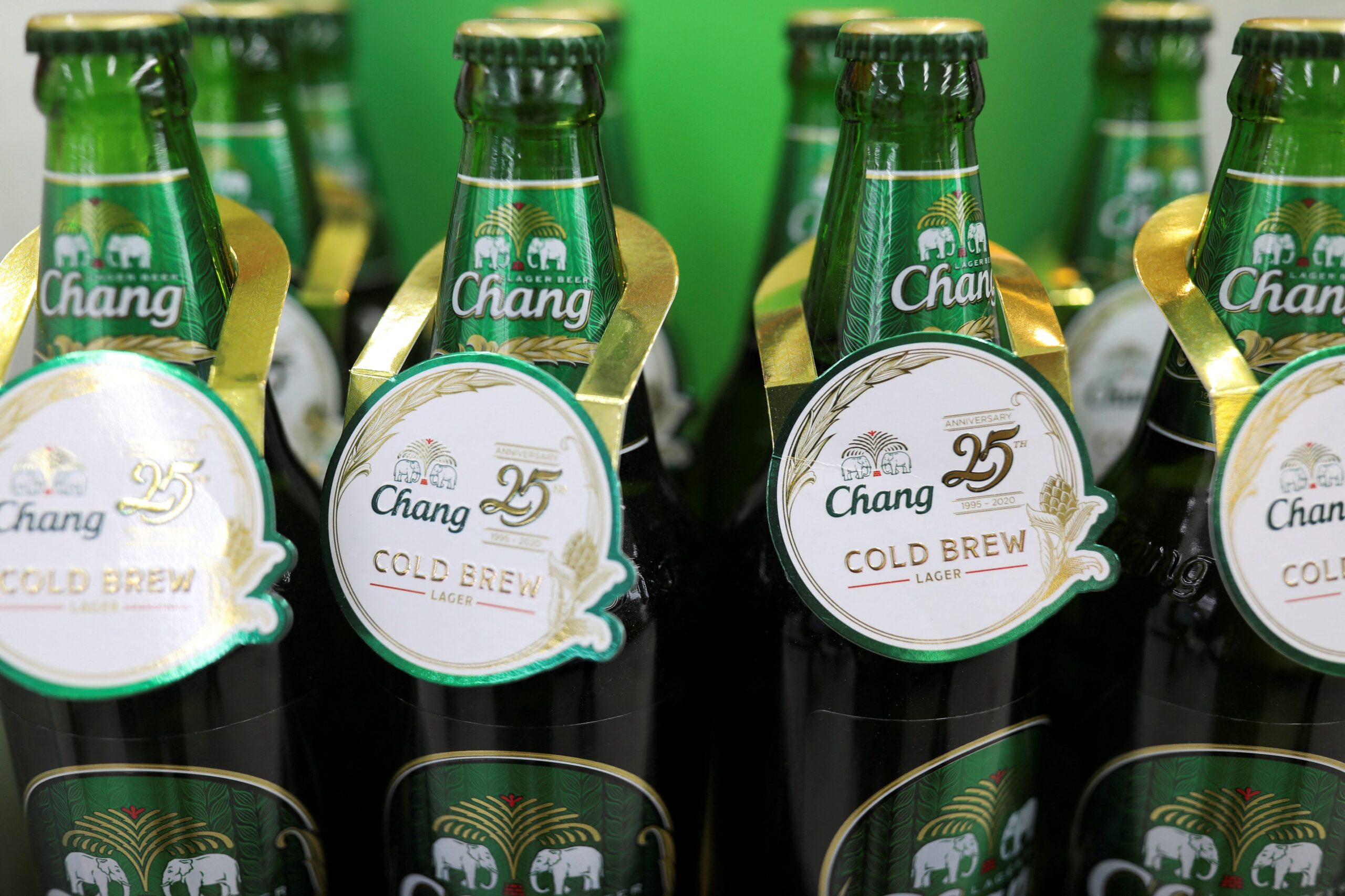
    Thai Beverage, famous for its Chang beer and distillation operations in Scotland, serves as a crucial foundation of Charoen’s wealth, also comprising the renowned Saigon Beer through its Vietnamese subsidiary, Sabeco.

    Among his heirs is Thapana Sirivadhanabhakdi, the elder son, who currently wears the dual hats of ThaiBev CEO and a key player in the company’s intricate labyrinth of operations.

    Last month, the elder Sirivadhanabhakdi facilitated a handover of ownership in several major listed firms to his five children, signaling a concerted effort towards a structured succession plan.

    The 81-year-old entrepreneur took a step back from active leadership, having stepped down as chairman of Singapore-based Fraser and Neave in January, followed by his retirement as chairman of Frasers Property in February. This gradual exit marks the beginning of a new era for his business ventures.

    Charoen, who embarked on his journey in the Thai beer market in 1995, has since extended his portfolio into real estate and hospitality, proving that he is indeed a master of diversification — talk about a man with a thirst for success!

    Questions & Answers

    What does Charoen’s transfer of stake mean for Thai Beverage?
    Charoen’s transfer of his 66% stake to his children indicates a shift towards succession planning, although he retains full management authority, ensuring stability during this transition.

    Who is Thapana Sirivadhanabhakdi and what is his role?
    Thapana is Charoen’s elder son and the current CEO of ThaiBev, positioned to take on greater responsibilities within the family business as succession progresses.

    How has Charoen impacted the beverage industry in Thailand?
    Charoen’s foray into the Thai beer market since 1995 laid the groundwork for his expansive beverage empire, making him a pivotal figure in Thailand’s beverage landscape and a key player in regional markets.

  • Alibaba Unites Food Delivery and Travel Divisions to Propel ‘Instant Retail’ Initiative Forward

    Alibaba Unites Food Delivery and Travel Divisions to Propel ‘Instant Retail’ Initiative Forward

    In a significant shift within its operational strategy, Alibaba Group has announced plans to merge its food delivery service Ele.me and online travel platform Fliggy into its China e-commerce business segment. This development, revealed by CEO Eddie Wu in an internal letter to employees on Monday, reflects a rollback of the company’s previously ambitious restructuring initiatives, signaling a keen focus on enhancing the efficiency of order fulfillment.

    A Strategic Upgrade in Focus

    “This marks a strategic upgrade as we transition from an e-commerce platform to a broader consumer platform,” Wu articulated, as reported by Nikkei Asia. This pivot is aligned with the e-commerce giant’s commitment to streamline operations and adapt to rapidly changing market dynamics. The integration of Ele.me and Fliggy into the core e-commerce unit is expected to foster a more cohesive approach to consumer services, tapping into the growing demand for integrated shopping experiences among Chinese consumers.

    Wu’s announcement comes as Alibaba navigates a competitive landscape marked by shifting consumer behaviors and economic uncertainties. The decision to streamline operations comes not just as an internal strategy, but as a necessary move to remain agile in a sector that demands quick adaptations and seamless customer service.

    The Bigger Picture of Consumer Demand

    As the company looks to redefine its role in the marketplace, the consolidation of these platforms underscores Alibaba’s recognition of the evolving consumer landscape. In recent years, the appetite for quick delivery and comprehensive service options has surged, making it essential for the e-commerce behemoth to integrate more responsive solutions into its repertoire.

    In a retail universe where customer expectations are as high as a skyscraper and competition often feels like a sprint, Alibaba is positioning itself to not just keep pace, but to set the tempo.

    Questions & Answers

    What prompted Alibaba to merge Ele.me and Fliggy?
    The decision stems from a strategic shift aimed at enhancing efficiency and better responding to the changing dynamics of consumer demand in the e-commerce market.

    How does this merger align with Alibaba’s broader goals?
    This merger reflects Alibaba’s transition from a traditional e-commerce platform to a more comprehensive consumer service provider, reinforcing its commitment to seamless customer experiences.

    What impact could this merger have on consumers?
    Consumers can expect a more integrated service offering from Alibaba, with improved order fulfillment and a potentially wider range of services available at their fingertips.

  • Yum China Unveils ‘Q-Smart’: The AI Assistant Transforming Restaurant Operations Efficiently

    Yum China Unveils ‘Q-Smart’: The AI Assistant Transforming Restaurant Operations Efficiently

    Yum China Holdings, Inc. has unveiled Q-Smart, a hands-free, AI-powered assistant aimed at streamlining daily operations for restaurant managers. This innovative tool employs voice interaction via wearable devices, such as smartwatches and wireless earphones, enabling managers to effortlessly tackle tasks like scheduling, inventory management, and food safety checks—no screens or hands required.

    Q-Smart responds to natural language commands and offers real-time support, drawing from Yum China’s extensive operational knowledge base. Currently being piloted in selected KFC outlets, the assistant helps monitor inventory against sales forecasts, notifies managers about reordering supplies, and guides them through equipment checks—all through simple voice interactions.

    This launch is a key element of Yum China’s ambitious digital transformation strategy. Since 2015, the company has implemented digital payment systems, developed a customer app, introduced AI decision-making tools, and embraced Generative AI solutions, boasting over 540 million digital members as of March 2025.

    The Q-Smart was officially announced during Yum China’s inaugural AI Day in Shanghai, where CEO Joey Wat also introduced a $13.9 million (100 million yuan) Frontline Innovation Fund to foster tech initiatives driven by employees. Adding to the excitement, an All-Staff Hackathon saw participation from nearly 200 teams spread across 30 markets—who wouldn’t want to pitch their tech ideas in a room buzzing with creativity?

    Questions & Answers

    What is Q-Smart and how does it work?
    Q-Smart is an AI-powered assistant that uses voice interaction through wearable devices to assist restaurant managers in managing day-to-day operations without the need for screens or manual tasks.

    Where is Q-Smart currently being piloted?
    The assistant is currently being tested in select KFC stores, where it aids in inventory monitoring, supply reordering, and issue resolution.

    What are some components of Yum China’s digital transformation?
    Yum China’s digital transformation includes the rollout of digital payments, a customer app, AI decision tools, and Generative AI solutions, which collectively have helped grow its digital membership to over 540 million by March 2025.

  • Singapore Durian Prices to Fall 30% as Malaysia Celebrates Peak Harvest Season!

    Singapore Durian Prices to Fall 30% as Malaysia Celebrates Peak Harvest Season!

    Durian enthusiasts are buzzing with excitement as the season unfolds, although the peak harvest is a tad late this year. Sam Ho, owner of Uncle Sam Durian at Clementi Market & Food Centre, anticipates a prime durian bonanza starting in July, which is expected to lead to a drop in prices. “Right now, we’re at the beginning of the season, and because the harvest is small, prices will be a bit higher,” he commented in a recent interview.

    Ho sells fruits sourced from his own farm in Malaysia’s Pahang state, renowned for its Musang King durians. He predicted that this year’s supply is gearing up to outshine last year’s figures, even if the best bounty arrives a bit later than expected.

    Durians on the Move

    Singapore imports around 85% of its durians from Malaysia, with daily shipments during peak season sometimes exceeding 100,000 kilograms, as highlighted by Bloomberg. However, this season’s start has faced delays due to heavy rainfall affecting the blooming process earlier in the year.

    “Typically, the season kicks off in late April, but we are only just beginning to see the initial batches of durians,” stated Eric Yeap, a durian grower managing seven orchards across 53.4 hectares in Penang, in an early May interview.

    Despite the slow start, the recent hot and dry weather in Pahang has been favorable for durian blossoms, according to reports. Alvin Yap, president of the Pahang Fruit Farmers’ Association, is optimistic about a fruitful July and August ahead.

    With three waves of harvest expected, Pahang should deliver a wealth of durians come next month, particularly the beloved Musang King variety. However, Austin Quak of Rolling Durian warns that while prices may trend downwards, unpredictable weather could still impact the harvest outlook.

    Sweet Promotions for Durian Lovers

    As the peak season draws near, several businesses are rolling out promotions to delight durian fans in Singapore. FairPrice, the largest supermarket chain in the city, recently launched a limited-time offer featuring kampung durians at just S$1.95 (US$1.52) each, available from June 13 to 15 and June 20 to 22.

    In addition to these supermarket deals, The Bay Restaurant at Resorts World Sentosa is set to unveil a premium durian buffet on July 11, inviting enthusiasts to indulge in an all-you-can-eat experience for S$268 per person.

    For those willing to venture across the border, a durian carnival at Sunway Big Box Retail Park in Johor Bahru promises a delightful buffet sourced from one of Johor’s largest orchards, priced at RM98 (US$23) per person. It’s a perfect excuse to savor the famed fruit while enjoying a festive atmosphere!

    Questions & Answers

    What is causing the late start to the durian season this year?
    Heavy rainfall earlier in the year disrupted the blooming process, pushing back the typical start time of the season.

    When can we expect the peak harvest of durians?
    The peak harvest is anticipated in July and August, with abundant supplies particularly of the Musang King variety.

    Are there any exciting durian promotions happening in Singapore?
    Yes! FairPrice offers kampung durians for S$1.95 each, and The Bay Restaurant is launching a premium durian buffet for S$268 per person starting July 11.