Category: Food

Retail News Asia is committed to providing both local and global retailers with the latest Food and Food & Beverage news throughout the Asian market. This on a daily base.

  • Suntory Elevates Craft Gin Roku at Innovative Concept Shop in Tokyo

    Suntory Elevates Craft Gin Roku at Innovative Concept Shop in Tokyo

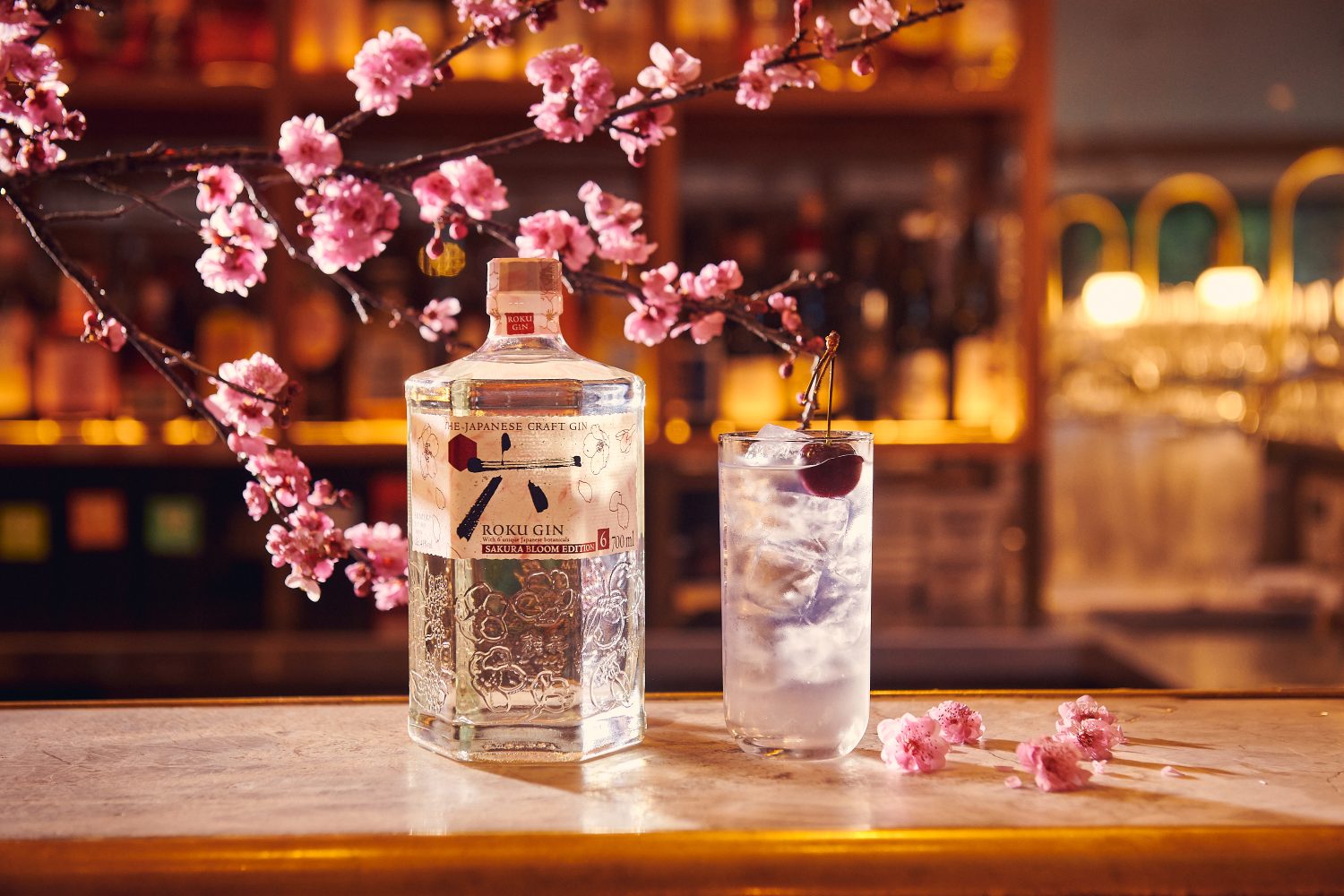
    Tokyo is the latest stage for Suntory Holdings, as the renowned beverage maker unveils a concept shop dedicated to its handcrafted gin, Roku. This innovative move aims not only to promote the exquisite flavors of Japanese craft gin but also to reflect Suntory’s commitment to enhancing its spirits production capabilities.

    Roku, which burst onto the scene in 2017, has quickly gained a global following. Available in around 60 countries, a remarkable 90% of its sales are generated from international markets. This speaks volumes about the growing appreciation for craft spirits worldwide, especially those with a distinctly Japanese twist.

    As Suntory ramps up its investment in production capacity, it’s clear that the company is not just mixing drinks; it’s crafting a culture around them. Whether you’re an aficionado of fine spirits or just starting on your tasting journey, the world of Roku is one you won’t want to miss.

    Given the brand’s burgeoning appeal, it’s intriguing to ponder — can gin really become the new sake? In the land of the rising sun, traditions are always at play, but there’s room for something new to shine.

    Questions & Answers

    What is the purpose of Suntory’s concept shop?
    The concept shop aims to boost awareness of its Japanese craft gin, Roku, while showcasing Suntory’s commitment to enhancing its spirits production capacity.

    When was Roku launched and how widely is it sold?
    Roku was launched in 2017 and is currently sold in approximately 60 countries, with around 90% of its sales coming from markets outside Japan.

    Is there a growing trend towards craft spirits in Japan?
    Absolutely! The global fascination with craft spirits, especially those that carry a unique cultural identity like Roku, indicates a thriving trend in the market.
  • Whittaker’s Unveils New Peanut & Caramel Brittle Chocolate: A Sustainable Delight Now Available In Australia

    Whittaker’s Unveils New Peanut & Caramel Brittle Chocolate: A Sustainable Delight Now Available In Australia

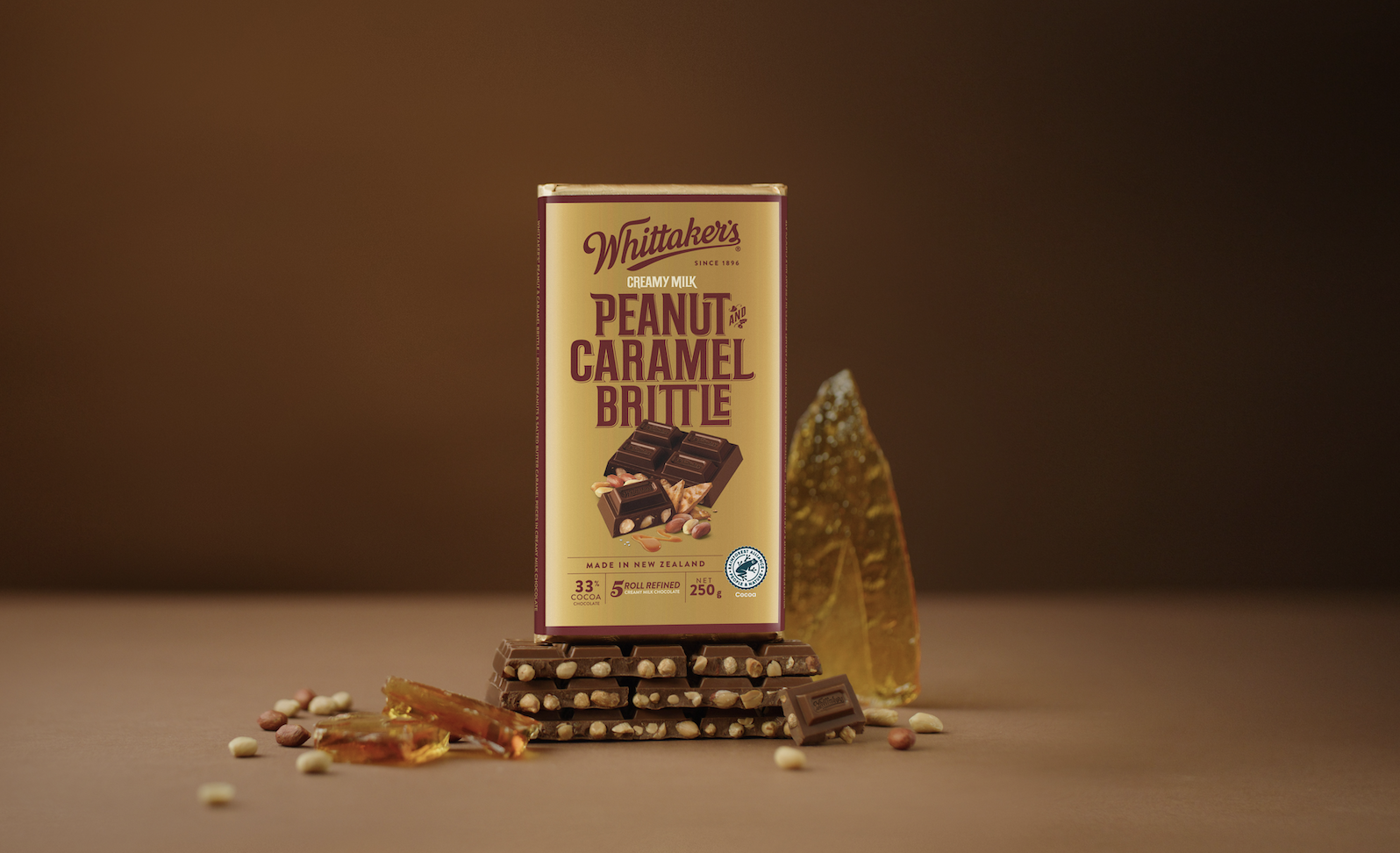
    Whittaker’s, the famed chocolatier, has introduced a new chocolate block called Peanut & Caramel Brittle. This delicious new concoction is produced exclusively in the company’s solitary factory situated in Porirua, New Zealand.

    A Delicious Symphony of Flavours and Textures

    Weighing in at 250g, the Peanut & Caramel Brittle chocolate block offers a unique blend of smooth milk chocolate, freshly roasted peanuts, and creamy salted caramel brittle. This combination results in an irresistible blend of various textures and flavours that is sure to delight any chocolate enthusiast.

    A Conscientious Approach to Chocolate Making

    Each Peanut & Caramel Brittle block is entirely free from palm oil. Additionally, the cocoa utilized in its creation is 100% certified by the Rainforest Alliance. This ensures that each mouthful not only delights your taste buds, but also supports sustainable cocoa farming practices.

    Holly Whittaker, the co-Chief Operating Officer at Whittaker’s, shared insights about the new product. She explained that the peanut-centric flavour was specifically developed to provide a balanced blend of sweet, salty, and crunchy elements.

    “We are eagerly anticipating the response from chocolate lovers. We believe this is something unique and we can’t wait to hear their feedback,” she stated.

    Availability

    The Peanut & Caramel Brittle is now available for purchase in Australia. You can find it at your local Coles and Woolworths stores, priced at $8 per block.

    Questions & Answers

    What is the main flavour in Whittaker’s new chocolate block?
    The main flavour in Whittaker’s new chocolate block is Peanut & Caramel Brittle.

    Is the Peanut & Caramel Brittle chocolate block free from palm oil?
    Yes, the Peanut & Caramel Brittle chocolate block is completely free from palm oil.

    Where can the new Whittaker’s chocolate block be purchased in Australia?
    The new Whittaker’s chocolate block can be bought at Coles and Woolworths stores across Australia.

  • Penang Takes Bold Stand Against Counterfeit Balik Pulau Durians to Safeguard Authenticity

    Penang Takes Bold Stand Against Counterfeit Balik Pulau Durians to Safeguard Authenticity

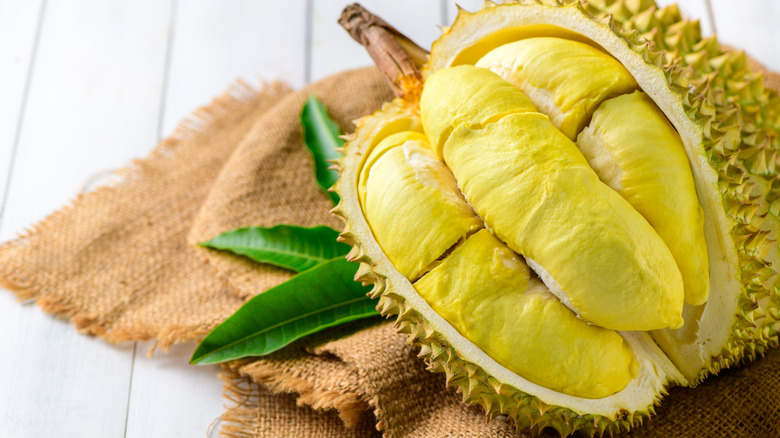
    Fahmi Zainol, chairman of Penang’s Agrotechnology, Food Security, and Cooperative Development Committee, announced on Tuesday that a collaborative operation is underway, involving the police, the Agriculture Department, and the Federal Agricultural Marketing Authority, as reported by the national news agency Bernama.

    Cracking Down on Durian Deceit

    “We’ve pinpointed two or three hotspots where trucks are bringing in durians from Thailand but selling them off as local produce,” Fahmi said, emphasizing that authorities are now gearing up for the perfect moment to initiate raids. This crackdown is a direct response to public complaints and ongoing inspections. As part of their enforcement measures, agencies have ramped up efforts by setting up roadblocks aimed at intercepting non-compliant agricultural products—especially durians.

    Fahmi made it clear that while durians from other regions aren’t outright banned, they mustn’t be misrepresented as Balik Pulau’s prized variety. To protect the unique identity of its durians, Penang launched the “Track and Trace” system at the beginning of June. This innovative program labels each durian with a QR code that links it back to its farm of origin, according to Bloomberg.

    “This way, consumers can trace every durian from farm to table,” Fahmi explained, with a hint of pride in his voice. So far, 60 farmers have joined the system, while 20 larger producers have already signed up, as reported earlier this month by The Star.

    Balik Pulau, well-known for its mouthwatering durians, is also a favored tourist destination in Penang, a major hub for durian production. The Balik Pulau variety ranks among the most sought-after in Malaysia, alongside other local favorites like Musang King, Red Prawn, and Black Thorn.

    With the recent onset of durian season coinciding with Malaysia’s school holidays, local media reported a surge in tourist arrivals in Penang. Hotels are nearly at full capacity, and busy traffic is evident, especially around popular durian-selling spots.

    Beyond domestic consumption, Malaysia is making its mark in international markets by exporting durians to places like China, boasting projections that outbound shipments could reach 1.8 billion ringgit (US$425 million) by 2030. Last year alone, Penang exported an impressive 67,203 kilograms of durians, which is enough to make any durian lover’s head spin.

    Questions & Answers

    What steps is Penang taking to ensure durian authenticity?
    Penang has implemented a “Track and Trace” system tagged with QR codes that allows consumers to trace each durian back to its farm, thereby safeguarding authenticity.

    Why is there a crackdown on durian sales?
    Authorities aim to crack down on fraudulent sales where Thai durians are misrepresented as local Balik Pulau varieties, responding to public complaints and ongoing inspections.

    How do durians contribute to Penang’s tourism?
    With the durian season aligning with school holidays, tourist arrivals have surged, leading to nearly full hotels and bustling traffic around durian hotspots, solidifying the fruit’s role in the local economy.

  • Hong Kong’s Beloved Ancient Moon Restaurant Closes Amid Shifting Consumer Trends And Family Priorities

    Hong Kong’s Beloved Ancient Moon Restaurant Closes Amid Shifting Consumer Trends And Family Priorities

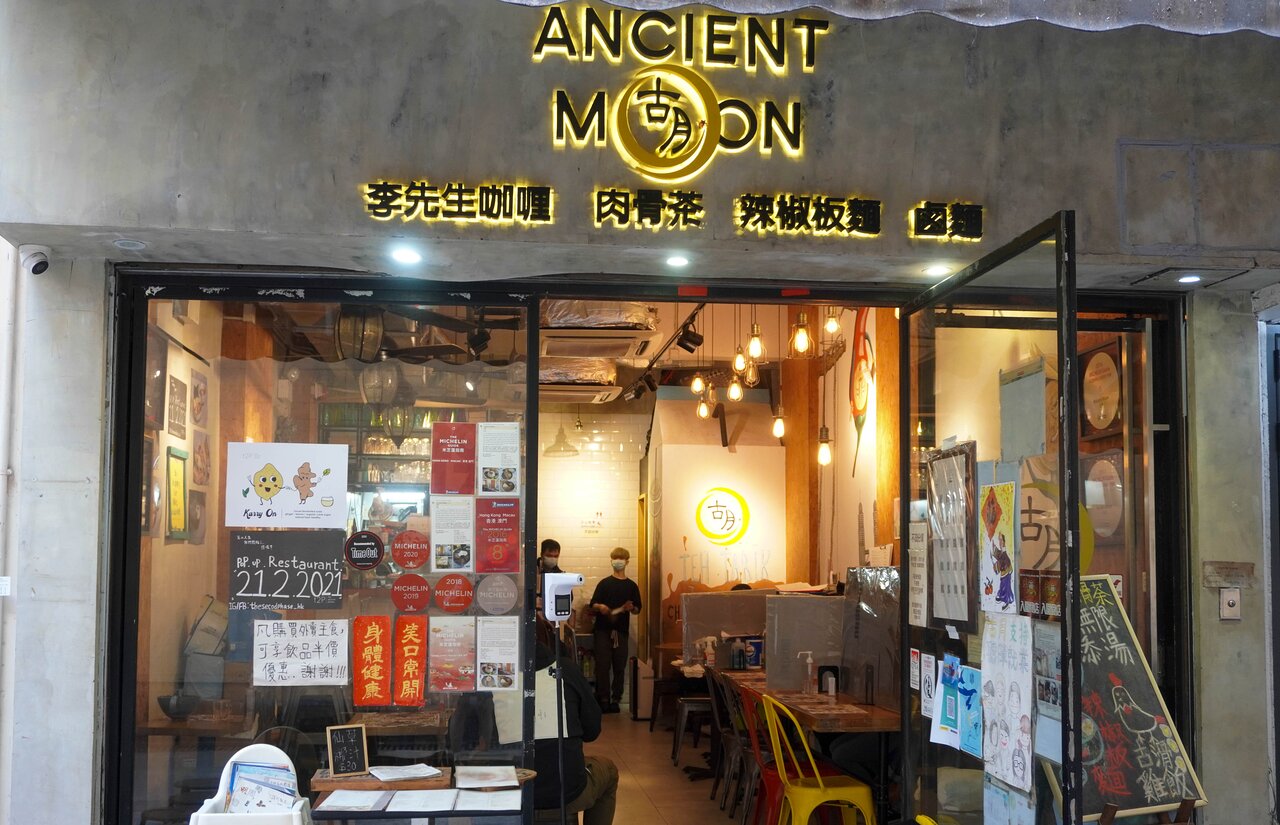
    “We have tried to adapt but our ability and resources are limited,” the owners shared in a heartfelt Instagram post that captures both their frustration and resilience. After dedicating 11 years to cultivating their space, they are shutting the doors to Ancient Moon, a beloved restaurant in Hong Kong, as they prioritize spending more time with family amidst challenging external conditions. However, there’s a silver lining: their other establishment, “The Second Phase,” will continue to serve the community.

    Recognition Amidst Adversity

    Known for its culinary prowess, Ancient Moon was recently honored with a Bib Gourmand designation in the 2024 Michelin Guide for Hong Kong and Macau. This accolade celebrates eateries providing “high-quality food for only HKD400 (US$50) or less,” making it a standout choice for those seeking a delicious meal without breaking the bank.

    However, Ancient Moon’s closure is part of a broader trend affecting many small businesses throughout Hong Kong’s restaurant scene. Shifting consumer habits have put significant pressure on local eateries, as noted by the South China Morning Post. The statistics are telling: Hong Kong’s retail sales dipped for the 14th month in a row as of April, sliding 2.3% year-on-year to HKD28.9 billion. The situation has deteriorated further, with retail sales down 5.6% in the first four months of 2025.

    Consumer Trends Shift

    This downturn is partially attributed to locals choosing to shop in Shenzhen for more affordable options or indulging in travel, spurred by the Hong Kong dollar’s strength against currencies like the yen. Additionally, the recent influx of tourists seems to favor cultural experiences rather than shelling out for upscale dining and luxury shopping.

    The woes don’t stop at Ancient Moon. King Parrot Group, a popular restaurant operator, recently closed nine of its eateries, reportedly owing staff more than HKD1 million. This decision follows years of scaling back operations, marking a tough chapter for the once-thriving enterprise known for over 20 restaurant brands at its pinnacle. According to Nerine Yip Lau-ching, general secretary of the Hotels, Food and Beverage Employees Association, employees were informed of the closures and paid their outstanding wages immediately.

    In a similar vein, Los Angeles-based sandwich chain Eggslut exited Hong Kong’s scene less than two years after its debut. The high cost of commercial rents has exacerbated the trend. Notable victims include Transformers: The Ark Restaurant, a hamburger and pizza venue that previously paid up to HKD1 million monthly in rent in Causeway Bay, one of the world’s most expensive retail hotspots, before shuttering last year.

    With these developments, one can’t help but wonder: could the charm of local eateries bounce back amidst adversity? Only time will tell, but the culinary landscape continues to evolve.

    Questions & Answers

    What were the primary reasons for Ancient Moon’s closure?
    The owners cited challenging external conditions and a desire to spend more time with their families.

    What recognition did Ancient Moon receive before its closure?
    The restaurant earned a Bib Gourmand designation in the 2024 Michelin Guide for Hong Kong and Macau.

    How are consumer trends impacting the restaurant industry in Hong Kong?
    Many locals are opting to shop in Shenzhen or travel overseas for better value, significantly affecting local restaurants, while tourists are leaning toward cultural experiences rather than luxury dining.

  • Bega Cheese Eyes Acquisition Of Fonterra Oceania: A Potential Boost For Australia’s Dairy Industry

    Bega Cheese Eyes Acquisition Of Fonterra Oceania: A Potential Boost For Australia’s Dairy Industry

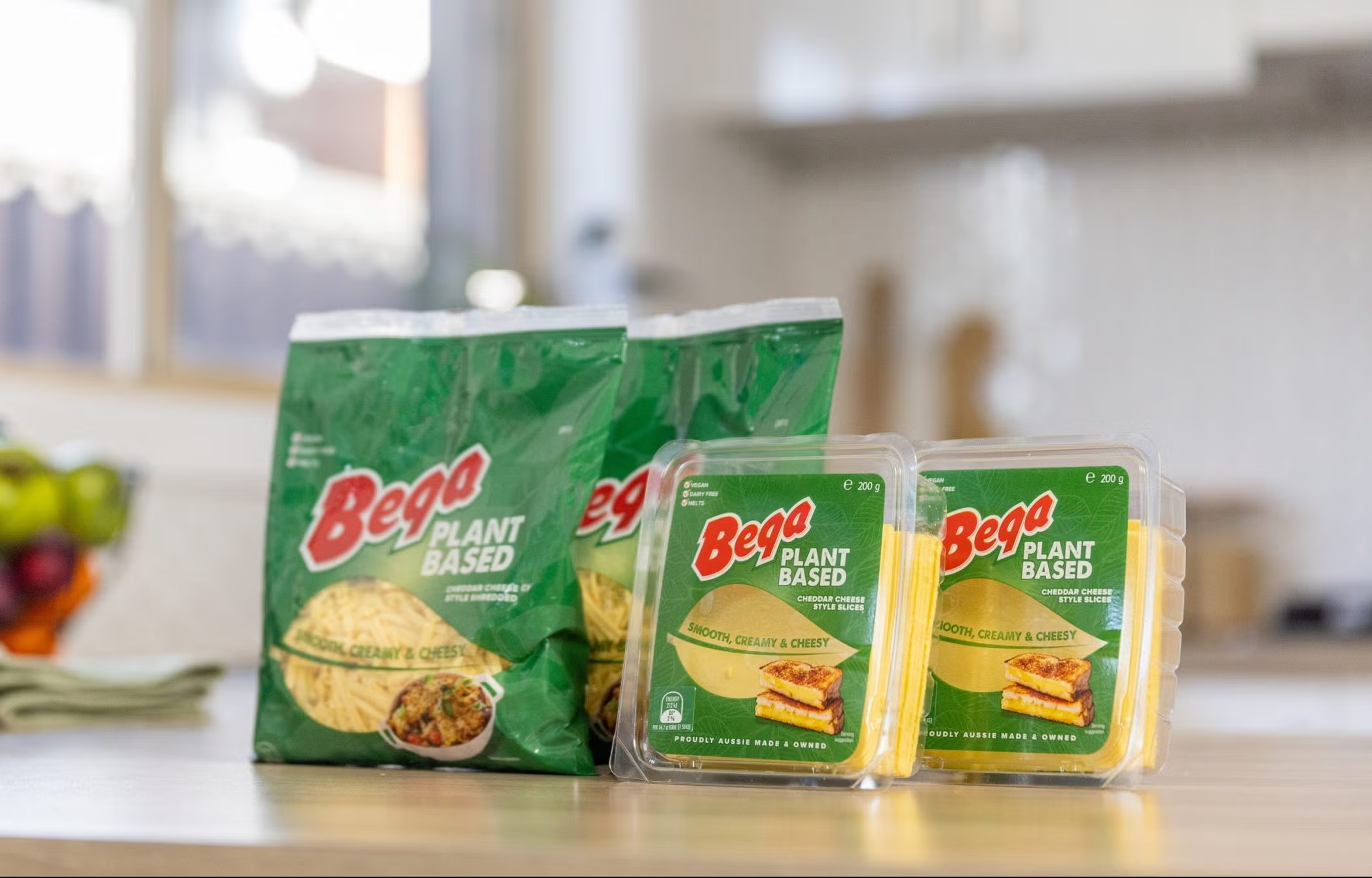
    Bega Cheese, an Australian dairy company, has indicated its intention to file an application with the Australia Competition and Consumer Commission (ACCC) seeking authorisation for its planned acquisition of Fonterra Oceania.

    Enhancing Outcomes through Acquisition

    Bega Cheese believes that the prospective acquisition would greatly improve the company’s performance and efficiency, and it would also have substantial benefits for the broader dairy industry. The company argues that combining its resources with those of Fonterra Oceania would result in improved efficiencies and outcomes for Australian dairy farmers, customers, and consumers.

    Bega Cheese is of the view that it is the most suitable acquirer of Fonterra’s Oceania businesses and is keenly interested in pursuing this opportunity. The company is hopeful of engaging in productive discussions with Fonterra Group on the sale of its Oceania businesses.

    Domestic Acquisition not Subject to Foreign Review

    As Bega Cheese is an Australian business, it expects that the potential acquisition will not require the approval of the Foreign Investment Review Board (FIRB).

    Fonterra’s Divestiture Strategy

    In November, Fonterra revealed its plans to divest by pursuing a trade sale and an initial public offering of its global consumer business, as well as its integrated businesses Fonterra Oceania and Fonterra Sri Lanka. The company believes that this divestment will allow it to concentrate its resources on the ingredients and foodservice businesses, thereby maximising value.

    Fonterra’s consumer business includes the operations and marketing of a variety of brands, such as Mainland, Anchor, Kapiti, and Anlene.

    Questions & Answers

    Why is Bega Cheese planning to acquire Fonterra Oceania?
    Bega Cheese believes that the acquisition of Fonterra Oceania would greatly improve its own business efficiencies and performance.

    Who needs to approve the acquisition?
    The Australia Competition and Consumer Commission (ACCC) needs to approve the acquisition.

    What is Fonterra’s rationale behind its divestiture strategy?
    Fonterra believes that by divesting, it will be able to concentrate its resources on the ingredients and foodservice businesses, thereby maximising value.

  • Arkadia Beverages Unveils Expanded Premium Syrup Collection: New Flavours, Recipes, And Bottle Size Introduced

    Arkadia Beverages Unveils Expanded Premium Syrup Collection: New Flavours, Recipes, And Bottle Size Introduced

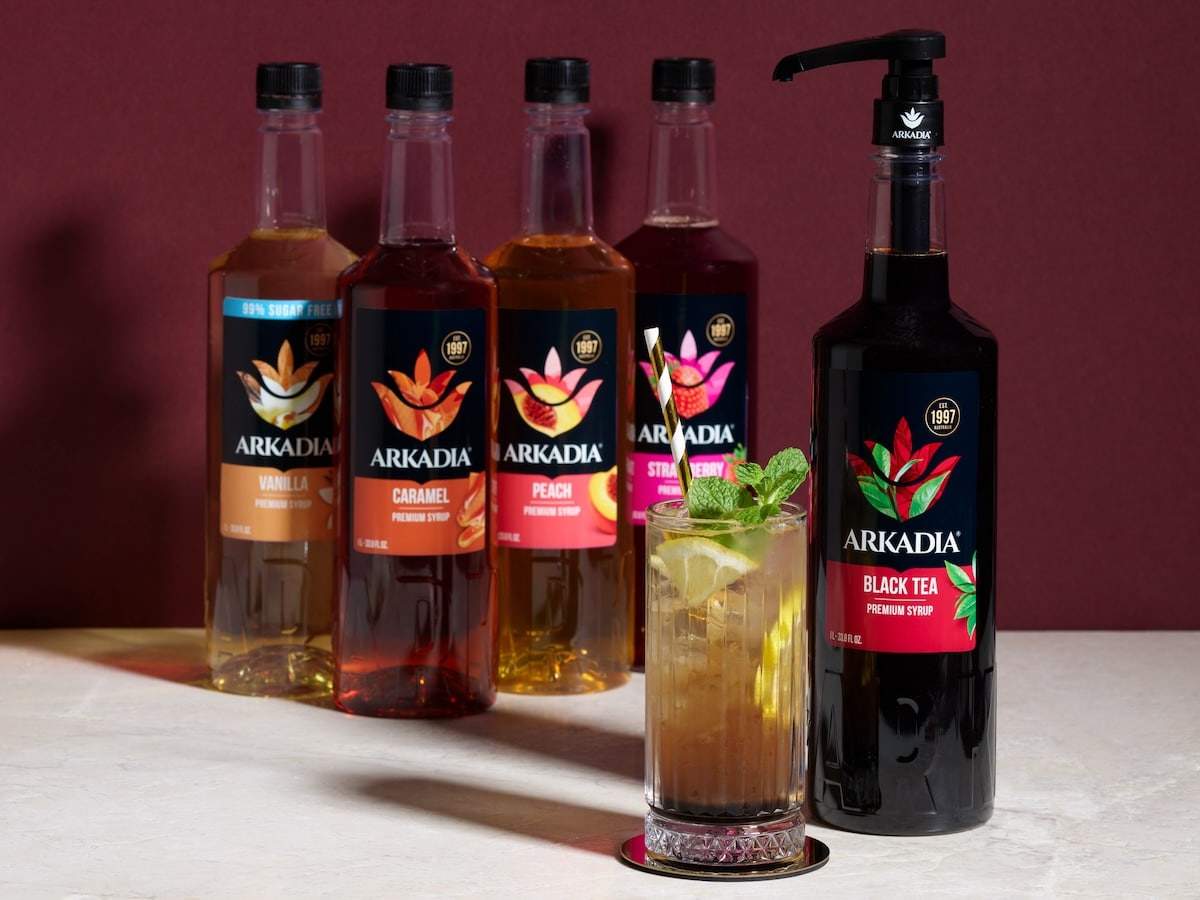
    Arkadia Beverages has breathed new life into its premium syrup collection. The company has not only updated the branding design, but also expanded the collection with a new 1L bottle size, additional flavours, and complementary drink options.

    With a selection of over 26 flavours, such as lychee, peach, and coconut, Arkadia has introduced its new fruit syrups, the Arakadia Syrups. The brand has transitioned from a 750ml bottle size to a more generous 1L size, all sporting creative new label designs.

    In addition to these updates, Arkadia Beverages has also launched new recipes for its Arkadia Lychee Syrup. These include inventive concoctions like Kayla Reid’s Butter, Corn & Rye, boasting a rich and spiced rye taste with hints of butterscotch, and Francesco Emmulo’s Petal & Pearl, which offers a delicate floral undertone.

    Ramona Culda, the Chief Brand Officer of Arkadia Beverages, highlighted that their transition from the 750ml to the 1L bottle was motivated by feedback from businesses, both local and international. She emphasized that this move would enhance value, efficiency, and consistency across the entire hospitality industry.

    Questions & Answers

    Why has Arkadia Beverages decided to change its bottle size?
    The decision to change from a 750ml to a 1L bottle size was driven by feedback from local and global businesses. They believed it would deliver greater value, efficiency, and consistency for the hospitality industry.

    What new recipes has Arkadia Beverages launched?
    Arkadia Beverages has launched new recipes for its Arkadia Lychee Syrup, including Kayla Reid’s Butter, Corn & Rye and Francesco Emmulo’s Petal & Pearl.

    What are the new flavours introduced in the Arakadia Syrups line?
    The new Arakadia Syrups line introduces flavours such as lychee, peach, and coconut.

  • EU Boosts Imports of Vietnamese Fruits and Nuts, Opening New Doors for Tropical Delights

    EU Boosts Imports of Vietnamese Fruits and Nuts, Opening New Doors for Tropical Delights

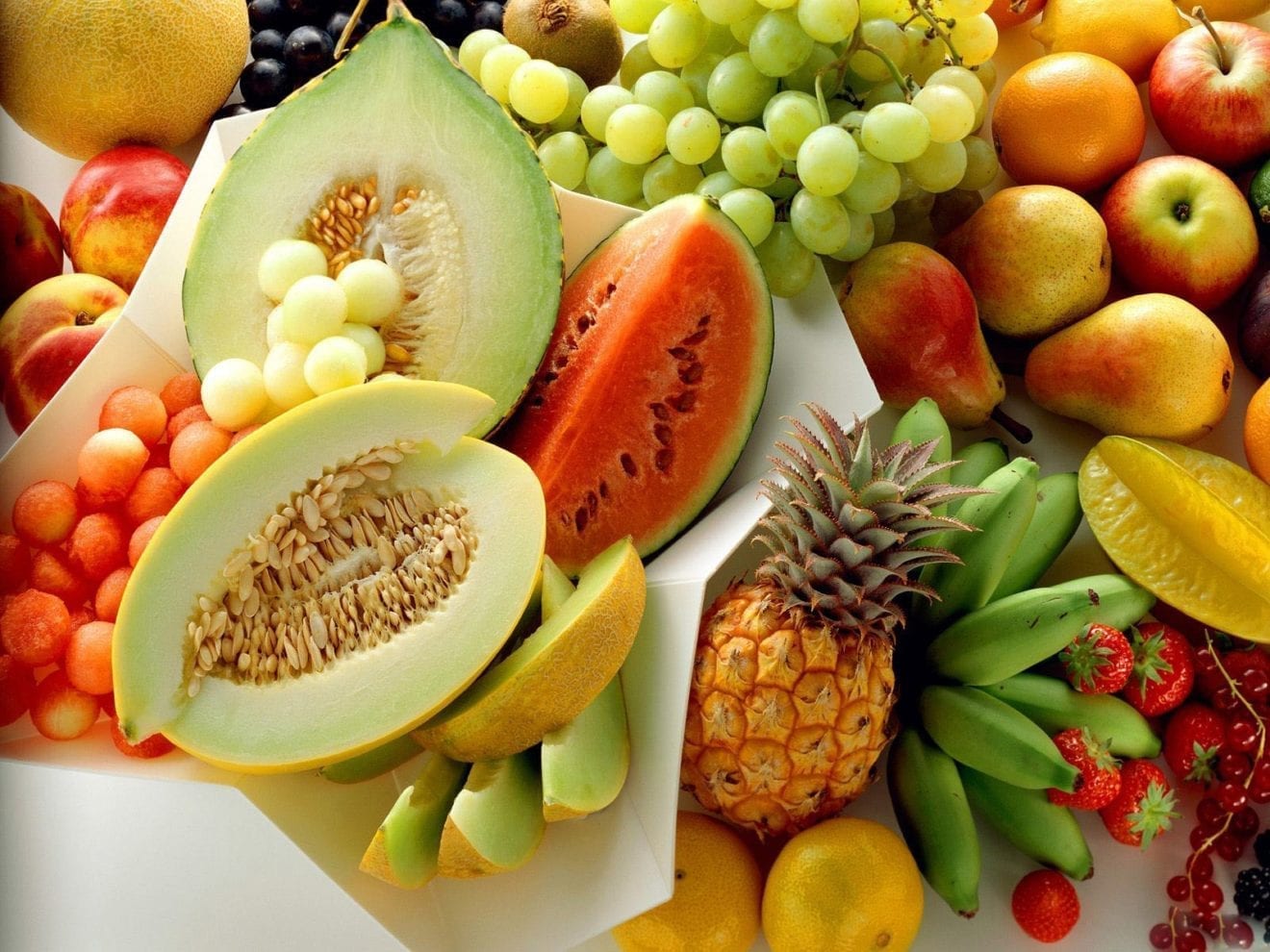
    Vietnam is making waves in the European Union, with its fruit and vegetable exports booming in recent months. Leading the charge is the mango, which has become a standout success, raking in $27.6 million—an impressive 54% increase. Not far behind is pistachio, which surged to $17 million, reflecting a staggering 90% rise in demand. Pineapples have soared by a jaw-dropping 200% to reach $11 million, while coconut exports climbed by 41% to $10 million.

    The Netherlands Takes the Lead

    The Netherlands emerged as the largest E.U. importer, snapping up nearly $37 million worth of Vietnamese produce, accounting for 28% of the total exports to the bloc. Other countries are also joining the feast: Poland’s imports doubled compared to last year, and Spain enjoyed an impressive 83% increase, while Germany and France reported solid growth as well. Overall, Vietnamese fruit and vegetable exports soared by one third, totaling $132 million.

    A Sweet Spot for Vietnamese Produce

    According to Dang Phuc Nguyen, general secretary of the Vietnam Fruit and Vegetable Association, the increasing popularity of Vietnamese fruits and vegetables in the E.U. can be attributed to the revitalization of consumer demand as the region recovers from the pandemic. Furthermore, a decline in local fruit production in certain E.U. states due to unfavorable weather has created a greater reliance on imports. The advantages of the Vietnam-EU Free Trade Agreement, which has reduced or eliminated tariffs on many fruits, have given Vietnam a crucial competitive edge over countries without similar trade agreements.

    Going Green: A Golden Opportunity

    In 2022, Vietnam’s agricultural exports to the E.U. reached a staggering $4.21 billion, driven primarily by fruits that saw double-digit growth amid strong demand. The Vietnam Sanitary and Phytosanitary Notification Authority highlights a growing trend favoring organic and certified products in E.U. markets, presenting substantial opportunities for Vietnamese farmers. Tropical fruits such as dragon fruit, mangoes, lychees, and longans thrive in Vietnam’s climate—products that simply can’t be produced domestically in the E.U.

    Meeting Stringent Standards

    However, the E.U. has high bars for quality and safety, requiring compliance with strict sanitary and phytosanitary regulations on food safety and pesticide residues. Bui Xuan Hoang Henry, general director of the Hoan Vu Inspection Center, pointed out that cooperation between exporters, testing units, and farmers is crucial for maintaining high-quality agricultural products. “Quality control is a priority this season, allowing our fruits to increasingly align with the rigorous standards of the E.U. market,” he noted. And with that, it looks like Vietnamese produce is ready to take a bite out of the competition!

    Questions & Answers

    What fruit is leading Vietnam’s exports to the E.U.?
    Mango tops the list, with exports valued at $27.6 million, an increase of 54%.

    Which country in the E.U. is the largest importer of Vietnamese produce?
    The Netherlands stands out as the leading importer, purchasing nearly $37 million worth of goods.

    How has Vietnam adapted to meet E.U. quality standards?
    Through close collaboration among exporters, testing units, and farmers, Vietnam ensures that agricultural products meet stringent quality and safety standards required by the E.U.

  • Cafe De Coral Profits Plummet Amid Economic Fragility; Embraces Strategic Adaptations For Resilience

    Cafe De Coral Profits Plummet Amid Economic Fragility; Embraces Strategic Adaptations For Resilience

    Cafe de Coral, a prominent foodservice operator, has disclosed a slump in earnings, attributing the setback to a frail economy and lukewarm consumer sentiment. The fiscal report for the year ending March 31 revealed a 1.4% slide in revenue, resulting in HK$8.568 billion (US$1 billion). Concurrently, the profit attributable faced a steep 29.6% fall, amounting to HK$232.7 million.

    Challenging Industry Landscape

    The management acknowledged a severe downturn in the restaurant sector both in Hong Kong and Mainland China. The slump was aggravated by heightened economic fragility and a tepid consumer sentiment. Additional factors contributing to the downturn included the outbound spending habits of Hong Kong’s residents and stiff price competition in Mainland China’s marketplace.

    In Hong Kong, the revenue loss was marked at 1.4% with casual dining and quick service restaurants experiencing a decline of 6.4% and 0.3% respectively. Revenue from Mainland China recorded a 1.3% decrease.

    Strategic Adaptation

    Sunny Lo, the Chairman of Cafe de Coral, contended that the uncertainty over the course of the previous year was indicative of a long-term transformation in global markets. As per him, this transformation was triggered by geopolitical forces adapting to a new dynamic.

    Lo stated, “Our management team has accepted and embraced the current economic challenges and is adapting the business to thrive in the new environment.” He further emphasized the company’s commitment to the future by refining its restaurant portfolio, hiring new talent, and integrating innovative technological solutions to transform the business operations.

    Cafe de Coral currently oversees a network of over 500 stores spanning Hong Kong, Macau, and nine principal cities in Mainland China.

    Questions & Answers

    What is the main reason for Cafe de Coral’s decreased profits and sales in the last fiscal year?
    The primary reasons for the decrease in profit and sales were attributed to a weak economy and lukewarm consumer sentiment, particularly in Hong Kong and Mainland China.

    How did the downturn affect different restaurant types?
    The downturn affected casual dining and quick service restaurants differently. Casual dining saw a decrease of 6.4%, while quick service restaurants experienced a smaller decrease of 0.3%.

    What steps is Cafe de Coral taking to adapt to the current economic challenges?
    The company is adapting by refining its restaurant portfolio, recruiting fresh talent, and incorporating new technology into its operations.

  • Australia And Eu Resume Free Trade Talks: Farming, Food Labeling, And Intellectual Property Rights In Focus

    Australia And Eu Resume Free Trade Talks: Farming, Food Labeling, And Intellectual Property Rights In Focus

    Trade Minister Don Farrell has announced that Australia and the European Union (EU) are set to resume negotiations for a free trade agreement immediately. This comes two years after Australia withdrew from discussions due to an unsatisfactory market access proposal for its beef, sheep, dairy, and sugar sectors.

    Changing Global Trade Landscape

    The global market has reshaped in unexpected ways due to the unanticipated tariff hikes imposed by the United States under President Donald Trump. As a result, the prospects for fruitful negotiations between Australia and the EU, specifically centered on enhancing access for select agricultural products and reducing bureaucratic hurdles, have considerably improved.

    One of Australia’s prime objectives is to amplify its beef and lamb exports to Europe. However, this is a task easier said than done, considering the significant political sway held by European farmers. An offer made by the EU in 2023 accounted for a scant 0.3% of its agricultural imports and was inferior to what it proposed to other trade partners.

    Contentious Discussion Points

    Another significant obstacle has been the EU’s insistence that Australia relinquish naming rights for hundreds of food and beverage products. The EU is pushing for Australia to adopt its system of controlling the names of region-specific food and spirits specialties, which, if agreed upon, could adversely affect Australian consumers, dairies, and boutique spirit manufacturers.

    The EU is advocating for Australia to implement its “geographical indications” model to safeguard the names of European goods. This includes a list of 170 food names and 236 spirit names that the EU wishes Australia to concede.

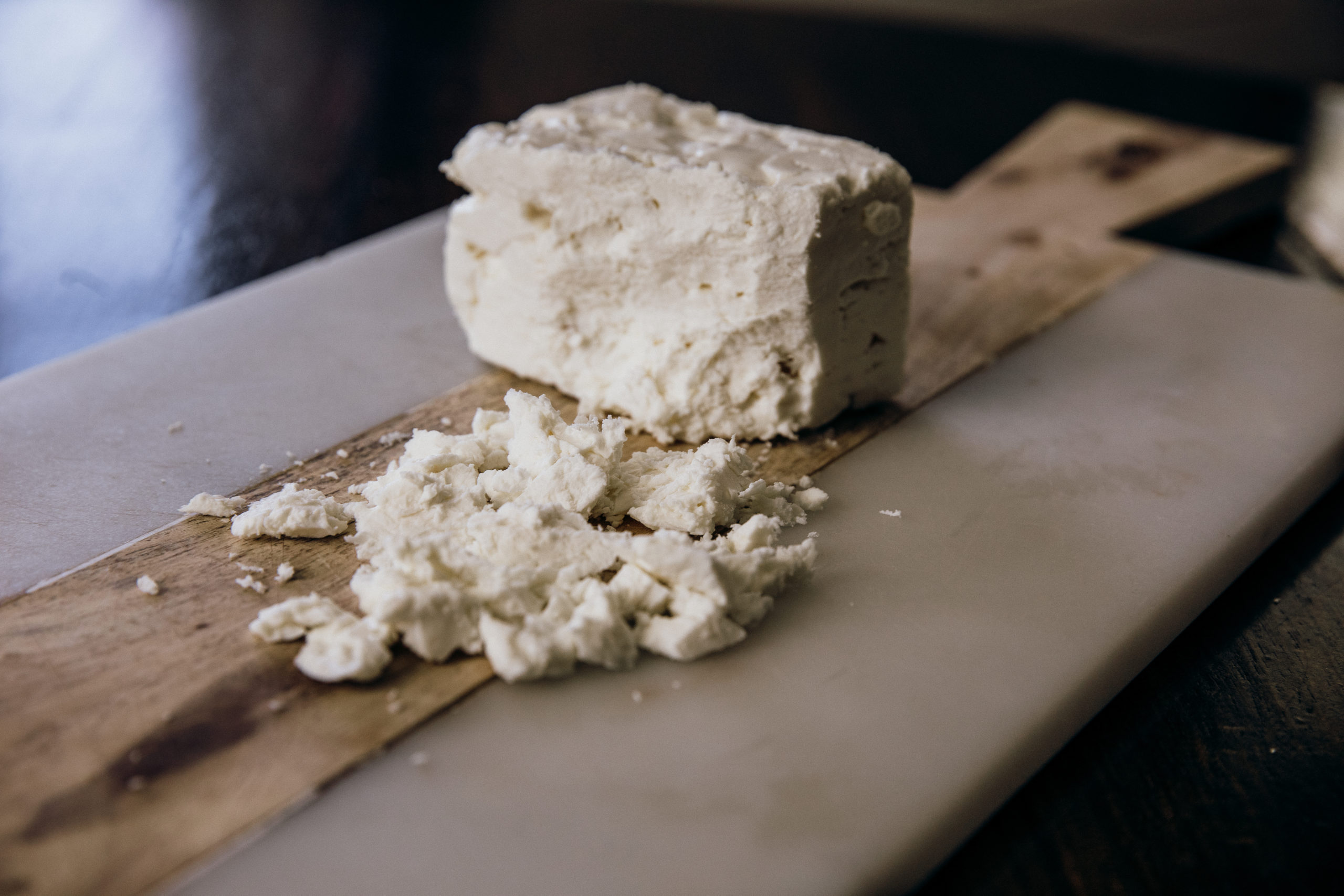
    The EU’s proposition is that only Greek feta should be allowed for sale in Australia; currently, Australian, Greek, Danish, and Bulgarian feta are sold nationally. It also seeks to reserve the names prosecco and parmesan exclusively for European manufacturers.

    Australia’s approach to food labeling is primarily driven by consumer protection laws and there is minimal history of fraud. By contrast, Europe initially introduced this system for wines due to rampant fraud, before extending it to food products.

    Intellectual Property Challenges

    Issues arise with the specific food and spirits names that the EU wishes to reserve for its producers. Australia contends that these are common names for the food items and it should not lose access to them. The country’s trade agreements allow for an objection process in situations where intellectual property rights limit what other producers can do. However, the government has thus far failed to offer a resolution process or feedback for those affected by the EU’s naming demands, hindering due process of law.

    Questions & Answers

    What impact could the EU’s naming demands have on Australian producers and consumers?

    It could negatively affect Australian dairies and boutique spirit manufacturers, as well as consumers who are accustomed to products with certain names.

    Why is Australia resisting the EU’s naming demands?

    Australia argues that these are common names for food items and that they should not lose access to them. The country also maintains that its approach to food labeling, driven by consumer protection laws, is adequate.

    What concessions could Australia potentially make to reach an agreement?

    Australia could follow the precedent set by Canada by accepting feta as a geographical indication while allowing existing Australian producers to continue producing and selling feta. Similar safeguards could be sought for other products.

  • Hecho En Mexico Debuts Ready-to-heat Packs At Coles Supermarkets Nationwide

    Hecho En Mexico Debuts Ready-to-heat Packs At Coles Supermarkets Nationwide

    The Melbourne-based Mexican fast-food chain, Hecho En Mexico, has made moves to broaden its horizons into the retail market by introducing two of its most popular dishes in ready-to-heat packs.

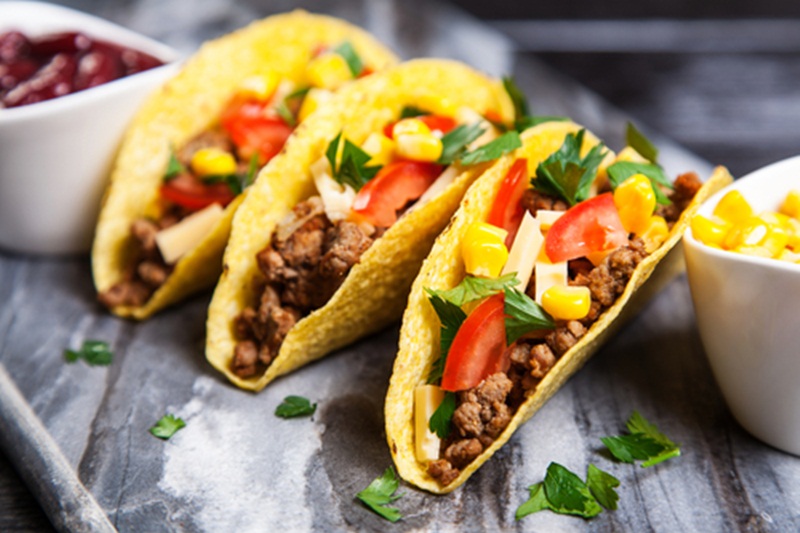
    The launch, resulting from a collaboration with cooked-protein provider Country Cooked, includes two of the chain’s fan favorites: Hecho En Mexico Chicken Fajitas and Hecho En Mexico Pulled Pork Tacos. The chicken fajitas consist of a 12-hour marinated chicken fajita mix, while the pulled pork tacos feature seasoned Mexican pulled pork.

    The convenient packs are inclusive of six flour tortillas and tomatillo salsa. Customers need only add shredded cheese and lime to have a well-rounded meal ready in under 20 minutes.

    Since making its first appearance in Fitzroy, Melbourne back in 2013, Hecho En Mexico has experienced rapid growth, resulting in the opening of over 20 restaurants across Australia.

    Loui Marcocci, the co-founder of Country Cooked, expressed his optimism about this new venture. According to him, this partnership illustrates the increasing opportunities for fast-service restaurants to venture into the retail sector.

    Marcocci highlighted that Hecho En Mexico had already been utilizing Country Cooked’s products in its restaurants. He expressed how this move is mutually beneficial, extending the brand’s reach to retail consumers and offering fans of the restaurant the convenience of purchasing their favorite dishes at their local Coles supermarket.

    The new Hecho En Mexico range is currently accessible at Coles supermarkets nationwide.

    Questions & Answers

    What is Hecho En Mexico’s new venture?
    Hecho En Mexico, in collaboration with Country Cooked, is launching two of its popular dishes in ready-to-heat packs for retail.

    What dishes are included in the ready-to-heat range?
    The range includes the Hecho En Mexico Chicken Fajitas, a 12-hour marinated chicken fajita mix, and Hecho En Mexico Pulled Pork Tacos, made with seasoned Mexican pulled pork.

    Where are the ready-to-heat packs available for purchase?
    The ready-to-heat packs are available at Coles supermarkets nationwide.

  • Beenleigh Distillery Targets Rtd Market With Citrus-inspired ‘hard Orange Crush’ Launch

    Beenleigh Distillery Targets Rtd Market With Citrus-inspired ‘hard Orange Crush’ Launch

    Beenleigh Distillery has recently expanded its ready-to-drink (RTD) selection by launching Hard Orange Crush, a citrus-inspired beverage.

    Product Characteristics

    Hard Orange Crush, the newest offering from Beenleigh Distillery, is a refreshing blend that includes real orange juice. It is packaged in 375ml cans, which are sold in packs of four. The beverage boasts a delicate citrus and sherbet aroma with a slightly tart finish. The alcohol content is pegged at 4.5%.

    Following the Success of Pineapple Crush

    This move comes after Beenleigh Distillery’s successful introduction of Pineapple Crush. According to the company, this product was one of their most successful RTD launches in the last financial year, securing a spot amongst the top three based on sales data from certain retail groups.

    Will Sullivan, the brand manager at Beenleigh Distillery, commented on the new product launch, saying, “Orange is a beloved soft drink flavor in Australia, but it is seldom used in RTDs. We had great success with Pineapple, and we’re confident Hard Orange Crush will follow suit.”

    Strategic Expansion

    The launch of Hard Orange Crush is part of Beenleigh Distillery’s larger strategy to tap into the market for soft drink-inspired alcoholic beverages. The distillery aims to broaden its presence in the expanding ready-to-drink sector.

    Sullivan added, “We view this as a deliberate step towards an area that has been neglected for too long. With Hard Orange Crush, we’re introducing a unique product and aiming to fortify our position in the market.”

    Questions & Answers

    What inspired Beenleigh Distillery to create Hard Orange Crush?
    Beenleigh was influenced by the popularity of orange as a soft drink flavor in Australia and the success of their previous product, Pineapple Crush.

    How is Hard Orange Crush packaged and sold?
    The product comes in 375ml cans and is sold in packs of four.

    How does the launch of Hard Orange Crush fit into Beenleigh Distillery’s broader strategy?
    The introduction of Hard Orange Crush is part of Beenleigh Distillery’s plan to expand its presence in the growing ready-to-drink sector by creating soft drink-inspired alcoholic beverages.

  • Stray Kids’ Felix Tapped As Global Ambassador For Gong Cha Bubble Tea In Strategic Bid For Gen Z

    Stray Kids’ Felix Tapped As Global Ambassador For Gong Cha Bubble Tea In Strategic Bid For Gen Z

    Taiwanese bubble tea company Gong Cha has announced the enlistment of Felix, a member of the renowned South Korean group Stray Kids, as their global brand ambassador.

    Gong Cha Launches New Campaign

    The brand aims to bolster its global presence with a campaign featuring Felix, set to roll out in Korea in June before making its way to the United States. Gong Cha believes that Felix’s personal experience with their bubble tea, coupled with his love for the product, will serve as an effective introduction of the brand to his global fan base.

    Felix’s Role as a Brand Ambassador

    As a global ambassador, Felix is expected to boost Gong Cha’s brand recognition through high-visibility marketing campaigns showcasing the company’s signature beverages. This partnership is part of Gong Cha’s strategic move to reach out to Generation Z consumers via culturally significant marketing initiatives.

    Gong Cha’s Collaborative Ventures

    In addition to partnering with Felix, Gong Cha has recently teamed up with Line Friends Minini and Final Fantasy XIV. These collaborations aim to attract new consumers to the brand’s offerings, expanding the customer base.

    Questions & Answers

    How will the brand utilize Felix’s association with Gong Cha?
    Felix will be leveraging his global popularity to boost brand awareness through high-profile marketing campaigns featuring Gong Cha beverages.

    What is Gong Cha’s strategy for reaching out to new audiences?
    The company’s strategy involves forging connections with Generation Z customers via culturally significant marketing campaigns and collaborations with popular entities like Line Friends Minini and Final Fantasy XIV.

    What is the significance of Felix’s personal experience with Gong Cha’s products?
    Felix’s personal affinity for bubble tea, and his positive experiences with Gong Cha, are expected to resonate with his global fan base, thereby serving as an effective brand introduction to potential new consumers.

  • Singapore’s Jumbo And China’s Siji Minfu Unite To Bring Peking Duck Delicacy To Resorts World Sentosa

    Singapore’s Jumbo And China’s Siji Minfu Unite To Bring Peking Duck Delicacy To Resorts World Sentosa

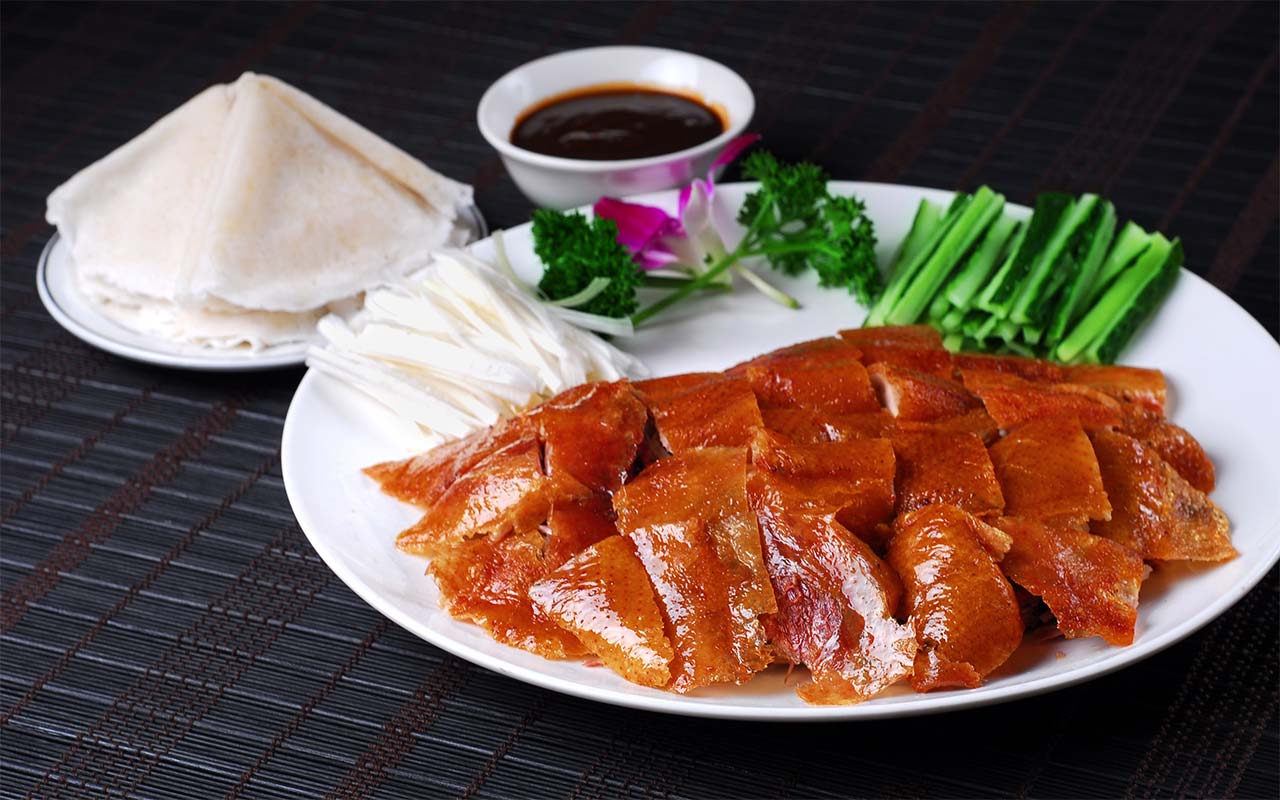
    Singapore’s Jumbo restaurant group and Siji Minfu, a well-known Chinese roast duck brand, are joining forces to introduce Siji Minfu’s famous Peking duck to Singapore. This collaboration will see the first international establishment for Siji Minfu.

    The New Venture

    The upcoming joint restaurant will be located at Resorts World Sentosa, featuring an interior design influenced by Beijing’s classic courtyard architecture. The restaurant’s menu will highlight traditional Peking duck and a variety of northern Chinese dishes.

    Siji Minfu currently operates over 20 locations throughout China, with outlets in places such as Wangfujing and Qianmen Street in Beijing.

    Jumbo perceives this partnership as a strategic opportunity to strengthen its relationship with Siji Minfu and take advantage of the expanding global food and beverage industry in Singapore.

    Strategic Expansion

    This joint venture aligns with Jumbo’s ongoing efforts to broaden its brand portfolio and diversify its food and beverage offerings. Jumbo, famed for its chili crab at Jumbo Seafood, already operates in multiple Chinese cities, including Shanghai, Beijing, and Fuzhou.

    The collaboration is set for an initial five-year term, with the possibility for automatic extension or renewal through a mutual agreement. The joint venture will be structured with an issued share capital of US$1.5 million, with Siji Minfu owning a 90 per cent stake and Jumbo the remaining 10 per cent.

    The Siji Minfu outlets in China will continue to operate independently from this joint venture.

    Jumbo has announced that the investment will be financed through internal resources and is not expected to significantly affect its net tangible assets or earnings for the financial year ending September.

    Questions & Answers

    What is the main focus of the joint venture between Jumbo and Siji Minfu?
    The joint venture primarily aims to introduce Siji Minfu’s signature Peking duck to Singapore through a new restaurant.

    How long is the initial term for the joint venture?
    The initial term for the joint venture is set for five years, with the potential for extension or renewal through mutual agreement.

    How will the investment for this collaboration affect Jumbo’s financial status?
    The investment will be financed through Jumbo’s internal resources and is not predicted to have a significant impact on its net tangible assets or earnings for the financial year ending in September.

  • Chinese Seedless Lychees Command Attention with $35 per Kilogram Price Tag in Vietnam

    Chinese Seedless Lychees Command Attention with $35 per Kilogram Price Tag in Vietnam

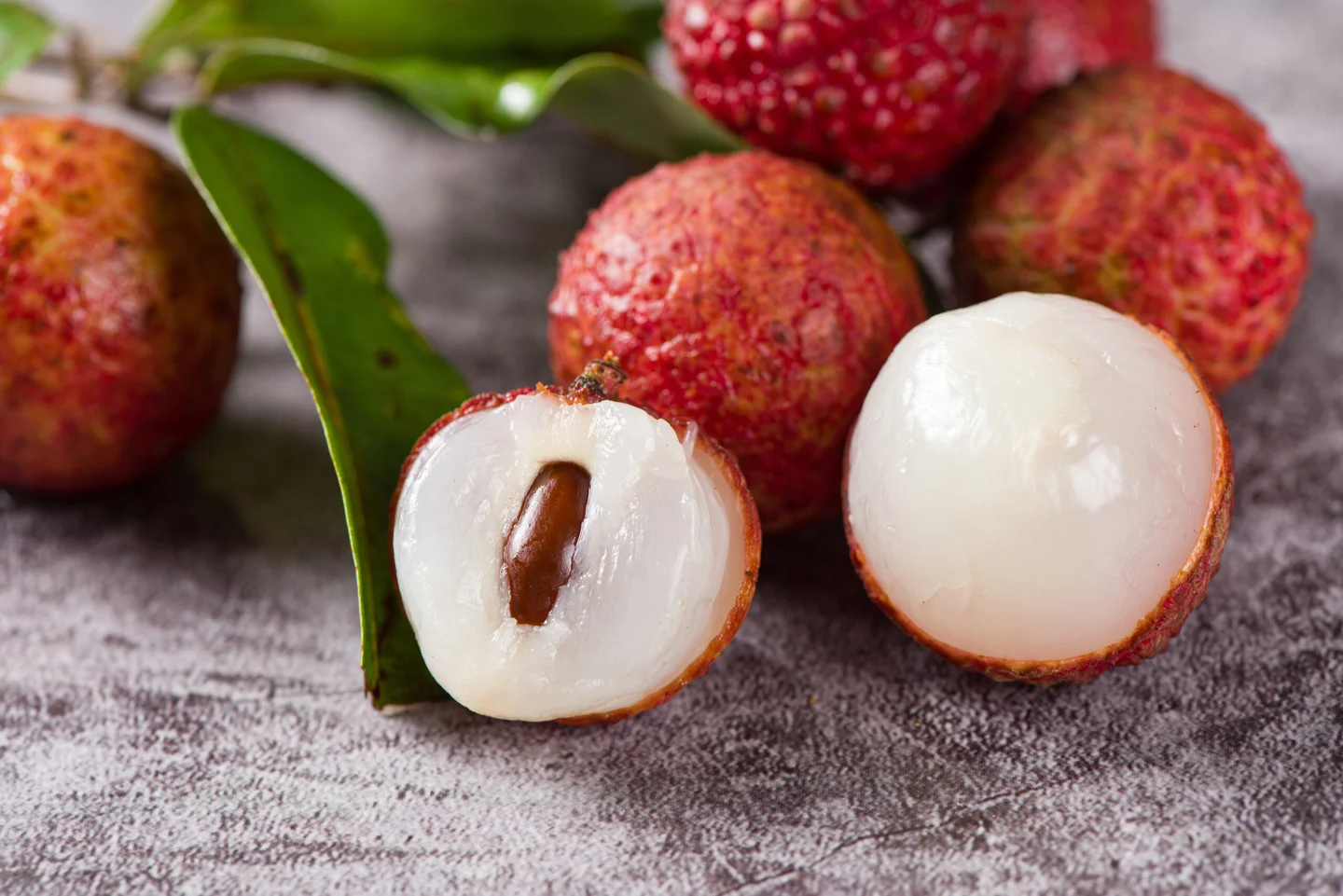
    The arrival of seedless lychees in Vietnam is stirring excitement among fruit enthusiasts, thanks to a recent bumper crop that has brought prices down to VND45,000-120,000. As farmers and vendors report, this year’s harvest is notably cheaper than in the past, making the delectable fruit more accessible to consumers.

    Luxury from Hainan

    Thanh Tam, who runs a fruit store in Nam Tu Liem District, revealed that the seedless lychees are a bit pricier due to their origins in China’s Hainan Province, primarily meant for the Japanese market. Buyers are often looking to gift this unique treat or indulge in a fresh experience.

    In Dong Da District, Ngoc, another store owner, has imported 200 kilograms of these lychees since early June. With their striking reddish-pink skin and thick, juicy flesh, they are visually appealing. While these lychees are mostly seedless, consumers may occasionally encounter a tiny seed the size of a mung bean.

    Freshness, with a Concern

    E-commerce platforms are hopping with activity as sellers offer the seedless lychees mainly in two-kilogram baskets packed with ice to maintain freshness. However, some vendors report that the fruit’s skin can discolor rapidly, resulting in mixed reviews from customers. Hoang Anh from Cau Giay District recently tried them and was left wanting. She remarked, “It had a slightly sour and bitter taste, and its skin darkened after just one day,” expressing disappointment compared to local varieties.

    While some seedless lychees are also cultivated in northern Vietnam, costing around VND280,000 per kilogram, the quality has been inconsistent. In Bac Giang Province, 500 trees have been producing fruit since 2022, but yields remain low. Le Ba Thanh, deputy director of the province’s Department of Agriculture and Environment, indicated that there are currently no plans to increase production.

    On a larger scale, a company in Thanh Hoa Province has taken the lead, cultivating seedless lychees on over 1,000 hectares and exporting them to markets as far as Japan and the U.K., where they command a retail price of VND800,000 per kilogram.

    In a world where exotic fruits are increasingly popular, seedless lychees bring a delightful twist—who would have thought lychees would join the ranks of luxury gifts?

    Questions & Answers

    What is the price range for seedless lychees in Vietnam this year?
    Prices range from VND45,000 to VND120,000, which is more affordable than the previous year.

    Why are the seedless lychees from Hainan Province more expensive?
    These lychees are primarily grown for export to the Japanese market, which drives up their price.

    Is there any local competition for the seedless lychees?
    Yes, there are seedless lychees grown in northern Vietnam, but their yields and quality are inconsistent compared to the imports.

  • Vietnam Unveils Ambitious Plan to Raise Alcohol Tax to 90% by 2031: A Bold Move Against Excessive Drinking

    Vietnam Unveils Ambitious Plan to Raise Alcohol Tax to 90% by 2031: A Bold Move Against Excessive Drinking

    Vietnam’s National Assembly made headlines by greenlighting a significant increase in the special consumption tax on alcoholic beverages, lifting it from 65% to a staggering 90% by the year 2031. This bold initiative, revealed on Saturday, is part of a strategy to reduce alcohol consumption, however, it casts a shadow over an industry already facing considerable hurdles.

    Tax Increment Journey

    The new legislation outlines a gradual escalation of tax rates on beer and spirits, which will hit 70% by 2027—delayed from initial plans—and reach the ultimate rate of 90% in 2031. Currently, Vietnam maintains a 65% tax on alcoholic beverages. An earlier proposal even contemplated taxes soaring to 100%, indicating the government’s firm stance on the matter.

    The finance ministry has articulated that the primary goal of these increased taxes is to mitigate alcohol consumption. Vietnam stands as the second-largest beer market in Southeast Asia, according to a 2024 KPMG report.

    Brewing Challenges Ahead

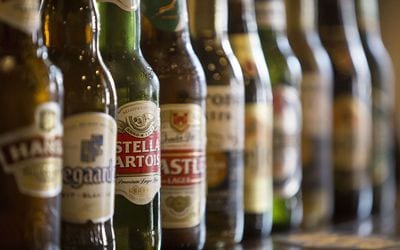
    Notably, the local beer industry, dominated by giants like Dutch brewer Heineken, Denmark’s Carlsberg, and domestic players such as Sabeco and Habeco, has already been grappling with tribulations since the introduction of strict drink-driving regulations in 2019, which instituted a zero-alcohol limit for drivers. As a result, the head of the Beer and Alcoholic Beverage Association has reported a steady decline in industry revenues over the past three years, emphasizing the sector’s precarious state.

    In a simultaneous move on Saturday, lawmakers also enacted an 8% levy on sugary drinks containing more than 5g of sugar per 100ml, set to launch in 2027 and increase to 10% in 2028, expanding the government’s fiscal reach into other dietary concerns as well.

    With all these changes, one can only wonder: will the rising taxes put a cork in beer consumption, or will the Vietnamese spirit of resilience remain uncorked?

    Questions & Answers

    What is the new tax rate on alcoholic beverages in Vietnam?
    The special consumption tax on alcoholic drinks is set to rise from 65% to 90% by 2031.

    When will the tax rate on beer and strong liquors reach 70%?
    The tax rate will increase to 70% by 2027.

    What new levy was also approved alongside the alcohol tax?
    An 8% tax on sugary drinks exceeding 5g of sugar per 100ml was approved, to take effect in 2027, with a rise to 10% in 2028.