Category: Food

Retail News Asia is committed to providing both local and global retailers with the latest Food and Food & Beverage news throughout the Asian market. This on a daily base.

  • Yum China Boosts Share Buyback Program to $510M, Strengthening Investor Confidence for H2 2025

    Yum China Boosts Share Buyback Program to $510M, Strengthening Investor Confidence for H2 2025

    Yum China Holdings, Inc. has unveiled an impressive $510 million share repurchase program set to kick off on July 1, 2025. This marks a significant 42% increase from the previously announced $360 million for the first half of the year, signaling strong confidence in the company’s future.

    Alongside this strategic move, Yum China will issue a quarterly dividend of $0.24 per share, projecting a remarkable return of at least $1.2 billion to shareholders in 2025. CEO Joey Wat emphasized the company’s commitment to balancing business growth while effectively rewarding investors. The aim is to achieve $3 billion in returns from 2025 to 2026, following a successful $1.5 billion return in 2024.

    The repurchase initiative breaks down to approximately $410 million allocated in the U.S. and HK$790 million earmarked for Hong Kong, showcasing Yum China’s robust financial strategy. Since 2017, the company has impressively returned a total of $4.8 billion to its shareholders through dividends and share buybacks.

    As Yum China enriches its shareholder base, it seems the only thing missing is a celebratory feast—perhaps a few extra dumplings to toast the occasion!

    Questions & Answers

    What is the total amount Yum China plans to return to shareholders in 2025?
    Yum China expects to return at least $1.2 billion to shareholders in 2025.

    When does the share repurchase program start?
    The share repurchase program will begin on July 1, 2025.

    How much has Yum China returned to shareholders since 2017?
    Since 2017, Yum China has returned $4.8 billion to its shareholders through dividends and buybacks.

  • Malaysian Farmers Explore Legal Action to Safeguard 2,400 Ha of Durian Farmland from Corporate Takeover

    Malaysian Farmers Explore Legal Action to Safeguard 2,400 Ha of Durian Farmland from Corporate Takeover

    The Save Musang King Alliance, under the leadership of president Wilson Chang, is raising alarms over DOA Plantation, a company barely a year old, for allegedly occupying approximately 2,400 hectares of durian orchards without proper consent.

    Accusations Made Against DOA Plantation

    Chang has voiced serious concerns that the firm has forcibly ousted farmers, marked their durian trees, and has yet to produce any official documentation to substantiate its claim over the land, as reported by Free Malaysia Today. In a recent social media post, Chang lamented, “There is strong reason to believe that the firm intends to harvest durians this season and profit from the hard work of local farmers, without any compensation.”

    Entirely undeterred, the alliance is exploring legal avenues to halt DOA Plantation’s operations and safeguard local growers’ rights. Chang also called attention to the puzzling circumstances surrounding how such a vast area of land was handed to a company led by directors from Penang and Sarawak, urging the Pahang government to clarify the situation. He emphasized, “We reaffirm our core belief that the land is the lifeblood of our farmers, and that every tree represents years of hard labour and care. No corporation should be allowed to exploit this without consequence.”

    The High Stakes in Durian Farming

    According to Chang, the new company aims to seize control of around 2,400 hectares of farmland, intertwining orchards that have previously sparked ownership disputes between local farmers and authorities. The anticipated harvest from these durian trees alone is estimated to be worth over RM100 million (US$24 million)—a lucrative bounty that has everyone on their toes.

    Chang also noted that although discussions with the Pahang government regarding the farmland have not completely met farmers’ demands, there has been “meaningful progress” after five years of determined resistance from Musang King durian farmers in Raub. To date, the price of Grade A durians has seen a boost from MYR30 per kg in 2020 to MYR35 today, along with clearer grading standards aimed at ensuring fairer payments for farmers.

    With these advancements in mind, the Save Musang King Alliance is contemplating an out-of-court settlement with the Pahang government, redirecting its energies toward the legal battle against DOA Plantation.

    Challenges Ahead

    In an earlier incident in April, the Pahang government cut down over 1,000 durian trees, asserting they were cultivated on illegally occupied land. The alliance claimed a court ruling from the previous May prohibited such demolitions, while authorities countered that no judicial orders were contravened and defended their right to clear the land.

    Meanwhile, the Malaysian Anti-Corruption Commission has announced it is currently gathering relevant documents as part of its investigation into the land encroachment allegations. Several former government officials linked to the case have been identified, but as yet, no arrests have been made. One can only wonder what surprising twists lie ahead in this unfolding saga of durian drama!

    Questions & Answers

    What are the main allegations against DOA Plantation?
    The main allegations include forcibly removing farmers from their land, marking trees for harvest, and failing to present any official documents proving their right to operate on the 2,400 hectares of durian orchards.

    How has the Pahang government responded to the situation?
    The Pahang government has defended its actions, including the removal of over 1,000 durian trees, stating they were on illegally occupied land and asserting that no court orders were violated.

    What next steps are being considered by the Save Musang King Alliance?
    The alliance is contemplating legal action against DOA Plantation while also considering an out-of-court settlement with the Pahang government to better focus their efforts in this ongoing land dispute.

  • Philippines Sees Nearly 21% Decline in Rice Imports: A Shift in Agricultural Landscape

    Philippines Sees Nearly 21% Decline in Rice Imports: A Shift in Agricultural Landscape

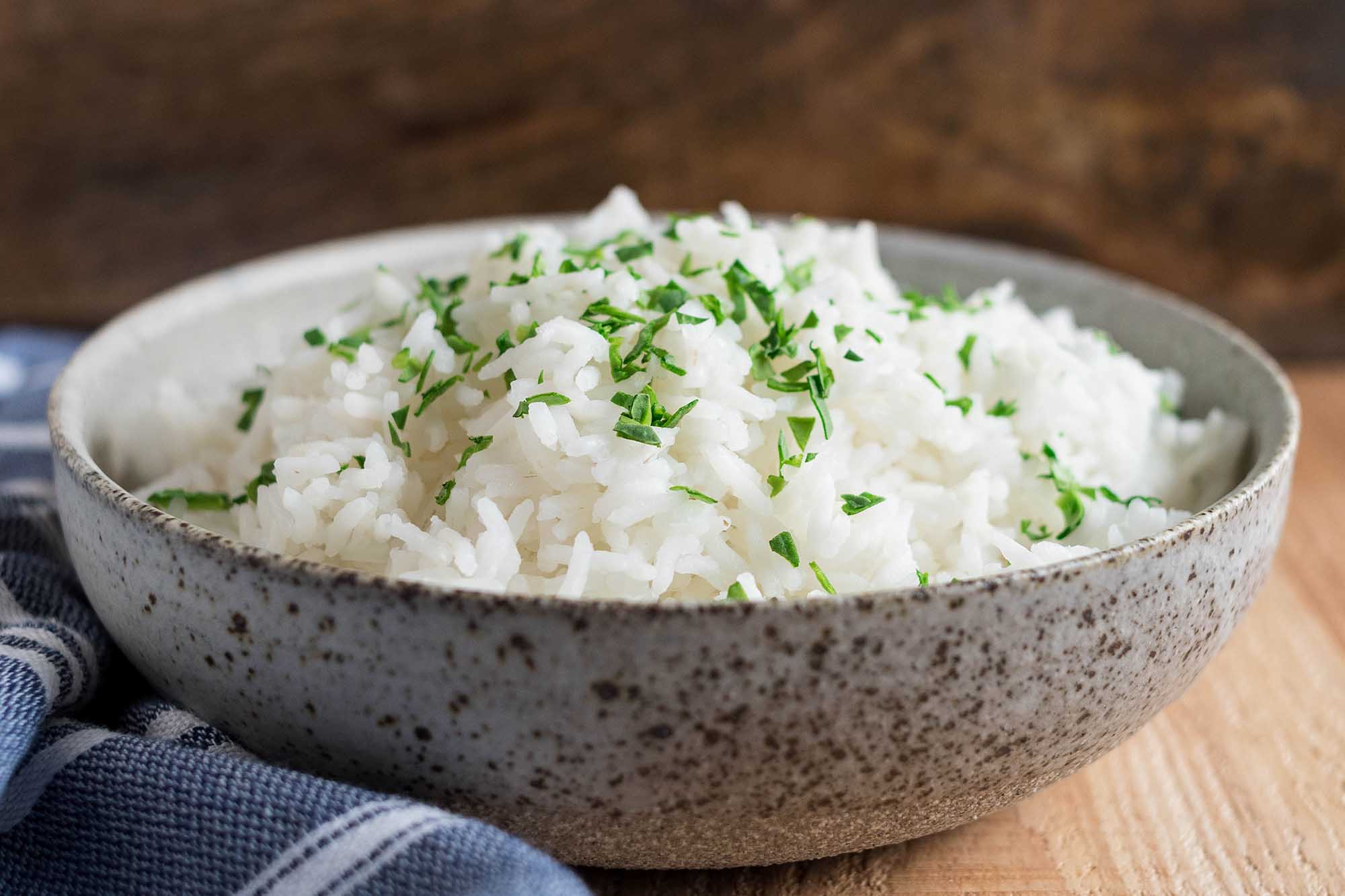
    The Philippines is witnessing a notable shift in its rice import landscape, as the archipelago’s imports fell sharply to 1.7 million tons within the first five months of 2025. This represents a significant decline of 20.9% compared to the same period last year.

    Domestic Production on the Rise

    A contributing factor to this decrease is a slight improvement in domestic rice production, which reached 4.69 million tons in the first quarter of 2025. This is a modest increase from the 4.68 million tons produced during the same quarter a year prior. Despite this short-term dip in imports, the United States Department of Agriculture (USDA) forecasts that the Philippines will continue to hold its position as the world’s largest rice importer in 2025. The USDA anticipates imports to climb to 5.4 million tons, with a further increase to 5.5 million tons expected in 2026. The driving forces behind this expected rise include a growing population, increased tourism, and the enduring role of rice as a staple in the Filipino diet.

    Government Initiatives to Stabilize Prices

    In light of these trends, the Philippine government is taking proactive measures to stabilize rice prices and ensure they remain accessible to consumers. An executive order signed in June 2024 reduces the tariff on imported rice to 15%, a rate that will remain in effect until 2028, with periodic assessments every four months.

    Agriculture Secretary Francisco Tiu Laurel Jr. has hinted that the Department of Agriculture may propose a gradual hike in import tariffs during the upcoming harvest season. This initiative aims to bolster support for local farmers while managing the influx of imported rice, showcasing the country’s commitment to balancing domestic agricultural productivity with the need for imports to meet national consumption demands.

    In a twist of fate, while the country may be reducing its rice imports, it certainly isn’t skimping on its love for this beloved staple!

    Questions & Answers

    What are the main reasons for the decrease in rice imports in the Philippines?
    The decrease is primarily due to a slight increase in domestic rice production, which rose to 4.69 million tons in early 2025, providing a modest buffer against imports.

    How much rice does the USDA expect the Philippines to import in the coming years?
    The USDA projects that rice imports will reach 5.4 million tons in 2025 and increase to 5.5 million tons in 2026, positioning the Philippines as the leading rice importer globally.

    What measures is the Philippine government taking to stabilize rice prices?
    The government has reduced the tariff on imported rice to 15% under an executive order, effective until 2028, while considering gradual increases in tariffs to support local farmers amidst rising import needs.

  • Vietnam Health Inspectors Call for Probe into Possible Misleading Nestlé Milo Advertisements

    Vietnam Health Inspectors Call for Probe into Possible Misleading Nestlé Milo Advertisements

    A recent inspection has cast a shadow over Nestlé’s bold claim that its products are “proven to help children.” The provincial Department of Health revealed on Thursday that this assertion, prominently featured on packaging and in marketing materials, was misleading and lacked substantiating evidence.

    While the specifics of the violations remain under wraps, Nestlé Vietnam has yet to respond to these findings. The global food powerhouse based its claim on a study conducted in partnership with the National Institute of Nutrition. However, the institute contradicted Nestlé’s narrative earlier this week, stating that the study showed no significant effectiveness in improving the nutritional status of students after three months.

    Study Results Raise Eyebrows

    The examination focused on the effects of physical education combined with Nestlé Milo barley milk among 576 primary school students in Ninh Binh, conducted between June 2022 and March 2023. The study concluded that not only did the product fail to enhance nutritional status, but it also showed no improvement in cognitive abilities. Yet, it did highlight that physical activities paired with Nestlé Milo contributed positively to certain physical fitness parameters, including speed, strength, endurance, flexibility, and dexterity—proving that some gains can indeed be made at the gym.

    The National Institute of Nutrition has urged Nestlé Vietnam to reassess all communications and advertisements in light of the inspection results. It warned that any misleading information linked to the institute risks immediate removal.

    Previously, on May 15, Nestlé defended its claims, asserting that it relied on the study’s findings and had ensured compliance with relevant legal provisions before promoting its product benefits.

    Wider Implications for the Industry

    This revelation comes amid heightened scrutiny of the food and health supplement industries, with authorities uncovering numerous cases involving fake milk products, subpar health supplements, and dubious cosmetics. The tension has ramped up considerably, with several celebrities drawing fire for misrepresenting the merits of milk and functional foods.

    In response to these issues, on May 22, the Ministry of Health launched 15 inspection teams dedicated to examining pharmaceuticals, cosmetics, traditional medicines, milk, functional foods, and medical equipment nationwide over the next month. It’s a significant step forward in ensuring consumer safety, even if it means ruffling a few feathers in the process.

    Perhaps in this era of wellness hype, a little honesty could go a long way—who knew that sometimes, the truth packs the biggest punch?

    Questions & Answers

    What has the recent inspection revealed about Nestlé’s claims?
    The inspection found that Nestlé’s claim of being “proven to help children” was misleading and lacked sufficient evidence, leading to scrutiny from the provincial Department of Health.

    What did the study conducted with the National Institute of Nutrition conclude?
    The study indicated that Nestlé Milo barley milk did not effectively improve the nutritional status or cognitive abilities of students but noted some improvement in physical fitness through combined physical activities.

    What actions has the Ministry of Health taken in light of these findings?
    The Ministry of Health has established 15 inspection teams to investigate various health-related products and their advertisements across the country, aiming to uphold consumer safety amidst rising concerns about misleading marketing practices.

  • Fruit Export Crisis: Major Markets Tighten Import Rules, Causing Significant Decline

    Fruit Export Crisis: Major Markets Tighten Import Rules, Causing Significant Decline

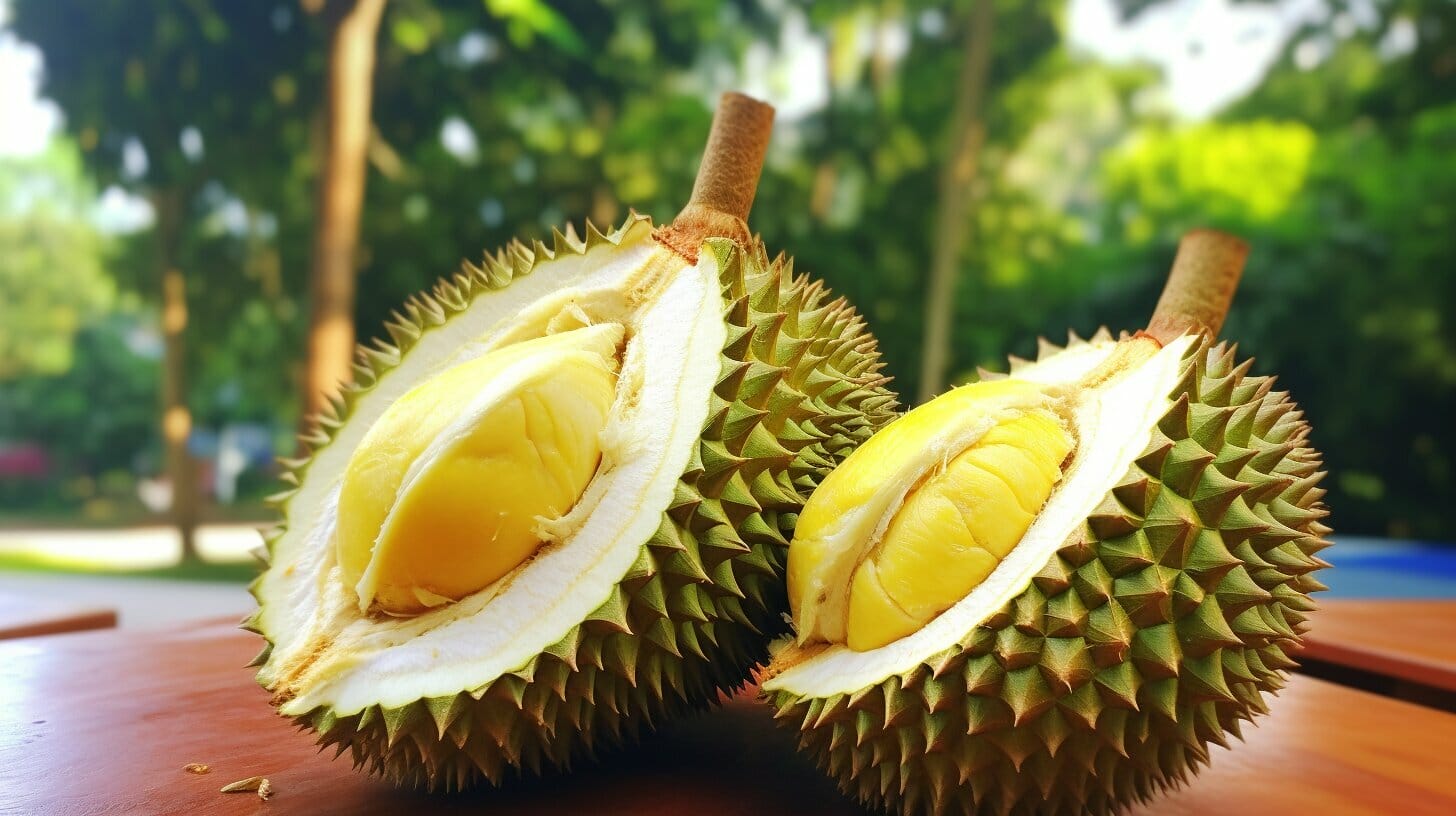
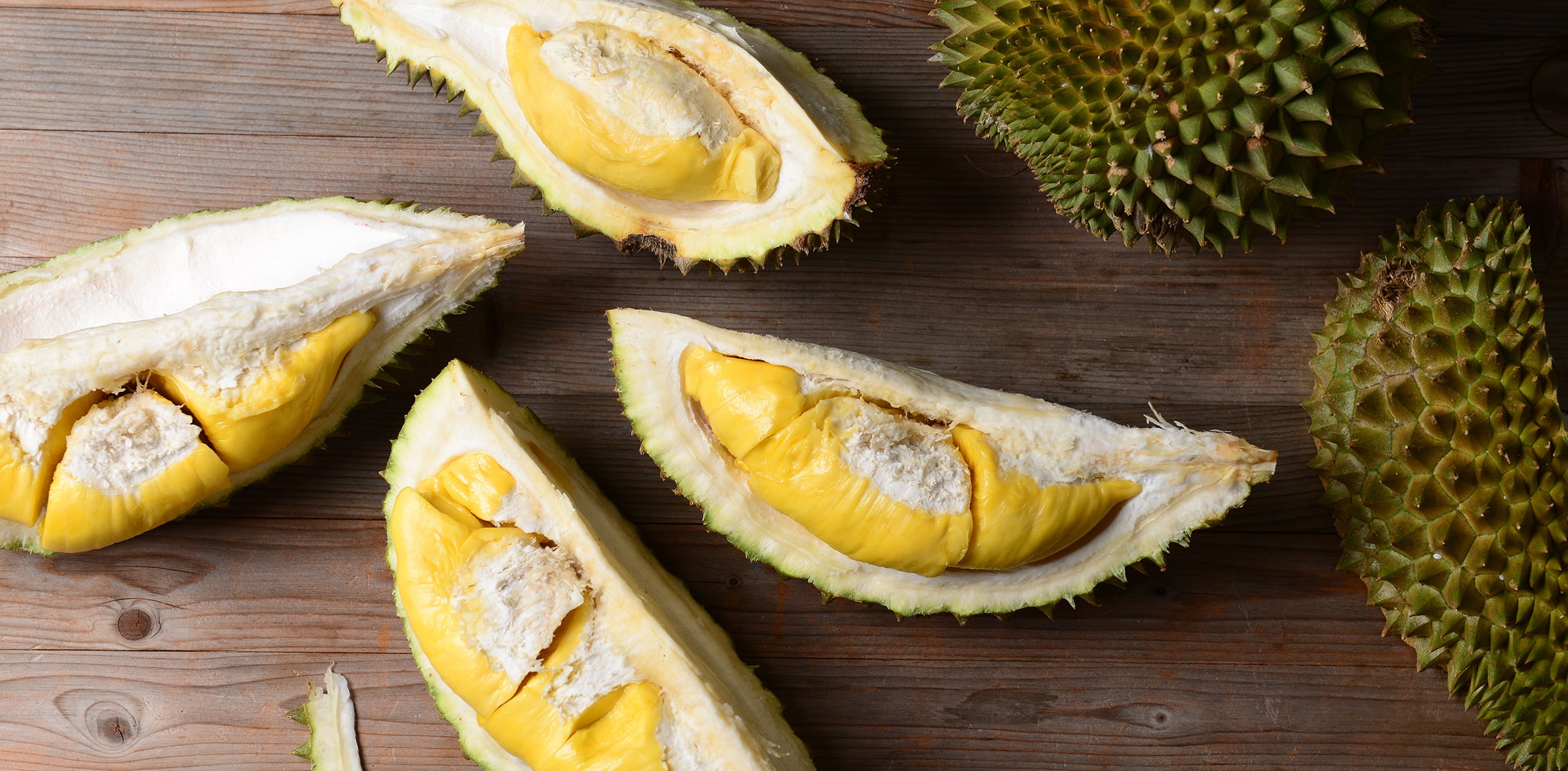
    Overall shipments of fruits and nuts have taken a significant hit, plummeting by 23% to a staggering US$1 billion, as exports of six out of the eight leading fruits face stark declines. Among the most affected is the beloved durian, which, following a surge last year, experienced a dramatic 61% drop in exports, falling to $183 million.

    Fruit Exports Dwindle

    The news gets even juicier; watermelon exports have dropped by 52% to $33 million, while jackfruit has seen a 20% decline, now at $98 million. Even bananas and dragon fruit shipments reflected slight decreases. The Fruits and Vegetables Association attributes this downturn largely to the tightening of import standards in key markets such as China, South Korea, the Netherlands, and Thailand.

    China, which is Vietnam’s largest buyer of agricultural goods, has ramped up its quarantine and inspection protocols. Durian has suffered greatly under these new regulations, with Chinese authorities now inspecting every shipment for cadmium residues and other potentially harmful substances. This has led to rising costs for exporters and lengthened customs clearance times, leaving many businesses reluctant to enter new contracts with buyers.

    Jackfruit, heavily dependent on the Chinese market, is experiencing similar issues, as stricter controls on chemicals push firms to limit purchases from farmers, focusing primarily on domestic consumption. Dragon fruit exports have also been hindered as China moves toward self-sufficiency, sourcing from Vietnam mainly during its off-season.

    Stinging Price Drops

    This slump in exports has hit domestic fruit prices hard. Off-season durian now averages VND40,000–80,000 per kilogram, which is a steep decline from the previous year. Jackfruit prices have hit rock bottom, plummeting to historic lows of VND4,000–10,000. These steep declines have placed many farmers in key growing regions in a precarious position, struggling to recover their costs—especially those who expanded their cultivation heedlessly.

    In a recent meeting, Minister of Agriculture and Environment Do Duc Duy underscored the urgent need for action, stating, “We must review cultivation areas to avoid uncontrolled expansion and misuse of forest land while tightening planning to ensure safe production and ecological protection.” The ministry aims to bolster the legal framework surrounding agricultural exports by tightening regulations on farms, packing facilities, and testing laboratories.

    The focus will be on standardizing technical processes from production to export, promoting deep processing to enhance value, and reducing reliance on fresh fruit exports. Businesses are also encouraged to diversify their markets in order to mitigate risks stemming from policy changes by major importing countries.

    It’s a challenging time for Vietnam’s fruit industry, but isn’t it also a reminder that the world of agriculture is as unpredictable as a fruit fly in a locker room?

    Questions & Answers

    What caused the sharp decline in fruit exports?
    The primary reason for the fall is the tightening of import regulations in major markets like China, which has intensified quarantine and inspection standards.

    How have these changes affected farmers?
    Many farmers are struggling to cover their costs due to plummeting prices. Those who expanded their production without planning are feeling particularly vulnerable.

    What actions are being taken to address these challenges?
    The Ministry of Agriculture plans to review cultivation areas, tighten regulations on agricultural exports, and encourage businesses to diversify their markets for greater stability.

  • Starbucks Seeks Private Jet Pilot with Competitive Salary Reaching $360,000

    Starbucks Seeks Private Jet Pilot with Competitive Salary Reaching $360,000

    Starbucks is on the hunt for a private jet pilot, offering a staggering salary that can soar up to $360,300 annually, according to a recent report by Business Insider. This ambitious pay scale positions the coffee giant as one of the top employers in the aviation industry.

    The Seattle-based company is prepared to start the lucky captain at a minimum of $207,000—still higher than the average airline pilot’s salary of $280,000, as per the U.S. Bureau of Labor Statistics. But it’s not just about the paycheck; the role comes with a unique blend of responsibilities and perks that promise an exhilarating lifestyle.

    Experience and Qualifications Required

    Starbucks is seeking an experienced aviator with a total of 5,000 flight hours and at least five years of service in a corporate flight department. The ideal candidate will also need to pilot the latest Gulfstream private jets—a task that requires not only technical know-how but also a dash of flair.

    But the responsibilities extend beyond flying the plane. The captain is expected to act as a “Starbucks ambassador both at home and abroad,” showcasing the brand in the skies. Duties will include assisting passengers with their luggage, ensuring security away from the home base, and the flexibility for extensive travel—talk about a high-flying gig!

    The job description highlights collaboration with crew members, dispatch teams, and maintenance personnel, all while fulfilling the air transportation needs for Starbucks Aviation.

    CEO’s Unique Arrangement

    This aeronautical quest comes on the heels of Starbucks making headlines when they appointed Brian Niccol as CEO last year, allowing him to remain in California and commute 1,000 miles to Seattle. His offer letter referred to the use of Starbucks’ corporate aircraft for his travels, a perk that extends to personal trips valued at up to $250,000 annually.

    It seems that for Starbucks, the sky isn’t the limit; it’s just the beginning!

    Questions & Answers

    What qualifications does Starbucks require for the pilot position?
    Candidates need a minimum of 5,000 flight hours and five years of experience in a corporate flight department, along with the ability to operate the latest Gulfstream jets.

    What are the main responsibilities of the private jet pilot?
    The pilot will serve as a brand ambassador for Starbucks while assisting with passenger needs, ensuring security, and traveling extensively.

    How does the salary compare to industry standards?
    Starbucks is offering up to $360,300 annually for the position, which is significantly higher than the average airline pilot’s salary of $280,000.

  • Michelin-Star Chef Olivier Elzer Brings His Vibrant French-Mediterranean Vision to JW Marriott Phu Quoc Emerald Bay Resort & Spa in Vietnam

    Michelin-Star Chef Olivier Elzer Brings His Vibrant French-Mediterranean Vision to JW Marriott Phu Quoc Emerald Bay Resort & Spa in Vietnam

    JW Marriott Phu Quoc Emerald Bay Resort & Spa, the reimagined mythical French university on Vietnam’s magical holiday island, welcomes renowned Michelin-starred chef Olivier Elzer to its new fine-dining venue, Pink Pearl by Olivier E. This dining destination will regale guests with the unique style of French-Mediterranean gastronomy that has propelled the culinary maestro to international acclaim. The revitalized restaurant also echoes the considerable charms of Madame Pearl Collins after whom it is named – an imaginary Gatsby-era socialite famed for hosting dazzling dinner parties in her resplendent pink mansion.

    Raised in Alsace, France, Olivier Elzer is one of the most gifted chefs of his generation. Having worked alongside industry legends such as Pierre Gagnaire and Joel Robuchon, he has become a master of gastronomy in his own right, garnering a total of 27 Michelin stars in a 30-year “East meets West” career. His journey across Europe to Asia has comprised spells at some of the most prestigious five-star hotels and fine-dining destinations in Hong Kong, including The St. Regis, W Hong Kong and Clarence. The pioneering culinary innovator also owns a state-of-the-art food lab.

    Chef Olivier’s culinary philosophy is authentic and refreshingly approachable, offering French classics with innovative regional twists at exceptional value for all to enjoy. At Pink Pearl by Olivier E. at JW Marriott Phu Quoc Emerald Bay Resort & Spa, guests can discover a meticulously crafted menu that emphasizes the timeless flavors of France’s Côte d’Azur with avant-garde adaptations – including a series of the chef’s signature dishes exclusively available here. Crafted using natural and seasonal produce from local farmers and fishing communities, along with premium imported ingredients, and elevated with a unique Mediterranean touch, Chef Olivier’s culinary creations will bring the grace and glamor of the French Riviera to Phu Quoc’s pristine shores, creating an emotional connection with every diner.

    This vision is perfectly reflected by the signature dish of locally-sourced Bonito, cooked over charcoal to add depth and flavor, and served with an Endive Salad, Comté Cheese and Vierge Sauce – a vibrant recipe that highlights the multi-award-winning chef’s philosophy of using local, fresh ingredients while honoring traditional cooking methods. His classic Bohémienne, meanwhile, elevates the traditional Provençal-style dish of Eggplant, Tomato and Parmesan.

    Diners at this luxury eco-conscious resort situated in a stunning spot of Vietnam’s idyllic “Pearl Island” can also embark on two signature culinary journeys: refined five-course and seven-course menus, curated by Chef Olivier exclusively for Pink Pearl by Olivier E., embracing premium ingredients and artistic presentation. Every weekend, Phu Quoc’s most sought-after Sunday brunch is an indulgent celebration of social gastronomy in a one-of-a-kind beachfront setting.

    Beginning in June 2025, Pink Pearl by Olivier E. will introduce a new permanent menu that blends France’s sophisticated culinary heritage and evocative Mediterranean influences with the chef’s Michelin-starred expertise and the local spirit of Phu Quoc.

    Chef Olivier’s cuisine is perfectly paired with fine wines curated by Master Sommelier Bertrand Lutaud. A professional taster and judge who has worked in several Michelin-starred establishments, Bertrand excels in complementing creative cuisine with vintages from leading vineyards in France and around the world.

    Pink Pearl by Olivier E. is just one of the outstanding culinary venues at the Phu Quoc jewel. Foodies can also step into a world of casual elegance at Tempus Fugit, the laid-back beachfront restaurant, savor Latin American “dock-to-dish” cuisine overlooking the ocean at Red Rum, and step into a world of science and mixology at the Department of Chemistry.

  • Championing European Culinary Heritage in Hong Kong

    Championing European Culinary Heritage in Hong Kong

    European culinary delicacies shine this May, as the “Enjoy the Authentic Joy from Europe” campaign celebrates four premium delicatessen meats with an exclusive press luncheon. This exciting campaign, co-financed by the European Union and supported by three esteemed consortia, brings the rich, indulgent flavours of Mortadella Bologna PGI, Salamini Italiani alla Cacciatora PDO and Zampone Modena PGI and Cotechino Modena PGI to the dynamic city of Hong Kong. 

    Special Press Luncheon

    As part of the “Enjoy the Authentic Joy from Europe” campaign, an exclusive press luncheon hosted at Giando Italian Restaurant & Bar in Hong Kong today, brought together key media representatives, influencers, and food enthusiasts to indulge in a customised menu featuring the iconic products.

    The lunch also included an introduction from representatives of the three consortia behind these meats: Consorzio Italiano tutela Mortadella Bologna, Consorzio Cacciatore Italiano, and Consorzio Zampone e Cotechino Modena IGP.

    Following the press luncheon, interested parties can purchase the renowned deli meats at selected city’super, one of Hong Kong’s leading, premium grocery stores, giving customers the opportunity to explore, taste and purchase these exceptional products while learning more about their heritage.

    • Central – ifc mall: 1041-1049, Level 1, ifc mall, 8 Finance Street, Central, Hong Kong
    • Causeway Bay – Times Square: Basement 1, Times Square, 1 Matheson Street, Causeway Bay, Hong Kong
    • Tsim Sha Tsui – Harbour City: Shop 3001, Level 3, Gateway Arcade, 3-27 Canton Road, Harbour City, Tsim Sha Tsui, Hong Kong
    • Shatin – New Town Plaza: Shops 204-214, Level 2, New Town Plaza 1, Sha Tin Centre Street, Sha Tin, Hong Kong

    Supporting Heritage and Quality

    The three consortia behind these products – Consorzio Italiano tutela Mortadella Bologna, Consorzio Cacciatore Italiano, and Consorzio Zampone e Cotechino Modena IGP – are non-profit organisations dedicated to safeguarding and upholding these traditional foods.

    The consortia ensure that their deli meats meet strict production standards in compliance with the European Union’s PDO (Protected Denomination of Origin) and PGI (Protected Geographical Indication) certifications. These certifications not only protect the integrity of these products, but they ensure consumers of their authenticity, nutritional value, and quality while also supporting the producers who continue to craft them using time-honoured methods.

  • Vietnamese Mangosteen in High Demand Despite Price Difference with Thai Variety

    Vietnamese Mangosteen in High Demand Despite Price Difference with Thai Variety

    Vietnamese mangosteen is captivating fruit lovers across Asia, with its unique sweetness and alluring fragrance making it a sought-after choice, even as prices soar 50% higher than its rival, Thai imports. This tropical delight, typically sold in Ho Chi Minh City starting at VND120,000, is drawing eager buyers despite the price tag. In contrast, Thai mangosteen, while available in larger quantities, is more affordable, ranging from VND90,000 to VND100,000.

    Pre-Orders and Harvest Setbacks

    As the main harvesting season approaches in just a month, vendors like Lan Anh from Binh Thanh District have noticed a surge in pre-orders for the coveted local variety. However, this year’s harvest has been delayed, leaving many aspiring farmers in key production regions like Binh Duong and Dong Nai with unripe orchards. Farmers are anticipating significant drops in their yields, potentially by 40% to 70% compared to last year, largely due to unfavorable weather conditions. The wait for the first pickings could stretch an additional two weeks, leaving a taste for sweetness that consumers can’t quite satisfy just yet.

    This curious delay has not dampened enthusiasm; rather, it adds an air of anticipation for what many hope will be a fruitful mangosteen season. Who wouldn’t want to indulge in a fruit that feels as luxurious as it tastes?

    Questions & Answers

    Why is Vietnamese mangosteen more expensive than Thai imports?
    Vietnamese mangosteen tends to be sweeter and more fragrant than its Thai counterparts, justifying its higher price.

    When does the main harvest season for Vietnamese mangosteen begin?
    The main harvest season typically begins next month, although it has been delayed this year.

    What challenges are farmers facing this season?
    Farmers are contending with reduced yields, with estimates indicating a significant drop of 40% to 70% due to unfavorable weather conditions.

  • Vietnam speeds up efforts to overcome durian export challenges amid China’s stricter quality controls.

    Vietnam speeds up efforts to overcome durian export challenges amid China’s stricter quality controls.

    Vietnam’s durian exporters are currently facing a tough dilemma as they navigate the aftermath of a tremendous growth spurt. With China tightening its quality control measures and facing stiff competition from Thailand, the Philippines, and local Chinese production, the landscape is shifting dramatically. Now, preserving market share and ensuring sustainable growth have become critical imperatives for the industry.

    In a staggering indication of this trend, Vietnam’s durian exports plunged to a mere $130 million in the first four months of 2025, marking a 74% drop compared to the same period last year. China, being the world’s largest durian market, has significantly reduced its imports, creating a ripple effect throughout the industry.

    Nguyen Van Thanh, a trader hailing from the Mekong Delta—an area known for its substantial durian output—noted that this year’s fruits have largely failed to meet China’s stringent inspection criteria. The situation has fueled calls for better compliance and management within the sector.

    General Secretary of the Vietnam Fruit and Vegetable Association, Dang Phuc Nguyen, emphasized the need for establishing new testing labs to satisfy Chinese safety standards, following a successful model observed in Thailand. These facilities would enable local farmers to conduct necessary tests and obtain vital certifications. He stressed that certified orchards would gain priority among traders and businesses, with products undergoing further testing at labs accredited by China.

    To enhance the reputation of Vietnamese produce, Nguyen urged for penalties against fraudulent practices, stating, “Effective control at source will facilitate smoother negotiations with and customs clearance in China.”

    Explaining the complications further, Henry Bui, General Director of the China-approved Hoan Vu Inspection Center, revealed that cadmium found in durians often originates from fertilizers. However, he warned that sample testing isn’t a panacea for contamination; proper oversight of illegal fertilizers is crucial. If soils are significantly compromised, remediation efforts are essential.

    Meanwhile, authorities from the Department of Crop Production and Plant Protection are not sitting idle. They have joined forces with local governments to research and implement solutions. Short-term measures include soil remediation techniques to lower cadmium absorption, using lime to adjust soil pH, and introducing cadmium-absorbing crops as temporary biological solutions. Farmers are also being encouraged to cultivate high-biomass, short-cycle crops, restoring soil health and limiting cultivation during critical periods.

    Long-term strategies focus on the careful application of fertilizers, combined with improved education to ensure farmers utilize the right types and amounts, thereby reducing the buildup of harmful substances. Nguyen Dang Nghia, the former director of the Soils and Fertilizers Institute, is already testing cycle-specific remedial treatments for contaminated soils across different localities in the Mekong Delta.

    Bui also flagged potential hazards from auramine O, an industrial dye used to enhance fruit appearance. While it may not affect the flesh of the fruit, it can contaminate entire storage facilities if not managed correctly. Should it be detected, thorough disinfecting—or in extreme cases, even complete rebuilding of packing spaces—would be necessary.

    “If businesses and testing centers collaborate effectively with farmers, the durian industry can maneuver through these formidable challenges,” Bui posited with hope.

    Looking ahead, Ha Phuc Mich, chairman of the Vietnam Organic Agriculture Association, believes there’s much to learn from Thailand’s systematic approach—encompassing everything from planting zones to soil testing and legal frameworks. “It’s a lesson Vietnam must embrace immediately—not just for durians, but for other vital crops as well. We must address the root causes rather than rely on temporary fixes,” he advised.

    Questions & Answers

    What challenges are Vietnamese durian exporters facing?
    They are dealing with stringent quality checks from China and fierce competition from Thailand and local Chinese production, leading to a steep decline in exports.

    Why did Vietnam’s durian exports drop so significantly?
    In the first four months of 2025, durian exports fell by 74% to $130 million as China, the largest durian market globally, reduced its imports.

    What measures are being taken to improve the situation?
    Authorities are focused on developing new testing labs and implementing soil remediation strategies, while farmers are encouraged to use proper fertilizers and grow specific crops that help restore soil health.
  • CJ Foods Expands Global Footprint with New Mandu Factory in Japan

    CJ Foods Expands Global Footprint with New Mandu Factory in Japan

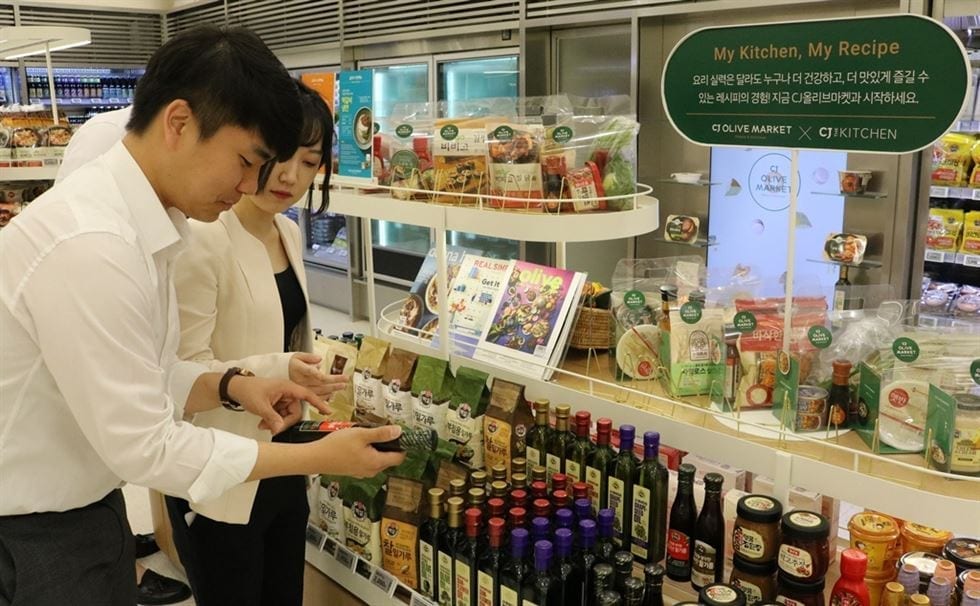
    In an ambitious move to expand its culinary footprint, South Korea’s CJ Foods has announced a significant investment of approximately $73 million (KRW 100 billion) to establish a new mandu (Korean dumpling) factory in Chiba Prefecture, Japan. This state-of-the-art facility will cover 42,000 square meters and is equipped with cutting-edge production lines. Construction is on track to wrap up by July, with production slated to kick off in September.

    Strengthening Its Presence in Japan

    This initiative is designed to enhance CJ Foods’ presence in Japan’s lucrative frozen dumpling market, which boasts an impressive annual value of around $800 million (JPY 114 billion). The factory will be churning out popular items such as bibigo mandu, alongside innovative convenience products aimed at nationwide distribution.

    A Blossoming Market for Korean Cuisine

    Japan is a crucial market for CJ Foods, where beloved offerings like bibigo mandu and gimbap are already available at major retailers such as AEON, Costco, Amazon, and Rakuten. Notably, in 2023, bibigo gimbap sold 2.5 million units in Japan, showcasing the growing appetite for Korean cuisine.

    Global Expansion Plans

    But the excitement doesn’t stop in Japan. CJ Foods is also pushing the envelope with plans for a new factory in Hungary by late 2026 and a grand Asian food complex in South Dakota, USA, set to debut in 2027. Currently, the company operates 20 plants across the United States, four mandu factories in Japan, and production bases in Germany, Vietnam, and Australia.

    This expansion strategy underscores CJ Foods’ mission to elevate its global K-food business by boosting local production capacity and satisfying the surging demand for its delectable offerings. And with this rapid growth, one can’t help but wonder what tasty delights CJ Foods will dream up next!

    Questions & Answers

    • What type of products will the new factory in Japan produce? The factory will produce popular items like bibigo mandu and other convenience products for nationwide distribution.
    • When will production at the new factory begin? Production is expected to start in September, following the completion of construction in July.
    • Where else is CJ Foods expanding aside from Japan? CJ Foods is planning to open a new factory in Hungary by late 2026 and is developing a large Asian food complex in South Dakota, USA, projected to open in 2027.
  • Coffee Exports Surge to $4.2 Billion in Just Five Months!

    Coffee Exports Surge to $4.2 Billion in Just Five Months!

    Vietnam’s coffee exports have made a remarkable leap this year, with the country shipping over 736,000 tons valued at an impressive US$4.2 billion from January to mid-May, as reported by the Department of Customs. While this marks a 5.5% decline in volume year-on-year, the surge in value—up by 56%—can be attributed to rising average prices.

    Domestic Prices Face a Dip

    In an unexpected turn, coffee prices in Vietnam’s Central Highlands experienced a noticeable decline over the weekend, dropping between VND2,500 and VND3,300 (about 9.6 to 13 US cents) per kilogram. As a result, prices now sit at VND122,500 (US$4.82) per kilogram in key provinces like Dak Nong, Dak Lak, and Gia Lai, with Lam Dong posting slightly lower figures at VND122,000.

    Experts in agriculture are looking ahead, predicting that domestic prices may continue their downward trend, potentially settling around VND120,000 per kilogram. This forecast is influenced by a cooling in global market dynamics, as concerns about weather disruptions and trade tensions appear to be subsiding.

    To offset recent market fluctuations, the industry is investing heavily in cultivation and replanting initiatives. This is expected to enhance supply in the near future, bringing fresh optimism to farmers.

    With coffee being such a beloved beverage, will we soon see a “roasted revival” in prices, or is the market on a steady decline? Only time will tell, but one thing’s for sure: coffee lovers and producers alike are watching closely.

    Questions & Answers

    What was the total value of Vietnam’s coffee exports from January to mid-May this year?
    The total value reached US$4.2 billion, despite a decrease in export volume.

    What has caused the recent decline in domestic coffee prices?
    A combination of easing global market conditions and the expectation of increased supply is leading to lower domestic prices.

    What future trends are anticipated for coffee prices in Vietnam?
    Experts predict that prices may drop further to around VND120,000 per kilogram as the market adjusts to better supply conditions.

  • Remedy Drinks launches Ginger Beer range

    Remedy Drinks launches Ginger Beer range

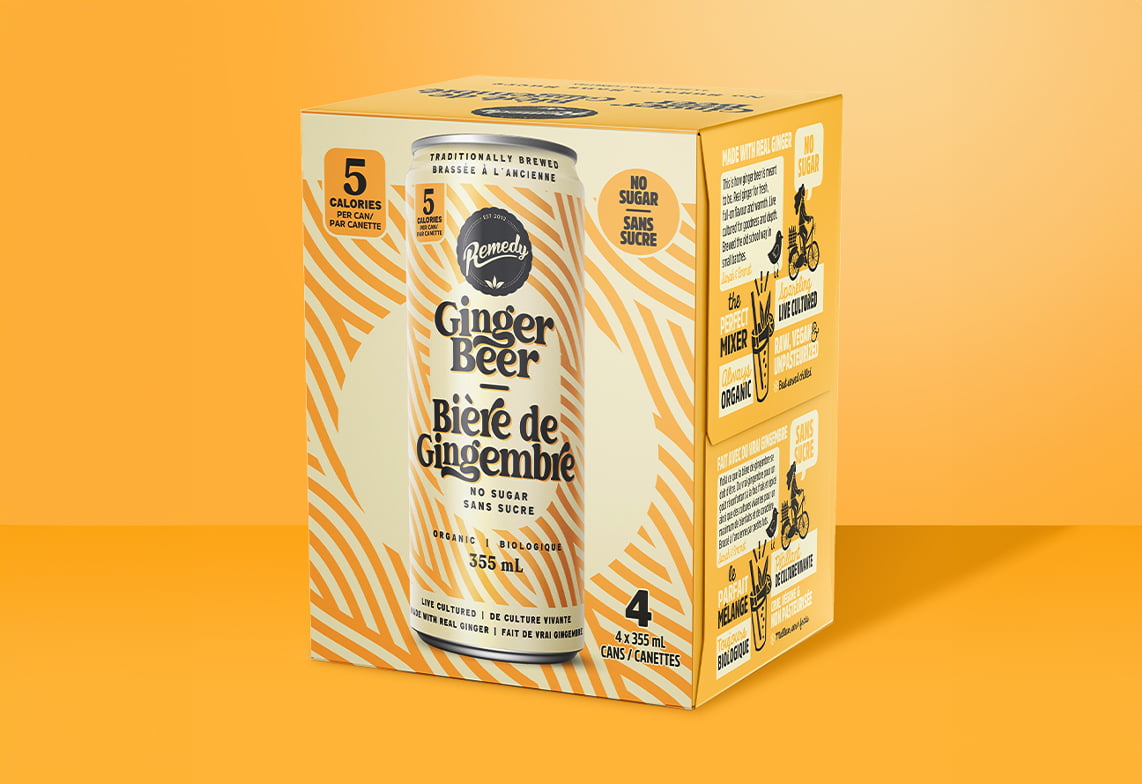
    Remedy Drinks, a popular beverage company, has expanded its product lineup with the introduction of a new drink, Remedy Ginger Beer.

    Interesting Flavours and Traditional Brewing Methods

    Remedy Ginger Beer is offered in two unique flavours – the classic original and an exciting ginger with lime variation. The creation process merges conventional fermentation techniques with contemporary elements to produce a thirst-quenching drink. Both versions are concocted with fresh Australian ginger and are free from sugar and synthetic constituents.

    Steve Byrne, Remedy’s Head Brewer and COO, emphasized the company’s commitment to authenticity in brewing their Ginger Beer. “We aimed for an ideal harmony of sweetness and spice, culminating in a rich, full-bodied taste derived from the fermentation process,” Byrne explained.

    Innovation in Beverage Market

    Remedy Drinks is reputed for its functional, naturally fermented beverages that are rich in flavour. In a departure from their usual kombucha or apple cider vinegar-based drinks, Remedy Ginger Beer employs a ginger root base to provide a stimulating, refreshing spiciness.

    Byrne highlighted the company’s knack for identifying market opportunities, saying, “With our Ginger Beer, we recognized a demand in the market for a robust, sugar-free option that doesn’t sacrifice flavour.”

    Consumers can find Remedy Ginger Beer in Coles, Woolworths, select independent stores, and online.

    New Flavour Launch

    Early this year, Remedy Drinks introduced a limited-edition watermelon flavour of their Sodaly water.

    Questions & Answers

    What is the new product launched by Remedy Drinks?
    Remedy Drinks has recently launched its latest product, Remedy Ginger Beer, available in two varieties – Original Ginger Beer and Ginger Beer with Lime.

    What makes Remedy Ginger Beer different from Remedy’s other drinks?
    Unlike Remedy’s typical kombucha or apple cider vinegar-based drinks, Remedy Ginger Beer uses a ginger root base to offer a stimulating, spicy taste.

    Where can consumers purchase Remedy Ginger Beer?
    Remedy Ginger Beer can be found at Coles and Woolworths, a selection of independent stores, and online.

  • Grab’n Go pack launched for M&Ms and Maltesers

    Grab’n Go pack launched for M&Ms and Maltesers

    Mars Wrigley, a leading confectionery manufacturer, has launched a new Grab’n Go package size for three of its top-selling chocolate brands – M&M’s Milk, M&M’s Peanut, and Maltesers. This fresh initiative comes as a response to consumer demands for smaller, more affordable treat options.

    Understanding Consumer Preferences

    The company’s research reveals that approximately 27% of its chocolate-sharing clientele actively seek better value for their purchases. This insight highlights an emerging trend for more accessible indulgence options in less substantial quantities.

    Michelle Gazzola, Mars Wrigley’s Portfolio Director, explains that the objective of the new packaging format is to offer consumers a handy and economical manner to savour their confections.

    Gazzola went on to say, “Customers are increasingly wanting quick, easy, and delicious treat options that can comfortably fit into their hectic schedules. As such, we’ve expanded our leading chocolate-sharing portfolio with an ideally portable pack size.”

    Local Manufacturing and Availability

    The Grab’n Go packs are produced domestically at Mars Wrigley’s Ballarat factory. These conveniently sized packages are now accessible across the country at petrol and convenience stores, Woolworths, and certain IGA stores.

    Questions & Answers

    What is the purpose of Mars Wrigley’s new Grab’n Go pack format?
    The new format aims to provide consumers with a convenient and affordable way to enjoy Mars Wrigley’s candies.

    What consumer trend led to the introduction of the Grab’n Go pack format?
    The company noticed that approximately 27% of its chocolate-sharing customers sought better value, signalling a growing demand for smaller, more affordable treat options.

    Where can consumers purchase the new Grab’n Go packs?
    The packs are available nationally at petrol and convenience outlets, Woolworths, and select IGA stores.

  • Nescafe expands Espresso Concentrate range with Rich Caramel version

    Nescafe expands Espresso Concentrate range with Rich Caramel version

    Nescafe, the global coffee brand, has expanded its Espresso Concentrate collection with the introduction of a new flavour, ‘Rich Caramel.’ This new addition, characterized by a robust and distinctive caramel taste, is versatile and ideal for the creation of barista-style caramel frappes and sweet iced lattes at home.

    New Flavour Joins the Range

    Nescafe’s Rich Caramel variant joins the already popular Sweet Vanilla and Black varieties in the Espresso Concentrate line. Melissah Toomey, Chief Marketing Officer of Nescafe, stated that the brand’s prior experimentation with caramel flavours has been met with considerable success. The Nescafe Caramel Latte, for instance, stands as the best-selling item amongst all their flavoured product offerings.

    Availability

    The Rich Caramel flavour is presently on sale at Woolworths and local retailers. Plans are also underway to make the product available for purchase at Coles in the coming month.

    Response to Consumer Feedback

    Toomey explained that the addition of Rich Caramel to the Espresso Concentrate range is a direct result of feedback from consumers. Last year’s launch of the Espresso Concentrates was met with overwhelming positivity, leading the company to broaden the range further.

    Apart from the new espresso concentrate, Nescafe also introduced a KitKat-inspired coffee mix to its product lineup last month.

    Questions & Answers

    What is the new flavour that Nescafe has added to its Espresso Concentrate line?
    The new flavour is ‘Rich Caramel.’

    What other flavours are available in the Espresso Concentrate range?
    Apart from Rich Caramel, the range also includes Sweet Vanilla and Black.

    Where can I purchase the new Rich Caramel flavour?
    The Rich Caramel variant of Nescafe Espresso Concentrate is available at Woolworths, local retailers, and will soon be available at Coles.