Category: Food

Retail News Asia is committed to providing both local and global retailers with the latest Food and Food & Beverage news throughout the Asian market. This on a daily base.

  • Jackfruit Prices Plummet to Just 15 Cents Per Kilogram in Vietnam’s Market

    Jackfruit Prices Plummet to Just 15 Cents Per Kilogram in Vietnam’s Market

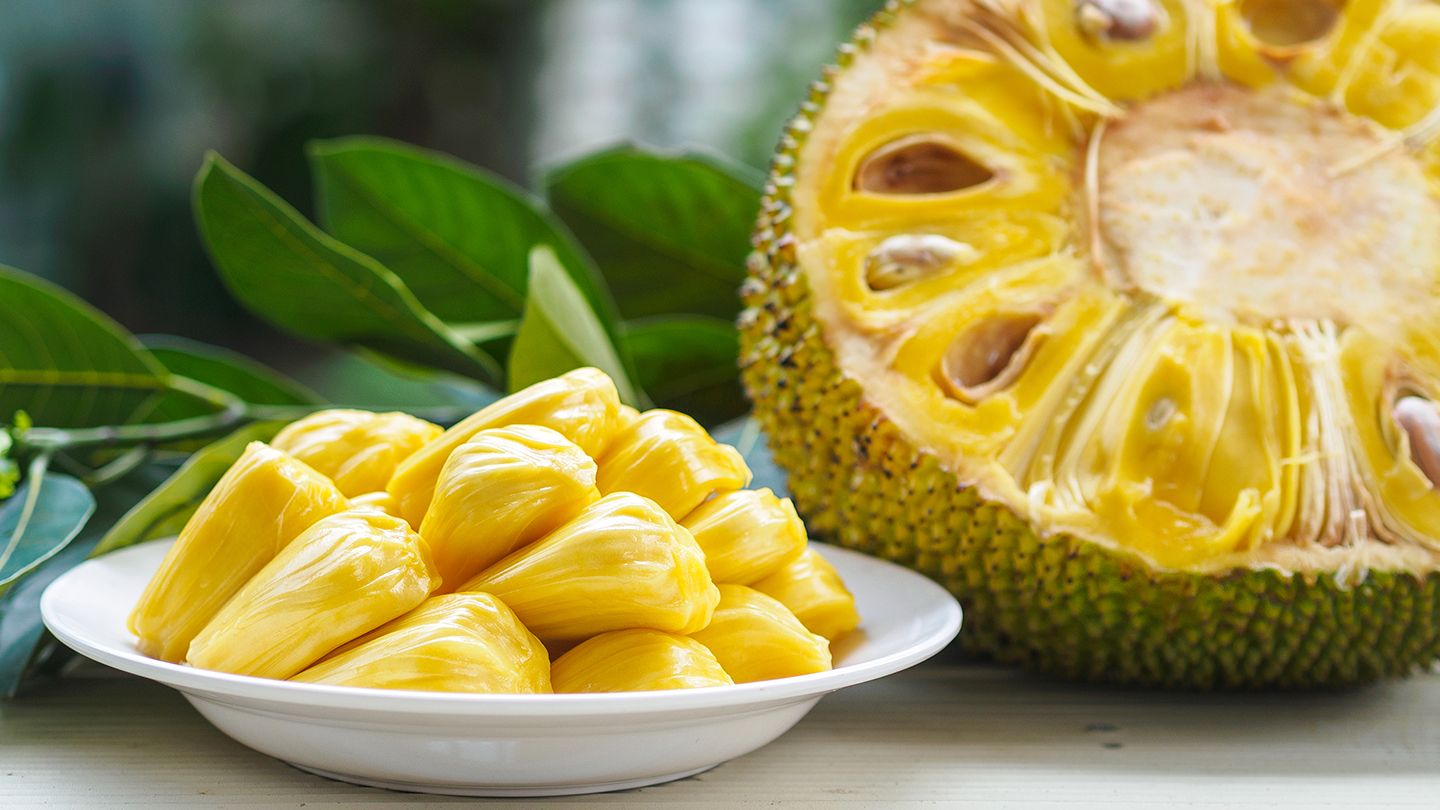
    The price of Thai jackfruit, a staple in Vietnam’s bustling agricultural markets, has taken a steep dive, slashing in half to VND4,000–10,000 (15–39 U.S. cents) per kilogram over just a month. This drastic decline has alarmed local farmers, particularly in the Mekong Delta, where the fruit is predominantly cultivated.

    Challenges from Trade Regulations

    The primary reason behind this tumble lies in tightening import protocols from China, a vital market for Vietnamese jackfruit. Stricter regulations surrounding banned substances and pesticide residues have left farmers grappling with a sharp decline in demand. Recent months have seen orchards in the key jackfruit-growing provinces of Ben Tre and Tien Giang trimming prices for top-quality produce—once the pride of their harvests.

    One local farmer, Hung, who tends to 40 jackfruit trees, expressed his growing concern. He recently sold three tons of his haul for VND5,000–8,000 per kilogram, far below his production costs of VND9,000–12,000. “If prices remain low, my family will suffer heavy losses this year,” he lamented, underscoring the grim reality facing many farmers.

    Rising Costs and Stiff Competition

    Adding to the farmers’ woes are rising expenses for fertilizer and labor. Traders are also skittish due to the sudden elevation of quality standards imposed by Chinese authorities. Compounding these challenges is competition from an array of other seasonal fruits, including watermelon, lychee, mango, and mangosteen, which further dilutes the market for jackfruit.

    The entire export landscape seems bleak, with the first quarter of 2025 witnessing a 13% drop in jackfruit exports compared to the previous year, totaling $70 million. As farmers face an uncertain future, one can only wonder: can this beloved fruit stage a comeback, or will it continue to face challenges in the changing market landscape?

    Questions & Answers

    What factors have contributed to the fall in jackfruit prices in Vietnam?
    The prices have dropped due to stricter import regulations from China regarding pesticide residues and banned substances, along with rising production costs and competition from other fruits.

    How have local farmers reacted to the price drops?
    Many farmers, like Hung, are experiencing significant financial strain, selling their produce at prices well below their production costs and fearing heavy losses.

    What are the prospects for jackfruit exports moving forward?
    With exports already down 13% in early 2025 compared to last year, the future looks uncertain unless farmers can adapt to market demands and pricing challenges.
  • Uma Nota and Bedu to shut down in Hong Kong this summer

    Uma Nota and Bedu to shut down in Hong Kong this summer

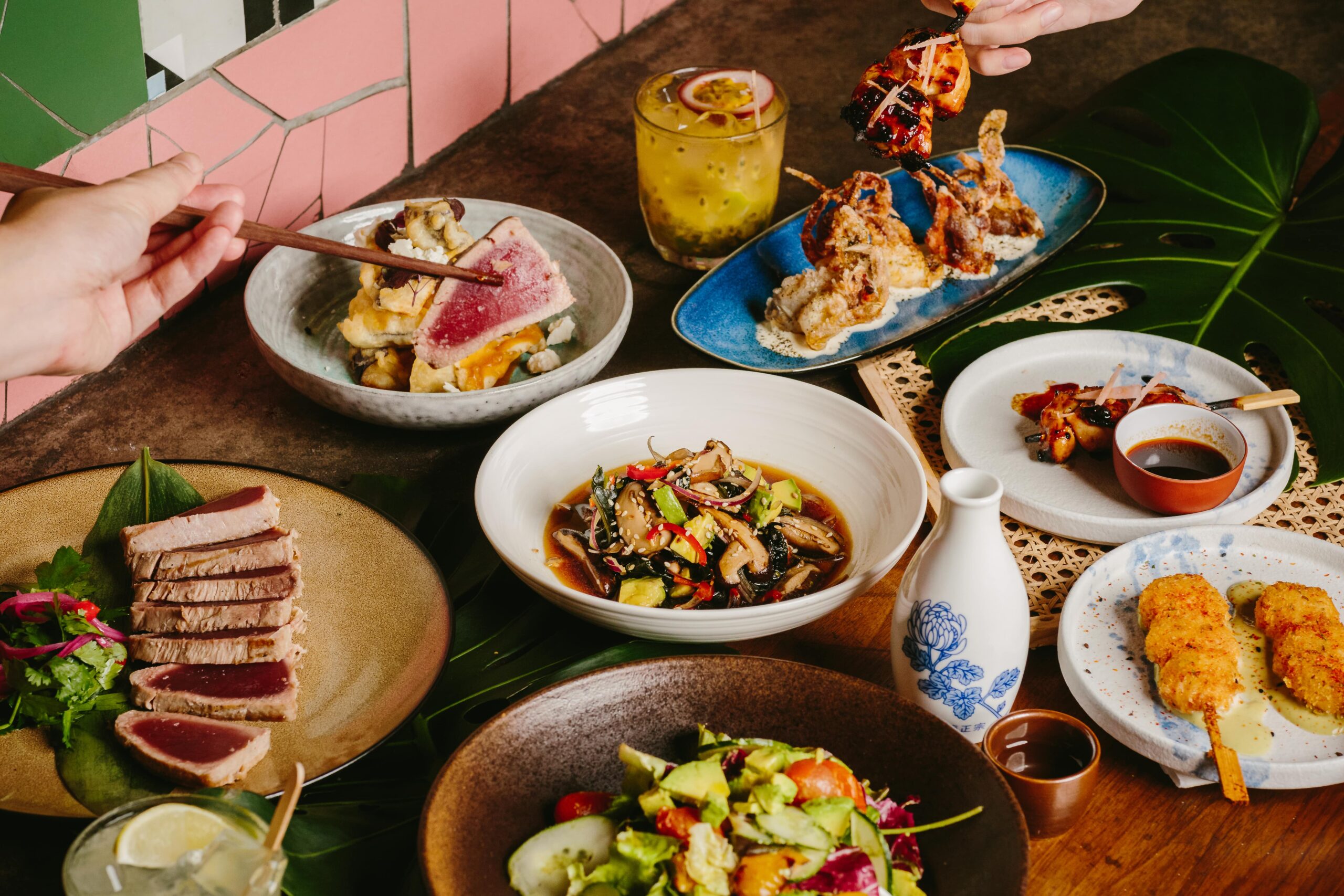
    Navigating Hong Kong’s culinary industry presents a challenging venture, as escalating rental rates, consumers seeking cheaper alternatives in Mainland China, and stiff rivalry between establishments create a tough business environment. These factors are placing a strain on the operations of numerous local eateries, compelling them to make difficult calls. Regrettably, after eight years of service in Central, Uma Nota and Bedu, entities of Meraki Hospitality, are set to close their operations on June 21. Brother and sister duo Alex and Laura Offe, who established Meraki Hospitality in 2018, have left a significant imprint on the local gastronomic scene with their unique restaurant offerings.

    The Closure Decision

    The hospitality group attributed the decision to shut both restaurants to the escalating costs and evolving Hong Kong market conditions. The founders also consider this pause an opportunity for reflection, rejuvenation, and the conception of novel ideas.

    The closure of the restaurants represents a poignant moment for the founders, who cherish the relationships and memories built over time. Alex expressed his gratitude to their community and looked forward to welcoming everyone back with fresh concepts in the future.

    Legacy of the Restaurants

    Uma Nota, the first Brazilian-Japanese restaurant in Hong Kong, commenced operations in 2017, providing a unique twist on Brazilian botecos, a popular social spot serving drinks and appetizers. Taking advantage of its success, Meraki Hospitality expanded the Uma Nota brand into cities like Paris in 2018 and Manila in 2024. The second restaurant, Bedu, opened its doors in 2018 on Gough Street. It served modern interpretations of traditional Middle Eastern dishes, quickly becoming a key establishment in the community.

    Meraki Hospitality’s Future Plans

    Even with the closure of their current establishments, the Offe siblings have plans for the future. They are set to introduce Sabai, a luxurious Thai restaurant, in Manila. While details about their future ventures in Hong Kong are yet to be disclosed, they are optimistic about making a comeback in the city’s dining scene.

    Questions & Answers

    Why are Uma Nota and Bedu closing?
    The closure of Uma Nota and Bedu is primarily due to the rising operational costs and changing market dynamics in Hong Kong.

    What are the future plans of Meraki Hospitality?
    Meraki Hospitality is gearing up to launch a high-end Thai restaurant, Sabai, in Manila. Although details about their future plans in Hong Kong are not yet available, they are hopeful about making a return.

    What was unique about the restaurants Uma Nota and Bedu?
    Uma Nota was the first Brazilian-Japanese restaurant in Hong Kong, providing a unique twist on Brazilian botecos. Bedu, on the other hand, was known for its modern take on classic Middle Eastern dishes.

  • Jollibee Hong Kong unveils new design concept

    Jollibee Hong Kong unveils new design concept

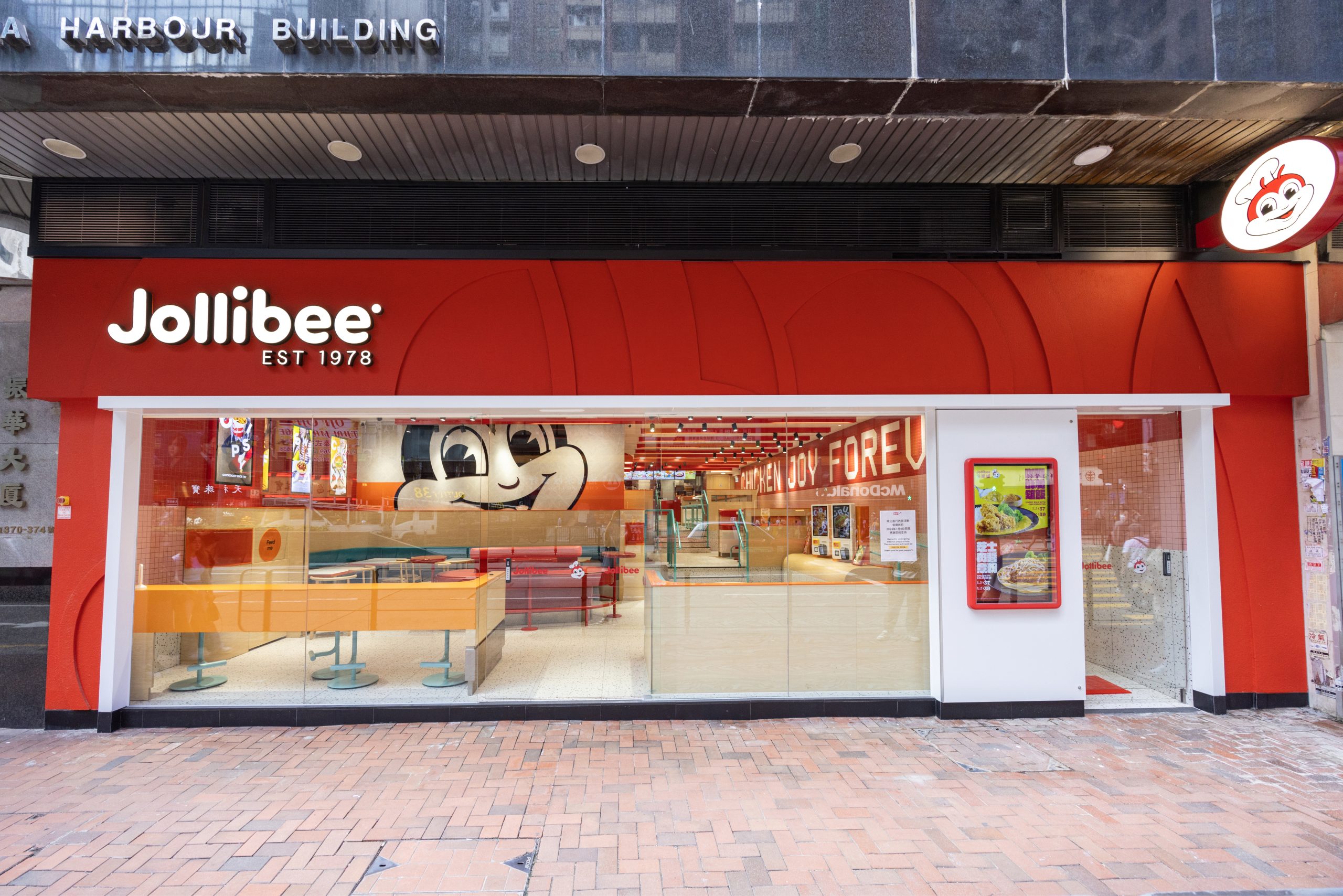
    The renowned Filipino fast-food chain, Jollibee recently revealed a revitalized restaurant concept in Hong Kong which has been developed by the London-based design studio, Shed. This reimagined design will be implemented in five new stores. It incorporates a specially chosen color scheme, combined materials, custom-built furniture, and illustrative components, all of which are influenced by Jollibee’s Filipino roots.

    A Playful Identity with a Sophisticated Touch

    Shed’s co-founder Matt Smith stated that the fresh design maintains the brand’s lively persona while infusing it with a more polished look to appeal to international markets. Smith mentioned, “Our objective was not merely to create a distinctively unique design but to ensure that the pervasive sense of joy resonates universally, expressed uniformly across all design and brand touchpoints.”

    Reimagined Mascots and Store Layout

    The redesign also reinterprets Jollibee’s mascots, merging their familiar charm with contemporary branding techniques. According to the team at Shed, the underpinning idea of their concept is to place a smile at the center of all aspects, which is reflected in every feature of the visual identity and store configuration.

    Carl Tan, chairman of Jollibee Foods China, elaborated on this, stating, “Each detail has been meticulously aligned with the original strategy, resulting in a true tribute to the spirit of Jollibee. The outcome is a setting that we’re immensely proud of – one that radiates warmth, vibrancy, and a sense of joy.”

    The first two outlets to showcase this redesign are located in the basement of the Metropole Building on Peking Rd, in Tsim Sha Tsui, and on the ground floor of the China Harbour Building, on King’s Rd, at North Point.

    Questions & Answers

    What overarching idea does the new store concept of Jollibee revolve around?
    The new store concept is hinged on the idea of “putting a smile at the heart of everything,” which impacts all facets of the visual identity and store layout.

    Who is responsible for this new design?
    London-based design studio, Shed is responsible for creating the new design for Jollibee.

    Where are the first two redesigned Jollibee outlets located?
    The first two redesigned outlets are situated in the basement of the Metropole Building, on Peking Rd, in Tsim Sha Tsui, and on the ground floor of the China Harbour Building, on King’s Rd, at North Point.

  • Normanby Fine Wine & Spirits debuts in Auckland with a twist on wine retail

    Normanby Fine Wine & Spirits debuts in Auckland with a twist on wine retail

    Auckland recently welcomed the latest innovation in wine retailing, the Normanby Fine Wine & Spirits experience-driven concept store. Situated in Mount Eden, the store ushers in a new era of retail, reimagining the traditional wine and spirits shopping experience with the introduction of fresh food and beverages.

    The store has been masterminded by seasoned wine connoisseur Liz Wheadon, who has infused the space with a unique hybrid appeal. It operates as a retail store, wine bar, and café, supplemented with a private tasting room and an art gallery interior.

    At Normanby Fine Wine & Spirits, customers can browse a selection of over 1300 wines, spirits, sakes, and craft beers. Many of the items in their collection are exclusive to Normanby, a testament to the strong industry relationships they’ve cultivated with producers over the years.

    Liz Wheadon, who also doubles as the director of wine at Webb’s, shared the inspiration behind the store. She emphasized that the vision was to design a place that hadn’t previously existed, where choosing and buying wine, spirits, and sake could be an enjoyable, approachable, and genuinely intriguing experience, regardless of a customer’s taste or budget. She further echoed the team’s enthusiasm for introducing this innovative approach to fine wine and spirits retail.

    The store has been tastefully designed, complete with art pieces and furniture, all curated by The Estate at Webb’s and available for purchase. During the day, the café serves coffee, pastries, and light meals. In the evenings, the wine bar offers pre-batched cocktails crafted by Theo Tjandra, a past mixologist at Panacea.

    The private tasting room, named La Cave, can accommodate up to 15 guests and can be booked for intimate events, custom experiences, and private celebrations.

    Looking ahead, the brand plans to extend the unique retail concept of Normanby Fine Wine & Spirits to various regional locations throughout New Zealand.

    Questions & Answers

    What does Normanby Fine Wine & Spirits offer customers?
    They offer a unique retail experience, selling fine wines, spirits, sake, and craft beers. The concept store doubles as a café serving light meals, coffee, and pastries during the day, and in the evening it becomes a wine bar offering pre-batched cocktails.

    What are some unique features of the Normanby Fine Wine & Spirits store?
    The store operates as a café and wine bar, in addition to being a retail store. It also houses a private tasting room and an art gallery interior, offering curated art and furniture for purchase.

    What are the brand’s future expansion plans?
    The brand plans to extend the retail concept to various regional locations across New Zealand, introducing the Normanby Fine Wine & Spirits experience to a wider audience.

  • Vinarchy taps Danny Celoni as global CEO

    Vinarchy taps Danny Celoni as global CEO

    Vinarchy, a specialist wine enterprise, recently announced the appointment of Danny Celoni as its new Global CEO. The change in leadership will take effect in August.

    Danny Celoni’s Extensive Career

    Danny Celoni boasts an impressive career spanning more than 25 years in the Fast-Moving Consumer Goods (FMCG) and beverage sectors. He has spent 18 of those years in executive roles for Diageo, a leading alcoholic beverages multinational corporation, where he oversaw operations across the Asia-Pacific region. Additionally, Celoni held the role of CEO for Carlton & United Breweries, a subsidiary of the Asahi Group, and was also the CEO of Pepsico Australia and New Zealand.

    Celoni’s Vision for Vinarchy

    As the newly appointed Global CEO, Celoni aims to broaden Vinarchy’s international presence, stimulate innovation within product categories, and intensify customer engagement.

    Ben Clarke, the Executive Chairman of Vinarchy, expressed his utmost confidence in Celoni’s capability to lead the company forward. His leadership skills, combined with his strategic vision, align perfectly with Vinarchy’s mission to fortify its standing as a global frontrunner in the wine industry.

    New Roles in the Leadership Team

    As part of this leadership transition, Clarke will take on the role of Non-Executive Chairman once Celoni commences his duties as CEO.

    Vinarchy, which debuted earlier this month, is the result of a merger between Accolade Wines and the wine businesses from Australia, New Zealand, and Spain that were previously owned by Pernod Ricard.

    Questions & Answers

    What is Danny Celoni’s experience in the beverage industry?
    Danny Celoni has over 25 years of experience in the Fast-Moving Consumer Goods (FMCG) and beverage industry. He has held executive positions at Diageo and served as CEO of Carlton & United Breweries and Pepsico Australia and New Zealand.

    What will be Danny Celoni’s focus as the new Global CEO of Vinarchy?
    As the new Global CEO, Danny Celoni plans to expand Vinarchy’s reach globally, drive innovation within the product categories, and deepen consumer engagement.

    What changes will take place in Vinarchy’s leadership team?
    With Celoni’s appointment as Global CEO, Ben Clarke, the current Executive Chairman, will transition into the role of Non-Executive Chairman.

  • Bobby partners with the Happy Hour podcast on new flavour

    Bobby partners with the Happy Hour podcast on new flavour

    Bobby, an Australian soft drink brand, has recently joined hands with Lucy Jackson and Nikki Westcott, co-hosts of the popular Happy Hour podcast, to introduce a limited-edition flavour named ‘Strawberries & Cream.’

    A First-Time Collaboration

    This initiative is Bobby’s inaugural venture in co-creating a flavour with external contributors. The move signifies the brand’s inclination to engage with popular culture via strategic partnerships.

    The latest beverage offers a unique mix of strawberry and vanilla, enriched with a creamy finish, positioning itself as a healthier alternative in the drink market.

    Health-Conscious Beverage

    Each can of the drink only contains 30 calories and is 98% sugar-free. It also includes prebiotics. Moreover, the drink is vegan, gluten-free, and non-GMO.

    Kristian Johannsen, the founder of Bobby, stated that collaborating with the podcast hosts was an obvious choice. She said their vibrant and unrestricted energy perfectly aligns with what Bobby represents.

    Bobby called the collaboration ‘authentically genuine,’ with Jackson and Westcott playing an active part in the entire process. This involvement ranged from conceptualising the initial flavour to participating in taste tests and contributing to the broader brand execution.

    Authenticity and Enthusiasm

    Jackson expressed, “We didn’t just want our faces on a can, we wanted a drink that felt like us. Strawberries & Cream is nostalgic, fun, a little cheeky – basically everything Happy Hour stands for.”

    Westcott added her excitement about introducing a non-alcoholic drink for their listeners to enjoy. “It’s creamy and totally satisfying without all the unnecessary ingredients,” she said.

    Bobby’s Strawberries & Cream flavour is now available nationwide at Coles and Metro stores. The retail price is $36 for a six-pack.

    Questions & Answers

    What is the new product launched by Bobby?
    The Australian soft drink brand, Bobby, has launched a new flavour, ‘Strawberries & Cream,’ in partnership with the co-hosts of the Happy Hour podcast.

    Who were the external collaborators on this new Bobby flavour?
    Bobby has collaborated with Lucy Jackson and Nikki Westcott, the co-hosts of the popular Happy Hour podcast, to create the ‘Strawberries & Cream’ flavour.

    What are the health benefits of the new Bobby flavour?
    Each can of the ‘Strawberries & Cream’ flavour contains only 30 calories and is 98% sugar-free. It also includes prebiotics and is vegan, gluten-free, and non-GMO.

  • Randy’s Donuts makes its Japanese debut in Tokyo

    Randy’s Donuts makes its Japanese debut in Tokyo

    Randy’s Donuts, an American doughnut franchise, has recently launched its first outlet in Japan. Nestled in Tokyo’s Log Road Daikanyama shopping center, this marks the brand’s latest international expansion.

    Founded in 1952, Randy’s Donuts has become a recognizable name in the doughnut industry. The brand runs 25 stores across the United States and has made its mark globally, with outlets in South Korea, the Philippines, Saudi Arabia, and Mexico. The Japanese master franchise is managed by Grit International, under the leadership of Tsuyoshi Haga, a former executive at Don Quijote.

    Distinct Packaging Sparks Interest

    Haga revealed that what initially piqued his interest in bringing Randy’s Donuts to Japan was the brand’s unique packaging. He applied the insights he gained throughout his tenure at Don Quijote to create a shopping experience that is as entertaining as it is satisfying.

    “I incorporated the knowledge I gained over the years at Don Quijote about creating a store that provides entertainment into Randy’s Donuts,” Haga explained.

    Doughnut Display and Service

    The store stands out with its large showcase that can display up to 1,000 doughnuts. It features a cashless self-service ordering system and a comfortable dine-in area. Customers can choose from over 40 doughnut varieties, with prices ranging from US$2.45 to $3.74 (JPY360 to 550). The store also offers a selection of beverages, including coffee, lemonade, smoothies, and tapioca drinks.

    Plans for Expansion

    Haga plans to use the Tokyo location as a stepping stone for further expansion across Japan. “We would like to establish a track record with this store and then increase the number of stores across Japan,” he concluded.

    Questions & Answers

    What is the unique feature of Randy’s Donuts’ new store in Tokyo?
    The Tokyo store stands out with a large display that can showcase up to 1,000 doughnuts and a cashless self-service ordering system.

    Who is leading the operations of Randy’s Donuts in Japan?
    The operations of Randy’s Donuts in Japan are led by Tsuyoshi Haga, a former executive at Don Quijote.

    What are the future plans of Randy’s Donuts in Japan?
    Tsuyoshi Haga plans to use the Tokyo location to establish a track record and use it as a foundation for further expansion across Japan.

  • Marou Honored with Dual Awards in France for Outstanding Achievement

    Marou Honored with Dual Awards in France for Outstanding Achievement

    The Prix Épicures de l’Épicerie Fine, a prestigious annual event spotlighting artisanal food, took place on April 28 at Pavillon Gabriel in Paris, hosted by Le Monde de l’Épicerie Fine. The 2025 edition attracted a vibrant gathering of over 140 producers and more than 800 attendees, including industry professionals, journalists, and culinary aficionados from across Europe.

    Marou’s Ca Phe Sua Chocolate Bar clinched the title of “Best Chocolate in the World 2025” in the Food category (Trophées Alimentaires). This delightful creation blends the rich flavors of Vietnamese coffee and condensed milk, incorporating organic Robusta coffee, fresh milk, and dark chocolate crafted from local cacao. Not only does this accolade celebrate the bar’s exceptional taste, but it also acknowledges Marou’s commitment to showcasing local ingredients while adhering to international quality standards.

    This isn’t Marou’s first time basking in the limelight. The brand has previously garnered gold, silver, and bronze medals from the London Academy of Chocolate and the International Chocolate Awards, all celebrating its remarkable flavors and quality. In 2016, the brand was lauded by culinary luminaries like Michelin three-star chef Michel Roux and patissier Pierre Hermé.

    But the awards didn’t stop with the chocolate bar. Marou also earned the “Coups de cœur du jury” (Jury’s Favorite Packaging) for its 55% Dark Chocolate Bar with Roasted Buckwheat. Could it be that packaging has taken the spotlight?

    The judges evaluated the packaging based on creativity, brand consistency, material quality, environmental responsibility, and functionality. Marou distinguished itself by utilizing recycled cacao husks, showcasing its commitment to sustainability and creatively illustrating the cacao journey—from bean to bar.

    Moreover, Marou’s packaging underscores the origins of its ingredients, honoring Vietnamese agricultural traditions, cacao heritage, and the vital roles played by local farmers and fermentation artisans. The brand has previously snagged four international packaging design awards, including three from the Pentawards and another from The Dieline Awards, notable for its striking designs inspired by Dong Ho folk paintings.

    The dual accolades at the 2025 Prix Épicures de l’Épicerie Fine bolster Marou’s reputation in the premium chocolate arena. The brand credits its achievements to three principles: direct sourcing, artisan craftsmanship, and intentional design. Collaborating closely with local farmers and fermentation specialists, Marou ensures high-quality cacao while championing sustainable agriculture, treating each bean as a reflection of its unique origin.

    The emphasis on design transcends mere functionality; Marou’s packaging narrates the rich tapestry of Vietnamese culture and cacao traditions through its visual identity and material choices.

    “These awards reflect our creativity, artistry, and dedication to Vietnamese culture in every product,” said a Marou representative. “With a sustainable vision and exceptional quality, we continue leading the way, sharing Vietnamese chocolate with the world and leaving a lasting imprint on the global stage.”

    Questions & Answers

    What is the significance of the Prix Épicures de l’Épicerie Fine?
    It’s a prestigious award recognizing the best in artisanal and premium food, bringing together producers, professionals, and culinary enthusiasts.

    What makes Marou’s Ca Phe Sua Chocolate Bar special?
    It combines the flavors of Vietnamese coffee with condensed milk, featuring organic ingredients and a commitment to local sourcing.

    How does Marou prioritize sustainability in its packaging?
    Marou uses recycled cacao husks for its packaging, promoting environmental responsibility while telling the story of cacao production and its local heritage.

  • Australian Mango Prices Plunge 80% in Vietnam, Now Selling for Just 20 Cents per Kilogram!

    Australian Mango Prices Plunge 80% in Vietnam, Now Selling for Just 20 Cents per Kilogram!

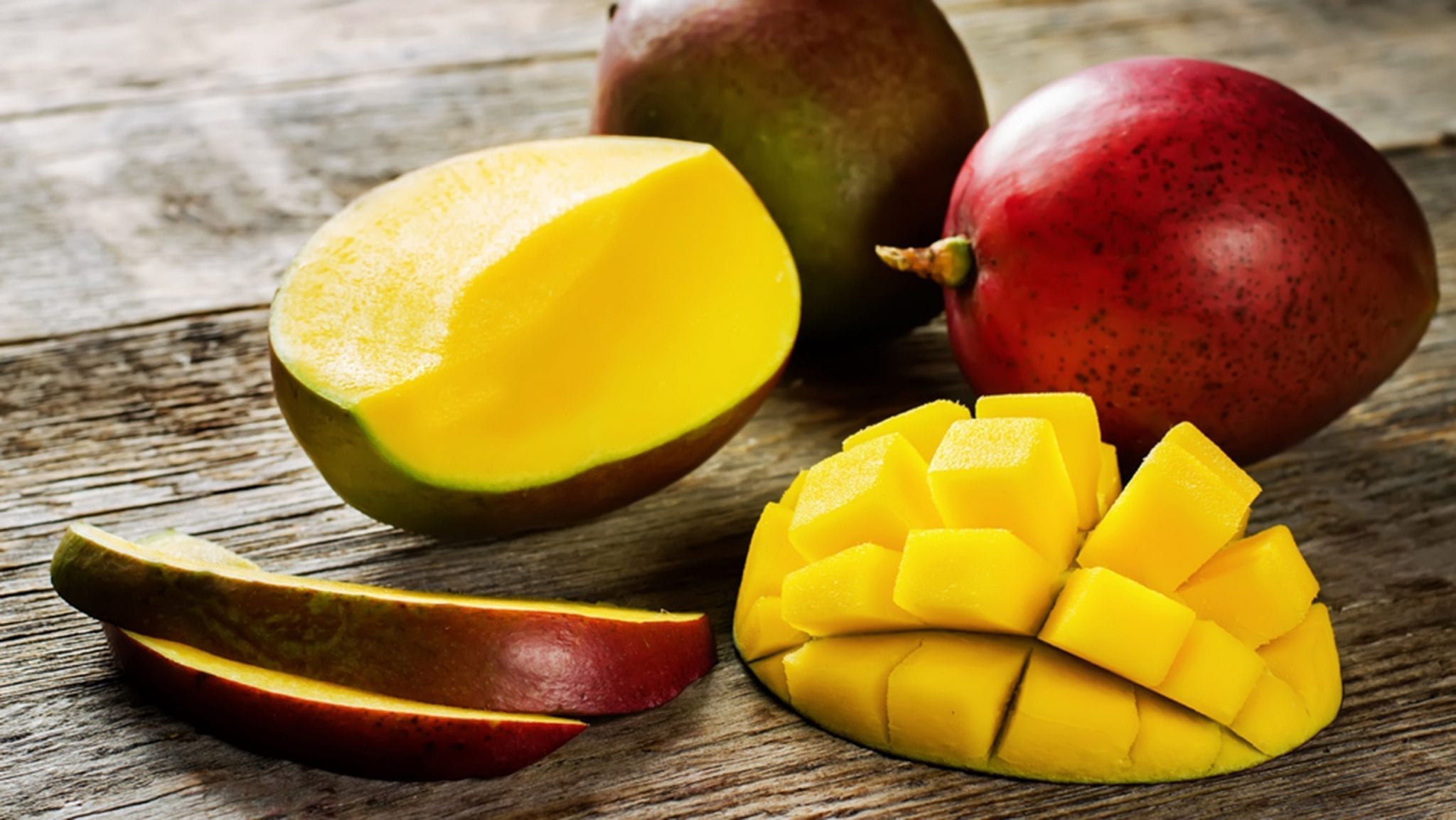
    In the heart of Khanh Hoa province, Vo Xuan Hien, a 60-year-old mango farmer, is grappling with a bitter irony: ripe mangoes are falling from his trees, yet his profits have vanished. The price slump has plunged to a mere VND5,000–8,000 (20-30 U.S. cents) per kilogram, a stark contrast to VND30,000 just a year ago. With the thought of unharvested fruit weighing heavily on his mind, Hien, who once enjoyed an annual income of VND400 million with a 50% profit margin, now only hopes to break even.

    “In my eight years of growing mango, this is the first time I am experiencing both a poor harvest and low prices,” he lamented, reflecting the turmoil facing many in his district. Cam Lam District, home to around 7,000 hectares of mango orchards, including 4,000 hectares dedicated to the Australian variety that has flourished in Vietnam since 2003, is at a tipping point. If left unharvested, thousands of tons of mangoes are set to rot within two weeks.

    Rethinking Demand in a Changing Market

    The plummeting prices can be traced back to a significant drop in demand from China, the traditional powerhouse in mango imports from this region. Huynh Uy Vien, the district’s vice chairman, highlighted that China’s increased domestic mango production has lessened its need for imports, leaving local farmers in dire straits. As a result, many of the mangoes are now sold locally or converted into dried products and juice.

    “Our farmers are facing a critical situation—up to 1,800 tons of mango are ripe and ready for harvest yet remain unsold, and the prices are now below production costs,” he added, revealing the desperate need for intervention. His office is actively collaborating with supermarkets and retail chains to boost local consumption, but the damage has already been done for many farmers.

    Local farmer Thao expressed her frustration, noting that prices have nosedived over the last month, leaving her expected losses at VND100 million. “Ripe mangoes are falling, and traders are paying dirt-cheap prices,” she said, encapsulating the despair shared among growers.

    Turning Dilemmas into Opportunities

    Amidst the turmoil, opportunities for processing mangoes are emerging. Dang The Thuyen, CEO of local processing company Camlamonline, remarked that unfavorable weather has led to a decline in the quality of many fruits. Still, he’s committed to supporting farmers by purchasing 100 tons this month for dried mango production. “We plan to buy more to help farmers recoup some of their investments,” he said, signaling a glimmer of hope amidst the challenges.

    The situation is dire, yet as the saying goes, sometimes when it rains, it pours—just not the kind of rain that helps mangoes thrive!

    Questions & Answers

    What has caused the recent drop in mango prices?
    A significant decrease in demand from China, which has ramped up its own mango production, has led to lower prices for exported mangoes from Khanh Hoa.

    How are local farmers responding to this crisis?
    Farmers like Vo Xuan Hien and Thao are struggling with unharvested crops and losses, with many resorting to selling their mangoes at unsustainable prices.

    What measures are being taken to address the situation?
    Local government officials are working to enhance domestic consumption by partnering with supermarkets and retail chains, while some processing companies are stepping in to buy mangoes to support farmers.

  • Thai Government Enlists Influencer to Boost Durian Sales in China Market

    Thai Government Enlists Influencer to Boost Durian Sales in China Market

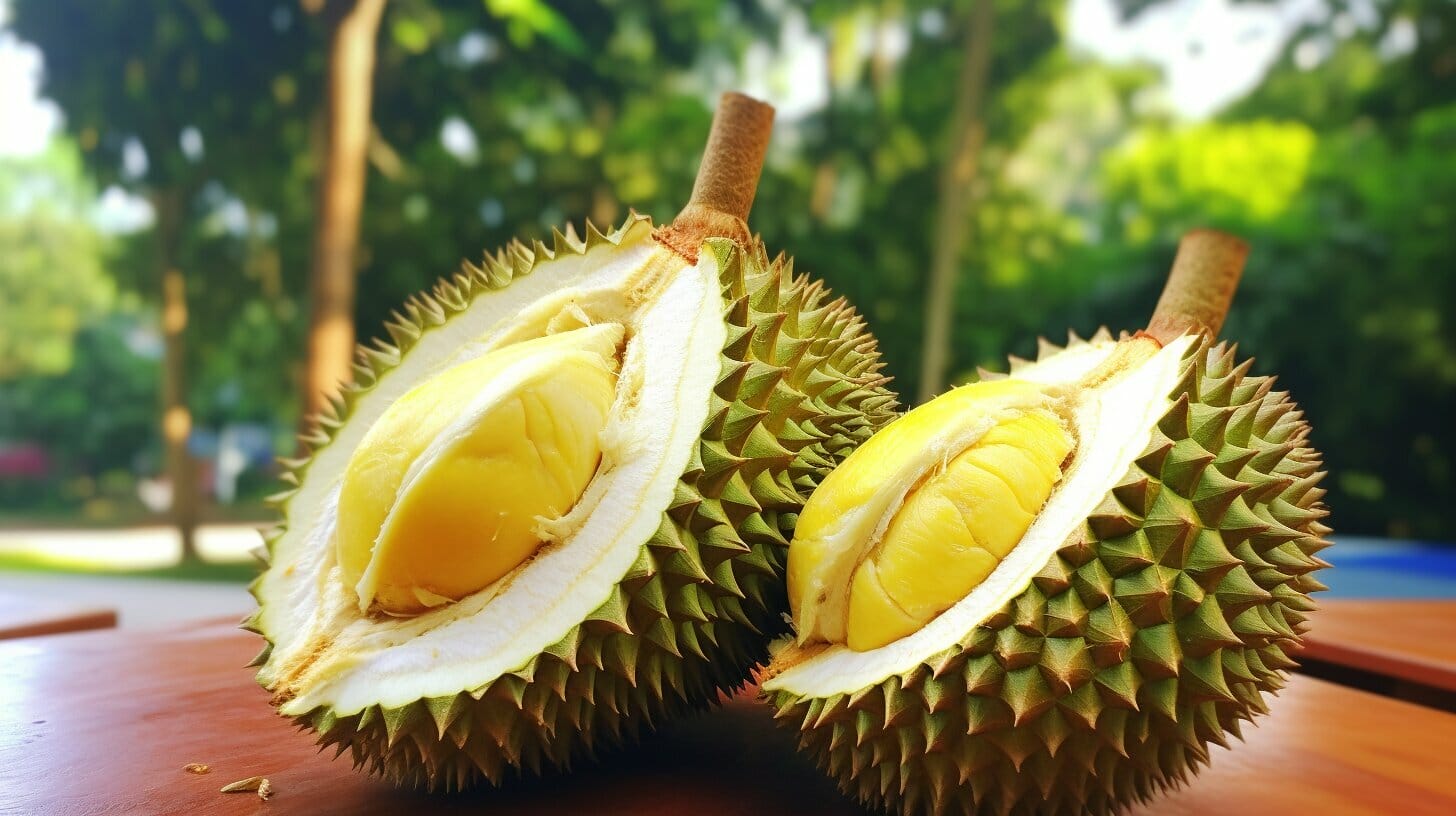
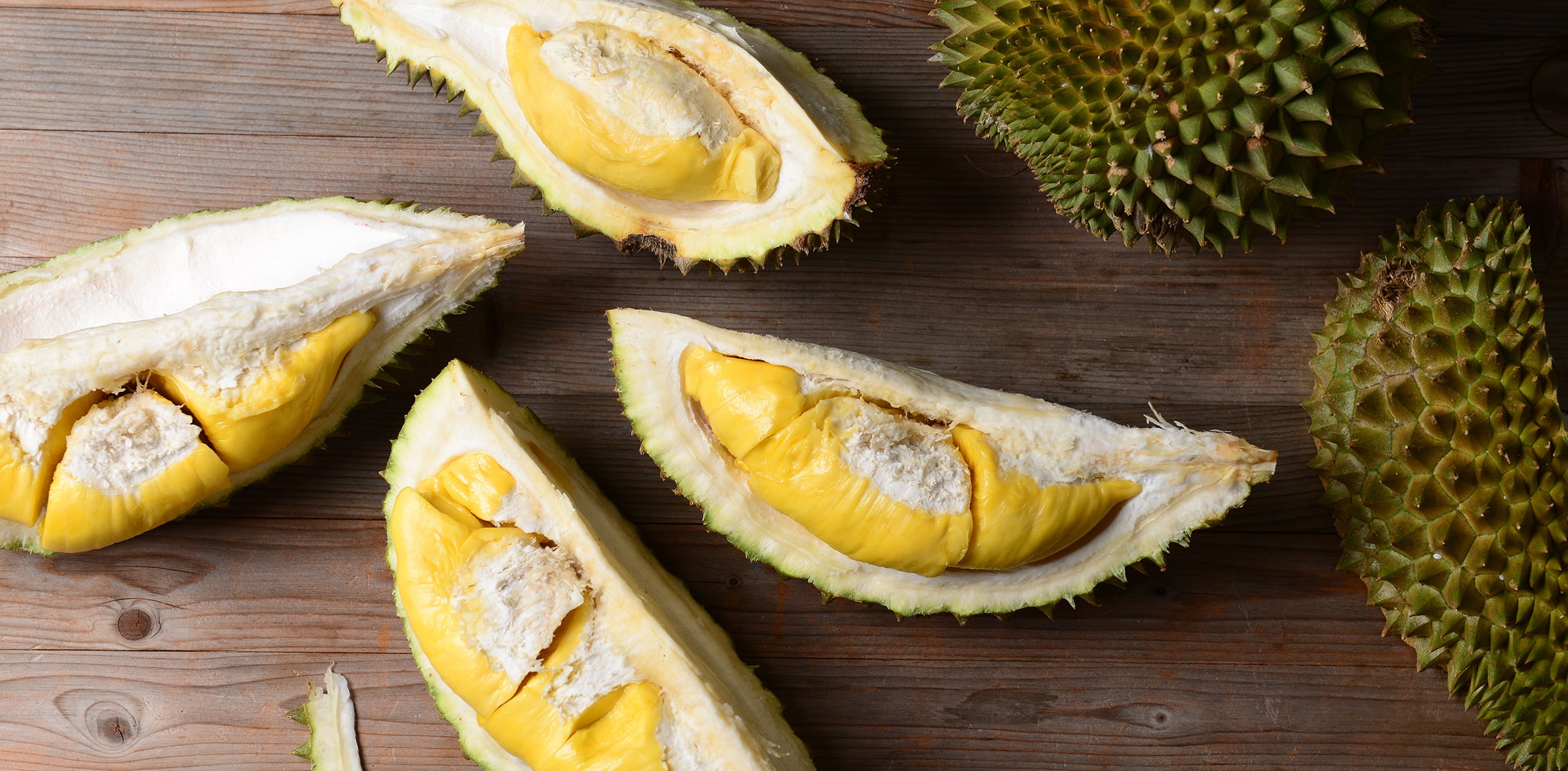
    Thailand’s Commerce Ministry is harnessing social media’s power to supercharge its durian and fruit exports, particularly targeting the lucrative Chinese market. By collaborating with renowned influencer Taiyuan Lao Ge, who boasts over 93 million followers on Kuaishou, the ministry hopes to shatter previous export records in both volume and value through an upcoming live-selling event.

    Scheduled for May 11 and 12, the broadcast aims to showcase not only the celebrated golden pillow durian but also an array of Thai fruits, including mangoes, longans, mangosteens, and various seasonal delights. Last year, Taiyuan achieved remarkable success, selling over a billion baht’s worth of Thai durian—approximately US$30.25 million—in just a single day.

    This initiative is a vital part of the ministry’s broader strategy to promote Thai agricultural products, especially during the booming harvest season that has brought forth exceptional quality produce. Commerce Minister Pichai Naripthaphan emphasized the significance of leveraging Chinese influencers for live online sales, a tactic poised to elevate Thai fruit’s global standing.

    To enhance the export process, the ministry is actively engaging with private sector partners and Chinese online platforms. Pichai revealed ongoing discussions with Wu Zhiwu, Minister Counsellor at the Chinese Embassy in Thailand, to refine and improve durian trade mechanisms. In his discussions, Pichai urged Chinese authorities to ease inspection protocols and expedite clearance processes at border crossings, particularly by augmenting inspection capabilities and personnel to ensure smooth operations during this peak production period.

    In a promising development, China’s customs have committed to operating around the clock to facilitate imports of Thai durians amidst the harvest season frenzy.

    With China accounting for a staggering 98% of Thailand’s durian exports last year—valued at around $4 billion—there’s a lot at stake in this flavorful campaign. Thai durians are not just fruits; they are becoming a sensation that’s ripe for the picking.

    Questions & Answers

    **What is the main goal of Thailand’s Commerce Ministry in launching the live-selling event?**
    The main goal is to enhance the volume and value of fruit exports, particularly targeting the Chinese market through an engaging online sales event led by influencer Taiyuan Lao Ge.

    Why is Taiyuan Lao Ge significant for this campaign?
    Taiyuan Lao Ge is noteworthy because he has a massive following of over 93 million on Kuaishou and previously achieved impressive sales for Thai durian in a single day, making him an influential figure in driving consumer interest.

    How does the Thai government plan to improve durian exports to China?
    The Thai government plans to streamline inspection protocols, improve border clearance processes, and engage Chinese customs for smoother operations during peak harvest times, all while promoting their products through influencer-driven campaigns.

  • Malaysia’s Anti-Corruption Agency Launches Investigation into Land Dispute Over 1,000 Felled Durian Trees

    Malaysia’s Anti-Corruption Agency Launches Investigation into Land Dispute Over 1,000 Felled Durian Trees

    The Malaysian Anti-Corruption Commission (MACC) is intensifying its investigation into a significant land dispute in Pahang’s Raub district, aiming to collect vital documents and witness accounts. The agency confirmed last Friday that several individuals involved in the cultivation of the disputed lands have already been identified.

    Government’s Bold Move Against Illegal Farms

    The clash over land rights erupted on April 8, when government authorities took decisive action by cutting down approximately 200 durian trees, claiming they were planted on illegally occupied land. This action was part of “Op Sekat 3.0,” a state-led initiative that ran from April 8 to May 3, targeting unauthorized durian farms. Following this operation, more than 1,000 trees—many of them the highly prized Musang King variety—met the same fate, sparking a wave of controversy, as reported by local media.

    The timing of the MACC’s press release couldn’t have been more poignant. It followed a visit by the Sultan of Pahang, Al-Sultan Abdullah Ri’ayatuddin Al-Mustafa Billah Shah, to one of the former illegal orchards last Thursday, a moment captured in a Facebook video. During this visit, the Sultan met with officials from the Raub Land and District Office to discuss the chronic issue of land encroachment. His reaction to discovering that a staggering 10,521 hectares—about the size of 14,700 football fields—had been unlawfully occupied was one of sheer astonishment, according to national news agency Bernama.

    Farmers Fight Back Amid Growing Discontent

    The government’s actions have ignited protests from farmers, who expressed their dissent by blocking access routes and displaying banners lamenting the loss of their established crops, as reported by Free Malaysia Today. The Save Musang King Alliance, which advocates for the farmers, has pointed to a court ruling from May that allegedly prohibited the government from destroying these farms. In a tit-for-tat, authorities have maintained that no court order was breached and confirmed their legal right to clear the land.

    Interestingly, this crackdown has found support among local NGOs and residents who argue that the issue of illegal land use has persisted for far too long and necessitates immediate attention. Tengku Zulpuri, a former Raub member of parliament, noted that the existence of these illegal farms has been an “open secret” for over three decades, adding a layer of intrigue to the ongoing situation.

    Tan Sri Azam Baki, the chief commissioner of MACC, shared that the ongoing investigation is delving deep, not only into governance issues but also into how these land-clearing activities occurred without proper oversight from relevant authorities. Last month, the agency compiled a list of individuals linked to the Pahang land dispute, including several former officials. “Given that the case dates back around ten years or more, some of the officials involved have since retired,” Azam added, hinting at the complexity of accountability in this long-standing issue.

    As the saga unfolds, it leaves us pondering just how deep the roots of corruption may run in this verdant landscape.

    Questions & Answers

    What sparked the land dispute in Pahang’s Raub district?
    The dispute began on April 8, when the government cut down around 200 durian trees believed to be planted on illegally occupied land, as part of a state-led operation targeting unauthorized farms.

    How have farmers reacted to the government’s actions?
    Farmers have reacted strongly, protesting by blocking access routes and voicing their grievances about the destruction of their crops. Their representation, the Save Musang King Alliance, argues that a court ruling prohibited such demolitions.

    What is MACC looking into during the investigation?
    The MACC is investigating governance issues related to the land dispute and examining how land-clearing activities could proceed without proper intervention from the relevant authorities.

  • Bacha Coffee Launches First Flagship Store in Hong Kong, Promising a Unique Coffee Experience

    Bacha Coffee Launches First Flagship Store in Hong Kong, Promising a Unique Coffee Experience

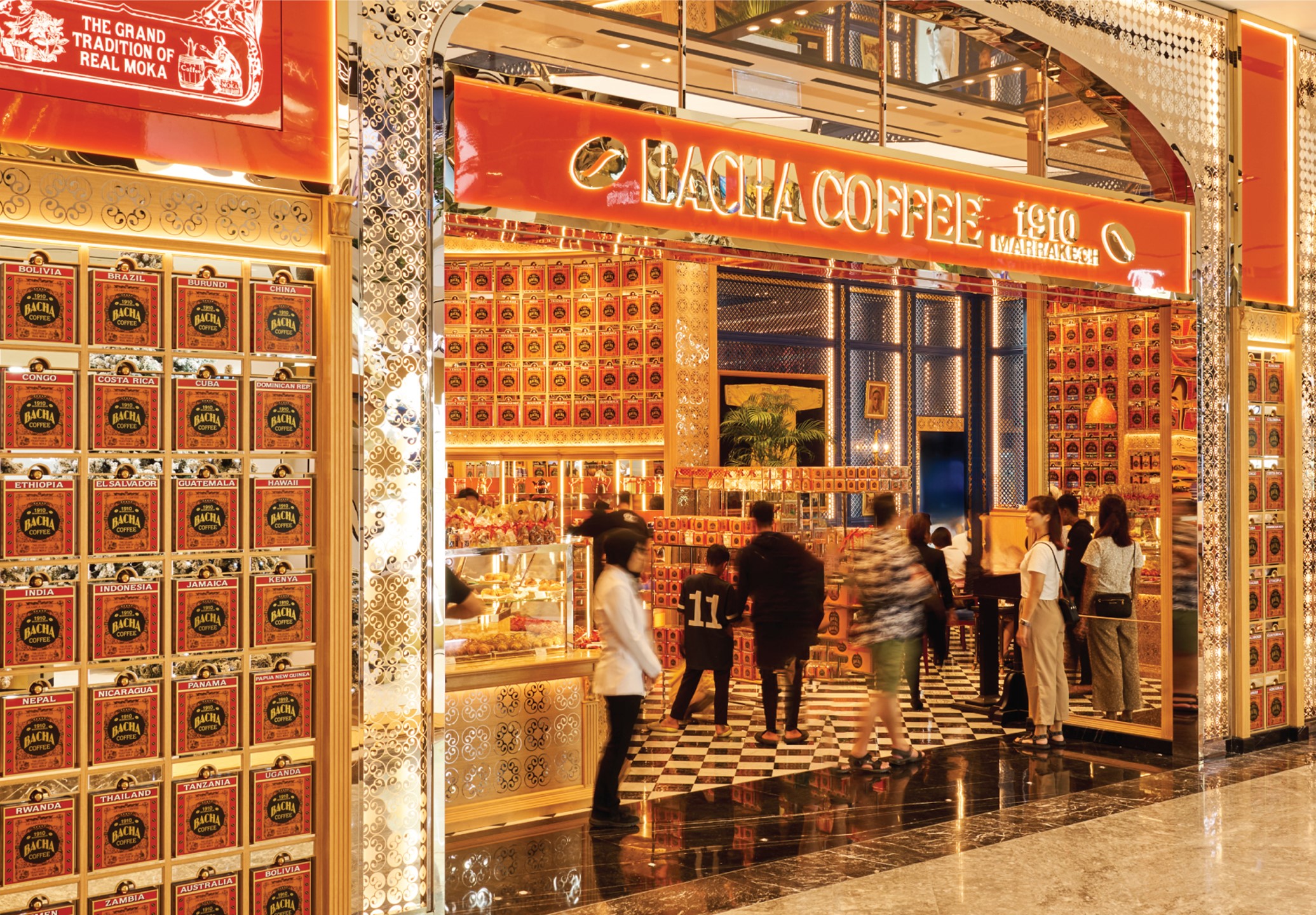
    Bacha Coffee has unveiled its first full-concept flagship store in the bustling Harbour City of Hong Kong, a pivotal move in the brand’s ambitious global expansion plan. Spanning an impressive 2,500 square feet, this vibrant new location features a Coffee Boutique, a 50-seat Coffee Room, and a takeaway counter that collectively showcase an astounding selection of over 200 varieties of 100% Arabica coffee sourced from 35 countries.

    This outlet is not just about coffee; it’s Bacha Coffee’s first complete dining experience in the city. The Coffee Room entices visitors with an all-day menu brimming with delectable pastries and artisan viennoiseries, all thoughtfully paired with their aromatic coffee offerings. The design pays homage to the brand’s origins in Marrakech, creating an enchanting atmosphere that transports patrons to its Moroccan roots.

    Here, traditional brewing techniques reign supreme, with skilled “coffee masters” meticulously preparing each cup in elegant golden gooseneck pots, a sight that is both captivating and delicious.

    The Hong Kong launch underscores Bacha Coffee’s commitment to global growth, following a successful revival in Marrakech that has seen the brand expand to 32 stores across 12 cities such as Paris, Dubai, Doha, Seoul, Singapore, and Taipei. The recent inauguration of its flagship store on the iconic Champs-Élysées in April further exemplifies its relentless pursuit of worldwide recognition.

    And who knows, maybe one day we’ll be sipping Bacha Coffee in outer space—after all, why should astronauts miss out on a good brew?

    Questions & Answers

    What is Bacha Coffee’s latest store concept in Hong Kong?
    The new full-concept flagship store includes a Coffee Boutique, a Coffee Room with all-day menu options, and a takeaway counter, set within a lavish 2,500-square-foot space.

    How many coffee varieties does the flagship store offer?
    The flagship store offers an impressive selection of over 200 varieties of 100% Arabica coffee from 35 different countries.

    What inspired the design of the Coffee Room at the new store?
    The Coffee Room’s design is inspired by Bacha Coffee’s original home in Marrakech, aiming to provide a unique and captivating atmosphere for customers.

  • Lychee Production Set to Soar by 30% This Year: A Sweet Harvest Ahead!

    Lychee Production Set to Soar by 30% This Year: A Sweet Harvest Ahead!

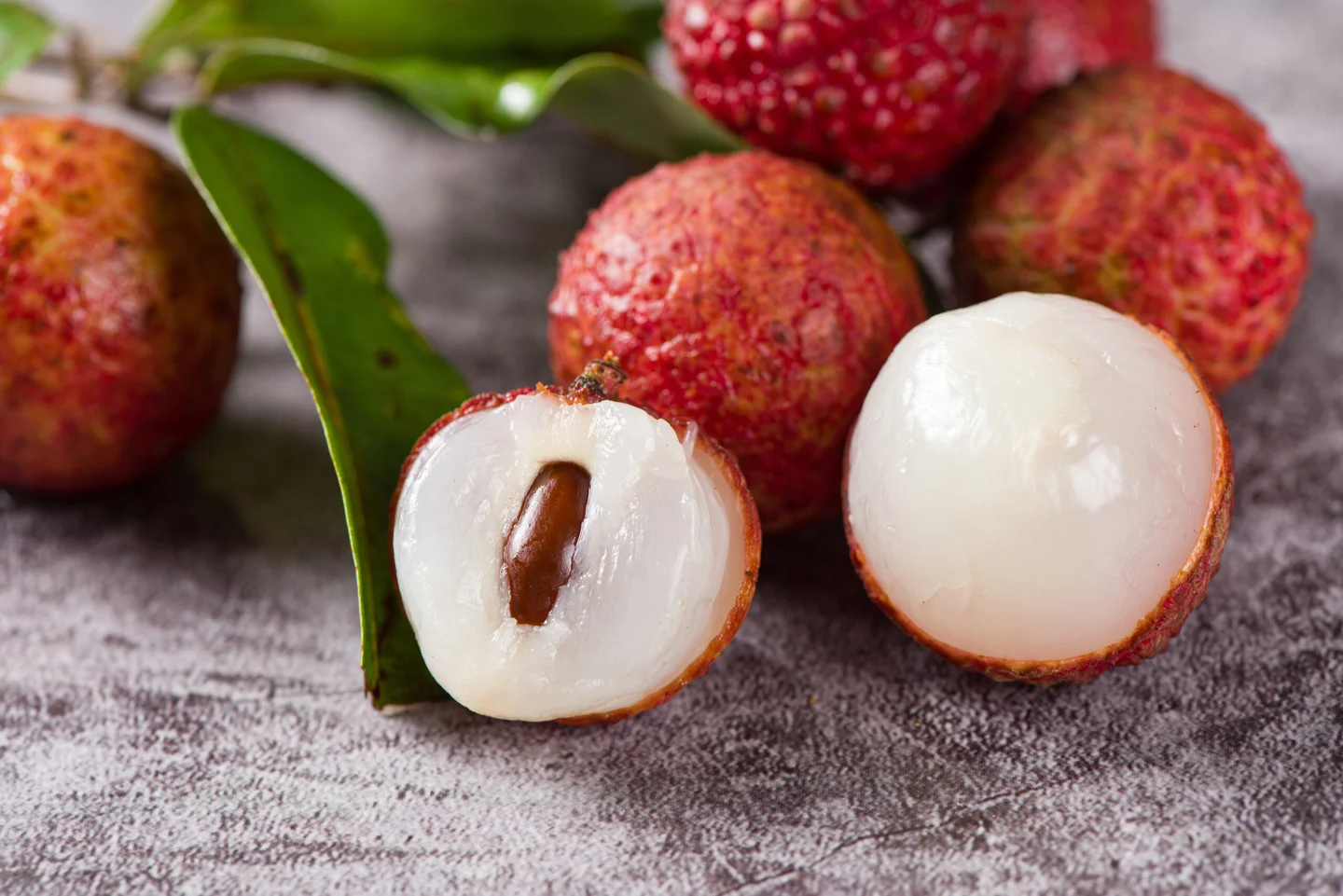
    Favorable weather conditions and effective disease management have significantly boosted lychee production in Vietnam, a fact that’s exciting for enthusiasts and exporters alike. The total yield is expected to reach impressive figures, with the northern province of Bac Giang leading the way at around 165,000 tonnes. Other contributors include Hai Duong with 60,000 tonnes, Hung Yen and Lang Son each producing 22,000 tonnes, and Dak Lak in the Central Highlands offering another 21,000 tonnes.

    Timing is Everything

    Harvest time is a brief but crucial window, divided into two phases: the early harvest from May 20 to June 10, followed by the main crop from June 10 to July 25. Those looking to capitalize on the lychee’s short harvest must prepare adequately to ensure smooth processing and consumption, according to local agricultural authorities.

    Aiming for Quality Control

    Production management is being taken seriously, with 469 production unit codes issued across nearly 19,400 hectares and 55 packaging facilities approved for exports to markets like China, Australia, Thailand, Japan, and the U.S. These facilities are under constant oversight, having successfully registered for the upcoming 2025 crop year.

    Global Readiness

    The Department of Plant Production and Protection has engaged proactively with international plant quarantine agencies since early April. Their efforts focus on ensuring that all documentation is in order while also inspecting lychee processing facilities, which include three irradiation and three fumigation plants. These establishments have received the green light from foreign authorities for the 2025 crop, positioning them to facilitate export.

    In a particularly noteworthy development, Japan has decided to allow Vietnam to supervise the processing of lychee shipments starting with the 2025 crop, eliminating the need for Japanese experts to oversee the entire farming process. This new approach promises to save time and costs for both growers and exporters—a win-win scenario!

    In readiness for the upcoming season, quarantine units and food safety testing laboratories are gearing up to collect and examine samples, ensuring that all regulations are met. Quarantine officers are expected to be active in local areas from June 1 through the end of the harvest season.

    Domestic vs. Export Market

    About 60% of lychee production is anticipated to be consumed domestically, while the remaining 40% will be earmarked for export. Despite Vietnam’s lychees reaching over 20 countries worldwide, a staggering 90% of the export volume still heads to the Chinese market.

    As the excitement builds for this year’s harvest, one can’t help but wonder: what unique lychee recipes will emerge from this abundance?

    Questions & Answers

    What are the major provinces producing lychee in Vietnam?
    The major producing provinces include Bac Giang, Hai Duong, Hung Yen, Lang Son, and Dak Lak.

    When does the lychee harvest season occur?
    The harvest is split into two phases: early fruits are harvested from May 20 to June 10, and the main crop follows from June 10 to July 25.

    How much of the lychee production is expected to be exported?
    Approximately 40% of the lychee output is planned for export, while the remaining 60% will be consumed domestically.

  • Starbucks and Luckin Coffee Boost Sales in China by Targeting Emerging Smaller Cities

    Starbucks and Luckin Coffee Boost Sales in China by Targeting Emerging Smaller Cities

    The operations of American beverage titan Starbucks in China have recently shown signs of resilience, reporting flat same-store sales for the quarter ending March 30. This performance stands in stark contrast to an 8% decline in the same category for the year ending September 29. Notably, the company’s operating revenue rose by 5% year on year, reaching an impressive US$740 million in the latest quarter.

    Starbucks’ Strategy Shines Through

    Richard Lin, chief consumer analyst at SPDB International, praised Starbucks’ strategy of exchanging lower ticket sizes for increased transaction volumes. According to Lin, this reflects the company’s determination to protect its market share amidst ongoing price competition in China. Over the past year, Starbucks has poured significant resources into expansion, adding 665 new stores to its network, bringing its total to 7,758 outlets and solidifying its status as the largest non-U.S. market for the brand.

    Luckin Coffee’s Bold Moves

    In the race for coffee supremacy, Luckin Coffee, Starbucks’ chief competitor, is making notable strides as well. The company’s operating revenue jumped by a staggering 41% in the first quarter to CNY 8.9 billion (approximately US$1.2 billion), with net profits of CNY 737 million reversing a loss from the same period the previous year. Luckin also expanded aggressively, adding 1,743 stores across China and reaching a total of 24,097 locations. Same-store sales at its company-operated sites increased by 8%, driven by a strategic focus on afternoon tea products designed to attract a broad customer base.

    Analysts from China Merchants Securities have observed that Luckin’s store expansion has surpassed expectations, coupled with rising customer spending. With their stable supply chain and cost advantages, the company is poised to continue capturing market share, despite some short-term increases in coffee bean prices.

    Emerging Markets: The Untapped Goldmine

    The growth narrative doesn’t end with the major cities. A burgeoning trend is evident as data reveals that smaller cities in China are emerging as surprising growth hubs for beverage chains, eclipsing their larger counterparts in growth potential. Over the past year, more than 66,900 coffee shops opened, with remarkable growth in “new first-tier” cities—urban locales that are increasingly asserting their influence on the national stage. Chengdu, for instance, witnessed the launch of nearly 2,000 new coffee shops, while Hangzhou added over 1,700 to its burgeoning coffee scene.

    Interestingly, third-tier cities and smaller towns are now home to almost 45% of China’s coffee shop population. Recent findings from shopping platform Meituan highlighted a staggering 97% increase in coffee orders in these less urbanized areas, accompanied by a 159% rise in coffee shop numbers.

    As Lin pointed out, while the coffee market in higher-tier cities nears saturation, the lower-tier markets represent fertile ground for expansion. He believes that as chains keep prices affordable, they will cultivate a new generation of coffee drinkers who are eager to learn more about their brews.

    With China’s coffee industry boasting a market value of CNY 624 billion in 2024, projections indicate that this figure could skyrocket to CNY 1 trillion this year, presenting a tantalizing vista for both established players and eager newcomers alike.

    Questions & Answers

    What contributed to Starbucks’ stable performance in China?
    Starbucks has adopted a strategy of lowering ticket sizes to boost transaction volume, which has helped maintain its market share amid fierce price competition.

    How has Luckin Coffee fared against Starbucks?
    Luckin Coffee has experienced impressive growth, achieving a 41% increase in operating revenue, and reversing previous losses through aggressive expansion and innovative product offerings.

    What trends are emerging in China’s coffee market?
    Smaller cities are rapidly becoming more significant players in the coffee market, demonstrating higher growth rates in both coffee shop openings and consumer demand than their larger urban counterparts.

  • Durian Exports to China Experience Dramatic 74% Decline

    Durian Exports to China Experience Dramatic 74% Decline

    Vietnam’s durian exports to China have taken a dramatic nosedive, plummeting 74% year-on-year to just $130 million in the first four months of 2025. In light of this steep decline, the Vietnamese government is scrambling to find solutions to remove the technical barriers that are hampering cross-border shipments.

    Technical Hurdles and Government Action

    Minister of Agriculture and Environment Do Duc Duy is spearheading efforts to align with Chinese customs to tackle the issues that are obstructing Vietnam’s durian exports. He highlighted that the sharp decrease can be traced to a maze of unclear legal frameworks, inefficient quarantine procedures, and insufficient quality management systems. Moreover, the certification of codes for farms, packing facilities, and laboratory systems has failed to meet China’s increasingly rigorous standards.

    To address these pressing concerns, Duy emphasized the need for improved cooperation with Chinese authorities to eliminate these technical roadblocks. The issuance of codes for farms and packing facilities must accelerate, and quarantine processes should be revamped urgently to boost exports and adjust plans in response to market demands.

    Looking ahead, Duy advocated for a comprehensive overhaul of the legal structures governing agricultural exports alongside a rigorous enhancement of technical standards throughout the entire supply chain—from cultivation and harvesting to processing and export. He underscored the urgency of restructuring the durian industry towards a more sustainable future.

    Additionally, Duy encouraged the development of value-added durian products, such as frozen variations, to increase overall value and decrease dependency on fresh fruit exports.

    Amidst these challenges, Vietnam’s total exports of fruits and vegetables reached $1.62 billion during the same period, reflecting a 14% decrease from the previous year. In the domestic market, durian prices have also taken a hit, falling to around VND35,000–40,000 (approximately $1.35–$1.54) per kilogram at the farm level—only one-third of what they were during the same time last year.

    Turns out that despite being dubbed the “king of fruits,” durians are having a hard time reigning in the export market!

    Questions & Answers

    What caused the 74% drop in Vietnam’s durian exports to China?
    The significant drop is attributed to unclear legal frameworks, inadequate quarantine procedures, and insufficient quality management, coupled with the failure to meet China’s stringent requirements for certification and codes.

    What actions is the Vietnamese government taking to improve exports?
    The government is enhancing cooperation with Chinese customs, expediting the issuance of codes for growing areas and packing facilities, and improving quarantine processes to boost export potential.

    What is being suggested to enhance the value of durians moving forward?
    There are recommendations to develop value-added products such as frozen durians, allowing for a higher value addition and less reliance on fresh durian exports.