Category: Food

Retail News Asia is committed to providing both local and global retailers with the latest Food and Food & Beverage news throughout the Asian market. This on a daily base.

  • Coca-Cola Europacific Partners unveils its largest canning line yet

    Coca-Cola Europacific Partners unveils its largest canning line yet

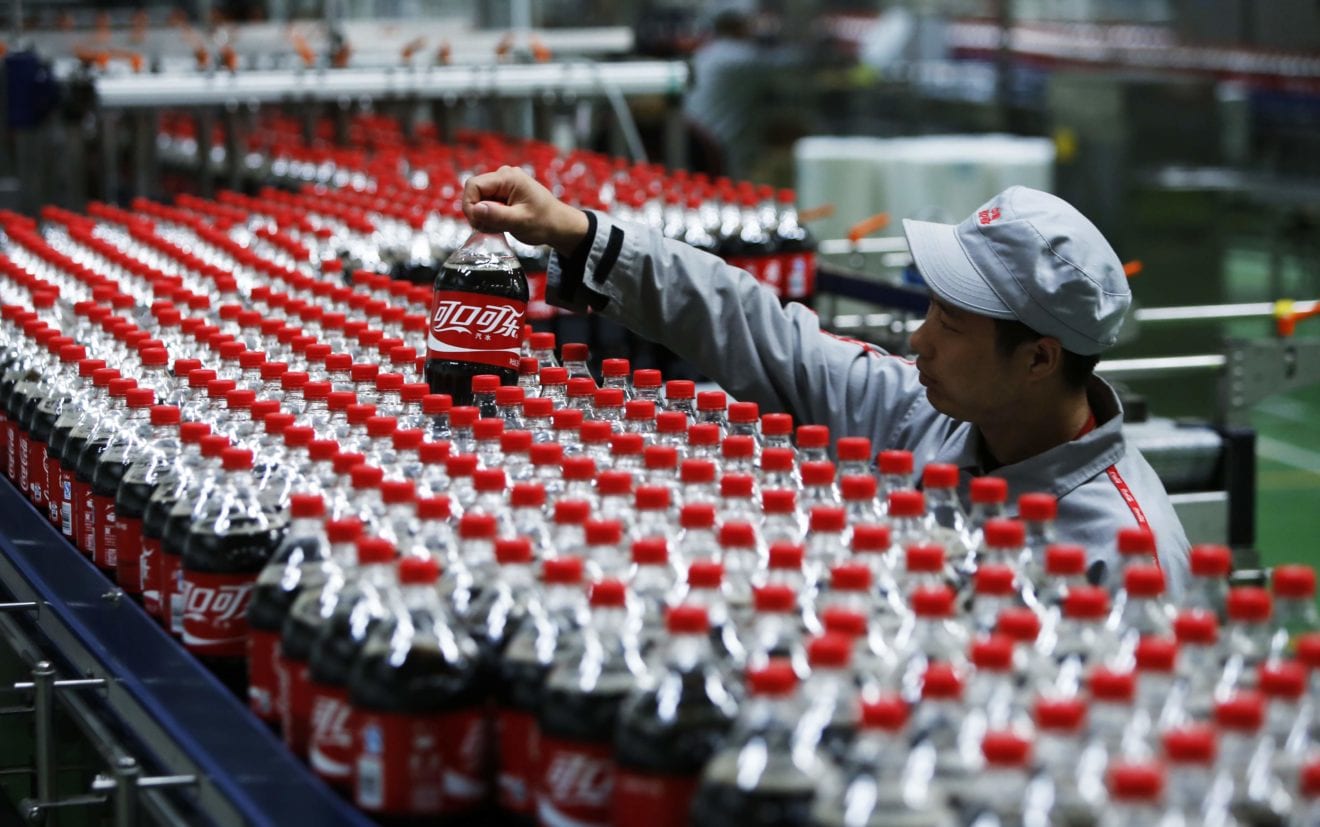
    Coca-Cola Europacific Partners is making waves in the beverage industry with the launch of its most extensive and efficient canning line to date. The new facility is located in Richlands, Brisbane.

    A hefty investment of $75 million has been made towards the establishment of this production line, capable of processing an impressive 2,000 cans per minute. This translates to 120,000 cans per hour and nearly 3 million cans per day.

    This new development primarily aims to ramp up the production of Monster Energy products, in response to the escalating demand for energy drinks by consumers. However, it won’t be limited to the Monster Energy brand. The production line will also serve as a manufacturing hub for other beverages under the Coca-Cola Europacific Partners umbrella, including Coca-Cola, Sprite, and Fanta.

    Orlando Rodriguez, the Managing Director of Coca-Cola Europacific Partners Australia, spoke about the company’s long-standing commitment to manufacturing in Australia. He commented, “We have a rich history of manufacturing in Australia that spans nearly 90 years, and we remain deeply invested in our operations.”

    The construction of this development was a grand endeavor, employing 250 contractors over a two-year period. Once it reaches full operational status, the project is expected to generate 18 full-time jobs.

    Rodriguez further highlighted the benefits of the new line, saying, “Through the use of revolutionary technology and top-tier equipment, our new line will enhance our production efficiency. This allows us to deliver our beverages to Australians faster and in a more sustainable manner.”

    One of the key features of the new canning line is its reverse osmosis system, which has amplified its water treatment capacity by 67%.

    Furthermore, the line’s capacity to fill cans at room temperature is projected to cut down energy consumption by 23% annually. This is in comparison to other production lines within Coca-Cola Europacific Partners’ network.

    Questions & Answers

    What is the processing capacity of the new canning line?
    The new canning line can process 2,000 cans per minute, which equates to 120,000 cans per hour and nearly 3 million cans a day.

    What brands will be produced on the new line?
    The new canning line will primarily focus on producing Monster Energy Company products. However, it will also produce Coca-Cola, Sprite, Fanta, and other beverages under the brand.

    What sustainability features does the new canning line have?
    The line integrates a reverse osmosis system, increasing water treatment capacity by 67%. Moreover, its feature of filling cans at room temperature is expected to reduce energy consumption by 23% annually.
  • Suimin is turning up the heat in the instant noodle category with K-Pow

    Suimin is turning up the heat in the instant noodle category with K-Pow

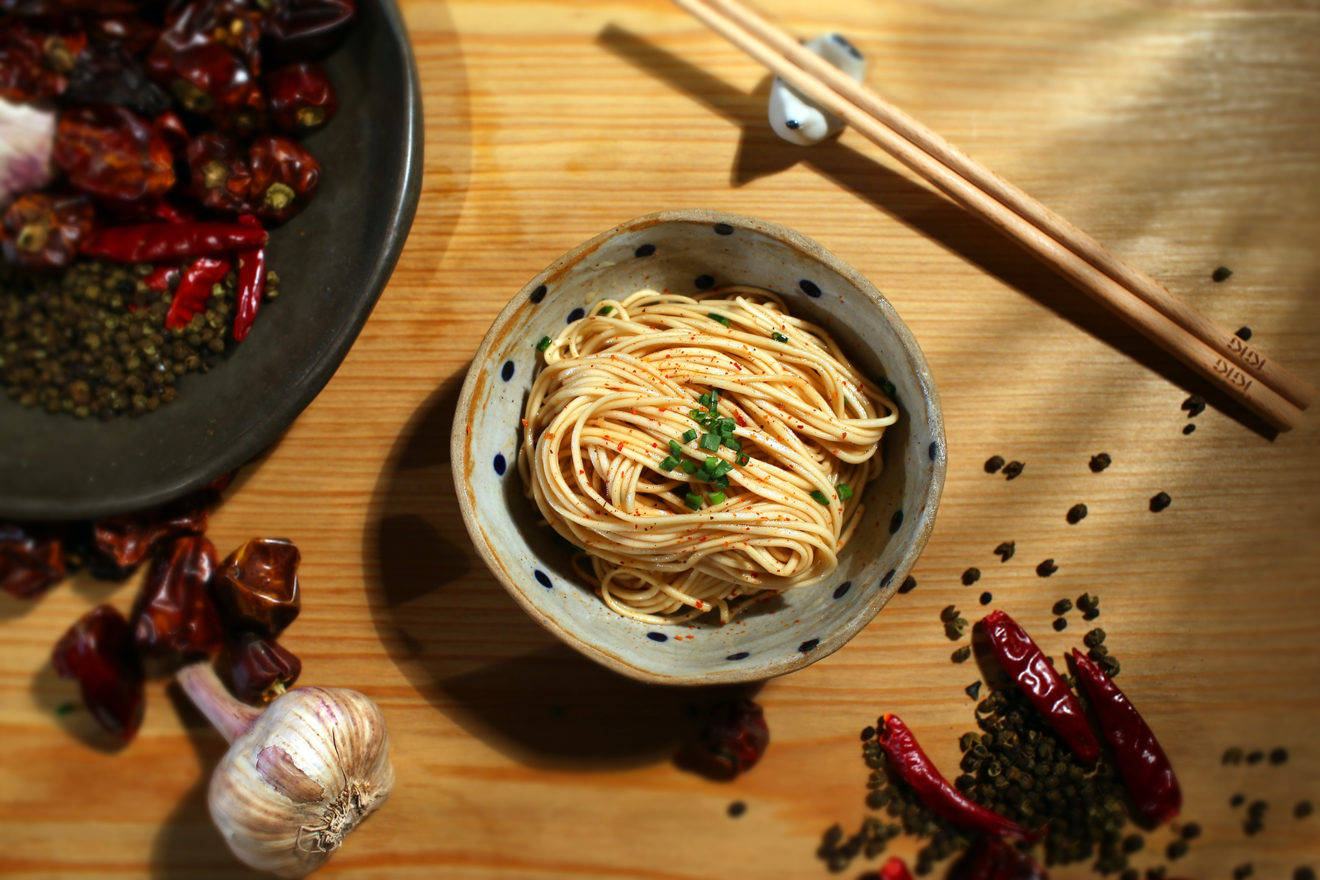
    Research reveals a growing preference for spicy foods among Australians and New Zealanders. In response to this trend, Suimin, a popular convenience food brand, has unveiled a new range of super spicy, Korean-style instant noodle bowls. The products, which fall under the brand name K-Pow!, are set to cater to this increasing demand for heat-infused foods.

    Spice and Heat: Key Market Trends

    Hugh McIntosh, the Marketing Manager at Suimin, states that the company’s market research in Australia and New Zealand supports the idea of spice and heat as emerging, high-growth trends. He remarks that the consumer inclination towards extra spicy noodles, a trend previously predominant in parts of Asia, has now firmly rooted itself in the Australian market.

    Moreover, the popularity of Korean cuisine has fueled the creation of this new locally adapted, spice-driven instant noodle range. Suimin will initially launch this product in Australia, with plans to expand to New Zealand in the near future.

    Targeting a Broad Audience

    Designed to appeal to a wide demographic, K-Pow! is especially aimed at younger customers seeking novel and intriguing flavors in their meals. According to McIntosh, the new range aligns with Suimin’s long-standing reputation of providing convenient access to Asian-inspired dishes.

    Despite a highly competitive instant noodle market, McIntosh is confident that the K-Pow! range will make its mark. The unique blend of chicken and beef broth bases with traditional Korean flavors ensures a distinctive taste.

    Appeal of the K-Wave

    The increasing popularity of Korean culture, known as the K-Wave, has been instrumental in Suimin’s decision to release a Korean-inspired range. The K-Wave, which began with the hit song “Gangnam Style” in 2012, has since expanded to include K-Pop and K-Drama, making Korean culture increasingly appealing worldwide.

    McIntosh cites recent survey data indicating that 37% of Australian respondents have consumed Korean food in the past three months, with an additional 41% expressing interest despite not having tried the cuisine recently.

    The K-Pow! Range

    The K-Pow! range is not solely targeted at fans of Korean culture. Younger shoppers, in particular, are purchasing spicy noodles at a significantly higher rate than other households, making them a key demographic for Suimin.

    The K-Pow! range comprises three flavors: Flaming Cheesy Chicken, Flaming Chicken, and Flaming Beef. Each 105gm bowl is priced at $4 and is available at Coles, Woolworths, and independent retailers nationwide.

    In order to promote the launch, Suimin plans to collaborate with influencers to generate brand awareness and encourage product trials. McIntosh reveals plans to engage with numerous influencers, including two with over 100,000 followers, to create engaging content on platforms like TikTok and Instagram.

    Questions & Answers

    What is the K-Pow! range?
    The K-Pow! range is a new line of super spicy, Korean-style instant noodle bowls from Suimin.

    Who is the target audience for the K-Pow! range?
    While the K-Pow! range aims to appeal to a broad demographic, it specifically targets younger consumers who are seeking unique and exciting flavors.

    How will Suimin promote the K-Pow! range?
    Suimin plans to partner with influencers to generate awareness for the new range and to encourage consumers to trial the product. The promotion will involve creating engaging content on social media platforms like TikTok and Instagram.

  • Kraft Heinz is mulling the sale of brands to ‘unlock shareholder value’

    Kraft Heinz is mulling the sale of brands to ‘unlock shareholder value’

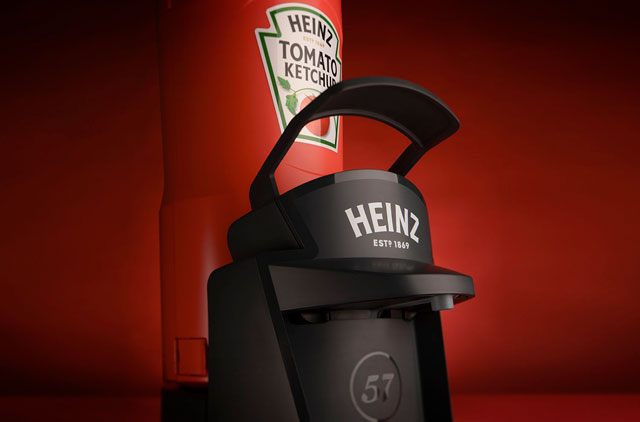
    Kraft Heinz, a leading food and beverage corporation, recently disclosed that it’s considering “potential strategic transactions” as a measure to boost shareholder value.

    Strategic Moves for Value Creation

    According to Kraft Heinz’s CEO, Carlos Abrams-Rivera, the company lays significant emphasis on delivering high-quality, great-tasting food to its consumers. This commitment, he believes, is vital to driving sustainable profitability, growth, and value creation.

    Potential Brand Transactions

    While Kraft Heinz is considering strategic transactions, the company has made it clear that it will not offer a timeline for any such potential deals, nor does it guarantee the sale of any of its brands.

    Kraft Heinz is a global powerhouse with more than 80 brands under its belt. In Australia, it owns Greenseas and Golden Circle; in New Zealand, it owns Watties, Cats Prefer Chef, Food in a Minute, and the Good Taste Company. The company hasn’t specified which markets may be targeted for potential brand transactions.

    Board Reorganization

    In related news, Kraft Heinz also announced that Berkshire Hathaway would no longer maintain its seats on the Heinz board, a decision that aligns with its other non-controlled investments. Consequently, Timothy Kenesey and Alicia Knapp have resigned from the Heinz board due to their affiliations with Berkshire Hathaway as executives, reducing the board’s size to 10 members.

    Questions & Answers

    What strategic transactions is Kraft Heinz considering?
    The specifics of the potential strategic transactions that Kraft Heinz is considering have not been disclosed. However, they are aimed at enhancing shareholder value.

    Will Kraft Heinz sell any of its brands?
    As of now, Kraft Heinz has not guaranteed the sale of any of its brands, nor has it provided a timeline for potential transactions.

    Why have Timothy Kenesey and Alicia Knapp stepped down from the Heinz board?
    Timothy Kenesey and Alicia Knapp have resigned from the Heinz board due to their executive associations with Berkshire Hathaway, which has relinquished its seats on the board.

  • Boss Coffee brings back fan-favourite Iced Mocha across Down Under

    Boss Coffee brings back fan-favourite Iced Mocha across Down Under

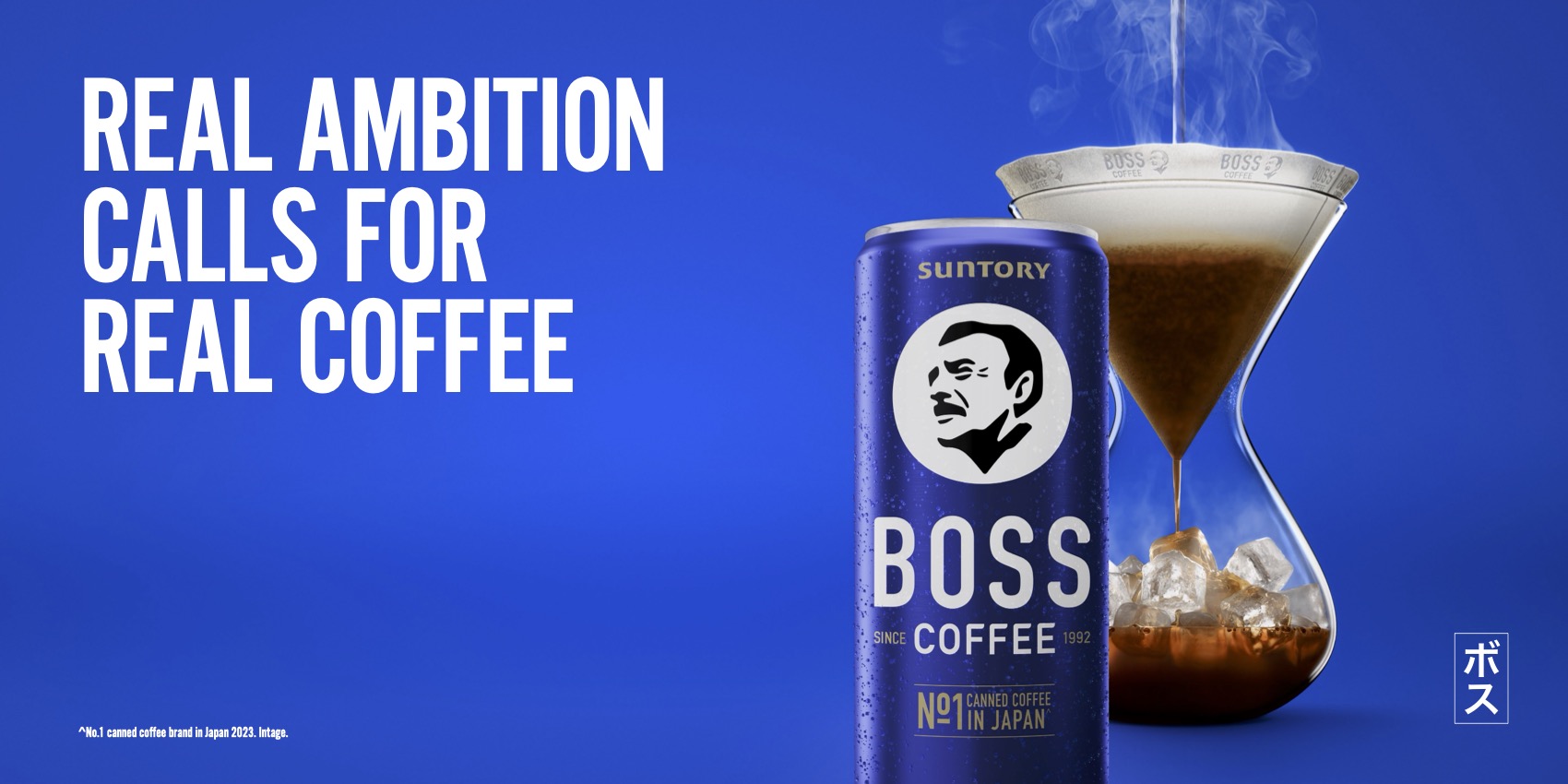
    Suntory Boss Coffee has relaunched its Iced Mocha in Australia and New Zealand, boasting an enhanced recipe that combines flash-brewed coffee and a rich chocolate taste. The drink is designed as a sweet yet invigorating refreshment, targeting busy professionals, students, and any individual in need of a caffeine lift.

    Morgan Loveridge, Head of Market Execution at Suntory Boss Coffee & Future Brands, stated that the revised Iced Mocha has achieved impressive results in taste tests, with a purchase intent of 80%. Consumers have expressed that the addition of Iced Mocha enhances the overall appeal of the Suntory Boss Coffee range.

    Suntory Boss Coffee first entered the Australia and New Zealand market in 2019 and has since secured a significant market share with 52.8% in Australia and 69.5% in New Zealand. The Iced Mocha variety was first introduced to their range in 2023.

    The complete array of Suntory Boss Coffee is accessible in supermarkets, petrol stations, and convenience stores across the two countries.

    Questions & Answers

    What is the revised recipe of Suntory Boss Coffee’s Iced Mocha?
    The improved recipe of Suntory Boss Coffee’s Iced Mocha combines flash-brewed coffee with a rich chocolate flavour.

    Who is the target market for Suntory Boss Coffee’s Iced Mocha?
    The Iced Mocha drink is aimed at busy professionals, students, and anyone needing a caffeine boost.

    Where can customers find the Suntory Boss Coffee range?
    The full range of Suntory Boss Coffee is available in supermarkets, petrol stations, and convenience stores in Australia and New Zealand.

  • Vietnam Surpasses Thailand and Australia, Claiming Leading Role in China’s Mango Market

    Vietnam Surpasses Thailand and Australia, Claiming Leading Role in China’s Mango Market

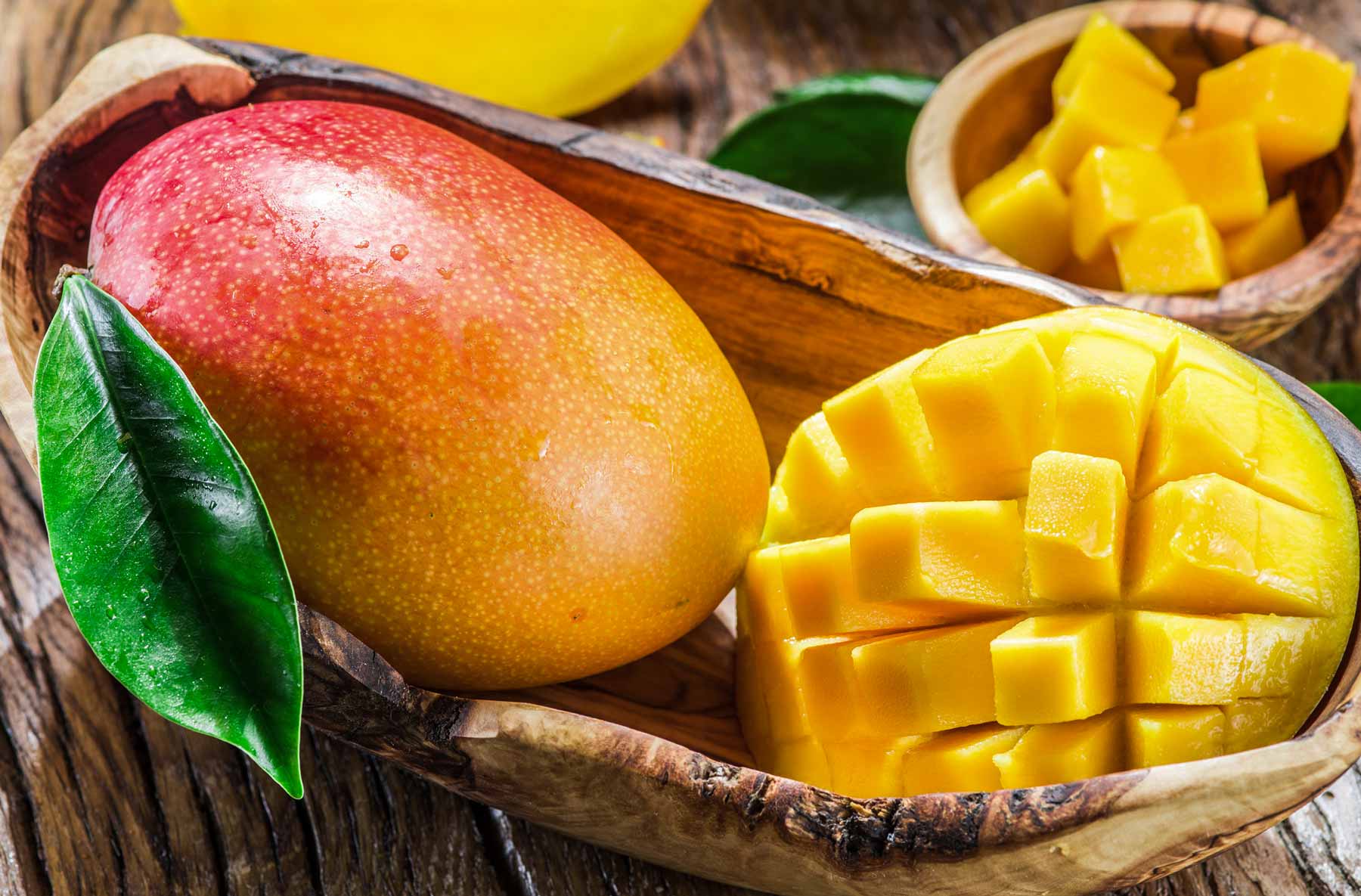
    China has dramatically increased its mango imports, with a staggering year-on-year rise that brought the total to US$29 million, as reported by China customs. This surge is primarily due to the country’s insatiable appetite for tropical fruits, coupled with a domestic supply shortage.

    Mango Import Landscape

    Among the six countries supplying mangoes, Vietnam emerged as the standout performer, enjoying a remarkable growth rate. While Cambodia, Peru, Australia, Thailand, and the Philippines experienced stagnation or decline, Vietnam’s mango exports skyrocketed to around US$28 million—a whopping 145-fold increase from the previous year. The average price per ton also saw a substantial rise of nearly 73%.

    Thailand’s position as a major mango exporter to China has dwindled significantly, dropping to fifth place with a drastic 70% decline in shipments, valued at just US$65,000. This shift highlights Vietnam’s competitive advantage in accessibility, thanks to low logistics costs and its geographical proximity to China.

    Quality and Affordability

    The Vietnam Fruit and Vegetable Association emphasizes that Vietnamese mangoes are distinguished by their quality and affordability, appealing to the modern Chinese consumer. Local varieties like Hoa Loc and Cat Chu are particularly favored for their rich flavors. A spokesperson for the association noted, “These varieties resonate deeply with Chinese tastes.”

    Experts attribute Vietnam’s vibrant market presence to its pricing strategy. Vietnamese mangoes average around $700 per ton, in stark contrast to competitors that charge between $6,000 and $11,000 per ton, such as Thailand, Peru, Australia, and the Philippines.

    Demand and Seasonal Dynamics

    China’s soaring demand for mangoes—both for fresh consumption and processing—has created an essential need for imports, especially during off-seasons. Vietnam, producing about one million tons of mangoes annually, meets not only the needs of China but also markets in the U.S., South Korea, Japan, and the Netherlands.

    The Mekong Delta’s nearly 2,000 hectares of mango orchards certified under global standards are pivotal in fulfilling China’s stringent requirements. Notably, Vietnam’s off-season production from September to March fits perfectly with China’s deficiency during these months, allowing top-grade mangoes to fetch impressive prices, reaching up to VND100,000 per kilogram.

    Yet, as this month marks the onset of China’s domestic mango season, the demand for Vietnamese mangoes has sharply declined, resulting in steep price drops to just a few thousand Vietnamese dong per kilogram (a mere few U.S. cents). One could say, “The mango may be king, but even royalty can face a fall from grace!”

    Questions & Answers

    **Which country significantly increased its mango exports to China?**
    Vietnam has seen its mango exports soar, with a 145-fold increase year-on-year.

    What factors contribute to the popularity of Vietnamese mangoes in China?
    Their high quality, favorable pricing, and the appealing flavors of local varieties make them particularly attractive to Chinese consumers.

    How does the domestic mango season in China affect Vietnamese mango prices?
    As China’s mango season begins, the demand for Vietnamese imports plummets, leading to significant drops in prices.

  • Shakey’s Pizza Sets Ambitious Goal: 430 New Locations Planned for 2025 Expansion

    Shakey’s Pizza Sets Ambitious Goal: 430 New Locations Planned for 2025 Expansion

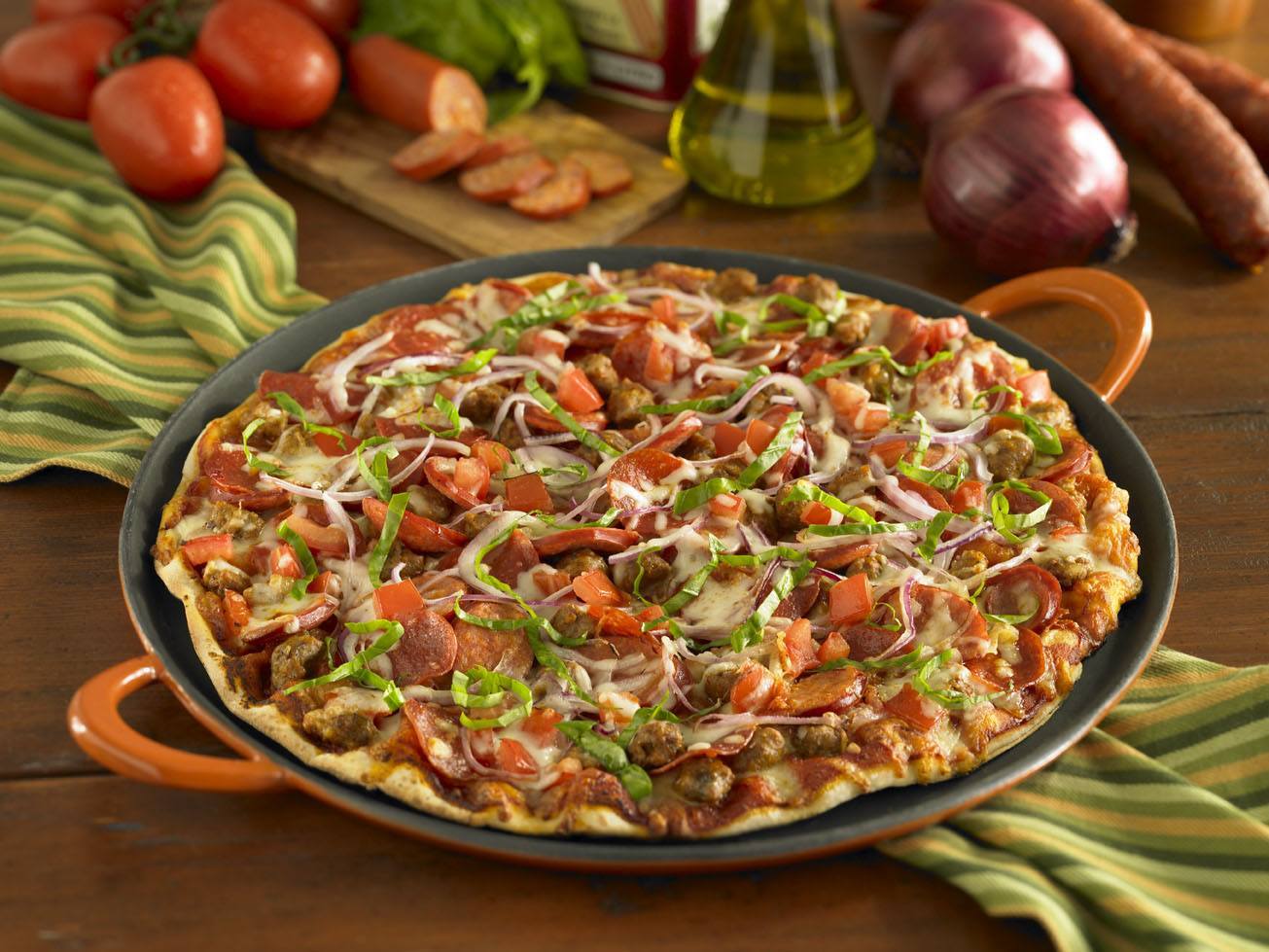
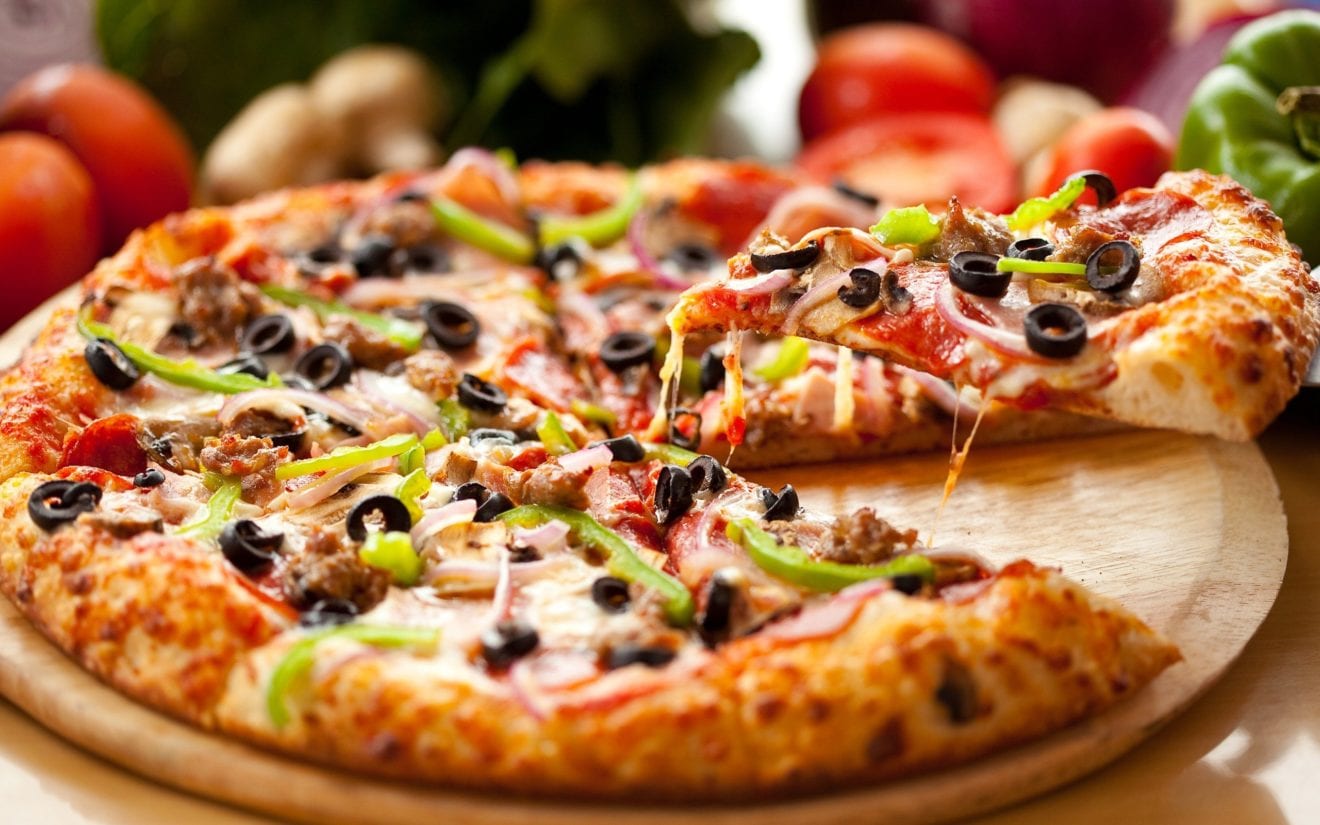
    Shakey’s Pizza Asia Ventures Inc. (SPAVI) is on a sizeable growth trajectory, aiming to launch an impressive 430 new stores this year. Following the first quarter, the company reported a global total of 2,671 stores, buoyed by the addition of 52 outlets primarily under the popular Potato Corner brand.

    Since Q1 2024, SPAVI has expanded its footprint with 439 new openings, including 130 international locations, bringing its overseas branches to nearly 20% of its total network. This push means more pizza lovers can enjoy their slices far and wide!

    During the first quarter, SPAVI announced a net income after tax of PHP182 million—a tantalizing 6% increase from the previous year. Same-store sales also saw a positive uptick, growing by 2%, or an adjusted 4% considering the leap year and the early Easter holiday in 2024. The company has also rolled out its 50th anniversary campaign, which aims to attract even more customers as they celebrate this milestone.

    Looking ahead, SPAVI remains optimistic about reaching its ambitious targets for double-digit revenue and profit growth by 2025. One can almost hear the pizza ovens heating up in anticipation!

    Questions & Answers

    What is the total number of stores SPAVI plans to open this year?
    SPAVI is poised to open 430 new stores in 2024.

    How much was the net income after tax for Q1 2024?
    The company reported a net income of PHP182 million for the first quarter.

    What percentage of SPAVI’s network is made up of international branches?
    International branches now account for nearly 20% of SPAVI’s total store network.

  • Cambodia Enters China’s Booming Durian Market, Challenging Vietnam, Thailand, and Malaysia

    Cambodia Enters China’s Booming Durian Market, Challenging Vietnam, Thailand, and Malaysia

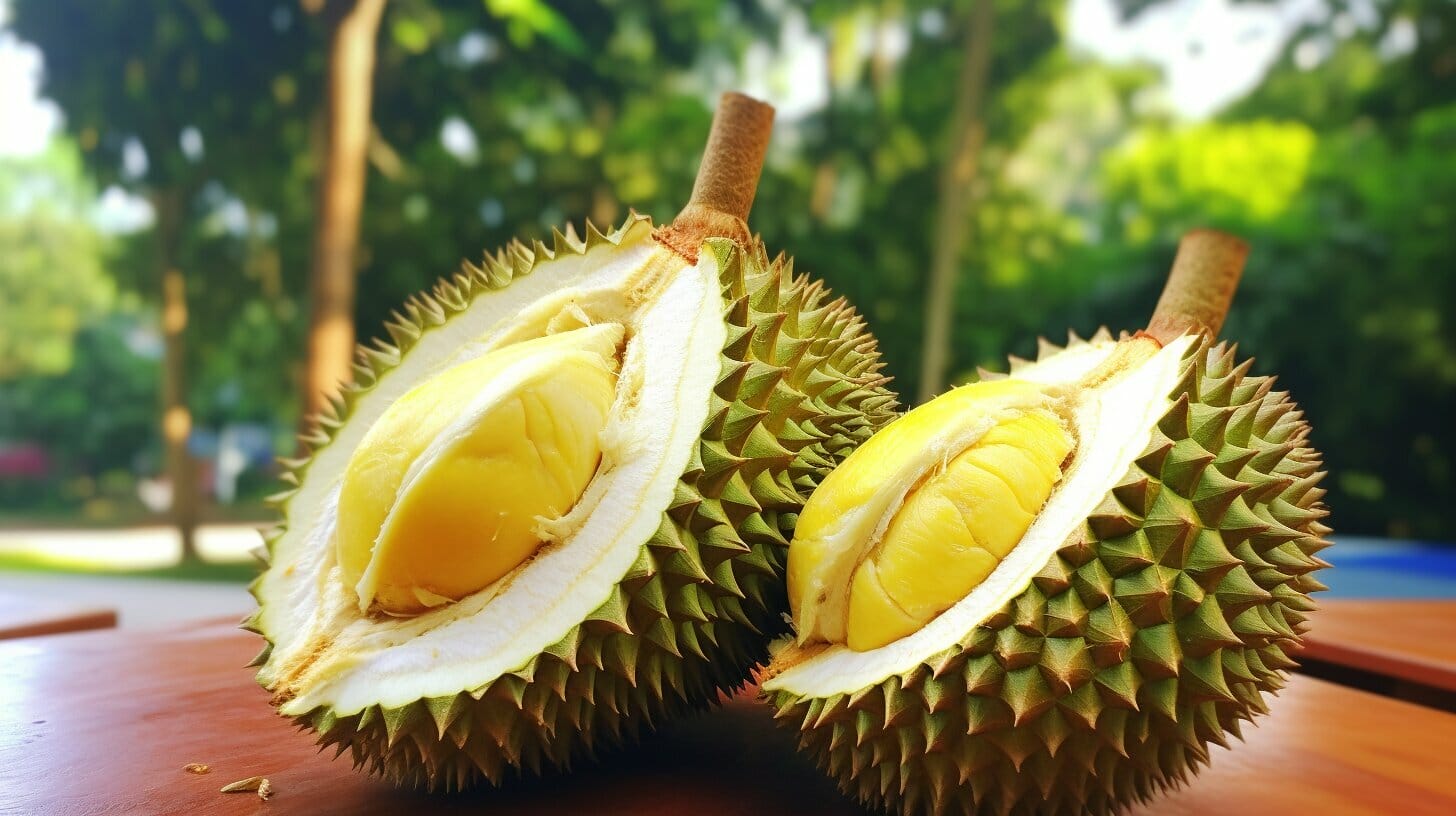
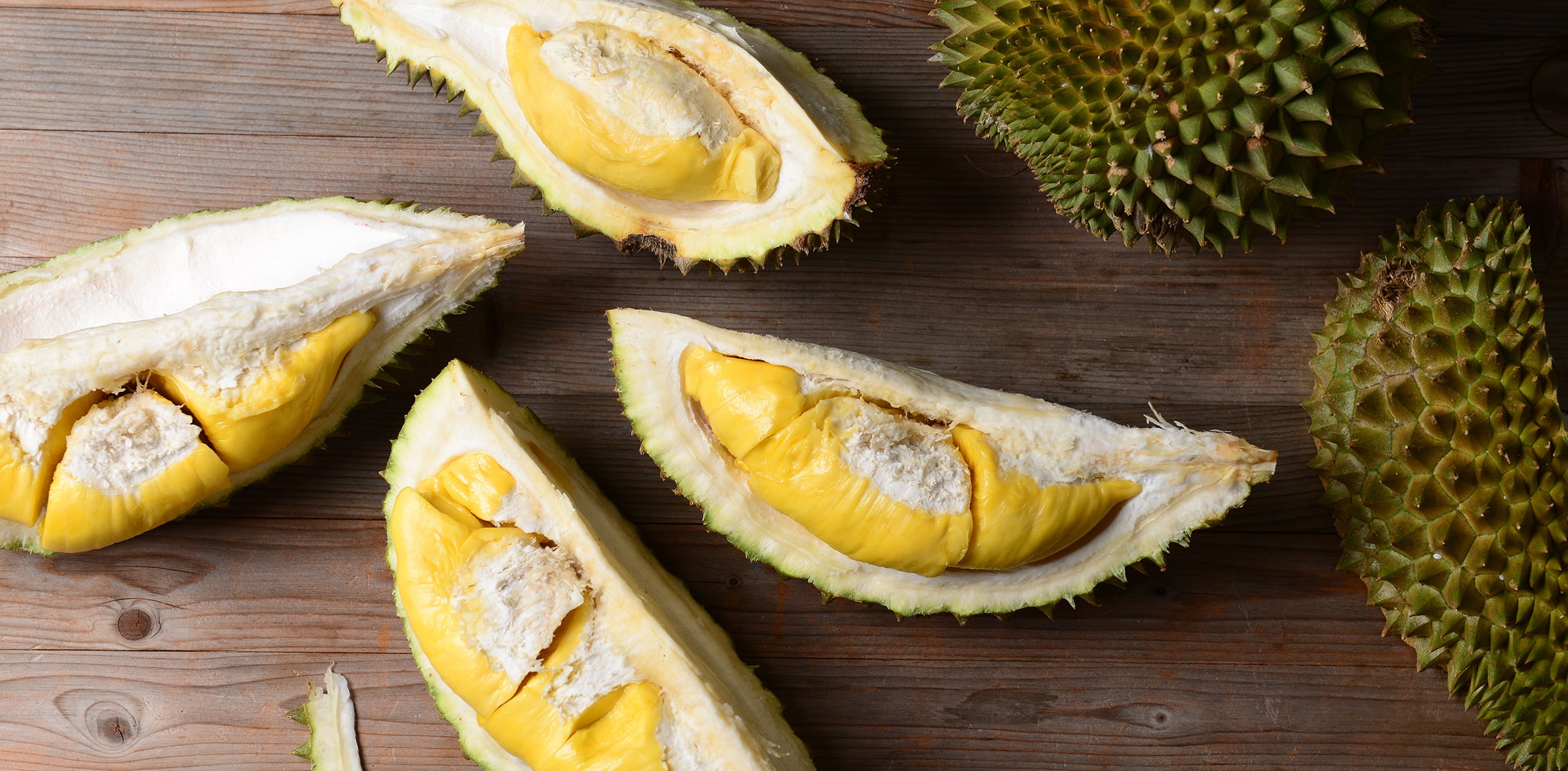
    China’s General Administration of Customs has recently opened doors for fresh durian shipments from Cambodia that comply with food safety standards, a significant development following the signing of a phytosanitary protocol between Cambodia’s Ministry of Agriculture, Forestry and Fisheries and Chinese authorities in late April. This newfound opportunity is poised to transform Cambodia’s durian industry and delight the palates of Chinese consumers who have long been enamored with the so-called “king of fruits.”

    Building a Path to Export

    Following the accord, Cambodia’s agriculture department has taken proactive steps, urging durian growers, farming communities, and processing facilities to register for exports to China. Plans are already underway to compile a list of fresh durian plantations and processing factories, set to be submitted to the Chinese side for evaluation and review in May 2025, as reported by the Khmer Times.

    Breaking into the Chinese Market

    As Cambodia seeks to make its mark, it faces the challenge of standing out in a marketplace that has already been saturated by competitors with established reputations. “It lacks the long-standing brand recognition of Thailand’s Monthong or Malaysia’s premium Musang King,” stated Lim Chin Khee, an adviser at Malaysia’s Durian Academy, highlighting the uphill battle for Cambodia’s emerging durian brand.

    Chinese consumers are currently spoiled for choice, with last year’s record durian imports amounting to an impressive US$6.99 billion, primarily driven by Thailand and Vietnam, which together accounted for nearly 99% of the market share. The competition isn’t stopping there; Indonesia is gearing up to export its own durians, while Laos is eyeing entry into this lucrative market.

    Can Cambodian Durian Compete?

    Despite this fierce competition, the unique Au Khak variety, predominantly grown in Cambodia’s Kampot and Kampong Cham provinces, is beginning to generate interest among discerning Chinese durian enthusiasts. Zhao Yu, a 38-year-old durian aficionado from Shanghai, expressed her curiosity but admitted she needed time to explore the Cambodian variety before adding it to her list of favorites.

    However, experts believe that Cambodian farmers hold significant potential. Lim assured that with the right investment and foreign technical support—especially from China—Cambodian durians could soon rival those from more established producers. The sentiment was echoed by Wang Wenbin, the Chinese ambassador to Cambodia, who expressed his enthusiasm during a recent visit to a durian farm in Kampot, proclaiming Au Khak to be “the best durian in the world.” He optimistically hinted at a future filled with Cambodian durians gracing the tables of Chinese consumers.

    In 2024, Cambodia exported over 12 million tons of agricultural products valued at $5.3 billion across 95 markets. The agriculture sector significantly contributes to the nation’s economy, accounting for approximately 16.7% of its GDP. Recent deals have also set the stage for other Cambodian products like swiftlet nests and crocodiles to enter the Chinese market, further diversifying Cambodia’s agricultural exports.

    Khim Finan, the undersecretary of state, views these efforts as vital in expanding Cambodia’s agricultural market, boosting farmers’ incomes, and fostering overall economic growth through agriculture.

    As Cambodia steps into this new era of durian exports, one can only wonder how the world will react. Will Cambodian durians become the next big sensation in China, or will they remain the fruity underdog in the kingdom of durians?

    Questions & Answers

    What recent development has allowed Cambodia to export durians to China?
    China’s General Administration of Customs started permitting fresh durian shipments from Cambodia after a phytosanitary protocol was signed with the Cambodian Ministry of Agriculture in late April.

    What challenges does Cambodia face in exporting durians to China?
    Cambodia lacks the brand recognition of established competitors like Thailand and Malaysia, which could hinder its ability to attract Chinese consumers who have a wide range of options available.

    What other agricultural products from Cambodia are set to enter the Chinese market?
    In addition to durians, Cambodia has signed protocols for the export of swiftlet nests and crocodiles, which could diversify its agricultural offerings in China.

  • EatKinda eyes US growth as cauliflower ice cream gains traction

    EatKinda eyes US growth as cauliflower ice cream gains traction

    New Zealand-based company EatKinda, which has garnered attention for its innovative cauliflower ice cream, is ramping up its expansion efforts in the United States as part of its global operational scaling.

    Established in 2023, EatKinda has pioneered a unique method for creating frozen treats. The company upcycles cauliflowers that may not be visually perfect, transforming them into plant-based ice cream. The eco-friendly approach extends to its packaging as well, with EatKinda opting for 100 per cent home-compostable tubs for its product.

    Mrinali Kumar, Co-founder and CEO of EatKinda, sees this expansion not only as a personal feat but also as an opportunity to highlight the inventive products emerging from Aotearoa, New Zealand. He emphasized the potential of building with a clear purpose in mind.

    According to EatKinda, the company’s ice cream formulation, which is free from dairy, gluten, soy, and nuts, has found favor among consumers looking for inclusive, sustainable sweet treats.

    In a strategic move, EatKinda is curbing its domestic operations to concentrate on its expansion in the US, a decision backed by investors such as Massey Ventures, WNT Ventures, and Beder Bite Ventures.

    EatKinda has made significant environmental contributions since its inception. The company has successfully redirected over 2900 kilograms of cauliflower from landfills and eliminated the necessity for over 45,000 plastic tubs through its compostable packaging.

    Questions & Answers

    What is unique about EatKinda’s ice cream?
    EatKinda’s ice cream is unique because it’s made from cauliflower, particularly those that are not cosmetically perfect, and it is free from dairy, gluten, soy, and nuts.

    What environmentally-friendly steps has EatKinda taken as a company?
    EatKinda has taken several steps to be environmentally friendly. They have diverted over 2900 kilograms of cauliflower from landfills and switched to 100 per cent home-compostable tubs for their product, eliminating the need for over 45,000 plastic tubs.

    What is the company’s focus in terms of its business operations?
    EatKinda is currently focusing on expanding its operations in the United States while curtailing its domestic operations in New Zealand. This strategic decision is backed by its investors.

  • Dodo Pizza, the fastest-growing chain, closes its outlets in Ho Chi Minh City.

    Dodo Pizza, the fastest-growing chain, closes its outlets in Ho Chi Minh City.

    In a surprising twist within the competitive pizza landscape of Vietnam, Dodo Pizza, once hailed as the fastest-growing pizza chain globally, has announced the closure of all four of its outlets in Ho Chi Minh City. The final day of operations is set for May 26, marking the end of a four-year venture in the city.

    In a Facebook update, the company attributed its decision to “various factors and a new strategic direction.” Following the closures, Dodo Pizza will maintain only one location, situated in Binh Phuoc Province, approximately 120 kilometers away from the bustling city.

    Dodo Pizza achieved remarkable recognition in 2021 when U.S.-based food market research firm Technomic praised it as the “fastest-growing pizza chain in the world.” When it first entered the Vietnamese market, the chain identified the region as brimming with potential, particularly due to its expanding middle class. Today, Dodo Pizza operates over 1,300 outlets across 24 countries and reported a revenue increase of 19% last year, reaching a substantial US$1.2 billion.

    In its quest for growth, the company is actively exploring strategic partnerships, targeting national franchisees and multi-unit operators in markets such as the Middle East, Africa, Asia, and South America. However, the Vietnamese food and beverage scene, especially the pizza segment, remains fiercely competitive, with numerous domestic and international brands vying for customer attention. Major players include local favorite Pizza 4P’s, highly recognized American franchises like Pizza Hut and Domino’s Pizza, and Thailand’s The Pizza Company, alongside a host of European and Australian brands.

    The Vietnamese pizza market, valued at $780 million in 2024, is on a growth trajectory, projected to reach $1.1 billion by 2033, according to IMARC Group. As consumer demand for quick and convenient dining rises amid increasingly hectic lifestyles, pizzas are not only a staple in dedicated restaurants but are also making their way onto the menus of an expanding array of hotels and eateries.

    In a landscape where everyone is fighting for the pizza crown, Dodo Pizza’s retreat raises intriguing questions about the resilience of brands in hotly contested markets.

    Questions & Answers

    **What led Dodo Pizza to close its HCMC outlets?**
    The company cited “various factors and a new strategic direction” for the closures.

    How many Dodo Pizza locations will remain open in Vietnam?
    After the closures, Dodo Pizza will have just one remaining location in Binh Phuoc Province.

    What is the current state of the pizza market in Vietnam?
    The Vietnamese pizza market is highly competitive and is projected to grow from $780 million in 2024 to $1.1 billion by 2033, driven by rising demand for convenient dining options.

  • Hong Kong Tycoon Joseph Lau Offloads $5.8 Million Wine Collection in High-Stakes Sale

    Hong Kong Tycoon Joseph Lau Offloads $5.8 Million Wine Collection in High-Stakes Sale

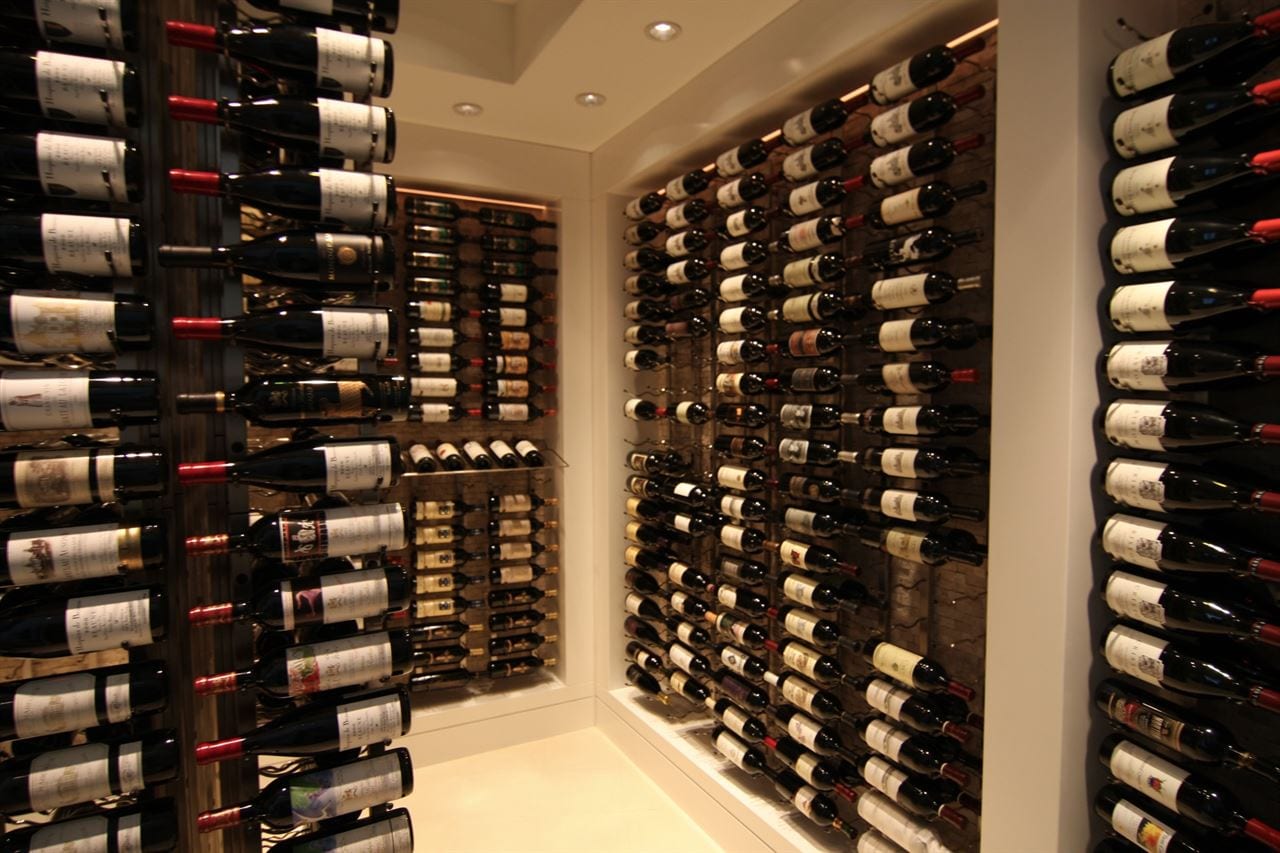
    Hong Kong billionaire Joseph Lau is making waves in the luxury auction scene, preparing to sell a stunning wine collection valued at over HK$35 million (approximately US$5.8 million). This extensive collection features more than 200 lots, highlighting some of the finest wines available.

    Rare Bottles Take Center Stage

    Among the standout selections are exceptional offerings from renowned winemakers such as Henri Jayer and Petrus, alongside exquisite choices from Domaine de la Romanée-Conti. This prestigious auction is a key feature of Christie’s Hong Kong Luxury Week, as reported by Bloomberg.

    The Crown Jewel of the Auction

    The highlight of the auction is likely to be ten exceptional bottles of Henri Jayer’s Vosne-Romanée Cros-Parantoux, which carry an eyebrow-raising estimated price of up to HKD1.4 million. Scheduled for Thursday, this marks Lau’s third collaboration with Christie’s for wine sales, following two very successful auctions in 2022 that together amassed an impressive US$16 million. In fact, several lots from those past sales brought in over double their high estimates, signaling a robust interest in his collection.

    Lau’s Wealth and Controversies

    At 73 years old, Lau stands as a significant player in the auction sphere, both as a collector and a seller. His fortune is estimated at US$5 billion, largely derived from valuable commercial property holdings and a stake in Chinese Estates Holdings Ltd. However, Lau’s property enterprise has encountered hurdles due to a downturn in the Hong Kong real estate market. Additionally, his past includes a conviction for bribery and money laundering in Macau in 2014—yet he has remained a free man due to the lack of an extradition agreement between Macau and Hong Kong.

    With such a high-profile sale and a history filled with both opulence and controversy, it’s clear that Lau continues to be a captivating figure in the luxury sector, where the clink of glasses might just be a reminder of his complex journey.

    Questions & Answers

    **What types of wines are featured in Joseph Lau’s auction?**
    The auction features premium wines, including rare bottles from prestigious winemakers such as Henri Jayer, Petrus, and Domaine de la Romanée-Conti.

    When is the auction taking place?
    The auction is scheduled for Thursday as part of Christie’s Hong Kong Luxury Week.

    What is Joseph Lau’s estimated net worth?
    Joseph Lau’s net worth is estimated at US$5 billion, primarily from commercial property holdings and a stake in Chinese Estates Holdings Ltd.

  • Malaysian Exporters Set Sights on Chinese Durian Lovers at Exciting Beijing Fruit Festival

    Malaysian Exporters Set Sights on Chinese Durian Lovers at Exciting Beijing Fruit Festival

    A vibrant Malaysian fruit festival in Beijing showcased the beloved durian, generating estimated revenues between CNY3 million and CNY5 million (approximately US$416,000 to US$693,000) for 50 participating exporters. This exciting three-day event, which wrapped up on Sunday, marked the third consecutive year of Malaysian traders presenting their agricultural offerings to Chinese consumers, as reported by the state-owned newspaper Bernama.

    This year’s event put a special emphasis on durian varieties, notably the coveted Musang King and Black Thorn. Attendees were treated to a visual feast with over 150 kilograms of Musang King and 60 kilograms of Black Thorn durians on display, alongside delightful selections of 120 kilograms of pineapples and 80 kilograms of mangosteens.

    Malaysian Ambassador to China, Datuk Norman Muhamad, expressed his pride in seeing durian, hailed as the country’s “national treasure,” take center stage. He noted that last year, Malaysia’s durian exports to China totaled CNY40.17 million (around US$5.5 million) and emphasized China’s status as Malaysia’s largest trading partner for 16 consecutive years. “This time, we are not selling. We are here to promote, educate, and raise awareness about the uniqueness of Malaysian tropical fruits,” he stated.

    Loh Wee Keng, the chairman of the Malaysia Chamber of Commerce and Industry in China, shared optimistic projections that durian exports to China could rise by 15% to 20% this year. This growth comes despite facing weather-related challenges, fueled by robust consumer demand.

    As the world’s largest durian market, China primarily sources this cherished fruit from Thailand and Vietnam, but countries like Malaysia, the Philippines, and Cambodia are increasingly stepping up their export efforts. It seems like everyone wants a slice of the lucrative durian pie!

    Questions & Answers

    What was the revenue expected from the Malaysian fruit festival in Beijing?
    The festival was estimated to generate between CNY3 million and CNY5 million (around US$416,000 to US$693,000).

    Which durian varieties were showcased at the event?
    The spotlight was on Malaysia’s renowned Musang King and Black Thorn durians.

    How significant is China for Malaysian durian exports?
    China has been Malaysia’s largest trading partner for 16 years, with total exports reaching CNY40.17 million (approximately US$5.5 million) last year.

  • Thai Farmers Rally for PM to Enlist Blackpink’s Lisa in Boosting Fruit Exports

    Thai Farmers Rally for PM to Enlist Blackpink’s Lisa in Boosting Fruit Exports

    Thai fruit growers have turned to Prime Minister Paetongtarn Shinawatra with an innovative proposal: enlist K-pop sensation Lisa (Lalisa Manoban) of Blackpink to champion the global promotion of Thai fruits. This request came during the Prime Minister’s recent visit to Chanthaburi province, where farmers highlighted Lisa’s star power as a key to accessing new markets beyond China.

    The farmers passionately argued that Lisa’s endorsement could significantly boost Thailand’s fruit exports, potentially generating over THB 500 billion (approximately US$15 billion) annually. Currently, the nation’s fruit export revenue stands at a considerably lower THB 200–300 billion. With Lisa’s impressive global presence—she boasts over 105 million Instagram followers and holds ambassadorial roles with luxury brands like Celine and Bulgari—the farmers believe her involvement could elevate Thai products on the international stage.

    During the meeting, farmers addressed several pressing challenges, including the critical need for faster customs clearance at border checkpoints, where shipments can face delays of up to 12 days. They urged for clearer regulations to combat premature harvesting of durians, which negatively affects both weight and quality. In addition, they advocated for better policies to address labor shortages, suggesting the extension of work permits for migrant laborers and enabling them to move between provinces for job opportunities. A proposed THB 100 million compensation fund for durian farmers and locals affected by wild elephant incursions also featured prominently in their discussions.

    In response, Prime Minister Paetongtarn assured the farmers that the government is working with companies to purchase surplus produce, thereby minimizing waste. She pledged to streamline export processes and confirmed that the Ministry of Labour will tackle agricultural workforce shortages. As part of her visit, the Prime Minister explored an exhibition by the Young Smart Farmer group, where innovative durian sales through livestreaming were showcased. She also took part in a durian-cutting event, highlighting her commitment to the fruit sector.

    Who knew a K-pop star could be the missing ingredient in boosting Thailand’s fruit exports?

    Questions & Answers

    What was the main request from Thai fruit growers to the Prime Minister?
    They urged Prime Minister Paetongtarn Shinawatra to invite K-pop star Lisa to promote Thai fruits globally, believing her popularity could enhance exports.

    What challenges did the farmers discuss during their meeting?
    They highlighted customs delays, premature harvesting regulations, labor shortages, and proposed a compensation fund for those affected by wild elephants.

    How did the Prime Minister respond to their concerns?
    She committed to improving export processes, addressing labor shortages, and collaborating with companies to purchase surplus produce to reduce waste.

  • Jollibee Launches Exciting New Campaign ‘Gamejoy’ to Break into the Gaming World

    Jollibee Launches Exciting New Campaign ‘Gamejoy’ to Break into the Gaming World

    Jollibee has just rolled out an exciting initiative across its stores in the Philippines, introducing Gamejoy, a campaign that lets customers score in-game credits simply by enjoying their meals. With this innovative approach, every Gamejoy Combo meal unlocks special Gamejoy Credits—Jollibee’s brand-new virtual currency.

    The Sweet Taste of Rewards

    These enticing credits can be redeemed through UniPin, a popular e-wallet platform catering to gamers, opening up a treasure trove of over 10,000 games from leading publishers like Garena, NetEase, and OurPalm. It’s not just chicken and fries; it’s your ticket to an exhilarating gaming experience!

    A Vision to Connect

    According to Dorothy Dee Ching, Jollibee’s VP and head of marketing, the objective was to create a rewards system that transcends genres and platforms—a perfect blend of food and fun. Joey David-Tiempo, CEO of Octopus & Whale, emphasized that the campaign needed to be more than a standard brand association. “This is Jollibee—a global Filipino icon,” he remarked, adding that the concept had to resonate culturally and be seamless enough for everyone, regardless of whether they’re into Call of Duty Mobile or Eggy Party.

    Game On with Every Meal

    By purchasing designated meals, customers earn in-game value, each combo paired with a unique code to unlock Gamejoy Credits. It’s a fun twist on dining out that elevates the experience beyond just a meal. Who knew your lunch could become a gaming adventure?

    Questions & Answers

    What is the purpose of the Gamejoy campaign?
    The Gamejoy campaign aims to reward customers with in-game credits for purchasing meals, allowing them to enjoy over 10,000 games through the corresponding credits.

    How do customers earn Gamejoy Credits?
    Customers earn Gamejoy Credits by purchasing Gamejoy Combos, which come with codes that unlock the credits for use in the UniPin platform.

    Why is the campaign significant for Jollibee?
    This campaign is notable as it blends the food experience with gaming, tapping into a cultural connection and creating a rewards system that appeals to a wide audience of gamers, making dining with Jollibee a more interactive experience.

  • Chinese Cherries Delight Vietnamese Consumers, Priced Sweetly at $19 per Kilogram

    Chinese Cherries Delight Vietnamese Consumers, Priced Sweetly at $19 per Kilogram

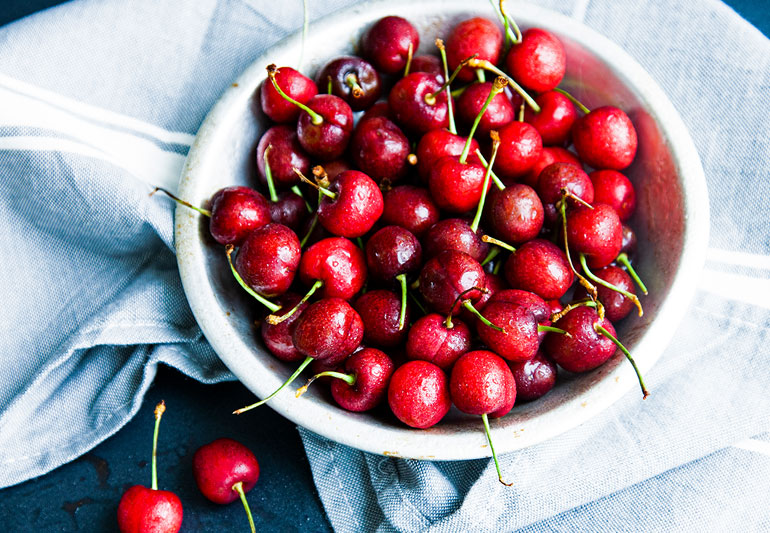
    Thanh Loan recently indulged her taste buds in Ho Chi Minh City by purchasing 2 kilograms of premium Chinese cherries for nearly VND1.2 million. To her delight, these cherries were not only more affordable than their counterparts from the U.S. or Australia but also offered a significant quantity—two kilograms for the same price that would typically fetch just one.

    What swung her vote in favor of Chinese cherries? It was their meticulous greenhouse cultivation, devoid of chemical fertilizers or growth stimulants, ensuring a product that is both delicious and healthy. Vendors have recently introduced Chinese cherries as a striking new option on the Vietnamese fruit scene. These cherries, resembling their Australian cousins in size, boast a sweet flavor and a satisfyingly crispy texture.

    Fresh from Orchard to Table

    “They are harvested and air-freighted, arriving in Vietnam within one or two days, which helps maintain their freshness,” explains Han, a vendor in HCMC. However, due to limited supplies, her shop typically receives only a few dozen crates per shipment.

    Phuong, a representative of an import company in the city, mentions that they have acquired approximately 100 crates of these luscious fruits. “I always recommend storing them in the refrigerator and consuming them within a week since they contain no preservatives,” she adds, highlighting the cherries’ short shelf life.

    While these greenhouse cherries have begun to make their mark, a report from the Thu Duc Agricultural Wholesale Market reveals that they have not yet been officially imported, primarily due to low production levels that result in most of them being hand-carried into the country.

    The Cherry Story from China

    Yantai in Shandong Province holds the distinction of being the first region in China to pioneer greenhouse cherry cultivation. Cherries from this area are typically sold between CNY45 and CNY55 (about US$4.8–7.6). In contrast, cherries from Wafangdian in Dalian have reached a jaw-dropping CNY130 this year, marking them as the priciest cherries in China.

    China’s cherry cultivation spans over 1.5 million acres, reflecting a robust 12% increase from last year. Around 50,000 acres in Shandong are devoted to greenhouse cherries, contributing 100,000 tons, or a quarter of the nation’s total production.

    However, growers are grappling with soaring production costs. The construction of a single acre of greenhouse facilities in Shandong now costs about 150,000 yuan, a 12% increase from the previous year. Additionally, the daily wage for fruit pickers has surged to CNY200, representing a staggering 40% rise since 2020, and hinting at the ever-evolving landscape of fruit production.

    Who knew cherry troubles could be this complex? Next time you savor your cherries, think of the journey they took to reach your table!

    Questions & Answers

    **What are the benefits of choosing Chinese cherries?**
    Chinese cherries are cultivated in greenhouses without chemical fertilizers or growth stimulants, making them a healthier choice.

    Why are these cherries in limited supply?
    Their limited supply is due to ongoing low production levels, and most cherries are currently hand-carried into Vietnam.

    How do the prices of Chinese cherries compare to others?
    The price of Chinese cherries can provide better value, with 2 kilograms available for the same cost as just 1 kilogram of U.S. or Australian cherries.

  • Jackfruit Prices Plummet to Just 15 Cents Per Kilogram in Vietnam’s Market

    Jackfruit Prices Plummet to Just 15 Cents Per Kilogram in Vietnam’s Market

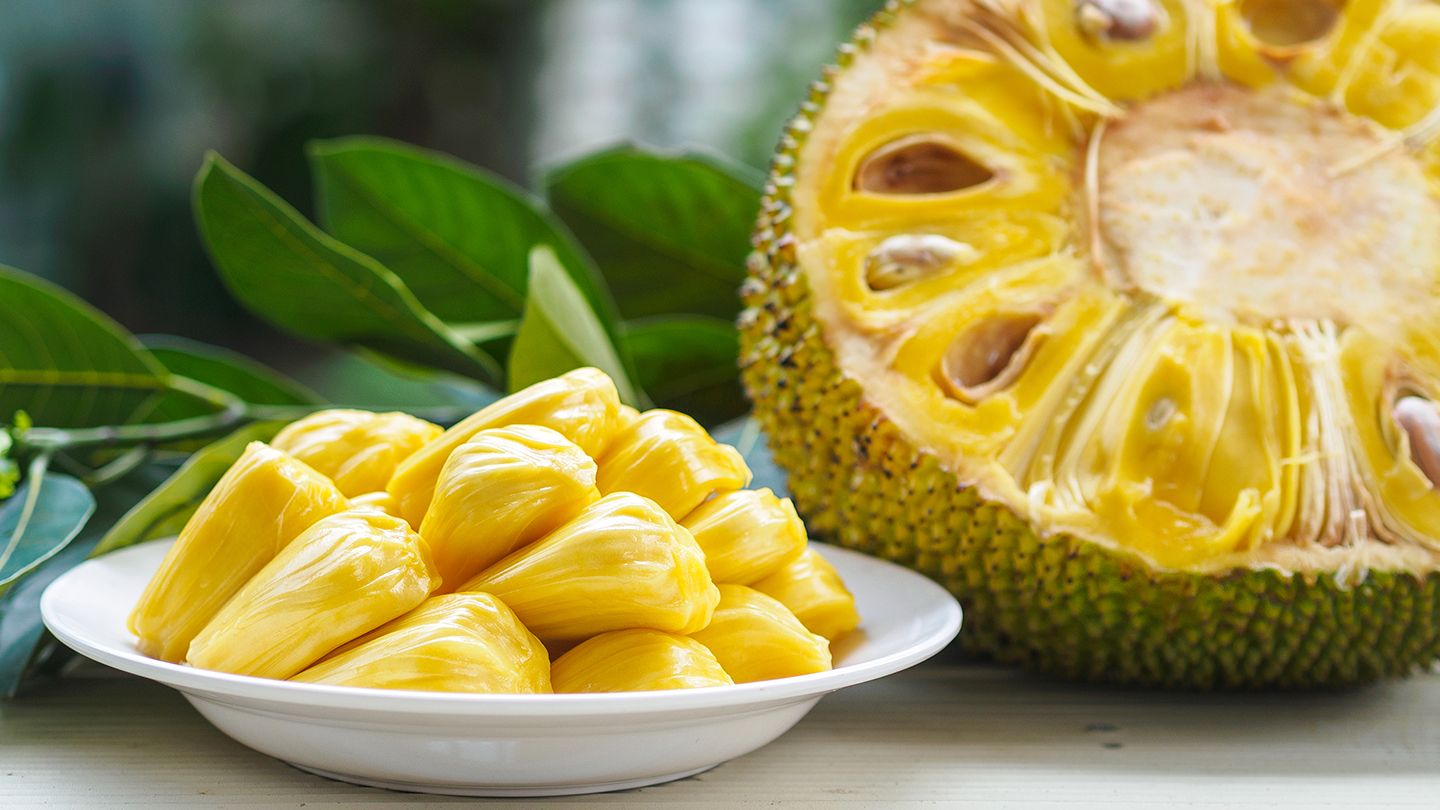
    The price of Thai jackfruit, a staple in Vietnam’s bustling agricultural markets, has taken a steep dive, slashing in half to VND4,000–10,000 (15–39 U.S. cents) per kilogram over just a month. This drastic decline has alarmed local farmers, particularly in the Mekong Delta, where the fruit is predominantly cultivated.

    Challenges from Trade Regulations

    The primary reason behind this tumble lies in tightening import protocols from China, a vital market for Vietnamese jackfruit. Stricter regulations surrounding banned substances and pesticide residues have left farmers grappling with a sharp decline in demand. Recent months have seen orchards in the key jackfruit-growing provinces of Ben Tre and Tien Giang trimming prices for top-quality produce—once the pride of their harvests.

    One local farmer, Hung, who tends to 40 jackfruit trees, expressed his growing concern. He recently sold three tons of his haul for VND5,000–8,000 per kilogram, far below his production costs of VND9,000–12,000. “If prices remain low, my family will suffer heavy losses this year,” he lamented, underscoring the grim reality facing many farmers.

    Rising Costs and Stiff Competition

    Adding to the farmers’ woes are rising expenses for fertilizer and labor. Traders are also skittish due to the sudden elevation of quality standards imposed by Chinese authorities. Compounding these challenges is competition from an array of other seasonal fruits, including watermelon, lychee, mango, and mangosteen, which further dilutes the market for jackfruit.

    The entire export landscape seems bleak, with the first quarter of 2025 witnessing a 13% drop in jackfruit exports compared to the previous year, totaling $70 million. As farmers face an uncertain future, one can only wonder: can this beloved fruit stage a comeback, or will it continue to face challenges in the changing market landscape?

    Questions & Answers

    What factors have contributed to the fall in jackfruit prices in Vietnam?
    The prices have dropped due to stricter import regulations from China regarding pesticide residues and banned substances, along with rising production costs and competition from other fruits.

    How have local farmers reacted to the price drops?
    Many farmers, like Hung, are experiencing significant financial strain, selling their produce at prices well below their production costs and fearing heavy losses.

    What are the prospects for jackfruit exports moving forward?
    With exports already down 13% in early 2025 compared to last year, the future looks uncertain unless farmers can adapt to market demands and pricing challenges.