Category: Food

Retail News Asia is committed to providing both local and global retailers with the latest Food and Food & Beverage news throughout the Asian market. This on a daily base.

  • Disappointment Strikes as $1-per-Kilogram ‘Mini’ Durians Fail to Impress Shoppers

    Disappointment Strikes as $1-per-Kilogram ‘Mini’ Durians Fail to Impress Shoppers

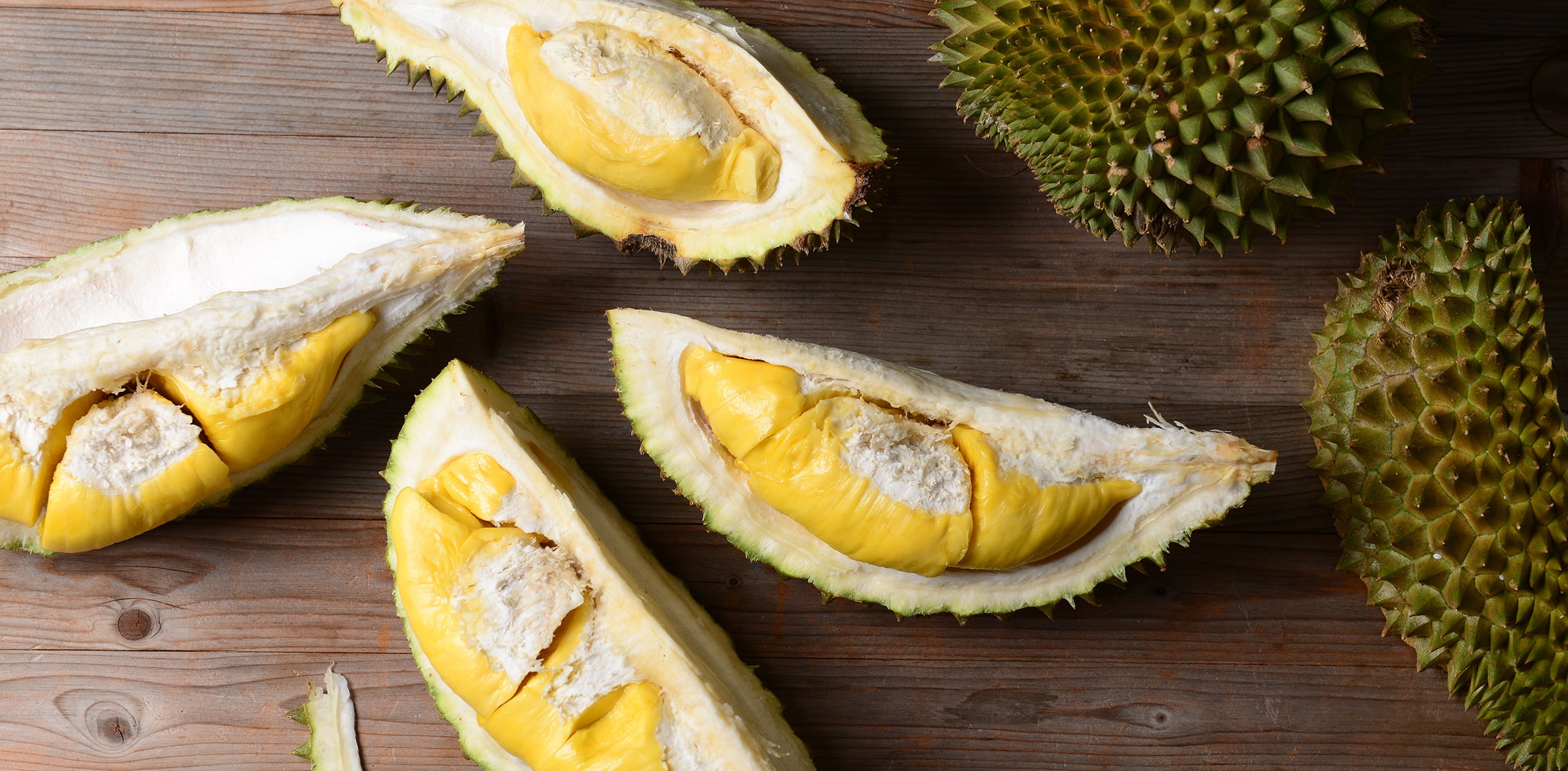
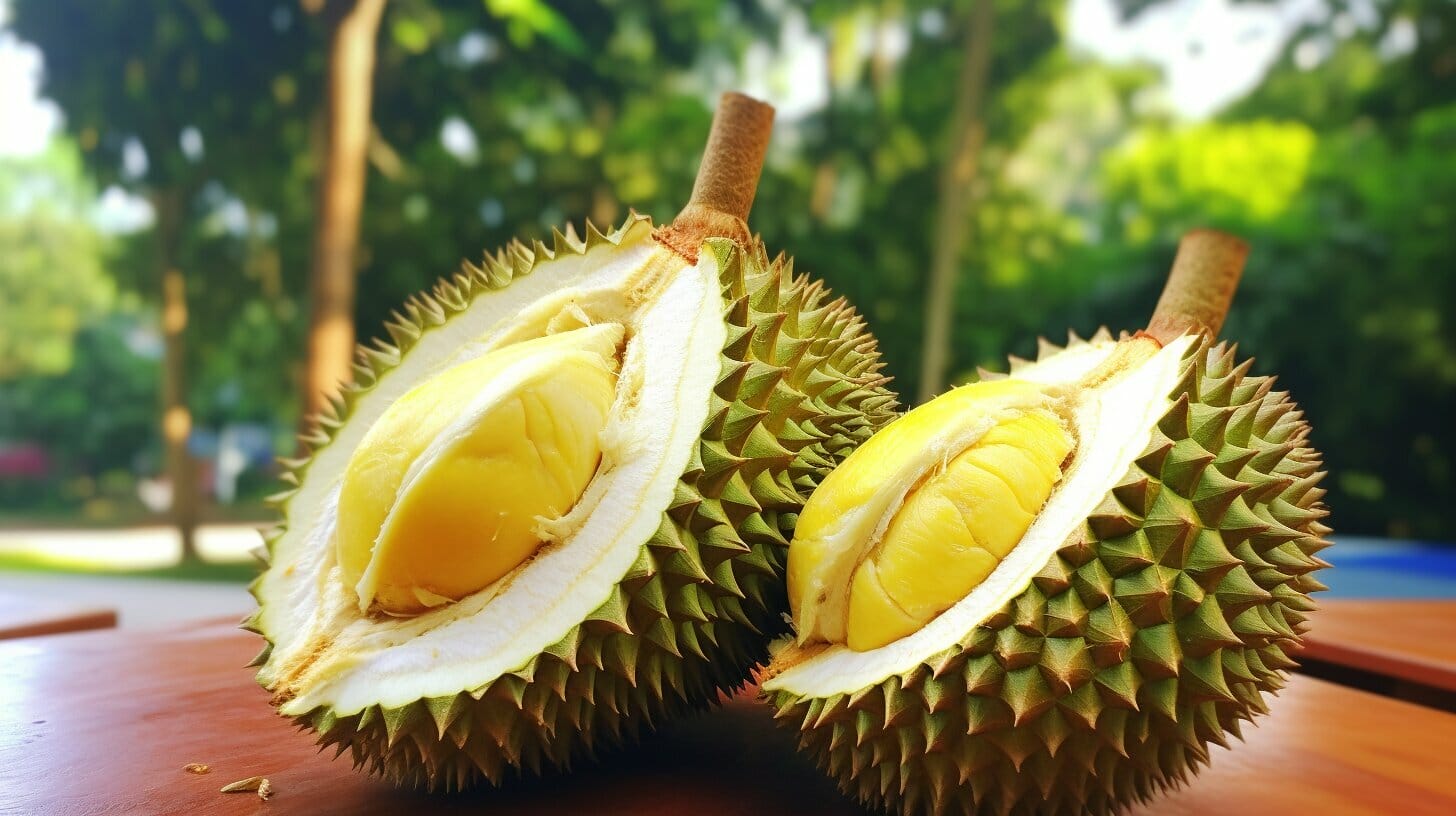
    I found myself wandering through a lively market recently, and a curious scene caught my eye: multiple vendors were peddling durians along the bustling roadside. While one stall proudly displayed a sign touting VND70,000 per kilogram, it stood desolate. In stark contrast, another vendor’s tempting offer of “durian with small seeds for VND30,000” drew a throng of eager customers.

    Intrigued, I approached the bustling stall, wondering if I had stumbled upon the famed Thai mini durian. Just then, a group of tourists hopped off their bus, lured by the alluring prices, and I couldn’t resist eavesdropping.

    “What’s the price per kilo for the durian?” one tourist inquired, eyes wide with excitement.

    “VND70,000 per kilo,” replied the vendor. However, when a tourist pointed to the prominent VND30,000 sign, the seller dismissively gestured towards two diminutive, unripe fruits that were hardly appetizing.

    A nearby woman let out a sharp laugh, commenting, “Buy those, and you might find yourself chewing on air!”

    As more curious customers questioned the pricing, the vendor’s patience ebbed. “It’s not like I don’t have durians for 30,000!” he snapped defensively. His nonchalant attitude, as he waved away the customers’ disbelief, made me wonder if he believed such misleading practices were the norm. Sadly, it seems they are.

    I’ve noticed a trend where some vendors display large price tags, then obscure crucial details in minuscule print, like “per half kilo,” while others quote prices by the 100 grams but ultimately charge by the kilo for items like meat or seafood.

    These deceptive tactics aren’t new, but their prevalence is concerning. Do sellers really assume that customers will remain passive once they’ve stopped to inquire? While they may offload some fruit, wary consumers will not forget being misled. Such manipulative sales strategies might yield short-term gains, but they risk eroding trust and damaging their reputation in the long run.

    High prices aren’t inherently bad, but transparency is key. When customers feel deceived, they don’t just walk away; they share their experiences with others, tarnishing the vendor’s business prospects.

    Questions & Answers

    Questions & Answers

    **What prompted the author’s market visit?**
    The author was exploring the market and observed various vendors selling durians, leading to an exploration of pricing practices.

    How did tourists react to the pricing?
    They were initially interested, but when confronted with the misleading pricing, they expressed confusion and skepticism about the vendor’s honesty.

    What message is conveyed about business practices?
    The article highlights the importance of transparency in pricing, warning that deceptive practices can damage trust and hurt a vendor’s long-term business success.


  • Malaysia Anticipates 20% Surge in Durian Exports to China, Led by Musang King

    Malaysia Anticipates 20% Surge in Durian Exports to China, Led by Musang King

    As consumer demand for premium durian varieties surges in China, Malaysia projects a significant increase in its durian exports this year. Loh Wee Keng, chairman of the Malaysia Chamber of Commerce and Industry in China, shared insights on the growing market, setting the stage for brand expansion amidst shifting global consumer trends.

    Strong Demand for Premium Varieties
    The allure of Malaysia’s premium durian varieties, particularly Musang King and D24, continues to captivate Chinese consumers. Loh noted that despite recent heavy rains in Malaysia leading to some premature fruit drop, he anticipates total export volumes to rise by 15% to 20% compared to last year. “Even with challenges, we see robust growth ahead,” he remarked in an interview with state-owned news outlet Bernama.

    Market Pricing Dynamics
    In terms of market pricing, Grade A Musang King currently commands $7.12 per kilogram at Malaysian farms—a price that can more than double during off-seasons, enhancing its appeal as a luxury fruit. Last year alone, China imported $212 million worth of durians from Malaysia, marking a strong foothold since the two nations signed a special protocol on durian imports in 2022.

    Navigating Competition
    While Thailand remains the historical leader in durian exports to China, Loh clarified that Malaysia is not in a race to surpass its neighbor. “We are not competing on the same playing field,” he emphasized, highlighting the fundamental differences in pricing and quality between Thai Monthong durian and the more premium Musang King.

    Maintaining Authenticity and Consumer Education
    A critical focus of Malaysia’s export strategy involves preserving the authenticity of the Musang King brand. Loh expressed concern over practices where traders mislabel lower-grade durians as Musang King to maximize profits. Educating Chinese consumers about the distinctions between these varieties is essential to maintaining the brand’s integrity.

    Challenges in Cultivation Abroad
    Loh also addressed the initiatives to cultivate Musang King on China’s Hainan Island, which, despite initial excitement, have not met Malaysian standards. “The taste and quality remain unmatchable due to differences in soil and climate,” he added, reinforcing that Hainan-grown durians cannot replicate the original Malaysian experience.

    Conclusion
    The projected growth in Malaysian durian exports highlights the evolving consumer trends within the premium fruit market, particularly among Chinese buyers. As Malaysia seeks to solidify its position, the focus on brand authenticity and consumer education may reshape the dynamics of the retail sector.

    Questions & Answers

    1. What growth rate is expected for Malaysian durian exports this year? Loh Wee Keng anticipates a 15% to 20% increase in overall export volume compared to last year.
    2. How does the Musang King durian compare to Thai varieties like Monthong? Musang King is a premium variety with higher prices and quality, while Thai Monthong durians are generally lower in price and quality.
    3. What measures are being taken to preserve the authenticity of Musang King durians? Educating consumers about the differences between Musang King and other durian varieties is crucial to maintaining brand integrity and preventing mislabeling.
  • AB InBev Posts Strong Q1 Profit Despite Volume Declines and Global Headwinds

    AB InBev Posts Strong Q1 Profit Despite Volume Declines and Global Headwinds

    Anheuser-Busch InBev (AB InBev), the world’s largest brewer, reported a 7.9% increase in first-quarter operating profit, far exceeding analysts’ expectations of a 3.1% gain. The profit surge was driven primarily by improved margins, even as global beer sales volumes declined.

    Margins Expand Despite Lower Sales

    While global beer volumes dipped 2.2% in the quarter ending March 31, AB InBev managed to expand its margins through reduced sales costs and more efficient overhead management. This operational discipline helped the company outperform its rivals, including Heineken, which also reported falling volumes.

    CEO Confirms Positive Outlook for 2025

    CEO Michel Doukeris credited the company’s solid performance to consistent strategy execution:

    “The consistent execution of our strategy by our teams and partners drove a solid start to the year and reinforces our confidence in delivering on our outlook for 2025.”

    Challenges in Key Markets

    In the United States—one of AB InBev’s most important markets—revenues fell 5.1% year-on-year. The company attributed the drop to fewer selling days, poor weather, and the timing of Easter. Notably, AB InBev did not directly mention potential impacts from U.S. tariffs, unlike competitors Heineken and Carlsberg, who expressed concerns about how tariffs might affect consumer spending.

    Aluminium Tariffs Could Pose Future Risk

    The company may face rising costs due to potential U.S. tariffs on aluminium, a key material used in beer cans. Analysts warn that if tariffs weaken the broader economy, consumer spending on discretionary items like beer could also fall.

    Struggles in China Offset Gains Elsewhere

    China remains a challenging market for AB InBev, with first-quarter sales volumes down 9.2%. The brewer’s premium brand portfolio has struggled in the face of a sluggish economic recovery, causing the company to lose ground to competitors.

    Strategic Response: Invest in Core Brands and At-Home Consumption

    In response to shifting consumption patterns, AB InBev is increasing investment in key brands like Budweiser and promoting at-home beer consumption, as demand in bars and restaurants softens.

    Questions & Answers

    1. What was AB InBev’s Q1 operating profit growth, and how did it compare to expectations? The company reported a 7.9% rise in operating profit, more than double the 3.1% increase analysts had forecast.

    2. Why did U.S. revenues decline despite overall profit growth? U.S. revenues fell 5.1% due to fewer selling days, poor weather, and a late Easter, which offset gains from margin improvements.

    3. How is AB InBev addressing market pressures in China and globally? The brewer is ramping up investments in key brands and focusing on boosting at-home consumption as traditional bar and restaurant sales come under pressure.

  • Fonterra Commits $65 Million to Ditch Coal and Embrace Renewable Energy

    Fonterra Commits $65 Million to Ditch Coal and Embrace Renewable Energy

    Fonterra has taken a major step toward its decarbonisation goals with the commissioning of its first electrode boiler at its Edendale site in Southland, New Zealand. This move marks a significant shift away from coal usage in the dairy cooperative’s operations.

    NZ$70 Million Investment for Further Transition

    The company has pledged an additional NZ$70 million (approximately A$65 million) to install two more electrode boilers. This initiative is part of Fonterra’s broader strategy to transition to renewable energy across its operations.

    Ensuring Long-Term Operational Resilience

    Fonterra Chief Operating Officer Anna Palairet emphasised the importance of energy reliability, stating:

    “Investing in renewable energy solutions, such as electrode boilers, will help ensure we can continue to process milk efficiently now and in the future. This investment will help future-proof Edendale for years to come.”

    The new boilers will replace two coal-fired units and support the site’s expansion, including a new UHT (ultra-high temperature) processing plant currently under development.

    Significant Emissions Reductions

    The switch to electrode boilers is expected to cut around 72,800 tonnes of carbon emissions annually—comparable to removing more than 30,000 cars from New Zealand’s roads.

    Boost for the Local Economy

    Andrew Johns, Fonterra’s General Manager for Operations in the Lower South Island, highlighted the local impact:

    “The investment is also great news for the local economy. Where possible, we will be engaging with local contractors, and we expect more than 400 people from Southland and wider New Zealand to be part of the team on site delivering this investment.”

    Government Partnership Supports Project

    The project is being co-funded in partnership with the Energy Efficiency and Conservation Authority (EECA), a government body focused on promoting energy efficiency and reducing carbon emissions.

    Timeline for Completion

    Construction of the new boilers is expected to begin this year, with the upgraded energy systems anticipated to be operational by August 2027.

    Questions & Answers

    1. What is the main purpose of Fonterra’s investment in electrode boilers? To replace coal-fired boilers with renewable energy solutions, ensuring sustainable milk processing and reducing carbon emissions.

    2. How much carbon emission reduction is expected from this transition? Approximately 72,800 tonnes of carbon emissions will be reduced annually, equivalent to taking over 30,000 cars off the road.

    3. When will the new boilers be fully operational? The new electrode boilers are scheduled to be operational by August 2027.

  • Coconut Prices Surge in Asia Amid Climate Impact on Supply

    Coconut Prices Surge in Asia Amid Climate Impact on Supply

    on
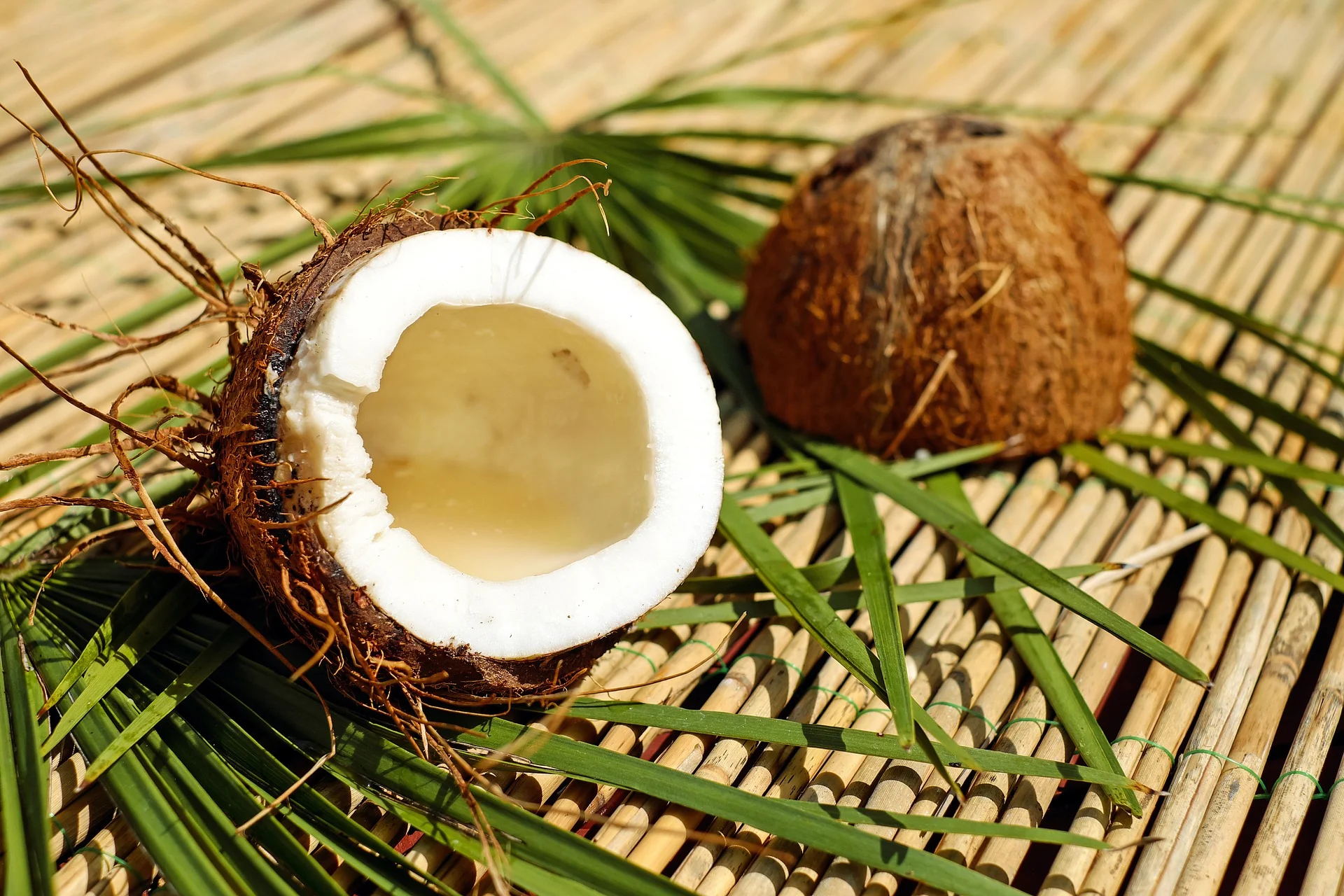
    Vina T&T, a major player in the fruit export sector, is making headlines as it offers a staggering VND 220,000 (approximately US$8.47) for a dozen coconuts—the highest recorded price to date. With prices more than doubling year-on-year, this surge reflects broader trends impacting the coconut market worldwide, influenced by supply disruptions and rising consumer demand.

    Coconut Prices on the Rise

    Industry experts indicate that coconut prices are increasing at an alarming rate, paralleling the volatility seen in gold prices. Nguyen Dinh Tung, CEO of Vina T&T, highlighted the challenges in supply, revealing that the company currently exports seven containers of coconuts weekly, which only meets two-thirds of its international buyers’ needs.

    Global Trends Impacting Supply

    The surge in coconut prices is not confined to Vietnam. Countries like Sri Lanka, the Philippines, and Thailand—significant exporters of the nut—are experiencing a similar escalation in prices, with increases ranging from 50% to 100% year-on-year. For instance, coconuts now retail for $2.90 per kilogram in Thailand and up to $4.28 in the Philippines.

    Supply chain disruptions due to extreme weather events are primarily responsible for this instability. El Niño is causing heatwaves and droughts, while La Niña brings excessive rainfall and storms, adversely affecting coconut yields. Additionally, pest outbreaks have further complicated production, as demand from key markets—particularly China and the United States—continues to push prices upward.

    Vietnam’s Growing Coconut Export Market

    Despite the challenges, Vietnamese coconuts are carving out a strong niche in global markets thanks to their competitive pricing and exceptional quality. The Ministry of Agriculture and Environment reports robust growth in fresh coconut exports from Vietnam in the first four months of this year, particularly to the U.S. and China.

    As the world’s fifth-largest coconut exporter, Vietnam boasts 200,000 hectares of orchards, producing approximately two million tons annually. Last year alone, the value of coconut exports and related products reached nearly $1.1 billion, with coconuts accounting for $390 million. Following the U.S. opening its market to Vietnamese coconuts in August 2023, exports skyrocketed eleven-fold within less than a year.

    The formal export protocol signed with China in August 2024 has also dramatically increased shipments, positioning Vietnam as a key supplier in a market that consumes an estimated four billion coconuts annually.

    Future Outlook

    According to Dang Phuc Nguyen, General Secretary of the Vietnam Fruit and Vegetable Association, Vietnamese coconuts are gaining popularity, especially in summer among consumers in the U.S. and China. He predicts that fresh coconut exports could reach an unprecedented $500 million by the end of this year, highlighting the brand’s potential for expansion and establishing itself as a significant player in the international market.

    The recent trends in the coconut market, marked by soaring prices and growing demand, signal a shifting landscape for both producers and consumers. As demand continues to rise, the potential for Vietnam’s coconut industry to grow and expand is substantial, making this a crucial moment in retail news.

    Questions & Answers:

    1. Why are coconut prices rising so dramatically? Coconut prices are climbing due to supply chain disruptions caused by extreme weather conditions such as droughts and excessive rainfall, alongside increased global consumer demand.

    2. How is Vina T&T responding to the rising prices? Vina T&T has increased its farm gate price to a record VND 220,000 for a dozen coconuts, but it still struggles to meet the high demand from international buyers.

    3. What does the future hold for Vietnam’s coconut exports? With strong growth anticipated, Vietnamese coconut exports are projected to reach $500 million this year, bolstered by access to key markets like the U.S. and China.

  • Understanding the Controversy: 1,000 Durian Trees Cut Down in Malaysia

    Understanding the Controversy: 1,000 Durian Trees Cut Down in Malaysia

    In a significant clash between agricultural stakeholders and the Pahang state government, the destruction of durian trees in Raub town has ignited a heated dispute. This incident, centered on claims of illegal land use, has drawn widespread attention, raising critical questions about land rights and consumer trends in Malaysia’s lucrative durian market.

    Government Action Sparks Outcry
    On April 8, the Malaysian government initiated a controversial operation that saw the cutting down of approximately 200 durian trees, which officials claimed were planted illegally on state-controlled land. The situation escalated, with reports indicating that over 1,000 trees were eventually felled in a move to reclaim the disputed land. The Pahang authorities assert that the farmers’ legal attempts to retain their orchards were rejected by an appeal court in May 2024, affirming the government’s stance.

    Farmers Rally Against Destruction
    In response to the aggressive enforcement, the Save Musang King Alliance, representing the affected farmers, organized protests to halt the tree-cutting efforts. Local reports depict citizens actively blocking government access to the farms, brandishing banners to protect the prized durian trees. Chow Yu Hui, the alliance’s chairman and a member of parliament, emphasized their commitment to stopping further destruction, stating, “Today, the farmers’ legal team sent an official letter to the Pahang government demanding an immediate halt to the tree-cutting.”

    The Value of Durian Trees
    The felled trees primarily belong to the Musang King variety, renowned for its distinctive flavor and premium market price, fetching up to $15 per kilogram. In contrast, alternative varieties like the Ri6 from Vietnam and Thailand’s Monthong do not command the same premium. The Royal Pahang Durian Group, currently leasing the land, has proposed a deal to farmers, offering $9.50 per kilogram, which is significantly lower than the prevailing market rates. Amidst these negotiations, many farmers insist that they have cultivated the land since 1974.

    Government Under Scrutiny
    The issue has not only escalated tensions between farmers and the government but has also attracted the attention of the Malaysian Anti-Corruption Commission (MACC). Investigations are underway to determine whether any current or former officials played a role in this land dispute, which has historical roots extending over a decade. As stated by MACC chief commissioner Tan Sri Azam Baki, “We already have a list of officials involved, although many have since retired.”

    Economic Significance of Durian
    The durian serves as a key player in Malaysia’s export market, particularly to China, which received $212 million worth of fresh durian last year, following a bilateral trade protocol. The Malaysia Chamber of Commerce and Industry anticipates a 15-20% increase in durian exports to China this year, propelled by growing consumer demand for the Musang King variety. Despite attempts to cultivate this fruit in China, local standards reportedly do not meet those of Malaysian-grown durians, leading to a sustained demand for the original.

    Conclusion
    This ongoing dispute underscores the complexities facing Malaysia’s agricultural landscape. With substantial economic implications for both local farmers and the national export market, the resolution of the Raub durian tree controversy could reshape the future of Malaysia’s retail and agricultural sectors.

    Questions & Answers

    1. What sparked the tree-cutting controversy in Pahang? The controversy began when the Malaysian government cut down around 200 durian trees, contending they were planted illegally on state-controlled land. This action led to widespread protests from farmers who claimed they held legitimate rights over the land.
    2. How have farmers responded to the government’s actions? Farmers, represented by the Save Musang King Alliance, organized protests to block access to their orchards and have formally requested the government to stop further tree-cutting activities to protect their crops.
    3. What is the economic impact of durians on Malaysia? Durian is a significant export fruit for Malaysia, especially to China, with exports valued at $212 million last year. Increased consumer demand for the Musang King variety could lead to a 15-20% rise in exports, underscoring the fruit’s importance to the Malaysian economy.
  • Vietnamese Café Launches in Prime HCMC Spot Once Occupied by Starbucks

    Vietnamese Café Launches in Prime HCMC Spot Once Occupied by Starbucks

    In a notable shift within the retail landscape of Ho Chi Minh City, Adoré – World Coffee has confidently stepped into a prime location on Han Thuyen Street, just eight months after Starbucks shuttered its upscale store at the same site. This development marks an exciting chapter in the city’s evolving consumer trends.

    New Tenant at a Competitive Rate

    Adoré is now leasing the three-story property for VND700 million per month (approximately US$29,000), slightly edging below the VND750 million Starbucks previously paid. While this represents a decrease, the rent remains nearly double the area’s average, reflecting the property’s high-profile status in Vietnam’s bustling metropolis.

    The prime location boasts over eight meters of street frontage and scenic views from the upper floors, driving its premium rental price, according to real estate analysts.

    Prolonged Search for Tenants

    Despite its prime position, it took the building’s owner eight months to secure a new tenant. The downtown area of Ho Chi Minh City has a surplus of commercial properties, resulting in many buildings sitting vacant for extended periods. Property owners often prefer to hold out for top-tier tenants rather than lower rents.

    Starbucks Finds New Home

    In the meantime, Starbucks has established a new home in the iconic Bitexco Financial Tower. This premium store, spanning 500 square meters, reportedly incurs a monthly rent of about $75,000 before long-term tenant discounts, as commercial space on the tower’s ground levels averages around $150 per square meter.

    Looking ahead, Starbucks plans to unveil another upscale store in July near the Diamond Plaza, just 300 meters from the previous Han Thuyen location.

    Impact on the Retail Sector

    The arrival of Adoré – World Coffee in such a sought-after space not only reflects the dynamic nature of retail in Ho Chi Minh City but also showcases shifting consumer preferences toward local brands. As brands expand their presence in premium locations, the retail sector is poised for further innovation and growth.

    Questions & Answers

    1. What Vietnamese coffee shop has taken over the former Starbucks location on Han Thuyen Street? Adoré – World Coffee is the new tenant of the prime retail space that was previously occupied by Starbucks.
    2. How much is Adoré – World Coffee paying in rent for the new location? Adoré is leasing the property for VND700 million per month, slightly less than what Starbucks paid before its departure.
    3. What are Starbucks’ future plans in Ho Chi Minh City? Starbucks is set to open another premium store in July, likely near Diamond Plaza, just a short distance from the former Han Thuyen site.
  • Zus Coffee Aims for 200 New Outlets Across Southeast Asia in 2023

    Zus Coffee Aims for 200 New Outlets Across Southeast Asia in 2023

    Zus Coffee Eyes Major Expansion with 200 New Outlets in Southeast Asia

    Company Targets Multi-National Growth in 2024

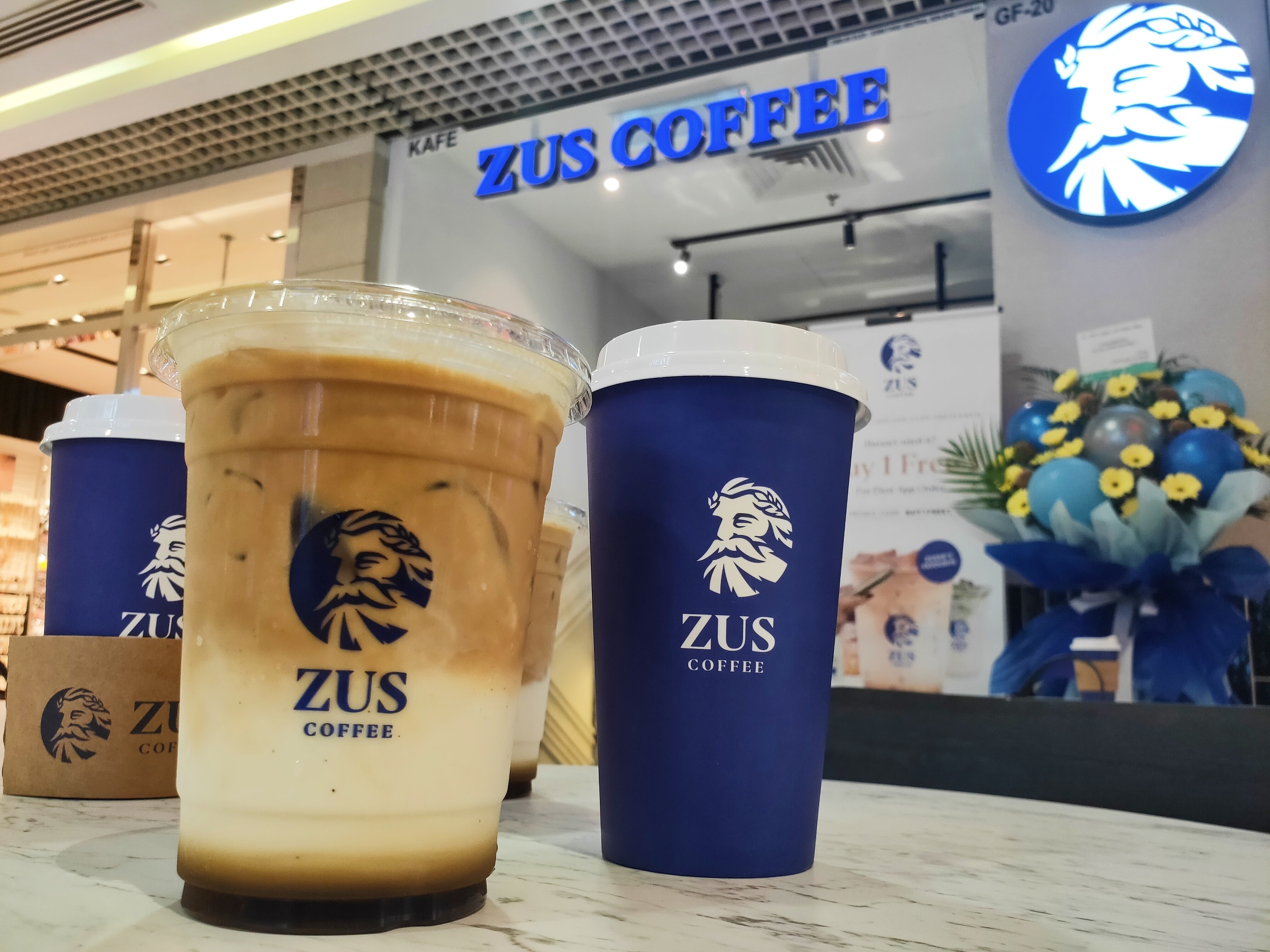
    Malaysia’s prominent coffee chain, Zus Coffee, is set to make a significant impact on the Southeast Asian market by launching 200 new outlets this year. In an exclusive interview with Bloomberg, CEO Venon Tian detailed the ambitious expansion plans that include new locations in Malaysia, the Philippines, Singapore, Thailand, and Indonesia.

    Strategic Store Launches Across the Region

    The expansion strategy involves opening at least 107 new stores in Malaysia, 80 in the Philippines, and 6 in Singapore, alongside penetrating the Thai and Indonesian markets for the first time. This move reflects Zus Coffee’s robust growth trajectory and its ambition to solidify its position as a major player in the region’s coffee retail sector.

    Surpassing the Competition

    Since its inception in 2019, Zus Coffee has experienced remarkable success, recently surpassing Starbucks to become Malaysia’s leading coffee chain. With 743 outlets, Zus has significantly outpaced Starbucks, which operates 320 locations in the country. Zus Coffee also boasts 120 outlets in the Philippines, underlining its strong regional presence.

    Rewarding Taste with Value

    In its most recent financial report, Zus Coffee revealed a substantial threefold increase in net income, reaching RM37 million (approximately US$8.4 million) in 2024. This impressive growth can be attributed to the brand’s focus on market-specific flavors, such as palm sugar-infused drinks in Malaysia and unique purple yam coffee in the Philippines.

    Innovation Meets Accessibility

    Transitioning from a delivery-focused kiosk to a widespread coffee retailer, Zus Coffee has enhanced its sales strategy, with around 70% of sales now derived from online channels, including delivery and pickup options. The brand’s tech-driven approach and efficient store construction allow it to offer coffee at prices over 20% lower than Starbucks, amplifying its appeal to a diverse customer base.

    Tian emphasizes the brand’s mission: “It’s about how we make quality coffee accessible to most people,” which resonates through its mid-range pricing strategy that sits between RM5 at convenience stores and RM11 at premium outlets.

    As Zus Coffee embarks on this ambitious expansion, the potential impact on the retail sector is significant. With increasing consumer trends toward affordability and localized flavors, Zus is poised to reshape the coffee landscape in Southeast Asia, providing fresh competition that prioritizes quality and accessibility.

  • 1,000 Durian Trees Cut Down in Malaysia: Explore the Controversy Behind It

    1,000 Durian Trees Cut Down in Malaysia: Explore the Controversy Behind It

    Protests Erupt Among Durian Farmers in Malaysia Over Tree Destruction

    Farmers Rally Against Government Actions in Pahang State

    In a significant clash between agriculture and policy, durian farmers in Pahang State, Malaysia, are voicing their frustrations after the government initiated the cutting down of over 1,000 durian trees. This controversial decision has mobilized farmers to block roads and display protest banners, marking a pivotal moment in local agricultural resistance.

    Farmers Demand Accountability for Tree Removal

    The destruction of these durian trees, some of which have taken decades to mature, has sparked outrage among local farmers who rely on the fruit as a primary source of income. Many farmers are questioning the government’s motives, arguing that the long-term investment in these trees is being disregarded without consideration for their livelihoods.

    The Economic Impact of Durian Trees

    Durian, often referred to as the “king of fruits,” holds significant cultural and economic value in Malaysia. As consumer demand for durians continues to surge both domestically and internationally, the removal of these trees could have lasting effects on the local economy. Farmers are urging officials to reconsider the decision, emphasizing the need for sustainable agricultural policies that support farmer interests.

    Consumer Trends and Agricultural Policy

    As consumer trends increasingly lean towards sustainability and local sourcing, the current situation presents an opportunity for the government to reevaluate its policies regarding agriculture. Consumers are more aware than ever of the origins of their food, and ensuring the longevity of durian farming could align with rising consumer demand for ethically sourced products.

    Potential Consequences for the Retail Sector

    The farmers’ protest highlights a crucial intersection between agricultural practices and retail dynamics in Malaysia. Should the government persist with the tree removals, the resulting decline in durian production could not only impact local farmers but also reverberate through the retail sector, affecting pricing and availability of this sought-after fruit. As discussions unfold, the outcome of this situation will likely serve as a benchmark for future agricultural policies and consumer engagement within Malaysia’s vibrant retail market.

    The unfolding protests serve as a reminder of the delicate balance between economic development and agricultural sustainability, emphasizing the importance of community involvement in policy-making to ensure a prosperous future for both farmers and consumers alike.

  • Boost in Consumer Spending Fuels Growth in Australia’s Credit Card Market

    Boost in Consumer Spending Fuels Growth in Australia’s Credit Card Market

    Australia’s Credit Card Market on Track for Significant Growth, Expected to Reach $299.7 Billion by 2025

    Australia’s credit and charge card payments sector is poised for robust expansion, with projections indicating a surge to $299.7 billion (AUD 453.9 billion) by 2025. This growth is predominantly fueled by increasing consumer spending, a resilient payment infrastructure, and a thriving e-commerce landscape, as reported by GlobalData.

    Strong Consumer Spending Drives Momentum

    In 2024, the market value for credit and charge card payments experienced a notable increase of 6.3%. This upswing is largely attributed to rising consumer spending and the appeal of value-added benefits, including cashback rewards and flexible repayment options.

    Kartik Challa, Senior Banking and Payments Analyst at GlobalData, emphasized that Australians are increasingly aware of the advantages of credit card usage. “Consumers frequently utilize these cards to capitalize on benefits, such as cashback offers and rewards programs,” he stated. The boom in consumer appreciation is pivotal to the ongoing growth of this sector.

    Boosted by E-Commerce and Payment Infrastructure

    The credit and charge card market’s upward trajectory is bolstered by improvements in payment infrastructure and the burgeoning e-commerce domain. In 2024, Australians averaged 225.5 transactions per card, with expectations to rise to 239.5 by 2029. Key players in retail banking, such as Commonwealth Bank and NAB, are further supporting this trend by offering innovative repayment solutions like “SurePay” and the “Now Pay Later” program.

    Moreover, Australia is rapidly enhancing its payment capabilities, boasting 39,031 point-of-sale (POS) terminals per million inhabitants as of 2024—outpacing countries such as China and Hong Kong.

    E-Commerce Payments Gain Traction

    E-commerce payments are a significant contributor to this growth, with credit and charge cards accounting for 22.5% of online transactions in 2024. This alignment with consumer trends suggests a growing reliance on digital payment methods as online shopping habits evolve.

    To further assist consumers in managing debt, many Australian banks are introducing programs like debt consolidation and balance transfer options. For example, ANZ offers customers the ability to transfer their existing balances to an ANZ card, simplifying payment processes.

    Future Outlook: Navigating Challenges Ahead

    Looking ahead, Challa notes that while the outlook remains bright for Australia’s credit card market—anticipated to grow at a CAGR of 4.4% to reach $356 billion (AUD 539.1 billion) by 2029—external factors such as global trade complexities and geopolitical concerns could temper this growth.

    As the credit card market continues to expand, its implications are profound for the retail sector and consumers alike, enhancing purchasing power while fostering innovative financial solutions to navigate economic shifts. The increasing prominence of credit and charge cards is likely to shape the future of consumer spending in Australia, making it a space to watch closely.

  • Malaysia’s Land Dispute: 1,000 Chopped Durian Trees Linked to Ex-Officials

    Malaysia’s Land Dispute: 1,000 Chopped Durian Trees Linked to Ex-Officials

    An alarming land dispute in Pahang, Malaysia, has drawn significant attention as investigations reveal connections to multiple former officials. This dispute has culminated in the removal of over 1,000 durian trees, with the Malaysian Anti-Corruption Commission (MACC) leading the inquiry. So far, no arrests have been made in relation to this case.

    Details of the Land Dispute

    The conflict, rooted in land ownership claims, ignited on April 8 when government authorities felled approximately 200 durian trees, deeming them to have been cultivated on illegal land. Within days, this destruction escalated to involve more than 1,000 trees, many of which belonged to the highly sought-after Musang King variety. Farmers, rallying under the Save Musang King Alliance, contested these actions, citing a court order issued last May that allegedly prohibited the government from demolishing their farms.

    Investigative Progress and Findings

    Tan Sri Azam Baki, the chief commissioner of the MACC, stated that the investigation not only addresses governance issues but also scrutinizes how land clearing operations proceeded without proper oversight. He noted that a list of implicated individuals has been compiled, with some officials being retired for over a decade. “Some settlers claim they have been working the land since 1974, but we have also found trees only eight or nine years old, indicating recent encroachment,” he remarked, highlighting discrepancies in claims about land tenure.

    Implications for the Retail Sector and Consumers

    The ongoing developments surrounding the land dispute could have ripple effects on the durian market, a key sector in Malaysia’s economy. As consumer demand for durian products continues to rise, the outcome of this investigation may influence production capabilities and market prices. Retailers and consumers alike should monitor these developments closely, as they may shape the future of this highly valued crop.

  • Avocado Prices Soar to Five-Year High Amid Rising Consumer Demand

    Avocado Prices Soar to Five-Year High Amid Rising Consumer Demand

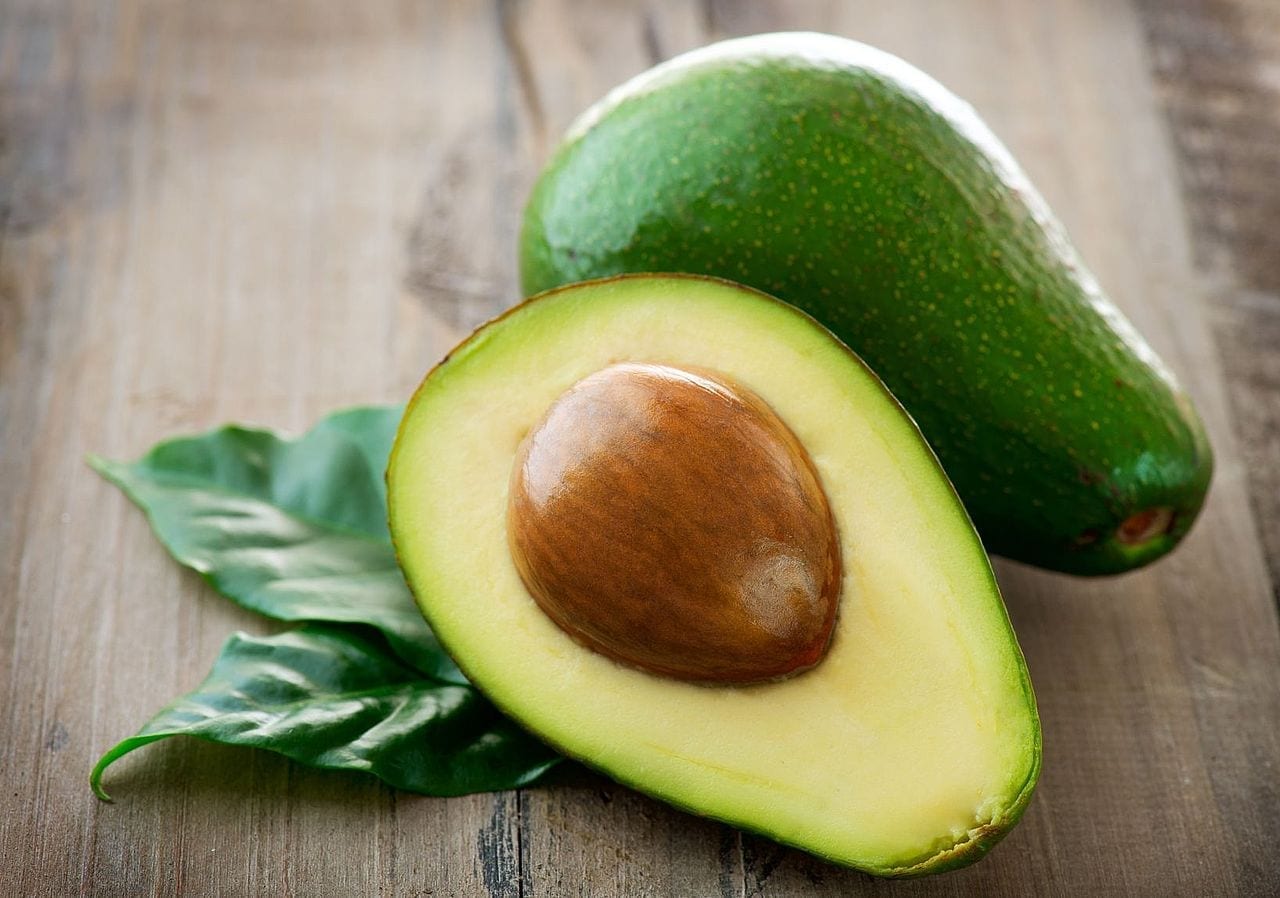
    In a striking turn of events in the agribusiness sector, avocado prices have surged to VND 40,000 (approximately US$1.54) per kilogram—marking a remarkable 100% increase compared to last year and reaching the highest price point in five years. This significant hike is attributed to a notable supply shortage.

    Farmers Profit Amid Rising Costs

    Hien, a farmer from the Central Highlands province of Lam Dong, is poised to earn VND 100 million from her avocado dealings this year, reflecting a robust 60% profit margin. This profit comes amid challenges; Hoang Anh, a retailer in Ho Chi Minh City, reports a 50% drop in supply from the previous year due to low yields.

    Weather Challenges and Crop Shifts

    The avocado market has been severely impacted by adverse weather conditions that have limited production. Traders like Dang Minh Tien are noting that many farmers have opted to replace avocado trees with more profitable fruits such as durian and coffee, further exacerbating supply issues.

    Quality Assurance in Retail

    In response to the rising prices, retail chains like MM Mega Market are taking steps to assure consumers of quality. The chain now offers avocados with a green sticker to indicate that the fruits are of high quality and free from chemical residues, catering to the increasing consumer demand for premium produce.

    Area Under Avocado Cultivation Declines

    According to agricultural authorities in Lam Dong Province, the area dedicated to avocado cultivation is diminishing, with approximately 8,000 hectares currently in production, yielding around 80,000 tons annually. As farmers pivot towards crops with better profitability, the future of the avocado market remains uncertain.

    Potential Impact on the Retail Sector

    As avocado prices climb, the ripple effects on retail dynamics and consumer behavior are becoming apparent. This trend could drive consumers towards alternative fruits or encourage the cultivation of avocados in other regions, reshaping consumer trends in the fruit market. Retailers will need to adapt to these shifts to meet evolving consumer demands effectively.

  • Suntory to Raise Prices in Japan Amidst Rising Consumer Demand Starting October

    Suntory to Raise Prices in Japan Amidst Rising Consumer Demand Starting October

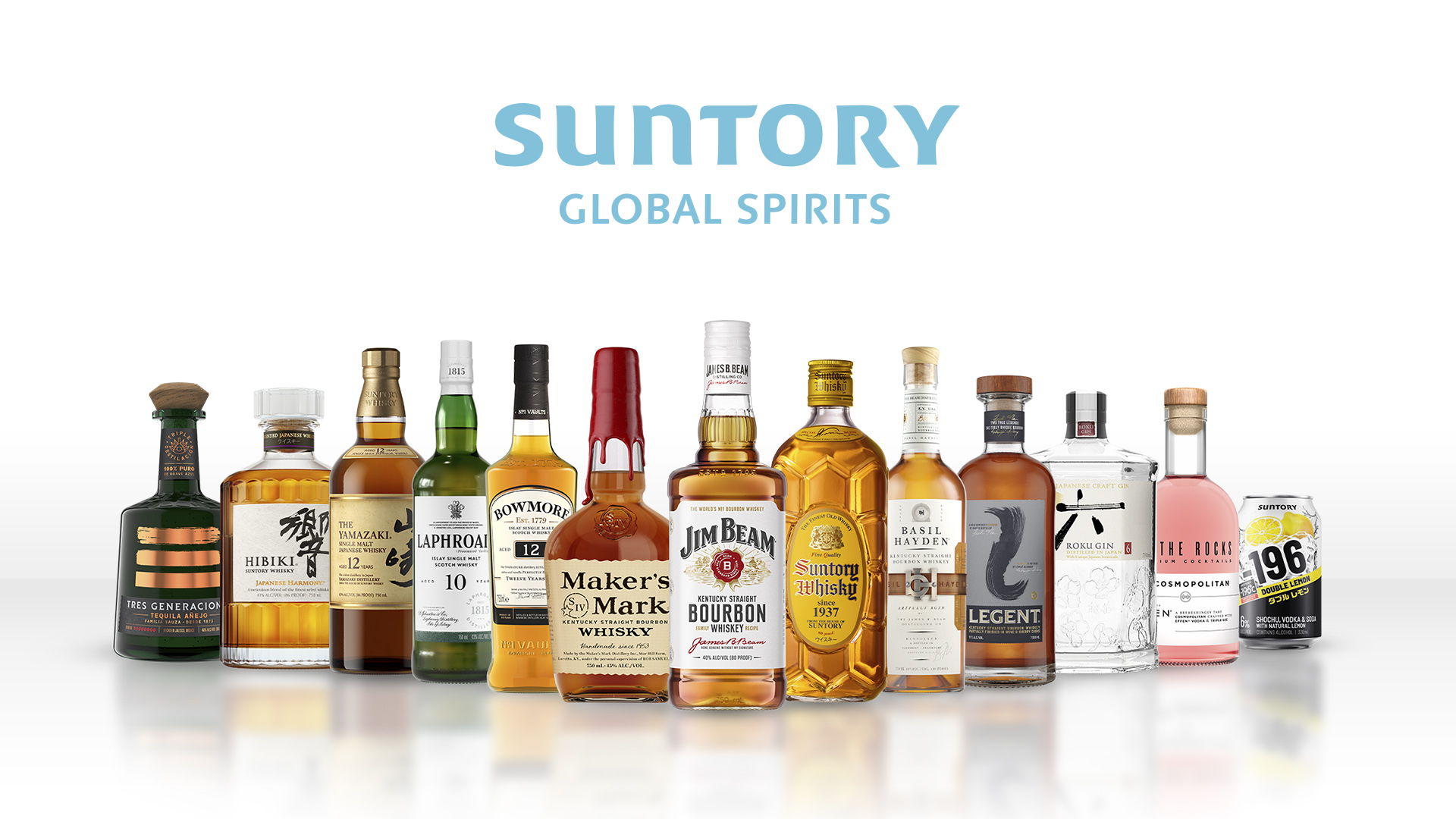
    Suntory Beverage & Food Limited is set to implement price revisions for its products in Japan, effective October 1, 2025, as it grapples with escalating manufacturing and logistics costs. This move underscores the increasing economic pressures felt across the nation.

    Rising Production Costs Prompt Price Adjustments

    In a recent statement, Suntory highlighted the challenges it faces in today’s economic climate, which have led to unavoidable price hikes. The adjustments will impact a range of products packaged in PET bottles, cans, and other containers. Specifically, prices for PET bottles will increase by 6% to 25%, while can prices will rise between 10% and 24%.

    Commitment to Quality Amid Challenges

    Despite these necessary changes, Suntory remains steadfast in its dedication to innovation and productivity. The company emphasized its goal of delivering high-quality, safe, and reliable products that enhance consumer experiences. “We aim to continue providing new value and enriching the lives of our customers,” a company spokesperson stated.

    Looking Ahead: What This Means for Consumers

    These price revisions reflect broader consumer trends influenced by rising operational costs. As Suntory navigates these challenges, it continues to strengthen its brand presence in the competitive beverage market. Consumers can expect to see these new prices taking effect in the coming months, reshaping the retail landscape in Japan.

    Suntory’s decision is a critical indicator of the evolving retail sector, as brands adapt to economic realities while striving to maintain quality and consumer trust. The coming months will be crucial in determining how these changes affect purchasing behavior and overall market dynamics.

  • Fonterra to close milk powder packaging facility in New Zealand

    Fonterra to close milk powder packaging facility in New Zealand

    Fonterra will shut its Canpac packaging facility in New Zealand in July, impacting approximately 120 employees. The site primarily blends and packages milk powders. 

    Its closure forms part of Fonterra’s plan to divest its consumer business, which includes brands such as Anchor, Anlene, Chesdale, and Mainland.

    The consumer division accounts for about A$3.1 billion (NZ$3.4 billion) of the group’s invested capital.

    Canpac currently packs up to 4,000 mt of powder products annually, equivalent to less than 1 percent of Fonterra’s total product volume.

    COO Anna Palairet said the move follows ongoing economic challenges, including low product volumes and increased production complexities.

    “It’s been a tough day for all the team at the site,” she expressed. “Making decisions like this is never easy.”

    Palairet explained that the company will pivot towards higher-value ingredients, such as advanced proteins and medical nutrition.

    “Our strategy is about creating end-to-end value and growing total returns for our farmer shareholders,” she continued.

    “We believe the best way to achieve this is to focus on our strengths and scale in ingredients and food service, and we are prioritising our investment on the parts of our operations that are better suited to this.”

    The dairy cooperative will begin a consultation process to explore potential redeployment opportunities for affected staff as it winds down operations.

  • Big M, Dairy Farmers launch Mars-inspired flavoured milks

    Big M, Dairy Farmers launch Mars-inspired flavoured milks

    The two flavoured milk brands – Big M and Dairy Farmers Classic – have teamed up with confectionery brand Mars to introduce confectionery-inspired chocolate milks.

    Anne Scott, senior brand manager of Big M, said the Maltesers-flavoured milk is part of a limited-edition release for Victorian fans, and the collaboration celebrates the 125th anniversary of the Dairy Farmers Classic.

    Taking cues from the original taste of nougat, combined with caramel, and coated with milk chocolate, Maltesers offer a lighter, chocolatey, and creamy beverage with no added sugar. 

    “Whether it’s the irresistible blend inspired by a Mars bar or Maltesers, we can’t wait for Aussies to try these delicious Dairy Farmers Classic flavoured milks.,” said Scott.

    “At Mars, we’re always looking for new ways for Australians to enjoy their beloved brands beyond the formats they know and love,” said Bianca Werkmeister, Mars’ MP director.

    These new limited-edition flavoured milks are available in 500ml bottles at supermarkets across Victoria, Queensland, NSW, and SA for a limited time.