Category: Food

Retail News Asia is committed to providing both local and global retailers with the latest Food and Food & Beverage news throughout the Asian market. This on a daily base.

  • Breaka and Weis partner to launch Queensland inspired milk flavour

    Breaka and Weis partner to launch Queensland inspired milk flavour

    Unilever Australia’s Weis and Queensland-flavoured milk Breaka have collaborated to launch Breaka Weis mango and cream-flavoured milk. 

    “We’re thrilled to see two iconic Aussie brands come together to offer Queenslanders a delicious category exclusive,” said Juliette Fleming, Unilever Australia’s senior brand manager for the snacking and refreshment portfolios. 

    “The new Breaka Weis Mango & Cream flavoured milk is a refreshing tribute to our sunny state’s vibrant flavours and our shared Queensland heritage”. 

    The collaboration was delivered by fashion and food brand development and extension agency, Asembl. 

    “A true flavour of Queensland fun, the Breaka Weis Mango & Cream flavoured milk is a very exciting first flavour collaboration between Unilever Australia’s Weis brand and Breaka,” said Asembl MD Justin Watson. 

    “The Breaka Weis Mango & Cream flavoured milk is a limited-edition, low-fat, flavoured milk that tastes just like the sunny state of Queensland.” 

    The new flavour, inspired by Weis’ Mango and Ice cream bars, is available at grocery and convenience stores across Queensland. 

  • Kraft Heinz lowers outlook as first-quarter sales fall

    Kraft Heinz lowers outlook as first-quarter sales fall

    The Kraft Heinz Company has reported lower global sales and profit for the first quarter, which management attributed to growing market pressures.

    For the quarter ended March 29, net sales fell 6.4 per cent to US$6 billion, while organic net sales slid 4.7 per cent.

    By region, net sales decreased 7 percent in North America, 4.4 per cent in international developed markets and 4.7 per cent in emerging markets.

    On the bottom line, operating income decreased 8.1 percent to $1.2 billion and net income fell 11 per cent to $714 million.

    “This quarter, we delivered results in line with our top line expectations despite growing market pressures,” said Kraft Heinz CEO Carlos Abrams-Rivera.

    “In today’s uncertain times, we are committed to controlling the controllables and making the necessary investments to deliver quality, taste, and value to our consumers through our beloved brands,” he added.

    The company has lowered its full-year outlook, expecting organic net sales to decrease 1.5-3.5 per cent, with sequential improvement recorded throughout each quarter.

    “We’re closely monitoring the potential impacts from macro-economic pressures such as tariffs and inflation, and we are dedicated to increasing investments to drive product and brand superiority,” said Abrams-Rivera.

  • Duxton Bees launches honey brand, Fuzzy Bum

    Duxton Bees launches honey brand, Fuzzy Bum

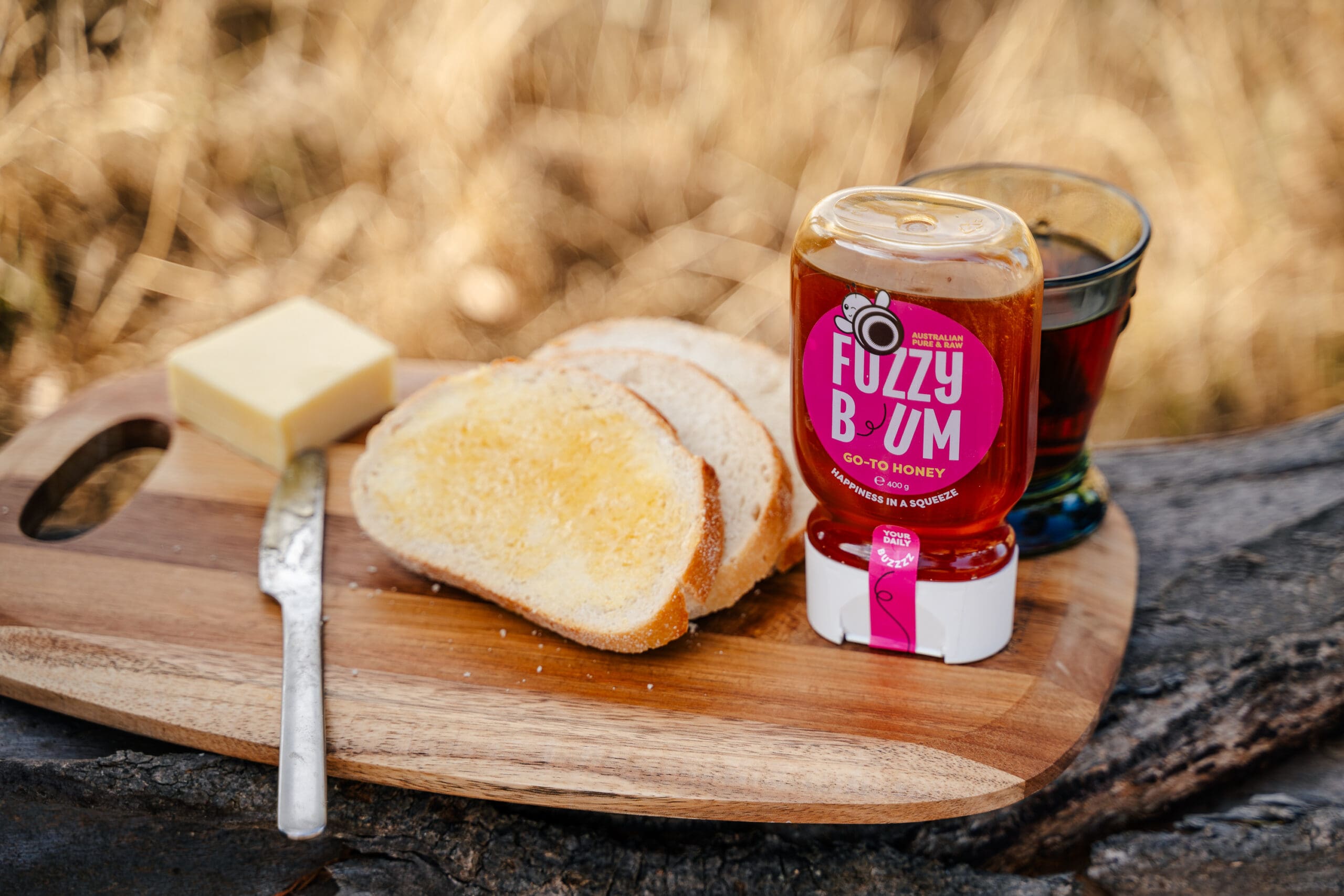
    Duxton Bees has launched Fuzzy Bum, a new honey brand with a mission that goes beyond sweet treats, raising awareness about Australia’s bee crisis. 

    According to the company, Fuzzy Bum is made entirely from locally sourced honey and is fully traceable back to the hive. The product is minimally processed, retaining its natural vitamins, minerals and antioxidants. 

    “Our goal with Fuzzy Bum is to highlight the importance of local beekeepers and sustainable honey production in Australia,” said Keegan Blignaut, MD of  Duxton Bees. “Bees are essential to our environment and food security, yet they are under threat.

    “By choosing 100 per cent Australian honey, consumers can help protect these vital pollinators and support a more sustainable future.” 

    The packaging is designed with bold lettering, vibrant colours, and humorous drawings inspired by local Australian flora.

    Fuzzy Bum honey is now available both online and at select retailers.

  • Fake milk powder producers busted for paying $150,000 bribe

    Fake milk powder producers busted for paying $150,000 bribe

    Two men behind a fake milk powder production ring allegedly paid US$150,000 as bribe after being exposed.

    The Ministry of Public Security announced Monday that its Criminal Investigation Agency had initiated legal proceedings against Vu Manh Cuong and Hoang Manh Ha, the CEO and deputy CEO of Hacofood Group and Rance Pharma, for “bribery”, Pham Gia Khai, former CEO of Vietnam Pharmaceutical JSC, for “brokering bribery” and Nguyen Van Quan for fraud and property embezzlement.

    According to preliminary investigation, after their goods were temporarily seized by the environmental police in December last year, Ha and Cuong decided to bribe their way out.

    Their goal was to get away with a fine rather than face criminal charges.

    Cuong gave Ha $150,000, and he handed it over to Khai.

    Khai gave the money to Quan to “settle” the matter, ensuring they do not face criminal charges for producing and selling fake goods.

    Quan had falsely claimed to have connections with government authorities and individuals in power, suggesting he could reduce the severity of the legal consequences and prevent criminal prosecution.

    Khai took him at his word and handed over the money, but Quan kept it for his personal use.

    On April 10 the Criminal Investigation Agency charged Ha and Cuong along with four accomplices with the production and sale of fake food products and violating accounting regulations, resulting in serious consequences.

    The fake milk powder production ring started operation in August 2021 when Ha and Cuong noticed the increasing demand for milk powder.

    The falsely claimed their product included bird’s nest extract, cordyceps, macca powder, and walnut powder.

    The milk powder was distributed nationwide, primarily targeting people with diabetes, kidney disease, premature infants, and pregnant women.

    The accused instructed their employees to replace the ingredients and add flavoring agents and additives.

    The investigators determined that the quality of some substances in the milk powder was less than 70% of stated levels, sufficient to prove the product fake.

    The suspects exploited a regulation that allows businesses to self-declare the quality, content, nutritional composition, and effects of their products.

    By the time of their arrest on April 11, the ring was suspected of producing 573 types of fake milk powders, generating nearly VND500 billion (US$19.23 million) in revenues.

    The police also discovered that Rance Pharma and Hacofood had underreported their actual revenues in their records to evade tax worth more than VND28 billion.

    The Criminal Investigation Agency believes there is enough evidence to prove 12 varieties of milk powders are counterfeit products. The investigation into the remaining 72 is ongoing.

  • KitKat launches its most decadent bar to date

    KitKat launches its most decadent bar to date

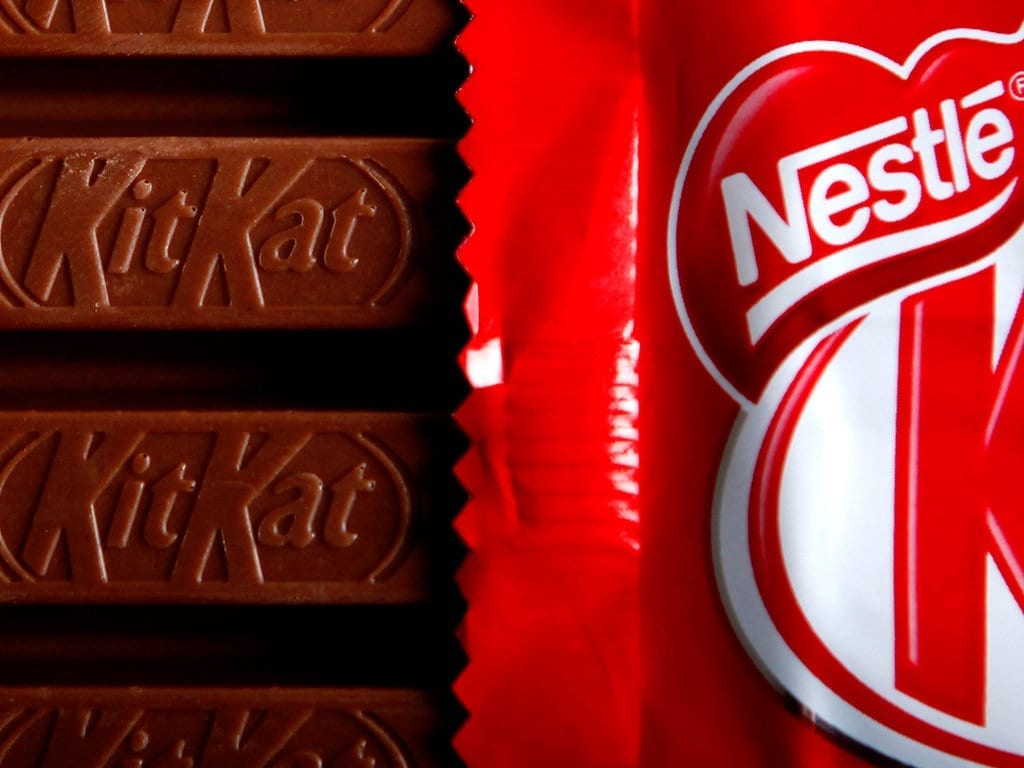
    KitKat has launched its KitKat Gooey Choc – a new wafer bar version enriched with chocolate sauce. 

    The new Gooey bars feature a combination of chocolate syrup wrapped in smooth milk chocolate, and layered with crisp wafers.

    Melanie Chen, Nestle’s head of marketing for confectionery, said that the most decadent block KitKat Gooey Choc is irresistible, offering next-level indulgence with a gooey, chocolatey sauce that will delight KitKat fans. 

    “Chocolate lovers already adore our filled KitKat blocks, and we can’t wait for Aussies to experience this new treat during their next break.” 

    KitKat Gooey Choc will be sold at an RRP of $7 through all major retailers across Australia starting this month.  

    Last week, the brand also partnered with Nescafe to launch a new ready-to-drink product, KitKat-inspired coffee mix.

  • Bae Juice Energy: Clean, Natural Boost from Australian Brand

    Bae Juice Energy: Clean, Natural Boost from Australian Brand

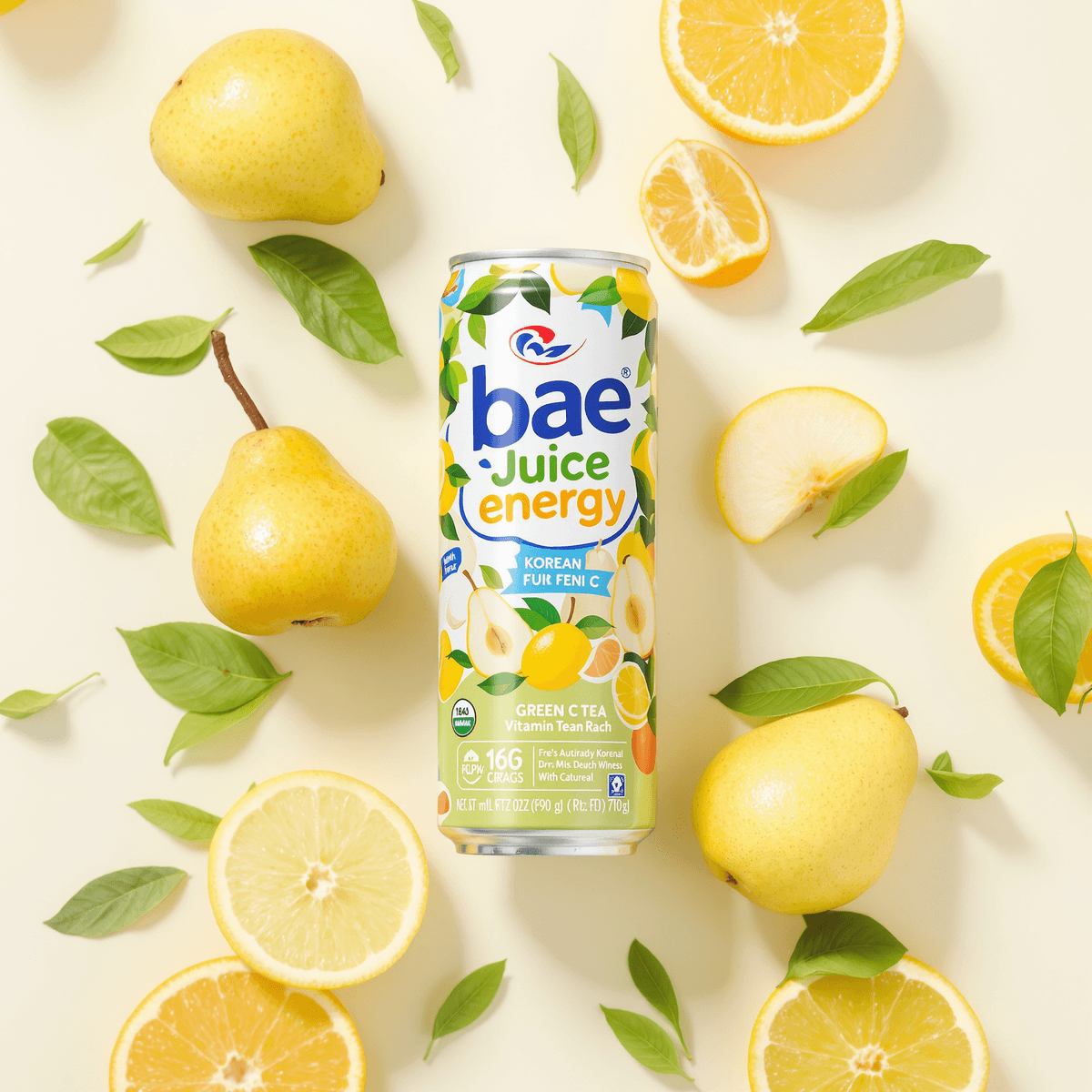
    Bae Juice, an Australian beverage maker, has disrupted the energy drink market with their innovative new product line, Bae Juice Energy. The brand, known for its pioneering work in hangover-prevention drinks since 2019, brings a fresh perspective to the energy drink category.

    Bae Juice Energy stands out with its clean, functional approach to providing sustained energy. The drink combines traditional Korean ingredients with modern wellness trends, creating a unique beverage that appeals to health-conscious consumers seeking natural energy alternatives.

    “This isn’t just another energy drink. It’s the first of its kind in Australia – and the cleanest option on the shelf” – Tim O’Sullivan, Bae Juice co-founder

    The product targets busy professionals, fitness enthusiasts, and wellness-focused individuals looking for an energy boost without the drawbacks of conventional energy drinks. By prioritizing natural ingredients and avoiding excessive sugar content, Bae Juice Energy positions itself as a revolutionary player in Australia’s competitive beverage market.

    Key Ingredients in Bae Juice Energy

    Bae Juice Energy stands out with its carefully selected blend of natural ingredients designed to deliver sustained energy and wellness benefits:

    Korean Pear Juice

    • Natural sweetness and refreshing taste
    • Rich in antioxidants and flavonoids
    • Known for its digestive health properties
    • Traditional Korean remedy for hangover prevention

    Green Tea Extract

    • Natural caffeine source without the jitters
    • Contains L-theanine for focused energy
    • Packed with polyphenols and catechins
    • Supports metabolism and mental clarity

    Vitamin C

    • Boosts immune system function
    • Acts as a natural antioxidant
    • Supports collagen production
    • Enhances iron absorption

    The combination of these ingredients creates a synergistic effect. Green tea’s natural caffeine works alongside L-theanine to provide steady energy without crashes. Korean pear juice adds essential nutrients and a subtle sweetness, while Vitamin C strengthens your body’s natural defenses.

    You’ll find no artificial sweeteners or excessive sugar content in Bae Juice Energy. Each ingredient serves a specific purpose, from energy enhancement to immune support, making it a functional beverage that aligns with modern health-conscious lifestyles.

    The Clean Energy Drink Concept

    Bae Juice Energy redefines the traditional energy drink market with its revolutionary clean energy approach. The brand’s commitment to functional energy stands in stark contrast to conventional energy drinks loaded with artificial ingredients and excessive sugar content.

    Key Differentiators of Bae Juice Energy’s Clean Concept:

    • Natural Energy Source: The drink uses green tea extract for sustained energy release, avoiding synthetic caffeine alternatives
    • Minimal Sugar Content: Unlike traditional energy drinks containing up to 20 teaspoons of sugar, Bae Juice Energy keeps its sugar content low
    • No Energy Crashes: The natural ingredient blend helps eliminate the common “jitters” and energy crashes associated with conventional energy drinks

    The clean energy drink concept aligns with growing consumer demand for healthier beverage alternatives. Bae Juice Energy positions itself as a daily wellness companion rather than just another sugary energy boost. This approach resonates with health-conscious consumers seeking functional benefits without compromising their dietary preferences.

    Market Expansion Strategy

    Bae Juice’s remarkable growth stands as a testament to its market success. Since its 2019 launch, the brand has achieved an impressive $10 million in total revenue, with $2.5 million generated in the current fiscal year alone. This substantial financial performance highlights the strong consumer demand for innovative beverage solutions in Australia.

    Strategic Partnerships and Retail Presence

    The brand’s distribution strategy focuses on strategic partnerships and widespread retail presence. A key milestone in this expansion came through the partnership with Ampol Foodary, securing placement in over 400 locations across Australia. This collaboration has significantly enhanced Bae Juice’s accessibility to consumers, particularly targeting on-the-go customers seeking healthier energy drink alternatives.

    Diverse Distribution Network

    Bae Juice’s distribution network encompasses:

    • Major retail chains
    • Independent stores
    • Convenience outlets
    • Specialty beverage retailers
    • Service station networks

    The brand’s success in securing these diverse retail channels demonstrates its appeal to both mainstream consumers and health-conscious individuals. This multi-channel approach has enabled Bae Juice to capture different market segments while maintaining its premium positioning in the energy drink category.

    Aligning Distribution with Product Innovation

    The company’s distribution strategy aligns with its product innovation, ensuring that its unique Korean pear-based beverages reach consumers through convenient and familiar retail touchpoints. This calculated expansion has established a strong foundation for the brand’s continued growth in the Australian beverage market. Bae Juice’s strategy mirrors some of the successful elements seen in larger companies like Coca-Cola, which have mastered global dominance through similar strategic approaches.

    Positioning Bae Juice Energy in the Market

    Bae Juice Energy stands out in Australia’s competitive beverage market by combining two separate markets: hangover prevention and energy drinks. This strategic positioning allows the brand to leverage its established reputation in hangover prevention while attracting health-conscious energy drink consumers.

    The brand’s unique value proposition stems from its dual-functionality approach:

    • A clean energy boost without the typical sugar overload
    • Natural hangover prevention properties from Korean pear juice

    This positioning sets Bae Juice Energy apart from traditional energy drinks that often rely on synthetic ingredients and excessive sugar content. The brand’s commitment to using natural ingredients resonates with health-conscious consumers seeking functional beverages that align with their wellness goals.

    By introducing an energy drink variant, Bae Juice expands its market reach beyond its original hangover-prevention customer base. This strategic move allows the brand to capture daily consumption occasions rather than limiting itself to specific use cases.

    Future Growth Projections for Bae Juice Energy

    Bae Juice’s expansion strategy signals remarkable growth potential in the Australian beverage market. The brand’s target to reach 5000 stores nationwide by year-end demonstrates its aggressive scaling approach and strong market confidence.

    This ambitious distribution plan includes partnerships with:

    • 1000+ independent retailers
    • Major retail chains
    • Convenience stores
    • Health food outlets

    The rapid store expansion builds on Bae Juice’s existing success with its hangover prevention drinks. Market analysis suggests the functional beverage sector continues to grow, driven by health-conscious consumers seeking alternatives to traditional energy drinks.

    The brand’s distribution strategy aligns with changing consumer preferences for clean-label products. You’ll find Bae Juice Energy positioned alongside premium beverages in retail locations, targeting demographics willing to pay for quality ingredients and functional benefits.

    This strategic placement and wide-reaching distribution network position Bae Juice Energy to capture a significant share of Australia’s growing functional beverage market.

    Conclusion

    Bae Juice Energy represents a new era in the energy drink market – one that prioritizes clean ingredients and functional benefits. You’ll find a refreshing blend of Korean pear juice, natural caffeine from green tea, and immune-boosting Vitamin C in every can.

    The beverage landscape is evolving, and consumers like you are seeking smarter alternatives to traditional energy drinks. Bae Juice Energy answers this call with its innovative approach to all-day energy without the sugar crash or jitters.

    Ready to transform your daily energy boost? Give Bae Juice Energy a try – it’s where great taste meets functional benefits in a clean, natural energy drink that works with your body, not against it.

    FAQs (Frequently Asked Questions)

    What is Bae Juice Energy and who makes it?

    Bae Juice Energy is a new energy drink product created by Bae Juice, an Australian beverage maker known for innovative and natural beverage options.

    What are the key ingredients in Bae Juice Energy?

    Bae Juice Energy contains Korean pear juice, green tea extract, and Vitamin C. These ingredients provide a natural source of caffeine and support immune health.

    How does Bae Juice Energy differ from traditional energy drinks?

    Unlike traditional energy drinks, Bae Juice Energy emphasizes a clean energy concept with low sugar content and focuses on delivering a functional energy boost without excessive additives.

    What is Bae Juice’s market strategy for expanding Bae Juice Energy in Australia?

    Bae Juice has generated $10 million in revenue and expanded distribution through partnerships with Ampol Foodary locations across Australia to increase accessibility.

    How is Bae Juice Energy positioned in the hangover-prevention drink market?

    Bae Juice Energy targets the hangover-prevention drink market by offering a unique functional beverage designed to support recovery and provide clean energy.

    What are the future growth plans for Bae Juice Energy?

    Bae Juice aims to have Bae Juice Energy available in 5000 stores nationwide by the end of the year, reflecting ambitious plans for national expansion.

    Powered by junia.ai. To remove branding, please upgrade to a paid plan.

    In addition to expanding its retail presence, Bae Juice Energy plans to invest in targeted marketing campaigns to raise brand awareness and educate consumers about the benefits of their product. The company also has plans to explore partnerships with fitness influencers and health-focused events to further promote their brand and reach their target audience.
  • Malaysia’s largest coffee chain Zus Coffee targets 200 Southeast Asian outlets this year

    Malaysia’s largest coffee chain Zus Coffee targets 200 Southeast Asian outlets this year

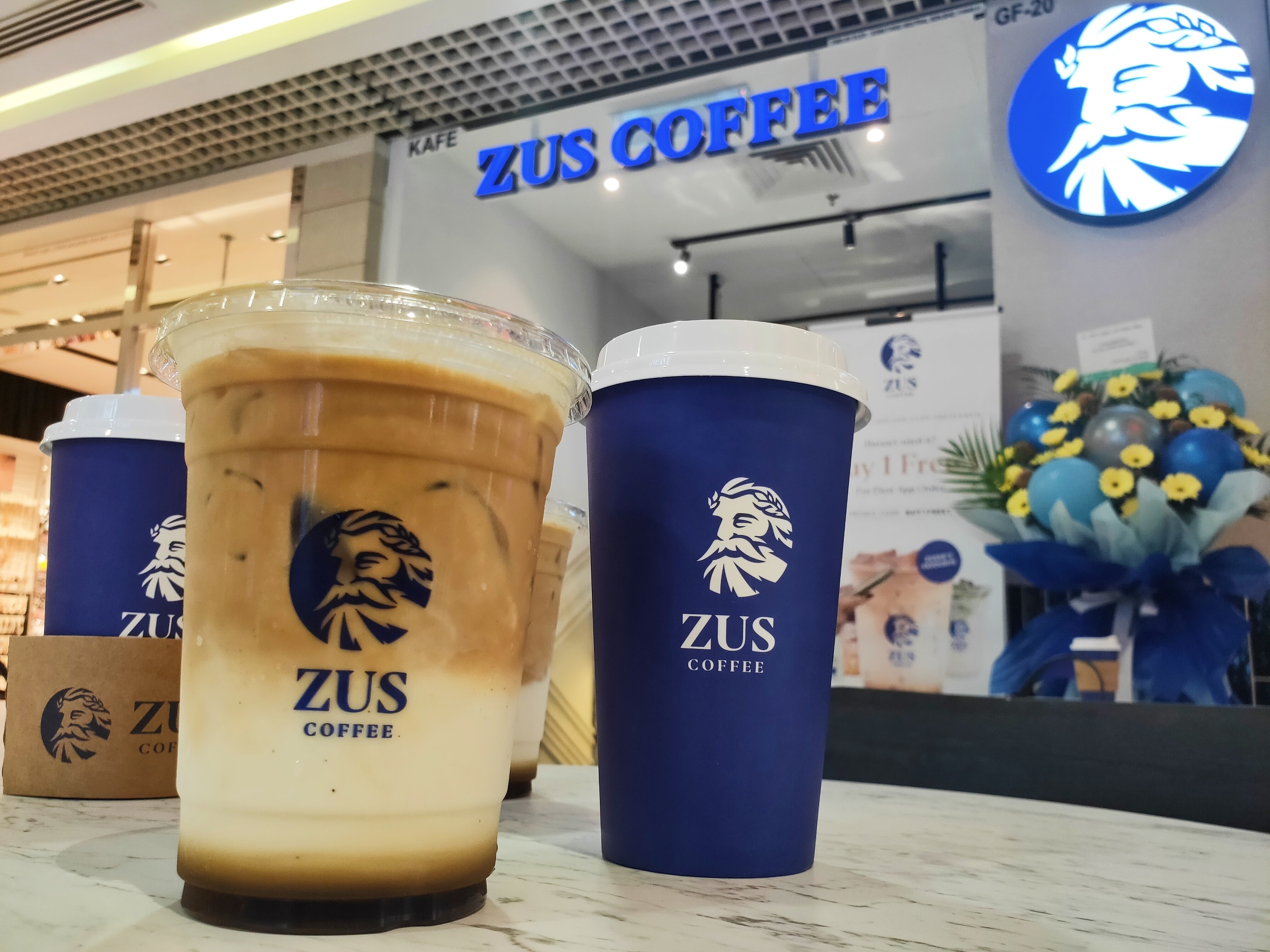
    Malaysia’s largest coffee chain, Zus Coffee, plans to launch 200 new outlets in Southeast Asia this year, according to CEO Venon Tian in an interview with Bloomberg.

    Zuspresso, the operator of the Zus brand, is targeting at least 107 new stores in Malaysia, 80 in the Philippines, and six in Singapore. It also eyes to set up the first stores in Thailand and Indonesia this year.

    Last year, Zus surpassed Starbucks as Malaysia’s top coffee chain after five years of operation, with 743 outlets compared to Starbucks’ 320.

    It also manages 120 stores in the Philippines.

    Zus reported a threefold increase in net income to RM37 million (US$8.4 million) in 2024, reflecting its rapid growth.

    Tian attributed the company’s success to its market-specific flavors, such as palm sugar-flavored drinks in Malaysia and purple yam-flavored coffee in the Philippines.

    Zus, which started out as a kiosk focusing on coffee delivery in 2019, now sees about 70% sales coming from online channels, including deliveries and pickups.

    Its tech-driven approach and cost-efficient store construction have enabled it to offer coffee over 20%cheaper than Starbucks, boosting its widespread appeal in Malaysia.

    Zus drinks are price in the mid-range in Malaysia, between the RM5 price tag of convenience stores and RM11 of premium stores.

    “It’s about how we make quality coffee accessible to most people,” Tian said.

  • Tim Hortons launches retail coffee range in South Korea

    Tim Hortons launches retail coffee range in South Korea

    Tim Hortons has launched its retail lineup in South Korea as part of its strategy to broaden the brand’s reach.

    The Canadian cafe brand’s retail coffee offerings include Original Blend whole bean coffee and fine grind coffee in five flavours: Original Blend, French Vanilla, Colombian, Maple, and Decaf.

    “Like all Tim Hortons coffees, our bagged coffee retail products start with 100 per cent premium Arabica beans that are roasted with care and blended to perfection,” said Mieka Burns, VP of consumer packaged goods at Tim Hortons.

    “Guests can already savour their favourite Tim Hortons beverages in restaurants and they can now complement that experience at home.”

    Tim Hortons’ whole bean and fine grind coffee are available at the Lotte Mart grocery store in Gangdong Millennial Jungheung S-Class Complex, and will soon be available in department stores and online.

    The Canadian coffee chain debuted in South Korea in 2023 and has quickly expanded to 16 locations.

  • Indonesian coffee chain Fore Coffee’s IPO oversubscribed by 200 times

    Indonesian coffee chain Fore Coffee’s IPO oversubscribed by 200 times

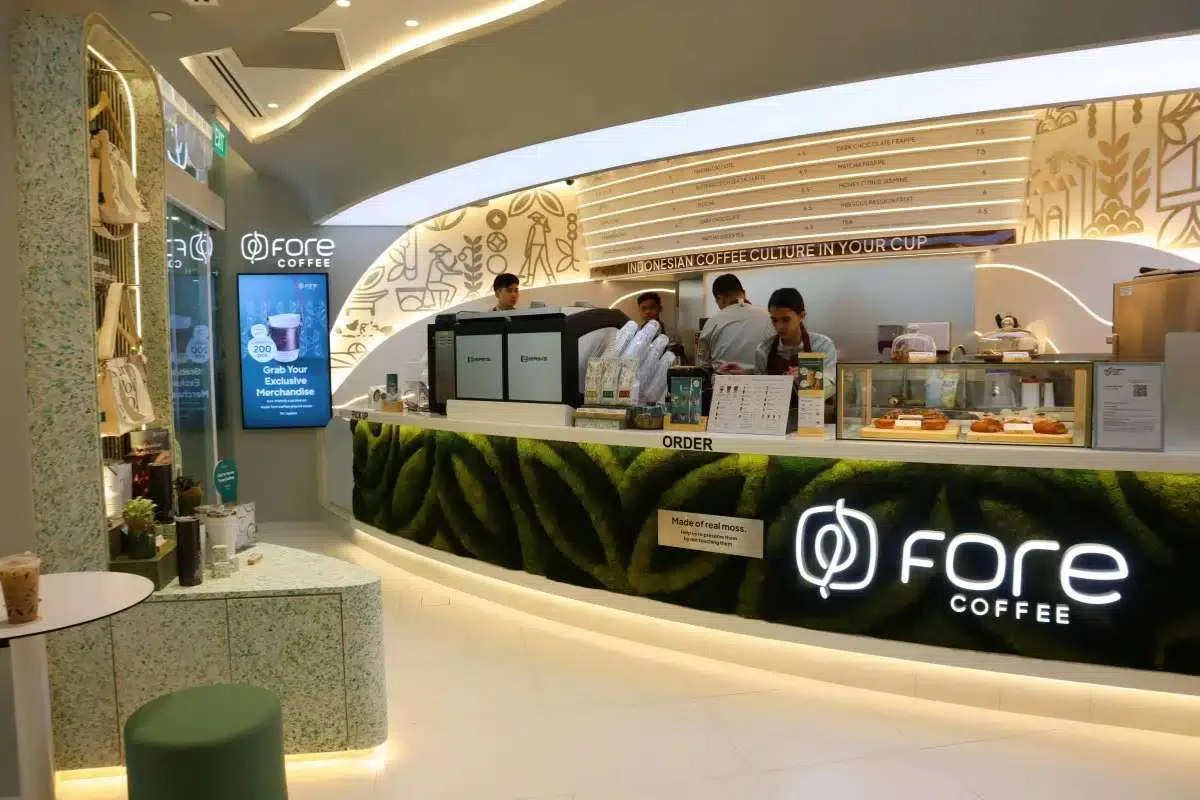
    Indonesian coffee chain Fore Coffee made its trading debut on the Indonesia Stock Exchange (IDX), following a heavily oversubscribed initial public offering that attracted more than 114,000 investors.

    The East Ventures-incubated company priced its IPO at US$0.012 (RP188) per share, issuing 1.88 billion new shares to raise approximately $22.3 million (RP353.44 billion) in fresh capital.

    Fore Coffee plans to allocate around 75 percent of the funds to its domestic expansion, with a target of 140 new outlets over the next two years.

    An estimated $3.8 million (RP60 billion) will be invested in launching a new doughnut concept, while the remaining $1.1 million (RP18 billion) will go towards working capital.

    Wilson Cuaca, president and chairman of Fore Coffee, and co-founder and managing partner at East Ventures, said the strong response to the IPO demonstrates the appeal of homegrown startups to public investors.

    “The counter-intuitive decision to proceed with the IPO during the lowest IDX Composite index since the pandemic paid off,” Cuaca said.

    Mandiri Sekuritas and Henan Putihrai Sekuritas acted as joint lead underwriters and intermediaries for the offering.

  • Celsius adds Sunset Vibe flavour to energy drink range

    Celsius adds Sunset Vibe flavour to energy drink range

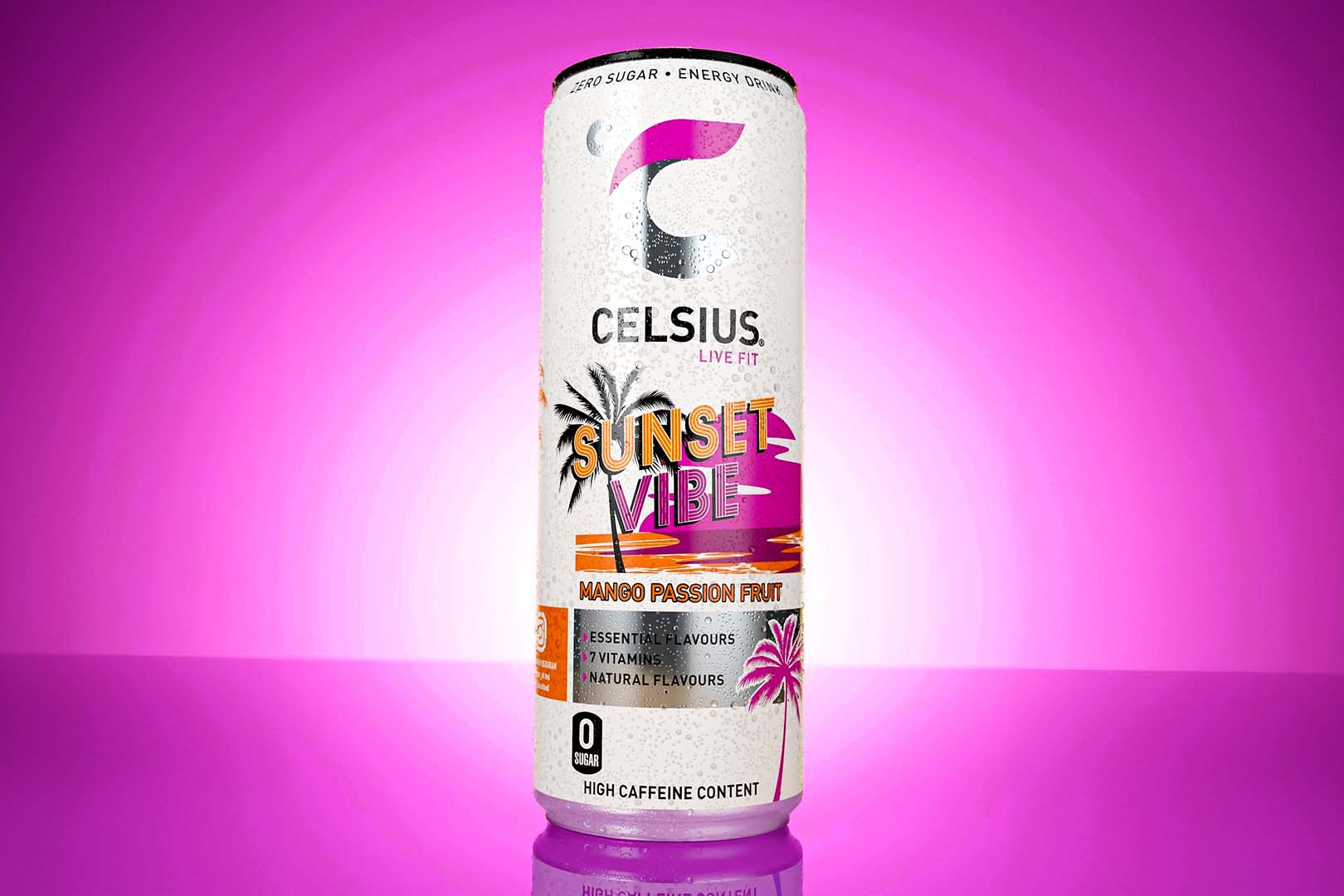
    American energy drink brand Celsius has added a Sunset Vibe flavour, a blend of mango and passionfruit.

    The new tropical-inspired flavour joins the brand’s existing local range, which includes Sparkling Kiwi Strawberry, Sparkling Watermelon Lemonade, Sparkling Green Apple Cherry, and Cosmic Vibe.

    In addition, it contains no sugar and is described to offer a “taste of paradise.”

    Ben Andrews, director of partnerships at  Suntory Beverage & Food Oceania, highlighted the brand’s growth since its launch last year.

    “Our strong customer relationships, consumer centricity, and distribution efforts have ensured that Celsius reaches consumers quickly and efficiently,” said Andrews.

    “We are excited to continue this momentum by adding Sunset Vibe to the range, and to bring innovative energy solutions to even more consumers.”

    Celsius Sunset Vibe at an RRP of $4 per can is available in the convenience and petrol channels, with a broader rollout to Woolworths underway.

  • Pickle Juice debuts Extra Strength Shots in Coles

    Pickle Juice debuts Extra Strength Shots in Coles

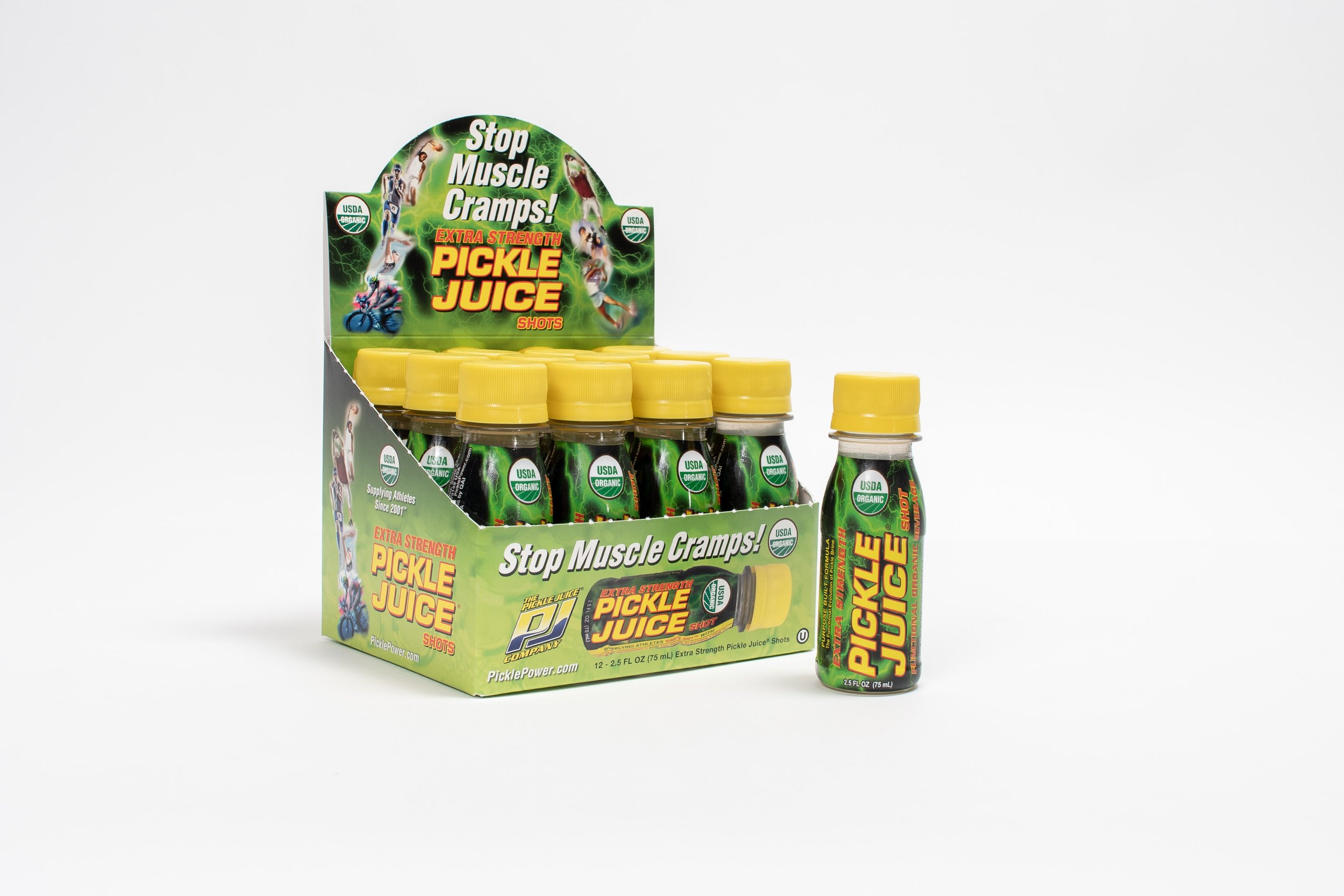
    US beverage brand The Pickle Juice Company has launched its 75ml Extra Strength Shots in Coles supermarkets nationwide.

    The Texas-based company claims that its product uses a propriety formula that is scientifically proven to help alleviate muscle cramps by interrupting the nerve signals that trigger involuntary muscle contractions.

    Pickle Juice uses a blend of vinegar, grain ingredients, and a mix of vitamins and minerals.

    In addition, it contains no sugar, caffeine, or artificial additives and is rich in electrolytes.

    Blake Boulton, head of global sales at The Pickle Juice Company, said the rollout reflects the company’s strategy to improve accessibility globally.

    “Australia has always been a key market for us, and we’ve seen firsthand the impact Pickle Juice has had in the sports and wellness communities,” explained Boulton, head of global sales for The Pickle Juice Company.

    “By partnering with Coles, we’re making it easier for everyday Australians to access an effective solution for muscle cramps, superior hydration and enhanced recovery.”

    The Pickle Juice Company Extra Strength Shots is available for an RRP of $24 for a four-pack and $47.50 for a 12-pack in Coles stores across NSW, Victoria, Queensland, SA, WA and Tasmania.

  • Lakanto launches no-sugar-added BBQ Sauce & Tomato Ketchup

    Lakanto launches no-sugar-added BBQ Sauce & Tomato Ketchup

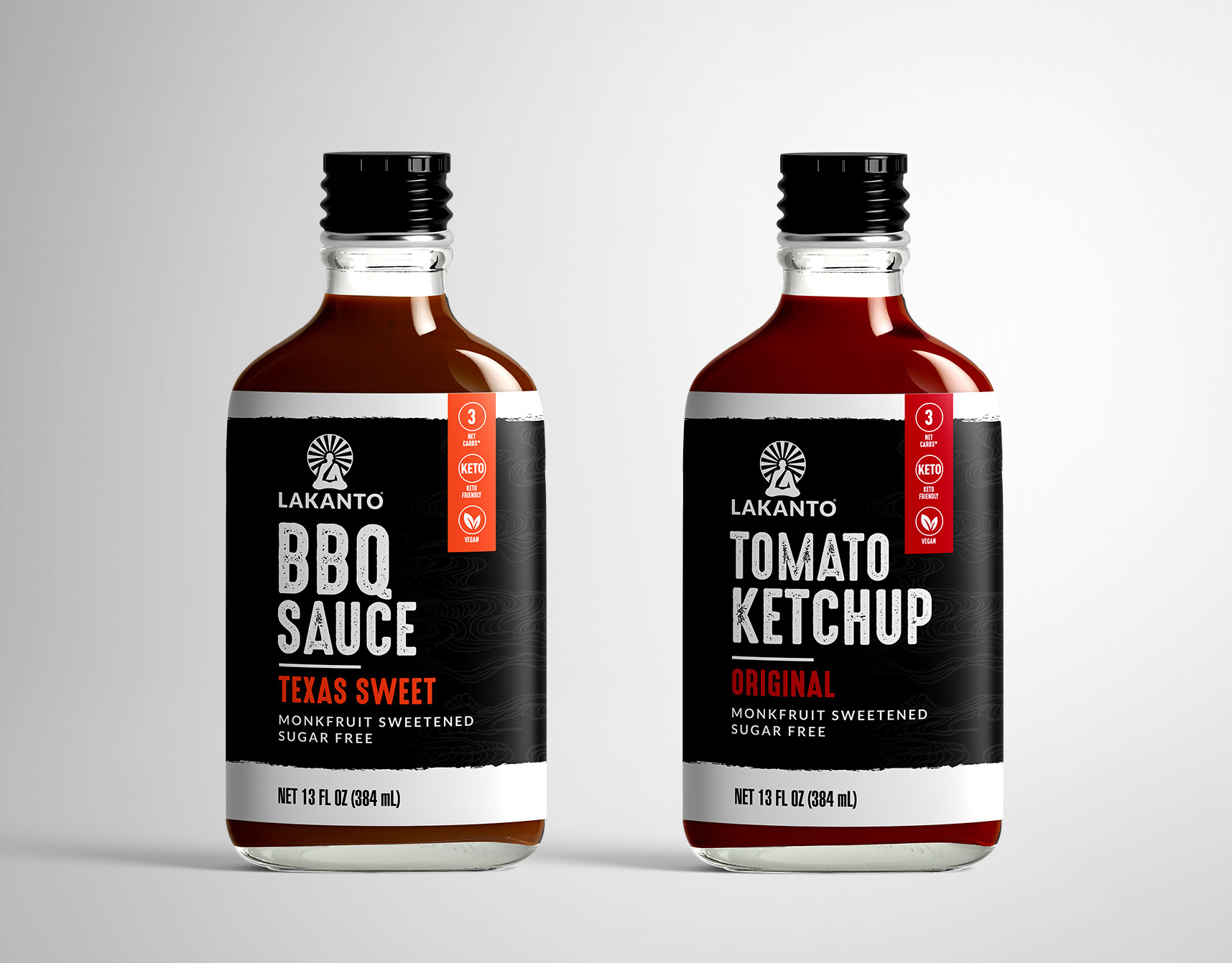
    Monkfruit sweetener brand Lakanto Australia has launched the No Sugar Added Tomato Ketchup and BBQ Sauce, offering a healthier alternative.

    According to the company, the sauces are naturally sweetened with Lakanto’s monkfruit sweetener, feature no artificial colours or tastes, and are low in carbs, making them suitable for individuals following keto, low-carb, or diabetic diets.

    “We’re excited and really proud to offer these delicious, healthier alternatives to classic condiments,” said Leon McIndoe, GM of Lakanto Australia.

    “With our BBQ Sauce and Ketchup, we’re continuing our mission to help people ‘Live a Responsibly Sweet Life’ – making it easier to enjoy flavourful meals without compromising on their health goals.”

    The Lakanto Sweet and Spicy BBQ Sauce and Lakanto Tomato Ketchup are available with an RRP of $12.95

    Last year, Lakanto re-launched its caramel and chocolate toppings derived from monkfruit, which naturally adds sweetness.

  • Taiwanese bubble tea chain Gong Cha hits US$600m in global sales

    Taiwanese bubble tea chain Gong Cha hits US$600m in global sales

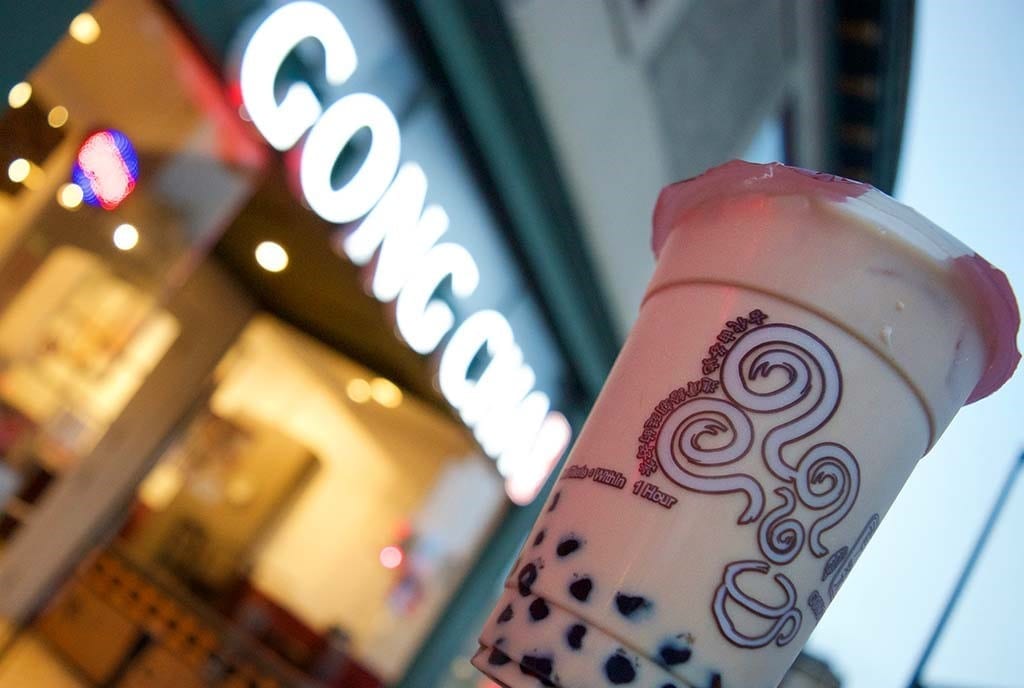
    Taiwanese bubble tea chain Gong Cha has reached US$600 million in global system sales for the 12 months ended December, driven by its rapid global expansion.

    Group revenue also rose 12 percent year-on-year to US$190 million as the brand expanded operations in Japan, South Korea, and the US.

    The company opened 240 new stores and entered five new markets: Saudi Arabia, Morocco, Mauritius, Honduras and Puerto Rico. Gong Cha now operates 2162 stores across 28 countries.

    “It’s been a fantastic year for Gong Cha,” said Paul Reynish, global CEO. “We’ve invested heavily in our supply chain and operations, expanded our footprint through new stores and geographies, and focused on making our existing stores more efficient and profitable for our franchisees.”

    The company recently introduced a new store format, Gong Cha 2.0, alongside a digital kitchen system that features ordering kiosks and automated drink machines.

    The brand also launched several marketing campaigns, including a high-profile collaboration with Final Fantasy XIV and limited-time drink offerings, resulting in more than 1.3 billion media impressions last year.

    “Looking ahead, we see huge potential for Gong Cha to become a global brand,” Reynish added.

    Founded in Taiwan in 2006, Gong Cha relocated its global headquarters to London in 2019. The company plans to enter at least six new markets this year and reach 10,000 stores globally by 2032.

  • McDonald’s renews 20-year franchise deal in the Philippines

    McDonald’s renews 20-year franchise deal in the Philippines

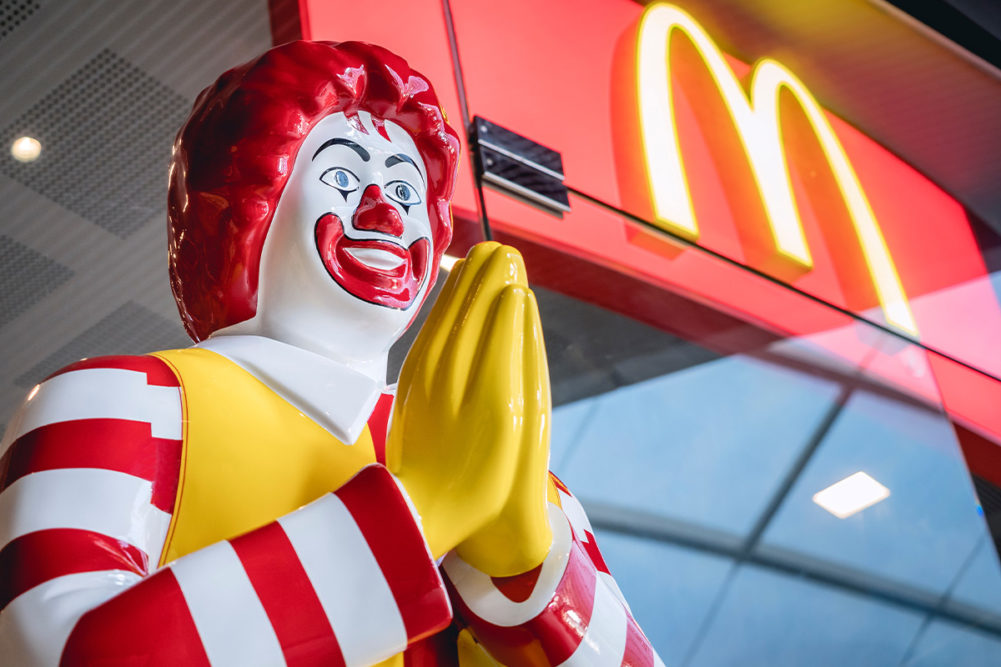
    McDonald’s has renewed its 20-year master franchise agreement in the Philippines, extending its partnership with Golden Arches Development Corporation (GADC) until 2045.

    Under the new agreement, the company retains exclusive rights to own, develop, operate and sub-franchise McDonald’s restaurants nationwide.

    GADC, led by founder and chairman George Yang, has operated the fast food giant’s Philippine business since opening the first McDonald’s store in 1981.

    The chain operates 792 stores in the Philippines, with the majority in the National Capital Region.

    Reflecting on the franchise’s early days, Yang recalled applying for the rights in the late 1970s.

    “I confidently said 10 stores,” he continued. “This year, we’ll be opening our 800th store.”

    McDonald’s Philippines has introduced several firsts to the local quick-service restaurant sector. It was the first in the country to launch an online delivery platform in 2009, followed by the McDelivery app in 2014.

    The brand was also an early adopter of third-party delivery aggregators such as Grab and Foodpanda, where it is now one of the largest merchants.

    Last year, McDelivery accounted for 19 per cent of the company’s total sales.

    Kenneth Yang, GADC president and CEO, said digital transformation has played a key role in McDonald’s growth in the market.

    “These platforms have helped scale the business and improved how we operate,” he said.

    “We are not stopping here. Our teams constantly work on new opportunities driven by evolving customer preferences and behaviours.”

    GADC is 51 percent owned by the Yang family, with the remaining 49 percent held by Alliance Global Group Inc, chaired by tycoon Andrew Tan.

  • Thai rice prices hit over three-year low

    Thai rice prices hit over three-year low

    Prices of rice shipped from Thailand declined to an over three-year low this week due to US President Donald Trump’s move to impose import tariffs and an existing market surplus.

    Meanwhile, India’s rice export prices neared a two-year low on subdued demand. The US announced to impose a flat 26% tariff on all goods being exported by India to the US, a 36% tariff on goods from Thailand, and 37% on Bangladeshi products.

    Thailand’s 5% broken rice fell to $395-400 per tonne, its lowest since January 2022.

    Meanwhile, India’s 5% broken parboiled variety was quoted at $392-400 per tonne and fell to its lowest level in nearly 22 months on subdued demand from African buyers amid ample supplies. Indian 5% broken white rice was priced at $380 – 385 per tonne this week.

    Overseas buyers incurred losses due to the sharp drop in prices over the last few weeks, so they are cautious about new purchases, said Himanshu Agrawal, executive director at Satyam Balajee, a leading rice exporter.

    According to traders, Vietnam’s 5% broken rice was offered at $405-410 per tonne.

    A Ho Chi Minh City-based trader said that prices edged up as the major winter-spring harvest is almost over. The Trump administration’s new tariffs will not have any direct impacts on rice exports from Vietnam.

    Traders said domestic prices are also rising, led by prices of fragrant rice.

    Meanwhile, domestic rice prices in Bangladesh stayed elevated despite efforts to import the grain, hitting consumers hard.