Category: Food

Retail News Asia is committed to providing both local and global retailers with the latest Food and Food & Beverage news throughout the Asian market. This on a daily base.

  • Thailand proposes China facilitate durian export

    Thailand proposes China facilitate durian export

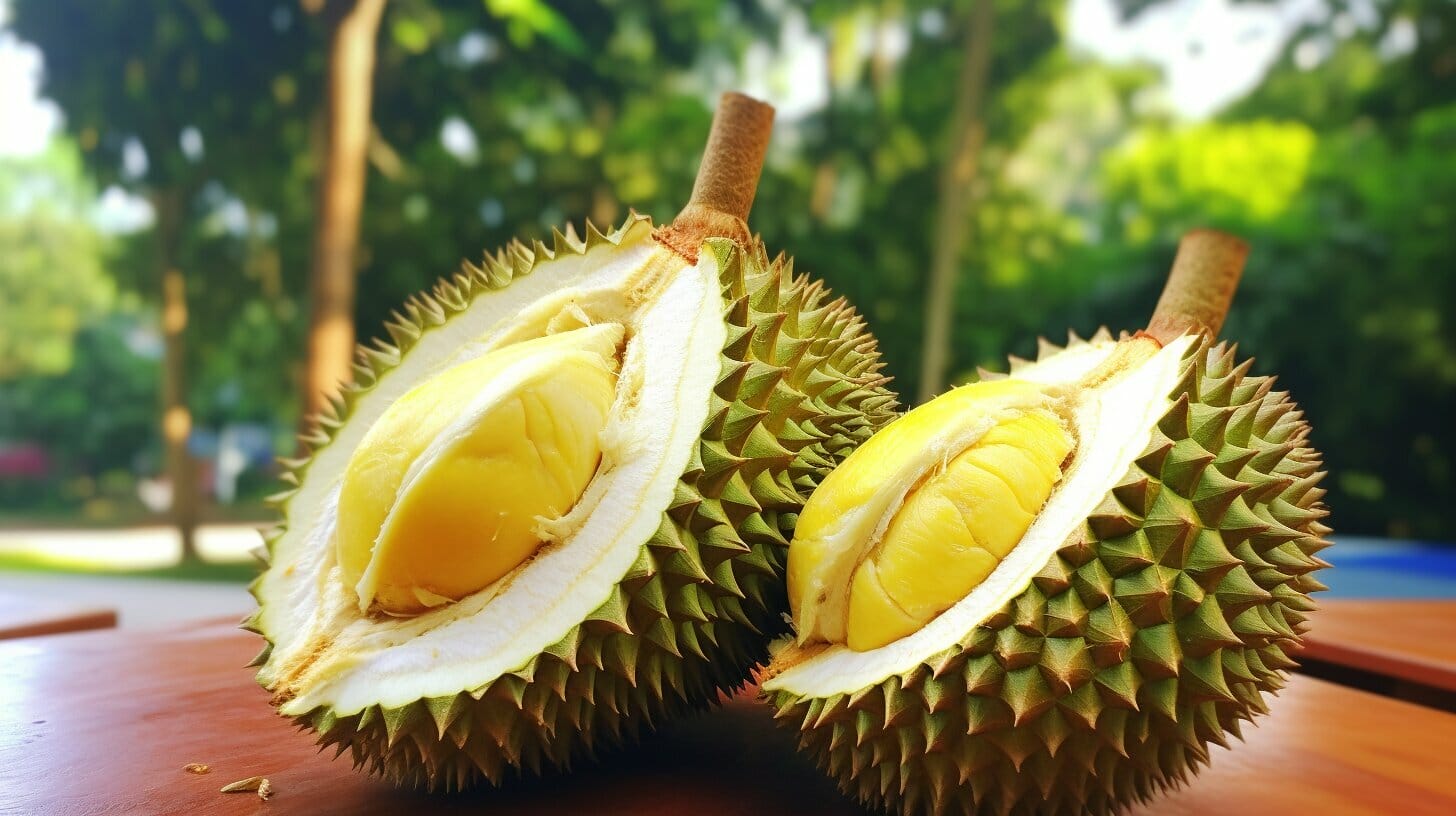
    The Commerce Ministry of Thailand has recently requested the China Customs to extend the working hours at the Mohan checkpoint on the border with Laos to facilitate durian inspections.

    Specifically, the closing time will be changed from 5.30pm to 8.30pm, according to Deputy Minister Napintorn Srisunpang.

    Chinese authorities will also increase the number of inspection laboratories from three to five, adding more officials to streamline the process at this checkpoint, Napintorn said.

    He revealed that discussions with customs officials at multiple checkpoints indicated that Thai durian is free from contamination by Basic Yellow 2 (BY2) dye or cadmium.

    Previously, only 30% of durian imports underwent testing, but since January all containers must be checked for BY2 and cadmium contamination by certified laboratories in Thailand, plus face complete inspection upon arrival at Chinese borders.

    Napintorn said this heightened scrutiny has resulted in delays, with transport times stretching up to eight days. Concerns have been raised that during peak seasons, the inspection process could extend to as long as 10 days, potentially resulting in delivery times of up to 20 days, which may compromise quality and negatively impact sales of Thai durian.

    Due to expanded cultivation and improved yields, durian production is anticipated to rise by 37% year-on-year in 2025, reaching over 1.7 million tonnes, up from 1.2 million tonnes in 2024.

    Last year, domestic consumption was at 280,000 tonnes with 800,000 tonnes exported, 97% of which went to China. This year, exports are projected to increase to 1.3 million tonnes, while domestic consumption is expected to grow to 400,000 tonnes.
  • Jollibee Foods targets 10,000 global restaurants this year

    Jollibee Foods targets 10,000 global restaurants this year

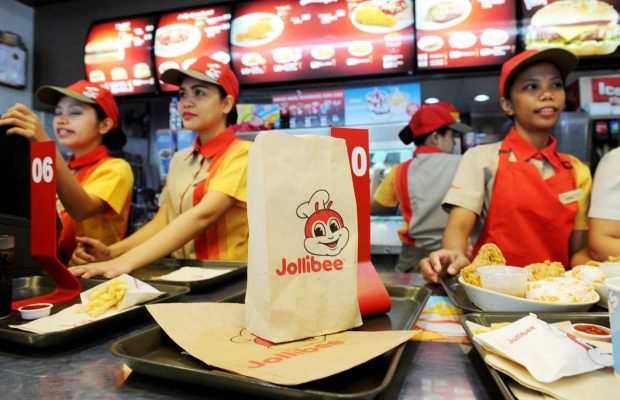
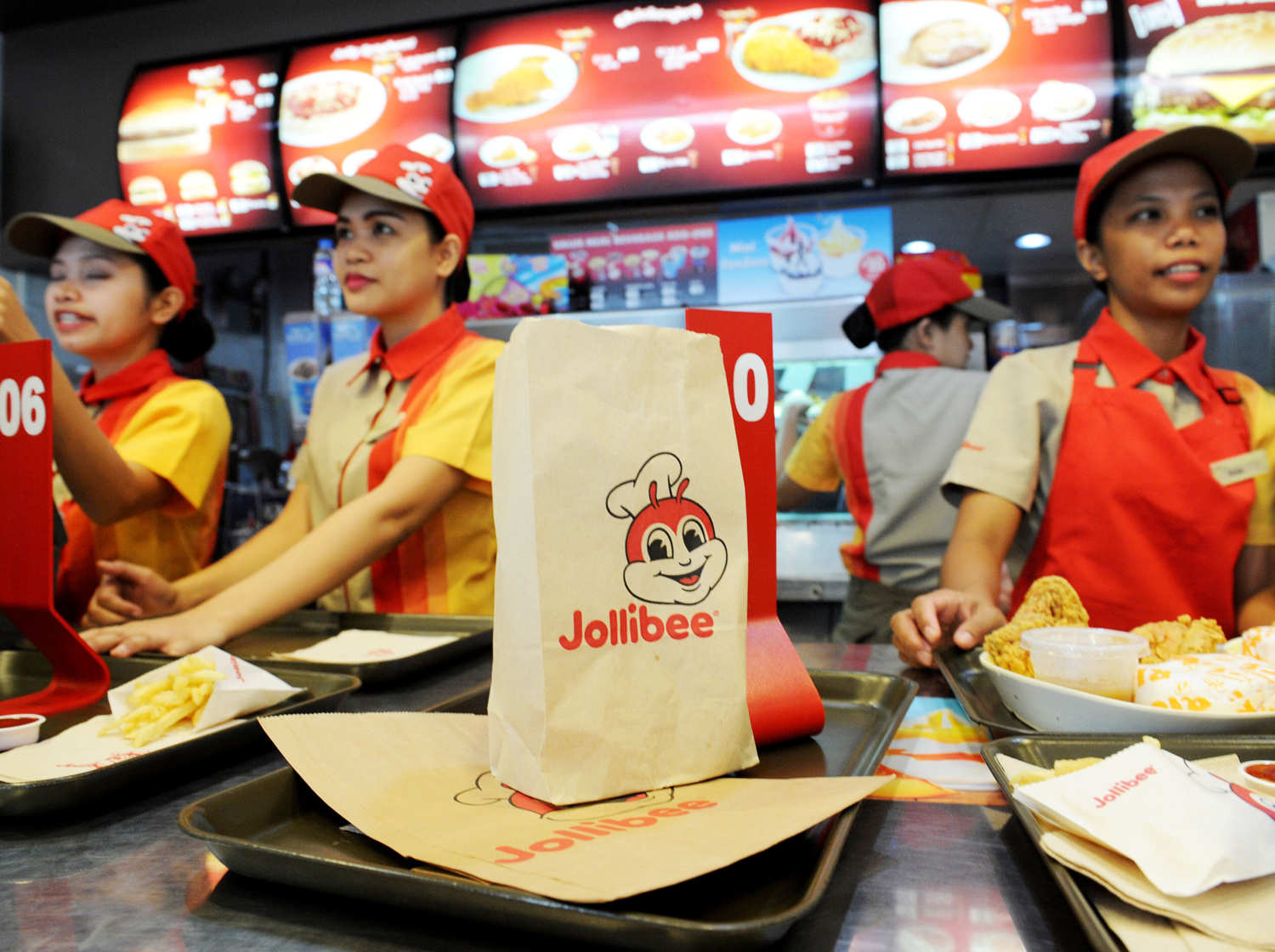
    The Philippines-headquartered restaurant group Jollibee Foods plans to have 10,000 eateries globally this year, with a focus on North America.

    The company, known for its fried chicken Jollibee chain, eyes to invest PHP18-21 billion (US$312-364 million) to open up to 800 new stores this year.

    Last year it had 9,766 outlets.

    “We’re not in all 50 states [in the U.S.]. We’re in only maybe 15 states,” Richard Shin, the company’s chief financial and risk officer, told reporters on Tuesday, as reported by Nikkei Asia.

    Jollibee launched its first U.S. location in California in 1998, and expanded its presence in the country and Canada to 103 by the end of last year. It also has 266 stores under other brands in North America.

    The company plans to use the franchising model to launch more regional stores.

    In 2024, Jollibee’s net profit rose 17.7% to PHP10.3 billion, driven by double-digit revenue growth from new stores and acquisitions. The company forecasts 8% to 12% growth in system-wide sales for 2025 – covering both company-owned and franchised locations – and targets up to 8% growth in its store network.

    Jollibee has also pursued an aggressive acquisition strategy, recently purchasing South Korea’s Compose Coffee, fully acquiring Hong Kong’s Tim Ho Wan, and adding Taiwan’s Moon Moon to its portfolio.

    It also holds stakes in China’s Yonghe King and U.S. brands Smashburger and The Coffee Bean & Tea Leaf.

  • Vietnam’s largest coffee chain Highlands Coffee posts $41M in profit

    Vietnam’s largest coffee chain Highlands Coffee posts $41M in profit

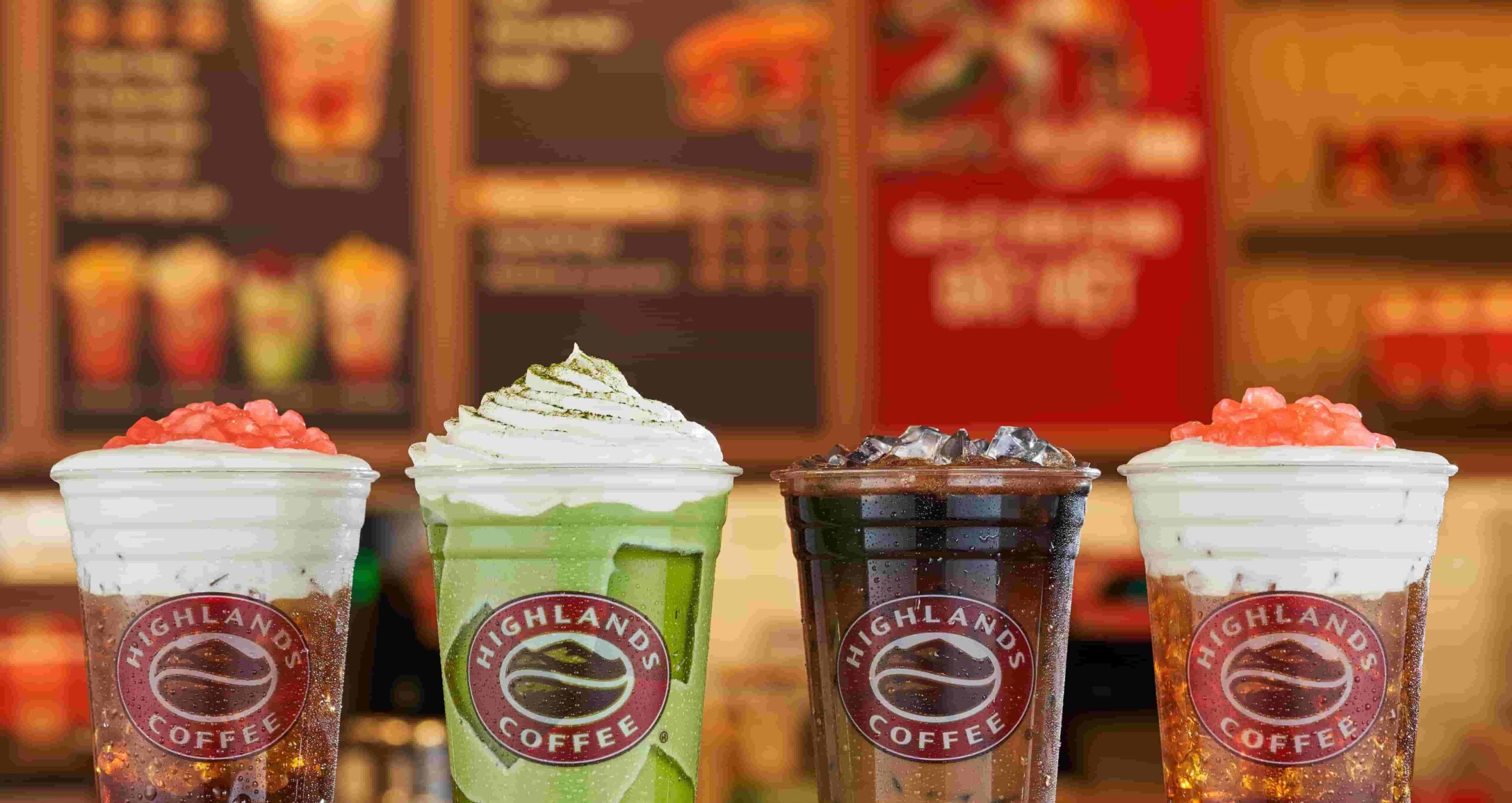
    Vietnam’s largest coffee chain Highlands Coffee posted an EBITDA of VND1.05 trillion (US$41 million) last year, up 4.5% from 2023.

    The chain contributed 36% of the EBITDA from coffee and tea of its parent company Jollibee Foods Corporation. EBITDA stands for earnings before interest, taxes, depreciation, and amortization.

    An average store posted VND16 million in revenue per day.

    Same-store sales, however, declined by 3.7% year-on-year. The figure measured stores’ sales that had been operating for at least 15 months.

    Highlands Coffee, by the end of last year, operated 850 outlets in Vietnam and other countries.

    The brand was established in 1999, starting with sales of packaged coffee products in Hanoi. In 2002, Highlands Coffee expanded into the coffee chain model with its first store in Ho Chi Minh City.

    In 2012, Highlands Coffee was acquired by Jollibee Foods Corporation, a Philippines-based restaurant conglomerate.

    At the end of 2016, JFC and its partner, Vietnam Thai International Company, planned to list Highlands Coffee on the Vietnamese stock market. However, this intention has yet to materialize.

    Highlands Coffee has thrived by focusing on widespread coverage. Their strategy revolves around offering a streamlined menu while expanding into office buildings, apartment complexes, street-front locations, and shopping centers.

    Vietnam’s beverage store revenue last year was estimated at VND118.26 trillion, a 13% increase from the previous year, according to a report by iPOS, which provides digital management solutions to over 100,000 businesses.

    This marked the highest revenue and the fastest growth rate since 2018.

  • Fruit, vegetable exports decline for 3rd straight month

    Fruit, vegetable exports decline for 3rd straight month

    Exports of fruit and vegetables fell by 10.5% year-on-year in March to an estimated US$421 million, marking the third consecutive month of decline.

    They had decreased by 5.2% to $416 million in January and 6.5% to $303 million in February.

    The main reason was the decline in durian shipments, a major export item, the Vietnam Fruit and Vegetable Association said.

    Dang Phuc Nguyen, the association’s general secretary, said since the start of the year China, Vietnam’s largest export market, has been amending import regulations and now requires all durian shipments to undergo testing for cadmium and auramine O residues at accredited laboratories.

    Cadmium is a toxic heavy metal and auramine O is an industrial dye, and both are strictly controlled due to their potential cancer risks.

    The new requirement is resulting in longer and more complicated customs clearance procedures and difficulties for exporters, Nguyen said.

    Some of them have halted shipments to China just to complete the procedures, he said. If the situation persists, this year’s exports could be less than last year’s, he added.

    Exports were worth $7.15 billion last year, with durian accounting for $3.4 billion, or nearly 50%.

    The target for this year is $8 billion, which is achievable if the inspection issues are soon resolved.

  • China’s largest coffee chain Luckin Coffee establishes exclusive coconut island in Indonesia

    China’s largest coffee chain Luckin Coffee establishes exclusive coconut island in Indonesia

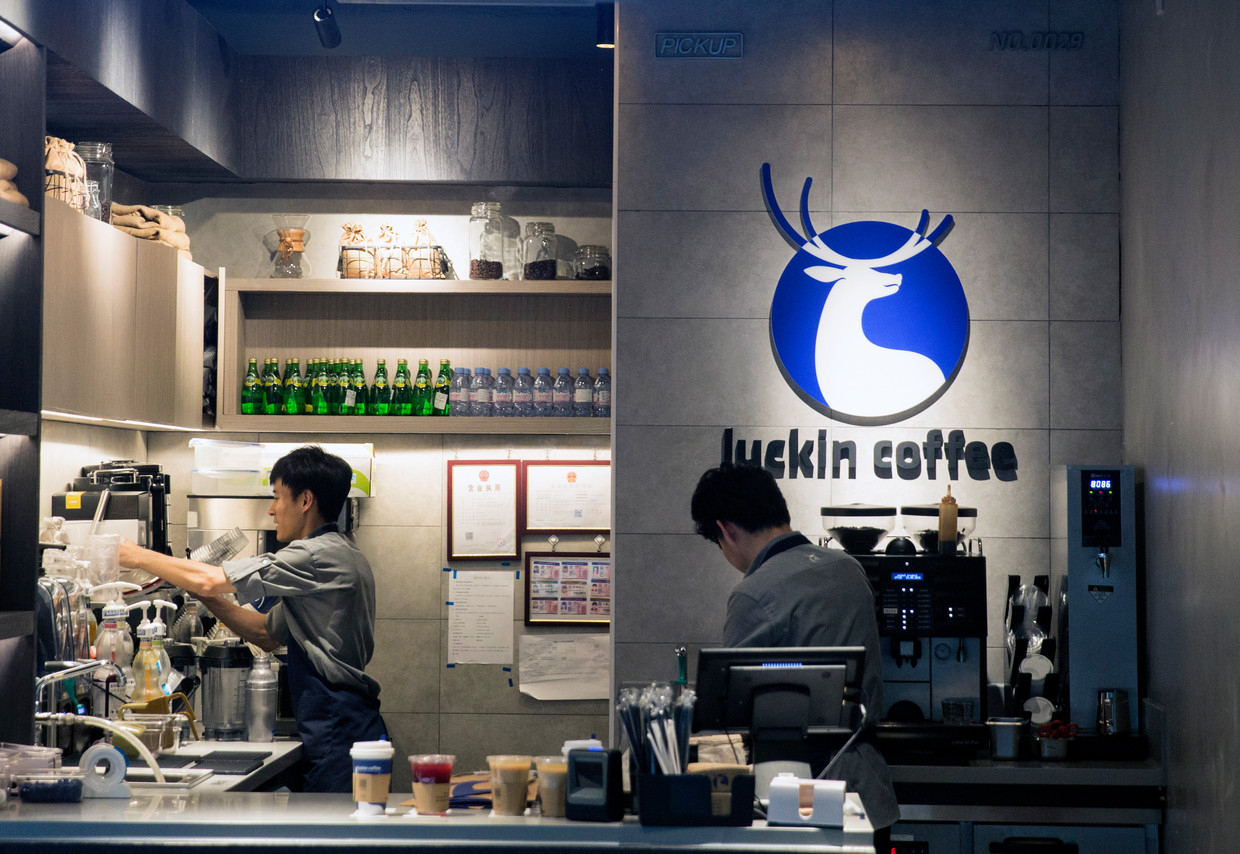
    China’s largest coffee chain Luckin Coffee has signed an agreement with Indonesia’s Banggai Islands Regency, making it the exclusive premium origin of coconut milk for its flagship Coconut Latte.

    The memorandum of understanding it signed with the regency provides Luckin Coffee and its partners with exclusive rights to procure coconuts from the region, the firm announced earlier this month. The Banggai Islands are among the world’s top coconut-producing regions.

    According to Global Times, the islands will be named “Luckin Exclusive Coconut Island ” under the agreement.

    The chain intends to source roughly one million tons of raw coconut materials, which comply with its quality standards, over the next five years.

    Li Shan, senior director of the firm’s supply chain center, said the region’s high-quality coconut will bolster the company’s supply chain.

    Luckin Coffee, headquartered in Xiamen, a port city in southeastern China, was established in 2017 and grew rapidly before it was discovered to have falsified half of its 2019 sales. The scandal led to its delisting from Nasdaq and subsequent filing for bankruptcy protection in the U.S. in 2021, Reuters reported.

    It has since made a strong comeback and now dominates China’s coffee market with over 21,000 stores nationwide as of September, outselling U.S giant Starbucks.

    It has also been expanding overseas, setting up its first Southeast Asian store in Singapore in April 2023 and later increasing its number of outlets in the city-state to 38.

    According to Nikkei Asia, it opened its first two stores in Malaysia this January and plans to have 200 outlets there in the next two years.

    Since its launch, Luckin has sold over 1.2 billion Coconut Lattes as of January.

  • Synlait Milk returns to profitability as sales soar

    Synlait Milk returns to profitability as sales soar

    Synlait Milk swung back to profitability amid a double-digit increase in sales during the fiscal first half.

    The company’s revenue for the six months ended January 31 jumped 16 percent to NZ$916.8 million. Earnings before interest, taxes, depreciation, and amortisation (EBITDA) grew 217 percent to $63.1 million, and net profit after tax (NPAT) rose 105 percent to $4.8 million.

    Management attributed the improvements to an uplift in advanced nutrition demand, optimisation of North Island operations, higher commodity prices, and cost management.

    At the end of the half, the company reduced its net debt by 29 per cent to $391.9 million.

    “Given the position Synlait was in 12 months ago, this return to profitability is a considerable commercial achievement,” commented acting CEO Tim Carter.

    “Today’s result was delivered through a focus on getting the fundamentals of our operational performance right, seizing opportunities to deliver for customers, and continued cost control.”

    For the second half, Synlait expects financial progress to be slower as it balances opportunities and risks related to milk stream returns and foreign exchange. The company targets a closing net debt balance of $250 million to $300 million at the end of the year.

  • Campari sells stake in whisky brand, Howler Head

    Campari sells stake in whisky brand, Howler Head

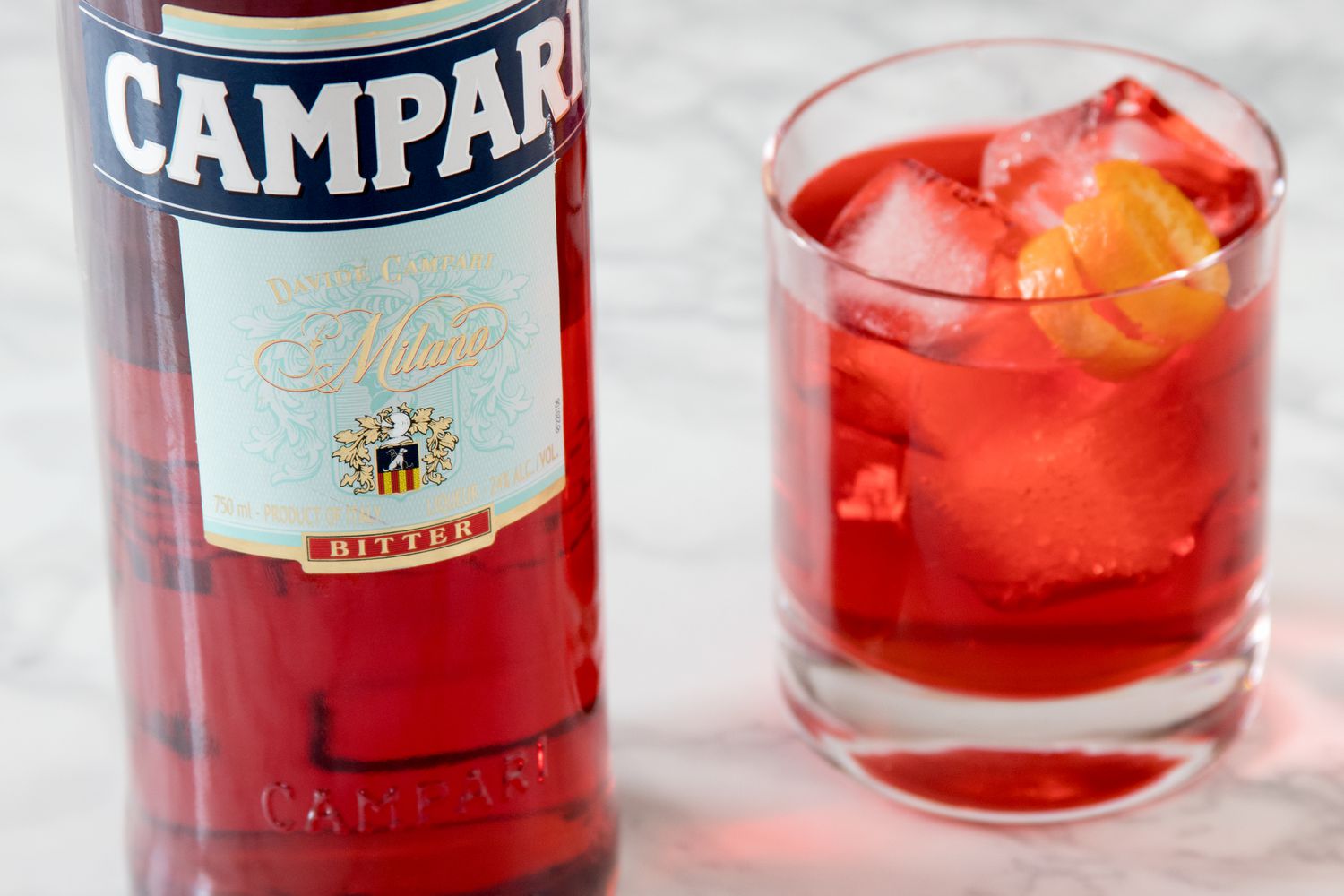
    Campari Group has sold its stake in the whisky brand Howler Head to Infinium Spirits, a US-based owner of premium spirits.

    Financial details of the transaction were not disclosed.

    Campari Group bought a 15 per cent stake in the banana-flavored Bourbon business for $15 million in August 2022.  According to the company, the acquisition of Howler Head is significant for Infinium Spirits, which is expanding its presence in more than 75 countries.

    “We are excited to welcome Howler Head to the Infinium family,” said Jan Tharp, president of Infinium Spirits.

    “Howler Head embodies the innovative spirit that Infinium represents, and we’re eager to take this incredible brand to new heights, both in the US and around the world.”

    Infinium Spirits, founded in 2005, is a family-owned spirits company situated in San Diego, California. Infinium concentrates on developing and expanding its premium and creative spirits portfolio through unrivalled sales, marketing, and distribution capabilities.

    Last year, former CEO of Campari Group Matteo Fantacchiotti resigned after five months in the role.

  • Dickey’s Barbecue Pit debuts in Manila

    Dickey’s Barbecue Pit debuts in Manila

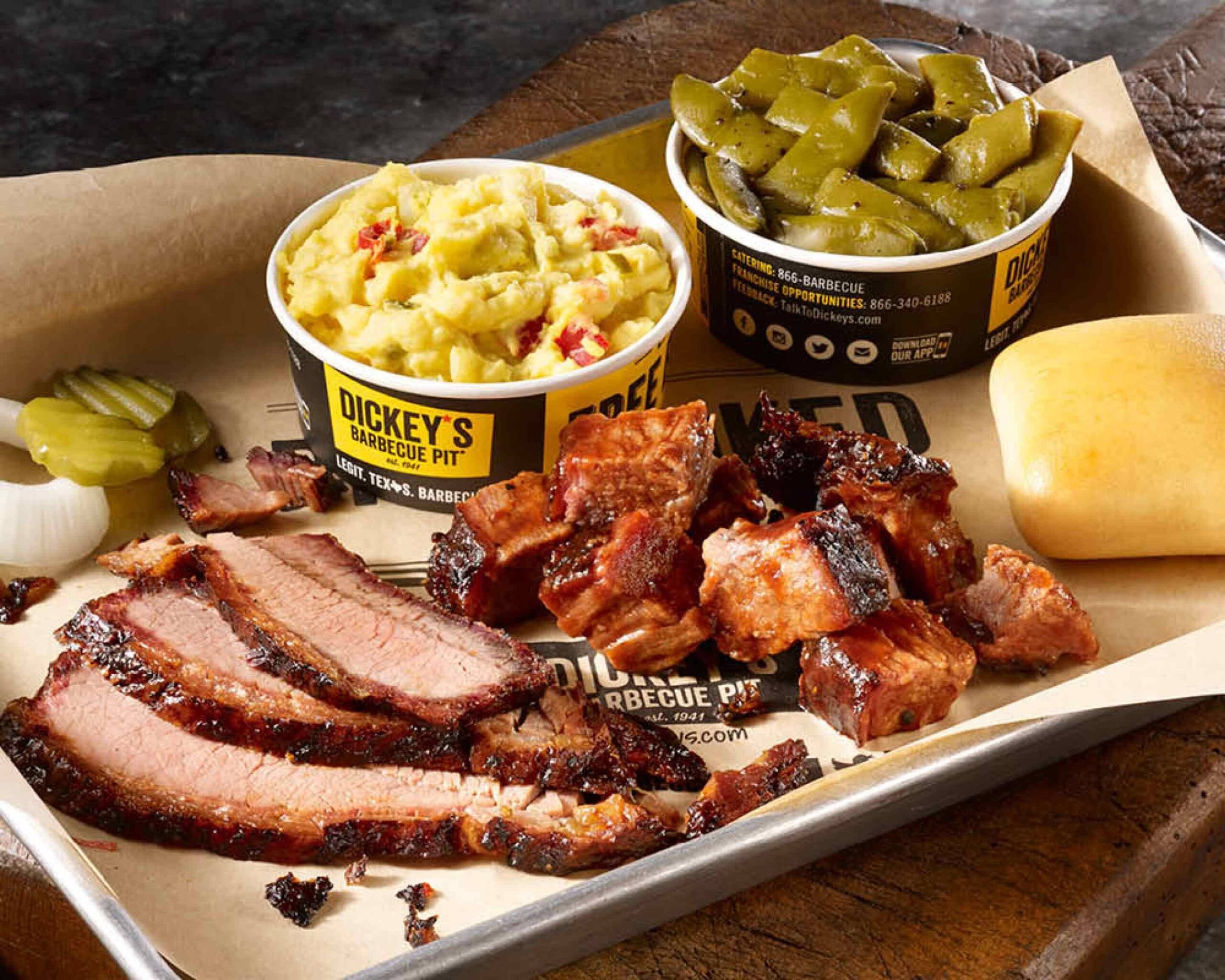
    has opened its first location in the Philippines at Manila’s Parqal Mall.

    The two-story restaurant seats 90 guests and features a full bar and table service, blending Texas-style barbecue with Filipino flavours.

    The menu includes Dickey’s signature slow-smoked brisket, ribs, sausage, and locally inspired dishes such as pork belly, rice, and regional appetisers.

    Beyond Manila, the American barbecue chain is eyeing further expansion, with a second location planned for Clark, a former US Air Force base.

    “This is more than barbecue – it’s about sharing Texas culture and creating a gathering place for families and friends,” said Laura Rea Dickey, CEO of Dickey’s Barbecue Pit.

    “Barbecue is about bringing people together,” added the CEO. “We’re proud to share a true taste of Texas with the world – and Manila is just the start of something even bigger.”

    The Manila opening is part of Dickey’s broader expansion in Southeast Asia, following recent launches in Singapore, Japan, and Pakistan. Additional locations in Metro Manila are also in the pipeline.

    Since its launch in 1941, Dickey’s Barbecue Pit has expanded to more than 866 locations across the US and globally.

  • Jollibee posts double-digit growth, boosted by coffee and tea brands

    Jollibee posts double-digit growth, boosted by coffee and tea brands

    Jollibee Foods Corporation (JFC) posted strong double-digit growth in 2024, with its coffee and tea brands playing a key role in driving revenue and profits.

    The company’s revenue rose 10.6 percent year-on-year (YoY) to US$4.7 billion, while EBITDA (earnings before interest, taxes, depreciation, and amortisation) increased 17 percent to $295 million.

    JFC’s system-wide sales (SWS) climbed 13 percent YoY to $6.8 billion, supported by a 14 percent increase in the Jollibee brand.

    The Philippine market saw an 11.4 percent rise in SWS, with same-store sales growth (SSSG) of 7.9 percent. Internationally, Jollibee recorded 22 percent growth, led by Vietnam (16.8 percent), EMEA excluding Vietnam (11.6 percent), North America (8.1 percent), and China (13.2 percent).

    “The sustained growth of our business reflects the global strength of the Jollibee brand,” said Jollibee Group CEO Ernesto Tanmantiong

    “We also made significant progress in our coffee and tea segment, particularly with the acquisition of Compose Coffee, which expanded our store network to more than 5000 locations, 78 percent of which are franchised.”

    Meanwhile, JFC’s international SWS grew 17.6 percent, primarily driven by its coffee and tea brands.

    The Coffee Bean & Tea Leaf (CBTL) saw a 16 percent increase in sales, Highlands Coffee grew by 13 percent, and Compose Coffee—acquired in August last year—contributed 7.9 percent to international growth. Meanwhile, EMEA-based Philippine brands grew by 27 percent.

    Despite overall strong results, CFO Richard Shin said the company faced challenges in its China business, which declined 8.3 percent due to economic headwinds affecting consumer spending.

    “While same-store sales growth turned positive in the fourth quarter, we still need to strengthen daily sales and profitability in this segment,” he said.

    “Our focus remains on long-term growth and creating value for shareholders.”

    Looking ahead, JFC aims to accelerate its coffee and tea expansion, with plans to open 700 to 800 new stores this year.

  • Indonesia’s Fore Coffee launches IPO to fund expansion

    Indonesia’s Fore Coffee launches IPO to fund expansion

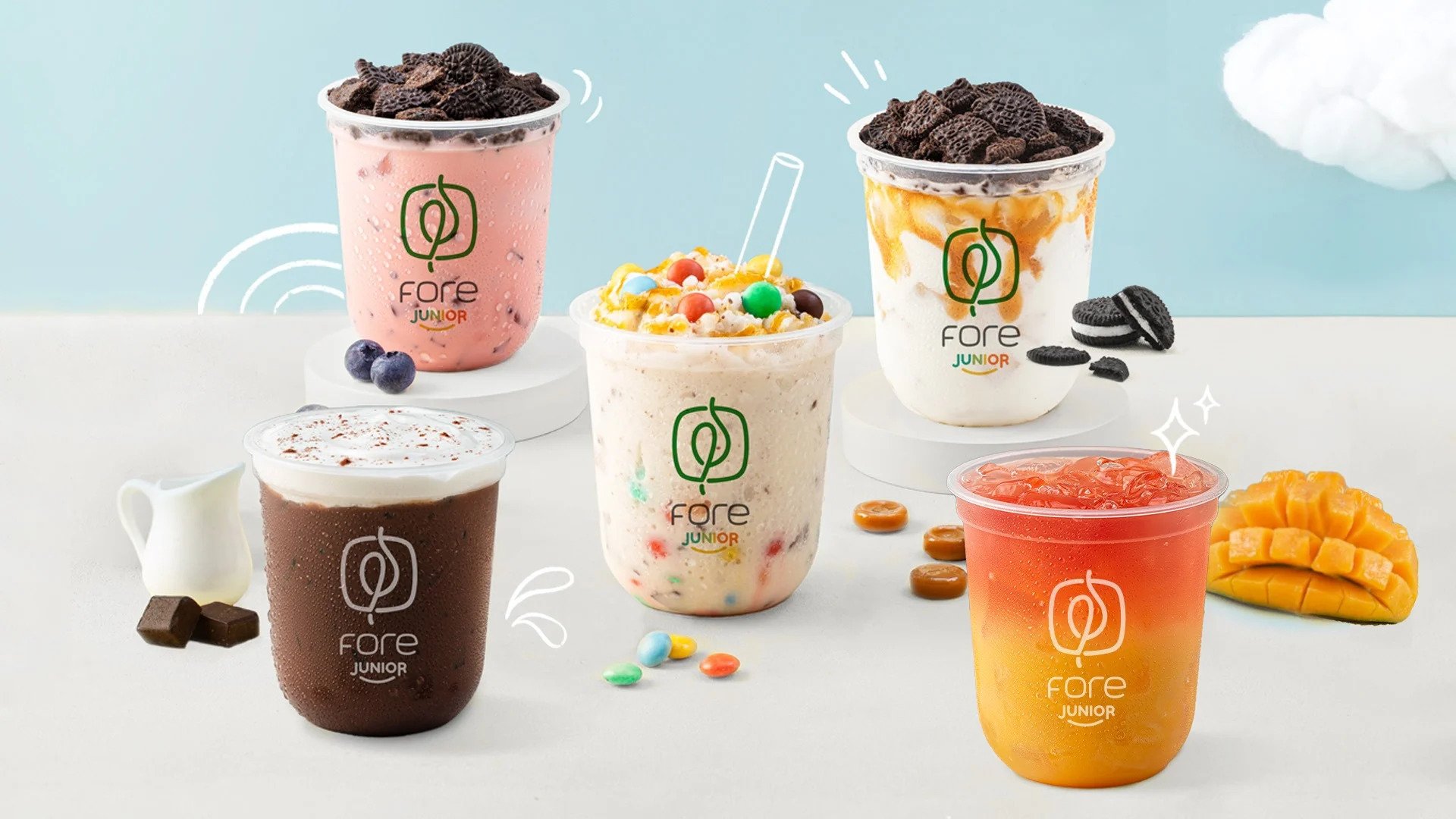
    Indonesian coffee chain Fore, backed by East Ventures, has launched an initial public offering (IPO) to expand domestically and internationally.

    The company said it is capitalizing on the expanding middle class, which is driving demand for premium coffee and lifestyle products.

    Fore operates a hybrid business model, combining quick-service outlets optimized for pick-up and delivery with traditional sit-down cafes.

    The IPO offers up to 1.88 billion new shares—equivalent to 21.08 percent of the company’s enlarged capital. Shares are priced between US$0.01 (IDR160) and $0.02 (IDR202), with a potential fundraising target of $22.98 million (IDR379.76 billion).

    Following regulatory approval, the IPO’s effective date is March 25. Public trading is scheduled from March 26 to April 9. Shares are expected to be electronically distributed on April 10. The newly issued shares will carry equal rights to existing ones.

    Mandiri Sekuritas and Henan Putihrai Sekuritas are underwriting the offering.

    Last year, Fore Coffee opened 61 new locations, bringing its total store count to 230. CEO Vico Lomar said the company plans to open 60 more stores this year, including a second Singapore location.

  • PepsiCo to acquire Poppi for US$1.95 billion

    PepsiCo to acquire Poppi for US$1.95 billion

    PepsiCo has signed a definitive agreement to acquire probiotic soda brand Poppi for US$1.95 billion.

    The transaction amount includes $300 million of anticipated cash tax benefits for a net purchase price of $1.65 billion.

    “We’ve been evolving our food and beverage portfolio over many years, including by innovating with our brands in new spaces and through disciplined, strategic acquisitions that enable us to offer more positive choices to our consumers,” said Ramon Laguarta, PepsiCo chairman and CEO.

    “More than ever, consumers are looking for convenient and great-tasting options that fit their lifestyles and respond to their growing interest in health and wellness. Poppi is a great complement to our portfolio transformation efforts to meet these needs.”

    The agreement also includes a further potential earnout consideration subject to reaching certain performance milestones within a specified period after the transaction’s closing.

    Poppi, which combines apple cider vinegar with natural fruit flavours and probiotics, gained attention after appearing on the reality TV show Shark Tank in 2018.

  • Chagee faces boycott ahead of Vietnam opening

    Chagee faces boycott ahead of Vietnam opening

    Chinese milk tea brand Chagee is facing criticism for apparently adopting the ‘nine-dash line’ in its digital app while it prepares to launch in Vietnam.

    According to local reports, Vietnamese customers are calling for a boycott of Chagee after learning that the company used a map with the controversial nine-dash line.

    In a photo recently circulated on Vietnamese social media, an account using a Chagee logo as its image responded impolitely to a customer’s statement that they wanted to boycott the company over the line’s adoption, saying: “Chagee does not lack friends as customers”. We cannot ascertain if the responses are genuine or not but has been advised that multiple accounts are pretending to be Chagee to stir controversy and debate.

    Chagee has not officially responded to the incident yet.

    The “nine-dash line” or “U-shaped line” is a boundary line drawn by China on a map to illustrate its sovereignty claim over the majority of the East Sea, considered by Vietnam as a grave violation of its territorial sovereignty.

    The issue seems to cause significant damage to Chagee’s image and reputation. Le Minh Vu, managing partner at FnB Academy, told Vietnamese newspaper Tuoi Tre (Youth) that “Chagee should withdraw from the Vietnamese market due to issues unrelated to products or services – things that can be fixed and corrected”.

    Chagee was founded in 2017 in Shanghai, China, and has since expanded rapidly throughout Southeast Asia, with more than 5000 locations.

    The brand intends to open its first store in Vietnam, with a prime position in Ho Chi Minh City’s CBD in District 1.

  • Starbucks ordered to pay $50M to customer burned by hot beverage

    Starbucks ordered to pay $50M to customer burned by hot beverage

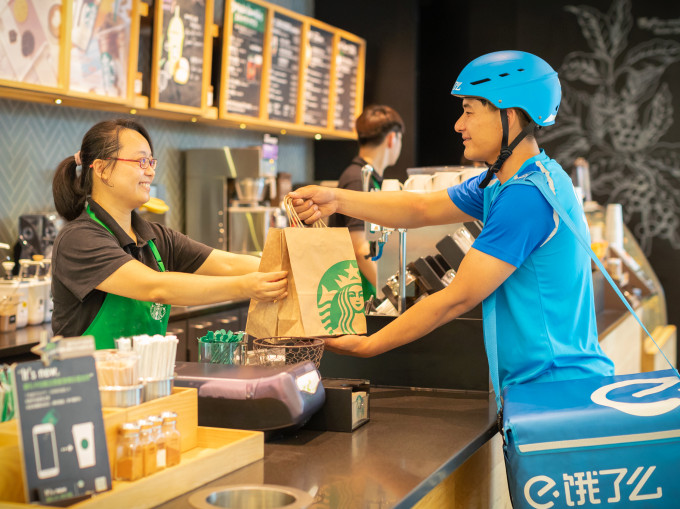
    A delivery driver has won $50 million in a lawsuit after being seriously burned when a Starbucks drink spilled in his lap at a California drive-through, court records show.

    A Los Angeles County jury found Friday for Michael Garcia, who underwent skin grafts and other procedures on his genitals after a venti-sized tea drink spilled instants after he collected it on Feb. 8, 2020. He has suffered permanent and life-changing disfigurement, according to his attorneys.

    Garcia’s negligence lawsuit blamed his injuries on Starbucks, saying that an employee did not wedge the scalding-hot tea firmly enough into a takeout tray.

    “This jury verdict is a critical step in holding Starbucks accountable for flagrant disregard for customer safety and failure to accept responsibility,” one of Garcia’s attorneys, Nick Rowley, said in a statement.

    Starbucks said it sympathized with Garcia but planned to appeal.

    “We disagree with the jury’s decision that we were at fault for this incident and believe the damages awarded to be excessive,” the Seattle-based coffee giant said in a statement, adding that it was “committed to the highest safety standards” in handling hot drinks.

    U.S. eateries have faced lawsuits before over customer burns.

    In one famous 1990s case, a New Mexico jury awarded a woman nearly $3 million in damages for burns she suffered while trying to pry the lid off a cup of coffee at a McDonald’s drive-through. A judge later reduced the award, and the case ultimately was settled for an undisclosed sum under $600,000.

    Juries have sided with restaurants at times, as in another 1990s case involving a child who tipped a cup of McDonald’s coffee onto himself in Iowa.

  • Sydney Beer Co enters administration

    Sydney Beer Co enters administration

    Sydney Beer Co entered administration last Friday, Australian Securities and Investments Commission (ASIC) filings showed.

    The company tapped Richard Stone and Brett Stephen Lord from RSM Australia Partners as administrators.

    Sydney Beer Co’s website states that former cricketer Bret Lee and actor and writer Matt Nable co-founded the company.

    Dean Joseph Woodbridge and David Richard Catterall are listed as directors on the ASIC documents.

    Sydney Beer Co is among the brewers to enter administration recently, along with Kaiju and Billson’s.

    Earlier this month, Prime Minister Anthony Albanese said his government would freeze the indexation on draught beer excise for two years.

  • Impossible Foods launches burger blind-tasting test challenge

    Impossible Foods launches burger blind-tasting test challenge

    Impossible Foods has launched “Bloody Delicious,” a blind-tasting test to see if local foodies can tell the burger is made with plant-based Impossible alt-beef.

    According to the brand, the challenge comes after it sees Australians are rapidly turning away from red meat, with “meat reducer” appearing as the country’s most popular diet last year and a quarter reducing consumption.

    “I’ve spent years cooking with red meat and would consider myself an expert when it comes to a good burger,” said chef and TV personality, TikTok Food Creator of the Year nominee Iain ‘Huey’ Hewitson.

    “I never would have thought that a plant-based burger would make its way onto my plate, but this Impossible Burger was bloody delicious!”

    Impossible Foods also said that 27 per cent of Aussies are sceptical of the taste of plant-based meat, with 19 per cent convinced that it “wouldn’t taste like animal meat”.

    The brand is also going to team up with Mary’s at Circular Quay to give away more than 200 free Impossible Burgers on April 3.