Category: Food

Retail News Asia is committed to providing both local and global retailers with the latest Food and Food & Beverage news throughout the Asian market. This on a daily base.

  • Ferrero Rocher’s Easter chocolate collection returns

    Ferrero Rocher’s Easter chocolate collection returns

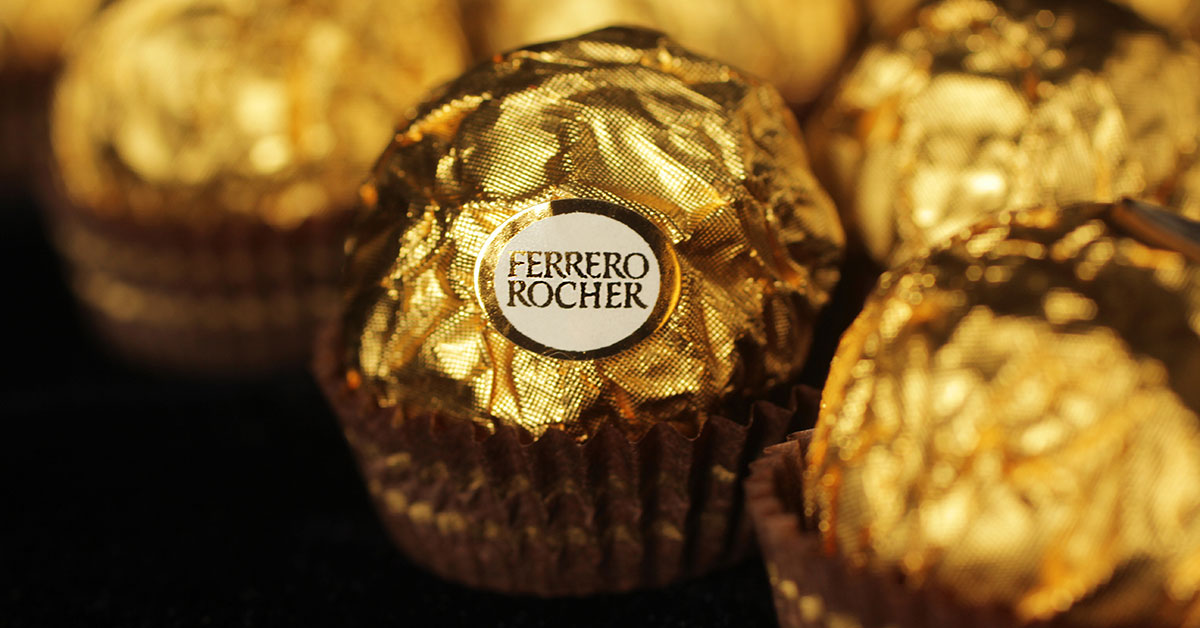
    Ferrero Rocher’s limited-edition Easter collection is making a comeback and is now on sale through major retailers.

    The collection includes Ferrero Collection Boxed Egg, Ferrero Collection Easter Eggs, Ferrero Rocher Milk Chocolate and Hazelnut Easter Squirrel, Grand Ferrero Rocher, Ferrero Rocher Easter Egg Gift Box, and Ferrero Rocher Milk Chocolate and Hazelnut Easter Egg.

    The chocolate brand has partnered again with interior designer and tastemaker Steve Cordony for styling the collection.

    “This year, my Easter theme features greenery, natural napery, and touches of gold with Ferrero Rocher to elevate a tablescape,” said Cordony.

    “We also crafted the cutest napkin Easter bunnies using a classic Ferrero Rocher. Something so
    simple and effective way to adorn your Easter table this year.”

    Earlier this year, Ferrero debuted its frozen bakery range, the Nutella Croissant and Nutella Muffin, which are now available to food service partners across Australia.

  • Nestle takes full control of Chinese confectioner Hsu Fu Chi

    Nestle takes full control of Chinese confectioner Hsu Fu Chi

    Nestle has acquired the remaining 40 per cent ownership in Chinese confectionery company Hsu Fu Chi for an undisclosed sum, after purchasing 60 per cent in 2011.

    Hsu Fu Chi, founded in 1992 by the Hsu family, is a well-known confectionery brand in China. Nestle acquired its original stake for $1.7 billion.

    The acquisition reportedly leverages Hsu Fu Chi’s distribution network to expand Nestle’s snacking and confectionery operations in China.

    “This move combines Hsu Fu Chi’s efficient operations and entrepreneurship with our proven innovation and renovation capabilities, accelerates the development of the Hsu Fu Chi brand and further reinforces Nestle’s presence in China,” said Nestle Greater China region CEO Zhang Xiqiang in a statement sent to Just Food.

    “It also demonstrates our long-term commitment to China and enhances our ability to grow our portfolio of international and local brands in this dynamic market.”

    Nestle announced its action plan last year, which included targeted investments in important categories as well as incremental cost savings of at least US$2.83 billion.

  • Unilever New Zealand appoints new executives

    Unilever New Zealand appoints new executives

    Unilever New Zealand has promoted Nigel Melhuish, Keely Pipkin, and Sailen Mudaly to senior executive positions.

    Nigel Melhuish, who will serve as head of country New Zealand in addition to his role as supply chain manager, has been with the company for eight years and has 20 years of expertise in FMCG.

    He previously worked at Henkel for 12 years in several roles, including head of process and systems Apac and ANZ supply chain director.

    Meanwhile, Keely Pipkin will join the company as head of sales in New Zealand on March 17. Pipkin joins Unilever from Nestle Purina, where she was head of sales.

    For the ice cream business in New Zealand, Unilever has named Sailen Mudaly the head of country and sales. Mudaly was most recently the GM of sales at Essano, where he was responsible for driving development across numerous channels and major retail banners in Australia and New Zealand.

    “The next year will be about re-founding Ice Cream to create a world-leading, stand-alone business with greater flexibility and autonomy,” said Mudaly.

    “This will enable us to focus, move with pace, and foster closer collaborations with our customers to deliver market-leading availability, category growth, and perfect execution. I’m really looking forward to leading the New Zealand business through this exciting new chapter.”

    Unilever’s split of Ice Cream is expected to be completed by the end of this year. Ice Cream will be separated through demerger, with the business listed in Amsterdam, London, and New York.

  • Chinese milk tea chain Chagee enters Vietnam

    Chinese milk tea chain Chagee enters Vietnam

    Chagee, one of the largest milk tea brands in China, has expanded into Vietnam and will soon launch its first store there.

    On Monday, its official Facebook page shared a poster saying “Hello Vietnam” with a caption that read: “Vietnam, let’s get ready for some exciting things ahead! Chagee will bring you refreshing moments and new experiences. Stay tuned!”

    A post on its Facebook recruitment page also confirmed that it is officially present in the market and is looking for staff for its expansion.

    On Chagee Vietnam’s LinkedIn profile, the brand said in a comment that its first store “will be launching very soon.”

    Founded in Yunnan, China, in 2017, Chagee markets itself as the “Eastern Starbucks,” aiming to challenge the dominance of the U.S. coffee giant, according to KrAsia.

    The brand has rapidly grown across Asia Pacific, establishing a presence in Malaysia, Singapore, and Thailand, with a global network exceeding 6,000 stores.

    Focused on raw-leaf fresh milk tea, Chagee blends traditional tea culture with modern innovation to appeal to contemporary consumers, as stated on its website.

    It recorded sales of 10.8 billion yuan (US$1.48 billion) in China in 2023 and 5.8 billion yuan in the first quarter of 2024.

  • Popular US chain Blue Bottle Coffee to open first Singapore café

    Popular US chain Blue Bottle Coffee to open first Singapore café

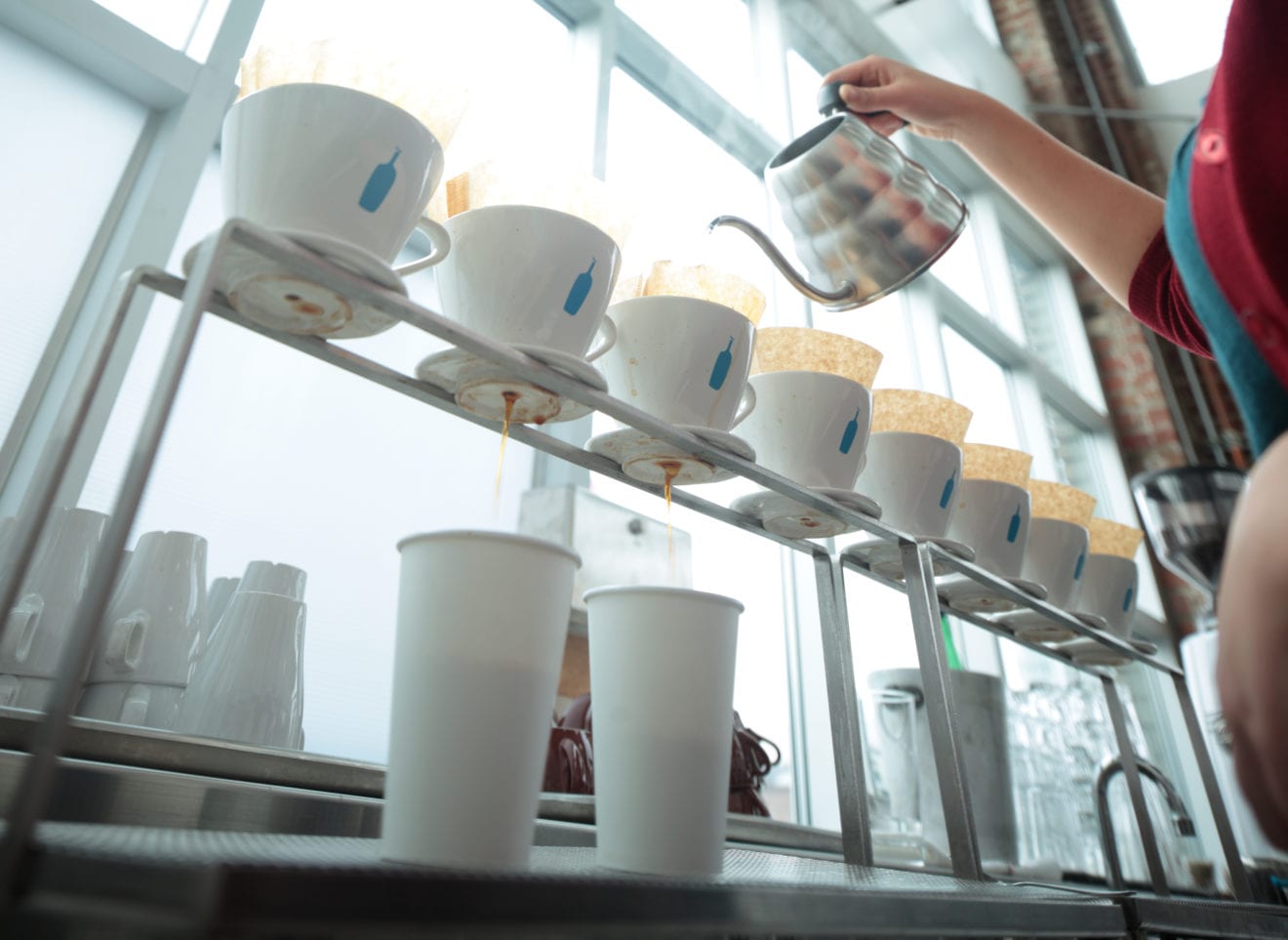
    Renowned US specialty coffee brand Blue Bottle Coffee is set to open its first café in Singapore at Japanese retailer LUMINE’s flagship store in Raffles City Shopping Center.

    “We will share the opening date and hours soon, so please stay tuned for further updates,” the firm said in an announcement on Wednesday.

    This would mark the brand’s first café in Southeast Asia, it added.

    The new café will replace Blue Bottle Coffee’s temporary gift shop, which opened last August as the brand’s entry point into the city-state, .

    Founded in 2002 as a small coffee cart in California, Blue Bottle Coffee has since expanded across the U.S., Japan, South Korea, Hong Kong, and China.

    Its Singapore debut comes through a partnership with LUMINE. Several of the chain’s cafés in Japan are also located within shopping centers operated by the retailer.

    The brand, which calls itself a “destination for coffee lovers,” is expected to feature a seasonally curated espresso menu at its upcoming shop, according to AsiaOne.

    It might also serve snacks like lemon poppy seed pound cake and candied orange scones.

  • Burger King parent Restaurant Brands takes full control of China business

    Burger King parent Restaurant Brands takes full control of China business

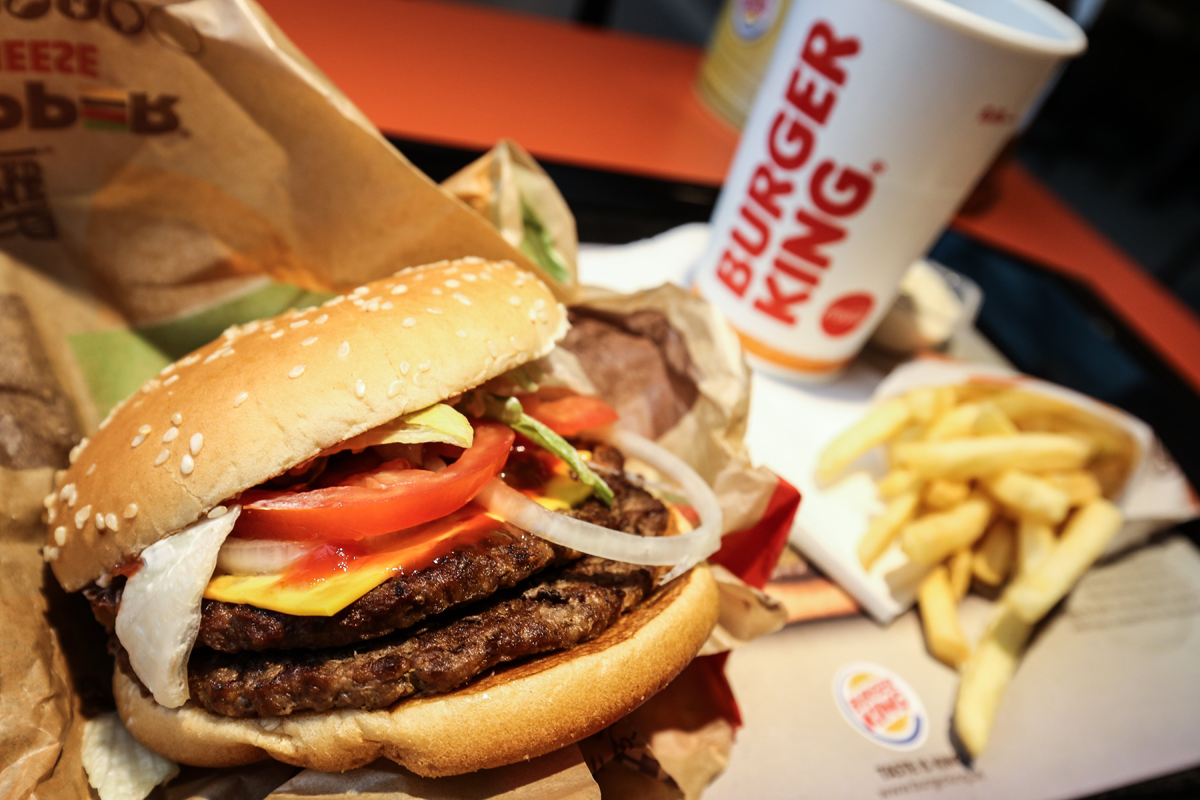
    Restaurant Brands International said on Tuesday it has bought stakes in Burger King China from its local franchisee for about US$158 million, giving it nearly total ownership of the business.

    The fast food chain operator said it would engage its advisors to work on identifying a new local partner to invest into the business.

    The company has been working on its China strategy for its Burger King business which faced softening demand in the second biggest market, amid a pressured consumer spending and stiff competition.

    Restaurant Brands acquired the stakes in Burger King China from a holding company TFI Asia Holdings BV and a blank-check firm Pangaea Two Acquisition Holdings XXIII.

    Restaurant Brands had 1,474 Burger King restaurants in China, as of December 31, 2024.

  • Tealive set to expand into Thailand, India

    Tealive set to expand into Thailand, India

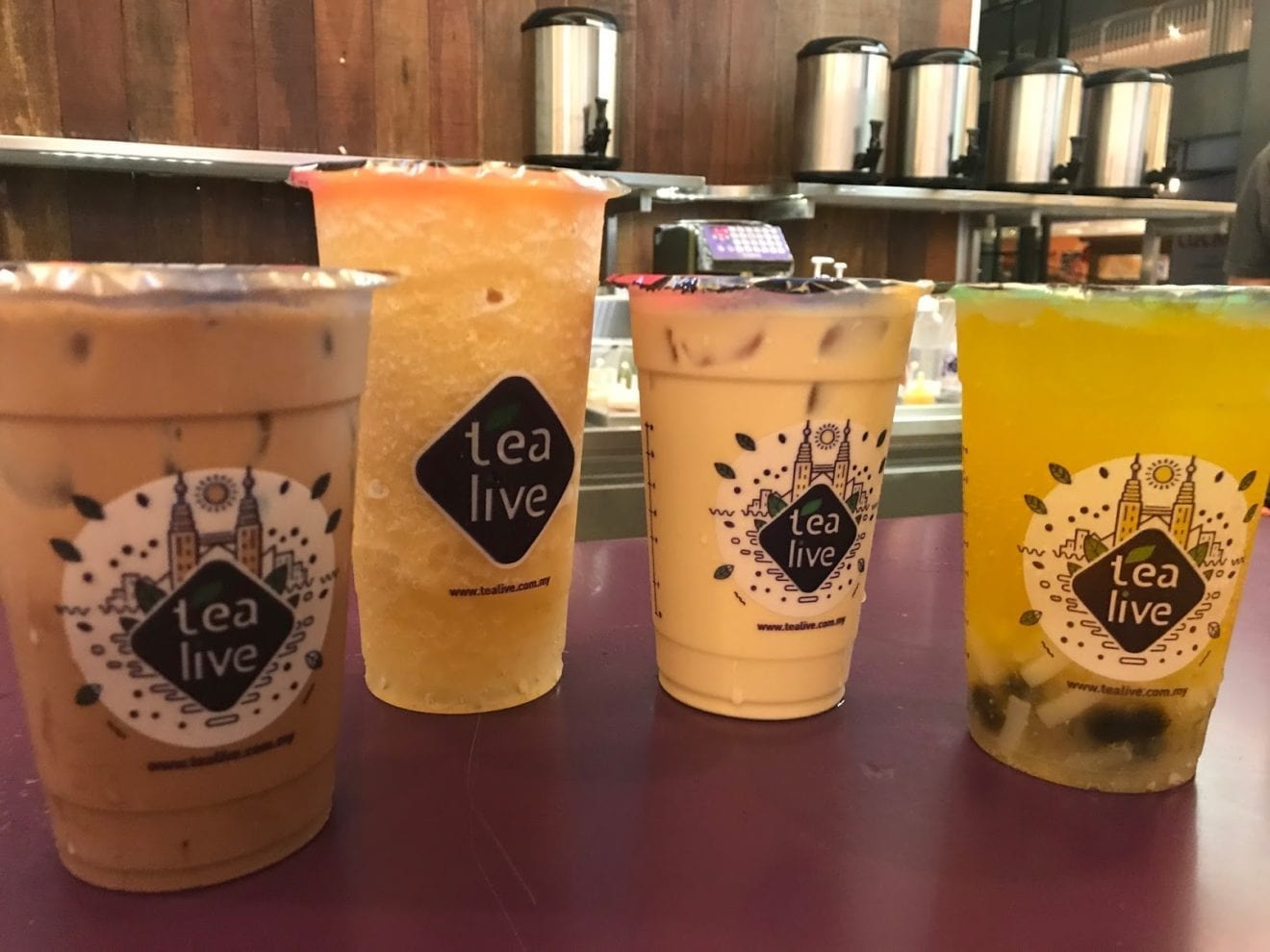
    Malaysian bubble tea chain Tealive is expanding its presence in Asia with exclusive franchise arrangements entered into for India and Thailand.

    Tealive, which launched successfully in the UAE last year, has signed a master franchise agreement with Indian QSR operator Devyani International Limited (DIL) to expand into India.

    DIL is India’s largest Yum! Brands franchisee, running KFC and Pizza Hut locations, as well as the country’s official Costa Coffee operator. DIL operates around 2000 stores in India, Thailand, Nigeria, and Nepal under several brands.

    “Partnering with a strong local operator like DIL gives us the ability to adapt and thrive in India while also extending the Tealive lifestyle to millions of new consumers,” said Loob Holding founder and CEO Bryan Loo.

    Loo also stated that Tealive is planning a “significant presence” in India, beginning with outlets in major cities this year.

    Tealive also intends to expand into Thailand with the local partner RD Group – the Thai KFC franchise holder.

    “We’re thrilled to kick off Tealive’s expansion in Thailand, just like we did in Malaysia,” Loo wrote in his LinkedIn post.

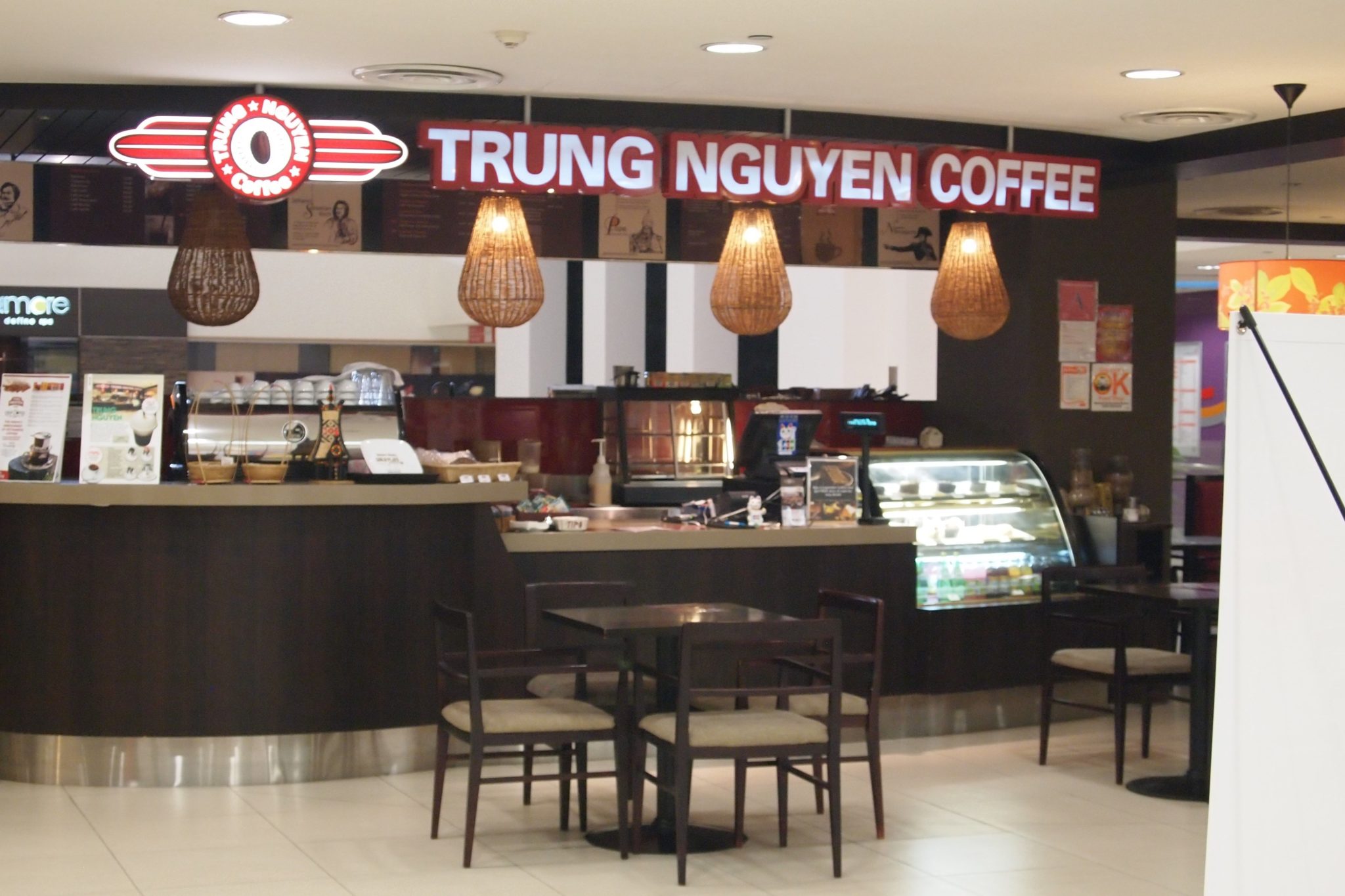
  • Vietnamese coffee chain Trung Nguyen to launch first store in Australia

    Vietnamese coffee chain Trung Nguyen to launch first store in Australia

    Vietnamese coffee chain Trung Nguyen is continuing its global expansion, opening its first store in Australia next month via a franchise agreement with local distributor Master C Pty Ltd.

    The 400sqm store on Melbourne’s Courtney Street will feature a retail corner, a coffee-tasting area, and a cafe space.

    In addition, customers can experience the three coffee cultures the company has identified and showcases in its flagship Vietnam stores: Ottoman, Roman and Zen.

    The Melbourne store will resemble a Vietnamese-themed coffee shop with its architectural style, display graphics, and menus that incorporate elements of Vietnamese and local cultures.

    Trung Nguyen first made its international debut in China in 2022 with a store in Shanghai and then expanded into Beijing and Chongqing. It opened its first US store last year, in partnership with US-based franchisee H&L Wholesale Food Corporation.

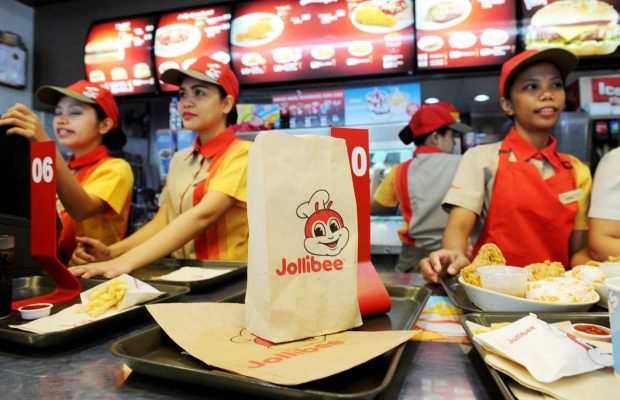
  • Jollibee secures approval to lift foreign ownership limit

    Jollibee secures approval to lift foreign ownership limit

    F&B giant Jollibee Foods Corporation (JFC) has received approval from the Philippine Stock Exchange (PSE) to remove its 40 percent foreign ownership limit.

    The decision follows the company’s amendment request to its articles of incorporation, which also includes removing its ability to own, acquire, mortgage, pledge, or encumber land.

    Article 12 of the Philippine Constitution restricts foreign ownership of land and certain businesses to 40 per cent, with the remaining 60 per cent reserved for Filipino citizens or corporations.

    Following the change, JFC is now positioned to accommodate more foreign investors.

    AP Securities research analyst Jose Cipres said the move allows the company to raise additional capital for expansion through a sale-leaseback transaction.

    “They could use the proceeds from the sale of land to expand their current store portfolio, translating to higher earnings,” explained Cipres.

    Meanwhile, Unicapital equity research analyst Jeri Alfonso said removing the foreign ownership limit is a good catalyst for JFC.

    “Given this current market condition, this will provide a big boost to the company in terms of trading volume,” Alfonso added.

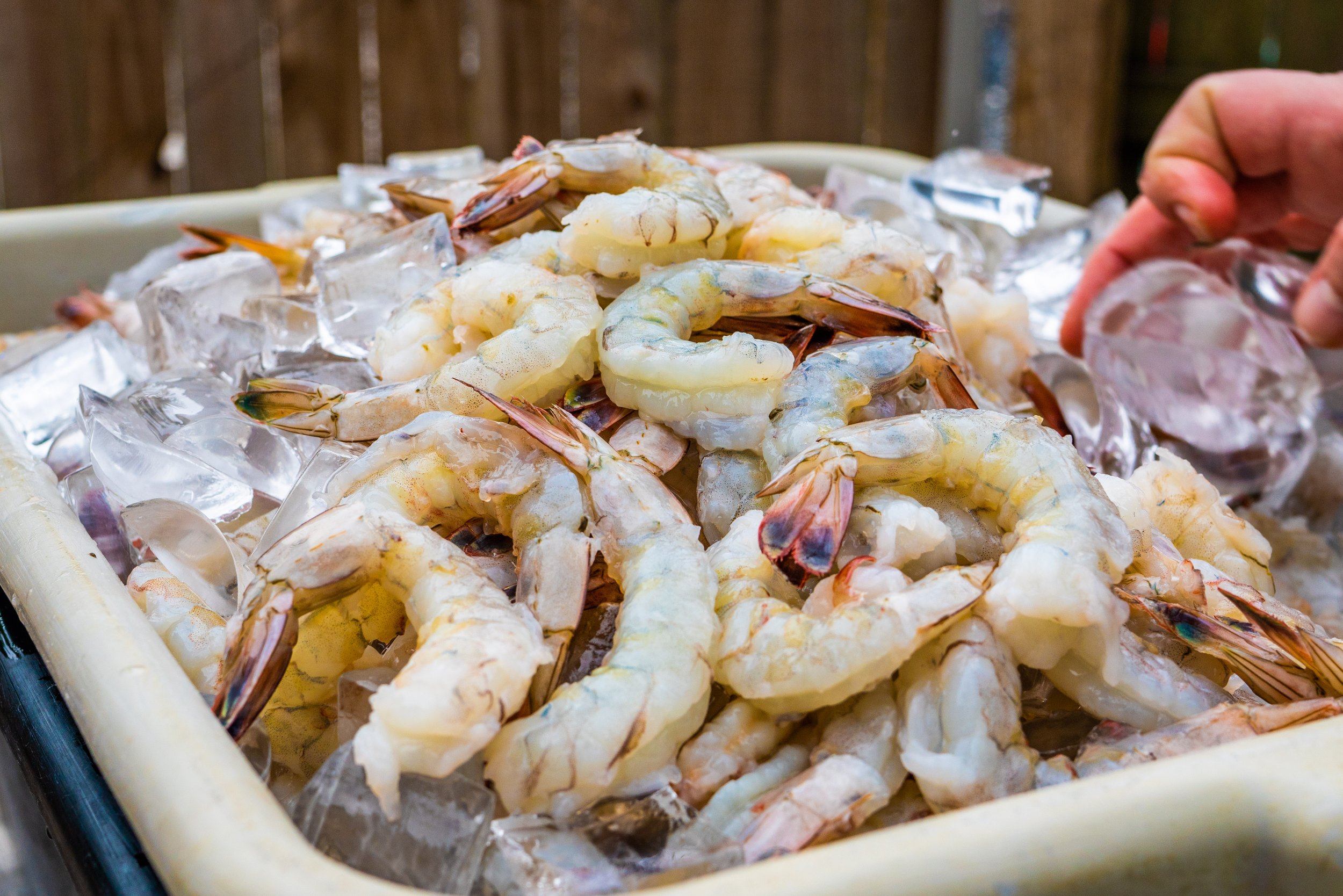
  • China replaces US as Vietnam’s largest shrimp export market

    China replaces US as Vietnam’s largest shrimp export market

    China imported US$834 million worth of Vietnamese shrimp last year, surpassing the U.S. as the largest buyer of the seafood.

    According to the Vietnam Association of Seafood Exporters and Producers (VASEP), the figure marked an increase of 39% year over year.

    The decline in China’s supply due to unfavorable weather conditions is among the factors attributed to the import hike, VASEP said.

    Ecuador’s reduced shrimp shipment to China allowed Vietnamese exporters to snap up sale opportunities, which were also driven up by China’s many policies to promote general domestic consumption of goods, it added.

    In total Vietnam’s shrimp exports in 2024 reached $3.9 billion, up 14% from 2023.

    It was the biggest category in Vietnam’s seafood exports, which reached $10 billion.

    Pangasius contributed $2 billion. Vietnam’s shrimp exports to China seem to remain strong this year. In the first two weeks of January exports jumped 191% to $51 million.

    China was also the largest buyer of Vietnamese lobster last year, accounting for about 99% of total exports volume.

    VASEP advises exporters to prioritize lobster, salmon, and king crab this year as consumers have shown steady demand for them.

  • Chilean cherry prices plunge to less than $6 per kilogram

    Chilean cherry prices plunge to less than $6 per kilogram

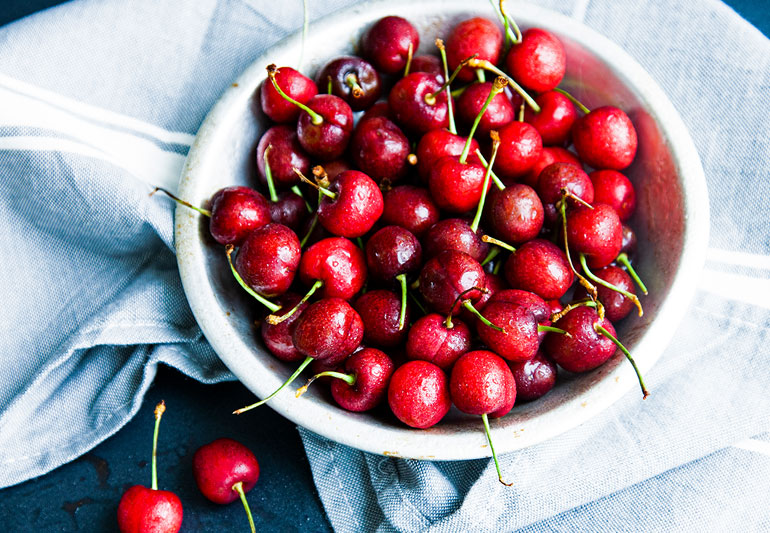
    Cherries imported from Chile are at their lowest prices in years, with small-sized fruits selling for VND149,000 (US$5.9) per kilogram at markets and online retailers.

    Bigger ones cost VND180,000-220,000 per kilogram. These prices are 20-25% lower than a year ago and down from VND350,000 last month.

    Lan, a vendor at Ba Chieu Market in HCMC’s Binh Thanh District, said she has never seen Chilean cherries as cheap as this.

    Nguyen Van Thanh, a fruit importer in HCMC, said China, the main market for Chilean cherries, recently tightened quality regulations. As a result, exports to the market have been reduced, creating a supply overhang, causing exporters to offload the fruits to other markets, including Vietnam, at competitive prices.

    Saltoro, a ship that was delivering 1,300 containers of Chilean cherries to China, encountered a technical issue near Micronesia on Jan. 13, which delayed its journey until after the Lunar New Year.

    Demand for the fruit in China usually peaks during the holidays. This incident also contributed to the decline in prices.

    This year Chile’s cherry production was 60% higher than in 2024. According to customs data, Vietnamese im

  • Nespresso introduces Oatly Barista Edition Coffee capsules

    Nespresso introduces Oatly Barista Edition Coffee capsules

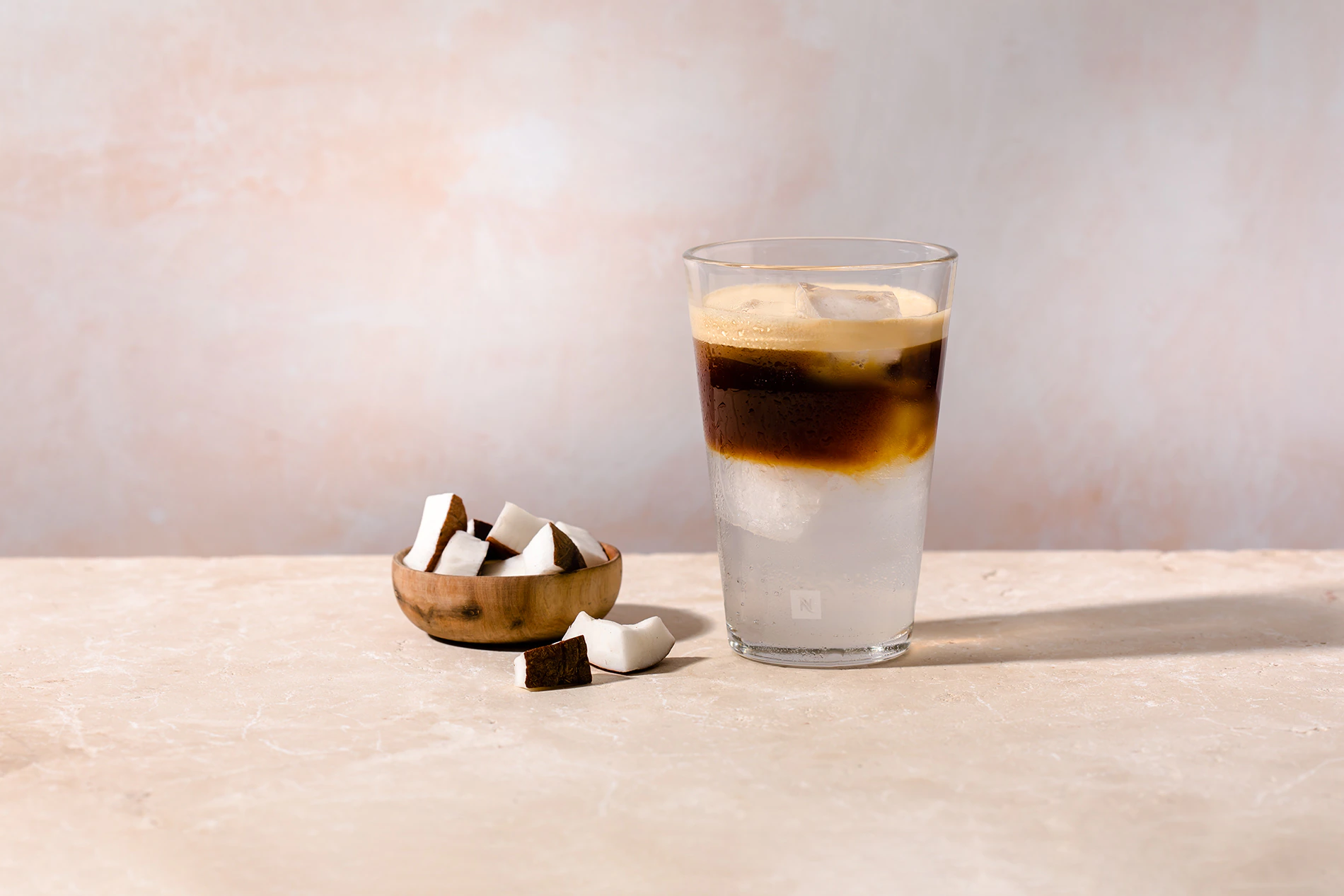
    Nespresso has partnered with Oatly to launch a limited-edition coffee capsule designed to “perfectly pair” with oat milk.

    The new product, called Oatly Barista Edition Coffee, is made exclusively for Nespresso Vertuo coffee machines. It features rich, biscuity notes that complement the creamy, cereal flavor of Oatly.

    Toby Weedon, barista development director at Oatly, said the neutral taste of Oatly brings out the best flavour in coffee.

    “It’s why it is used by professional baristas and embraced by coffee enthusiasts worldwide,” said Weedon.

    Karsten Ranitzch, global head of coffee for Nespresso, added that the company is on a mission to make sure every coffee lover can create their perfect cup.

    “We know more and more people are reaching for plant-based drinks when preparing their favourite coffee recipe, which is why we are thrilled about our partnership with Oatly,” said Ranitzch.

    “Bringing our two like-minded brands and expertise together has allowed us to craft an unforgettable new coffee blend.”

    Nespresso’s Oatly Barista Edition coffee is available worldwide.

  • Fruit, vegetable exports decline as China raises quality bar

    Fruit, vegetable exports decline as China raises quality bar

    Vietnam exported US$417 million worth of fruits and vegetables in January, down 5.2% year-on-year and 11.3% from the previous month as China tightened safety requirements.

    It now requires testing for a potentially carcinogenic chemical called auramine O, or basic yellow 2, causing many shipments of durian, a key item, to be held up at customs, according to the Vietnam Fruit and Vegetable Association.

    This requirement was introduced after the chemical was found in several Thai durian shipments in late 2024.

    Some Vietnamese exporters have had to redirect their durian shipments to the domestic market and sell them at distress prices, with many temporarily halting exports to China.

    Businesses are now completing the required tests at the nine centers in Vietnam recognized by China.

    An executive at an export company in the Mekong Delta province of Tien Giang said: “Nine is a rather small number. Vietnam needs to push for more [centers] to avoid bottlenecks during peak times.”

    Dang Phuc Nguyen, the association’s general secretary, warned that fruit and vegetable exports may fail to reach this year’s target of $8 billion if these inspection hurdles are not promptly overcome.

    Several other markets have also raised their import standards, including the U.S., which now requires plantation and packaging codes issued by its Department of Agriculture, and the EU, which has doubled the rate of Vietnamese fruits screened for pesticides to 20%.

    Ongoing geopolitical instability, such as the Russia-Ukraine conflict and tensions in the Red Sea, continues to impact maritime transport, also potentially hampering exports this year.

    Vietnam’s fruit and vegetable exports hit a record $7.15 billion in 2024, up 27.6% from the previous year, with shipments to most key markets growing by 10-80%.

    The Ministry of Industry and Trade’s import-export department recommends that farmers, cooperatives and businesses should collaborate to improve product quality and enhance the presence of Vietnamese brands on the global market.

  • Cherries imported from New Zealand, Australia rise 35% to $80 per kilo ahead of Tet

    Cherries imported from New Zealand, Australia rise 35% to $80 per kilo ahead of Tet

    As the Lunar New Year (Tet) approaches, cherry prices have surged, with imported varieties from New Zealand and Australia reaching nearly VND2 million (US$79.7) per kilogram, 35% higher than the same period last year.

    Despite the sharp increase, demand remains high, especially for premium varieties from New Zealand and Australia.

    At a fruit shop on Le Van Sy Street in Ho Chi Minh City’s District 3, New Zealand cherries sized 32-34 mm are priced at nearly VND2 million per kilogram, while smaller-sized cherries cost between VND900,000 and VND1 million per kilogram.

    Similarly, Australian cherries, priced in the same range, have sold out since Jan. 25, just days before the holiday.

    Chilean cherries, a more affordable option at VND200,000-250,000 per kilogram, are also being ordered in bulk. The owner of a shop on Quang Trung Street in Go Vap District reported that premium cherry varieties sold out several days ago, with prices up 20-35% compared to last year, depending on size and type.

    “Cherries are a popular Tet gift, especially the premium lines. Many customers pre-ordered weeks in advance to ensure they have stock during Tet,” the shop owner said. The nine-day New Year break begins Saturday.

    On online platforms, many shops have announced sold-out stocks, with some customers waiting 2-3 extra days for their orders due to delayed import shipments.

    Hanh, a fruit trader specializing in Australian imports, shared that Jan. 26 was the last day she accepted orders for air-shipped cherries. However, demand has been so high that traders like her have had to source from more remote markets to find fresh, high-quality goods.

    “The key to cherries is freshness. I’ve sourced the newest stock for my customers, but prices are higher,” Hanh said, noting that a 2-kg box of cherries sized 30-32 mm costs around VND1.5-1.6 million.

    Hundreds of tons of Chilean cherries have been imported by supermarkets to meet Tet shopping demand, with consumption reaching up to 80%. Supermarkets in HCMC continue to restock as the holiday, which lasts nine days until Feb. 2, draws near.

    The market currently offers cherries imported from Canada, Chile, Australia, and New Zealand in a range of sizes. Organic cherries, a limited and sought-after variety, are also available this year.

    Cherry prices have risen this year due to reduced supply and increased demand. Australian cherries sold out quickly as production in the country decreased, with many farmers scaling back planting areas.

    U.S. cherries, which typically compete with Australian and New Zealand varieties, have been out of season since late last year, further driving up prices.

  • Rice exports grow by over 23%

    Rice exports grow by over 23%

    Vietnam’s rice exports from Jan. 1-15 reached 268,700 tons worth nearly US$165.7 million, up 38.7% in volume and 23.28% in value year-on-year, according to the Vietnam Food Association.

    However, export prices for 5% broken rice fell to $413 per ton, with 25% broken rice at $387 per ton.

    Despite the positive start, the VFA predicts a challenging year for rice exports, citing global competition and India’s return to the export market. The projected annual export volume for 2025 is 7.5 million tons, down from the record 9.04 million tons in 2024.

    In the domestic market, farmers in the Mekong Delta are facing slower demand and lower prices for rice. Key varieties like IR 50404 and OM 5451 are trading at VND5,500–5,700 (US$0.22-0.23) and VND5,800–6,000 per kilogram, respectively. The decline is attributed to ample global supply, particularly from competitors such as India and Thailand.

    Retail rice prices in An Giang are at VND15,000-22,000 per kg, depending on the variety. Meanwhile, by-products like rice bran and broken rice fetch between VND5,600–7,300 per kg.

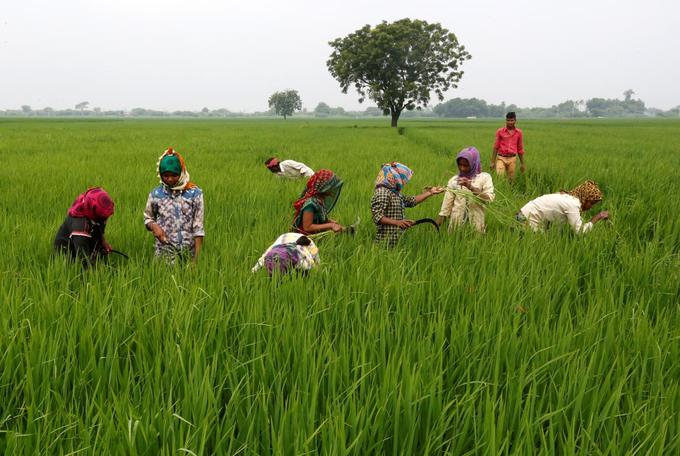
    As of January 20, Mekong Delta provinces have sown over 1.46 million hectares of the winter-spring crop, with 85,000 hectares already harvested.

    However, erratic weather, including alternating rain and sunshine, has heightened risks of diseases such as leaf blight and pests like gall midges, particularly in provinces such as Dong Thap and Kien Giang.

    The agriculture sector advises farmers to closely monitor their fields and take preventive measures to minimize potential losses early in the season.