Category: Food

Retail News Asia is committed to providing both local and global retailers with the latest Food and Food & Beverage news throughout the Asian market. This on a daily base.

  • JD Super Strikes $69.7M Partnership with Australian Beef Suppliers to Elevate Product Range

    JD Super Strikes $69.7M Partnership with Australian Beef Suppliers to Elevate Product Range

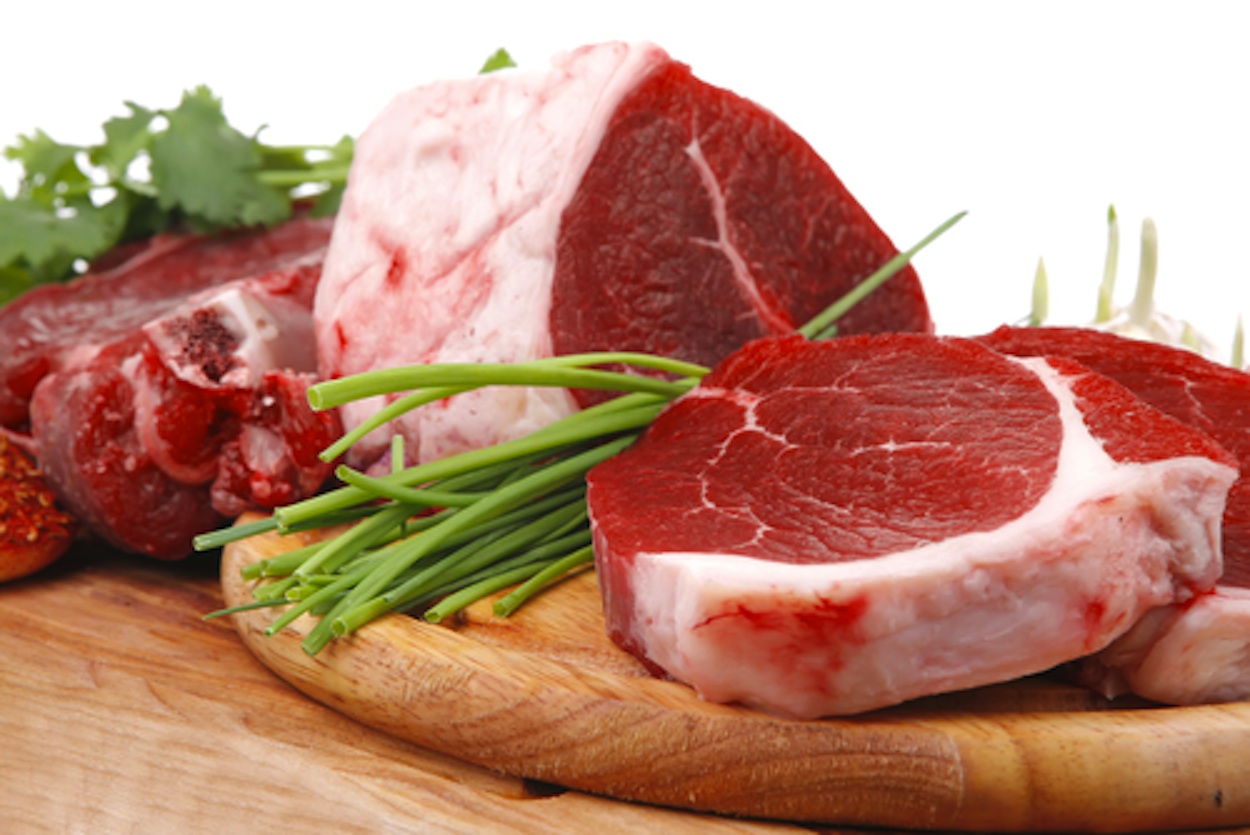
    In a bold move destined to shake up the meat market, JD Super, the supermarket division of JD.com, has inked a significant procurement agreement valued at $69.7 million (RMB500 million) with three leading Australian beef suppliers: Coles, Bindaree Food Group, and Stanbroke. This strategic alliance signals JD Super’s commitment to bolster its direct global sourcing initiatives while introducing Chinese consumers to premium beef products.

    A Tasty Range of Products Just for You

    The deal encompasses a diverse array of beef offerings, including grass-fed, grain-fed, Angus, and Wagyu varieties, all sourced directly from the heartbeat of Australian agriculture. This direct-from-producer blueprint not only promises fresher meat for consumers but also aims to cut out intermediaries, effectively lowering prices.

    Power Players in Australia Took Notice

    For the Australian beef suppliers, the partnership with JD Super is a golden opportunity. Coles, with its more than 110 years of experience, processes around 500,000 cattle annually, while Bindaree Food Group is ramping up operations with an expansion of its feedlot to accommodate 35,000 head of cattle weekly. Stanbroke, managing an impressive 1.2 million hectares of pastureland, provides internationally certified beef. With JD Super’s vast reach of 600 million users, these suppliers can significantly enhance their brand presence in the lucrative Chinese market.

    A Game-Changer for the Retail Landscape

    In a landscape where time is of the essence, JD Super stands out as the only e-commerce platform in China sourcing beef directly from Australia. This not only positions the retailer as a pioneer but also empowers Australian beef producers to leverage advanced digital tools and JD’s established supply chain to lower retail prices and boost sales. Talk about a win-win situation!

    Questions & Answers

    What is the significance of JD Super’s agreement with Australian beef suppliers?
    The agreement enhances JD Super’s direct global sourcing strategy, providing Chinese consumers access to a variety of premium beef products while allowing Australian suppliers to build brand visibility in China.

    What types of beef products are included in the deal?
    The agreement covers a wide range of beef products, including grass-fed, grain-fed, Angus, and Wagyu, sourced directly from producers in Australia.

    How does this partnership benefit Australian beef suppliers?
    The partnership grants Australian suppliers direct access to JD Super’s extensive user base of 600 million, enabling them to lower retail prices, increase sales, and strengthen brand recognition in the Chinese market.

  • US Cherry Prices Plummet to Historic Lows in Vietnam’s Market

    US Cherry Prices Plummet to Historic Lows in Vietnam’s Market

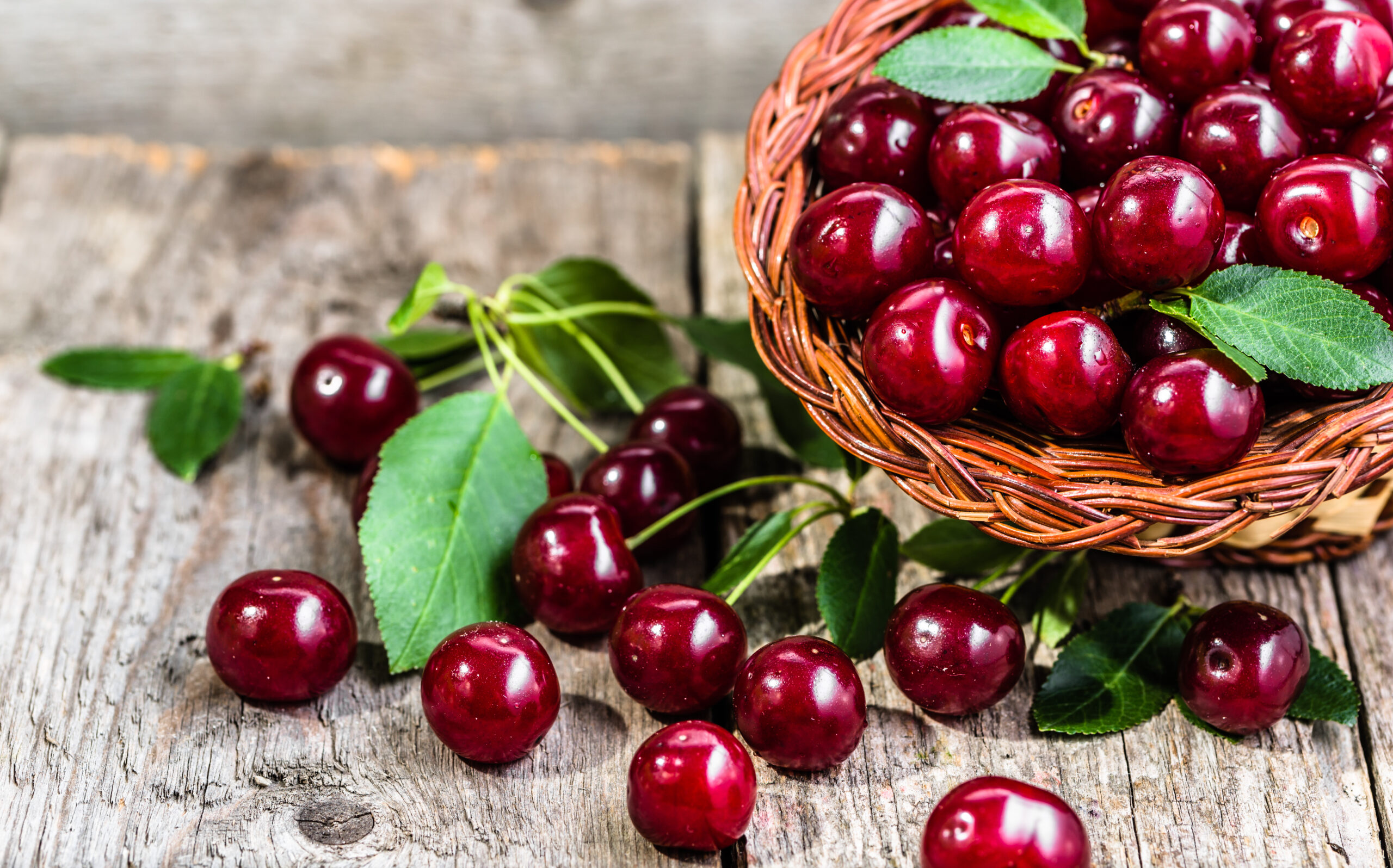
    Across Vietnam, American cherries have emerged as a surprising star on the supermarket scene, captivating shoppers with their enticing prices. Currently, retailers are offering these sought-after fruits for around VND299,000 per kilogram, with certain major chains slashing prices to an astonishing VND189,000—less than half of last year’s rates.

    This year marks a strategic shift for online retailers and supermarkets embracing a substantial influx of cherries from the U.S., departing from their previous reliance on Chilean imports. WinCommerce, the operator behind the WinMart chain, is promoting the fruit at VND299,000 per kilogram from July 8 to July 23—a dip of VND160,000 from its earlier pricing.

    Meanwhile, MM Mega Market reports a price of VND189,000, achieving remarkable demand spurred by a whopping 140% increase in cherry purchases compared to last year. The Vietnam Fruit and Vegetable Association notes that cherry imports have surged, making it one of the fastest-growing imports in 2023, with an impressive year-on-year growth of 43%.

    As import tariffs on U.S. cherries decline, the market is poised for even more competitive pricing. The U.S. Department of Agriculture highlights a favorable shift in conditions, revealing an 8% increase in sweet cherry production from 2024, reaching an estimated 383,000 tons.

    However, the U.S. must navigate a challenging landscape as exports to China, once a major market, are stifled by a formidable 58% import tariff. While China has temporarily suspended additional tariffs, the baseline tax rate still leaves American cherries trailing behind Chilean competitors, who benefit from preferential trade agreements.

    On a positive note, Vietnam is actively negotiating with the U.S. for a zero-tariff regime on American goods, which could revitalize market access. In light of recent tariffs imposed by China, U.S. cherry exporters have turned their focus toward new markets, including Vietnam, South Korea, and Japan, with the wholesale price in the U.S. dropping by 10-15% during June and July compared to last year.

    Questions & Answers

    What factors have contributed to the rising demand for cherries in Vietnam?
    Cost reductions, strategic imports from the U.S., and targeted promotions at retail chains have all played roles in increasing cherry demand by 140% from last year.

    What challenges do U.S. cherry exporters face in the Chinese market?
    U.S. cherry exporters contend with a steep 58% import tariff imposed by China, which has caused them to seek opportunities in alternative markets such as Vietnam, South Korea, and Japan.

    How are local stakeholders responding to the decline in U.S. cherry exports to China?
    Local stakeholders are adjusting by leveraging negotiations with the U.S. government to eliminate import tariffs, aiming to enhance the accessibility of U.S. fruits in the Vietnamese market.

  • Chinese Milk Tea Giant Chapanda Breaks Into Singaporean Market With Two Prime Location Outlets

    Chinese Milk Tea Giant Chapanda Breaks Into Singaporean Market With Two Prime Location Outlets

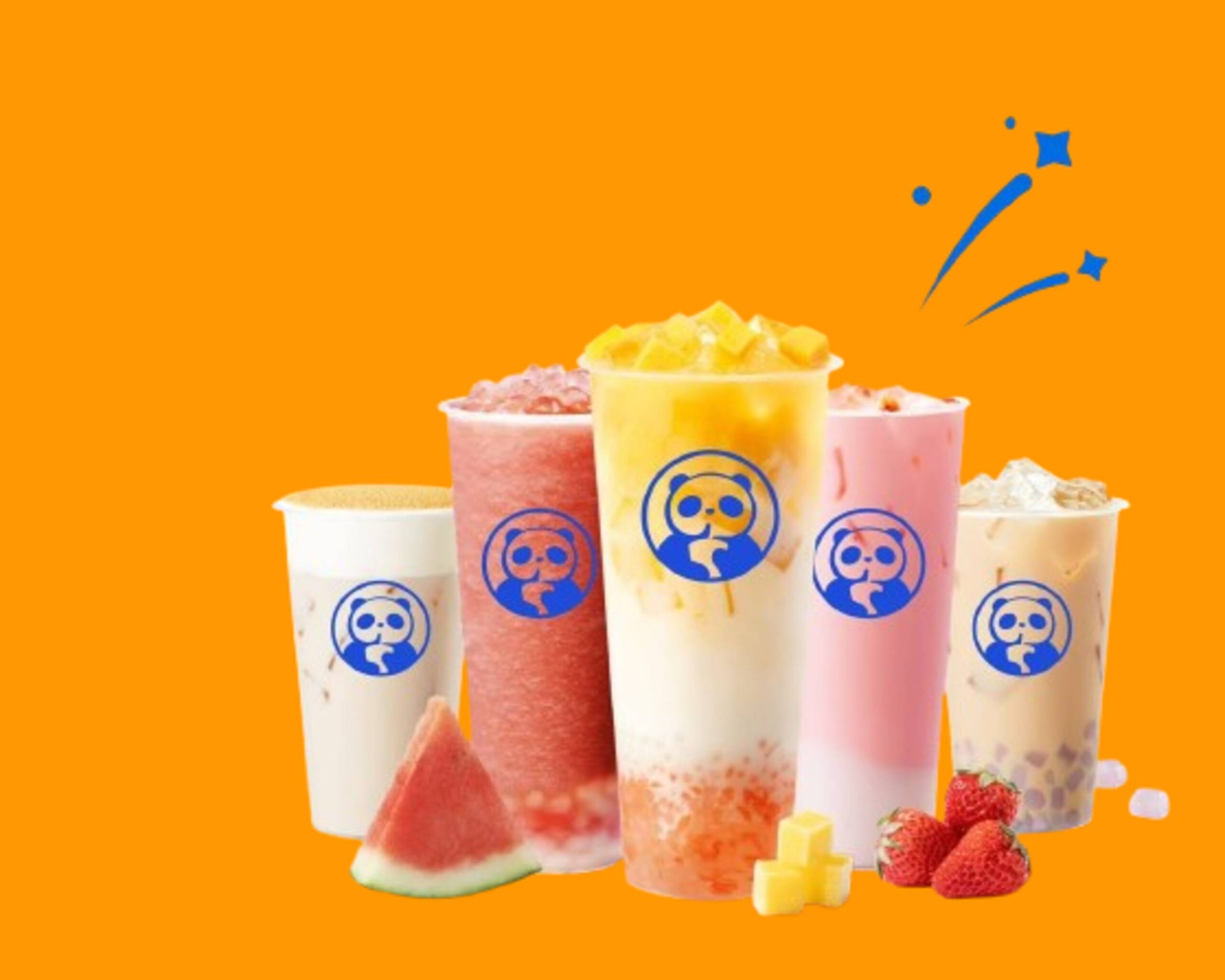
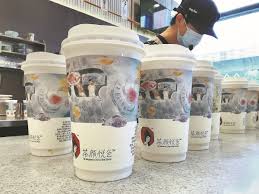
    ChaPanda, a renowned Chinese milk tea brand, is making its daring entry into the Singaporean market by launching two new stores in prime locations.

    The First Two Outlets

    The brand’s inaugural outlet in Singapore has already opened its doors at Scape, a shopping complex located on Orchard Link. The second store is also set to make a grand entrance soon at Northpoint City South Wing, a popular shopping mall in northern Singapore.

    These new outlets continue the brand’s tradition of featuring adorable panda mascots and offering an impressive range of drink options. Customers can look forward to indulging in popular favourites such as Taro Ball Milk Tea and Mango Pomelo Sago.

    ChaPanda’s Rapid Growth

    ChaPanda, also known as ChaBaiDao, was established in 2008 in Chengdu, China. Following its inception, the brand has experienced tremendous domestic and global growth.

    Today, ChaPanda is recognized as the third-largest freshly made milk tea chain in China. The company operates an expansive network of over 8000 stores across the globe, enjoying a significant presence in several key markets including Hong Kong, South Korea, Australia, Malaysia, and Thailand.

    Major Milestone for ChaPanda

    In a significant achievement in 2020, ChaPanda’s founder, Wang Xiaokun, ascended to the prestigious ranks of the world’s billionaires. This significant milestone followed a successful funding round that catapulted the company’s valuation to an impressive US$2.1 billion.

    Questions & Answers

    What is ChaPanda?
    ChaPanda, or ChaBaiDao, is a Chinese milk tea brand established in 2008. It is the third-largest freshly made milk tea chain in China with over 8000 stores globally.

    Where will the ChaPanda stores be located in Singapore?
    The first ChaPanda store in Singapore is located at Scape on Orchard Link, and the second outlet is set to open at Northpoint City South Wing soon.

    Who is the founder of ChaPanda?
    ChaPanda was founded by Wang Xiaokun, who became a billionaire following a funding round that valued the company at US$2.1 billion.

  • Hanwha Group Mulls Sale Of Fg Korea, Operator Of Five Guys Franchise In South Korea

    Hanwha Group Mulls Sale Of Fg Korea, Operator Of Five Guys Franchise In South Korea

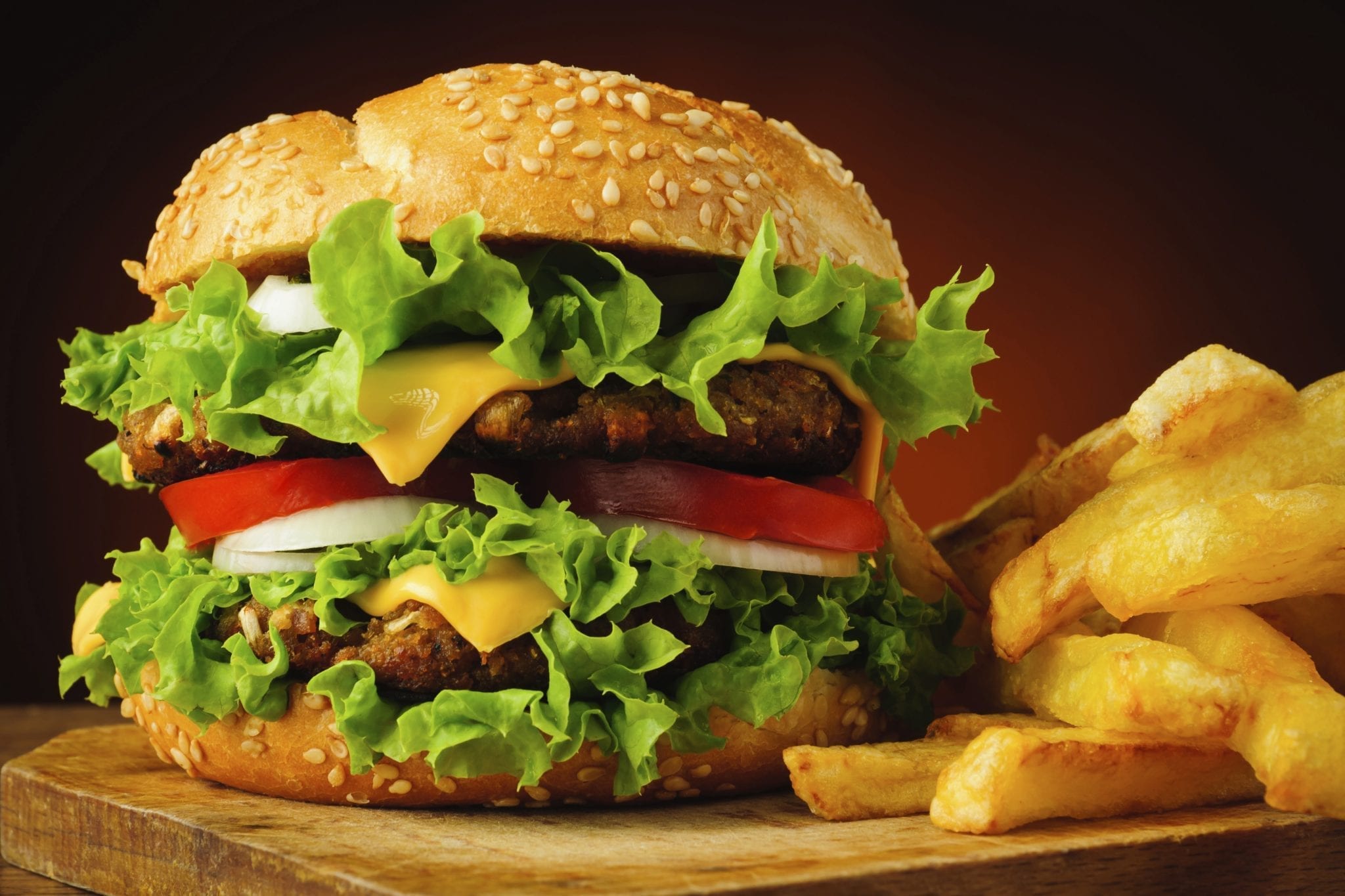
    The South Korea-based conglomerate, Hanwha Group, is reported to be contemplating the sale of FG Korea, the operator of the American burger franchise Five Guys in South Korea.

    FG Korea and Hanwha Group

    FG Korea functions as a fully-owned subsidiary of Hanwha Galleria, which is the retail division of Hanwha Group. The company recently disseminated documents to private equity firms via a local accounting firm, Samil PwC. This action is seen as an indicator of a possible sale. It is anticipated that if a sale does occur, it would likely result in the complete transfer of ownership of the company.

    FG Korea’s Expansion

    FG Korea was instrumental in introducing Five Guys to the South Korean market in 2023, with the inaugural restaurant opening in the Gangnam district of Seoul. Since then, the chain has grown to include seven branches, with plans for an eighth location to open later this month in Yongsan, central Seoul.

    In the previous year, FG Korea had entered into an agreement with Five Guys International to spearhead the brand’s expansion into Japan, with an ambitious goal of establishing more than 20 outlets within the span of seven years.

    FG Korea’s Financial Performance

    In the past fiscal year, FG Korea reported significant sales of 46.5 billion won (approximately US$33.4 million) and a net income of 2 billion won.

    This potential sale is understood to be part of Hanwha Galleria’s attempts to optimize its portfolio and reduce expenses.

    Questions & Answers

    What is the relationship between FG Korea and Hanwha Group?
    FG Korea is a wholly-owned subsidiary of Hanwha Galleria, which is the retail branch of Hanwha Group.

    What has been FG Korea’s role in the expansion of Five Guys?
    FG Korea brought Five Guys to South Korea in 2023 and has since helped the brand grow to seven locations. Furthermore, they have also signed a memorandum of understanding with Five Guys International to lead the brand’s expansion into Japan.

    What is the financial performance of FG Korea in the past fiscal year?
    FG Korea reported 46.5 billion won (approximately US$33.4 million) in sales and a net income of 2 billion won in the last fiscal year.

  • Taiwanese Beef Noodles Specialist Duan Chun Zhen Expands Footprint to ELEMENTS Unveiling its Storied Comfort Food

    Taiwanese Beef Noodles Specialist Duan Chun Zhen Expands Footprint to ELEMENTS Unveiling its Storied Comfort Food

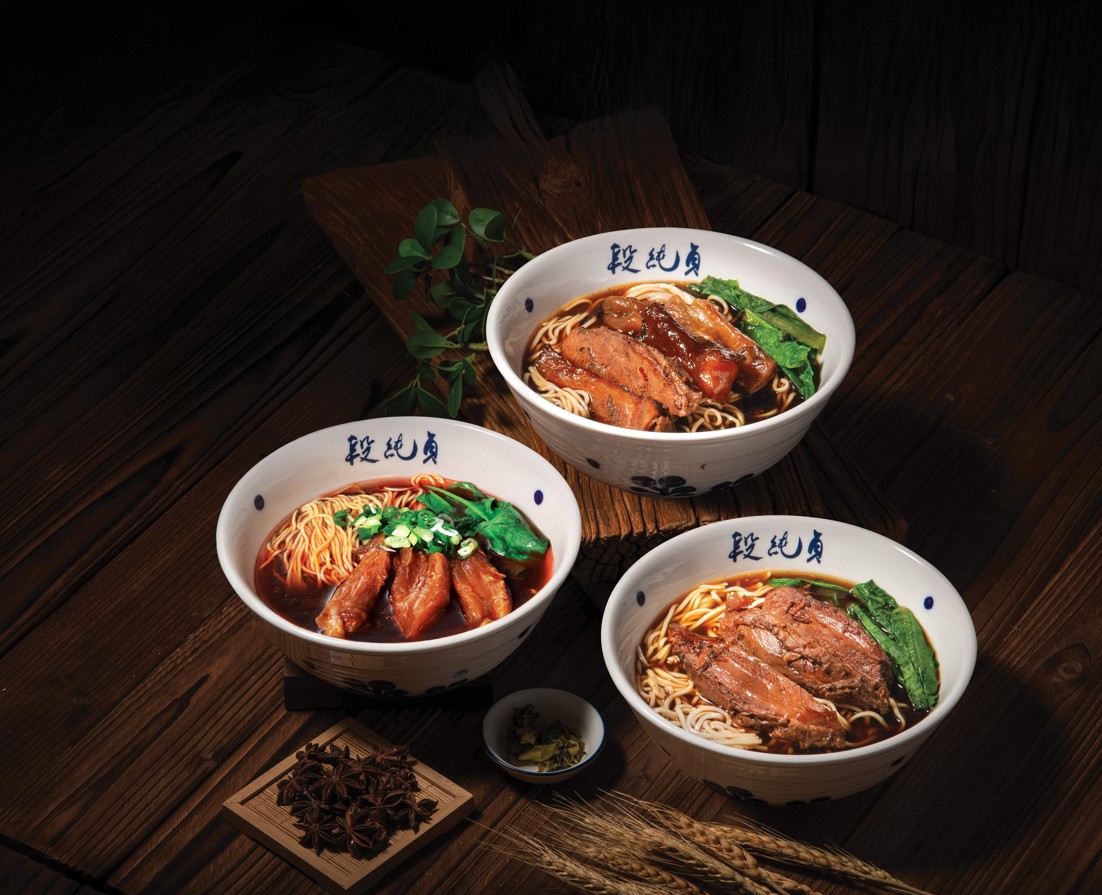
    Duan Chun Zhen, renowned for its sumptuous classic Taiwanese beef noodles, welcomes the opening of its fifth location in Hong Kong, at ELEMENTS in West Kowloon. This new branch of the beloved international chain upholds a family legacy of authentic Sichuan flavours while capturing the vibrant essence of Taiwan’s night-market culture, presenting irresistible beef noodles, popular rice bowls and signature street snacks.

    Seating 80 diners, the ELEMENTS outlet is conveniently located next to the cinema, luring film buffs and foodies into inviting interiors for bowls of aromatic comfort food. Chinese tradition meets contemporary elegance in warm wooden tones, with bamboo features lining the walls and criss-crossing the ceiling, and wooden floors and subtle wooden accents adding a sense of natural charm.

    To celebrate the opening of its latest Hong Kong location, Duan Chun Zhen will gift an exclusive facial mask daily to its first 20 customers who order any noodle dish from 19-25 July 2025. Launched in Taiwan earlier this summer, the skin-nourishing Green Pepper Flavour Beef Noodle Mask is infused with Damask rose extract, collagen, vitamin B8 and the delightful aroma of green Sichuan pepper. Extending the brand’s artistry beyond the kitchen, this uplifting keepsake for lucky diners is ideal for pampering skin during the sweltering summer months.

    As an additional limited-time offer, patrons of Cafe Deco Pizzeria can present their receipt at Duan Chun Zhen in ELEMENTS within 7 days to enjoy HK$30 off the bill (with a minimum spend of HK$100 or more between 19 July and 18 August 2025). Both restaurants are managed in Hong Kong by Cafe Deco Group.

    The story of these celebrated Taiwanese beef noodles begins with Duan Chun Zhen, a passionate home cook who arrived in Taiwan from Sichuan in 1945. She supported herself by making the traditional seasonings of her province – bean paste, pickled pepper, spicy bean curd, sweet fermented rice – as well as aromatic Sichuan braised dishes, and selling them from a bicycle stall at Hsinchu Air Base. Her grandson, Fan Kwong Zhi, heir to her culinary expertise, opened the family’s first noodle shop in 2007 to honour her memory. Connecting Taiwanese cuisine to the world with beef noodles, the brand has grown to embrace 11 outlets in Taiwan, 5 in Hong Kong, and 2 in California, USA.

    The soul of Duan Chun Zhen’s house-special classic beef noodles is the broth that takes 18 hours to perfect, starting with an intricate 8-hour process of stir-frying raw fatty beef together with 23 different spices and herbs, including Da Hong Pao (big red) Sichuan peppercorns and Pixian doubanjiang (broad-bean paste). This intense, fragrant base is used to braise beef, which then simmers for hours with beef bone to make a moreish, mouth-tingling broth.

    Diners can choose from 2 kinds of noodles – thin noodles or wider, chewy handmade noodles – both designed to soak up the delicious house soup. During a traditional vermicelli production process, the thin noodles are punctured by multiple air holes, increasing their ability to absorb the flavours of the liquid. The handmade noodles benefit from repeated dough sheeting that not only keeps them firm and elastic but also results in an uneven thickness so they too can better ingest the soup.

    A whole chicken is simmered for 6 hours for the flavoursome and fragrant soup base of Rich Chicken Broth Noodles with Drumstick (HK$88) and Chicken Drumstick Noodles in Pepper Soup with Pickled Greens (HK$88). Among a selection of dry noodle dishes, Shredded Chicken with Garlic Flavoured Dry Noodles & Peanut (Thin Noodles) (HK$78) and Shredded Chicken with Green Pepper Flavoured Dry Noodles & Peanut (Thin Noodles) (HK$78) swaps the rich and fragrant soup for a dry, spicy punch. Satisfying rice dishes are also available, including Taiwanese Braised Minced Pork Rice (HK$78) and Vegan Minced Pork Rice with Organic Mushroom (HK$68).

    The authentic Taiwanese dining experience extends to signature items such as Sanxing Scallion Pancake (HK$48), whose crusty exterior reveals a soft, aromatic interior and the sharp, peppery taste of Taiwan’s best scallions. Taiwanese Fried Chicken (HK$48) and Deep-fried Pork Chop (HK$48) are other favourite choices. For a unique twist, guests are invited to savour the slightly salty Pork Intestine with Thin Noodles (HK$48) and the huangjiu-infused chicken treat of Chinese Yellow Rice Wine Boneless Chicken with Red Date (HK$78). Shrimp & Pork Wontons in House Special Chili Oil (HK$68) and Spicy Duck Blood Cellophane Noodles (HK$88) also deliver the spicy essence of Grandma Duan’s life-long love and creativity.

    To cater to the ELEMENTS business crowd, Duan Chun Zhen presents a convenient Combo Set at lunch, priced from HK$118 to HK$158 for a noodle or rice course, plus a complimentary snack of either Taiwanese Fried Dumplings (3pcs), Taiwanese Fried Chicken (3pcs), or Deep-fried Pork Chops (3pcs), and a refreshing drink. Options include Ginger Tea, Winter Melon Tea, Ginger Ale or another soft drink. For an additional HK$12, lunchers can upgrade to a selected house-speciality drink.

    The beverage menu showcases classic Taiwanese favourites, starring the flavoursome and textural Winter Melon Barley Delight (HK$36), sweetly fresh Peach Jasmine Green Tea (HK$34), and tropical Passion Fruit Pineapple (HK$34). Each beverage offers a unique flavour profile, perfect for complementing the restaurant’s vibrant dishes.
  • Chagee’s Return To Vietnam Spurs Renewed Criticism Amid Expansion Plans

    Chagee’s Return To Vietnam Spurs Renewed Criticism Amid Expansion Plans

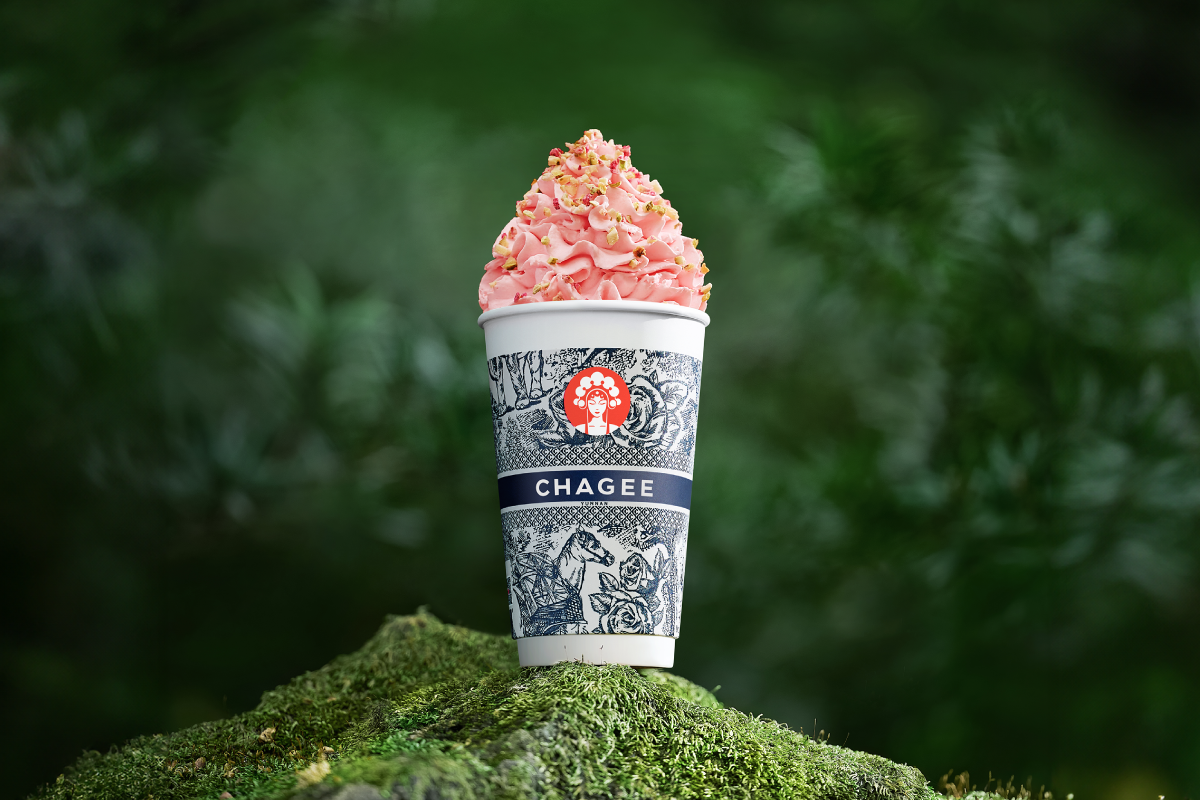
    Despite facing an earlier boycott due to its utilization of a contentious ‘nine-dash line’ map in its mobile application, Chinese milk tea franchise Chagee has made a return to the Vietnamese market.

    New Store Opens

    Recently, Chagee set up shop in Tan Huong Ward, a location which was previously part of District 7 prior to the administrative reorganization implemented in Ho Chi Minh City on the first of July. In an effort to regain customer trust and loyalty, the company has been offering promotional discounts.

    In an official statement shared on its fanpage, Chagee expressed its commitment to its mission “Chagee Together!”. The company also outlined its goal to “bring a complete tea experience closer to Vietnamese customers”.

    Renewed Criticism

    Nevertheless, the company’s reintroduction into the Vietnamese market has provoked a renewed wave of public criticism. A number of Vietnamese consumers continue to be skeptical of Chagee due to the brand’s link to the unlawful maritime claim represented in its former mobile application.

    One Facebook user stated, “Vietnam has no shortage of great milk tea brands. We should be supporting local businesses.” Following this renewed backlash, Chagee has deactivated comments on its social media platforms.

    Expansion and Controversy

    Additionally, Chagee has developed a website catered to the Vietnamese market, showcasing a beverage menu with prices varying from approximately US$1.65 to $3.35. The company reportedly has plans for further expansion by setting up numerous stores throughout Ho Chi Minh City in the forthcoming period.

    Chagee, established in 2017 in Shanghai, has swiftly expanded throughout Southeast Asia. Earlier this month, it inaugurated its first Philippine outlet.

    Chagee’s original foray into Vietnam was marked by the opening of a flagship store located at the crossroads of Dong Khoi and Nguyen Thiep streets in downtown Ho Chi Minh City, an area formerly part of District 1, now known as Saigon Ward.

    However, this initial launch rapidly fell apart after internet users identified a map on the Chagee app that represented China’s controversial “nine-dash line”. After this revelation, the company deactivated its social media platforms without providing a public explanation.

    Questions & Answers

    Why did Chagee face an earlier boycott in Vietnam?
    Chagee faced a boycott due to the use of a controversial ‘nine-dash line’ map in its mobile application, representing China’s contentious maritime claim.

    How is Chagee handling the renewed criticism and backlash?
    Chagee has responded by disabling comments on its social media platforms to mitigate the negative feedback.

    What are Chagee’s plans for the Vietnamese market?
    Chagee has launched a website targeted at the Vietnamese market and is reportedly planning to establish multiple stores across Ho Chi Minh City.

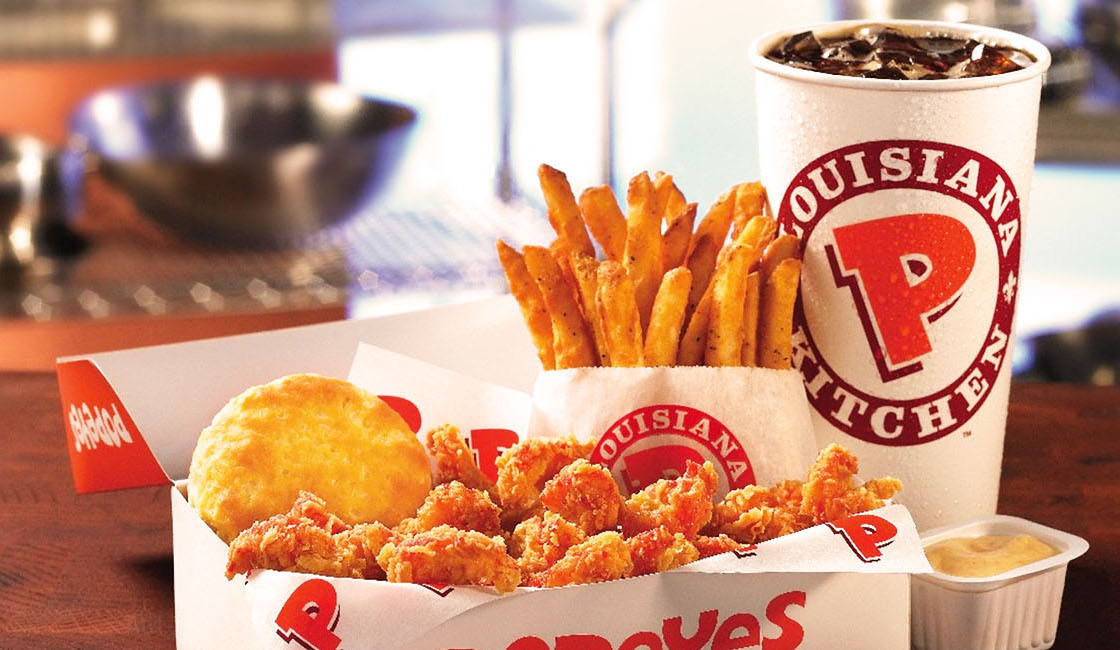
  • Popeyes Expands In The Philippines: New Franchising Program Launched Amid Record-breaking Performance

    Popeyes Expands In The Philippines: New Franchising Program Launched Amid Record-breaking Performance

    Popeyes, the renowned American fast food brand, has initiated its franchise program in the Philippines. This move comes in the wake of the country’s stellar performance, making it the leading global market for Popeyes in terms of transactions, as reported by the company’s parent organization, Restaurant Brands International (RBI).

    Franchising: The Logical Next Step

    Dustin Ngo, the Managing Director for Popeyes Philippines, expressed his views on the new franchising initiative. According to Ngo, franchising was the logical next phase in the company’s growth trajectory. He lauded it as a lucrative investment opportunity that aligns perfectly with Popeyes’ expansion plans over the next three years.

    Franchise investment for a 1000sqm drive-thru store varies between PHP$45 million and $50 million, equivalent to US$793,000 to $800,000. The investment package encompasses construction, equipment, training, and a 10-year franchise fee. The continued costs include an 8 per cent royalty and a 5 per cent advertisement fee, calculated based on sales.

    Comprehensive Support for Franchise Partners

    RBI, along with the local team, will offer comprehensive support to ensure a smooth and efficient setup and operation for the franchise partners. The objective is to make the operation of Popeyes franchises as hassle-free as possible.

    Dan Hayton, the Chief Operating Officer of Popeyes Philippines, further elucidated this point. He expressed the company’s desire for franchise partners to run their Popeyes franchise effortlessly, with the operation starting up as easily as turning a key.

    Questions & Answers

    What is the investment range for opening a Popeyes franchise in the Philippines?
    The investment for a 1000sqm drive-thru store ranges from PHP$45 million to $50 million (US$793,000 to $800,000), which includes costs for construction, equipment, training, and a 10-year franchise fee.

    What are the ongoing costs for a Popeyes franchise?
    The ongoing costs include an 8 per cent royalty and a 5 per cent advertisement fee, calculated based on sales.

    What kind of support does Popeyes provide to its franchise partners?
    Popeyes, in collaboration with RBI and the local team, provides comprehensive end-to-end support. The focus lies on ensuring a fast setup and operational efficiency for the franchise partners.

  • Singapore coffee chain Alchemist enters Japan with two Tokyo stores

    Singapore coffee chain Alchemist enters Japan with two Tokyo stores

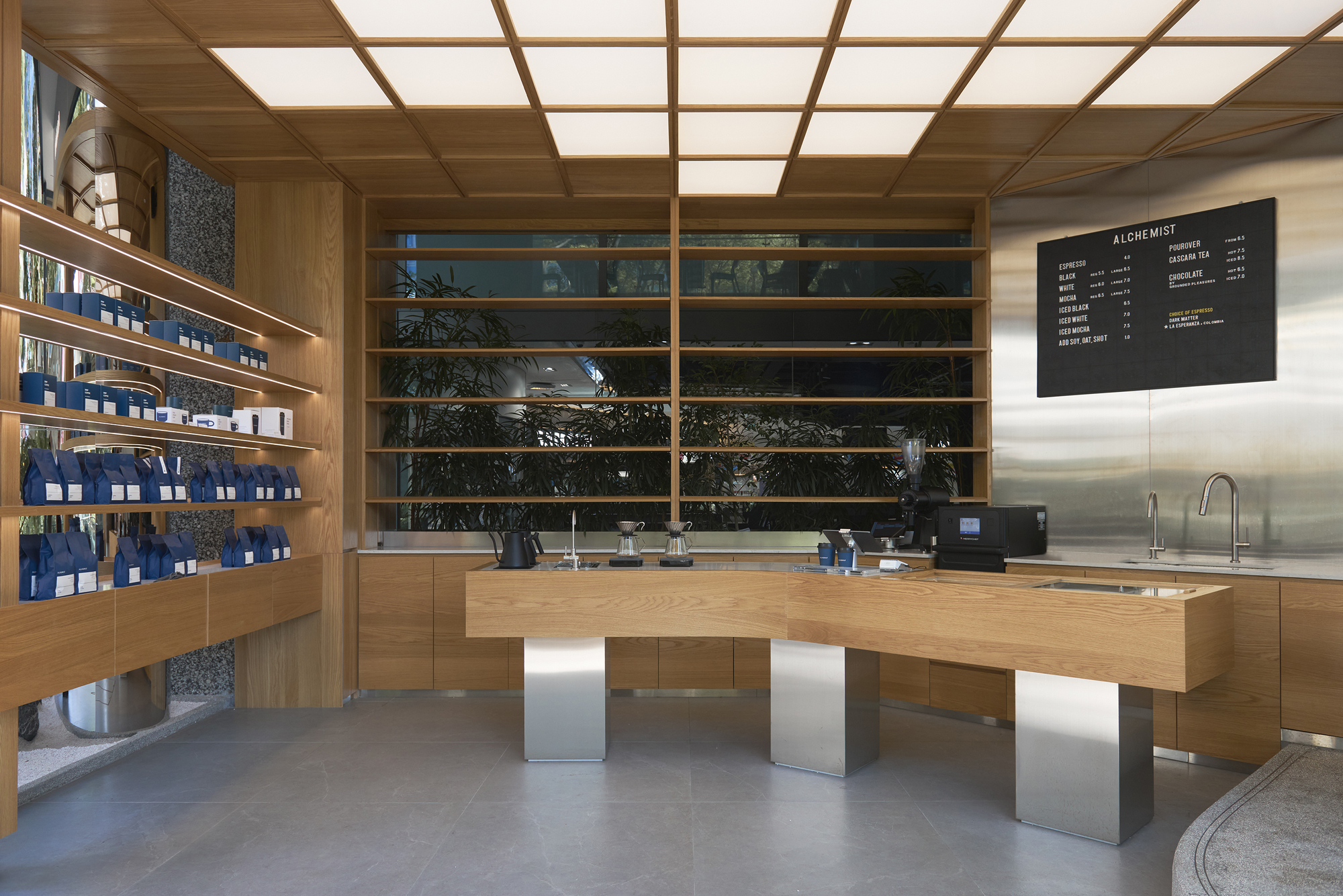
    Singapore’s well-known coffee brand, Alchemist, has successfully launched in Japan, marking its first venture outside its home country. The company inaugurated its two international outlets in Tokyo, thereby cementing its global footprint.

    New Store Locations

    The new store locations chosen are in the neighborhoods of Aoyama and Asakusa. The Aoyama outlet boasts a sprawling 140 square meters area and has a seating capacity for 30 people. On the other hand, the Asakusa branch covers a larger area of 200 square meters and can comfortably seat 70 patrons. The stores continue the brand’s tradition of minimalist design, allowing customers to appreciate the coffee brewed using beans roasted in Singapore.

    Alchemist’s founder, Will Leow, expressed his admiration for Japan’s entrenched coffee culture and meticulous attention to detail. “Our primary objective has always been forging connections through coffee. Establishing a presence in Tokyo was a logical progression for us, and we’re gratified by the warm welcome we’ve received from the local community,” he said.

    Alchemist’s Journey

    Alchemist was founded in 2016 by Will Leow, a barista and entrepreneur. The brand started as a modest coffee stand in Singapore’s Central Business District. Since then, it has expanded to 11 locations across the city-state.

    Future Expansion Plans

    As part of its long-term growth strategy, Alchemist aims to open 10 more outlets throughout Tokyo by the end of 2028. The company is excited about sharing its unique vision with the coffee aficionados of Japan, a country already revered for its exquisite quality and craftsmanship in the brewing sector.

    Questions & Answers

    What is the seating capacity of the new Alchemist stores in Tokyo?
    The Aoyama store can accommodate 30 customers, whereas the Asakusa store has a seating capacity for 70 patrons.

    When and where was Alchemist established?
    Alchemist was founded in 2016 by Will Leow. It started as a small coffee stand in Singapore’s Central Business District.

    What are Alchemist’s expansion plans in Tokyo?
    Alchemist plans to open 10 more stores across Tokyo by the end of 2028 as part of its long-term expansion strategy.

  • China’s Food Delivery Wars: Alibaba and Rivals Feel the Profit Pinch

    China’s Food Delivery Wars: Alibaba and Rivals Feel the Profit Pinch

    In the midst of a fierce food delivery war, China’s major players—Alibaba Group, Meituan, and JD.com—are locked in a high-stakes competition to capture consumer spending in the world’s largest economy. The stakes have just risen as JD.com recently amplified the battle, reporting an explosive surge in both orders and new users, propelled by substantial subsidies.

    This past weekend, excitement reached new levels. Many consumers reported delightful surprises in their deliveries—free bubble tea and coffee were offered to users over consecutive weekends, contributing to an enthusiastic uptick in orders. This unexpected beverage boon has not only sparked consumer enthusiasm but also sent shares of Hong Kong-listed bubble tea brands soaring to new heights, making investors perk up faster than a barista brewing their morning espresso.

    As these platforms race to dominate the market, the question remains: what will be the next thrilling tactic in a game that seems to be brewing stronger every day?

    Questions & Answers

    What are the three main platforms involved in China’s food delivery war?
    The primary competitors are Alibaba Group, Meituan, and JD.com, each striving to capture consumer spending in China.

    What recent event contributed to a spike in user engagement for these platforms?
    Over two recent weekends, users received free bubble tea and coffee with their deliveries, which significantly boosted both orders and user registrations.

    How have investors reacted to the rise in coffee and bubble tea giveaways?
    Investors took notice, as shares of Hong Kong-listed bubble tea brands experienced a sharp increase, reflecting the excitement generated by these promotions.

  • Vietnam Sets Ambitious Goal: Targeting $4.5B in Cashew Exports by 2025

    Vietnam Sets Ambitious Goal: Targeting $4.5B in Cashew Exports by 2025

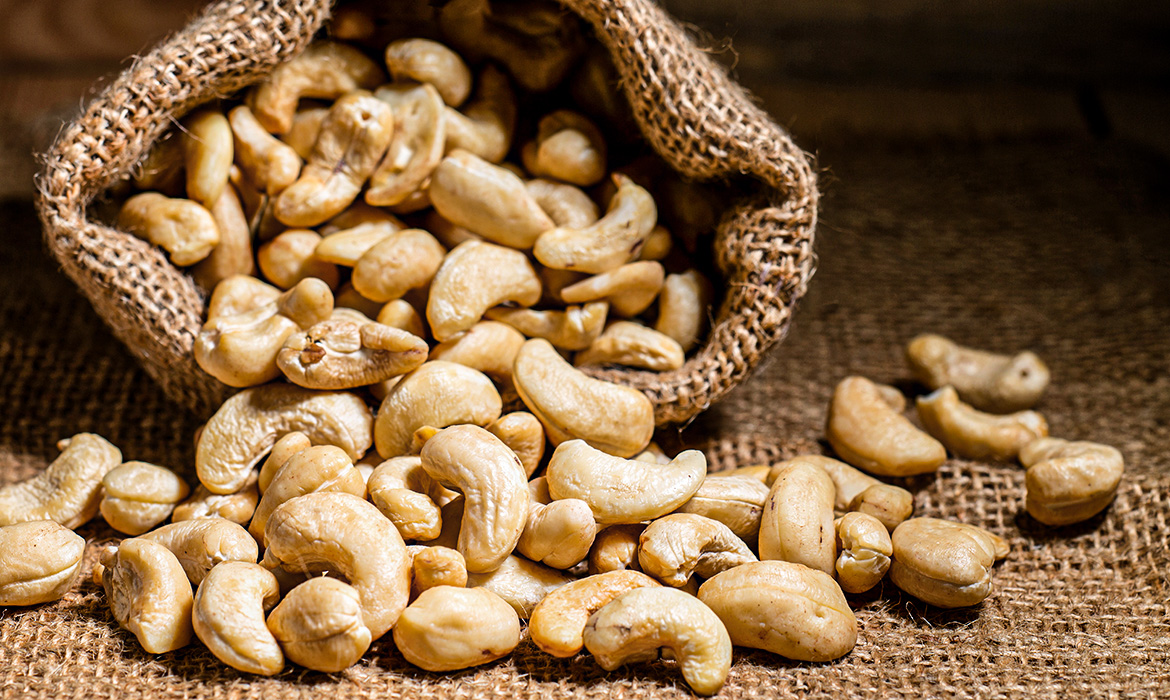
    Vietnam is setting its sights on exporting an impressive US$4.5 billion worth of cashew nuts this year, reflecting a 2.7% increase from the previous year, as reported by the Ministry of Agriculture and Environment.

    In the first half of 2025, the country shipped 346,800 tonnes of cashews, valued at $2.36 billion. While this represented a 2.7% decline in volume, the value surged by 20.4% compared to the same period last year. The spike in revenue was largely driven by a notable increase in export prices, with the average price per tonne soaring over $6,805—a hefty 23.8% rise from 2024.

    Vietnam’s top three cashew export destinations—China, the U.S., and the Netherlands—accounted for significant portions of the market, at 22%, 21.6%, and 8.4% of total export value, respectively. Notably, exports to these markets grew by 41.2%, a mere 0.1%, and 22.4% in value, underscoring a dynamic shift despite some fluctuations.

    To meet its ambitious target, the Vietnamese cashew sector needs to ramp up revenues to around $2.2 billion during the second half of the year. The ministry is advocating for intensified efforts to penetrate emerging markets like the UAE and Saudi Arabia, where demand for Vietnamese cashews is on the rise but the presence remains minimal. Additionally, exports to the EU have consistently climbed in recent years, signaling a fruitful opportunity for growth.

    In a sprightly turn of events for manufacturers, the recent drop in raw cashew prices—from $1,450 to $1,350 per tonne—is providing an advantageous cost structure as the peak season approaches, particularly with year-end festivals and the Lunar New Year on the horizon. The Vietnam Cashew Association anticipates the global market for cashews to expand at an average annual rate of 4.6% from 2022 to 2027. Last year, Vietnam recorded an unprecedented export of 730,000 tonnes, generating $4.37 billion, a striking 20.2% increase year-on-year, solidifying its reputation as a global cashew powerhouse.

    Questions & Answers

    What is Vietnam’s target for cashew exports in 2025?
    Vietnam aims to export $4.5 billion worth of cashew nuts in 2025, marking a 2.7% increase from the previous year.

    Which countries are the top buyers of Vietnamese cashews?
    The top three buyers of Vietnamese cashews are China, the United States, and the Netherlands, accounting for 22%, 21.6%, and 8.4% of the total export value, respectively.

    How does the recent decline in raw cashew prices impact manufacturers?
    The decline in raw cashew prices from $1,450 to $1,350 per tonne offers manufacturers a cost advantage as they prepare for the peak export season around year-end festivities and the Lunar New Year.

  • Starbucks Announces Exciting Shift to 4-Day In-Office Workweek for Employees

    Starbucks Announces Exciting Shift to 4-Day In-Office Workweek for Employees

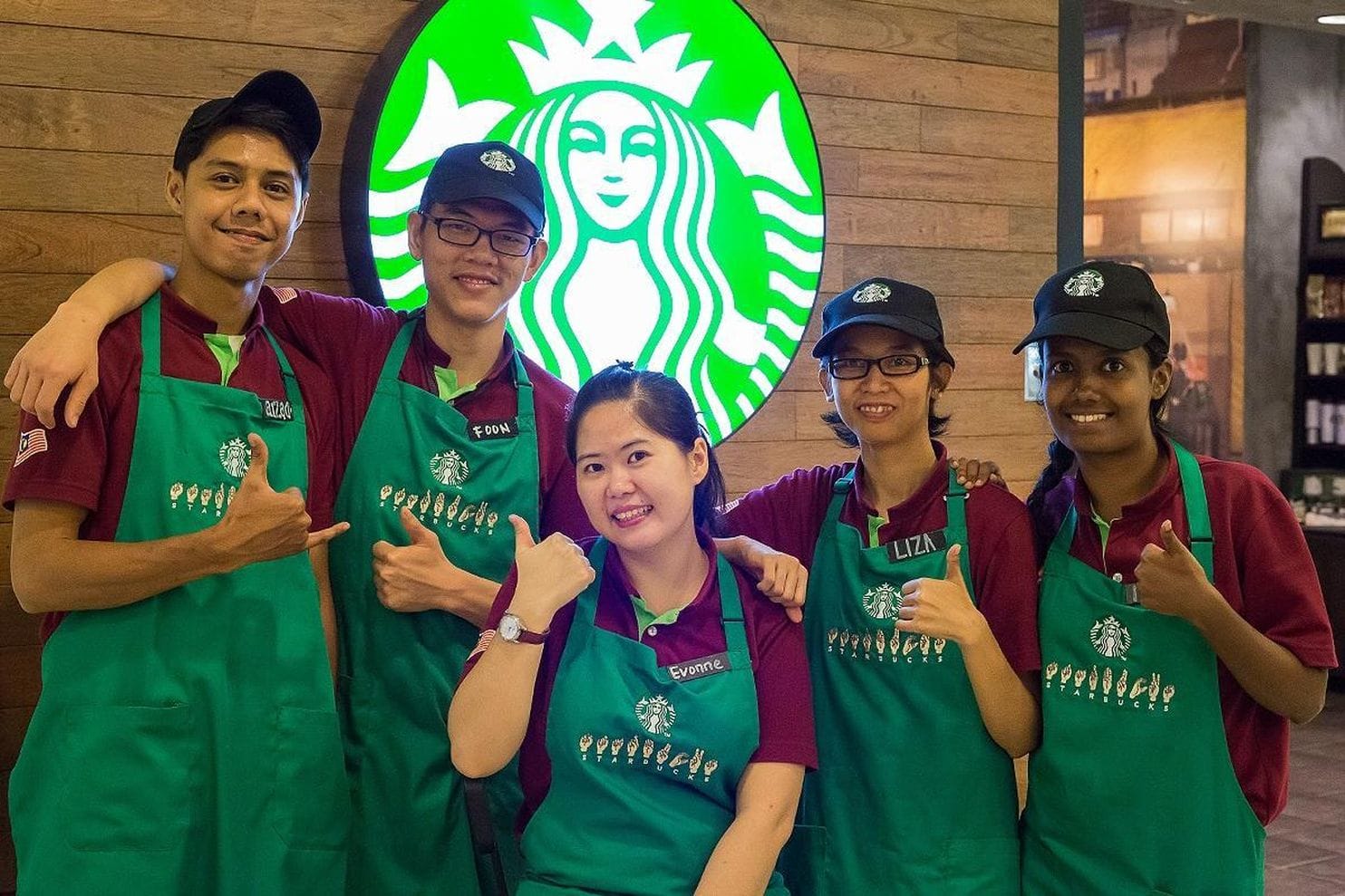
    Starbucks CEO Brian Niccol announced a transition that will require many employees to work in-office at least four days a week, an increase from the current three days. This new policy is set to roll out later this year.

    A Return to the Office: What It Means for Starbucks

    The updated policy will see common office days established from Monday to Thursday across support centers in Seattle and Toronto, as well as regional offices in North America, as outlined by Niccol in a recent message to partners on the company’s website.

    As Niccol approaches his one-year anniversary as CEO, he is dedicated to steering Starbucks back to its coffeehouse roots. His focus is on enhancing the in-store experience while lessening the company’s reliance on mobile and to-go orders, which, to some, is as vital as a morning cup of coffee. “Being in person also helps us build and strengthen our culture. As we work to turn the business around, all these things matter more than ever,” Niccol emphasized.

    Implementing Change and Encouraging Presence

    This shift to a four-day in-office work week is expected to take effect on September 29. Earlier this year, Starbucks took the initiative to urge remotely working vice president-level leadership to begin relocating to either Seattle or Toronto. Now, the call extends to all support center leaders, who must complete their moves within the next 12 months.

    As the coffee chain looks to combat rising inflation and navigate economic uncertainties, Starbucks is rapidly rolling out a new staffing and service model across its North American stores to boost sales growth.

    Questions & Answers

    What prompted Starbucks to increase in-office work days?
    The increase in in-office work days comes as part of CEO Brian Niccol’s strategy to strengthen company culture and enhance the in-store experience while reducing reliance on mobile and to-go orders.

    When will the new four-day work week policy take effect?
    The new policy is expected to take effect on September 29, 2025, requiring employees to work in the office four days a week.

    What changes has Starbucks made in response to economic pressures?
    In response to rising inflation and economic uncertainty, Starbucks has initiated a new staffing and service model across company-owned stores in North America to revive sales growth.

  • Vietnamese Shoppers Enthralled by Irresistible Chinese Golden Plums at $19/kg

    Vietnamese Shoppers Enthralled by Irresistible Chinese Golden Plums at $19/kg

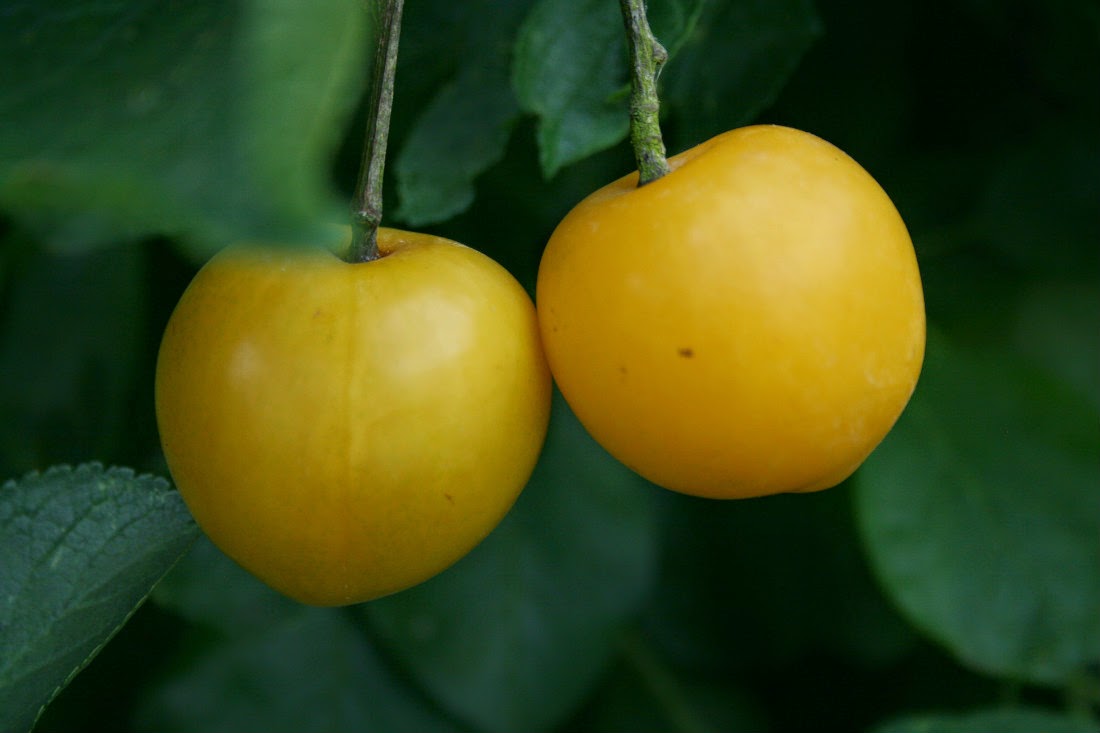
    The golden-yellow Chinese plum has burst onto the Vietnamese fruit scene, boasting a subtle fragrance, crisp texture, and a hint of delicate sweetness. Its size surpasses that of traditional Vietnamese plums, positioning it as a rival to pricier fruits like seedless lychees and milk grapes, which once ruled the marketplace.

    At a premium fruit shop in downtown Ho Chi Minh City, owner Tuyet shared her enthusiasm after selling over 200 kilograms of this new plum variety within just two weeks of importing it. “Customers often return after their first try,” she remarked, alluding to the fruit’s growing popularity.

    As if on cue, online vendors have ramped up their marketing efforts for this specialty fruit. Le Thoa, an importer of exotic fruits, praised the unique qualities of the Chinese plum, comparing it favorably to her past offerings from Chile and Australia. “It has golden flesh and is as crisp as Vietnamese plums with a mild sweetness that’s easy to enjoy without overwhelming the palate,” she explained, perhaps envisioning a fan base of budding plum enthusiasts.

    Currently, these plums are either hand-carried or imported in small quantities due to the lack of a formal trade agreement between Vietnam and China. Nguyen Lien, a trader in the border province of Lao Cai, revealed that the wholesale prices have skyrocketed, reaching VND300,000 per kilogram.

    Cultivated predominantly in regions like Yunnan, Xinjiang, and Miyun County, this plum variety has a substantial agricultural footprint. In Yunnan and Xinjiang alone, the golden plum occupies thousands of hectares, while in Miyun, approximately 660 hectares are designated for premium plum cultivation.

    The plum’s primary harvest season occurs from late June to August, a window that Vietnamese consumers will likely be eagerly watching. According to customs data, Vietnam imported $402 million worth of fruits and vegetables from China in the first half of this year, capturing 33.5% of total imports in this category. This statistic cements China’s position as Vietnam’s largest supplier of fresh produce, and it looks like the golden plum is ready to take its rightful place on the fruit crown.

    Questions & Answers

    What makes the golden Chinese plum stand out in the Vietnamese market?
    The golden Chinese plum is larger than traditional Vietnamese plums and offers a unique flavor profile with its crisp texture and mild sweetness, appealing to consumers looking for something new.

    How has the reception been for this fruit among consumers?
    Retailers like Tuyet have reported strong sales, with returning customers indicating that the plum is becoming a popular choice among fruit lovers.

    What are the challenges faced in importing these plums to Vietnam?
    Imports are currently limited to hand-carried shipments or small volume imports due to the absence of a formal trade agreement between Vietnam and China, impacting the supply chain for this fruit.

  • Chinese Tea Giant Chayanyuese Debuts In North American Market With Unique Beverage And Snack Line

    Chinese Tea Giant Chayanyuese Debuts In North American Market With Unique Beverage And Snack Line

    Chayanyuese, a renowned Chinese tea brand, has announced its expansion into the North American market via various e-commerce platforms. The Changsha-based tea company has launched an exclusive online store on Shopify while simultaneously opening official outlets on Amazon, TikTok Shop, and Walmart.

    Chayanyuese’s initial product assortment comprises approximately 40 items. Included in this range are intriguing snacks such as Jasmine Green Tea Flavored Potato Sticks, as well as an array of tea sets and brewing paraphernalia.

    Chayanyuese was established in 2013 and has since become a household name in China, operating more than 900 stores across the country. The company manages these outlets under its primary and subsidiary brands, which include names such as Yuanyang Coffee, Gudemoning, and Xiaoshenxian Tea House.

    The company’s unique tea beverages and snack offerings have gained significant popularity nationwide, resulting in stores being opened in major Chinese cities such as Changsha, Wuhan, and Chongqing.

    Questions & Answers

    Which e-commerce platforms is Chayanyuese using for its North American expansion?
    Chayanyuese has launched its North American venture using a dedicated online store on Shopify, in addition to official storefronts on Amazon, TikTok Shop, and Walmart.

    What types of products is Chayanyuese offering initially to the North American market?
    The brand’s initial product line includes about 40 items, featuring snacks like Jasmine Green Tea Flavored Potato Sticks and a variety of tea sets and brewing utensils.

    Where does Chayanyuese operate its stores in China?
    Chayanyuese operates over 900 stores across China, including in major cities such as Changsha, Wuhan, and Chongqing.

  • Jollibean Commits to Paying Salaries for 22 Employees Amid Ongoing Challenges in Singapore’s Soya Milk Market

    Jollibean Commits to Paying Salaries for 22 Employees Amid Ongoing Challenges in Singapore’s Soya Milk Market

    In a troubling turn for employees at Jollibean, 29 workers are currently receiving assistance for unpaid salaries, as reported in a joint statement from the Tripartite Alliance for Dispute Management and the Ministry of Manpower on July 12. These salary disputes are not a recent development; they have been cropping up intermittently since December 2024.

    Drastic Downsize at Jollibean

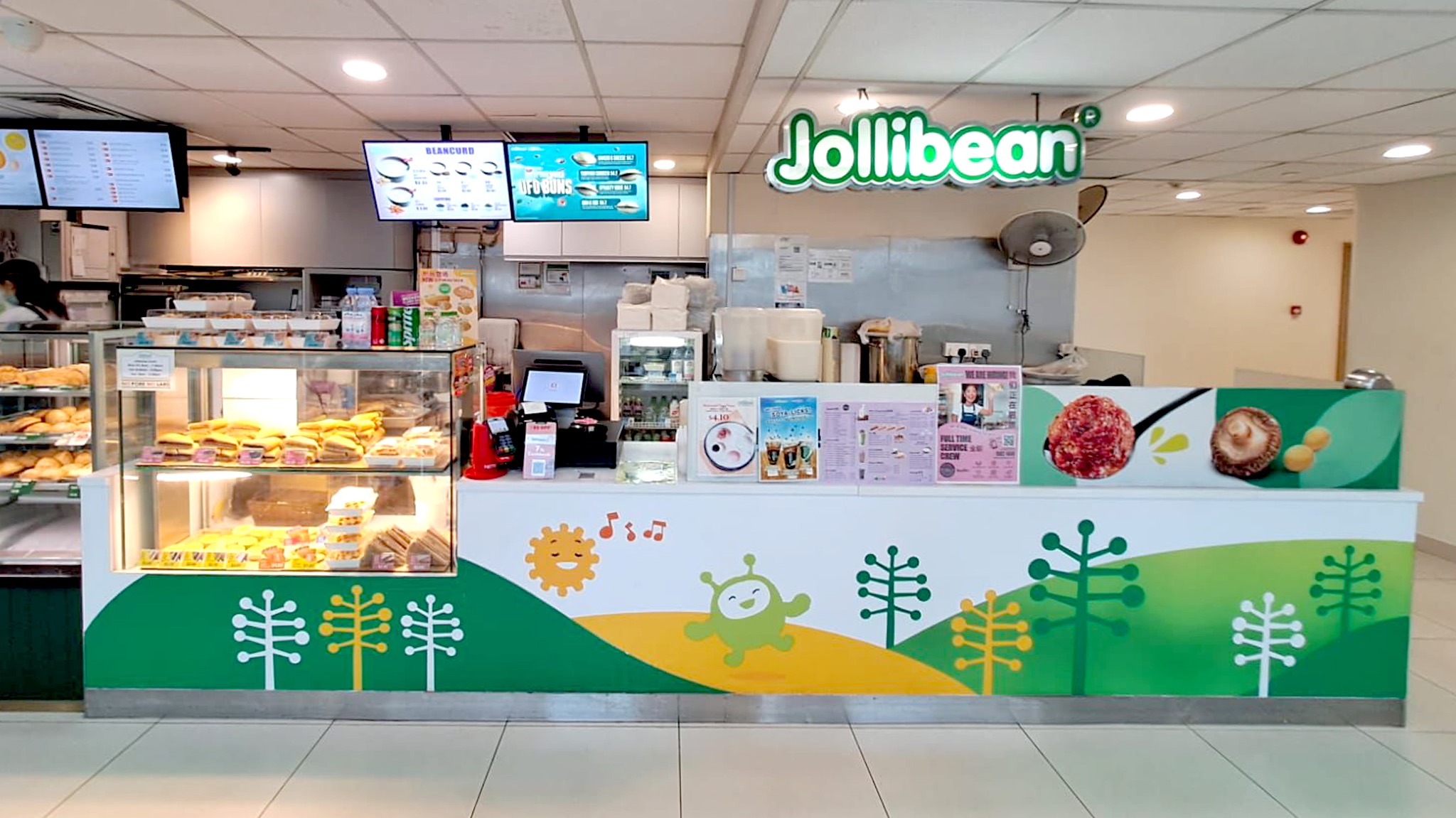
    Once a dominant presence with over 30 outlets across Singapore, Jollibean’s store count has dwindled to just five locations. The company’s director, Shahrul Nazrin Mohd Dahlan, now navigating the firm under new ownership, has assured that they are working closely with authorities to resolve the salary issues by the end of this month. However, specifics regarding the delayed payments remain murky.

    Voices of Concern: Employees Speak Out

    An employee, revealed her distress over unpaid wages for May and June, with her December 2024 salary delayed by nearly three weeks. “It’s like being in a suspense thriller—you never know what’s going to happen next. I’ve had to dip into my savings just to handle rent and other bills,” she said, highlighting the struggles faced by her and other front-line staff. “It would have been helpful if management had given us a heads up about the company’s struggles instead of leaving us in the dark.”

    Ongoing Investigations and Future Prospects

    As the situation unfolds, the Ministry of Manpower is conducting an investigation into Jollibean for possible violations of the Employment Act and is committed to assisting impacted employees. Jollibean was established in Singapore back in 1995, becoming a beloved brand known for its soya milk and traditional pancake snacks, conveniently located in bustling shopping malls and MRT stations.

    However, the company’s fortunes began to wane during the Covid-19 pandemic, with a steady decline in brand popularity detailed in Berjaya Food’s annual reports after the Malaysian F&B operator acquired Jollibean in 2012 for SGD7.5 million (USD 5.86 million). Once the post-pandemic world opened up, Jollibean faced a challenging landscape marked by weakened consumer sentiment, dwindling foot traffic in the Central Business District, rising living costs, and a persistently uncertain economic climate.

    Questions & Answers

    What led to Jollibean’s financial difficulties?
    Jollibean has struggled due to various factors, including decreased consumer sentiment during the pandemic, lower foot traffic from flexible work arrangements, and increased living costs, all compounded by an uncertain economic outlook.

    How many employees are currently affected by unpaid wages?
    Currently, 29 workers are seeking assistance for unpaid salaries, as reported by the Tripartite Alliance for Dispute Management and the Ministry of Manpower.

    What actions are being taken to address the salary issues?
    Jollibean’s new ownership is collaborating with authorities to resolve outstanding salary payments, and the Ministry of Manpower is investigating the company for potential violations of the Employment Act.

  • Ferrero Group Acquires Wk Kellogg In $3.1 Billion Deal, Bolstering North American Presence

    Ferrero Group Acquires Wk Kellogg In $3.1 Billion Deal, Bolstering North American Presence

    The Ferrero Group, a major player in the confectionery industry, has recently announced its acquisition of WK Kellogg in an all-cash transaction amounting to US$3.1 billion. This significant development marks a critical milestone in Ferrero’s ongoing expansion in the North American market.

    In exchange for WK Kellogg’s manufacturing, marketing, and distribution operations in the US, Canada, and the Caribbean, Ferrero will pay $23.00 per share. Ferrero, a company employing over 14,000 individuals across 22 plants and 11 offices in North America, has plans to maintain WK Kellogg’s historical headquarters in Battle Creek, Michigan as the central hub for its North American cereal operations.

    Gary Pilnick, Chairman and CEO of WK Kellogg, believes that this merger with Ferrero will afford his company greater resources and flexibility, thus facilitating the growth of its iconic brands in a highly competitive and dynamic market. He stated, “As a family-owned private company with values in line with our founder, WK Kellogg, Ferrero provides a great home for our people and has a track record of supporting the communities where it operates.”

    Established nearly 120 years ago, WK Kellogg became an independent entity in October 2023 after parting ways with the Kellogg Company. The company owns several popular breakfast cereal brands, including Kellogg’s Frosted Flakes, Kellogg’s Froot Loops, Kellogg’s Frosted Mini Wheats, Kellogg’s Raisin Bran, Kashi, and Bear Naked.

    Lapo Civiletti, CEO of the Ferrero Group, expressed enthusiasm for the acquisition, asserting that it would play a significant role in extending Ferrero’s reach across more consumer occasions. He added, “This also reinforces our commitment to delivering value to consumers in North America.”

    The transaction is slated to be finalized in the second half of this year, contingent upon the necessary regulatory approvals and customary closing conditions.

    Questions & Answers

    What is the significance of the Ferrero Group’s acquisition of WK Kellogg?
    The acquisition represents a major development in Ferrero’s expansion in North America.

    What does the acquisition mean for WK Kellogg’s operations?
    Ferrero plans to maintain WK Kellogg’s historical headquarters in Battle Creek, Michigan as the central hub for its North American cereal operations, thereby preserving WK Kellogg’s operational continuity.

    What is Ferrero’s ultimate aim with this acquisition?
    Ferrero sees this acquisition as a means to extend its reach across more consumer occasions and reinforce its commitment to delivering value to consumers in North America.