Category: Food

Retail News Asia is committed to providing both local and global retailers with the latest Food and Food & Beverage news throughout the Asian market. This on a daily base.

  • New Zealand’s RubyRed Kiwifruit Takes Vietnam by Storm: Limited Edition, Natural Sweetness at a Premium Price

    New Zealand’s RubyRed Kiwifruit Takes Vietnam by Storm: Limited Edition, Natural Sweetness at a Premium Price

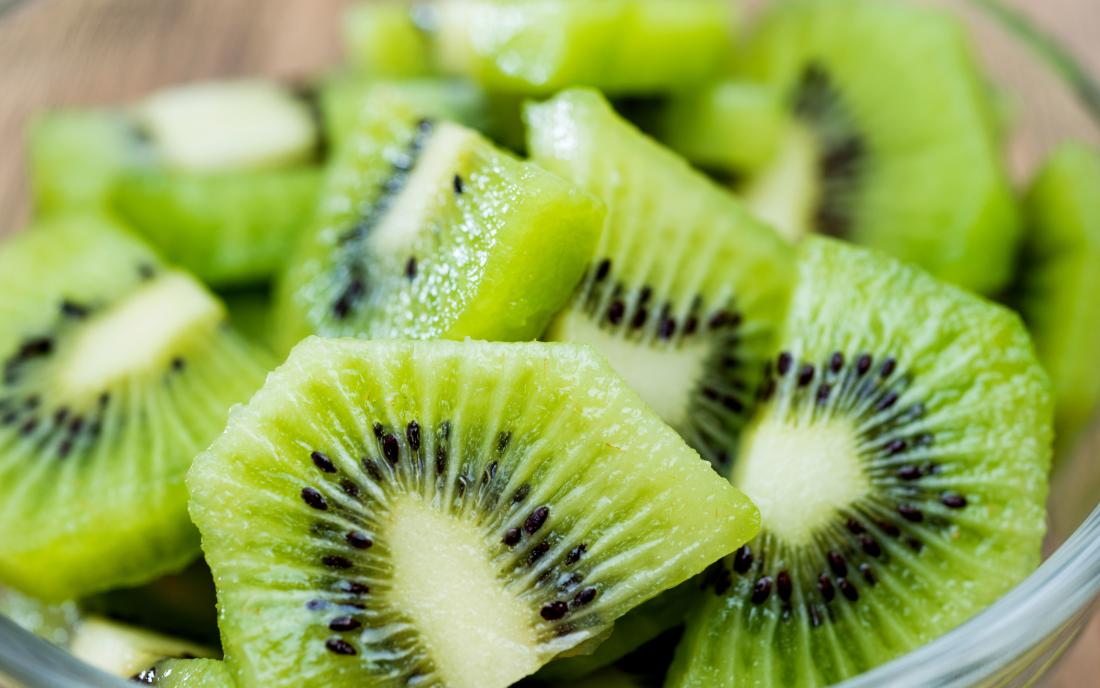
    New Zealand’s ruby-red kiwifruit has made its debut in Vietnam through formal imports, attracting high demand despite its price tag of approximately VND350,000 (US$13.29) per kilogram, which is 20% higher than the cost of gold kiwifruit. Retailers have been selling this vibrant fruit for the past fortnight, with its bold color, unique taste, and edible skin contributing to its popularity.

    Consumer Response

    Local consumers, accustomed to green or yellow kiwifruit, have expressed pleasant surprise at the fruit’s red flesh. A Ho Chi Minh City (HCMC) resident, Hoa, spent VND700,000 on two boxes of the fruit, citing its sweeter and more intense taste compared to other varieties.

    Formal imports involve the shipment of goods in large quantities, subject to strict customs regulations and inspections. Another HCMC inhabitant, Lan Anh, noted that in previous years, some vendors would sporadically hand-carry the fruit into the country, selling it for approximately VND500,000. However, with the initiation of formal, large-scale imports, the fruit’s price has dropped by around 30%.

    The RubyRed Kiwifruit

    The RubyRed kiwifruit, developed by Zespri, the world’s leading kiwifruit producer, through a natural breeding program in New Zealand, is described as boasting a rich sweetness and a striking red hue, a result of anthocyanins. These antioxidant compounds are frequently found in berries. However, the supply of this variety is limited, due to a short growing season spanning only 6-8 weeks, and it yields less fruit than the gold and green variants.

    Vo Thanh Loc, the co-founder of the retail chain Farmers’ Market, revealed that Zespri’s first RubyRed kiwifruit shipment arrived in Vietnam earlier this month. The fruit has quickly become the chain’s top-selling kiwifruit variety.

    Lu Minh Quang, import director of fruit distributor Biovegi Vietnam, disclosed that the company has ordered its first shipment of approximately 80 tons for distribution in Hanoi and HCMC. Quang added that sellers are still gauging the market’s response to the fruit.

    Questions & Answers

    What sets the RubyRed kiwifruit apart from other varieties?
    The distinct red flesh, sweeter taste, and rich antioxidants make the RubyRed kiwifruit stand out from other green or yellow variants.

    What challenges are associated with the supply of the RubyRed kiwifruit?
    The fruit’s short growing season and lower yield compared to other kiwifruit varieties limit its supply.

    What impact has the formal importation of the RubyRed kiwifruit had on its pricing?
    With the initiation of large-scale, formal imports, the price of the RubyRed kiwifruit has decreased by approximately 30% compared to when it was sporadically hand-carried into the country.
  • Vietnam’s Seafood Exports Surge by 8% in Q1 2026, Powered by Strong Chinese Demand

    Vietnam’s Seafood Exports Surge by 8% in Q1 2026, Powered by Strong Chinese Demand

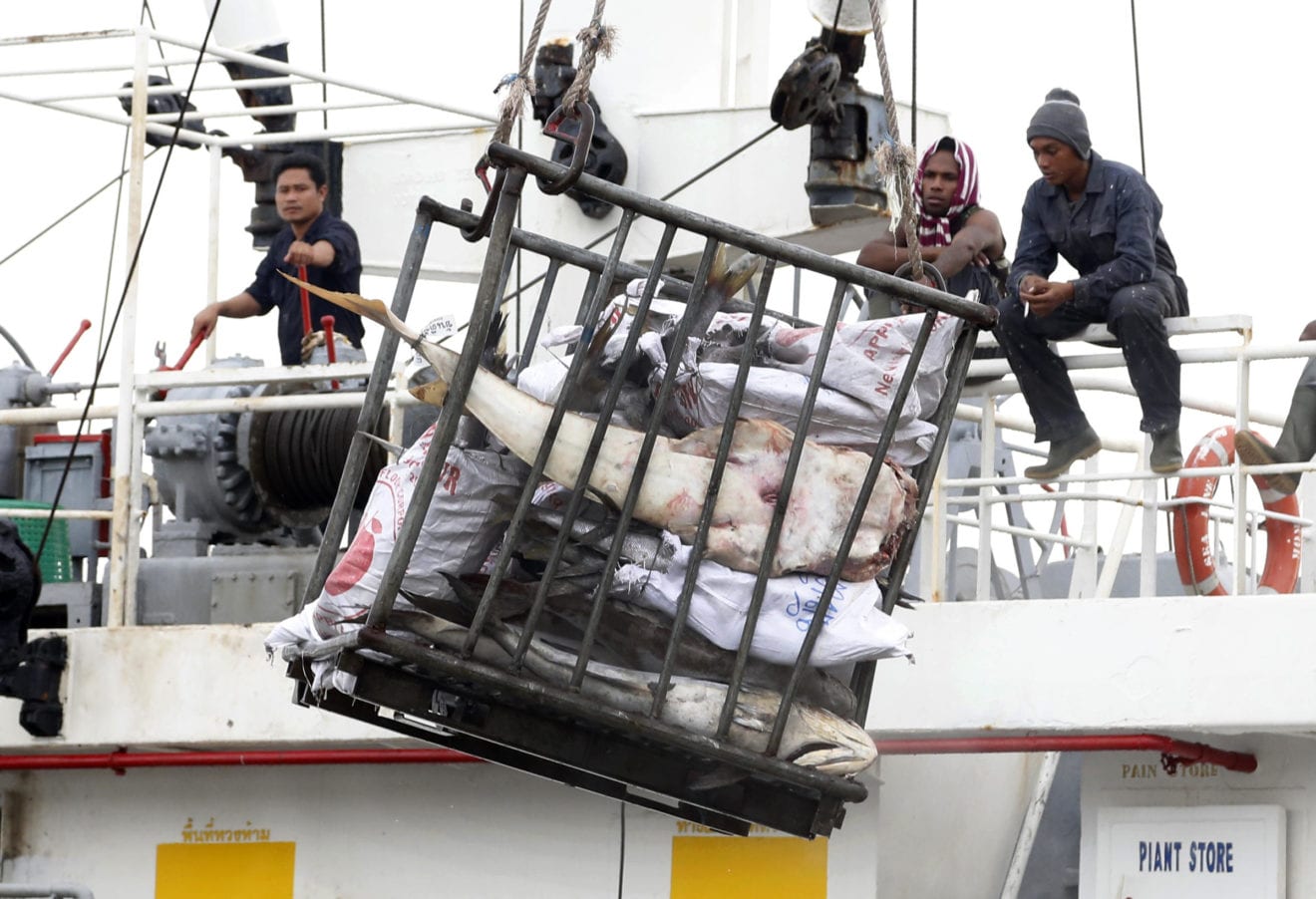
    In the first quarter of 2026, Vietnam saw a nearly 8% increase in seafood exports, amounting to a substantial US$2.64 billion. A primary factor fueling this growth was robust demand from China.

    China’s Role in Vietnam’s Seafood Industry

    During this period, China remained the central seafood importer from Vietnam, with purchases amounting to approximately $764 million. This figure represents an almost 45% year-on-year increase. In March alone, the country’s seafood imports exceeded $250 million, a growth of over 50%. Not only is China the largest seafood importer, but it is also the biggest consumer of Vietnamese pangasius.

    The shrimp category witnessed significant growth, largely attributed to lobster exports. Despite this, exports of whiteleg shrimp, a key product in the U.S. and EU markets, remained consistent.

    Other seafood types, including crab, swimming crab, and molluscs, experienced increased demand across Asian markets. Moreover, tilapia exports skyrocketed by 190% year-on-year, reaching an estimated $35 million in the first quarter.

    The Impact of Other Markets

    China’s robust performance was instrumental in maintaining overall sectoral growth despite a drop in exports to several other markets. Seafood exports to the U.S. decreased by over 10% in the same quarter. This decline can be attributed to weak demand and technical barriers, including the Marine Mammal Protection Act’s Certificates of Analysis requirements and anti-dumping duties on shrimp. There was also a similar decline in exports to Japan and South Korea.

    While exports to the EU remained largely stable, those destined for ASEAN, Australia, and several emerging markets maintained their growth momentum.

    Driving Factors and Predictions

    According to Le Hang, the deputy secretary general of the association, several factors contributed to China’s emergence as the primary growth driver. These include seasonal consumption, steady demand, and advantageous logistics conditions.

    Increased consumption during the Lunar New Year boosted imports of whole shrimp, live seafood, and premium products. This seasonal surge contributed to a sharp increase in high-value items like lobster.

    Despite this growth, Hang warned that these figures may primarily reflect seasonal trends rather than a long-term structural recovery. This is because the increased exports were partly driven by stockpiling and festive demand, which could lead to a moderation of growth in the upcoming months.

    The seafood industry in Vietnam also faces intensifying competitive pressure, particularly from major suppliers like Ecuador. This competition underscores the need for diversification in Vietnam’s seafood industry.

    However, the association remains optimistic. They project that seafood exports will continue to grow in the second quarter, with shrimp and pangasius expected to be the primary growth drivers.

    Questions & Answers

    What was the value of Vietnam’s seafood exports in the first quarter of 2026?
    The value of Vietnam’s seafood exports in the first quarter of 2026 was US$2.64 billion.

    Who is the largest importer of Vietnamese seafood?
    China is the largest importer of Vietnamese seafood.

    What has been the impact of seasonal consumption on Vietnam’s seafood exports?
    Seasonal consumption, particularly during the Lunar New Year, has led to a surge in imports of various seafood items, contributing to the overall growth in Vietnam’s seafood exports.

  • Bangkok’s Ve/la Coffee Brand Brews Up Expansion Strategy: New 24/7 Cafe to Perk Up Changi Airport in Singapore

    Bangkok’s Ve/la Coffee Brand Brews Up Expansion Strategy: New 24/7 Cafe to Perk Up Changi Airport in Singapore

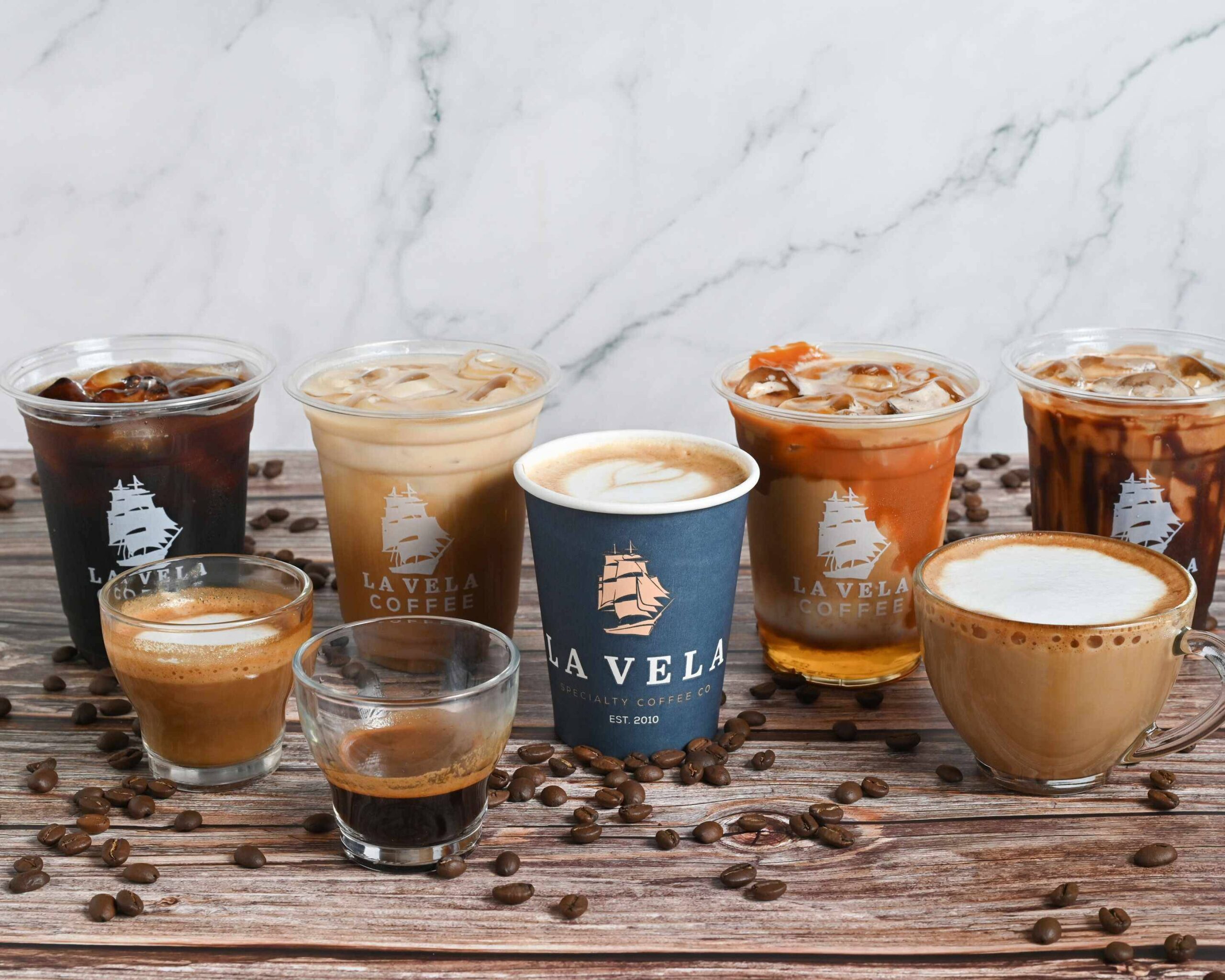
    Ve/la, a coffee enterprise originally established in Bangkok, is poised to broaden its horizons with a new cafe at Changi Airport Terminal 1 in Singapore. This will be the brand’s inaugural airport location, as well as its third international market.

    Slated to open by the end of this summer, the cafe will be landside, near Jewel Changi Airport. The strategic location will enable it to serve a diverse customer base, ranging from travelers to local patrons. In another first for the brand, the cafe will remain open 24 hours a day, catering to the round-the-clock needs of the airport’s visitors.

    As the founder of Ve/la, Pete Kasidit Prasitrattanaporn, views it, the decision to expand into Singapore was a logical progression after the brand’s initial foray into the international market in London. He cited Singapore’s geographical closeness to Thailand and its renowned excellence in operational standards as key factors influencing this decision.

    In his words, “At some point, it became apparent that our visions aligned perfectly. Our choice of location is always thoughtfully considered, and this one was an unequivocal decision.”

    Designed to provide a counterpoint to the bustling atmosphere of Changi Airport, the cafe is anticipated to offer a serene space for patrons. Its decor will feature restrained, calming interiors with a focus on natural materials and soft finishes.

    Ve/la’s menu continues to focus on its core offerings of specialty coffee, matcha, and tea. In a nod to local tastes, a unique Kaya Toast Latte, inspired by popular Singaporean flavors, will be offered exclusively at this location.

    The move to expand into Singapore is indicative of Ve/la’s ongoing strategy for international growth, which emphasizes choosing strategic locations and ensuring a consistent brand experience across different markets.

    Questions & Answers

    What distinguishes the upcoming Ve/la cafe at Changi Airport?
    The Ve/la cafe at Changi Airport in Singapore will be the brand’s first airport location, first 24-hour operation, and third international market.

    What led Ve/la to choose Singapore for its expansion?
    Singapore’s proximity to Thailand and its reputation for excellence in operational standards were key factors. The location near Jewel Changi Airport offers access to a diverse customer base including both travelers and local patrons.

    What unique offerings will the Singapore location of Ve/la have?
    The Ve/la cafe in Singapore will offer a unique Kaya Toast Latte, an exclusive offering inspired by popular local flavors.

  • Quench Your Thirst with Lvl Up’s New Electrolyte Hydration Drinks – Now at Chemist Warehouse

    Quench Your Thirst with Lvl Up’s New Electrolyte Hydration Drinks – Now at Chemist Warehouse

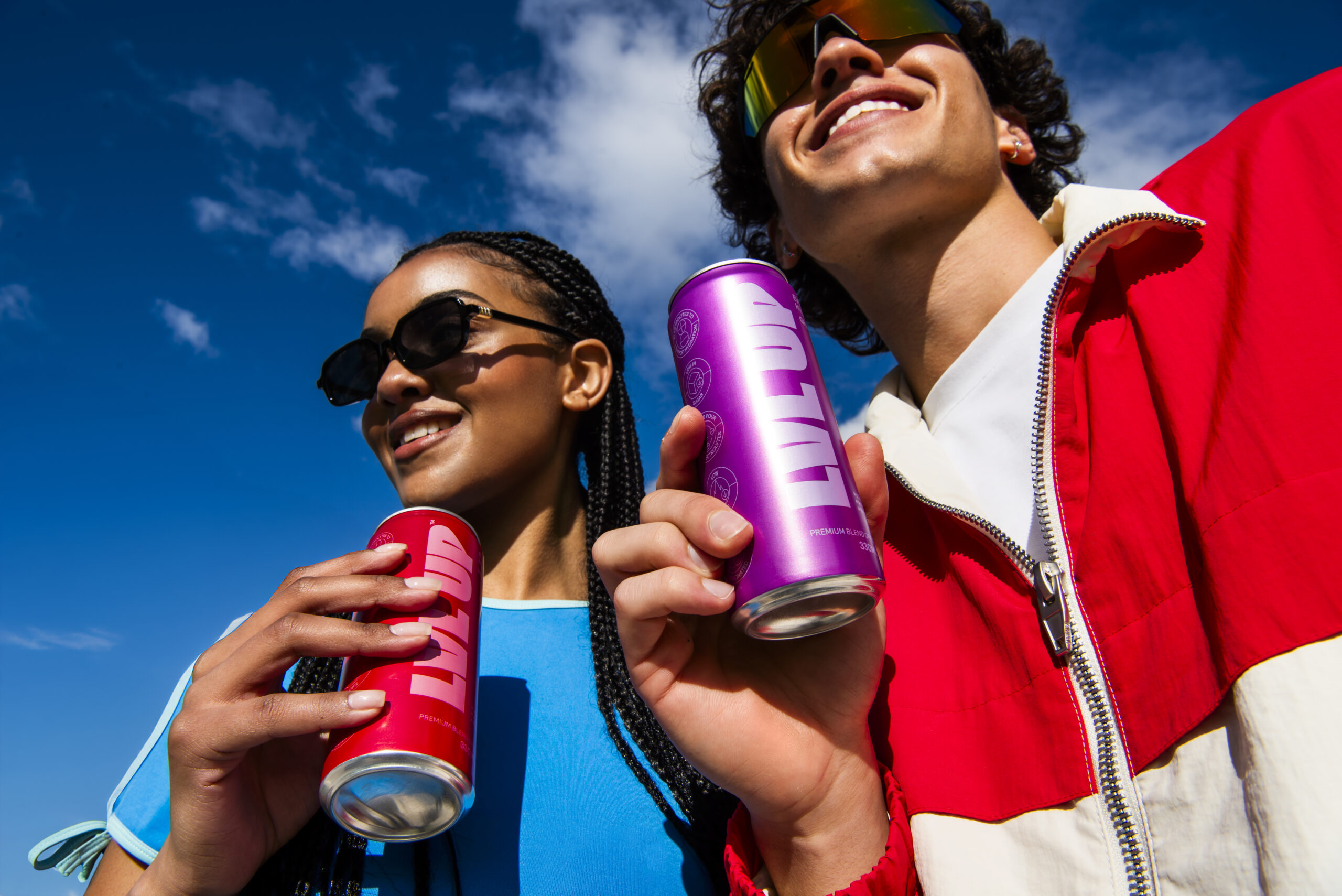
    The company Lvl Up has recently expanded its ready-to-drink (RTD) electrolyte beverage offerings with the addition of new flavors that are exclusively sold at Chemist Warehouse.

    New Flavors, More Choices

    The latest offerings come in non-carbonated 330ml cans and include three new flavors: Grape, Mixed Berry, and Lemon-Lime. Each can offers a refreshing, low-sugar beverage that contains just 40 calories, catering to health-conscious consumers who are also seeking flavor and convenience.

    Availability and Pricing

    These RTD electrolyte beverages are available to buy at Chemist Warehouse stores throughout Australia. Alternatively, customers can also make their purchases through the company’s official online platform. Prices for these products range from $4.99 up to $77.99.

    Filling a Market Gap

    Austin Xenos, a co-founder of Lvl Up, noted that the brand identified a clear gap in the market. He observed that Australians, with their busy lifestyles, often overlook hydration. The company sought to address this need by creating a product that combines practicality and taste, contributing to an improved lifestyle without compromising on the health aspect.

    Questions & Answers

    What are the new flavors introduced by Lvl Up in its RTD electrolyte range?
    Lvl Up has introduced three new flavors in its RTD electrolyte range: Grape, Mixed Berry, and Lemon-Lime.

    Where can these new beverages from Lvl Up be purchased?
    These new products from Lvl Up can be purchased at Chemist Warehouse locations across Australia and through the brand’s website.

    What was the motivation behind Lvl Up’s introduction of these new products?
    Lvl Up identified a gap in the market where Australians, given their busy lifestyles, were neglecting hydration. The company aimed to address this by providing a product that delivers on function without compromising on taste or lifestyle.

  • Domino’s Pizza China Gains Momentum: Soars High with Expanding Network, Innovative Menu, and Soaring Customer Loyalty

    Domino’s Pizza China Gains Momentum: Soars High with Expanding Network, Innovative Menu, and Soaring Customer Loyalty

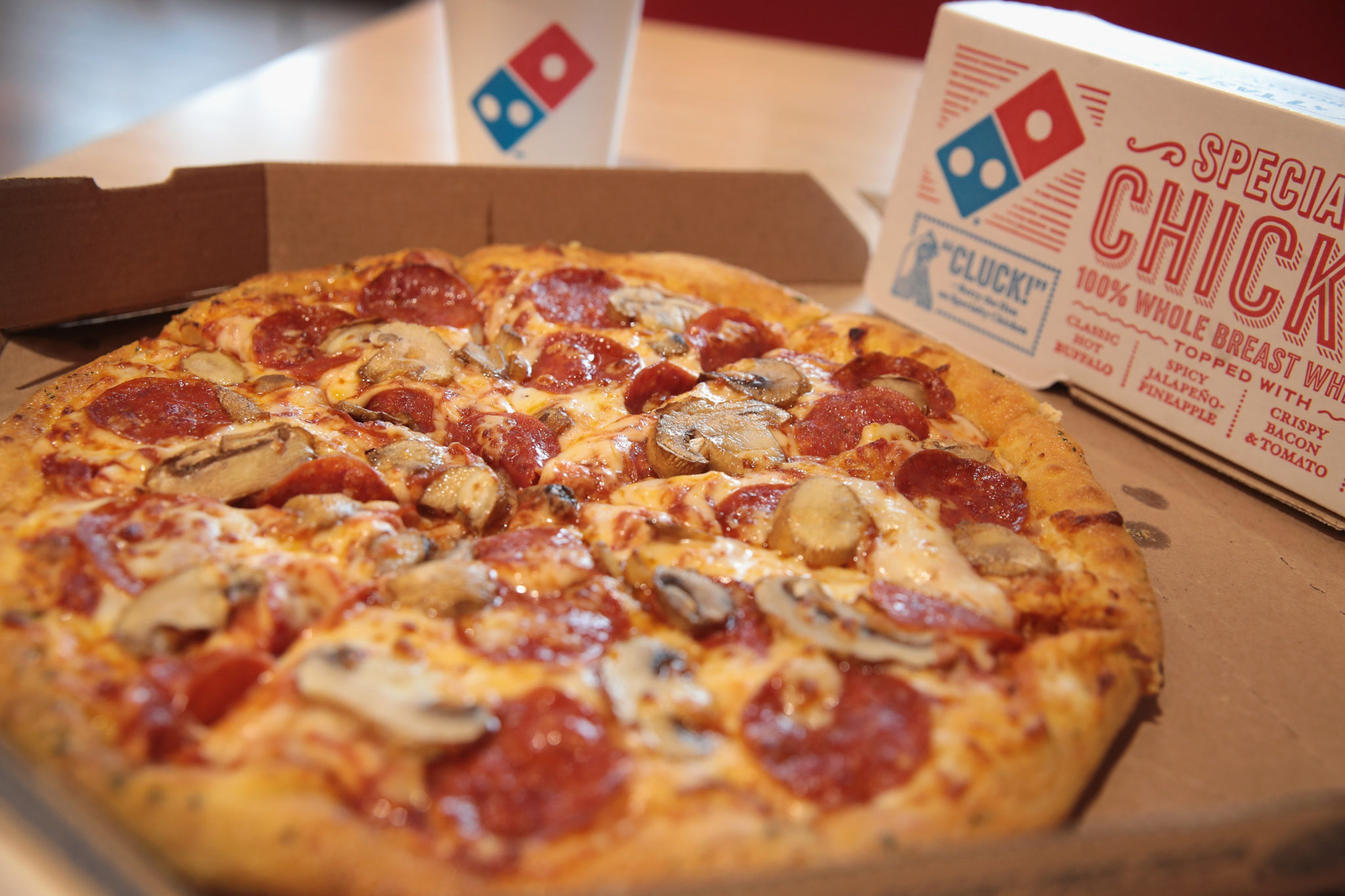
    Domino’s Pizza China (DPC Dash) has reported a robust performance for the first quarter as it continues to grow its customer base and expand its operations. DPC Dash holds the master franchise rights for Domino’s in Mainland China, Hong Kong, and Macau.

    By the end of March, DPC Dash had increased its total number of stores to 1,462 in 72 cities, marking a net increase of 147 stores and an extension into 12 new cities compared to the end of the previous year. The number of new stores, stores under construction, and stores signed account for 65% of the company’s annual target of 350 new stores. The company’s primary growth engine has become non-tier 1 cities, while tier 1 cities continue to contribute to a high-quality revenue base.

    The company’s loyalty program saw considerable growth, with membership numbers rising to 38.8 million by the end of the quarter, up from 27.2 million during the same period the previous year.

    DPC Dash now holds all of the top 50 positions for first 30-day sales among Domino’s more than 22,100 globally located stores. In terms of the number of stores, the Chinese mainland market remains the third largest international market for the chain.

    DPC Dash continues to follow a “go broader, go deeper” expansion strategy to increase its market share. This involves penetrating further into existing cities and expanding into new areas.

    Product innovation remains a key focus for the company, with the introduction of globally inspired flavors such as the limited-edition Yak Beef Matsutake Ham Fortune Pizza released for the Year of the Horse New Year celebration. The company also revived the “Mega Week” promotion and extended the “Crazy Tuesday & Wednesday” offer to boost customer footfall.

    The company’s strong execution, appealing store economics, and operational efficiency continue to drive robust performance in a highly competitive landscape, creating sustainable, long-term value for shareholders, according to the management.

    Questions & Answers

    What is the expansion strategy of DPC Dash in China?
    The company follows a ‘go broader, go deeper’ strategy, which involves penetrating further into existing cities and expanding into new markets.

    How many new stores did DPC Dash open in the first quarter?
    In the first quarter, DPC Dash opened 147 new stores, extending its reach to 72 cities in total.

    What product innovations has DPC Dash introduced recently?
    The company introduced globally inspired flavors such as the limited-edition Yak Beef Matsutake Ham Fortune Pizza for the Year of the Horse New Year. It also brought back the “Mega Week” promotion and extended the “Crazy Tuesday & Wednesday” offer to increase customer footfall.

  • Chinese Milk Tea Titans Embark on Global Conquest: Expanding Across US and South Korea Amid Southeast Asia Saturation

    Chinese Milk Tea Titans Embark on Global Conquest: Expanding Across US and South Korea Amid Southeast Asia Saturation

    Chinese milk tea brands are broadening their horizons and expanding into new markets in Asia and the West. These brands have traditionally focused on Southeast Asia as their primary area for foreign expansion. However, with the market becoming overcrowded, they are now setting their sights on other regions. This comes as the tea market grows increasingly saturated, prompting a shift in emphasis from rapid expansion to improving store performance and streamlining operations.

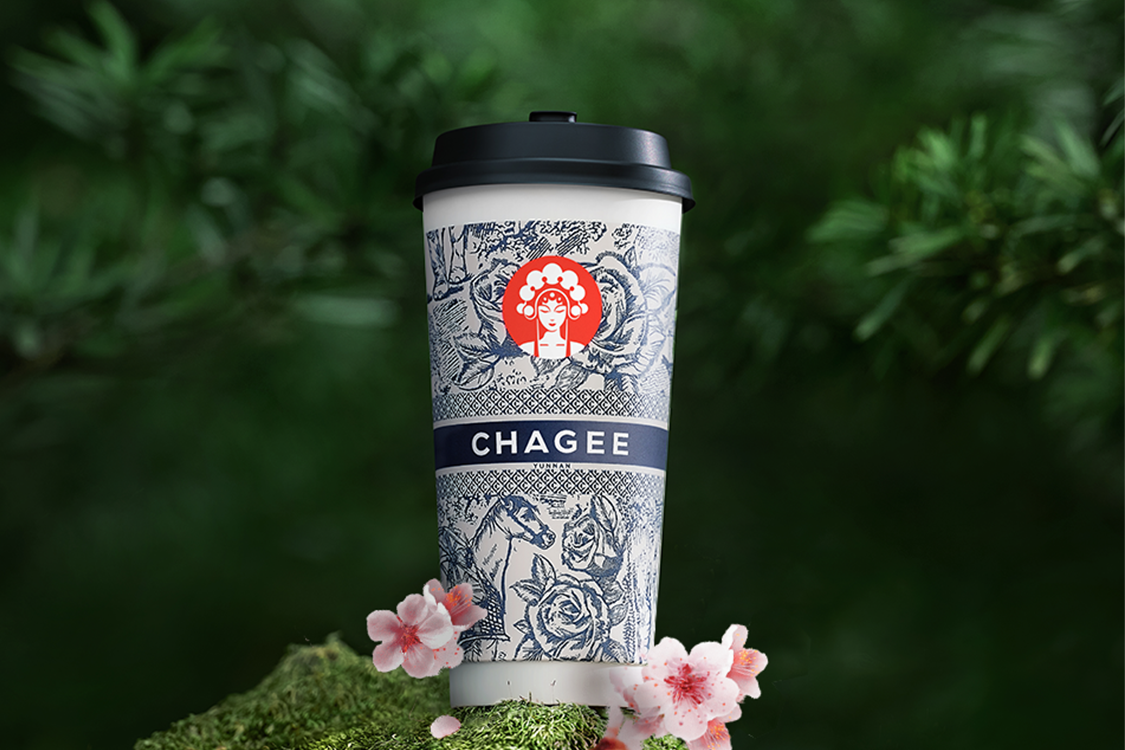
    Over 60 Chinese milk tea brands had established more than 6,100 outlets throughout Asia by the end of 2024, most notably led by major chains such as Mixue and Chagee. Mixue, the largest food and beverage chain globally in terms of store count, has begun adjusting its operations in Indonesia and Vietnam. Despite a decrease in store numbers in these markets, the company maintains its focus on the region while pushing into emerging markets, including its first location in Kazakhstan.

    Expansion and Competition

    Chagee, another renowned milk tea brand, has plans to venture into the South Korean market with three upcoming outlets in Seoul. It joins a growing number of its peers already established in the market, including Heytea, Mixue, ChaPanda, and Auntea Jenny. Chagee has further signaled its intent to spread its reach into Japan.

    Understandably, the homefront competition for these Chinese brands is fierce, with the milk tea boom of the last decade leading to around 420,000 outlets. To attract customers, some brands resort to pricing their products at less than a dollar or offering free online orders.

    Moving Westward

    Besides nearby Asian markets, several brands are also extending their presence to the United States. The country has become a significant focus for the sector, with the number of fresh tea retailers rising by 18.2% annually to 7,845 in 2025. It is projected that the U.S. market for freshly made tea drinks will be worth $2.9 billion by 2029.

    However, penetrating the U.S. market brings its challenges. Amanda Wang, co-founder of beverage chain Ningji Lemon Tea, highlights the need to adapt to local tastes, noting American consumers’ preference for sweeter drinks. She also cites differences in the business landscape.

    Despite these hurdles, various Chinese brands, including Mixue, Chagee, Chahalo, Molly Tea, and Auntea Jenny, have successfully launched U.S. stores or announced expansions in recent years. For instance, Mixue’s recently opened New York store, twice as large as its typical outlet in China, has managed to maintain the brand’s familiar look and affordable prices.

    Competitive Edge and Consumer Response

    Nevertheless, competitive pricing is not the only strength of Chinese tea brands. HeyTea, with its drinks averaging around $10, has enjoyed robust demand. Its Times Square store sold over 3,500 cups on its opening day and has since averaged over 2,000 cups daily. Other brands, such as Chagee and Auntea Jenny, have also experienced strong debuts in the U.S. market.

    Consumers appreciate the diverse flavors offered by Chinese brands, distinguishing them from established chains like Starbucks. Consumers’ preference for different flavors and affordable prices are significant factors driving their patronage of Chinese tea brands.

    Questions & Answers

    Why are Chinese milk tea brands expanding into new markets?
    Chinese milk tea brands are expanding into new markets as their traditional focus area, Southeast Asia, becomes overcrowded, and the tea market becomes increasingly saturated. This has led to a shift from rapid expansion to improving store performance and operations.

    How are Chinese brands faring in the U.S. market?
    Despite facing challenges such as adapting to local tastes and a different business environment, several Chinese brands have successfully launched stores or announced expansions in the U.S. They have garnered a positive response from consumers who appreciate the diverse flavors and competitive prices they offer.

    What distinguishes Chinese tea brands from established chains like Starbucks?
    Chinese tea brands stand out from established chains like Starbucks due to their unique flavors and affordability. They offer a variety of flavors not typically found in Western chains, boosting their appeal among consumers.

  • A2 Milk Faces Financial Downgrade Amid Middle East Supply Chain Hurdles and Stricter Chinese Regulations

    A2 Milk Faces Financial Downgrade Amid Middle East Supply Chain Hurdles and Stricter Chinese Regulations

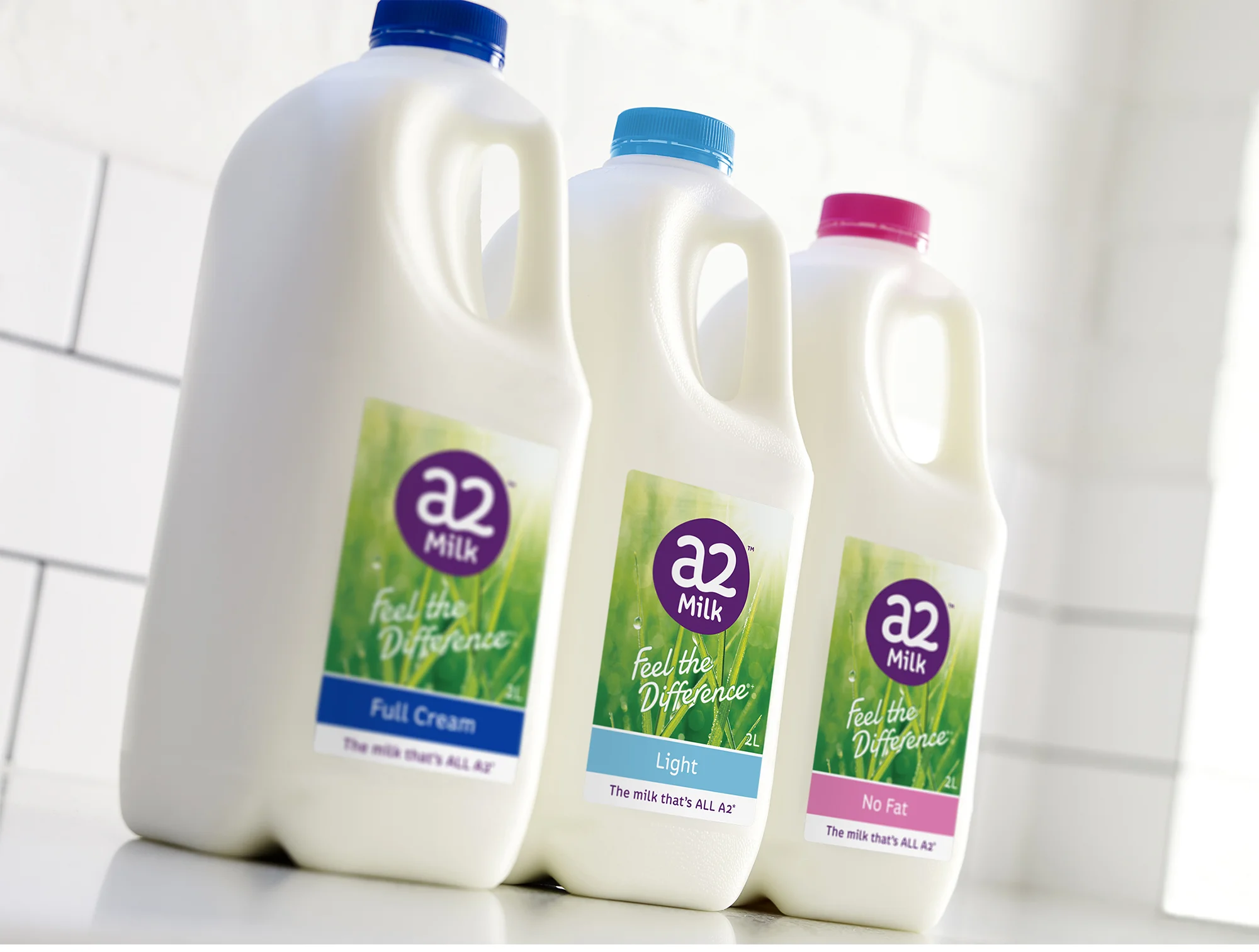
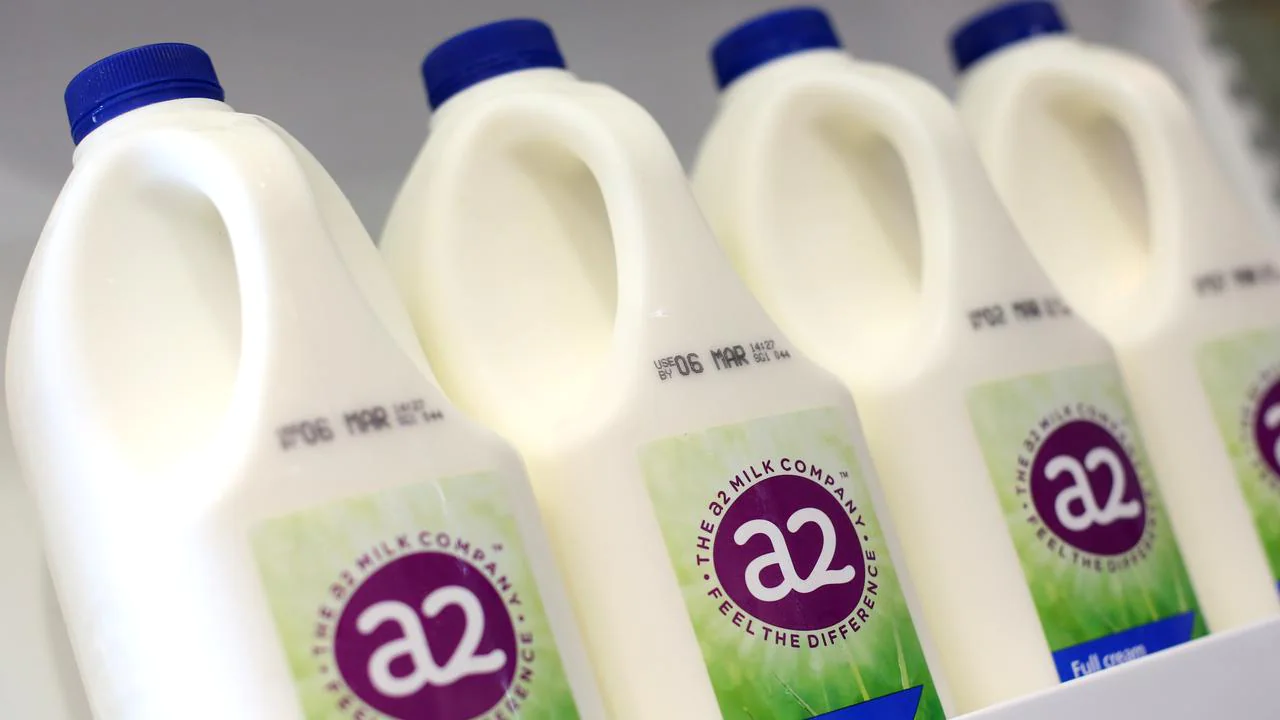
    The A2 Milk Company has acknowledged a number of issues currently affecting its supply chain, leading to a downgrade in its financial outlook.

    Strong Demand versus Supply Chain Challenges

    While experiencing robust demand, especially for their infant milk formula products in China, The A2 Milk Company is facing supply chain difficulties. The company noted that the cost and availability of extra air freight to expedite product shipments to China has been indirectly influenced by the ongoing conflict in the Middle East. It also reported that inventory levels have been low due to issues at its manufacturer, Synlait Milk.

    Synlait Milk responded by stating its continued efforts to mitigate the impacts on the supply chain linked to its recently enhanced testing protocol for infant milk products.

    Influence of Stricter Regulations

    This new testing protocol was implemented in response to China’s tighter regulations for such products. The A2 Milk Company noted that this change is also leading to longer export clearance times at customs.

    The A2 Milk Company stated that these factors have developed quickly, and are still subject to uncertainty. This is especially true in relation to the unpredictability in freight and clearance assumptions, as well as potential additional indirect impacts that may flow from the Middle East conflict.

    Financial Outlook

    In the lead-up to its full-year results for fiscal 2026, following guidance released on February 16, the company now anticipates lower infant formula sales, increased supply chain costs, and a delay in fourth-quarter cash receipts into fiscal 2027. The company’s projected revenue, EBITDA, and net profit after tax (NPAT) are all expected to be less than previously forecasted.

    Questions & Answers

    What challenges is the A2 Milk Company currently experiencing?
    The A2 Milk Company is facing supply chain issues like the cost and availability of extra air freight required to expedite product shipments to China, which is being indirectly affected by the Middle East conflict. It’s also dealing with low inventory levels due to issues at its manufacturer, Synlait Milk.

    What changes have been implemented by Synlait Milk?
    Synlait Milk has introduced enhanced testing protocols for its infant milk products in an effort to comply with China’s stricter regulations for these products.

    What is the current financial outlook for the A2 Milk Company?
    The A2 Milk Company is expecting lower infant formula sales, increased supply chain costs, and a delay in fourth-quarter cash receipts into fiscal 2027. Predictions for revenue, EBITDA, and net profit after tax (NPAT) are all expected to be less than previously forecasted.

  • From MyMilk Founder to Fonterra CEO: Richard Allen to Guide Dairy Giant Towards Strategic Transition

    From MyMilk Founder to Fonterra CEO: Richard Allen to Guide Dairy Giant Towards Strategic Transition

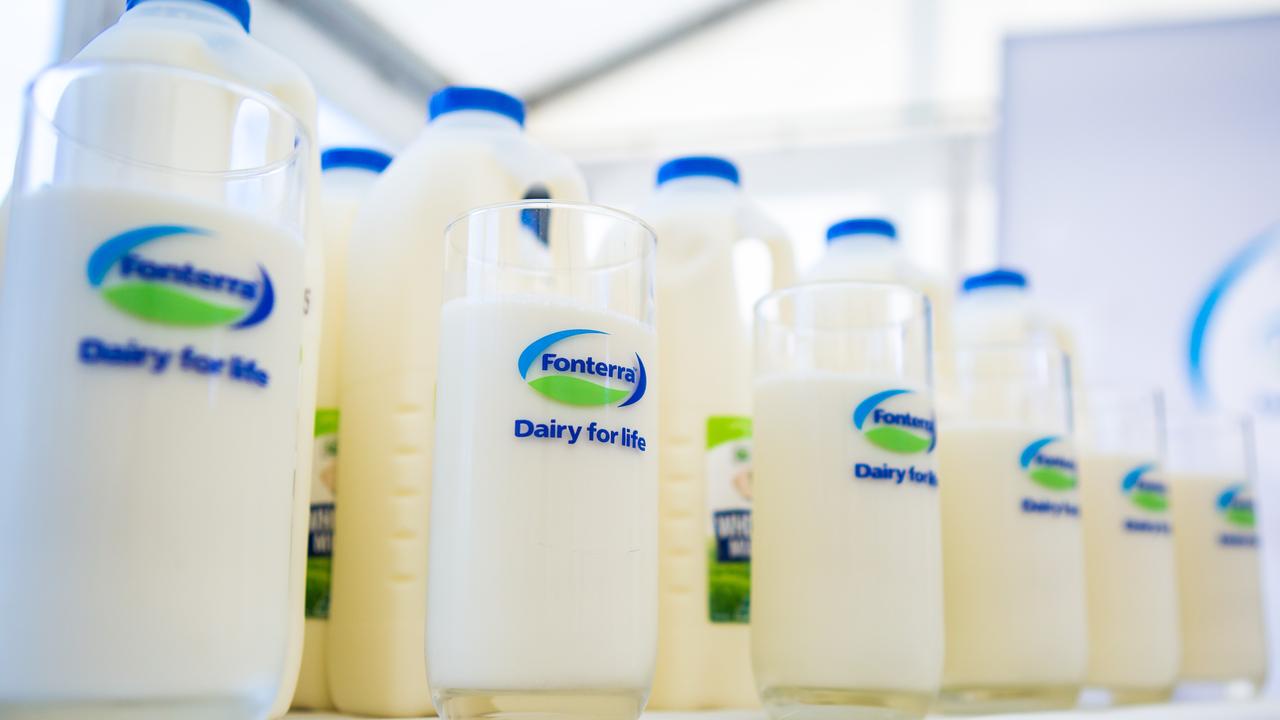
    Fonterra, the world’s foremost dairy exporter, has concluded its internal hunt for a new Chief Executive Officer (CEO) by naming the veteran employee, Richard Allen, as successor.

    Richard Allen: The New CEO of Fonterra

    Richard Allen, who started his career path at Fonterra as a graduate in 2008, has recently held the position of president of global ingredients. His promotion comes in the aftermath of Miles Hurrell’s resignation in December of the previous year.

    Peter McBride, the Chairman of Fonterra, expressed the board’s satisfaction with the appointment. He emphasised that Allen is primed to steer Fonterra into the next stage of its strategic execution.

    During his tenure at Fonterra, Allen has accumulated a diverse portfolio of experiences. He managed Farm Source, the company’s farmer-oriented business, for five years and operated in China as the vice president of the food service sector. Further, Allen was the initial CEO of MyMilk, and more recently, he functioned as the president of Atlantic, located in Chicago. In this role, Allen was responsible for managing relationships with several of Fonterra’s crucial global clients.

    Transition and Future Plans

    On May 1, Allen will assume his new role as CEO. Hurrell will remain with Fonterra as an advisor until September, ensuring a smooth transition.

    Allen expressed his anticipation for his new appointment, acknowledging the significant impact Fonterra has not only on farmers in New Zealand but also on its international customer base. He pledged his commitment to maintaining the positive trajectory in company performance, the focused execution of strategy, and the financial discipline fostered over recent years.

    Questions & Answers

    When did Richard Allen start his career at Fonterra?
    Richard Allen joined Fonterra in 2008 as a graduate.

    What are some of the roles Richard Allen has held at Fonterra?
    Allen has held various positions during his tenure at Fonterra, including leading the farmer-facing business Farm Source, serving as vice president of the foodservice business in China, being the founding CEO of MyMilk, and most recently, acting as president of Atlantic in Chicago.

    When will Richard Allen officially assume his new role as CEO of Fonterra?
    Richard Allen will commence his role as the CEO of Fonterra on May 1.

  • Burger King’s Vietnam Retreat: High-End Competition Forces Fast-Food Giant to Scale Back Operations

    Burger King’s Vietnam Retreat: High-End Competition Forces Fast-Food Giant to Scale Back Operations

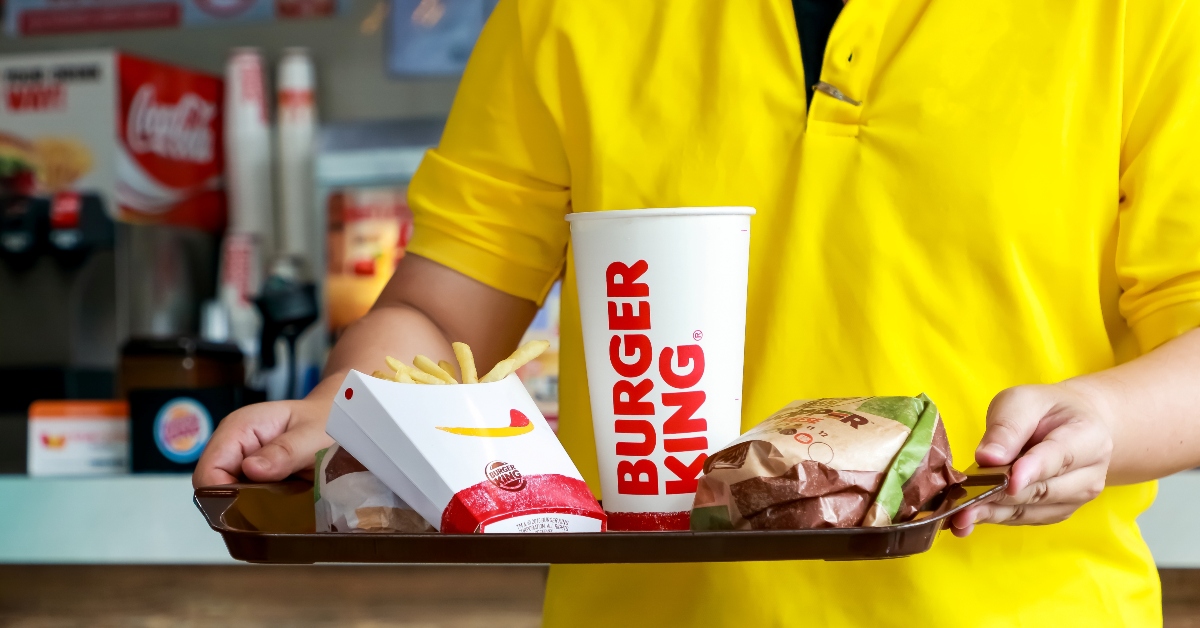
    Burger King, the renowned American fast food titan, has shuttered all its outlets in Hanoi, marking the end of over a decade-long presence in the city and simultaneously narrowing its footprint in Ho Chi Minh City.

    Shutting Down Operations

    Imex Pan Pacific Group (IPPG), the operating partner of Burger King and a local conglomerate that owns a multitude of rival retail brands, acknowledged the cessation of the brand’s operations in all Hanoi outlets roughly two months ago. The process of shutting down varied between one to two months, contingent on the particular outlet. Previously, the city had three Burger King outlets in operation.

    Presently, in Hanoi, the brand’s offerings are solely accessible through an outlet located within the city’s airport. Concurrently, operations in Ho Chi Minh City have been restrained, leaving only three outlets beyond the airport, one of which is conveniently situated in the backpacker haven of Phạm Ngũ Lão.

    The Burger King Journey

    Burger King, established in the United States in 1954, entered the Vietnamese market in 2012 via a franchise contract with IPPG. The grand opening was met with ambitious projections, with plans to establish 60 outlets within a span of five years. However, by 2016, the fast-food chain could only boast of 16 operating outlets, inclusive of one at Ho Chi Minh City’s airport.

    The expansion of Burger King in Vietnam has noticeably contracted over time, an issue some market analysts attribute to cost structures and business performance. The franchise model, based on universally accepted standards encompassing inputs, processes, and quality control, often incurs substantial operating costs. Consequently, when revenue and customer numbers fail to meet expectations, sustaining operations poses a formidable challenge.

    IPPG’s Franchise Strategy

    IPPG, from a franchise standpoint, lays emphasis on diversifying its portfolio, concentrating on the luxury retail sector, apparel, and businesses related to travel. The company, which operates over 1000 stores and collaborates with 138 brands, is progressively expanding its presence in airports, border checkpoints, and shopping centers.

    Johnathan Hanh Nguyen, the founder and chairman of IPPG, in 2019, emphasized the role of site selection in franchise operations. He identified store location, design, and service standards as key factors influencing brand visibility and overall business performance.

    Alternative Business Models

    While certain distributors prioritize scale and coverage, emerging operators such as The Kho Group (TKG) focus on lifestyle positioning, carefully curating brand selection and customer experience. Instead of a broad launch, projects are selectively implemented in cities like Ho Chi Minh City, Hanoi, Da Nang, and Phu Quoc.

    Innovative projects like Malbon are designed as lifestyle spaces with dual-level layouts and integrated community functions. This points to TKG’s strategy of scrutinizing consumption patterns and behavior prior to project launch and gauging success based on brand engagement and repeat visits rather than pure revenue.

    This varied approach highlights the different strategies towards licensing and franchising in Vietnam’s retail sector. While some prioritize network scale and foot traffic, others invest in a curated and unique offering, focusing on store design and brand experience.

    Questions & Answers

    Why did Burger King close its outlets in Hanoi?
    The closure of Burger King’s outlets in Hanoi was attributed to numerous factors including cost structures, business performance, and revenue falling short of expectations.

    What is the current state of Burger King’s operations in Vietnam?
    Burger King has scaled down its operations in Vietnam. As of now, there is only one outlet in Hanoi, located at the city’s airport. In Ho Chi Minh City, only three outlets remain.

    How do new distributors like The Kho Group (TKG) differ in their approach?
    New distributors like TKG emphasize lifestyle positioning. They focus on a careful selection of brand and customer experience, launching projects selectively in certain cities, and gauging success through brand engagement and repeat visits as opposed to pure revenue.

  • Australian Spirits Industry Outraged as Tax Relief Measures Favor Beer Over Liquor

    Australian Spirits Industry Outraged as Tax Relief Measures Favor Beer Over Liquor

    In Australia, the spirits industry is set to miss out on tax relief measures currently extended to the beer industry, following a failed debate on alcohol taxation in the Senate.

    The Failed Amendment

    An amendment proposed to extend the excise freeze, currently applied to draught beer, to tap spirits was voted down by the Labor and Greens parties. In addition to this, the amendment suggested a review of the alcohol tax system. The proposed changes, which received support from the opposition and several independent senators, would have served as a cost-of-living measure for patrons of pubs and clubs if approved.

    Steven Fanner, executive director of Spirits & Cocktails Australia, expressed disappointment at the outcome, stating that the amendment had the backing of consumers and also encouraged a review of alcohol taxation in the country.

    He was quoted as saying, “To see the amendment voted down without its supporters even being provided the opportunity to debate it in the Senate is disappointing.” He found it perplexing that the Greens opposed a review of the alcohol tax, considering that tax reform has been part of their policy platform for years.

    Call for Tax System Review

    Industry representatives continue to advocate for a reevaluation of the tax system, highlighting the stark contrast in taxation between different types of alcohol. For instance, a consumer purchasing a gin and tonic is taxed almost three times more than a beer drinker, and up to eight times more than a wine drinker. Fanner believes this system reflects outdated consumption patterns and fails to align with the current market conditions.

    Spirits are increasingly becoming a significant part of the product mix offered in bars, clubs, and smaller venues. The excise on spirits is adjusted bi-annually, and after the most recent adjustment in February, the tax collected on a standard 700ml bottle of gin or whisky stands at about $32.

    During the promotion of the draught beer excise freeze, Government MPs stated that the policy was intended to alleviate cost-of-living pressures and support hospitality businesses. According to Fanner, however, the current measure is only applicable to beer, not all alcohol categories.

    Questions & Answers

    What was the proposed amendment to alcohol taxation in Australia?
    The amendment proposed to extend the excise freeze currently on draught beer to tap spirits. It also called for a review of the alcohol tax system.

    What was the outcome of the debate on the amendment?
    The amendment was voted down in the Senate, with the Labor and Greens parties opposing it.

    What is the current state of alcohol taxation in Australia?
    Currently, the excise freeze is applied only to beer. A gin and tonic consumer pays nearly three times the tax a beer drinker pays, and up to eight times more than a wine drinker. The excise on spirits, which is adjusted twice a year, currently stands at $32 on a standard 700ml bottle of gin or whisky. Industry representatives are calling for a review of this system.

  • A2 Milk Settles Shareholder Dispute for $62M, Affirms No Impact on FY26 Earnings

    A2 Milk Settles Shareholder Dispute for $62M, Affirms No Impact on FY26 Earnings

    The A2 Milk Company has come to a preliminary agreement to conclude the prolonged shareholder class actions regarding its purportedly deceptive financial predictions.

    Settlement Details

    The globally traded dairy firm announced that the settlement amount is $62 million, encompassing interest and costs. This total amount will be covered by the available insurance proceeds and it will not affect the company’s fiscal 2026 earnings. In reaching this settlement, the company underlined that it does not acknowledge any wrongdoing. The resolution will undergo finalization and execution of a settlement deed, followed by the approval of the Supreme Court of Victoria.

    Class Action Proceedings

    Two separate class action proceedings were initiated against A2 Milk in October and November of 2021. These actions were brought forward on behalf of shareholders who held an interest in fully paid ordinary shares from August 19, 2020, to May 9, 2021. These actions pertained to the company’s disclosures and guidance for fiscal year 2021.

    In 2022, these separate class actions were merged into a single action.

    Allegations

    The claimants alleged that A2 Milk made misleading representations and failed to comply with its ongoing disclosure responsibilities as a public company, contravening Australian and New Zealand regulations.

    The preliminary agreement was hailed as a significant step in the proceedings. If approved, over 70% of the settlement sum will be distributed among group members. It was noted that the settlement represents a fair resolution and mitigates the delay and uncertainty of a protracted court trial.

    Questions & Answers

    What is the settlement amount that the A2 Milk Company has agreed to?
    The A2 Milk Company has agreed to a settlement amount of $62 million, which includes interest and costs.

    Who initiated the class action proceedings against the A2 Milk Company?
    The class action proceedings were initiated on behalf of shareholders who held an interest in fully paid ordinary shares of the company from August 19, 2020, to May 9, 2021.

    What were the allegations against the A2 Milk Company?
    The company was alleged to have made misleading representations and failed to comply with its ongoing disclosure obligations as a public company, in violation of Australian and New Zealand laws.

  • Pepper Power: Vietnam’s Exports Leap 31% in Q1 Amid Supply and Shipping Challenges

    Pepper Power: Vietnam’s Exports Leap 31% in Q1 Amid Supply and Shipping Challenges

    In the first quarter of 2026, Vietnam’s pepper exports rose by 31.7% to a value of US$430 million, despite challenges related to global supply and logistics. The export volume increased by 39.2% to 66,350 tonnes, according to the Vietnam Pepper and Spice Association.

    March Exports

    The month of March saw a significant surge in exports. Shipments totaled $199.3 million, equating to 30,638 tonnes of pepper. This marked an increase of 119.3% from February and a year-on-year rise of 51.3% in value.

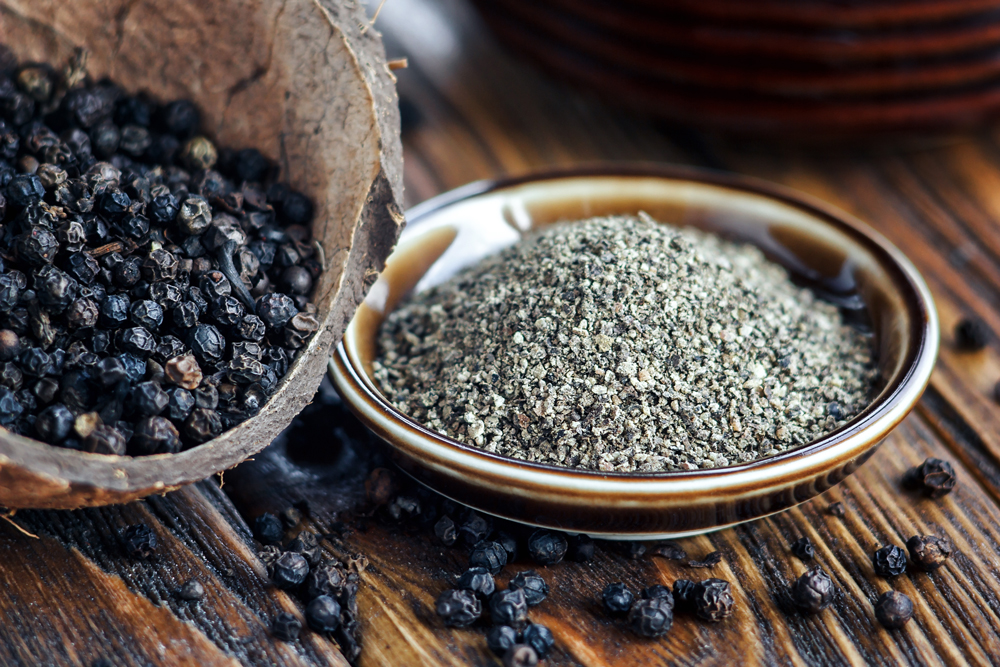
    Black pepper comprised the majority of these exports, with 26,190 tonnes worth $167.3 million. White pepper accounted for a smaller portion, with 4,448 tonnes worth $32 million. Even though black pepper prices dipped by 0.7%, the average export prices remained high, with black pepper costing an average of $6,520 per tonne and white pepper $8,735 per tonne. On the other hand, white pepper prices experienced a slight increase of 1%.

    Main Buyers

    The United States and China continued as Vietnam’s largest pepper buyers in March, with imports of 8,059 tonnes and 3,663 tonnes, respectively. Compared to the previous month, exports to the United States increased by 121% while those to China rose by 134.7%. Other markets such as Egypt, the Netherlands, Canada, and the Philippines also displayed substantial month-on-month growth.

    Import Increases

    Alongside increased exports, Vietnam also registered a surge in pepper imports as businesses sought to supplement domestic supplies for processing and re-export. In March, imports amounted to 10,313 tonnes, up 66.2% from February and 108.8% year-on-year. The total imports for the first quarter reached 21,201 tonnes, valued at $121 million, marking a year-on-year increase of 118.9%.

    Cambodia was the primary supplier to Vietnam, accounting for 55.1% of imports, followed by Brazil and Indonesia.

    Issues and Outlook

    Despite the encouraging export results, the association highlighted concerns about growing supply-demand imbalances. The 2026 harvest is anticipated to yield only 170,000–180,000 tonnes, a decrease of 15–20% from the previous crop due to unfavorable weather conditions and ageing plantations. This limited supply has driven domestic pepper prices to around VND140,000–150,000 (US$5.32-5.69) per kilogram.

    Farmers are not replanting extensively as they switch to higher-value crops and face decreasing land availability. Globally, this year’s pepper output is likely to be approximately 530,000 tonnes, slightly more than in 2025 but still less than in 2024, while demand remains strong.

    Exporters also face increasing logistical difficulties due to escalating tensions in the Middle East, which has led to a three to four-fold increase in shipping costs. The closure of the Strait of Hormuz to commercial container traffic has disrupted key shipping routes, causing severe congestion at major transshipment hubs. This has forced some exporters to pause new orders to mitigate risks associated with rising costs and delivery delays. Persistent disruptions may impact the sector’s export growth outlook for 2026.

    Questions & Answers

    What was the value of Vietnam’s pepper exports in the first quarter of 2026?
    The value of Vietnam’s pepper exports in the first quarter of 2026 was US$430 million.

    Who were Vietnam’s primary pepper buyers in March of 2026?
    The United States and China were Vietnam’s primary pepper buyers in March of 2026.

    What concerns does the Vietnam Pepper and Spice Association have for the future?
    The Association has concerns about growing supply-demand imbalances, unfavorable weather conditions, ageing plantations, and increasing logistical difficulties due to escalating tensions in the Middle East.

  • Starbucks Seals Deal with Boyu Capital, Sets Sight on 20,000 Stores in China’s Coffee Market Rivalry

    Starbucks Seals Deal with Boyu Capital, Sets Sight on 20,000 Stores in China’s Coffee Market Rivalry

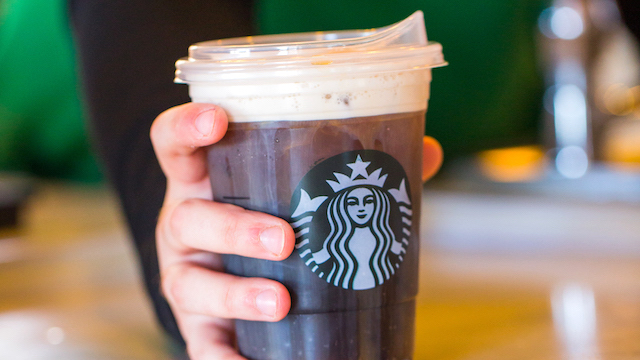
    Starbucks recently finalised a significant strategic transaction with Boyu Capital, effectively transferring majority control of its China-based operations to the investment firm. Initiated back in November, this strategic move is designed to stimulate the coffee chain’s expansion in the world’s second-largest economy. Starbucks faces fierce competition in this market from regional contenders such as Luckin and Cotti, who have managed to gain substantial market share through their affordable pricing strategies.

    Boyu Capital, whose founders include a descendant of previous Chinese President Jiang Zemin, will now oversee a significant 60% stake in Starbucks’ Chinese outlets. Despite this shift in ownership, Starbucks will maintain a 40% interest in these stores and will persist in licensing its distinguished brand and intellectual property rights to the joint venture.

    Molly Liu, the Chief Executive Officer of Starbucks China, expressed her affirmation of the deal, stating that it would foster a “hyper-localisation” of the Starbucks brand within the Chinese market. This essentially means that the brand will be more effectively tailored and marketed towards local consumers, creating a more resonant and culturally appropriate experience for them.

    Currently, China is home to approximately 8,000 Starbucks outlets. With this new agreement, the company plans to dramatically increase the number of stores with Boyu Capital’s assistance. The intended target is an ambitious 20,000 outlets across the country.

    Questions & Answers

    What is the purpose of Starbucks’ deal with Boyu Capital?
    The deal is designed as a strategic move to stimulate Starbucks’ growth in China, the world’s second-largest economy. It is a response to the fierce competition Starbucks faces in China, particularly from local brands offering lower prices.

    What will be the role of Starbucks in the new joint venture?
    Starbucks will retain 40% ownership in its Chinese stores and will continue to license its brand and intellectual property rights to the joint venture.

    What is the future plan of Starbucks in terms of its store count in China?
    Starbucks, in collaboration with Boyu Capital, plans to increase its current store count in China from approximately 8,000 to a target of 20,000 outlets.

  • Chinese Hotpot Giant Haidilao Sees Sizzling $93.9M Revenues in Vietnam, Solidifying Asian Market Dominance

    Chinese Hotpot Giant Haidilao Sees Sizzling $93.9M Revenues in Vietnam, Solidifying Asian Market Dominance

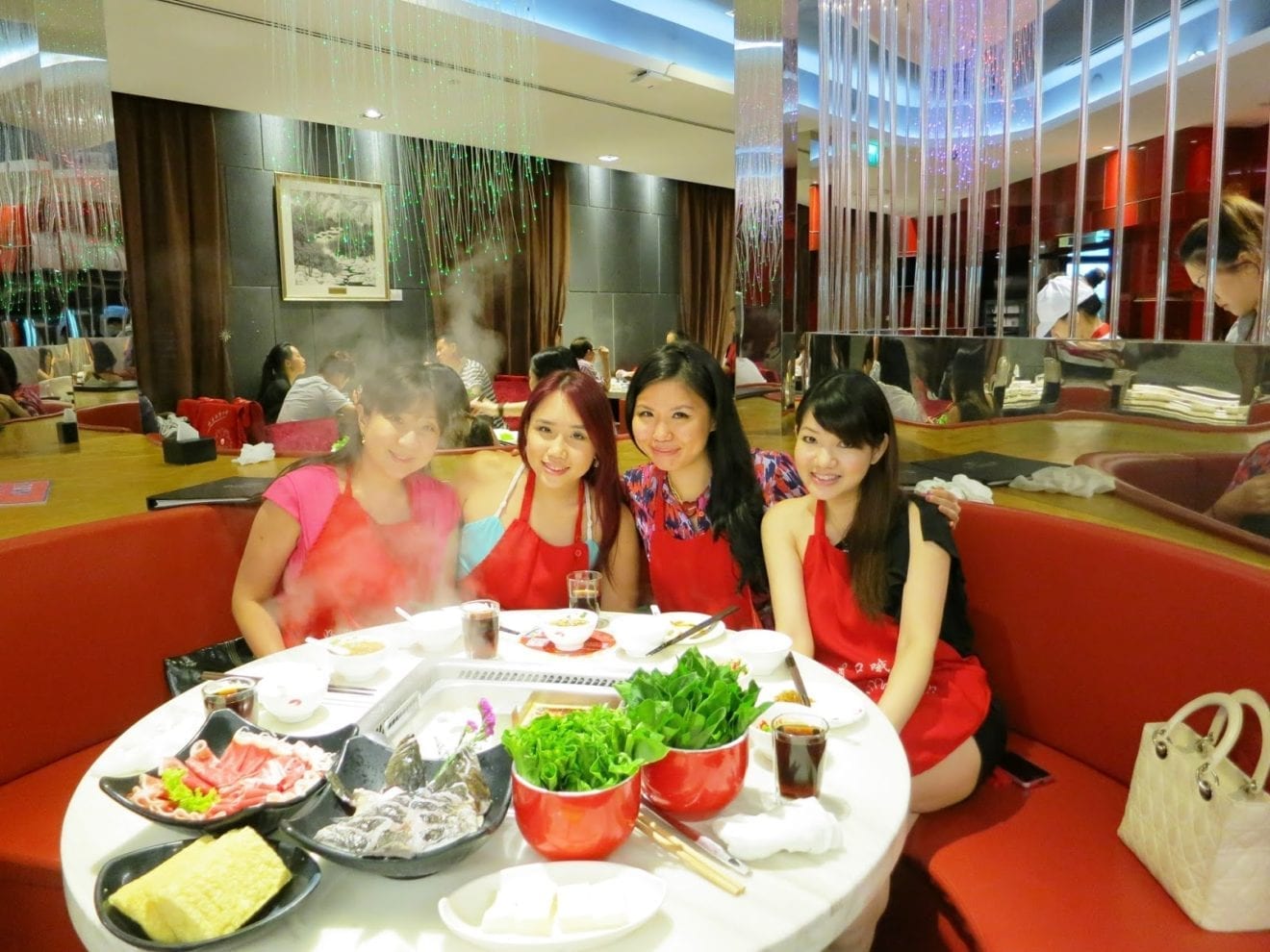
    The renowned Chinese hotpot restaurant chain, Haidilao, announced that it generated over US$93.9 million in revenue from its operations in Vietnam in 2025, marking a 7% increase from the previous year. This solid performance propelled Vietnam to become Haidilao’s fourth-largest international market in terms of sales, following Singapore, the U.S., and Malaysia.

    Global Performance

    In 2025, Haidilao’s total revenue from all its overseas markets was reported at $840 million, representing an 8% boost compared to the year before. Additionally, the restaurant chain’s pre-tax profits experienced a significant surge, nearly 50%, amounting to $49.5 million.

    Presence in Vietnam

    Haidilao made its debut in Vietnam in 2019, with its inaugural restaurant located in the Bitexco Tower in Ho Chi Minh City (HCMC). To date, Haidilao’s presence in Vietnam has grown to 17 outlets scattered across the country. Ten of these can be found in HCMC, six in Hanoi, and one in the central coastal city of Nha Trang.

    Company Background

    The story of Haidilao began in 1994 when Zhang Yong and his partners established the brand. Emerging from humble beginnings with only a four-table restaurant in a small town in China’s Sichuan province, the chain has transformed into a globally recognized brand within the Chinese restaurant industry. This success has also catapulted the co-founders into the league of billionaires.

    Questions & Answers

    What are Haidilao’s top overseas markets?
    Vietnam is Haidilao’s fourth-largest overseas market in terms of sales, following Singapore, the U.S., and Malaysia.

    How many outlets does Haidilao have in Vietnam?
    As of 2025, Haidilao has 17 outlets in Vietnam, with 10 in Ho Chi Minh City, six in Hanoi, and one in the central coastal city of Nha Trang.

    When did Haidilao first establish a presence in Vietnam?
    Haidilao entered the Vietnamese market in 2019 with its first restaurant located in the Bitexco Tower in Ho Chi Minh City.

  • Chinese Dining Chains Spice Up South Korea’s Restaurant Scene with Explosive Growth

    Chinese Dining Chains Spice Up South Korea’s Restaurant Scene with Explosive Growth

    Chinese restaurant chains are accelerating their growth in South Korea, capturing customers in the major tourist regions of Seoul with genuine Chinese food. This development is fueled by a boost in sales.

    Emerging Leaders in the Industry

    Among the most rapidly developing contenders is the hot pot franchise Tanghuo Kungfu Malatang. Since the inauguration of its initial franchised store in Suwon in 2012, the chain has expanded exponentially, boasting over 560 locations in South Korea as of the end of March. These locations encompass both franchised and company-managed stores.

    Tanghuo Kungfu Korea reported an impressive KRW22.2 billion (US$14.7 million) in revenue in 2024, an increase of 21% from the previous year. The company’s operating profit skyrocketed elevenfold to KRW10.5 billion during the same timeframe.

    Now, the company’s establishments are primarily located in the main tourist hotspots of Seoul, such as Gangnam Station, Myeong-dong, Hongdae, Seongsu, and Daehangno.

    The company is also offering incentives for new partners by exempting franchise, training, and royalty fees and providing free serving bowls.

    A spokesperson for Tanghuo Kungfu Korea stated, “As the malatang market in Korea continues to grow, we aim to appeal to potential entrepreneurs and share with them our brand’s operational expertise and practical support benefits. We look forward to active involvement by local restaurant owners so we can jointly spearhead malatang’s market growth here.”

    Other Key Players

    Other Chinese brands are also on the rise. The hot pot chain Haidilao reported sales of over KRW100 billion last year, a significant increase compared to KRW78.1 billion in 2024. The brand, recognized for offering customers complimentary nail art services and entertainment shows, has grown to ten locations since its introduction into South Korea in 2024.

    Bantianyao Grilled Fish has established six outlets since it entered the market in 2020, while Haihai Kaochuan, a skewer barbecue chain managed by Haidilao, inaugurated its first Seoul outlet in Myeong-dong this past January.

    These restaurant chains are emulating the expansion strategy of major Chinese tea brands, which have demonstrated their success in China with thousands of stores. Their push into South Korea is a strategic move, given that China’s domestic market is nearing saturation.

    Milk tea brand Chagee announced plans to launch three outlets in Seoul by the end of June, marking its first expansion into East Asia outside China. Other brands, such as Chabaido, HeyTea, and Mixue, are also extending their reach in the country.

    Market Outlook

    Market analysts regard South Korea as a desirable entry point for global expansion, attributing its appeal to the country’s significant cultural influence through trends like K-pop, K-food, and K-beauty. This positions the country as an ideal testing ground for new brands prior to broader international deployment.

    Questions & Answers

    What are some Chinese restaurant chains expanding in South Korea?
    Some Chinese restaurant chains expanding in South Korea include Tanghuo Kungfu Malatang, Haidilao, Bantianyao Grilled Fish, and Haihai Kaochuan.

    What strategies are these chains employing for their expansion?
    These chains are waiving franchise, training, and royalty fees for new partners, providing complimentary offerings, and focusing on locations in major tourist areas. They are also following the successful expansion strategies of Chinese tea brands.

    Why is South Korea considered an attractive market for these expansions?
    South Korea is considered an attractive market due to its strong cultural influence and trends such as K-pop, K-food, and K-beauty. These aspects position the country as a potential testing ground for brands before broader international rollout.