Category: Food

Retail News Asia is committed to providing both local and global retailers with the latest Food and Food & Beverage news throughout the Asian market. This on a daily base.

  • Dragon Fruit Dilemma: Surplus Supply and Falling Demand Trigger Price Crash in Vietnam

    Dragon Fruit Dilemma: Surplus Supply and Falling Demand Trigger Price Crash in Vietnam

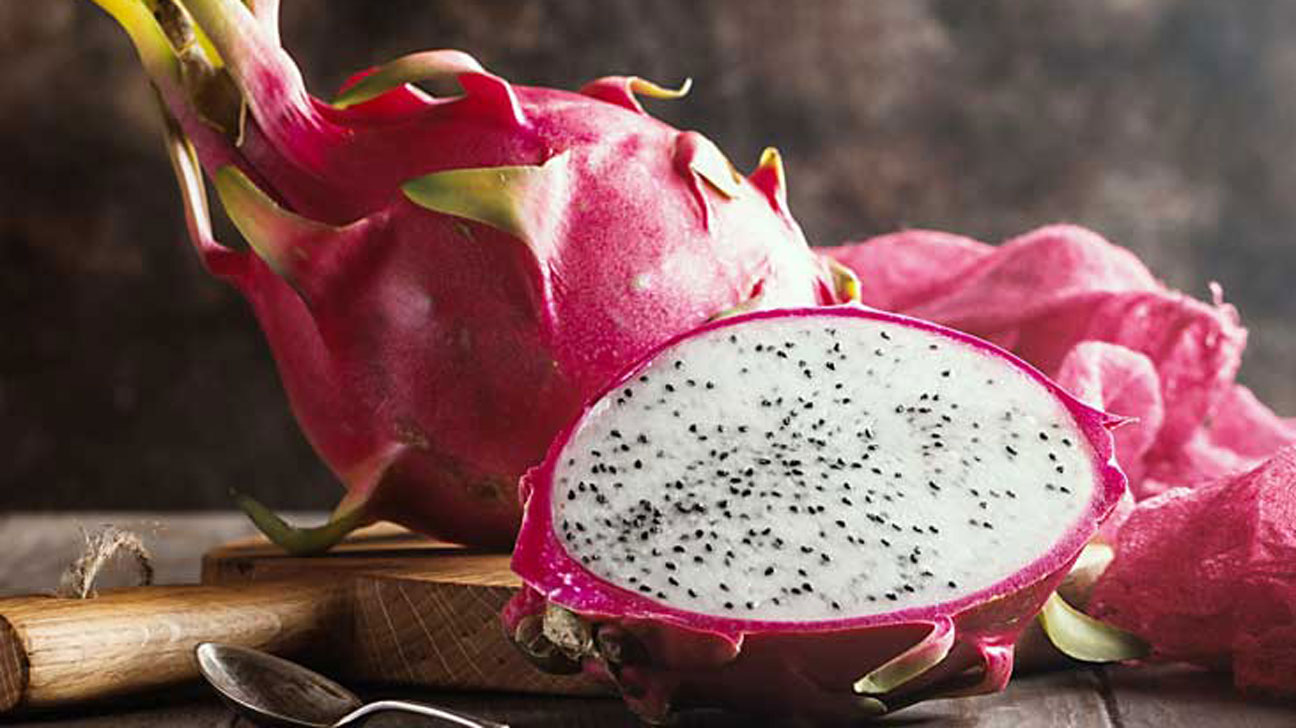
    Dragon fruit farmers in central and southern Vietnam are faced with declining prices due to an oversupply and reduced demand for their produce. Farmers are being forced to sell their crops at prices far below their cost of production, resulting in significant losses.

    Plummeting Dragon Fruit Prices

    In the Central Highlands’ Lam Dong Province, a farmer named Luong finds her offer of VND3,000–8,000 per kilogram for her harvested dragon fruits met with little interest from traders. “I need to sell at VND10,000 or more to be profitable,” Luong said, noting that prices have plummeted by 50–70% since the start of the year.

    Meanwhile, in the southern province of Dong Thap, farmer Hanh is struggling to cover costs as she sells her dragon fruits between VND8,000–12,000 per kilogram. This is insufficient considering the 25-40% rise in fertilizer and pesticide expenses this year. Hanh states that prices must remain above VND13,000–15,000 per kilogram for her to breakeven. “If prices remain lower than this range, we might have to reduce our cultivation area for the next harvest,” she warns.

    The Causes of the Price Crash

    Dinh Van Hien, a dragon fruit trader, attributes the price plummet to the sharp increase in supply, as it is currently the peak harvest season in most growing areas. This, coupled with the harvest of other fruits such as durian, mangosteen, lychee, and plum, has led to a decrease in demand for dragon fruit.

    Huynh Canh, chairperson of the Binh Thuan Dragon Fruit Association, agrees that the drastic drop in dragon fruit prices is primarily due to oversupply. Additionally, he states that China’s imports have sharply decreased after the country expanded its dragon fruit cultivation area in recent years. Furthermore, with the dragon fruit season in China running from May to November, there is heightened competition with Vietnam’s produce.

    There are also challenges with Vietnam’s exports to the European Union due to tightened rules, including an inspection frequency of 30% at the border. According to Canh, only the highest quality fruits meeting the import standards of the receiving countries will command high prices.

    Currently, Vietnam has around 55,000-60,000 hectares dedicated to dragon fruit cultivation, primarily in the central and southern regions, with an annual output of approximately 1.4 million tonnes.

    Questions & Answers

    What is the main cause of the drop in dragon fruit prices in Vietnam?
    The primary cause of the price drop is an oversupply of dragon fruits due to the peak harvest season and a decrease in demand.

    How has the increase of cultivation in other countries affected Vietnam’s dragon fruit market?
    Increased cultivation in other countries, particularly China, has led to a decrease in imports of Vietnam’s dragon fruits, contributing to the oversupply and drop in prices.

    What challenges is Vietnam facing with its fruit exports to the European Union?
    Vietnam is facing challenges with its fruit exports due to tightened regulations, including a higher frequency of inspections at the border. Only the highest quality fruits that meet the import standards of the receiving countries can secure high prices.
  • Yum China’s Kpro Surpasses 300 Locations: Eyes 600 Stores by Year-End Amid Soaring Health Food Demand

    Yum China’s Kpro Surpasses 300 Locations: Eyes 600 Stores by Year-End Amid Soaring Health Food Demand

    Yum China has announced plans to expedite the expansion of its light-meal brand, Kpro, following its current establishment of over 300 locations across the country. The company’s stated ambitions to double its stores by year’s end, from around 200 last year to 600, indicates the rising demand for healthier and cost-effective dining options within the Chinese market.

    Kpro operates in tandem with KFC restaurants, offering a menu that centers around balanced nutrition. This includes items such as multigrain energy bowls, yogurt smoothies, and whole-wheat sandwiches.

    The company explains that the operational symbiosis between Kpro and KFC allows them to capitalize on the pre-established network, customer base, and supply chain of KFC. This strategy also helps keep investment and operating expenses lower than what would be incurred with independent outlets.

    The expansion plan for Kpro is concentrated on tier-one, tier-two, and selected tier-three cities, specifically in the eastern and southern regions of China. These areas are known for having a high demand for light-meal options.

    Recently, Yum China announced a record-breaking first quarter for FY26 with over 600 new store openings.

    Questions & Answers

    What is the growth strategy for Kpro in China?
    Kpro plans to expand its presence in China, aiming to reach 600 stores by year’s end. The company is targeting tier-one, tier-two, and selected tier-three cities, particularly in the eastern and southern parts of China, where light meals are in high demand.

    What is unique about Kpro’s operating model?
    Kpro operates alongside KFC restaurants, allowing the brand to leverage KFC’s existing store network, customer base, and supply chain. This model helps Kpro maintain lower investment and operating costs than standalone formats.

    How does Kpro’s menu contribute to its popularity?
    Kpro’s menu, focused on balanced nutrition, aligns with the rising demand for healthier and affordable dining options in China. Offerings such as multigrain energy bowls, yogurt smoothies, and whole-wheat sandwiches cater to this growing consumer preference.

  • Thai Beer Tycoon Dismisses Family Exec Following Brothers Abuse Claims

    Thai Beer Tycoon Dismisses Family Exec Following Brothers Abuse Claims

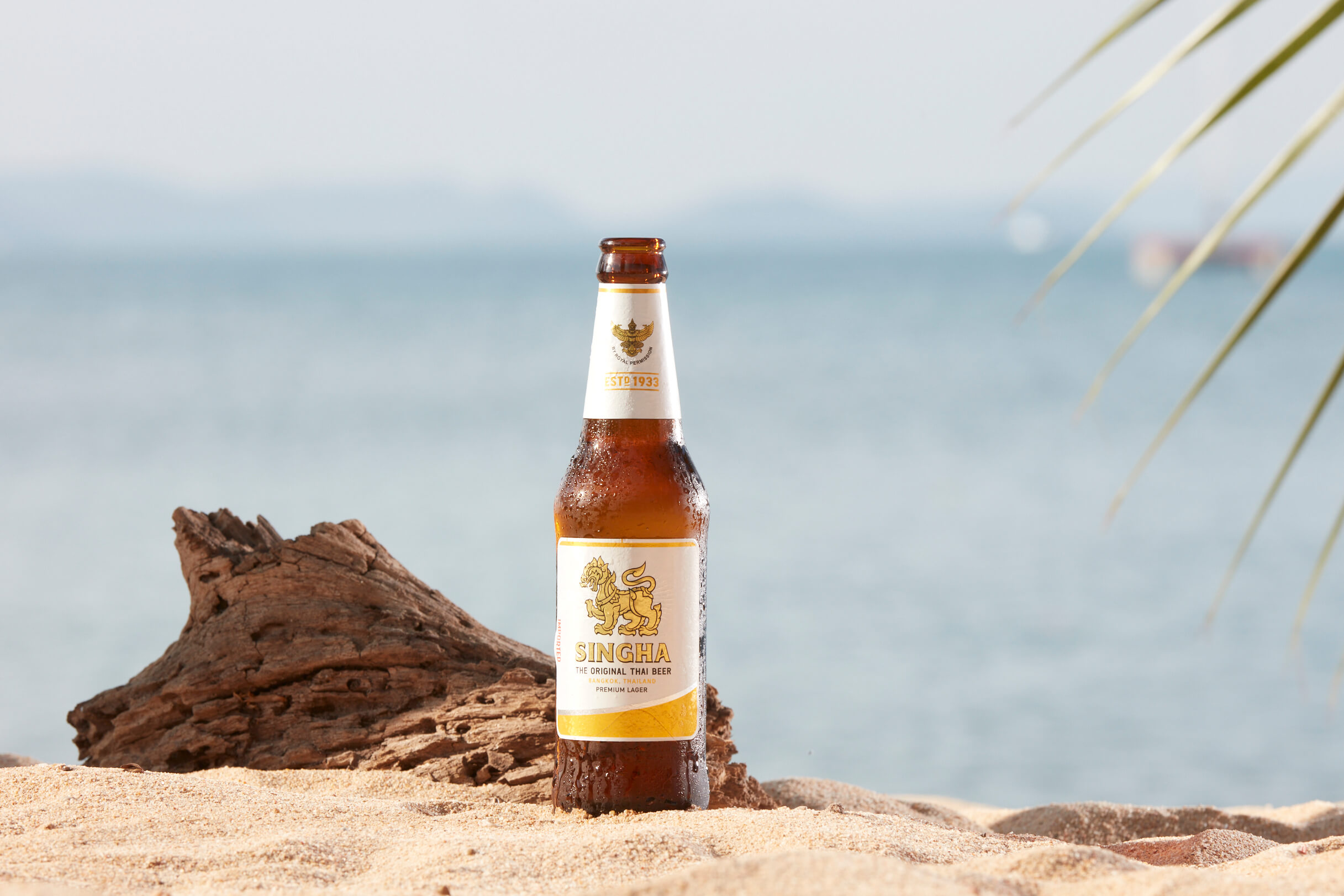
    A prominent member of Thailand’s Bhirombhakdi family, known for their control of Singha Beer, was dismissed from the family’s business empire due to allegations of sexual abuse. The dismissal followed several days of public controversy ignited by the allegations.

    A Family Rift

    Siranudh Scott, an environmental activist from the Bhirombhakdi family, accused his elder brother of sexually abusing him during his teenage years. Scott announced these allegations in an emotional video posted on his Facebook page. He claimed that his family was aware of the abuse, citing a taped confession as proof, but took no action against it.

    Scott expressed his disillusionment with his family, stating his unwillingness to be identified as a Singha heir and his desire to distance himself from a family that he felt lacked empathy for him. Scott, a marine conservationist known for his work with his group Sea You Strong in southern Thailand, is the son of a Scottish father.

    Company Response

    Following the allegations, the family’s business conglomerate, Boonrawd Brewery Company, announced the dismissal of Sunit, Scott’s brother, from all his positions within the company. In a statement, the company expressed regret for Scott’s experiences and declared their cooperation with authorities in ongoing investigations.

    The statement was given by the company’s CEO, Bhurit Bhirombhakdi, who is also a cousin of the two men. Bhurit additionally shared a letter from Sunit, in which the accused resigned from all his duties until the matter could be thoroughly investigated and resolved. Although Sunit has denied the allegations of sexual abuse, he admitted to instances of rough play between boys.

    The Bhirombhakdi family, who are identified as Thailand’s fifteenth wealthiest family by Forbes, with an estimated net worth of $1.75 billion, have interests extending beyond Singha Beer. They are also engaged in food manufacturing, hotel operations, power, and property.

    Questions & Answers

    What led to the dismissal of a member from the Bhirombhakdi family’s business empire?
    The dismissal occurred following allegations of sexual abuse made by Siranudh Scott against his elder brother, Sunit, which stirred public controversy.

    Who announced the dismissal from the family’s business empire?
    CEO Bhurit Bhirombhakdi, the cousin of the two men, announced the dismissal in a statement.

    What are the other business interests of the Bhirombhakdi family?
    Apart from Singha Beer, the family’s business interests include food manufacturing, hotels, power, and property.

  • Sederhana Breaks Boundaries: Popular Indonesian Chain to Launch First Outlet in Singapore

    Sederhana Breaks Boundaries: Popular Indonesian Chain to Launch First Outlet in Singapore

    Sederhana, a well-known Indonesian food chain, is preparing to open its first Singaporean branch, taking the place of a recently closed restaurant that had been serving customers for almost eight decades. Sederhana announced its arrival in Singapore via an Instagram post on May 17th, holding back from revealing the exact date of the grand opening.

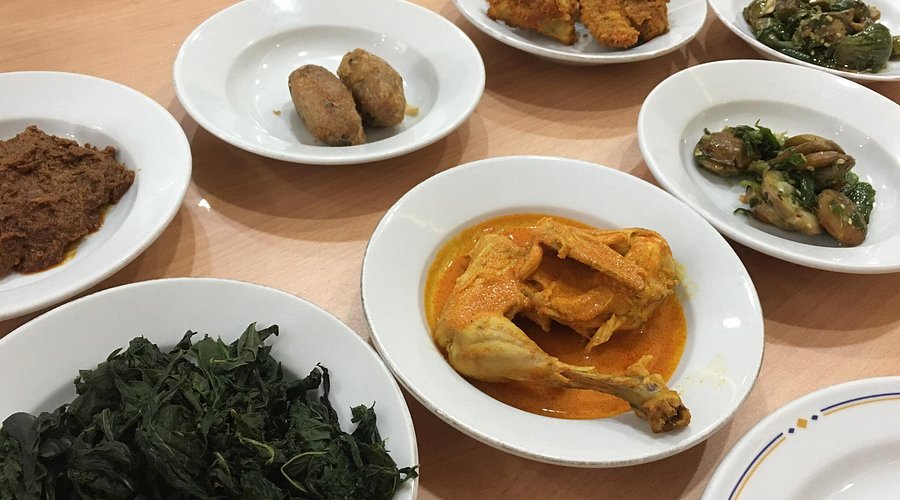
    Sederhana is popular for its nasi padang, a traditional Indonesian dish made up of steamed rice alongside a variety of pre-prepared dishes, including meats, vegetables, and fish. The chain is reported to be aiming for a May 29 opening date for the outlet located at 738 North Bridge Road, hoping to officially launch by mid-June.

    The Legacy of Sederhana

    Sederhana, which started its journey in 1972, currently operates more than 200 outlets across Indonesia, serving the unique Minangkabau cuisine. The Minangkabau are the largest ethnic group on the island of Sumatra, located in the western part of Indonesia. In addition to its Indonesian establishments, the chain also has three branches in Malaysia and plans are underway for a new branch in Melbourne, Australia.

    The location in Singapore that Sederhana has chosen for its new home was previously occupied by Warong Nasi Pariaman, one of Singapore’s oldest Indonesian eateries. Warong Nasi Pariaman shut its doors at the end of January after providing 78 years of service.

    Questions & Answers

    What is the specialty of Sederhana?
    Sederhana specializes in nasi padang, a traditional Indonesian dish that consists of steamed rice served with a variety of pre-prepared dishes such as meats, vegetables, and fish.

    Can you tell us about the history of Sederhana?
    Sederhana was founded in 1972 and has since grown to operate more than 200 outlets across Indonesia, serving Minangkabau cuisine. It also has three branches in Malaysia and is planning to open a new one in Melbourne, Australia.

    What was the previous establishment at the Singapore location?
    The location for Sederhana’s new outlet in Singapore was previously home to Warong Nasi Pariaman, one of the oldest Indonesian food eateries in Singapore, which recently shut down after 78 years of operation.

  • Starbucks Korea Leader Axed Over Distasteful Tank Day Promo that Ignited National Fury

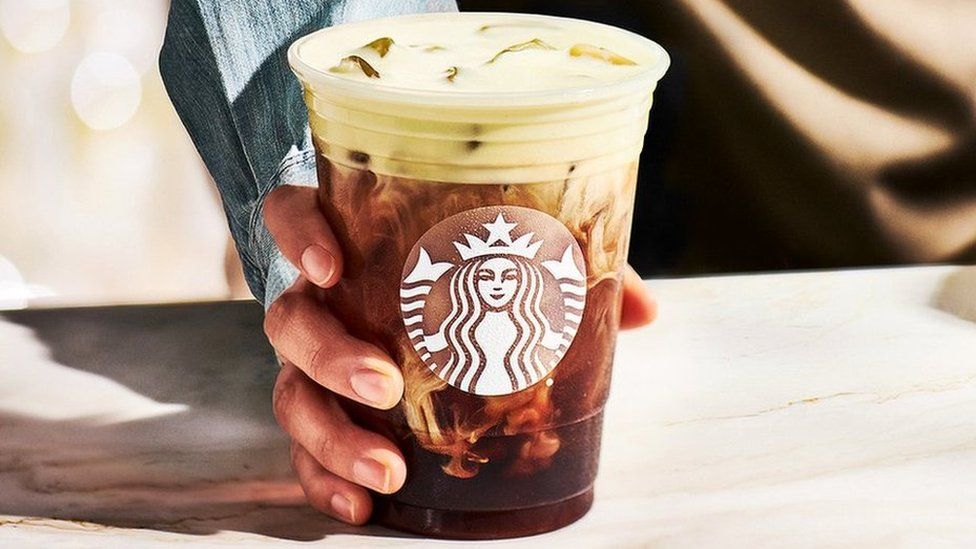
    Starbucks Korea Leader Axed Over Distasteful Tank Day Promo that Ignited National Fury

    Shinsegae Group, a major food corporation in South Korea, has terminated the employment of Starbucks Korea’s chief after a marketing campaign sparked widespread controversy on the commemoration of historical pro-democracy protests.

    Shinsegae, the South Korean holder of the Starbucks license, announced on Monday that Chairman Chung Yong-jin dismissed Sohn Jeong-hyun, the leader of Starbucks Korea, on the grounds of conducting “unsuitable marketing.”

    Hours before the announcement, Starbucks Korea initiated a ‘Tank Day’ promotional campaign which provoked backlash from South Koreans who interpreted it as an insensitive reference to the violent suppression of protestors by military tanks during the anti-dictatorial movements in the 1980s. The campaign, which offered discounts to customers purchasing tumblers, employed language that evoked a South Korean official’s explanation for the torture-related death of a student protestor in 1987.

    On Monday, South Korea observed the Democracy Movement Day, commemorating the student-initiated Gwangju uprising. Reportedly, hundreds or even thousands of individuals were killed when the public rebelled against the military dictator Chun Doo-hwan on May 18, 1980.

    In response to the public’s outcry, Starbucks Korea issued a formal apology for the insensitive promotional campaign on its website.

    President Lee Jae Myung expressed his “fury” regarding the issue and insisted on an official apology from the company to the families affected by the uprising.

    Starbucks Coffee Company Spokesperson: 

    “We are deeply sorry for an unacceptable marketing incident in Korea that referenced and coincided with May 18, the commemoration of the Gwangju Democratization Movement – a day of profound historical and human significance. 

    “While unintentional, this should never have happened. We recognize the deep pain and offense this has caused, particularly to those who honor the victims, their families, and all who contributed to Korea’s democratization. 

    “Starbucks Korea immediately halted the campaign, and we are taking this matter with the utmost seriousness. Leadership accountability actions have been taken, and a thorough investigation is underway. We are implementing stronger internal controls, review standards, and company-wide training to ensure this does not happen again.  

    “We sincerely apologize to the people of Gwangju, to those impacted by this tragedy, and to our customers and communities.”

    Questions & Answers

    What was the cause of the termination of the head of Starbucks Korea?
    Starbucks Korea’s chief, Sohn Jeong-hyun, was dismissed due to a controversial ‘Tank Day’ promotional campaign that was seen as insensitive towards the historical pro-democracy protests in South Korea.

    How did the public interpret the ‘Tank Day’ promotional campaign by Starbucks Korea?
    The campaign upset South Koreans as it seemingly reminded them of the violent suppression of protestors by military tanks during the anti-dictatorial movements in the 1980s.

    What was the reaction from the South Korean government to the promotional campaign?
    President Lee Jae Myung expressed his anger regarding the issue and demanded an official apology from the company to the families of those who lost their lives in the uprising.

  • Bread Ahead Bakes Up Asian Expansion: Launches First Store in Bangkok with Exclusive Doughnut Delights

    Bread Ahead Bakes Up Asian Expansion: Launches First Store in Bangkok with Exclusive Doughnut Delights

    UK-based bakery company, Bread Ahead, has initiated its Asian expansion strategy with the inauguration of its first outlet in Thailand, located in Siam Paragon, on May 30. This marks a significant milestone for the brand as it looks to expand its footprint in the region.

    The Bangkok store, a result of a collaboration with Passion Restaurant Group, represents the first step of the brand’s comprehensive growth plan in this region. The company has revealed plans to inaugurate six more stores in the coming 12 months.

    Introducing the ‘Hot Doughnut Theatre’

    The new store, situated on the ground floor in Gourmet Eats, will showcase Bread Ahead’s innovative ‘Hot Doughnut Theatre’ concept to Thai consumers. This unique approach offers customers the experience of watching their doughnuts being freshly made, filled, and finished live throughout the day.

    The menu primarily features Bread Ahead’s distinctive doughnut range, with a particular emphasis on two flavours which will be exclusive to the Thai market: Matcha & White Chocolate and Hojicha & Dark Chocolate.

    According to Bread Ahead’s founder, Matthew Jones, “Bangkok is an incredibly vibrant city known for its food, creativity, and hospitality. Siam Paragon is the perfect location for our first Asian bakery. This is an enormous moment for us as we open in Asia for the first time. It feels like the beginning of a very unique journey. We are proud to introduce Bread Ahead to Bangkok first, and we consider this as the initiation of a much grander journey – with Thailand leading the way as we continue our expansion across Asia. This is an incredibly exciting time for the brand, and we are eagerly looking forward to what the future holds.”

    Successful Growth Story

    Bread Ahead, established in 2013, has emerged as one of the most distinguished brands in the UK, boasting six bakery outlets across London. The brand also disclosed ambitions last year to extend its presence to the Philippines.

    Questions & Answers

    What is the ‘Hot Doughnut Theatre’ concept?
    The ‘Hot Doughnut Theatre’ is a unique approach by Bread Ahead where customers can watch their doughnuts being freshly made, filled, and finished live throughout the day.

    What flavours will be exclusive to the Thai market?
    Bread Ahead’s Thai menu will feature two exclusive doughnut flavours – Matcha & White Chocolate and Hojicha & Dark Chocolate.

    What are Bread Ahead’s expansion plans in Asia?
    Bread Ahead has kicked off its Asian expansion with the launch of its first store in Thailand. The brand plans to open six more outlets in the region over the next 12 months and has also shown interest in the Philippines.

  • Billion-Dollar Bubble Tea: Gong Chas Anticipated $2.5B Sale Stirs Interest Among Top Private Equity Firms

    Billion-Dollar Bubble Tea: Gong Chas Anticipated $2.5B Sale Stirs Interest Among Top Private Equity Firms

    Gong Cha, the renowned bubble tea chain, has reportedly piqued the interest of potential buyers, including private equity companies Bain Capital and General Atlantic. The anticipated deal, initiated by the current owner and Boston-based private equity firm TA Associates, is projected to be worth up to $2 billion.

    Unlocking the Full Potential of Gong Cha

    JPMorgan handles the sale proceedings on behalf of TA Associates, with final bids expected by mid-June, according to an insider. Gong Cha’s annual earnings, before considering factors such as interest, tax, depreciation and amortisation, exceeds $70 million. Given the company’s valuation of $2 billion, the core earnings multiple is nearly 30 times. However, potential buyers may be more inclined to propose a lower multiple.

    Despite requests for comments, all parties involved – TA Associates, Gong Cha, Bain Capital, General Atlantic, and JPMorgan – have chosen to remain silent on the matter.

    Gong Cha, established in Taiwan in 2006, has evolved into one of the largest tea brands across the globe. It has a vast chain of nearly 2,200 stores spread across 32 markets, both company-owned and franchisee-operated.

    The Impressive Footprint of Gong Cha

    The bubble tea chain offers a variety of cold beverages, including milk tea and fruit tea, through its outlets located in Asia, North America, Europe, and the Middle East. Last year, Gong Cha reported a 14% increase in group revenue, hitting $217 million, primarily driven by growth in Japan and South Korea.

    In addition, Gong Cha made its presence known in five new markets last year, entering Thailand, Colombia, and Ecuador, and making strategic acquisitions of master franchisees on the east and west coasts of the United States. TA Associates, a company known for investing in growth opportunities, became a stakeholder in Gong Cha in 2019.

    Questions & Answers

    How much does TA Associates expect to earn from the sale of Gong Cha?
    Answer: The sale of Gong Cha is projected to fetch up to $2 billion.

    How many locations does Gong Cha have worldwide?
    Answer: Gong Cha has nearly 2,200 locations spread across 32 markets worldwide.

    When did TA Associates invest in Gong Cha?
    Answer: TA Associates invested in Gong Cha in 2019.

  • Jollibees Aggressive Franchise Expansion in Vietnam Bolsters Quick-Service Restaurant Market Dominance

    Jollibees Aggressive Franchise Expansion in Vietnam Bolsters Quick-Service Restaurant Market Dominance

    Jollibee, a leading Philippine fast-food company, is stepping up its franchising efforts in Vietnam, aiming to expand its presence in one of Southeast Asia’s most fiercely contested quick-service restaurant (QSR) markets. The move follows the brand’s prestigious recognition as Vietnam’s foremost QSR brand by Euromonitor International.

    Franchising Expansion Strategy

    Jollibee launched its franchising model in Vietnam in 2015, effectively inviting capable local investors to manage Jollibee-branded outlets under a standardized operating system. Initial expansion was carried out cautiously as the brand worked to establish scale and maintain operational control. However, the company has now shifted gears to a more assertive growth phase, primarily targeting quicker network expansion.

    Franchising not only facilitates the company’s accelerated growth but also generates more employment opportunities, fortifies the domestic supply chain, and aids in the advancement of Vietnam’s food and beverage service industry, according to a representative from the company.

    This renewed drive towards franchising is spurred by Jollibee’s recent accolade as Vietnam’s top QSR brand in terms of turnover, as awarded by Euromonitor International.

    Growing Footprints Across Vietnam

    Since the establishment of its first store in Ho Chi Minh City in 2005, Jollibee Vietnam has grown to encompass more than 250 locations dispersed across over 50 provinces and cities. The company’s expansion has been fueled by a diverse strategy that includes outlets in shopping malls, street-front locations, and delivery-centric stores.

    Ernesto Tanmantiong, Global President and CEO of Jollibee Group, attributed the brand’s success to its understanding of local consumers and its adherence to fundamental business practices. He asserted that the company’s progress underscores the potency of merging a popular brand with a profound local understanding and consistent execution. It further strengthens their belief that sustainable growth in international markets stems from remaining relevant to consumers while establishing solid operational foundations.

    Questions & Answers

    When did Jollibee first introduce franchising in Vietnam?
    Jollibee introduced franchising in Vietnam in 2015.

    What factors have supported Jollibee’s expansion in Vietnam?
    Jollibee’s expansion has been supported by a multi-format strategy that includes outlets in shopping malls, street-front locations, and delivery-centric stores.

    What is the significance of franchising for Jollibee’s growth?
    Franchising not only facilitates Jollibee’s accelerated growth but also generates more employment opportunities, fortifies the domestic supply chain, and aids in the advancement of Vietnam’s food and beverage service industry.

  • Johor Eateries Resist Price Hikes Amid Surging Ingredient Costs, but Future Increase Likely

    Johor Eateries Resist Price Hikes Amid Surging Ingredient Costs, but Future Increase Likely

    Even as the cost of raw materials rises, food service operators in Johor, the southernmost state of Malaysia, have not yet increased their prices. However, if the Middle East conflict continues, these increases may become unavoidable.

    Adapting to Rising Costs

    Hussein Ibrahim, the Secretary of the Johor Indian Muslim Entrepreneurs Association, shared that member restaurants have maintained current prices despite a 20-30% increase in raw ingredient costs since March. “We can’t just raise our prices as Malaysians are cost-conscious, which could impact our business,” he stated.

    The association boasts 338 members, including around 200 Indian-Muslim food service operators throughout Johor, with the majority in Johor Bahru, a city on the Singapore border. To deal with increasing expenses, many operators are considering reducing portion sizes, according to Hussein. He also mentioned that unavoidable price increases might be on the horizon if the current crisis continues.

    Roland Lim, head of the Johor Bahru City Businessmen and Traders Association, reported a similar narrative, affirming that member restaurants have also kept their prices steady. He pointed out that downtown Johor Bahru restaurants have been hit hard by tighter security measures at the Johor-Singapore Causeway. These new procedures, established earlier this year, have caused Malaysians commuting to work in Singapore to skip their usual breakfast stops and go straight to immigration checkpoints. Reduced dining out by families, combined with ongoing infrastructure projects and subsequent traffic congestion, have further decreased restaurant patronage.

    The Impact of Rising Food Prices

    The ongoing conflict has resulted in increased food prices in Johor and other regions of Malaysia since February 28. By March’s end, vegetable prices in Johor Bahru had surged by 20-30%, attributed to higher transportation costs due to diesel price hikes and a prolonged heatwave.

    More recently, Economy Minister Akmal Nasrullah Mohd Nasir reported price increases for certain food items in the first week of May. For example, the price of Indian mackerel increased by 3.9% to RM17.42 (US$4.43) per kilogram; white prawns were up 1.2% to RM32.11 per kg; and fresh coconut milk rose 6.7% to RM16.88 per kg. Despite these increases, he reassured that food prices remain within a manageable range, with some items, such as beef, experiencing price reductions.

    Mohamad Sabu, the country’s Agriculture and Food Security Minister, warned that food prices could escalate in the upcoming three to six months due to increased production costs, such as fertilizer, animal feed, and fuel. “When these costs rise, market prices may also be affected,” he stated.

    Questions & Answers

    What are the potential consequences of the Middle East conflict on Malaysian food service operators?
    If the Middle East conflict continues, price hikes may become unavoidable due to rising costs of raw materials.

    How are food service operators in Johor dealing with the increasing costs?
    To cope with the rising costs, many operators are considering reducing portion sizes.

    How have recent price increases in various food items affected the overall food prices in Malaysia?
    Despite recent price increases in certain food items, the country’s Economy Minister reassured that food prices remain within a manageable range, with some items experiencing price reductions.

  • Vietnams Gold Market Slumps as Global Tensions Stoke Inflation Fears

    Vietnams Gold Market Slumps as Global Tensions Stoke Inflation Fears

    On Monday afternoon, there was a further decline in the gold prices in Vietnam, following a nearly 1% decrease earlier in the day. The gold bar prices offered by Saigon Jewelry Company experienced a drop of an additional 0.42% from the morning’s price, settling at VND165.2 million (US$6,276.26) per tael, marking a total loss of 1.37% for the day.

    Local bullion prices currently stand at around VND17 million per tael higher than the global gold prices.

    Changes in Gold Ring Prices

    Similarly, the cost of gold rings experienced a decrease in price, dropping at roughly the same rate and settling at VND164.7 million per tael. In Vietnam, a tael is equivalent to 37.5 grams or 1.2 ounces.

    On a global scale, gold prices experienced a 1% decrease on Monday. This was triggered by President Donald Trump’s rejection of Iran’s recent peace proposal, aimed at ending the ongoing conflict in the Middle East. This rejection has led to a heightened fear of inflation and a prolonged period of high interest rates.

    Spot gold saw a decrease of 1% to $4,667.99 per ounce, following a rise of approximately 2% during the previous week. U.S. gold futures for June delivery experienced a loss of 1.1% to stand at $4,677.80.

    The Impact of the Middle East Conflict on Gold Prices

    The failure to reach an agreement to end the Middle East conflict has led to sustained inflation risks and expectations of high-interest rates. This in turn has put pressure on the non-yielding bullion, which has seen a drop of over 11% since the inception of the war in late February.

    According to Han Tan, chief market analyst at Bybit, there could be more downward pressure on gold prices if the U.S. Consumer Price Index (CPI) prints prove to be hotter than anticipated tomorrow. This could force the Federal Reserve to maintain high benchmark rates for an extended period.

    Questions & Answers

    **What is the current price of gold bars offered by Saigon Jewelry Company?**
    The current price per tael is VND165.2 million (US$6,276.26).

    **How much has the price of non-yielding bullion dropped since the start of the war in the Middle East?**
    The price of non-yielding bullion has dropped more than 11% since the war began in late February.

    **How might the U.S. Consumer Price Index impact the price of gold?**
    If the U.S. Consumer Price Index prints come in hotter than expected, it could result in more downward pressure on gold prices, with the Federal Reserve being forced to maintain high benchmark rates for a longer period.

  • BHC Chicken: Korean Fried Chicken Giant Sets Sights on Vietnam for Southeast Asian Growth

    BHC Chicken: Korean Fried Chicken Giant Sets Sights on Vietnam for Southeast Asian Growth

    BHC Chicken, a renowned fried chicken brand originating from South Korea, is setting its sights on broadening its reach within Southeast Asia, with plans to launch in Vietnam. This move is part of an ongoing expansion strategy that is rapidly growing the brand’s presence across the region.

    The brand’s parent entity, Dining Brands Group, recently formalized its plans to venture into Vietnam, sealing a master franchise agreement with Singaporean company Hao Open Foods. This strategic partnership is set to facilitate the brand’s launch and consequent operations in Vietnam.

    In terms of expansion, the company has set its sights on major cities within Vietnam, such as Ho Chi Minh City, Hanoi, and Da Nang. The brand’s ambitious growth plan anticipates the establishment of 50 locations within these cities over the course of the next decade.

    Founded in 2004, BHC Chicken holds a position of prominence among South Korea’s top fried chicken chains. With a robust network of over 2,000 stores, its reach extends beyond the domestic market. The brand has significantly leveraged franchise partnerships to successfully penetrate international markets, with a presence in countries like Singapore, Malaysia, and Thailand.

    In addition to its planned expansion into Vietnam, BHC Chicken is also preparing to make its debut in the Philippines later this year, further solidifying its foothold in Southeast Asia.

    Questions & Answers

    What is the expansion plan of BHC Chicken in Vietnam?
    BHC Chicken plans to establish a presence in key Vietnamese cities, with an aim to open 50 locations over the next 10 years.

    Who is BHC Chicken’s franchise partner for its Vietnam launch?
    BHC Chicken is partnering with Singaporean company Hao Open Foods for its expansion into Vietnam.

    Is BHC Chicken planning expansions to other countries?
    Yes, apart from Vietnam, BHC Chicken is reportedly preparing to launch in the Philippines later this year.

  • Decade-Old BBQ & Hotpot Restaurant Closes Following Surge of Negative Online Reviews

    Decade-Old BBQ & Hotpot Restaurant Closes Following Surge of Negative Online Reviews

    For over a decade, a small-town barbecue and hotpot restaurant enjoyed a regular and content clientele, primarily consisting of employees from a neighboring industrial park. The eatery was particularly bustling over the weekends, basking in the laudatory comments of its patrons, until an unfavorable online review sent shockwaves through its reputation.

    The Power of Social Media

    The advent of various Facebook pages and groups disseminating information and instigating discussions about the local area introduced an unforeseen variable to the restaurant’s business operations. While these platforms initially focused on benign topics such as local weather or picturesque landscapes, they soon evolved into forums for promoting new businesses, including milk tea shops and eateries in the vicinity. One day, a disparaging post targeting the barbecue and hotpot restaurant surfaced in one of these groups. The review characterized the food as “overpriced” and “mediocre,” encouraging patrons to explore “better and cheaper” alternatives.

    This single review unleashed a flood of negative feedback, severely tarnishing the restaurant’s hard-earned reputation. The previously steady stream of customers trickled to a halt, and, unable to recover from the sudden downturn, the establishment was soon compelled to close its doors.

    The Dark Side of Food Reviewers

    This incident underscores the growing concern among many restaurateurs regarding the disproportionate influence wielded by self-proclaimed food reviewers active on platforms such as TikTok and YouTube. Questions arise regarding the legitimacy of these reviewers’ authority to critique an establishment and the objectivity of their assessments. For instance, when reviewing pricing, do they account for factors like portion sizes, the quality of ingredients, or prevailing market rates?

    Taste, being a highly subjective matter, varies significantly from person to person. The certainty with which these reviewers label a dish as appealing or repugnant potentially sways their audience’s opinion, often without them having sampled the food themselves.

    In the current digital age, where smartphones equip ordinary individuals with the power to document, judge, and “expose” others, we must tread with caution. While these online exposés may help spotlight unhygienic or exploitative practices, they also pose the risk of damaging the reputation of legitimate establishments through orchestrated smear campaigns.

    Questions & Answers

    What impact did the unfavorable review have on the barbecue and hotpot restaurant?
    The negative review led to a surge of similar feedback, causing a significant decline in the customer footfall. Unable to recover from the reputational damage, the restaurant was forced to close down.

    What concerns do restaurant owners have about food reviewers on platforms like TikTok and YouTube?
    Restaurateurs worry about the credibility and objectivity of these self-proclaimed reviewers. They question whether these reviewers consider factors like portion sizes, ingredient quality, or market rates when critiquing pricing and how they confidently label food as good or bad without accounting for varying taste preferences.

    What are the potential risks associated with the power of judgment that smartphones provide individuals?
    While smartphones can help highlight unethical business practices, they also risk damaging legitimate businesses through potential smear campaigns.

  • Turmoil in Thailand: Livestream Durian Sales Spark Controversy Over Pricing Amid Surplus

    Turmoil in Thailand: Livestream Durian Sales Spark Controversy Over Pricing Amid Surplus

    Last Tuesday, a significant event took place, featuring Suphajee Suthumpun, Thailand’s deputy prime minister and commerce minister, and one of the country’s most influential online merchants, Pimrypie. Pimrypie is recognized for her diverse range of products, from her brand of fish sauce to luxurious perfumes. The occasion was held in anticipation of a 33% increase in Thailand’s durian production this year, and it attracted approximately 800,000 viewers. Within hours, it generated roughly 200,000 orders. However, the announcement of the price sparked a significant controversy.

    Concerns Over Low Pricing

    Farmers expressed apprehension that the government’s indication of a low price could set a maximum price instead of a minimum price for wholesalers. They argued that the significant discount could depress farm gate prices in an already burdened season. Puk Pimsorn, a durian seller who sources directly from orchards, argued that selling durians for 100 baht per kilogram would result in retailer losses, particularly at 100 baht per fruit. This pricing could impact the market by driving consumers towards cheaper options over quality produce, leaving other sellers unable to compete without suffering losses.

    Sommai Panasri, a durian shop owner, shared similar concerns, suggesting the campaign would further strain durian retailers already struggling with economic slowdown, rising fuel costs, and expensive transportation. Additionally, Panusak Saipanich, president of the Thai Durian Association, noted that a retail price of 100 baht left farmers with meagre or no profit once logistics and middleman fees were accounted for.

    Despite the growing backlash, Pimrypie clarified that the livestream intended to support durian growers and highlight the sector’s challenges, not to distort market pricing. She added that she had never organized such a vast campaign before and had incurred personal losses exceeding 10 million baht from the sales.

    Government Response and Durian Market Conditions

    The Ministry of Commerce responded swiftly to the controversy. A deputy spokesman clarified that the promotion only applied to “secondary-grade” fruits with visual imperfections. Suphajee distanced herself from the campaign, stating the ministry only sets standards and does not organize or endorse individual sales promotions. She noted the 100-baht price as a “sales-promotion technique,” not a value indicator, and reassured that market prices remain satisfactory.

    Durian is one of Thailand’s most profitable agricultural exports. The country is currently preparing for a potential excess, caused by increased cultivation due to strong prices in the late 2010s. This year’s rise in output is being exacerbated by global economic uncertainty, which is making consumers more cautious, increasing transport costs, and extreme heat, which is expected to yield smaller, lower-grade fruits.

    Competition is also intensifying, particularly as Vietnam expands its market share, now holding over 40% of the market within just three years. Meanwhile, Malaysia, though it exports smaller volumes, has built a reputation for high-quality durians that command higher prices.

    Despite the stable prices of Thai export-grade durians and the market not collapsing, the sector is preparing for a significant test in May when peak harvest volumes are expected to arrive. To mitigate potential issues, the commerce minister has outlined a strategy aimed at stabilizing prices and supporting growers by increasing domestic consumption and expanding overseas sales.

    Questions & Answers

    What is the controversy regarding the durian market in Thailand?
    There were concerns that the government’s indication of a low price for durians might set a maximum rather than a minimum price for wholesalers, which could potentially depress prices at farm gates.

    What was Pimrypie’s response to the backlash on the livestream?
    Pimrypie clarified that the livestream was intended to support durian growers and highlight the sector’s difficulties, not to distort market pricing. She revealed that she had incurred personal losses exceeding 10 million baht from the sales.

    What is the government’s approach to mitigate potential issues in the durian market?
    The government’s strategy involves stabilizing prices and supporting growers by increasing domestic consumption and expanding overseas sales. The plan includes expanding export routes, investing in storage and processing, and training farmers in live commerce and content creation to reduce reliance on middlemen.

  • PepsiCo NZ Revolutionizes Snack Game with Mini Canisters and Bluebird Crackers: Trustworthy Brands in Exciting New Formats

    PepsiCo NZ Revolutionizes Snack Game with Mini Canisters and Bluebird Crackers: Trustworthy Brands in Exciting New Formats

    PepsiCo New Zealand has announced the addition of two innovative product offerings to its popular snack portfolio. The new product lines include Bluebird-branded crackers and a ‘Mini Canister’ range, marking a significant shift in the company’s strategy as they move their existing flavour profiles across varied food categories and packaging formats.

    Product Rollout

    The new additions consist of two distinctive formats: Mini Canisters priced at an RRP of NZ$4.99 and Bluebird Crackers at an RRP of $3.79. The Mini Canisters comprise smaller versions of fan-favourite snacks such as Doritos Cheese Supreme, Grain Waves Sour Cream & Chives, and Cheetos Cheese & Bacon, all conveniently packaged in portable containers.

    On the other hand, the Bluebird Crackers consist of oven-baked biscuits. They’ve been designed to incorporate flavours previously unique to the company’s potato chip range. These flavours include Cheddar Cheese, Salt & Vinegar, Sour Cream & Chives, and Crispy Chicken.

    Both the Mini Canister and Bluebird Cracker ranges will be made available throughout major supermarkets across the country, offering consumers wide access to these new snack options.

    Meeting Consumer Needs

    Lee Kent, GM of NZ Foods at PepsiCo, shared insights about the new product launches. According to Kent, the company’s latest offerings reflect the preferences of Kiwi consumers who value choice, convenience, and the trust they place in familiar brands that continue to innovate.

    Kent further expressed PepsiCo’s commitment to growing its snack category through these new products. The ultimate goal, he shared, is to continue introducing fresh, relevant innovations that meet and exceed consumer needs and expectations.

    Questions & Answers

    What are the new product lines PepsiCo New Zealand has introduced?
    PepsiCo New Zealand has launched two new product lines – Bluebird-branded crackers and a ‘Mini Canister’ range.

    What does this expansion indicate for the company?
    This expansion marks a shift in the company’s strategy as they move their existing flavour profiles across different food categories and packaging formats.

    Where will the new snack ranges be available?
    Both the Mini Canister and Bluebird Cracker ranges will be distributed through major supermarkets nationwide.

  • Skyrocketing Lychee Prices: A Sweet Yet Sour Tale Amid Plummeting Yields

    Skyrocketing Lychee Prices: A Sweet Yet Sour Tale Amid Plummeting Yields

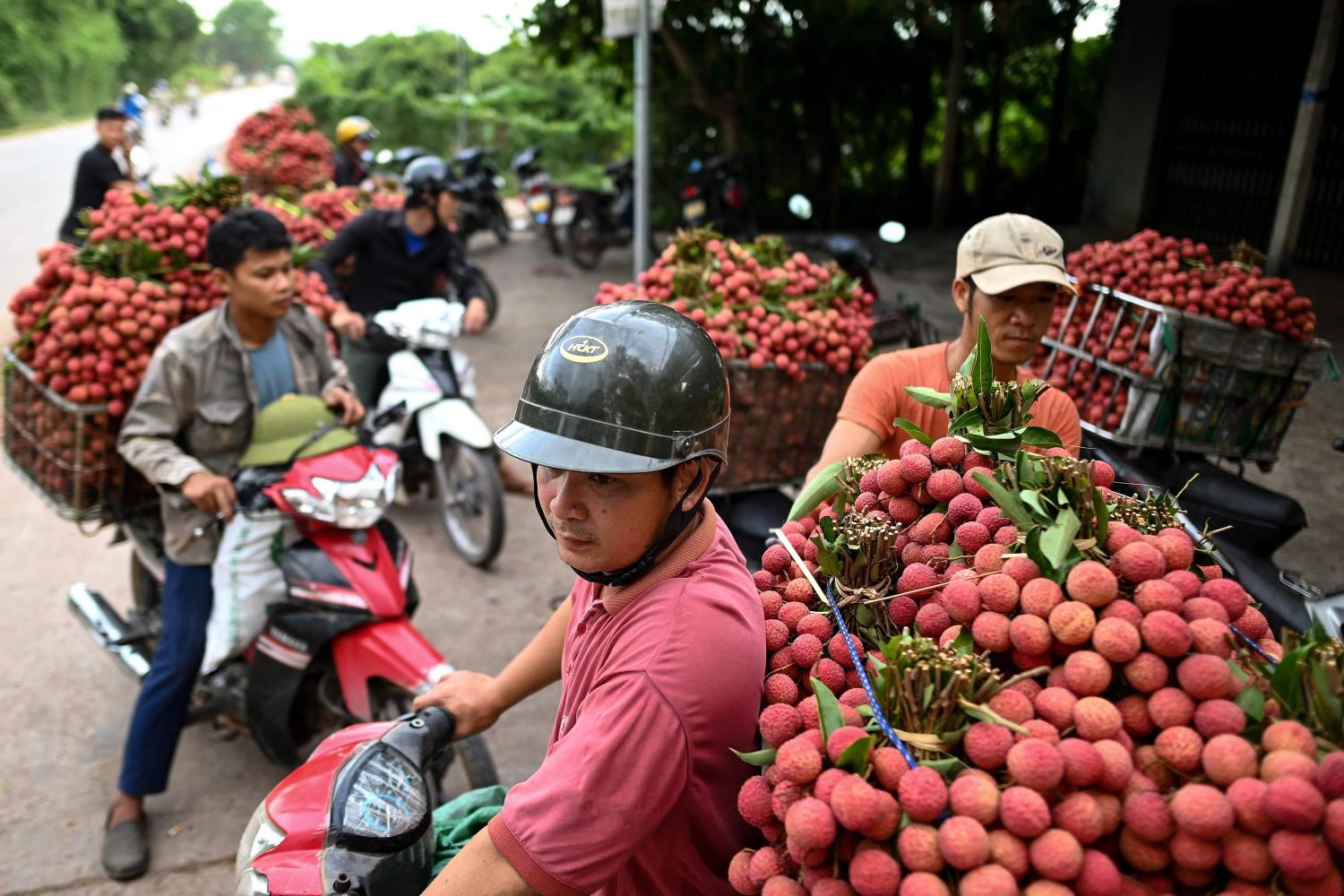
    The cost of lychees has increased by 20% compared to last year due to a decline in production brought about by unfavorable weather conditions. This information comes from Manh, a lychee orchard owner in the Thanh Ha Commune, Hai Phong City, who has seen his yield decrease by 30%, even though he recently sold a ton of the fruit for VND95,000 (US$3.61) per kilogram.

    Harvest Decline

    Pham Thi Van, a fellow farmer in the region, has reported a similar experience. She has only been able to harvest a ton of fruit so far this season, which is only half of last year’s yield.

    Although prices have dropped slightly since mid-April before the harvest, they remain at their highest in years, according to Van.

    Rising Profits

    In the Central Highlands province of Dak Lak, lychees are selling between VND60,000-80,000 per kilogram at the farm gate, which is considerably higher than in previous years. An orchard owner in the province confirmed that profits have increased as traders are proactively sourcing supply and placing advance orders.

    In Ho Chi Minh City, lychees from Dak Lak are selling for VND140,000-150,000 per kilogram, while specialty egg-shaped lychees from Thanh Ha are selling for VND150,000-180,000 per kilogram. Some stores that transport lychees by air to preserve freshness are charging as much as VND210,000.

    Weather Impact

    The Hai Phong Department of Crop Production and Plant Protection has said that the city has approximately 9,350 hectares of lychee trees, with 35% currently bearing fruit. According to them, a milder winter combined with a lack of cold weather has affected the flowering and fruit set rates of the lychee trees.

    Local authorities have advised farmers to improve crop care procedures and are urging businesses to collaborate with farmers to ensure a stable supply.

    Questions & Answers

    What has caused the increase in lychee prices?
    Poor weather conditions have resulted in a decrease in lychee production, leading to a 20% increase in the cost of the fruit.

    What measures are being taken to ensure a stable supply of lychees?
    Local authorities are encouraging better crop care techniques and pushing for partnerships between farmers and businesses to maintain a steady supply.

    How has the weather impacted the yield of lychee trees?
    A milder winter and a lack of cold weather have negatively impacted the flowering and fruit set rates of the lychee trees, leading to lower yields.