Category: Food

Retail News Asia is committed to providing both local and global retailers with the latest Food and Food & Beverage news throughout the Asian market. This on a daily base.

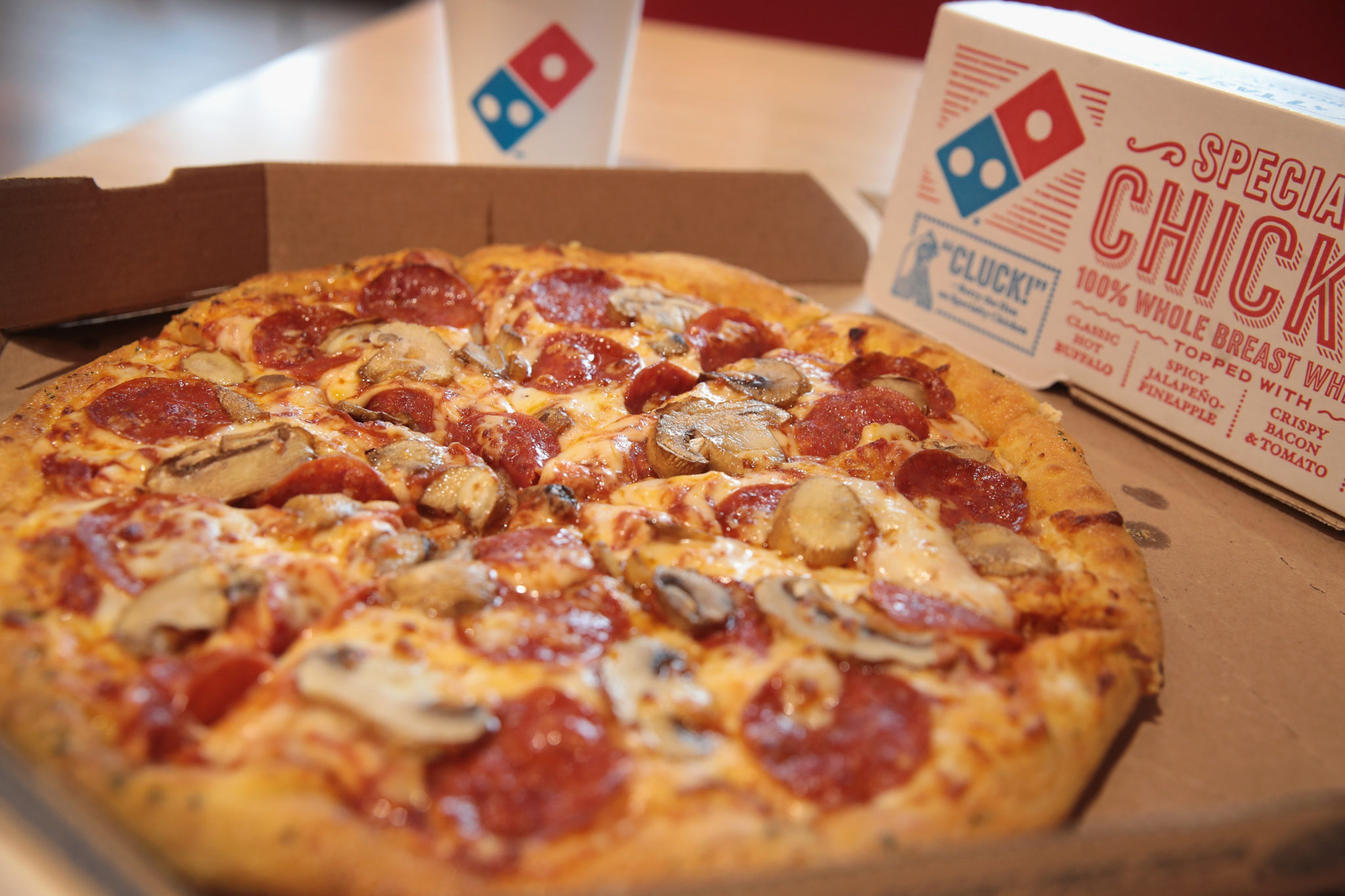
  • Domino’s Pizza China Hits 1550 Outlets: Unveils Expansion Strategy and Partners with Megamall Operator SCPG Group

    Domino’s Pizza China Hits 1550 Outlets: Unveils Expansion Strategy and Partners with Megamall Operator SCPG Group

    Domino’s Pizza China has made significant strides in expanding its presence across the country, with its total number of outlets now reaching 1550. This was achieved through the addition of 235 new stores during the first half of the year, a move that has led to an increase in sales momentum as reported in the second quarter.

    The growth of the pizza chain has been overseen by DPC Dash, who moved into 15 fresh urban markets within this six-month period. This has brought the total number of cities with a Domino’s presence to 75. The brand’s expansion strategy, dubbed ‘Go Deeper, Go Broader’, has proven successful, focusing on amplifying store density in current markets while simultaneously branching out into new ones. Lower-tier markets now account for 1018 stores, leaving 532 in Tier 1 cities.

    Strategic Partnerships and Expansion Targets

    DPC Dash formed a strategic alliance with SCPG Group, one of the largest shopping mall operators in China, within the quarter to hasten their store launch process. This collaboration will facilitate Domino’s expansion into new markets while reinforcing its presence in the cities it already operates in. By the end of June, the number of stores that were opened, under construction, or signed for accounted for about 89% of DPC Dash’s full-year 2026 opening target. This was a progressive leap from the 65% recorded at the end of the first quarter.

    Domino’s now considers mainland China as its second-largest international market in terms of store count. The company now holds all top 70 positions in the first 30-day sales ranking, illustrating the potential of China’s market, and the efficacy of DPC Dash’s store execution model.

    The successful performance has been credited to its ‘4D’ strategy, a blend of network expansion, value-oriented products, effective delivery capabilities, and a robust digital investment.

    Leadership Changes and Future Plans

    On the personnel front, DPC Dash bolstered its leadership team during the quarter, by appointing Joanne Xie as the new Chief Marketing Officer. Xie, who has previously held senior positions at McDonald’s China, Coca-Cola, and Mondelez, will now be responsible for brand strategy, digital marketing, customer engagement, and product innovation.

    Looking forward, the company anticipates maintaining its expansion momentum for the remainder of the year while continuing its investment in operations, product development, and enhancing the customer experience.

    Questions & Answers

    What is Domino’s expansion strategy in China?
    Domino’s expansion strategy in China, supervised by DPC Dash, is titled ‘Go Deeper, Go Broader’. It focuses on increasing store density in existing markets and extending into new cities.

    Who is the new Chief Marketing Officer of DPC Dash?
    Joanne Xie has been appointed as the new Chief Marketing Officer of DPC Dash. She has previously held senior roles at McDonald’s China, Coca-Cola, and Mondelez.

    What does Domino’s ‘4D’ strategy entail?
    Domino’s ‘4D’ strategy combines four elements: network expansion, value-focused products, delivery capabilities, and digital investment.
  • Vietnamese Lobster Exports to China Skyrocket to $506M in 5 Months, Up 44.3% YoY

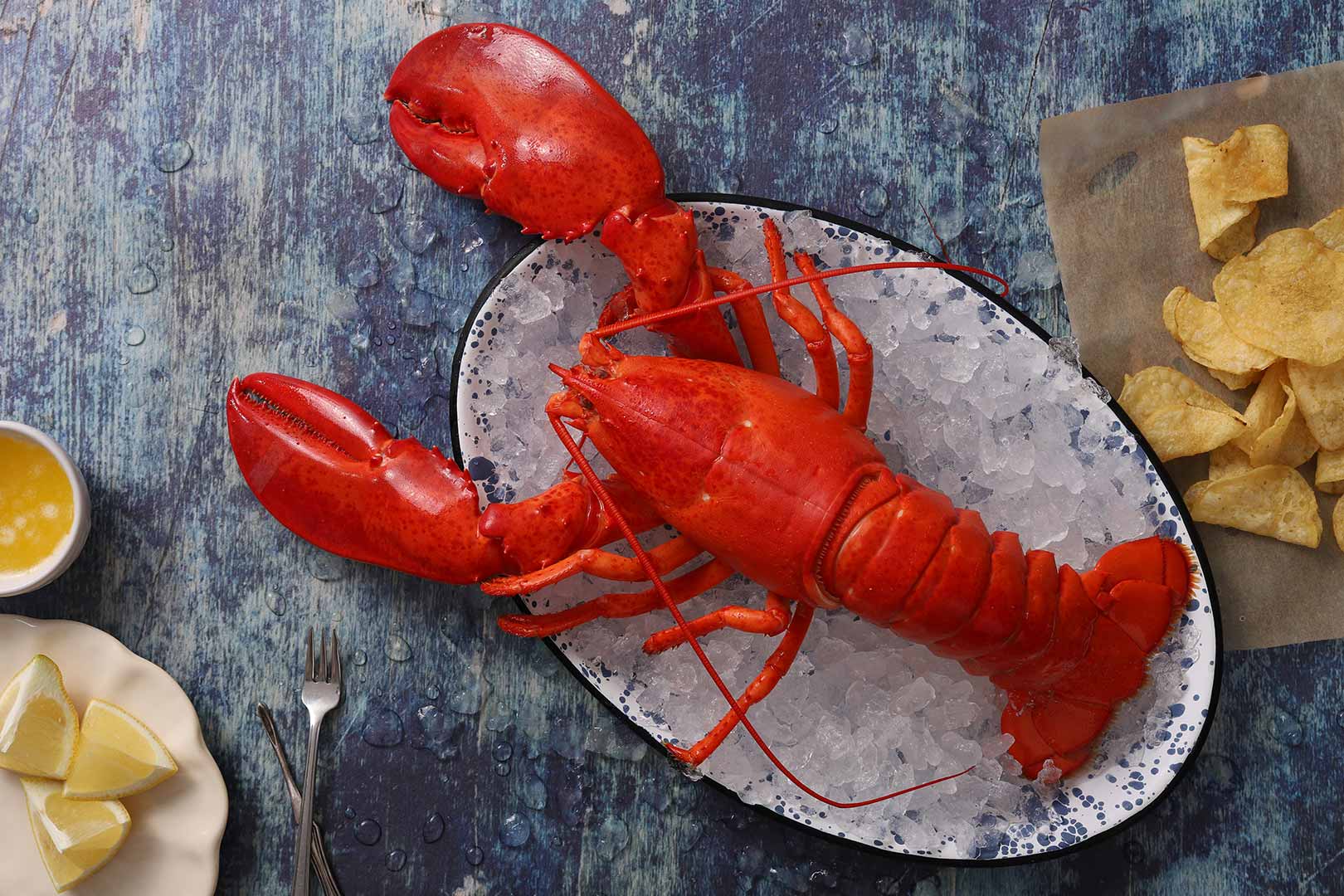
    Vietnamese Lobster Exports to China Skyrocket to $506M in 5 Months, Up 44.3% YoY

    China has solidified its position as the leading consumer of Vietnamese lobster for the first five months of this year, purchasing over $506 million worth of the seafood delicacy. This figure represents an impressive increase of 44.3% compared to the same period last year. The surge in imports reached its zenith in February, when China imported $154 million worth of Vietnamese lobster, a staggering 150% increase year-on-year. In the subsequent months, the importation figures have remained consistently strong, ranging between $78 million and $87 million.

    Unwavering Demand and Favorable Conditions

    The steady consumption of Vietnamese lobster in China is largely attributable to the incessant demand for live seafood, particularly within the more opulent spectrum of the market such as restaurants, banquets, and gift-giving. Vietnamese lobster boasts several competitive advantages in the Chinese market, such as its geographical proximity which guarantees shorter transportation times, thereby maintaining the quality of live shipments.

    Additionally, transportation methods are diverse, with exporters having the capacity to supply the market via both land and air transport. Notably, small to medium-sized blue lobsters have proven to be competitively priced and well aligned with the taste preferences of Chinese consumers.

    The Changing Dynamics of Seafood Supply

    Apart from these natural advantages, shifts in the global supply chain have opened doors for Vietnamese exporters. In recent times, several traditional suppliers, such as Canada, the U.S., and Australia, have been impacted by tariffs, trade disruptions, or slow recovery in production. This has created a niche for Vietnamese lobster to broaden its market share.

    As a result, Vietnam has evolved into one of China’s critical suppliers of lobster. This progression has laid a strong foundation for continued export growth within this year.

    Industry specialists project that if the consumer demand in China remains steady and exporters persist in supplying high-quality products, there will be additional room for growth in Vietnamese lobster exports in the second half of the year. However, it will be crucial for the industry to keep a close eye on any changes in China’s import policies, quarantine requirements, and quality standards to retain its competitive advantage and sustain its growth.

    Questions & Answers

    What has contributed to the increase in Chinese imports of Vietnamese lobster?

    The surge in Chinese imports of Vietnamese lobster can be attributed to the steady demand for live seafood, particularly in upscale settings, as well as the competitive advantages Vietnamese lobster offers, including close geographical proximity and diversity in transport methods.

    How have global supply chain shifts benefited Vietnamese lobster exporters?

    Changes in the global supply chain, including tariffs, trade disruptions, and slow production recovery affecting traditional suppliers, have created opportunities for Vietnamese lobster to expand its market share.

    What factors will be crucial for the future growth of Vietnamese lobster exports?

    The future growth of Vietnamese lobster exports will depend on the stability of consumer demand in China, the ability of exporters to maintain a reliable supply of high-quality products, and careful monitoring of changes in China’s import policies, quarantine requirements, and quality standards.

  • Thriving Live Commerce: TikTok Boosts Thai Durian Sales by Tenfold

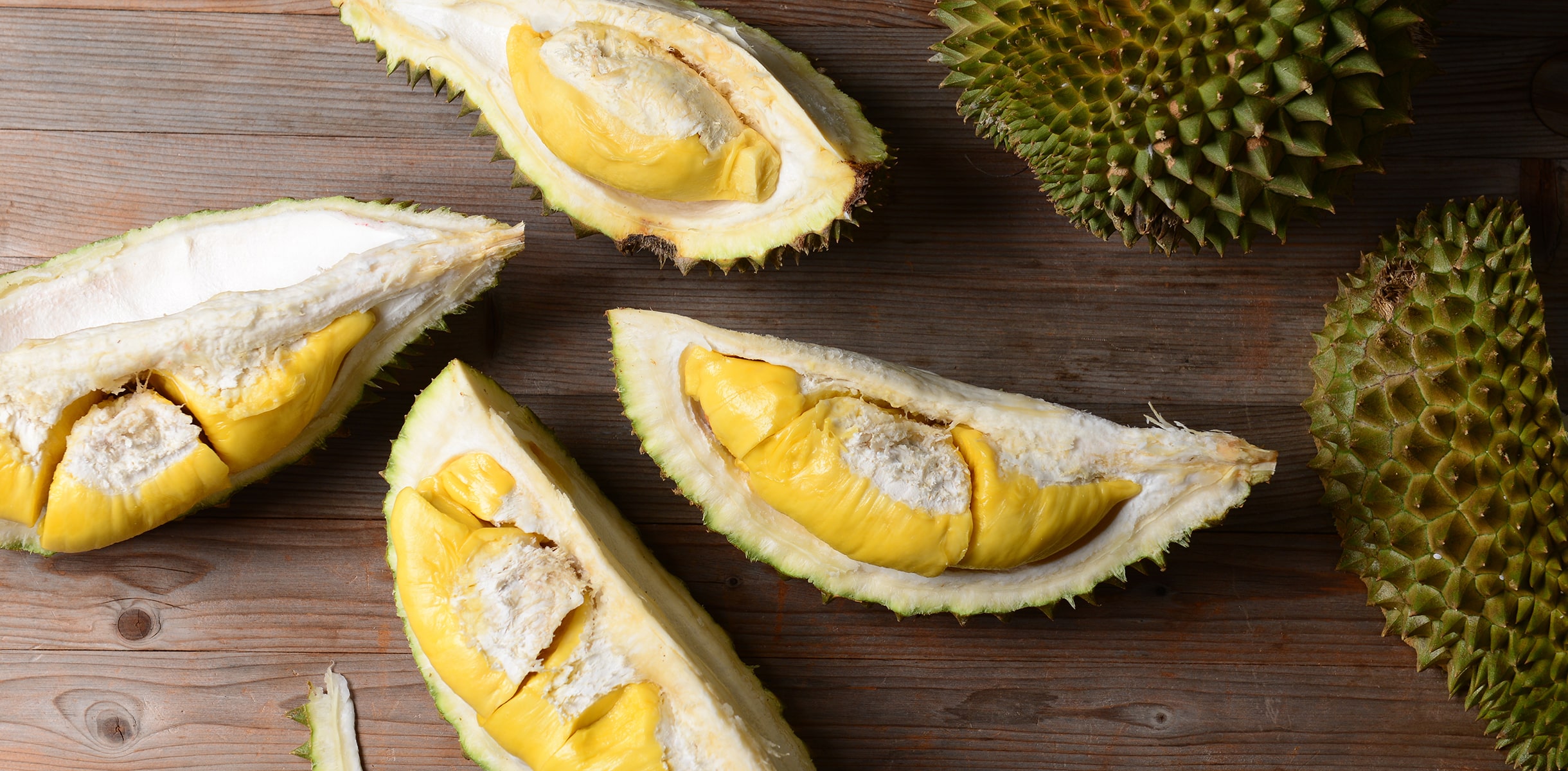
    Thriving Live Commerce: TikTok Boosts Thai Durian Sales by Tenfold

    In a collaborative effort, TikTok and Thailand’s Department of Internal Trade have drastically elevated durian sales on TikTok Shop, underscoring live commerce as a significant conduit for Thai agricultural commodities. The initiative led to a tenfold surge in durian sales, facilitated by more than 89,000 live durian broadcasts on the platform in the past quarter. Remarkably, a new live session was initiated approximately every 90 seconds, lasting an average of 118 minutes.

    During the apex of the durian harvest season, the gross merchandise value for the fruit surged by a factor of 10.6 in comparison to the average weekly sales recorded prior to the campaign. A key contributor to the success of this venture has been TikTok’s creator ecosystem. Over 1.8 million creators generate content that correlates with products available on TikTok Shop.

    Engaging Farmers and Influencers

    Content creators aren’t the only ones to credit for the success of this fruitful venture; farmers and local influencers have also climbed aboard the bandwagon. By actively promoting their produce through live streams, they’ve facilitated consumer discovery of agricultural products. The campaign has effectively doubled the number of fruit purchasers on TikTok Shop, year on year. Furthermore, total fruit orders have seen an impressive 134% increase in the first half of 2026.

    Notably, almost half of the consumers who bought durian via the platform returned for another purchase within the same season. This indicates a trend of stronger repeat-buying behavior among online shoppers.

    Looking Beyond Durian

    Yanee Srimanee, the Deputy Director-General of the Department of Internal Trade, anticipates that Thailand will produce approximately 2.07 million metric tons of durian this year. The majority (70%) of this yield is slated for export, with the remaining being distributed in the domestic market.

    The department aims to bolster domestic consumption and sees the collaboration between public and private sectors as a key strategy in connecting farmers with consumers. TikTok Shop has been a crucial tool in enhancing digital skills and creating new avenues for agricultural products to reach online markets.

    Chanida Klyphun, TikTok’s Director of Public Policy for Southeast Asia, characterized the departmental partnership as a crucial step towards broadening Thai farmers’ entry into the digital economy. This includes skill development and the adoption of live commerce as a sales strategy.

    As the eastern Thailand durian season wraps up, TikTok and the department have plans to continue supporting durian sales from the southern region of the country. The collaboration also aims to expand the program to other agricultural products and farming communities and to leverage content, creators, and e-commerce to widen market opportunities.

    Questions & Answers

    What has been the impact of the TikTok and Department of Internal Trade initiative on durian sales?
    The collaboration led to a tenfold increase in durian sales on TikTok Shop, with over 89,000 live durian broadcasts in the past quarter.

    What strategies were key to the success of the campaign?
    The success of the initiative can be attributed to the active participation of content creators, farmers, and influencers, and a strong emphasis on live commerce.

    What are the future plans of this collaboration?
    The partnership plans to continue supporting durian sales in the southern region of Thailand and aims to expand the program to other agricultural commodities and farming communities.

  • Berjaya Food Exits Paris Baguette Joint Venture, Redirects Focus on Core Businesses

    Berjaya Food Exits Paris Baguette Joint Venture, Redirects Focus on Core Businesses

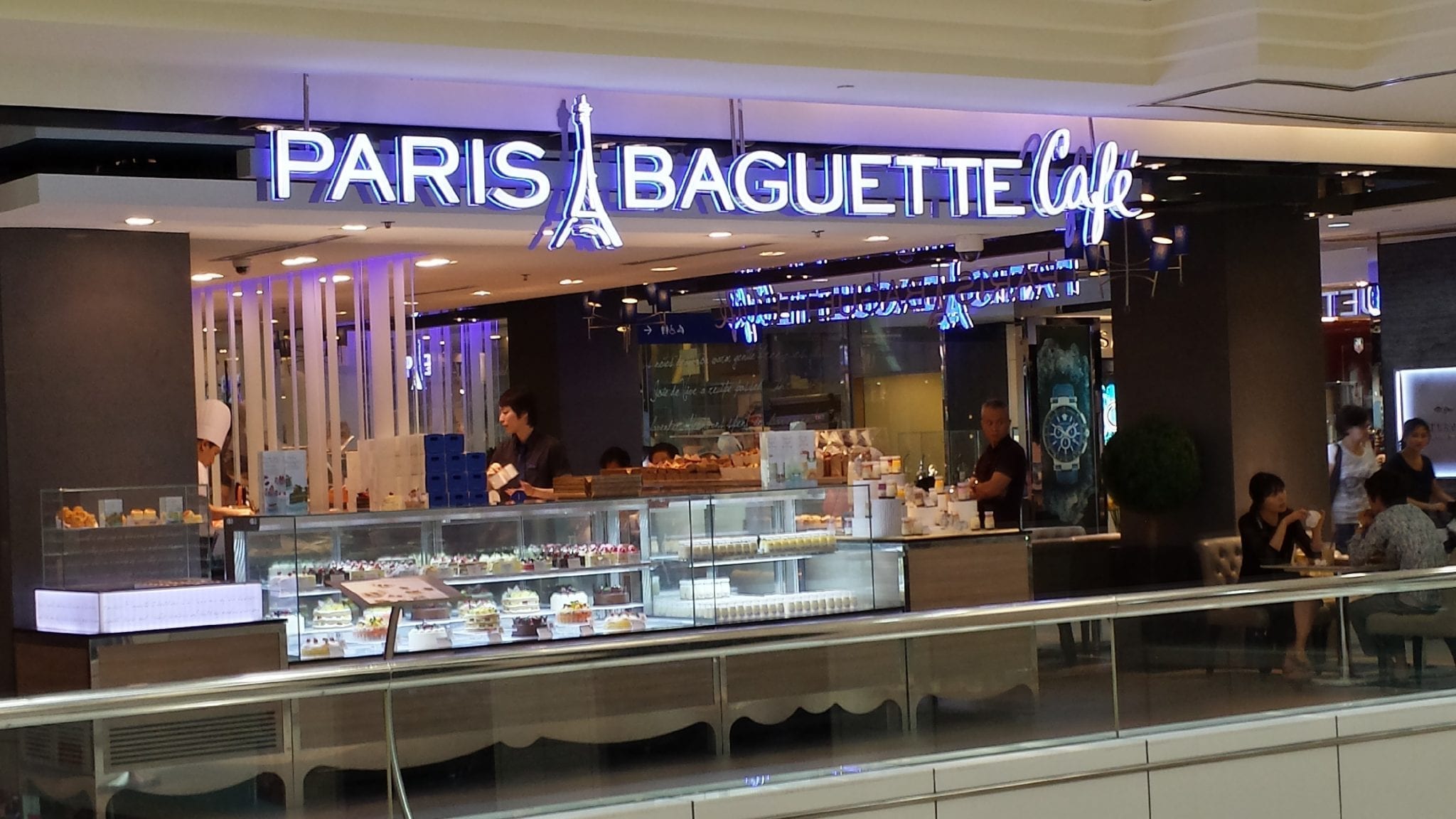
    Berjaya Food, a major player in the food and beverage industry, has concluded their collaboration with Paris Baguette, marking the end to the alliance that brought the esteemed South Korean bakery chain to Malaysia in 2023.

    In an effort to sever ties with the financially draining venture, Berjaya Food divested its 50% share in Berjaya Paris Baguette (BPB) to Paris Baguette Singapore for a token sum of RM1 (US 24 cents). Executed on June 30, this transaction included the transfer of 20 million ordinary shares. This was accompanied by Berjaya Food’s settlement of RM3.91 million (about $960,920) in outstanding liabilities.

    A Challenging Operation

    The Malaysian branch of the business has persistently reported losses since its commencement. As per recent records, BPB reported an unaudited, post-tax loss of RM67.09 million ($16.49 million) and net liabilities of RM33.41 million ($8.2 million). The RM20 million ($4.9 million) pumped into the venture by Berjaya Food is fully impaired.

    Berjaya Food has clarified that the divestiture of BPB is a strategic move to step away from the “Paris Baguette” chain of bakery and retail stores in Malaysia, which has continually underperformed since its introduction in the country. This decision, they explain, will help to eliminate the group’s exposure to BPB’s continuous financial losses.

    Looking Ahead

    Berjaya Food can now channel its resources and managerial attention to its principal businesses and future growth prospects. Paris Baguette, on the other hand, first set foot in Malaysia in 2023 and currently manages 16 locations across the country.

    Berjaya Food’s decision to divest comes at a time when the group is grappling with wider earnings pressure. Last year, the company reported its fifth consecutive quarterly loss, largely contributed by weaker performance at its Starbucks Malaysia business.

    Questions & Answers

    Why has Berjaya Food chosen to exit the joint venture with Paris Baguette?
    Berjaya Food decided to exit the joint venture due to consistent financial losses, deciding instead to focus on their core businesses and future growth opportunities.

    What was the extent of Berjaya Food’s investment in Berjaya Paris Baguette?
    Berjaya Food’s investment in the venture amounted to RM20 million ($4.9 million), which has now been fully impaired.

    What has been the impact of the divestment on Paris Baguette’s presence in Malaysia?
    Paris Baguette continues to operate in Malaysia, currently managing 16 locations across the country. The divestment has not affected its operational presence.

  • Korean Coffee Giant, TheVenti, Brews up Philippine Expansion with Local Franchise Deal

    Korean Coffee Giant, TheVenti, Brews up Philippine Expansion with Local Franchise Deal

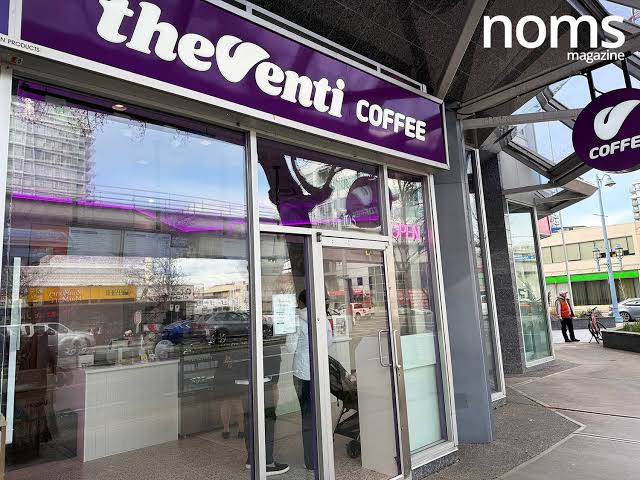
    TheVenti, a leading coffee chain from South Korea, has recently announced its introduction to the Philippine market in partnership with JJR Brothers, a local distributor of food and beverages.

    Known for its large 20-ounce servings, TheVenti was established in 2014 and has since become popular for its unique offerings such as espresso drinks, Korean grain lattes, and fruit teas. It currently operates over 1,600 stores in South Korea and has expanded its footprint to various international markets including Vietnam, Canada, and Jordan.

    Adapting to Local Preferences

    The coffee chain has shared plans to adjust its menu and store operations progressively in line with local consumer tastes and trade locations. This initiative aims to strengthen its foothold in the country and ensure the successful integration of its brand into the local market.

    TheVenti views its Philippine venture as a stepping stone towards further expansion in the Southeast Asian market. “We are thrilled to introduce TheVenti’s unique coffee and beverage experience to local consumers, with the goal of progressively augmenting our global brand’s competitive edge,” stated the company spokesperson.

    TheVenti is set to open its inaugural Philippine store in the third quarter of this year.

    Questions & Answers

    What is TheVenti known for?
    TheVenti is renowned for its sizeable 20-ounce servings and a unique menu that includes espresso drinks, Korean grain lattes, and fruit teas.

    What is TheVenti’s plan for the Philippines?
    TheVenti plans to adapt its menu and store operations gradually in line with local tastes and trading locations in the Philippines. It aims to build its presence by catering to local consumer preferences.

    When is TheVenti opening its first store in the Philippines?
    TheVenti plans to open its first store in the Philippines in the third quarter of this year.

  • Vietnam’s Fruit and Vegetable Exports Skyrocket 17.8% in First Half of 2026: A Boom in Durian Trade

    Vietnam’s Fruit and Vegetable Exports Skyrocket 17.8% in First Half of 2026: A Boom in Durian Trade

    In the first half of 2026, Vietnam saw a significant increase of 17.8% in its fruit and vegetable exports, reaching a total of US$3.65 billion. This upward trend was notably reflected in the second quarter, where exports alone generated a revenue of $2.18 billion, as reported by the Ministry of Agriculture and Environment.

    Strong Export Performance and Market Expansion

    The Ministry predicts that the continued growth of fruit and vegetable exports throughout 2026 will have minimal impact on domestic prices, facilitated by a steady demand from international markets and abundant local supply. Durian, one of Vietnam’s leading fruit exports, is currently shipped to 28 global markets and has yielded nearly $562 million within the first five months of 2026. This represents a notable increase of 46% compared to the previous year.

    Vietnam currently possesses approximately 192,000 hectares dedicated to durian farming. The Crop Production and Plant Protection Department anticipates that durian output will surge from 1.8 million tonnes in 2025 to around 2-2.1 million tonnes this year. Additional exports, including lychees and coconuts, have also experienced double-digit growth due to robust demand from major markets such as China, the U.S., and South Korea.

    Nguyen Quoc Manh, the deputy director of the department, highlighted China as Vietnam’s primary market for fruit and vegetable exports. The country has witnessed an annual growth of approximately 65-70% in shipments to China over recent years. To reduce reliance on one market, the Ministry is working to secure access to more fruits within high-value markets like the U.S., Japan, South Korea, and Australia.

    The Future of Vietnam’s Fruit and Vegetable Industry

    Manh emphasized that Vietnam’s fruit and vegetable industry has been transitioning towards a different growth model. The focus is now on enhancing the quality of produce, increasing its value, and driving sustainable development, as the capacity for further cultivation expansion is restricted. Strict quality and food safety standards imposed by high-value markets such as the European Union and China present significant challenges for the industry.

    In addition, producers face mounting pressure from increasing input costs brought about by global economic and geopolitical uncertainties. Manh shared that over the coming five years, the ministry intends to amplify research and breeding of fruit and vegetable varieties that align with domestic production capabilities and market demand. This will include promoting deep processing, expanding export markets, and implementing a low-emission crop production strategy for 2025-2035. The aim is to foster a greener, more competitive, and sustainable fruit and vegetable industry that can boost farmers’ incomes.

    Questions & Answers

    What led to the significant increase in Vietnam’s fruit and vegetable exports in 2026?
    The increase was driven by an abundant supply of produce, stable market demand, a notable surge in durian exports, and double-digit growth in lychees and coconuts exports.

    What challenges does Vietnam’s fruit and vegetable industry face?
    The industry faces challenges imposed by strict quality and food safety standards in high-value markets, and increasing input costs due to global economic and geopolitical uncertainties.

    What measures is the Ministry taking to sustain the growth of Vietnam’s fruit and vegetable industry?
    The Ministry plans to increase research and breeding of suitable fruit and vegetable varieties, promote deep processing, expand export markets, and implement a low-emission crop production strategy to drive a greener and more sustainable industry.

  • Starbucks and Jay Chou Ignite the Summer with Fantasy Experience Across Asia-Pacific

    Starbucks and Jay Chou Ignite the Summer with Fantasy Experience Across Asia-Pacific

    In a creative move, Starbucks has teamed up with Mandopop sensation Jay Chou to introduce a unique ‘Fantasy’ Summer Experience throughout the Asia Pacific. This novel initiative includes exclusive beverages, limited-edition merchandise, and music-themed in-store experiences influenced by the superstar’s discography.

    The campaign kicked off in Taiwan on June 20 and will gradually unfold in Hong Kong, Macau, Malaysia, and Singapore at various points during the summer season.

    A Unique Blend of Music and Merchandise

    This one-of-a-kind partnership draws inspiration from Chou’s iconic ‘Fantasy’ musical universe. The collaboration features themed drinkware and lifestyle products, along with personalised beverage recommendations. These drink suggestions are based on the star’s favourite Starbucks drinks, offering customers the option to customize them to their preferences.

    Furthermore, select Starbucks locations will offer immersive experiences, such as music-inspired displays and creatively designed spaces. These interactive elements aim to highlight Chou’s unique artistic style and his enduring bond with his fanbase.

    Nancy Lo, Starbucks Asia Pacific’s VP of Product and Marketing, said, “Music and coffee both have a unique way of connecting people and transporting us to a particular memory in time. With this partnership with Jay Chou, we hope to celebrate those small, yet significant moments in our daily lives – like the pleasure of sipping a favourite drink or listening to a beloved song.”

    In further collaboration news, Starbucks and Jay Chou joined forces earlier in May to unveil a unique partnership in China. This venture introduced exclusive beverages and merchandise across more than 8,000 stores.

    Questions & Answers

    What is the ‘Fantasy’ Summer Experience?
    The ‘Fantasy’ Summer Experience is a unique initiative launched by Starbucks in collaboration with Mandopop star Jay Chou. It features exclusive beverages, limited-edition merchandise and music-themed in-store experiences influenced by Chou’s music.

    Where and when will the ‘Fantasy’ Summer Experience be available?
    The experience kicked off on June 20 in Taiwan and will gradually unfold in Hong Kong, Macau, Malaysia, and Singapore throughout the summer season.

    What does this partnership entail for Starbucks store guests?
    Customers will have access to customized beverages based on Jay Chou’s favorite Starbucks drinks, themed drinkware, lifestyle products, and immersive in-store experiences celebrating Chou’s unique artistic style.

  • Harlan + Holden Brews $12M Expansion Deal for Southeast Asia Presence

    Harlan + Holden Brews $12M Expansion Deal for Southeast Asia Presence

    Harlan + Holden, a lifestyle and coffee brand, is reportedly close to finalizing a funding round estimated to be around US$12 million. This capital injection is intended to propel the brand’s expansion strategy across Southeast Asia.

    Harlan + Holden: From Clothing to Coffee

    Established in Manila in 2015, Harlan + Holden has built a retail presence in Indonesia and the Philippines and runs its own online store. Initially, the brand focused solely on fashion, but it later branched out into the specialty coffee market.

    Investor Interest and Use of Proceeds

    The impending funding round is expected to attract notable angel investors and venture capital firms. Among the potential backers are Michael Soerijadji, co-founder of AC Ventures; Willix Halim, former CEO of e-commerce powerhouse Bukalapak; and Trihill Capital.

    The funds raised will be allocated to expanding the brand’s store network and enhancing its footprint in critical regional markets.

    Investors are demonstrating increased interest in Southeast Asia’s rapidly growing coffee and tea sector. Earlier this year, the budget coffee chain Pickup Coffee in the Philippines reportedly secured up to $8 million in convertible notes from Venturi Partners and new investor Antler. Meanwhile, Indonesian mobile coffee startup Jago Coffee raised $12.5 million in a Series B round led by Beenext.

    Questions & Answers

    What is Harlan + Holden?
    Harlan + Holden is a lifestyle and coffee brand that began as a clothing company in Manila in 2015 before expanding into the specialty coffee market.

    How much is Harlan + Holden expected to raise in its upcoming funding round, and what will the funds be used for?
    Harlan + Holden is reportedly nearing the completion of a US$12 million funding round. The capital raised will be used to broaden the brand’s store network and strengthen its presence in key regional markets.

    Who are the potential investors in Harlan + Holden’s funding round?
    Prominent angel investors and venture capital firms are anticipated to back the funding round. Potential investors include Michael Soerijadji, co-founder of AC Ventures; Willix Halim, former CEO of e-commerce giant Bukalapak; and Trihill Capital.

  • Starbucks Brews Major Expansion in India: Targets 100 New Stores Annually

    Starbucks Brews Major Expansion in India: Targets 100 New Stores Annually

    Starbucks has announced ambitious plans to open up to 100 outlets annually in India, marking an accelerated expansion in one of the company’s most rapidly growing global markets.

    Sushant Dash, CEO of Tata Starbucks, emphasized the potential for significant expansion in India, despite the country’s dominant tea culture. Coffee remains a smaller category, but the industry size and potential for growth cannot be overlooked.

    Tata Starbucks, a successful joint venture between Starbucks and the Tata Group, presently manages more than 500 outlets across India, accounting for roughly 30% of the nation’s structured coffee market. The partnership plans to amplify its presence by inaugurating between 50 to 100 stores each year.

    According to Dash, India ranks as one of Starbucks’ fastest expanding markets globally. The renowned coffee chain has more than doubled its number of stores in the country within the last four to five years.

    This aggressive expansion comes in response to the observed increase in coffee consumption amongst the youth and urban consumers in India. This uptick has sparked intensified competition from both local and international brands.

    To seize this opportunity, Tata Starbucks is considering a multi-format expansion strategy that includes drive-through outlets, highway locations, kiosks, and experiential stores. The company has also invested in its Starbucks Reserve concept, with six locations currently operating across major cities like Mumbai, Delhi, and Kolkata.

    This most recent expansion supports the company’s aspiration to reach 1,000 stores in India by 2028. In line with this goal, Tata Starbucks aims to increase its workforce to approximately 8,600 partners and further extend its network of drive-through outlets, airport cafes, and 24-hour locations.

    Notably, the company’s expansion plans extend beyond metropolitan areas. Tata Starbucks seeks to tap into India’s next wave of consumer growth by stepping up its presence in Tier 2 and Tier 3 cities.

    Questions & Answers

    What are Starbucks’ expansion plans in India?
    Starbucks plans to open between 50 to 100 outlets annually in India, aiming to reach 1,000 stores in the country by 2028.

    Is coffee popular in India?
    Despite India’s tea-dominant culture, the consumption of coffee is rising, particularly among the younger and urban demographics, leading to a surge in growth opportunities for coffee retailers.

    How does Starbucks plan to capture the growing coffee market in India?
    Starbucks, through its joint venture with the Tata Group, aims to leverage the growing coffee market in India by expanding its network of drive-through outlets, airport cafes, and 24-hour locations. The company is also broadening its reach to Tier 2 and Tier 3 cities.

  • Danone Boosts Australian Footprint with Profitable Made Group Takeover

    Danone Boosts Australian Footprint with Profitable Made Group Takeover

    Global food corporation Danone is extending its foothold in Australia by acquiring Made Group, the parent company of Cocobella and Rokeby. This transaction is an element of a two-part acquisition designed to increase Danone’s influence in the Asia Pacific region. In addition to this, Danone has also announced the full ownership of its fresh dairy joint venture with Saputo Dairy Australia by acquiring the remaining 49% stake.

    Made Group’s consistent performance with “appealing profit margins”, backed by its sales of $490.7 million in the last fiscal year, was a driving factor behind the acquisition. Made’s portfolio includes popular brands such as The Collective, Nutrient Water, and Impressed.

    Mutual Values and Profitable Growth

    According to Antoine de Saint-Affrique, CEO of Danone SA, Made Group has had a remarkable history of fast and profitable growth, thanks to its robust brand portfolio and health-focused nutritional products. He notes that both companies share a belief in promoting health through food and expressed excitement about welcoming Made into the Danone family.

    Made Group was sold by US-based TPG Capital in a transaction that earned TPG approximately $2 billion, a mere five years after it had purchased the beverage business.

    Shared Commitment to Health and Innovation

    Amanda Butler, CEO of Made, views this as an exciting new phase for the company. She acknowledged Danone’s shared commitment to health and enthusiasm for innovation, expressing optimism about future prospects. Butler anticipates that their joint efforts will unlock new infrastructure, capabilities, and research and development expertise, spurring growth across the region.

    Questions & Answers

    What companies has Danone recently acquired in Australia?
    Danone has recently acquired Made Group, the parent company of Cocobella and Rokeby.

    What motivated Danone’s acquisition of Made Group?
    Made Group’s consistent “attractive profit margins” and sales performance, coupled with its strong brand portfolio and focus on health-focused nutritional products, influenced Danone’s decision to acquire the company.

    What are the anticipated benefits of this acquisition for Made Group?
    Following the acquisition, Made Group expects to access new infrastructure, capabilities, and research and development expertise to accelerate growth in the region.

  • Starbucks Brews Plan for India Expansion, Aiming for 100 New Stores Annually in the Tea Land

    Starbucks Brews Plan for India Expansion, Aiming for 100 New Stores Annually in the Tea Land

    Starbucks is setting its sights on India, one of its fastest-growing markets worldwide, with plans to launch up to 100 stores per year. The renowned coffee chain, despite coffee being a less popular choice than tea in India, sees substantial potential for growth in the region.

    Tata Starbucks, a joint venture between Starbucks and the Tata Group, currently boasts over 500 stores across India, holding around 30% of the country’s structured coffee market. It intends to continue expanding its footprint by adding 50 to 100 outlets each year.

    Sushant Dash, Tata Starbucks CEO, highlighted the significant growth rate India represents for Starbucks on a global scale. He noted that the store count in India has more than doubled over the last four to five years. This growth coincides with the rise in coffee consumption among younger and urban consumers, which has sparked competition from both local and international entrants.

    Adapting to Local Consumer Needs

    To seize the emerging opportunities, Tata Starbucks is broadening its horizons by diversifying its store formats, including drive-through stores, highway locations, kiosks, and experiential outlets. The company is investing in the Starbucks Reserve concept, now operating in six different locations in Mumbai, Delhi, and Kolkata.

    This expansion aligns with the company’s ambition to operate 1,000 retailers in India by 2028. In line with this aspiration, Tata Starbucks intends to increase its workforce to approximately 8,600 partners and extend its network of drive-through stores, airport cafes, and 24-hour locations.

    In addition, the company is exploring opportunities beyond major metropolitan areas, intending to extend its presence in Tier 2 and Tier 3 cities to capitalize on India’s upcoming wave of consumer growth.

    Questions & Answers

    What is Starbucks’ growth plan for India?
    Starbucks plans to open up to 100 stores per year in India, aiming to operate 1,000 stores by 2028.

    How is Tata Starbucks adapting to the Indian market?
    Tata Starbucks is diversifying its store formats to meet local needs, including drive-through stores, highway locations, kiosks, and experiential outlets. It is also expanding its presence in Tier 2 and Tier 3 cities.

    What is the current position of Starbucks in the Indian coffee market?
    Starbucks, through its joint venture with the Tata Group, Tata Starbucks, currently operates over 500 stores and holds about 30% of the country’s structured coffee market.

  • Cracking Into Global Markets: Vietnam’s First Shipment of Ready-to-Eat Eggs Lands in Japan

    Cracking Into Global Markets: Vietnam’s First Shipment of Ready-to-Eat Eggs Lands in Japan

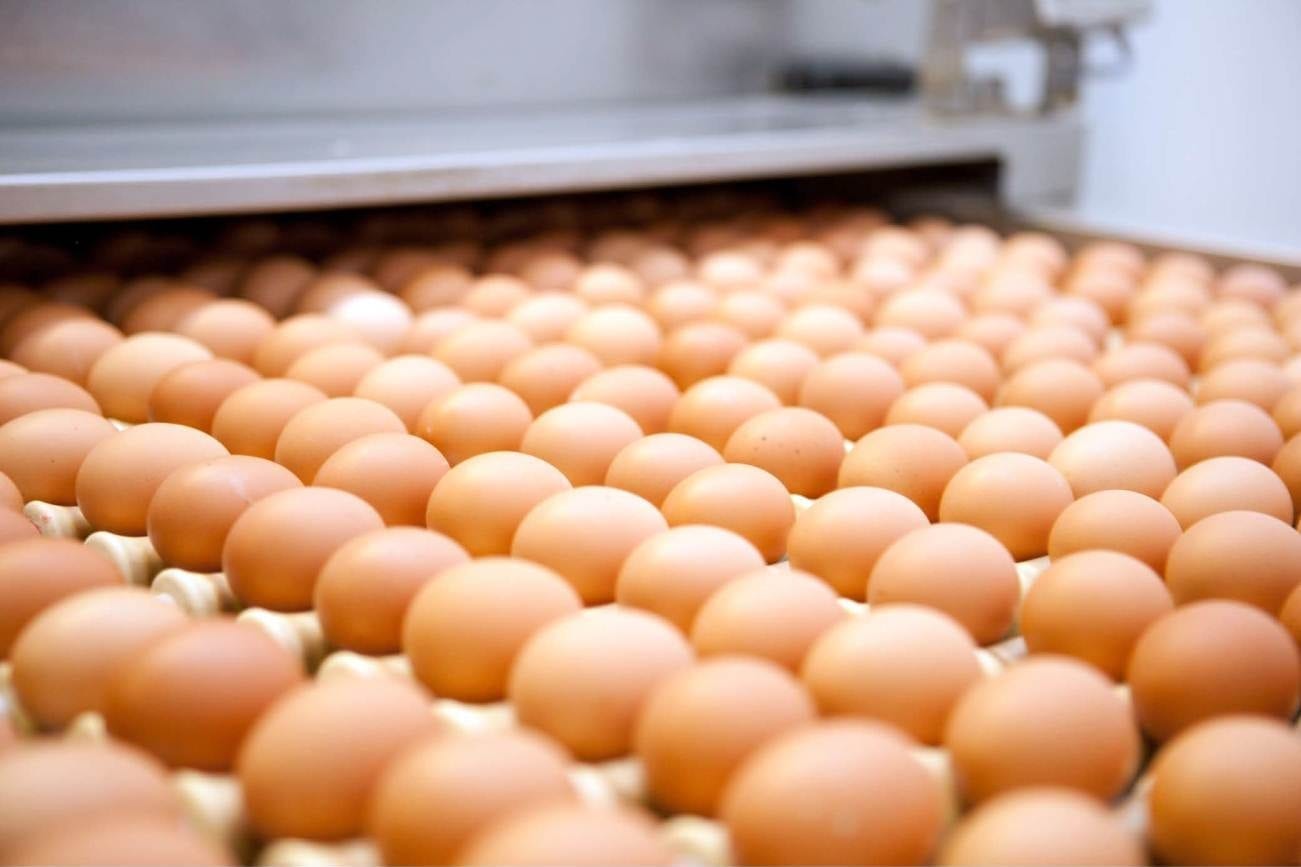
    Vietnam has made significant strides in its food export sector with its first shipment of ready-to-eat poultry eggs to Japan. The delivery was facilitated by Vinh Thanh Dat Food (VFood) on Thursday, following an extensive collaboration with a Japanese partner. The endeavor is notable as Japan is renowned for having some of the world’s most rigorous food safety standards.

    Years of Collaboration Lead to a Successful Shipment

    The partners invested nearly two years in product development, tailoring the ready-to-eat eggs to the specific tastes of Japanese consumers while ensuring they adhered to the country’s stringent food safety regulations. This meticulous process involved comprehensive research, product refining, and assistance from Japanese experts.

    This shipment represents more than just a successful export; it symbolizes VFood’s determination to elevate the worth of Vietnamese eggs. Further, it opens doors for other processed egg products to penetrate demanding international markets and solidify their presence.

    Addressing Oversupply through Increased Exports

    Presently, the poultry egg market in Vietnam is grappling with an oversupply due to a surge in farm expansions when egg prices were high. This expansion has led to production exceeding demand, thereby resulting in a drop in egg prices. Thus, venturing into new export markets is seen as a viable solution to manage the surplus stock, enhance poultry farmers’ earnings, and in turn, instill greater confidence in them to sustain production.

    In the long run, increasing exports can help farmers standardize and upgrade their production processes. Simultaneously, it could serve as a catalyst for growth in Vietnam’s poultry egg sector.

    Questions & Answers

    What is significant about the recent shipment of ready-to-eat eggs from Vietnam to Japan?
    This shipment marks the first time that Vietnam has exported ready-to-eat eggs to Japan, a country known for its strict food safety standards.

    How did VFood prepare for this milestone shipment?
    VFood collaborated with a Japanese partner and invested nearly two years in product research, development, and refinement to ensure the eggs met Japanese consumers’ tastes and the country’s food safety regulations.

    What are the potential benefits of expanding egg exports for Vietnam’s poultry sector?
    Expanding exports can help manage the current oversupply of eggs in the Vietnamese market, improve poultry farmers’ incomes, and encourage them to maintain production. In the long term, it can aid in standardizing and upgrading production processes and boosting the overall poultry egg sector.

  • Heinz and Heineken Unveil Limited-Edition Combo: Beer Meets Ketchup in Epic 150-Year Brand Collaboration

    Heinz and Heineken Unveil Limited-Edition Combo: Beer Meets Ketchup in Epic 150-Year Brand Collaboration

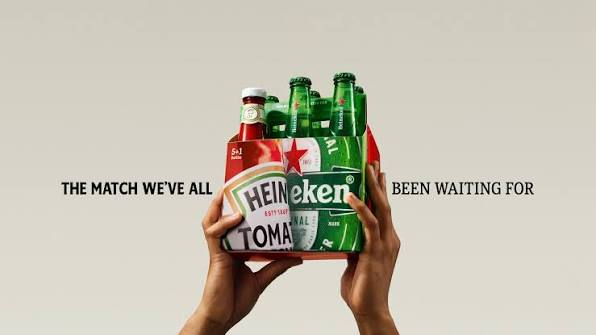
    Iconic brands Heinz and Heineken have teamed up to release a unique, limited-edition six-pack that combines their popular ketchup and beer products. This creative collaboration is not introducing a new consumption trend, but rather capitalizes on an already established pattern of consumer behaviour.

    Long-standing Consumer Habits Inspire Collaboration

    The pairing of these two beloved products acknowledges how they are often consumed together at various social settings. Be it a casual gathering, a sporting event, a barbecue, or simply during a burger meal, the consumption of Heinz ketchup and Heineken beer is a common occurrence.

    Dana Katz, Director of Integrated Communications at Heineken, stated that this brand pairing has been 150 years in the making. She emphasized that instead of creating a novel habit, this collaboration is a testament to what consumers have been doing for decades.

    The unique concept behind the partnership, according to Katz, emerged from an already existing link between the two brands. She mentioned that the idea didn’t feel like a new creation, but more of a discovery of something which had been hidden in plain sight, going even as far as the similarity in the brand names.

    Rolling Out in Select International Markets

    The exclusive Heinz x Heineken six-pack is set to hit the shelves in a number of selected international markets. These include the United Kingdom, Ireland, and Canada.

    Questions & Answers

    What is the unique selling proposition of the Heinz x Heineken six-pack?
    The unique selling point of this product is it combines two popular items that are often consumed together, Heinz ketchup and Heineken beer, into one convenient pack.

    Where will the Heinz x Heineken pack be available?
    The pack will be available in selected international markets, including the UK, Ireland, and Canada.

    What inspired the collaboration between Heinz and Heineken?
    The concept emerged from an already existing link between the two brands, recognizing that their products are often consumed together in various social settings.

  • Billion-Dollar Bite: Yum China Gobbles up Pizza Hut in Transformative $1.2B Deal

    Billion-Dollar Bite: Yum China Gobbles up Pizza Hut in Transformative $1.2B Deal

    Yum Brands, the global owner and franchiser of popular restaurant chains such as KFC, Pizza Hut, and Taco Bell, operates Yum China as a master franchisee. The franchisee oversees the operation of these three brands within Mainland China and has been accountable for a 3% royalty fee on its overall sales to the US-based conglomerate. However, with the conclusion of a recent deal, Pizza Hut China will be exempted from these licensing fees.

    Pizza Hut, as disclosed by Yum China, holds the title of the largest casual dining restaurant brand in China. Last year, the brand generated a segmental revenue of $2.3 billion and an operating profit of $183 million. Yum China has set ambitious growth objectives for the Pizza Hut network. Its goal is to increase the number of Pizza Hut restaurants from 4375 in over 1100 cities to over 6000 stores by the year 2028. Furthermore, the company intends to double the chain’s operating profit by 2029.

    From Franchisee to Brand Owner

    Joey Wat, CEO of Yum China, stated that transitioning from an exclusive licensee to the brand owner of Pizza Hut in Mainland China is a significant turning point for the company. This move solidifies their belief in and long-term commitment to the Chinese market.

    Being the brand owner will enable the company to have more strategic freedom to encourage innovation across the menu, store formats, new modules, and operations. Wat foresees that the cessation of licensing fees will bolster store economics and lower the threshold for opening new stores, thus aiding in margin expansion and growth.

    The transaction is slated to finalize in the third quarter, subject to standard closing conditions. Yum China asserts that their financial guidance for FY26 will remain unaffected by this transaction.

    Global Divestment

    This deal forms part of Yum Brands’ strategy to divest from the Pizza Hut segment internationally. Outside of Mainland China, the company has agreed to offload the Pizza Hut brand to private equity firm LongRange Capital for approximately $1.5 billion.

    This sale comes in the wake of Pizza Hut’s underperformance compared to KFC and Taco Bell, as evidenced in Yum Brands’ recent financial outcomes.

    Questions & Answers

    What effect will the elimination of license fees have on Pizza Hut in China?
    The elimination of license fees is expected to improve store economics and lower the requirements for opening new stores, ultimately supporting margin expansion and growth.

    What are Yum China’s growth goals for Pizza Hut?
    Yum China intends to expand the Pizza Hut network in Mainland China from 4375 restaurants across more than 1100 cities to more than 6000 stores by 2028. The company also aims to double the chain’s operating profit by 2029.

    Why is Yum Brands divesting from the Pizza Hut segment worldwide?
    This move follows a period of underperformance by Pizza Hut compared to KFC and Taco Bell, as reflected in Yum Brands’ latest financial results.

  • Starbucks Korea Closes for Sensitivity Training Following Historic Campaign Controversy

    Starbucks Korea Closes for Sensitivity Training Following Historic Campaign Controversy

    Following public disapproval over a marketing campaign, Starbucks Korea, operated by Shinsegae Group, has announced it will close all stores across the country at 3pm on June 22 for employee training related to historical awareness and social sensitivity. The coffee giant came under fire for a campaign last month that was reminiscent of a harsh military suppression of pro-democracy demonstrators in 1980, leading to significant sales losses.

    Training and Education Initiative

    E-Mart, an affiliate of Shinsegae and owner of Starbucks Korea, initiated the promotional campaign named ‘Tank Day’ tumbler on the anniversary of the Gwangju Uprising on May 18. The historical event saw the military government deploy troops and tanks to quell pro-democracy rallies. In response to the backlash, staff and executives from Starbucks Korea and E-Mart division at Shinsegae will undertake the same training on June 17 at the group’s internal training center. Shinsegae Chairman Chung Yong-jin and affiliate CEOs will partake in a separate session on June 24. Shinsegae’s decision to implement these measures reflects the gravity with which it views the recent marketing misstep and signifies its dedication to avoiding similar situations in the future. Chairman Chung has previously issued a public apology for the controversy.

    The training will be spearheaded by a history professor from Sungkyunkwan University and will delve into significant events in South Korea’s modern and contemporary history since the 1950s. A separate social sensitivity training, facilitated by a sociology professor from the same university, will focus on how businesses should take into account societal factors such as history, labor, gender, and human rights in marketing and all corporate activities.

    Introducing New Measures

    This will be the first nationwide early closure for Starbucks Korea since its establishment in the country in 1999. In light of recent events, Starbucks Korea also intends to revamp its marketing approval procedures. This includes the introduction of a social-sensitivity checklist that covers history, commemorative dates, politics, disasters, military issues, gender, violence, and hate expressions.

    As of the end of 2024, Starbucks Korea had more than 2000 stores in the country and is regarded as the leading coffee chain in terms of customer payments.

    Questions & Answers

    What spurred Starbucks Korea to close its stores for employee training?
    Starbucks Korea faced public criticism due to a marketing campaign reminiscent of a harsh military suppression in 1980, which led to a significant drop in sales. The company has decided to close all stores in the country for staff training on historical awareness and social sensitivity.

    What will the training sessions entail?
    The history awareness lecture will be conducted by a history professor from Sungkyunkwan University and will review significant events in South Korea’s modern and contemporary history. Another professor from the same university will conduct a separate social sensitivity training, focusing on how companies should consider societal issues in their operations and marketing activities.

    What changes does Starbucks Korea plan to implement moving forward?
    Starbucks Korea plans to overhaul its marketing approval procedures by introducing a social-sensitivity checklist that covers history, commemorative dates, politics, disasters, military issues, gender, violence, and hate expressions. This is aimed at ensuring such marketing missteps do not recur in the future.