Category: Food

Retail News Asia is committed to providing both local and global retailers with the latest Food and Food & Beverage news throughout the Asian market. This on a daily base.

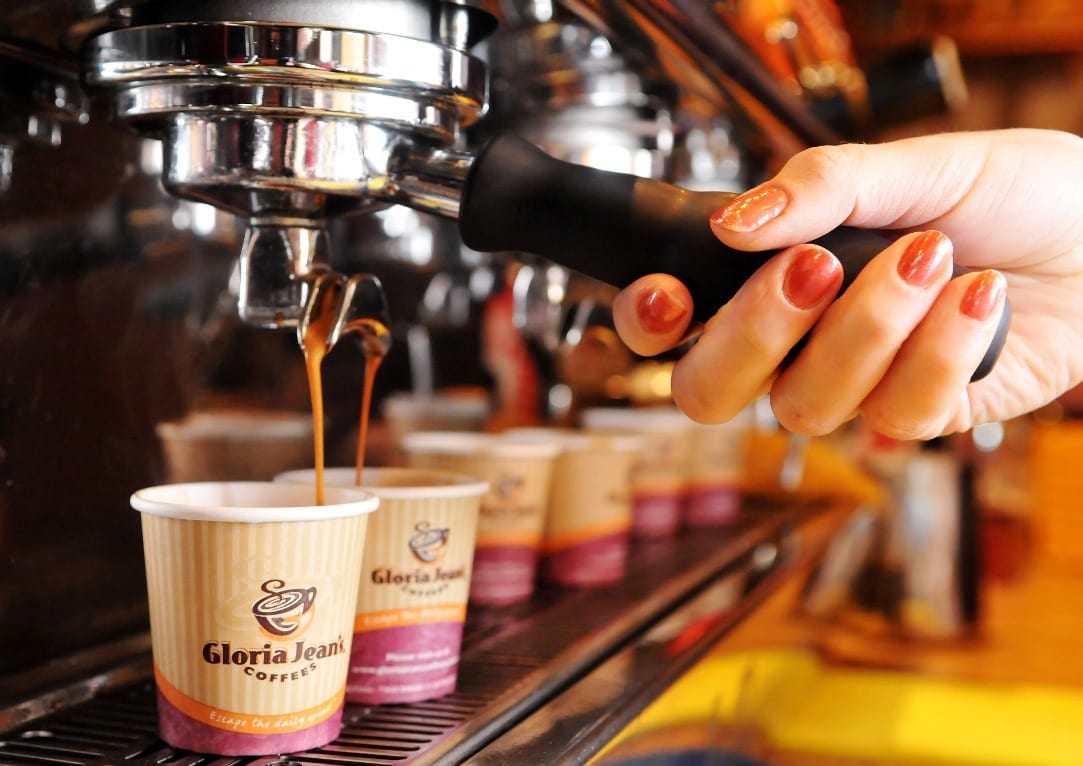
  • Gloria Jean’s eyes Myanmar

    Gloria Jean’s eyes Myanmar

    Gloria Jean’s plans to expand its franchise in Myanmar through more branches across cities

    Gloria Jean’s franchise is operated by local company Seezar Soesan, which has business interests in areas including IT, trading, construction, agriculture, consultancy and media services.

    The coffee franchise has already opened its two branches in Yangon, one in Myanmar Plaza in January and another in Yangon’s new international airport terminal in early March.

    U Kyaw Htin Latt, Seezar Soesan’s chief operating officer said the company plans to continue to be the sole operator for the next two years but may allow other interested firms to open branches, as quoted by local media.

    Other coffee branches that Myanmar has got hold include Espressonite Myanmar, Nervin and Ya Kun

  • M&M’s take over DFS’ HKIA shop-in-shop area

    M&M’s take over DFS’ HKIA shop-in-shop area

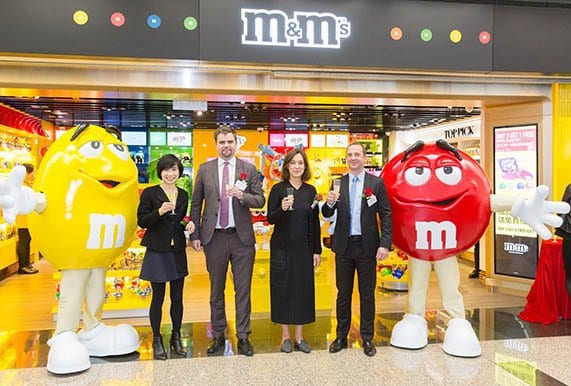
    M&M’S have taken over a new dedicated 35sq m shop-in-shop concept at Hong Kong International Airport, which Mars International Travel Retail have launched jointly with DFS Group in Terminal 1 – close to Gate N28 on the central concourse.

    “Asia is one of the fastest-growing regions for MITR, so we are extremely pleased to be opening this new M&M’S Travel Retail shop-in-shop at DFS, Hong Kong International Airport,” said MITR Regional Sales Director, Christophe Bouye.

    “By offering passengers outstanding retail experiences that first and foremost will make them smile, we are confident it will increase shopper engagement and encourage conversion. Through placing consumers in a smiling frame of mind, we believe that this will not only benefit the confectionery category, but all sectors of the travel retail offer here in Hong Kong.”

    The interior of the store features an ‘interactive’ retail theatre, with the ‘focus on fun’, says MITR, in line with its ’Smiles’ campaign which is a breath of fresh air in many DF&TR locations today.

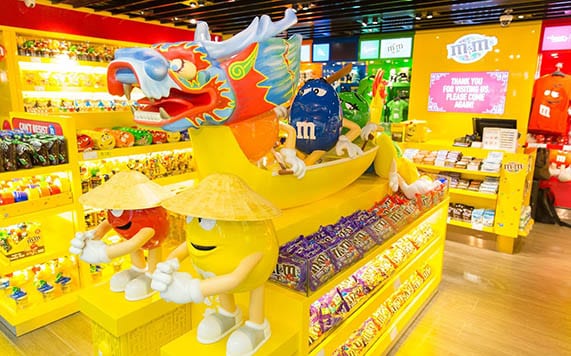
    MM's ride the Dragon Boat

    Personalised and tailored specifically to reflect a taste of Hong Kong, the shop combines a sample of local tradition with a replica of a dragon boat, which is both guarded and manned by smiling red, yellow, blue and green M&M characters. This is centrally located in the store, against a sea of wall and floor mounted brightly-lit yellow display fixtures – featuring a full range of M&M’s products.

    The store also carries destination merchandise, such as Hong Kong Travel Collection packs of Snickers, Mars and Twix, plus a Hong Kong-themed M&M’S dragon boat box. Core brands of Snickers, Mars, Celebrations and Twix are also offered in individual packs.

    The partners are also promising a strong social media campaign from DFS. This will utilise the WeChat, Facebook and Instagram platforms to alert interest customers to the existence and location of this new outlet before they arrive at HKIA. They also add that as an incentive, a free gift awaits the first 500 visitors, while all customers will be encouraged to take photos in the store and post them to friends on their mobile phones.

    Thierry Canivet, DFS Group’s Senior Vice President, Food and Gifts said the retailer is ‘thrilled’ with the new shop-in-shop concept: “With the shop-in-shop’s localised format, exclusive product offering and innovative approach to engaging customers, we’re confident travellers will love this addition to DFS, Hong Kong International Airport.”

    MITR’s Christophe Bouye added that the company is very grateful to DFS for the opportunity to create such strong branding for M&M’S. He said it is a good opportunity for both existing and new shoppers to discover a new experience, to interact with the M&M’S characters and exercise impulse purchasing.

  • London sandwich chain Pret A Manger opens shop at Dubai airport

    London sandwich chain Pret A Manger opens shop at Dubai airport

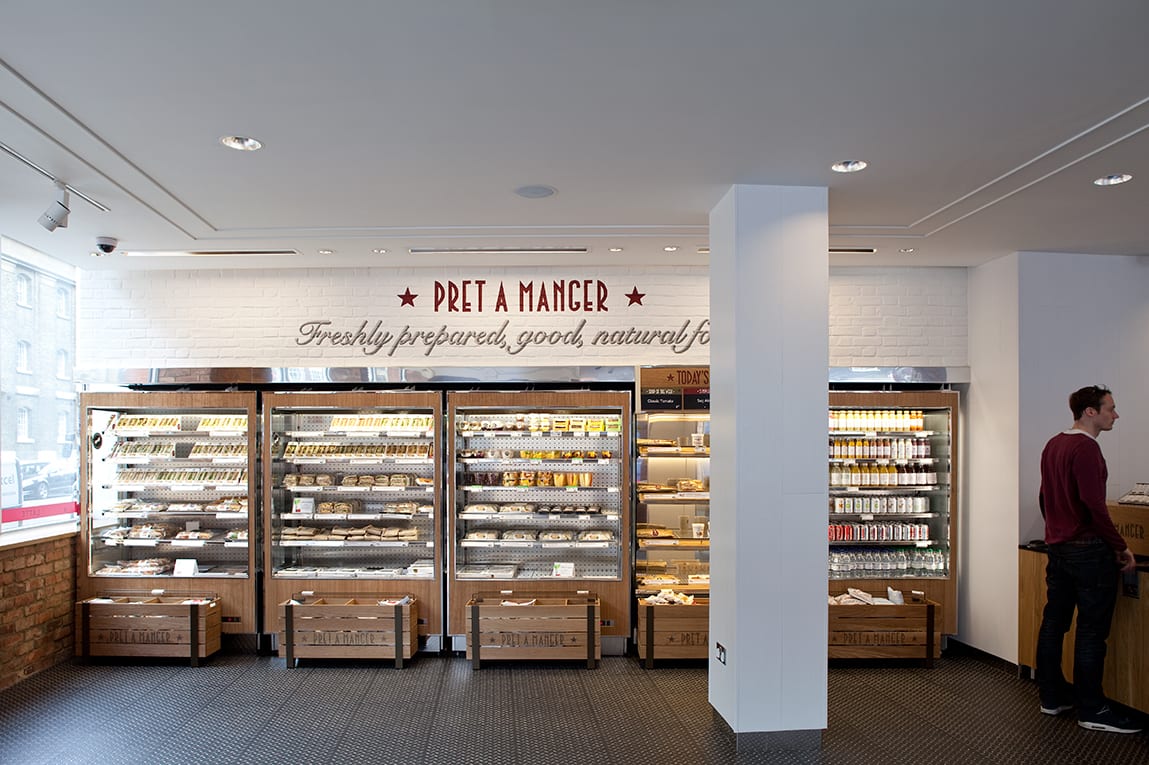
    Pret A Manger, the sandwich shop beloved by London office workers for its freshly made rolls and organic coffee, has opened its first UAE store.

    The chain whose magenta star sign, chrome furniture and daily donations to the homeless have become a staple of many a central London street, announced yesterday it has opened its first store in the Emirates at Dubai International Airport through a franchise deal with Emirates Leisure Retail.

    The new store, located in the new Concourse D, will include the concept’s trademark large kitchen and will be open 24 hours a day.

    Emirates Leisure Retail, a unit of Emirates Group, which also operates the UAE shops of Costa Coffee, Giraffe and The Noodle House, is understood to be looking at opening further Pret A Manger stores across the UAE.

    “We’ve had a lot of fun developing our new menu,” said Caroline Cromar, Pret’s group director of food. “We will be bringing plenty of existing Pret favourites over, with some special new products and fantastic locally sourced ingredients, such as falafel and hummus.”

    The opening brings Pret’s sandwich empire to about 400 shops worldwide, including the US, France, Hong Kong and China, although about three- quarters of the shops are still located in the UK capital.

    According to Pret’s new UAE website, the brand’s Dubai team has been training in Pret shops around the world.

    The arrival of the sandwich chain comes as the similarly named Pret to Go is attempting to take a healthy sized bite out of the domestic sandwich market.

    This month, Pret To Go, a sandwich chain founded in late 2014 by the entrepreneur Kunal Lahori, opened its eighth store in the Dubai airport free zone, Dafza. The chain also operates in Emaar Square, DIFC, Media City, Jebel Ali and Abu Dhabi International Airport. Pret A Manger declined to comment on its rival.

    The expansion of both chains in the UAE comes at a time when industry experts are predicting that up to a fifth of the country’s food and beverage operators could close by the end of next year, as more and more firms attempt to break into an already overcrowded market.


  • Hong Kong-born entrepreneur sets up shop in Saskatoon

    Hong Kong-born entrepreneur sets up shop in Saskatoon

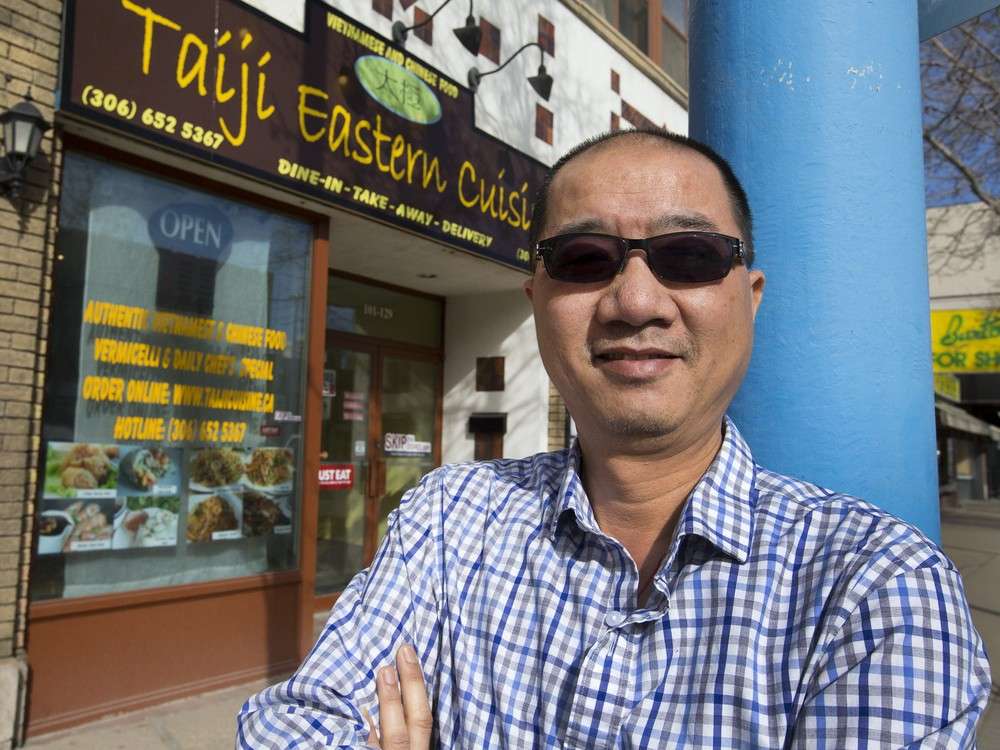
    Most restaurant owners work impossible hours, and Patrick Chu is no different. But after three decades of 100-hour weeks in his native Hong Kong, running his traditional Chinese food restaurant in Saskatoon feels like a vacation.

    “I spent too much time on working. I was just very tired,” said Chu, who worked in supply management for a global construction company before emigrating to Canada last summer.

    Chu said he brought his three children to Canada because he wanted them to have the best education possible. After arriving in July, he decided to change careers entirely and start his own business, a traditional Chinese food restaurant.

    “For me, I just think opening a restaurant is a small business — it’s easier to manage. (And) I just want to bring some traditional Chinese flavour in here,” he said with a laugh, noting that while some of his family members ran restaurants in Hong Kong, he was “totally unfamiliar” with the industry.

    A lack of experience didn’t deter him from working to get his restaurant up and running. He renovated the First Avenue North space himself, doing everything from painting to replacing and repairing kitchen equipment. Then he started developing a menu that combined familiar dishes with traditional flavours.

    Taiji Eastern Cuisine, which opened its doors late last year, serves meals that will be familiar to most western customers. Ginger beef, sweet and sour pork and Singapore fried noodles are all staples. But according to Chu, Taiji’s are cooked differently, and are spicier and more flavourful than most western-style Chinese food.

    Chu said that since he opened the restaurant, he has faced numerous difficulties, including those shared by many newcomers to Canada. While the first couple of months were “very frustrating,” he’s managed to iron out most of the problems, and today business is growing and he enjoys every minute of it, he said.

    “Every time when the customer comes here they say the environment is very good, very clean, very bright and the food is very good — and they will come again,” he said. “I feel very happy, very happy.”

    Ganyo and Grant didn’t choose an easy industry. The wedding business is extremely competitive and subject to changing tastes, but Ganyo believes the business she and her daughter built will continue to grow and succeed.

    “I think with any business, you always have to be on top of these things and watch where it’s going,” she said. “But I still believe it’s going to be very hard to knock off that dream that little girls have. They dream of that day, and I just can’t see that all of a sudden diminishing.”

  • Starbucks baristas vie for best of Asia honour

    Starbucks baristas vie for best of Asia honour

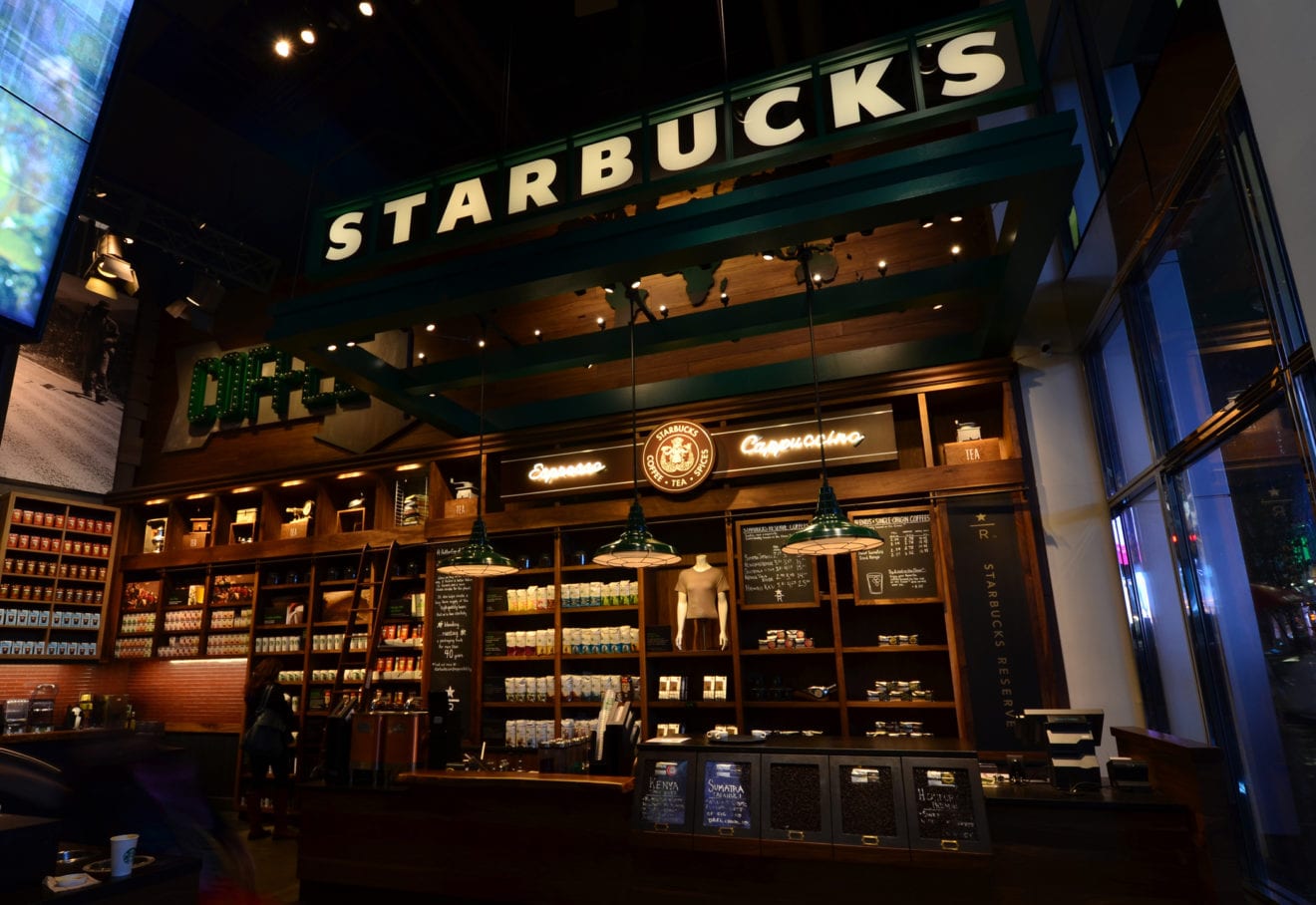
    Starbucks baristas from across Asia took part in the first Regional Barista Championships in Hong Kong.

    The contest, held before more than 600 spectators, drew 2000 entries from markets including China, Thailand, Hong Kong, Malaysia, Japan and Indonesia before the field was narrowed to the final 14.

    Finalists were judged on coffee knowledge, beverage mastery and customer service. Each partner had 20 minutes to demonstrate technical and communications skills, craftsmanship and knowledge of the barista profession.

    “Our judges group, made up of eight partners and one guest who is an accredited global coffee-competition judge, was immensely impressed and inspired by the professionalism and passion demonstrated by the final competitors,” said Major Cohen, senior project manager, Starbucks Global Coffee.

    The top three partners from round one of the finals were:

    • Nopparat “Yong” Arpornsuwan who joined Starbucks Thailand in 2002 as a part-time barista and is currently the store manager at the Baan Chart Khaosan Starbucks in Bangkok. She has a personal connection and understanding of coffee, having grown up near coffee farms in Thailand.
    • Hirokazu Terasaki of Japan, who joined the global coffee giant because of the friendly service culture a year ago. He is now an assistant store manager at the Maguro store in Japan.
    • Ryan Wibawa of Indonesia, who became a part-time barista with Starbucks in 2011 and just two years later was designated as a Coffee Master. Now a full-time shift supervisor at the first Starbucks Reserve store in Indonesia, Wibawa earned first-place honors in the first Indonesian Brewers Cup Championship finals in November 2015.

    Starbucks partners from China and Asia Pacific region finalists in the first Regional Barista Championships in Hong Kong. From left: Wibawa, Terasaki and Arpornsuwan.

    Arpornsuwan took top honors, based on her “perfect execution, personal storytelling and knowledge of coffee sourcing,” to become the first Starbucks Barista Champion. She was awarded a first-place trophy, a hand-crafted leather roaster brewers kit complete with coffee and accessories, and a three-week coffee experience in Seattle, which will include a visit to the first Starbucks at Pike Place Market and a tour of Starbucks Reserve Roastery and Tasting Room.

    Starbucks will celebrate additional barista champions across the globe in 2016. The company will host the Europe, Middle East and Africa Barista Championships and US Barista Championships later this year.

  • Binggrae opens Yellow Cafe flagship

    Binggrae opens Yellow Cafe flagship

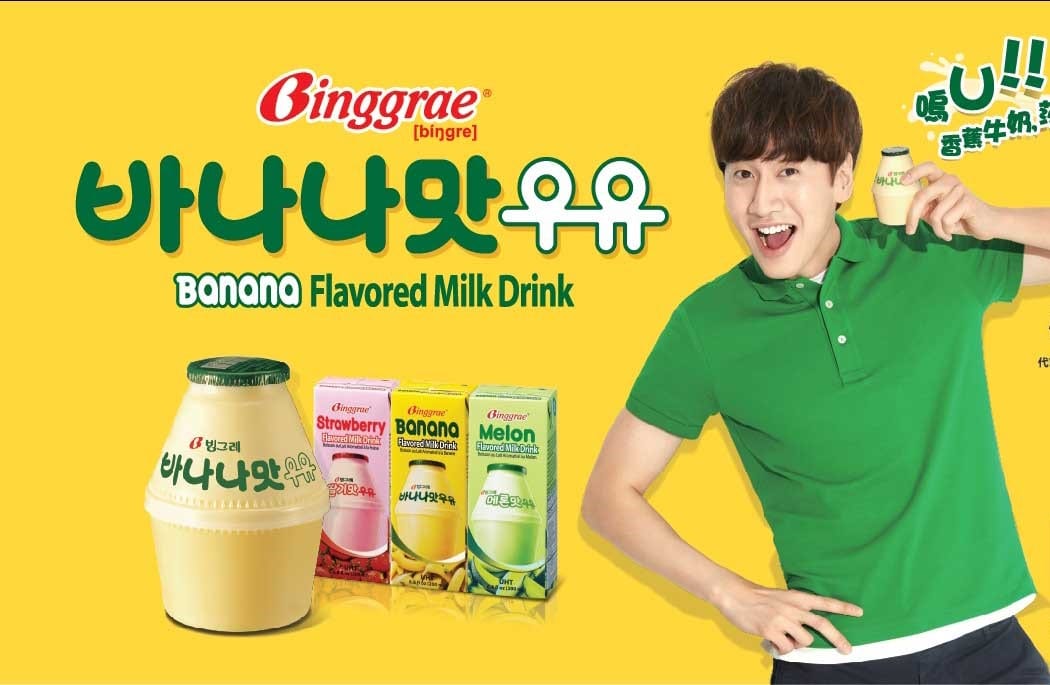
    Korea’s Binggrae, famous for its signature banana-flavored milk, will open a banana-flavored milk themed Yellow Cafe.

    The new concept store will be located in the Dongdaemun branch of Hyundai Outlet Store.

    It marks Binggrae’s first foray into the cafe market. Beverages such as lattes and milkshakes, and desserts such as ice cream, pudding, and tarts made with banana-flavored milk will be sold alongside accessories and souvenirs inspired by the beloved product that started it all, Binggrae’s iconic banana-flavored milk.

    The interior design of the store is also inspired by the product, as well as the tableware used to serve food and beverages at the store.

    Binggrae’s move to open a flagship store in the Dongdaemun area is perceived by retail analysts as a bid to get ahead in a commercial area that’s on the rise.

    Yellow Cafe stoee

    Dongdaemun is an area popular among tourists, with its numerous fashion shopping malls, cultural assets and Dongdaemun Design Plaza (DDP). The area holds potential to grow even more with Doosan’s duty free store expected to open soon.

    Binggrae hopes to promote its products by introducing them to more domestic and foreign consumers.

    “Based on the resources the area holds, Yellow Cafe will provide a space that can provide opportunities to consumers so that they can experience our products,” a company spokesman said.

    Since its launch in 1974, banana-flavored milk has stood at the top of the domestic market for processed milk, a reign of more than 40 years. The friendly color of the product and unique bottle shape are loved by consumers of all ages.

  • Rare reef fish brought in illegally

    Rare reef fish brought in illegally

    More than 1,000 endangered but highly valued reef fish sold in Hong Kong last year were imported illegally, a university study shows.

    It was released yesterday and funded by the University of Hong Kong and the Convention on International Trade in Endangered Species.

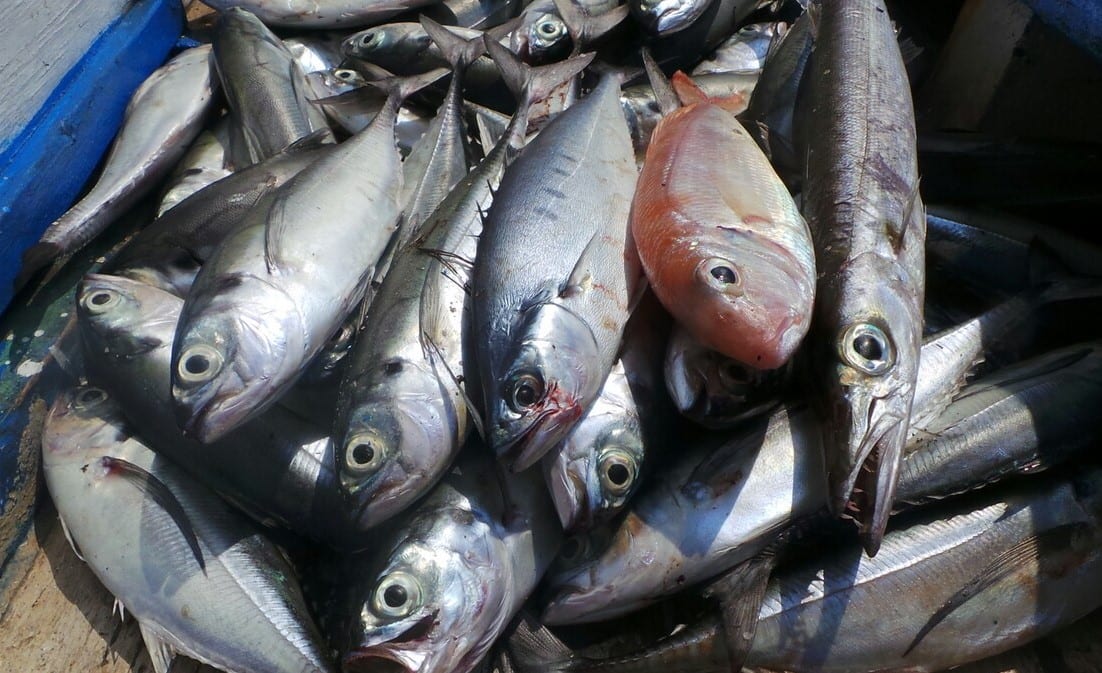
    More than 1,000 humphead wrasse, also known as Napoleon fish, were on sale in Hong Kong live fish shops from January to December 2015, said the study.

    Since no official imports occurred in 2015 and the species is typically sold within a few weeks of import, the survey suggests that many of these fish illegally entered the SAR, said professor Yvonne Sadovy of HKU’s School of Biological Sciences.

    Humphead wrasse is one of the biggest reef fish in the world. It is reported to grow as long as two meters and can live longer than 30 years.

    The retail price of live humphead wrasse in the local seafood markets was HK$1,550 to HK$1,600 per kilogram.

    “Failure to act to ensure legal and sustainable trade in this globally threatened species will ultimately result in higher prices for humpheads and fewer fish available to consumers and to the poor fishermen. Nobody wins,” Sadovy said.

    She called for urgent action by the government to ensure that imports and sales of humpheads are legal.

    FLORA CHUNG

  • Kirin to make, sell Ichiban Shibori beer in Myanmar

    Kirin to make, sell Ichiban Shibori beer in Myanmar

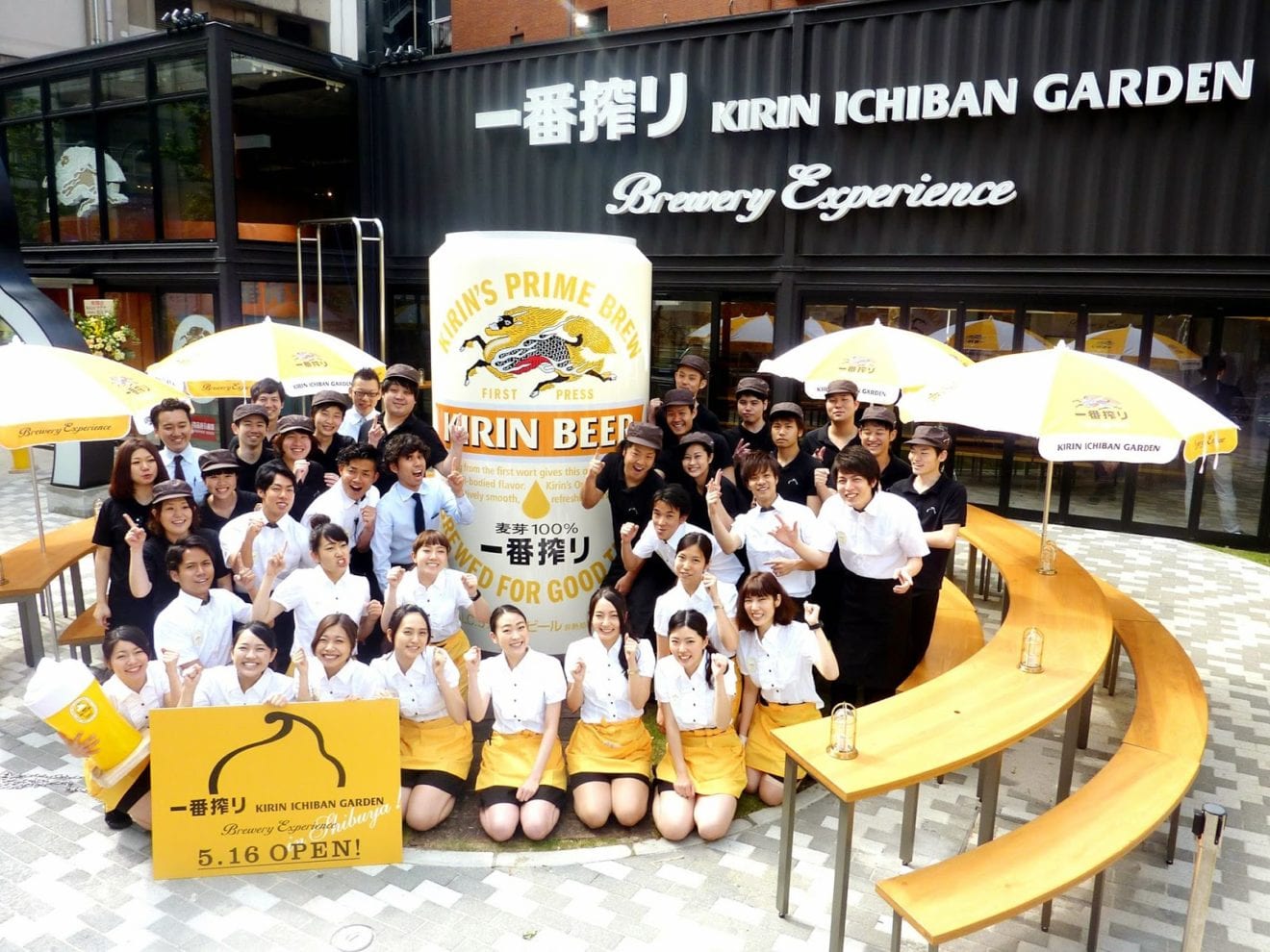
    Kirin Holdings will begin brewing and selling its flagship Ichiban Shibori beer in Myanmar as early as this month.

    The Japanese brewer will make the premium beer at the Yangon plant of Myanmar Brewery, which Kirin acquired last summer. It will initially provide it to Japanese restaurants and other high-end eateries, and aims to supply around 150 outlets within the year. Cans and bottles for retail stores will be rolled out gradually in the future.

    Ichiban Shibori will be sold to restaurants for just under 300 yen ($2.67) per bottle, around 50% more than typical local beer and in the same price range as premium European brands.

    Myanmar Brewery has an 80% share of the country’s market. Most of its products are in lower price ranges and it has lacked a high-end lineup to challenge European brewers. By selling Ichiban Shibori along with Myanmar Brewery’s existing brands, Kirin aims to offer beer in a wide range of prices and fight back against European competitors.

    Kirin sold the equivalent of 5.42 million 20-bottle cases of its beer brands overseas in 2015. It is targeting 6% growth to 5.72 million cases in 2016.

  • Biggest M&M store in travel retail opens at Hong Kong International Airport

    Biggest M&M store in travel retail opens at Hong Kong International Airport

    International Travel Retail in partnership with DFS Group today opened the largest M&M’S outlet in travel retail at Hong Kong International Airport.

    The 35sqm store is located in Terminal 1 and, according to DFS, is designed to offer “chocolate lovers a unique, entertaining and fun travel experience, driving travellers into the store”.

    Biggest M&M's store in travel retail opens at Hong Kong International Airport
    With interactive retail theatre and a focus on fun, it reveals that the M&M’S shop-in-shop is personalised and unique to Hong Kong.

    It states: “The atmosphere of this vibrant city is brought to life inside the store with a replica of one of Hong Kong’s iconic dragon boats on display, along with localized artwork incorporating the brand’s world famous Red and Yellow characters.”
    Dragon boat
    Additionally, the offer will include items that meet the consumer demand for destination merchandise with “Hong Kong Travel Collection” packs of Snickers, Mars and Twix along with a Hong Kong themed M&M’Sbox featuring the iconic dragon boat.

    While the key focus of the store is on M&M’S,  products from core brands Snickers, Mars, Celebrations and Twix are also offered based on the company’s ‘Laws of Growth’ belief in ensuring that consumers are offered best-selling SKUs at all times.

    Commenting on the opening, Mars International Travel Retail’s regional sales director, Christophe Bouye, says: “By offering passengers outstanding retail experiences that first and foremost will make them smile, we are confident it will increase shopper engagement and encourage conversion.

    “Through placing consumers in a smiling frame of mind, we believe that this will not only benefit the confectionery category, but all sectors of the travel retail offer here in Hong Kong.”

    The new outlet is located close to Gate N28 on the central concourse.

  • Growth plan for Starbucks Vietnam and Cambodia

    Growth plan for Starbucks Vietnam and Cambodia

    Dairy Farm Group says it plans to expand its Starbucks Hong Kong and Vietnam networks.

    Last year, Dairy Farm opened six new Starbucks Vietnam cafes and its first in Cambodia – in the capital city Phnom Penh last December.

    “This new market offers significant opportunities as there is no dominant market player,” said CEO Graham Allan. “The group is currently working to fully understand local tastes and preferences.”

    In Vietnam, the company says it will continue – for now – to focus expansion in the main cities of Ho Chi Minh and Hanoi.

    Starbucks operations in Vietnam, Cambodia and Hong Kong – where the network is also set to be expanded this year – is operated by Dairy Farm’s restaurant subsidiary Maxim’s.

    “Maxim’s delivered another year of solid results,” Allan said in the company’s annual operational review.

    “Expansion of its Chinese casual dining restaurants and Japanese restaurants continue in Mainland China.”

    Maxim’s opened 44 net new outlets during the year, including six in Mainland China and the new Starbucks outlets.

    Dairy Farm’s restaurants division reported US$1.9 billion in total sales, representing an increase of 8 per cent year-on-year, while the profit contribution increased by 9 per cent as the business delivered another year of record earnings.

    “Looking ahead, the macro economy and local business environments are expected to be challenging in 2016, with continued currency volatility and fragile consumer confidence,” said Allan.

    “The group sees exciting prospects, however, with a number of establishments opening at the Shanghai Disney Resort in June 2016, including the staff canteen, The Cheesecake Factory and Japanese chain concepts Ippudo and Dondonya.”

    He said besides expanding in Vietnam and Cambodia, Maxim’s will continue to explore further opportunities for acquisitions and/or franchising throughout Asia.

  • A taste for Japanese flair in SOTA

    A taste for Japanese flair in SOTA

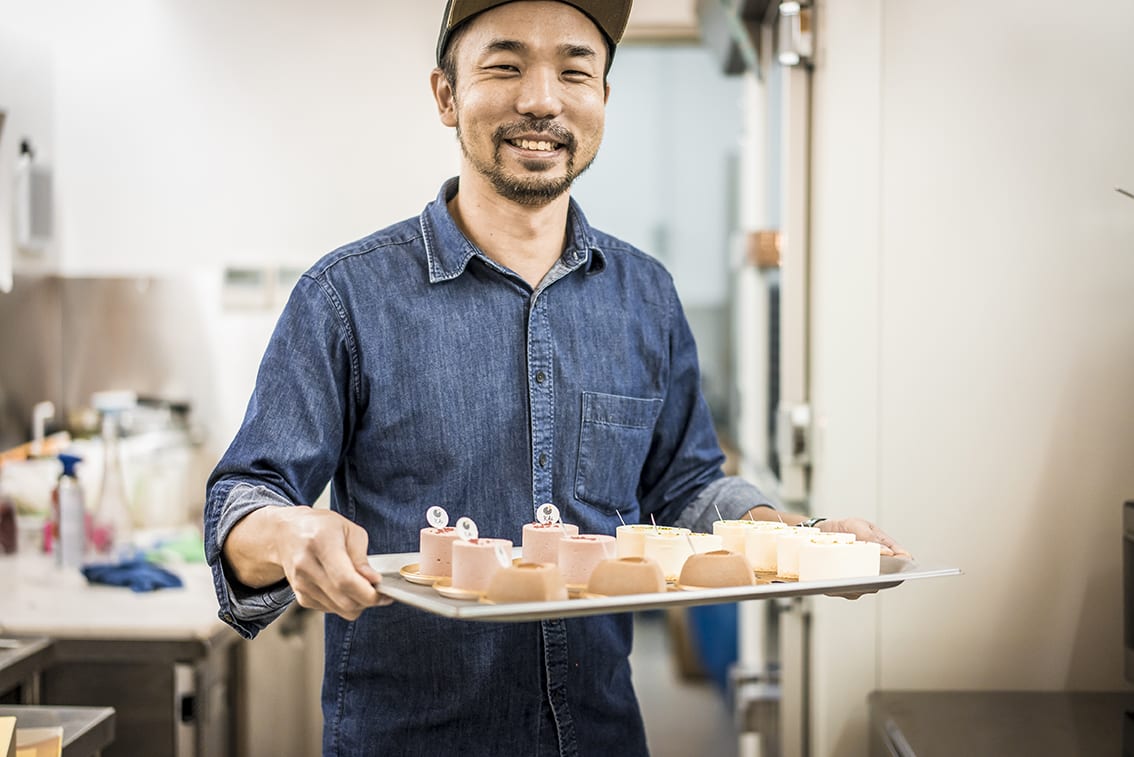
    When customers do not have time to slowly sample the offerings, the owners of Kki Sweets at the School of the Arts (Sota) ask them to come back another day – even at the risk of losing business.

    “We want people to come in and slow down. Cake is something you are meant to savour. It is not fast food,” said Ms Delphine Liau, 39.

    In+a+happily+shared+space+at+the+School+of+the+Arts+(SOTA)+building+in+Singapore,+food-meets-art+with+a+PRODUCE+designed+retail+mash-up+of+Kki+Sweets+and+Little+Dröm+Store-

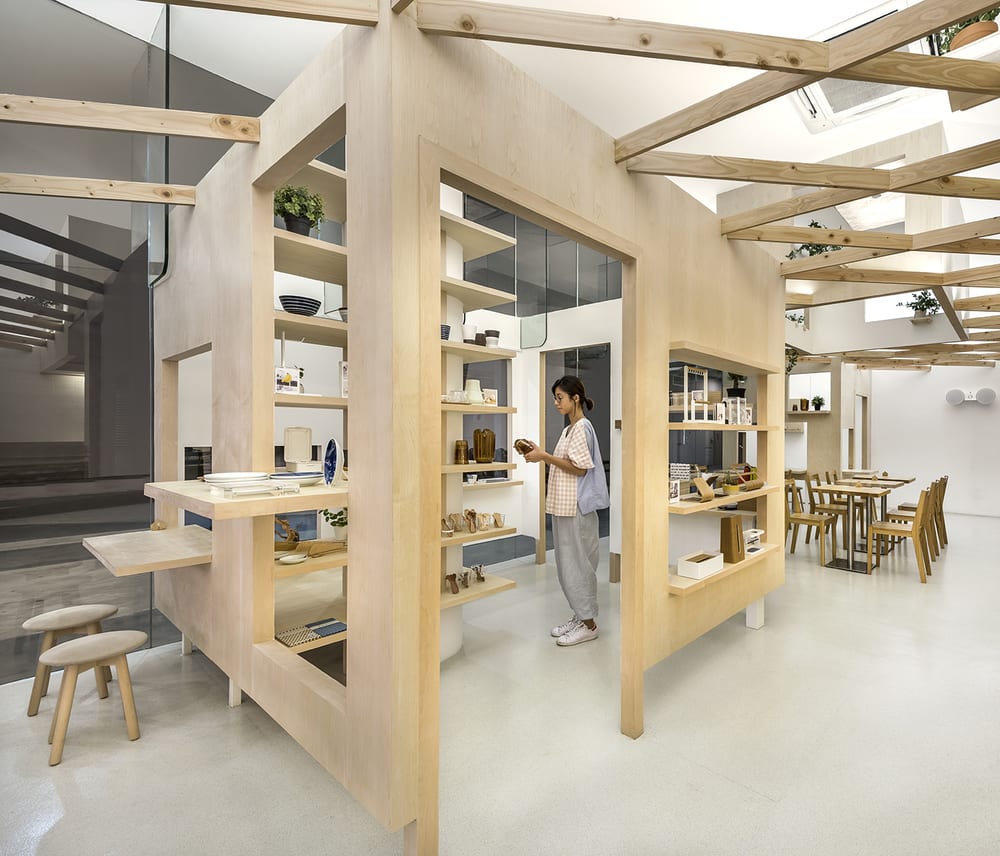
    The store’s design forces visitors to decelerate. Local design studio Produce fashioned the shared storefront around an alleyway – one turn-off leads to design retail store The Little Drom Store and the other to Kki’s Japan-inspired dessert cafe, which also sells Kki Home homeware products.

    At Kki Sweets, maple-veneered plywood and pine planes serve as shelves, seats and trellises. They provide a deliberate contrast to the darker interior of the atrium at Sota and also create internal layers within the space.

    Last year, the design of the 1,700 sq ft store won an award in the retail category at the INSIDE World Festival of Interiors, which was held in Singapore alongside the World Architecture Festival.

    “The design reflects the lifestyle we are trying to promote. We want it to be comfortable, warm and cosy – a place where you spend time and take your time,” said Ms Liau.

    She and her husband, self-trained chef Kenneth Seah, 43, share a love of food. They met in 2003 while working in a cafe, and opted to have a pastry-inspired honeymoon in Japan, lapping up delicate creations by the likes of top patissier Hidemi Sugino.

    Returning home to what they felt was a desert in terms of good desserts, they decided to create their own ideal cafe. In 2009, they opened an outlet in Ann Siang Hill, serving cookies and speciality mousse cakes such as the Kinabaru (new mountain in Malay), a coconut sensation with a passionfruit centre.

    Rising rentals forced them to move at the end of 2013 but, thanks to a DesignSingapore Council Design Innovation Assistance grant, they cranked up their ovens again in September 2014, this time at Sota, where they have a larger space.

    Once a year, they close their cafe for a week to return to Japan for more inspiration – and more cake.

    “When the Japanese sell something they didn’t create, like French pastries, they respect the craftsmanship but infuse it with their produce and make it their own,” said Ms Liau. “We are as intrigued by their mindset as their cakes. We have learnt so much from them.”

  • Pop-up space at Hong Kong’s Warehouses on West to host Spanish chef Carlos Garcia Rodriguez

    Pop-up space at Hong Kong’s Warehouses on West to host Spanish chef Carlos Garcia Rodriguez

    Warehouses On West, in Hong Kong’s Sai Ying Pun district, is a commercial and retail community promoting the arts and creative thinking under one roof – well nine roofs, to be precise.

    The brainchild of developer District15, the project – nine ground-floor warehouses repurposed into elegant spaces to house art galleries or restaurants – offers a hip alternative to high-rise retail and office space.

    “We used one of the warehouses as our own office and we realised how great it would be for the spaces to be used as restaurants and art galleries,” says Dinesh Nihalchand, a co-founder of District15.

    Alex Bent, another co-founder, says: “Hong Kong has changed over the past 10 years, with little neighbourhoods opening up all over the city. We want Warehouses On West to be one of those new mini-neighbourhoods.

    The project also features The Warehouse, a 1,762 sq ft space designed to host pop-up product launches, cocktail parties and art exhibitions, and movie screenings.

    Pop-up movement Test Kitchen will be one of the first to try The Warehouse when it brings top Spanish chef Carlos Garcia Rodriguez to Hong Kong for a three-night event that starts on March 24.

    Garcia Rodriguez started his culinary career at one-Michelin-star restaurant Restaurante de Vinis, in Madrid, before honing his skills in London alongside acclaimed chef Alexis Gauthier at one-Michelin-star restaurants Roussillon and Gauthier. Garcia Rodriguez recently opened The Black Pig, in Manila, to rave reviews.

    The pop-up dinner is priced at HK$1,180 (includes drink pairings) per person. For reservations, visit testkitchen_chefcarlos.pelago.events. For details about Warehouses On West, go to warehousesonwest.com

  • Singaporeans invest in Caffe Bene

    Singaporeans invest in Caffe Bene

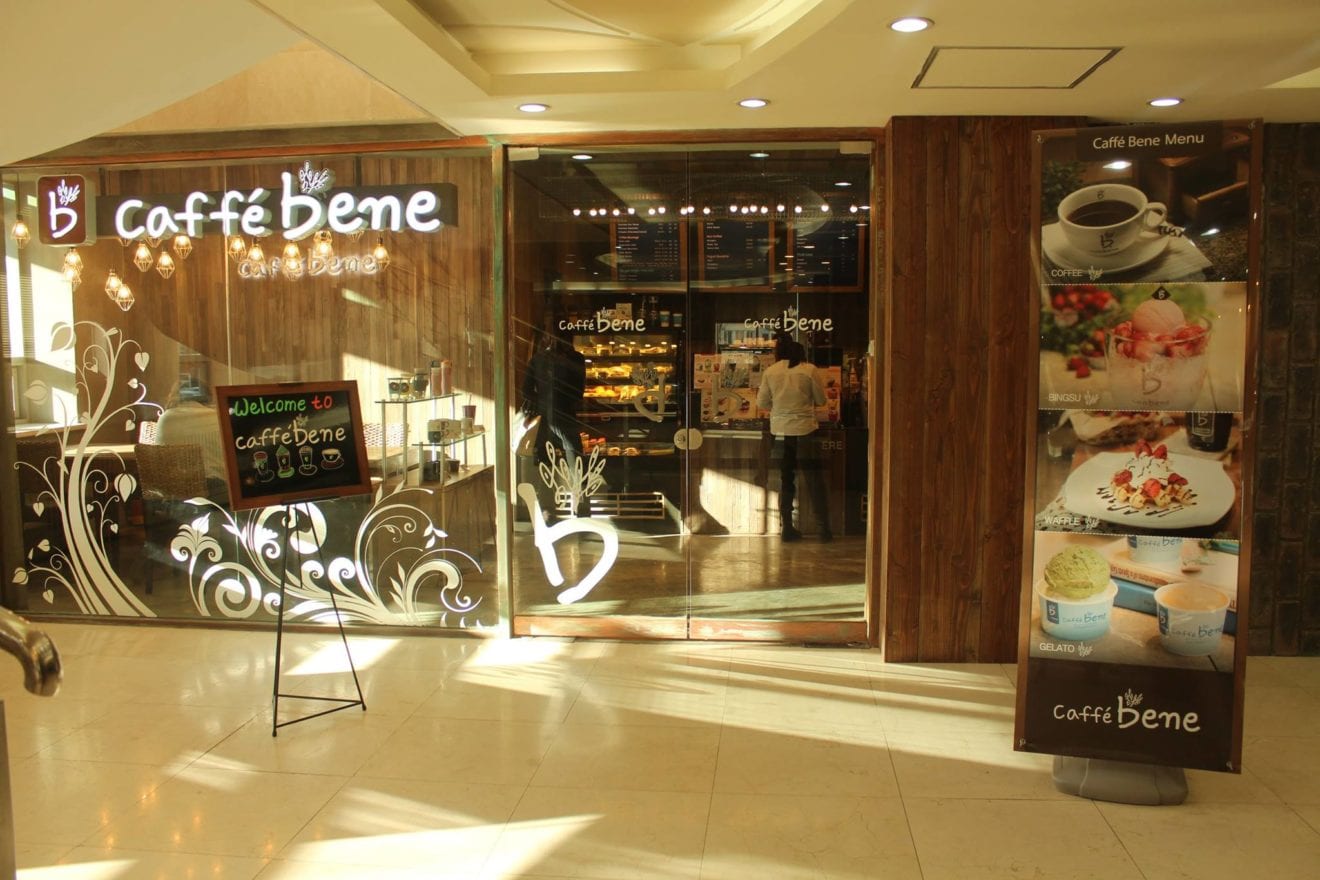
    Days after being launched, Singapore’s Hallyu Ventures (HVPL) has spent US$13.8 million to take a 38 per cent shareholding in South Korean coffee chain Caffe Bene, which has outlets in 14 countries.

    HVPL is a joint venture between Future Investment Holdings (FIHPL), a wholly owned subsidiary of Food Empire Holdings, and Sweet Blossom Holdings (SBHL), a wholly owned subsidiary of Eastern Valley Group, part of Indonesian conglomerate Salim Group.

    FIHPL holds 51 per cent shares in the joint venture, launched with the aim of investing in F&B companies in east and north-east Asia, as well as South Korea.
    Hallyu Ventures is now Caffe Bene’s second-largest shareholder, and its involvement is expected to enable the brand to enhance its competitive power as the top coffee franchise company in Korea.

    “It will also make it possible to lead in both the local and global market, with Caffe Bene management in Korea focusing on the local market while the overseas partners expand its global market influence,” says the company.
    K3 is Caffee Bene’s largest shareholder with 52 per cent. However, Hallyu Ventures plans to invest further this year to strengthen its position as a strategic investor, reports The Korea Times.

    Caffe Bene Korea is focusing on international expansion after reaching saturation point in its own market with a network of 810 stores. It has more than 500 stores in China with a short term target of 1000, and two in the US. It will also take its brand to the Middle East after signing a franchise agreement with Saudi Arabia-based Keden Group.

  • Marni Japan opens flower cafe

    Marni Japan opens flower cafe

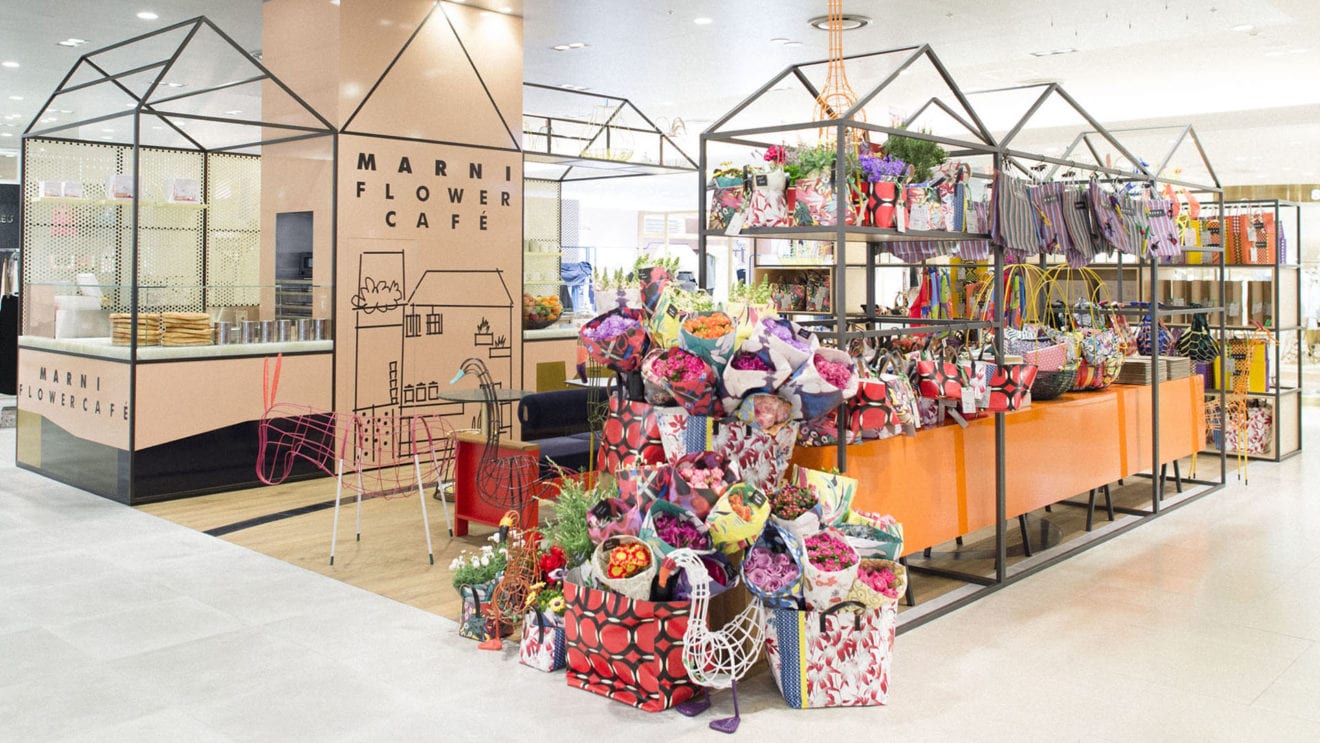
    Known for using fur in contemporary designs, Italian fashion brand Marni has opened its first flower cafe, in Osaka.

    On the third floor of the Umeda Hankyu Department Store, the 50 sqm (535 sqft) the Marni Japan cafe and shop combo is designed as a meeting place serving focaccia bread and Italian-styled cakes, as well as customised Marni products.

    Marni Flower cafe Japan 3

    It resembles a child’s playhouse, a reflection of the off-beat bohemianism associated with the creations of lead designer Castiglioni, who started the brand in 1994. Initially its focus was on womenswear “for women who eschew styling themselves sexy for men in favour of dressing for other women”.

    Marni Flower cafe Japan

    Marni went on to launch its own menswear line and now produces ready-to-wear clothing, handbags, eyewear and jewellery.

    Marni Flower cafe Japan 1Marni Flower cafe Japan 5

    At its opening event in Osaka, Marni Japan created a picnic set with wooden lunch boxes, multicoloured furoshiki (wrapping cloths), vacuum flasks, floral bags, PVC vases and porcelain sets featuring the company’s colourblock patterns. The store itself features a green onyx counter, interwoven PVC stools, small tables crafted from brass and green marble, and a bright blue sofa.
    The first of many Marni Japan stores planned, the cafe store will change its product lineup every four months.

    Marni Flower cafe Japan 4

    Part of the OTB Group that includes Diesel, Maison Martin Margiela and Viktor & Rolf, Marni has outlets in 16 countries with boutiques in Beijing, Hong Kong, Kuwait, Las Vegas, London, Los Angeles, Moscow, New York, Shanghai and Sydney.

  • Vietnam’s Coffee sales slow, Indonesian premiums rise

    Vietnam’s Coffee sales slow, Indonesian premiums rise

    Vietnam’s coffee premiums held steady, with farmers slowing sales on concerns over dry weather affecting output, while domestic buying and thin stocks in Indonesia helped to raise outright prices, traders said on Thursday.

    The dry season in Vietnam, the world’s top robusta producer, is peaking, with water shortages forecast to cut 2016/2017 output. Rival producer Indonesia has low stocks, which has helped to push up export price quotations to a 15-month high.

    “Most activities are focused on domestic markets, where exporters in short position have to raise their buying prices to secure beans,” said a trader in Ho Chi Minh City.

    Domestic prices in Daklak, Vietnam’s biggest growing province, advanced to 31.1 million-31.4 million dong ($1,400) per tonne, tracking gains in the ICE robusta futures.

    At 31.4 million dong, the price is on par with that on Feb. 6, according to data.

    Premiums of Vietnamese robusta grade 2, 5 percent black and broken were stable at $50-$70 a tonne to the May ICE contract in the past week. Beans grade 1, similar to Indonesia’s Sumatran coffee, were steady at premiums of $95-$110 a tonne.

    ICE May robusta coffee settled up 0.9 percent at $1,420 per tonne on Wednesday.

    As dry weather intensifies in Vietnam’s Central Highlands coffee belt, underground water might sustain trees only until the end of this month, traders said.

    The current El Nino weather event is likely to delay the usual arrival of the rainy season by 10-15 days.

    The government has announced financial aid worth $23.5 million to help 34 provinces fight drought and salination, it said in a statement on Wednesday.

    About 40 of Vietnam’s 63 provinces have now been affected by the dry weather.

    In Indonesia, premiums rose to $300-$320 a tonne for beans grade 4, 80 defects COFID-G4-USD to the ICE May contract, from a premiums of $300 last Thursday, due to thin stocks, traders said.

    At $320 a tonne, the premium is the highest since at least December 2014, according to data available on Reuters.

    “Prices were good and went up because there was support from Java factories, while there were little stocks,” a Lampung-based trader said, adding that purchases by small traders also supported prices.

    Indonesia’s main harvest will pick up from late this month.

    Indonesia’s coffee bean production is targeted to increase by up to 27 percent to 700,000 tonnes in 2016, a manager at the country’s coffee association said on Thursday, up from 550,000 tonnes in 2015.