Category: Food

Retail News Asia is committed to providing both local and global retailers with the latest Food and Food & Beverage news throughout the Asian market. This on a daily base.

  • Tenant Manila is a cafe and a surfwear shop in one

    Tenant Manila is a cafe and a surfwear shop in one

    On the ground floor of Solace Hotel in Makati, there is a coffee shop, and just above it, a lifestyle boutique specializing in surfwear. It’s an unfamiliar, if welcome, amalgamation of the laid-back vibe of a neighborhood cafe, the stylish urbanity of the city, and the anything-goes attitude associated with going out to the water to catch some waves. How, then, has such a place come to exist?

    tumblr_o37d6py7wa1qf32sfo1_1280

    Nearly 20 years ago, the designers Anton Lopez and John Esguerra met while working at Diesel in Italy before eventually going on different paths. “When John moved to Hawaii to surf and design, I moved to Hong Kong to work for Nike,” Lopez explains. “We stayed in touch and always spoke about the potential of developing our own brand and retail concept.” Despite their Filipino heritage, neither Lopez nor Esguerra grew up in the Philippines. This led them, Lopez says, to be “fascinated with the idea of coming ‘home’ and developing a unique brand that was based in Manila [and] had strong influences and inspiration from all the places we’ve lived.”

    Tenant Edit.jpgQuality Peoples statement tee. Photos by PATRICK DIOKNO.

    Out of that fascination came Tenant Manila, a cafe-boutique opened in February that is, according to Lopez, “rooted in surf and beach culture,” something they felt was “a natural and authentic fit for a brand developed in the Philippines.” The coffee shop serves an array of drinks (aside from the caffeinated kind, they have tea, juices, and alcoholic beverages), snacks, and meals. Meanwhile, the second-floor shop sells everything from men’s apparel and accessories to surfboards and even books. “The idea behind merging a cafe and a retail shop was to blur the lines of what a retail experience is meant to be,” Lopez says. It’s a concept that they believe appeals to everyone: “We wanted to create a space where you can shop, design, meet, have a drink — multipurpose without any pretenses.”

    Tenant 4.jpgMollusk windbreaker, Saturdays NYC tee and H&M trousers. Photos by PATRICK DIOKNO.

    Lopez believes that Tenant is distinct in its branding. “We believe we distinguish ourselves first by our unique brand partners,” he says. “Most of [them] decided to launch first with us in the Philippines.” The shop carries products by Saturdays NYC, Converse, Kapital, Mandala (making its retail debut), Mollusk, and Esguerra’s own Quality Peoples, to name a few. In addition, they are expanding the shop’s offerings within the year with new menu items, new brands, and events relating to art, music, and film.

    The largest project will involve the development of an in-house brand with its own products this summer. “[It] will encompass Tenant culture,” Lopez says. “Good quality, attention to detail, relaxed and authentic clothing and accessories.”

    tumblr_o3cqsvmJH21qf32sfo1_1280

    Lopez and Esguerra believe that what they’ve built really connects to the modern Filipino lifestyle. “I think we are, in essence, a modern concept and creative brand,” Lopez shares. “And with that alone, I think we fit into anyone’s lifestyle. We hope to connect with Filipinos based on our honest and thoughtful approach through all aspects of the Tenant brand.” He adds: “Our hope is that Tenant is recognized as a creative environment for everyone, a space with beautiful and well-curated apparel and goods. Somewhere to have a great cup of coffee and good conversation with your friends.”

    Tenant 5.jpgSaturdays NYC knit pullover (left) and Saturdays NYC bonnet. Photos by PATRICK DIOKNO.

    ***

    Styled by David Milan
    Grooming by Gery Penaso for MAC Cosmetics
    Modeled by Javi Marcalain
    Shot on location at Tenant Manila
     

  • Major gains made in commercial meat export agreements with China

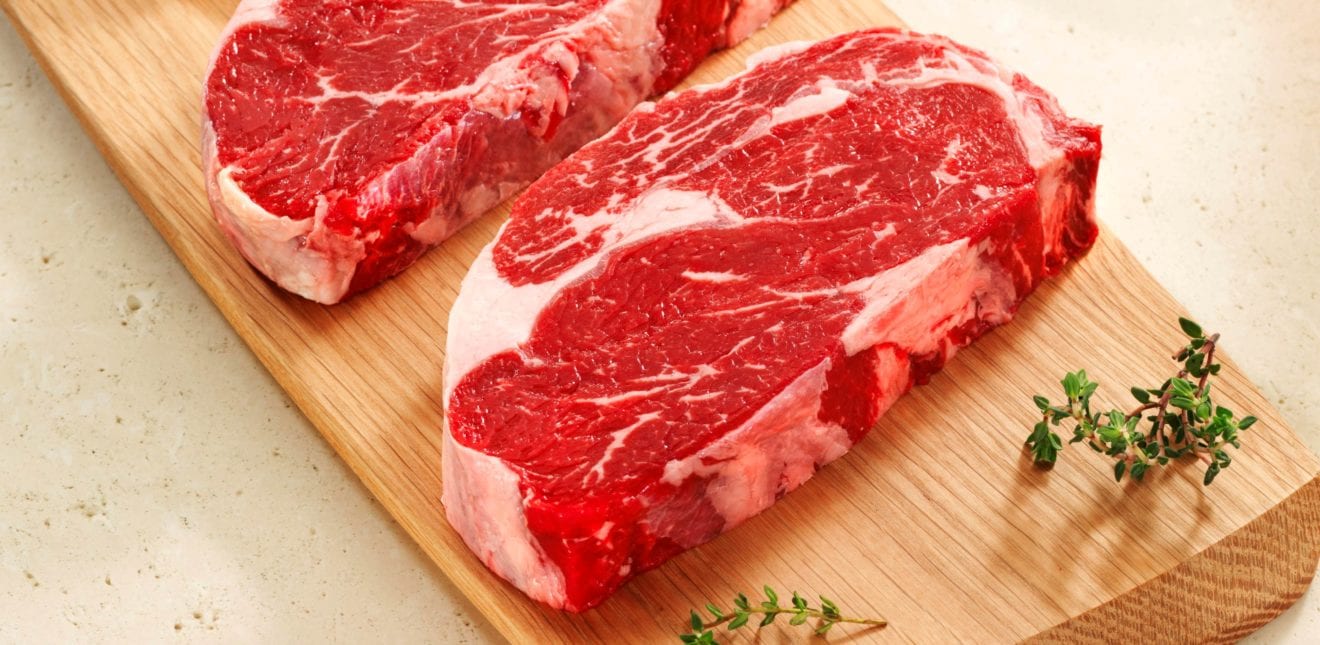
    Major gains made in commercial meat export agreements with China

    A multimillion dollar deal with a farming corporation in China will see New Zealand’s  Alliance Group become one of the largest exporters of meat in that market.

    The “grand alliance” between Alliance Group and Beijing Businesman Chen Xibin, who owns Grand Farms, will help to boost large volumes of valued-added sheep meat and venison products into the Chinese market

    The deal was signed at an event in Beijing, where Prime Minister John Key is leading a 40-strong trade delegation.

    Alliance chief executive David Surveyor said it shifted the relationship from a transactional one, to a value-added one, which included services and expertise training.

    But the deal is around the export of frozen meat only. Restrictions on chilled meats meant New Zealand could not export chilled meat to China, although Australia delivered its first shipment of chilled meat this year, under their FTA.

    Surveyor said he believed chilled meat exports were inevitable, but could be some time away.

    “These are matters for Government obviously to work through, but there’s a great usefulness to New Zealand and to Chinese consumers to see chilled happen.”

    Alliance Group is a co-operative owned by 5,000 farmer shareholders, headquartered in Invercargill, with eight plants across the country.

    It’s New Zealand’s largest sheepmeat processor, and it’s second largest meat exporter.

    Its in-market partner in China is Grand Farms, China’s single largest importer of sheepmeat. The company processes 70 per cent of the lamb supplied by Alliance Group into lamb rolls, kebabs and finished retail ready products.

    Volumes of exports to China have already increased by 35 per cent over the past five years.

    Alliance general manager marketing Murray Brown said the agreement was built on a 17-year relationship already established with Grand Farms.

    “We’re looking at more value in terms of retail packs of lamb and retail packs eventually of venison and beef under the Pure South brand to go to retail.

    “But basically [Chen] wants to be the largest importer of sheep meat, to support his investment in processing facilities in the market.

    “Largely through us, and it will reach a level at some stage where we won’t be able to service it so then the next stage after that, which is a discussion we’re yet to have, is do we source it on their behalf,” said Brown.

    Surveyor said Alliance used to be a much larger company than Grand Farm, but the rapid growth of Grand Farm was a testament to the scale of the Chinese market.

    “There is some prospect that at some moment in time, we won’t be able to meet all of their needs, and so I think that creates that opportunity for us to perhaps be able to work with some of the other players in the New Zealand industry.”

    Grand Farm owns 96 meat shops, operates 260 branded meat counters in selected hypermarkets and supplies to over 1000 hypermarkets in China.

    Surveyor would not comment on the value of the deal, but said Alliance put about 20 per cent of its total volume into China.

    “We’re about $1.5 billion in turnover, and by far the majority of that is through Grand Farm.”

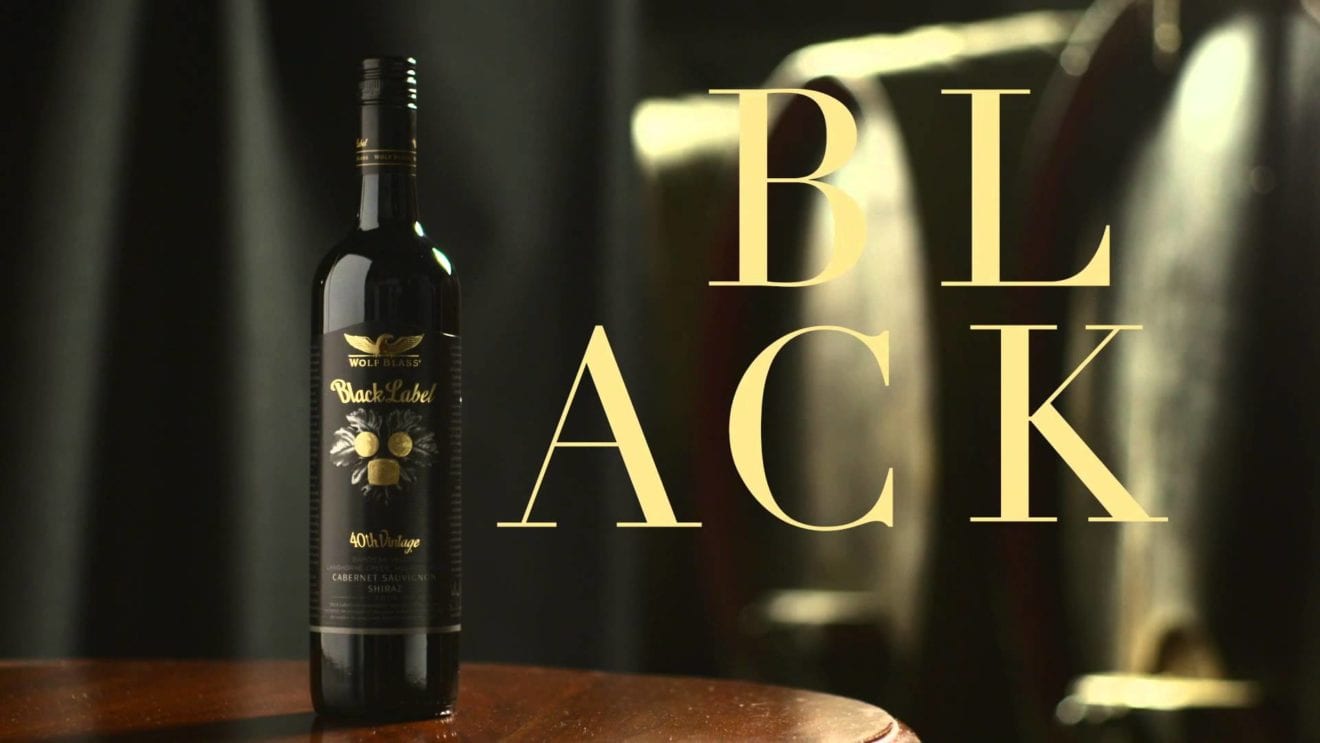
  • 7-Eleven awards Wolf Blass wine

    7-Eleven awards Wolf Blass wine

    The convenience market channel in Hong Kong has traditionally been the most significant retail sales channel for beer. The rise in wine sales through this channel with brand recognition evidences evolution of Hong Kong as a wine market.

    The brand winning criteria were based on combined scores tallied from consumer votes as well as by 7-Eleven staff during the January 2016 voting period.

    Along with Wolf Blass, other beverage companies that picked up awards at 7-Eleven’s ceremony included global brands such as Red Bull and Heineken.

    TWE-Barry-Galloway-receiving-the-award-on-behalf-of-Wolf-Blass-350x350

    “This award is a credit to our sales and merchandising team in recognition for their great work through this important Hong Kong convenience channel,” said Barry Galloway, Country Manager of Hong Kong, Macau and South China, Treasury Wine Estates.

    “I would also like to extend my congratulations to the Wolf Blass team as this accolade is testament to the outstanding efforts of our winemakers for producing exceptional quality wines enjoyed by consumers in Hong Kong and the world over.”

    Speaking to dbHK, Galloway admitted that although sales through the convenience market channel didn’t compare with sales through supermarkets and specialist wine stores, it was an important step for TWE’s market penetration in Hong Kong.

    According to Galloway, the popularity of the brand has posed a small challenge: that they have temporarily run out of stock of the smaller formats, as they proved so popular at the convenience stores.

    Established in the Barossa Valley in 1966, Wolf Blass has grown from a humble tin shed to become one of the world’s most successful and awarded wine brands.

    Already a recipient of more than 8,000 medals and trophies at national and international wine shows, this award is probably one of its more eclectic ones.

  • Price war scratches Korean espresso chains

    Price war scratches Korean espresso chains

    Major franchised Korean coffee chains saw their revenue fall in 2015 in the face of tougher competition with cheap take-out coffee amid economic slowdown, heading to another tough year, data shows.

    Homegrown coffee brands have sprung up in Asia’s fourth-largest economy over the past decade to capitalise on the growing population of coffee drinkers, but their growth has slowed recently in the saturated domestic market.

    Adding to their woes, low-cost coffees at convenience stores and mini take-out stalls have enjoyed growing popularity among price-conscious consumers, posing a threat to franchise coffee shops standing on every corner of major streets.

    Coffee Bean & Tea Leaf, an American franchise chain owned by Seoul-based Mirae Asset Private Equity Fund, posted 138.9 billion won (US$121.3 million)  in sales last year, down 5.1 per cent from a year ago, its regulatory filing showed. Its operating profit tumbled 68.5 per cent to 3.9 billion won, although the number of its shops increased by just nine to 234 during the period.

    Paul Basset, a specialty coffee house operated by Maeil Dairies Co, said it logged 48.4 billion won (US$42.3 million) in sales, but its net swung to a loss of 180 million won due to rising marketing costs and aggressive store expansion.

    Sales at Caffe Bene sank 14.9 per cent on-year to 121 billion won, expanding operating loss nearly four times to 11.4 billion won due to slumping businesses of other food franchise subsidiaries.

    While mid-end franchise stores had a sluggish year, brands at both ends of the price spectrum were largely unscathed by the latest consumption trend.

    Ediya, a low-end coffee shop with the largest number of outlets – over 1500 nationwide – raised 135.5 billion won in sales, up 16.5 per cent from a year ago. It plans to expand its network to 2000 this year.

    And sales at US coffee giant Starbucks also rose 25.4 per cent on-year to 773.9 billion won (US$675.7 million) in 2015 on the back of high-end specialty coffee service and bakery items.

    Another tough year is awaiting the major coffee brands as convenience stores have been aggressively expanding in-store coffee services nationwide. Their coffee is considered drinkable at a price as cheap as 1000 won, about a quarter of Starbucks’ tall Americano sold at 4100 won in South Korea.

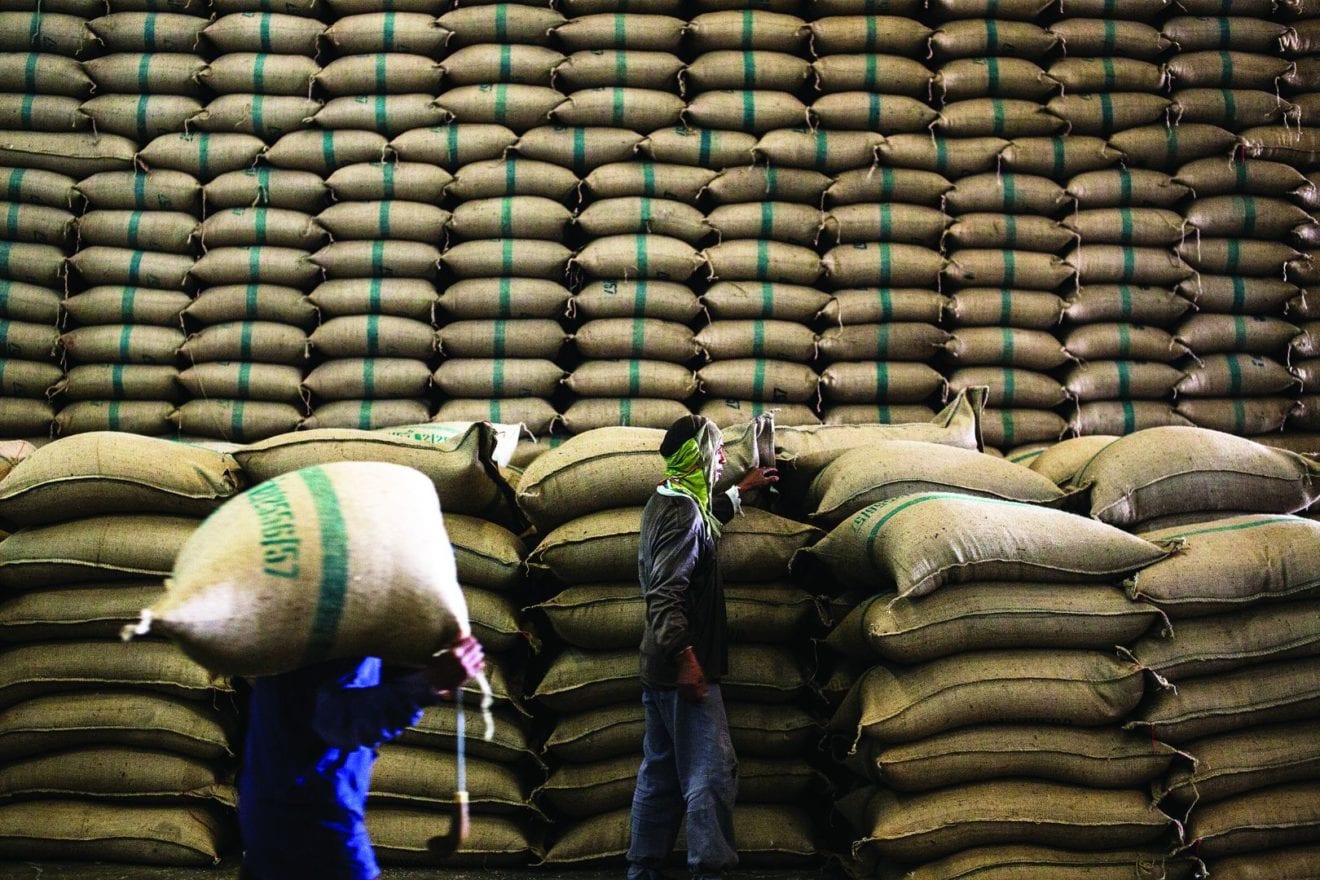
  • Indonesian government sets rice export target for 10 countries

    Indonesian government sets rice export target for 10 countries

    The Indonesian government has set itself the target of exporting 100 thousand tons of rice to 10 Asian and European countries as part of efforts to increase farm commodity exports this year, an official said.

    The Director General of Agricultural Infrastructure and Facilities of the Agriculture Ministry, Sumarjo Gatot Irianto, said that the 10 destinations to which Indonesian rice would be exported include Malaysia, Singapore and Brunei Darussalam.

    “We plan to export organic rice to Germany,” he said.

    Therefore, the government will make every effort to procure as much rice as possible this year to meet the demand for rice, he said.

    “We have not set any target for procuring rice. What is important is that we must be able to procure as much rice as possible so that we can export the surplus,” he said.

    Above all, the national logistics board (Bulog) must be able to control rice prices at the farmer level by procuring the staple food. This will enable the government-set purchase prices to kick in, he said.

    “If the price of unhusked rice at the farmer level falls, the government will be obliged to buy the rice soon to maintain the rice prices,” he said.

  • Sugarcane production feared to shrink on unfavorable climate

    Sugarcane production feared to shrink on unfavorable climate

    The Association of Indonesian Sugarcane Farmers (APTRI) said that the countrys production of sugarcane might decline on unfavorable climate.

    The year 2016 would be a difficult period for sugarcane growers in the country, the General Chairman of APTRI Arum Sabil said.

    Lengthy drought in 2015 affected vegetation and fertilization was not maximum that sugarcane production could decline in 2016, Arum said here on Monday.

    “It is beyond human power. We could only hope that the dry season and rainy season would not too lengthy,” he said.

    The natural condition is one of the factors causing sugar fields to shrink in 2015, he said.

    “The sugarcane plantations decreased 20 percent in size to 475,000 hectares and the productivity shrank 10-15 percent in 2015,” he said.

    One of the causes was lack of attention of the government to the condition faced by sugarcane farmers, he said.

    “At that time fertilizers were not easily available for farmers that the crop could not grow well,” he added.

    Therefore, if the government wanted success in achieving the target of self sufficiency in sugar supply in 2018, it must improve distribution of fertilizers and revitalize sugar factories, he said.

    He suggested that fund should be set aside for the revitalization of sugar factories in the state budget instead of relying only on state companies.

    However, state-owned plantation company, PT Perkebunan Nusantara (PTPN) X predicted a better year in 2016 setting a higher production target for sugar.

    The largest sugar producer among state companies has set its sugar production target at 475,000 tons in 2016 or a 10 percent growth from production of 431,020 tons in 2015.

    “Sugar content is also expected to increase to 8.5 percent from 8.3 percent in 2015,” Subiyono , the president director of the company, was quoted as saying earlier this week.

    With the production target, PTPN X would continue to be the largest sugar producer among state plantation companies in Indonesia, Subiyono said.

    He said he was optimistic the production target could be achieved despite fear of the impact of weather anomaly.

    The company would carry out revitalization both on farm and off farm (factory).

    Revitalization on farm would be carried out by using high yield seed variety and off farm revitalization would improve efficiency, he said.

    Efficiency of factory would be made through electrification reducing the use of coal for fuel , efficiency of grinding machines to reduce losses in the process of production and improving efficiency in supply of sugarcane.

    “The entire processes are important to be more competitive, which is determined by success in cutting production cost,” he said.

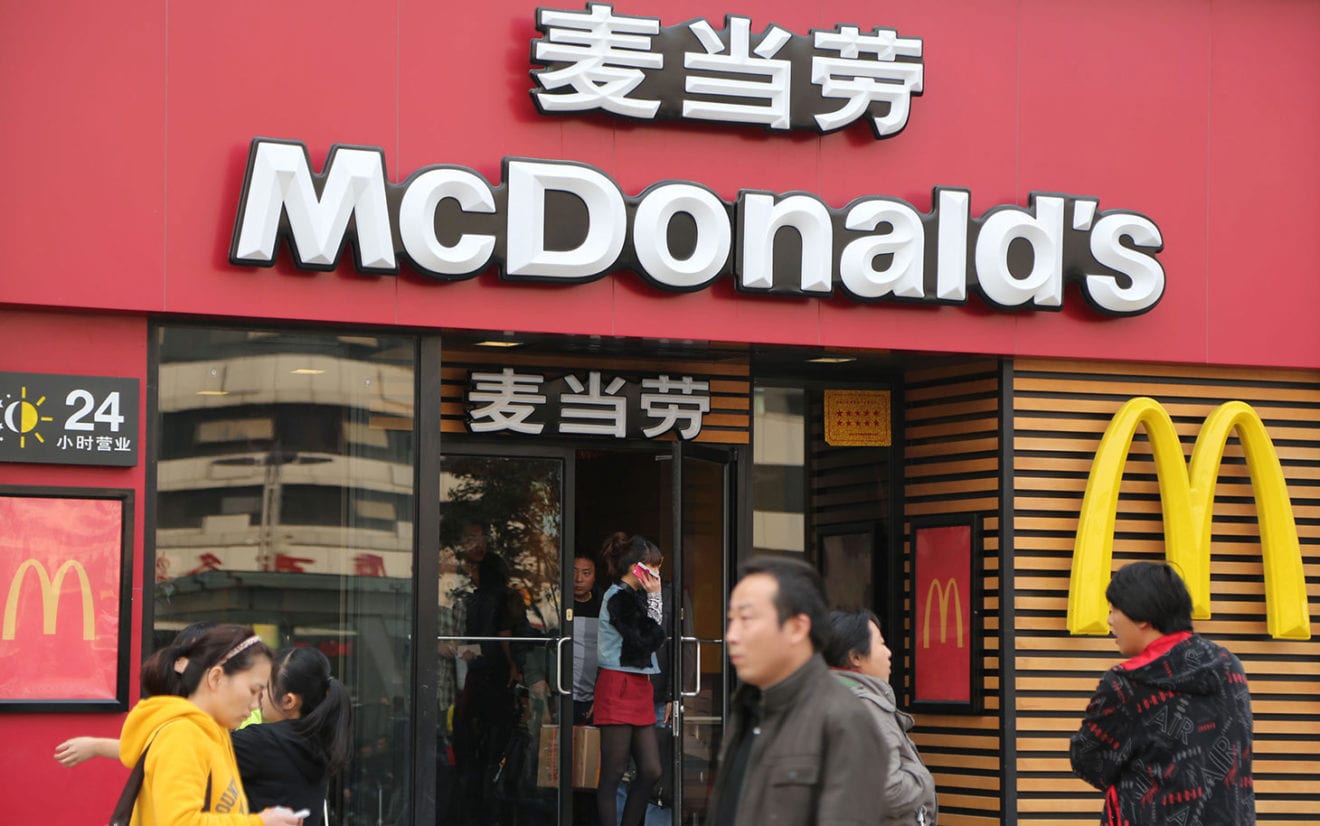
  • McDonald’s China in massive expansion plan

    McDonald’s China in massive expansion plan

    McDonald’s China is set to be supersized as the US fast food giant pursues growth offshore.

    The company’s Chicago-based CEO Steve Easterbrook has revealed more than 1500 new stores will be opened across China, Hong Kong and Korea over the next five years. About 1300 of those will be in Mainland China.

    McDonald’s already operates some 2200 restaurants – its new target is 3500.

    In a clear strategic shift the company says it is seeking “strategic partners who will add value and unlock growth potential in key markets” in Asia.

    “This will allow McDonald’s to accelerate our growth and scale faster across diverse markets placing us closer to our customers and the communities we serve,” Easterbrook said in a statement.

    “We’re in the midst of transforming our business and taking a strategic and thoughtful approach to enhance our ability to grow around the world. These actions build on our turnaround efforts and will advance local ownership, enable faster decision-making and achieve restaurant growth.”

    Once the target is reached, China will become McDonald’s second largest global market after the US.

    It is not clear how many new stores will open in Hong Kong, where the company already has 230 outlets, but in an email to the South China Morning Post, Easterbrook indicated opening more McCafes will be a priority in the territory.

    The company is also actively seeking partners in Taiwan, and in Japan where it is midway through a major overhaul and repositioning of the brand after incurring massive losses.

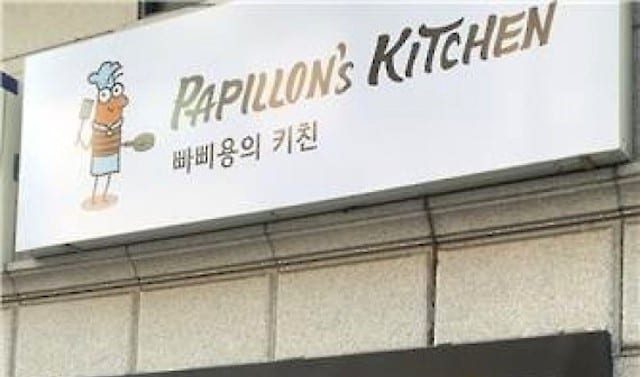
  • Seoul insect restaurant opens

    Seoul insect restaurant opens

    Papillon’s Kitchen, a new Seoul insect restaurant has been packed since its opening – and is fully booked for the next few months.

    Although insects are known to be a great source of protein, and often mentioned as the ‘food of the future’, many consumers avoid them due to their appearance. However, the number of individuals who enjoy edible insects as a meal is continuously increasing as awareness builds of their health value.

    ‘Papillon’s Kitchen’, the first insect restaurant in Korea, serves food made from insects such as grasshoppers and crickets.

    During a recent mealtime watched by Korea Bizwire staff, guests sat around a large table and enjoyed pasta, soup, and croquettes made from insects. They seemed to be enjoying their meal, as everyone appeared to be content.

    “There’s no problem with food cooked with insects when I can’t see them,” said one female customer, raising her thumb in approval.

    With food scarcity becoming an increasing concern due to the rapid growth of the global population, insects could be a great substitute for traditional sources of protein. The academic world and food industry predict that in the not-so-distant future, insects will rise as one of the main sources of nourishment for humans.

    Insect resturant 1

    While 100 grams of beef contains 21 grams of protein, the same mass of dried grasshoppers contains 70 grams of protein. Insects are also less fattening, as they contain half the calories of rice and beans.

    Insects are also considered to be an eco-friendly food source. According to the Food and Agriculture Organization (FAO), the food resources used to breed cows for beef could contribute to the production of 12 times as many crickets. Even more significant, the amount of greenhouse gas produced when raising crickets is one hundredth the amount produced when raising cows.

    Insect resturant

    Due to new perspectives on insects as food, the Korean government and related industries are taking fast action. Currently, the government has certified mealworms and crickets as ‘general food ingredients’. Food industry giant CJ also started research on edible insects in collaboration with the Korean Edible Insect Laboratory Knowledge Coop (KEIL).

    Experts comment that people hold prejudice on insects simply because of their unattractive appearance. They expect  edible insects will soon be commercialised due to their many benefits.

  • US buyer for Korea’s Kim’s Club

    US buyer for Korea’s Kim’s Club

    A US private equity giant is the successful bidder for South Korean hypermarket chain Kim’s Club, part of the fashion and retail conglomerate E-Land Group.

    Named the preferred bidder for Kim’s Club, Kohlberg Kravis Roberts (KKR) will now discuss with E-Land the acquisition of the right to run the 37 hypermarkets as well as the group’s logistics centres, according to Business Korea.

    KKR focuses on online-to-offline (O2O) retail business investment, and with its bid for Kim’s Club seeks to create synergy with its previous investment in the retail industry, both online and offline, says an E-Land spokesman.

    As Kim’s Club is located in E-Land Retail’s department stores and outlets as a food market, the two companies are expected to maintain the partnership. Moreover, KKR is continuing talks for a possible sale of the Gangnam branch of the New Core Department Store.

    E-Land and KKR plan to conduct due diligence and set the selling price before signing a final contract in early May. The sell-off of Kim’s Club is expected to be complete within the first half of the year.

    E-Land is seeking between 700 billion to one trillion won (US$598-$854 million) for the rights to the hypermarket chain, according to wire service Yonhap.

  • Bacardi shuffles Asia Pacific Travel Retail pack

    Bacardi shuffles Asia Pacific Travel Retail pack

    Bacardi has made several personnel changes to its Asia Pacific Global Travel Retail (GTR) division.

    The company said late last week that Irving Holmes Wong, formerly regional director of Asia Pacific for Bacardi GTR, would take on the newly-created role of managing director for Bacardi Greater China (domestic), from a base in Shanghai. He will be replaced by Vinay Golikeri, who will be based in Hong Kong and report to Mike Birch, Bacardi’s GTR MD.

    Golikeri moves up from the position of customer marketing director of GTR. He will be replaced by former GTR finance director Leila Stansfield.

    The team will assume their new roles on 14 April.

    Birch said: “Bacardi prides itself on developing its internal talent pool and I am especially pleased to have the expertise of Vinay and Leila in their new roles. Global Travel Retail is a strategic shop window for the Bacardi group with strong support from our CEO Mike Dolan and I am delighted that we have his personal support and continued investment in helping us deliver our ambitions in the sector.”

    In September last year, Bacardi set its sights on the spirits market in China with the creation of the non-executive chairman for Greater China position.

  • Private Equity eyes Yum! China

    Private Equity eyes Yum! China

    US private equity company KKR & Co tops a growing list of potential investors in Yum! China, the fast food giant’s planned spin-off.

    Bloomberg has named KKR, Baring Private Equity China and sovereign fund China Investment Corp as potential bidders for cornerstone stakes in the Chinese fast food company which will operate some 9000 franchised restaurants under the KFC, Pizza Hut and Taco Bell brands.

    Yum! Currently has 7100 restaurants in Mainland China and plans to open 600 more this year. It has also just announced plans to launch Taco Bell in China.

    Yum! Is reportedly planning to retain a controlling stake in the spun-off entity, perhaps limiting the stake sold to 20 per cent. That sized stake could attract an investment of US$2 billion.

    Bloomberg also identified Chinese private-equity firm Hopu Investment Management as another potential buyer.

    Such investments – still speculative at this stage – may offer Yum! Another means of raising capital without a formal float

    Yum! Prevously said it believes that where one united company would have targeted 10 per cent earnings per share growth, each of the two separated companies would achieve a 15 per cent growth rate independently (based on EPS growth and dividend yield).

    “We believe this transaction is a classic example of ‘one plus one equaling more than two’ as it will enable each company to realise its full potential and achieve greater value on a standalone basis,” said Greg Creed, Yum! Brands CEO, announcing the spin-off plan last December..

    “We continue to make solid progress on our planned separation into two independent, publicly-traded companies… each with compelling growth strategies, distinct investment characteristics, and optimised capital structures,” he said.

  • Seezar Soesan plans more Gloria Jean’s

    Seezar Soesan plans more Gloria Jean’s

    Australia-based coffee retail chain Gloria Jean’s is planning to open more outlets in Myanmar through its local franchisee Seezar Soesan.

    It already has two branches in Yangon, one in Myanmar Plaza, which opened in January, and the other in Yangon’s new international airport terminal, which opened in March.

    Seezar Soesan COO U Kyaw Htin Latt says the company plans to continue as sole operator for the next two years, but may allow other interested firms to open branches after that.

    Other coffee outlets in Myanmar include Espressonite Myanmar, Nervin and Ya Kun.
    Seezar Soesan has business interests in such areas as IT, trading, construction, agriculture, consultancy and media services.

    Part of Australia’s largest multi-food franchiser Retail Food Group (RFG), Gloria Jean’s Coffees has nearly 800 outlets in 39 markets worldwide.

  • Shakey’s Philippines sold to investment groups

    Shakey’s Philippines sold to investment groups

    Philippines conglomerate Century Pacific Group has partnered with Singapore’s sovereign investor GIC to buy the parent of Shakey’s Philippines, the pizza restaurant chain.

    The tie-up will acquire majority of of the business from the Prieto family, which will continue to hold a minority stake in International Family Food Services (IFFSI), the owner and operator of the Shakey’s Philippines.

    “We are excited about this opportunity to invest in Shakey’s as we are believers in the potential of the continued growth of the Philippine middle class,” Century Pacific president Christopher Po said in a statement.

    The transaction also includes the acquisition of Philippine franchise for US artisan pizza Project Pie as well as Bakemasters, one of Shakey’s suppliers of bakery products.

    The acquisition of Shakey’s, which had about 170 stores in the Philippines at the end of 2015, is the second partnership between Century Pacific’s controlling Po family and GIC. In May 2014, the Singaporean fund converted a P3.4 billion ($73 million) loan into a 10 per cent stake in Century Pacific Food, the group’s canned goods maker.

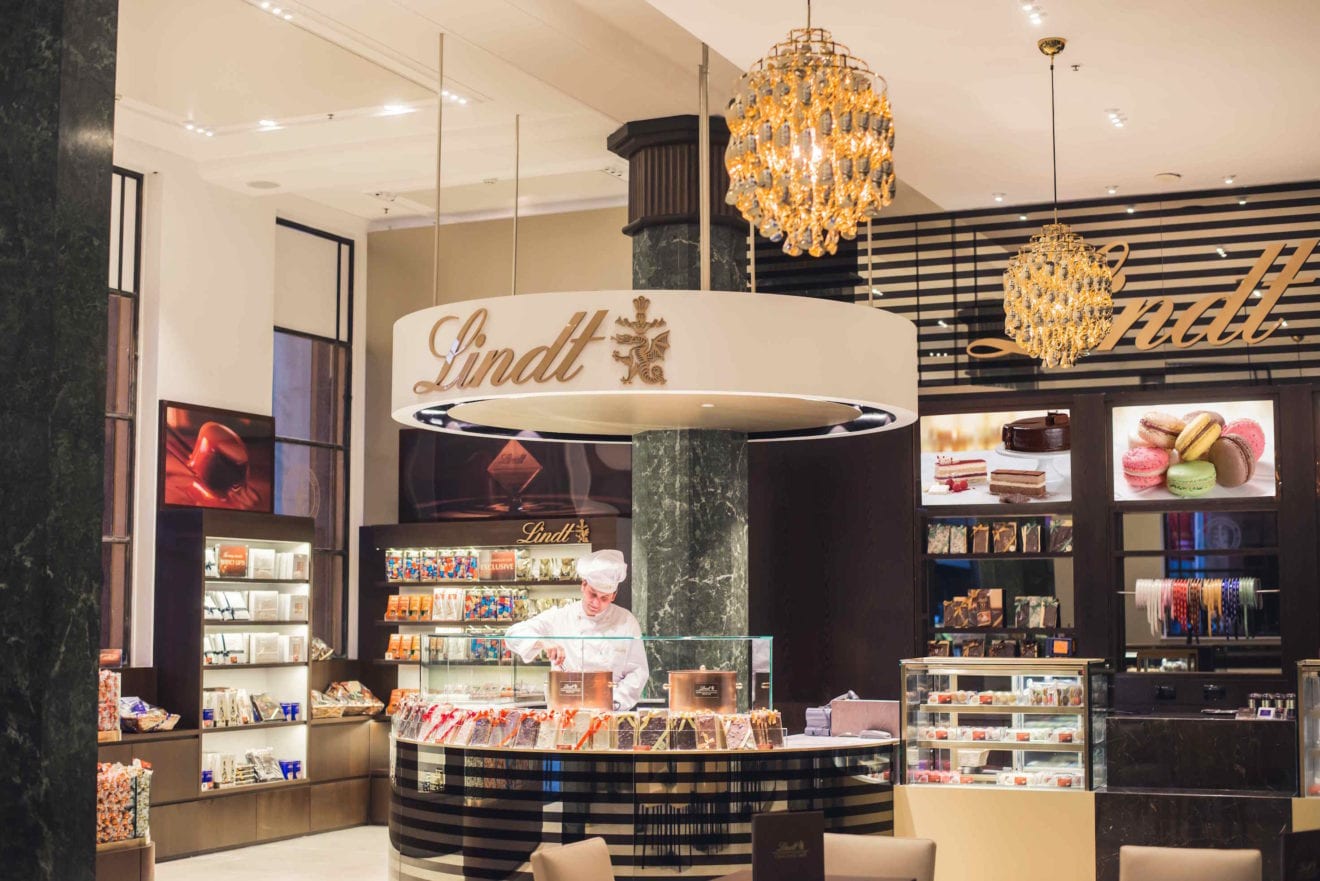
  • Lindt Aims to Surpass Godiva’s Chocolate Retail Network by 2020

    Lindt Aims to Surpass Godiva’s Chocolate Retail Network by 2020

    Lindt & Spruengli AG wants to overtake Godiva and become the world’s largest premium chocolate retailer by 2020.

    In pursuit of the goal, Lindt plans to open 20 to 30 shops each year, the Kilchberg, Switzerland-based maker of Lindor balls said in a statement Tuesday as it reported full-year profit growth in line with analysts’ estimates and raised its dividend 10 percent.

    Lindt, which has more than 300 shops, will need to accelerate its expansion plan to beat its larger rival, which runs more than 450 boutiques. The candy maker said it will use its store network to communicate with consumers, seeking prime locations and offering some products they can’t find elsewhere. Lindt added 50 stores last year, including 16 in Brazil, and retail sales rose more than 20 percent, faster than the company’s total sales growth.

    “If we continue with this pace, we’ll get there,” Chief Executive Officer Ernst Tanner said in an interview, adding that Lindt wants a “worldwide presence” while Godiva is “very strong” in certain markets such as North America and Japan.

    First-half organic sales growth will be slightly below the long-term target of 6 percent to 8 percent because of tougher comparisons to the previous year’s first half, Tanner said. Growth will be stronger in the second part of the year, he added. Lindt is not planning big price increases this year, and growth will be driven more by volume, he said.

    The stock fell 1.2 percent to 68,600 francs as of 12:46 p.m. in Zurich.

    Lindt will open its first shop in Moscow this year and add more stores in Brazil, France and the U.K., he also said.

    Earnings before interest and tax rose 9.4 percent to 518.8 million francs ($522 million). Analysts expected 519.6 million francs, according to the average estimate. Sales rose 7.1 percent on an organic basis.

    Lindt became the third-largest chocolate maker in the U.S. when it bought Russell Stover for 1.5 billion francs in 2014. North American sales rose 7.9 percent last year, slowing from 14 percent growth in 2014 as Russell Stover eliminated unprofitable products.

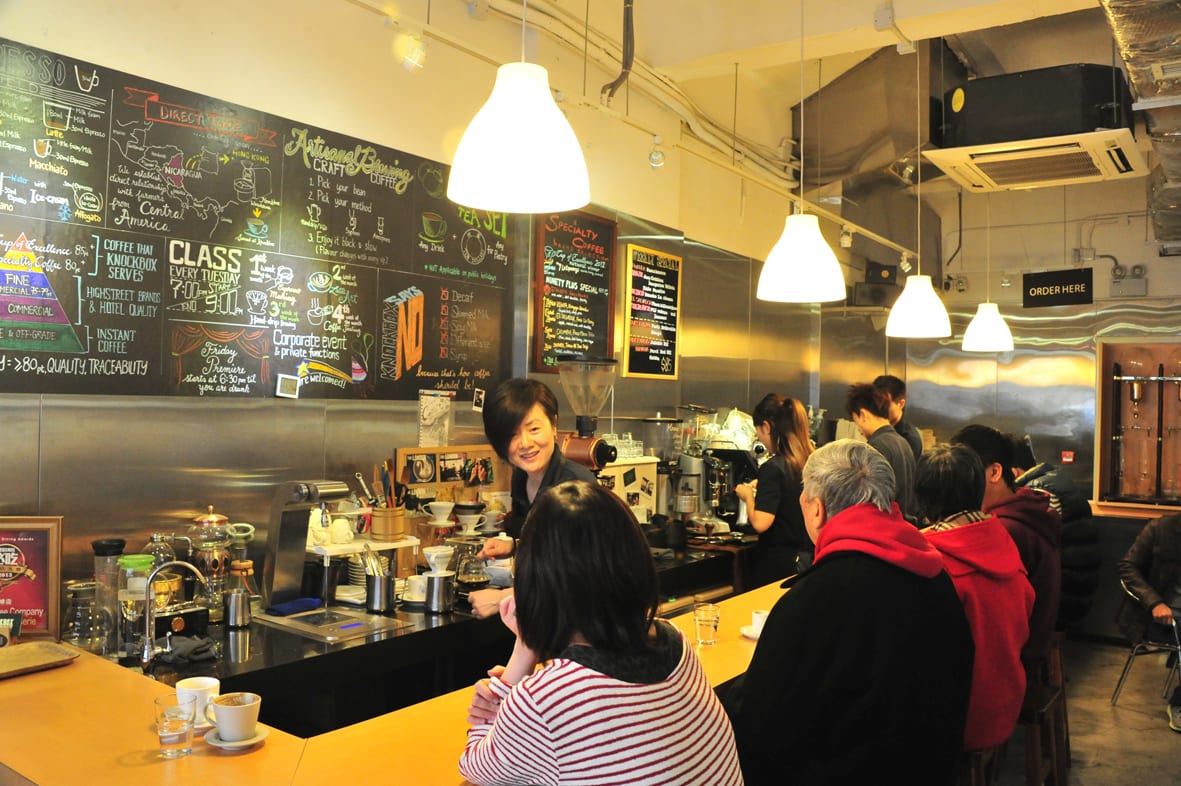
  • South Korea Has Reached Peak Coffee Shop

    South Korea Has Reached Peak Coffee Shop

    In fashionable retail and commercial districts of southern Seoul, nearly one in every two buildings boasts a coffee shop – evidence of a boom that has delivered dizzying growth for the likes of Starbucks and local chains.

    But now the market is getting even more crowded, as convenience stores such as 7-Eleven offer 1,000 won (87 cents) cups, and smaller players are feeling the heat.

    “We declared an emergency situation, gathered all employees eight times to debate strategies,” Moon Chang-ki, CEO of mid-priced coffee chain Ediya, the country’s largest operator by location with about 1,800 stores, told reporters recently. “If we sell at that price, our store owners won’t earn any margins.”

    To compete, Ediya says it has instead focused on improving the quality of its coffee, and actually raised prices last year. Other chains have responded to growing competition by cutting back on store numbers and staff, or expanding overseas.

    The number of chain and stand-alone coffee shops in South Korea more than tripled to about 49,600 in 2015 from 12,400 in 2011, according to Korea Contents Media – far faster than overall consumption of coffee, which Koreans have been drinking for decades.

    PEAK COFFEE

    South Korea’s per capita coffee consumption has nearly doubled since 1990 to 2.3 kg (5 lb) per person, according to the International Coffee Organization – still roughly half the 4.5 kg that Americans consume.

    Revenue growth at coffee chains in the country slowed to about 8 percent in 2014, however, from more than 20 percent annually between 2008 and 2012, analysts say. While the number of new coffee shops in Seoul increased, so did closures, according to city data.

    Brewed coffee sales at 7-Eleven, run by Lotte Shopping’s Korea Seven Co Ltd, jumped 88 percent in 2015 after it introduced drip coffee early last year costing about a dollar, almost one-fifth the cost of an average Starbucks cup.

    McDonald’s Corp stores cut coffee prices to 1,500 won from 2,100 won early last year, and have seen sales of the beverage almost triple, the company told Reuters.

    By contrast, local chain Cafe Droptop, with about 225 shops, cut about 20 percent of its workforce at the end of 2015. Another chain, Coffine Gurunaru, with about 100 shops, incurred combined operating losses of 2.5 billion won ($2.2 million) in 2013 and 2014 after being profitable in the previous two years, filings show.

    “Even fried chicken restaurants and pubs are adding coffee, trying to be a cafe, while espresso machines are spreading in offices,” said Lee Kyung-hee, who heads the Korea Business Strategy Institute, a consultancy. “The coffee industry is fighting a war without borders.”

    GOING ABROAD

    Starbucks entered the market in 1999, and is widely credited with starting the country’s habit for splurging on higher-quality coffee and creating a cafe industry SK Securities said was worth about 2.5 trillion won ($2.2 billion) in 2014.

    Starbucks Coffee Korea, a 50-50 joint venture between the world’s biggest coffee chain and South Korean hypermarket operator E-Mart, now has 860 stores, putting the country behind only China and Japan as the company’s biggest markets in Asia, with sales more than doubling between 2011 and 2014.

    It posted a 20 percent increase in net profit to 30.77 billion won in 2014, the most recent year for which results are available, on revenue of 617 billion won, up 28 percent.

    But with industry growth slowing, some chains have been pushing abroad.

    Caffe Bene, which reached 932 domestic stores in 2014 before trimming back to 850 at the end of March, posted a 3.3 billion won net loss in the first three quarters of 2015, according to the latest public data.

    Last month, a joint venture between Singapore’s Food Empire and Indonesia’s Salim Group acquired a 38 percent stake in Caffe Bene, becoming the second biggest shareholder after South Korean private equity fund K3 Equity Partners.

    The chain said it was looking to expand in Southeast Asia to drive growth.

    Zoo Coffee, with 65 domestic shops, has opened about 200 franchise stores in China since entering the country in 2013 and in December announced a tie-up with China’s giant Dalian Wanda Group to open 50 stores per year there.

    Cafe Droptop in November opened its first overseas outlet in Shanghai.