Category: Food

Retail News Asia is committed to providing both local and global retailers with the latest Food and Food & Beverage news throughout the Asian market. This on a daily base.

  • The 1872 Clipper Tea Company brings the world’s most luxurious teas to Singapore

    The 1872 Clipper Tea Company brings the world’s most luxurious teas to Singapore

    Check out its new flagship store at ION Orchard.

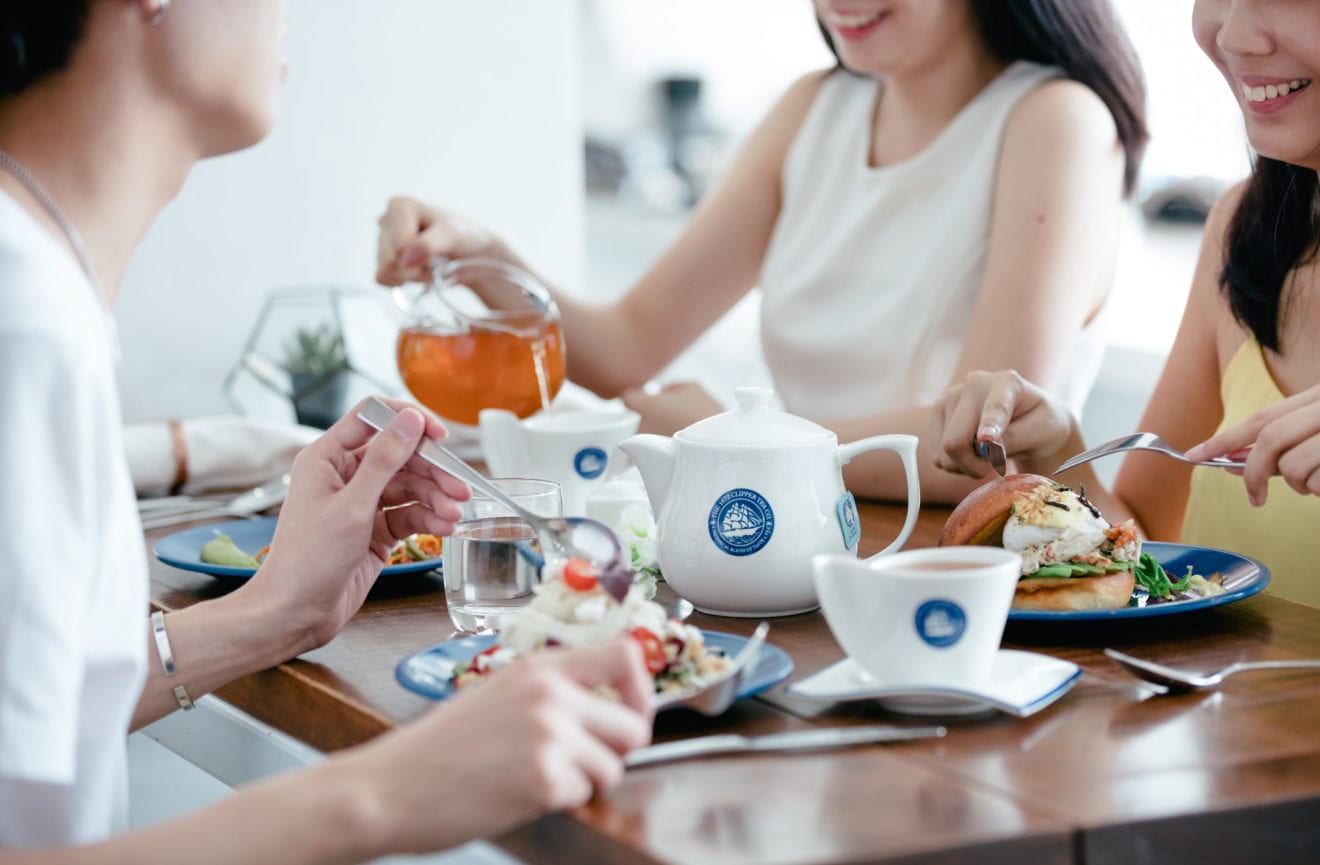
    The 1872 Clipper Tea Company is bringing the artisan tea experience to Singapore with the opening of its 743-square feet flagship store at ION Orchard.

    4t8a8786 (1)

    Founded by Sri Lankan entrepreneur Balage Porolis de Silva, The 1872 Clipper Tea serves an array of teas from different ranges, namely Essentials, Herbals and Blossoms, Tropics, Luxuries, Travel and Heritage.

    “We aim to kindle curiosity for tea by providing rich, exploratory experiences that bring people together. We want to trigger and engage the different senses of our customers to provide that experience,” said Rehan Amarasuriya, Director of The 1872 Clipper Tea Company.

    De Silva first established a jewellery boutique in Singapore in 1872. Apart from selling gems, the boutique also served the best Ceylon tea to customer, as having tea is a daily ritual for relaxation and enjoyment in Sri Lanka.

    The 1872 Clipper Tea’s name pays tribute to the historic Clipper ships that raced to carry chests of the freshest teas to all corners of the world, at the same time acknowledging the year the company planted our roots in Singapore.

    Besides serving a variety of hot teas, this takeaway retail concept would also include a range of specialty teas and tea-infused pastries and desserts.

    “We want to break the traditional mindset that tea should be consumed hot. There are endless possibilities as to how tea can be enjoyed,” Rehan says.


  • McDonald’s bares plans to explore growth opportunity in Asia

    McDonald’s bares plans to explore growth opportunity in Asia

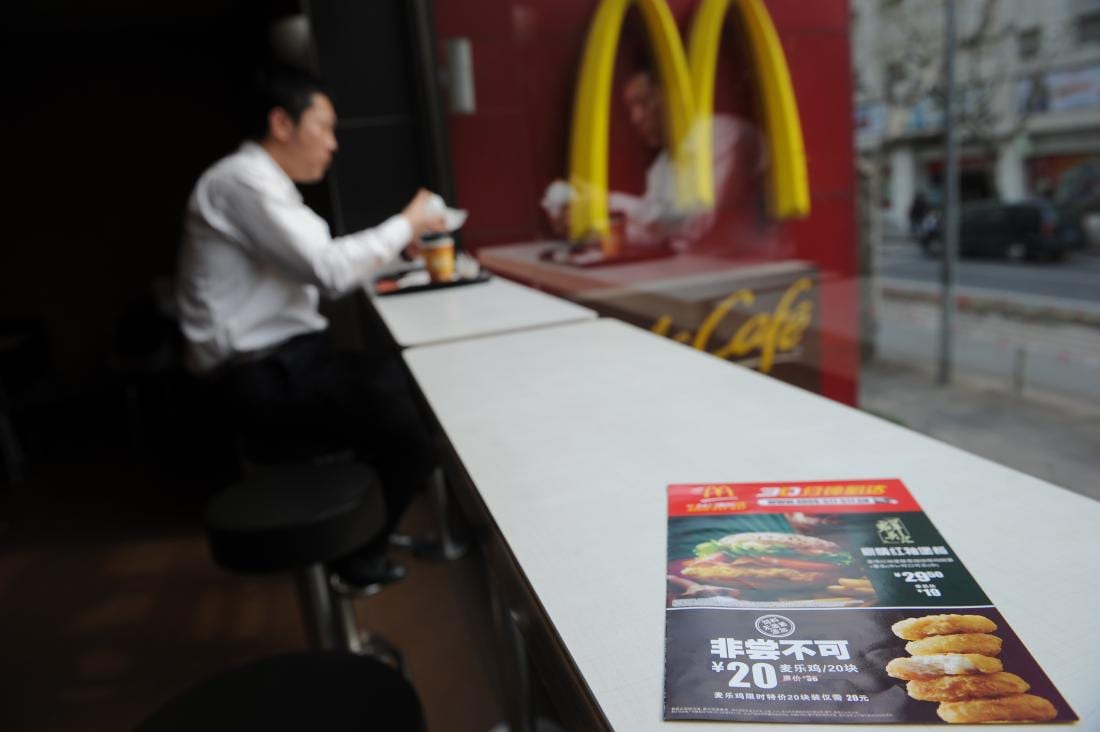
    McDonald’s Corporation said it is keen to explore growth potential in Asia and is currently seeking partners who would enhance its competitive advantages in the region.

    “Asia represents a significant area of opportunity for McDonald’s to blend our global quality standards with local insights and expertise from partners who share our vision and values,” said Steve Easterbrook, McDonald’s President and CEO, in a statement.

    This move is expected to allow the fast-food chain to accelerate our growth and scale faster across diverse markets.

    “We’re in the midst of transforming our business and taking a strategic and thoughtful approach to enhance our ability to grow around the world,” Easterbrook said.

    The McDonald’s chief said China, Hong Kong, and Korea collectively represent more than 2,800 of its restaurant locations, the majority of which are currently company-owned. The three countries are considered high-growth markets, which means they have relatively higher restaurant expansion and franchising potential.

    Over the next five years, McDonald’s said it intends to add more than 1,500 restaurants in these three territories.

    The company also recently announced its intent to identify strategic partners in Taiwan and Japan. Last year, McDonald’s committed to strategically evaluate ownership structures in markets around the world with the overall goal of reducing the number of restaurants that the company owns and operates. More restaurants will be placed under local ownership.

  • Coffee wars: South Korea’s cafe boom nears saturation point

    Coffee wars: South Korea’s cafe boom nears saturation point


    In fashionable retail and commercial districts of southern Seoul, nearly one in every two buildings boasts a coffee shop – evidence of a boom that has delivered dizzying growth for the likes of Starbucks and local chains.

    But now the market is getting even more crowded, as convenience stores such as 7-Eleven offer 1,000 won (87 cents) cups, and smaller players are feeling the heat.

    “We declared an emergency situation, gathered all employees eight times to debate strategies,” Moon Chang-ki, CEO of mid-priced coffee chain Ediya, the country’s largest operator by location with about 1,800 stores, told reporters recently. “If we sell at that price, our store owners won’t earn any margins.”

    To compete, Ediya says it has instead focused on improving the quality of its coffee, and actually raised prices last year. Other chains have responded to growing competition by cutting back on store numbers and staff, or expanding overseas.

    The number of chain and stand-alone coffee shops in South Korea more than tripled to about 49,600 in 2015 from 12,400 in 2011, according to Korea Contents Media – far faster than overall consumption of coffee, which Koreans have been drinking for decades.

    PEAK COFFEE

    South Korea’s per capita coffee consumption has nearly doubled since 1990 to 2.3 kg (5 lb) per person, according to the International Coffee Organization – still roughly half the 4.5 kg that Americans consume.

    Revenue growth at coffee chains in the country slowed to about 8 percent in 2014, however, from more than 20 percent annually between 2008 and 2012, analysts say. While the number of new coffee shops in Seoul increased, so did closures, according to city data.

    Brewed coffee sales at 7-Eleven, run by Lotte Shopping’s Korea Seven Co Ltd, jumped 88 percent in 2015 after it introduced drip coffee early last year costing about a dollar, almost one-fifth the cost of an average Starbucks cup.

    McDonald’s Corp stores cut coffee prices to 1,500 won from 2,100 won early last year, and have seen sales of the beverage almost triple, the company told Reuters.

    By contrast, local chain Cafe Droptop, with about 225 shops, cut about 20 percent of its workforce at the end of 2015. Another chain, Coffine Gurunaru, with about 100 shops, incurred combined operating losses of 2.5 billion won ($2.2 million) in 2013 and 2014 after being profitable in the previous two years, filings show.

    “Even fried chicken restaurants and pubs are adding coffee, trying to be a cafe, while espresso machines are spreading in offices,” said Lee Kyung-hee, who heads the Korea Business Strategy Institute, a consultancy. “The coffee industry is fighting a war without borders.”

    GOING ABROAD

    Starbucks entered the market in 1999, and is widely credited with starting the country’s habit for splurging on higher-quality coffee and creating a cafe industry SK Securities said was worth about 2.5 trillion won ($2.2 billion) in 2014.

    Starbucks Coffee Korea, a 50-50 joint venture between the world’s biggest coffee chain and South Korean hypermarket operator E-Mart, now has 860 stores, putting the country behind only China and Japan as the company’s biggest markets in Asia, with sales more than doubling between 2011 and 2014.

    It posted a 20 percent increase in net profit to 30.77 billion won in 2014, the most recent year for which results are available, on revenue of 617 billion won, up 28 percent.

    But with industry growth slowing, some chains have been pushing abroad.

    Caffe Bene, which reached 932 domestic stores in 2014 before trimming back to 850 at the end of March, posted a 3.3 billion won net loss in the first three quarters of 2015, according to the latest public data.

    Last month, a joint venture between Singapore’s Food Empire and Indonesia’s Salim Group acquired a 38 percent stake in Caffe Bene, becoming the second biggest shareholder after South Korean private equity fund K3 Equity Partners.

    The chain said it was looking to expand in Southeast Asia to drive growth.

    Zoo Coffee, with 65 domestic shops, has opened about 200 franchise stores in China since entering the country in 2013 and in December announced a tie-up with China’s giant Dalian Wanda Group to open 50 stores per year there.

    Cafe Droptop in November opened its first overseas outlet in Shanghai.


  • Starbucks China sales soar 18 per cent

    Starbucks China sales soar 18 per cent

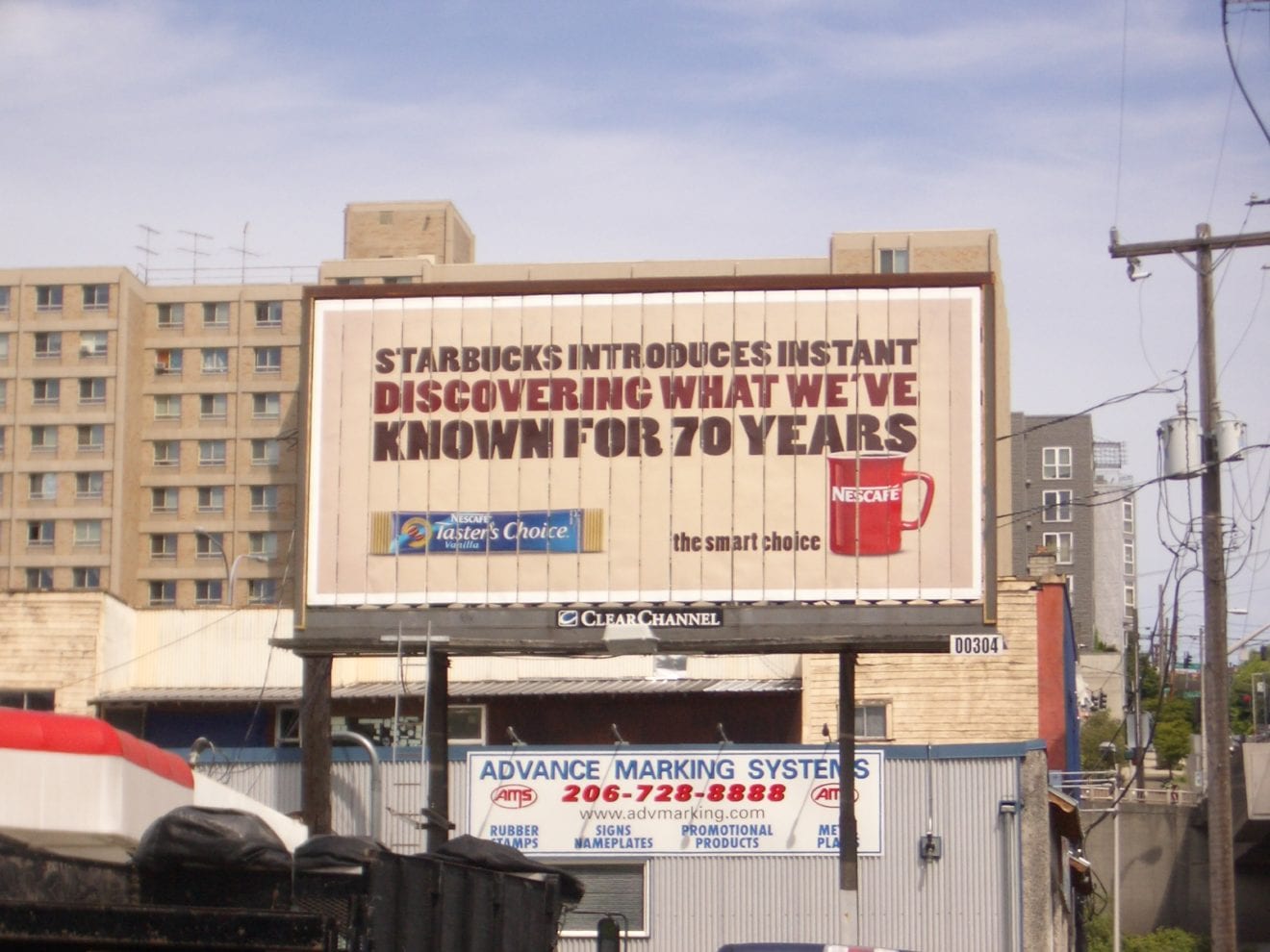
    Starbucks China has recorded a massive 18 per cent increase in sales in the second quarter, fuelled by a 5 per cent increase in transactions.

    The Chinese boost was one of a string of highlights in the quarter in which Starbucks set a new sales record of US$5 billion globally, up by 6 per cent on a same-stores basis.

    The Seattle-based coffee giant served nearly 16 million more customer occasions worldwide in the three months to March 27, 12 million of those in the US where it is experiencing a resurgence.

    Earnings per share rose 18 per cent to a record 39 cents, with US and Americas comp-store sales up 7 per cent. Operating profit rose 11 per cent to a second quarter record $878 million, its operating margin up to 17.3 per cent.

    Starbucks boosted its worldwide store network by 350 to 23,921.

    CEO and chairman Howard Schultz described the Starbucks China performance as “stunning” and said the overall financials underscored the strength of the brand and the resilience of the global retail and consumer packaged goods business.

    “Loyalty, technology and innovation are continuing to fuel our digital flywheel and propel our business forward all around the world.”

  • Cheap convenience store coffees enjoy growing popularity

    Cheap convenience store coffees enjoy growing popularity

    Low-cost coffees at Korean convenience stores are increasingly popular among price-conscious consumers, posing a threat to coffee shop franchises, industry data showed Monday.

    Local convenience stores have served canned coffee and instant coffee with hot water for years, but they are expanding sales of higher-quality drinks through self-serve coffee bars to get a bigger chunk of the rapidly growing market.

    The nation’s top three convenience store chains, which each have over 7,000 outlets nationwide, offer coffee at around 1,000 won (87 cents), a price one-third or one-fourth that of major franchise coffee shops.

    Helped by affordable prices, coffee sales at major convenience store chains have soared in the first quarter compared to a year ago.

    7-Eleven, operated by Lotte’s affiliate Korea Seven, said sales at “Seven Cafe” jumped nearly four times in the first three months of this year, without elaborating on the specific sales figures.

    GS 25, a chain under GS Retail, also saw coffee sales at “Cafe 25” rise nearly three-fold during the period, and CU, a chain by BGF Retail, said its sales at “Cafe GET” rose 62 percent.

    Convenience stores plan to expand their on-the-go coffee services this year as well as bakery items and ice beverage menus this summer to expand coffee-related sales. The 7-Eleven and GS 25 chains plan to triple the machine to 3,000 this year, according to company officials.

    As major chains are set to expand coffee services to edge out their rivals, industry officials expect the competition to accelerate polarization in the market between mini take-out stores and trendy cafes. Their fast rise poses a threat to franchise coffee shops, which have posted lackluster performances amid a supply glut and rising rental fees in major retail strips.

    Ediya, a homegrown coffee brand that has the largest number of shops nationwide, said the average sales per store slipped 2 percent in 2015 from a year ago.

    “We have been paying keen attention to convenience store coffees. After in-depth discussions with employees late year, we concluded that creating Ediya’s own taste is the most important,” Ediya CEO Moon Chang-ki said during last week’s press conference.

    “Despite the influx of cheap coffee, we will strengthen R&D to improve the quality of our coffee products.”

    The coffee market was valued at 6 trillion won last year and was expected to grow about 10 percent in the next five years.

    Amid the coffee craze, convenience store coffee grew at the fastest pace to snip away the market share of other caffeine beverages. Coffee sales at convenience stores amounted to 40 billion won ($34.7 million) in 2015 and are expected to expand to 100 billion won this year, according to industry data.

  • Jollibee swallows up Mang Inasal Philippines

    Jollibee swallows up Mang Inasal Philippines

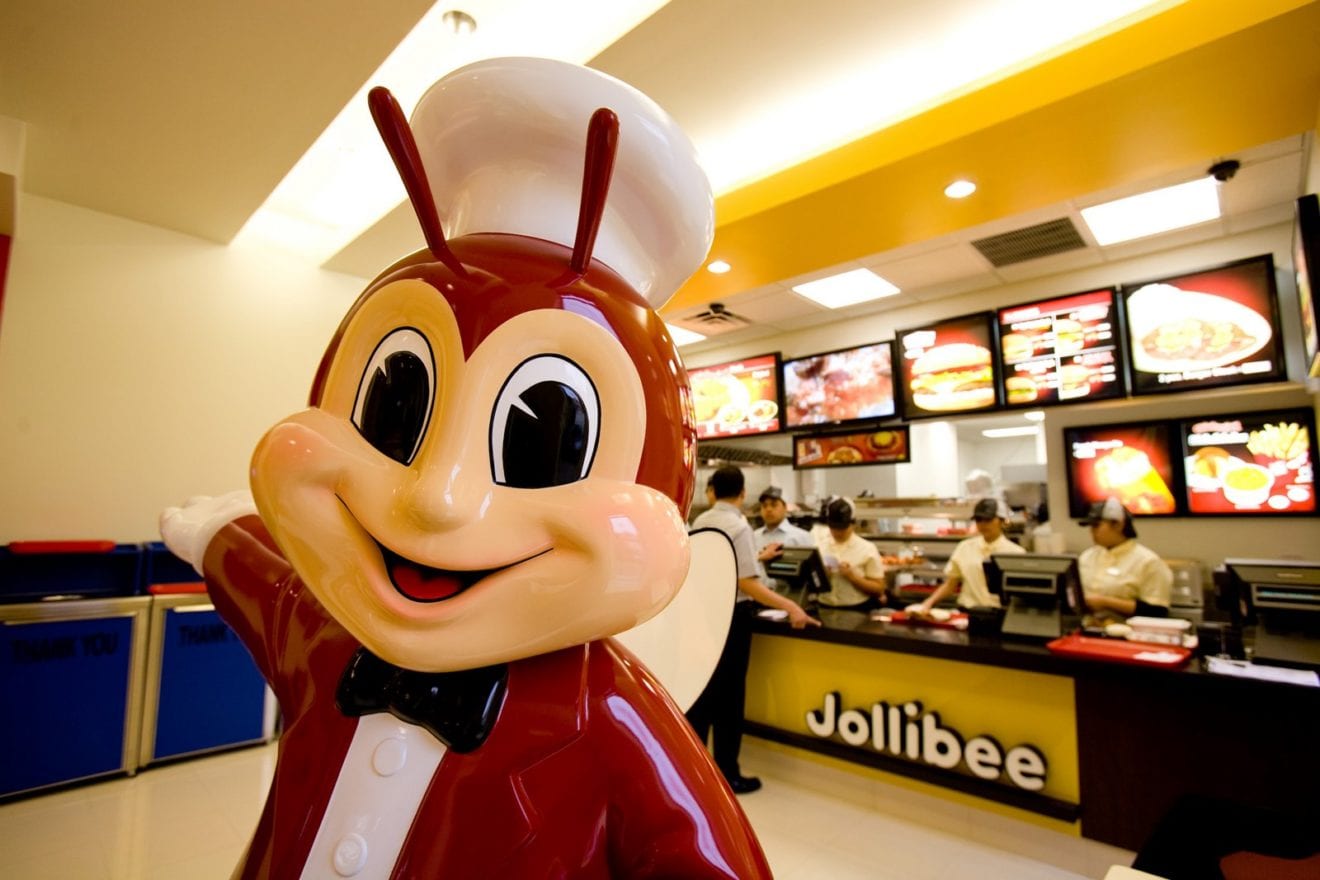
    Jollibee Foods Corp (JFC) has fully acquired its subsidiary Mang Inasal Philippines for $43 million (P2 billion).

    JFC, Asia’s largest quick-service restaurant company, bought the 30 per cent share remaining from the 70 per bought in 2010 for P3 billion.

    “JFC shall pay for the shares in cash. There will be no changes in the business conduct and direction of Mang Inasal resulting from this acquisition except that the Board of Directors of Mang Inasal will, completely henceforth, be composed of representatives of JFC,” the company said.

    Jollibee has been no.1 in Asia and no.10 worldwide in terms of market capitalisation among publicly listed quick-service restaurants.

    Mang Inasal is a Filipino brand known for its chicken inasal (roasted chicken) and unlimited rice. It has over 450 stores nationwide.

    Jollibee announced its goal of joining the world’s top 10 fast-food brands. Its aggressive buying overseas are priced up to $100 million. It has 3023 outlets worldwide, 2393 of which are in the Philippines.

    It also operates Philippine brands Red Ribbon bakery chain, Greenwich pizza parlours and Chowking Chinese restaurants.

    Overseas, JFC’s subsidiaries and affiliates develop and operate international brands, such as Yonghe King, Hong Zhuang Yuan and San Pin Wang brands under the SuperFoods Group, and 12 Hotpot.

  • Yellow Cab Singapore debut nears

    Yellow Cab Singapore debut nears

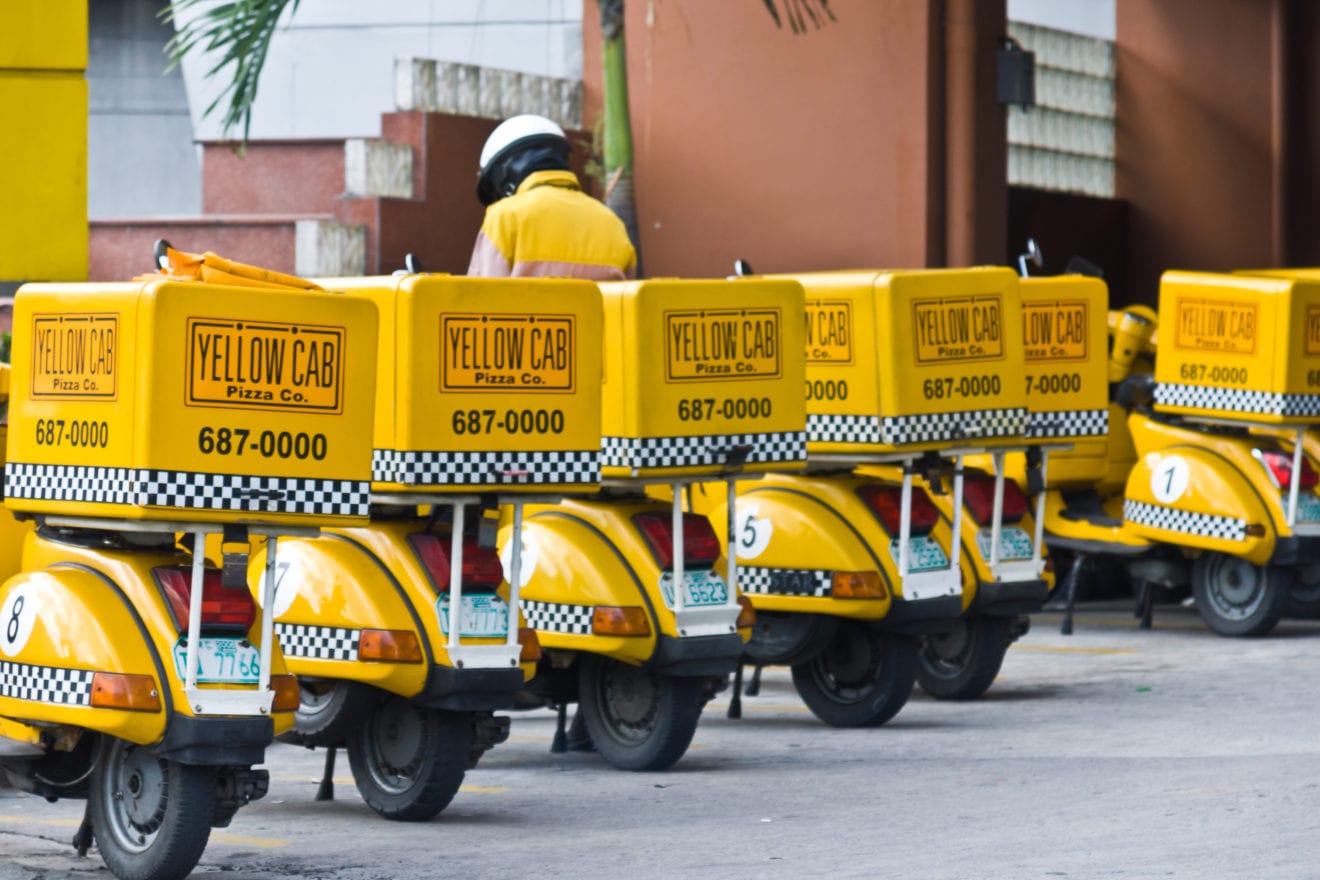
    Yellow Cab Singapore is to open soon as a Philippine group sets out to take the pizza chain into the Little Red Dot.

    Max’s Group Inc (MGI), the leading casual restaurant operator in the Philippines,

    signed a deal with a family-owned company, Pagh Pte Ltd, to build at least five Yellow Cab stores in Singapore.

    “We are thrilled with the opportunity to bring Yellow Cab Pizza in a highly strategic market such as Singapore. We are confident that our mainstream offerings and value proposition will allow us to stay competitive alongside some of the biggest global food names,” said MGI president and CEO Robert Trota.

    Yellow Cab marks MGI’s fourth brand development deal inked this year. By 2020, the company hopes to have 200 international stores.

    pizza

    “We found the right partner in Pagh Pte Ltd for this venture. We can rely on their focus and determination to deliver best quality products and genuine service to Singaporeans,” Trota added.

    “We recognize that Yellow Cab Pizza offers a different, more exciting experience than the brands currently offered in Singapore. Singaporeans are discerning in their food experience. We are therefore confident that Yellow Cab Pizza will be the Singaporeans’ place of choice for American Italian casual dining,” said Pagh director Tiara Chopra.

    Pagh was set up to invest in the casual dining business.

  • KFC owner Yum profits boosted by China sales

    KFC owner Yum profits boosted by China sales

    Yum Brands, the parent company behind fast-food chains KFC, Pizza Hut and Taco Bell, has reported a surprise 8% rise in first-quarter net operating profit. One-time gains in the quarter from a Chinese New Year chicken bucket promotion helped boost sales in China and bring in profits of $391m (£273m; €346m) in the January to March period.

    Adjusted earnings per share came in at 95 cents, beating analyst forecasts for earnings per share of 83 cents. Sales at restaurants that have been open for at least a year in China — the company’s biggest profit-driving region — were up 6% from the same period a year ago, helped by a 12% sales jump at KFC China.

    Yum chief executive Greg Creed said 2016 was a “transformational year” for the company and announced that the China division would split into a separate business by the end of the year.

    The firm also upped its core operating profit growth forecast for the year to 12% from 10%. Yum shares jumped nearly 4% in after-hours trading in New York following the earnings release.

    Global sales up

    Worldwide same-store sales were up 2% in the quarter, with sales at KFC and Pizza Hut up 1% and 3% respectively. Same-store sales at the US Pizza Hut division were up 5%.

    “KFC China had an outstanding Chinese New Year bucket promotion,” Creed said in a statement. “While it’s early in the year and there may be bumps in the road, we’re confident in raising core operating profit growth guidance to 12% from 10% previously.

    Pizza Hut

    “This is a transformational year for our company as we remain on track to finalise the separation of our China business by year end. We look forward to establishing two powerful, independent, focused growth companies dedicated to building on our brand strengths and rewarding our shareholders.”

    Yum opened 68 new restaurants in China during the quarter, bringing the total number of its outlets in the country to nearly 7,000. It is the largest western restaurant brand in China and plans to spin-off the division into a separate publicly-traded company by year end to modernise services and streamline operations in other markets.

  • Starbucks Corporation Growth Falters, but Remains Steady in China

    Starbucks Corporation Growth Falters, but Remains Steady in China

    Starbucks Corporation posted its second quarter financial results for the fiscal year 2016 (2QFY16), after the closing bell yesterday. The world’s leading coffee chain posted a 16.3% growth in earnings, as it continued to benefit from rapid expansion and growth.

    Earnings per share (EPS) for the second quarter came in at 39 cents, in-line with the Street’s expectations. Net income was registered at $575.1 million, higher from $494.9 million or $0.33 per share, reported last year.

    Even though sales missed analysts’ expectations, the company’s president claimed it to be a record quarter, as the reported revenues outdid all preceding non-holiday quarters. In total, the $4.99 billion sales registered a 9.4% growth, from comparable quarter last year, when the company reported $4.56 billion in sales. The company lagged behind analysts’ $5.03 billion revenue estimates, by $40 million.

    The company has aggressively worked to expand its physical footprint abroad; it recently disclosed plans to launch outposts, in Germany and Italy. Starbucks also opened its first store in South Africa, yesterday. For the quarter, the company opened a total of 350 stores globally, bringing the total to 23,921 stores worldwide.

    And yet, sales growth fell shy of the Street’s estimates. Global sales from stores established for at least a year, improved just 6% for the period ending March 27. This included 2% improvement in store traffic globally, and 4% growth in average ticket. The global comps, which reflect a 200 basis points deceleration from the last quarter, disappointed investors; the company recorded 8% growth in the metric in the previous quarter.

    Disheartened investors offloaded their holdings, as the stock took a downturn in the after-hours trade and tumbled as much as 5%, to $57.58 per share. The losses trimmed down in early market hours today; the stock is now down 2.7% to $59 apiece, as of 4:00 AM EDT.

    Sturdy Domestic Numbers

    Though global same store sales were slower than expected, region-wise growth was better than expected. “We posted 6 percent increase in comps globally, but if you go region by region, there is a story under each of those regions,” commented Starbucks’ president and chief operating officer, Kevin Johnson, in the earnings release.

    By region, the Americas and the US segment posted a 7% comp growth, which was the highest for the quarter, followed by a 3% growth in the China/Asia Pacific region. Europe, Middle East, and Africa (EMEA) region reported a 1% comps growth, as the foreign currency headwind against euros and pounds continued to affect international sales.

    Growth in the US and the Americas played out well, due to the company’s constant efforts in the region. The company targets to double food revenue, from domestic flagship revenues. In this regard, it has made efforts to get more people to sign up for its mobile app. Starbucks looks to diversify its menu and push food beyond the coffee lineup, to include salad boxes and breakfast sandwiches. This strategy has played out well, as food ascribed to more than 20% of total US sales, for the quarter.

    The company’s digital initiatives, including its mobile app, have helped Starbucks report a 9% growth in global revenues. According to the earnings call, the company’s investment in mobile initiatives, including the mobile order and pay app, has made it convenient for its users to make purchases at the store. This has resulted into significant growth, on the domestic front.

    Starbucks disclosed that mobile usage and orders have nearly doubled from the comparable quarter last year. The company has processed eight million mobile ordered and paid transactions, on a monthly basis. According to an analyst at RBC Capital Markets, a normal mobile app user spends nearly three times as much as a store going customer, which can play out nicely for the company’s future revenues.

    Doubling Down on China

    Despite a slight deceleration in global comps, the company has managed to report $5 billion in a record profit, for a non-holiday quarter. China outdid all other regions, as transactions in the country grew by 5%. This growth resulted in a remarkable 18% growth in revenues.

    “Starbucks recorded Q2 financial and operating performance – including a stunning 18% increase in revenues and a 5% increase in transactions in China – underscores the strength of the Starbucks brand and the resiliency of our global retail and CPG businesses,” stated the company’s chairman and CEO, Howard Schultz. “Loyalty, technology and innovation are continuing to fuel our digital flywheel and propel our business forward all around the world.”

    With hopes of continued growth in China, the company would add 500 stores each year in the country, in a move that could make the Asian country, one of the busiest Starbucks’ markets worldwide. A new store is set to be launched in mid-June, at the entrance of the newly opened Shanghai Disneyland. As it intends to cash-in on Disney World’s popularity, the company expects the launch to become the company’s “highest grossing retail store overnight.”

    While Starbucks continues to underscore the global nature of its rapidly expanding business, Mr. Schultz commented in the conference call: “Starbucks is only getting started” in China. Though the company didn’t divulge on profit contribution from the country, China and the Pacific Region in total reported 15% growth in profits.

    In fiscal year 2016, the coffee chain has plans to launch 1,800 new outlets globally. With nearly 700 outlets planned for the US, the company plans to open around 900 in the Asia Pacific region. For the year, consolidated revenues are expected to grow by 10%; the GAAP EPS is expected to fall anywhere in the $1.85-1.86 range. For the third quarter, EPS is expected to clock in between 47-48 cents apiece.
  • 800 Degrees pizza outlet for Tokyo

    800 Degrees pizza outlet for Tokyo

    Customised pizza has arrived in Japan, thanks to American chain 800 Degrees Neapolitan Pizzeria.

    Its first outlet for the nation is at the south exit of Tokyo’s Shinjuku Station in the new Newomanbuilding complex, which features fashion boutiques and fancy eateries.

    800 Degrees Pizza res

    With an open-plan kitchen set-up, 800 Degrees features quick-baked pizzas that can be customised when ordering, including the style of base, cheese and sauce selection, and protein and vegetable toppings, even including renkon (lotus root). Side salads can also be customised, and specialty pizzas are also available.

    800 Degrees Pizza inside

    After assembly, the pizzas go into a wood-burning oven and are ready within a minute.

    Already there are queues at the outlet, with customers sometimes having to wait about 30 minutes to be served. However, after ordering customers will be given a pizza number if the restaurant is busy.

    Japan is the second international destination for 800 Degrees, which has four outlets in Dubai.

  • Starbucks China convinces suppliers on ethics

    Starbucks China convinces suppliers on ethics

    Ten years ago when Starbucks China hosted its first suppliers summit there were just 10 people present.

    This year, more than 350 supplier representatives were in Shenzhen to hear the coffee giant’s pitch to join its commitment for a sustainable, ethical supply chain.

    “We studied the leadership position we were taking to get high-quality coffee,” said Kelly Goodejohn, director, Starbucks ethical sourcing. “We wanted to build something similar for other products that we source.”

    Similar to coffee, Starbucks wanted to understand where manufactured goods were sourced, how farmers and workers were being treated and the impact the suppliers were having in local communities. The summit served as a starting point to gain more of this knowledge, no matter what the products being sourced are.

    “It was an awareness opportunity,” said Goodejohn. “What we found was that many of our suppliers shared our values, wanted to do more for their employees and communities, but didn’t know how to do it.”

    The 10th Annual Supplier Summit this week featured Starbucks leaders, representatives of nonprofits and industry experts. During the event, Starbucks shared key company initiatives, discussed global responsibility goals and provided tools and resources to help suppliers improve business practices.

    Starbucks China


    Building trust

    Back in 2006, at that first summit, one of Starbucks goals was to cultivate a stronger rapport with suppliers.

    “Building authentic relationships with our suppliers was important as well as working with them to make improvements,” said Goodejohn. “Over time, we have worked with our suppliers in China to improve labor and environmental performance to enable higher overall performance, so they are positioned to grow with Starbucks as our business grows.”

    At first, not all suppliers were willing to take Starbucks at face value.

    “It was difficult to build trust, but we got there,” said Goodejohn. “While some suppliers moved on, the majority were willing to work with us and are still our suppliers today.”

    Starbucks has worked with suppliers to improve worker health and safety, ensure employees get paid a fair wage, provide better living conditions at factory dormitories and confirm that products are made without emitting dangerous chemicals to protect water and air.

    Three years ago, Starbucks incorporated community service into the supplier summit to highlight an important aspect of the company’s mission.

    On Wednesday, suppliers, Starbucks partners (employees) and customers convened for a beautification and career development service project at the Shiao Community and the Young Dream Center in Shenzhen. The project is one of many that the company will engage in during its Global Month of Service that takes place throughout the month.

    Sharing knowledge

    As a way to support suppliers on the ground year-round, Starbucks hired two field managers in China to help implement best practices related to social and environmental performance. They teach factory managers and work on continuous improvement with suppliers.

    “I’m immensely proud of what we’ve done and the partners who are elevating ethical sourcing with suppliers on a regular basis,” said Goodejohn.

    “We have many countries that manufacture goods for us and we can bring the learnings from China to other regions. We have the right momentum and we will keep moving.”

  • Waitrose China launches via Alibaba

    Waitrose China launches via Alibaba

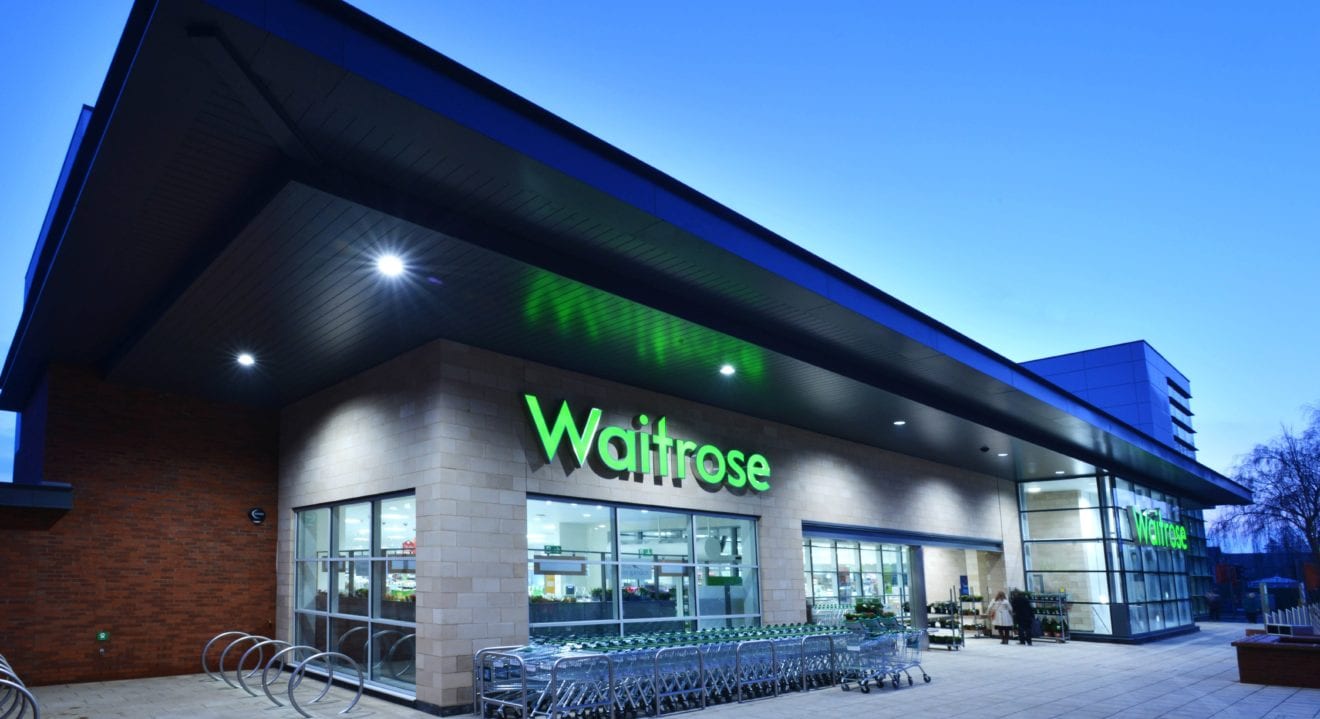
    Upmarket British grocery chain Waitrose has broken new ground in a deal with online marketplace Alibaba, opening the doors for it to export to China.

    Waitrose China will offer products and ranges to buyers across the mainland exclusively through theRoyal Mail Store on Tmall Global, Alibaba Group’s online marketplace. Waitrose arranged the deal through Avenue51, which runs Royal Mail’s store on the platform.

    Royal Mail promotes British companies, and Waitrose will be one of its highest-profile brands with a dedicated page on its online store. There will be 30 products initially, including biscuits, cereals, coffee, nuts and tea, plus beauty, baby and organic ranges.

    “The potential for Waitrose in China is huge, and though this is a relatively modest start it’s our ambition to see it become our biggest international business in the next three to five years,” says Waitrose commercial director Mark Williamson.

  • South Tea exporters to double volumes to Malaysia, Indonesia

    South Tea exporters to double volumes to Malaysia, Indonesia

    Tea exporters from south are exploring opportunities to double their exports to Malaysia and Indonesia by joining hands with the tea industry in those countries.

    The exporters’ organisation has signed an MoU with trade representatives in Malaysia to double exports and to create a brand which will cater both domestic and export markets.

    With Indonesian industry the exporters are exploring to see whether they can create a new blended products suitable for that country.

  • McDonald’s Asia to sell 2800 restaurants

    McDonald’s Asia to sell 2800 restaurants

    McDonald’s Asia is preparing to sell some 2800 restaurants across Asia as it introduces a new business model in its fastest growing major market.

    And Reuters has named frontrunning investors in what looks to be a spin-off business in much the same nature as Yum! Brands is selling off its Chinese KFC, PIzza Hut and Taco Bell operation.

    Early contenders as partners with McDonald’s US include state-backed China Resources and private equity investors Bain Capital, TPG Capital, Baring Private Equity Asia and MBK Partners. China Resources already has street cred in the food sector, operating Pacific Coffee chains in Hong Kong, Macau, Singapore and China.

    McDonald’s is planning to create a new Asian business which would own restaurants as master franchisee, using local market knowledge and capital to expand networks in respective markets.

    Operations in China, Hong Kong, Macau and South Korea would be rolled into the new entity, although it is highly likely separate businesses could be created for each market – one for China, one for Hong Kong-Macau and another for Korea.

    McDonald’s has a stand-alone, listed business in Tokyo which encountered huge market problems several years ago and last year lost US$310 million after a major cull of its network. The company is trying to sell down its stake in that business from 49.99 per cent to 20 per cent.

    Inside Retail Hong Kong expects that McDonald’s Asia would likely be funded by a cashed-up investment partner for about five years before potentially being floated, most likely in Hong Kong.

    A fortnight ago, McDonald’s Chicago-based CEO Steve Easterbrook revealed plans to open 1500 new stores across China, Hong Kong and Korea within five years – 1300 of those in Mainland China. Globally, the company plans for 95 per cent of its restaurants to ultimately be franchised.

    In China’s mainland, McDonald’s already operates some 2200 restaurants – its new target is 3500.

    Easterbrook says strategic partners could “add value and unlock growth potential in key markets” in Asia.

    “This will allow McDonald’s to accelerate our growth and scale faster across diverse markets placing us closer to our customers and the communities we serve,” he said on March 31.

    Reuters quotes sources revealing McDonald’s has engaged Morgan Stanley to run the sale of the restaurants in China, Hong Kong and South Korea, with a formal, public sale process to be launched in mid-May.

    The final business model is subject to negotiations with potential buyers, but McDonald’s expects a one-time franchise payment and ongoing royalties based on sales – the typical industry rate running between 3 per cent and 5 per cent. Capital investment required to roll out new stores would be the responsibility of the franchisee.

    Reuters said McDonald’s declined further comment beyond its March 31 statement from Easterbrook and the private equity companies named, China Resources and Morgan Stanley all also refused to comment.

  • Affinity buys Burger King Korea

    Affinity buys Burger King Korea

    Burger King Korea has been snapped up by private equity investors.

    Affinity Equity Partners has completed the buyout of the Korean business of the US fast food brand for 210 billion won (US$183.3 million), after agreeing to terms in February. The vendor was VIG Partners.

    Affinity is already planning to open new outlets as a first step in increasing sales.

    Meanwhile, Korean news media report rival fast food chain McDonald’s is seeking a strategic partner to run the local operation and speed up its network expansion.

    “We’re committed to Korea for the long-term and intend to combine our global brand with local insights and expertise,” said Steve Easterbrook, McDonald’s CEO and president.

    “This gives us the ability to enable faster decision-making, achieve restaurant growth and deliver a great restaurant experience for our customers in Korea.”