Retail News Asia is committed to providing both local and global retailers with the latest Food and Food & Beverage news throughout the Asian market. This on a daily base.
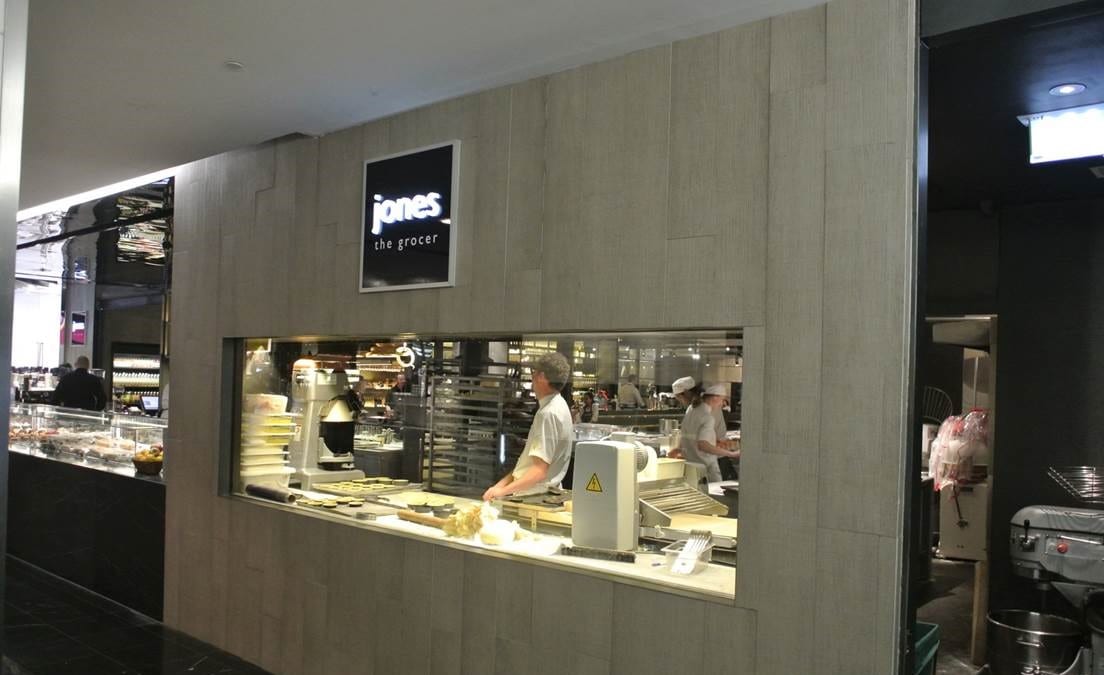
JTG Holdings, the master franchisee for Jones the Grocer in the Middle East and North Africa, has bought the global rights to the brand.
In a separate transaction LVMH investment arm, L Capital Asia has taken a minority stake in JTG Holdings with the aim of backing the brand in its international expansion.
Another subsidiary of L Capital Asia has taken master franchise rights for the brand in various markets in north Asia, Southeast Asia, Australia and New Zealand.
While its base in the UAE will give JTG Holdings a global footprint, it aims to stay true to its Australian roots and is committed to supporting franchisees as true partners.
Jones the Grocer is a cafe and retail outlet specialising in hand-selected specialty products, its flagships featuring a signature walk-in cheese room, charcuterie and deli. Established in 1996 with the launch of its flagship Australian store in Woollahra, Sydney, Jones the Grocer has now has 19 stores across Australia, New Zealand, Singapore, Thailand, Qatar, Bahrain and the UAE.
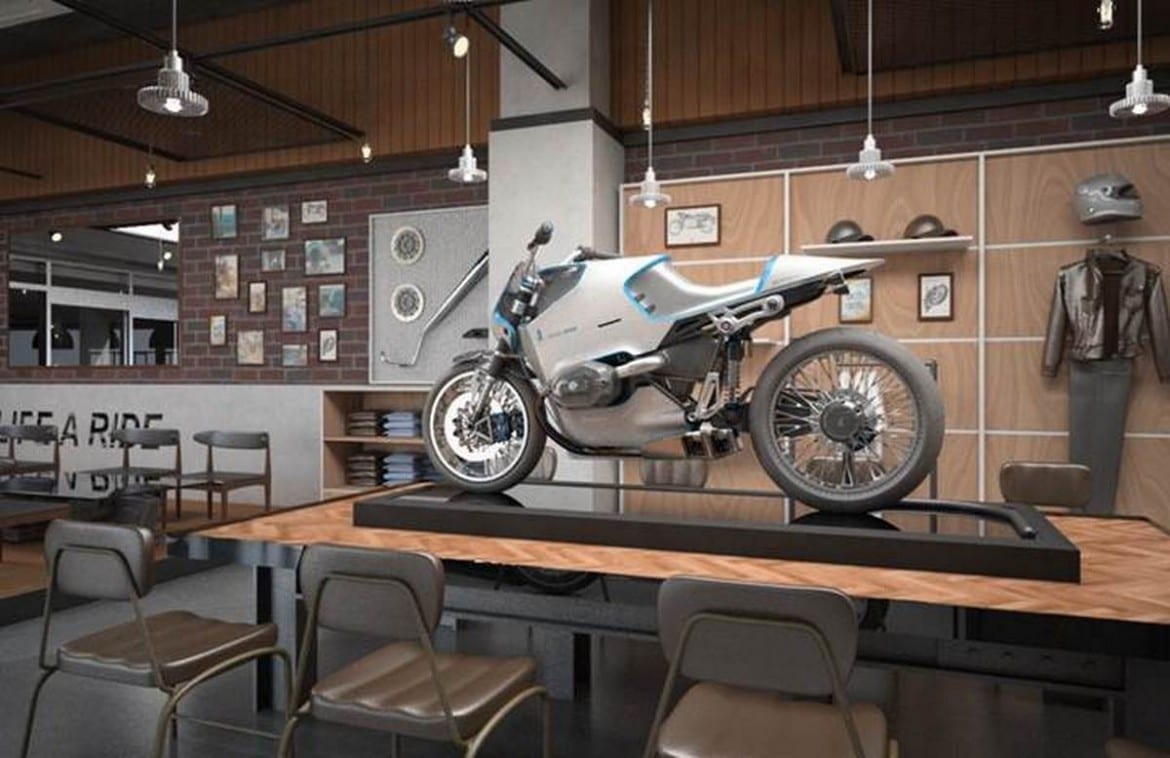
A BMW cafe in Korea has opened inside a Lotte department store in Incheon.
Lotte Department Store’s Premium Outlet allows visitors to enjoy the BMW motorcycles and related accessories such as clothing and helmets. The cafe open today, May 27.
Free consultations about motorbikes and other products are also offered to customers.
“We tried to make a store that targets men who are interested in motorcycles,” said a Lotte spokesman.
“We’ll try to expand our shopping spaces that cater to male customers.”
The number of Korean motorcycle fans has increased in recent years, doubling the number of imported high-capacity motorbikes from 10,300 in 2012 to 20,800 in 2015.
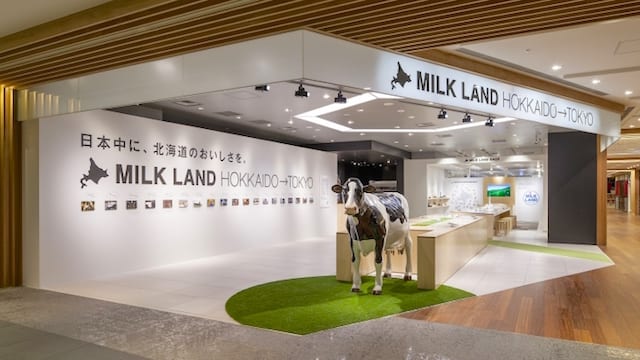
With the idea that food needs to be tasted as well as its provenance explained, a Hokkaido dairy “pop-up flagship” shop was opened in Tokyo to introduce the brand.
Over three months, Milk Land HokkaidoTokyo aimed to build the brand by letting consumers learn, eat and buy in the one space products from the Hokkaido dairy production area of Japan.
Central to the shop was an 18 metre wooden table where all three facets of the concept came together. Customers were able to learn about the dairy farmers and their products, and how the products are transported from the miniature farms to the city. They could also sample the products at the table, and buy from an inbuilt refrigerator.
The table was split by a green carpet leading to the cashier at the back of the store. Also at the back was a kitchen and a counter for desserts. Customers were able to combine various types of cream from Hokkaido with cereals and sauce to create their own desserts (more than 300 combinations were possible).
More than 110,000 people visited the pop-up, which was designed by architects Ryusuke Nanki, Sachiko Abe and Mina Ueyama, with creative director/art director Segawa Hiroki and copywriter Ai Sakamoto.
Japanese supermarket giant Aeon has set up a joint venture with a European company to establish an organic supermarket in Japan, to be called Bio c’ Bon Japon.
Bio c’ Bon, an affiliated company of business investment firm Marne & Finance Europe, runs a specialty organic supermarket business in Europe, mainly in France. Its headquarters are in Paris.
The joint venture aims to lead the expansion of an organic market in Japan through specialty supermarkets.
Across the world, the organic market is growing at 15 per cent or more a year, especially in France where the annual sales of organic products reach about US$5.241 million. It is the third-biggest market in the world following America and Germany. Japan ranks seventh with annual sales of about 143.1 billion yen ($1308.85 million).
Established in 2008, Bio c’ Bon has 90 organic supermarkets in Paris, and as well as France is also expanding in Milan and Madrid.
Since the organic Japanese Agricultural Standard (JAS) system was introduced in 2000, Aeon has been working on expanding the organic market in Japan in co-operation with public organisations and producers, and has offered Japan’s first certified organic products.
If your Pizza Hut clerk seems like a robot, you may have stumbled into Singapore and a near future in retail commerce.
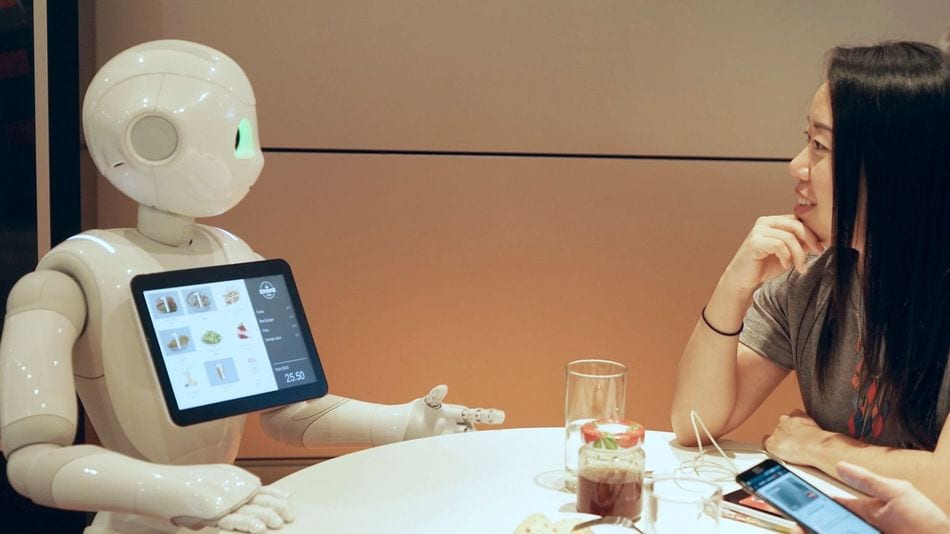
Before the end of this year, credit card giant MasterCard will deploy an actual robot in one lucky Pizza Hut location in Singapore that will not only engage with customers, but help them fulfill their pizza cravings by guiding them through a purchase and assisting them in completing a mobile transaction.
MasterCard announced on Tuesday that, by the end of this year, it will launch a personalized shopping and concierge experience that will also serve as the very first commerce application for Softbank Robotic’s Pepper robot.
The experiment “follows our own philosophy that every device is a commerce device,” Tobias Puehse, VP Innovation Management, MasterCard Labs, told Mashable.
Pepper’s new job comes on the heels of news that Softbank Robotics’ (formerly Aldebaran) adorable and emotive 4-foot-tall robot is finally getting an Android SDK and would soon be coming to America. The best robot
MasterCard chose Pepper because of “its early success in Japan, in terms of being active in a retail environment with various partners,” Puehse said.
The credit card company spent months programming the commerce experience and had to overcome some challenges, like the fact that Pepper doesn’t come equipped with Low Energy Bluetooth or NFC communication abilities. Eventually they settled on placing a Bluetooth LE beacon near Pepper, which connects to the store’s Wi-Fi network — the same one the Pepper robot will be on — and lets the customer connect via Bluetooth.
In practice, Pepper will greet would-be pizza hounds using natural language and cognition, as opposed to interface requests. If you have MasterCard’s MasterPass Wallet application on your phone (Android or iOS), a little Pepper icon will appear in it. If you don’t, Pepper asks you to scan a QR code. Once you’re connected, Pepper will be able to glean your name, as well as your shopping preferences, and might ask you, “Would you like to have your favorite drink again?”
Pepper will guide you through the product selection process, but, according to Puehse, can also handle random questions about, say, the calorie count in pizza. (But, do you really want to know the answer to that?)
One thing Pepper does not do, though, is complete the transaction for you. For the sake of security, MasterCard chose to keep the transaction on your mobile device. Pepper will only know that you are ready to buy that slice, send your phone the order details and, once you’ve bought it, get the transaction-complete notification. Pepper will then tell you where to go pick up your pizza. Pizza takes time
Because Pepper is a conversational robot and MasterCard designed the interaction to be “human-like,” Puehse said, there won’t necessarily be any efficiency gains from shopping with a robot. The benefit is that, when using Pepper to get that slice of buffalo pizza, there’s no learning curve. Pepper will, in essence, communicate with you just as a highly skilled pizza retail clerk might. It will know the product, respond to questions about it and, perhaps, be a bit more knowledgeable about your pizza desires and needs.
Puehse told Mashable that he can envision a store full of Pepper robotics, each one helping a different customer, but the near-term goal is to “make sure it has all the value that we anticipate it will.” If all goes well, yes, MasterCard wants pizza-selling robots to “proliferate in Asia Pacific and beyond,” Puehse said.
Unfortunately, there’s no timeline for Pepper coming to U.S.-based Pizza Huts. Still, Pepper’s new commerce chops might almost make it worth taking the longest pizza-run in history.
Have something to add to this story? Share it in the comments.
Thai retailer Central Group said it will put a hold on its acquisition spree in Vietnam, after the recent aggressive expansion in the country, to focus on making profit over the next three years, according to different media reports.
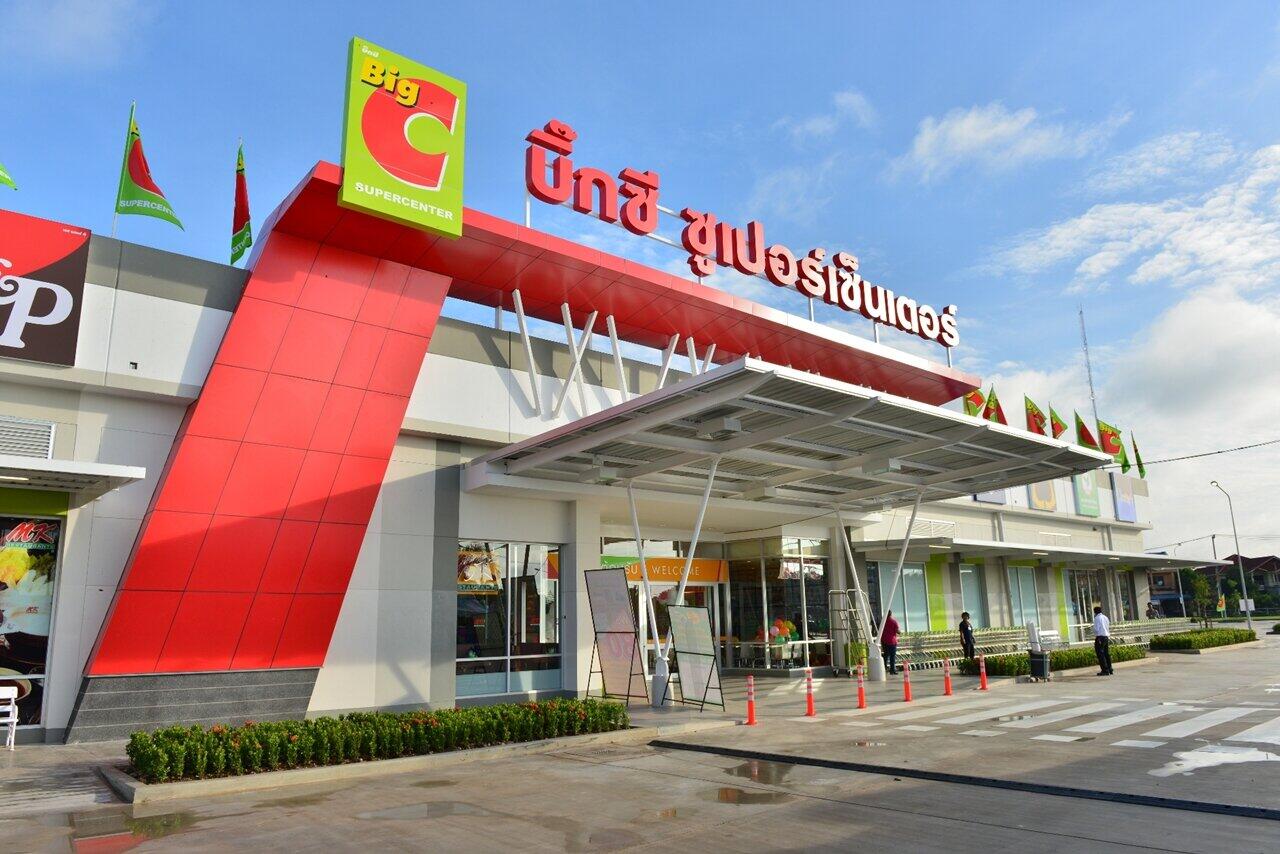
The recent forays in Vietnam include the establishment of three Robins Department Stores, the acquisition of a 49 per cent stake at Vietnam’s largest electronics retailer Nguyen Kim, the takeover of fashion e-commerce site Zalora Vietnam from German group Rocket Internet, and a $1.1 billion buyout of Big C Vietnam.
Vietnam was now shaping up as a second home for Central, Prin Chirathivat, deputy group CEO, reportedly said.
He realised it was time to reap profit from the businesses in the neighbouring country, adding that the depreciation of fixed assets was enough to put pressure on profitability, despite the positive cash flow, according to a report on The Nation.
However, according to the executive, Central Group will not want to miss any interesting inorganic growth opportunities in Vietnam even as it has decided to slow down the buying pace.
Its biggest equity investment in Vietnam was the $1.1 billion deal to own over 30 Big C Vietnam supermarkets, which was reported to be accommodated by the sale of Big C Thailand unit to rival TCC Holding and its subsidiary Berli Jucker. But the 50 billion baht realisation from offloading the remaining 25 per cent in Big C Thailand will be used for other purposes, while Central Group secured a bridge loan from Bangkok Bank to finance the Vietnam deal, according to the Bangkok Post.
Meanwhile, it will use Zalora to strengthen the channels of its local partner Nguyen Kim and Central Marketing Group’s unit in Robins, the media reports said.
Despite the halt in further acquisitions, the Thai group still considers Vietnam as a very important market, buoyed by a growing economy and high purchasing power.
“In Indonesia, we don’t have an opportunity to acquire retail businesses because there are no sellers unlike in Vietnam. Our expansion in Indonesia is slower than in Vietnam,” The Nation cited Prin as he compared Vietnam with Southeast Asia’s largest market.
However, he also revealed the group’s plan to have five more department stores in Jakarta and Surabaya by 2017, as the retailer is currently operating only one store in the capital city.
In Thailand, Central Group no longer has ownership in Big C Supercentre but has also acquired Zalora business in the country.
South Korean retail chain Withme FS has started selling ice cream, which it claims can cure your worst hangover.
The new product is called Gyeondyo, which can be translated as “Tough it out” or “Hang on”. Company officials explained that the message is addressed to Korean office workers who often have to endure a long day at work after a night of heavy drinking.
In South Korea, it is hard for an employee to excuse himself from drinking in the evening with colleagues, especially superiors. Regular staff parties are a part of the country’s business culture. Workers often feel pressured to drink even if they don’t like alcohol so as not to be frowned upon. The ice cream is supposed to help such workers cope with the consequences of their attempts to fit in.
The grapefruit ice-cream contains oriental raisin tree fruit juice — a popular anti-hangover treatment in South Korea, Reuters reported.
South Korea tops the Asia-Pacific rating of countries regarding the consumption of alcohol. According to a 2014 World Health Organization report, individual South Koreans drink 12.3 liters of alcohol per year. The total annual sales of anti-hangover medicine in the country is nearly $126 million.
Alcohol creates a huge industry of other products in South Korea, including special beauty care products for women, aimed at softening skin that gets dry because of drinking.
On another note, ice cream seems to be getting a lot of attention all over East Asia. In April, a Japanese firm, Akagi Nyugyo Co. Ltd, released a video in which staff apologized for raising prices of the company’s ice cream for the first time since 1991.
https://www.youtube.com/watch?v=J_2a_N4WVqg
The video went viral, collecting millions of views. Akagi Nyugyo produced ice cream has unusual tastes, such as potato, spaghetti or soup.
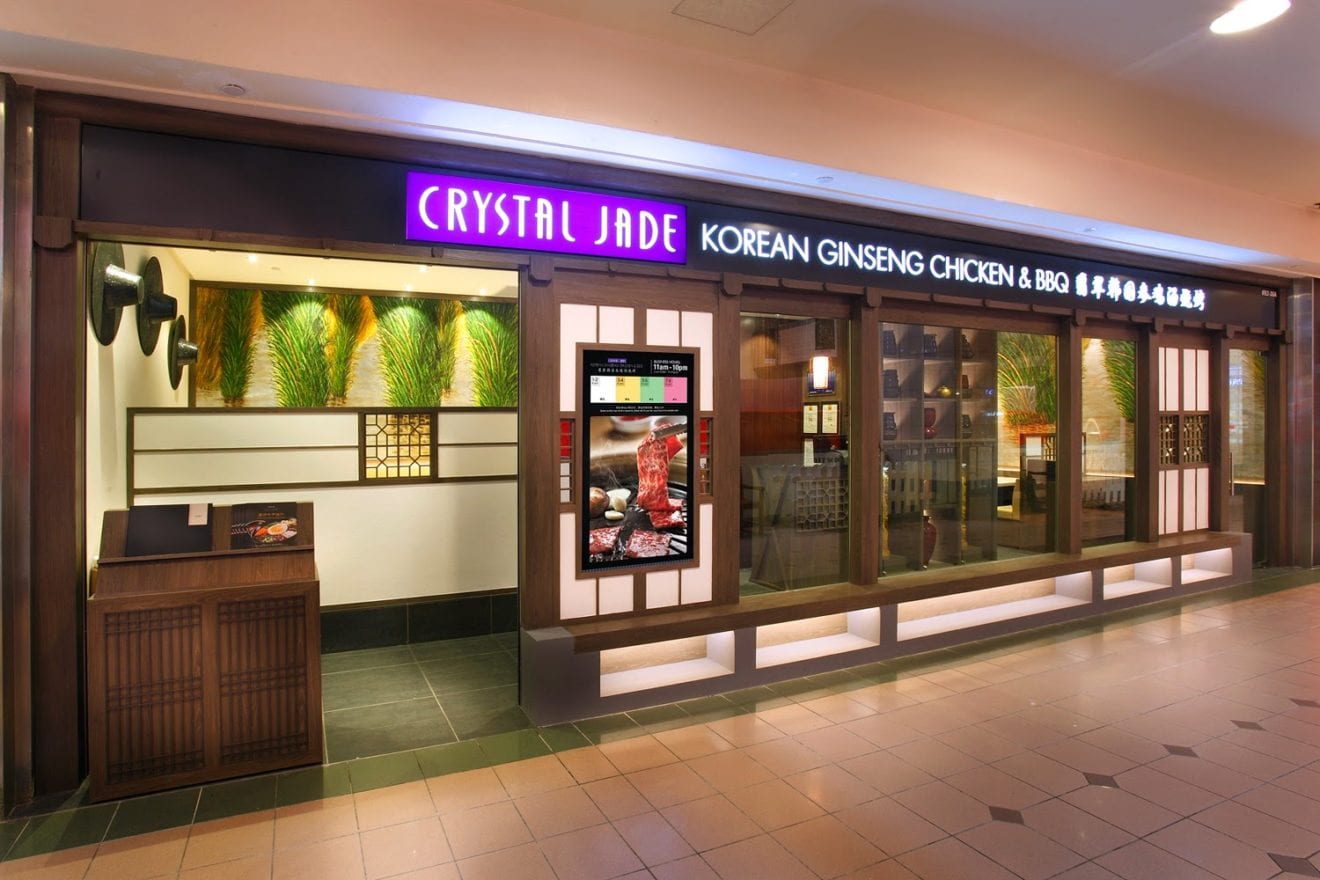
Crystal Jade Group has more than 100 outlets in 20 cities in the Asia Pacific region and the US.
Under the terms of the agreement, SMI will have the exclusive right to develop, manage and run the Crystal Jade Kitchen, Crystal Jade Palace Restaurant and Crystal Jade La Mian Xiao Long Bao restaurants in Myanmar for 10 years, with the option to extend for a further 10 years.
The first Crystal Jade Kitchen outlet is expected to open in the third quarter of this year at the new Yangon International Airport Terminal 2, while a Crystal Jade Palace restaurant is expected to launch at the Sedona Hotel Yangon later in the year.
Further ahead, the group expects to open another two Crystal Jade Kitchen restaurants in 2017 and in 2018.
SMI manages the duty-free retail space in the new Yangon terminal.
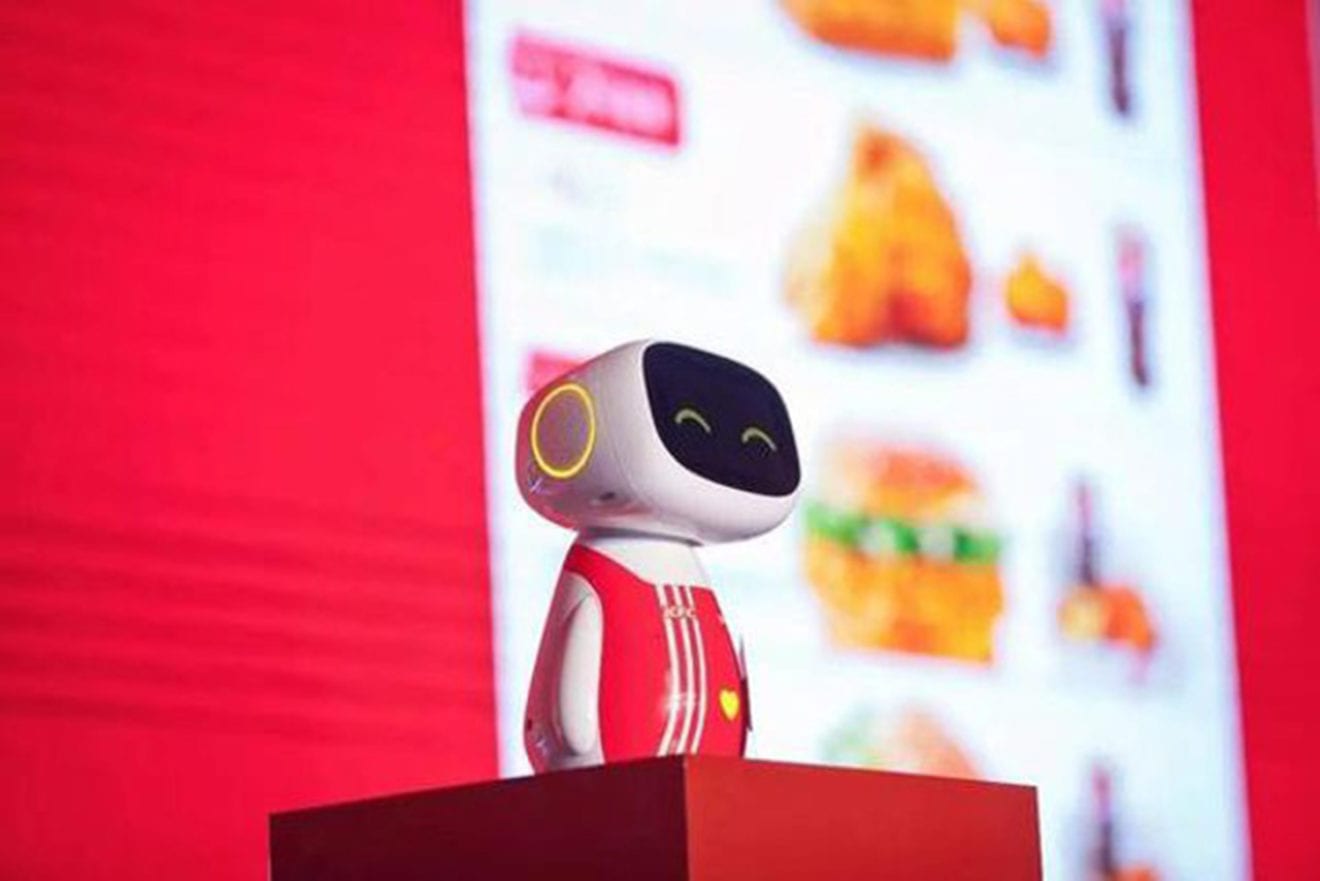
Customers at a new digital KFC concept store in Shanghai give their orders to a voice-activated robot.
Dumi the robot is sophisticated enough to handle changes and substitutions in orders.
Dumi is the result of 10 years of research and development into artificial intelligence by Chinese web services company Baidu, which says the robot will appear soon in other real-world environments.
Inside Shanghai’s National Exhibition and Convention Center, the KFC store has been designed to be completely digitalised. Called “Original+”, as a reference to the brand’s traditional recipe, it features wireless charging stations where customers can simultaneously stream music. They can also pay for their meals via mobile payment services including Alipay and Baidu Wallet.
Introduced at last year’s Baidu World Congress 2015, Dumi integrates the company’s AI technologies such as voice recognition and intelligent search. The robot will use KFC’s customer behaviour data to gain a better understanding of users’ needs and improve business efficiency.
As well as ordering and paying through Dumi, the customers can see how KFC dishes are made through the robot’s holographic imaging technology.
Baidu VP Wang Haifeng says the robot may become a big part of the company’s application of more AI technology into fields that range from internet financing to driverless cars.
There is only one problem with Dumi, admits Baidu: it has trouble distinguishing between certain dialects and accents. But then again, so might a human employee.
Jason Yu, GM of the consumer research firm Kantar Worldpanel China, describes the Shanghai concept store as “a very interesting experiment”.
“It is expected to generate increased customer experience, and raise efficiency for restaurants. And in turn it is expected to attract more young and middle class customers.”
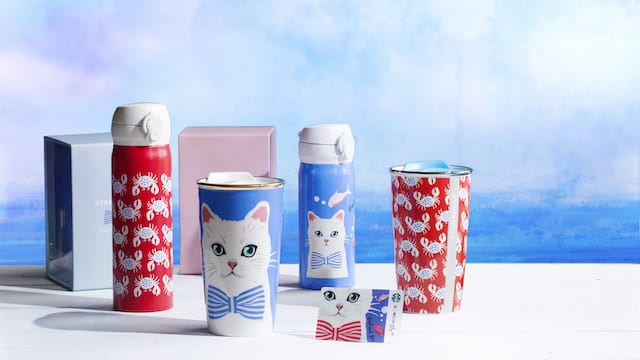
Starbucks Taiwan is to feature merchandise co-created with Paris fashion designer Sophie Mechaly, the founder of the international brand Paul & Joe.
“We wanted to give our coffee-related merchandise a unique style and attitude for summer,” says Starbucks Taiwan president John Hsu.
Mechaly founded Paul & Joe in 1995, and the label now has several dozen boutiques and hundreds of retail stores around the world. Méchaly designs clothing, shoes and accessories for both men and women.
Several of the Starbucks merchandise designs feature a Chinchilla Persian cat owned by Mechaly. Crabs and fish also feature in the artwork to represent the beaches in the Mediterranean, near her childhood home.
After a short-term trial, a pioneering pill-store pop-up called Fast Food Aid is seeking a longer-term home in Harajuku, Japan.
Billed as the “world’s first supplement shop for fast foods”, it offered free tablets to replace nutrients missing from convenience foods like hamburgers, pizza and ramen.
All customers needed to do was trade in the receipt from their latest fast-food purchase. The pills come along with professional advice about the health issues associated with such foods.
With the aim of educating people and discouraging them from choosing non-nutritional meals, the shop was designed by creative director Ikkyu and Junya Sato of design studio Kaibutsu on behalf of Dohtonbori, a restaurant that sells organic, healthy fast food, reports Dezeen.
“This shop doesn’t look like other pharmacies, but the truth is it’s an educational supplement shop,” says Ikkyu. “We opened this shop in Harajuku, where there are a lot of young people who have bad eating habits.
“Once they get in, they are surprised with the the supplements they have to intake and understand how bad their eating habit is.”
The shop’s window featured pill pots lined in rows beneath an illuminated sign reading “For FREE”. Inside, long shelves with more containers are mounted against wire fencing along the side walls.
The designers aimed to make the space feel as clinical, combining a street fell with a “mad laboratory” atmosphere.
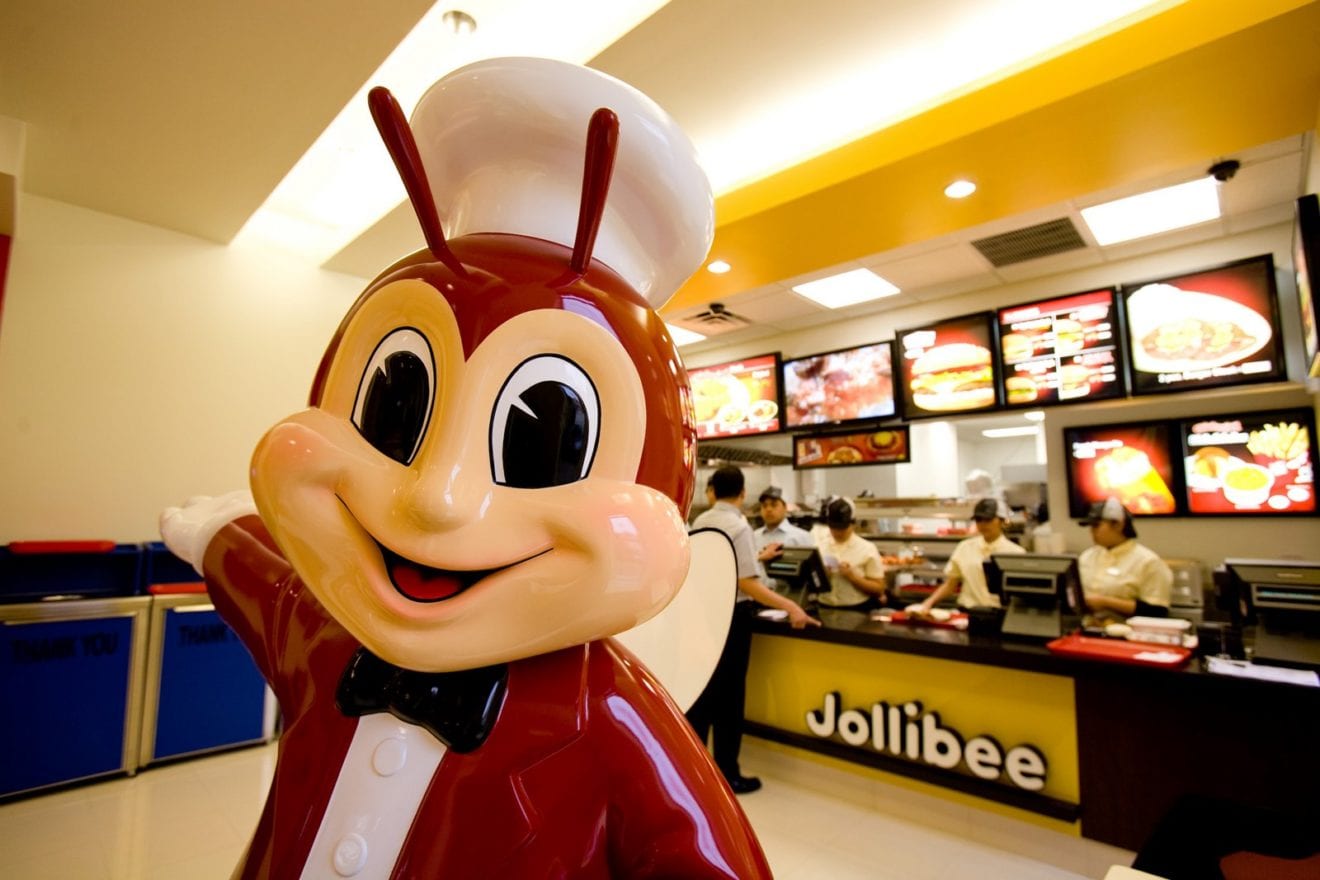
Jollibee sales grew 14.8 per cent year-on-year to P34.4 billion (US$737.7 million) in the first quarter of 2016, with help from election-related spending and low inflation.
The systemwide sales come from company-owned and franchised stores of Jollibee Foods Corp – the largest foodservice network in the Philippines.
Jollibee Vietnam sales almost doubled, leading Southeast Asia and the Middle East 32.2 per cent growth in the same period.
Jollibee China grew at a slower rate of 1.9 per cent as Yonghe King, JFC’s biggest brand in China faced pressure from recovering competing brands.
JFC attributes the strong same store sales growth to election-related consumer spending and low inflation rate in the country that averaged 1 per cent in the first quarter, which made consumer products more affordable with rising household income.
JFC says its sales were also boosted by continuous product improvement, new products, marketing campaigns and improved restaurant design.
Meanwhile, the foreign business reported a 10.5 per cent growth in systemwide sales for the quarter versus the same period a year ago. The US business grew by 17.4 per cent year-on-year.
As of March 31 2016, JFC was operating 2493 outlets in the country and 650 store abroad.
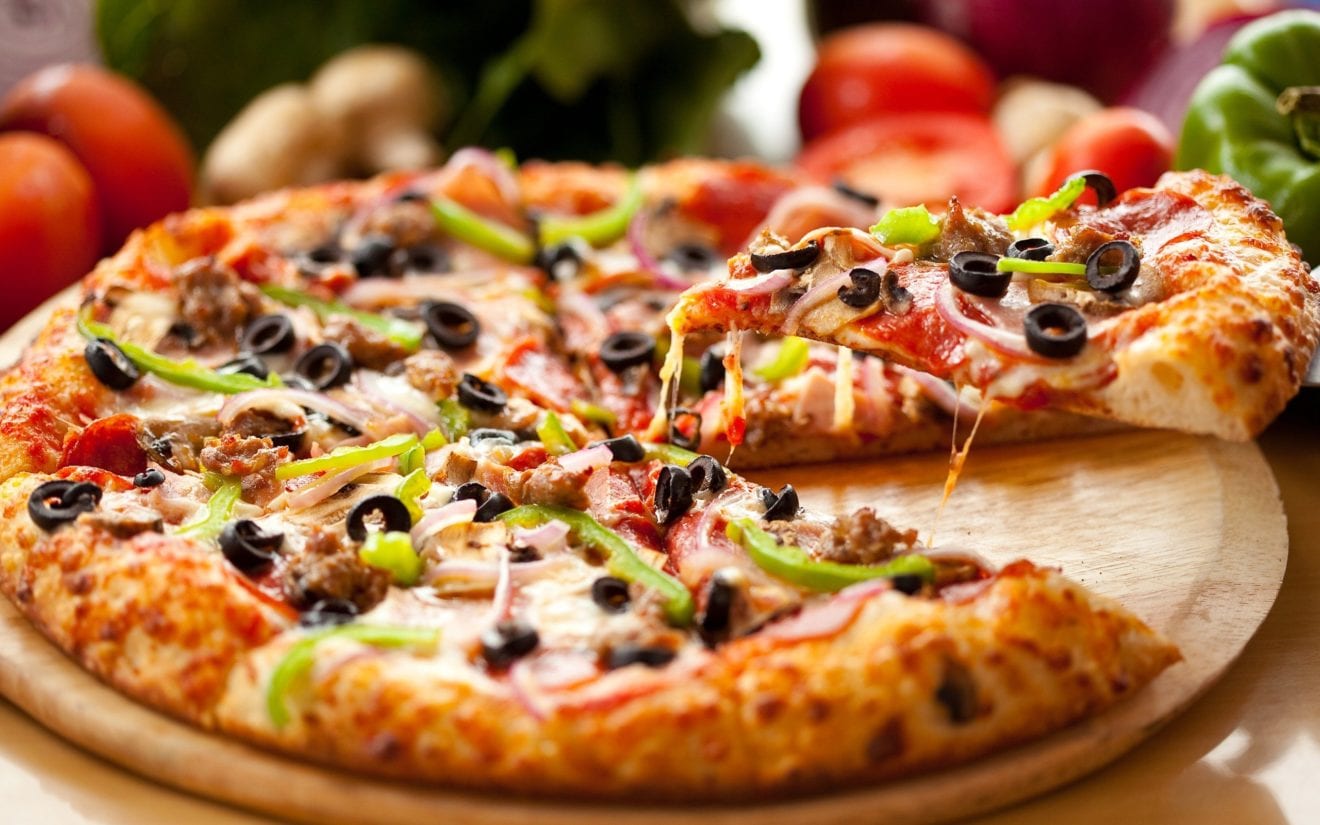
South Korean pizza brand Mr Pizza has opened its first store in Thailand, with plans to add four more outlets this year.
Its debut store is in the commercial and entertainment district of Ratchada Rd in Bangkok, in the first basement floor of the seven-storey The Street mall.
Mr Pizza owner MPK Group says this is the first foray out of Korea for the franchise, and a second store will open in The Promenade mall in Kannayao, Bangkok, in July.
“Thailand is one of the biggest markets in Southeast Asia, and food and beverage accounts for 40 per cent of the country’s $7 billion franchise industry,” says Son Dong-hee from MPK. “With the popularity of Korean pop culture, I am sure we will be successful in Thailand.”
To prepare for the Thailand franchise business, the Korean food company established a joint venture with Thailand food retailer Foodland Supermarket last year. Foodland Supermarket runs 18 retail stores and about 50 restaurants, including dim sum restaurant Tim Ho Wan and fusion-food restaurant Long Table.
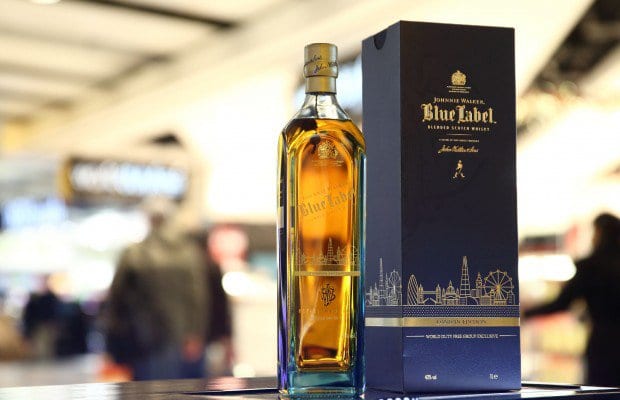
Johnnie Walker House Singapore joins the international network of by-invitation-only whisky lounges, the first in Southeast Asia.
It will offer connoisseurs the Diageo-owned brand’s range of rare and collectable Scotch whiskies.
Johnnie Walker Houses are stand-alone and airport boutiques dedicated to presenting the brand’s whiskies in a curated lifestyle setting. These include rare blended and single-malt Scotch whiskies from Diageo’s 28 operating and 11 closed malt distilleries.
Experts can provide guests with advice on whisky cellar curation, and offer direct access to blending rooms, distilleries and craftsmen.
The expansion complements a venture with Moet Hennessy Diageo (MHD) Singapore and Johnnie Walker’s distributor partner Singbev. MHD will continue to sell and distribute only Johnnie Walker core and standard portfolio products to trade channels, while SingBev will continue to sell and distribute only the single-malt portfolio.
“With whisky appreciation in Asia significant and growing, there is great opportunity for Diageo,” says Apurvi Sheth, the company’s MD for emerging Southeast Asia and joint ventures.
“In Asia, there is rapid growth of interest in rare whisky, not only as a collectible asset, but also for investing and gifting. As consumers become more discerning, they are also actively seeking out access and rare experiences.”
There are six Johnnie Walker Houses in Scotland, with others in such cities as Auckland, Beijing, Chengdu, Melbourne, Seoul and Shanghai, as well as retail units in Taoyuan International Airport, Taipei, and Mumbai International Airport.
Cooking is big in Korea. There are currently more than a dozen cooking shows on Korean television, featuring variety of cuisines, restaurants, and famous chefs, and Korean department stores are benefiting from this food-frenzy phenomenon.
Major department stores like Shinsegae are hosting well-known restaurant franchises at their outlets, attracting consumers who seek ‘good food’ to their doorsteps.
Shinsegae’s Yeongdeungpo branch opened a variety of new restaurants from April 25 to May 5, and saw its number of customers increase by 20,000 compared to the same period last year. Samsong Bakery from Daegu, Hop Chou Cream from Osaka and Itaewon’s Bistecca were among the newly opened establishments.
Shinsegae saw a total increase in sales of food products of 6 per cent, while the Yeongdeungpo branch showed an increase of 26 per cent. With more customer visits, the department store’s total sales also increased by 12.1 per cent, an impressive figure compared to Shinsegae’s total increase of 7 per cent.
Customers in their 20s and 30s made up the majority of visitors contributing to the store’s growth.
“The new restaurants helped attract more customers to our store. We’ll be hosting more restaurants and dessert cafes this coming June,” said Nak-hyeon Kim, chief manager of Shinsegae Yeongdeungpo.