Category: Food

Retail News Asia is committed to providing both local and global retailers with the latest Food and Food & Beverage news throughout the Asian market. This on a daily base.

  • One of the final hurdles for biggest beer deal almost cleared

    One of the final hurdles for biggest beer deal almost cleared

    Anheuser-Busch InBev’s $107bn acquisition of SABMiller is nearing Chinese approval after the companies agreed to divest the maker of Snow beer, the world’s top-selling brand, according to people familiar with the matter.

    Approvals for both transactions could come as soon as this month based on typical review timelines, clearing one of the final hurdles for the biggest beer deal in history.
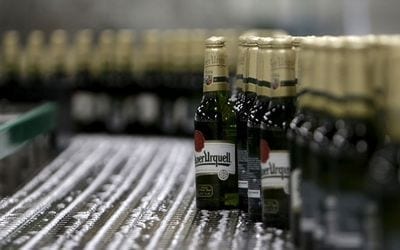
    DEBT BREWING: AB InBev agreed to buy SABMiller in October for about $110bn. Picture: REUTERS

    Though China’s Ministry of Commerce may attach some conditions to the deal, including the Snow divestiture, regulators see no major hurdles, said one of the people, asking not to be identified because the deliberations are private. Some local beermakers told the ministry that they don’t object to the takeover as it won’t have a big impact on the Chinese market, another person said.

    SABMiller shares closed up 3 pence to £43.06 in London, erasing an earlier decline. AB InBev shares fell less than 1% to €114.95 in Belgium.

    The merged company would redraw control of the global beer market. Following divestitures, the deal will keep Budweiser, Beck’s and Stella Artois under AB InBev’s roof, while ceding control of brands including Miller in the US and Peroni and Pilsner Urquell in Europe.

    In China, the companies agreed to sell SABMiller’s 49% stake in its joint venture with China Resources Beer, which controls Snow beer, back to its partner.

    Deals unravelled

    In clearing these global hurdles, the beer megadeal contrasts with other big proposed tie-ups that unravelled amid antitrust scrutiny, including Halliburton’s failed bid for Baker Hughes, Staples’s foiled merger with Office Depot and General Electric’s decision to abandon the sale of its appliance business to Electrolux. In the beer deal, the sides were aggressive in offering divestitures from the start — including the plan for SABMiller to sell Snow — which may have ultimately helped reduce regulatory resistance, antitrust lawyers have said.

    The US Justice Department may clear the tie-up as soon as this month, people familiar with the process have told Bloomberg News. SA has yet to bless the deal, which has hit some obstacles amid protests from local unions.

    AB InBev and SABMiller declined to comment. China Resources and the commerce ministry didn’t immediately respond to queries.

    The merger plan, which the two companies reached in November as a way to gain access to emerging markets, has already won antitrust approval in more than a dozen jurisdictions, including the European Union.

    In March, China Resources announced it would buy out SABMiller’s stake in their Chinese venture for $1.6-billion. That deal is also nearing approval from China’s commerce ministry, the people said.

    In the US, AB InBev has agreed to sell SABMiller’s stake in the MillerCoors joint venture. It may also have to agree to further conditions related to beer distribution, according to people familiar with the matter. Smaller brewers and wholesalers want officials to restrict AB InBev’s control and influence over how beer gets on to store shelves, according to the people.
     

  • FairPrice cuts prices on health grounds

    FairPrice cuts prices on health grounds

    Citing social concerns, Singapore grocer NTUC FairPrice cuts prices on wholegrain rice in a public commitment to aiding the fight against diabetes.

    The supermarket says a 5 per cent discount on all FairPrice housebrand wholegrain rice for the next three months will be matched by a similar reduction in the prices of all of its 1000+ Healthier Choice Symbol (HCS) certified items for a fortnight, across its 133 supermarkets islandwide.

    The measure is part of FairPrice’s healthy eating campaign, the start of a series of initiatives by the organisation this year to promote healthy eating and drive awareness on diabetes. Total savings from these discounts are expected to amount to more than S$500,000 for customers.

    NTUC FairPrice chairman Bobby Chin says the trade union owned grocer “serves to make lives better by offering greater value on healthier daily essentials”.

    “Rice is a commonly consumed staple in Singapore and by promoting wholegrain rice as a healthier alternative,we are taking a proactive approach in the prevention and management of chronic diseases like diabetes. Beyond rice, we also support the government’s call in advocating a holistic approach towards healthy eating by also providing quality and value for all our Healthier Choice Symbol products.”

    Diabetes is fast becoming a major focus of health initiatives globally with the 422 million diabetic adult population in the world expected to double in the next 20 years. Singapore has been found to have the second-highest diabetes prevalence among developed nations, after the US, with one out of nine Singaporeans affected by diabetes and one in three having a chance of getting diabetes in their lifetime.

    As an alternative to white rice, wholegrain rice has been shown to lower the risk of developing diabetes while containing more fibre, vitamins and minerals.

    “The 5 per cent discount for all FairPrice housebrand wholegrain rice serves to encourage customers to consume these healthier alternatives. The discount is applicable namely to FairPrice Thai Brown Unpolished Rice, FairPrice Thai Red Unpolished Rice and FairPrice Thai Rice Blend, which is a mix of white and brown rice,” the company said in a statement.

    Back in 2014, FairPrice began advocating consumption of brown rice through its annual Walk for Rice event by donating brown rice to low-income families. FairPrice has also seen the sale of housebrand brown rice increase by 25 per cent in the first quarter of this year compared to the year before.

    Zee Yoong Kang, CEO of the Singapore Health Promotion Board said it was pleasing to see the retailer taking active steps to raise the awareness of healthier choice options amongst consumers.

    “The market share of Healthier Choice Symbol products has been gaining market share with sales of Healthier Choice Symbol products growing at 9 per cent annually. This is a very encouraging sign that more and more Singaporeans are taking steps to select healthier options when grocery shopping. We encourage more F&B retailers to join in this effort so that together we can increase the pervasiveness of healthier options for Singaporeans.”

  • Shake Shack Korea is coming closer

    Shake Shack Korea is coming closer

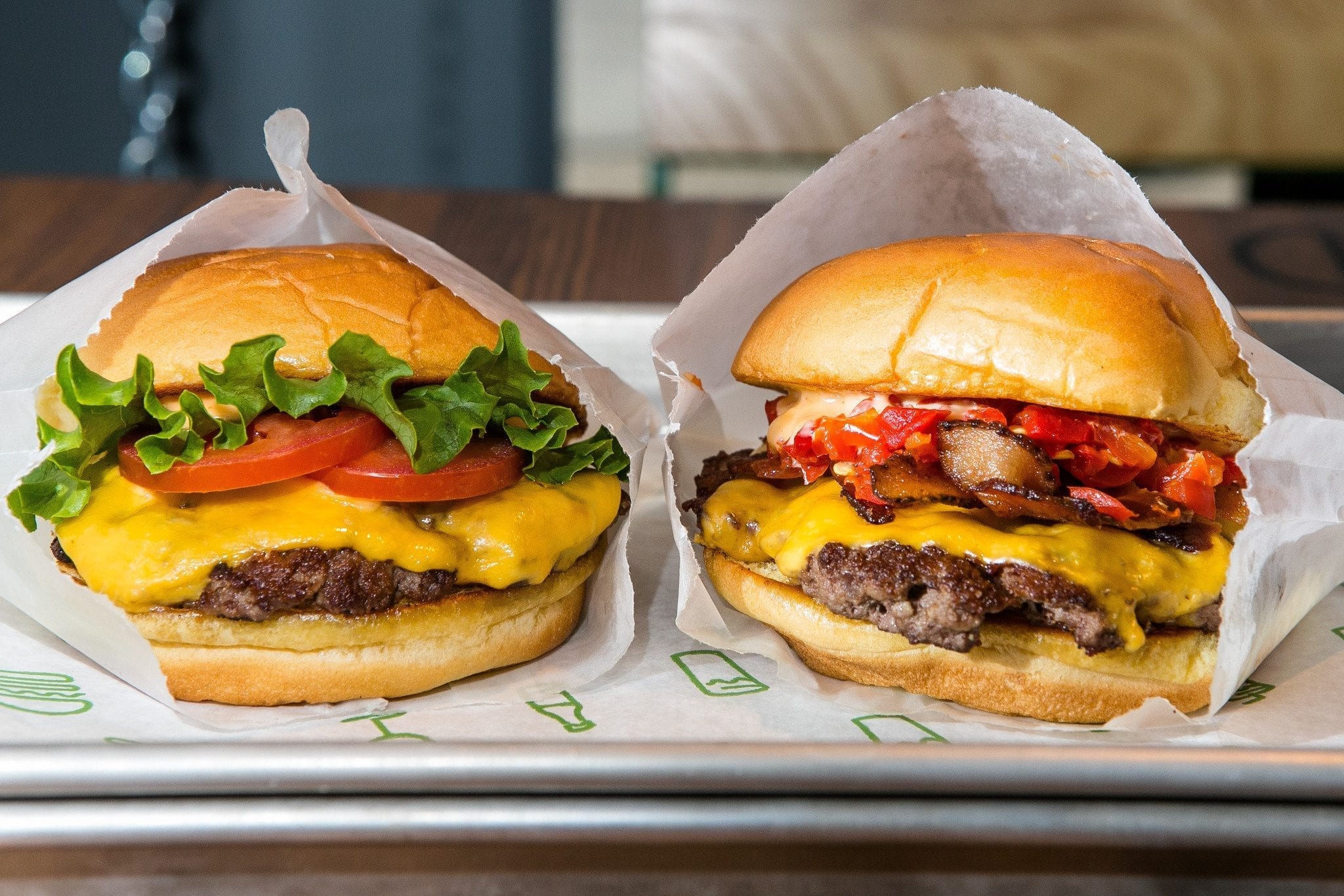
    New York burger chain Shake Shack is set to make its Korean debut as early as July.

    The Shake Shack Korea licence was secured by Korean food and confectionary giant SPC Group last year and the first outlet is currently under construction in the Gangnam district of Seoul.Shake Shack meal

    The company says the grand opening of the debut store is planned for some time in July or August.


    Shake Shack, an American fast casual restaurant. is best known for its burger and milkshake combo.

    SPC says construction of the first store is well under way. “Gangnam is one of the most vibrant and energetic areas of Seoul,” said a spokesman. “It’s the perfect place to reenact the dynamic atmosphere of Shake Shack’s flagship restaurant in Madison Square Park.”

    CH7_9911b-540x360.0.0

    Last year Shake Shack signed a licensing agreement with Japanese company Sazaby League, local operator of Starbucks. The two companies plan to open 10 Shake Shacks in Japan by 2020, with the first, in Tokyo, scheduled to open in 2016.

  • Los Angeles hotdog chain opens Pink’s Manila

    Los Angeles hotdog chain opens Pink’s Manila

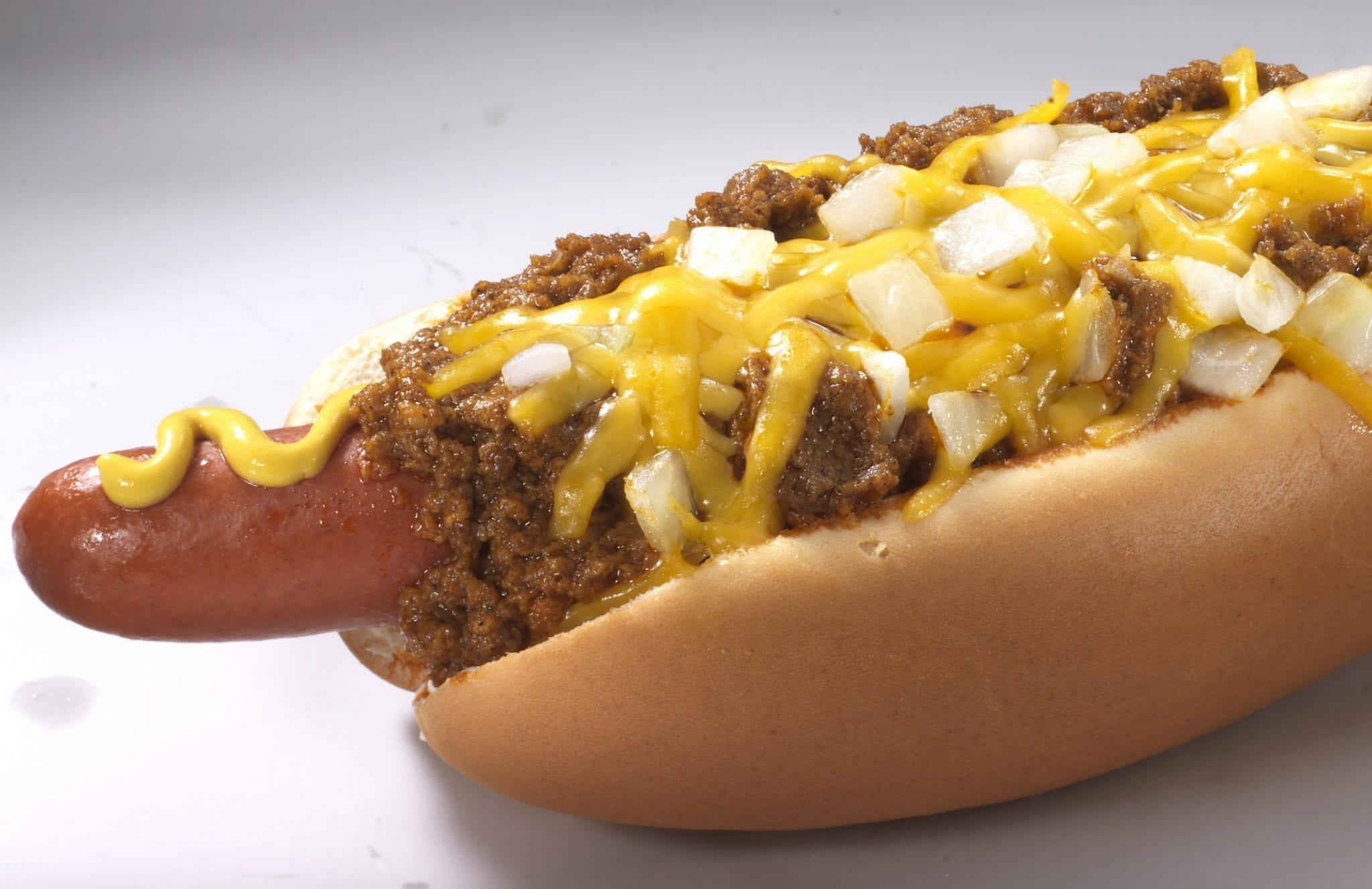
    Los Angeles’ Pink’s Hotdog chain opens in the Philippines today at the Shangri-la Fort in Bonifacio Global City.

    Pink’s Manila is the chain’s first international branch.The Hollywood legend established in 1939 has partnered with Pink’s family and Wildflour & Farmacy Manila to enter the Philippine market.

    Owners Richard and Gloria Pink are in Manila to attend the grand opening of Pink’s Manila at the ground floor of the newly opened hotel.

    Architect Lara Fernandez Barrios designed the “L.A. style biergarten” interiors based on Chef Walter Manzke’s concept for the Manila  branch.

    The new store features a converted Volkswagen Combi housing Farmacy’s ice cream shop and soda fountain stand, and soon, a bar that will be serving cocktails and mostly craft beers on draft.

    Tentative opening store hours will be from 11am to 2am, but are subject to change.

  • Lawson Japan eyes US for expansion

    Lawson Japan eyes US for expansion

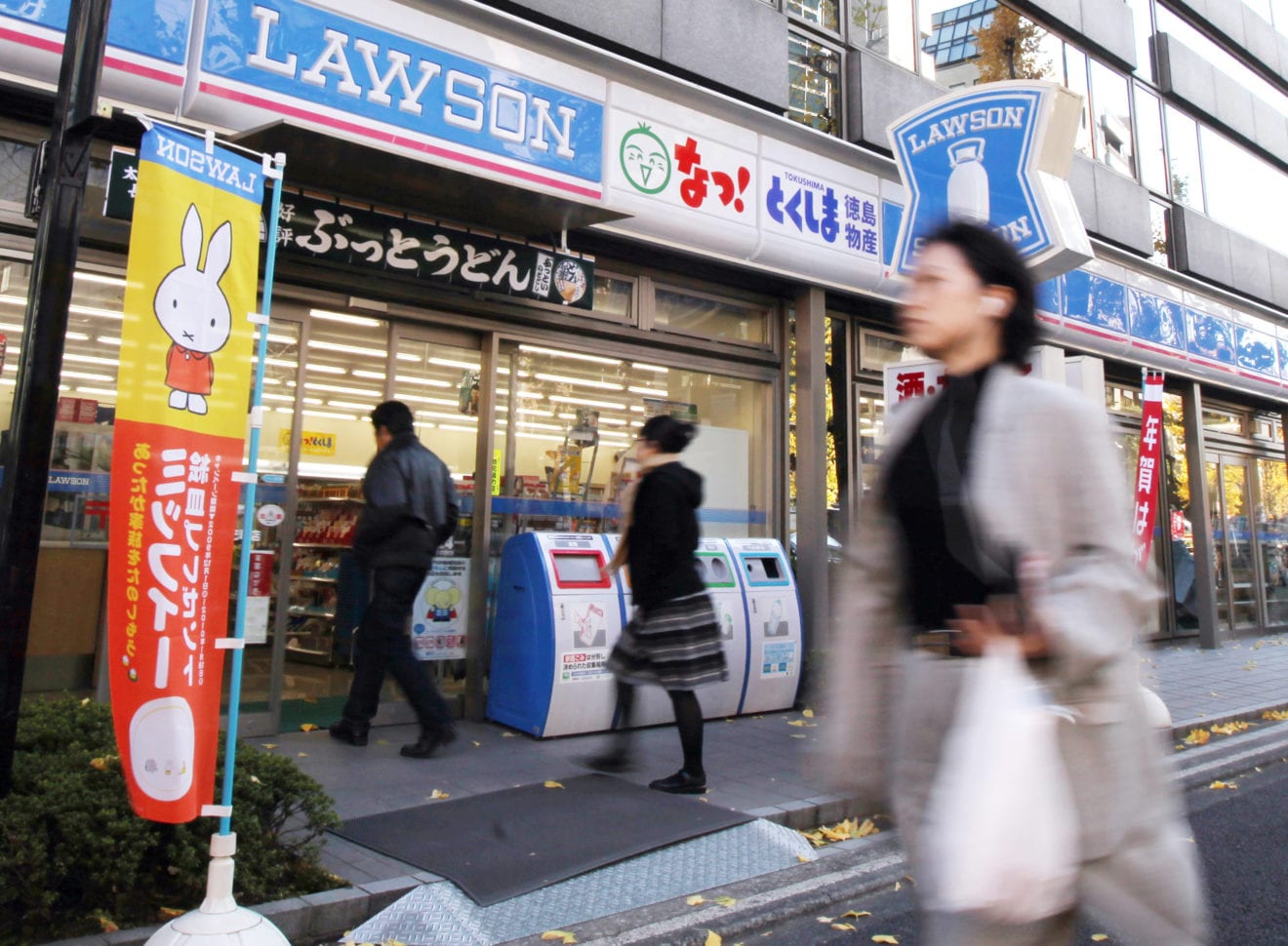
    Convenience store owner Lawson Japan is seeking to buy chains in the US with the aim of boosting its number of overseas outlets by about a quarter within a year.

    “In the US, where the market is mature, mergers and acquisitions are a simple and straightforward way for us to expand, which would also allow us to buy time to boost the number of shops,” says Sadanobu Takemasu, who became Lawson president and COO this week.

    He says the group will also focus on expanding in Southeast Asia.

    Lawson has about 12,500 stores in Japan and 793 outside the country, and is targeting a 26 per cent increase to 1000 overseas outlets by February.

    Lawson joins other chains such as Seven & I Holdings’ 7-Eleven and FamilyMart in seeking overseas expansion while competing to displace conventional grocery shops and restaurants domestically amid Japan’s economic malaise and falling population.

    Lawson has a 5.3 per cent market share of Japan’s grocery retail sales, second only to 7-Eleven’s 12.2 per cent share, according to data from Euromonitor International. The situation is the same in the fast-food market, with 7-Eleven holding a  33.8 per cent share followed by Lawson with 12.4 per cent.

    Prime Minister Shinzo Abe says he is postponing an increase in sales tax until October 2019 as the government seeks to avoid depressing private consumption.

    But Takemasu says any changes in sales tax timing would have had only a temporary impact on Lawson’s business.

    “In Japan, I want to focus resources on the existing businesses to strengthen them, so I’m not considering adding new businesses through mergers and acquisitions for now.”

    Trading conglomerate Mitsubishi Corporation, where Takemasu was an aide to the president before joining Lawson, is Lawson’s top shareholder with a 33 per cent stake.

    Lawson bought the Seijo Ishii supermarket group in 2014, and the United Cinema chain the same year.

    While Lawson has outlets in China, Indonesia and the Philippines, Seven & I has about 40,000 shops outside Japan while FamilyMart has about 6000.

  • Singapore home to unique online sake service

    Singapore home to unique online sake service

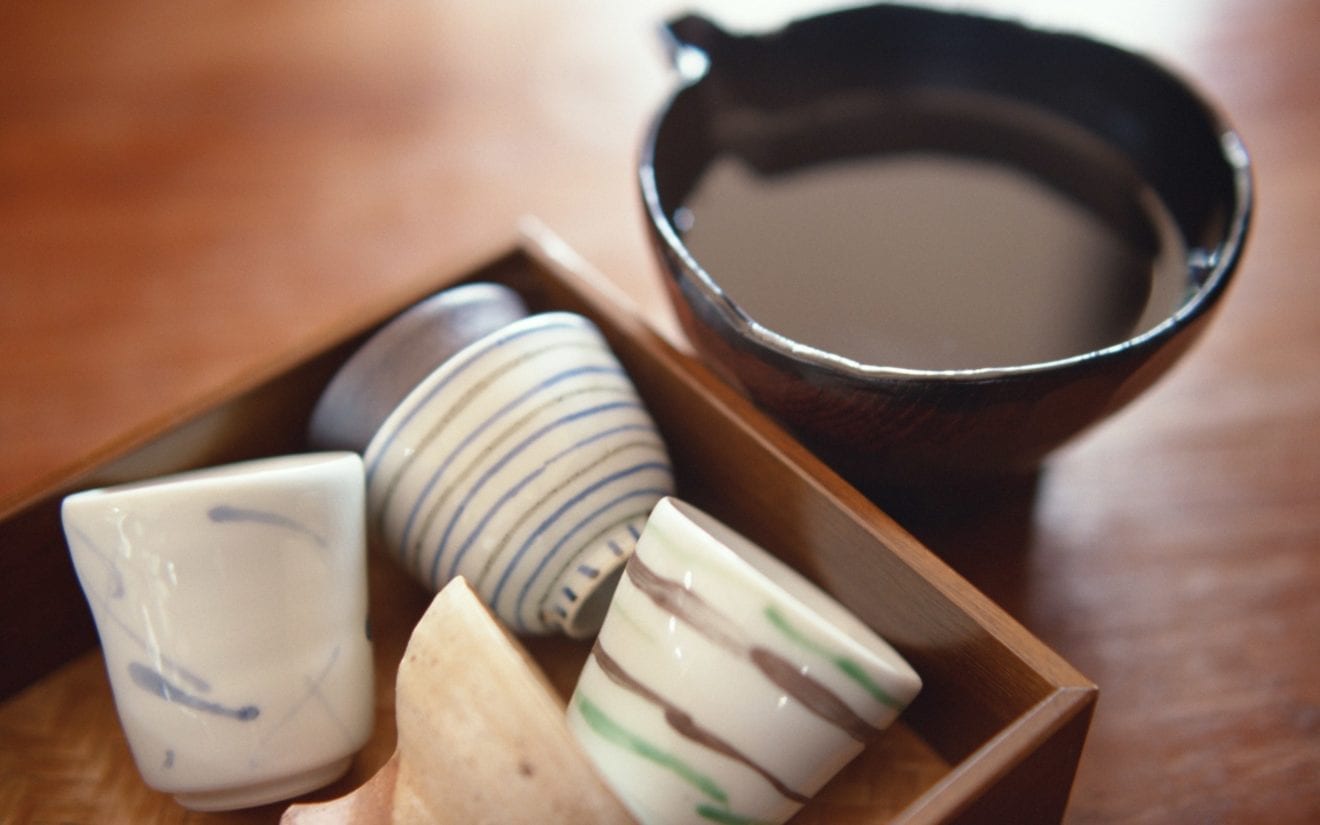
    Rare and seasonal editions stored in a snow cave for a year are being offered by a new online sake service in Singapore.

    Introduced by Sisi Limited, the Sakemaru service delivers premium sakes to customers every month. Subscriptions are priced from S$50 (US$37) a month, and to mark the launch a trial promotion is being offered at a 50 per cent discount for the first month.

    Benefits include special logistics and cold storage, product from specially selected breweries, and sake sommeliers.

    Leading the sommelier team is Japan International Trading CEO Tadashi Okushima, who first became a sake sommelier in 2007. He is a certified teacher of sake traditions, and in 2014 was appointed Japan’s first honourable sake sommelier.

    Sisi CEO Taichi Abe, who is also a sommelier, says sake has seasons. Breweries produce rare limited editions of sake every season. Unpasteurised and unfiltered, the limited-edition sakes have a taste that is totally different from the general line-up.

    Winter is the brewing season, and fresh sake nouveau is similar to a sparkling wine. Through spring and summer the sake matures, its taste becoming soft and smooth.

    By autumn, after nine months of maturing, sake becomes mild and rich.

    Sakemaru stores its rare sake in a specially designed room made entirely from snow. The snow cellar is an ancient Japanese way to keep food fresh. The advantage of storing the sake under snow is that there is no vibration from electricity, it is dark with high humidity.

    Japan has about 1500 sake breweries, each producing dozens of labels.

    Founded a year ago, Sisi is a platform for introducing Japanese culture worldwide. Its services include trading, promotion, branding and business localisation.

  • Two more Jollibee Singapore stores open

    Two more Jollibee Singapore stores open

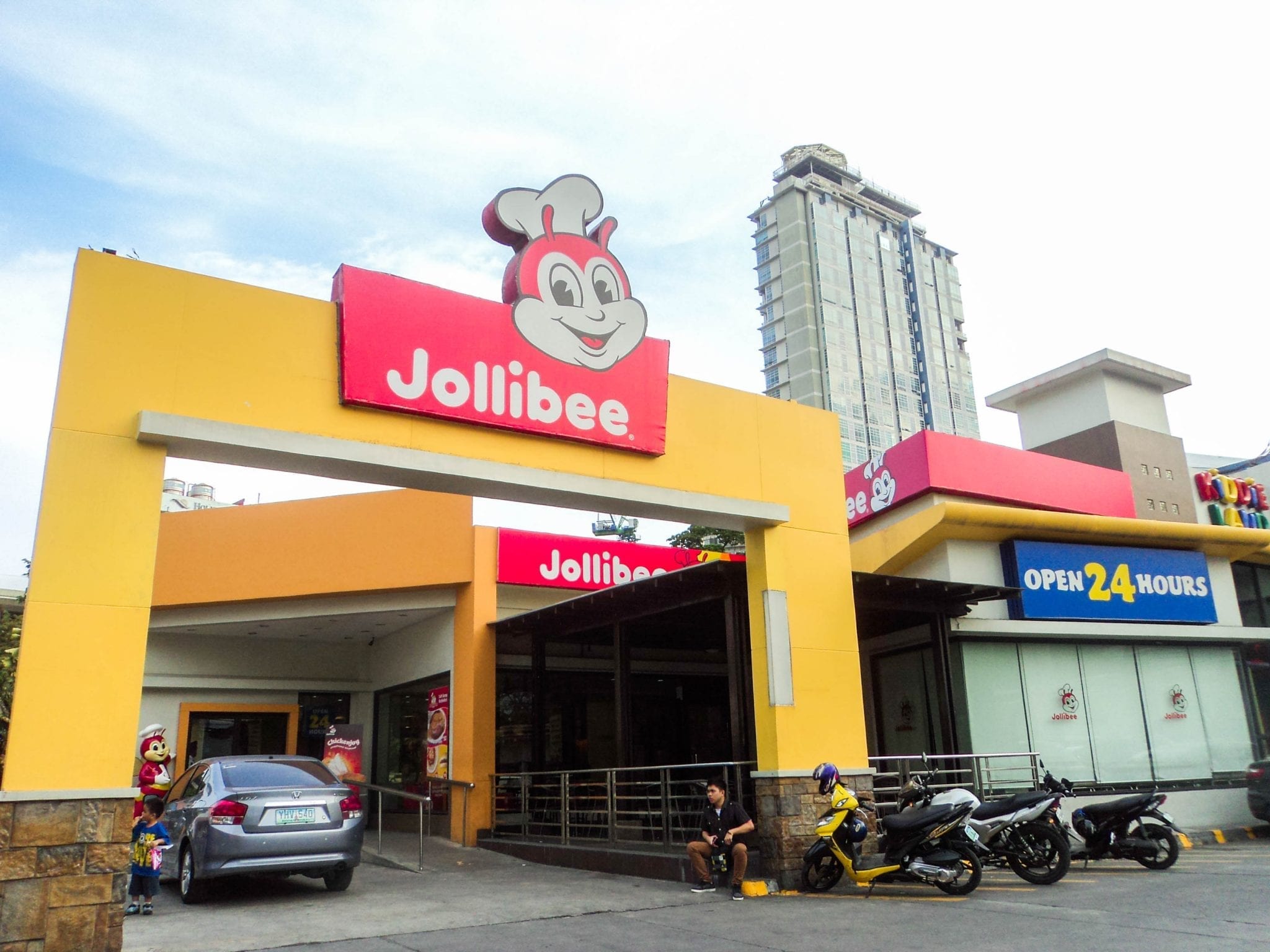
    Jollibee Foods Corp has opened two more outlets in Singapore, driven by Filipinos’ demand for the popular Philippine fast food chain.

    The new stores of Jollibee Singapore are located at Square 2 Novena and Changi City Point, complementing the first one in Lucky Plaza.

    Aside from the usual fare, the new stores’ menu includes Spicy Chickenjoy, Crispy Chicken Burger and Chicken Tenders, to provide more options for Singaporeans.

    “We are delighted to further extend our presence in Singapore to further bring the joy of eating to more families. This is also in response to the growing demand of Singaporean residents who love our Chickenjoy and our Jolly Spaghetti,” said Dennis Flores, Jollibee Foods Corp VP for International Markets.

    “Our unique style of preparing our bestselling Chickenjoy was very well-received; crunchy and juicy fried chicken enjoyed with tasty gravy is a hit with local palates.”

    Jollibee has hit a milestone when it opened its 1000th global store at The Dubai Mall. The company now sets its sights on high-expansion growth in the US, Middle East, Europe, Australia and Southeast Asia.

  • Starbucks, Tata extend partnership beyond India

    Starbucks has more than 2,000 cafes in China alone and is opening about 500 new stores a year in the country. John Culver, president of Starbucks’/

  • Pop-up restaurants add diversity to Bangkok’s retail market

    Pop-up restaurants add diversity to Bangkok’s retail market

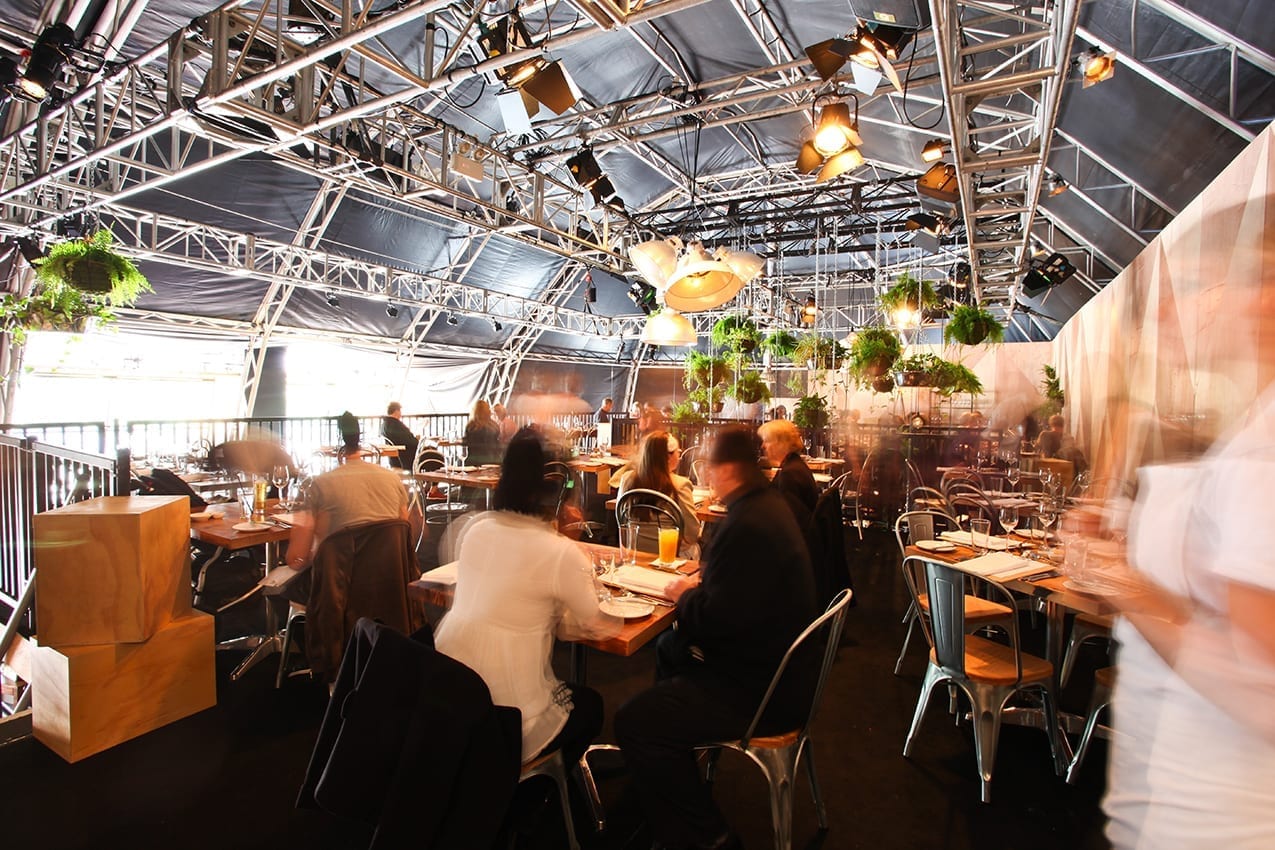
    POP-UP restaurants are a growing trend in Bangkok shopping malls and in suburban main streets.

    These are temporary restaurants that can operate from any location where there are customers and that is safe for cooking and serving food.

    While beer gardens operating during the cool season are probably the pop-up format that Thais are most familiar with, pop-up kitchens and food trucks are gaining popularity in Bangkok.

    The Mall Group recently introduced pop-up kitchens around its supermarkets. Patrons can buy fresh produce and ask for it to be cooked at these kitchens.

    Although seating is limited, the food fad has caught on and it is not surprising to find queues forming at these new eateries.

    Another trend that is transforming the street-food culture in Bangkok is the mobile food truck. Summer Street, which serves grilled seafood, and Daniel Thaiger’s burger truck are names that have gained a following.

    Potential patrons keep track of opening hours and the location of these trucks on social-media platforms – an indication that the digital age has fundamentally changed the way people dine and socialise.

    Pop-up restaurants can range from the simple to the ultra-high-end, but one thing they all have in common is the element of exclusivity.

    Because of their temporary nature, pop-ups intrinsically create a “moment in time” that cannot be replicated; this also ties in neatly with the experience trend and craving for new and exciting concepts.

    These food and beverage developments have given some of Thailand’s malls and retail streets a revival, adding diversity and vitality to the shopping experience and keeping people in the malls longer.

    The mobility of these pop-ups and food trucks means that empty spaces can be easily converted into food halls or markets, helping to breathe new life into sometimes derelict but architecturally exciting space, such as former factories, warehouses, office buildings and marketplaces that are in good locations.

    In Bangkok, mall operators have used car-park spaces to host food and culture festivals. Boosted by rising income levels and an insatiable demand for fresh culinary experiences, these food halls have become very popular.

    These pop-up restaurants because of their mobility and flexibility will continue to help mall operators pull in retail crowds even as they undergo renovations.

  • Carrefour China beefs up distribution

    Carrefour China beefs up distribution

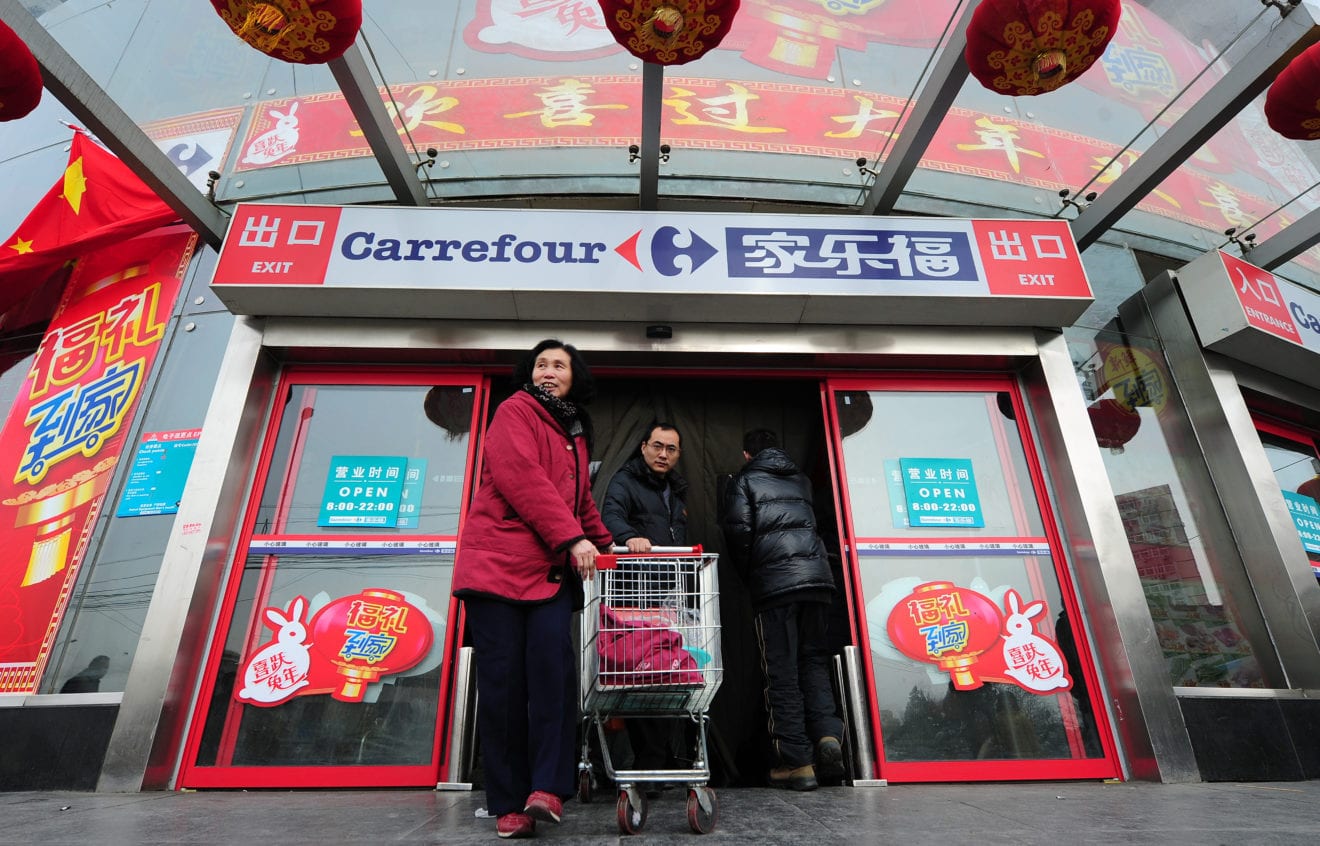
    Carrefour China has opened a new distribution center is in Hongmei Town, Dongguan, Guangdong province.

    It says the centre will play an important role in the supply chain of Carrefour China in South China area, by forming a logistics network covering the Pearl River Delta as well as Fujian and Hainan province, which can increase the logistics efficiency and support stores.

    Carrefour is focused on long-term development in China. Since a new development strategy was implemented in March 2015, Carrefour has  gradually introduced new formats and initiatives, such as an O2O business, convenience stores and opening hypermarkets in new cities. It says strengthening the supply chain network is the key to implementing the new strategy.

    The Carrefour China Logistics Center will provide full support to the 30 stores in Guangdong, Hainan and Fujian province.

    During the last two years, Carrefour China has established four distribution centers in eastern, western, northern and central China.

  • Krispy Kreme Cambodia opens first outlet

    Krispy Kreme Cambodia opens first outlet

    Krispy Kreme Cambodia has opened its first shop, in Phnom Penh.

    This makes Cambodia the 27th country to have a Krispy Kreme Doughnuts outlet.

    It will offer the brand’s classic treats and coffee, says senior VP and international president Dan Beem. “The strong fan support for the brand is exciting, and we believe that support will continue to grow as we open more shops in the country over the next several years.”

    Krispy Kreme Cambodia

    Krispy Kreme Doughnuts has signed a franchise agreement with Express Food Group to open 10 shops throughout Cambodia over five years.

    Krispykreme cambodia

    More than 1000 people visited the Phnom Penh shop on its grand opening day. The first guest in line received a voucher for a free dozen of Original Glazed doughnuts each week for a year.

    Krispy Kreme Doughnuts has its headquarters in Winston-Salem, North Carolina, where it was founded in 1937. The company has more than 1000 retail shops internationally.

  • Thousands of visitors sample Indonesian coffee in Amsterdam

    Thousands of visitors sample Indonesian coffee in Amsterdam

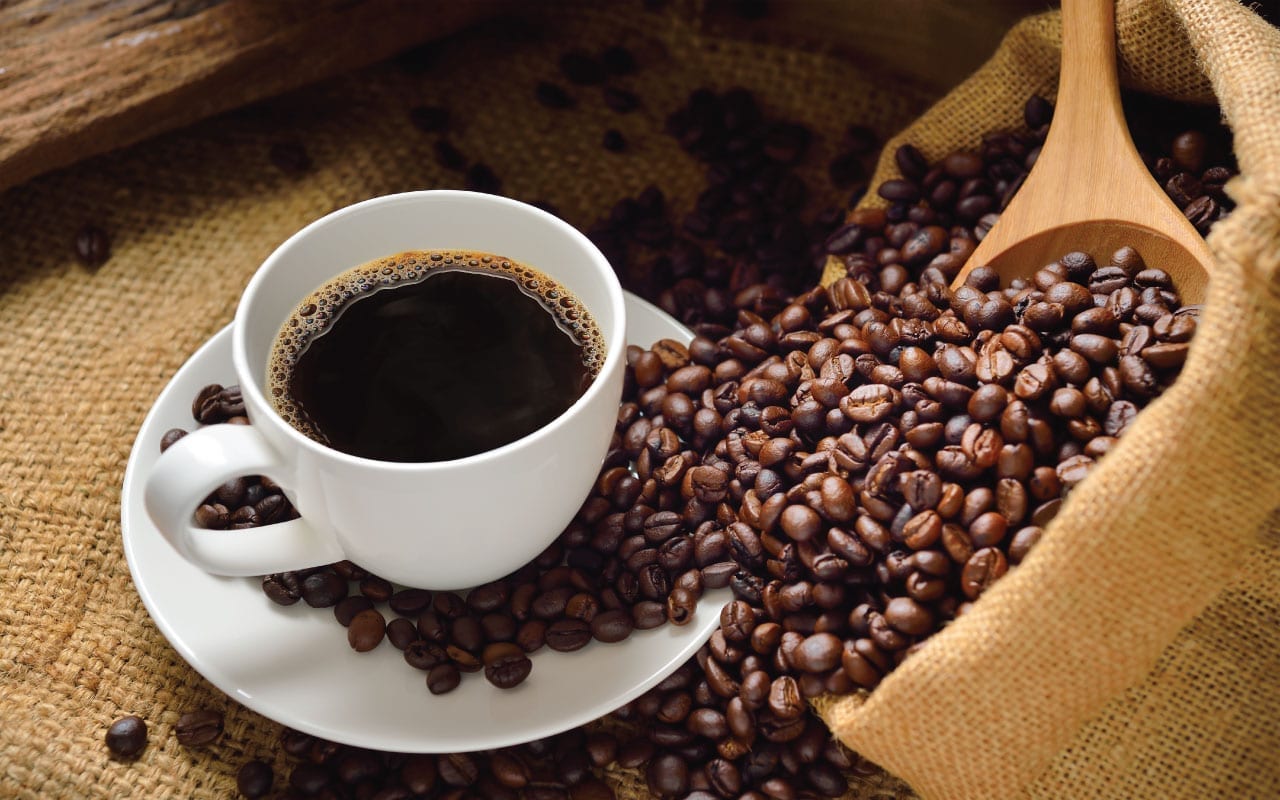
    Visitors at the “Taste of Amsterdam” annual culinary promotion event in Amsterdam, the Netherlands, sampled Indonesian coffee, noted a press release from the Indonesian Embassy in The Hague, the Netherlands, received by ANTARA News here, Tuesday.

    At the annual event, some 5,314 people were able to sample coffee in a booth themed “Indonesia Coffee House.”

    Indonesian Ambassador to the Netherlands I Gusti Agung Wesaka Puja stated that the Taste of Amsterdam was an event for Indonesia to conduct culinary diplomacy.

    “This year is the third time the Embassy in The Hague has participated in the event. In 2016, we are promoting Indonesian coffee,” he noted.

    Coffee has become a part of the history of relations between Indonesia and the Netherlands as it was the Dutch traders who had brought coffee seeds to Indonesia in the 17th century.

    According to the ambassador, coffee is one of Indonesias leading export commodities. Indonesia is the fourth-largest coffee producer in the world. In 2015, Indonesia had produced 550 thousand tons of coffee beans.

    Until the end of the event, 7,001 people had visited the Indonesia Coffee House and enjoyed coffee and Indonesian culinary delicacies.

    Among those visiting the booth, 5,314 people sampled Aceh Gayo and Malabar Natural coffees, which were served free of charge.

    Harry Puts, a visitor, praised the taste of Indonesian coffee. He suggested that Indonesian coffee should be made without blending it with coffee from other regions.

    Some cafe businesses and food importers have contacted the Indonesian Embassy in The Hague and have expressed their keeness to start selling Indonesian coffee in the Netherlands.

    As many as 125 renowned restaurants and cafes from all over the Netherlands took part in the Taste of Amsterdam event in 2016. Every year, the event receives over 30 thousand visitors, with each spending at least 50 Euros to enjoy food and beverages at the event.

  • Indonesia introduces halal products in Moscow

    Indonesia introduces halal products in Moscow

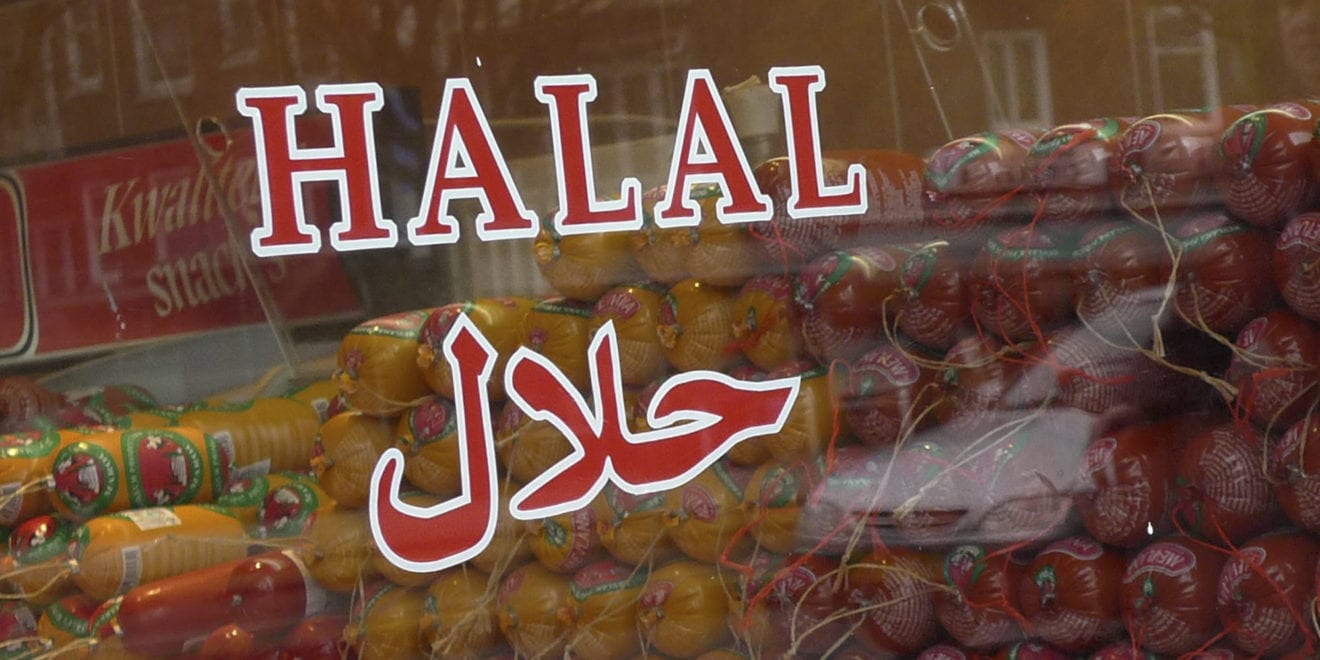
    Indonesia introduced its range of halal products at the Moscow Halal Expo on June 2 to 5, 2016, noted a press statement from the Indonesian Embassy in Moscow, Russia.

    Indonesian halal products showcased at the expo included instant noodles, peanuts, chips, red ginger instant drink, batik, accessories, Muslim fashion, and leather bags.

    “As the largest Muslim-majority country in the world, Indonesia welcomes the trading exhibition on halal products, which is organized annually in Moscow,” Indonesian Ambassador to Russia, concurrently Belarus, M. Wahid Supriyadi stated.

    According to the ambassador, Russia, with a population of some 25 million Muslims, is a potential market for Indonesias halal products.

    Indonesia has been participating in the exhibition since 2010.

    This year, Indonesia is keen on expanding its network base and exploring cooperation with halal product industries in Russia and other countries.

    The Moscow Halal Expo is an important forum for Indonesia to introduce its halal products to Russia and the international market.

    A total of 50 companies from 10 countries, including Uzbekistan, Kazakhstan, the United Arab Emirates, Tunisia, Malaysia, Greece, Japan, and Indonesia, took part in the event.

  • Indonesian halal products sold out at Moscow Halal Expo

    Indonesian halal products sold out at Moscow Halal Expo

    Indonesian foods, including instant noodles, peanuts, and chips, as well as traditional beverages such as red ginger drink, sold out at the Moscow Halal Expo held at the Sokolniki Exhibition and Convention Centre, Moscow, June 2 to 5, 2016.

    The expo was officially opened by representatives of the Russian Federations Mufti Council, as organizers of the expo, the Indonesian embassy in Moscow told here on Tuesday.

    Indonesian Ambassador to Russia and Belarus Wahid Supriyadi was also present during the opening ceremony.

    Other products offered at Indonesias stand included batik dresses, batik scarfs, hijabs, accessories, and leather bags.

    Indonesia also sold “tempe” (soybean cake), fried noodles, spring rolls, “rempeyek (peanut brittle), and fried dried potatoes.

    “Russia, having a Muslim population of 25 million, is a potential market for Indonesias halal products,” Ambassador Wahid noted.

    Indonesia, whose products meet international halal standard, has participated in the annual Moscow Halal Food Expo since 2010.

    The expo included representatives from 50 companies and 10 countries, including Malaysia, Japan, the United Arab Emirates, Uzbekistan, Khazakistan, Tunisia and Greece.

    In May, the Indonesian Embassy in Washington D.C. promoted the countrys foods and beverages at the “Passport DC 2016” event, which sought to promote Indonesian products in the U.S. capital, Washington DC.

    “At least 5,400 people visited the Indonesian booth. They had a very positive response, especially for our coffee products and snacks,” Trade Attache of the Indonesian embassy in Washington D.C., Reza Pahlevi, said in a press release in May.

    The strategy used for promoting Indonesian products at the expo included giving away free samples, Reza said.

    In addition, the embassy promoted fashion, accessories, batik cloth, handicrafts and home decorations from Indonesia.

    Reza further said he is seeking major super markets in the United States that could help sell Indonesian foods and beverages.

  • Caffe Bene Korea losses soar

    Caffe Bene Korea losses soar

    Beancounting has taken a turn for the worse for Caffe Bene Korea, which has just reported a net loss of US$30 million.

    The coffee shop chain’s turnover was $97 million, according to a corrected annual report filed with South Korea’s Financial Supervisory Service. This was down from $122.5 million the previous financial year, when the net loss was $7.1 million.

    It has been three years since the company turned a profit.

    The chain – which specialises in iced desserts as well as hot and cold coffees – has culled its Mainland China network from 600 stores back to 400 during the last two years. It has apparently failed to find a partner with which to enter the Hong Kong market.

    For the quarter ending March 31, Caffe Bene had $15.6 million in sales, down from $23.7 million for the same period last year.

    According to the company’s latest count in April, its Korean outlets have fallen to 850, from a 912 peak two years ago. It is competing against about 30 coffee chains in Korea.

    “Too many menu items brought considerable operational burden to each outlet store,” says deputy-GM for Korea Jong Wook Kim. “To resolve this issue, Caffe Bene is reducing the number of items and focusing on what customers prefer most.”

    Founder Kim Sun-Kwon’s stake in Caffe Bene has dwindled from nearly 50 per cent to 4 per cent, and last year he stepped down as CEO in favour of Choi Seung-Woo, a former chief of Woongjin Food. In March, Kim was out as president.

    Meanwhile, Korean investment firm K3 Equity Partners converted enough preferred shares to take a 52 per cent stake in Caffe Bene, and in March, Hallyu Ventures – a joint venture between Singapore’s Food Empire and Indonesian conglomerate Salim Group – paid $13 million for an initial 38 per cent interest.

    Units worldwide, including a claimed presence in seven Southeast Asian markets, including the Philippines where it operates five stores after landing in 2008, and in Vietnam, stand at 1364, down from 1560 two years ago.

    Caffe Bene has also had a roasting in the US, where it has been the subject of several lawsuits by franchisees.