Category: Food

Retail News Asia is committed to providing both local and global retailers with the latest Food and Food & Beverage news throughout the Asian market. This on a daily base.

  • UberEats Singapore hits the road

    UberEats Singapore hits the road

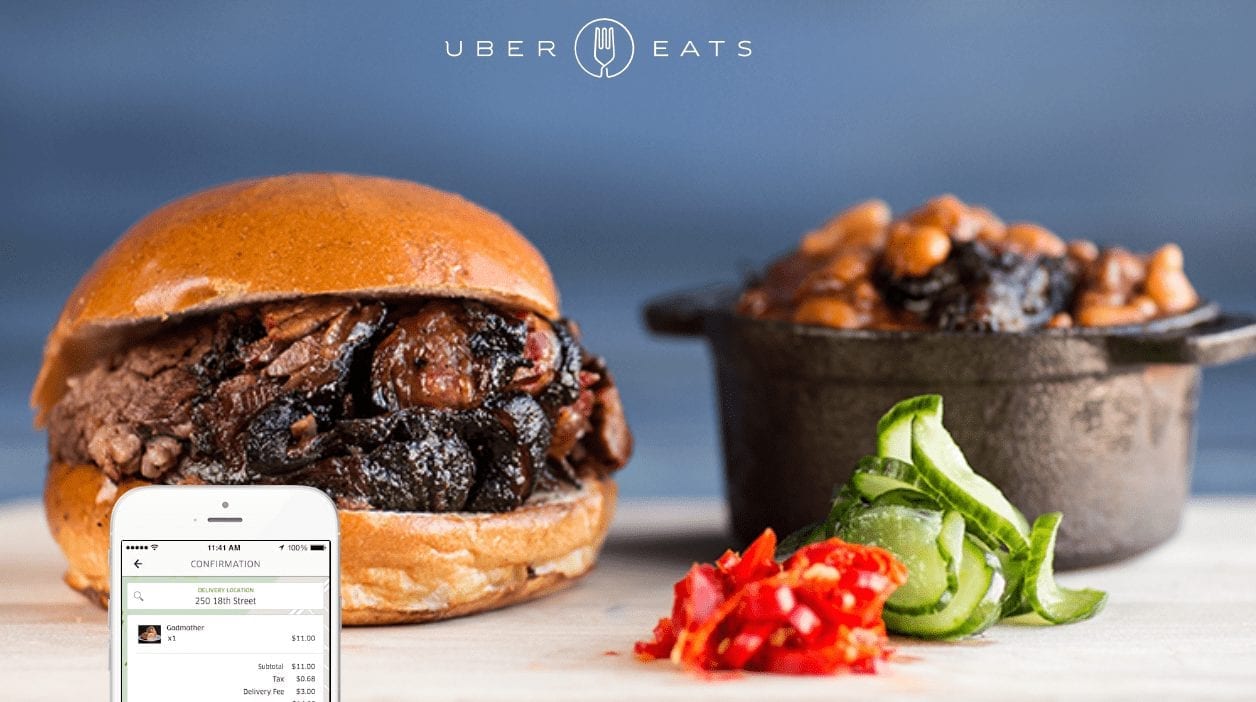
    UberEats Singapore has launched, the ride-hailing app’s food-delivery service making its Asian debut.

    Using the standalone app, Singaporeans can order food from about 100 restaurants. While deliveries are initially limited to the central business and commercial area, the company plans to expand its service coverage as well as menu.

    Making its debut in Toronto early this year, the app expanded to four major US cities in March, and Uber began signing up restaurants and testing the service in Singapore last month.

    Singapore was also the first Asian market to have Uber’s ride service, in February 2013.

    UberEats is up against entrenched food-delivery services such as Rocket Internet-backed FoodPanda and Deliveroo, whose investors include Accel and DST Global. Using the map-routing algorithms Uber uses to connect drivers and passengers as quickly as possible, UberEats Singapore promises delivery within 35 minutes.

    It has raised US$9 billion in funding so far, and the delivery driver program is separate from ride-sharing, though drivers can do both.

  • Starbucks Roastery going international

    Starbucks Roastery going international

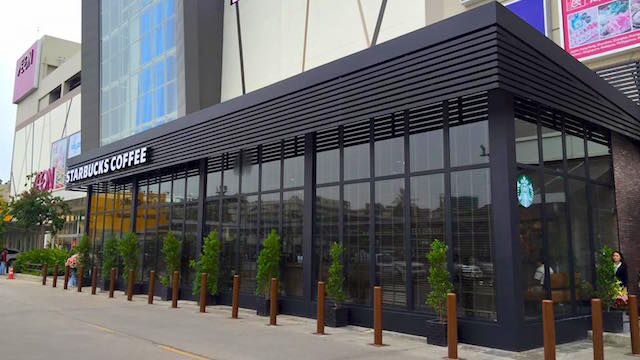
    Starbucks Coffee Company is to launch its first international Starbucks Roastery and Reserve Tasting Room in China next year.

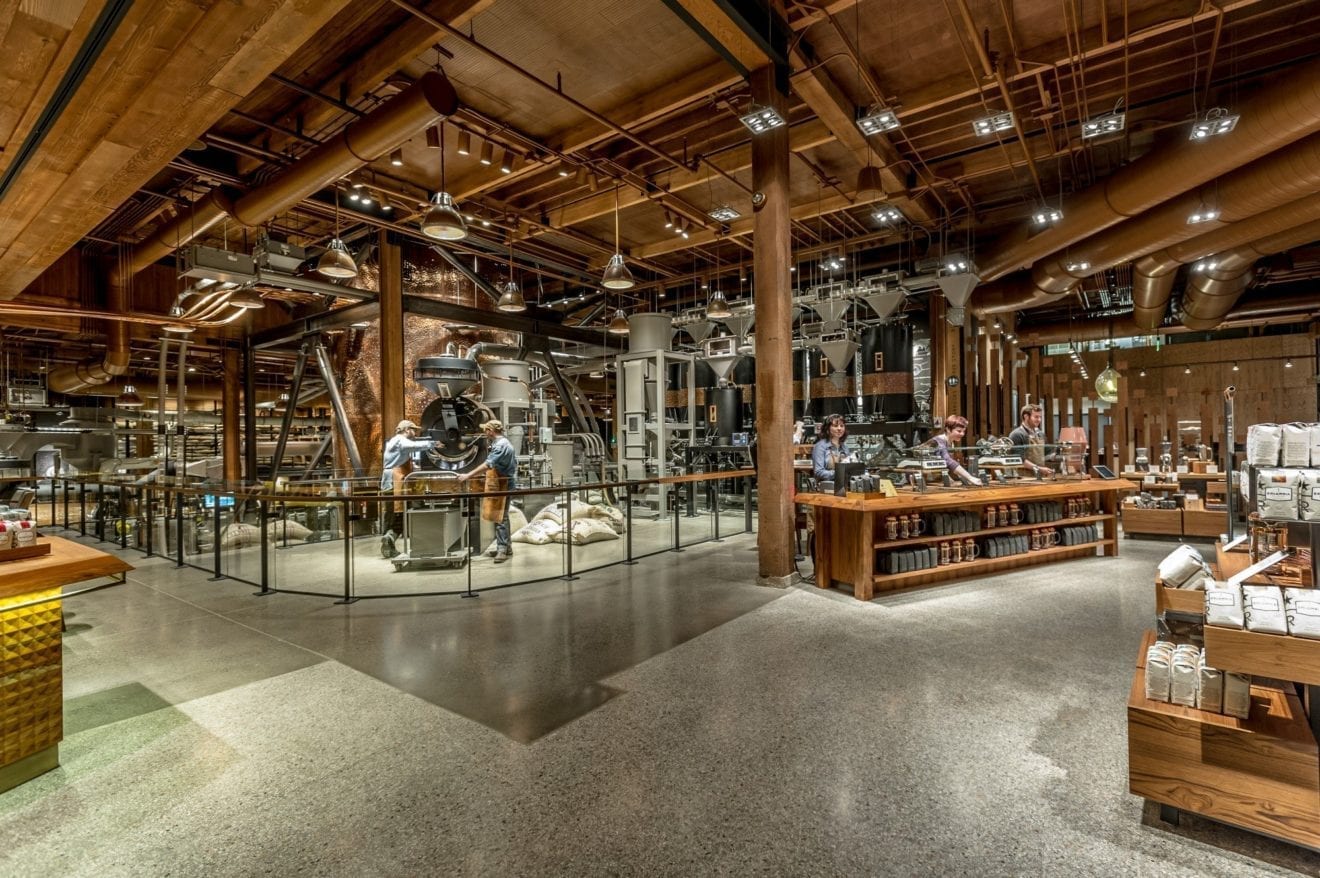
    It will be along Shanghai’s Nanjing Rd West as part of the HKRI Taikoo Hui project, a premium retail, office and hotel precinct, and draws its inspiration from the first roastery that opened in the company’s hometown of Seattle, Washington, in December 2014. There will be a similar immersive, all-sensory experience, offering customers an understanding of the craft of roasting and brewing Starbucks coffees, including the limited-edition Starbucks Reserve coffees.

    Starbucks Roastery photographed on March 10, 2016. (Joshua Trujillo, Starbucks)

    Starbucks_Reserve_Roastery_(2)

    “As our first international roastery, we will take even bolder steps to make the Shanghai location our most stunning store, while relevant to the Chinese customer,” says Starbucks chairman/CEO Howard Schultz.

    Starbucks Roastery photographed on March 10, 2016. (Joshua Trujillo, Starbucks)

    Starbucks Roastery photographed on March 10, 2016. (Joshua Trujillo, Starbucks)

    Starbucks Roastery photographed on March 10, 2016. (Joshua Trujillo, Starbucks)

    China is the company’s largest international market with more than 2100 stores across 102 cities, including 55 Starbucks Reserve stores. Only at the roastery will customers be able to watch freshly roasted beans arrive, connect with coffee specialists and master roasters and sample small-lot coffees brewed in different styles. There will also be a beverage and food menu.

    Starbucks_Reserve_Roastery

    The HKRI Taikoo Hui complex is a pioneering project combining sustainability and quality, being developed by HKR International and Swire Properties. The roastery retail experience will be in a standalone semi-circle building facing Nanjing Road, known as China’s top commercial street.

    “The new Jing’an is focused on developing high-end commercial sectors,” says Shanghai Jing’an mayor Lu Xiaodong. “We aim to establish new developmental goals for a modern cosmopolitan city, and encourage new retail innovations within our district. The government fully supports this pioneering retail experience and initiative from Starbucks.”

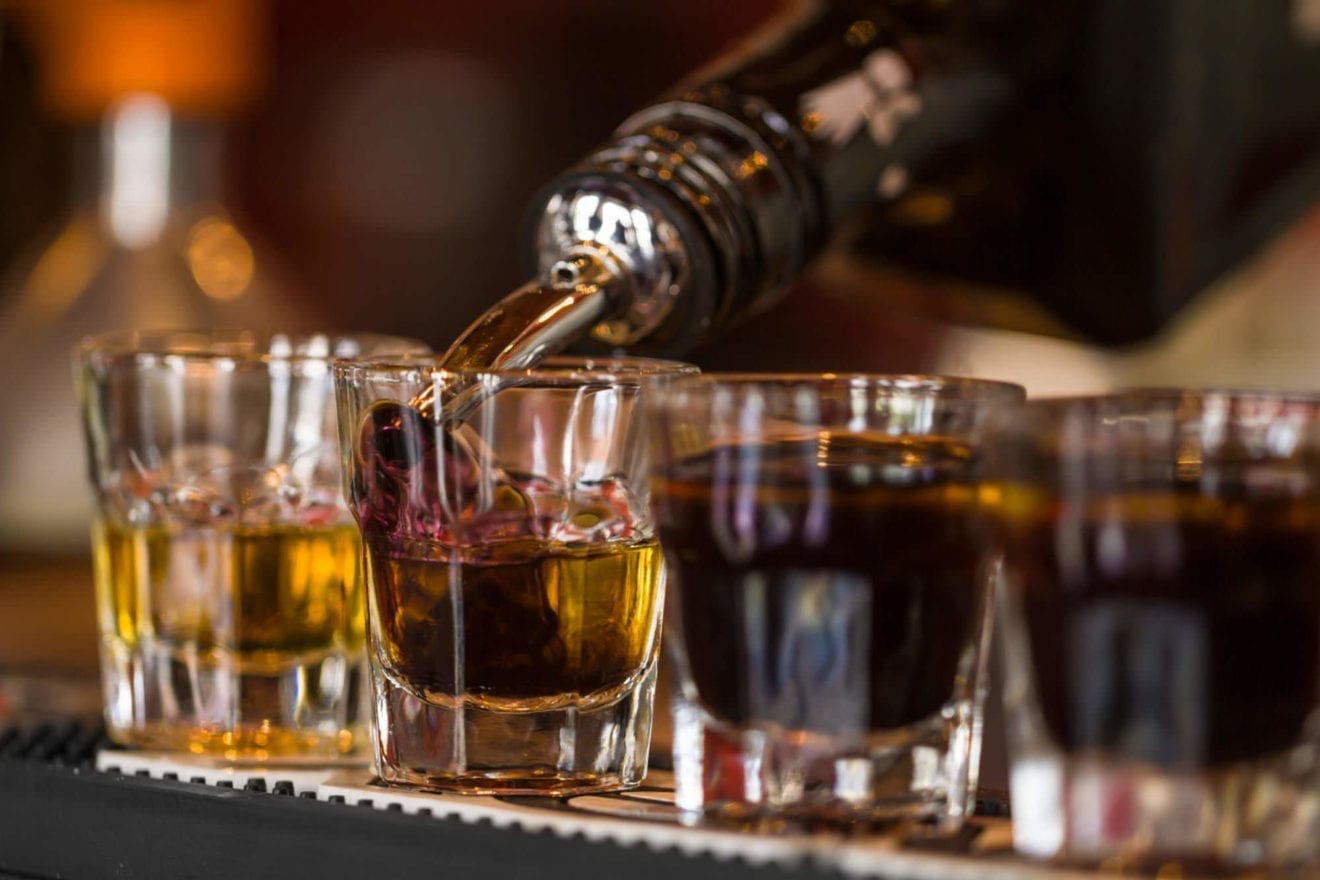
  • Givinity launches Raspberry Gin Liqueur

    Givinity launches Raspberry Gin Liqueur

    Pre-orders are currently being taken for next month’s batch, which the brand is also anticipating to “sell out”.

    Givinity Raspberry Gin Liqueur is produced using the base product of Givinity London Dry Gin, which is macerated with three varieties of English raspberries at an elevated temperature under vacuum.

    The flavour of the liqueur is described as having soft sugar, fruit acidity and the “perfect raspberry bouquet”.

    It is recommended to be consumed in a Rasberry Gin Spritz, with tonic or over dessert.

    Millionnaire Alfie Best acquired Givinity Gin in March 2016.

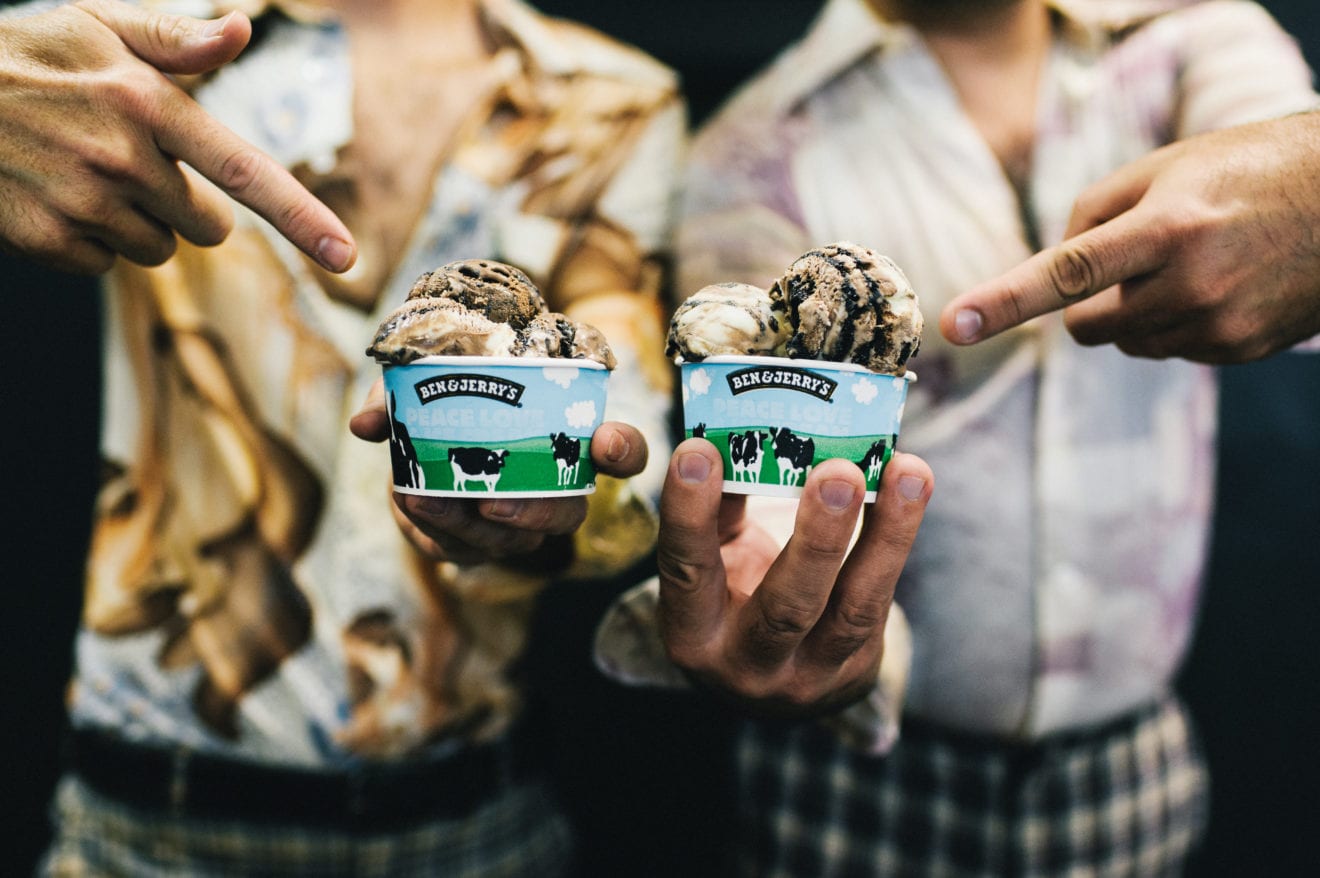
  • Ben & Jerry’s is coming to Thailand

    Ben & Jerry’s is coming to Thailand

    A Ben & Jerry’s Thailand ice-cream outlet is planned, with the company teasing the move with artwork featuring its product on a tuk-tuk.

    “The wait is over!” the company has written in Thai on Facebook. “We, Ben & Jerry’s, are excited to officially come to Thailand.”

    No further information is available as yet, and Coconuts Bangkok says fans can follow the news through Ben & Jerry’s Thailand Facebook site. Meanwhile, the product is available as a takeaway in some convenience stores.

    Ben and Jerry’s opened their first ice-cream shop in a renovated petrol station in Burlington, Vermont, in 1978, after taking a $5 correspondence course about making ice cream and a $12,000 investment ($4000 of it borrowed).

    Now the company has outlets in many countries and is owned by Anglo-Dutch corporation Unilever.

  • Wal-Mart Needs to Grow Overseas, and China’s the Big Prize

    Wal-Mart Needs to Grow Overseas, and China’s the Big Prize

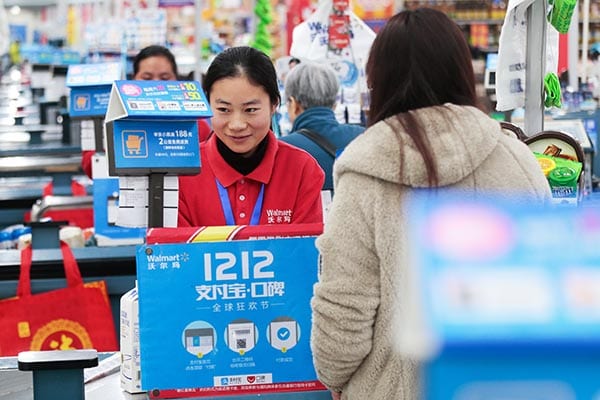
    Zhong Guoyan sifted through piles of fish at a Wal-Mart in Shenzhen, one of China’s largest cities. She studied the fins, to make sure they were bright red and firm. She peered at the eyeballs — were they bulging?

    “I like when the products are fresh, and the quality is good,” she said. “When I come here, I have a look. If it’s good, then I will buy it. If it’s only cheap, I won’t buy it.”

    In American Wal-Marts, customers are not offered the opportunity to fondle their fish. But America is not China, as the world’s biggest retailer has learned. If the Arkansas-based company wanted to win over foreign consumers like Zhong, it would have to shed some of its American ways, and cater to very different customs and conventions that are fast changing.

    In the U.S., Wal-Mart conquered the marketplace by offering “everyday low prices” to penny-pinching, bulk-buying customers, but Chinese shoppers have good reason to look for quality first, bargains second after scandals involving tainted and mislabeled food. And Chinese shoppers seek fresh food daily because their tiny refrigerators don’t give them room to stock up.

    Zhong eventually tossed a couple of fish into a plastic bag — a small victory in this massive retailer’s struggle to build an international empire.

    The stakes are high: Wal-Mart can’t count on much sales growth from its U.S. business — it’s facing challenges at home with intense competition from online leader Amazon.com and dollar stores, which offer low prices and convenience — so the retailer is depending more on its operations overseas.

    China, the world’s most-populous country, is the ultimate prize. Right now, it represents just 3 percent of Wal-Mart’s global sales of $478.6 billion, according to estimates from IBISWorld, a research firm. And the company has just over 400 stores in China, compared with more than 5,000 in the U.S. But the Chinese grocery market, already the world’s largest at $1.1 trillion a year, is expected to grow to nearly $1.5 trillion in just the next four years, says IGD, a global consumer products research firm.

    “China remains a strategic market for our future,” Doug McMillon, CEO of Wal-Mart Stores Inc. recently told investors.

    Getting the food business right is critical for Wal-Mart. Shoppers buy groceries more often than anything else. If Wal-Mart can get them in the door to buy food regularly, perhaps they will visit more frequently for items like pajamas and coffee makers — and eventually become loyal online customers, too.

    Still, markets in China and elsewhere in the world will not surrender to Wal-Mart, just because it’s Wal-Mart. In particular, global players like Wal-Mart have found that food retailing doesn’t cross borders easily because it’s a largely local business. After struggling on its own in China, Britain’s Tesco PLC decided two years ago to team up with China Resources Enterprise, a state-owned company. Wal-Mart has also taken some lumps.

    Overall international sales growth has been uneven, dropping 9.4 percent last year largely because of the strong dollar. And while Wal-Mart’s overseas business had a strong start to this year, it faces long-term challenges. Wal-Mart gave up in Germany and South Korea, abandoning those markets back in 2006 in the face of tough competition. It’s closing 10 percent of its stores in Brazil. And it’s locked in a price war in the United Kingdom, slugging it out with no-frills German discounters Aldi and Lidl.

    Overseas, Wal-Mart lacks the scale to squeeze local suppliers on price as it does in the U.S. It also faces nimble competitors who are entrenched in foreign markets. It has not always found it easy to duplicate its bedrock strategy of constant bargains outside the United States.

    But Wal-Mart has learned over the years from its missteps, discovering that it can’t just impose its culture on the world, that it needs to adapt to local ways, that patience does pay off.

    In countries like Mexico, Canada and Japan, Wal-Mart has won shoppers over time. After the setbacks in Germany and South Korea, the company established a team to ensure it does a better job integrating international acquisitions, while avoiding the impulse to force employees overseas to adopt all its ways. In Chile, it launched a corporate culture campaign and worked closely with suppliers to coax them into its way of doing business. It’s using its global clout to find and import products from around the world, catering to increasingly sophisticated and demanding middle class consumers.

    Wal-Mart also has come to realize that it can thrive without being the biggest player in every market, says Bryan Roberts, global insights director at TCC Global, a London-based marketing consultancy for grocery retailers. But the company also knows that it needs to succeed in China, now the company’s fourth largest international market by sales. And he believes it will do just that.

    “Wal-Mart,” Roberts says, “is a very determined organization.”

    ___

    WINNING OVER PICKY CONSUMERS

    Except for the signs, most Americans wouldn’t recognize a Wal-Mart in China. At a store in Shenzhen, shoppers sniff bins of rice or use tongs or their hands to examine the piles of local sausage, whole chickens and pigs’ feet. Nearby, tanks brim with live fish, frogs and crabs.

    Americans may like to touch products, but in China, many want to buy live fish, or smell the meat.

    “It has to smell like fresh blood,” said Lina Wang as she examined loose pork.

    Meanwhile, Huang Xiulian stood at a nearby Snickers display, studying the expiration date and where the candy was produced.

    In the massive, unruly Chinese market, some competitors have cut corners, mislabeling products or even selling tainted foods. The risks have made Chinese consumers unusually wary: If a carton of milk or a piece of fish seems too cheap, Chinese shoppers wonder if it’s safe. If items stay on sale day after day, they worry if there’s something wrong with them.

    Sean Clarke, CEO of Wal-Mart China, based in Shenzhen, previously worked in Britain, Japan, Germany, and Canada. China, he says, “is easily the most challenging market to operate.”

    “There is a huge level of distrust in this market,” Clarke says. “Is it fresh? Is the price right?”

    Although China still has plenty of bargain-conscious shoppers, overplaying the price message can also “alienate the increasingly affluent middle-class shoppers, less sensitive on price but (who) value more the quality and assortment of merchandise,” says Jason Yu, general manager of Kantar Worldpanel China, which specializes in research on Chinese shopping habits.

    In particular, Wal-Mart had a difficult time promoting “everyday low prices” — promising the lowest prices on a basket of goods every time consumers shop. Early on, Wal-Mart undermined its own claims for consistently low prices by running lots of short-term promotional gimmicks.

    Then some rivals poached the “everyday low price” message, confusing customers. Wal-Mart scrambled to find the right slogan. In 2010, it switched to “Low Prices.” Two years later, it trotted out “Worry Free” — a message that employs the Chinese characters for “save, heart, price,” implying quality and reassuring shoppers who worry that deals will expire before they get to the store.

    “Worry Free” is Wal-Mart’s key weapon to lure shoppers: 85 percent of the discounts in the Wal-Mart stores in China now last anywhere from four weeks to six months, said Clarke. Unlike in the U.S., Wal-Mart had to build trust by spelling out in signs how long the low prices last.

    The company’s message: Efficiency and good management, not cutting corners, make everyday low prices possible.

    When Wal-Mart came to China, it was slow to tailor its offerings to local tastes. Southern Chinese like rice. Northern Chinese like noodles. Folks from Hunan like their chili peppers. The Cantonese crave chicken feet.

    Realizing its mistake, Wal-Mart gave local managers more leeway to run their businesses. For example, it let them decide when hot deli food was past its sell-by date and gave them free rein in ordering from different local suppliers.

    But that approach backfired, leading to a series of food-safety violations. In one particularly embarrassing episode, Wal-Mart had to recall donkey meat — a delicacy in China — after DNA testing showed it contained traces of fox meat. The misstep came at a time when Chinese consumers were especially wary, because tainted baby formula had sickened hundreds of thousands of infants.

    In response, Wal-Mart slashed nearly two-thirds of its 20,000 suppliers, including food. Now, Wal-Mart knows exactly where each product comes from. Wal-Mart also took back some of the responsibilities from local managers, though they are allowed to decide on such issues as whether meat should be loose or packaged in their stores.

    Wal-Mart increased its investment in food safety. It broke new ground in China by adding mobile testing labs that go around from store to store in both the Southern and Eastern regions of China, checking for pesticides on vegetables and fruits. It’s using handheld devices in South China to check temperatures of meat products.

    “It’s quality first,” Clarke said, “and then we will have the lowest price.”

    ___

    GAINING CONTROL OVER SUPPLIERS, COSTS

    In America, Wal-Mart consistently delivers low prices to shoppers largely because it has the clout — 25 percent of the U.S. grocery business— to force suppliers to do things the Wal-Mart way. That means cutting costs to the bone. In return, the suppliers enjoy steady demand from Wal-Mart, so they don’t have to spend so much on advertising or worry about staffing their factories.

    Wal-Mart’s pull is so strong that more than 1,500 suppliers have opened offices near its headquarters in Bentonville, Arkansas.

    But replicating that model has proven tough overseas, partly because it takes time to work with new suppliers to cut costs. In Brazil, for instance, it’s still a work in progress after two decades.

    In China, things are tougher still. Wal-Mart accounts for just 2.3 percent of the overall grocery market. In fact, the top 10 grocery retailers in China account for just 18.5 percent of the market, says Euromonitor International, a global market research firm. Suppliers are scattered, too. Ninety-five percent of all products Wal-Mart sells in China are supplied by local companies. It’s tough for retailers to have influence over their network of Chinese suppliers.

    The Chinese supply chain is also notoriously inefficient. For years, Wal-Mart and other foreign companies haven’t dealt directly with their suppliers, working mostly instead through a labyrinth of middlemen who handle distribution. One supplier could potentially have 100 distributors, handling delivery to just three or four stores. Wal-Mart would have to work with each distributor.

    Wal-Mart had been making some efforts in centralizing its food distribution. But it didn’t get serious about breaking up the system until three years ago. It decided to cut out, or at least reduce, the middlemen and route as many goods as possible through 20 of its own distribution centers. It built 11 centers for fresh food, and increased its packaged-food distribution centers from five to nine. Now, 85 percent of packaged goods is being sent through distribution centers. For fresh food, that figure is about 50 percent.

    Wal-Mart says it was a challenge to convince many suppliers to unravel their way of doing business. But by eliminating the go-betweens, Wal-Mart could negotiate directly with suppliers and knock down costs — often by 10 percent to 12 percent, says Lesley Smith, senior vice president of the supply chain at Wal-Mart China and the woman behind the move.

    The change also gives Wal-Mart more control over the quality of the food being sent to its stores and the efficiency with which it gets to them. Before the switch, only about 75 percent of orders would actually reach Wal-Mart stores; now 95 percent do. Before, it took three days for products to arrive; now it takes a day and a half, Smith says.

    Nestle S.A., for instance, used to go through 81 Chinese distributors to reach 400 Wal-Marts. Now it’s using Wal-Mart’s national distribution network, which it says is resulting in fresher quality of goods at the store, higher sales and lower costs.

    Another supplier, Beijing-based noodle and flour maker Cofco, is also coming to appreciate the Wal-Mart way. In 2003, it started supplying 11 Wal-Marts. Now it’s selling to 398. Wal-Mart demands that state-owned Cofco keep prices low and stable.

    “At first, we had concerns, especially when the raw material costs had some ups and downs,” says Cofco general manager Liu Hongwei says.

    But Cofco has learned to be more efficient. And Wal-Mart stocks Cofco products in the busiest parts of the stores and markets them under the “worry free” slogan. Cofco sales to Wal-Mart rose 40 percent last year, compared to 10 percent to 20 percent increases for other customers.

    Liu says he negotiates prices with his other customers every two weeks. With Wal-Mart? Twice a year.

    ___

    FIGHTING COMPETITORS

    Often, Wal-Mart enters new markets by acquiring competitors, but that doesn’t guarantee success. Buying the top player, as it did in Chile and Mexico, seems to work best.

    In Chile, Wal-Mart’s intense marketing paid off. Chileans are so sold on Wal-Mart’s supercenter, Lider, that they believe the gap between its prices and rivals is twice what it actually is.

    But in the United Kingdom, Wal-Mart’s Asda and traditional British supermarkets like Tesco and Sainsbury’s are all being undercut by the rapidly expanding Aldi and Lidl chains. In response, Asda is stepping up sustained price cuts and joined the European Marketing Distribution, which pools the buying power of 250 supermarket chains.

    In vast China, Wal-Mart competes with a swarm of regional rivals.

    At first Wal-Mart and France’s Carrefour had China’s big-box retail business pretty much to themselves. But Chinese rivals, learning fast and exploiting close ties to local suppliers, erased their lead.

    Wal-Mart landed in China in 1996, a year behind Carrefour, opening two stores in Shenzhen — a Wal-Mart supercenter and a Sam’s Club. They were the first foreign retailers to offer the big-box shopping experience, which offers everything from clothing to food. That’s a big change from traditional wet markets and mom-and-pop stores filled with counterfeit goods. After investing in a Taiwanese-owned retail chain in 2007, Wal-Mart became China’s biggest super-sized store chain and expanded its lead for over the next two years.

    But Wal-Mart and Carrefour were hobbled. The government restricted foreigners to opening three stores per city. But even after China dropped the store limit in 2001, Wal-Mart and other foreign retailers have faced unfavorable treatment. Government officials have investigated the foreign retailers’ pricing and highlighted their food scandals.

    Meanwhile, local and regional competitors quickly closed the gap. The local players can sometimes undercut Wal-Mart prices because they have closer ties to local suppliers and can negotiate better deals, says Kantar’s Yu in Shanghai.

    Wal-Mart insists its share of the big-store sector has increased three years in a row. But Euromonitor says Wal-Mart’s market share has fallen steadily since peaking at 11.6 percent in 2009. By last year, Wal-Mart held 9.6 percent of the market, good for No. 3.

    Wal-Mart closed about 30 lackluster stores, but it has spent millions to renovate 50 it thinks are promising. Last year, it announced that it plans to add 115 stores by 2017, bringing the total store count to 530. It’s concentrating in markets where it’s already established, including the west, central China and its stronghold in the south.

    From the start, Wal-Mart has had some advantages, including its global clout. It’s able to stock its shelves with foreign imports and sell them at a bigger discount than its rivals can. And it’s been pressing that advantage in the wake of a changing consumer mindset. Three years ago, Wal-Mart imported 212 containers of products into China. Last year, it imported 2,800, including milk sold under its Asda brand — popular with the exploding ranks of middle-class Chinese who can afford to buy better goods.

    But, Wal-Mart faces another challenge in China, and it is not from other big box stores.

    Across the globe, shoppers who are increasingly shifting away from buying at big stores and toward buying online or at small stores. But in China, that trend is more dramatic. It has overtaken the U.S. as the world’s biggest online marketplace.

    That’s meant declines in traffic at Wal-Mart and other big-store rivals, both local and foreign. So Wal-Mart is expanding offerings at its website, which is run by Yihaodian, a Chinese startup Wal-Mart fully took over last year. And it’s blending its online services with its own stores and adding hubs in key cities to deliver goods to shoppers’ homes.

    Sissy Xiao, a journalist, represents the future. Xiao had her hands and nose in the bins of rice at a Wal-Mart store in Beijing. She compared the scents. Her elderly mother was elsewhere in the store, buying food.

    Xiao, however, was not planning to take any home. She’ll do her shopping later, online.

    “I am spending less time at big stores,” Xiao says. “I usually buy things online. It’s more convenient.”
  • Marine Gold reaping benefits of 2013 losses as shrimp production rebounds

    Marine Gold reaping benefits of 2013 losses as shrimp production rebounds

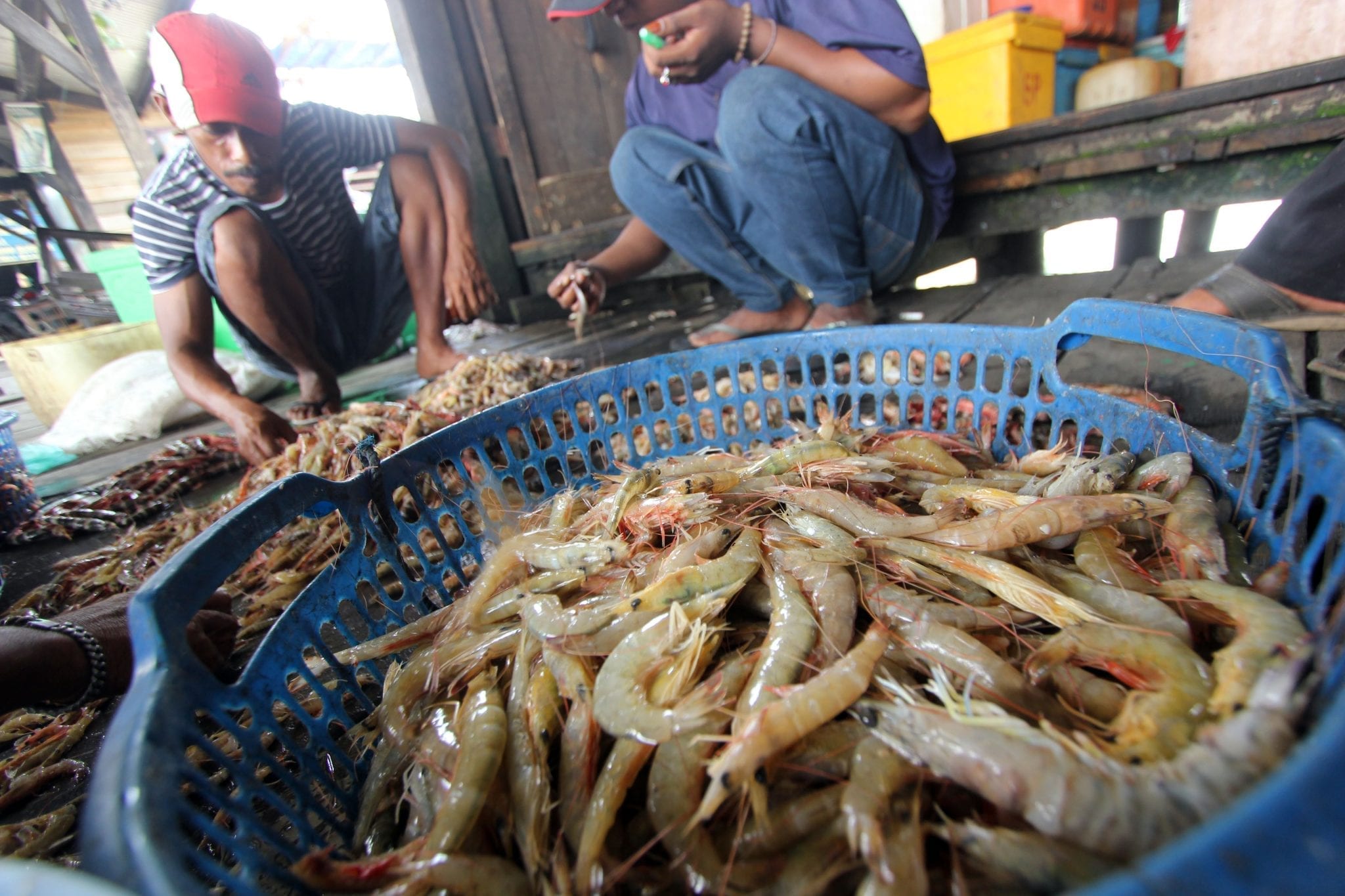
    In 2013, Marine Gold Products, one of the largest shrimp exporters in Thailand, lost big money on meeting its export commitments.

    As early mortality syndrome (EMS) caused Thai production to dive, raw material prices rocketed. EMS caused production to dive under 200,000 metric tons, compared to the peak of over 600,000t.

    This left packers fighting for shrimp for orders.

    “I shipped every container in 2013, so we lost $10 million,” Choopong Luesukprasert, Marine Gold’s managing director, said.

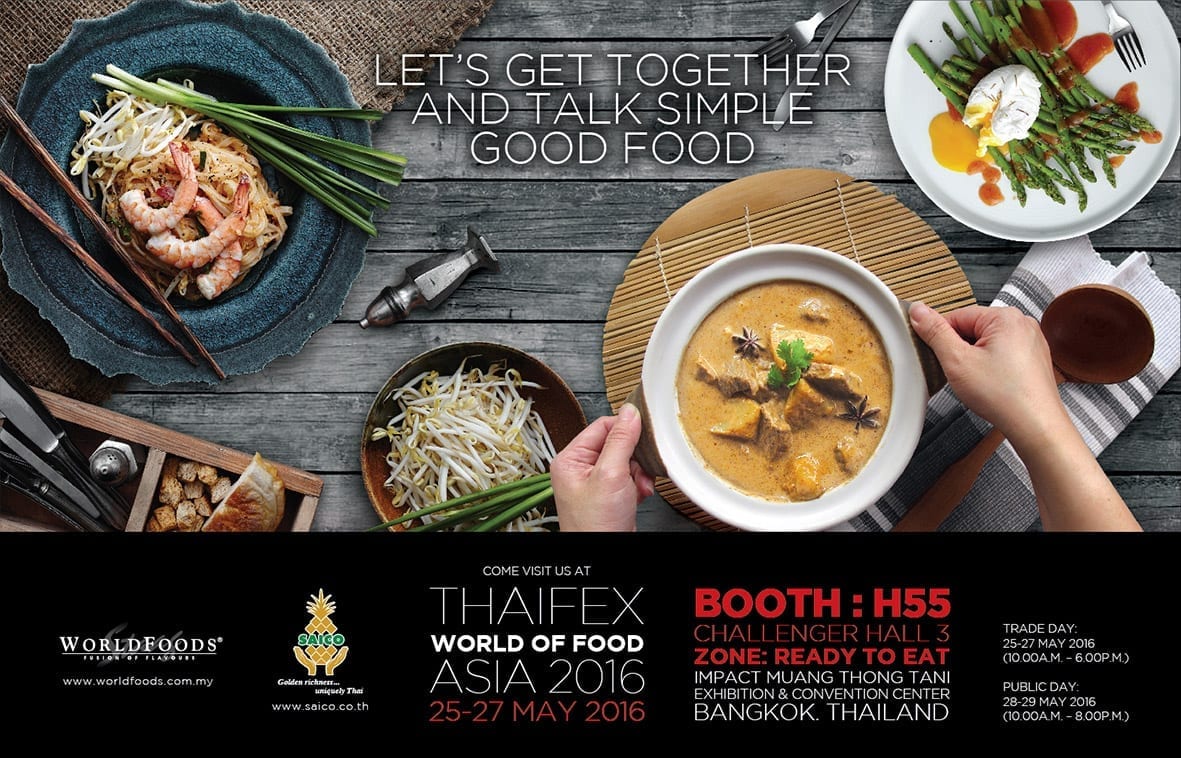
    The aim of continuing to ship containers at a crisis time for the Thai shrimp sector, was about maintaining business contacts, he said, during the Thaifex: World of Food Asia show in Bangkok.

    “But, since, we have kept this business and gained more, as we reliable,” Choopong Luesukprasert, Marine Gold’s managing director said.

    For 2016, shrimp production in Thailand is rebounding and prices for raw material are competitive with other sources, such as Indonesia, India and Vietnam.

    Production in 2015 is said to have been around 240,000t, up from 210,000t in 2014.

    For 2016, forecasts range from 260,000t, up to 300,000t.

    The later is attainable, said Luesukprasert.

    “I think 300,000t is realistic. Production hasn’t started like we expected, as we have had such a long drought in Thailand. But, we think it will start picking up from now,” he said.

    Selling shrimp to the US is the main export market for Marine Gold, with the export target for 2016 at 45 million pounds, he said.

    Due to the forecasted increase in Thai raw material output in 2016, Luesukprasert hopes Marine Gold can expand its output by 20-25%. This is ahead of the forecasted increase in production.

    The company has also launched a ready-to-eat brand for the domestic market.

    Luesukprasert said he plans to export the product range in the future, however.

    The range is being sold in Thai retail under the brand “Yummy Tale”; featuring products such as shrimp pad Thai and shrimp green curry with jasmine rice.

  • Hello Kitty Singapore officially opened

    Hello Kitty Singapore officially opened

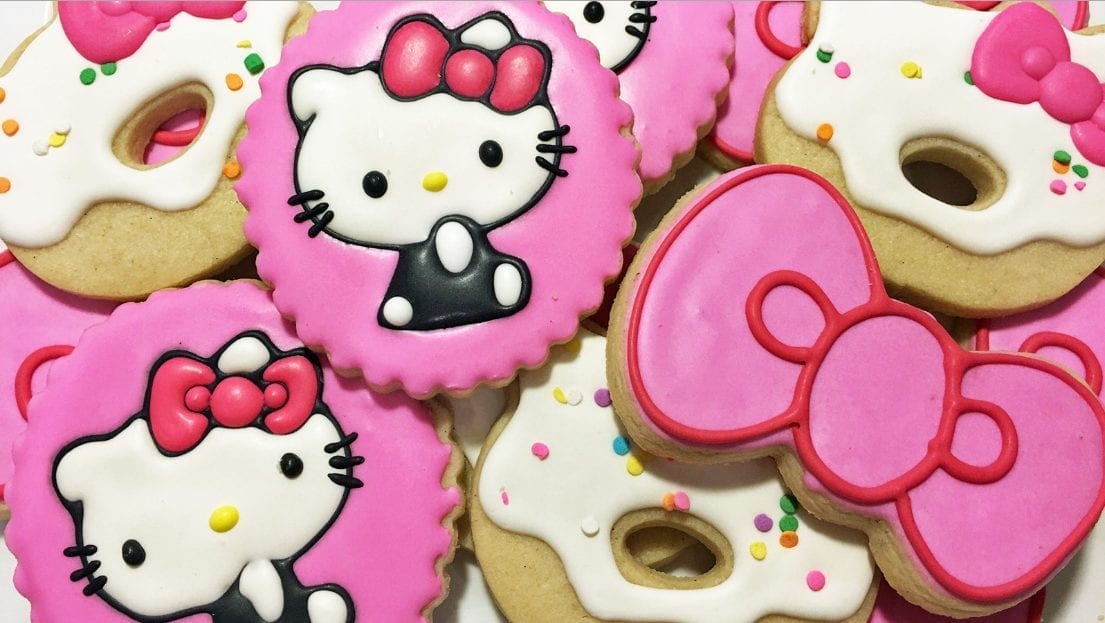
    Set in a whimsical paradise setting, the first Singapore Hello Kitty Cafe, at Changi Airport’s Terminal 3, offers an array of food and beverage choices that will certainly leave all Hello Kitty fans sated.

    Hello Kitty Orchid Garden Singapore 3

    The Hello Kitty Orchid Garden is adorned with pots of fresh orchids, the national flower of Singapore. The cafe is specially designed to emulate the country’s “garden city” vibe for a uniquely Singaporean aesthetic which also resembles that of a glass house. The spacious interior is dotted with iron swings and splashes of greens, exuding an idyllic vibe which adds on to the fun and easy mood!

    Hello Kitty Orchid Garden Singapore 8

    You can also pose for pictures with the first double-bowed Hello Kitty, and also take home Singapore-exclusive Hello Kitty merchandise that will be launched seasonally. You can also expect Hello Kitty-inspired tea blends, plush toys, grow-it-yourself plant kits and also postcards.

    Hello Kitty Orchid Garden Singapore 6

    As for the food, expect a fusion of local and Asian influences. The cafe features a selection of all-day breakfast delights, mains and sharing dishes as well as Hello Kitty-inspired desserts.

    Hello Kitty Orchid Garden Singapore 1

    Hello Kitty Orchid Garden Singapore 10

    Most of the food is served with wood, ceramics and glassware to complement the garden theme. Some notable dishes include the Big Breakfast Surprise (S$18.50 – US$13.38), Cowabunga! Wagyu (S$24), which is a rendition of the Singaporean beef rendang Nonya dish, as well as Pandan Panna Cotta.

    Hello Kitty Orchid Garden Singapore 7

    Hello Kitty Orchid Garden Singapore 5

    A fun fact about the Hello Kitty Orchid Garden is that it imports gelatos exclusive to the cafe. Tan says her favourites were the Peanut Butter Fudge as well as the pistachio flavours.
    Hello Kitty Cafe is open 24 hour a day.

    Hello Kitty Orchid Garden Singapore 9

    Cassan Tan is a Singapore blogger specialising in food, fashion and beauty. Her blog is called C for Cassan.

  • Starbucks Cambodia opens new and first mall outlet

    Starbucks Cambodia opens new and first mall outlet

    Coffee franchise giant Starbucks Cambodia has opened its second outlet, at Aeon Mall in Phnom Penh.

    Licensed as Coffee Concepts Cambodia, the outlet comes less than six months after the US chain made its debut at Phnom Penh International Airport. However, the mall store is the first fully accessible to the public.

    Starbuck PhnomPenh 1

    Despite its limited access, Starbucks has grown in reputation and cemented the brand, assuring long-term investment, says GM Por Lim.

    Its next store is scheduled to open in the Boeung Keng Kang district of Phnom Penh in October, with further expansion depending on brand pick-up, says Lim.

  • Chains top China restaurant rankings

    Chains top China restaurant rankings

    Chains outperform independent eateries in China restaurant rankings, new research shows.

    A survey by global consulting firm OC&C Strategy Consultants shows that Chinese consumers dine out on average two or three times a week, with Hai Di Lao, Pizza Hut and Little Sheep ranking as their favourite brands.

    Western brands ranking in the top 10 are: McDonald’s (7), TGI Friday’s (8) and KFC (9). Others on the list are South Beauty (4), Shanghai Min (5), Waipojia (6) and Tairyo (10).

    Food quality, wide choice and service quality shows as the three critical factors in restaurant choice, while serving speed, convenience and pricing are rated as less important Chinese consumers actively seek out new restaurants and are receptive to new formats and concepts such as theming, healthy lifestyle menus and organic produce, as well as innovative, fusion cuisine.

    According to the report, Serving up a Winner – Establishing a Winning Proposition in China’s Restaurant Landscape, China’s restaurant market is more vibrant than ever, with growth outstripping other major markets despite higher volatility.

    “While other retail segments struggle in the face of ‘the new normal’, restaurants are becoming more innovative and reaping the benefits of the growing middle class,” says OC&C greater China partner Jack Chuang. “The arrival and rapid expansion of international chains in the past few years has increased the competitiveness of the market.”

    He says getting diners through the door of a restaurant is still challenging. “Restaurant staff need to ensure that service is authentic and make creative, personalised decisions to delight guests.”

    Chuang says restaurants should also offer a wide menu range with local flavour.

    The study canvassed 2600 respondents in 21 cities across China, with consumer surveys and restaurant audits in February.

    Founded in 1987, OC&C provides corporate and business strategy, channel, marketing, organisational and change strategy, as well as transactional support services. It has more than 400 consultants in 14 offices globally, including China and India. The greater China practice has offices in Hong Kong and Shanghai.

  • American ice cream to the rescue

    American ice cream to the rescue

    American ice cream is coming to the rescue of a coal trader in Thailand, as the company diversifies in the face of volatility in its segment.

    Thai Capital Corporation (TCC) has diversified into F&B retail after totally acquiring NYC-Thai BD from its shareholders for 33.82 million baht (about US$950,000).

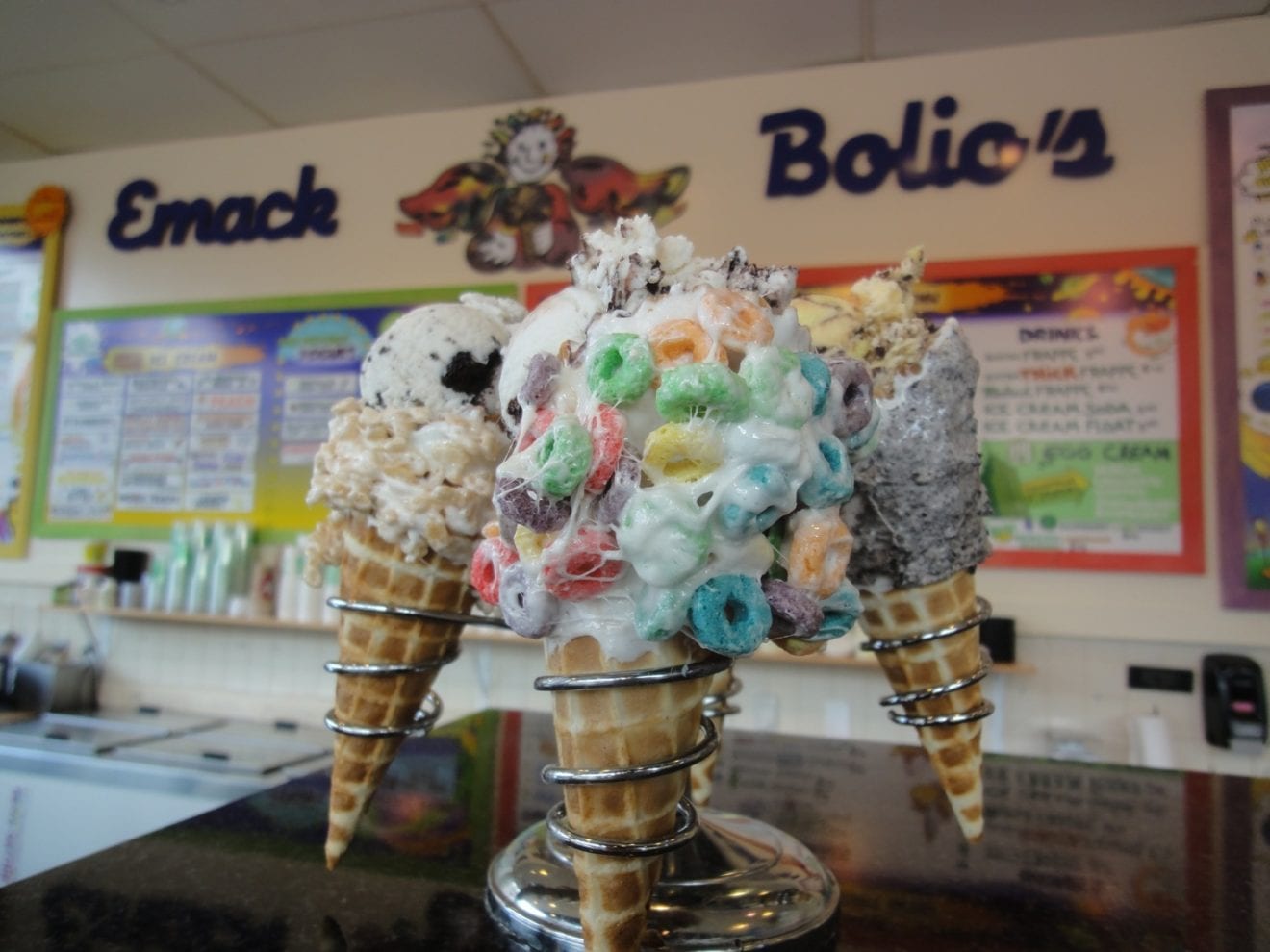
    It is TCC’s first foray into the F&B sector, while NYC has retail outlets specialising in frozen desserts, smoothies and ice creams under the Emack & Bolio’s trademark. This is an American brand founded in 1975 and brought to Thailand in 2012. It has six stores in Bangkok.

    TCC CFO Kamphol Patana-anukul says the company bought 400,000 shares of NYC with a par value of 10 baht each. After the transaction is complete, it will increase NYC’s registered capital from 4 million to 20 million baht, which will be used as working capital and for expansion.

    TCC had 203.7 million baht in sales revenue for the first quarter, down 27.4 per cent from the same period last year, hit by fierce competition in the coal business and a drop in global coal prices.

    Several other Thai companies have also diversified into F&B, including Impact Exhibition Management, which has expanded into the frozen bakery business.

  • Indonesia sells 35 containers of kerupuk at Thaifex 2016

    Indonesia sells 35 containers of kerupuk at Thaifex 2016

    Indonesia’s traditional kerupuk (crackers) have become the star among other food commodities displayed at the Indonesian booth during Asia Thaifex 2016 in Bangkok, which is known as Asia’s biggest food and beverage expo.

    The snacks registered total orders of 35 containers worth Rp 12.9 billion ( US$950,000 ) at the event held from May 25 to 29, said an Indonesian trade attaché member in Bangkok, Rita Tri Mutiawati. The Trade Ministry and Industry Ministry collaborated on sponsoring Indonesian companies joining the event.

    “Thanks to the sponsorship of the Central Java administration’s trade and industry service center, Indonesia Selamat Sejahtera booked orders from China for 15 containers of prawn crackers, and South Korea also ordered 20 containers of fish crackers,” she said.

    Aside from kerupuk, Rita further said Indonesian seafood products manufactured by Fresh On Time were able to gain international buyers from the US, Mexico, and the European Union ( EU ) while similar products by Medan Tropical sealed a distribution agent in Thailand and the EU.

    From the 41 Indonesian companies who joined Thaifex, 21 were sponsored by the Industry Ministry, 10 were sponsored by the trade attaché and four were sponsored by the Central Java administration. Only six companies joining the event were without government sponsorship.

    The companies showcased their products ranging from seafood, instant seasonings, confectionaries, hot sauces, coffees, herbal medicines, biscuits, snacks, wafers, green tea, to cashew nuts. Indonesia’s representatives competed with 964 other companies in the event.

    “Thaifex is the door to export food and beverages products to other countries. Indonesian food and beverage manufacturers should not miss this opportunity,” Rita said, adding that there were one-to-one business matchings being made between Indonesian firms with other countries’ firms.

  • Restaurant Review: Downtown Bangkok Cafe

    Restaurant Review: Downtown Bangkok Cafe

    This Phoenixville restaurant delivers Thai cuisine with unexpected elegance and an authentic experience.

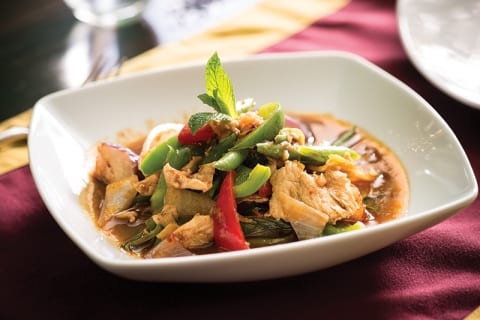
    Spicy Thai Basil Chicken//All photos by Steve Legato

    “A best-kept secret!”

    Online critics are forever clinging to exhausted, simplistic superlatives. And yet, how else to describe Downtown Bangkok Café, other than to peg this Thai yearling as a quaint hidden gem or a surprising off-the-radar find on the outskirts of Phoenixville?

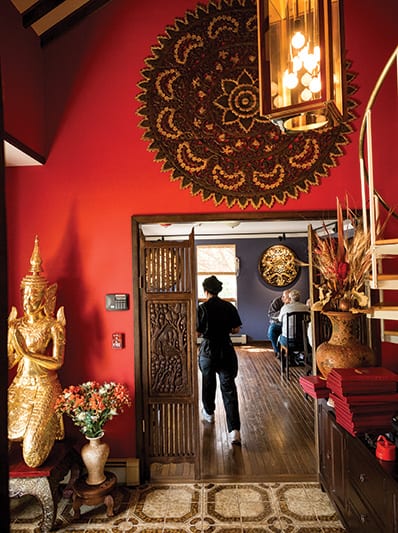
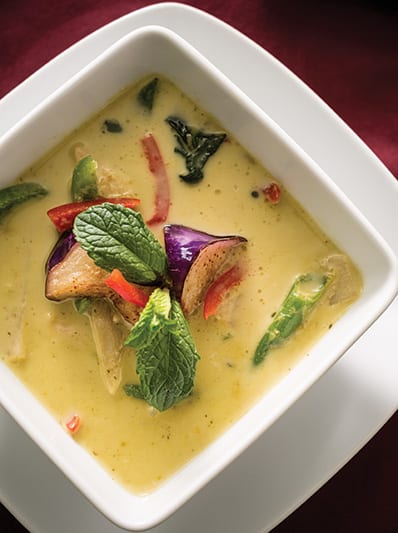
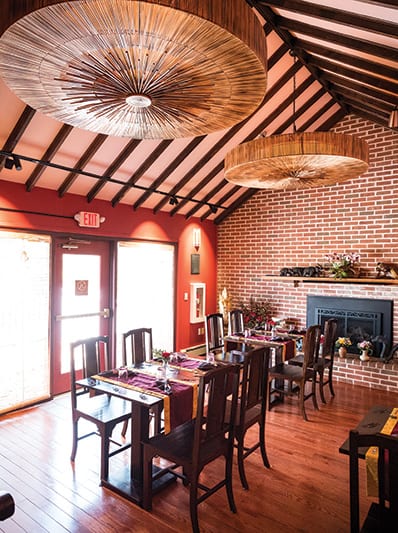
    From Left: Downtown Bangkok Café’s casually elegant interior; green curry

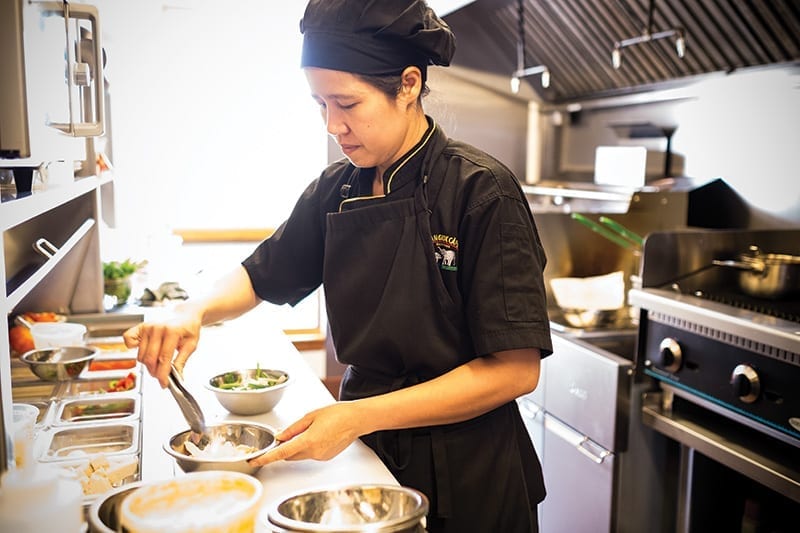
    Owners Yaowapa and Jerry Kowal—the chef and manager, respectively—didn’t set out to become restaurateurs. They first opened Yaowapa Thailand Treasures, a retail gift shop of handmade imports, in 2009. Six years later, they have an artfully decorated 48-seat eatery on the store’s second floor. It was inspired by a passion for cooking rooted in Yaowapa’s  heritage. It became a reality thanks to Jerry’s skill as an engineer and a direct merchants’ pipeline from Thailand.

    Impressive wall mountings and hand-carved statues from the Kowals’ native Chiang Mai region can be found through-out the café’s four tastefully appointed dining spaces and waiting room. That attention to authentic detail continues with the etched wooden tables and chairs, logo embroidered napkins and silverware handles bearing elephants.

    The grilled tofu cubes are the perfect accompaniment to Yaowapa’s fragrant curries. Her onion-pineapple-potato-and- peanut-studded massaman, in particular, is a pungently ruddy lava flow, gushing creamily over fluffy jasmine rice. Hot and crispy coconut shrimp top a chilled Thai salad, providing a unique contrast in flavor and temperature.The cuisine is well prepared and delicious. Our three skewered chicken strips came with an addictive peanut sauce. Another app, the Crying Tiger, combines tender slices of grilled beef and assorted crunchy veggies with a sweet chili-lime sauce. The “medium” spice offers just the right heat. The Pad Thai tastes authentic, as does the Drunken Man—a hearty tangle of flat soba noodles, egg, basil and vegetables, served with a choice of shredded beef, chicken, pork or tofu.

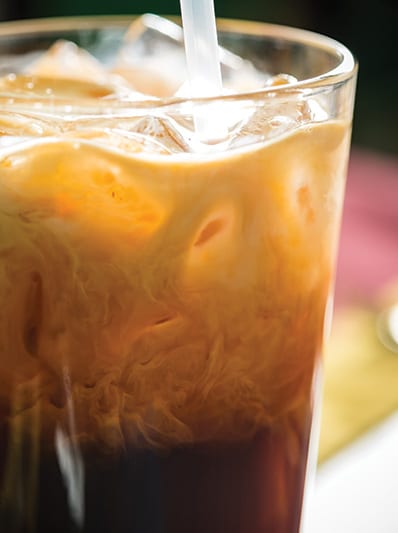
    From Left: Thai tea; the casual elegant interior

    Desserts are simple and sparse. The honeyed banana, rolled into fried wonton skins and served with vanilla ice cream custard is the best of the lot.

    THE SKINNY: Comprised of a series of lavish rooms nestled above Thailand Treasurers, this surprising find goes well beyond run-of-the-mill superlatives. Both the fare and the peaceful aesthetics are emblematic of Thailand.

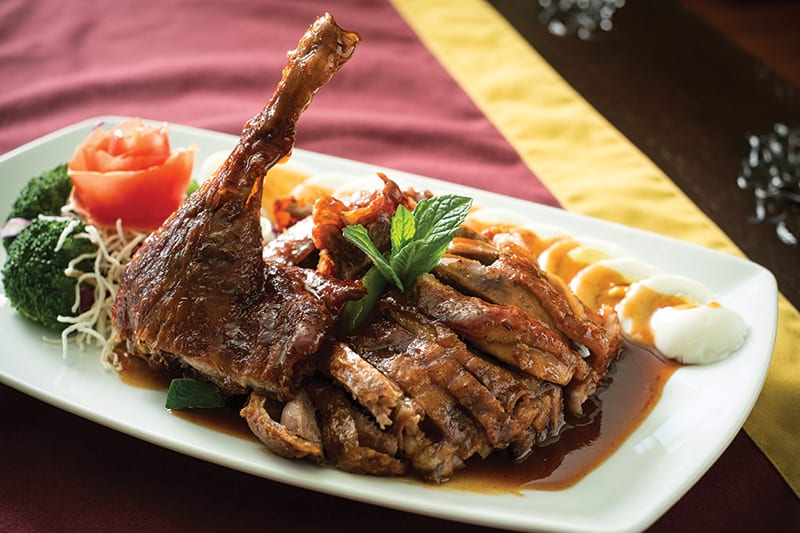
    Crispy duck with tamarind sauce.

  • China the promised land for South African winemakers

    China the promised land for South African winemakers

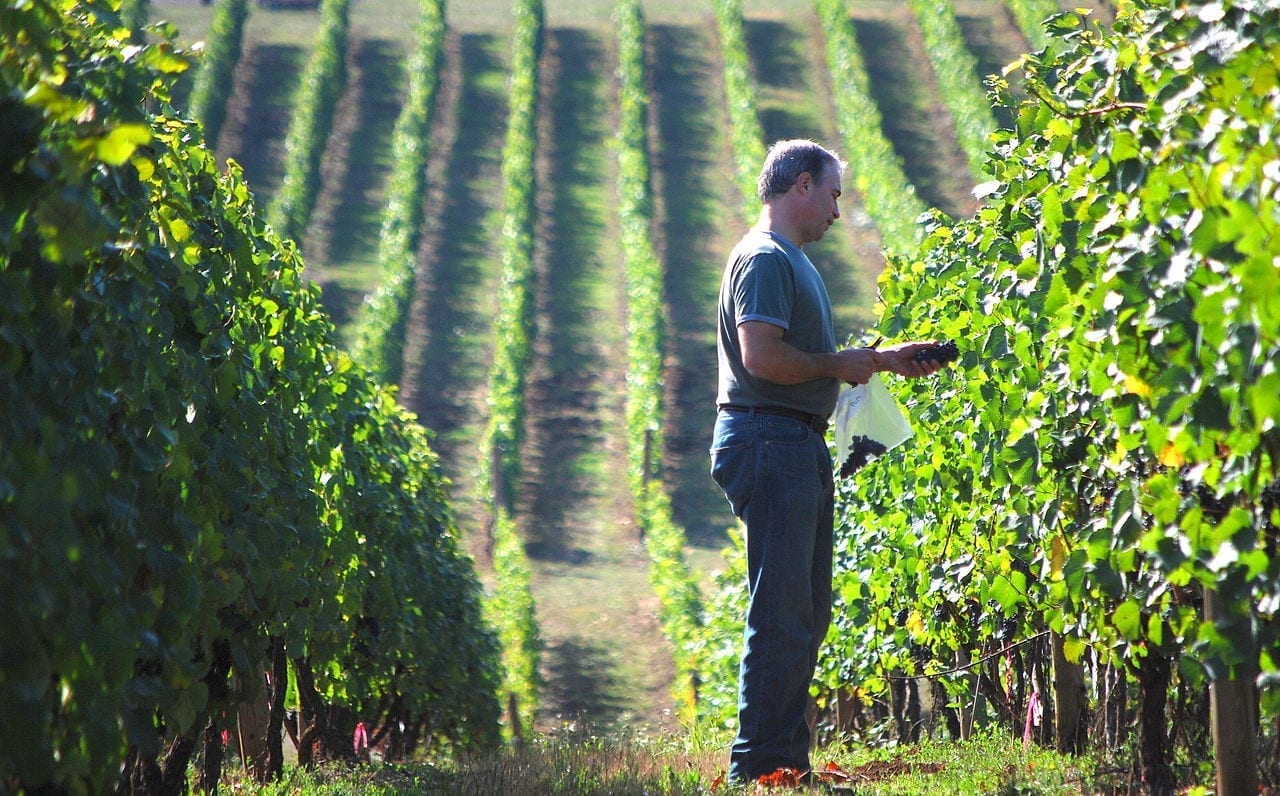
    South African tycoon Koos Bekker sells wine from his vineyard all over the world, but a small detail offers a clue as to where his priorities may lie – all the bottles are labeled in Mandarin.

    Other producers along the Stellenbosch wine routes where his

    Babylonstoren farm is located are doing the same, looking to tap into soaring demand in China led by a growing professional class as Asia’s economic powerhouse in turn ramps up its investments in South Africa.

    “Babylonstoren’s export strategy to China is to be visible in Beijing, not only the city, but also the province,” said Naspers chairman Bekker’s cellar master Charl Coetzee.

    “We only want to conquer Beijing and if we conquer Beijing we will be happy,” he said as a young Asian couple sampled his produce in a tasting room overlooking rows of young vines.

    South African wine exports to China rose almost 30 percent in 2015 alone, according to statistics from South African Wine Industry Information and Systems (SAWIS).

    Alan Winde, minister for economic opportunities in the Western Cape region, says the aim is to double them by 2025.

    During his time as chief executive, Bekker helped turn Naspers into one of the world’s top e-commerce and media companies and established links with China via a stake in Internet service portal Tencent.

    Now he is joining a race to supply the world’s most populous nation that also features producers from France – which controls around 50 percent of the wine export market to China – and ‘new world’ rivals Australia, Chile and New Zealand.

    China’s retail wine market was worth around $15 billion in 2015 compared to $10.3 billion in 2010, with imports accounting for just over half, according to wine data analytics firm IWSR.

    It forecast consumption of about 13.5 million hectolitres in 2020, up from 11.3 million in 2010.

    REDS, OR STRONG WHITES

    Tapping into a national wine tradition dating back hundreds of years, Babylonstoren grows 13 different grape varieties and its bottles retail between 80 rand ($5) for a chenin blanc and 500 rand ($32) for a champagne-style sparkling white.

    In Coetzee’s experience, Chinese drinkers tend to prefer red, though they also go for stronger whites including a chardonnay the farm matures in French oak for 12 months.

    In March, Babylonstoren sold its largest consignment of wines to China, a 20-foot container with around 13,000 bottles.

    “We want … one day to be exporting a container a month,” Coetzee told Reuters.

    La Motte wine farm, one of dozens in the verdant hills outside Cape Town, sold around 3 million bottles to China last year, double the amount shipped three years ago.

    “The past 12 months there was big growth of South African wine to China,” its chief executive Hein Koegelenberg told Reuters from a wine cellar in the Franschhoek Valley, where Huguenots from France first planted vines in 1695.

    “South Africa has not unlocked the potential of that market yet.”

    La Motte, which has partnered with China’s second largest online direct sales network, Perfect China, to buy wines under the brand name L’Huguenot, says its pinotage red ranks among its best sellers in China.

    South Africa’s wine industry is worth around 26.5 billion rand ($1.8 billion) a year and employs 300,000 people. China has grown to become its sixth largest export market.

    “The nice thing is that China takes wine in (own-label) bottles and not in bulk, so we get jobs down the value chain,” minister Winde said.

    Demand is being driven by a booming number of young Chinese professionals who prefer buying over the Internet, rather than in stores. The rand’s 30 percent fall against the dollar in the last year has also helped.

    But the industry faces stiff competition if it is to take full advantage of new consumers in places like China.

    “We realize that the challenge is to keep getting trade and consumers to trial South African wines and more importantly to retain customers to ensure repeat sales,” said Michaela Stander, Asia marketing manager for Wines of South Africa.

    “If Chinese consumers are not well informed and not ready to accept our wines, the imports may soon die down again.”


  • Chinese vegan market booming

    Chinese vegan market booming

    The Chinese vegan market is expected to grow 17.2 per cent between 2015 and 2020 – the fastest growth rate in the world.

    Global market research company Euromonitor International’s new Ethical Labels database reports a growing movement toward sustainability, social responsibility and transparency on labels worldwide.

    According to the new research, halal and vegan labels are set to grow by a compound annual growth rate of more than 5 per cent annually during the period, translating into 708 million extra sales worth US$13 billion.

    Despite leading growth for the vegan sector, China lags behind the US and Japan when it comes to ethical labels.

    “Vegan product labelling is one of the key categories to watch in the future, as an increasing number of companies are expanding their consumer appeal by staying away from animal ingredients whenever possible,” says Euromonitor International head of health and wellness Ewa Hudson.

    “The rising demand and trend for vegetarian and vegan proteins indicates where the market is moving.”

    Meanwhile, the global market for ethically labelled packaged foods, soft drinks and hot drinks (excluding private label) accounted for $793.8 billion last year and is set to reach $872.7 billion by 2020.

    Worth $45.3 billion currently and set to reach $58.3 billion in 2020 are halal products, driven by ethnic and religious diversity.

    Other findings of the research: the US is the largest kosher market, 18 times the size of Israel; and the UK is the runaway leader in animal welfare labels with $ 30.1 billion last year.

  • Pizza Hut Asia to test Pepper the robot

    Pizza Hut Asia to test Pepper the robot

    Pizza Hut Asia and MasterCard have partnered to bring Pepper, SoftBank Robotic’s humanoid robot, to restaurants by the end of this year to enhance in-store customer service.

    Pizza Hut Asia will be piloting Pepper for order-taking and what MasterCard describes as “personalised engagement”. This marks the first commercial application for Pepper, according to MasterCard.

    Pepper, which was unveiled on Tuesday, will be powered by MasterPass, the global digital payment service from MasterCard that connects consumers with merchants, enabling them to make digital payments across channels and devices.

    MasterPass extends the robot’s ability to integrate customer service, access to information and sales into a seamless and consistent user experience.

    “Consumers have come to expect personalised service, customised offers and simple and seamless processes both in-store and online,” said Tobias Puehse, vice president, Innovation Management, Digital Payments and Labs, Asia/Pacific, MasterCard. “The app’s goal is to provide consumers with more memorable and personalised shopping experience beyond today’s self-serve machines and kiosks, by combining Pepper’s intelligence with a secure digital payment experience via MasterPass,” Puehse said.

    Pepper robot Pizza Hut

    A consumer will be able to initiate an engagement by simply greeting Pepper and pairing the consumer’s MasterPass account by either tapping the Pepper icon within the wallet or by scanning a QR code on the tablet that the robot holds. After pairing with MasterPass, Pepper will be able to assist cardholders by providing personalised recommendations and offers, additional information on products, and assistance in checking out and paying for items. Pepper will be able to initiate, approve and complete a transaction by connecting to MasterPass via a Wi-Fi connection and the entire transaction happens within the wallet.

    “We are excited to welcome Pepper to the Pizza Hut family,” said Vipul Chawla, managing director of Pizza Hut Restaurants Asia. “Core to our digital transformation journey is the ability to make it easier for customers to engage, connect and transact with Pizza Hut. With an order-and-payment-enabled Pepper, customers can now come to expect personalized ordering at our stores, reduce wait time for carryout, and have a fun, frictionless user experience,” Chawla said.

    The app was built by the MasterCard Labs team in Singapore, one of the company’s eight research and development centers across the globe. The Pepper application adds to ongoing MasterCard programs that bring payments to any consumer gadget, accessory or wearable – from fitness bands to refrigerators and now robots. The integration with Pepper, MasterCard stated, has the potential to open up opportunities in the world of retail such as personalised shopping and concierge services, in-aisle checkout and the ability to buy in store but get the goods delivered at home. The same capability would also be applicable to other consumer engagement locations such as hotels, banks, airports, and other customer service industries.

    The app is being showcased at the Pepper Partners Europe event hosted by SoftBank Robotics Europe (a SoftBank Robotics Holdings group company) in Paris until May 26.