Category: Food

Retail News Asia is committed to providing both local and global retailers with the latest Food and Food & Beverage news throughout the Asian market. This on a daily base.

  • Vingroup more than triples revenue to $98m

    Vingroup more than triples revenue to $98m

    Retail has proved the shining segment for Vietnamese conglomerate Vingroup, with revenue jumping 363 per cent year-on-year to VND2.19 trillion (US$98.3 million) for the first quarter.

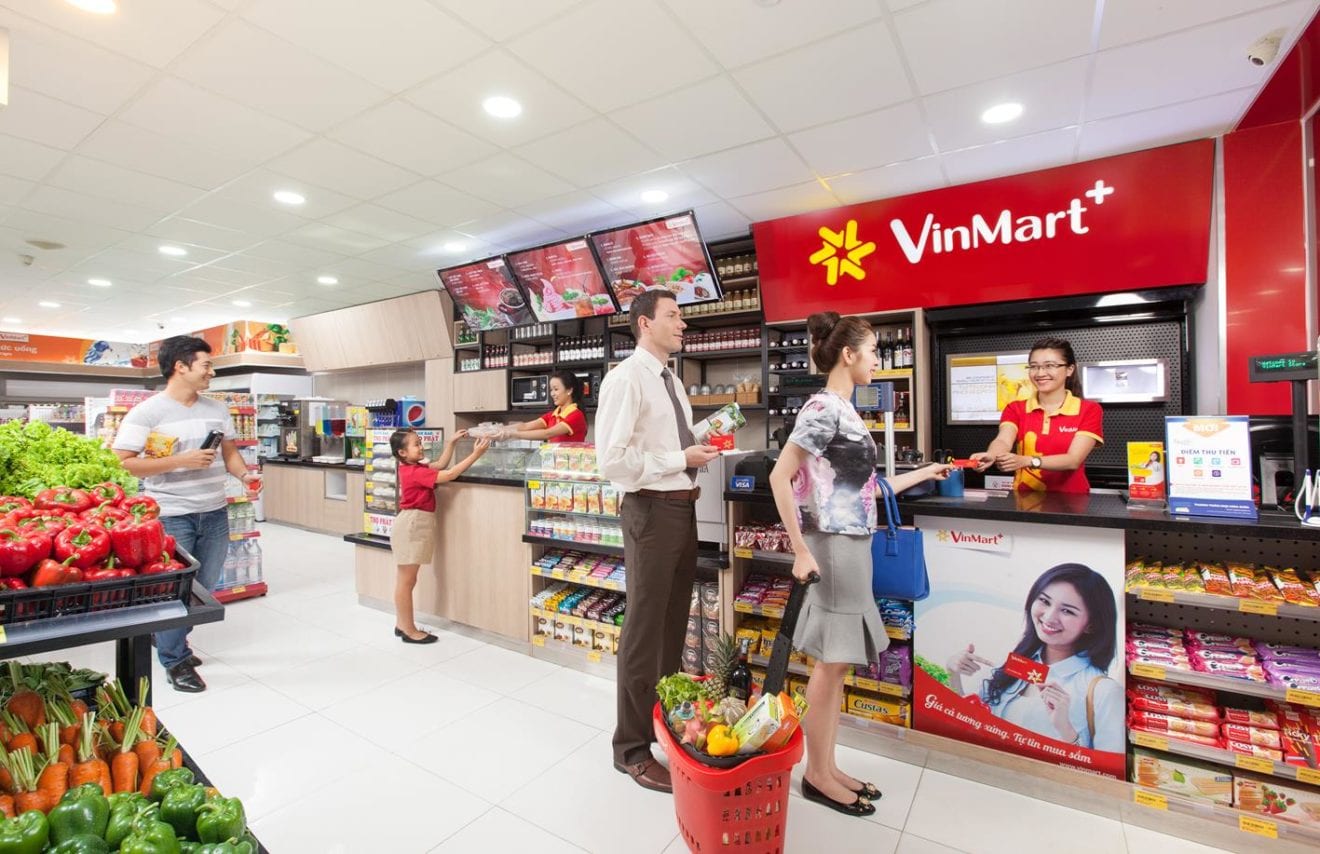
    Vingroup has been investing in retail properties for more than a decade, and since announcing two years ago that it aims to become Vietnam’s largest retailer has opened 50 supermarkets under the VinMart brand and 750 convenience stores under VinMart+ brand.

    Its other retail businesses include Vincom shopping centres, VinFashion stores, VinPro electronics shops and Adayroi eCommerce platform.

    With interests also in education, health, entertainment and real estate, the group reports an after-tax profit of VND1.04 trillion – three times higher than the same period last year. Its revenues more than doubled to hit VND15.16 trillion.

  • New stores boost Max’s Group Philippines

    New stores boost Max’s Group Philippines

    Max’s Group Philippines has opened nine stores mainly across star brands Max’s Restaurant, Pancake House, Yellow Cab Pizza and Krispy Kreme in the first quarter of 2016.

    These expansions include three international outlets – Max’s Restaurant in Qatar, Yellow Cab Pizza in UAE and a Sizzlin’ Steak concept store in California.

    Max’s Group Inc reported a net income of P162.3 million for the first quarter 2016, up 8 per cent compared to P150.6 million for first quarter 2015.

    “The numbers are in line with our estimates. We are now starting to realize the revenue impact of new stores that came onboard in the latter part of 2015. By recalibrating our design and build plan, we expect a leveled and systematic rollout of stores for the entire year,” said Robert Trota, president and CEO of Max’s Group Inc.

    Topline growth was at 12 per cent to P2.7 billion from P2.4 billion. Restaurant sales increased 13 per cent to P2.3 billion from P2.1 billion driven by steady same store sales growth and new store openings for the period.

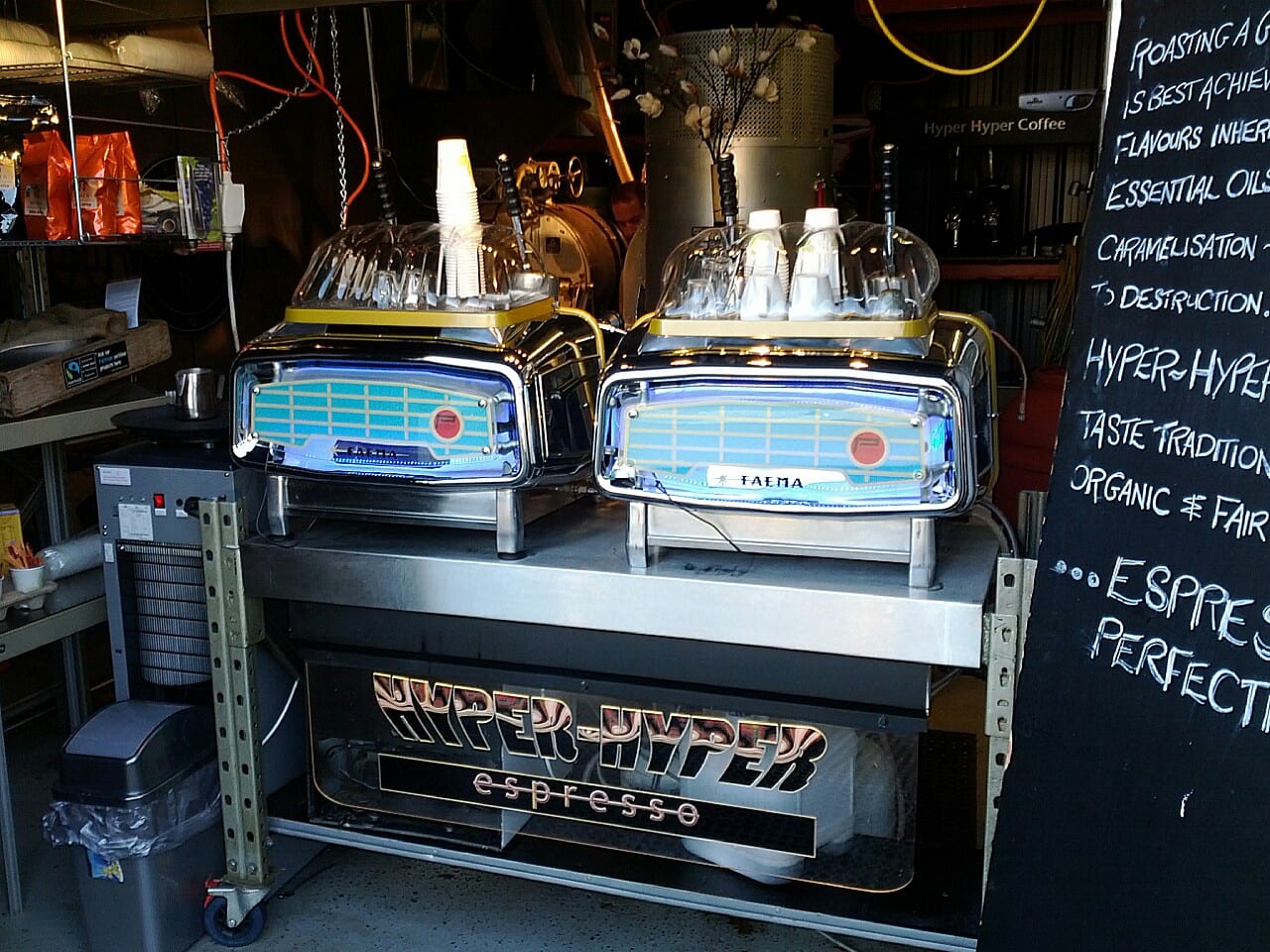
  • Vietnam coffee-sales steady; buyers await Indonesia arrivals

    Vietnam coffee-sales steady; buyers await Indonesia arrivals

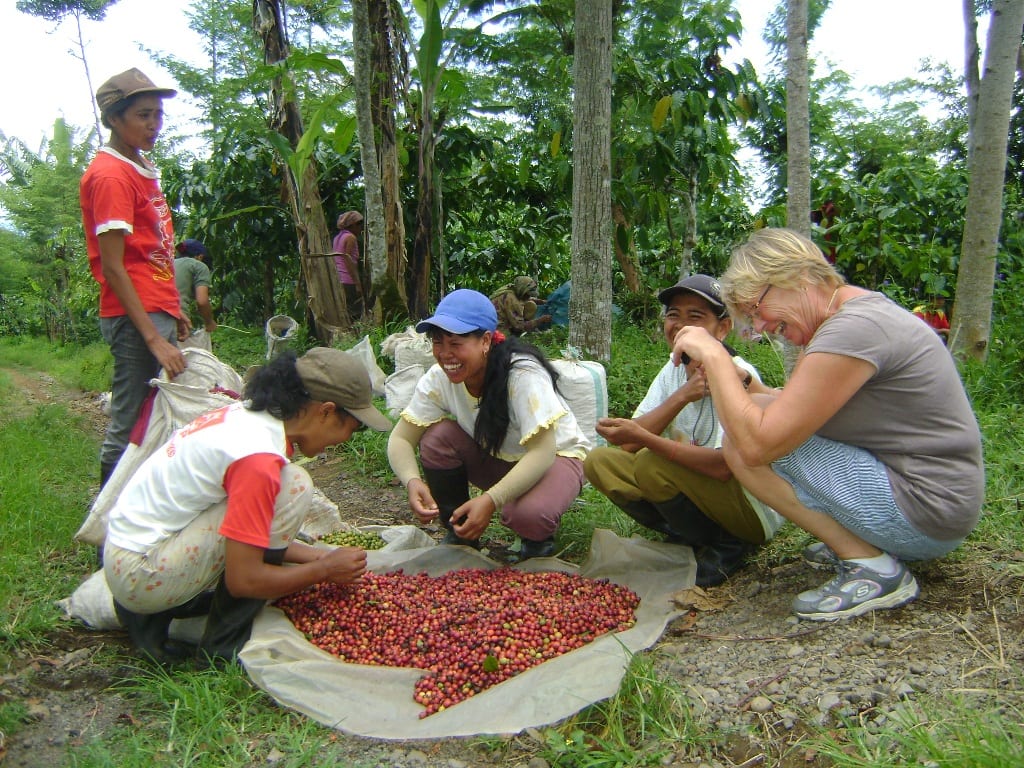
    Vietnam’s coffee sales may pick up if prices maintain their recent uptrend, but buyers are likely to await the upcoming harvest in Indonesia for better deals on fresh arrivals, traders said on Tuesday.
    Coffee exports this month from the world’s biggest robusta producer are forecast to be in a wide range of 120,000 to 160,000 tonnes (2.0 million and 2.67 million 60-kg bags), versus an estimated 160,000 tonnes in April, traders said.
    The ICE July robusta contract has risen nearly 4 percent so far this month to $1,649 a tonne, and Vietnamese robusta prices also gained 2.4 percent in domestic markets during the same period.
    Robusta prices on Tuesday rose to 35,400-35,500 dong ($1.59) per kg in Daklak, Vietnam’s biggest growing province, from 34,800-34,900 dong a week ago, and 34,600 dong at the end of April.
    Prices eased slightly from 35,600-35,900 dong per kg on Monday, of which 35,900 dong was the highest level since Nov. 12, 2015, according to Reuters data.
    “The trend is that prices are rising and if it stays that way, more selling is expected this month,” said Phan Hung Anh, deputy director of export firm Anh Minh in Daklak.
    Traders said buying demand has been steadily declining, given that Vietnam has supplied a significant volume of coffee to the world so far in the current 2015/2016 season.
    The country exported an estimated 976,200 tonnes between October 2015 and last month, up 27.4 percent from a year ago, based on government statistics.
    “Buyers are waiting to see Indonesia’s crop arrivals, and prices of the fresh beans (there) may become more attractive,” Anh said.
    As futures prices edge up, premiums of Vietnamese robusta grade 2, 5 percent black and broken eased to $30-$40 a tonne to the July contract this week, from premiums of $50-$55 a week ago.
    The coffee crop harvest in Vietnam’s rival – Indonesia – is expected to pick up pace in June, about a month later than usual, due to El Nino-related dry weather.
    Indonesia’s 2016/2017 coffee output is forecast to drop around 9 percent as compared with last year to 9.65 million bags, while Vietnam’s output could edge up 3 percent to 29.14 million bags, BMI Research, a Fitch Group company, said in a report in late April.
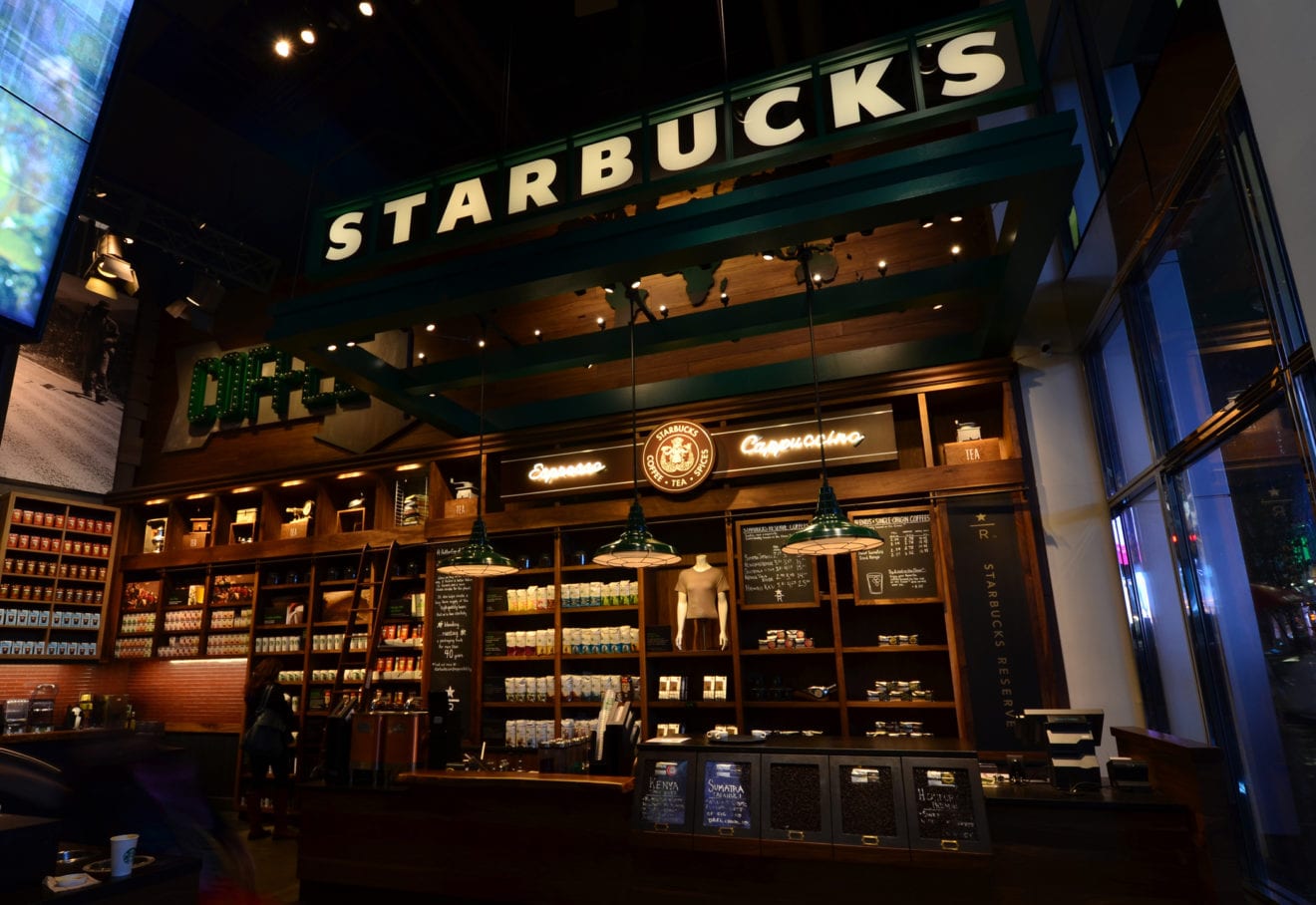
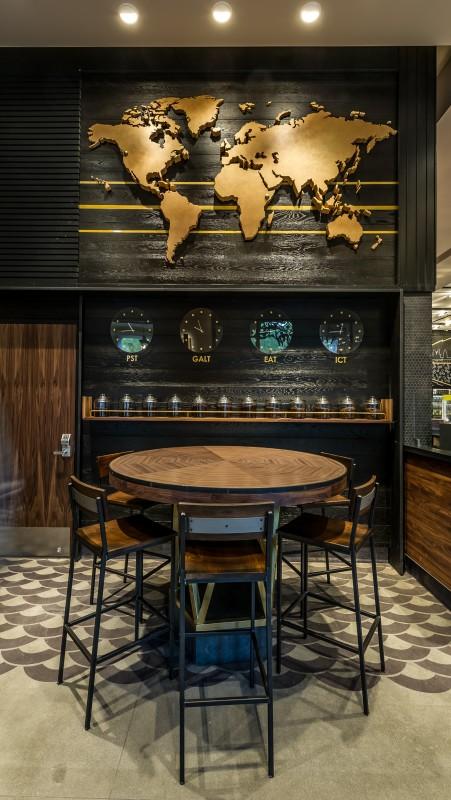
  • Starbucks stores in Taiwan and Hong Kong use a mix of historic and new design elements to …

    Starbucks stores in Taiwan and Hong Kong use a mix of historic and new design elements to …

  • BreadTalk Myanmar franchise deal sealed

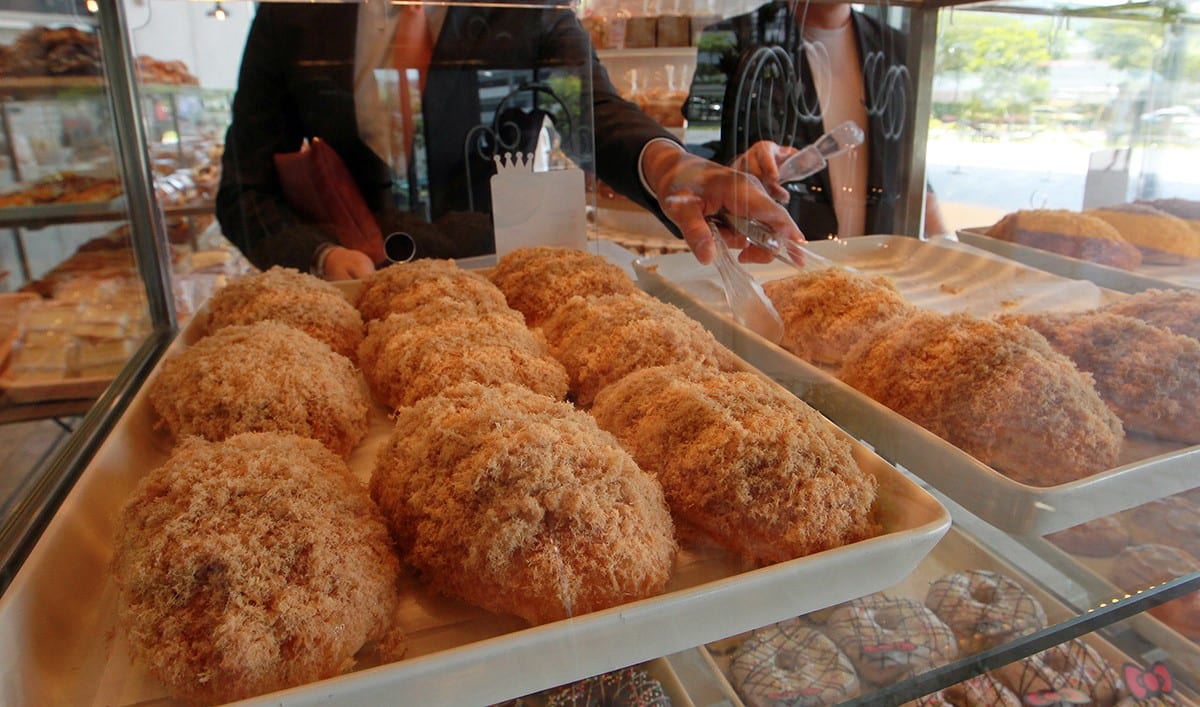
    BreadTalk Myanmar franchise deal sealed

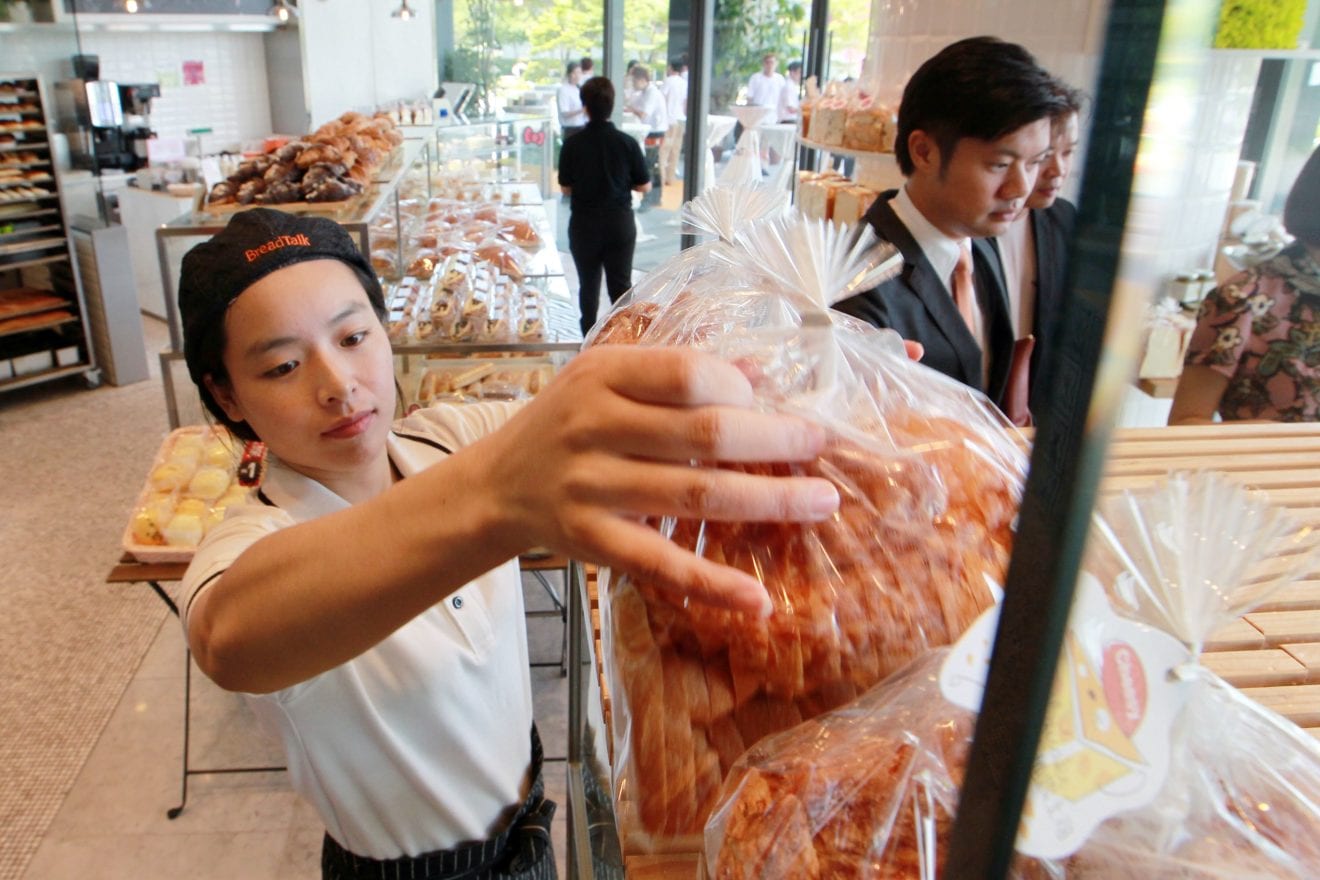
    Singapore bakery giant BreadTalk is moving into Myanmar, signing a master franchise agreement with Myanmar Bakery.

    The first BreadTalk Myanmar outlet is expected to open in Yangon early next year in a shopping centre owned by the Shwe Taung Group. Myanmar Bakery is part of the conglomerate, which has an extensive real estate interests. BreadTalk is the group’s first F&B venture.

    “With a growing middle class and rising retail consumption, there are immense growth opportunities in Myanmar,” says BreadTalk bakery division CEO Tan Aik Peng. “The Singapore team is working closely with the Shwe Taung Group to understand the market.”

    He says the company is confident it will introduce a “new lifestyle of bread appreciation” to Myanmar.

    BreadTalk has nearly 800 outlets across Singapore, China, Hong Kong, Indonesia, Vietnam and Thailand.

    The Shwe Taung group of companies is involved in real estate, construction and engineering, infrastructure, hotels, entertainment, trading and investment. It also runs the Junction Centre group of shopping centres, which includes malls in Yangon and Naypyitaw.

    The group is also behind the upcoming Junction City, an integrated development in downtown Yangon to comprise a lifestyle shopping mall, an office tower and a five-star hotel, scheduled to open early next year.

  • Indonesia eyes US$9 billion in fruit, flower business

    Indonesia eyes US$9 billion in fruit, flower business

    The Agriculture Ministry is aiming to increase the value of Indonesian flower and fruit farming by Rp 120 trillion ( US$9 billion ) by pushing promotion, revitalizing plantations and boosting local fruit consumption.

    Indonesian fruit exports reached $37 million in 2015, a 30 percent increase from $28.9 million in 2014, said Agriculture Minister Amran Sulaiman.

    Indonesia’s main export crops are bananas, oranges, mangoes, papaya and pineapples, with the US, the United Arab Emirates, Singapore, China, Hong Kong, Spain and the Netherlands as the main destination countries.

    “Our fruit exports continue to increase on top of meeting our local demand,” Amran said at his office in South Jakarta, during the soft launch of the ‘Fruits and Flowers International Festival’ scheduled to run from November 17 to November 20 in Bogor, West Java.

    Meanwhile, Indonesia’s main export flower varieties are orchids, roses, jasmines, chrysanthemum and tuberoses.

    To increase fruit production, the government will provide 400,000 hectares of land in Sumatra, Java, Kalimantan and Sulawesi. The program has started with 100,000 hectares in cooperation with state-owned companies.

    Rector of Bogor Agriculture Institute ( IPB ) Herry Suhardiyanto said Indonesia must step up its fruit production to the plantation scale, focusing on 12 fruit commodities, including durian, orange, papaya and pineapple.

    “Fruits can be an instrument for food diversification that will make Indonesia the largest tropical fruits producer in the world by 2045,” he said, adding that the upcoming international festival could help achieve this objective.

    The four-day festival will feature 500 international trade visitors including importers, distributors and wholesalers from Asia, the United Arab Emirates, Australia, New Zealand, Europe and the US.

    It will also display seeds, fruits, flowers, flower and fruit products, agriculture equipment. It is expected to attract 10,000 visitors.

    In addition, there will be activities such as business matching, conference, export business coaching, a carnival and fruit and floriculture contests.

  • 1872 Clipper Tea Opens Flagship Store at ION Orchard

    1872 Clipper Tea Opens Flagship Store at ION Orchard

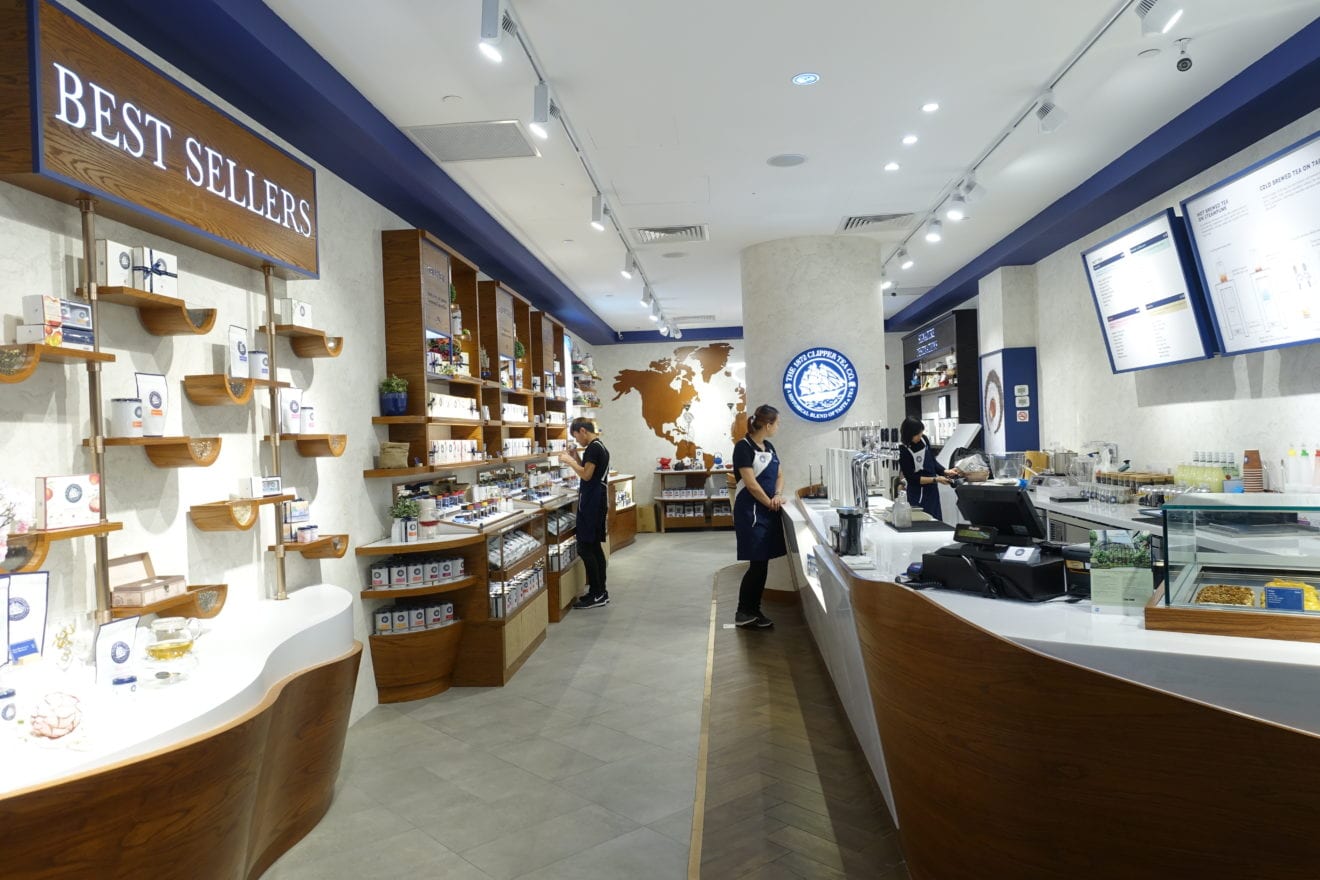
    rsz_img_002Tea has evolved to become an everyday indulgence in peoples’ lives. From mass market options to higher-quality tea bags, loose teas and tea leaves sourced from single estates, the appreciation of fine tea has increased over the years. The 1872 Clipper Tea Co. launches its flagship standalone retail store at ION Orchard on 8 Apr 2016 to cater to this rising demand, and to make tea readily available for tea drinkers.

    “At 1872 Clipper Tea Co., we aim to kindle curiosity for tea by providing rich, exploratory experiences that bring people together. We want to trigger and engage the different senses of our customers to provide that experience. More importantly, we want to break the traditional mindset that tea should be consumed hot. There are endless possibilities as to how tea can be enjoyed,” says Rehan Amarasuriya, Director of the company.

    With a space of 743 square feet, the new ION store not only includes a retail space, but also boasts a first-of-its-kind in-store tea bar. Besides serving a variety of hot teas from the Essentials, Herbal & Blossoms, Tropics and Luxuries range (tea bags and loose tea available for retail), this takeaway retail concept would also include a range of specialty teas and tea-infused pastries and desserts.

    Serving Ceylon’s finest black tea since the founder’s early days in 1872, the experienced tea tasters at 1872 Clipper Tea’s factory in Sri Lanka tastes more than 2000 cups a week to ensure the quality and consistency of its tea leaves. A novelty in itself, the single-origin cold brew pure Ceylon black tea used in the specialty teas is steeped for more than 24 hours and served straight off the tap. This creates a sharper mouthfeel, delivering a cleaner taste profile. Combined with different home-made syrups made with natural ingredients, a variety of iced tea mocktails and iced milk teas are created.

    Quench your thirst with hot favourites; Apple Pie which combines cold brewed tea with fresh apple slices, cloudy apple juice, cinnamon syrup, and the Lemongrass-ginger which pairs cold brewed tea with candied ginger and lemongrass syrup. For something milky, opt for the Gula Melaka Tea Latte which uses fragrant gula melaka and crème. All specialty teas are priced at $6.50.

    Pick from a myriad of tea blends available, and be impressed by the Alpha Dominche Steampunk machine as it prepares the perfect cuppa hot brew. This innovative machine blends artful craftmanship with state-of-the-art engineering to produce a quality and consistent brew from cup to cup. From classic flavours to fruit-flavoured teas and caffeine free herbs and blossoms, 1872 Clipper tea has all kinds of tea blends that is suitable for all types of tea drinkers. Priced at $4.50 and $6.50 (luxuries range) per cup, don’t forget to try the signature blends Timeless Earl Grey and Cranberry Sunrise, winners of the Great Taste Awards.

    If you are feeling peckish, pair the tea with a variety of pastries including the zesty Lemon Yuzu Eclair, $7.50, Matcha’misu and indulgent Earl Grey Truffle (5 pieces) priced at $8.50 each. Customers can also revel in a high tea set which includes a choice of pastry and a Hot or Cold tea drink, priced at $12 and $14 respectively.

    On the retail end, 1872 Clipper Tea launches its Signature Destinations range, which features the most luxurious teas that are hand-selected across 10 key destinations around the world. All selections are single-origin tea leaves that are indigenous to each of their beautiful gardens. The teas are weighed and dosed in store, allowing customers the flexibility to select the quantity they require. Some notable flavours include Yunnan Silver Tips, Milk Oolong, Gyokuro, Finest Darjeeling and Nuwara Eliya. Information on the region and estate where the tea leaves are sourced from can be found on each individual packaging.

    “The name, 1872 Clipper Tea Co., pays homage to the historic Clipper ships that raced to carry the freshest teas to all corners of the world. We want to bring the best tea leaves from these beautiful gardens to our customers, which we hope can transport them on this imaginary voyage with us,” explains Rehan.

    Besides this luxurious collection, 1872 Clipper Tea continues to provide a myriad of teas from its different ranges: Essentials, Herbals and Blossoms, Tropics, Travel and Heritage. A selection  of tea ware and accessories are aslso available for purchase.

  • Indonesian Embassy Introduces Ijen Coffee in New Zealand

    Indonesian Embassy Introduces Ijen Coffee in New Zealand

    The Indonesian Embassy in Wellington held the “Coffee Talk and Coffee Cupping” event to promote Indonesian coffee by brewing Java Arabica coffee from Mount Ijen, Banyuwangi.

    “The presence of Ijen Coffee will add more variety to coffees served in cafes in Wellington, which is known as the world’s capital of coffee,” said Jose Tavares, New Zealand Ambassador to Indonesia.

    Tavares added that Indonesians should be grateful because the country has numerous variety of specialty coffee from Aceh to Papua.

    The event was attended by representatives from several coffee companies in Wellington. They also provided with the chance to taste the flavor of Ijen Coffee during the coffee cupping event.

    The event is also expected to increase Indonesia’s coffee export to New Zealand, which reaches up to a monthly average of 60 tons in 2015.

  • Changi Hello Kitty cafe opens

    Changi Hello Kitty cafe opens

    Travellers to and from Singapore have a new experience from this week: a Hello Kitty cafe in Changi airport.
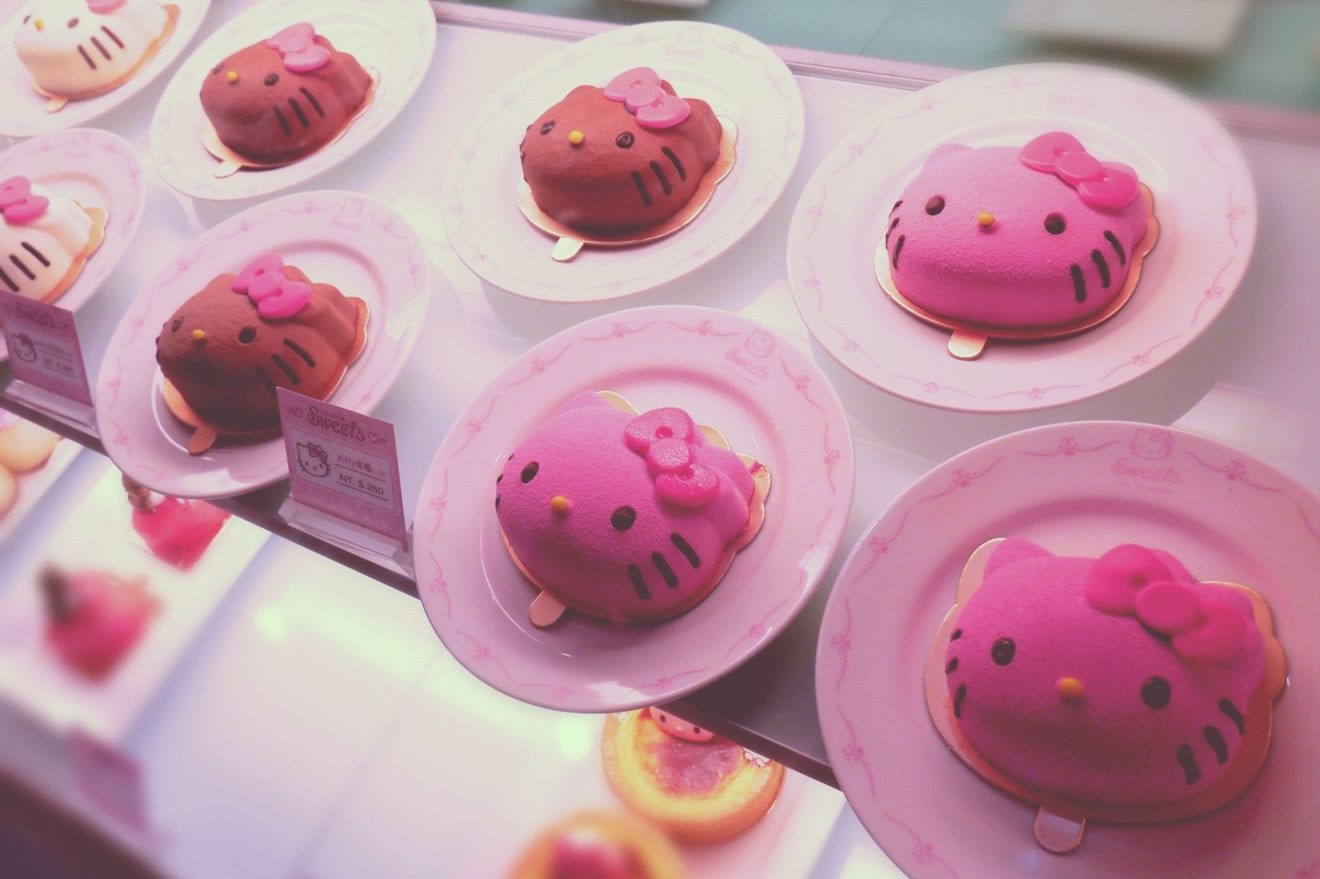
    IMG_2408The Changi Hello Kitty cafe is located in Terminal 3 and mirrors some of the experiences from similar cafes in Japan and other large Asian cities.

    Hello Kitty Orchid Garden will be open 24 hours a day in the central arrival hall, with its decor and menu inspired by Singapore’s national flower.

    It is the first Singapore cafe featuring the feline character out of Japan, and as well as refreshments it will offer plush toys and souvenir tea cups. There will also be Hello Kitty-inspired tea blends, and the cafe is expected to have Halal certification.

  • Deau Cognac opens office in Shandong

    Deau Cognac opens office in Shandong

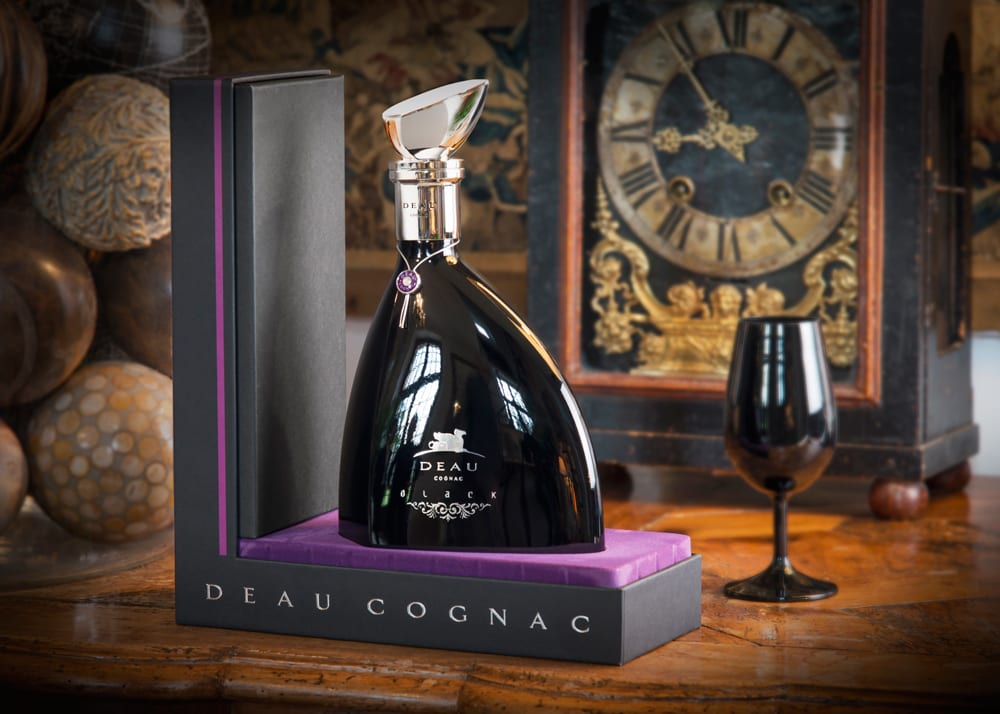
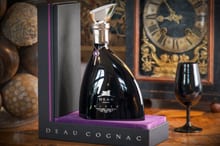
    Deau-Cognac-leadWith 40% of its business currently in Asia, and a new commercial office opened recently in Shandong Province, Tsing Tao, Deau Cognac now hopes to build on its relationships with key Asian retailers.

    To this effect, the brand will be exhibiting for the second time at the TFWA Asia Pacific Exhibition (Stand A02) and Conference, to continue its expansion into the Asia Pacific travel retail market.

    Olivier Hidier, Commercial Director, comments: “Last year was our first time exhibiting at TFWA AP, and we had such a good experience and received such positive feedback, that returning was a given.

    “The region is full of opportunities, but remains challenging to break into and secure a strong foothold. Currently, China represents the biggest share of our Asian business, so the recent slowdown in Chinese spend has been tough, but we are optimistic this will return.

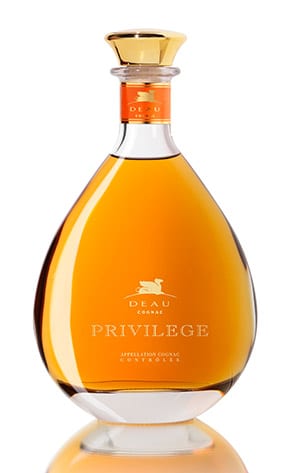
    Privilège VSOP Cognac

    Deau will also be showing its Privilège cuvée – a unique blend of Cognacs, slowly matured in ageing cellars.

    “Opening our Shandong Province commercial office has enabled us to better service and support the market through our own dedicated sales development team that in turn works very closely with local distributors.”

    This year, Deau will be showcasing its Cognac Extra Black, which has been given a ‘facelift’ with a more premium black cover, and gift pack.

    “The demand for premium products in the region continues to be strong, so we thought returning to Singapore with a more high-end looking product was important,” adds Hidier.

    “The new look cover and gift pack is sure to catch the eye of passers-by, and will look amazing displayed in any retail environment.”

    Deau will also be showing its Privilège cuvée – a unique blend of Cognacs, slowly matured in ageing cellars. Aiming to enhance its perceived quality, the cuvée has also been improved, receiving an upgrade to both its look and taste.

    The front label has been replaced with an engraving, whilst the blend now sits as a superior VSOP – making it ideal for the region. Also perfect for travel retail are its two Tasting Boxes, beautifully presented, and enabling consumers to try either three, or all six of the main Deau Cognac expressions.

    “We may be a small brand in comparison to the main Cognac players, but we have a unique offering, which is quite exceptional, and one we feel is ideal for this channel,” adds Hidier.

    “We have seen success in the domestic markets, and we are now looking to replicate this in travel retail; it is a great showcase for further building awareness of our brand, and an excellent platform for which to go to the next level of growth.”

  • Starbucks: New Stores Are Nice, But Here’s The Real China Domination Plan

    Starbucks: New Stores Are Nice, But Here’s The Real China Domination Plan

    Last week, I reasoned why Starbucks’ growth plans in China would lay the foundation for the company’s ultimate success in the long-term. Put simply, China will make you rich as a Starbucks shareholder.

    The “long game,” as CEO Howard Schultz describes it, includes opening 500 locations per year for the rest of the decade, to build on the 2,000 stores the company has in 100 cities.

    But growing its store base isn’t the only plan. While expansion is a driving factor for long-term growth, the company’s plans in the short-term should make shareholders very happy as well: digital growth.

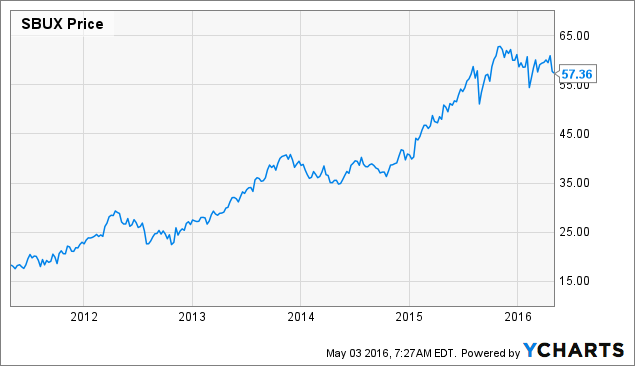
    In 2014, Starbucks really started to press forward with its mobile app ambitions. Schultz predicted the drop in mall traffic and strain felt by traditional retailers as a result. While he talked about the revolutionary features the app would bring, the stock price languished, trading sideways for much of the year.

    But in 2015, we saw a rejuvenated stock, one that climbed almost 50% as its app-based payment method accelerated sales growth in the U.S. This year, look for Mobile Order and Pay to be the driver in the U.S., and for delivery to boost results next year. It’s why the Americas segment boasts such strong same-store sales growth, up another 7% last quarter despite growing comps 7% in fiscal 2015.

    To say the company’s digital efforts have made an impact would be an understatement. It increases the brand strength, encourages higher spending, more loyalty and gift card loading. It was a total game-changer, and it remains that way today.

    That’s why taking it over to China will make an enormous impact.

    Several times, and most recently in the latest quarterly conference call, Schultz has referenced that the company is bringing its digital presence across the Pacific.

    I am more convinced ever that… as we fully roll out our new partnerships with the leading digital companies and brands in China and leverage our unique digital, mobile, card, gifting, and loyalty programs across our business in China later this year and ultimately across CAP overall, we will perform at even higher levels of success and profitability in the future than we do today.

    Although revenues respectfully climbed 18% and 14% in China/Asia-Pacific last quarter, I would look for a deeper mobile push in China to be like gasoline on the fire.

    Taking a peek at the most recent conference call from Alibaba (NYSE:BABA) sheds some light on the mobile/online retail world of China (bold emphasis added):

    So retail sales is going against the grain of what many consider to be a decelerating economy. And that’s because the shift of the Chinese economy is going from investment-driven to consumption-driven… e-commerce penetration continues to grow and that is largely because Alibaba is behind driving that penetration of online commerce. And we’ve seen a very massive shift of users going online, that’s because of the advent of the mobile device.

    Starbucks is also a beneficiary of this move, even though sales aren’t done online necessarily, but through a mobile device. I know this doesn’t seem like a big deal to some, but when shares were trading sideways throughout 2014, that’s when the company was gearing up to unleash its mobile potential.

    SBUX Chart

    Despite the doubters, Schultz continued to stress the “flywheel effect” that Starbucks’ digital efforts would create, and boy was he right. It has propelled the Americas segment to new heights and it will continue to do so going forward.

    There’s no reason China will be any different. Although recent comps in CAP have been disappointing by many analysts’ expectations, I think this will help to drive them higher later this year and throughout fiscal 2017. Given that CAP comps have been underwhelming this year, it should also be a low bar to hurdle next year.

    So while increasing the store footprint in China is the right thing to do for the long-term, the digital expansion was absolutely necessary for the short and intermediate term. Especially for such a big and technologically-driven Chinese market.

  • BreadTalk to open in Myanmar next year

    BreadTalk to open in Myanmar next year

    Myanmar’s growing group of middle-class consumers can now look forward to Singapore bakery giant BreadTalk’s pastries and baked goods as the home-grown bakery brand will soon be available in Myanmar.

    It signed a franchise agreement with Myanmar Bakery on Tuesday (May 3), which will allow Myanmar Bakery to hold the master franchise to operate BreadTalk outlets in Myanmar.

    The first outlet is expected to open in Yangon by early 2017 in one of the shopping centres owned by the Shwe Taung Group. Myanmar Bakery is part of Myanmar conglomerate Shwe Taung Group, which owns an extensive network of real estate businesses in Myanmar.

    The deal marks the first food and beverage venture in Myanmar for the Shwe Taung Group and is also BreadTalk’s maiden foray into Myanmar.

    “With a growing middle class and rising retail consumption, there are immense growth opportunities for BreadTalk in Myanmar,” said Mr Tan Aik Peng, chief executive officer of BreadTalk’s Bakery division.

    “The Singapore team is working closely with the Shwe Taung Group to understand the Myanmar market and we promise an exciting line up with BreadTalk’s first boutique bakery in Yangon.”

    He added that BreadTalk was confident that they will “introduce a new lifestyle of bread appreciation” to Myanmar’s burgeoning middle class.

    BreadTalk operates close to 800 outlets across Singapore, China, Hong Kong, Indonesia and Thailand.

    The Shwe Taung group of companies is a conglomerate involved in real estate, construction and engineering, infrastructure, hotels, entertainment, trading and investment. It also operates the Junction Centre group of shopping centres, which include malls in Yangon and in Naypyitaw, the country’s administrative capital.

    The group is also behind the upcoming Junction City, which is an integrated development in downtown Yangon which will comprise a lifestyle shopping mall, an office tower and a five-star luxury hotel scheduled to open in the first quarter of 2017.

  • Yen strength bites 759 Store profits

    Yen strength bites 759 Store profits

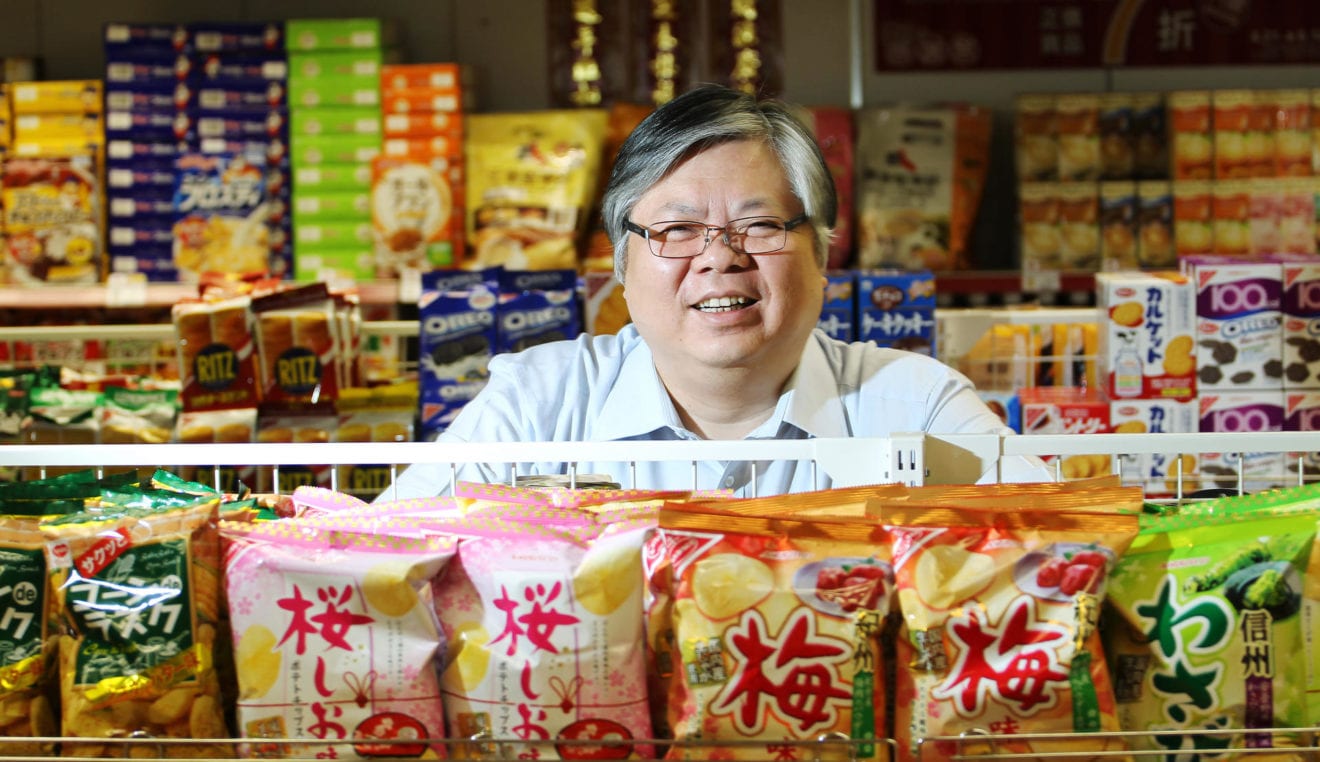
    Feeling the bite from a stronger yen, Hong Kong snack chain 759 Store will shut down at least 15 outlets this year and slash its discounts from next month.

    The company has reported its first loss since its 2010 launch, with founder Colis Lam Wai-chun blaming the currency appreciation for raising the cost of its products from Japan, which accounts for about 30 per cent of its range.

    There has also been a drop in sponsorship fees from payment-service companies this year, further squeezing profits.
    Lam says the change in pricing strategy would result in a 10 to 20 per cent rise in prices for the chain’s members and customers using such payment methods as credit cards and electronic wallets.

    He says dealer prices for Japanese products have risen around 7 to 8 per cent, while payment-service partners have cut sponsorship fees paid to the chain by 70 per cent from a year ago.
    Instead of discounts of 30 to 40 per cent, members and customers using designated payment methods will find the rebate cut back to 10 to 20 per cent from next month.

    However, Lam says ordinary consumers who pay cash or use non-designated methods might enjoy cheaper prices.

    He plans to adopt a “fixed price” for each item, with a profit of around 35 per cent on the dealer price. Previously the chain offered three price levels for different products, with profits ranging from 32 to 40 per cent.

    However, Lam does not expect to lose customers as he says his products will still be cheaper than those in supermarket chains like ParknShop and Wellcome.

  • North Korean beer sale in China

    North Korean beer sale in China


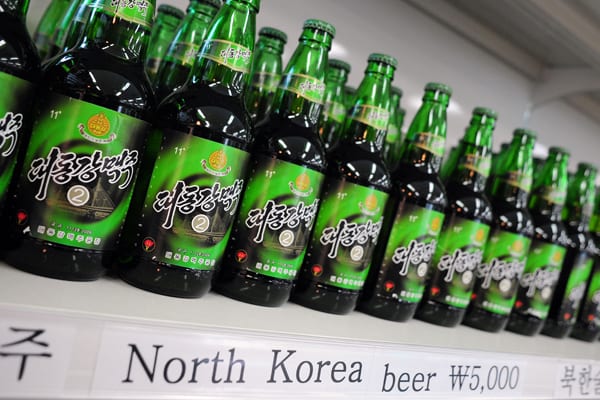
    A North Korean beer brand rarely available in China up to now has been spotted on grocery store shelves in cities close to the North Korean border, although the brew is too highly priced for Chinese consumers, sources said.

    “There is a billboard advertising Taedonggang beer on the roadside in front of the Dandong train station,” said a Chinese resident of the border city in northeastern China’s Liaoning province, who declined to be named.

    “Even the daily newspaper has revealed the state-owned, North Korean beer company’s address and phone number of the brewery’s offices in China,” he told RFA’s Korean Service. “It seems that China has officially imported Taedonggang beer.”

    Taedonggang beer, named after the river that runs through North Korea’s capital Pyongyang, sells for 20 yuan (U.S. $3.09) per 640-milliliter (22-fluid ounce) bottle in stores in Dandong and Shenyang in northeastern China’s Liaoning province, four times more than the price of domestic Chinese beer brands which typically cost 5 yuan (U.S. $0.77) per bottle, sources said.

    North Korea, which was hit with tough new international sanctions in March for conducting another nuclear test and long-range rocket launch, has had to step up efforts to participate in markets abroad to generate foreign currency to finance the regime of national leader Kim Jong Un.

    So far, the beer’s distribution has been limited in China—North Korea’s largest trading partner—and is only available in stores that offer Korean and other foreign products and ones in areas with growing Korean communities, sources in Shenyang and Dandong said.

    “Some grocery stories have been selling Taedonggang beer most recently, but there is only a small quantity, which is why other people still don’t know about it,” a Chinese resident of Shenyang said.

    Good quality, high price

    Even though the taste and quality of the full-bodied lager, which has a five-percent alcohol content, are appealing, Chinese consumers will not buy the beer at such a high price, sources said.

    “Although the alcohol content of the beer is slightly higher than that of Chinese beer, the North Korean beer has a dark color and a smooth taste,” said a Chinese source who has tried the beer at a restaurant in Dandong.

    “The quality of the North Korean beer is fairly good, but I think it will be difficult for Chinese consumers to drink it often because it is too expensive,” he said.

    China imposes a 17 percent value-added tax and 250 yuan (U.S. $39) per ton on foreign beers, said a North Korean who lives in China.

    “Taedonggang beer’s price of 20 yuan is very high considering the market margin and importers’ profit,” he said.

    In North Korea, foreigners can buy the beer at hotels, but they pay an inflated price for it as a means of bringing in foreign currency.

    North Koreans can buy bottles of Taedonggang for the equivalent of about 1 yuan (U.S. $0.15) each on the black market, sources said.

    “It seems that the fixed beer price is due to the import price, meaning the retail price in North Korea itself is high,” the North Korean source said.

    Showpiece brewery

    Taedonggaang got its start in the early 2000s when former North Korean leader Kim Jong Il acquired a defunct British brewery. A team of North Koreans traveled to the plant site in Trowbridge, a county town of Wiltshire, England, where they dismantled the brewery and reassembled it in Pyongyang. The plant began operating as the Taedonggang Beer Factory in 2002.

    The regime ensured that the showpiece brewery had abundant supplies of fresh water and quality ingredients to manufacture the brew, while millions of its largely impoverished people were undernourished from a lack of food.

    North Korea began exporting Taedonggang to South Korea a few years later, but the South Koreans stopped importing it in mid-2007 after the regime suddenly hiked its price, according to a Reuters report in March 2008.

    In 2012, Britain’s The Economist magazine ruffled feathers in South Korea with an article that contrasted Taedonggang with what it called the South’s “boring beer” and said “brewing remains just about the only useful activity at which North Korea beats the South.”

  • Pokemon cafe to open in Singapore next month

    Pokemon cafe to open in Singapore next month

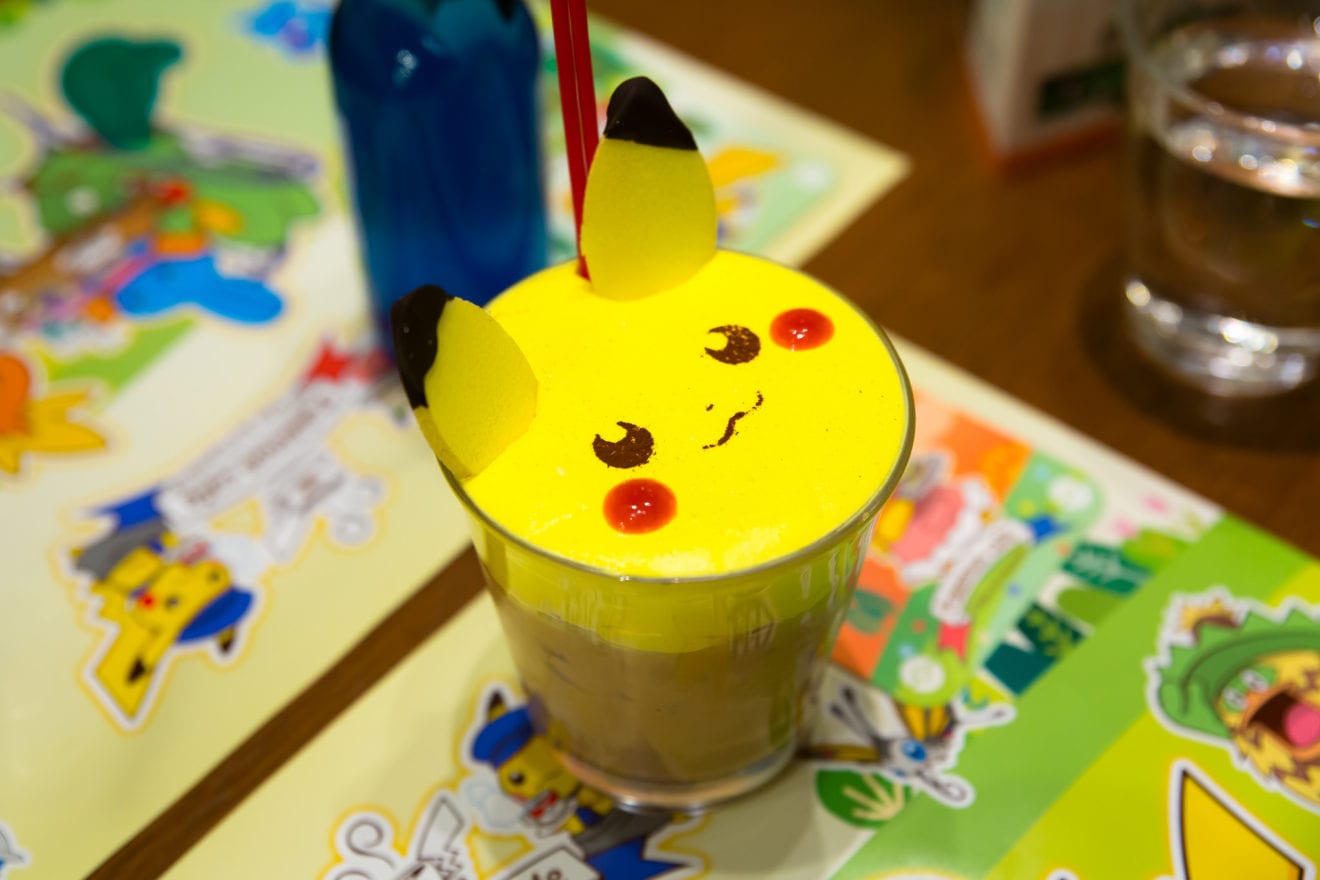
    Singapore will be the first country in South-east Asia to have its own Pokemon cafe, albeit only for some two months.

    The cafe, which will run from May 27 to July 31, will be located on the fourth floor of Bugis Junction. During this time, the Pokemon cafe will be temporarily taking over the retail space of Everything With Fries at #04-05, said Parco in a press statement on Monday (April 25).

    Besides Pokemon-themed food, the cafe will also be selling some limited edition merchandise, the retailer said. Photo sessions with Pikachu will also be available.

    Parco said the cafe will be a reproduction of the one that ran in Shibuya, Tokyo from January to March last year.