Category: Food

Retail News Asia is committed to providing both local and global retailers with the latest Food and Food & Beverage news throughout the Asian market. This on a daily base.

  • Time International introduces Sweet Monster

    Time International introduces Sweet Monster

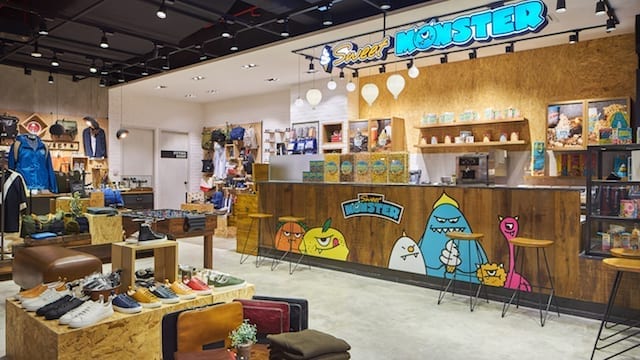
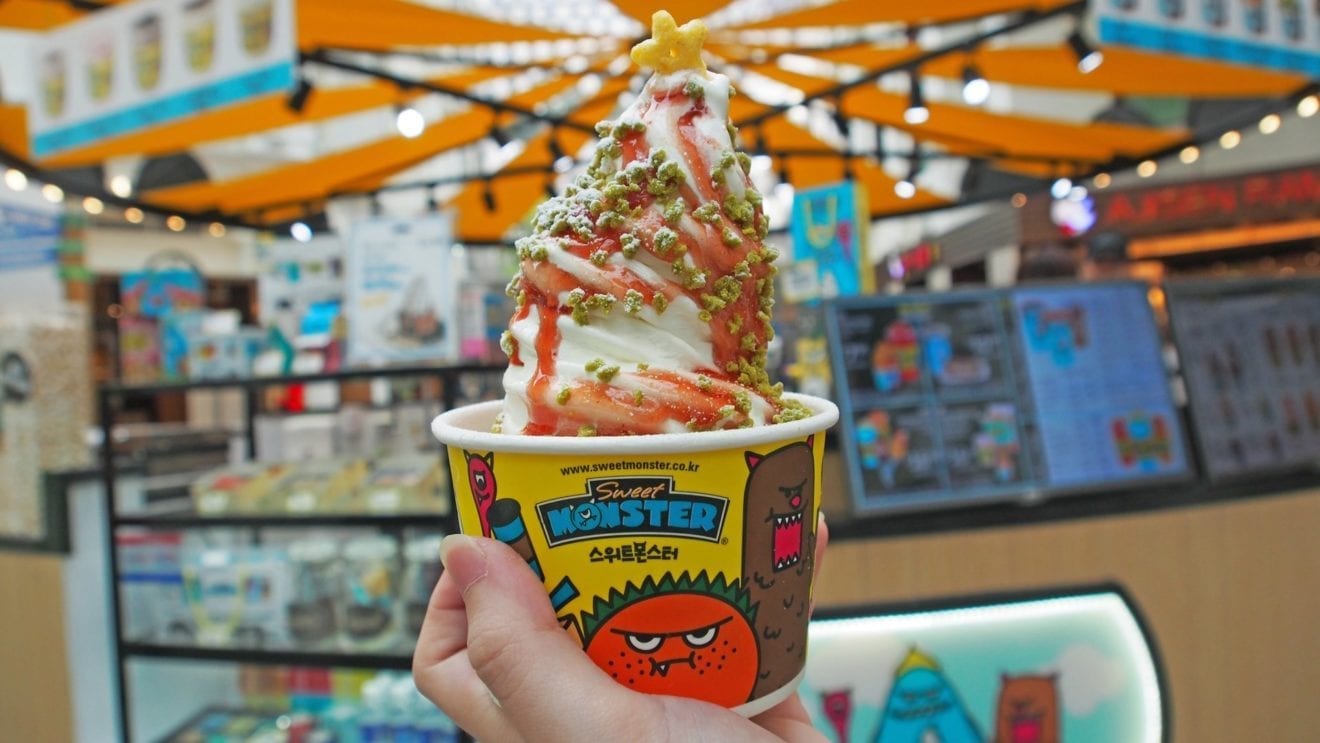
    Korea’s popcorn soft-serve ice cream brand Sweet Monster has arrived in Indonesia as the first F&B retail venture of Indonesian brand group Time International.

    It has launched stalls in Project X Plaza Indonesia and Pondok Indah Mall 2 in Jakarta, featuring its range of characters, EggMon, CookieMon, BlueMon, LeMon, PinkMon, OrangMon, ChocoMon and PopMon.

    SM_IG_Photo Product

    Inspired by confectionery sold at American carnivals and festivals, the brand attracted queues when it opened outlets in China, Hong Kong, Singapore and Thailand.

    Sweet Monster’s offerings are based on its ice cream, made fresh daily at each store from its own formula of milk powder. The flavour line-up includes Popcorn Ice Cream and Signature Ice Cream in Real Deep Milk, Original Tiramisu, Peanut Butter Pretzel, Caramel Macchiato, Cookie Mountain and Green Tea Mountain.

    There is also the full-cream Monster Shake, inspired by American milkshakes made only from ice cream and milk. Flavour options include Pure Milk, Cookie & Milk, Caramel Cafe au Lait, Strawberry Cake and Ferrero Nutella.

    Using only non-GMO corn, Sweet Monster’s popcorn is popped by air. It does not contain trans or saturated fats or artificial colouring, but does have dietary fibre.

    The PopMon characters represent the flavours of the popcorn: salt caramel, combination, strawberry, chocolate or tangerine.

    sweet-monster-project-x-2

  • Koreans consume more foreign beef over expensive local hanwoo

    Koreans consume more foreign beef over expensive local hanwoo

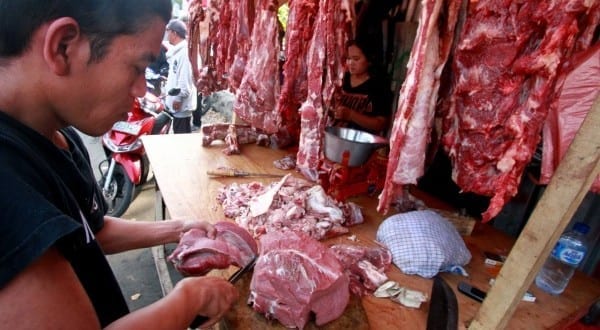
    South Koreans consumed more American and other foreign beef than expensive local beef last year, a move that has lowered the country’s self-sufficiency rate for beef to below 40 percent over 13 years, a state-run think tank said Thursday.

    Last year, South Koreans consumed 362,000 tons of foreign beef, accounting for 62.3 percent of the total beef consumption in the country, according to the Korea Rural Economic Institute.

    South Korea halted imports of U.S. beef in 2003 following the outbreak of a mad cow disease. Seoul lifted the ban in late 2008, which led to mass demonstrations among people in fear of their safety.Australian beef came to 178,000 tons, making up 49 percent of total beef imports. American and New Zealand beef stood at 42 percent and 6 percent, respectively.

    Still, the market share of American beef in South Korea has gradually been on the rise in recent years.

    In comparison, South Koreans consumed 219,000 tons of domestic beef, known as hanwoo last year, accounting for 37.7 percent of the total beef consumption in the country, according to the institute.

    It marked the first time that South Korea’s self-sufficiency rate for beef fell below 40 percent since 2003 when it stood at 36.3 percent.

    The decline came as South Korean consumers shunned expensive local beef.

    The wholesale prices of local beef once hit nearly 20,000 won ($17) per kilogram last year.

    Retail prices of the best quality local beef for bulgogi, a grilled marinated beef dish, came to 4,578 won per 100 grams last year, compared to 2,464 won for American beef for bulgogi, according to the institute.

    The prices of local beef have been on the rise since late 2015 as the number of cattle is continuing to fall.

    Domestic farms cut the number of cattle as the prices of local beef went down and the government helped some farms shut down to stem the decline of local beef following a free trade deal with the United States.

    South Korea’s anti-graft law — which took effect in September — is also adding to the woes of the local beef industry.

    Local beef was one of the favorite gifts during major holidays, but was overtaken by health products, according to major retailers.

    The law imposes tight limits on free meals and gifts that can be accepted by government officials, journalists and private school teachers to try to curb the deep-rooted tradition of excessive hospitality. The maximum value of a gift that a person subject to the law can receive has been set at 50,000 won.

  • Sushi Kit Kats for new Nestle Japan store

    Sushi Kit Kats for new Nestle Japan store

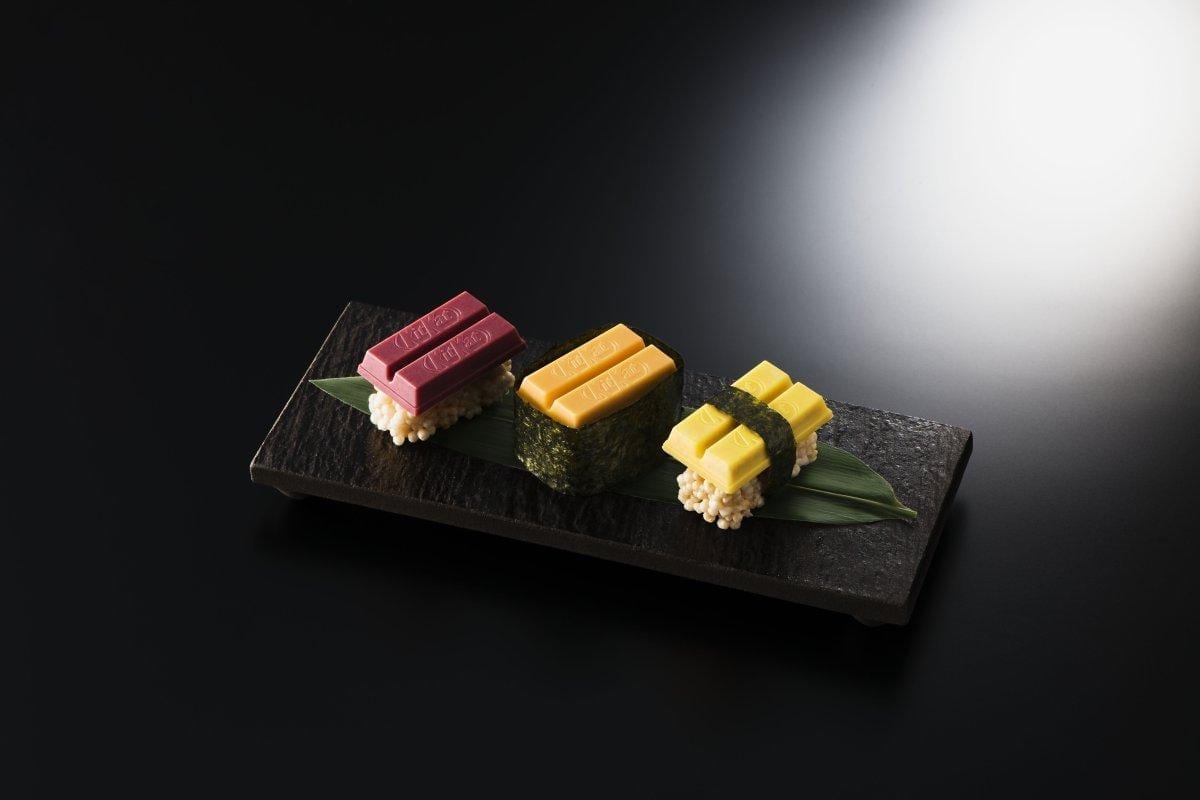
    Nestle Japan will open its first stand-alone Kit Kat Chocolatory store in Tokyo’s Ginza district on February 2 – and marking the occasion with gifts of special sushi Kit Kats.

    Since the first Kit Kat Chocolatory opened in January 2014 as a specialty store offering premium and exclusive Kit Kats, the franchise has expanded to eight outlets across Japan, all within major department stores.

    sushi-kit-kats


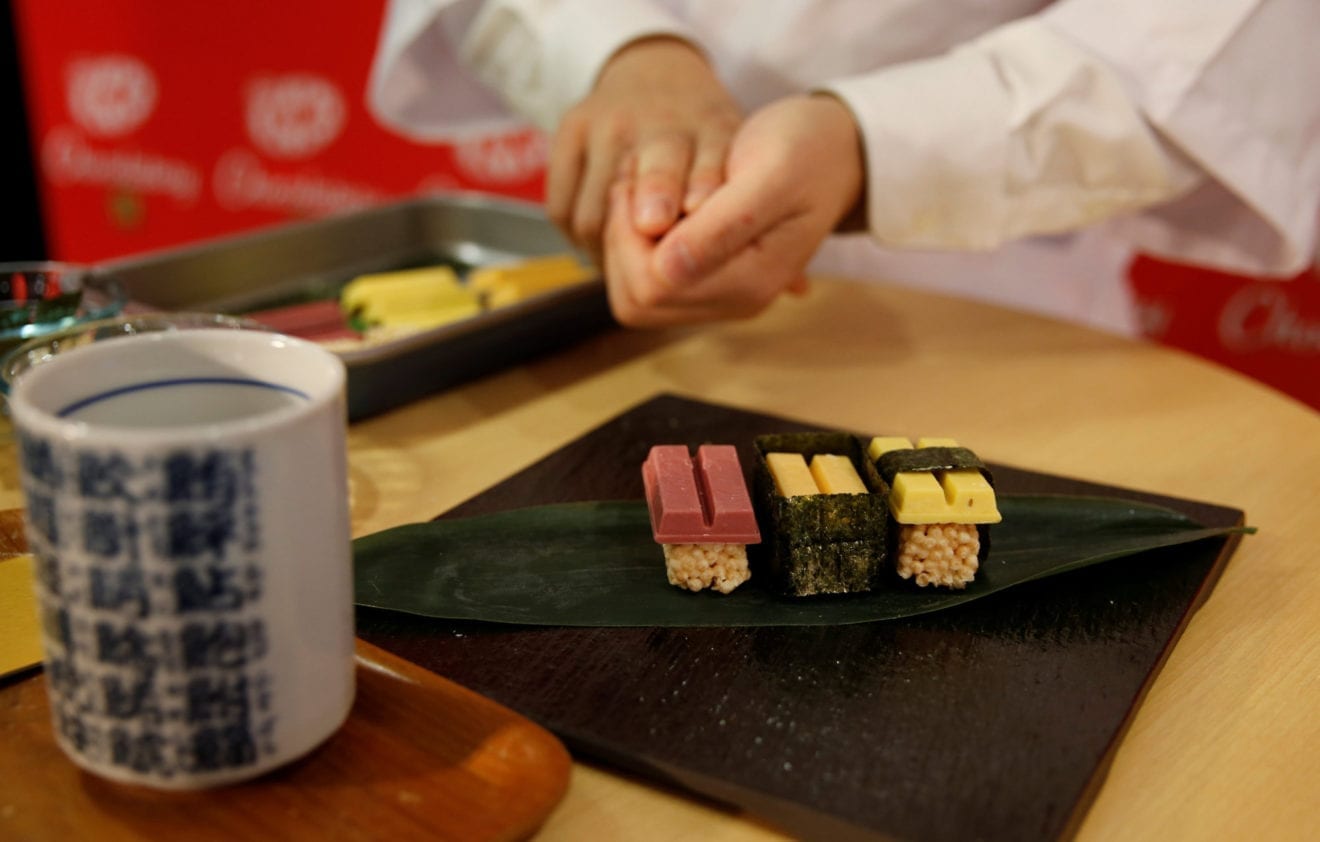
    For the grand opening of its stand-alone store, the company has created a set of three Kit Kats shaped like sushi – a combination of Kit Kats and rice puffs coated with white couverture chocolate. The maguro (tuna) version is topped with a raspberry-flavoured Kit Kat, the uni (sea urchin) version is made with a Kit Kat with the flavour of Hokkaido melon with mascarpone cheese, while the tamago (egg) version features a pumpkin pudding flavoured Kit Kat.

    kit-kats-chocolatory-japan

    Actually, the idea of a sushi Kit Kat was shared on social media by Nestle Japan as an April Fool’s Day joke last year, but the response was so huge the company decided to make it a reality. There will be 500 sets of the three sushi Kit Kats, with a limited number being offered each day to customers spending more than 3000 yen (US$26.50) or more at the new Ginza store.

    There are also plans to open a cafe on the second floor of the store in the next several months where customers will be able to try special items such as baked madeleines made with Kit Kats, or even make their own Kit Kat creations using toppings of their choice.

  • Starbucks future strategy applauded

    Starbucks future strategy applauded

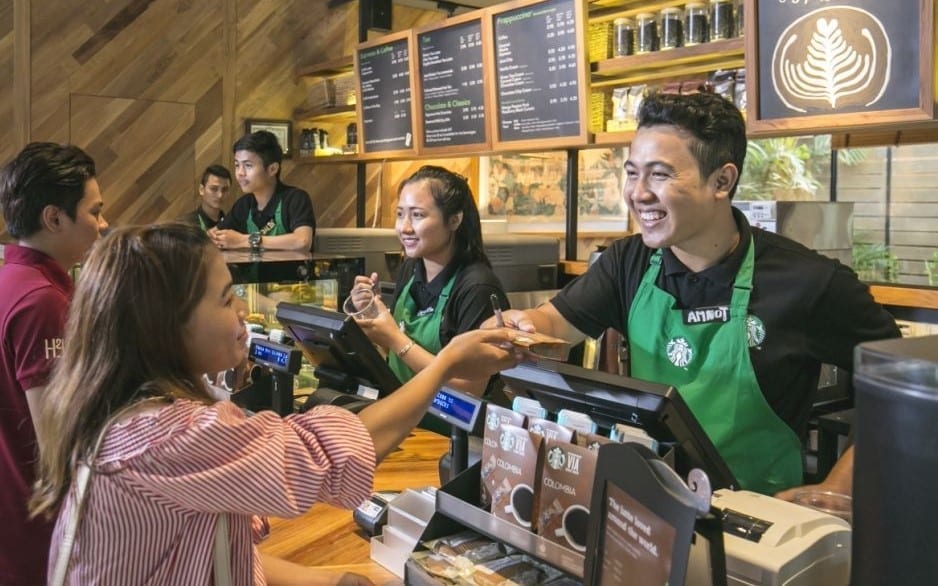
    While Starbucks has kicked off its new fiscal year with the lowest same-store sales growth since 2009, there is no reason to be overly discouraged by these results.

    Certainly, there are a few areas of softness, but the uplift of 3 per cent in the Americas comes off the back of a 9 per cent rise in the prior year. For a mature, fairly saturated company operating in a competitive segment of the market, the numbers show resilience.

    In any case, the overall revenue numbers are somewhat more robust – both within the Americas and on a global basis – thanks to a healthy program of store expansion. Starbucks may be reaching its peak in some localities, but it has demonstrated that even in its more mature markets it can still find headroom for new openings.

    Starbucks has done a reasonable job of managing its profitability at a time when margins are being squeezed by higher staffing costs. During this period, overall operating income increased by 7 per cent on a global basis and by 3 per cent within the Americas – partly thanks to the price increases of last year.

    All of that noted, there is no doubt that Starbucks is now firmly in middle age: it is finding growth more difficult to come by and, in financial terms, the business is not moving upwards at the pace it once did. In our view this is not demonstrative of a company in trouble, or even a company doing the wrong things, it is simply a reflection that Starbucks is a more mature business.

    Given that this dynamic is only likely to intensify over the next few years, it is incumbent on Starbucks to find new avenues for growth. The company is managing this well and has already set out its stall in terms of the innovations it intends to pursue to drive both the top and bottom lines.

    Some of these future plans lie outside the existing business model. Starbucks should be applauded for having the courage to look beyond its existing core operation, and to indicate its commitment to these ventures by putting Howard Schultz in charge of the new division. In truth, the push into premium through the development of the Princi chain and the Roastery and Reserve-only stores are not going to deliver sales volumes anywhere near those of the main business. However, their contribution will take the edge off the more subdued growth coming from core markets.

    As much as new initiatives will help, it is also important for Starbucks to look for ways to improve productivity at existing stores. This includes improvements to the food offer, which remains fairly low key and lacklustre.

    The year ahead will be both exciting and challenging in equal measure. However, Starbucks is a solid operator that will deliver single digit comparable sales growth, with total revenue uplifts just nudging into double digits.

  • Chatime Malaysia outlets to rebrand

    Chatime Malaysia outlets to rebrand

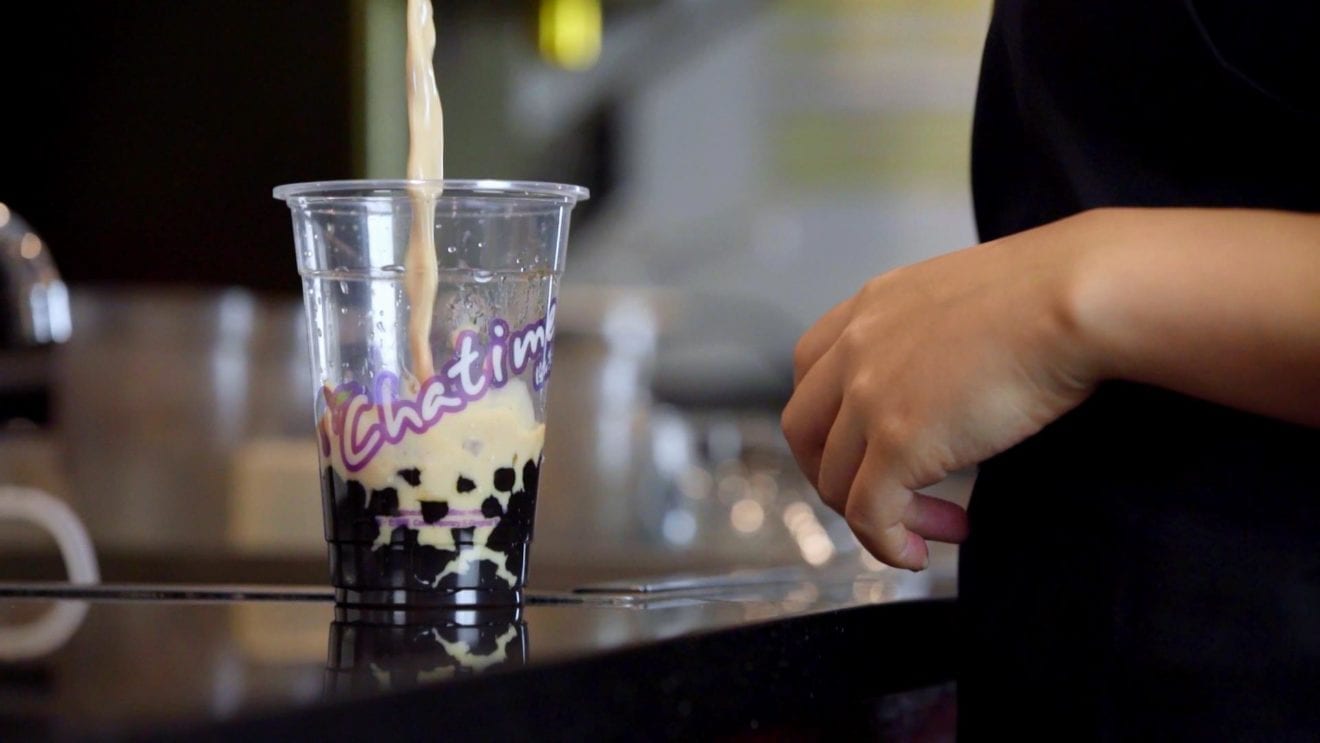
    Chatime Malaysia bubble-tea outlets will be rebranded following a dispute between franchisor La Kaffa International of Taiwan and Malaysia’s Loob Holdings.

    The move follows a termination of the franchise contract because of irreconcilable differences. Loob Holdings, which runs 165 Chatime outlets in Malaysia, contributes more than half of the turnover for the franchise company’s 800 outlets internationally.

    “We will surely come up with something better,” says CEO Bryan Loo, noting his company has nine other brands. He says it built the Taiwanese brand from scratch in Malaysia — “from zero to hero, and from no outlet to the current 165”.

    Loo says disagreements and disputes over business and operational matters had all been dealt with in accordance with the terms of the franchise agreement.

    “In 2011, there were a few dozen bubble-tea brands, and now there are only three. We are by far the market leader in our segment, and we are confident of holding this leadership with our own brand, which will be revealed when the time comes.”

    The dispute came to light when La Kaffa announced on January 6 that it had terminated the franchise and would immediately take over all the 165 Chatime outlets in Malaysia. However, Loo has clarified that Loob Holding and its sub-franchisees are still running all 165 outlets. According to the franchise agreement, the outlets will stop using the Chatime branding after 45 days.

  • Hong Kong food trucks finally hit the streets

    Hong Kong food trucks finally hit the streets

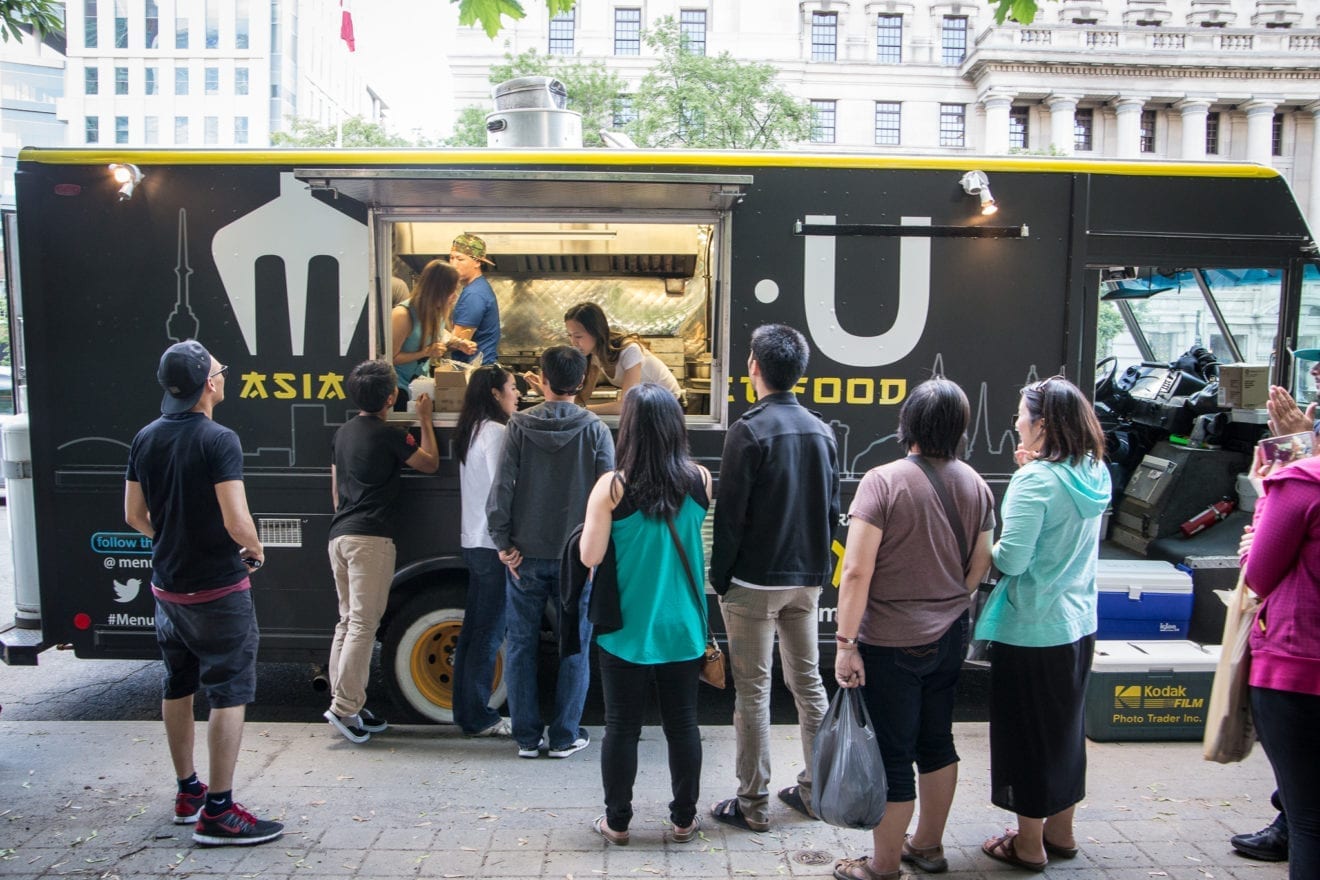
    The first Hong Kong food trucks have hit the streets – 16 in all will be operational tomorrow.

    Stationed at eight locations, they will offer a range of dishes as diverse as dumplings, dragonfruit smoothies and American-style steamed bread.

    It is the launch of a two-year pilot scheme to diversify the city’s tourism offerings, announced two years ago by former financial secretary John Tsang Chun-wah.

    Among the 16 chosen pioneers is Stanford graduate Angela Huang, an heiress of catering group Chee Kei, a restaurant chain known for its wonton noodles. The 25-year-old left her dream job in the US to return to Hong Kong to run the 5.5-tonne food truck Princess Kitchen.

    Seeing the project as “a good learning opportunity”, she says she feels that the word “princess” has a negative connotation in Hong Kong. “I want to use Princess Kitchen to send a message about what I feel about princess. It is not meant to be a girly and traditional type of princess. People should be able to define their own kind of beauty, happiness and health.”

    Huang learned about the pilot scheme while working as a consultant in San Francisco. “I want to come back for something I am excited about. This is something I really want to do.”

    To learn about running a mobile food business, the heiress started by taking orders in a food truck in San Francisco, and visited different ones in Los Angeles.

    Her food truck, which she painted herself including cartoon portraits of her friends and family, will offer dragonfruit smoothie bowls, which she would make at home and which are rarely available in the city.
    Huang, who says she feels lucky to be part of the pilot scheme, has hired two full-time staff members to help run the venture.

    Incentives

    The government offered incentives to start-ups and micro-enterprises to kickstart the scheme.. In the end, seven of the 16 winners were smaller firms.

    Part-time hawker and small restaurant owner Liu Chun-ho says he has so far spent HK$1 million (US$128,875) on his truck, Mama’s Dumpling. He had to obtain a bank loan and raise money from relatives.

    “I was planning to spend from $600,000 to $700,000 originally, but when I started preparing it realised the actual costs are much higher.”

    Almost $180,000 was spent to fit out the truck in accordance with the government’s safety and hygiene requirements. “It’s stressful to bear a cost that big,” he says. “It scares me when I think about it.”

    Liu has been selling dumplings for almost seven years during traditional celebrations. Four generations of the Liu family have been dedicated to making dumplings, and even his nine-year-old daughter has mastered the skill. Liu says the food truck will be run entirely by relatives.

    His signature dumplings will have wrappers in five colours. He plans to sell a box of six dumplings for $40. Pig knuckles, fried dumplings and soybean milk will also be on offer.

    Not all locals

    Not all the food trucks are local enterprises, such as Los Angeles-based Book Brothers Food Truck.
    “Hong Kong is a much better place to promote the brand compared with mainland cities,” says Raymond Wong, who was assigned by the US firm to manage its first food truck outside the US. The firm, which has seven food trucks and one restaurant in the US, won over the judges last year with its American-style barbecue steamed bun, which integrates Chinese and Western elements.

    Wong says a food truck is a cheaper way to establish brand reputation, given the city’s high running costs. The company has invested about $1 million on the project so far, Wong says, while opening a small cafe could easily cost up to $3 million.

    It needs to pay only about $20,000 a month for the site at Hong Kong Disneyland – the most expensive location – while monthly rents for a restaurant in a prime location could climb to hundreds of thousands of dollars.

    However, the American firm has found Hong Kong’s requirements more stringent, such as using new vehicles plus installing back-up batteries. Wong also says it is not easy to make a profit with only one truck.
    Some arranged locations, such as Energizing Kowloon East harbourfront, have few pedestrians during weekdays, says Wong, which makes things even harder.

  • Does your fish burger contain mercury-tainted shark meat?

    Does your fish burger contain mercury-tainted shark meat?

    A study of shark meat in Indonesia – the world’s largest shark fishery – has found dangerously high levels of mercury build-up in catches bound for overseas fish markets.

    Research conducted at the Seafood Inspection Laboratory in Bali found that mercury concentrations in processed, export-ready shark tissue exceeded twice the commonly accepted safe consumption limit.

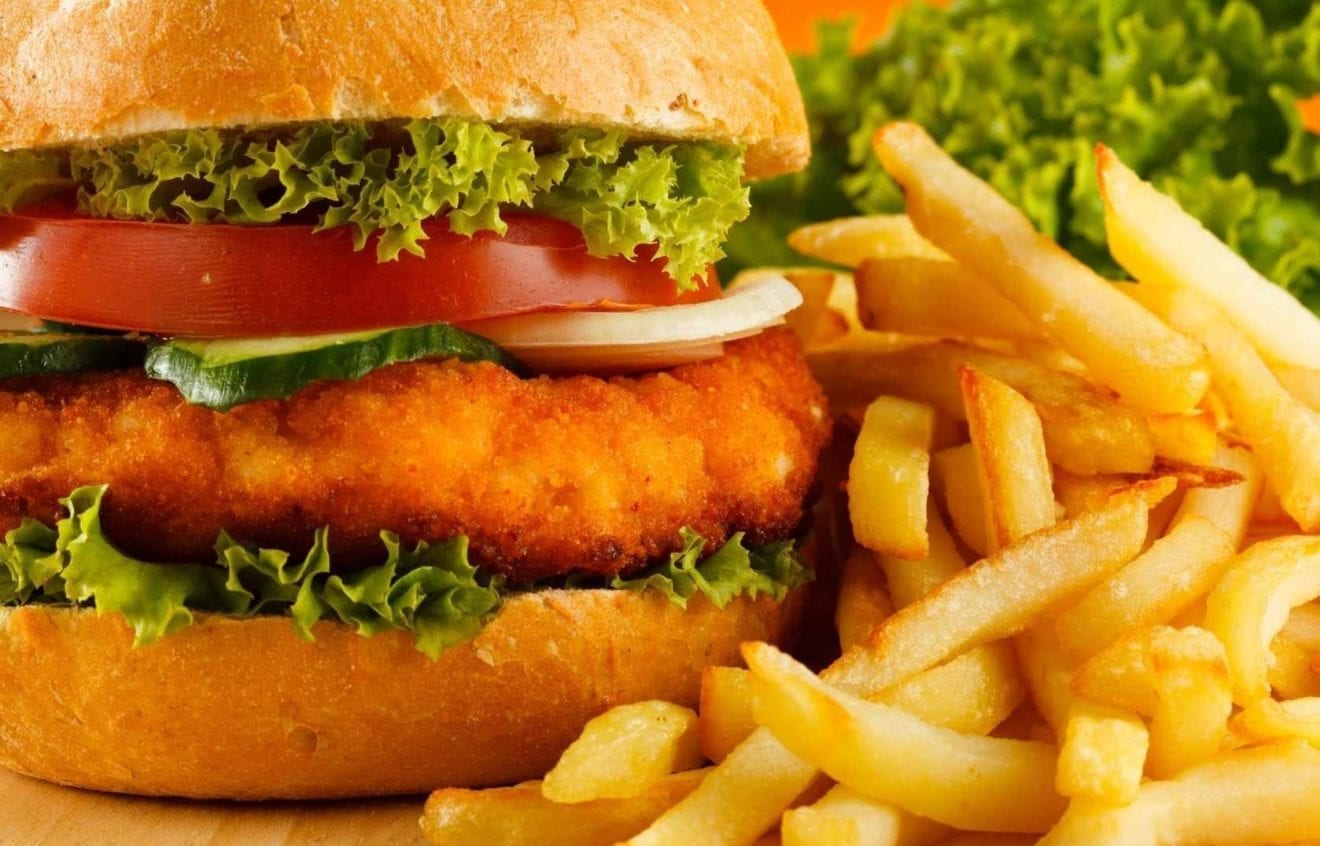
    This is the first time that mercury levels have been tested in Indonesia-caught sharks bound for markets overseas, where importers and consumers are unaware that the fish that goes into fish burgers and fish and chips meals is shark.

    Bull shark meat tested on 26 January 2017 was found to contain 2.431 parts per million (PPM) of mercury. The consumption limit for predatory fish species in key Indonesian export markets such as Australia, Singapore and New Zealand, and also Indonesia, is 1.0 PPM.

    Bronze whaler meat – commonly sold as “flake” in Australia and cooked in batter for fish and chips dish- tested a week earlier was found to have a mercury concentration of 1.829 PPM.

    Bull shark meat sourced from the same location just a year ago was found to contain a significantly lower concentration – 1.368 PPM.

    Green School of Bali taking shark samples at Jimbaran fish market, Bali, Indonesia. Image: Bali Shark Rescue Center

    “Consumers are being deceived and are unaware of the type of fish being sold and ultimately ingested,” commented Paul Friese, founder of Bali Shark Rescue Center, whose non-government organisation partnered with sustainability college Green School of Bali to conduct the study.

    In Indonesia, most sharks are harvested for their valuable fins and liver first, and those parts sold to specialist buyers. The animal is then skinned, beheaded and the meat is filleted and moved back into the fish market unmarked.

    Shark fin can fetch up to IDR 2,500,000 (US$200) for a set, but locally sold shark meat sells for as little as IDR 25,000 (US$2) per kilo, and is used in street foods such as sate, fish cakes and meat balls. Overseas, shark meat is typically breaded and deep fried as fish burgers or used in the classic fish and chips dish.

    The sale of shark meat is also masked by transshipping, the process of transferring fish caught at sea from ship to ship, which makes the source harder to trace.

    Shark is particularly risky to eat because mercury bioaccumulates – the concentration of the heavy metal increases as it passes along the food chain, from plankton to shellfish, to small fish and onto larger predatory species.

    Mercury has entered marine ecosystems as a result of discharge from coal-fired power stations, residential heating systems, waste incinerators and mining, and also from volcanic activity.

    The main health risk from mercury consumption is damage to the nervous system. Unborn babies are particularly at risk from mercury pollution and, if exposed, may suffer impaired cognitive thinking, memory, attention, language, and fine motor and visual spatial skills in childhood.

    Meanwhile, shark populations in Indonesia have been under increasing pressure, as more than three million sharks are killed every year for their fins alone. Sharks are a tempting target for fishermen, particularly in remote island areas where the fins of the predators can bring lucrative returns.

  • Indonesia`s Rice Production Experiences Surplus after 9 Years

    Indonesia`s Rice Production Experiences Surplus after 9 Years

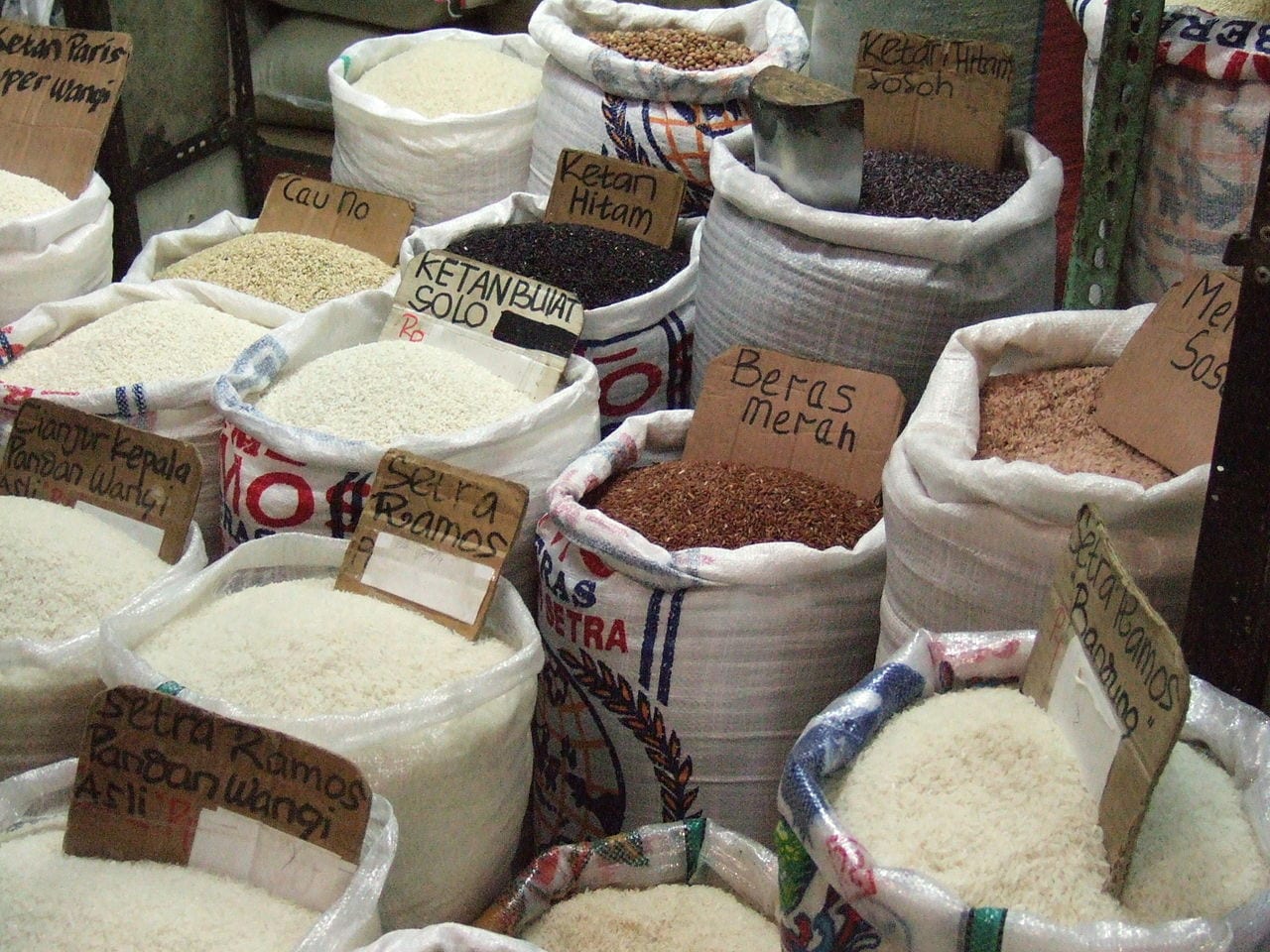
    Agriculture Minister, Andi Amran Sulaiman, claims that Indonesia has experienced a rice production surplus in 2016 after nine years past. “After nine years, 2016 was the moment when Central Java, East Java, and West Java, sent rice supplies to Kalimantan,” he said on Thursday, February 2, 2017.

    Minister Amran explained that rice supply warehouses in Central Java and West Java are currently in full-stock. “Warehouses in Central Java and West Java are full. The supplies keep increasing while the warehouses are full, last year it was empty. This is great progress,” he said.

    Other than rice supplies, according to Amran, garlic prices have also declined due to over stock. Therefore, the government plans to export garlic. “We’ll prepare the export earlier.”

    Based on the report from farmer’s association dubbed Kelompok Kontak Tani Nelayan Andalan, prices of rice in seven districts are below Rp3,700 per kilogram. “We had a coordination meeting until late at night, we’ll move quicker for the farmers. We won’t let them experience a loss,” the Minister said.

    In May, the Agriculture Ministry will hold a National Week (Penas) for Farmers and Fishermen in Aceh for six days; on May 6-11, 2017. President Joko “Jokowi” Widodo will inaugurate the event and it will be participated by 35,000 participants consisting of farmers, researchers, instructors representatives, and other stakeholders.

    A number of events will enliven the National Week which opens the opportunity to develop partnerships and open an agricultural product trade among ASEAN farmers.

  • Give yourself a break with Japan’s limited-edition Kit Kat sushi

    Give yourself a break with Japan’s limited-edition Kit Kat sushi

    Kit Kat, trusty purveyor of cocoa-coated wafer bars, has swooped in with the break you never knew you craved: chocolate sushi.

    The unimaginable “sushi cut kits” debut Thursday at Tokyo’s first-ever street-facing Kit Kat specialty store, according to former Gawker property Kotaku and Japanese media. The treats reportedly come in three flavors: “Maguro” (tuna), “Uni” (sea urchin) and “Tamago” (egg).

    https://www.flickr.com/photos/nestlejapan/sets/72157677570905932

    Maguro consists of raspberry flavor Kit Kat on puffed rice.

    If those sound unpalatable, take heart: There’s no real fish involved. The “tuna” variety is actually raspberry-flavored Kit Kat on top of a white chocolate rice puff; “sea urchin” is Hokkaido melon and mascarpone cheese-flavored Kit Kat encased in seaweed; and “egg” is a pumpkin pudding-flavored delicacy, also wrapped in a thin band of seaweed.

    https://www.flickr.com/photos/nestlejapan/sets/72157677570905932

    Tamago is pumpkin pudding-flavored.

    The sushi kit sets will retail for 3,000 yen (just over $26) at the so-called Japanese “Ginza shop” from Thursday to Saturday.

    Japan, evidently, has a thing for the shareable Nestle-produced confections: The country has sold more than 300 flavor varieties since the brand first went on sale there in 1973, per a 2015 report. And the candy’s name sounds fortuitously similar to the Japanese phrase “kitto katsu” — meaning “you will surely win.”

    https://www.flickr.com/photos/nestlejapan/sets/72157677570905932

    Uni features Hokkaido melon and mascarpone cheese-flavored Kit Kats.

    Chef Yasumasa Takagi, who whips up gourmet delectables for the Kit Kat Chocolatory in Tokyo, says, “The challenge is how to make something handmade out of an industrial brand.”

    “The KitKat has three perimeters: the chocolate, the wafer and the cream. The chocolate and cream are where we can be most creative,” he told the Telegraph. “For me, my goals are the same as in my work as a patissier. I want to surprise people, I want to make them happy and I want to somehow create an emotional reaction.”

  • Vietnam targets vegetable, fruit export value at $3b

    Vietnam targets vegetable, fruit export value at $3b

    Việt Nam expects to achieve US$3 billion as its total export value of vegetables and fruits this year, exceeding the vegetable and fruit industry’s target of $2.4 billion.

    “After many years of export value under $1 billion, in recent years, the export value has made a breakthrough, which is why it was able to exceed the target this year, although there were many difficulties,” Huỳnh Quang Đấu, deputy chairman of the Việt Nam Vegetable and Fruit Association told.

    This year and beyond, the vegetable and fruit industry will face long-term difficulties, including climate change, which would result in a reduction of vegetable and fruit output and quality, and land accumulation for the industry, Đấu said.

    Meanwhile, most enterprises of the industry are small- and medium-sized units with less capital, said Đấu, adding that technical barriers in vegetable and fruit importing countries have also increased further.

    However, in recent years, Việt Nam’s vegetable and fruits have entered markets with strict ruless, such as the United States, Japan, South Korea and Taiwan, as well as Australia, New Zealand and Chile, following 4-5 years of successful negotiation by the Ministry of Agriculture and Rural Development. Further, farms and enterprises have produced vegetable and fruit products meeting the quality and food safety standards in those countries, he said.

    “That would be the basis for promoting exports this year and beyond,” Đấu said.

    Nguyễn Đỗ Anh Tuấn, head of the ministry’s Institute of Policy and Strategy for Agriculture and Rural Development, said this year, enterprises and farmers would pour in investment into fruit, cashew and shrimp because those products have great potential in production and business.

    In particular, they would invest in high-technological and clean agriculture to create leading brands for the global market, he said. The enterprises would focus on processing farming, forestry and fishery products to create new value and improve the level of Việt Nam’s products in the international market.

    Fruit has great potential as people’s income increases, so does the demand for high-quality fruit, he said.

    Last year, the nation’s total export value of vegetables and fruits was $2.4 billion, $200 million higher than the yearly target.

    Solutions

    Meanwhile, Mai Văn Trị, director of the Southern Fruit Research Institute (SOFRI), said export value of the vegetable and fruit industry has not met the industry’s potential because there are many kinds of fruits with low prices that do not have high export volume despite the high output.

    For instance, Việt Nam mainly exported dried jackfruit or material of fresh jackfruit. Trị said local enterprises could process soft dried jackfruit to reduce the import of this product, Some other kinds of vegetables and fruits such as pomelo and purple sweet potato have output which just meets local demand, but not high enough to export.

    Enterprises have not diversified their fruit processing and not seen sustainable development in material region for export processing, he said.

    Đinh Cao Khuê, general director of Đồng Giao Export Food Joint Stock Company, said, so far, there are a small number of vegetable and fruit material regions nationwide that meet the demand of the processing industry.

    In the north, there are pineapple regions in Đồng Giao, Ninh Bình and Lao Cai provinces, which produce a total of 70,000 tonnes per year, of which 50 per cent is used for local consumption and 50 per cent is for export processing.

    Lục Ngạn District in Bắc Giang Province and Thanh Hà District in Hải Dương Province have high longan output, but the period for harvesting and processing this product is just one-and-a-half months. Meanwhile, other special fruit products, including orange in Hà Giang Province, Hàm Yên-Tuyên Quang Province, Cao Phong-Hòa Bình Province and Lục Ngạn-Bắc Giang Province, have output that is enough to meet domestic consumption requirements.

    In fact, Việt Nam has many areas that can be used develop material regions of vegetable and fruit for export processing, bringing higher economic efficiency to provinces, Khuê said.

    Central highlands provinces such as Đắk Nông and Gia Lai could develop material regions of passion fruit, Japanese sweet potato, sweet corn, spinach and pepper because there is high demand for these products in the global market. Meanwhile, the northern provinces of Lào Cai, Sơn La and Lai Châu are suitable to grow pineapple instead of rubber trees, which have a low level of development in these provinces.

    The state needs to plan and develop material regions connecting with the development of processing factories and expanding the regions to neighbouring provinces, Khuê said. Đồng Giao Export Food JSC has enough material of pineapple for export processing because along with material regions in Ninh Bình Province, the company must combine with regions in the neighbouring provinces of Thanh Hóa, Thái Bình, Hải Dương and Bắc Giang, as well as Hà Giang and Tuyên Quang.

    Additionally, Khuê said Việt Nam should promote advertising at international fairs for farming products to study and expand export markets, including fairs in Germany, France, Russia and Japan.

    Phạm Công Dũng from the Department of Agricultural Forestry and Fishery Processing and Salt Industry said the Ministry of Agriculture and Rural Development has promoted restructuring of agriculture and planned material regions with advantages.

    For export activities, the ministry has cooperated with relevant state offices to enhance trade promotion activities for Vietnamese fruit products to increase market share, he said.

    Each trade office of Việt Nam in foreign countries would conduct marketing activities for local fruits for the Vietnamese community living abroad and the locals.

    The ministry would control further import of fruits through technical barriers under international rules to protect local fruits in a legal manner and stop illegal fruit imports, he said.
  • More Filipinos shifting to brandy, 3-in-1 coffee mixes

    More Filipinos shifting to brandy, 3-in-1 coffee mixes

    Great Taste, a local coffee brand, moves up six notches to become the fifth most chosen brand of Filipino consumers in 2014. According to Kantar Worldpanel Philippines’ Brand Footprint ranking, Great Taste leaps to 5th from 11th place due to a 40% increase in Consumer Reach Points (CRPs). However, Nescafe still clinches the top spot with Lucky Me trailing close behind.

    Kantar Worldpanel’s Brand Footprint research provides information on real consumer behaviour. Consumer Reach Points (CRPs), which form the basis of the ranking, is an innovative metric that measure how many households around the world are buying a brand (penetration) and how often (frequency), providing a true representation of the shopper’s choice.

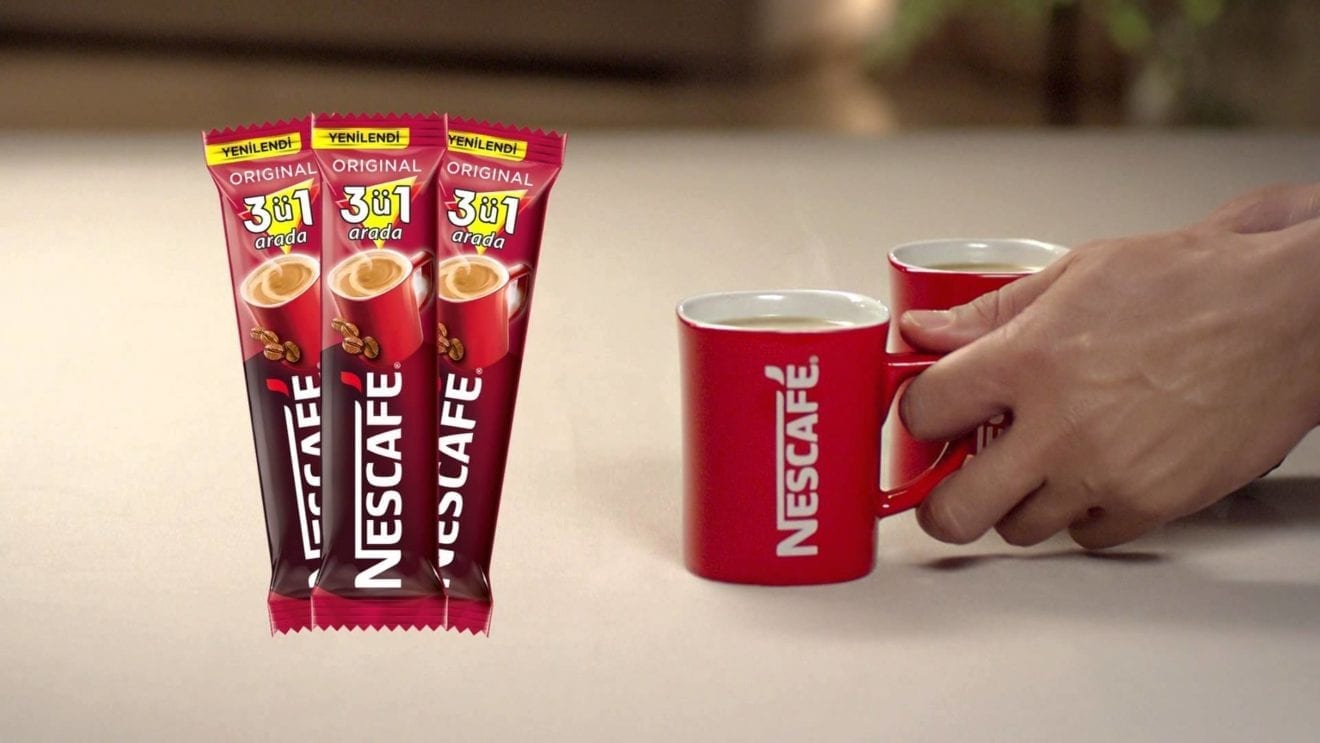
    According to Alexandre Duterrage, General Manager at Kantar Worldpanel Philippines, Great Taste attracted 2.9 million additional shoppers in 2014. It also experienced an increase in frequency of purchase by 4 times more on the average. “Based on the data that we have, the success of Great Taste is propelled by the shift from traditional “pure black coffee” to 3-in-1 coffee mixes, particularly Great Taste White and the introduction of multi-serve packaging formats,” he said.

    Meanwhile, Nescafe recorded 890 billion CRP in 2014, 44 billion more than Lucky Me (846 CRP). Completing the top 5 are Surf (648 billion CRP), Milo (518 billion CRP) and Great Taste (515 billion CRP).

    The 10 Most Chosen Brands in the Philippines revealed by Kantar Worldpanel’s Brand Footprint study are:

    Ten Most Chosen Brands in Philippines

    Rising brands

    Kantar Worldpanel Philippines also listed the top 10 rising brands in the country, which recruited an average of 74 million more homes compared to 2013. Among these emerging stars, only 3 local names found their way to the top 10: Great Taste, Datu Puti and Silver Swan.

    Rising Brands in Philippines

    As most brands struggled to grow in 2014, Datu Puti and Silver Swan managed to maintain their ranking in terms of consumer touchpoints (both with a -1% CRP %change). Kantar Worldpanel notes that stable ranking can be attributed to commercials about the product’s system usage (i.e. using vinegar and soy sauce of the same brand when cooking), and the introduction of new flavours especially for the vinegar category where both brands have product offerings.

    Other PH Brand Footprint highlights:

    1. Importance of personal and home hygiene

    – Calla (a detergent brand manufactured by Peerless) lands into the top 20 Home Care items, surpassing 13 brands. It enticed more households with its budget-friendly offer and gentle-to-hands proposition.
    – Silka and Charmee’s positions in Health & Beauty inched up with a CRP increase of 7% and 5%, respectively. Filipino endorsers, product quality and affordable prices are amongst their success factors.

    2. Products with social function grew well – seen in Health & Beauty and Beverages

    – Dove enhanced consumer touchpoints by 9%, moving up one notch in the health & beauty sector ranking. Thanks to its crusading campaign for real beauty which resonates with consumers emotionally and encourages purchase not only in Philippines but across the world.
    – Krem Top is now amongst the top 20 Beverages in Philippines, jumping by 8 points as it reached more shoppers with the help of its “Change for the Better” campaign which aims to challenge individuals to always strive to become better.

    3. Speed and convenience

    – Ready-to-eat snacks and drinks such as Presto, Clover, Dutch Mill, Pepsi and Royal Tru Orange performed well (CRP growth rates in order: 3%, 4%, 9%, 10% and 18%) as consumers are increasingly turning to FMCG to satisfy hunger between meals.

  • Australian Wine to China

    Australian Wine to China

    Australian wine exporters expect to receive a profit boost from this week, with a further reduction of tariffs to China now in effect.

    China is now Australia’s biggest export market for wine — worth almost half a billion dollars.

    Gemtree vineyards in McLaren Vale, near Adelaide, is confident its 2016 shiraz is a good match for the Chinese market.

    The winery has a Chinese joint venture, and was one of the first to crack the market seven years ago.

    Growth has since stabilised, but from this week exporting to China may be more profitable, with tariffs down to 5.6 per cent.

    The free trade agreement has led to a staged tariff reduction from 14 per cent, hitting zero in 2019.

    “China’s now our biggest market, so this is a great chance to increase our profits,” Tony Battaglene from the Winemakers’ Federation said.

    The Chinese export market grew 50 per cent last year and wine exporter Kandy Xu said her business had also doubled.

    “[In the] beginning we exported about two containers per year, but now from last year we export 15 containers,” she said.

    She said Chinese consumers had developed a wine drinking culture and Australia was now China’s biggest supplier.

    “We’ve got around 24 per cent, 25 per cent of their market ahead of France. We’re now beating the old world at their game so that’s a really good outcome for us,” Mr Battaglene said.

    According to winemakers, about 1.8 million tonnes of grapes were crushed for wine last year in Australia.

  • Bacardi kicks off major CNY promotion in Asia Pacific

    Bacardi kicks off major CNY promotion in Asia Pacific

    Bacardi Global Travel Retail is running a major Chinese New Year (CNY) campaign at 11 airport and border crossing locations in six countries across the Asia Pacific region, in a three-month campaign running to March.

    Highly prominent CNY branded activations are now running at airport locations such as: Shanghai and Beijing airports with Sunrise; at Sydney with Heinemann; at Brisbane and Perth airports with JR/Duty Free; at Kuala Lumpur with Eraman and Heinemann; at Seoul with Lotte and Shilla; with Flemingo in Colombo Sri Lanka; Lo Wu and Lok Ma Chau with Anway and Zhuhai land border crossing with Cheer Signal.

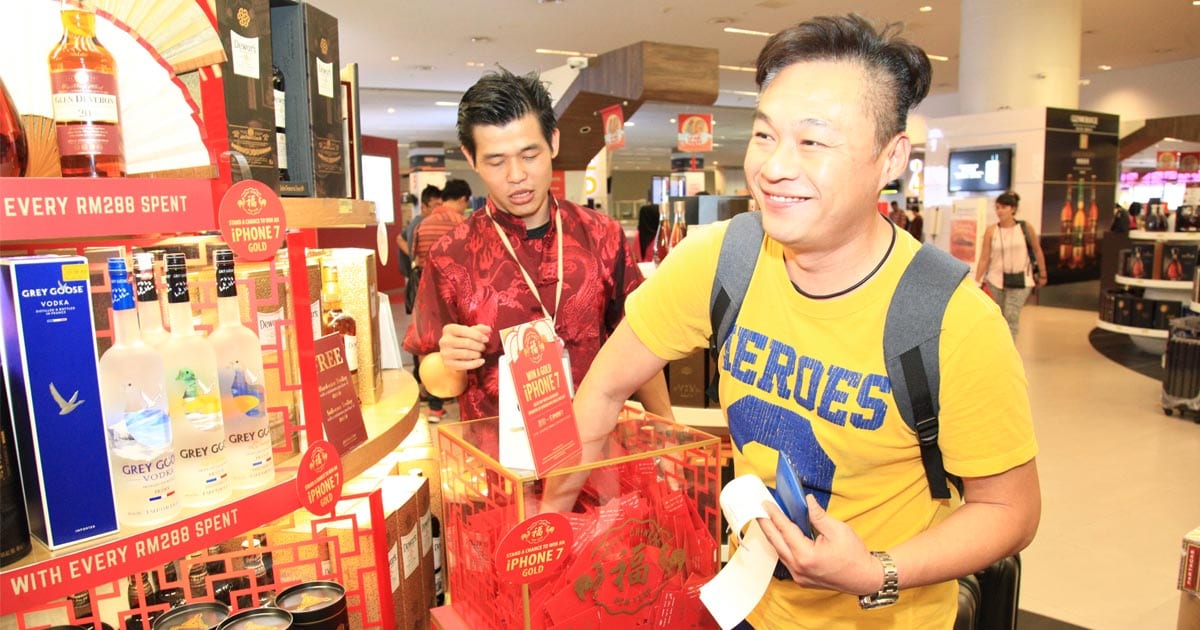
    Part of the campaign involves the offering shoppers the chance to win a range of prizes. Shoppers spending a certain amount (location specific) on Dewar’s whiskies and single malts are invited to try their luck in an Instant Win Lucky Dip by selecting a lucky red envelope to reveal their prize.

    Prizes range from travel-size bottles of spirits in the Bacardi portfolio, travel accessories and top prizes of an Apple Watch or Apple iPhone 7 Gold 32GB (location specific).

    The campaign focuses on the Dewar’s blends portfolio and its single malts Craigellachie, Aberfeldy, Royal Brackla, Glen Deveron and Aultmore as well as Baron Otard cognac.

    BENEDICTINE DOM AT CHANGI AIRPORT

    In addition Benedictine Dom is a key focus with DFS at Singapore Changi with an exclusive, limited edition ‘Good Luck’ gift tin. Sampling is also being made available.

    Vinay Golikeri, Regional Director Asia Pacific, Middle East and Africa, Bacardi Global Travel Retail comments: “We want to make the Chinese New Year period our biggest yet with this shopper engagement campaign across key airports and border crossings in the region.

    “We are focusing on encouraging Chinese travellers to try our brands, especially with our premium whisky portfolio. The extended New Year period is a prime opportunity to engage and connect our brands.”

    Bacardi-GTR-CNY-2017-social-image

    A customer digs for buried envelopes at Kuala Lumpur Airport.

  • First Starbucks roastery coming to Shanghai in 2017.

    First Starbucks roastery coming to Shanghai in 2017.

    Located along Nanjing Road (West), one of the world’s busiest shopping destinations, the Roastery will be part of the soon to be built HKRI Taikoo Hui Project, Shanghai’s newest premium world-class retail, office, and hotel area.

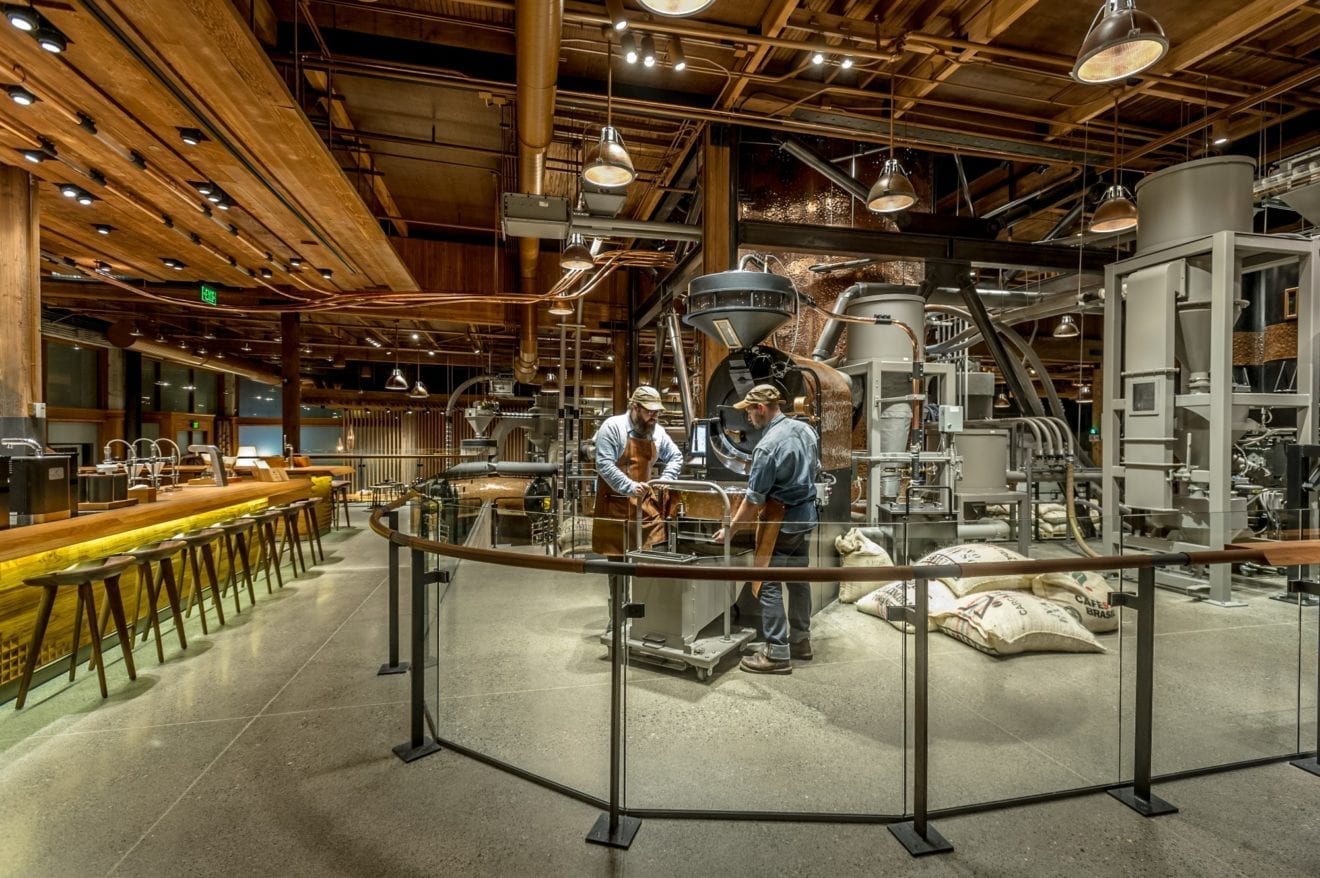
    Scheduled to open in late 2017, the new Starbucks Roastery and Tasting Room in Shanghai will be inspired by the first location that debuted in December 2014 in the company’s hometown of Seattle, Washington. The 2,700 square-meter (30,000 square-foot) Shanghai space will reflect a similar, immersive all sensory experience.  This interactive, retail environment will allow customers in China to better understand the craft of roasting and brewing a range of Starbucks coffees including the rare, limited availability of Starbucks Reserve coffees from around the world.

    “China represents the most important and exciting opportunity ahead of us. As our first international Roastery, we will take even bolder steps to make this Shanghai location our most stunning store, while making it completely unique and relevant to the Chinese customer,” said Howard Schultz, chairman and chief executive officer of Starbucks. “The Starbucks Roastery environment honors coffee innovation as a modern day Willy Wonka experience, where customers are only feet away from the theatre and artistry of our coffee craft. I am confident this will be one of the most highly-anticipated store openings in our international markets.”

    China is, today, Starbucks largest international market with more than 2,100 stores across over 102 cities, including 55 Starbucks Reserve® stores. The new Roastery represents Starbucks 45-year relentless pursuit for coffee excellence and promises to bring to China an unparalleled experience that starts with the passionate Starbucks partners. Exclusively at the Roastery, customers will be able to watch freshly-roasted beans arrive, connect with Starbucks coffee specialists and master roasters, enjoy a unique beverage and food menu, as well as savor some of the most unique, small-lot coffees brewed multiple ways. Starbucks believes this revolutionary retail concept will make the new Roastery one of the city’s latest and most iconic must-visit lifestyle destinations and landmarks, for Shanghainese and visitors from China and around the world.

    The Shanghai Jing’an Government has given Starbucks their full support to bring this first-of-its-kind coffee retail experience that combines coffee roasting, manufacturing, education and retail within a single facility in China. Following a meeting with Starbucks global leaders, Shanghai Jing’an Party Secretary, Mr. An Lusheng, and Shanghai Jing’an Mayor Mr. Lu Xiaodong reiterated: “The new Jing’an is focused on developing high-end commercial sectors, establish new developmental goals for a modern cosmopolitan city, and encourage new retail innovations within our district. The government fully supports this pioneering retail experience and initiative from Starbucks.”

    The Starbucks Roastery will be part of the HKRI Taikoo Hui complex, developed jointly between HKR International Limited and Swire Properties Limited, who are fully committed to launch this pioneering project with sustainability and quality at its core. The revolutionary retail experience of the new Starbucks Roastery will be located within a standalone semi-circle building of the complex that faces the bustling Nanjing Road (West), known as China’s Number One Commercial Street, due to its deep history and rich cultural heritage, which is set to become the most anticipated business and lifestyle destination in Shanghai.

  • Pizza delivers Longfort Group’s Thailand debut

    Pizza delivers Longfort Group’s Thailand debut

    Malaysian headquartered investment company The Longfort Group has made its first acquisition in Thailand, Scoozi Italian Restaurant.

    It completed the deal through its wholly owned Vietnam-based subsidiary, L Concepts, set up in 2015 to operate food and retail concepts across Southeast Asia, starting with several Vietnam businesses.

    Scoozi is a craft pizza restaurant with 24 branches across the greater Bangkok area. Its first location opened in downtown Bangkok in 2004. It specialises in Neapolitan-style pizzas made in wood-fired ovens. Scoozi offers both dine-in and delivery formats.

    “We are excited about our foray into the Thai consumer market, especially through such an established platform as Scoozi,” says The Longfort Group CEO TW Pang. “The potential of the brand is enormous.”

    The Longfort Group is a private investment firm backed by an Asian family with a mandate to run a global investment program. It has owned and run businesses across the value chain of the F&B industry in Asia, including the manufacturing of food packaging, canned beverages, confectionery and dairy products.

    It has lately embarked upon a strategic expansion into F&B retail across high-growth markets in Southeast Asia, starting with Vietnam, where it has had a presence for 25 years. As well as Vietnam, the group has an office in Malaysia.

    L Concepts owns and runs a range of lifestyle concepts, restaurant brands and franchises including L’Usine, Namo and Sizzlin’ Steak.