Category: Food

Retail News Asia is committed to providing both local and global retailers with the latest Food and Food & Beverage news throughout the Asian market. This on a daily base.

  • Starbucks investing in upscale chains

    Starbucks investing in upscale chains

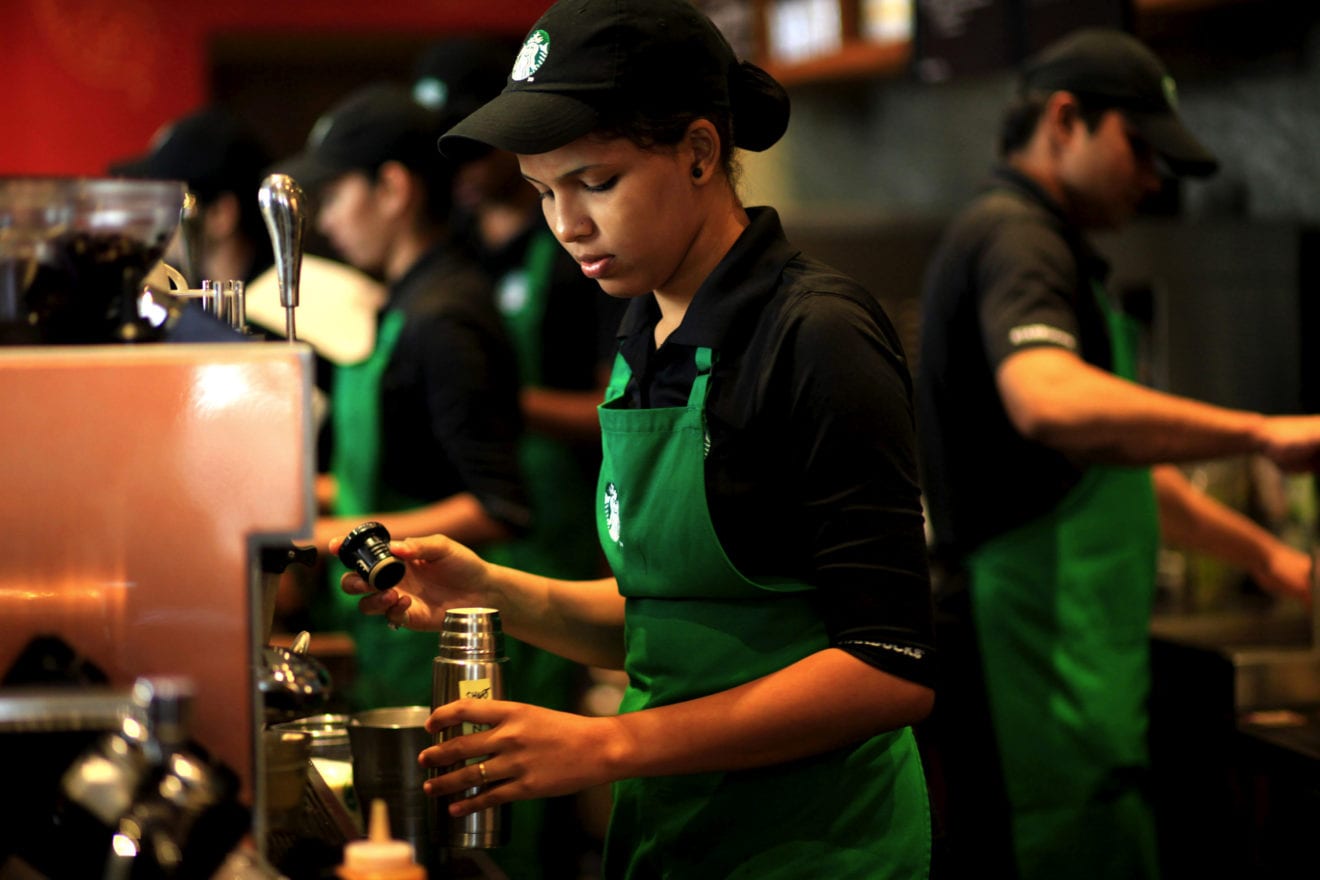
    Starbucks plans to open a new brand of stores called Starbucks Reserve-only starting next year.

    The coffee chain has also joined global investment team, Milan-based Angel Lab and Pekepan Investments to expand the footprint of standalone boutique bakery’s and cafes into international markets.

    Starbucks Reserve-only will offer premium, small lot reserve coffee in stores that will be approximately twice as large as current Starbucks stores and will feature ‘more of a cafe atmosphere’.

    “We recognise our customers expect and desire a higher level of product and we want to give it to them,” said Howard Schultz, company chair and CEO.

    The company plans to open the new stores next year in hundreds of locations.

    Schultz said the new brand is part of a broader company plan to improve and expand its food offerings.

    The company also announced earlier it has partnered with Italian restaurant Princi, the boutique bakery and café founded by Rocco Princi in 1986 known for its artisan breads created from traditional family recipes.

    Princi’s menu will become the exclusive food offering in all new Starbucks Roastery locations, including Shanghai and New York and will be fully integrated into all new Starbucks Reserve-only stores starting 2017.

    The investment team, which includes Milan-based Angel Lab and Pekepan Investments, will focus on expanding the number of standalone Princi locations worldwide as well as making Princi the exclusive food purveyor at the new Starbucks Reserve Roastery and Tasting Rooms in Shanghai and New York. The Shanghai and New York Roastery locations are on track to open in 2017 and 2018, respectively.

    “We have never baked in our stores in 45 years. But all of that will change with the creation of this unique partnership,” Schultz said.

    “Rocco and his team at Princi possess a passion for handcrafted food and artisanal baked goods that mirrors how I feel about our coffee. The attention to detail, the care invested in selecting the ingredients and the artistry of preparation is second only to the service Rocco offers customers inside his Princi stores.”

    “I can think of no better pairing for our most premium coffee experience and am excited by the possibilities we envision in Princi food elevating every daypart – breakfast, lunch, and dinner – in Starbucks Roasteries and Reserve Stores.”

    Currently, Starbucks has nearly 24,000 stores worldwide and offers Reserve coffee in 2,000 locations in 30 countries.
  • E-Mart and Lotte enter Vietnam

    E-Mart and Lotte enter Vietnam

    The Go Vap district near Tan Son Nhat International Airport and part of Ho Chi Minh City in Vietnam are widely known as special to the Korean retail industry. This is because despite the fact that there are not many Koreans residing in the area, Korean retail giants are competing fiercely in the region. E-Mart, Lotte Mart and Vietnam’s second largest retailer Big C all have stores competing in a four kilometer (2.5 mile) radius.

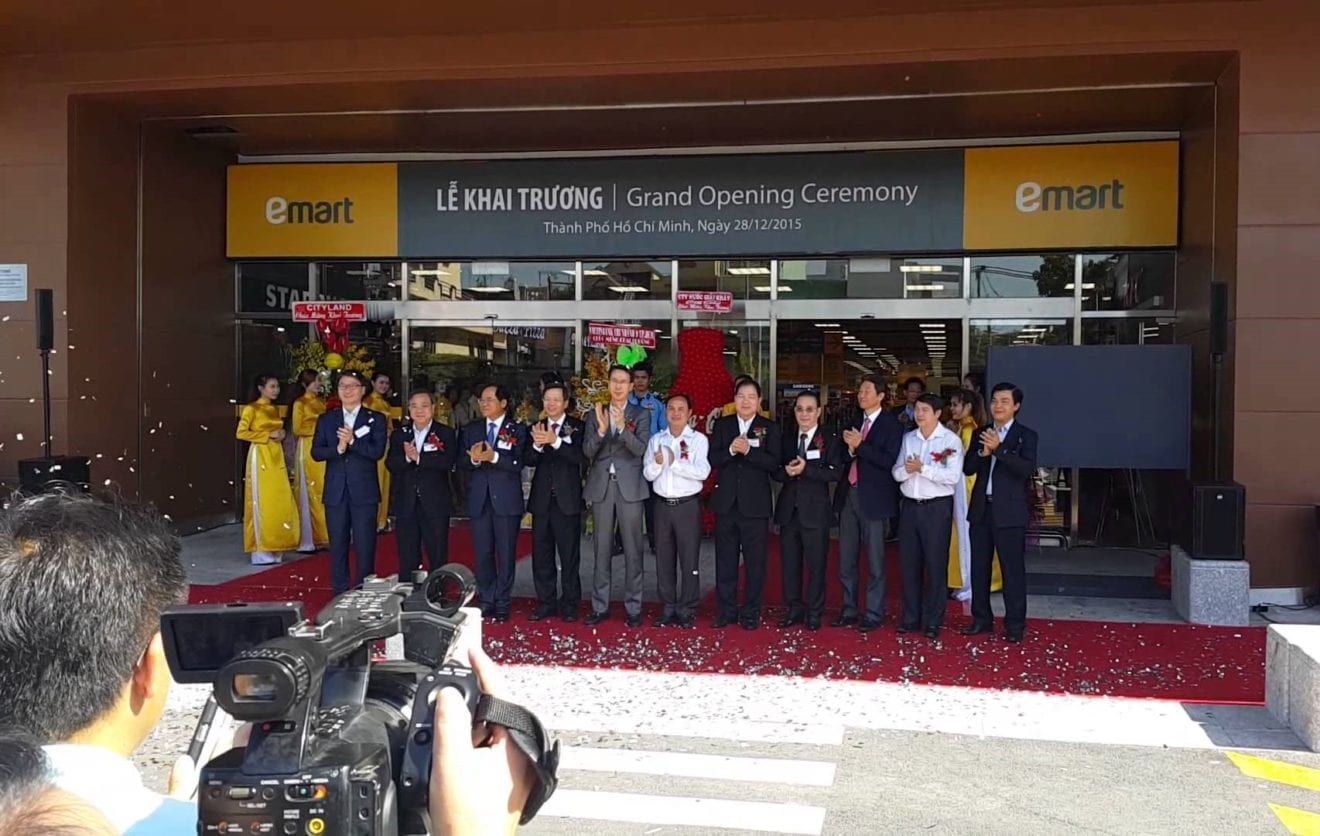
    E-Mart and Lotte Mart are competing for dominance in the young Vietnamese market. More than half of Vietnam’s population of 93 million is less than thirty years old. The large market industry is also undeveloped in Vietnam, with 75 percent of shopping being done at traditional markets, so there is great potential for growth. This potential attracts big retailers like E-Mart and Lotte Mart. Go Vap is particularly attractive because its residents are middle class, well-earning couples. Lotte Mart established itself in Vietnam in 2008 and has 12 stores, which is the third highest in Vietnam for a retailer. E-Mart leapt into the Vietnamese market last December with its store in Go Vap and it is planning to expand its operations.

    The E-Mart store in Go Vap is no different from the ones in Korea. There were the iconic yellow shopping carts as well as No Brand products displayed in the center of the store. No Brand products, modeled after the Japanese company Muji, are relatively cheap because they have no branding and packaging costs, but their quality remains unaffected. E-Mart’s membership card has the phrase “Korea’s No.1 Mart.”

    “We have set up our stores to reflect the Korean lifestyle,” Chang Yun-suk of E-Mart said. “The reasonably priced No Brand products are considered Korean luxury products in Vietnam.”

    E-Mart also operates an Electro Mart, which specializes in electronic goods, in Vietnam. Even on a weekday afternoon, there are plenty of Vietnamese customers flying drones and enjoying the action figures on show, as well as singing karaoke. E-Mart showcased the Electro Mart when it opened its E-Mart Town last June and it only has them in a few places in Korea, including in Yeongdeungpo in Seoul and in Pangyo, Gyeonggi.

    The Korean lifestyle theme is felt in the food available in the area, with Starbucks and Korean pork belly, or samgyeopsal, restaurants in the store. It is unusual to have a Starbucks in a large mart like E-Mart in Vietnam but Shinsegae Group, which operates Starbucks in Korea, persuaded the Vietnamese authorities to have a Starbucks in the store like they do in Korea. Vietnam normally only has Starbucks in hotels, department stores and luxury shopping malls.

    On the other hand, the Lotte Mart store in Go Vap, located only three kilometers from its rival E-Mart, has a Vietnamese feel. The store is filled with a thousand types of Vietnam Choice L products, which are developed and produced in Vietnam. Lotte Mart aims to offer products based on the Vietnamese lifestyle. The traditional rice noodles and cookies are all made in Vietnam. At the end of this year, Lotte Mart will release a point system for all of its subsidiaries in Vietnam known as Vietnam L. Point.

    Lotte Mart even exports Vietnamese products to Korea. Lotte Mart stores in Korea offer various Vietnamese goods including Vietnamese G7 coffee and hosts a special program onVietnam every summer. This is because Lotte Group is very well established in Vietnam with its many subsidiaries based there, including top restaurant business Lotteria, Lotte Hotel and Lotte Department Stores. Lotte wants to project a positive image of itself to the Vietnamese people.

    In fact, the Lotte Mart enjoys so much export success in the Vietnamese market that even Vietnamese politicians and media often jokingly ask their domestic companies, “Do you know how much Vietnamese products Lotte Mart export?”

    The E-Mart and Lotter Mart stores differ greatly, but their large size and strategy for entertainment are compatible. The E-Mart store is 10,579 square meters in size while the Lotte Mart store is 13,223 square meters. Both stores welcome between 10,000 and 15,000 customers every day and both have large motorbike/scooter parking lots capable of holding 1,500 such vehicles to cater to Vietnamese customers, whose main method of road transport is either motorbikes or scooters.

    Both stores also target couples with children, hence they both have large children’s cafes, each measuring 990 square meters. Lotte Mart’s entertainment stores, including its bowling arena and cinema, cover a considerable area of 6,600 square meters, while E-Mart’s occupies 4,628 square meters.

    “Vietnam does not have many amusement parks and cinemas so families often come to large marts to enjoy leisure activities,” Hong Won-sik, general director of Lotte Mart Vietnam, said. “Also, considering the business side, Vietnam has such low consumer prices that it is common to make profits through external store rents rather than from selling fresh products.”


  • Yum China divestment on track

    Yum China divestment on track

    The Yum China divestment is expected to be completed by October 31.

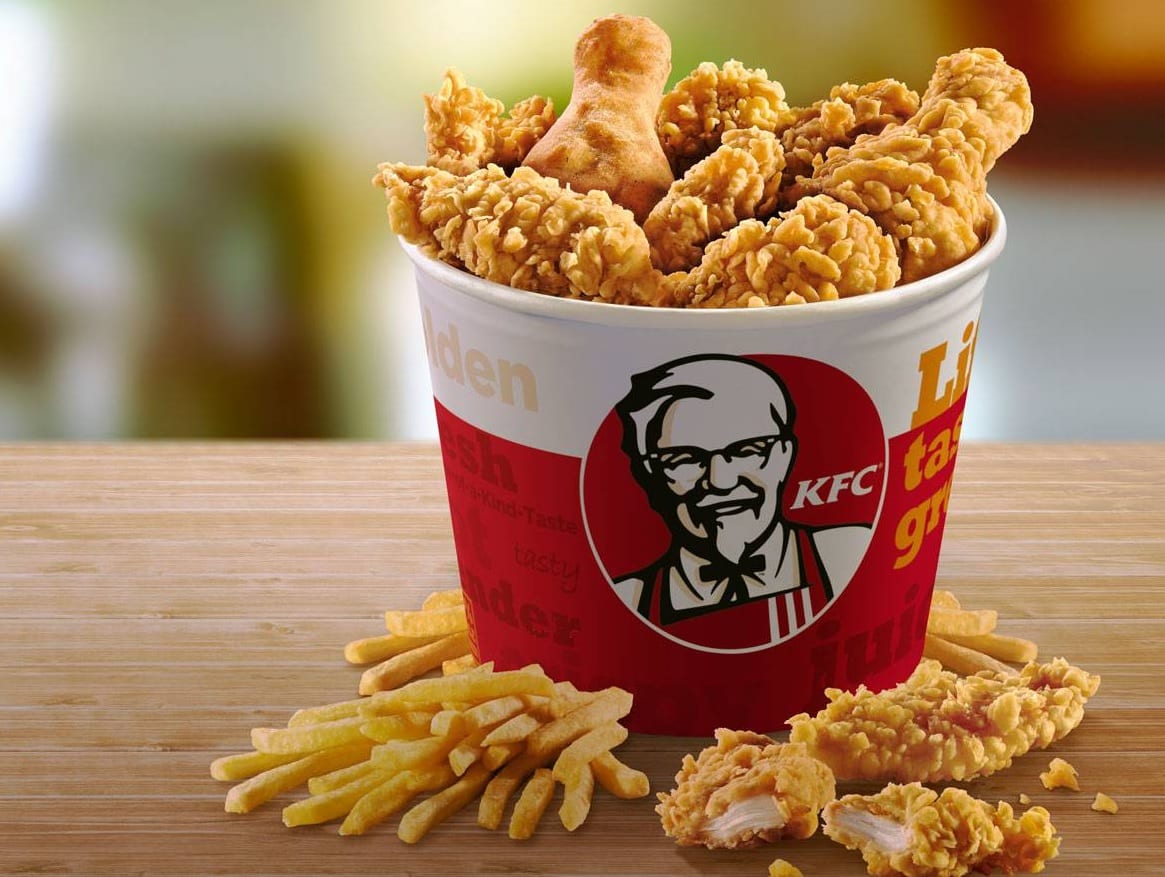
    The US fast food giant released the target date along with second quarter figures showing solid sales growth across most Asian markets, especially within the KFC division.

    CEO Greg Creed said he was particularly pleased with “the continued sales momentum at KFC China,” which delivered better-than-expected same-store sales growth of 3 per cent.

    “Yum! Brands delivered second-quarter (global) core operating profit growth of 7 per cent and earnings-per-share growth, excluding special items, of 9 per cent. Given our strong first-half results and current trends in China, I’m pleased to raise our full-year core operating profit growth forecast to at least 14 per cent.”

    Creed said the China result represented its fourth-consecutive quarter of positive same-store sales growth at KFC China.

    “Importantly, our China Division is off to a good start in the third quarter for both KFC and Pizza Hut Casual Dining, including a return to positive same-store sales at Pizza Hut in recent weeks.”

    Outside of China, challenging industry conditions in the US contributed to soft sales results.

    The separation of the China business would create “two powerful, independent, focused growth companies,” said Creed.

    “Our capital structure is fully in place and we plan to return a significant amount of capital to shareholders both prior to and after the spin.”

    Creed promised further information at an investor briefing on October 11.

    Yum China same-store sales were even, with an increase of 3 per cent at KFC, offset by a decline of 11 per cent at Pizza Hut. The China division opened 72 new stores during the quarter, taking its network there to 7246

    Meanwhile, in developing Asian markets – including Malaysia, Indonesia and the Philippines – which account for 7 per cent of KFC’s global turnover, sales rose 11 per cent in the quarter and are running 10 per cent ahead of last year for the first half.

    In Thailand, which accounts for 3 per cent of KFC’s global turnover, sales rose 17 per cent in both the second quarter and the first half.

    And in developed Asian markets – such as Japan, Korea and Taiwan – which accounts for 9 per cent of turnover, sales rose 6 per cent by quarter and half.

    Pizza Hut sales in developing Asian markets rose 5 per cent in the second quarter and 3 per cent in the first half. In developed Asian markets, sales fell 7 per cent this year.

  • Bidding disappoints McDonald’s Corporation

    Bidding disappoints McDonald’s Corporation

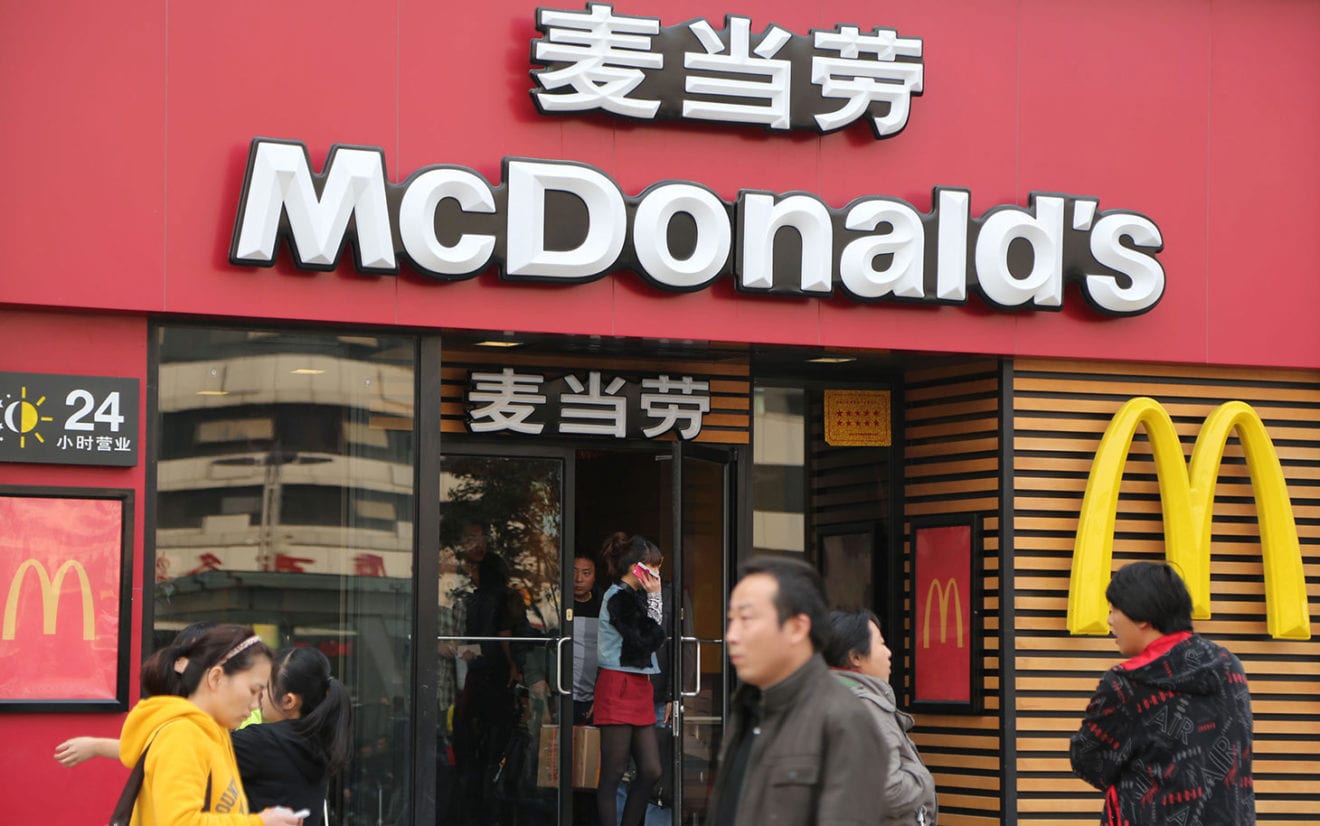
    McDonald’s Corporation says it is struggling to attract the calibre of bidders it envisioned when it put its China and Hong Kong franchise up for tender.

    The restaurant group is offering a 20-year master franchisees for its markets in China, Hong Kong and South Korea. Bidding has gone into its second round and predictions are the deal could be worth US$2 billion to $3 billion.

    Conditions include McDonald’s keeping management intact for two years, with a limitation on taking the franchise public. Other restrictions have reportedly discouraged many private-equity firms from participating in the bidding.

    Global buyout firms such as Bain Capital, Carlyle Group and TPG Capital have put up their hands with the aim of teaming up with some of the Chinese strategic bidders.

    Bidders asked to submit for the second round of the tender include dairy company Beijing Sanyuan Foods, Beijing Tourism Group, ChemChina, state-owned China Cinda Asset Management and Sanpower.

    McDonald’s share price has surged more than 23 per cent since CEO Steve Easterbrook launched a turnaround effort. The plan for Asia comprises one or more local partners taking over the China and Hong Kong franchise of 2800 stores for 20 years while paying royalties to the corporation.

    However, many investors are anxious following the food scandal that hit McDonald’s sales in 2014, reports BFN.

    Meanwhile, McDonald’s last year announced plans to sell its business in Taiwan plus a substantial ownership stake in Japan, but as yet investors have yet to be secured. “We are making solid progress as we look for long-term strategic partners with local relevance who have complementary skills and expertise,” says a company spokesperson.

  • Chicken rice restaurant Pow Sing suspended for link to gastroenteritis outbreak

    Chicken rice restaurant Pow Sing suspended for link to gastroenteritis outbreak

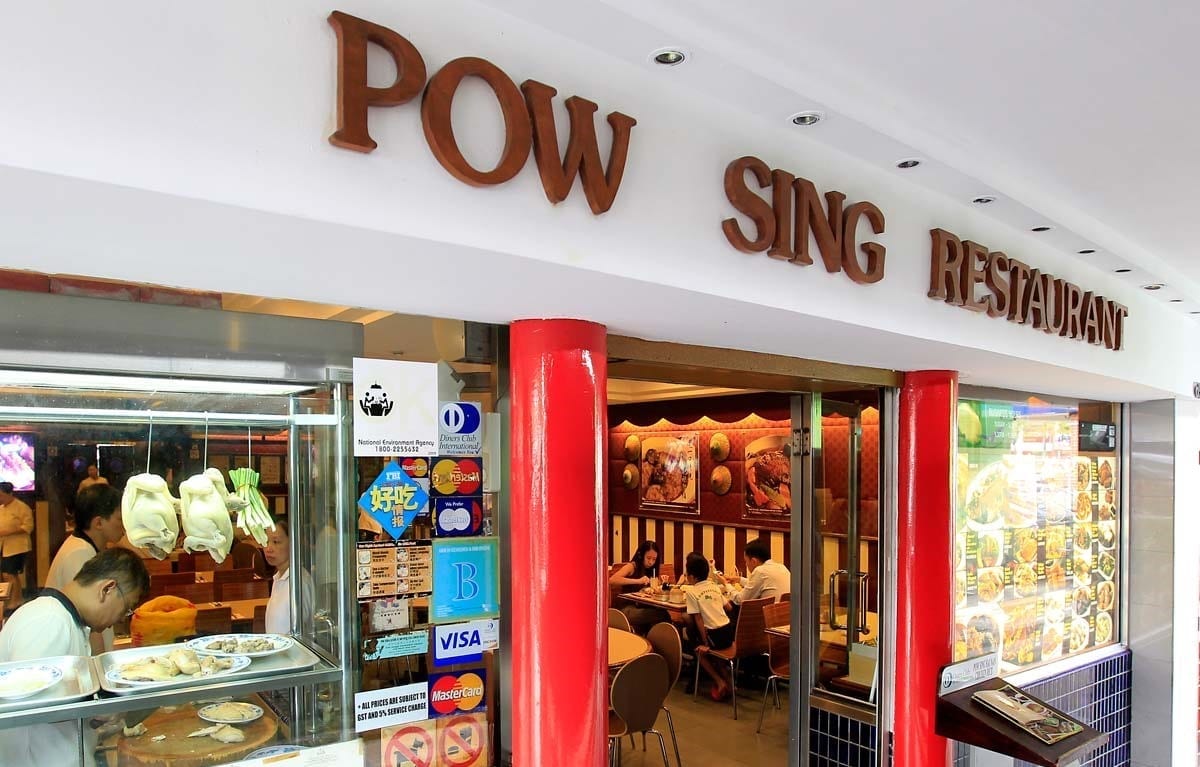
    Pow Sing Restaurant along Serangoon Garden Way, known for its chicken rice, has been suspended due to links to several cases of gastroenteritis between Jul 4 and 11, the Ministry of Health (MOH), National Environment Agency (NEA), and Agri-Food and Veterinary Authority of Singapore (AVA) said in a joint press release on Wednesday (Jul 13).

    As of Tuesday, 29 reported gastroenteritis cases have been verified and further investigations are ongoing, the authorities said.

    MOH, NEA and AVA were first notified of the cases on Jul 4 and had immediately conducted joint inspections of the restaurant’s premises the next day, they said.

    Several hygiene lapses, including a failure to maintain temperature records and allowing an unregistered food handler to prepare food, were observed, and the restaurant had been instructed to rectify them immediately, the agencies added.

    “There is reason to suspect that there might be a continuing source of infection in the premises,” the authorities stated, noting that they were alerted to another four cases on Jul 11, after checks were conducted.

    NEA suspended the 33-year-old restaurant starting Wednesday to protect consumers from public health risks, the agencies said. Pow Sing has also been instructed to dispose of all ready-to-eat and thawed food as well as perishable food items, conduct thorough cleaning and sanitising of its premises including equipment, utensils, work surfaces and toilets, and review and rectify the lapses in food preparation processes identified during the joint inspections.

    Meanwhile, AVA has collected food samples from the restaurant and is conducting laboratory tests on them, and MOH is screening stool samples from the affected cases and the restaurant’s food handlers. Only food handlers who are tested to be free of food poisoning pathogens and have re-attended and passed the Basic Food Hygiene Course will be allowed to resume work, the authorities said, adding that MOH and NEA will continue to monitor the situation closely.

    Based on the findings of the joint inspections, NEA will take necessary enforcement actions against the restaurant for hygiene infringements, the authorities said.

    “Food operators are also reminded to ensure that all food handlers are registered with the NEA and that they do not engage in any food preparation if they are sick. Food retail outlets are inspected regularly and strict enforcement action will be taken against any errant food retail outlets,” they added.

    Members of the public can report incidents related to food hygiene by calling the 24-hour NEA Contact Centre at 1800-CALL-NEA (1800-2255-632).

    RESTAURANT CLOSED FOR RENOVATIONS: OWNER

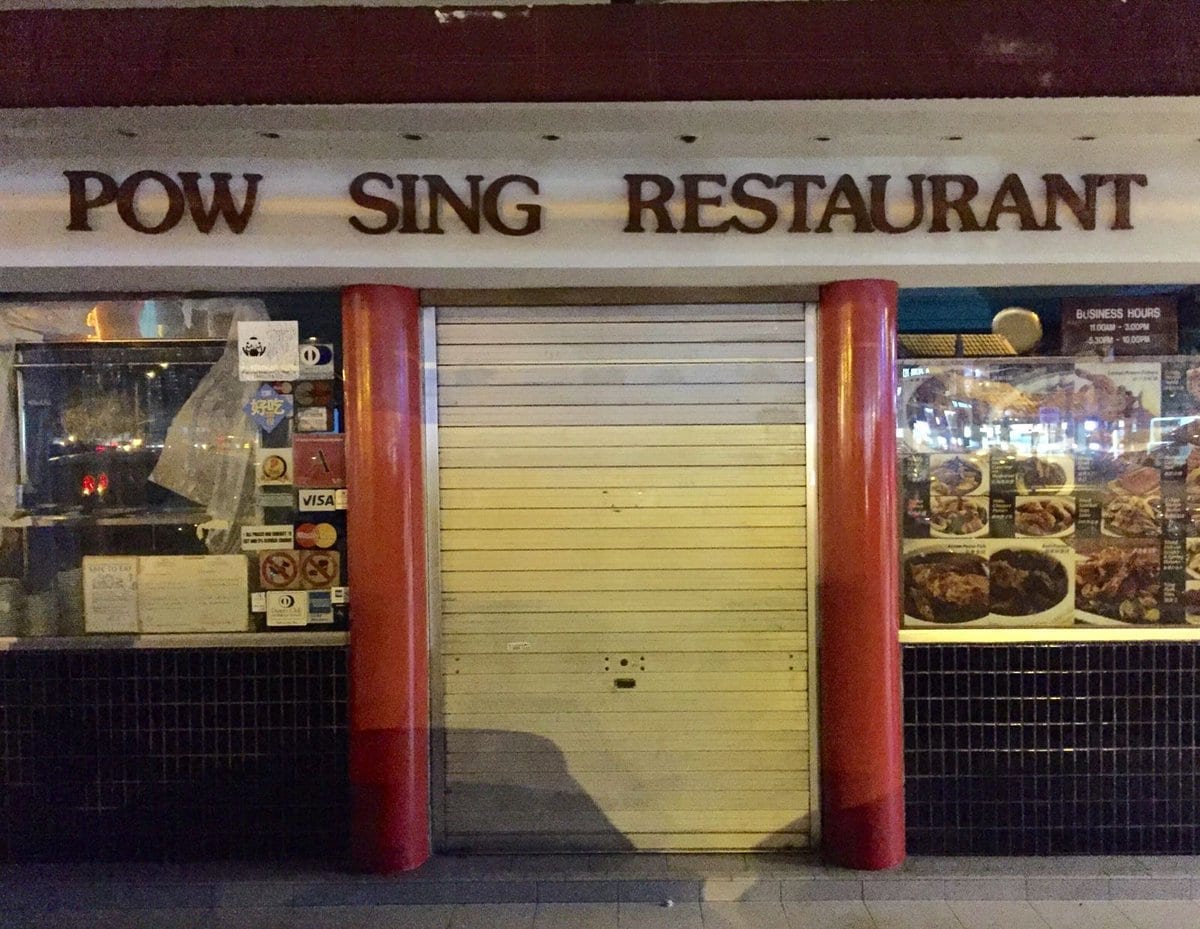
    When Channel NewsAsia visited Pow Sing on Wednesday at around 8.50pm, the restaurant was shuttered and had notices outside indicating it was “closed for renovations” starting Wednesday.

    “We will resume our business once the renovation finishes. If there are any further delays we will keep you up to date,” the restaurant said in the notice.

    One of the two founders of the Pow Sing group, Lee Chin Soo, said the renovations of the restaurant had nothing to do with the gastroenteritis incidents and that he only found about the suspension on Tuesday morning.

    “It has already been so long; we have never done any sort of renovation. I took this chance and I wanted to change the seats and change the look of the restaurant. I took the chance to clean out everything that looks dirty,” he said.

    Mr Steven Tan, the other founder of the brand, is said to be overseas.

    Mr Lee said he wished to find out why the hygiene lapses happened, as it was the first time such a thing had happened at the restaurant in its 30-plus years of operations.

    “NEA and MOH have not gotten back to us about the cause, and I really do not have much information but I would like to know more. I will take more steps in future to look at everything more closely,” he said.

    He added that he would not “run away” and would face his responsibilities.

    “The employees here have been with me for a very long time, I also stop by often … I have been serving chicken rice since I was young,” Mr Lee said.

    Meanwhile, a manager of Pow Sing Kitchen, also under the Pow Sing group, said it had a separate kitchen from Pow Sing Restaurant and was run by different management, even though they reported to the same bosses. Pow Sing Kitchen, which was still open on Wednesday night, is not affected by the closure, said the manager, who only wanted to be known as “Tommy”.

    CnP7awMVIAABKNI

  • Welcoming Australian FreakShakes in Asia

    Welcoming Australian FreakShakes in Asia

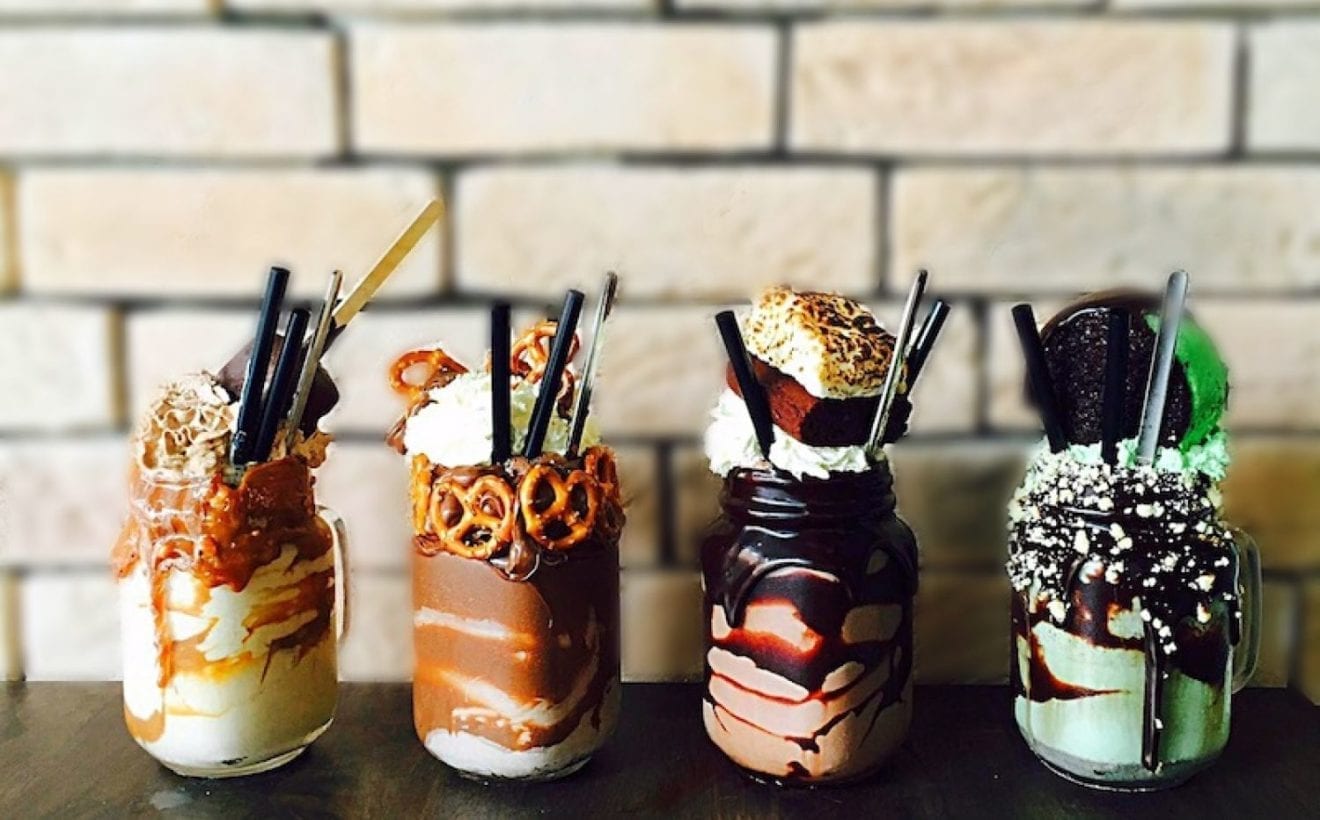
    Milkshake treats known as FreakShakes, devised by suburban cafe in the Australian capital of Canberra, have started making inroads to Asia.

    Patissez became a social-media sensation last year when it introduced its signature milkshakes piled with cookies, pretzels and even slabs of cake. Also known for its cakes and desserts, the family-owned patisserie was besieged by queues, so a second store was opened in the centre of the city.

    Now its first store outside Australia has been attracting crowds since opening in Kuala Lumpur last month.
    “We’re thrilled. The team in Kuala Lumpur is excellent,” says owner Anna Petridis. “The store is on Jalan Talawi, Bangsar Village, and it’s beautiful – everything a Patissez store should be. I plan to use that store as the model for all future outlets.”

    Patissez has also just opened in Singapore, in the new Raffles Holland Village. “It’s totally different to Kuala Lumpur but has its own flavour, which definitely suits the area and local market,” says Petridis.

    Now the company is planning more store locations in Kuala Lumpur and Singapore, plus expansion into Bangkok, Beijing and Shanghai. As part of this growth, it is setting up the “Patissez Exchange” which will enable staff members at any level to have the chance to work in the international stores.

  • Starbucks rolls out mobile pay app in China

    Starbucks rolls out mobile pay app in China

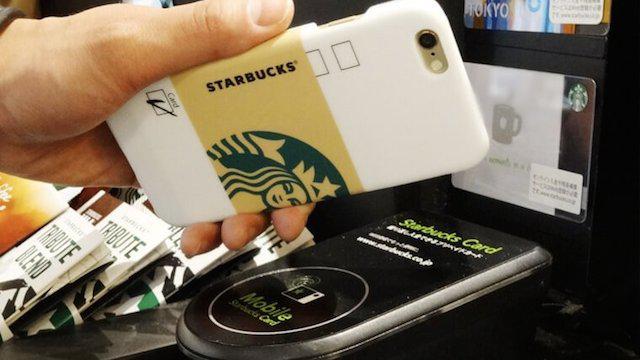
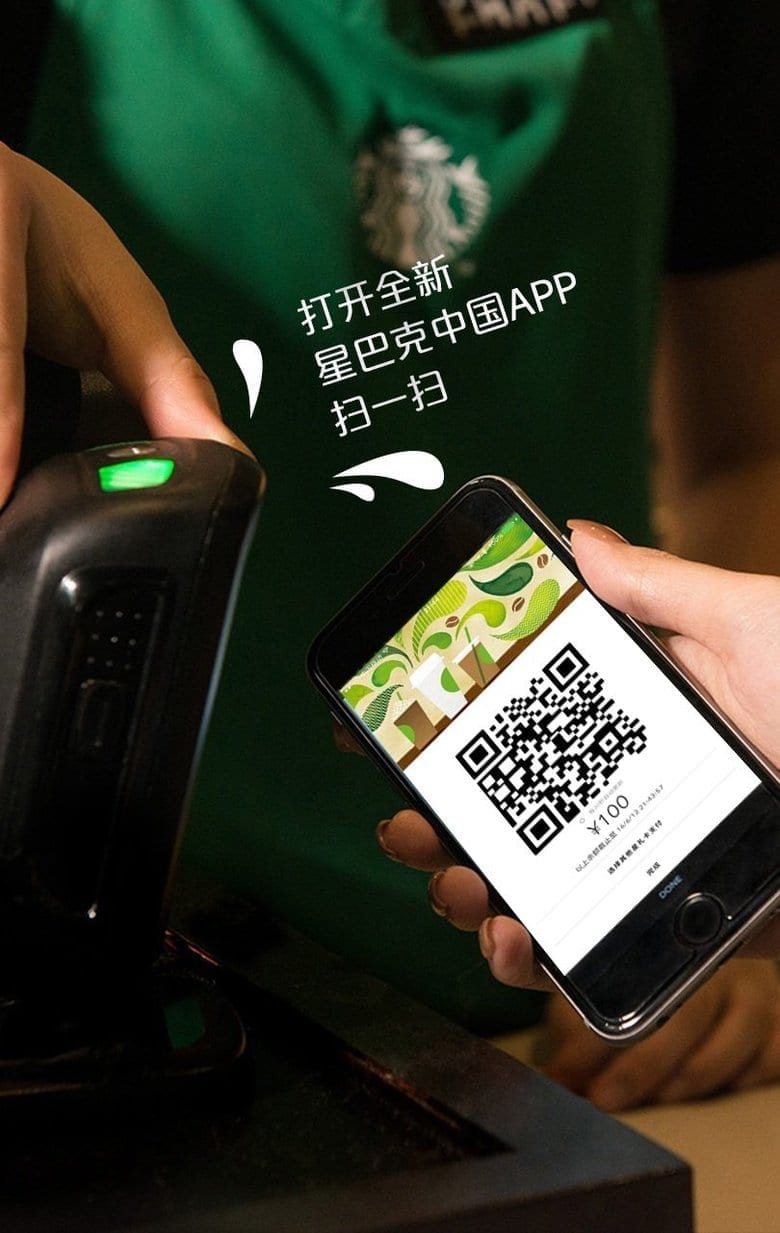
    Starbucks this week launched its mobile payment system in China, marking another step forward in two areas the company sees huge growth potential: China and mobile technology.

    Customers can now pay for their Starbucks purchases at some 2,200 stores in China by using the Starbucks app on their phone, linked to a pre-loaded Starbucks gift card.

    “With the ongoing seismic shift in consumer behavior due to mobile technology, Starbucks is committed to exploring new ways to leverage digital innovations to deliver an elevated Starbucks Experience to our customers,” Belinda Wong, president of Starbucks China, said in a news release.

    “We are confident our social, web, mobile, loyalty and card assets will deliver greater value and convenience to our customers, while further differentiating the brand in China.”

    Starbucks is betting big on China, where the company is adding 500 stores a year. It plans to have 3,400 stores there by the end of 2019.

    1bfaa232-492f-11e6-85c2-6f67e37b8616-780x1233

    In June, it opened a store at Shanghai Disney Resort — a location that Starbucks CEO Howard Schultz said earlier this year could become “Starbucks’ highest-grossing retail store overnight.”

    In the most recent quarter, Starbucks’ China market saw 18 percent revenue growth — likely due to new stores the company is opening there — and 5 percent transaction growth, according to the company.

    The 5 percent transaction growth is the “highest anywhere in the world,” said Scott Maw, Starbucks’ chief financial officer.

    The mobile app lets customers in China not only use their phones to pay for their coffee drinks but also manage their Starbucks Card account, find nearby Starbucks stores and track and redeem rewards.

    Starbucks’ mobile app has been a big success for the company.

    About 21 percent of all transactions in its company-owned U.S. retail stores take place through its mobile app, according to Bloomberg News.

    In the U.S., where the company has rolled out a “mobile order and pay” that lets customers bypass store lines by ordering and paying for their drinks ahead of time on their phones, usage doubled year-over-year in the most recent quarter.

    Starbucks processes 8 million mobile order and pay transactions per month, the company said.

    The company has also closely linked its loyalty rewards program with its mobile app, tying payments made via the app toward earning rewards, and displaying prominently progress made toward earning a reward.

  • Bacardi targets Hong Kong-China commuters with John Dewar emporium

    Bacardi targets Hong Kong-China commuters with John Dewar emporium

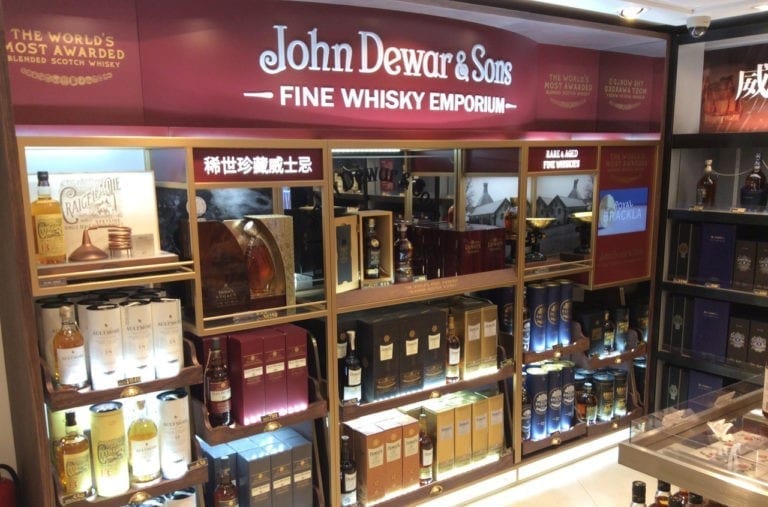
    Bacardi Global Travel Retail has unveiled the largest permanent merchandising installation of The John Dewar & Sons Fine Whisky Emporium in Hong Kong.

    The company has partnered with Chinese duty free retailer Sky Connection and sister company Anway for the opening at the Free Duty store inside Hong Kong MTR Lo Wu station.

    The station is home to train services between Hong Kong and mainland China, with over 100 million cross-boundary travellers using the location every year.

    Brand ambassadors are on hand at the three metre wide emporium to guide shoppers through the Dewar’s portfolio. It also showcases Aberfeldy Highland Single Malt Scotch Whisky, Aultmore of the Foggie Moss Speyside Single Malt, Craigellachie Speyside Single Malt and Glen Deveron, Royal Burgh Collection.

    “We have looked in detail at Chinese drinking habits and believe there is a strong opportunity to drive incremental basket spend in Scotch,” said Bacardi Global Travel Retail Regional Director Asia-Pacific Vinay Golikeri. “This opportunity will come from shoppers who were born during and since the economic reform.  They are already actively engaging with the ‘discovery’ opportunity and the brand intrinsics of the five single malts in our aged whisky portfolio.”

    Bacardi sees a US$40 million incremental opportunity in global travel retail whisky. “We are convinced the key to this prize is by leveraging the appeal of discovery brands such as ours with shoppers at the second stage of luxury,” said Golikeri.

    Anway/Sky Connection Merchandising & Buying Director Simon Au commented: “This is an exciting opportunity for us to bring something special to the high proportion of our shoppers who are whisky lovers and collectors. We’re delighted with the customer feedback – people are genuinely amazed to be able to purchase some of the world most awarded whiskies on their commute home.”

  • Binding offers sought for McDonald’s China

    Binding offers sought for McDonald’s China

    Selected bidders for McDonald’s China and Hong Kong, including China Cinda Asset Management and dairy producer Beijing Sanyuan Foods, have been asked to make binding offers.

    Also invited earlier to submit a second-round bid are Sanpower Group, which owns UK department store House of Fraser, and GreenTree Hospitality.

    McDonald’s is selling 20-year mass franchise rights in China and Hong Kong, which could fetch $2 billion.

    Illinois-based McDonald’s has hired Morgan Stanley to run the sale of about 2800 restaurants in China, Hong Kong and South Korea along with 20-year franchise rights. The South Korean McDonald’s business is also being sold, with local cinema and cafe operator CJ Group reportedly the front-runner at this stage.

    McDonald’s announced in March that it was reorganising in Asia by bringing in partners to own restaurants within the franchise business. Competitor Yum Brands, which has the KFC and Pizza Hut chains, is also restructuring in China.

  • End of Growth for Hypermarkets?

    End of Growth for Hypermarkets?

    Hypermarkets, which offer a wide range of products under one roof, once prospered in Korea. Recently, however, sales growth has stagnated with a rapid change in consumer behavior. 

    According to industry watchers, hypermarkets in Korea anticipated high growth this year, following poor performance in 2015 from widespread public fear of MERS in June. But their high hopes have proven to be overly optimistic. 

    Lotte Mart, one of Korea’s leading hypermarket franchises, only saw 0.2 percent year-over-year sales growth in June. Homeplus, Korea’s second largest retailer, even showed negative sales growth. 

    E-mart, a subsidiary of Shinsegae, and the largest retail hypermarket in Korea, also recorded negative growth in May (4.4 percent), but improved its performance in June, although not as much as anticipated. 

    “We can’t disclose our growth rate for June because of government regulations, but considering the base effect caused by the MERS incident, the rate is far from our expectations,” said an E-mart official. “The industry itself is at risk, and its low growth has become a fixated phenomenon.” 

    Among the three retail giants, Homeplus has been suffering most from negative growth in recent years, and starting this year the company decided not to disclose its monthly growth rate in order to avert potential negative influence that it may further pose in the industry.

    “The company policy is not to disclose monthly growth rates,” said a Homeplus official. “But it’s true that the industry is suffering.” 

    Industry experts point to changing consumer trends, with preference rapidly shifting from offline to online purchasing. 

    “There are so few customers at these hypermarkets nowadays,” said an industry official. “Department stores, on the other hand, are more crowded because they often deal with high-end products. But a rising number of consumers are shifting over to e-commerce platforms to purchase daily necessities, which are the main products offered by hypermarkets.”


  • McDonald’s Hong Kong opens toy museum

    McDonald’s Hong Kong opens toy museum

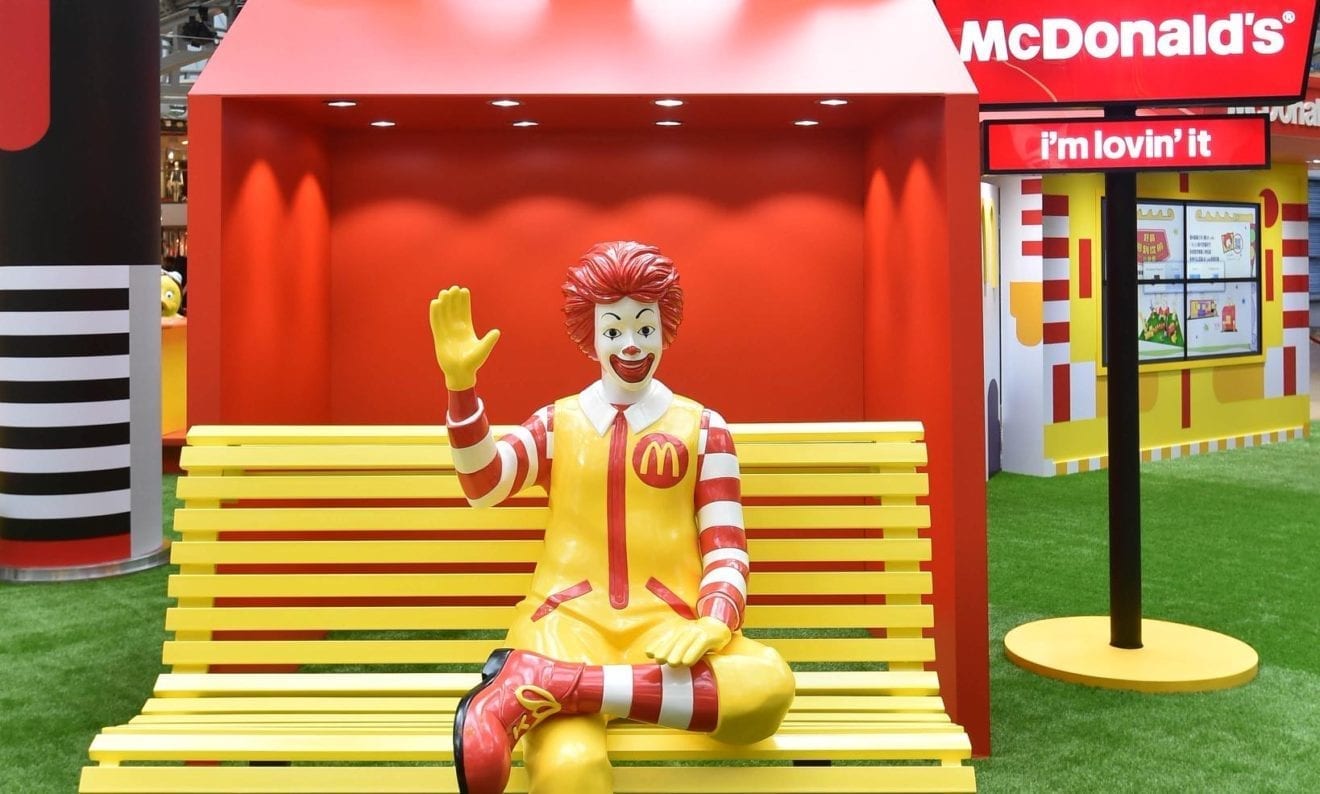
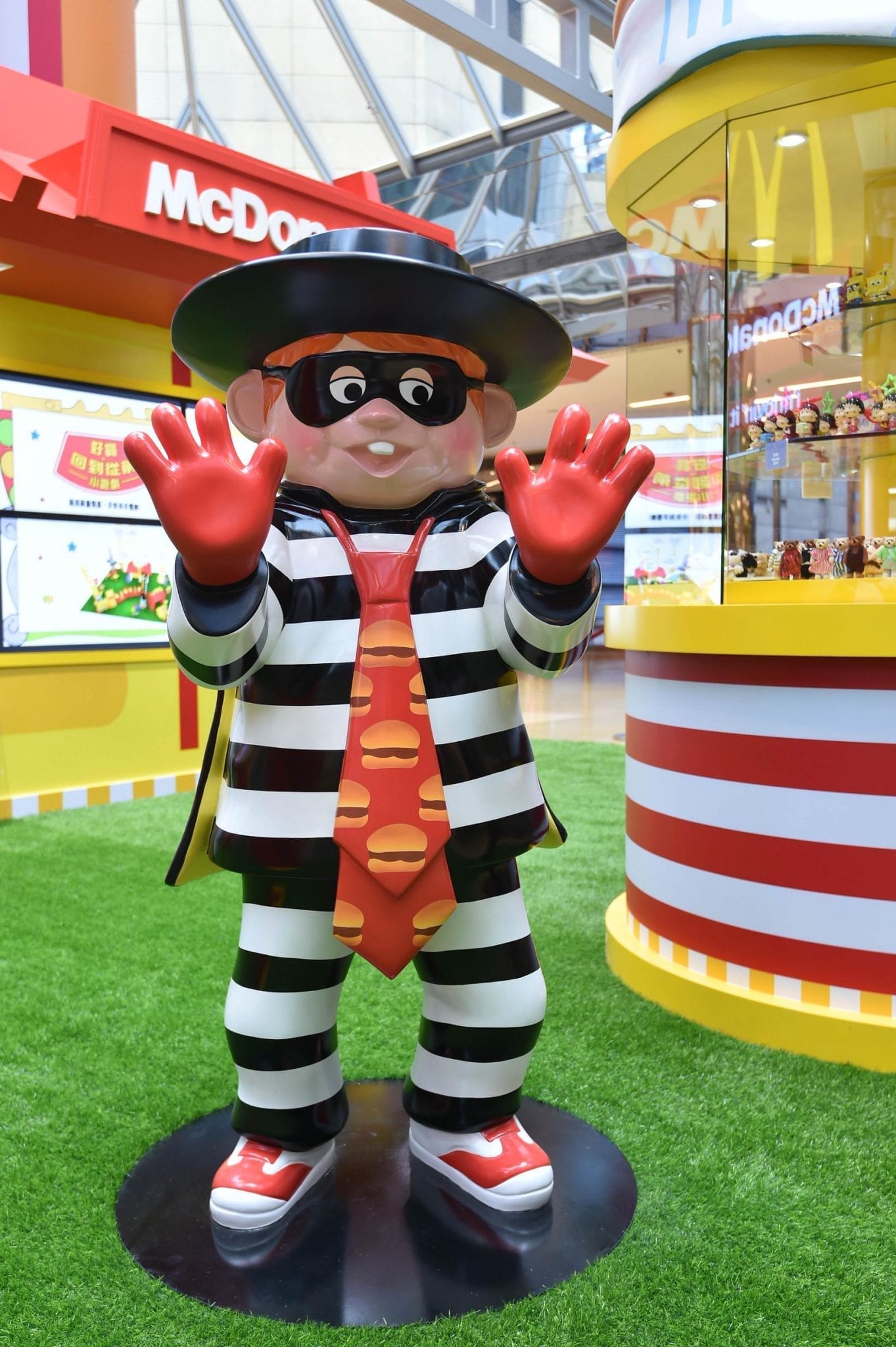
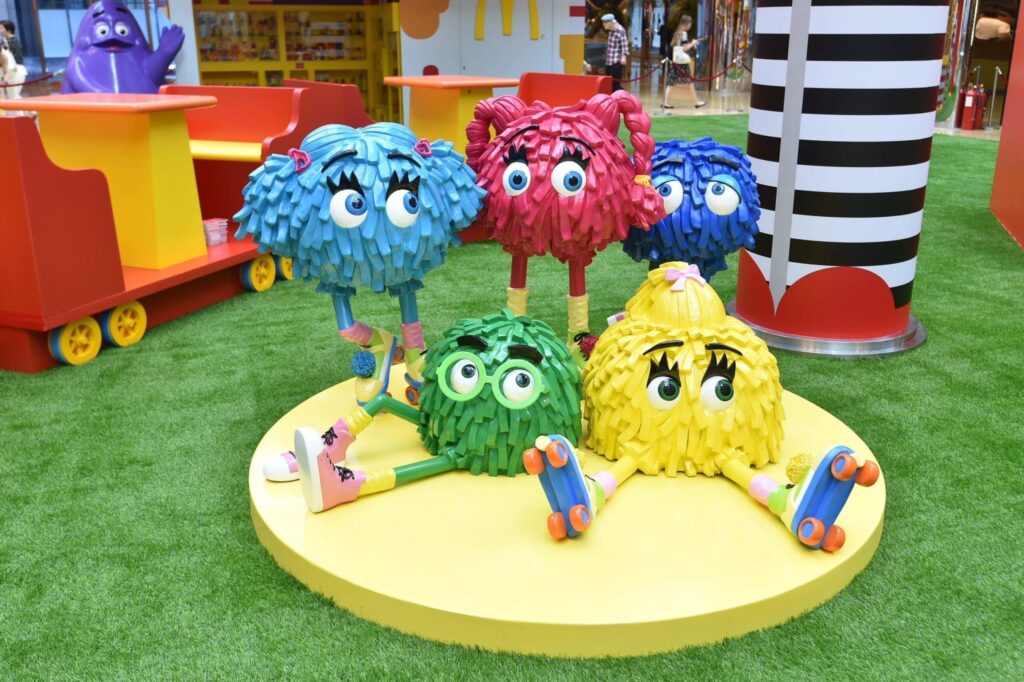
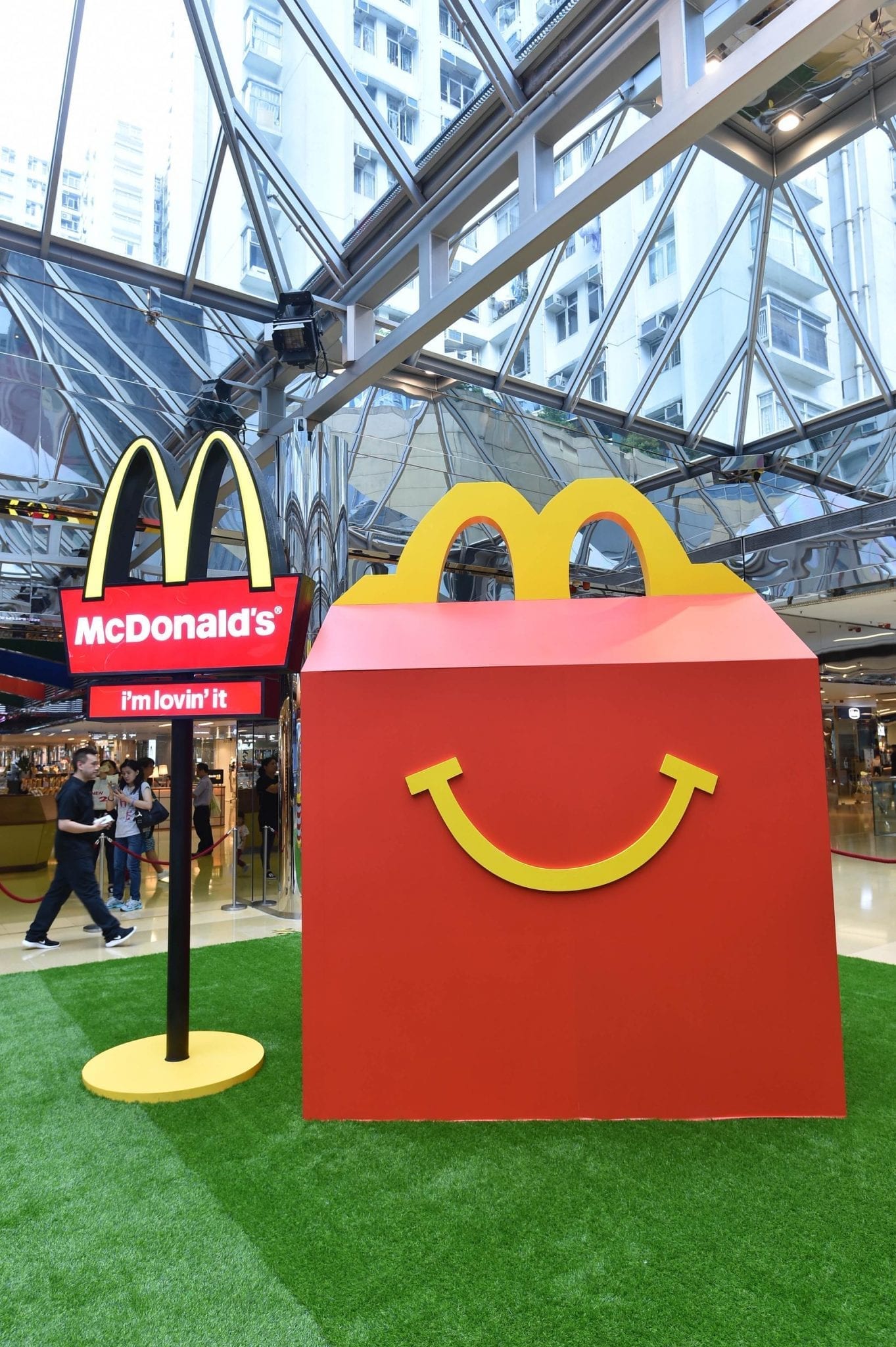
    In partnership with creative agency DDB and Tribal Hong Kong, McDonald’s Hong Kong has opened a concept store in Taikoo Shing.

    Featuring more than 1000 of the family restaurant’s toys dating back to 1980, the interactive McDonald’s Toy Museum at City Plaza was opened after a four-day campaign in which DDB and Tribal Hong Kong recreated McDonald’s advertisements from the past.

    Covering TV, newspaper, magazine, outdoor, radio and online placements, the campaign kicked off with McDonald’s iconic “fish symphony” TV spot, coincidentally created by DDB Group Hong Kong’s chief creative officer/MD Carol Lam in 1997.

    toy-museum-1

    toy-museum-3 toy-museum-2

    “Imagine paging through a glossy magazine and coming across an old McDonald’s ad, or hearing a crackly old radio spot on your favourite station,” says Lam. “The magic of our campaign lies in this stark contrast between old and new, creating a stolen moment for customers to reflect on a simpler time.”

    DDB Group Hong Kong’s digital arm Tribal drove the reach of the campaign through a mix of modern media channels including social media with the help of key opinion leaders, encouraging people to share their McDonald’s memories.

    The museum itself was brought to life by event agency Amaz, while Tribal’s QR code activation offered customers the chance to win prizes.

    “The retro campaign and Toy Museum give us the chance to honour our history while looking toward our bright future,” says McDonald’s Hong Kong director of marketing Esther Chung.


  • Red Bull apologises to Indonesia over offensive ad

    Red Bull apologises to Indonesia over offensive ad

    Red Bull has publicly apologised for shooting a commercial in which an athlete performed acrobatic stunts across one of Indonesia’s ancient holy temples, an official said Thursday.

    Red Bull has issued an apology in Indonesia’s national newspapers admitting it shot an advert at the 9th-century Borobudur temple “without permission from the appropriate authorities”

    The energy drink manufacturer issued an apology in national newspapers admitting it shot the video at the 9th-century Borobudur temple “without permission from the appropriate authorities”.

    The video — in which a famous “free running” athlete is shown jumping between the temple’s stone stupas — triggered outrage in Indonesia, where Borobudur is a revered Buddhist site and national icon.

    In one scene, the athlete is seen walking past a sign clearly stating “No Climbing” in both English and Indonesian before performing acrobatics throughout the UNESCO-listed heritage site.

    The video was shot secretly despite the crew having been issued a warning by temple guards, Borobudur Conservation Agency head Marsis Sutopo told AFP.

    “They must have shot again while our guards were not looking,” he said.

    The video, uploaded online on March 18, sparked outrage within Indonesia and prompted the government to threaten a legal suit against Red Bull.

    Authorities later issued a warning to the drink company after determining no physical damage had been incurred.

    Red Bull met with government officials in early June and agreed to place formal apologies in national newspapers.

    “We want to set an example because we painstakingly try to conserve this historical site,” education ministry official Hilmar Farid told AFP.

    “It was obvious as there was a “No Climbing” sign there too.”

    Red Bull have also been asked to shoot a new video explaining the importance of protecting holy sites, Farid added.

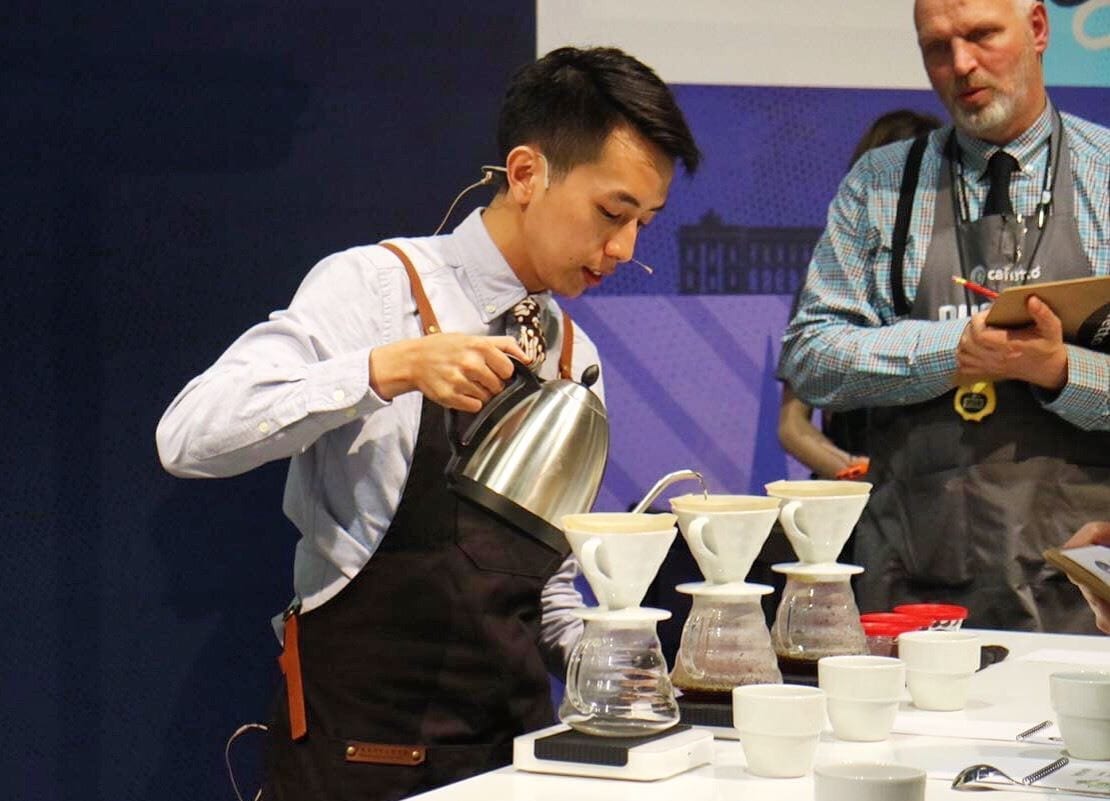
  • Starbucks barista from Indonesia Ryan Wibawa competes in the World Brewers Cup finals

    Starbucks barista from Indonesia Ryan Wibawa competes in the World Brewers Cup finals

    “It was like a dream come true,” said Wibawa, a Starbucks barista from Indonesia.  I felt very humbled and honored to represent my country in an international competition. The experience was the best teacher.”

    Wibawa was matched against 36 competitors from all over the world at the championships, which took place from June 23-25 in Dublin, Ireland. As part of the competition, he crafted three coffee beverages that were judged on aroma, flavor, taste, acidity, body and balance. Wibawa also had to impress the judges with his customer service skills.

    “The competition was hard, but it was a great challenge for me,” he said. “No words can describe the feeling,” he said. “From every competition I gain something, new knowledge, new friends and new skills.”

    Although a competitor from Japan took first place, Wibawa is proud to have ranked among the top 25.

    Wibawa was first exposed to coffee when he joined Starbucks two years ago. He learned quickly and developed an enthusiasm for all things coffee, which led to being selected as his district’s coffee master in 2014. A year later, he won Starbucks Indonesia’s Barista Championships and ranked number one in the Indonesian Brewers Cup Championship. In February 2016, he placed in the top three at the China and Asia Pacific (CAP) region’s Starbucks Barista Championships. His vast experience paved the way for competing in Dublin.

    “Participating in a world competition definitely had a different feeling,” said Wibawa. “The competitors from all around the world had excellent coffee skills. It was a tough competition and a great learning experience.”

    When Wibawa is not competing, he works at Indonesia’s first Starbucks Reserve store in Jakarta, where he delights customers with his coffee craft. He also shares his expertise by training other Starbucks partners at Indonesia’s third Starbucks Reserve location in Bandung.

    “I am very lucky and grateful to have a very supportive family, friends and all Starbucks partners,” he said. “They gave me the strength to compete in the World Brewers Cup competition.”

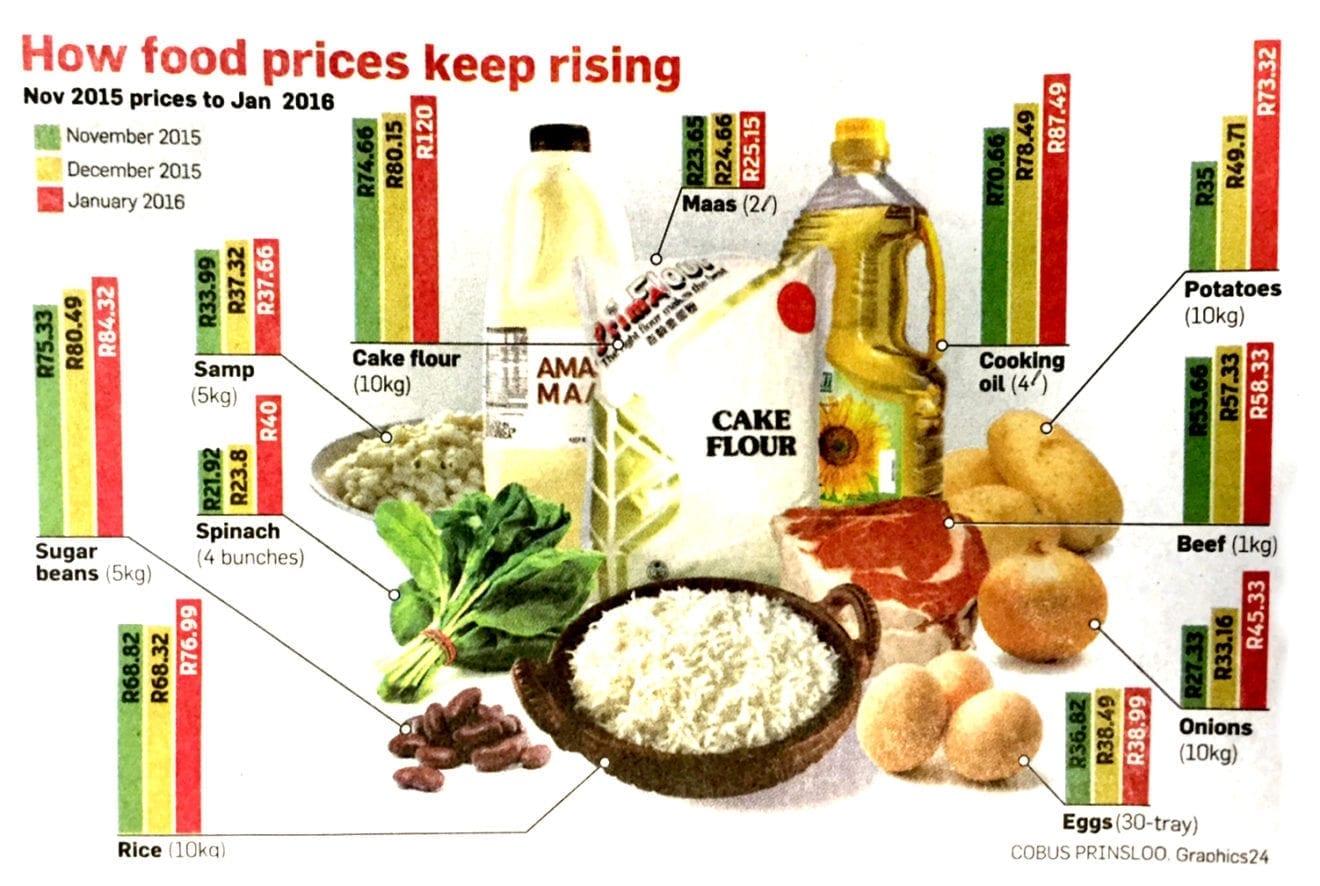
  • Food Prices Spark Inflation in June

    Food Prices Spark Inflation in June

    The National Statistics Agency (BPS) head Suryamin said that inflation in June 2016 was 0.66 percent with increase in food prices as a factor. In addition, increase in air fares had contributed significantly to inflation. “An 8.27 percent increase in air fares had contributed to 0.08 percent of inflation,” he said yesterday, July 3, 2016.

    According to Suryamin, price hike occured in 38 out of 82 cities in the consumer price index (CPI) survey. Food commodity which contributed significantly to inflation was broiler chicken, which experienced price increase by 5.36 percent with 0.07 contribution to inflation. The increase occured in 74 out of 82 cities in the CPI. “Price increase occured due to price hike at the distributors,” he said.

    Suryamin said that food commodity with third highest contribution to inflation was fresh fish. Price of fish soared by 2.15 percent with 0.06 percent contribution to inflation. Other cause of inflation was broiler chicken eggs with 5.86 percent increase in price and contributed 0.04 percent to inflation. Other commodity was sugar which price had risen by 6 percent since early Ramadan. Its contribution to inflation was 0.04 percent. “Potato and carrot also contributed to inflation,” he said.

    Other commodities that contributed to inflation were rice, spinach, apple, electricity prices, gold and jewelries, and public transport fares, which contributed 0.02 percent each to inflation. Of 13 commodities that contributed to inflation, Suryamin said that only one had held back inflation. “The one that held back [inflation] was shallot,” he said.

    Director General of Horticulture, Agriculture Ministry, Spudnik Sujono has given his assurance that shallot and chili peppers supplies are safe until August.

  • Oriental Brewery pop-up opens at Gangnam

    Oriental Brewery pop-up opens at Gangnam

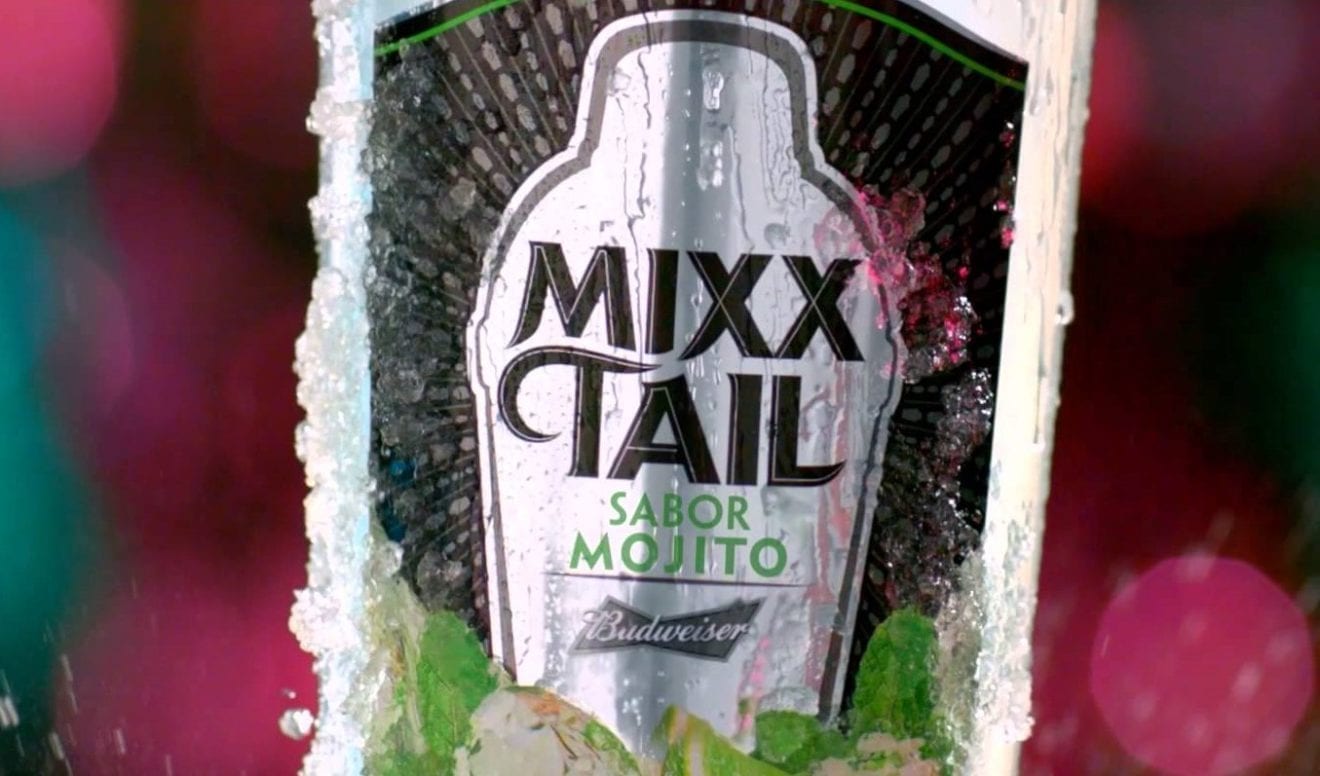
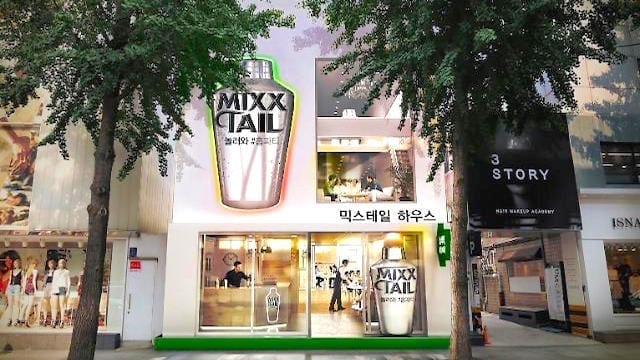
    South Korea’s Oriental Brewery (OB) has opened a pop-up store named MixxTail House at Sinsa-dong’s Garosu-gil in Gangnam.

    The Oriental Brewery pop-up offers a variety of cultural events and activities that visitors can enjoy while drinking OB’s MixxTail, the company’s fermented cocktail brand. The three-storey building includes a DIY Cocktail Bar, 3D Photo Zone, and an outdoor Cocktail Garden.

    Mixxtail 2

    The company will also host music performances of various genres, cooking sessions, and lectures focusing on home-party decoration and culture.

    The MixxTail House will be open daily from 11.30am to 10pm, until July 29.

    Mixxtail