Category: Food

Retail News Asia is committed to providing both local and global retailers with the latest Food and Food & Beverage news throughout the Asian market. This on a daily base.

  • Hi Brunch Philippines to debut in Robinsons

    Hi Brunch Philippines to debut in Robinsons

    Expanding for the first time outside its home market of Korea, cafe chain Hi Brunch is set to make the Philippines its number three market.

    Korean food franchisor Sim Woo has partnered with Filipino-American entrepreneur Susan Barlin, for the Hi Brunch Philippines and Southeast Asia franchises. Barlin is a real estate executive who also owns a multi-level marketing business.

    Hi Brunch Philippines will offer porridge and desserts along with coffee.

    Formed in 2015, Sim’s holding company Midang FC already has 250 stores in Korea and two in Tokyo. The company is eyeing franchise stores Taipei, Taiwan, Kazakhstan, China, and Southeast Asia, particularly Singapore, Indonesia and Malaysia.

    Hi Brunch Philippines is set to open a store in Robinsons Galleria in two to three months.

    It will also open in Bonifacio Global City, Alabang, Tagaytay and Cebu. Barlin said the master franchise in the Philippines will open six company-owned stores among the 25 outlets planned for one year.

    Barlin said the food will be prepared in Korea and shipped frozen to the Philippines for cooking. Authentic Korean dessert bingsu (snow ice flakes topped with sweets) will also be offered at Hi Brunch.

    “We will not only import but we’ll make things here,” Sim said, adding that if food products are available in the Philippines, these may be locally sourced. For example, for the snow ice flakes, fresh Philippine mangoes are better than frozen, he said.

  • McDonald’s Singapore and Malaysia for sale

    McDonald’s Singapore and Malaysia for sale

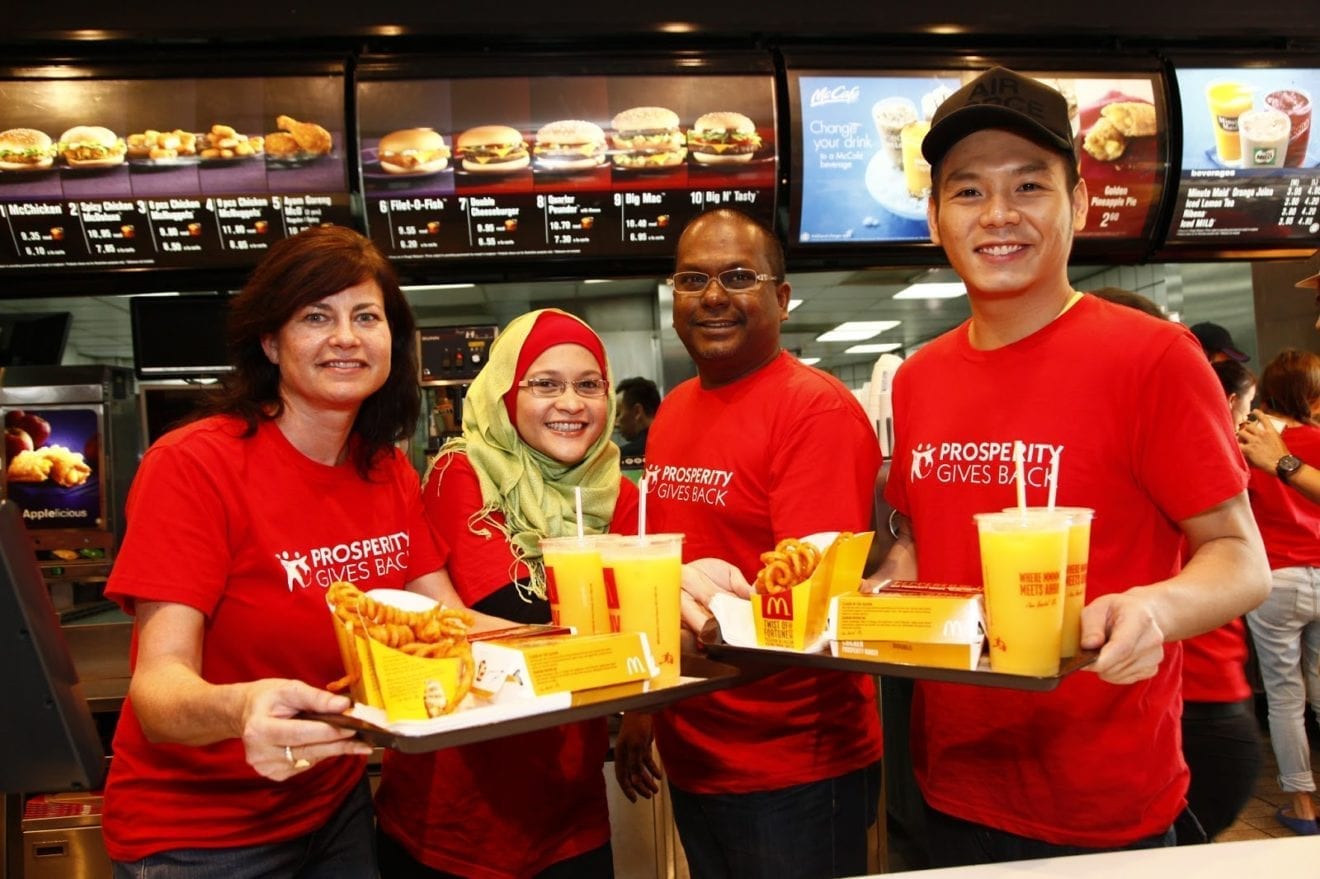
    Franchise rights for 20 years for McDonald’s Singapore and Malaysia could fetch S$542.8 million (US$400 million).

    The rights have been put on the market as part of McDonald’s Corp’s international turnaround plan put in place by new CEO Steve Easterbrook last year. With a US$112 billion market value, the corporation is revamping its ownership models throughout Asia, including plans to offload its China, Hong Kong and South Korea master franchises.

    McDonald’s has adopted a “development licensee model” for Malaysia and Singapore, says a Singapore spokesman. It is negotiating with candidates “committed to helping accelerate growth and innovation in Malaysia and Singapore”.

    McDonald’s owns most of its outlets in Asia, and eventually aims to have 95 per cent of its restaurants in the region under local ownership.

    Singapore has more than 120 McDonald’s restaurants with about 9000 employees, while in
    Malaysia there are more than 250 restaurants.

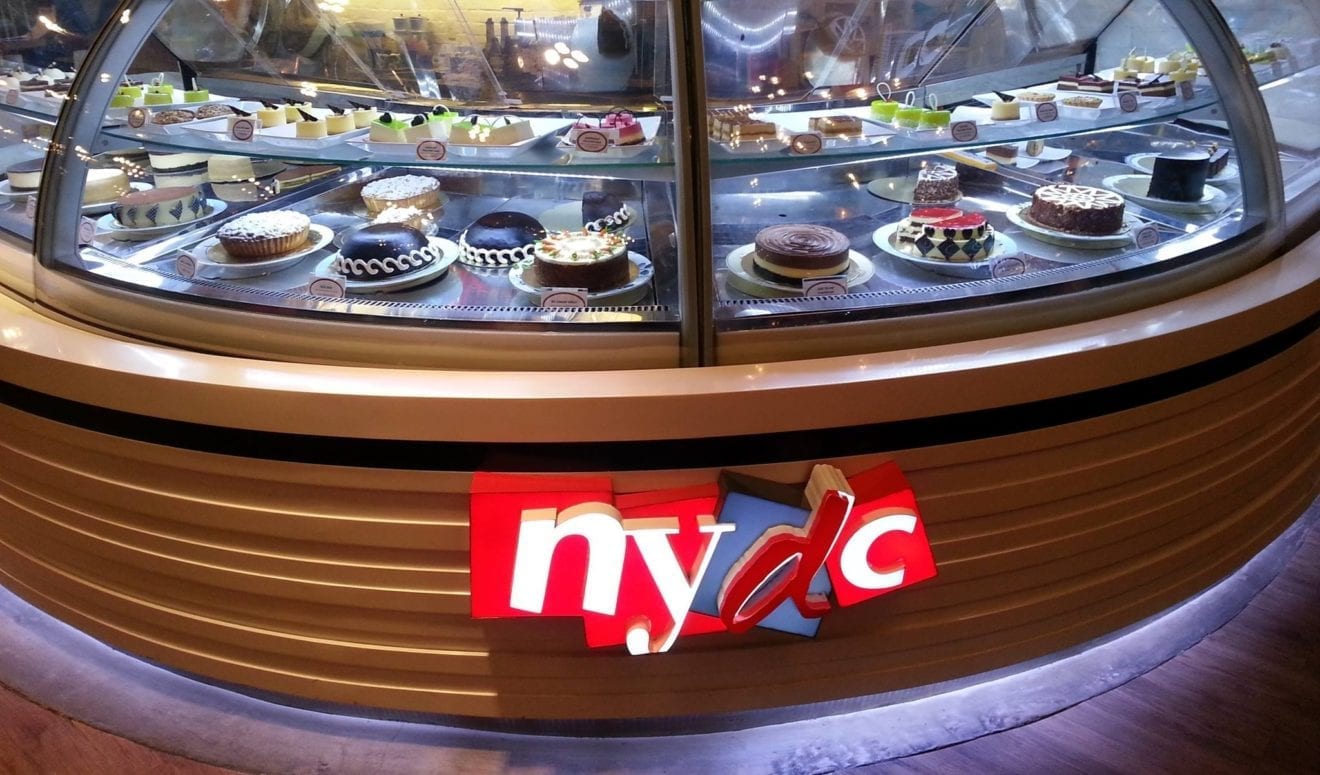
  • NYDC Vietnam closes last store

    NYDC Vietnam closes last store

    The last NYDC Vietnam dessert and cafe restaurant has closed its doors after months of struggling to stay viable.

    The chain sent its goodbyes to its customers via its Facebook page last Wednesday, promising to “return someday”.

    NYDC’s struggles first became apparent in May when it closed three stores in a row – Nguyen Trai, Cantavil, and Crescent stores in Ho Chi Minh City. It continued to operate its highest-profile store inside the Metropolitan Tower in the city’s CBD. However, after six months trying, finally they decided to close their last store.

    Two factors likely led to the demise of NYDC Vietnam: First, the increasing dominance of  local cafe chains such as The Coffee House, Phuc Long, Urban Station, Trung Nguyen, Kafe and Highlands, which offer affordable prices and comfortable spaces. The second is the more recent arrival of international chains, such as Starbucks. Before Starbucks arrived in Vietnam in 2012, NYDC’s main competitors were Gloria’s Jeans and Coffee Bean and Tea Leaf.

    Many foreign food chains have struggled to gain momentum in Vietnam market. Both Gloria’s Jeans and Coffee Bean and Tea Leaf had to close larger outlets about three years ago due to rising rentals. Burger King launched in 2012 with ambitious plans for about 60 stores within five years. It has recently closed several and as of February its network stood at just 16.

    Sean T Ngo, CEO of VF Franchise Consulting, said that even though Vietnam is one of the hottest franchising markets in Southeast Asia, the exit of NYDC from Vietnam clearly demonstrates the challenges that many foreign firms face when entering a developing market like Vietnam.

    “Clear differentiation and positioning from competitors and near perfect execution is required if any foreign brand is to do well in this market place.”

    Brought to Vietnam in 2009 by Singapore’s SUTL Group, NYDC used to be one of the most popular foreign cafe chains in HCMC. The first two outlets were opened in the center of the city, at Metropolitan tower and Now Zone shopping mall, followed by Vincom, Nguyen Trai, Cantavil, and Crescent mall stores. The original plan was to open 20 outlets in five years with more than US$300,000 investment reportedly required for each.

    Opposite to NYDC, SUTL has been successful with its investment in KFC, which now operates more than 140 stores across Vietnam.

  • Alliance Group market-ready lamb packs to hit Chinese shelves

    Alliance Group market-ready lamb packs to hit Chinese shelves

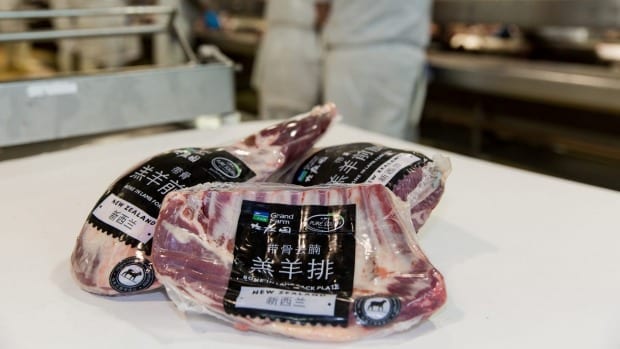
     Alliance Group’s lamb packs for the Chinese retail market.
    Alliance Group’s new lamb range of market-ready retail packs will be launching in China next month.

    The co-branded lamb range will land in China’s retail and food service sectors as the co-operative and its in-market partner Grand Farm strengthen their close ties.

    The initial focus  will be on the upper end of the Chinese market in Beijing, Shanghai, Guangzhou, Shenzhen and Harbin The lamb will be available from eight retail chains boasting 200 selected outlets before being rolled out to other parts of the country.

    Alliance chief executive David Surveyor said the New Zealand-packed lamb was designed for the Chinese market and co-branded Pure South and Grand Farm.

    “It marks a major milestone in our vision to create new product forms and ranges that will be either produced from source or further processed in the market to meet the growing demands of China’s food service sector.”

    The regions were selected based on the higher buying power of their consumers, concentration of foreigners and higher economic activity, he said.

    “This initiative will help us build a deeper understanding of the supply and value chains and eventually secure the added value we are seeking in this market with a ‘packed-at-origin’ offering.”

    Alliance’s focus in China was to obtain more market value for its 5000 farmer-shareholders by understanding consumer tastes and improving its matching of products and markets, as well as investing more in new products and packaging, he said.

    In April, the co-operative signed an agreement with Grand Farm at a ceremony in China. The agreement, which signals further strategic co-operation between the pair, sets out a  plan to improve the returns and add value to both businesses.

    Grand Farm is the best known distributor and marketer of top quality red meat in northern China. The company owns 96 meat shops, operates 260 branded meat counters in selected hypermarkets and supplies over 1000 hypermarkets in China.

    Alliance has been working in China since the mid-1990s and is now the country’s largest exporter of New Zealand lamb to the country.


  • Retail, food/beverage sales to rise in July: MOEA

    Retail, food/beverage sales to rise in July: MOEA

    On the back of rising demand for the upcoming Ghost Festival, the local retail sector is expected to see sales growth in July, at a time when many retailers have aggressively launched promotional campaigns, according to the Ministry of Economic Affairs (MOEA).

    In addition, continued high temperatures have boosted demand for beverages in the local market, the MOEA said, and this trend is expected to give an additional boost to the local retail sector, as well as the food and beverage sector, in July.

    The forecast was made by the ministry after it released data Friday showing that Taiwan’s retail sales for June stood at NT$335.8 billion (US$10.49 billion), up 0.2 percent from a month earlier and up 0.5 percent from a year earlier.

    The statistics indicate that revenue in the local food and beverage sector hit NT$36.3 billion in June, up 1.9 percent from a year earlier but down 3.0 percent from a month earlier.

    The Ghost Festival (中元節), the 15th day of the seventh month of the lunar calendar, will fall on Aug. 17 this year.

    Local people usually buy foods and other necessities ahead of the festival in preparation for the folkloric rituals.

    In addition, the Taipei Multi-Media Show, which was staged July 1 through July 4, was expected to boost sales of 3C products and eventually raise revenue of the local retail sector, the MOEA said.

    The MOEA said that the hot weather is expected to prompt more and more consumers to buy beverages to keep themselves cool, while the current summer vacation is a peak season for local people to travel, which is expected to boost sales for the local restaurant businesses.

    In June, sales posted by department stores, supermarkets, convenience stores and hypermarkets in the local retain sector gained 3.2 percent, 5.6 percent, 3.0 percent and 5.5 percent, respectively, from a year earlier, while sales of the auto/motorcycle business rose 3.5 percent from a year earlier, the MOEA data shows.

    However, sales of the information and home appliance business in the local retail sector fell 5.6 percent year-on-year in June, the data indicated.

    During the month, sales of the restaurant and beverage businesses in Taiwan rose 2.2 percent and 0.8 percent, respectively, from a year earlier, the MOEA said.

    The MOEA said that sales posted by the local wholesale sector for June gained 3.6 percent from a year earlier to NT$805.8 billion.

    In the first six months of this year, sales of the local retail and food/beverage sectors rose 2.0 percent and 2.6 percent, respectively, from a year earlier, while revenue posted by the wholesale sector fell 5.4 percent year-on-year, the MOEA said.


  • Fei Fah Novelty Food to open first flagship retail store and cafe 155 South Bridge

    Fei Fah Novelty Food to open first flagship retail store and cafe 155 South Bridge

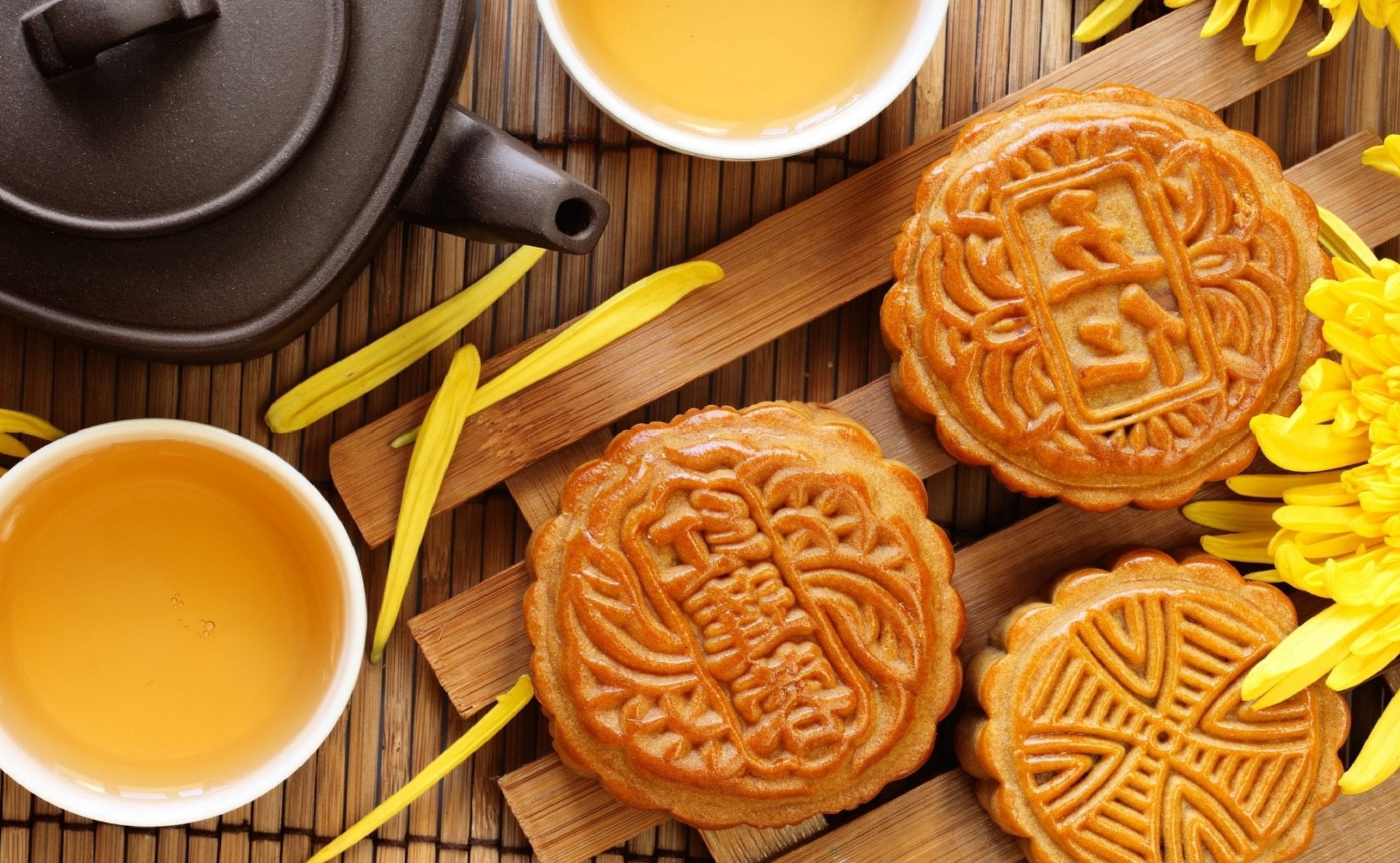
    “A woman teared (up) when she tried our mooncake at the Hong Kong Food Expo,” recalled Lawrence Lau, the chief executive officer and managing director of Fei Fah International Group, which produces Chui Lau Heung mooncakes.

    That was when he realised how similar the food business is to his family’s traditional trade, said the 50-year-old, third-generation owner of Fei Fah, which started out as a medical hall on South Bridge Road and continues to produce medicinal balms under the brand, Fei Fah Medical. He explained that his grandfather had started the medical hall with the intention of providing for his family. “But once he sorted out his finances, he took up skills as a Chinese physician to help lessen the suffering of others and make them happy.

    “Food does the same thing: I might not be lessening your pain but I am creating joy and happiness through good taste. I am creating bonding experiences between people by selling a product that they can share and enjoy.”

    Lau entered the food business by chance, when he was looking to diversify the family business. “Our Hong Kong office for the medical business was bleeding and I was looking for a breakthrough to turn things around.” It was then that he met a durian mooncake manufacturer in Singapore, who was seeking partners to help export the confection. This led to the creation of Chui Lau Heung mooncakes in 2003 and the subsequent inception of Fei Fah Novelty Food in 2005. “It was challenging understanding the product, learning about food storage, logistics, and how to market the product in Hong Kong,” he said. It was a bold move given the small market in Hong Kong, as few as two out of 10 consumers were receptive to durian. But the company decided to enter the market anyway, said Lau. The subsequent rise of budget airlines made travelling to Singapore and Malaysia affordable for those in Hong Kong and around the South China Sea. This meant more of them were spending time on our shores and getting acquainted with local flavours. “And with durian, once they tried it, they went nuts over it. Today, 70 per cent of Hong Kongers are not put off by durians and demand is so much higher. In fact we are seeing demand also from mainland China, and that is a huge market,” he added. Chui Lau Heung is currently one of Hong Kong’s top five selling mooncake brands.

    When Fei Fah Novelty Food’s first flagship retail store and cafe 155 South Bridge opens at Pagoda Street on August 1, Singaporeans will finally get a chance to taste this homegrown product that is sold across continents, from Hong Kong, Macau and Guangzhou, to Los Angeles, San Francisco, San Jose, Seattle, Houston, Honolulu, New York, and Chicago, to Toronto, Calgary, Edmonton, Montreal and Vancouver.

    Look out for their new offering of crystal durian mini mooncake — the brand’s 2016 creation that features a creamy mix of D24 and Mao Shan Wang durian filling encased in a tender, see-through crystal skin. The novelty mooncake is made to resemble a faceted jewel. Lau shared that the idea was conceived in November last year, and that it took a long time for his master chef to perfect the recipe, as creating the crystal skin proved more challenging than anybody had thought. While not revealing numbers, Lau said that quantities are limited and stocks for this mooncake will not be replenished once they are sold. The crystal mooncakes are already available for early bird orders in Hong Kong, Macau and the United States.

    Apart from the mooncakes, the shop and cafe spanning two levels will showcase products under Fei Fah Novelty Food, which includes items such as durian honey and fish bak kuah, and also those from Fei Fah Medical, such as traditional balms and medical oils. Koh Yuen Lin

  • Fast food giant eyes Jollibee China expansion

    Fast food giant eyes Jollibee China expansion

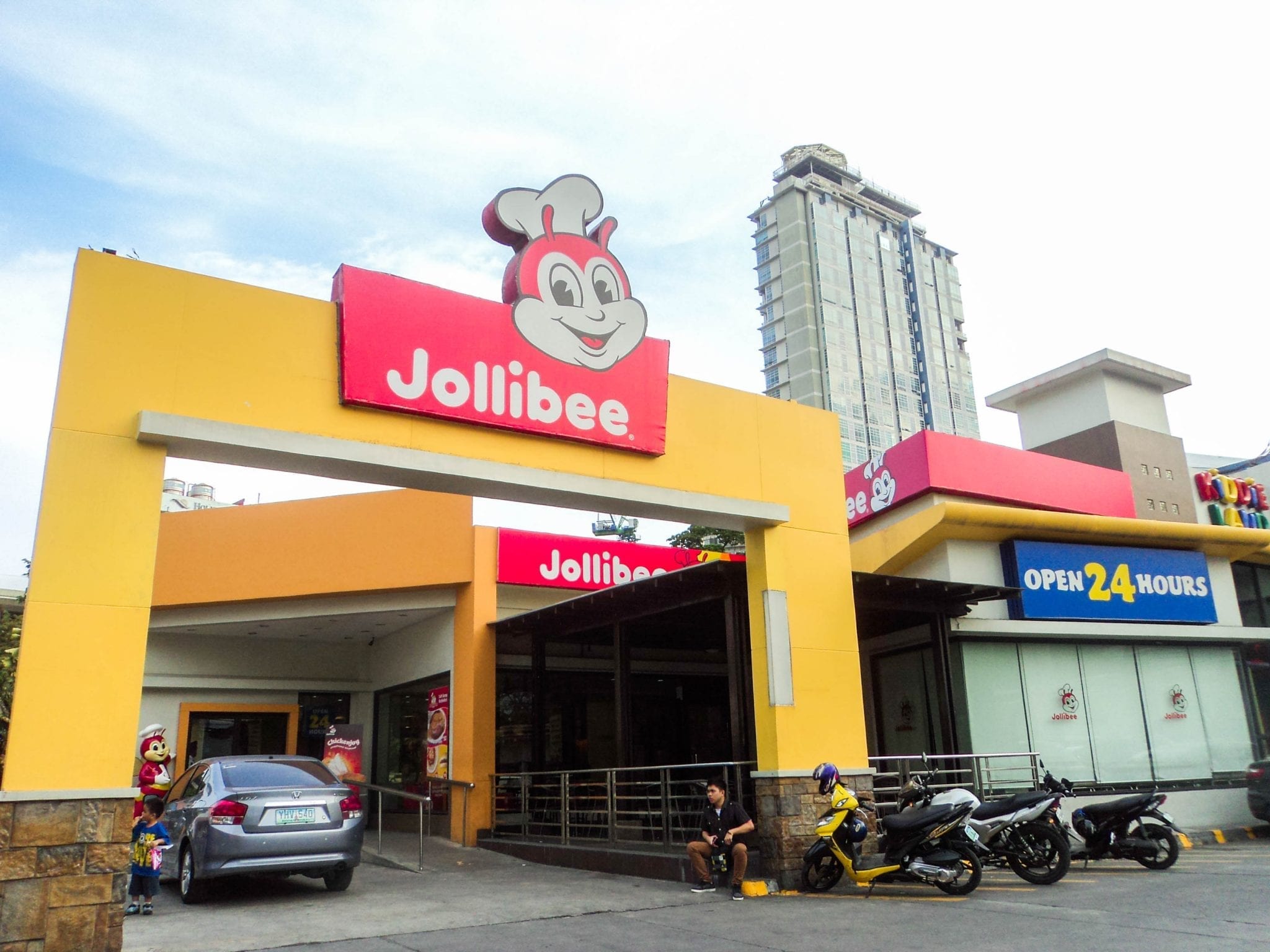
    Philippine fastfood giant Jollibee Foods Corp is keen to expand its footprint in China.

    Jollibee China is likely to add 20 to 40 new stores to its 400 outlets, according to Jollbee CEO Ernestro Tanmantiong. He said the company continues to target 5 to 10 per cent growth in stores.

    “We are exploring acquisitions. Our focus is on food service,” he said, adding that the company had acquired a commissary to support its business.

    Early this year, Jollibee Foods took over a food manufacturing facility that services Yonghe King, a famous non-Western restaurant in China.

    Asked about the recent international ruling on the West Philippine Sea and its impact on the business, Tanmantiong said the company thinks the ongoing dispute is unlikely to hurt the company’s operations in China.

    “I think the move of the government to employ diplomacy is the best way to settle the differences. It is the best solution,” Tanmantiong said.

    “Our vision in the future is to achieve a 50-50 ratio of international versus Philippines. Today, it’s 80 per cent Philippines and 20 per cent international. We hope to achieve a 50-50 ratio but it doesn’t mean we are slowing down in the Philippines,” he said.

  • SMI helping launch Ippudo in Myanmar

    SMI helping launch Ippudo in Myanmar

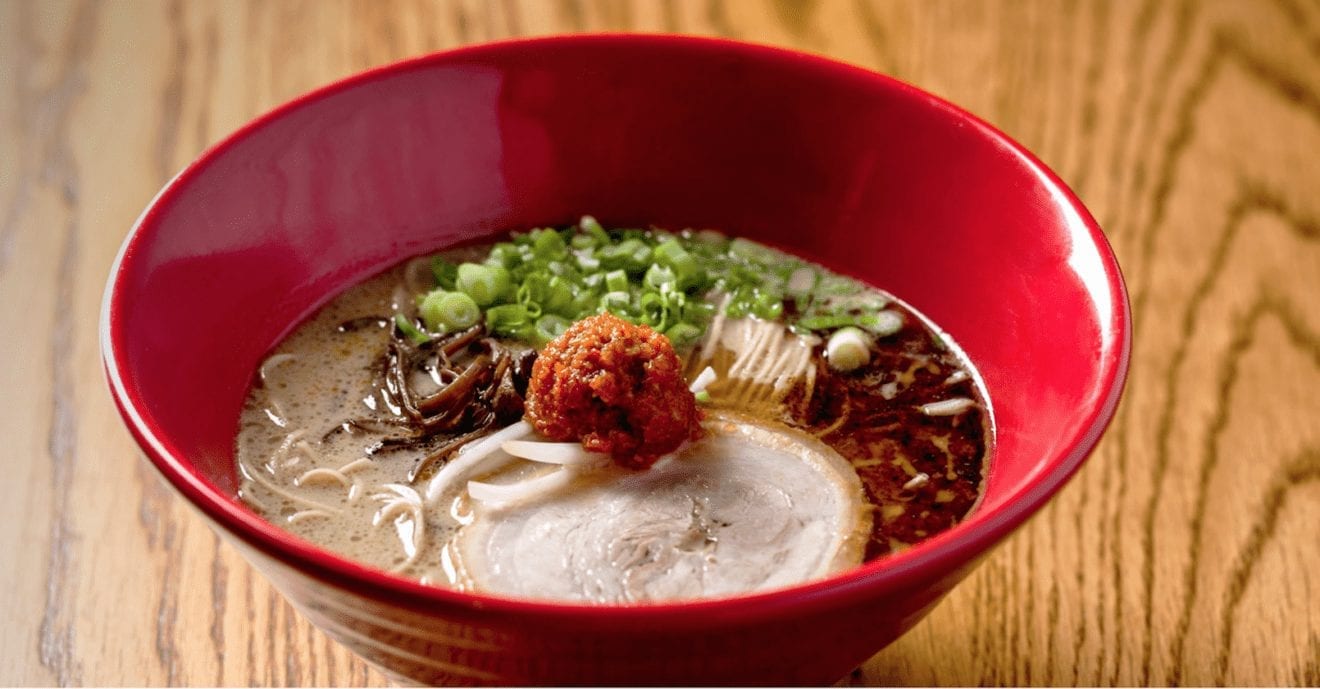
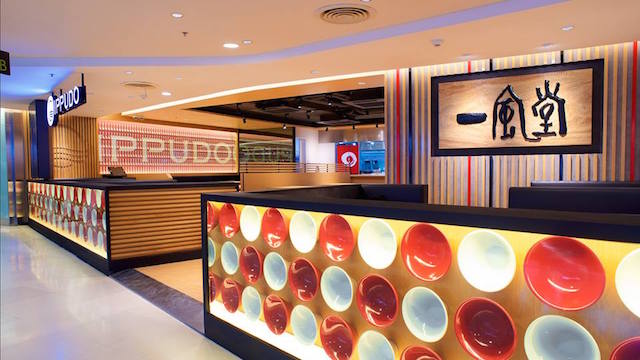
    Singapore Myanmar Investco (SMI) will launch Japanese ramen restaurant chain Ippudo in Myanmar early next year.

    Brand owner Chikaranomoto Holdings will provide training programs for SMI to set up and run the Myanmar restaurants.

    ippudo outside

    “We see abundant growth opportunities within the F&B retail market in Myanmar, and the time is ripe for us to introduce the Ippudo brand and cuisine to the growing middle class,” says SMI president/CEO Mark Bedingham.

    SMI, which is involved in consumer products and services in Myanmar, is looking to invest in retail and F&B over the next three years. It has also signed a franchise agreement with restaurant group Crystal Jade and The Coffee Bean and Tea Leaf.

  • Fonterra benefits from growing milk consumption

    Fonterra benefits from growing milk consumption

    Dairy giant Fonterra Brands Indonesia president director Achyut Kasireddy, New Zealand Prime Minister John Key and Trade Minister Todd McClay share a conversation during an event at Fonterra manufacturing plant in Cikarang, West Java, on Tuesday. Key will end on Wednesday his three-day visit to Indonesia, during which he has brought along dozens of executives from various New Zealand companies in an effort to strengthen economic ties and consolidate several investment opportunities.

    New Zealand dairy firm Fonterra Brands Indonesia has reaped benefits from Indonesia’s growing milk consumption, becoming New Zealand’s poster boy for success.

    The company, part of multinational dairy cooperative Fonterra, sees Indonesia as one of its priority markets, with huge promise amid dairy product demand growth.

    According to the Agriculture Ministry, annual household consumption of dairy products rose to 313 ounces per capita in 2014 from only 209 ounces in 2013.

    As demands grow, Fonterra Brands Indonesia president director Achyut Kasireddy said on Tuesday that it was focusing to fulfill the capacity of its plant to “cater to the demand of dairy products for the next three years”.

    It operates a Rp 340 billion (US$25.98 million)-worth plant in Cikarang, West Java. The plant commenced operations last September and is Fonterra’s biggest investment in Southeast Asia in the last decade.

    Utilization rate of the plant has hit 60 percent of its full potential to produce 16,000 tons of milk powder a year and up to 87,000 packages of dairy products a day. It markets several milk brands in Indonesia, including Anlene, Anchor Boneeto and Anmum.

    Kasireddy said Fonterra may expand its investment in the country should it utilize the plant well.

    It deems upcoming investment as important to accommodate changes in consumers’ taste and preference, resulting in different product types, such as powders, liquids and any other formats.

    “For the future, there may be other opportunities that we will seriously look at. There will be a new concept and they are all in the concept stage right now,” he said without going into details.

    He claimed that Fonterra Brands Indonesia had also substantially invested in training for farmers to boost their production. It imports around 75 percent of its ingredients for milk powder from New Zealand and hopes to leverage the farmers’ products in the future.

    “As we keep helping local dairy communities transform their farming and enhance their production, the country is going to have high quality milk produced locally that will be available for companies like us,” he said.

    New Zealand Prime Minister John Key said during his visit to the plant that the company could be at the forefront of the growing demand for dairy products in Asia.

    “These are markets where, inevitably, as the consumer base gets wealthier, demand grows not only for more protein but for more security and quality in its food. That’s where Fonterra fits in,” said Key in his speech.

    He said the plant was an example of how New Zealand and Indonesia could benefit from investment in the dairy industry.

    “This [Fonterra’s plant] is living proof of work by the New Zealand government to pave way for New Zealand companies to develop a footprint and grow New Zealand’s reach to the world,” Key said.

    Key was accompanied by New Zealand Trade Minister Todd McClay and a delegation of New Zealand businesspeople for the plant visit, which was part of his two-day visit to Indonesia. He met with President Joko “Jokowi” Widodo on Monday and discussed economic cooperation.
  • Indonesian coffee showcase to open in Seoul

    Indonesian coffee showcase to open in Seoul

    Indonesia has high hopes of carving out a share of the crowded Korean domestic cafe scene and coffee market.

    A cafe specialising in artisanal Indonesian coffee is planned to open soon on the Bojeong-dong Cafe Street in Seoul. It will sell ground coffee and coffee beans from different regions in Indonesia, according to the Southeast Asian nation’s small and medium enterprises minister Anak Agung Gede Puspayoga.

    “As one of the top coffee consumers in the world, South Korea should buy more coffee from Indonesia,” he said.

    According to USDA data, South Korea’s coffee market is estimated at more than US$3 billion annually. Indonesia does not believe it is getting its fair share.

    The planned Indonesian coffee cafe will initially sell coffee beans grown in three cities: Temanggung in Central Java, Denpasar in Bali and Bandung in West Java, including Priyangan coffee, Indonesia’s version of kopi Luwak, the famed civet coffee, and Temanggung, its Arabica and Robusta coffee.

    The shop is part of a partnership hatched between the Korea Federation of Micro Enterprise, or KFME – which represents South Korea’s 7 million small businesses – and the non-profit International Council of Small Business.

    The partnership will also see prominent Korean bakeries provide training for Indonesian bakers.

  • Store roll-out boosts Starbucks Asia

    Store roll-out boosts Starbucks Asia

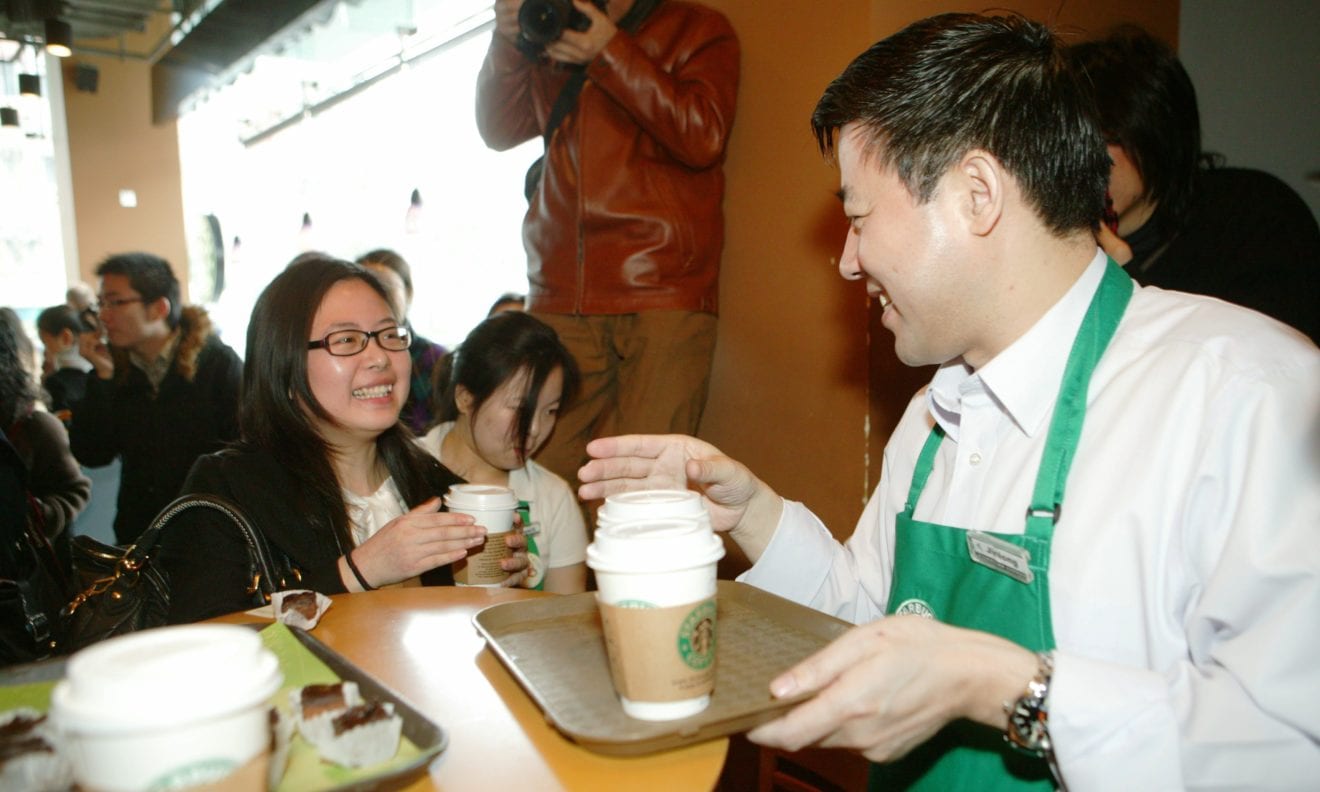
    A massive Starbucks Asia store roll-out has boosted the global coffee company’s third quarter results.

    Across China and the Asia-Pacific region, Starbucks opened 888 new stores in the first nine months of the current financial year. That helped lift revenues by 18 per cent in the region.

    However, underlying same-store sales were a far more modest 3 per cent up on the same quarter last year.

    “The concern is that some of this is related to a general slowdown in China which, if part of a longer term trend, could harm company earnings,’ observed retail analyst Neil Saunders, CEO of Conlumino.

    The company’s Channel Development division – which encompasses the sale of Starbucks branded products in grocers and other stores- also posted positive numbers, with revenues rising 9 per cent. This was aided by strong sales of single-serve Starbucks products following a new agreement with Keurig Green Mountain to push branded K-Cups into more channels. A new partnership with Nespresso to launch Starbucks-branded pods should provided a further uplift to this division in the quarters ahead.

    “Unfortunately, the stronger performances in Asia and in the Channel Development Segment were not enough to offset the weakness in the Americas, which remains larger than all other divisions combined,” said Saunders.

    “And therein lies the forward issue for Starbucks: it has to increase momentum in this part of its business if it is to get back into high growth territory and if it is to avoid a future squeeze on profits.”

    Globally, Starbucks seemed to lose momentum in the third quarter, with overall growth slowing to 7 per cent and global same-store growth moderating to 4 per cent – both below forecast.

    “Worryingly, the slowdown took hold across all regions with even the Americas division, which usually puts in a fairly robust performance, posting a lacklustre same-store increase of 4 per cent. The fact that the company appears to have run out of steam somewhat overshadows its nonetheless impressive achievement of breaking the $1 billion operating income barrier for the first time in a non-holiday quarter.”

  • Yogorino Korea lauched, thanks to a Rapper

    Yogorino Korea lauched, thanks to a Rapper

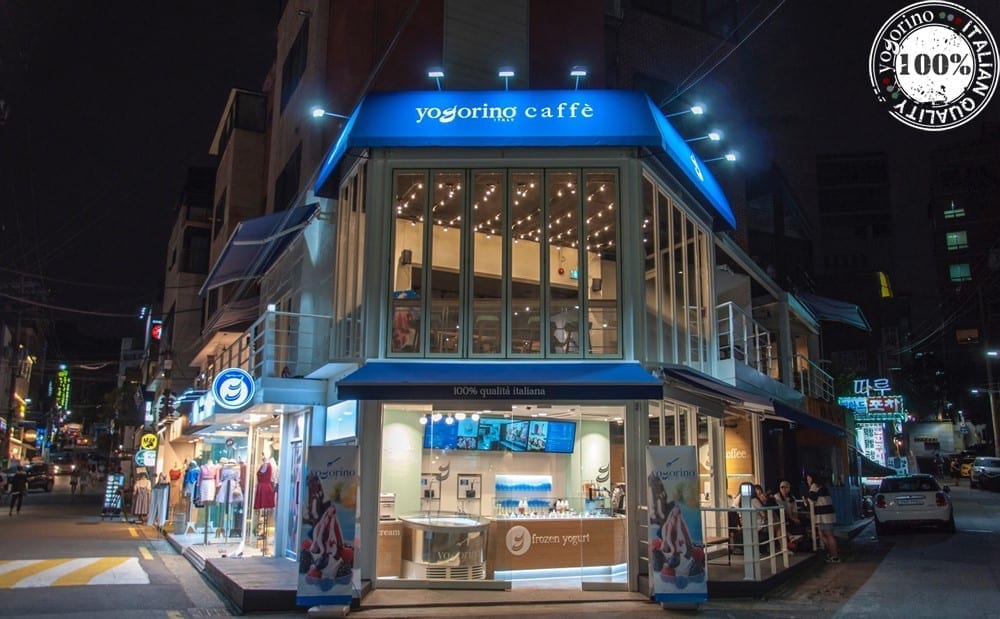
    Irish frozen yogurt franchise Yogorino Korea has opened its first store in collaboration with a local partner.

    Korean rapper Zico helped draw a crowd for the inauguration of the Yogorino store in Seogyo-dong, south-west of Seoul and home of Hongik University. Zico, named Fashion Icon of the Year, has been chosen as Yogorino’s ambassador. He is signing promotional items and customers may have a chance to meet him in one of the stores planned to roll out in Korea.

    The new outlet covers two floors, including a spacious seating area. As well as frozen yogurt, Yogorino sells ice cream, coffee and cakes.

    For South Korea, Yogorino has signed a master franchising deal with Italyo Korea, which has drawn up a 10-year development plan including about 100 stores, corner shops and shopping -centre kiosks, ready to be set in motion in the next few months.

    Yogorino also has branches in Japan and the Philippines.

  • McDonald’s Philippines targets 900 stores

    McDonald’s Philippines targets 900 stores

    Local franchisee, Golden Arches Development, expects McDonald’s Philippines to reach 500 stores in 2016 and 900 in coming years.

    Golden Arches VP for marketing Margot Torres said in an interview, “We are going to hit the 500 stores before the end of the year because we had 494 as of June,.”

    He added that plans would depend on the opening of shopping malls in the country.

    Due to construction delays, the 500 store count originally set in 2015 was moved to mid-2016.

    Torres said Golden Arches, which opens 40 stores every year, has seen strong sales for  McDonald’s since the second half of 2015, when celebrities Maine Mendoza and Alden Richard endorsed the brand.

    “There is still room for growth in Metro Manila but [there] is also huge potential for expansion outside Metro Manila, particularly in the Visayas and Mindanao,” Torres said.

    With convenience stores’ affordable meals posing a threat to the fast-food industry, McDonald’s is boosting its game by focusing on its online delivery.

  • SCR Corp set to move into Indonesia

    SCR Corp set to move into Indonesia

    Sarawak (Malaysia) restaurant chain SCR Corp is set to move into Indonesia, first targeting Pontianak in Borneo as well as Jakarta.

    GM (franchising and strategic planning) Johnny Leo Lee Boon says the company is ready to launch its franchise business once potential partners have secured prime locations in the two cities. He says business groups from Pontianak and Jakarta have visited Sarawak several times to study the chain’s franchise business model.

    “They have come up with proposed secondary locations to set up SCR restaurants that we find may not be ideal,” he says. “We advise them to look for strategic prime locations where there are good daily crowds… The ball now is in their court.”

    Leo says Jakarta has more than 70 malls that are ideal for F&B, while Pontianak with its population of about 1.6 million people could also support the franchise.

    SCR, which celebrates its 30th anniversary next year, owns 36 restaurants and has 19 franchised outlets in Sarawak, Sabah, Labuan and Brunei. Fourteen of the owned outlets and five franchises are in Kuching. The menu features 110 local and western dishes and beverages, with Singapore chicken rice the signature dish.

    Leo says SCR is also in preliminary talks with a company in the Philippines about franchising, and its executives are expected to visit soon.

    Meanwhile, SCR will soon open its first franchise outlet in Lawas, northern Sarawak, and there are expansion plans to to Kapit once the road link is ready.

    “The food business market in Sarawak is saturated,” says Leo. “We are consolidating and limiting the number of outlets in certain towns. Our focus is to expand our franchise business to more countries in Asean.”

  • Wrap & Roll Vietnam gets capital injection

    Wrap & Roll Vietnam gets capital injection

    Restaurant chain Wrap & Roll Vietnam has received a $7 million capital injection from Mekong Capital..

    “The founders and management team of Wrap & Roll have done an extraordinary job of establishing Wrap & Roll as a proven concept with urban consumers in Vietnam and Singapore,” said Chad Ovel, a partner at Mekong Capital. “They have successfully created Wrap & Roll as a modern way to enjoy authentic and healthy Vietnamese food.”

    Mekong Capital invested into the chain via their new enterprise called Mekong Enterprise Fund III to make its first deal since June last year. The fund will focus on retail, restaurants, consumer products and customer services in Vietnam. The private equity company has already taken a stake in electronics retailer Mobile World.

    Wrap & Roll Vietnam owner Nguyen Thi Kim Oanh said the restaurateur found Mekong Capital to be a credible partner to help the business grow sustainably.

    “Mekong Capital not only funds the company but also supports our company with strategic consultancy in many management fields such as human resources, restructuring, management practices and corporate finance.”

    With the experience in investing of Mekong and 10-year operating of Wrap & Roll, the two companies hope the concept will find success globally.

    Established in 2006, the healthy, traditional food brand has 11 restaurants in Vietnam and four franchises in Singapore. More restaurants are announced to be opened in Hanoi and Ho Chi Minh City. Other international markets are being evaluated.