Category: Food

Retail News Asia is committed to providing both local and global retailers with the latest Food and Food & Beverage news throughout the Asian market. This on a daily base.

  • Chooks to Go plans Asian rollout

    Chooks to Go plans Asian rollout

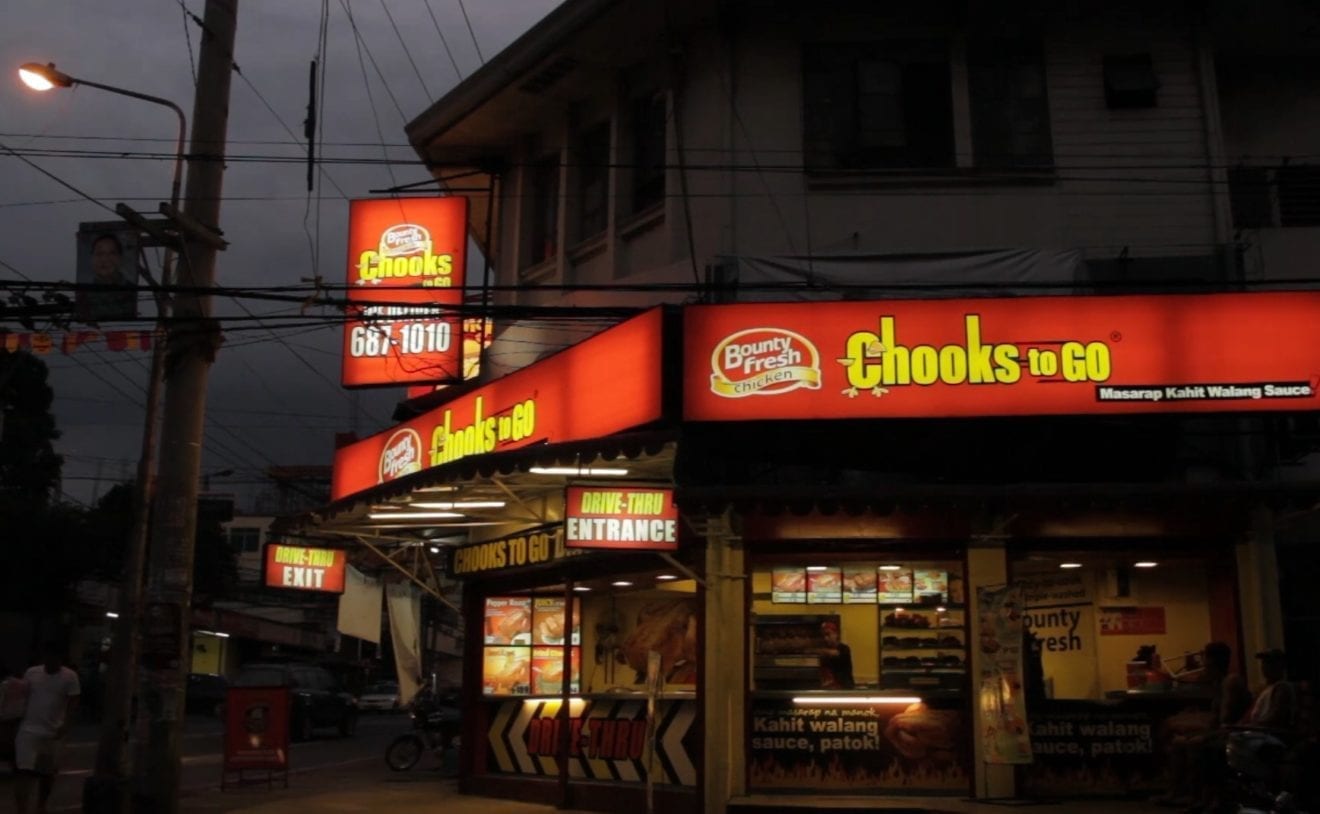
    The parent of Philippine chicken retailer Chooks to Go plans “a massive expansion” of its store network, at home and across Asia.

    “Filipinos overseas will soon have access to their favourite food in the Philippines or wherever they are in the Asian region with the rollout of BAVI rotisserie stores overseas this year,” said Chooks to Go parent Bounty Agro Ventures Inc (BAVI) in a statement.

    “As an industry leader, it is BAVI’s role to continue to growing its chicken commodity business, along with the massive expansion of its various brands of retail stores for freshly cooked products.”

    BAVI currently operates a chain of 1000 Chooks to Go stores across the Philippines, selling fresh oven-roasted chickens and is expanding its portfolio of brands to attract more consumers. Maro, its newest, serves freshly cooked viands in CBDs and universities nationwide.

    The company’s Reyal brand, which launched last year selling ‘butterfly cut’ chicken with honey garlic sauce, chili oil and garlic bits, expects to have 100 stores trading by the end of this year.

    Uling Roasters now has 200 outlets.

    In total, BAVI now operates more than 1300 stores across its brands, and sells about 100,000 chickens a day.

    The company did not reveal how it would enter overseas markets, or which countries were at the top of the priority list.

  • Japanese restaurant operator AP heads to Hawaii

    Japanese restaurant operator AP heads to Hawaii

    Japanese restaurant operator AP Co is heading to Hawaii, planning to open its first outlets in January.

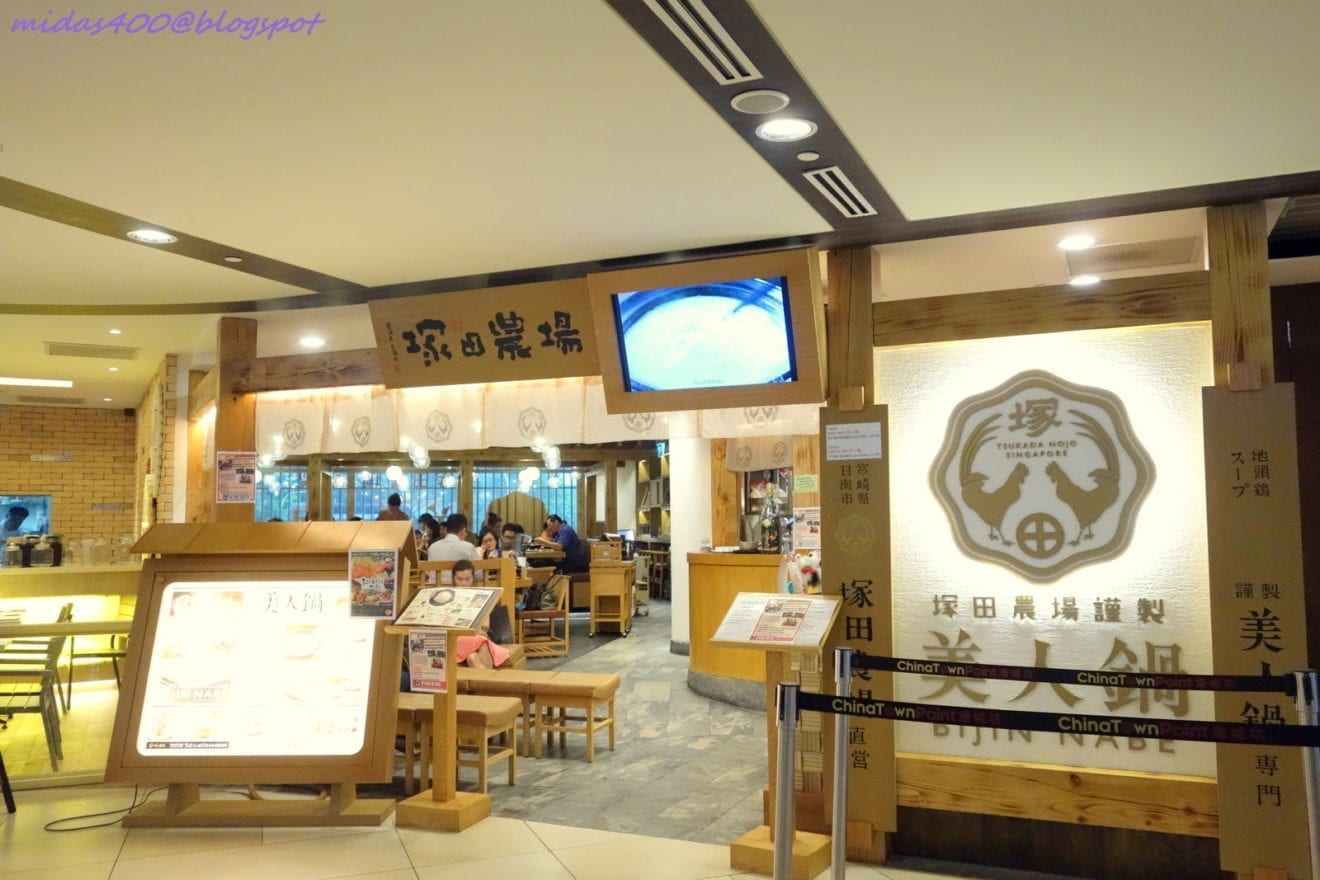
    AP owns more than 200 restaurants in Japan, Singapore and California and plans to take its  Tsukada Nojo and Sushi Maru brands to Waikiki, in the heart of Honolulu’s tourist area.

    The two eateries are an izakaya-style concept, serving small dishes and liquor, and a sushi restaurant, respectively.

    AP entered the restaurant business to create an outlet for produce from its farms and fisheries.

    “They are pursuing the same concept here by working with local farmers now in preparation for their opening next year,” a real estate source told Pacific Business News in an interview.

    The company is listed on the Tokyo stock exchange.

  • Jamie’s Italian Opens First Restaurant in Thailand

    Jamie’s Italian Opens First Restaurant in Thailand

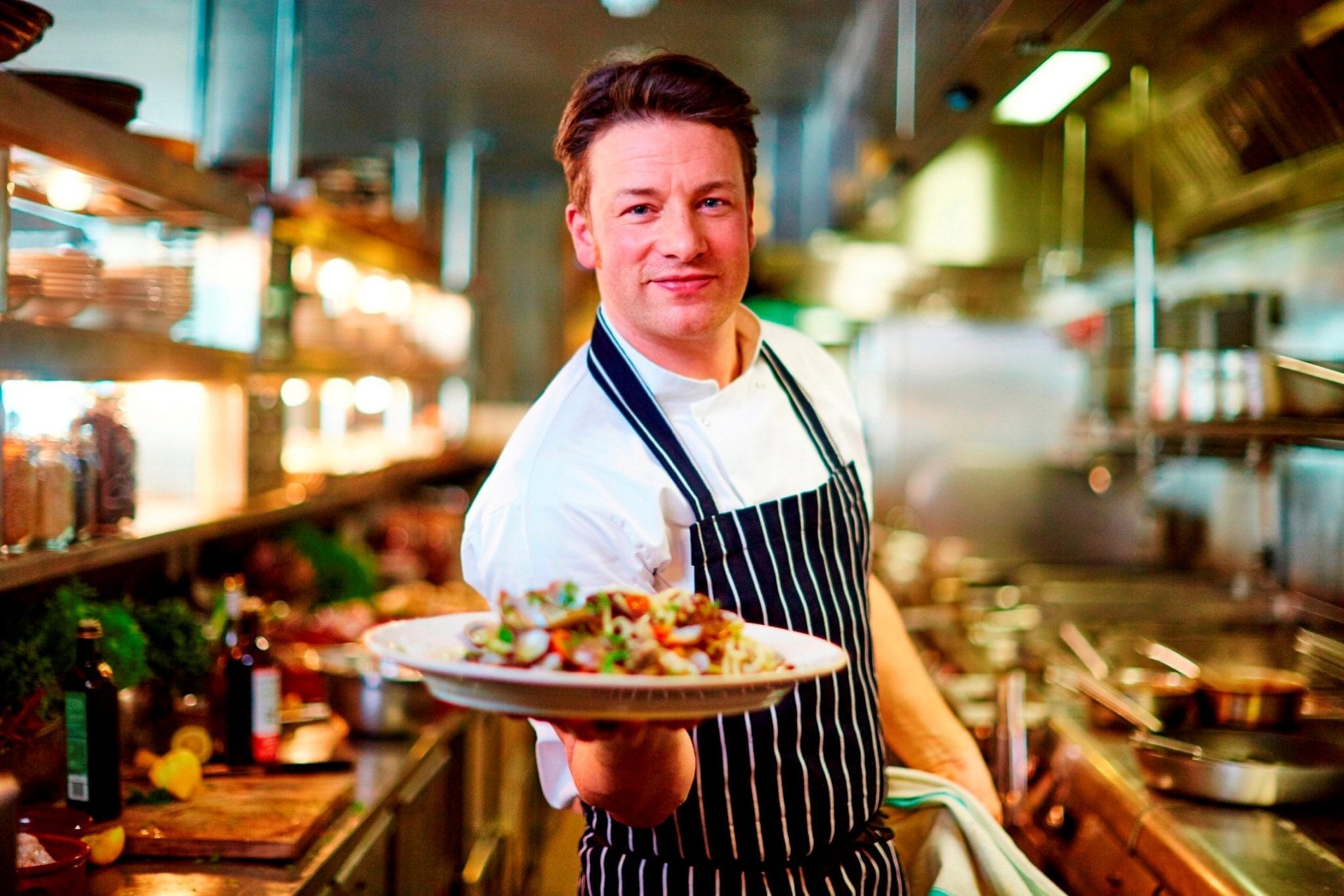
    Jamie’s Italian, a partnership between British celebrity chef Jamie Oliver and his mentor, Gennaro Contaldo, continues its expansion across southeast Asia with its first restaurant in Thailand, set to launch in Bangkok in the fourth quarter of this year.
    The family ­friendly Italian restaurant will open its doors at the newly­renovated Siam Discovery mall, situated in the heart of Bangkok’s shopping district and proudly brought to you by Hotel Properties Limited and Siam Piwat. Guests can expect Jamie’s Italian Siam Discovery to offer delicious, homely Italian cooking with a Jamie twist.

    Living up to the restaurant chain’s philosophy of serving amazing, affordable food in a casual setting, the latest Jamie’s Italian restaurant will embody a relaxed, buzzy vibe for a comfortable dining experience.

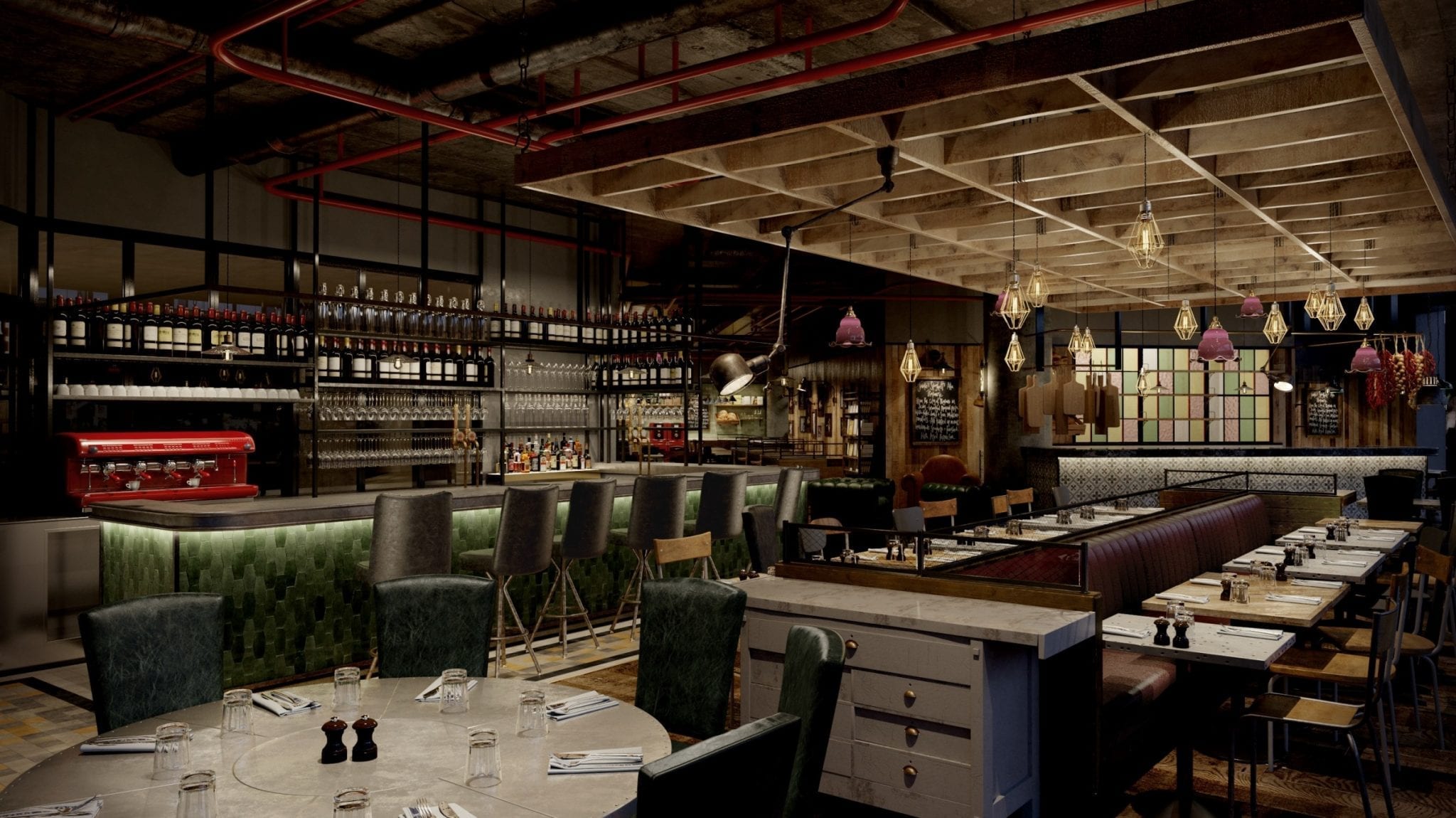
    10 Interior at Jamie's Italian restaurant

    The space will boast a tasteful mix of rustic, reclaimed timber refectory tables, industrial­chic zinc tables and vintage upholstered lounge chairs, with monochromatic and hand­painted floral tile flooring adding graphic impact to the restaurant interior. To add warmth, the dining area will be illuminated with brass spotlights, vintage enamel shades and a textured glass chandelier.

    Guests will be able to watch their antipasti planks being made before their eyes at the antipasti counter in the main dining room, or hang out for a pre and post meal tipple at the bar.

    Jamie’s Italian is all about fun, accessible dining. Menu highlights at Jamie’s Italian Siam Discovery will include the famous antipasti planks, perfect for sharing. Placed on large wooden boards supported by tins of tomatoes, the impressive platter allows guests to pick

    from a wide selection of fresh, cured and pickled antipasti, including Italian­style cured meats, buffalo mozzarella and aged pecorino cheese, chilli jam, pickled green chillies, Gaeta olives, caper berries and a crunchy salad of shaved root vegetables with chilli, lemon and mint.

    All pastas will be freshly made on­site daily. The old­school classic, Tagliatelle Bolognese, features handmade pasta, tossed in a rich ragu of beef, pork, herbs, Chianti and Parmesan and finished with crunchy, herby breadcrumbs. Our famous prawn linguine is a must try ­ juicy, garlicky prawns in a tasty fish broth with fennel, tomato and chili, topped with lemony rocket. Pizza dough will all be made by hand, and proved for hours before being hand­stretched to create an irresistibly crisp base. The simple but classic Margherita, dressed with a rich San Marzano tomato sauce, creamy bocconcini, shavings of British Cheddar and whole basil leaves, is the perfect choice for pizza purists, while the Funghi Misti is an earthy delight topped with porcini mushroom sauce, roasted herby mushrooms, mozzarella, chervil and tarragon.

    For meaty mains, guests will be able to opt for a Chicken Al Mattone, a traditional Tuscan dish that is made by grilling a marinated chicken under a brick. The weight of the brick ensures that the chicken is pushed further against the grates of the grill, producing a smoky, juicy and intensely­flavoured grilled chicken with an addictively crisp skin.

    As with all Jamie’s Italian outlets, the Siam Discovery restaurant will remain committed to sourcing only the best free­range, sustainable and ethically produced ingredients. The restaurant will also work closely with Thai farmers to showcase local, sustainable produce at its Bangkok branch.

    Jamie said: “I’m hugely excited to be taking Jamie’s Italian to Thailand. Bangkok is such a vibrant, buzzing city with a really fantastic food scene, I’ve no doubt that it will be a brilliant addition to
    the Jamie’s Italian family. We’ll be sourcing lots of beautiful, top­quality local produce, and cooking up some incredibly tasty food, and all at a reasonable price. I can’t wait for it to open”.

  • Twinings enters Myanmar

    Twinings enters Myanmar

    Stephen Twining, a member of the 10th generation of the family that has churned out the premium tea for 310 years, was at the official launch in Myanmar on August 5. He said Myanmar offered a opportunity for high growth, with a large tea-drinking population.

    “Tea is well-loved in Myanmar, so it makes absolute sense for Twinings to be here. I am delighted to experience Myanmar’s unique culture and our shared passion for tea,” he said.

    “Twinings never accepts anything less than perfect. Today, Twinings tea is enjoyed by millions in 116 countries worldwide, including Myanmar.”

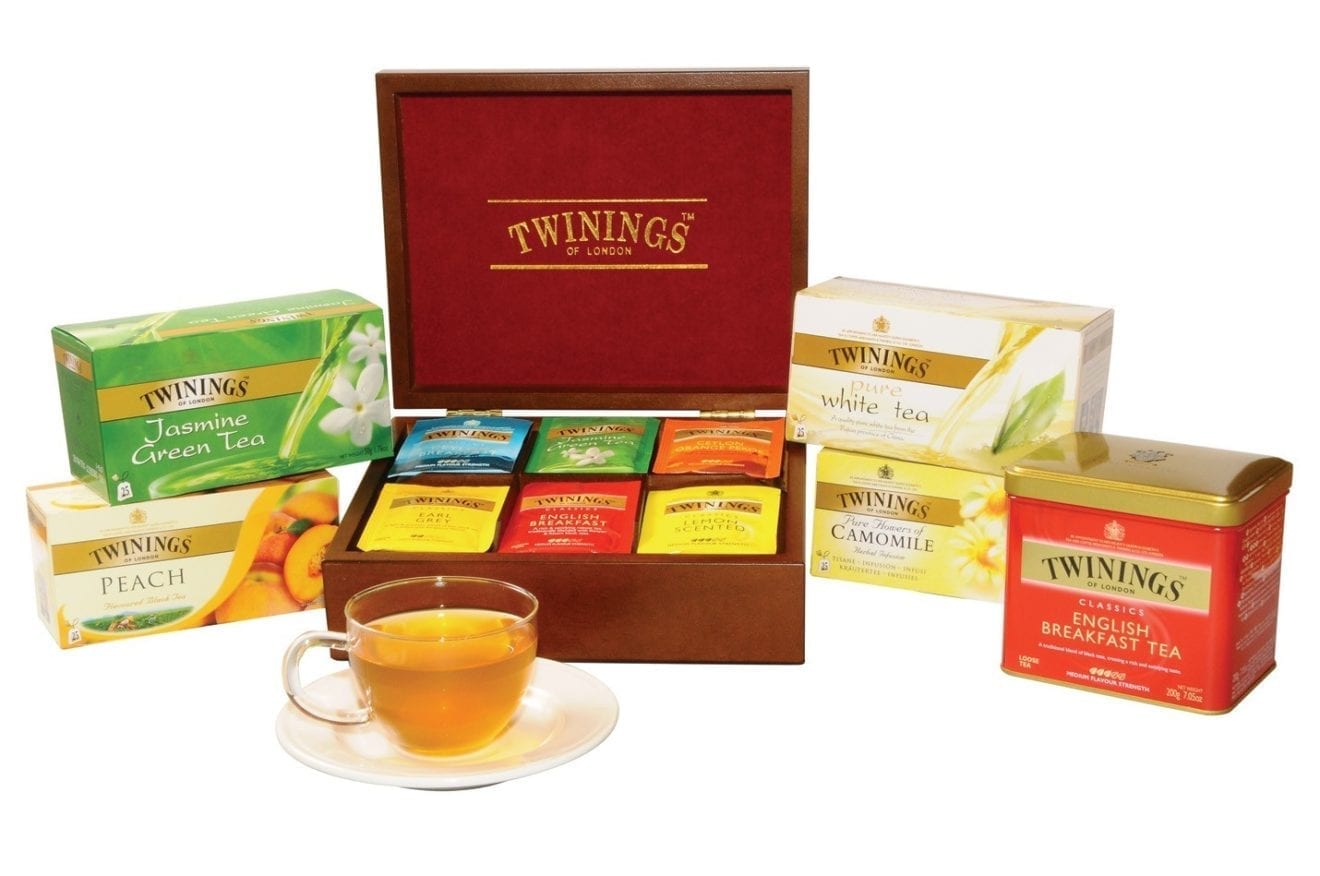
    Five labels will be available in the market – Earl Grey, English breakfast, jasmine green tea, pure camomile and pure peppermint.

    Market research was conducted before the official launch and the company decided to award the distribution rights to AB Food |& Beverages and Premium Distribution. The products are now available in supermarkets and gourmet stores in major cities and destinations including Yangon, Mandalay, Nay Pyi Taw, Bagan, Taunggyi, Inle, Ngapali and Mawlamyaing – major destinations for both local and foreign tourists.

    Twining believes that the demand for high-quality tea will rise as the country opens up.

    “We certainly see good prospects here in Myanmar. We will be targeting top hotels. I know Myanmar received nearly 5 million tourists last year. That is also expected to grow a great deal in the coming years. And we will also be looking to partner with supermarkets,” he said.

    Twining said the company would focus on maintaining quality rather than thinking about competition. He believes in taking early-bird advantages.

    “I think we are the first premium fine-quality tea company here. And we will continue to actively promote ourselves. We are working with our retail partners to reach everywhere” in Myanmar, he said.

    Twinings will open a tea parlour in Myanmar in the years to come, as it did in Bangkok.

  • HKTDC Food Expo, Tea Fair & Home Delights Expo Open

    HKTDC Food Expo, Tea Fair & Home Delights Expo Open

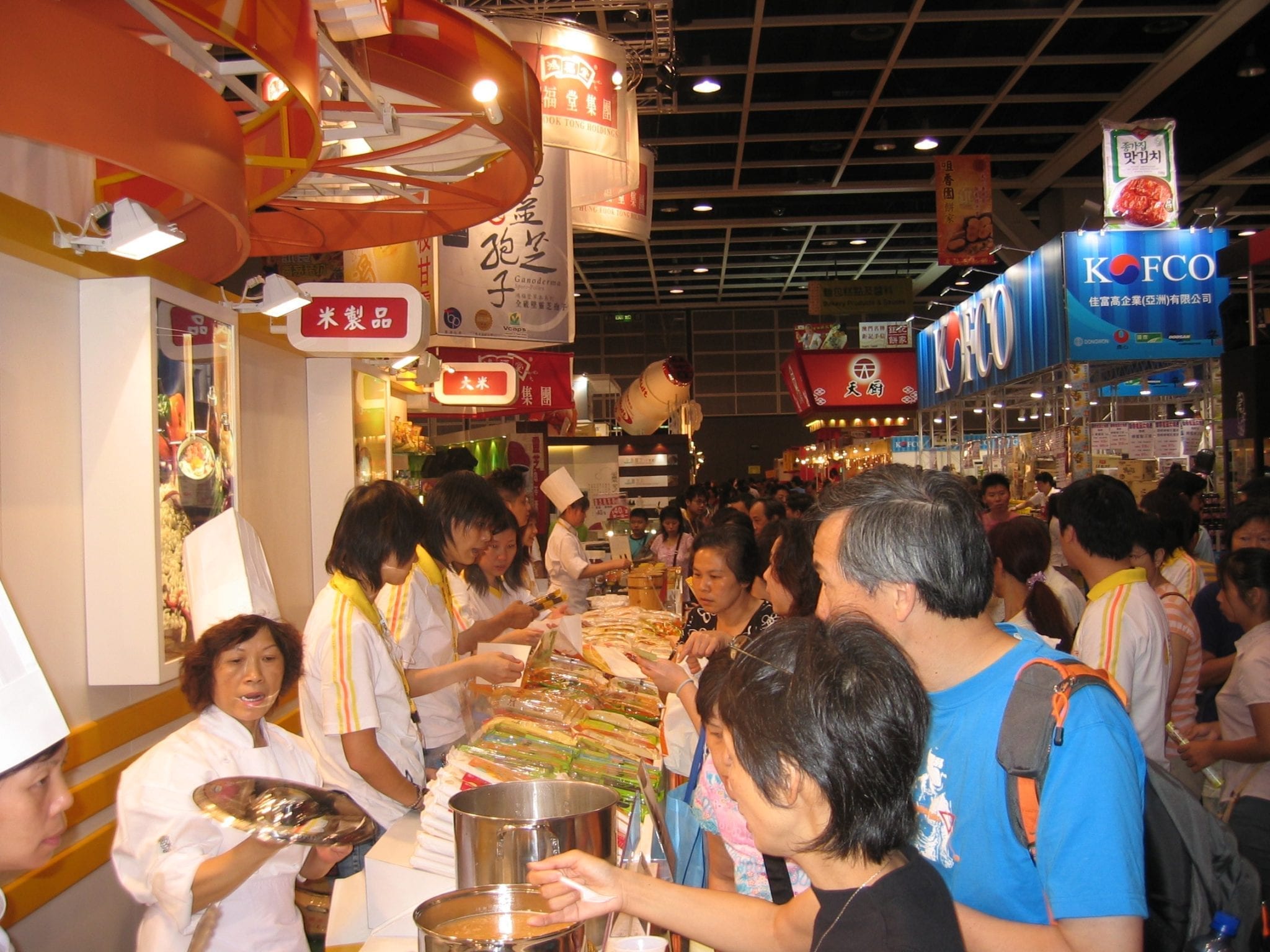
    Organised by the Hong Kong Trade Development Council (HKTDC), four concurrent fairs opened today at the Hong Kong Convention and Exhibition Centre (HKCEC); the 27th Food Expo, the eighth Hong Kong International Tea Fair, the third Home Delights Expo and the inaugural Beauty & Wellness Expo. Together, the fairs gather more than 1,800 exhibitors from around the world, bringing high-quality products and lifestyle solutions to consumers and trade buyers. The two-day International Conference of the Modernization of Chinese Medicine & Health Products (ICMCM), which is jointly organised with the Modernized Chinese Medicine International Association Ltd. (MCMIA), also opened today.

    “These concurrent events spotlight Hong Kong’s reputation as a business hub and lifestyle trendsetter in Asia. Together, they welcome a total of more than 1,800 exhibitors from around the world – each striving to help consumers enjoy a better and healthier lifestyle,” said Margaret Fong, Executive Director, HKTDC. “Now in its 27th year, the Food Expo presents a feast of business opportunities with a record of nearly 1,400 exhibitors from 26 countries and regions taking part. We expect to welcome some 20,000 trade buyers from around the world to the fair this year. Here, they can find trendy and quality products, gather the latest market intelligence and expand their business networks – all under one very large roof!”

    More than 100 buying missions from over 20 countries and regions will visit the Food Expo and Tea Fair this year, to source top-quality products and discover new business opportunities. A selection of local retailers and agents, including 759 Store, Sun Wah Japanese Food Ltd, Cafe Deco Group and DCH Logistics Co Ltd have set up buyers’ booths at the fairground for pre-arranged business matching meetings with exhibitors. This gives exhibitors the chance to connect with high-quality buyers and increase product exposure, while buyers are able to source products more efficiently.

    Foodies paradise spotlights international and green cuisine

    The Food Expo welcomes nearly 1,400 exhibitors and features delicacies from 26 countries and regions, including those of first-time participants from Croatia, Finland and Iceland. The Expo comprises three dedicated areas including Trade Hall, Gourmet Zone and Public Hall.

    Open to public ticket-holders until 14 August, the Gourmet Zone at Hall 3B spotlights flavours from around the globe. More than 70 exhibitors are presenting Asian and Western quality food products and specialty desserts. Responding to the increasing demand for healthy eating, this year the zone adopts a new “Green Palate” theme to place stronger focus on organic and green food.

    The Trade Hall is designed to serve up business opportunities for industry players. Among the thematic zones are the Halal Food Zone, which made a successful debut at the fair last year, and the new Chinese Medicine Zone held in association with the ICMCM. The Trade Hall is open to industry representatives on 11 and 12 August, before opening its doors to public ticket-holders as well on its last day (13 August).

    The Premium Food Zone is the highlight of the Public Hall at Hall 1A-E, featuring more than 30 famous food and beverage brands, including Kee Wah Bakery, On Kee Dry Seafood, Tai Pan, Maxim’s Caterers, Nissin and Tung Chun. Group pavilions from Canada, the Chinese mainland, Japan, Korea and the Philippines are also set up at the Public Hall to offer international culinary sensations.

    During the fair, a series of events including cooking demonstrations by celebrity chefs such as Michelin 3-star chef Alvin Leung, Esther Au who is known as the “Truffle Queen” and also the owner of Dolce Dolce Kitchen & Gourmet, Gabriel Choy who is Topgrade (Holding) Limited Executive Chef and Advisor, and Sze Chiu Kwan, Head Chef of Dong Lai Shun at The Royal Garden. Other events include sharing sessions by famous food critics, the launch of the 2016-2017 Wan Chai a La Carte food map, La Commanderie des Cordons Bleus de France and GHM Recommendation Restaurant Award Ceremony 2016, Q-Mark Selfie – Food Styling Competition with TV Stars, as well as seminars on “Hong Kong Green Purchasing – Food and Beverage Sector” and “Explore the Latest Trend in Food Sustainability”.

    Homemaking expo delights visitors

    Since its launch in 2014, the Home Delights Expo has enjoyed growing popularity. This year, the fair features 150 exhibitors showcasing innovative home appliances and kitchen utensils as well as kitchenware, tableware, household items and home security devices. The Avenue of Delights features about 40 exhibitors presenting a range of premium lifestyle brands such as CLP, Dyson, German Pool, Kenwood, Ladyship, OGAWA, OTO, Philips, STAUB, Towngas, WMF and ZWILLING J.A. Henckels.

    At Hall 3FG, visitors can bid for selected household appliances and products at crowd-pleasing Smart Bidding events. Other activities include lucky draws, product demonstrations, sharing health tips and cooking demonstrations by Cloudland Chinese Cuisine Executive Chef Paul Wong, Lai Sun F&B Management Group Executive Chef (Chinese Division) Albert Au, Media Chef Christy Lai of Zhu Fan Zai, and registered dietitian and author Gloria Tsang.

    Looking good & feeling great are key to quality lifestyle

    With demand for beauty and wellness-related products on the rise, the HKTDC has launched its brand new Beauty & Wellness Expo this year, gathering more than 60 exhibitors from across Asia including Hong Kong, Macau, Thailand, Malaysia and Taiwan. A wide range of cosmetics, skincare, hair care and massage products, nail polish and fitness equipment is on show during the fair.

    Standout displays include a skincare product line using Tibetan water collected from an altitude of 5,100 metres, a smart abs toning belt, a series of Taiwanese protective lotions with added hyaluronic acid that is new to the Hong Kong market and easy-to-use nail polish appliques from the US.

    During the fair, well-known beauty blogger Yoko Tsang and Chinese Medicine practitioner Roy Tsui are sharing tips on beauty trends and how to lead a healthy life. Other must-see events include make-up, hairstyle and nail-art demonstrations that are sure to wow fair visitors.

    Tea fair presents global business platform

    The Hong Kong International Tea Fair gathers more than 240 exhibitors from 10 countries and regions including the Chinese mainland, Hong Kong, India, Japan, Kenya, Korea, Singapore, Sri Lanka, Taiwan and the US to present high-quality tea and related products. The three-day fair is open exclusively to trade buyers on 11 and 12 August and also welcomes public ticket-holders on 13 August.

    An array of exquisite teas is being showcased during the fair, including one of the classics in pu’er tea “88 Yunnan Pu’er Cake”, pu’er tea powder made with tea leaves from aged arbor tea trees that are over 500 years old, as well as French dessert tea that combines organic tea and dried fruits. Japan External Trade Organization (JETRO) has returned this year with a group pavilion featuring 16 exhibitors including companies from green tea producing areas such as Kyushu and Kagoshima. The fair also presents a wide range of tea ware to promote tea culture.

    This year, the International Tea Competition continues to attract elite exhibiting brands, with a panel of professional judges reviewing the entries through blind tasting. Other special events include international tea tasting sessions, international cup warming, international tea arts performances and a seminar on marketing in the digital age.

    Public ticket-holders are welcome to visit on the last day of the fair (13 August), when experts will share tea therapy insights, explore tea appreciation techniques and analyse Pu’er tea and cheese pairing. Another spotlight event of the fair is the International KamCha Competition 2016 (Hong Kong-Style Milk Tea). The International Final will also be held on 13 August. Regional champions from Hong Kong, Guangzhou, Shanghai, Shenzhen, Melbourne and Toronto will compete for the title. The Final for Yuanyang will also be held on the same day.

    Traditional Chinese Medicine opportunities under the microscope

    The ICMCM takes place today and tomorrow with 18 prominent speakers from the United Kingdom, the Netherlands, Japan, Korea, Thailand, the Chinese mainland, Macau and Hong Kong, sharing their views on the opportunities arising from the Belt and Road Initiative, the quality of herbal products in Europe, the globalisation of Traditional Chinese Medicine, regulations and registration strategies for Chinese herbal health food, as well as the latest research and development findings. The ICMCM is an ideal platform for industry players to exchange ideas on the development of Chinese medicine.
  • American franchise coffee house interested in kerinci coffee

    American franchise coffee house interested in kerinci coffee

    An American franchise coffee house is interested in arabica kayu aro coffee from Kerinci district, Jambi province, the Head of Processing and Marketing of Crops at Jambi’s Plantation Office, Arsyad Nur, said on Wednesday.

    “This coffee won the national coffee contest,” he added.

    Currently, the coffee house, which has franchises around the world, is exploring the possibility to cooperate with arabica coffee farmers in Kerinci.

    In Jambi, Nur noted, arabica kerinci only grows in Kayu Aro, which is a plateau situated at a height of 1,400-1,700 meters above sea level.

    “One coffee rod can produce eight kilograms of coffee beans at the most. Within two weeks, the local farmers can produce 20 tons of arabica kerinci coffee beans,” he informed.

    According to him, the arabica kerinci plantations are spread over 1,500 hectares.

    The local administration is working to register arabica kerinci with the Directorate General of Intellectual Property Rights at the Ministry of Law and Human Rights in order to obtain legal protection of Geographical Indications (GI).

    “Arabica Kerinci has specific characteristics that deserve to get GI categorisation,” Nur pointed out.

    Besides arabica kerinci, he added, the district has robusta merangin and liberika tungkal coffee. “Liberika Tungkal grows at an elevation of 0-100 meter above sea level,” he explained.

  • Jollibee sales strongest in years

    Jollibee sales strongest in years

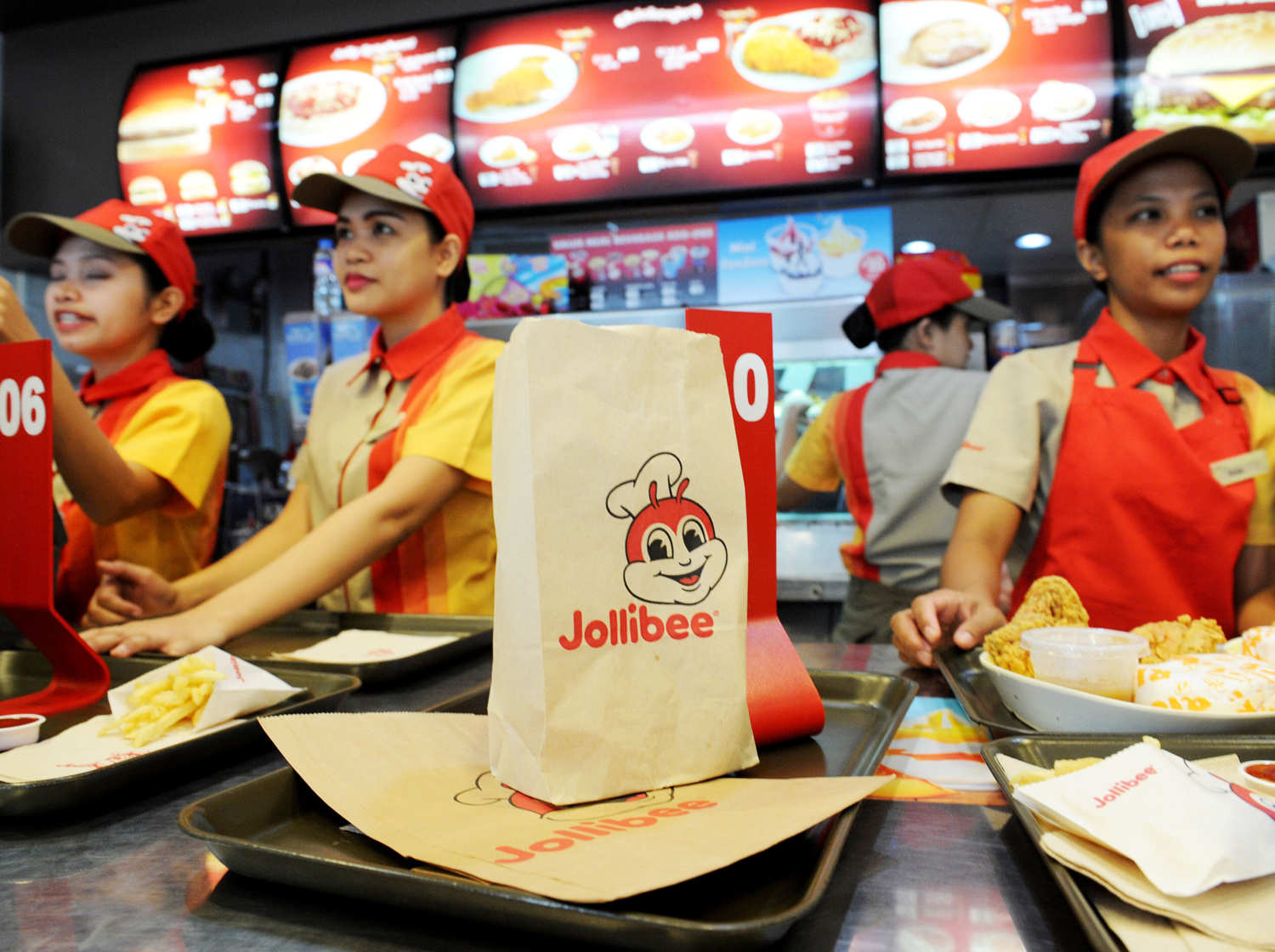
    Jollibee Foods Corp (JFC) has reported that its system-wide sales grew by 15.1 per cent in the second quarter compared to sales for the same period of 2015.

    For the first half of the year, sales of the Philippines’ largest foodservice company grew by 14.9 per cent to Php71 billion, while revenues grew 13.7 per cent to Php54 billion, compared with the first half of 2015. In the same period, profits rose by 14.8 per cent to Php3.1 billion from Php2.7 billion.

    JFC CEO Ernesto Tanmantiong said the Philippine business, which accounts for at least 80 per cent of the company’s worldwide sales, has been experiencing its strongest organic growth in many years.

    Tanmantiong said all brands performed ‘very well’ and he attributes the record growth to continued improvement in product quality and value offering supported by focused marketing campaigns, store expansion and renovation, low inflation rate, healthy growth of the country’s economy and election-related spending.

    Sales growth in the Philippines accelerated to 17.9 per cent in the second quarter, with brands growing in double digits.

    “Our business abroad had mixed performance. Southeast Asia grew by 37 per cent, led by Singapore with 56 per cent and Vietnam with 49 per cent. The Middle East rose by 17 per cent and the US increased by 11 per cent. China’s sales decreased by 5.7 per cent due to competitive pressure on Yonghe King, our largest brand there,” said Tanmantiong.

    “We look forward to a strong recovery of our Yonghe King business in the months ahead with the launch of new products with high value and taste scores supported by strong marketing campaigns and continuously building  a significant business in the People’s Republic of China and other parts  of the world.”

    JFC CFO Ysmael Baysa said:  “We look forward to continued strong profit growth while preparing for likely higher inflation rate in 2017 in the Philippines and other parts of the world and improving the profitability of our joint venture businesses.”

    JFC has a 50 per cent  interest in the following joint ventures with the number of stores indicated: Highlands Coffee (Vietnam, Philippines) 131, Pho 24 (Vietnam, Indonesia, Cambodia, Korea and Australia) 32, 12 Hotpot (China) 20, others 8; and a 40 per cent interest in Smashburger that has 366 outlets, mostly in the US.

    As of June 30, JFC was operating 2528 restaurant outlets in the country: Jollibee 939, Chowking 457, Greenwich 237, Red Ribbon 378, Mang Inasal 455 and Burger King 62. Abroad, it had 655 stores: Yonghe King (China) 321, Hong Zhuang Yuan (China) 40, San Pin Wang (China) 59, Dunkin’ Donuts (China) 4, Jollibee 151 (US 33, Vietnam 79, Brunei 14, Saudi Arabia 10, Qatar 2, Kuwait 4, Hong Kong 1, Singapore 4,  Bahrain 1 and UAE 3), Red Ribbon in the US 33, Chowking 44 (US 16, UAE 20, Qatar 4, Oman 2, Kuwait 1 and Saudi Arabia 1), Jinja Bar (US) 3.

    The JFC Group has 3183 stores worldwide.

  • Asia leads Burger King sales growth

    Asia leads Burger King sales growth

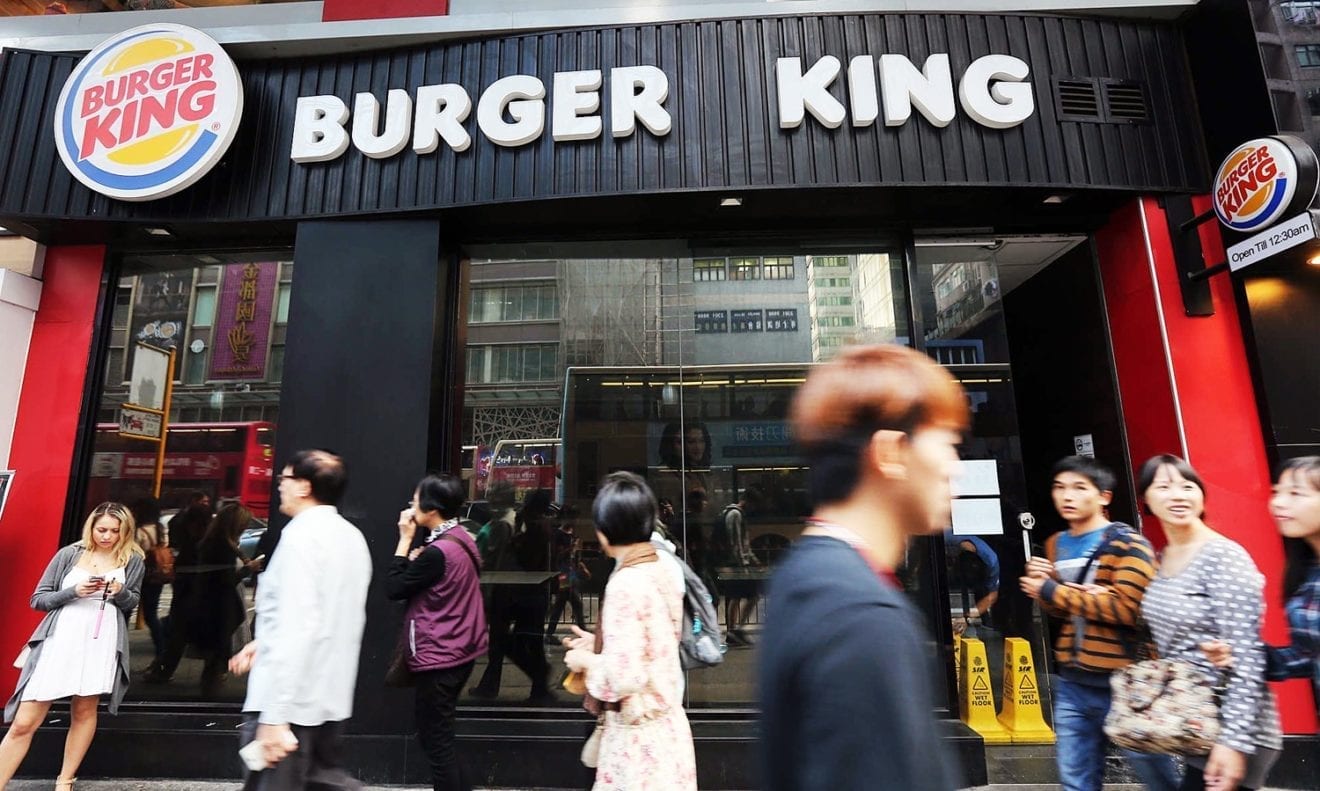
    Burger King sales are growing faster in Asia than in any other part of the world, reports parent Restaurant Brands.

    Sales in Asia rose 5.3 per cent, according to the company’s second quarter earnings data released overnight. Latin America sales rose 4.9 per cent. The performance in those two markets was enough to offset a 0.8 per cent decline in same-restaurant sales across the US and Canada, resulting in flat global systemwide sales growth.

    The success in Asia comes at a time when rivals Yum Brands (parent of KFC and Pizza Hut) and McDonald’s are struggling to maintain growth in Asia, where both companies are trying to sell long-term franchise rights.

    It also partly explains why Restaurant Brands this week announced a priority of expanding its Tim Hortons coffee cafe brand into Asia, with the Philippines the first stop.

    The Asia and Latin American figures were high points in a result best described as “adequate”.

    However, Neil Saunders, CEO of Conlumino, observes that although the headline result of a 0.2 per cent decline in overall revenue looks somewhat gloomy, this is mostly the consequence of a strong US dollar and weak Canadian dollar, which especially affected revenues from Canadian-based Tim Hortons.

    “The underlying numbers are slightly better, with both divisions in positive territory on a comparable sales basis and system-wide sales up by 0.6 per cent even after the impact of exchange rate fluctuations.”

    Saunders says the loss of sales momentum from previous quarters is in line with recent numbers from rivals like McDonald’s and Yum.

    “This trend is being driven, primarily, by a slowdown in spending on eating out by American consumers.  The softness in the US market is disappointing given the initially positive reaction to menu changes and the introduction [by Burger King] of hot dogs. It underlines the fact that menu change and innovation is not now something that can be done periodically: fast food players need to see this as a constant process that has to be supported by ongoing promotions and marketing activity.”

    Saunders believes McDonald’s continues to hold a slight edge over Burger King, and is doing more to shake up its traditional business model to maintain consumer interest and drive growth.

    “All that noted, the one saving grace for Burger King is good cost control which allowed [pre-tax earnings] to grow by 3.7 per cent this quarter.

    “Overall, Restaurant Brands continues to make progress; but with spend tightening and competition intensifying it now needs to up the pace of innovation if it is to grow further,” concluded Saunders.

  • Starbucks Korea offering workers education

    Starbucks Korea offering workers education

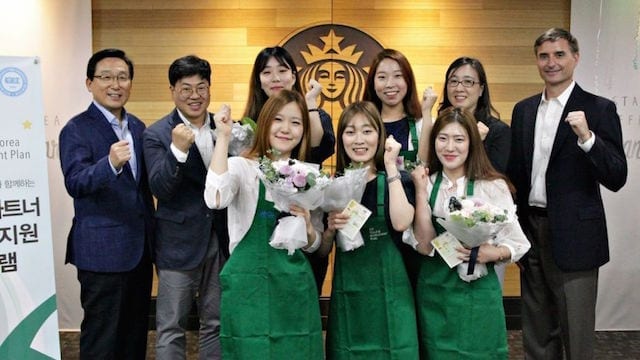
    Starbucks Korea employees are being offered a chance to achieve their academic goals.

    The company has introduced a college achievement plan to enable employees (termed “partners”) to finish four-year college degrees. Already, 146 have enrolled at Hanyang Cyber University.

    “At the core of our success are our partners who deliver an unparalleled Starbucks experience, and we are pleased to help them achieve their academic dreams,” says CEO Seock-koo Lee. “The college achievement plan gives partners the chance to earn their degree without the financial burden.”

    starbucks scholar

    Hanyang Cyber University offers 36 majors ranging from liberal arts to business management. Barista training is also included. As all regular classes and tests are delivered online, students can focus on their jobs as well as their studies without having to attend a physical school.

    “The Starbucks mission of inspiring and nurturing the human spirit resonates with our goal of providing young talent with access to higher education for their pathway to success,” says the university’s office of admissions dean Seungyeon Han.

    Employees applying for the program need to provide their study plans and complete aptitude tests. Once admitted, they can choose any major, even if unrelated to their work.

    Starbucks Korea estimates that more than 1000 employees will be able to earn bachelor’s degrees by 2020. Along with the university, it plans to recruit up to 300 students each school year. Those who achieve a grade point average of B or higher will be entitled to a Starbucks scholarship covering full tuition.

    Employees who receive the scholarship are not obligated to work for Starbucks after graduation.

    The program is similar to the Starbucks college achievement plan in the US, introduced in 2014. It allows eligible employees to earn their bachelor’s degree with full tuition reimbursement through Arizona State University’s online degree program.

  • Burgers and beers lead Hong Kong restaurant industry growth

    Burgers and beers lead Hong Kong restaurant industry growth

    Restaurant industry analysts remain sceptical about the sector’s growth prospects despite promising year-on-year figures.

    Census and Statistics Department figures show restaurant receipts in Hong Kong increased 3.1 per cent year on year, at the end of the second quarter 2016.

    Fast food and bars did the best while Chinese restaurants saw fewer diners and lower spending, according to the figures.

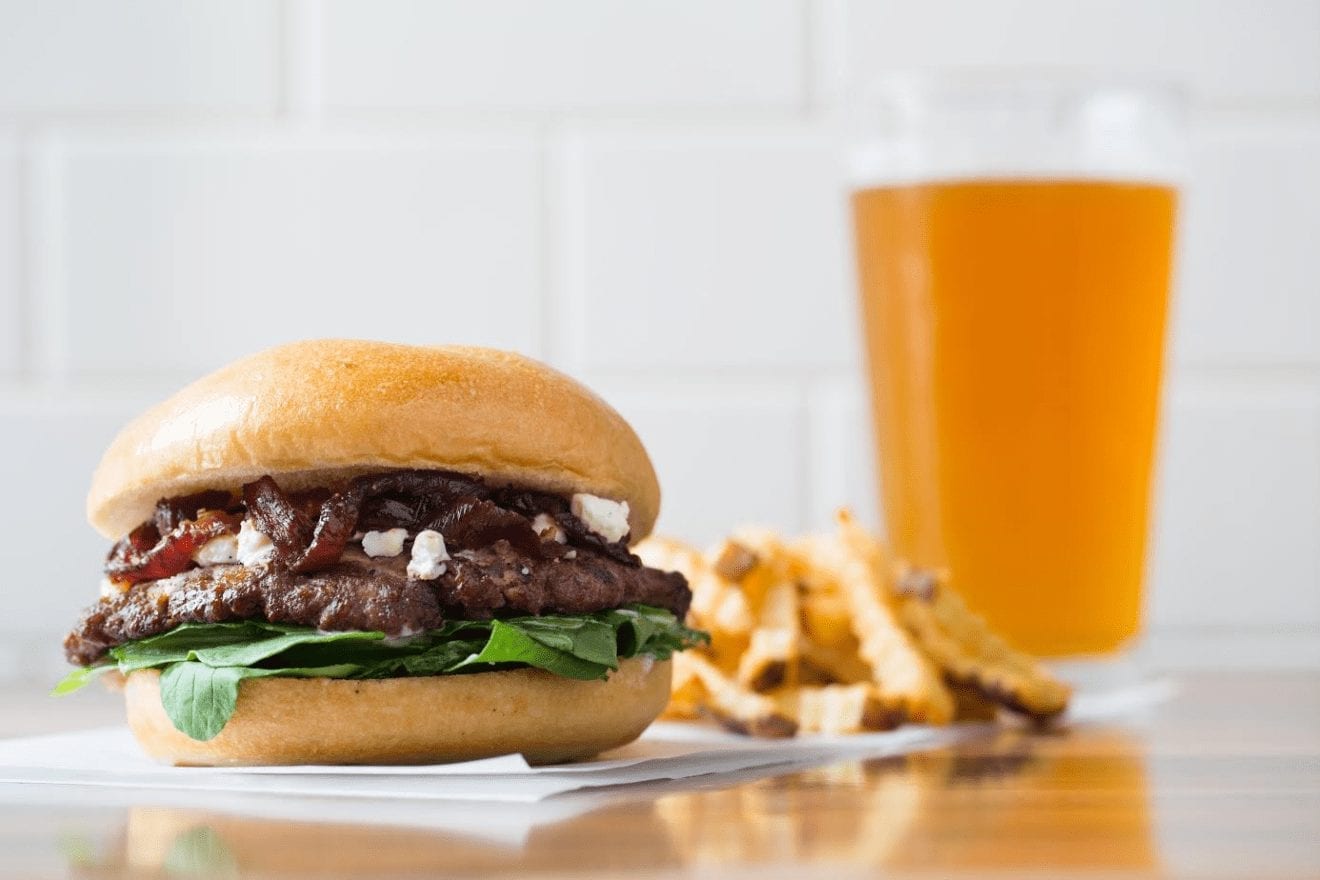
    Fast food receipts increased 6.4 per cent year on year, bar sales increased 4.3 per cent, other drinking venues’ sales increased 3.9 per cent and Chinese restaurants increased 1.7 per cent.

    But the upwards trend for the local restaurant industry could be short lived, according to Simon Wong Ka Wo from the Federation of Restaurant and Related trades.

    There will be a 2 to 3 per cent “slight decrease” in the restaurant sector in terms of its overall performance for the whole year, Wong forecast. He warned that some Hong Kong restaurants might have to “suffer a little bit” over coming months, but the industry will bounce back in the fourth quarter.

    “The increase seems a little bit surprising to me as the performance of the economy for the past six months does not seem so promising,” Wong said.

    “The major reason is people tend to spend more on some middle to low-end restaurants like McDonald’s instead of high-end ones due to the stagnant economy, contributing to the increase in overall value of total receipts.”

    The optimistic figures come against a backdrop of slowing retail trade, which registered an 8.9 per cent decrease year on year.

    Professor Terence Chong Tai-Leung from the Chinese University of Hong Kong said rising incomes could help the city rebound from the retail slump.

    “As you can see from the low unemployment rate and the increased average income figure recently, Hong Kong people still have large purchasing power,” he reasoned.

  • YLKI Protests Indecent Bikini-brand Snack

    YLKI Protests Indecent Bikini-brand Snack

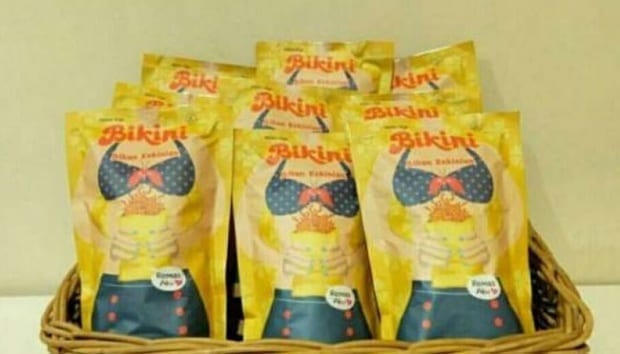
    Chairman of Executive Committee of the Indonesian Consumers Organization Foundation (YLKI) Tulus Abadi protested on a Bikini-brand snack product. Tulus said the brand sold in social media is considered as indecent.

    “That is a snack (fried noodle) product with a non-educational, even indecent, brand name”, Tulus said Wednesday, August 3, 2016.

    Recently, information of the Bikini snack circulates through chain messages. The product shows a woman’s body from shoulder to hip with just wearing a bikini. The worst part is the package has “remas aku” (squeeze me) slogan written on it.

    YLKI protested the circulation of the product and asked to recall the product from the market. Tulus requested the National Drug and Food Agency of Indonesia (BPOM) to reprove the manufacturer and demand to shut down any form of sales through social media.

    “Online selling, particularly via e-commerce Olx.com and Bukalapak.com, must be immediately stopped. Consumers must not purchase the product, especially the children,” said Tulus.

  • Krispy Kreme snapped up by retail giant

    Krispy Kreme snapped up by retail giant

    Corporate retailer JAB Holdings has successfully concluded its purchase of Krispy Kreme Doughnuts, a deal first mooted in May.

    As a result, share-trading on the NYSE has ceased as the ‘sweet treat’ maker becomes part of a global retail portfolio of retailers as diverse as Coty and Jimmy Choo.

    Privately-owned JAB Holdings’ portfolio includes controlling stakes in Bally, Belstaff, Peet’s Coffee & Tea, Espresso House in Scandinavia, Jacobs Douwe Egberts (JDE), the largest pure-play FMCG coffee company in the world, and a minority stake in Reckitt Benckiser.

    Under the terms of the latest transaction, Krispy Kreme shareholders will receive US$21 per share in cash.

    Krispy Kreme, founded in 1937, today boasts more than 1100 shops in more than 26 countries around the world.

  • Bo’s Coffee Philippines eyes expansion abroad

    Bo’s Coffee Philippines eyes expansion abroad

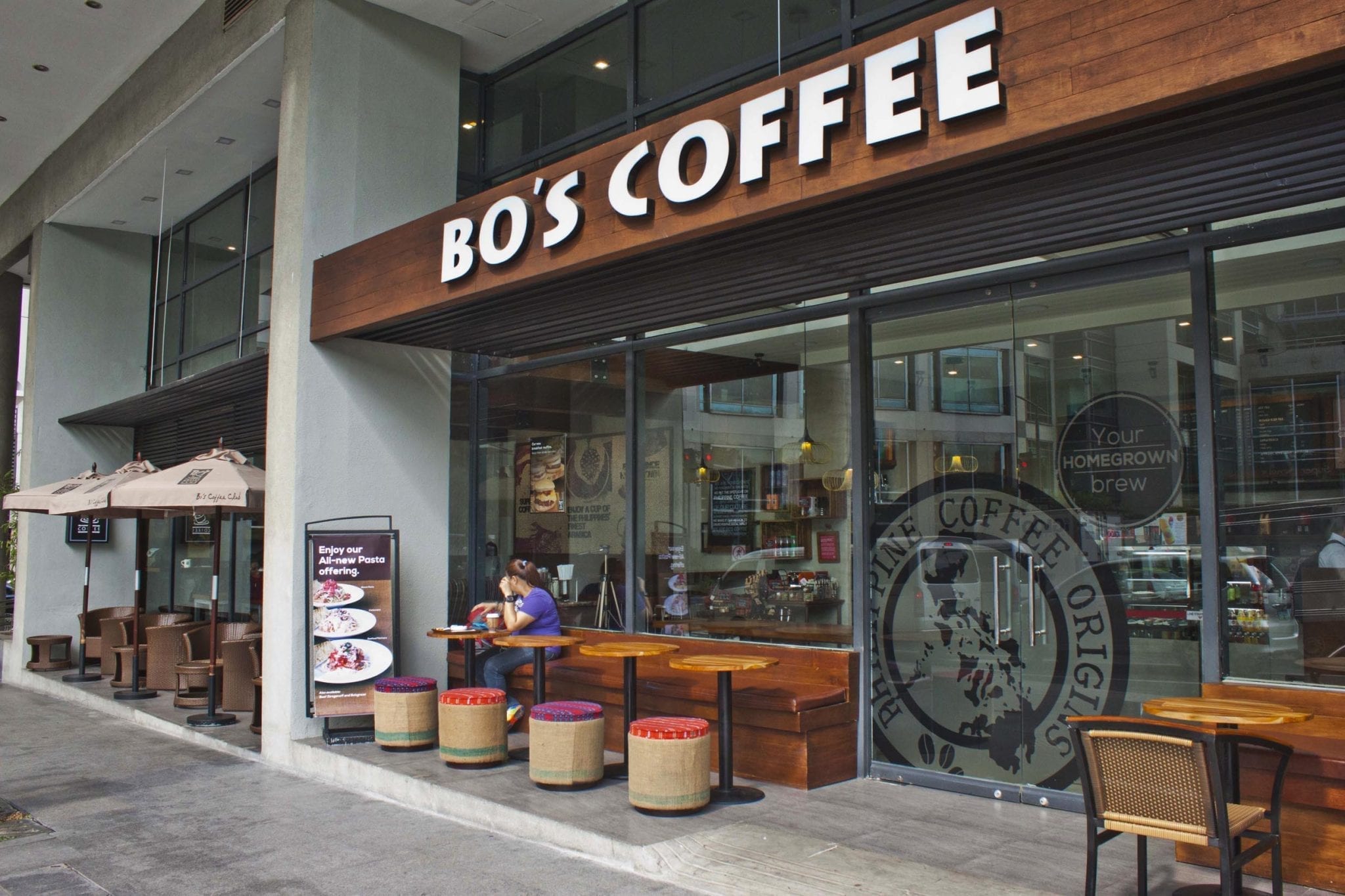
    Bo’s Coffee Philippines is set to expand its network of 80 stores abroad.

    “We will be opening a franchise abroad by the end of this year. Further details of which will be announced in the fourth quarter of this year,” says CEO and founder Steve Benitez

    Celebrating its 20th anniversary this year, Bo’s Coffee aims to open 100 stores in the Philippines.

    Recently Benitez was named global difference maker and high-impact entrepreneur by Endeavor Philippines, as he aims to make the company succeed in the global market, “bringing with him his pride for coffee, culture and country”.

    Benitez, who studied coffee preparation through seminars and conferences in the US, Europe and Asia, first opened an espresso bar at Ayala Center Cebu in 1996. He called his first standalone store ‘Coffee Club’. He later changed it to ‘Bo’s Coffee Club’, named after an Italian-American called ‘Bo’ at an exhibit in New Orleans. Benitez said Bo’s passion for coffee and commitment to quality helped shape the company culture.

    In 2001 a Cebu flagship store opened at Ayala Food & Entertainment Center and the first franchise store opened at SM City Davao. Bo’s Coffee expanded into Visayas and Luzon in the succeeding years.

    “Bo’s Coffee’s premium Philippine Coffee Origins are carefully-handpicked, single-origin beans that reflect the proud tradition of coffee growing in the Philippines. Each cup honors its source and heritage. Each cup offers great-tasting coffee from the motherland, as unique as the place from where it comes from,” says Benitez.

    “In terms of food, we offer a diverse menu of Filipino flavours such as longganisa from Vigan, smoked bangus from Sarangani. Our diverse menu, from our all-day breakfast to our dessert line, all aim to provide comfort to our sentimental taste buds, and highlight the unique flavors the Philippines has to offer,” he adds.

  • Hong Kong gets early taste of Hanwoo, Korean beef that rivals Kobe

    Hong Kong gets early taste of Hanwoo, Korean beef that rivals Kobe

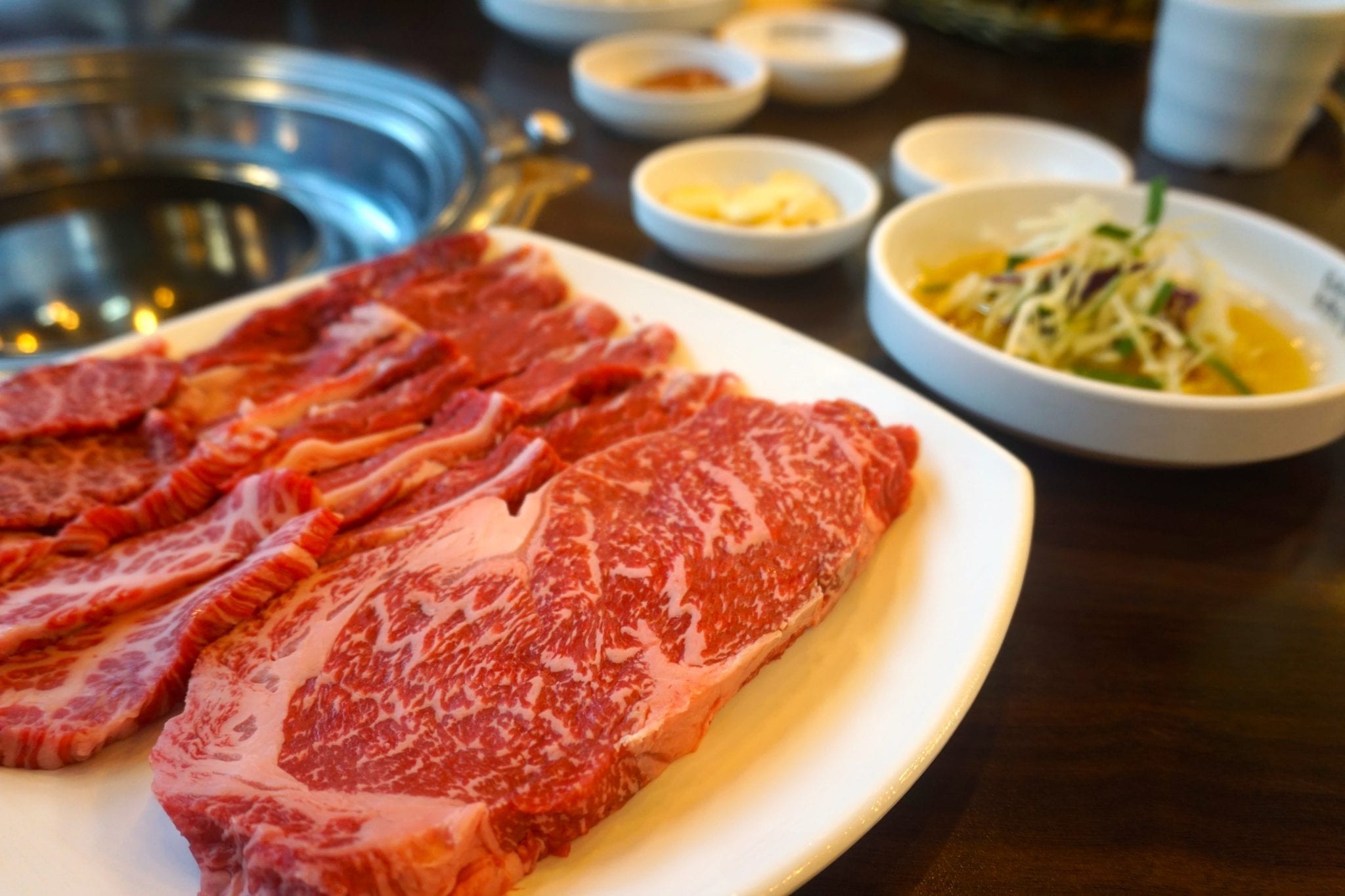
    Since late last year, premium Korean beef, called Hanwoo, has been making its way onto menus in some Hong Kong restaurants, as the city is one of the first places allowed to import it. Hanwoo refers to cattle indigenous to Korea which are raised only in the country, unlike wagyu (Japanese beef), which is bred in countries outside Japan, including Australia and the United States.

    One of its biggest fans is Korean-American chef Judy Joo, whose restaurant Jinjuu in Lan Kwai Fong was one of the first in Hong Kong to serve it.

    “It’s similar to Kobe beef and wagyu, and there are different types of Hanwoo, depending on which farm you go to,” she says. “It’s basically coveted for its high marbling. Wagyu and Hanwoo of the same grade look similar. But Hanwoo has a rich texture and is deeply marbled so it has a sweeter taste.”

    She has visited farms that raise Hanwoo cattle, and reports the animals are “raised like humans”. “Some farmers give them beer,” Joo adds.

    Each farmer has his own secret recipe for the cattle’s feed mixture, which for the most part is made up of barley and mixed grains. Joo says many farmers include fermented pine needles in the feed.

    “It’s a healthy way for the cattle to get probiotics so they don’t need hormones,” she explains. “It’s a more organic way to raise them, and they don’t need to inject as much medicine so they are more healthy.”

    In addition to the organic approach to feeding Hanwoo cattle, Joo says they are free-range, grazing on grass, though there isn’t much land for pasture, as 70 per cent of Korea’s geography is mountainous. Joo says the central and southern parts of Korea are where cattle farms are located, with each one typically raising about 40 cattle at a time.

    She says the best cuts of Hanwoo beef are rib-eye, fillet and sirloin, and adds it can be more expensive than wagyu. Her restaurant recently introduced steak boards featuring Hanwoo and USDA beef that diners can cook on sizzling hot stones. The 200-gram marinated sirloin bulgogi is HK$680 and is grade 9, the highest quality available.

    But when it comes to taste, the chef-owner says it’s about personal preference. “Hanwoo beef is very popular in Korea and people can’t get enough of it. You just need to try it.”

    Elite Fresh Food Company is the first firm in Hong Kong to import Hanwoo beef. Associate director Andrew Lee Chi-ho says the company was in talks with officials in Korea for more than two years before it was allowed to bring the first shipment into Hong Kong last December.

    “It’s a very special breed because it takes a long time to get consistent cattle,” he explains. “It takes five to 10 generations, 15 to 30 years, to get consistent marbling, flavour and good structure.”

    Lee says until recently Korean beef was rarely exported because there is so much demand for it domestically. As a result, Hong Kong importers like himself have to pay a premium to buy Hanwoo beef.

    We can only get the parts that don’t sell well in Korea … But this works out for the Hong Kong market because those cuts are popular here

    Andrew Lee

    “We can only get the parts that don’t sell well in Korea [where they prefer short ribs], like rib-eye and sirloin. But this works out for the Hong Kong market because those cuts are popular here.”

    He says the cost of Hanwoo beef is about the same as Japanese-raised wagyu, selling at about HK$240 per 100 grams retail. When it comes to taste, Lee also seems partial to Korean beef.

    “They are two different products. Wagyu has highly intense marbling that is very fatty and melts in the mouth, but is oily and lacks a strong beef flavour. Hanwoo is very tender, has good marbling and has more beef flavour. It also has a wider application for other cuisines because of this,” Lee explains.

    For example, steaks are usually grilled to medium rare or medium for optimum taste. But Lee claims Hanwoo beef can even be cooked well done and it still tastes good. “Wagyu beef has a ratio of 70 per cent fat and 30 per cent meat, whereas with Hanwoo it’s about 50-50 or 60-40. American beef is more lean, with a maximum of 15 to 20 per cent fat.”

    Lee reports Elite Fresh Food’s first shipment of Hanwoo beef to Hong Kong totalled 700kg. Now it ships twice a month, bringing in 1.5 tonnes to 1.7 tonnes a month. It’s not a lot when you compare it to the seven to nine tonnes of wagyu the company imports each month.

    The Steak House Winebar + Grill at the InterContinental Hong Kong recently featured Hanwoo beef on its menu. Restaurant manager Franco Leung Wai-keung agrees with Lee’s assessment of Korean beef, saying that when the rib-eye or striploin is chargrilled, the fat drips off and tastes less oily than wagyu.

    “It’s in between wagyu [grade] A5 and US beef, but they don’t have as strong a beef taste as Hanwoo,” he says.

    Leung says overall feedback during a recent two-month promotion was mostly positive. He says the restaurant is already planning to put the premium Korean beef back on the menu soon.

    “They taste the quality,” he reports, adding Hanwoo is best complemented with more acidic Italian or Spanish wines.

    At the nearby Oyster & Wine Bar at the Sheraton Hong Kong Hotel & Towers, chef de cuisine Oscar Chow Kwok-ho says he first tried Hanwoo on a trip to Korea two years ago during a cooking competition.

    Chow says locals took him to a store that served the premium beef and he was deeply impressed by the taste and texture. He finally managed to get Hanwoo on the menu in February, and diners can have a starter of Hanwoo beef carpaccio, then a main course of either chargrilled sirloin or rib-eye.

    He reports that his guests enjoyed the Korean beef, as it is rare in the Hong Kong market. He says the price in the restaurant is reasonable when compared to other premium beef (HK$1,100 for Hanwoo versus HK$1,300 for wagyu).

    Six places in Hong Kong to get your hands on Hanwoo beef

    Oyster & Wine Bar

    18/F, Sheraton Hong Kong Hotel & Towers, 20 Nathan Road, Tsim Sha Tsui, tel: 2369 1111 ext 3145

    Mr Steak Café

    Shop 702, 7/F, New Town Plaza Phase 1, 18 Sha Tin Centre Street, Sha Tin, tel: 2691 6263

    Shop G03A, Maritime Square, 33 Tsing King Road, Tsing Yi, tel: 2449 9945

    Myung Ga

    Shop 2702, 27/F, iSquare, 63 Nathan Road, Tsim Sha Tsui, tel: 2369 1177

    Shop 1, 13/F, World Trade Centre, 280 Gloucester Road, Causeway Bay, tel: 2882 5056

    Jinjuu

    UG/F, California Tower, 32 D’Aguilar Street, Lan Kwai Fong, tel: 3755 4868


  • Tim Hortons plans expansion into Southeast Asia starting with the Philippines

    Tim Hortons plans expansion into Southeast Asia starting with the Philippines

    People craving a jolt of caffeine in the Philippines may soon be able to order a double-double at their local Tim Hortons.

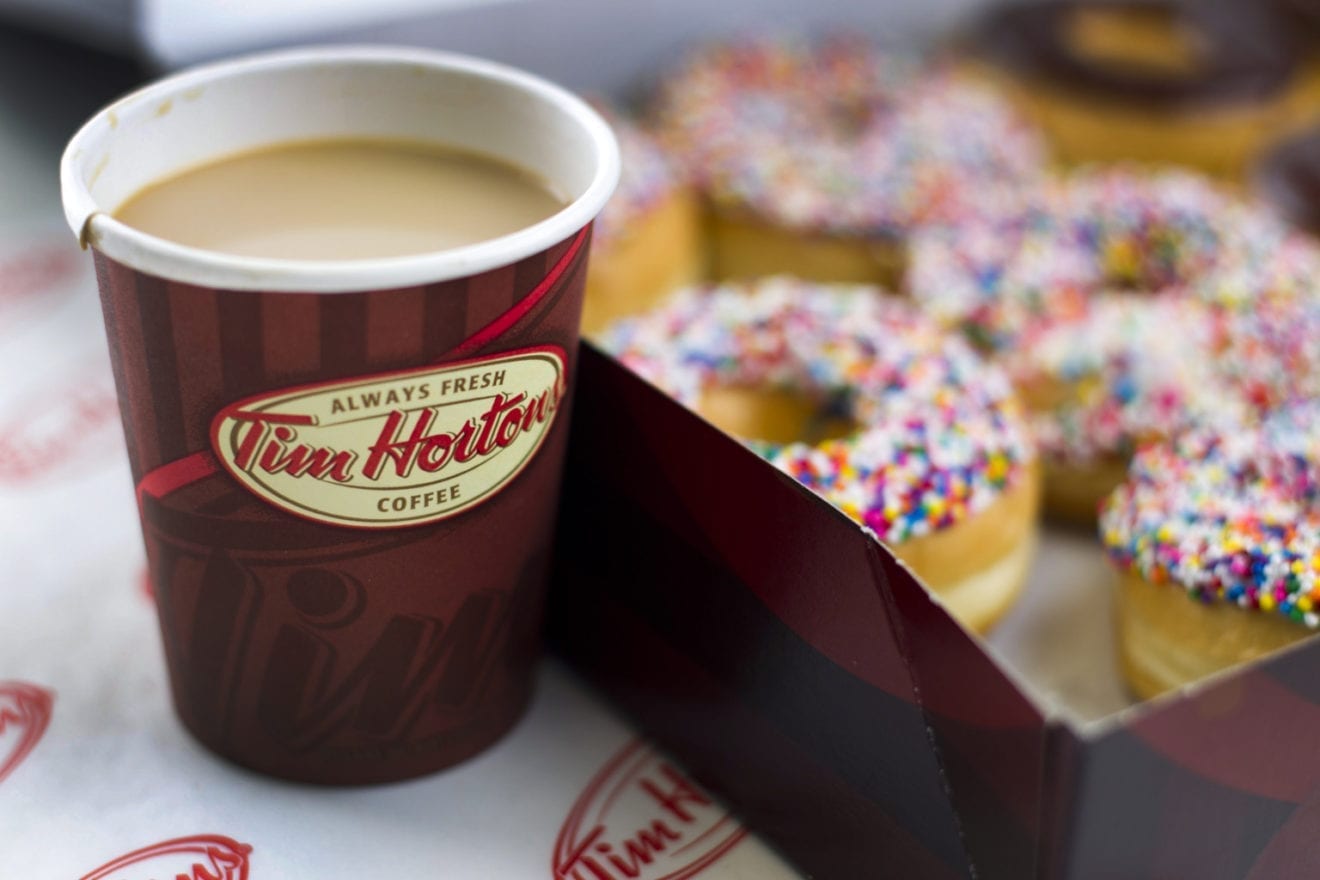
    Restaurant Brands International, the multinational owner and operator of Tim Hortons and Burger King, said Thursday it has partnered with a group of investors to establish a master franchise joint venture company to sell the fast-food chain’s coffee and doughnuts in the Southeast Asian country.

    RBI chose the Philippines for its first stop in Southeast Asia because the country has a strong economy and a fast-growing quick-service market, said CEO Daniel Schwartz.

    The Philippines also boasts “a population that has an affinity for coffee and baked goods,” Schwartz added, including those of Tim Hortons’s, the company determined after months of market research.

    RBI didn’t say how many shops it plans to open in the Philippines. But chief financial officer Joshua Kobza said, “We aim to be a leader in the market.”

    Kobza hinted Tim Hortons would aim to match the level of some of its rivals in the local market — many of which boast hundreds of restaurants in the country, he said.

    The stores will serve many of the same staples as Canadian locations, like Timbits and iced capps, as well as some surprises, he added.

    “You’ll have a mix of the kind of products that we know and love here in Canada and some new products.”

    But details about any new offerings likely won’t be divulged until the first Philippines location opens, which Kobza and Schwartz said will open as soon as possible.

    RBI views Tim Hortons’z expansion to the Philippines as a gateway into other markets within the sub-region and other parts of the continent, noted Schwartz.

    Since Tim Hortons and Burger King merged into RBI in late 2014, the company’s been focused on taking the master franchise joint venture model that’s proved successful for Burger King and applying it to help Tim Hortons grow globally.

    “We think it’s a great opportunity,” Schwartz said.

    More international expansion announcements are expected from the company in the future, but all Schwartz will say is, “Stay tuned.”

    The restaurant chain has 4,438 restaurants, not including its 411 limited-service kiosks, as of March 31, 2016, the company’s latest quarterly report said.

    According to Tim Hortons’s 2015 annual report (when it had 25 fewer locations), the majority of those stores are in Canada, with 14.7 per cent in the U.S. and 2.6 per cent in the Middle East.