Category: Food

Retail News Asia is committed to providing both local and global retailers with the latest Food and Food & Beverage news throughout the Asian market. This on a daily base.

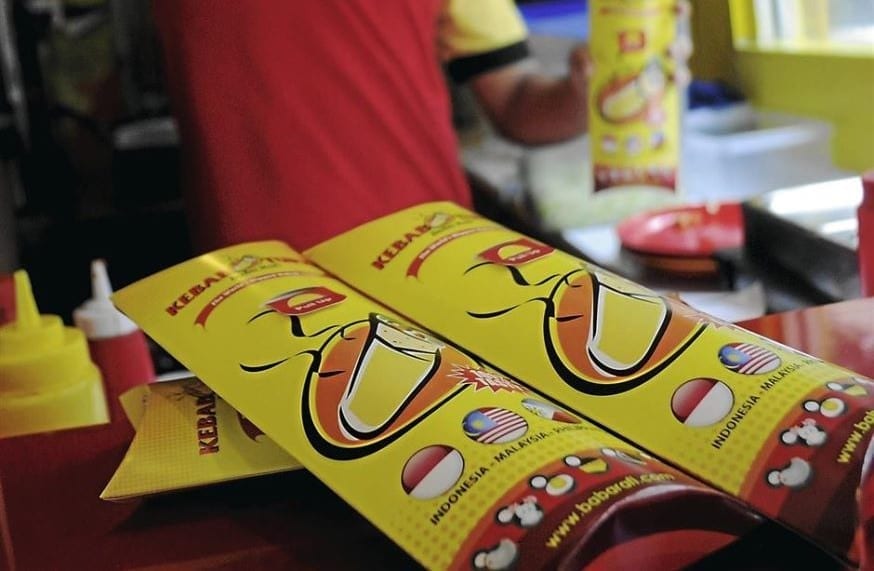
  • Kebab Turki Baba Rafi chain heads to Philippines

    Kebab Turki Baba Rafi chain heads to Philippines

    Indonesia’s Kebab Turki Baba Rafi chain is set to open in southern Philippines.

    Parent company BabaRafi Enterprise says it wants to increase its Philippine footprint, after spending the last three years getting established here.

    “We’d like to expand our outlets not just here in Manila but we’re also heading in other islands as well,” said Hendy Setiono, president and director of BabaRafi Enterprise, in a press conference at the Management Association of the Philippines International CEO Conference.

    “So after Cotabato, we’d like to go to Zamboanga. Hopefully that would be a great venture in the southern part of the Philippines,”

    Setiono said the company has already secured a franchise partner for the south.

    Armed with a budget of US$1 million, BabaRafi has set itself an ambitious goal of opening more than 100 stores in the Philippines over the next three years.

    “The first three years was only a testing period where we tried the market first and opened 14 outlets but we believe the Philippine market is our biggest ASEAN market outside Indonesia.”

    BabaRafi, whose stores are an equal mix of company-owned outlets and franchised operations, also operates in Singapore, China, Malaysia, Vietnam, Bangladesh, Sri Lanka and the Netherlands.

  • Brown-Forman set to mark 20 years in global travel retail

    Brown-Forman set to mark 20 years in global travel retail

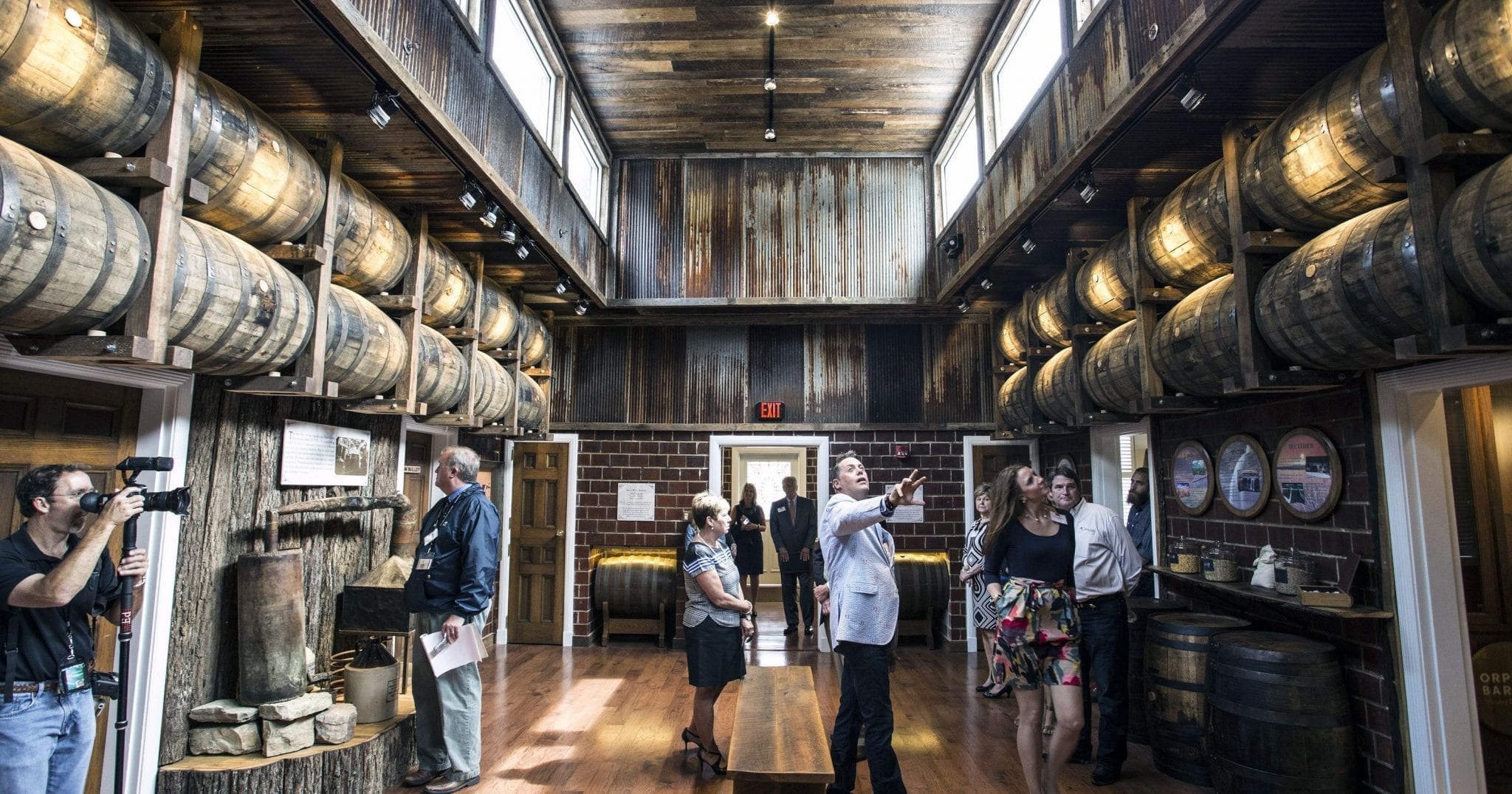
    Brown-Forman Global Travel Retail marks two decades in the travel retail business with a new stand and new products for next month’s TFWA World Exhibition in Cannes.

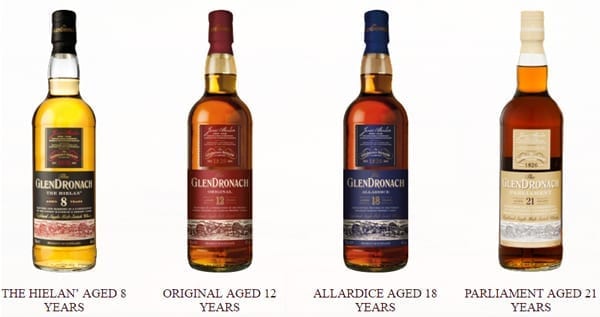
    BenRiach, GlenDronach, and Glenglassaugh single malt Scotch whiskies and Slane Irish whiskey join the Brown-Forman portfolio.

    Scotch Master Distiller Billy Walker and Slane Irish Whiskey Founder Alex Conyngham will be at the show, along with Master Distiller and recent Whiskey Hall of Fame inductee Chris Morris.

    Brown-Forman Global Travel Retail Managing Director Marshall Farrer and Old Forester Kentucky Bourbon President Campbell Brown will detail new developments at a joint press conference on 3 October.

    Senior executives at the Brown-Forman corporate headquarters in Louisville, Kentucky, decided to formally engage in the global travel retail business in 1996.

    Farrer commented: “By the mid-1990s, Brown-Forman was just beginning to fully appreciate and embrace the business opportunities outside of the USA.”

    GlenDronach_0416_600

    The GlenDronach is one of three single malt Scotch whiskies joining the Brown-Forman portfolio

    He noted that two decades ago the majority of Brown-Forman’s business was in the USA.

    “At the time the company really didn’t have a full appreciation for travel retail and the far-reaching brand-building opportunities the channel presented [apart from] a slight appreciation for the cruise channel in the Caribbean,” Farrer said.

    In 1996 veteran duty free executive Richard Ferne was hired to spearhead the company’s development in global travel retail. Ferne was then based in Hong Kong and relocated to Louisville in early 1997.

    Brown-Forman said travel retail has grown “exponentially” in the past 20 years. Global travel retail is one of the top six revenue-generating regions for the company, with a team of more than 40 duty free staff members working in the channel around the globe.

    Farrer contined: “Over the past two decades, the Brown-Forman Global Travel Retail team has been guided by some remarkably talented and far-sighted leaders. These individuals – Richard Ferne, Patrick Moran and Jim Perry – made a number of key and insightful decisions and retained a remarkably talented staff in countries and regions critical to travel retail.

    “They made Brown-Forman GTR what it is today. It is now our opportunity to take our fine brands even further in travel retail through the excellent partnerships we have developed over these years.”

    The Brown-Forman portfolio includes the Jack Daniel’s family of brands, Woodford Reserve and Old Forester Kentucky bourbons, Collingwood Canadian whiskey, Slane Irish whiskey, BenRiach, The GlenDronach and Glenglassaugh single malt Scotch whiskies, as well as Herradura and El Jimador tequilas, Finlandia vodka and Chambord liqueur.

  • Alibaba to take stake in Yum China

    Alibaba to take stake in Yum China

    Yum! Brands has agreed with two partners to invest $460 million into Yum China, following its spinoff from the American fast-food giant.

    Also involved are China-based global private equity firm Primavera Capital Group and online and Alibaba subsidiary, mobile financial services provider Ant Financial Services Group, which runs the Alipay mobile payments platform.

    The spinoff and concurrent finalisation of the investment are expected to occur on October 31, with Yum China to start trading on the New York Stock Exchange the next day as an independent company.

    Under the terms of the agreements, Primavera and Ant Financial will invest $410 million and $50 million respectively in Yum China.

    Primavera founder Dr Fred Hu, former greater China chairman at Goldman Sachs, will be non-executive chairman of the board of Yum China.

    “Yum China is an established leader in the retail and restaurant industry, which we believe is poised for continued strong growth and unit expansion as cities across China invest in new transportation hubs, shopping malls and other physical and electronic infrastructure,” says Dr Hu, describing the Yum China moves as a “new and exciting chapter”.

    Membership services

    “Through this collaboration, we aim to help Yum China provide world-class mobile payment services for tens of millions of customers across its brands,” says Ant Financial Service Group president Eric Jing. “These services include hassle-free Alipay for customers to help shorten queues at the cashier, as well as membership services for Yum China designed to help manage its customer relations and promotions.”

    He says Yum brands KFC and Pizza Hut have seen promising marketing results through promotions on multiple Ant Financial platforms.

    “Primavera and Ant Financial both have deep insights into the rapid urbanisation and digital transformation that is driving the evolution of China’s economy,” says Yum China CEO Micky Pant.

    “The investments from Primavera and Ant Financial in Yum China mark another important milestone in our plans to separate the China business and create a solid foundation for Yum China as it prepares to become an independent restaurant powerhouse,” says Yum! Brands CEO Greg Creed.

    As a licensee of Yum! Brands in China, Yum China Holdings will have exclusive rights to KFC, Pizza Hut and Taco Bell, which has yet to expand to China. KFC and Pizza Hut have more than 7200 restaurants in more than 1000 cities in China.

  • M&S Singapore launches table-service restaurant

    M&S Singapore launches table-service restaurant

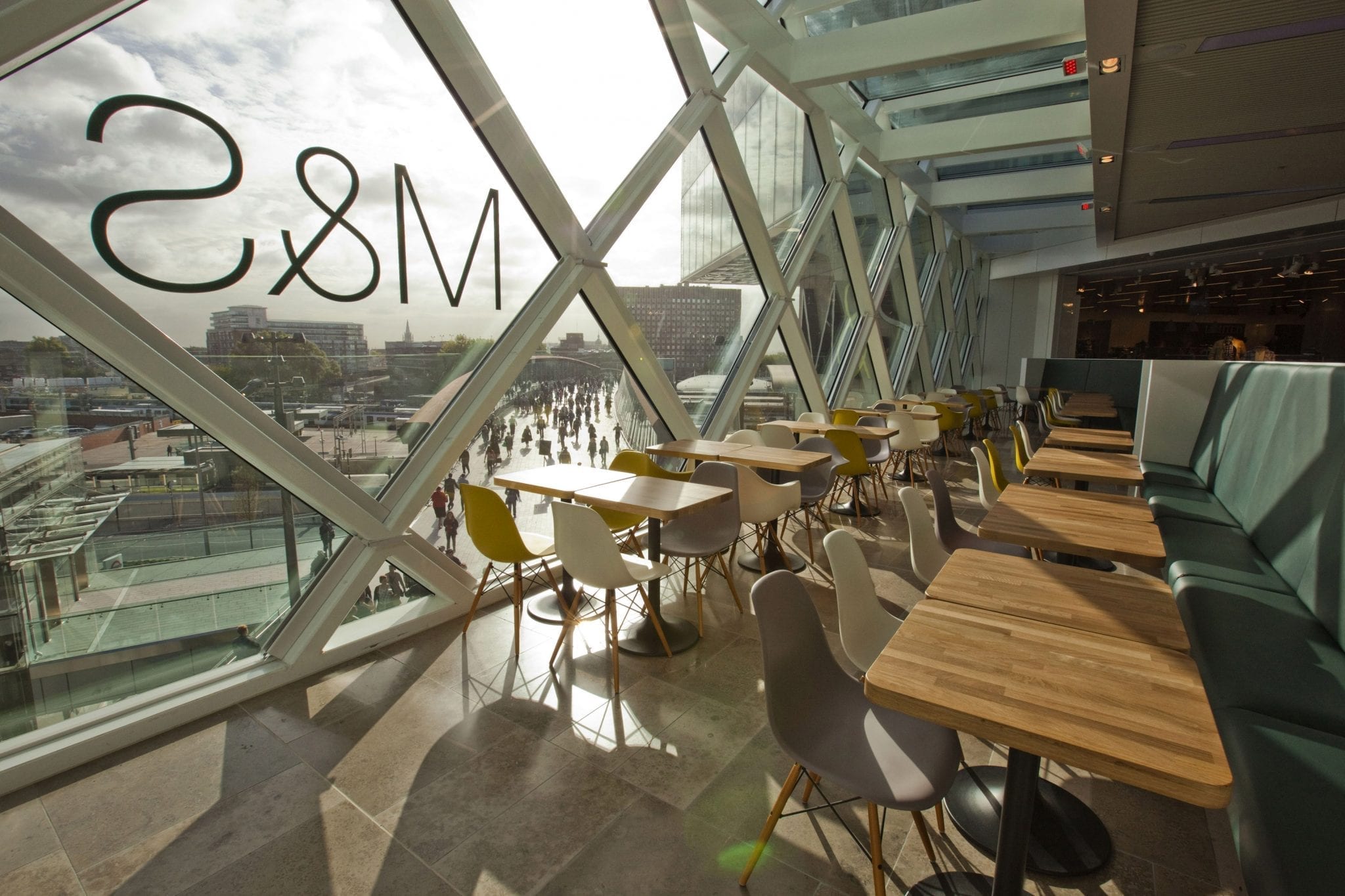
    M&S Singapore has opened a table-service restaurant at Wheelock Place.

    As well as the M&S Cafe, the flagship store has introduced M&S chilled food, making it the first Asian outlet outside of Hong Kong to offer the range of more than 600 products.

    With 60 seats, M&S Cafe is near the Food Hall, its menu including drinks, snacks and hot meals plus British classics such as fish and chips and afternoon tea. Global favourites include Indian curries and Italian pasta.

    In the Food Hall, the chilled food range offers soups, salads, cheeses, dips, salmon, fruit, vegetables, cheesecakes, yoghurts and puddings such as Apple Crumble.

    M&S has nine stores across Singapore run by long-standing franchise partner Al-Futtaim Group.

  • Convenience stores tapping into overseas market with PB products

    Convenience stores tapping into overseas market with PB products

    Amid a stagnant domestic economy, Korea’s convenience store chains are tapping into markets abroad to sell private brand products, industry sources said Tuesday.

    Major convenience store chain CU is exporting its self-branded cheese-flavored and red pepper-flavored instant noodles to Jumei, a Chinese online retailer.

    GS25, meanwhile, has been selling its own Chinese-style instant noodle product Gonghwachun in Australia and New Zealand. The product was made in partnership with a Chinese cuisine franchise.

    Last year, 7-Eleven Korea was the first Korean retailer to sell dried laver and low-price, self-branded snacks produced in cooperation with small and medium-sized manufacturers.

    Shinsegae’s convenience store unit With Me began selling hangover-cure ice cream Gyeondyeo Bar in Russia in May, according to a company source.

    “Private brand goods’ sales abroad will not just find a way out for retail giants. This will be an opportunity for small and medium-sized enterprises to develop inroads into overseas markets,” a source said.


  • New contenders for McDonald’s China and Hong Kong

    New contenders for McDonald’s China and Hong Kong

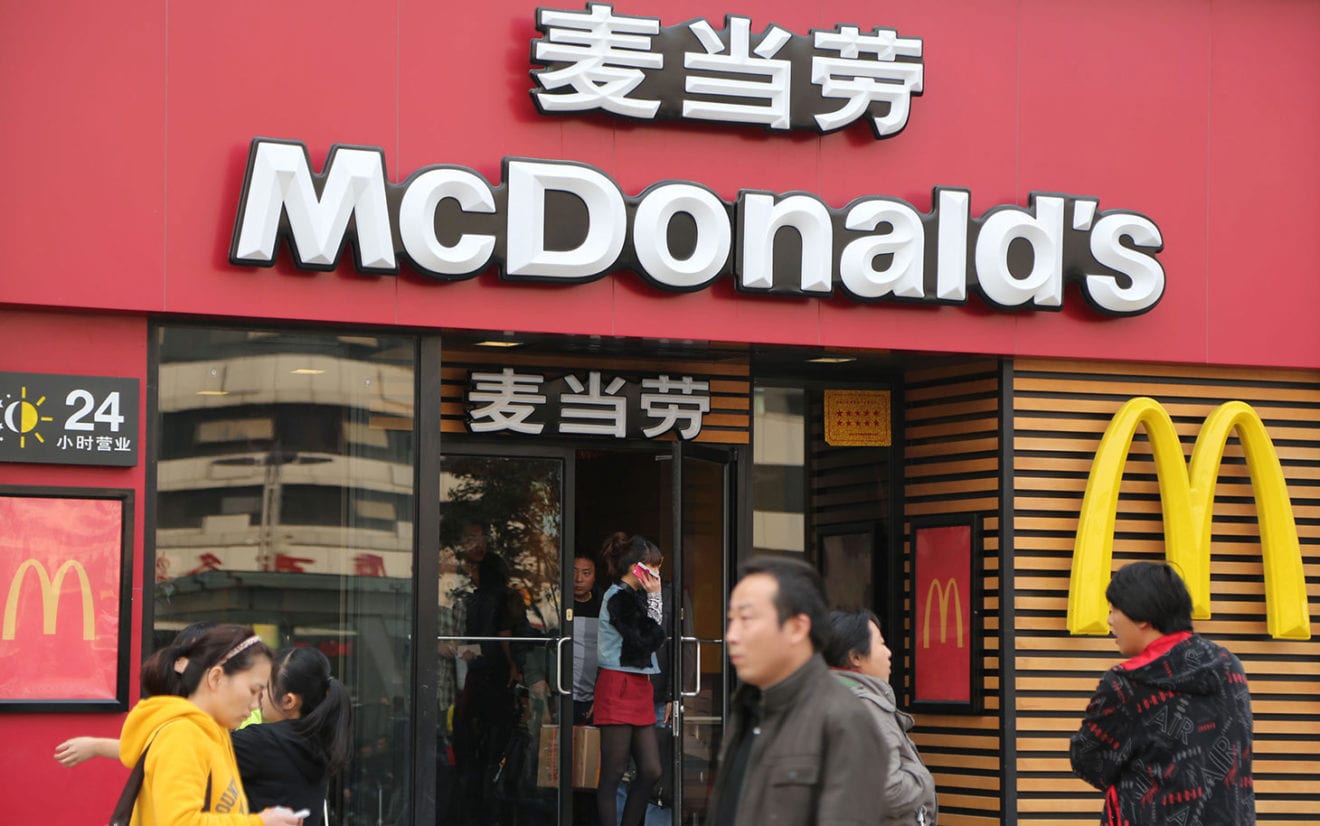
    Private equity firms Carlyle Group and TPG Capital have teamed up with two different Chinese state companies to bid for the McDonald’s China and Hong Kong franchise licences.

    The deal is said to be worth between US$2 billion and US$3 billion, reports the Straits Times.
    McDonald’s has previously said it is looking for long-term partners rather than private equity firms, which typically cash out after a few years.

    Carlyle is working with Chinese state conglomerate Citic Group and TPG has joined with Beijing Capital Agribusiness Group to place binding bids ahead of this month’s deadline. Beijing Capital Agribusiness is McDonald’s current China partner.

    Reuters says the US fast-food giant, hit by food-supply scandals in China, has hired Morgan Stanley to run the sale of about 2800 restaurants in China, Hong Kong and South Korea.

    The two private equity-backed groups are bidding only for China and Hong Kong outlets, going up against Beijing Tourism Group, China Cinda Asset Management and private Chinese technology and real-estate firm Sanpower Group.

    China and Hong Kong account for more than 85 per cent of the 2800 outlets on the block.
    Meanwhile, South Korea’s Maeil Dairy Industry Co says it is considering bidding for McDonald’s Korean outlets, which are expected to fetch about $268 million. Interest has already been shown by CJ Corp and NHN Entertainment Corp.

    Changing to a less capital-intensive franchise model, McDonald’s is offering a 20-year franchise to buyers, with a 10-year extension option.

  • Wine Australia store launched on Alibaba

    Wine Australia store launched on Alibaba

    Australian wines are set to get a big boost in China from e-commerce giant Alibaba Group’s latest venture.

    An online “flagship store” featuring Australian wine has been launched on Alibaba’s business-to-consumer platform Tmall.com.

    Alibaba’s online retail sites cater to 434 million Chinese consumers, and the group generates half of China’s online wine sales.

    The new store on Tmall, supported by Wine Australia and operated by Chinese online retailer Vinehoo.com, will initially stock 10 brands from eight Australian wine regions, followed by another 20 brands in coming months. The first brands to be featured include Brokenwood, Coriole, John Duval, Pikes and Voyager Estate. Wine Australia does not select the brands. Wine Australia chief executive Andreas Clark said Alibaba was a significant player in Chinese e-commerce — a massive company with great reach. “The muscle they can bring, potentially, to further increasing Australian wine sales is vitally important,” Mr Clark said.

    China’s food and wine culture is still evolving, he said, and more Chinese consumers are looking online for premium products.

    “Our support of Tmall’s flagship Australian wine store helps us capitalise on this growing interest in Australian wine and gives us the opportunity to further reinforce the message with consumers that wines of Australian provenance are of the highest quality,” Mr Clark said.

    Alibaba’s managing director for Australia and New Zealand, Maggie Zhou, said Australian wines are considered world-class, and come at varied price points, so the opportunity to sell to China’s growing middle class is significant. Mainland China is now Australia’s second most valuable export market after the US.

    Total Australian wine exports to mainland China in fiscal 2016 rose 50 per cent to $419 million. Exports of wine priced at $10 or more per litre grew 71 per cent to $169m.

  • Alibaba Wine & Spirits Festival planned

    Alibaba Wine & Spirits Festival planned

    An inaugural 9.9 Alibaba Global Wine & Spirits Festival will be held next week through Tmall.com.

    Alibaba Group will bring 100,000 international wines, cognacs, whiskeys and other beverages from 50 countries to Chinese consumers through Tmall.com.

    Brands such as Gallo Family Vineyards and Robert Mondavi Winery of the US, France’s Lafite and Japan’s Suntory Yamazaki will join winemakers from Australia, Italy, New Zealand and Spain in the first of what is expected to be annual shopping event on Tmall.

    Alibaba says hundreds of brands will make their China debut during the festival.

    Once a trend among China’s wealthy elite, wine has since caught on with the country’s estimated 152 million middle-class consumers. Growth is being driven by consumers in first-tier cities such as Beijing and Shanghai, as well as Chinese in their 20s, according to market researcher Wine Intelligence. The UK firm estimates that 48 million people in China bought imported wine last year, up 26 per cent from 38 million in 2014.

    Greater choice

    Wine Intelligence says eCommerce is bringing greater choice for wine buyers in a country where wine shops and other outlets are not common. Online distribution channels, as well as tariff-reducing trade deals with countries like Australia and Chile, have helped boost imported wine sales to 43.7 million nine-litre cases last year, a jump of 37 per cent over the previous year.

    Consumers are also drinking wine more frequently, says Wine Intelligence, with 35 per cent partaking on a weekly basis last year versus 23 per cent in 2014.
    Alibaba says Tmall saw the number of active buyers in the wines and spirits category climb five times to 10 million consumers between 2013 and 2015.

    Italian winemaker Gruppo Mezzacorona launched a flagship store on Tmall in June, five years after establishing brick-and-mortar sales channels in China including restaurants, hotels and supermarkets. Its country manager Nick He says that selling online via Alibaba marketplaces allows the company to reach parts of China otherwise not possible.

    Live video

    “We believe Tmall will really help us to reach every corner of China,” he says, Also, consumers who would typically have a smaller selection of wines at physical stores have access to most of the company’s wine inventories when shopping online.

    Gruppo Mezzacorona is planning to live-stream video from its wineries in Italy in the run-up to the sale, showing Chinese consumers how grapes are picked and the wine is made. There will also be tips on wine drinking as an interactive component allowing consumers to ask questions.

    Tmall has already launched marketing campaigns to generate buzz around the festival, including live auctions of rare and limited labels and live-streamed broadcasts with experts such as Château Valandraud founder Jean-Luc Thunevin and American wine critic James Suckling.

    Offline, about 5000 bars and pubs in China will support the festival with free tastings and distribution services.

  • Pizza Hut Malaysia parent to relist

    Pizza Hut Malaysia parent to relist

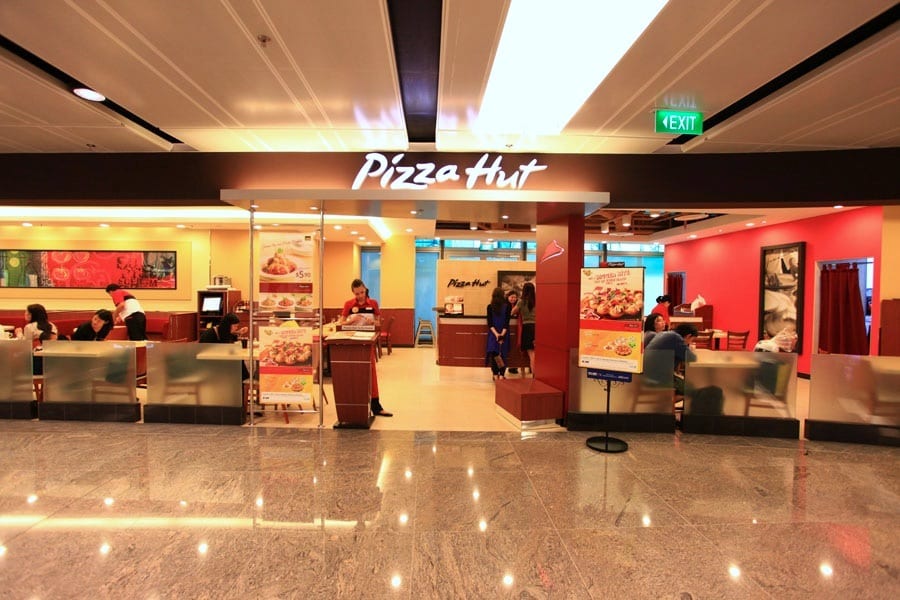
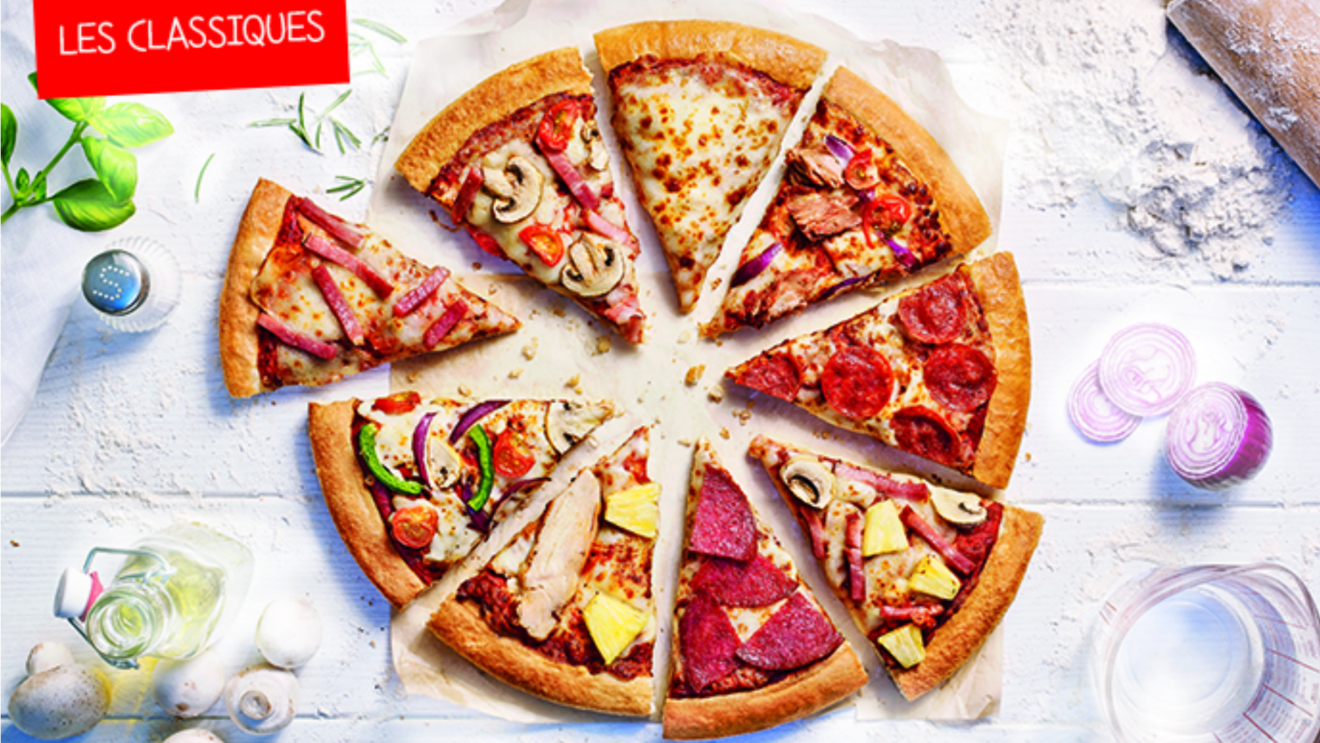
    QSR Brands, parent of Pizza Hut Malaysia, plans to relist, raising more than US$400 million.

    The company is Malaysia’s largest fast food operator with more than 450 Pizza Hut restaurants in Singapore and Malaysia. It has the sole KFC franchise rights for Malaysia, Singapore, Cambodia, and Brunei.

    The Wall Street Journal reports the company will prepare to accept bids this month (September), but the exact size of the offer has yet to be finalised. Majority shareholder, state government-owned Johor Corp, with a 51 per cent slice of the business, may hold onto its investment for the time being.

    ASR Brands was taken private for $1.3 billion by a consortium led by private equity firm CVC Capital Partners in 2012. The other significant investor is Malaysia’s Employees Provident Fund.

    The most recent major Malaysian IPO in the consumer sector was 7-Eleven Malaysia Holdings, which raised $225 million in 2014.

  • Ediya Coffee opens 2000th outlet

    Ediya Coffee opens 2000th outlet

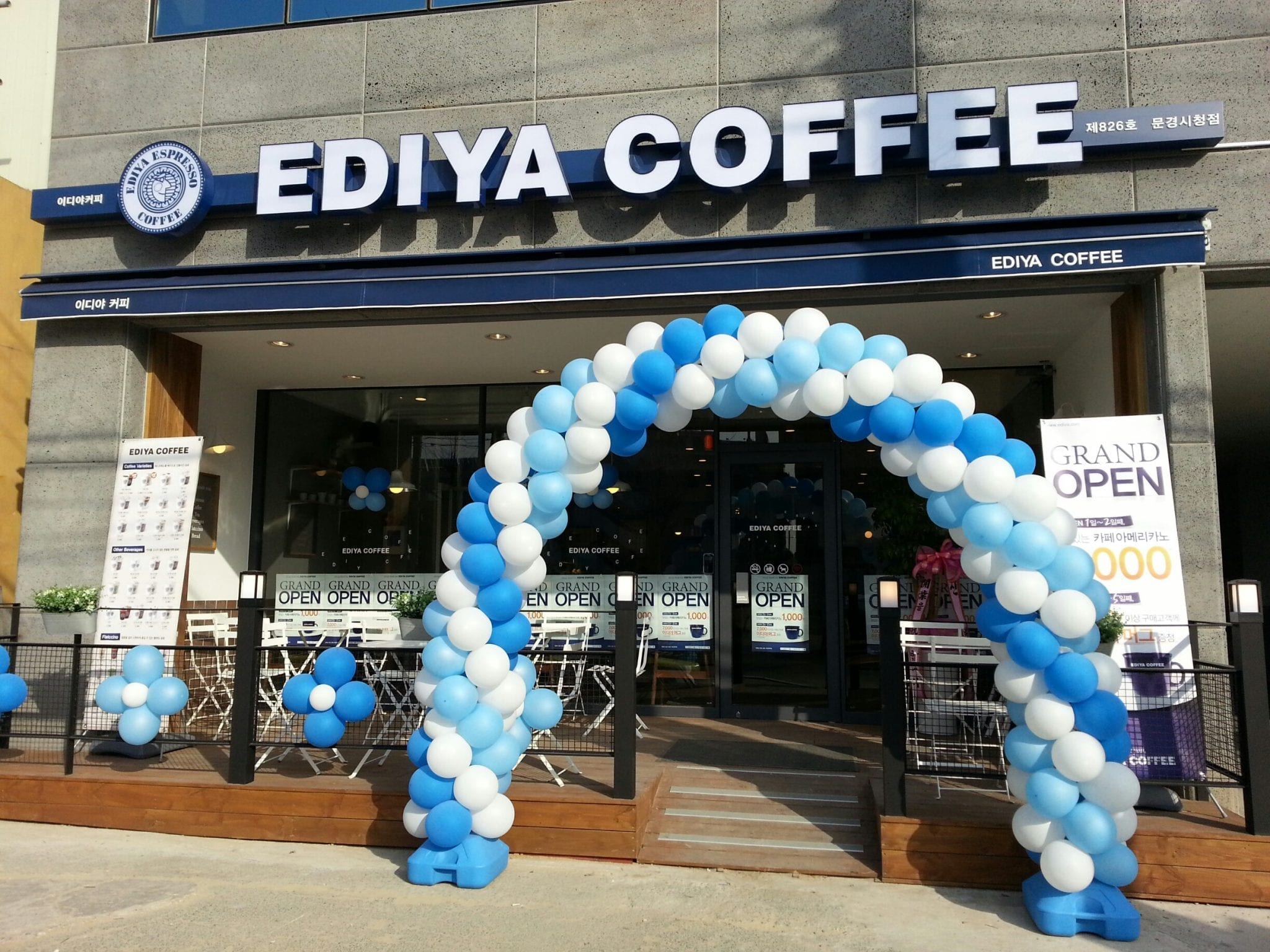
    South Korea’s Ediya Coffee says it is the first Korean cafe chain to open its 2000th store.

    The milestone comes just 15 years since the brand was founded in 2001.

    Only last year did the chain open its 1500th store, demonstrating the rapid pace of the business’ expansion despite the crowded nature of the domestic cafe sector.

    “Our 2000th shop was opened in Singal in Yongin, Gyeonggi Province,” the company said.

    Market watchers credit the chain’s rapid growth to its low prices relative to rival brands like US-based Starbucks and Italy’s Pascucci.

    “We thought we would achieve the 2000 mark in the second half of 2017, but it came sooner than expected,” a company spokesman said.

  • Pizza Hut, Japanese franchise used expired ingredients in Indonesia

    Pizza Hut, Japanese franchise used expired ingredients in Indonesia

    A joint investigation by Tempo, a weekly news magazine, and BBC Indonesia has reportedly revealed the use of expired ingredients by fast food chain Pizza Hut, its delivery arm Pizza Hut Delivery (PHD), and Japanese franchise Marugame Udon.

    The investigation, according to the reports, show evidence of Indonesian firms Sarimelati Kencana and Sriboga Marugame Indonesia – both subsidiaries of major flour producer Sriboga Raturaya – extending the expiry date on their ingredients, and using them in the food. This practice, according to reports, happened systematically, involved top management, and carried on for years.

    Some of these ingredients include: “Veggie Chicken Sausage”, a “Carbonara Sauce Mix”, “Citrus Marinade”, and “Satay Sauce”, among several others. Photographic evidence reportedly shows a sticker on a packet of “Bonito powder” with instructions to use it for up to a period of three months after expiry. The instructions were said to be relayed via email by the purchasing department.

    Both Sarimelati Kencana – which manages Pizza Hut and PHD in Indonesia – and Sriboga Marugame Indonesia – which manages Marugame Udon – issued statements on Sunday (Sep 4) denying the allegations, saying they only used food ingredients “of high quality” which were “suitable for consumption.”

    Meanwhile, Stephen McCartney, president director of Sarimelati Kencana, told local media in a press conference that the company that the company never made a profit “by compromising on food safety.” Alwin Arifin, president director of Siboga Raturaya, said the allegations were defamatory.

    The matter is currently under investigation by police. Besides Yum! Brands and Japan’s Toridoll Corporation which owns Marugame Udon, Sriboga Raturaya is also a local partner for Nissin and Mitsubishi.

  • Domestic white pepper prices sink

    Domestic white pepper prices sink

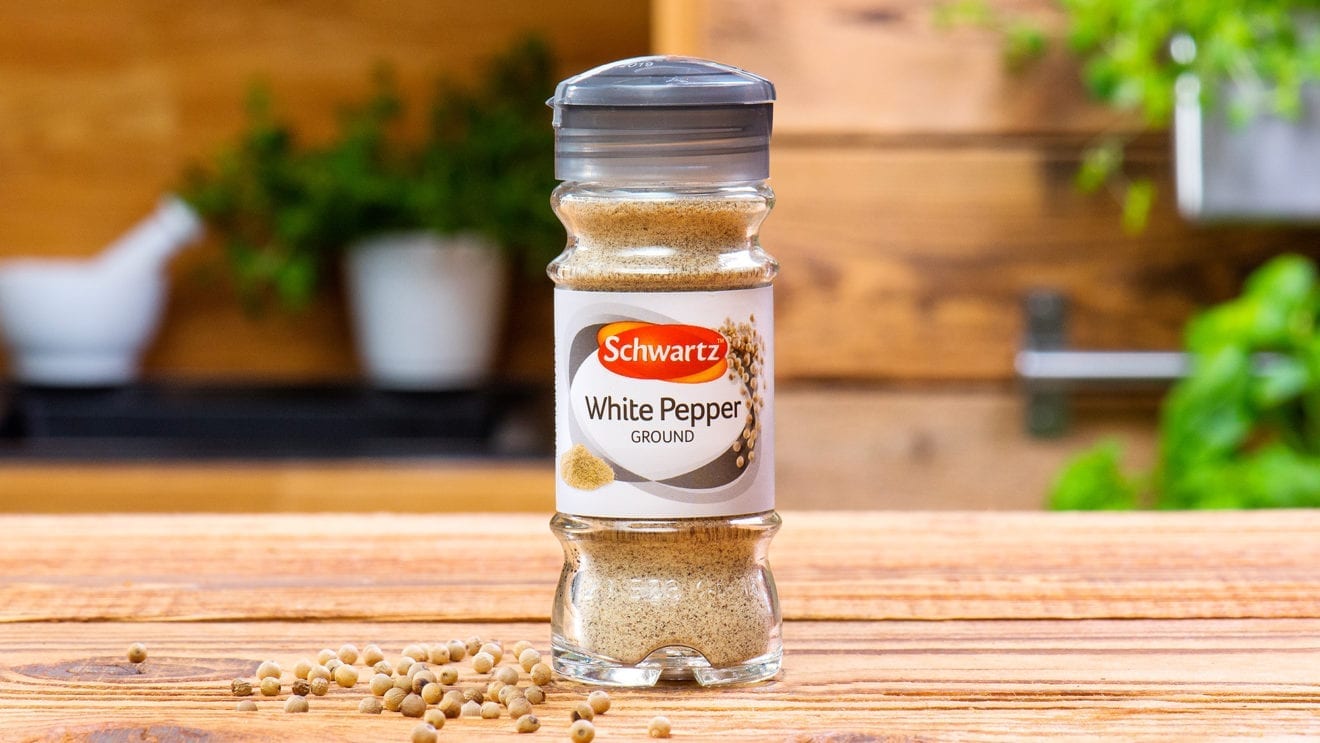
    Domestic white pepper prices have fallen sharply in recent weeks, losing a hefty RM12,000 per tonne or 24% year-to-date after sustaining at an all-time high level of RM50,000 per tonne for months.

    Kuching Grade 1 white pepper dropped to RM38,000 per tonne on Friday (Sept 2) based on Malaysian Pepper Board (MPB) published price. The slide was particularly steep in the past two months, from RM48,500 per tonne in early July.

    For Kuching Grade 1 black pepper,its price has retreated to RM25,000 per tonne from a record high of RM30,000 per tonne or a drop of nearly 17%.

    The white and black pepper soared to RM50,000 and RM30,000 per tonne respectively in September, last year in a spectacular six-year rally, the longest in history, riding on the growing global demand for the spice that outpace supply. The run-up began in 2009 when the white and black pepper were hovering around RM11,300 and RM6,500 per tonne levels respectively.

    And what has caused the recent pullback in the prices?

    The correction in domestic pepper prices, according to a MPB senior official, comes ahead of the harvesting of new crop in Indonesia,the world’s second largest producer.

    “Indonesia has begun to harvest the new crop which will enter the market soon. Indonesia is a key producer of white pepper,” the official told.

    Last year,Indonesia produced some 71,500 tonnes of the golden crop against Vietnam’s (world’s No 1 producer) 130,000 tonnes. Other key producing countries,which are International Pepper Community (IPC) members, are India (65,000 tonnes), Brazil (41,500 tonnes) and Malaysia (28,000 tonnes).

    Due to the recent El Nino weather phenomenon,the market has anticipated Indonesia’s new crop output to be affected.

    The official said another reason for the drop in domestic white pepper prices was due to an anticipated increase in white pepper output during the traditional September-October period. Sarawak, which contributes some 95% of the country’s pepper production, is currently into the tail-end of harvesting the new crop,which normally begins in May.

    (Black and white pepper are processed differently. Pepper berries are harvested when ripe and after sun-dried,the outer layer will turn black and become black pepper. White pepper is the result of the outer layer being removed, normally after soaking in clean water in the river and then dried, leaving only the inner seed.)

    Due to the tedious processing procedures for white pepper,most farmers prefer to produce black pepper. Only some 20% of Malaysia’s pepper production are in white pepper.

    The official said despite the softening of pepper prices of late,there is no cause for alarm.

    According to IPC weekly price bulletin (August 22-26),with the exception of Malaysia,pepper prices at source markets remained stable,even increased in Sri Lanka. In India,local price of Malabar black increased almost daily during the week.

    The bulletin said a marginal decrease of local price in dollar terms seen in Bangka and Lampung Indonesia was due to the weakening of local currency against the US dollar.

    “The domestic white and black pepper prices are still firm at current levels even though they have come down quite a bit. The drop is temporarily and the prices will recover,” added the official,whose reason is that global supply remains tight and is unlikely to increase significantly in the near future.

    Based on IPC’s 2016 projections,global consumption for the year is about 463,000 tonnes against production of 414,000 tonnes,resulting in a supply deficit of 49,000 tonnes. Of the forecast production,only 312,000 tonnes are available for export against the export market’s requirement of 320,000 tonnes.

    In 2015,,global consumption was estimated at 439,282 tonnes against production of 407,158 tonnes. World demand for the spice grows at around 4% per annum against production increase of merely 0.7% per annum.
  • Indonesia to export chicken due to overproduction

    Indonesia to export chicken due to overproduction

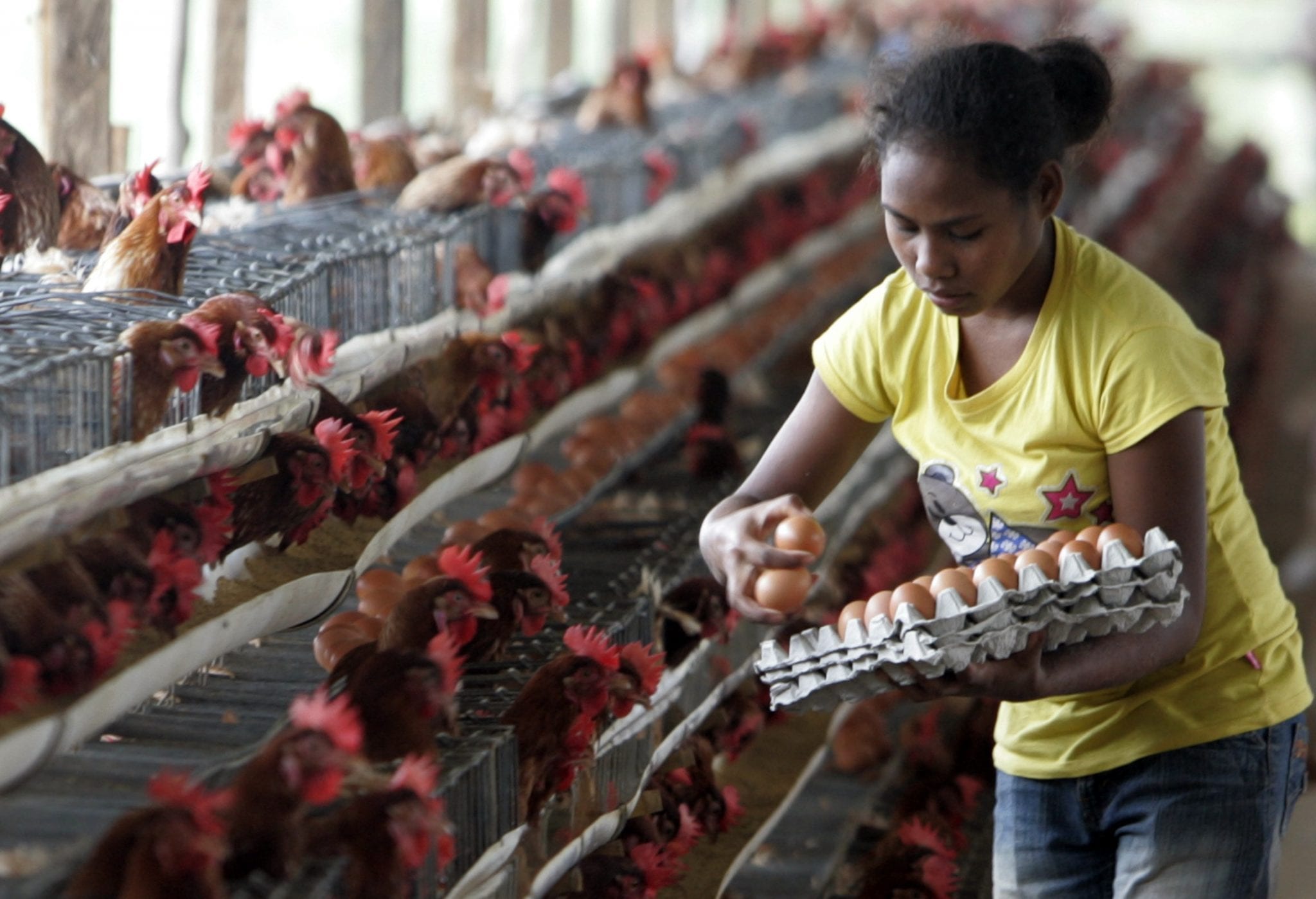
    Indonesia will soon export chicken as production has doubled, Agriculture Minister Amran Sulaiman said.

    “Right now, we are campaigning for self-reliance in protein which is found in abundance in our husbandry and fishery commodities,” he stated here on Saturday.

    Amran Sulaiman, along with Chief of the Business Competition Supervisory Commission (KPPU) Syarkawi Rauf and Deputy Chairman of the House Commission IV Viva Yoga, was in Makassar to address a workshop, titled, “Developing Husbandry Industry in Pursuit of Self Reliance in Animal Protein.”

    The minister underscored the importance of maintaining food stocks in support of the country self-reliance.

    The Agriculture Ministry has made various breakthroughs and innovations along with other parties to support the governments program to achieve self-reliance in food production, thus adding to national resilience, he added.

    He believed that Indonesia would achieve the goal of self-reliance in animal protein by the time the country celebrates the 100th anniversary of its independence.

    Livestock and marine products have already helped achieve self-reliance in animal protein, he reminded.

    “We have changed our policy so that we are no longer self-reliance in meat but are self-reliance in protein. In fact, we have exported chicken to Vietnam and Japan,” he noted.

  • Alfamart sales strengthen

    Alfamart sales strengthen

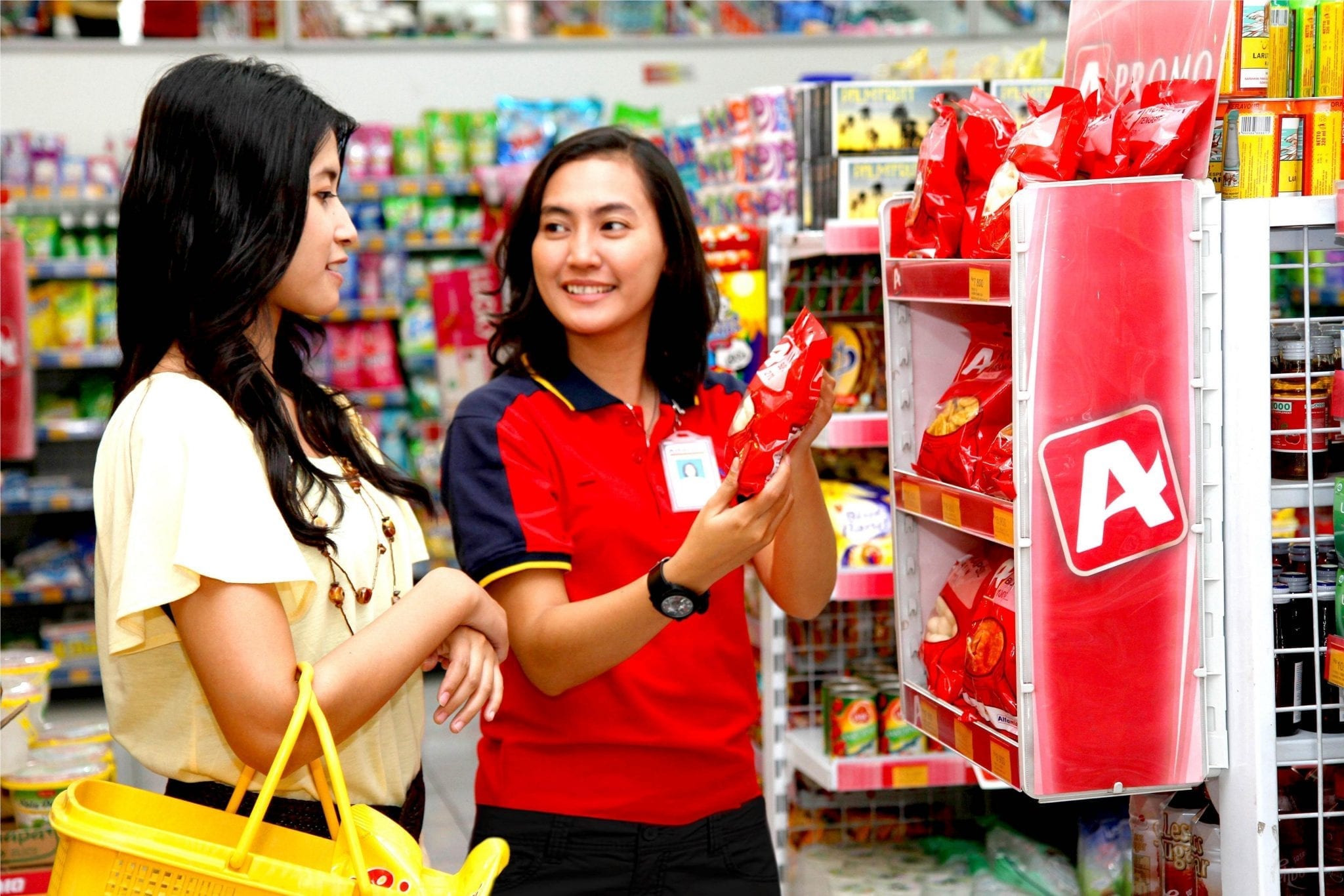
    Indonesia’s Alfamart has reported a healthy first half year’s performance.

    Alfamart sales rose by 21.5 per cent to IDR36,870 billion (US$2 billion) thanks to an aggressive store expansion program.

    The company’s unaudited gross profit increased 20.6 per cent.

    With a network total of 12,971 stores, Alfamart group remains narrowly behind competitor Indomaret, with 13,099, records research house IGD.

    Alfamart added 713 new stores from end of 2015, across the Lawson, Alfa Midi, Alfamart and Dan Dan (health and beauty) banners, compared to 889 reported by Indomaret.

    The new stores are mainly located outside of Greater Jakarta, which still accounts for 35.6 per cent of Alfamart’s stores, IGD reported.

    During the second quarter, the group added a warehouse in Serang, Java to support the Alfamart banner. As of June 2016, the retailer managed 40 warehouses in Indonesia (32 for Alfamart, seven for Alfamidi and one for Dan Dan).

  • Indofood commissions instant noodle factory in Serbia

    Indofood commissions instant noodle factory in Serbia

    PT. Indofood Sukses Makmur, the largest instant noodle producer in Southeast Asia has expanded operation to Europe setting into operation its factory in Serbia.

    Serbian President Tomislav Nikolic officially commissioned the factory in Indjija, around 80 kilometers from Beograd on Friday, the Indonesian embassy in the Serbian capital city said.

    The factory, which produces ready for consumption Indomie noodles, was already operational in August opening hundreds of jobs for the Serbians .

    Construction of the factory in Serbia, would be the first step of the company in market expansion in Europe, an embassy official said.

    The factory, occupying a five hectare plot of lands was built with an investment of 11 million euro. It has a production capacity of 500,000 carton boxes per month for distribution not only in Serbia but also to other countries Europe.

    Free trade adopted by Serbia with various other countries in Europe would facilitate the company in market expansion giving it greater optimism in its ambition to dominate the European market of instant noodle.

    The official commissioning ceremony was attended by other Serbian leaders, members of the diplomatic Corps , business leaders and local journalists.

    Support shown by the Serbian government is a big factor in the success of the Indofood investment in that country.

    President Tomislav Nikolic said he appreciated and supported the Indonesian investment in Serbia as a concrete step to expand economic cooperation between the two countries.

    Indonesian Ambassador Harry R.J. Kandou said the presence of Indofood in Serbia constituted a concrete proof of Indonesian initiative in strengthening economic cooperation between the two countries.

    Anthony Salim, the Executive Director of the Salim Group, which owns Indofood, said he hoped that factory would provide gateway for the Indofood to reach the rest of Europe.