Category: Food

Retail News Asia is committed to providing both local and global retailers with the latest Food and Food & Beverage news throughout the Asian market. This on a daily base.

  • Cargill enters partnership with Japfa for poultry products in Indonesia

    Cargill enters partnership with Japfa for poultry products in Indonesia

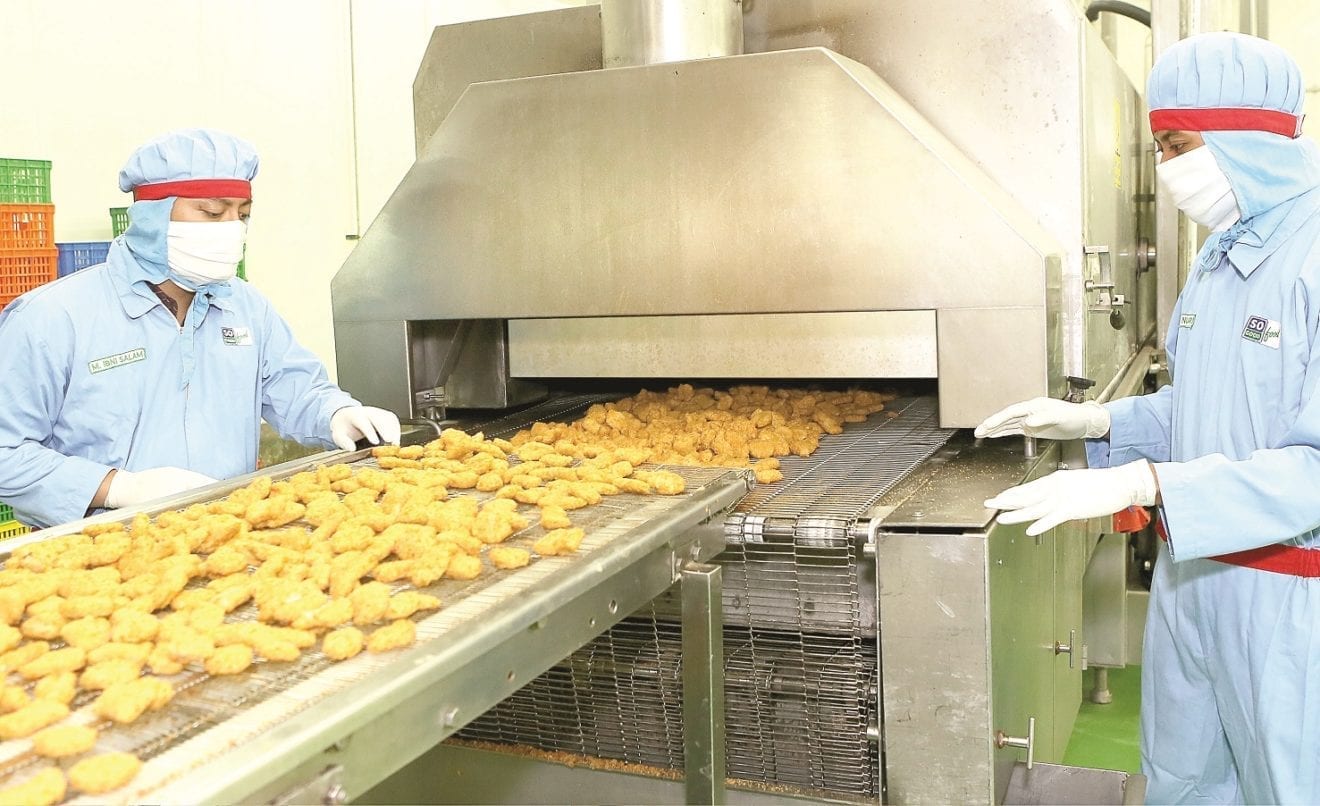
    Cargill and So Good Food, a wholly-owned Indonesian subsidiary of leading agri-food company Japfa, have entered into a 60-40 joint venture to produce and supply fully-cooked poultry products in Indonesia. The strategic partnership will leverage Cargill’s broad industry expertise to boost So Good Food’s capabilities in consumer food processing technologies, product innovation and quality assurance. Cargill and Japfa will also work together to produce a new range of value-added consumer food products.

    Besides toll manufacturing for So Good Food, the joint venture company, Cahaya Gunung Foods (Shining Mountain Foods), will supply high quality products to well-established and reputable quick service restaurants (“QSR”); hotels, restaurants, and the food service sector (“HORECA”); as well as convenience stores and petrol kiosks (“CVS”) in Indonesia. Cahaya Gunung Foods will also have the capability to export products to the region.

    Cementing Partnership, Strengthening Capabilities

    Derek Schoonbaert of Cargill was appointed Managing Director of Cahaya Gunung Foods and he stated: “Indonesia is an important growth market for Cargill. This is our first venture in the poultry business in Indonesia and we are excited to be partnering with Japfa. We will implement our world-class systems and processes to ensure high quality chicken products through our broad industry expertise and quality standards.

    On Japfa’s latest partnership, Mr Tan Yong Nang, Chief Executive Officer of Japfa, explained, “We are pleased to further cement our relationship with Cargill, whom we have had a long standing business relationship with. To be selected as Cargill’s JV partner is testament of Japfa’s high quality, food safety and welfare standards. We look forward to strengthening our capabilities and know-how with Cargill’s broad industry expertise, and deliver even better quality chicken products.”

    Cahaya Gunung Foods will initially operate out of So Good Food’s existing value-added meat plant at Boyolali, Indonesia and take over the employment of the employees at the processing facility. Both companies will look to invest and expand the operations together, focusing on new premium products.

    Meanwhile, So Good Food will continue to operate its four meat processing plants in Indonesia, focused on producing downstream branded ready-to-eat consumer food products such as chicken nuggets, meat balls and shelf-stable sausages.

    Growing Appetite in Indonesia

    According to Euromonitor, Indonesia is the largest foodservice market in ASEAN. The value sales for Indonesia’s foodservice market grew at a compound annual growth rate (“CAGR”) of 8.7% from 2010 to 2014, reaching US$36.8 billion in 2014, which was about US$14 billion higher than the next largest ASEAN market, Thailand.

    Full-service restaurants, fast food and street stalls/kiosks are the top three growth drivers for Indonesia’s foodservice market. The sales value of the foodservice market is estimated to increase at a CAGR of 9.0% from 2015 to 2019 to hit US$56.3 million by end 2018.

    “As the world’s fourth most populous nation, Indonesia’s foodservice market offers immense opportunities. Today, our So Good, So Good Sozzis and So Nice brands are already award-winning household brands in Indonesia for processed meats such as chicken nuggets, meat balls and shelf-stable sausages. Our JV with Cargill will take us a step further into new growth segments such as HORECA and CVS with a wider range of consumer food products,” concluded Mr Tan.
  • Alibaba-KFC partnership more than a shareholding

    Alibaba-KFC partnership more than a shareholding

    Why did Alibaba decide to take a stake in Yum China, buying into the Chinese fast food market?

    The Alibaba-KFC partnership was growing strongly long before the tech paid $50 million for a stake in Yum China.

    Last week, the fast food company opened a KFC flagship store on Tmall, the eCommerce giant’s B2C marketplace, to cultivate deeper ties with more customers, chief among them China’s internet-savvy youth.

    The KFC Tmall store isn’t selling chicken outright, but it is selling the sizzle of the KFC brand by encouraging consumers to join its membership program through the sale of e-coupons and gift cards that can be redeemed at its restaurants by using the Tmall or Mobile Taobao apps. KFC has more than 5000 restaurants in over 1100 cities in China, and the company is hoping to “build a new O2O [online-to-offline] model” that uses digital marketing to boost traffic at its brick-and-mortar stores, said Guan Bin, digital manager at Yum Brands.

    Connecting with China’s mobile-happy youth market can be an important strategy for any fast-food chain, but it’s particularly key for Yum China, which has seen its once-dominant position in the mainland fast-food market eroded by growing competition and food-safety scares. KFC’s market share in China has dropped from close to 40 per cent in 2012 to 23.9 per cent last year, according to Euromonitor International. Same-store sales in China outlets declined 4 per cent in 2015, Yum Brands disclosed in its 2015 financial annual report.

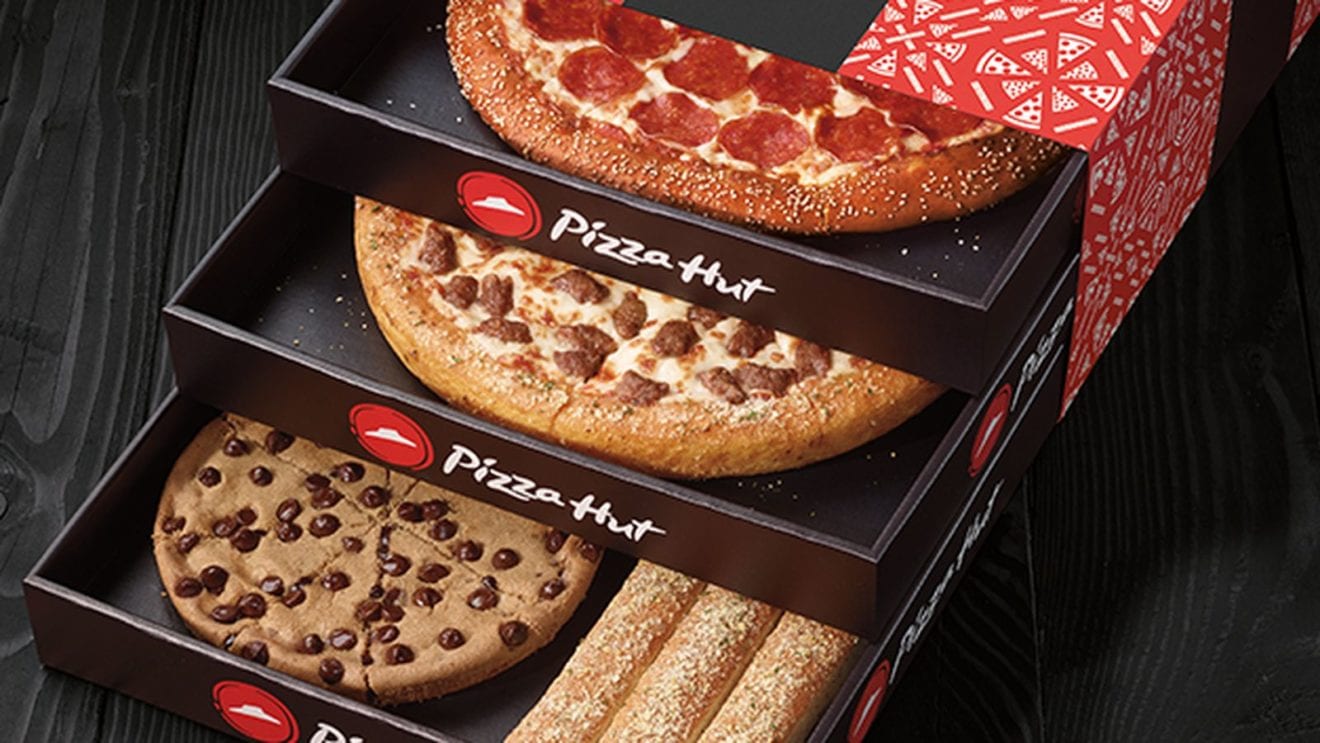
    Against this backdrop, KFC is making what Guan says is the company’s first foray into eCommerce (Yum’s Pizza Hut restaurant chain already has a Tmall presence). The goal is to boost KFC brand awareness and customer base by leveraging Tmall’s “massive traffic” as well as Alibaba Group’s marketing ecosystem and wealth of online consumer data, he said.

    “By opening a shop on Tmall, we want to convert more customers to members, and understand their consumer behavior both online and offline so we can come up with tailored discounts and awards for them,” Guan said. KFCs in China last year adopted Ant Financial’s Alipay cashless payment solution, which includes app-based food ordering and home delivery.

    For its September 6 debut, KFC’s Tmall shop offered bulk purchases of top-selling meals at discounted prices, such as 30 breakfast meals for RMB 199 ($30) and five family meals at RMB 320 ($48). The debut included KFC’s participation in one of Tmall’s Super Brand Day marketing campaigns as well as an augmented reality game: Sept. 2-6, users armed with smartphones and the Tmall app were able to “capture” images of Tmall’s cat mascot in physical KFC shops, which entitled them to buy products from KFC’s Tmall shop for just one yuan.

    On September 6 alone, some 3 million users visited KFC’s Tmall page, according to Tmall. Coupons for the purchase of more than 80,000 30-piece chicken nugget packs–totaling some 2.4 million nuggets–were sold on the day. The results were “beyond our expectations,” Guan said.

  • Makansutra brings Singapore street hawker food to Manila

    Makansutra brings Singapore street hawker food to Manila

    Singapore food culture company Makansutra has created what it describes as one of the most modern but retro looking heritage food halls in Manila.

    Founded in 1997 by entrepreneur-photojournalist, KF Seetoh Makansutra aims to celebrate and promote food culture through food guides, online content, eateries, specialised events, projects and TV shows. Now it has brought 11 stalls and a refreshment and snack station to a 14,000 sqft prime retail space in the SM Megamall.

    “It has been a year coming, fraught with complex building issues, ingredients sourcing problems, lack of proper local equipments and expertise… among others,” explained Seetoh. “But Makansutra Hawkers has now launched in Manila.”

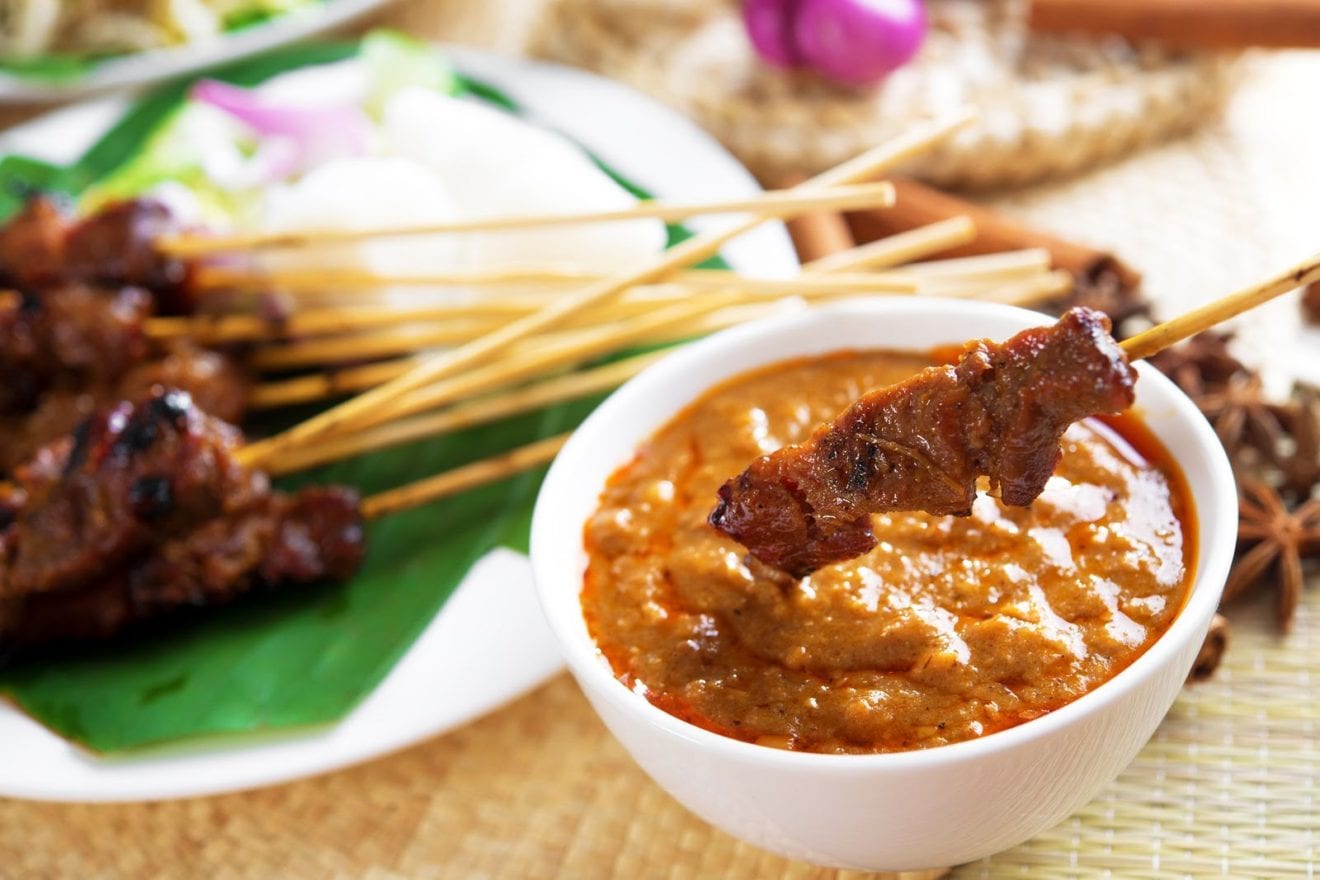
    Five famous hawkers and street food restaurants from Singapore and Malaysia made their international debut there: Geylang Claypot Rice, Alhambra Padang Satay, HK Street Old Chun Kee, Jin Ji Braised Duck and Kway Chap and the iconic Donald and Lily from Malacca. All, except for Geylang Claypot Rice which is a stall requested by show host Anthony Bourdain for his Bourdain Market in New York, were featured at the recent World Street Food Congress held in Manila.

    Makansutra

    The other stalls were new hawkers licensed under Makansutra and trained by the hawkers in the team. There’s Mian Ji (fried Hokkien prawn mee and soup version), Baoji Xiang (Chicken rice and paper wrapped chicken), Ah Tee (oyster omelette and carrot cake), Adam’s Ribs ( bak kut teh), and Curry Flurry (roti prata, fish head curry and nasi briyani).

    “The hawker centre’s design is a throwback to the era when street food was de rigueur and was like a treat, back in the 1960s and 1970s. We used corrugated zinc sheets for a ceiling and plain polished concrete floor with graffiti on the walls, construction beams smack in the middle of the eatery and the furniture don’t match,” explained Seetoh.

    Makansutra Hawkers is located on the second floor of SM Megamall Building A in Mandaluyong City. It is open from 10am to 10pm.

  • Indonesia to set retail beef prices

    Indonesia to set retail beef prices

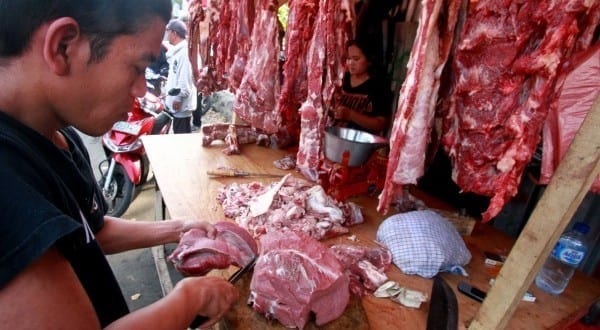
    The Trade Ministry says it will set reference prices for a number of basic food items at the consumer level, including beef.

    Writing in today’s Agri Commodities Daily Alert, Comm Bank’s Tobin Gorey said the policy announced yesterday was effectively a government mandated price ceiling, aimed at maintaining domestic price stability.

    “The retail price range for fresh beef will reportedly be between 50,000‑105,000 rupiah (A$5‑A$10.60/kg),” Mr Gorey said.

    “Fresh beef is currently trading at around 114,000 rupiah (A$11.55/kg) in Jakarta wet markets.”

    The announcement follows earlier news that Indonesia will officially begin importing lower cost buffalo meat from India. The buffalo meat is being sourced from 10 meatworks located in foot and mouth disease (FMD)-free zones.

    Indonesia is Australia’s largest export market for cattle and fifth biggest market for boxed week. Last year Australia exported 618,323 live cattle worth A$548.8 million and 39,134 tonnes of boxed beef valued at A$244m.

  • Yum China board lineup revealed

    Yum China board lineup revealed

    Yum China has revealed the likely composition of its board post-spin-off from its US parent, Yum! Brands.

    The new company to be formed after the sell-off to Primavera Capital Group and a subsidiary of Alibaba Group, will be called Yum China Holdings and is expected to be formally formed on October 31.

    The nine new directors announced, seven of whom are independent, will join the board chaired by Dr Fred Hu, chairman and founder of Primavera Capital Group.

    The other members are:

    • Micky Pant, CEO of Yum China.
    • Peter A Bassi, former chairman and president of Yum! Restaurants International and current lead director for BJ’s Restaurant and Potbelly Sandwich Works.
    • Christian L Campbell, owner of Christian L Campbell Consulting LLC and former senior VP, general counsel, secretary and chief franchise policy officer of Yum! Brands.
    • Ed Chan Yiu-Cheong, vice chairman of Charoen Pokphand Group.
    • Edouard Ettedgui, non-executive chairman of Alliance Francaise, Hong Kong and non-executive director of Mandarin Oriental International.
    • Louis T Hsieh, director and senior advisor to the CEO, and former CFO and president of New Oriental Education & Technology Group.
    • Jonathan S Linen, director for Yum! Brands and Modern Bank, former adviser to the chairman of American Express, and former vice chairman of American Express.
    • Zili Shao, co-chairman of King & Wood Mallesons, China.

    Yum China also expects to name one additional independent board member in connection with the spin-off.

    Yum! Brands CEO Greg Creed said the company was pleased to have announced the composition of the Yum China board, as it nears the completion of the separation.

    “We are confident that these business leaders will offer the market insights and strategic vision required to enable Yum China to reach its full potential.”

    Yum China will become the licensee of Yum! Brands in Mainland China. It will have exclusive rights to KFC, Pizza Hut and Taco Bell, the latter of which is expanding globally but is not yet in China. It will also own the Little Sheep and East Dawning concepts outright.

    Yum China has more than 7200 restaurants in over 1100 cities in China and generated over US$8 billion in system sales in 2015.

  • SaladStop! raises $5m from new partners

    SaladStop! raises $5m from new partners

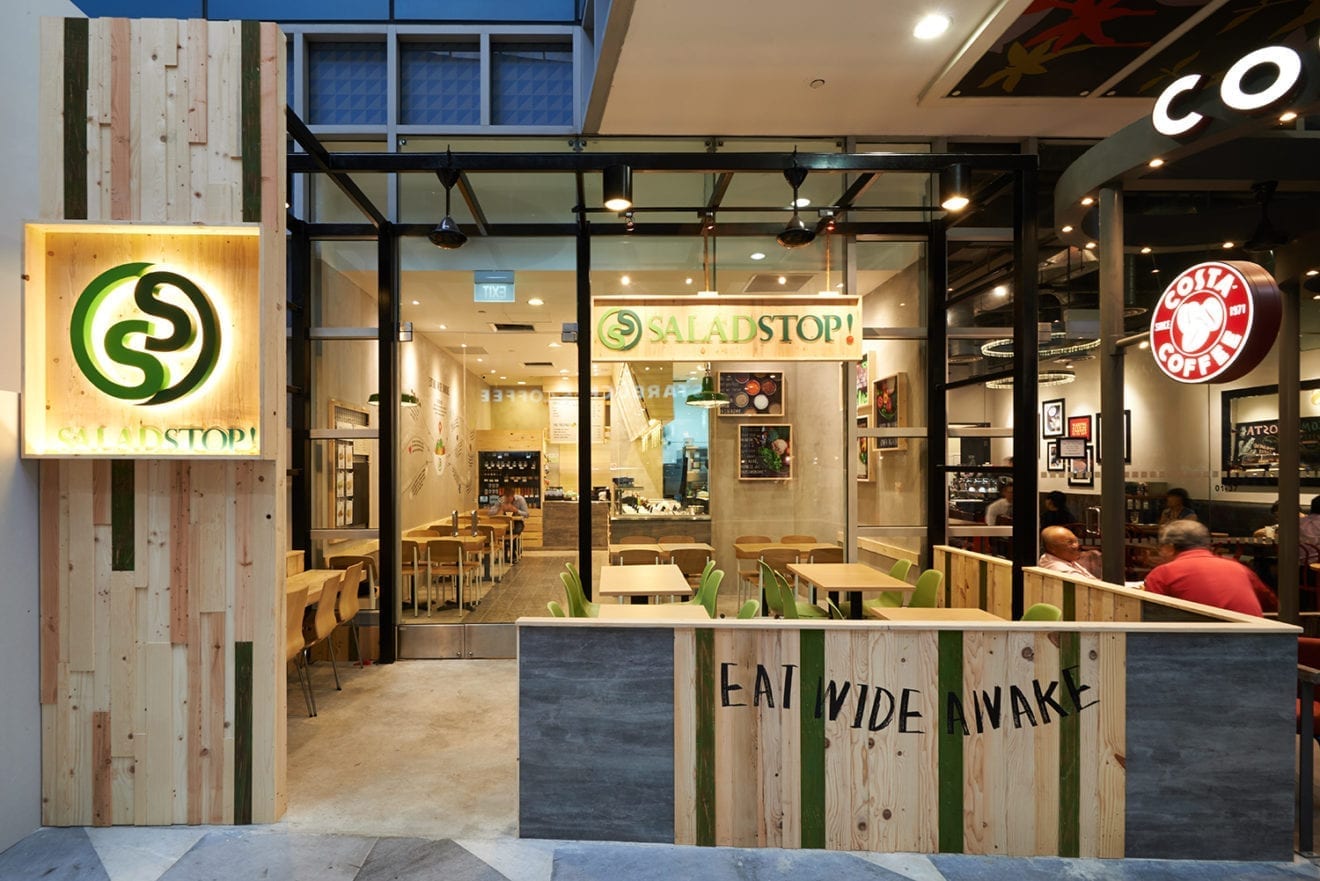
    Singapore salad bar chain SaladStop! has raised S$5 million (US$3.6 million) from private equity firmsDSG Consumer Partners and Hera Capital who took a minority stake in the company.

    SaladStop! has 15 outlets in Singapore and eight in the Philippines, with stores in Hong Kong, Indonesia and Japan scheduled to open by the end of the year. Its first round of funding will be focused on further growing its footprint in Singapore, investing into new ventures and continuing to develop its technological platforms.

    A family business, SaladStop! was founded by hotelier Daniel and Adrien Desbaillets in 2009 and is co-headed by daughter Katherine and son-in-law Frantz Braha.

    Hera Capital’s Thierry de Panafieu says the company benefits from the growing middle class in Asia and increasing awareness toward healthy and sustainable eating.

    SaladStop!’s motto, Eat Wide Awake, encourages consumers to be more knowledgeable about their food. It is pioneering a food movement that believes in the basic human right to truly eat well.

    Hera Capital is a private equity firm investing in fast-growing SMEs in the consumer retail, media and digital sectors with a focus on Southeast Asia. Hera Capital has invested into such firms as ActSocial, Bel Perfumes, CashCashPinoy, Creme Simon and Sophie Paris.

    DSG Consumer Partners is a venture capital fund focussed on early-stage consumer businesses in India and Southeast Asia. Brands funded and backed by the founders since 2004 include Bakers Circle, Burger King India, Chai Point, Eazydiner, Raw Pressery, Saffronart, Saraf Foods, Smoke House Deli, Sula Wines and Veeba Food.

  • China’s retailer files bid for McDonald’s China operations

    China’s retailer files bid for McDonald’s China operations

    Beijing-based retail giant WuMart has filed a bid to take over McDonald’s operations in both the mainland and Hong Kong, according to a report from Caixin.com.

    Someone familiar with the case revealed that Wumart’s bid is being backed by TPG capital, one of the largest private equity investment firms globally.

    WuMart is said to be one of a number of Chinese-based companies looking to take over the McDonald’s operations.

    A source says other participants who vie for the bid include a consortium joined by investment corporation CITIC Group and Carlyle Group and Beijing Capital Agribusiness Group.

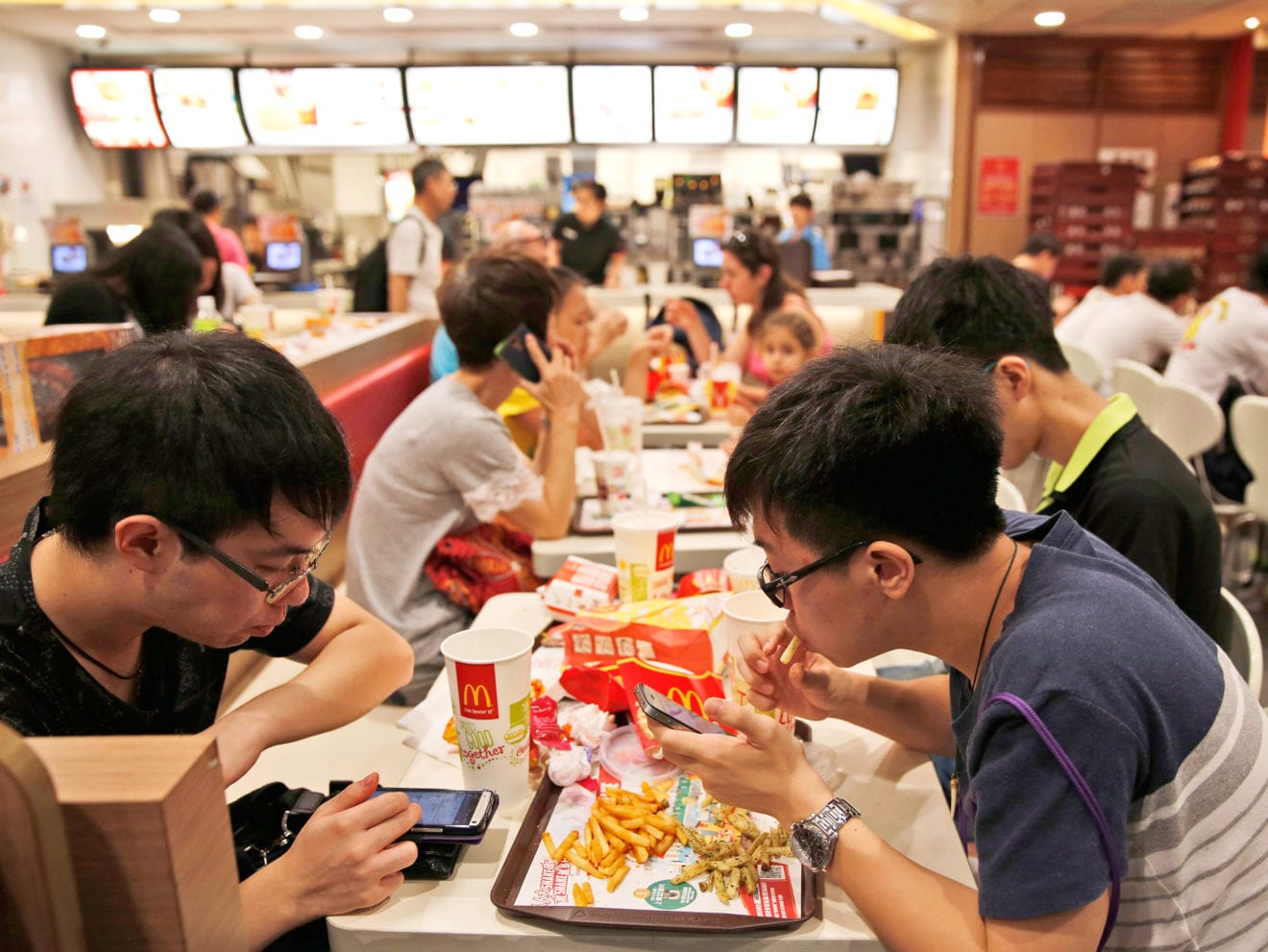
    The case is among a series of similar bids coming after McDonald’s announced earlier this year the sale of their franchise rights for its operations on the Chinese mainland, Hong Kong and South Korea.

    Up till now the participants have declined to comment on the case, according to Caixin.

  • Fruitday direct retailer for Zespri in China

    Fruitday direct retailer for Zespri in China

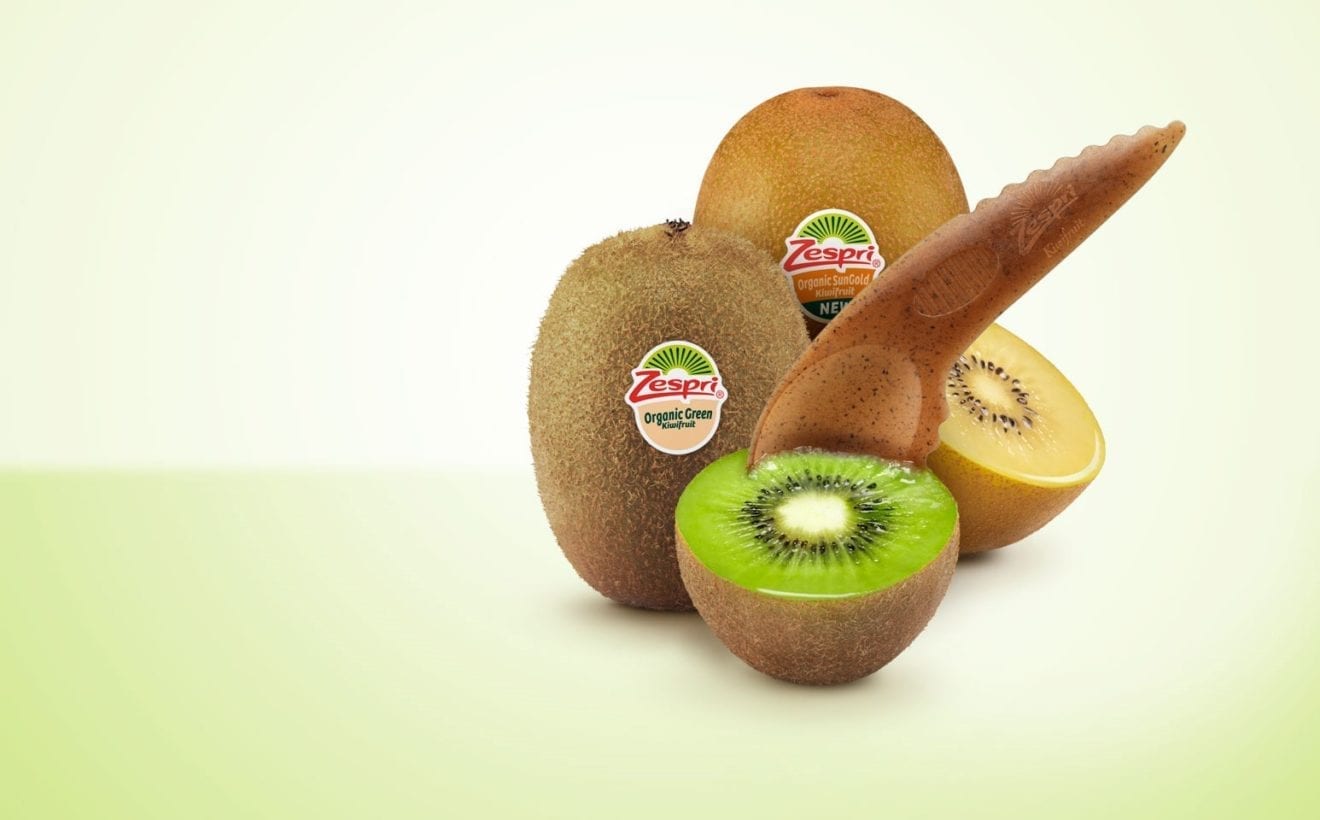
    Peter McBride, chairman of Zespri, visited the headquarters of Fruitday in Shanghai yesterday. Fruitday is a prominent Chinese retailer which is especially good with online sales of fresh fruit. The two companies have settled the collaboration, in which Fruitday will become a direct retail customer of Zespri in China.

    Zespri’s chairman Peter McBride and vice-president Bruce Cameron, together with two of the founders of Fruitday, Wei Wang and Zhang Zhao Guo. 

    Fruitday is now a direct tier-one customer, meaning they will now purchase directly from Zespri and no longer have to buy through the other distributors. Giving them the position of being the Zespri’s largest direct retail customer in China.

    Fruitdays founder Zhang Zhao Guo explains: “Our online sales of fresh products and strong online presence make it possible to communicate in a more direct way with our customers. This way we can offer Zespri an enriching platform in China. We are looking forward to working closely together in the future.”

    Zespri added: “Fruitday has devoted itself to the sales and promotion of our kiwifruit in China. Because of our collaboration, online and offline, we can reach the Chinese consumers and especially the youth, our target audience, in a successful way.”

    Fruitday is a rapidly expanding company in China. In August, the company announced its collaboration with the French company Lactel, one of the largest exporters of milk and dairy products in the world. In China, Fruitday had been going its own way with the launch of Mr Orange, a new brand for citrus from Yunnan. Fruitday supports the citrus producers with whom the company works closely, resulting in the installation of a modern fruit sorting machine among other exciting developments.


  • North Sulawesi to export coffee to China and Italy

    North Sulawesi to export coffee to China and Italy

    North Sulawesi will export coffee from Kotamobagu City to China and Italy, as demand for it is high in those countries.

    “According to a plan this year, North Sulawesi will export coffee from Kotamobagu City to China and Italy,” the Head of the Foreign Trade Department of Industry and Commerce of North Sulawesi, T Hasudungan Siregar, said in Manado on Wednesday.

    Steps are now being taken to start the exports, he added.

    “Currently, we are preparing recommendations for export. Later we will register exporters for the coffee,” he said.

    If once a company has exported about 200 tons of coffee for a year, it would be registered as an exporter, according to him.

    He hoped that people in Kotamobagu City would take advantage of this opportunity, as presently, the market for coffee is wide open.

    The community must also increase production and quality of the coffee so that if demand increases in the future, they should be able to meet it.

    “Consistency is very important in exporting commodities,” he said.

    Currently, the Department of Industry and Commerce of North Sulawesi continues to push for the main commodity of North Sulawesi to be be marketed to different countries in the world.

    This is important for generating foreign exchange for the country.

  • Boeing 737 restaurant opens in China

    Boeing 737 restaurant opens in China

    A decommissioned Boeing 737 aircraft has found new life as an airline-themed restaurant in Wuhan, China.

    Parked in a German-style pedestrian mall and with a covered boarding ramp accessed by an escalator, the Boeing 737 restaurant has 20 tables, and guests can even try out a flight simulation system in the cabin.

    Boeing 737 restaurant Wuhan China 2

    Named Lily Airways, the restaurant is owned by tycoon Li Yang, who says he spent 35 million yuan (about US$5.2 million) to relocate and convert the retired plane.

    Boeing 737 restaurant Wuhan China 1

    While the wait staff wears flight attendant uniforms, diners need not worry about being served such plane fare as packaged nuts – the international chefs in the on-board kitchen offer Western-style fine dining.

    Li Yang says the airliner was bought from the bankrupt Batavia Airways of Indonesia, and took almost four months to transport after being split into several parts.


    Photo courtesy: CFP – Trending in China.

  • Chinese restaurant chains bloom in Singapore

    Chinese restaurant chains bloom in Singapore

    Four Mainland China restaurant chains have set up in Singapore since November, the latest opening in Riverside Point on Friday.

    It will be the first overseas outlet for Chengdu-style hotpot chain Spicy House, which has about 30 outlets on the mainland.

    Two restaurants opened in June, Shi Miao Dao Yunnan Rice Noodles in VivoCity and Riverside Grilled Fish in Raffles City, while Faigo HotPot opened in Clarke Quay in November.

    Other China food brands in Singapore go back about four years, including Hai Di Lao Hot Pot, which will open its fourth outlet in VivoCity this month, and 9Goubuli, a Chinese restaurant in Marina Bay Sands.

    Faigo HotPot is a 12-year-old chain with more than 100 outlets across China. This is its first overseas outlet, the 130-seat Singapore restaurant being run by Shanghai Dragon Restaurant Management. The stocks are served in individual pots heated by electric stoves complete with a heat-control panel and USB ports for charging mobile devices. Diners can choose from more than 70 ingredients, and the outlet is the first in the chain to have a sauce bar offering nearly 20 condiments.

    Faigo Hotpot

    Riverside Grilled Fish, which has opened 54 outlets in China in its 11 years, is using its first overseas outlet as a springboard to make inroads into the Southeast Asian market. It specialises in spicy Chongqing-style grilled fish, and the Singapore franchise is owned by Minor Food Group, which runs the Thai Express and Xin Wang Hong Kong Cafe chains.

    Riverside Grilled Fish

    Shi Miao Dao Yunnan Rice Noodles in VivoCity’s Food Republic foodcourt serves “crossing the bridge” rice noodles, an elaborate set with 11 sides including braised chicken, fried peanuts and raw quail egg and vegetables. There is a choice of five types of soup, and the dish dates back to the Song dynasty. The Singapore stall is part of a chain which has more than 800 outlets across China, as well as Canada, Japan and Thailand.

    Spicy House owner Zac Wang from Shanghai believes Chinese hotpot chains like his will do well in Singapore, where he has been based for six years. The 120-seat restaurant at Riverside Point offers three types of communal hotpots, including one with nine compartments for cooking ingredients separately. The menu lists about 100 ingredients.

  • Belgium brewery apologizes to Hindus for using Lord Ganesha as beer icon

    Belgium brewery apologizes to Hindus for using Lord Ganesha as beer icon

    Belgium brewery, The Musketeers, has apologized for using Lord Ganesha as icon representing its Jack’s Precious IPA beer. The translation of the brewery’s (headquartered in Ursel, East Flanders) statement in Dutch, responding to criticism by Hindu community, published on their website, said: “The brewery wants to apologize when they unwittingly hurts a community”; and added that the beer label “in no way intended to hurt anyone”.

    Hindu statesman Rajan Zed, who spearheaded the protest against the Lord Ganesha’s image on Jack’s Precious IPA beer label, in a statement in Nevada today, welcomed the brewery’s apology, calling it a step in the positive direction.

    Zed, who is President of Universal Society of Hinduism, indicated that in the same spirit, the brewery should immediately withdraw image of Lord Ganesha from the beer label, which was highly inappropriate.

    If the Musketeers brewery continued to use Lord Ganesha icon on their beer, they were thinking of approaching the Commission on Marketing and Advertising of Belgium chapter of International Chamber of Commerce, Rajan Zed pointed out.

    Lord Ganesha’s image carrying chef knife in one hand and sausage like object on the other and brewery’s trade mark symbol on his head continued to be shown on Jack’s Precious IPA beer label on brewery’s website today.

    Zed had said that inappropriate usage of Hindu deities or concepts or symbols for commercial or other agenda was not okay as it hurt the devotees.

    Rajan Zed had stated that Lord Ganesha was highly revered in Hinduism and was meant to be worshipped in temples or home shrines and not to be used in selling beer for mercantile greed. Moreover, linking Lord Ganesha with an alcoholic beverage was very disrespectful.

    Hinduism was the oldest and third largest religion of the world with about one billion adherents and a rich philosophical thought and it should not be taken frivolously. Symbols of any faith, larger or smaller, should not be mishandled, Zed had noted.

    In Hinduism, Lord Ganesha is worshipped as god of wisdom and remover of obstacles and is invoked before the beginning of any major undertaking.

    Brewery claims that Jack’s Precious IPA (Alcohol: 5.9%, EBC: 20, IBU: 50), launched in March last, “has the character of a floral bouquet with a citrus accent” and is available in Belgium, the Netherlands, France and the United Kingdom.

  • Starbucks Asia rolls out Teavana

    Starbucks Asia rolls out Teavana

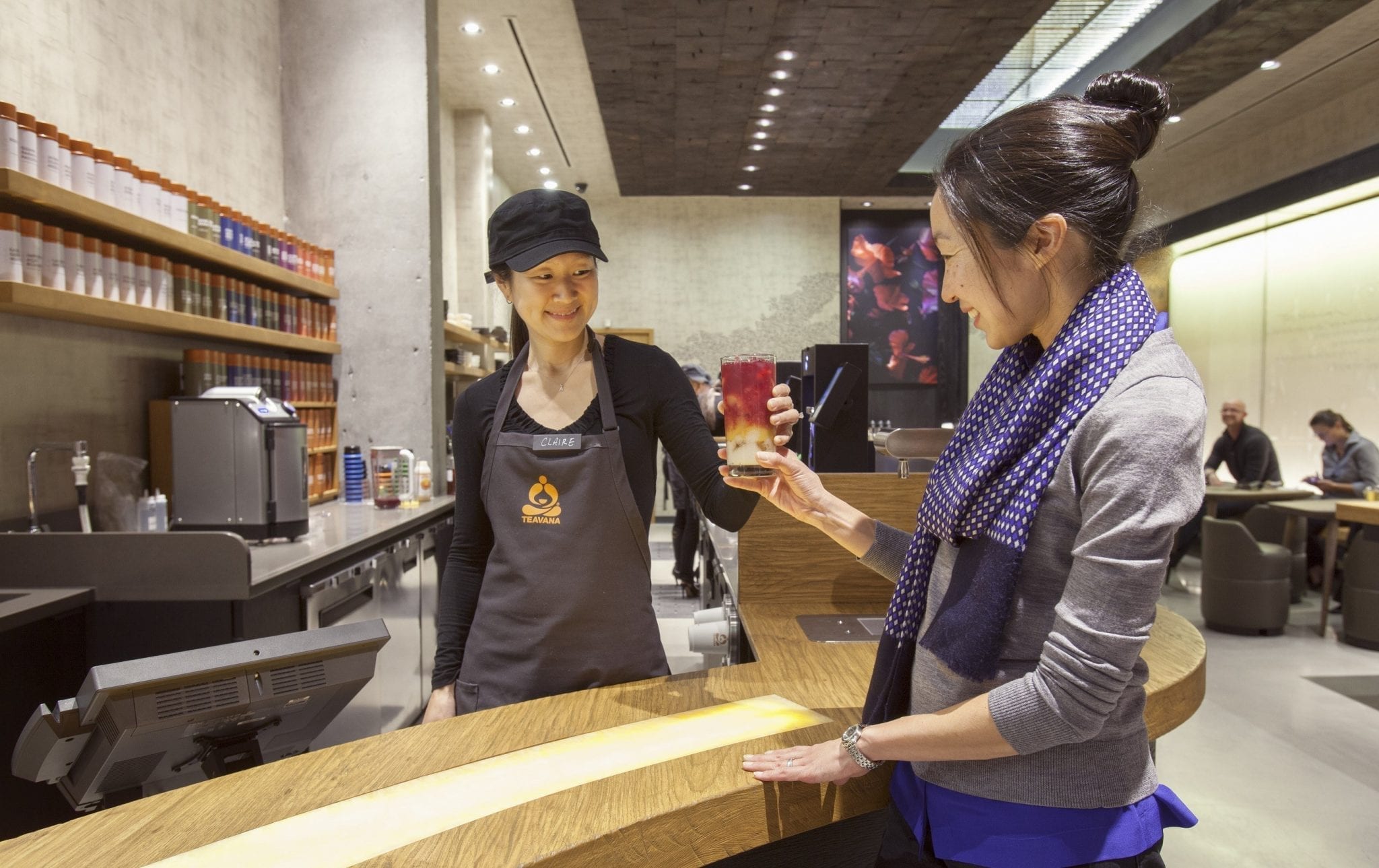
    Starbucks Asia is rolling out Teavana in 6200 stores across its 16 Apac markets.

    Four tea beverages prepared in-store will be offered to the 16 countries, with two or three expected to be sold in each market, the choice up to each one.

    Starbucks acquired US-based Teavana Holdings in December 2012, a “super premium tea” product it says brings “exotic blends, great flavors, wellness and innovation” to customers globally.

    The Asian launch began with China at the end of last month, with Korea and Indonesia following at the beginning of this month. The majority of Asian markets will see the new lines in mid-September, with a Japan launch scheduled for October and India later this year.

    Vera Wang, director, product line innovation at Starbucks China and Asia Pacific said the teas have been developed especially for Asian tastes.

    “We recognise Asian consumers are developing sophisticated taste preferences.”

    While a premium product, pricing will be left to the determination of each market, she said.

    “Pricing (of all Starbucks lines) is determined product by product and market by market.”

    She declined to discuss the company’s expectations for Teavana’s share of Starbucks sales in the region.

    “I’m not at liberty to talk about that. But tea definitely has huge potential for us and we have a lot of confidence going into Asia with Teavana.”

    Starbucks Korea staff promoting Teavana at the Starfield Hanam GL store.

    Besides fresh-brewed tea in cafes, Teavana full-leaf tea sachets will also be sold for take-home use.

    The four launch lines of Teavana in Asia are Matcha & Espresso Fusion (a matcha tea blended with a shot of espresso), Black Tea with Ruby Grapefruit and Honey, Iced Shaken Green Tea with Aloe and Prickly Pear; and Iced Shaken Hibiscus Tea with Pomegranate Pearls.

    Wang said, those core lines would be complemented by other blends selected on a market-by-market basis in the future, depending on customer feedback.

    John Culver, group president of Starbucks global retail said in a statement Teavana represents “a tremendous opportunity to leverage the company’s expertise in creating best-in-class retail experiences, handcrafting custom beverages, and sourcing the finest ingredients, to become a leader in a new category for us”.

    “Just as we’ve done for coffee, this is tea reimagined at Starbucks.”

    Last year, Starbucks’ tea business in the US grew by 12 per cent with all tea categories posting strong growth, led by iced tea at 29 per cent. Building on this and the success of Teavana to date in other parts of the world, Starbucks aims to increase its global tea business to US$3 billion over the next five years.

    Starbucks Teavana will be launched in all stores in Australia, Brunei, Cambodia, China, Hong Kong, India, Indonesia, Japan, Korea, Malaysia, New Zealand, The Philippines, Singapore, Taiwan, Thailand and Vietnam.

  • Global chocolatiers dwarfed in Indonesia as local champions dictate taste

    Global chocolatiers dwarfed in Indonesia as local champions dictate taste

    Multinational chocolatiers have spent almost 20 years trying to crack Indonesia’s booming confectionary market, only to build a share that pales in comparison with other emerging economies as long-established local producers fend off foreign incursions.

    Nestle, Cadbury’s owner Mondelez International, Mars Inc and Ferrero SpA together hold just one-tenth of a $1 billion market led by homegrown darlings Delfi and PT Mayora Indah. In neighboring Malaysia, the foursome commands almost 60 percent.

    “The market leader is very strong because it was the first to set the taste for chocolate in Indonesia,” Nestle Indonesia confectionary business manager Rully Gumilar told Reuters.

    “It’s like David fighting Goliath,” he said. “It’s very big and has huge power, while we are small even though we are a multinational.”

    Such struggle against a local incumbent is not uncommon among global consumer firms in the world’s fourth most-populous country – a tropical archipelago with complex distribution channels, run-down infrastructure and a retail sector dominated by family stores that lack air conditioning to keep goods cool.

    But the rewards are potentially huge considering consumption accounts for more than half of a steadily expanding economy, while an increasingly affluent middle class promises ample room for growth.

    The chocolate confectionary market is likely to jump 42 percent to 19.5 trillion rupiah ($1.49 billion) in the next three years, data from researcher Mintel showed. That compared with 11.7 percent in the United States where, as in other developed markets, growth has slowed over the past five years.

    LOCAL COCOA

    Nestle entered Indonesia in 1971 and in the 1990s embarked on a major push in chocolate products, expanding to three brands. Mars and Mondelez began selling chocolate in the early 2000s and, with Ferrero, the four’s market share reached 10 percent last year – 1.4 percentage point more than a year prior.

    But Delfi set the benchmark taste in the 1950s with its SilverQueen chocolate bars and Ceres chocolate sprinkles, which still feature in the firm’s broad line-up. Last year, its market share by sales volume reached 52.7 percent from 48.2 percent.

    Such local offerings often cost less to make and so are priced lower. For instance, they tend to contain a greater proportion of cocoa powder, which can be two to three times cheaper than cocoa butter, said Ahmad Zaky Amiruddin, secretary general of the Indonesian Cocoa Industry Association.

    Mayora said buying cocoa beans and making chocolate locally also keep prices competitive. In contrast, production at foreign rivals may be part of a more complex, multi-market strategy. Nestle, for instance, imports from its regional halal factory in Malaysia, which sources ingredients from countries including the Ivory Coast.

    Indonesians are “very price sensitive”, preferring to buy the cheapest of similar products, Amiruddin said.

  • Villar Group expanding All Day stores

    Villar Group expanding All Day stores

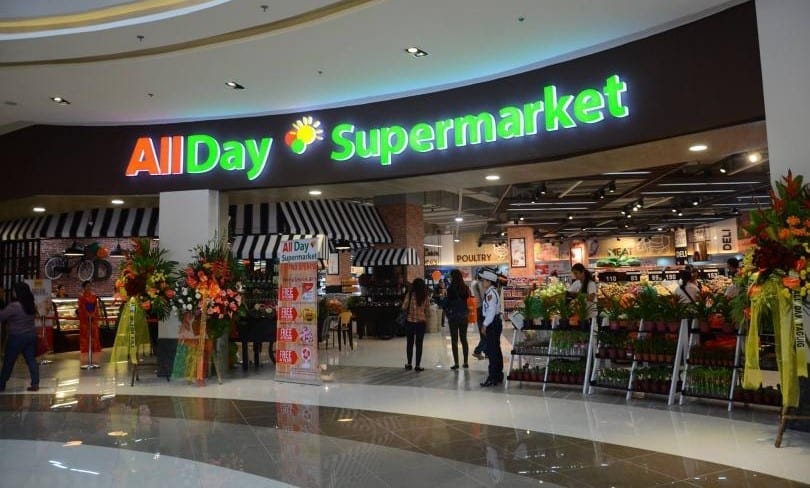
    Sta. Rosa, Laguna, Philippines – The Villar Group, through its retail arm All Value Holdings Corp., is investing an additional P1.4 billion to fund the continued expansion of its All Day supermarket chain.

    The company opened yesterday its third branch, located in Sta. Rosa, Laguna.

    This followed the opening of the first two stores in Vista Mall in Taguig and Starmall Edsa-Shaw.

    In an interview during yesterday’s opening ceremony, All Value chairman Manuel B. Villar Jr. said two more branches were expected to open before the end of the year. Plans are underway to build four to five more branches in 2017.

    “Each branch may cost us about P180 million or less,” Villar told reporters.

    He said the sites of All Day Supermarkets are leased from Vista Malls of sister company Vista Land & Lifescapes, while the inventory is largely consigned by suppliers.

    Villar said the fourth branch, located in Vista Mall Bataan would be even bigger. It is targeted for opening this month.

    The fifth and last outlet to open this year will be in Vista City in Daang Hari. Target date for the opening is December.

    All five stores will have a total floor area of about 20,000 square meters.

    For next year, the target is to open All Day Supermarkets in Mega Manila.

    “All of our supermarkets are successful. The response from consumers is very good. They have an upscale look but the prices are low so they cater to the masses,” he noted.

    All Day Supermarket offers a wide assortment of goods, bigger floor areas, nice store interiors and new services. It also opens as early as 8 in the morning.

    The supermarket’s goods are guaranteed fresh by their accreditation from the National Meat Inspection Service.

    It sells fresh meat, poultry and produce as well as seafoods. It also offers a “paluto” section that cooks food the way customers like it.

    There is also a Quick Fix Section dedicated to every family’s hardware and repair needs, which means that customers don’t need to leave the supermarket for their hardware needs.