Category: Food

Retail News Asia is committed to providing both local and global retailers with the latest Food and Food & Beverage news throughout the Asian market. This on a daily base.

  • Inside Starbucks Cambodia flagship

    Inside Starbucks Cambodia flagship

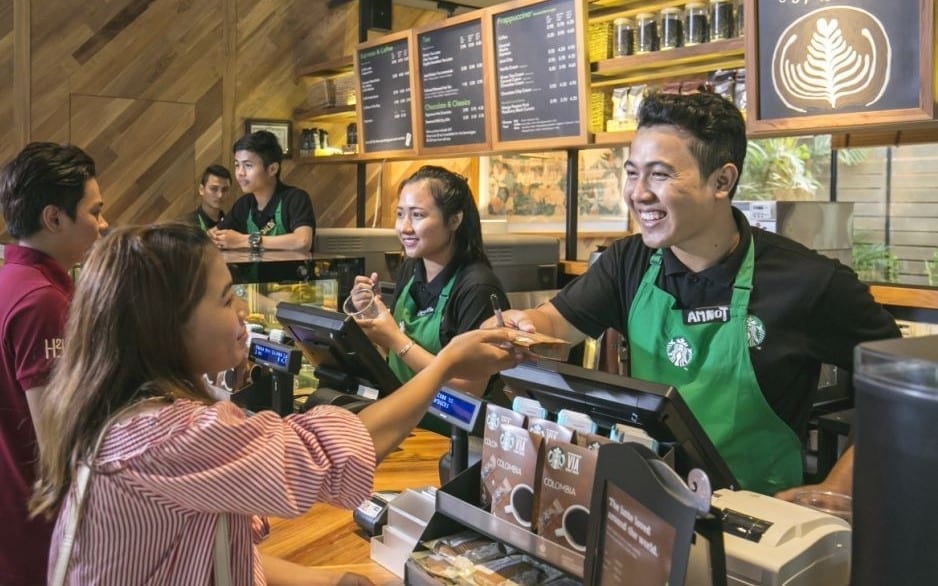
    Starbucks Cambodia has opened a new flagship store in Phnom Penh, in partnership with regional partner Maxim’s Group of Hong Kong.

    Cambodia is Starbucks 16th market in the China/Asia Pacific region, where it has more than 6200 stores. This is the third store in the country. Last month, Starbucks celebrated 20 years since the opening of its first store outside North America – in Japan.

    Starbucks BKK

    The Starbucks Cambodia Phnom Penh flagship, in the Boeung Keng Kang neighbourhood, will introduce Starbucks Reserve coffees to Cambodia, says Starbucks Asia Pacific president Mark Ring. An interactive coffee bar will allow customers to experience a range of brewing techniques including siphon, cold brew, pour-over, coffee press and espresso machine.

    Starbucks BKK

    Inspired by Starbucks’ 45-year history, the flagship store features not only the brand’s core menu but also rare, small-lot coffees. For the store opening, baristas handcrafted two small-lot Starbucks Reserve coffees, Colombia La Union 16 and Papua New Guinea Luoka. Over time, the store will showcase a variety of coffees from small-lot coffee farmers in various countries. All Starbucks Reserve coffee is roasted in Seattle.

    Starbucks BKK

    Starbucks BKK

    Through its licensed partner Coffee Concepts (Cambodia), a subsidiary of Hong Kong Maxim’s Group, Starbucks entered the Cambodian market in December 2015. It has two stores at Aeon Mall and Phnom Penh International Airport.

    Photo: Nick Sells at www.SoShootMeStudio.com

    It latest store covers 650 sqm over two levels and features local craftsmanship as well as iconic global images, including a hand-carved Cambodian sandstone siren, an illustration of Starbucks first store on a textured rattan canvas, a coffee landscape tapestry made of fabric woven on a rattan frame, and a metal sculpture over the bar.

    Starbucks BKK

    The centerpiece is a hand-painted mural over the stairs to the second floor, illustrating the Cambodian folklore of Sovann Maccha, the siren princess with a tail that is transformed into two Naga dragons.

    Starbucks BKK

    Starbucks is working with Cambodian Children’s Fund, a non-government organisation that works with children in one of the most underserved areas of Phnom Penh.

  • Starbucks Coffee Company opened the doors to its store in Phnom Penh, Cambodia

    Starbucks Coffee Company opened the doors to its store in Phnom Penh, Cambodia

    Starbucks Coffee Company last week opened the doors to its newest flagship store in Asia, located in Phnom Penh, Cambodia, building on its long-term relationship with Hong Kong Maxim’s Group. Cambodia is Starbucks 16th market in the China and Asia Pacific region. In September, Starbucks celebrated 20 years since the opening of its first store outside North America in Japan and today, the company has more than 6,200 stores across the China and Asia Pacific Region.

    “We are proud to bring an elevated experience to Cambodia with the introduction of our Starbucks Reserve™ coffees,” said Mark Ring, president, Starbucks Asia Pacific. “Our new flagship store in Phnom Penh’s vibrant Boeung Keng Kang neighborhood will excite Cambodian customers with a unique coffee experience that showcases our deep passion for some of the finest coffees from around the world, while honoring the country’s rich heritage and culture.”

    At the flagship store, customers can discover exceptional coffees, engage with Starbucks partners (employees) and form a deeper connection with Starbucks coffee heritage. With an atmosphere that invites customers to explore the tastes and flavors of coffees from around the world, they can sit at the interactive coffee bar and experience a range of brewing techniques including Siphon, Cold Brew, Pour-over, Coffee Press and the state-of-the-art Black Eagle espresso machine. In the hands of Starbucks skilled baristas, the Black Eagle espresso machine delivers a smooth quality and consistent taste profile that complements Starbucks® signature handcrafted beverages.

    Inspired by Starbucks 45-year history of sourcing, roasting and serving some of the world’s finest coffees, the flagship store features Starbucks core menu in addition to rare small-lot coffees through its exclusive Starbucks Reserve™ coffee program. For the store opening, baristas are handcrafting two small lot Starbucks Reserve™ coffees: Colombia La Unión 16 and Papua New Guinea Luoka. Over time, the store will showcase a rich variety of coffees that draw on Starbucks relationships with small lot coffee farmers from the world’s coffee growing regions. All Starbucks Reserve™ coffee is roasted at the Starbucks Reserve™ Roastery and Tasting Room in Seattle.

    To further elevate the coffee experience for customers, select partners at the store are Starbucks Coffee Masters. The Coffee Master program recognizes their expertise with the special designation of the black apron after they pass written and taste tests.

    Through its licensed partner Coffee Concepts (Cambodia) Limited, a subsidiary of Hong Kong Maxim’s Group, Starbucks entered the Cambodian market in December 2015 and currently operates two stores at Aeon Mall and the Phnom Penh International Airport.

    “We are pleased to further strengthen the partnership between Maxim’s and Starbucks in Asia and look forward to continuing to deliver the unique Starbucks Experience through coffee leadership, high-quality products, exceptional service and engaging baristas in a welcoming environment to customers across Cambodia,” said Michael Wu, Chairman and Managing Director, Hong Kong Maxim’s Group.

    A Perfect Blend of Cultures

    The design of the new two-story, 650 square-meter (7,000 square-feet) store features local craftsmanship and iconic global images, including a hand-carved Siren made of Cambodian sandstone, an illustration of Starbucks first store at the Pike Place market on a textured rattan canvas, a coffee landscape inspired tapestry made of fabric tightly woven on a rattan frame, and a metal sculpture hanging over the bar inspired by the coffee aroma.

    The centerpiece is a hand-painted mural over the staircase to the second floor, and illustrates the popular Cambodian folklore of Sovann Maccha, the siren princess with a tail that is transformed into two majestic Naga dragons. Illustrated by prominent local urban artists Peap Tarr and Lisa Mam, the artist highlights the distinct beauty and characteristics of urban Khmer art.

    Long-term Community Investments
    As Starbucks continues to expand its store footprint in Cambodia, it is deeply committed to being an active member of the community and a catalyst for positive change. Currently, Starbucks is working with Cambodian Children’s Fund, a non-government organization that works with children in one of the most underserved areas of Phnom Penh. The Cambodian Children’s Fund aims to transform the country’s most impoverished children into future leaders, by delivering education, family support and social development programs to the local community.


  • 30 percent of Egyptian coffee from Indonesia

    30 percent of Egyptian coffee from Indonesia

    Indonesia’s Ambassador to Egypt, Helmy Fauzy, said that some 30 percent of the coffee in Egypt comes from Indonesia, which is the leading coffee importer in Egypt.

    “This is the reason we bring potential investors from Egypt to Gorontalo, to meet the coffee suppliers, especially to see Robusta coffee,” said Helmy at the “Indonesia Middle East Update (IMEU) 2016”, held in Gorontalo on Oct 9, 2016.

    He explained that Indonesias relationship with Egypt has always been very close, as there are about 4,500 Indonesian students studying in Egypt.

    According to Helmy, Indonesian products have superior penetration in some markets in Egypt, though the volume remains small, at about 1.42 percent. Conversely, imports from Egypt to Indonesia are just 0.09 percent, but volume continues to increase sharply.

    “In the first half year, the trade volume between the two countries has almost reached one billion US dollars and continues to increase,” he said.

    An official of the Ministry of Foreign Affairs, Ridwan Yasin, explains that IMEU is a concrete form of cooperation between the Ministry of Foreign Affairs and the Middle East Directorate of the Ministry of Foreign Affairs, in cooperation with local governments.

    “This is a concrete manifestation of cooperation between the foreign ministry and the local government, to improve the economy in this area,” he explained.

    He said he hoped this year that the IMEU could provide great benefits and a real contribution to economic development in Gorontalo province, and cooperation with countries in the Middle East.

    He added that the Ministry of Foreign Affairs, through Indonesian embassies abroad, never stops scheduling promotions, which provide an opportunity for the region to offer a variety of investments.

    “But the most important thing to keep the investment climate in the area is changing society’s mindset, so they can accept foreigners and work together here, for the mutual benefit of both sides,” he said.

  • McDonald’s Malaysia, Singapore ‘buyer found’

    McDonald’s Malaysia, Singapore ‘buyer found’

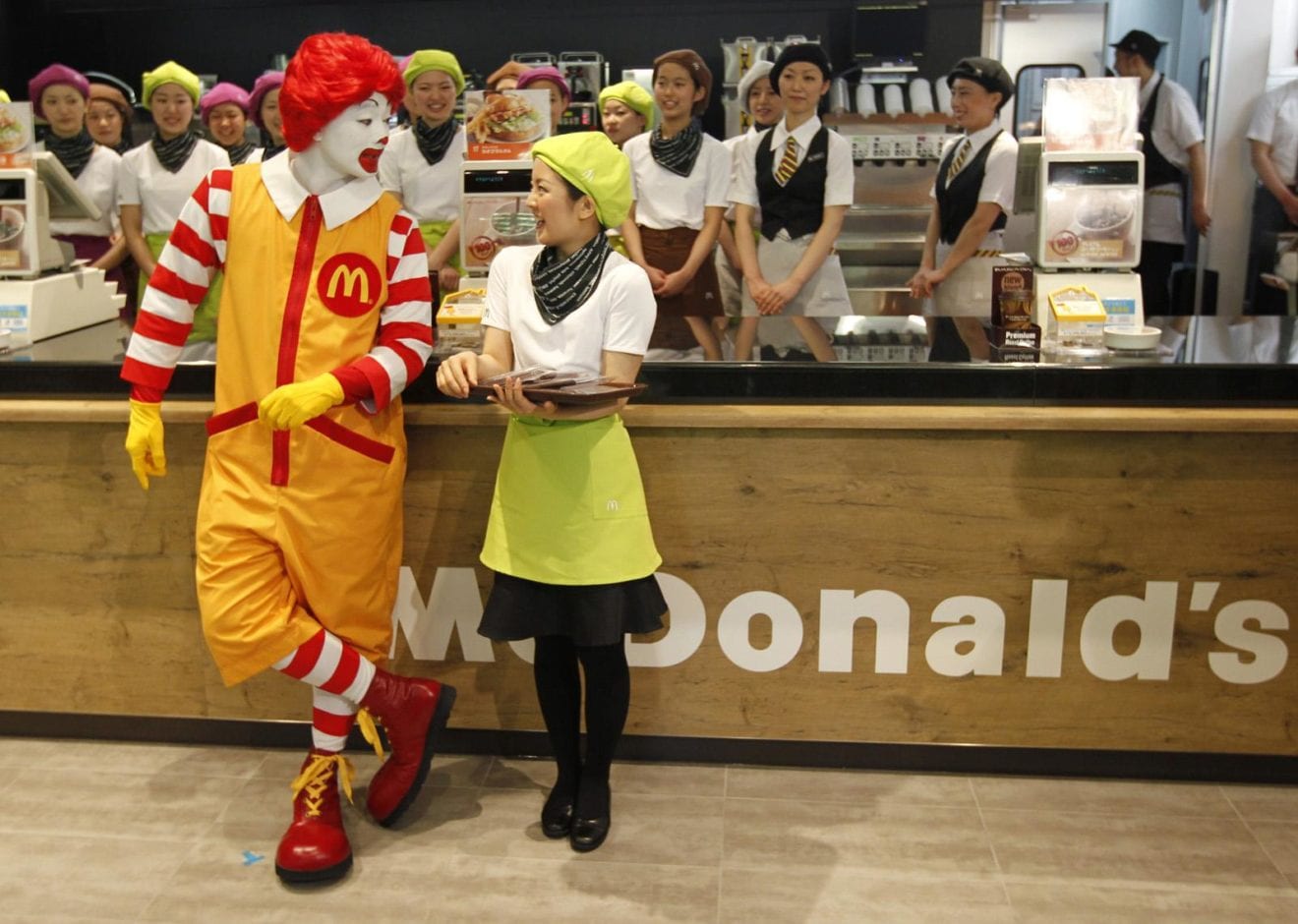
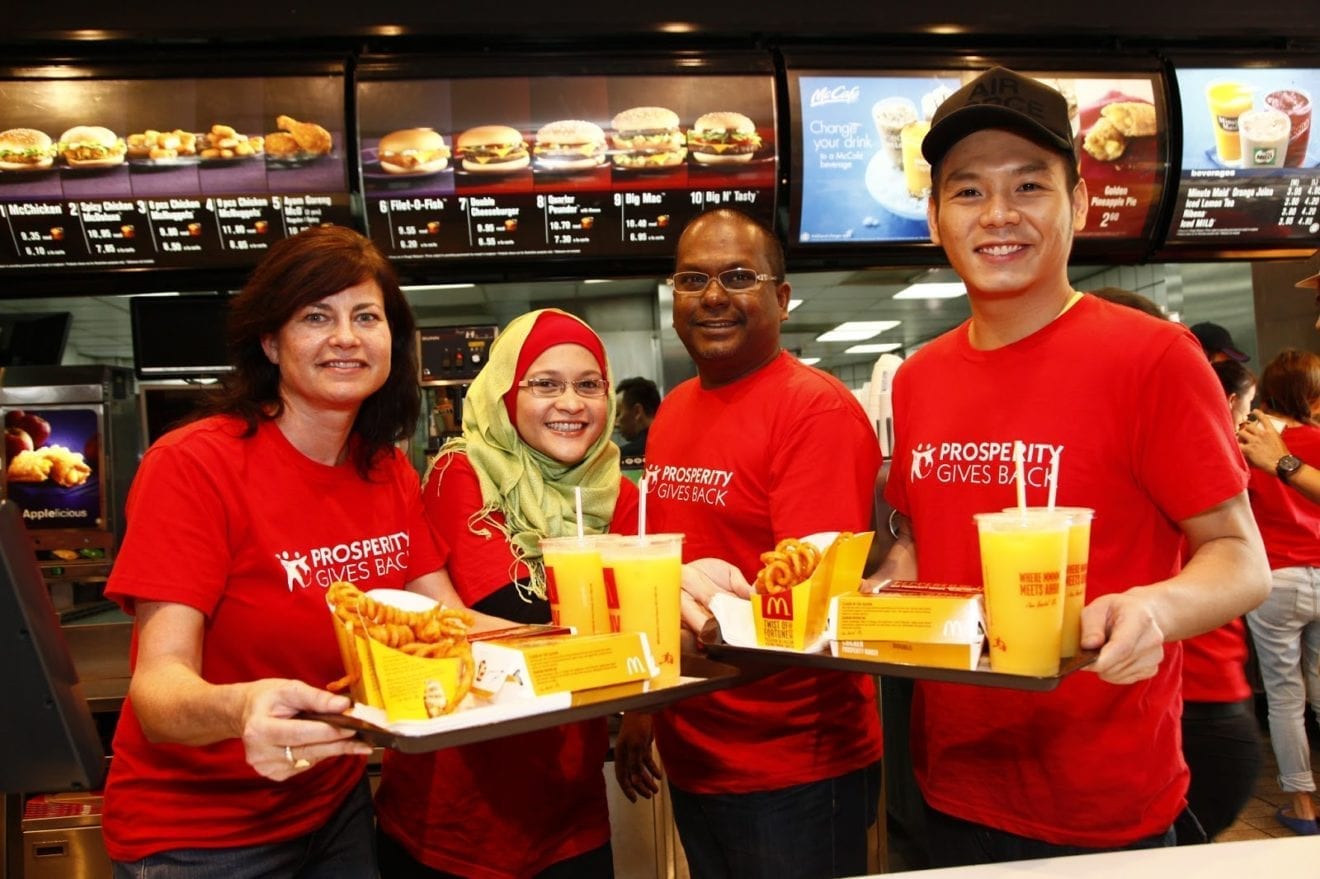
    Twenty-year franchise rights for McDonald’s Malaysia and Singapore outlets have been conditionally sold to a Saudi Arabian group for up to US$400 million.

    Reza Food Services, which owns McDonald’s restaurants in Saudi Arabia, is seeking finance from Malaysian bank CIMB to finance the transaction, insiders say.

    McDonald’s is moving to bring in partners as it switches to a less capital-intensive franchise model in Asia, and has said it wants regional family-owned groups and local tycoons as long-term partners.

    Insiders say the basic terms of the agreement with Reza have been finalised, with the deal expected to be completed by the end of the year.

    McDonald’s, which has about 260 restaurants in Malaysia and about 120 in Singapore, is also selling its China and Hong Kong outlets, and has received final bids from at least three groups.

  • Thai police bust fake instant Nestle coffee factory

    Thai police bust fake instant Nestle coffee factory

    Thai police have busted a fake Nestle instant coffee factory in Bangkok’s northern suburbs.

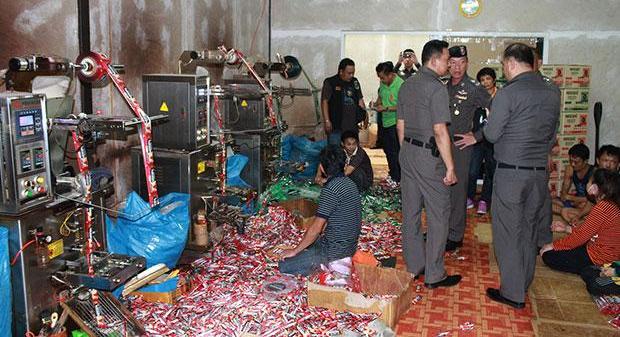
    Acting on a tip-off, a team of police descended on a business premises in Pathum Thani on Thursday armed with a search warrant. Inside they found 2 million THB worth of fake Nestle instant coffee, (equivalent to about US$60,000 at retail value).

    fake-nescafe

    They discovered machinery including four mixing machines, four packaging machines and 19 sacks of mixed instant coffee awaiting packaging, falsely branded Nescafe 3-in-1.  More than 89,000 sachets of fake instant coffee destined for distribution were seized, along with 280,000 empty packs.

    The factory was staffed by nine foreign migrant workers, including four Laos nationals.

    Police are now trying to track down the man running the factory, believed to be from Chiang Rai.

    Once caught he will be charged with producing and selling bogus food products and with producing and selling foods with unlicensed labels. The penalty, if convicted, is a prison term of up to 10 years and a fine of up to 100,000 baht ($3000).

  • Godiva to Open the First Shop in Bangkok

    Godiva to Open the First Shop in Bangkok

    Months after popular ice-cream brand Ben&Jerry opened their first shop in Bangkok, looks like we will be able to continue to binge on new, sweet treats at Godiva.

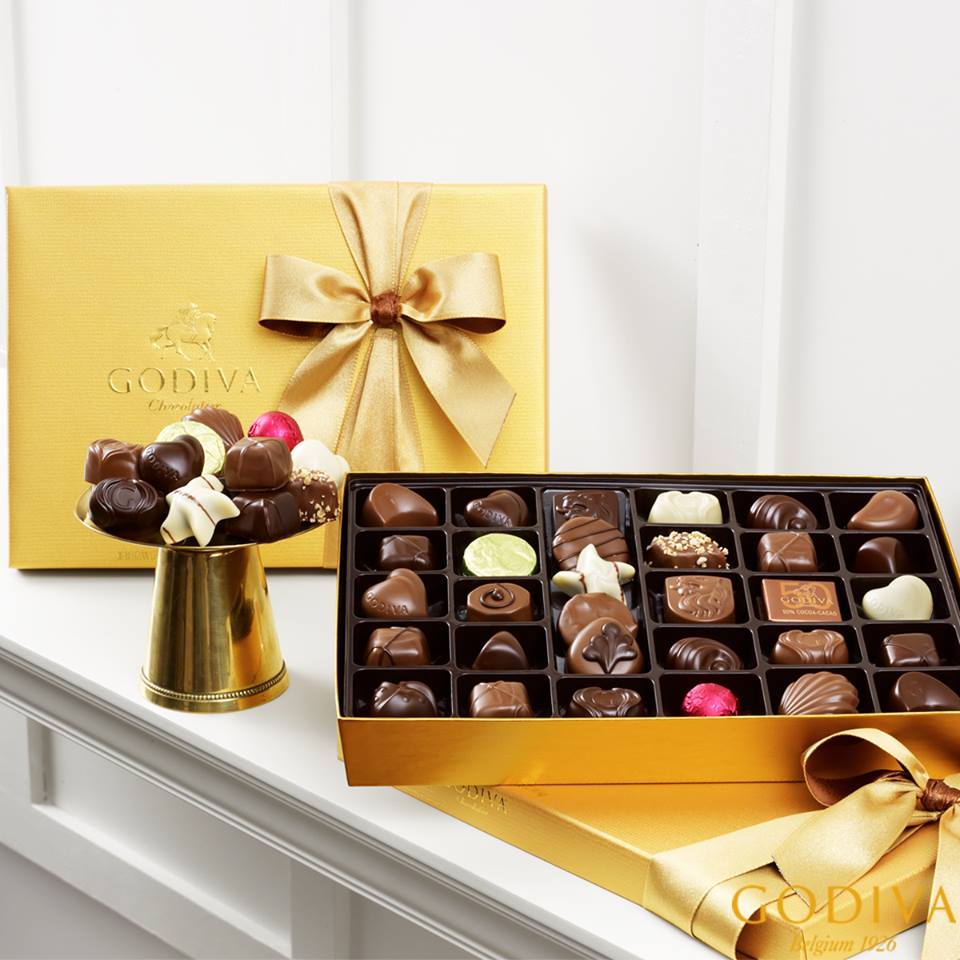
    Godiva, the Belgian luxury chocolate store, announced it will launch its first shop in Bangkok at Groove, in CentralWorld.

    Selling an assortment of premium chocolates, biscuits and frappé drinks. Let’s hope they stock their famous chocolate-covered strawberries as well. Godiva has long been one of the premium edible souvenirs that Thai people buy for each other when traveling abroad.

    The opening date has not yet been confirmed.

  • Governement expects food self-sufficiency in 2018

    Governement expects food self-sufficiency in 2018

    Food self-sufficiency is expected to be realized in 2018, and there will be no imports in 2016, Vice President Jusuf Kalla asserted.

    “Food-sufficiency is expected to be realized within three years for which the efforts have started a year ago,” Kalla said here Friday.

    In order to reach the target several steps have been implemented, including improvement of irrigation methods, and seedling and fertilizer preparation, he added.

    Food security and resilience have been an issue for Indonesia for some time now. It was once a major rice exporter in Asia but is now relying quite heavily on rice imports to meet peoples staple food requirements.

    Food security is also an important social objective.

    Therefore, relying on food markets outside the country in order to meet the needs of Indonesias growing population is critical.

  • Hooters Taiwan launch marks Asian expansion

    Hooters Taiwan launch marks Asian expansion

    Atlanta-based operator and franchiser Hooters of America will enter Taiwan with five new locations.

    The Hooters Taiwan restaurants will be opened by Hooters’ Asian partner, Bangkok-based franchisee Destination Resorts.

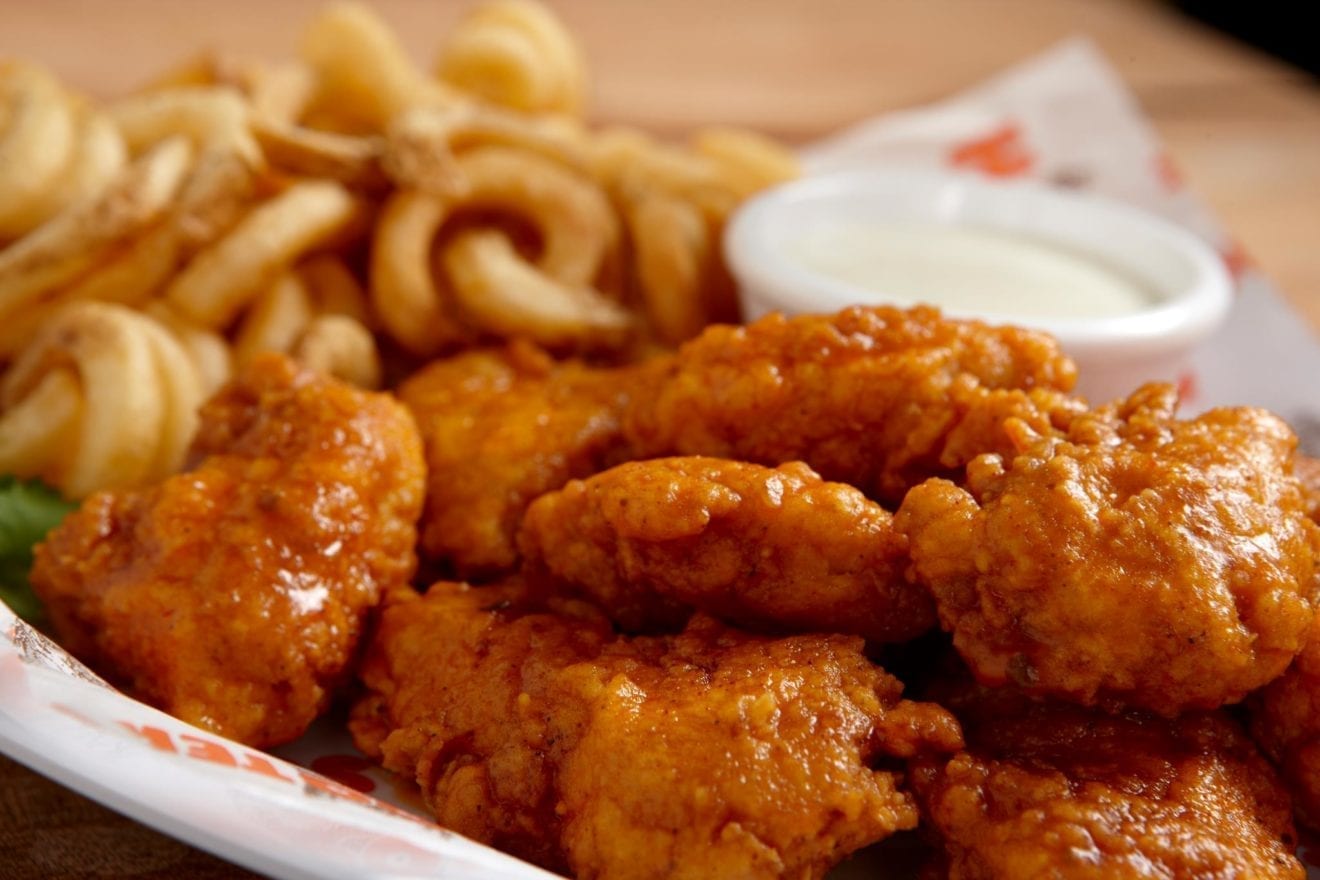
    The first is scheduled to open in Taipei, with typical menu including wings, burgers and salads. The other four will be in Kaohsiung, Taichung, Taoyuan and Tainan.

    “With existing bustling locations throughout Asia, we’ve seen proven demand for Hooters’ world-famous chicken wings served with iconic Hooters Girl hospitality,” said Gary Murray, CEO, Destination Resorts.

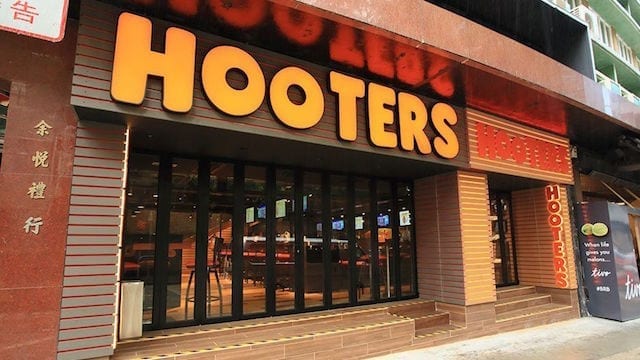
    hooters-hong-kong

    Hooters expects good growth in Taiwan thanks to a robust economy and strong brand recognition in the market.

    Earlier this year the franchisee opened two more Thailand locations, the largest international Hooters in Pattaya, and the nation’s fourth location in Bangkok’s Nana district.

    It also recently opened the first Hooters in Hong Kong. (pictured)

    Four more are planned this year – in Samui, Thailand; Manila Eastwood in Philippines; Marina Bay in Singapore and in Phnom Penh, Cambodia.

    The new locations will incorporate the latest design features that deliver “the familiar, fun-loving persona of the Hooters brand along with contemporary elements that combine to deliver a one-of-a-kind guest experience”.

    Hooters is the franchisor and operator of more than 420 Hooters restaurants in 42 states of the US and 26 countries.

  • McDonald’s Malaysia ‘not in hurry’ to sell

    McDonald’s Malaysia ‘not in hurry’ to sell

    Despite shortlisting several bidders for the McDonald’s Singapore and McDonald’s Malaysia franchise rights, Malaysian subsidiary Golden Arches Restaurants says it is not in a hurry to sell.

    MD Azmir Jaafar says the deal is being discussed with the shortlisted bidders, but no time frame has been set to complete the transaction.

    “We want to find the right partner who understands the local market and can ensure continuity of McDonald’s value and tradition, as well as be backed by strong capital.”

    He says it has always been the group’s idea to sell the franchise rights to a local partner, which would be more efficient than management by a corporate entity.

    McDonald’s Corp announced a revamp of its ownership models throughout Asia in July, including plans to offload its China, Hong Kong, Malaysia, Singapore and South Korea master franchises.

    CEO Steve Easterbrook’s plan covers about 4000 restaurants with an ultimate goal of having at least 95 per cent of the group’s restaurants franchised.

    Meanwhile, Azmir says that as the Malaysian deal is a business transaction “we will ensure the valuation is done properly”.

    “Still potential”

    There are 260 McDonald’s restaurants in Malaysia, with Golden Arches managing 200 and the rest in the hands of a third party. Though Malaysia has a population of only about 30 million people, which is relatively smaller than China and Indonesia, Azmir still sees huge potential in the market.

    “There are still many underserved areas,” he says. “As the government is improving the infrastructure in Sabah and Sarawak, I think we can expand our footprint into Kota Kinabalu and Kuching and other cities.”

    Azmir says the company intends to open 30 stores in the Klang Valley, Johor, Melaka and Penang as well as Sabah and Sarawak in the next three years. Five to seven new stores are targeted for this year, with one in Presint 2, Putrajaya, and another in Chukai, Terengganu, already open.

    “Our expansion plan is focussed on stand-alone stores as this model works very well, especially in terms of accessibility and convenience. Our ultimate goal is to have 500 stores in the country.”

    Azmir says the company also intends to renovate and remodel up to 30 outlets, each to cost about RM1 million (US$241,700). They have been open for nearly 30 years and will also have their technology upgraded.

    Combined, McDonald’s Singapore and McDonald’s Malaysia have enjoyed record sales in the past few months and is still targeting higher double-digit growth this year.

    Even following the introduction of the goods and services tax in Malaysia in April last year, Azmir says the company raised its selling prices by only about 1 per cent to offset the higher raw-material cost.
    He believes McDonald’s has captured up to 42 per cent market share in the Malaysian fast-food market.

  • Yum China has ‘huge potential’

    Yum China has ‘huge potential’

    Yum China is set to exploit “huge potential” after its spin-off from its US parent, says Neil Saunders, CEO of Conlumino.

    Commenting on the parent company’s latest results, the US-based retail commentator said  while the China division once again delivered “an anemic performance” with total system sales declining by 3 per cent over the prior year, the best is yet to come.

    Revenue at both Pizza Hut and KFC fell on a same-restaurant basis.

    “This means that in the year to date, in real terms the China operation has posted no real sales growth. Fortunately, changes to value-added tax in the country allowed Yum! to ease up operating profits across the quarter,” said Saunders.

    “The position of China as a business which has huge potential once it gets through the current patch of slow growth, largely justifies its imminent spin-off into a completely separate operation. The divorce from the rest of the Yum! operation will allow both sides to focus more on their respective priorities and opportunities.”

    He said the overall global result for Yum! Brands suggest the company is making good headway in an increasingly challenging market.

    “However, the reality is far more mixed – mostly because Yum!’s growth figures are flattered by the fact the company strips out exchange rate fluctuations. When these are put back in, total revenue experienced a shrink of 3 per cent over the prior year – a far less impressive outcome.

    “In terms of the core business, the main focus needs to be Pizza Hut which has become something of a problem child for Yum! Over the quarter system sales shrank by 2 per cent in real terms, underpinned by a 1 per cent decline in same-restaurant sales. While there are some markets in which the brand is performing well, these continues to be overshadowed by the US which accounts for the majority of Pizza Hut’s revenue.”

    Saunders said that while admittedly the overall casual dining market, in which Pizza Hut loosely falls, saw customer traffic and spend decline over the third quarter.

    “However, our data also show that Pizza Hut is losing customer share to delivery services like Papa John’s and Domino’s. A defection to cheaper fast-food alternatives, especially among younger families, has also been unhelpful. This is an uncomfortable position and underlines the fact that Pizza Hut still has much work to do in terms of reinvigorating its brand.”

    Taco Bell, meanwhile, had a better quarter with a 5 per cent system-sales growth and 3 per cent same-restaurant growth.

    “While Taco Bell has benefitted from challenges at Chipotle, in our view most of the success is down to a change in marketing which is now more relevant to the younger millennial audience. Menu simplification and focus on popular lines has also helped to drive growth. We think these steps should be seen as part of a longer term upswing in the brand’s fortune.”

    Saunders said that while KFC had a much better quarter than the previous one, especially in the US, Conlumino still harbors concerns about the brand’s longer term growth prospects as younger upstarts like Chick-Fil-A or Popeyes Louisiana Kitchen continue to gain traction.

    “As such, we see KFC’s latest upswing as part of a more turbulent longer term picture.”

  • Barry Callebaut Opens First Chocolate Factory in Indonesia

    Barry Callebaut Opens First Chocolate Factory in Indonesia

    Swiss chocolate producer Barry Callebaut has expanded its operations in Indonesia with the grand opening of its first chocolate factory in the country.

    Through a long-term outsourcing agreement with GarudaFood Group, one of the largest food and beverage companies in Indonesia, Barry Callebaut built its three-story, 43,000-sq.-ft. factory on the premises of GarudaFood’s biscuit plant in Gresik. Barry Callebaut will also supply GarudaFood with 10,000 tons of chocolate per year.

    Antoine de Saint-Affrique, Barry Callebaut’s ceo, said the new factory, which will employ 50 people, is a “cornerstone” in its strategy to strengthen its position in Asian Pacific markets.

    “It also enables us to grow our already significant presence in Indonesia — an important emerging market with about 260 million people that offers above-average growth opportunities,” he says. “We are truly excited that our strong relationship with GarudaFood and this new factory will provide GarudaFood with the means to differentiate themselves in an increasingly competitive market.”

    GarudaFood CEO Hardianto Atmadja said the partnership will give GarudaFood the opportunity to put emphasis on biscuit production, including its Gery brand.

    “The chocolate production lines at the Barry Callebaut factory allow us to focus our manufacturing facilities in Indonesia on biscuits and strengthen the factory as a key competence center for our biscuits products in Indonesia,” he says. “This move will help us to further develop our successful biscuit brands.”

    Barry Callebaut also operates chocolate grinding facilities in Bandung and Makassar, Indonesia, employing more than 500 people. The company also has chocolate factories in China, India, Japan, Singapore and Malaysia.

  • McDonald’s China Stores Could Fetch $2 Billion

    McDonald’s China Stores Could Fetch $2 Billion

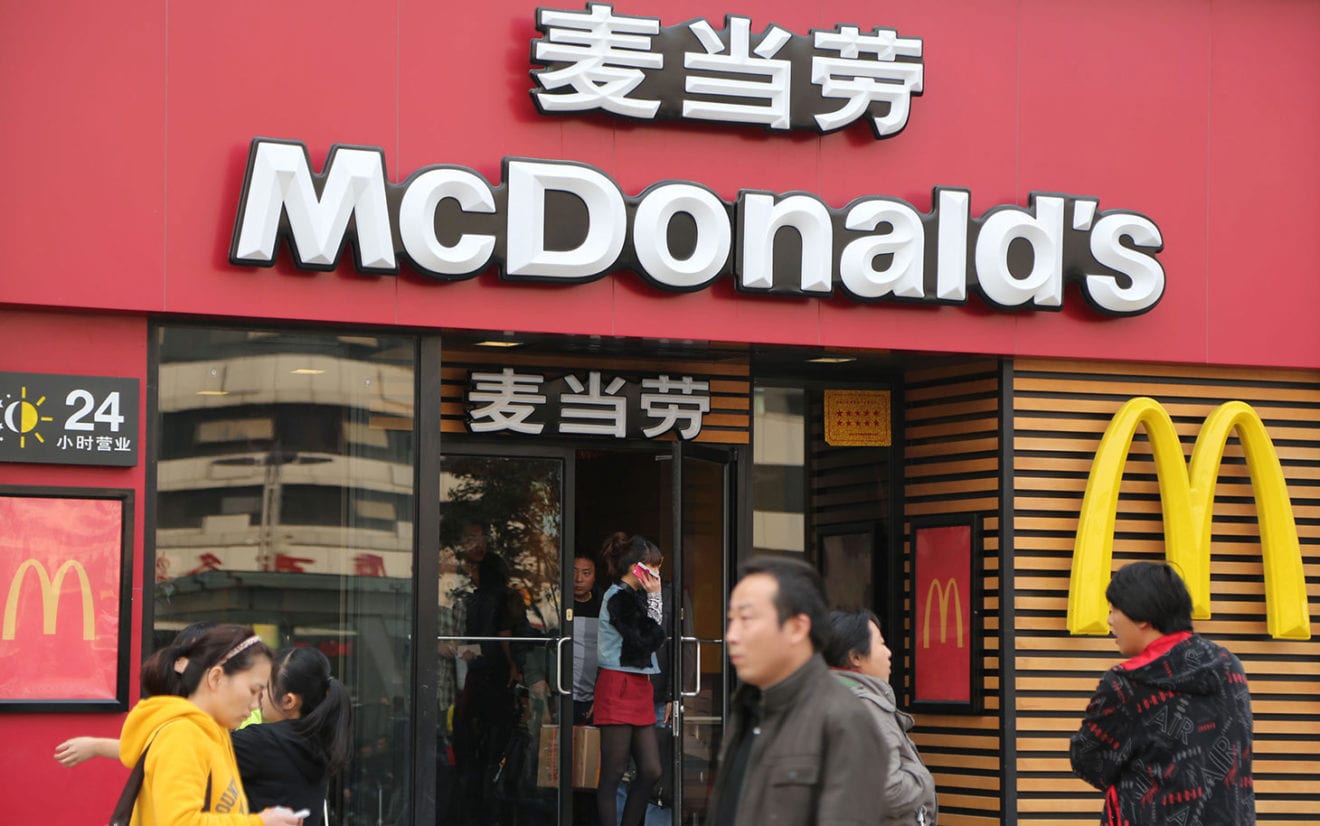
    McDonald’s Corp. Chief Executive Steve Easterbrook, aiming to slim down the Golden Arches and boost profit, has turned to the market where he can do something big, fast: China.

    The Oak Brook, Ill., chain is looking to cut a deal to turn its 2,200-store empire in China—65% of which it owns and operates—into a cash machine through all-out franchising. The move, for which a partner could be determined before the end of the year, is expected to fetch between $1.5 billion and $2 billion up front from investors, people familiar with the matter said.

    McDonald’s would also rake in an estimated 5% to 7% of sales for the 20-year life of the deal. It would keep a minority stake in these far-flung stores, while slashing its operational costs and preserving capital.

    The timing of the initiative also reflects the maturing of the fast-food business in China, where McDonald’s and Yum Brands Inc.—owner of Kentucky Fried Chicken and Pizza Hut—have operated for a quarter-century.

    As big consumer chains move from the familiar streets of Beijing, Shanghai, Guangzhou and other metropolises to smaller cities, they need Chinese partners with knowledge of the country’s real estate and market demographics to know where to put new stores and how to supply them.

    “In the lower-tier cities, we want to accelerate, and a local partner would have more local wisdom and more local resources,” Phyllis Cheung, chief executive of McDonald’s China, said in an interview. “The whole idea of franchising is that you have more flexibility and speed to market—and are more able to answer to consumer needs.”

    There appears to be a healthy appetite for the deal. A clutch of at least six bidders has shown interest in a McDonald’s China franchising deal, including U.S. private-equity giantsCarlyle Group LP, TPG and Bain Capital LLC, according to people familiar with the situation.

    The three private-equity firms have teamed up with local Chinese partners, such as CiticLtd. and Wumart Stores Inc., who know local market conditions. McDonald’s is also looking to cut a similar deal with outside investors for its South Korea stores.

    In China and Hong Kong, McDonald’s is asking its potential partner to take over its more than 1,400 company-owned restaurants and build 1,300 new stores. It still has room to grow in China, the only major market where the number of Kentucky Fried Chicken stores—5,000 and counting—outstrips the number of McDonald’s stores.

    The winner will operate in a country where the novelty of burgers, fries and shakes has long since faded. It will need to find new ways to satisfy Chinese consumers demanding healthier, more upscale and personalized alternatives.

    Bessie Wang, 33 years old, began eating at McDonald’s in grade school soon after the fast-food chain entered China 26 years ago, becoming a fan of the company’s fried-chicken sandwiches.

    On a recent weekday, Ms. Wang was dining on a spicy chicken sandwich at the McDonald’s on Beijing’s Wangfujing shopping street. But her visits have declined.

    “Taste isn’t the issue; it’s health reasons,” said Ms. Wang, an office administrator. “I don’t need to go as often anymore because other restaurants offer fried-chicken dishes.”

    Sales from established McDonald’s stores in China have bounced back from a supplier issue that led to shortages of hamburgers and chicken at some restaurants in 2014. Same-store McDonald’s sales in the country shrank for four consecutive quarters before they began recovering in the middle of last year, according to figures provided on the company’s earnings calls.

    And competition is rising. Dicos, a Taiwanese-owned chain, for example, offers chicken sandwiches at more than 2,000 restaurants in China, matching the scale of McDonald’s. Another growing Chinese fast-food chain, known as Real Kung Fu, sports a Bruce Lee logo, offering bowls of Chinese noodles with beef and pork.

    The growing competition, Ms. Cheung said, is one reason McDonald’s is looking for a Chinese partner with a “deep understanding” of China’s market, rather than one that can simply bankroll new stores.

    Yum announced a similar move last year to spin off its KFC and Pizza Hut operations in China and maintain a foothold in the country through royalty payments.

    For companies such as McDonald’s and Yum, moving toward a franchise-only model in China makes sense now because the market has matured to the point where there are more people with experience running fast-food chains and fast-casual restaurants, according to Ben Cavender, director at China Market Research Group.

    “There’s a stronger talent pool, and they have the capability to operate a franchise and operate it well,” he said. “Brands are also clamoring to try to grow into new markets, and they might not be able to do it quickly by themselves, and they need help.”
  • Indonesia to reach self sufficiency in salt supply

    Indonesia to reach self sufficiency in salt supply

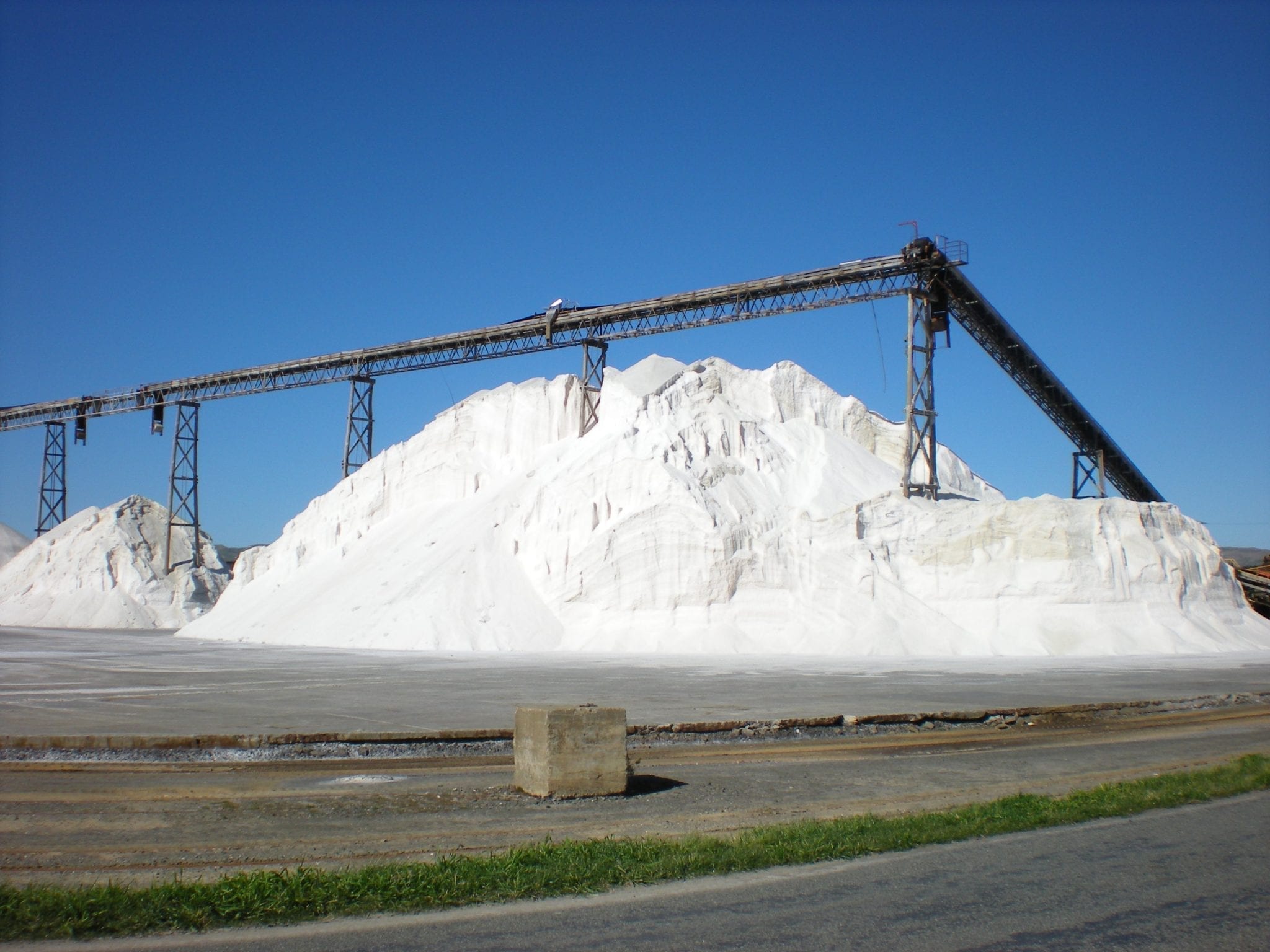
    The government is optimistic the country would be self sufficient in salt supply in 2017, an official said here on Wednesday.

    Agung Kuswandono, the Deputy II in Coordination of Natural Resources and Service at the office of the Coordinating Minister for Maritime Affairs said self sufficiency in salt supply is expected to be reached in 2017.

    Agung said the Marine and Fisheries Ministry has taken various steps to improve the quality of the farmers salt to meet the standards for household consumption and industries.

    He said the country needs around 4.02 million tons of salt including 2.05 million tons of industrial salt and 1.97 million tons of consumption salt.

    The domestic production is around 3.8 million tons a year including 3.1 million tons of farmers salt and 700,000 tons produced by the state -owned salt company PT Garam.

    Based on data from the Indonesian Association of Salt Consuming Industries (AIPGI), in 2015 , the country needs 400,000 tons of salt to preserve fishes a year.

    The process of fish salting generally does not use iodine although iodine is important for human health, Agung said.

    Indonesia imports salt especially from Australia to cover the deficit in domestic supply

  • McDonald’s Philippines in massive expansion plan

    McDonald’s Philippines in massive expansion plan

    The McDonald’s Philippines network is set to nearly double by 2020.

    Parent Alliance Global Group (AGI) says it will reach 500 outlets by the end of 2016 – and it plans to open another 400 restaurants between 2017 and 2020.

    The plan was revealed during a briefing of AGI’s broader plan to boost its commercial and retail businesses with a special focus on regions outside Luzon where the pace of economic growth is gaining speed.

    “We have already laid out the foundation and made significant investments across all our business segments, both here and abroad, in order to future-proof our growth,” said Andrew Tan, founder of AIG, during a shareholder briefing.

    The broader AGI retail portfolio will be expanded from 236,000 sqm currently to 633,000 sqm during the next five years, meaning an annual addition of 80,000 sqm, three times the 25,000 sqm added between 2010 and 2015.

    Expanding the McDonald’s store network nationwide will take advantage of a widespread improvement in consumer demand, he said.

    AGI president and COO Kingson U Sian described the township developments of AGI subsidiary Megaworld as “a platform for the conglomerate to take advantage of the government’s thrust to develop the provinces”.

    “These 3000 hectares that we have for 21 townships – 90 per cent of that is actually outside Metro Manila. So, clearly we are already well positioned if government develops or invests or encourages more development outside Metro Manila,” he said.

    “If growth is spurred in Visayas and Mindanao – a sleeping giant – if we can create more interest and infrastructure spending in the south, then that would obviously increase. We believe if we do it properly, maybe from 6-7 per cent we can grow at a faster clip because now we have three engines of growth,” Sian said.

  • PJ’s Coffee expands to Vietnam

    PJ’s Coffee expands to Vietnam

    The New Orleans chain PJ’s Coffee has opened its first shop in Ho Chi Minh City, Vietnam.

    The cafe is located in the Union Square shopping mall, while a second shop is planned to be opened in December. Within five years, PJ’s plans to open 10 more shops in Vietnam and 10 more in other Southeast Asian markets  before moving into the Middle East.

    The company says the Vietnamese population’s passion for coffee – with similar daily consumption habits to people in New Orleans – has encouraged the expansion plan.

    The Vietnam PJ’s Coffee shop menu features pastries, teas and iced, frozen and hot coffee drinks.

    PJ's coffee Vietnam

    PJ’s, now under the management of Ballard Brands, was founded in 1978 by Phyllis Jordan and operates 85 coffee shops in seven states of the US.

    In Vietnam, the chain is managed by master franchisee Rick Yvanovich.