Category: Food

Retail News Asia is committed to providing both local and global retailers with the latest Food and Food & Beverage news throughout the Asian market. This on a daily base.

  • FPT Retail Vietnam sets up milk store chain

    FPT Retail Vietnam sets up milk store chain

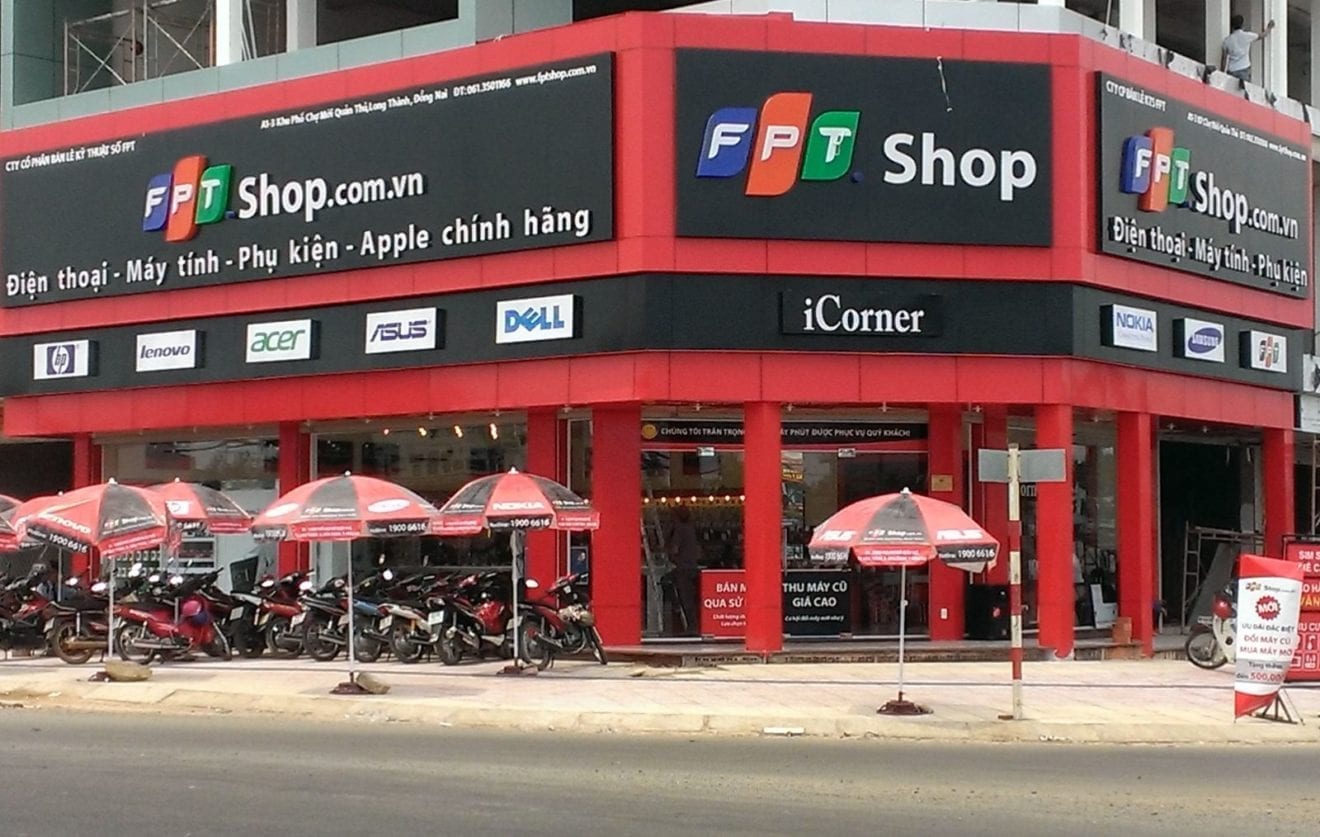
    Vinamilk and FPT Retail Vietnam have entered a joint venture to open a chain of stores specialising in dairy products.

    This “uncommon partnership” is hoped to bring benefits to both parties, FPT adding extensive retail industry experience and insight, Vinamilk a household name and favourite brand.

    A six-month pilot program will see the concept trialled at two of 200 FPT stores in Ho Chi Minh City, with a nationwide rollout to follow if the trial proves a success. Most of the stores will be located alongside an FPT store.

    Vinamilk-FPT instore

    The two sides hope this ‘win-win partnership’ will maximise their own strengths in manufacturing, distribution and retail.

    Shoppers at the Vinamilk stores will have access to product information, direct or online consultation, delivery and other promotions and offers.

    Vinamilk started selling dairy products online earlier this month to compete with new players in the dairy market, including Dutch Lady, Mead Johnson, Nestle, Abbott and TH True Milk.

  • Carl’s Jr Cambodia opens first drive-through

    Carl’s Jr Cambodia opens first drive-through

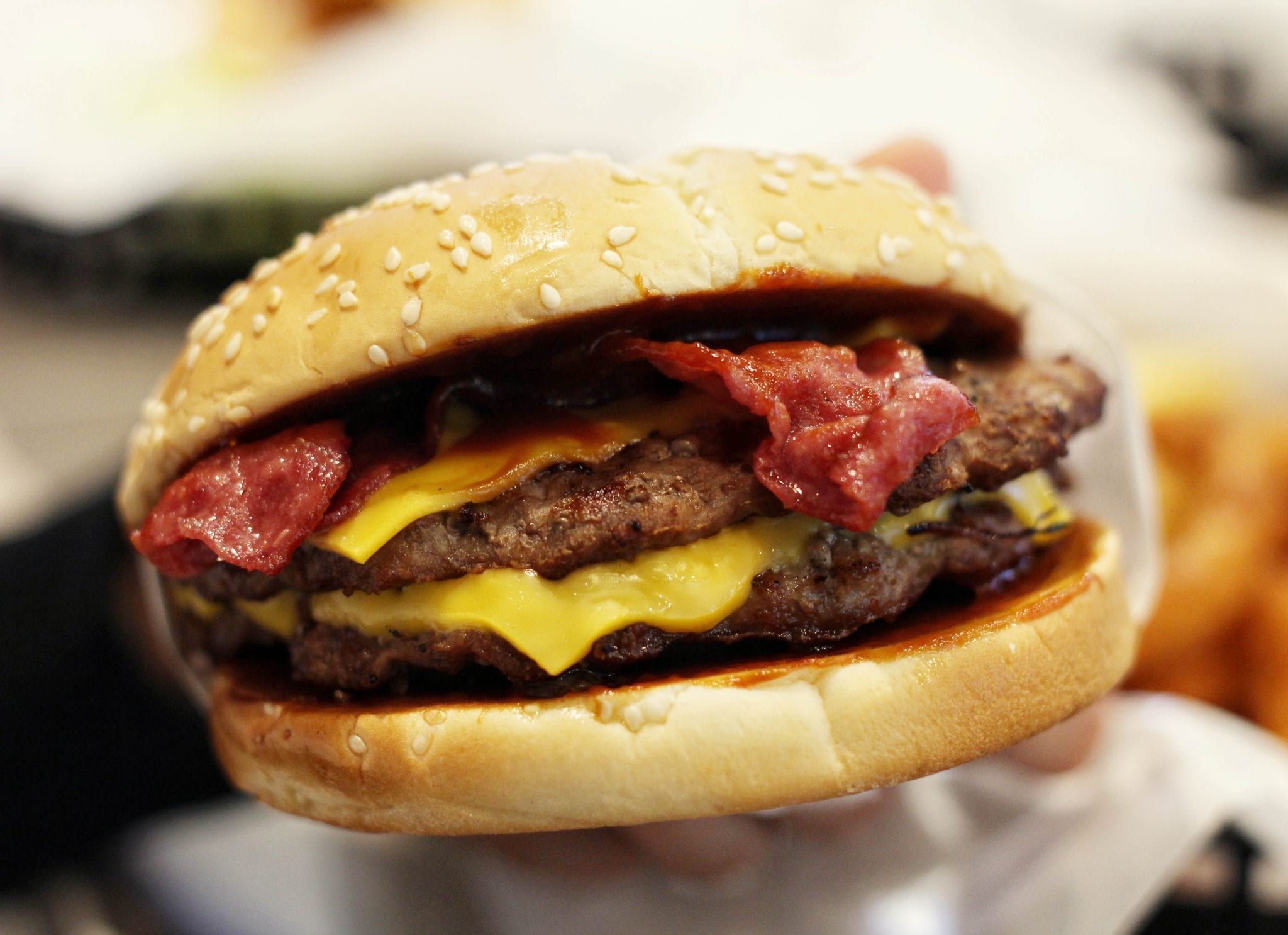
    Cambodia has its first quick-service drive-through restaurant with the opening of a Carl’s Jr burger outlet in Phnom Penh, being run by TH F&B Co.

    Carl’s Jr Cambodia has been franchised by California-based CKE Restaurants Holdings, the parent company of Carl’s Jr and Hardee’s.

    “We’ve been experiencing phenomenal international growth this year,” says CKE international president Ned Lyerly. “In fact, Cambodia comes on the heels of successful openings in Australia, Japan and Kenya, and marks the 40th country CKE International has entered.

    “This is an important market for our overall expansion strategy, and we plan to open 15 restaurants in Cambodia.”

    Carl’s Jr Cambodia store

    As well as burgers, the Carl’s Jr brand offers chicken sandwiches, all made fresh to order. Its burgers feature chargrilled Australian beef. Also on the menus are ice-cream shakes.

    “We’re confident that Cambodia, with its large youthful population and increased awareness and desire for western brands, is going to love having this global burger chain,” says TH F&B MD Hav Norm.

    On the corner of Street 51 and Street 310 in Phnom Penh, the restaurant is open 12 hours daily, offering partial table service, an “all you can drink” beverage bar and complimentary Wi-Fi.

    Carl’s Jr Cambodia

    A privately held company headquartered in Carpinteria, California, CKE had its beginnings with Carl Karcher’s hot-dog cart in the 1940s. It now has 3729 franchised or company-run Carl’s Jr Restaurants and Hardee’s outlets in 44 states and 40 countries.

    Awarded with the master franchise and the exclusive rights to run Carl’s Jr in Cambodia, TH F&B Co has a portfolio including Cold Stone Creamery and Gyu-Kaku Japanese BBQ.

  • Gong Cha Korea to expand globally

    Gong Cha Korea to expand globally

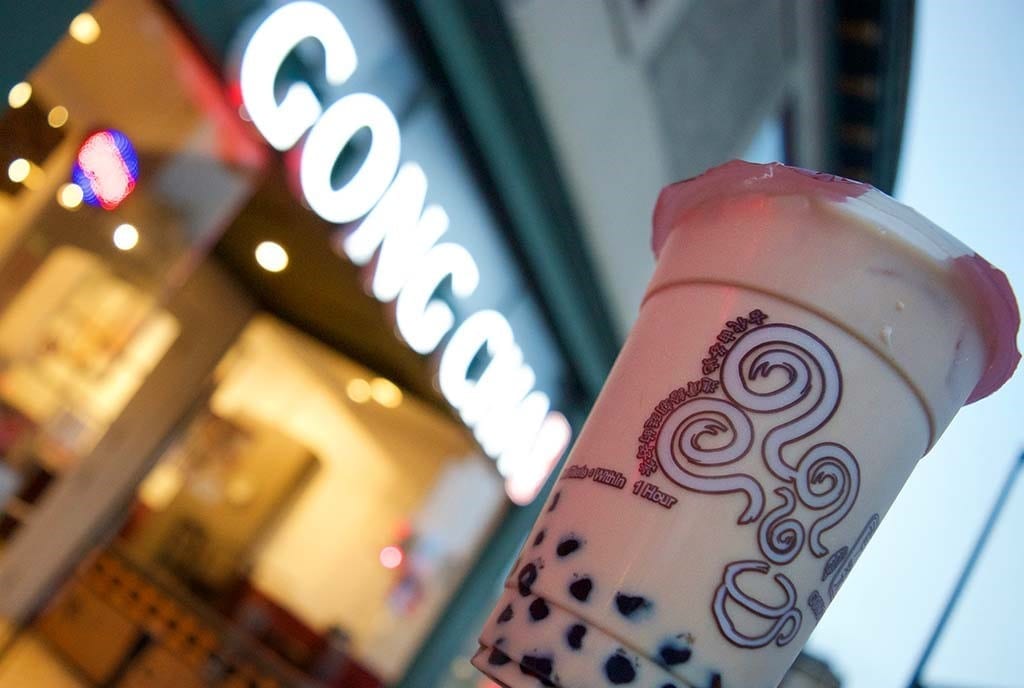
    Bubble tea brand Gong Cha Korea is planning international expansion.

    Aided by the global passion for Hallyu, or the so-called Korean Wave, Gong Cha plans to open stores in the Middle East and Europe. It will also buy more than 1380 stores in 18 countries, including the US, Canada, Australia, New Zealand, China, Japan, Singapore, the Philippines, and Hong Kong.

    Currently, Gong Cha Korea operates only about 360 stores in its home market, which last year brought in KRW8 billion (US$7 million) profit – representing 11 per cent growth year-on-year.

    As most of Gong Cha’s customers are aged from 10 to their 30s, the company expects entering new foreign markets will be easier through creating synergies with Hallyu.

    The expansion will be facilitated by a share transaction with its parent company Royal Tea Taiwan in which the Korean business will progressively boost its ownership from 35 per cent to 70 per cent by January 2017.

    Royal Tea Taiwan was launched in 2006, and introduced to Korea by franchisee Kim Yeo-jin in 2012. Two years later, Japanese private equity fund Unison Capital bought 70 per cent of the Korean business.

  • Indonesia`s  food and beverage companies show their product in Paris

    Indonesia`s food and beverage companies show their product in Paris

    Twenty of Indonesias food and beverage companies from around the country have displayed their products at Salon International de Lalimentation (SIAL) in Paris, France.

    The Industry Ministry of Indonesia has assisted these companies in displaying the diversity of Indonesia’s leading products, ranging from coffee, soft drinks, processed oil, health drinks, snacks, biscuits, instant noodles, processed fruit and processed fish, as well as organic foods, said Secretary of the Directorate General of Agro Industry of Industry Ministry, Enny Ratnaningtyas, in a press release received here on Tuesday.

    The Indonesian companies reflect the competitiveness of Agro products from Indonesia in international markets, as well as opening opportunities for broadening export markets.

    According to Enny, the SIAL Paris 2016 event will bring Indonesian food and beverage products to the European community, as well as the world, due to the attendance by businessmen and visitors from many foreign countries.

    “Moreover, the SIAL Paris 2016 exhibitors can interact with all potential buyers from Europe and Asia, as well as visitors from around the world who will be present at this exhibition,” said Enny.

    Enny also said the twenty companies will be located in the Indonesian pavilion, in Hall 4 booth 4M138 at the Paris-Nord Villepinte.

    The booth is located close to the Indonesian Trade Promotion Center of Lyon.

    Separately, Director General of the Ministry of Industry Panggah Ago Susanto noted that the nation’s food and beverage industry has been able to excel in both the domestic and global markets.

    This is reflected in its positive performance, such as in 2015, which accounted for 30.84 percent of the GDP of the non-oil processing industry and 5.61 percent of the national GDP.

    Meanwhile, the export value of Indonesian food and beverage products in 2015 amounted to 26.539 billion US dollars.

    “Special food and drink exports to France in 2015 reached 34.5 million US dollars, or 0.13 percent of the total exports of food and beverage products to the world,” said Panggah.
  • Korea’s Mangosix arrives in Japan

    Korea’s Mangosix arrives in Japan

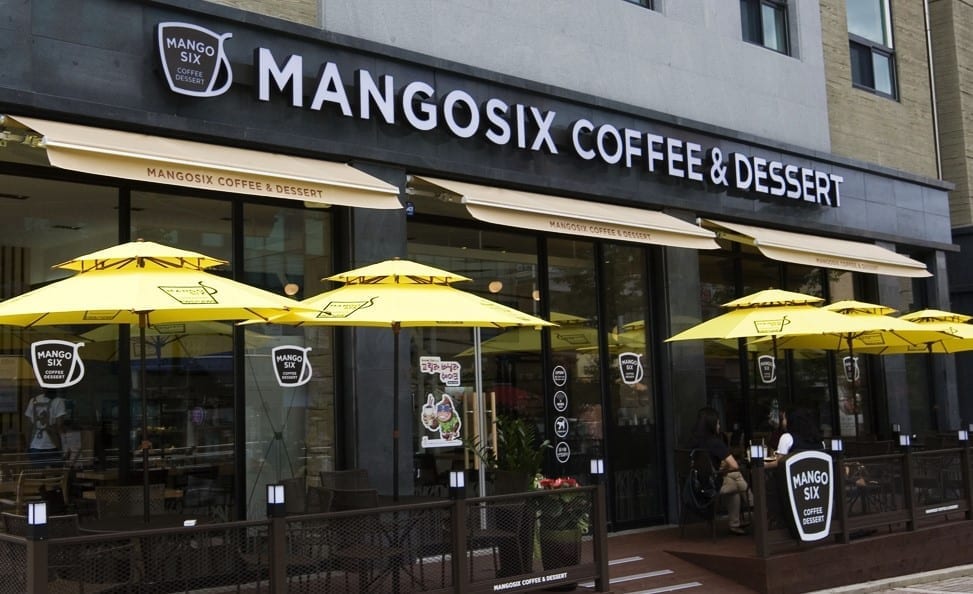
    Korean cafe chain Mangosix has opened its first branch in Japan, in Don Quijote Miyakojima store in Nishisato, Hirara, in Okinawa.

    With mango juice as its main product, Mangosix opened its first store in 2011 and now has about 230 outlets in Asia, Europe and the US.

    For the first time, Mangosix will also offer ice brewed coffee at its Japanese store. Milkissimo’s gelato from Hokkaido is used for sweets and coffee toppings. Miyako-jima island is known for its mangoes, which is why the company decided to open its first store there.

    Mangosix Japan president Akira Kito says the company aims to open 30 stores in Japan within the next three years.

  • Malaysia Milk recalls Marigold HL products

    Malaysia Milk recalls Marigold HL products

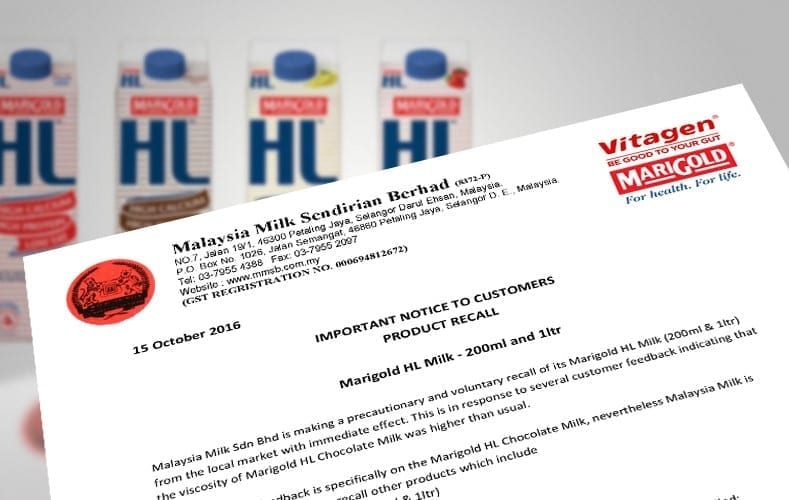
    Malaysia Milk has fully recalled its Marigold HL milk products from Malaysia retail outlets following customer complaints, the company said on Monday (Oct 17).

    The quality of the milk had been compromised due to bacterial contamination, but this has since been rectified, Malaysia Milk added. “Side effects of consuming the compromised quality of milk may include mild stomach discomfort. There are no long-term side effects,” it said in a statement.

    New batches of milk have been delivered to retailers, the company said.

    Malaysia Milk announced on Saturday that all Marigold HL milk products expiring before Nov 7 for Peninsular Malaysia and before Nov 11 for the Sabah, Sarawak and Labuan markets are being recalled, in response to customer feedback that the viscosity of its Marigold HL chocolate milk was higher than usual. Viscosity refers to the “thickness” of a liquid.

    “While customer feedback is specifically on the Marigold HL chocolate milk, nevertheless Malaysia Milk is taking proactive measures to recall other products which include Marigold HL plain milk (200ml and 1L), Marigold HL strawberry milk (200ml and 1L) and Marigold HL with plant sterols (1L),” it said over the weekend.

    Malaysia Milk stressed that customers’ health and safety is its top priority. “We have taken proactive measures and have successfully recalled all our products from retail outlets. An additional and more stringent Quality Control is now in place on finished products to keep a daily check on products to ensure conformity with the highest international standards,” said Malaysia Milk general manager Poh Eng Lip.

    Customers who have purchased the affected products should return them to Malaysia Milk for a replacement or contact its customer service team at 1800-885587 or [email protected].

    The recall does not affect the company’s products in Singapore, local manufacturer Malaysia Dairy Industries said.

  • Brazil Challenges Indonesia`s Halal Certification Policy

    Brazil Challenges Indonesia`s Halal Certification Policy

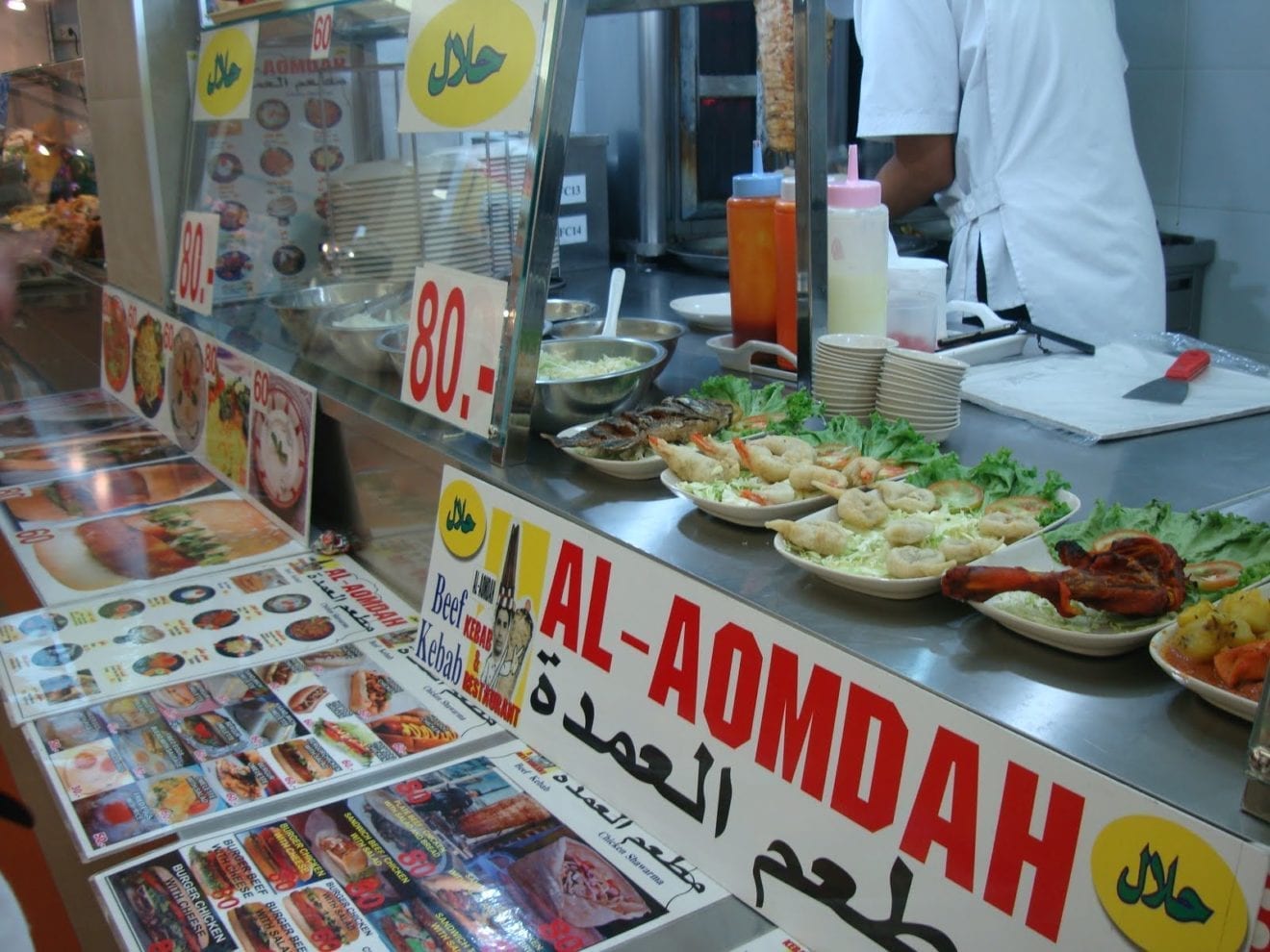
    Brazil has filed a complaint against Indonesia to the World Trade Organization (WTO), challenging Indonesia’s halal certification requirements for imported meat.

    The trade dispute has been registered in Indonesia-Measures Concerning the Importation of Chicken Meat and Chicken Products No. DS:484. The second substantive meeting was held on October 11-12 at the headquarters of the WTO in Geneva, Switzerland.

    Ahmad Firdaus Sukmono, head of Trade Advocacy Bureau, the Trade Ministry, said that the policy is implemented as part of the government’s consumer protection efforts. “The dispute is focused on Indonesia’s rights to ensure compliance with food safety and halal requirements,” he said on Friday.

    Brazil has also lodged claims against Indonesia for its import restrictions, namely the positive list, usage requirements, transportation modes in import and suspension of sanitation requirement approval. Brazil claims that such policies have hampered Brazil’s export to Indonesia.

    Being the world’s largest chicken exporter, Brazil sees that the access to Indonesian market has been shut down in the past seven years. Because Indonesia only allows exported halal whole chickens which are slaughtered individually in henhouses. “We suspect that Brazil has yet to implement it,” Firdaus said.

    Firdaus said Indonesia has responded to Brazil’s claims. “Indonesia has been very transparent in import regulations and requirements.”

    Malaysia had also filed complaints about the difficulty in obtaining halal certification in Indonesia even though Malaysia has got its products halal certified by Jabatan Kemajuan Islam Malaysia, according to Malaysia’s International Trade and Industry Minister Dato’ Sri Mustapa Mohamed. However, Indonesia requires imported products to be halal certified by the Indonesian Ulema Council.

  • Shanghai Laiyifen IPO to fund expansion

    Shanghai Laiyifen IPO to fund expansion

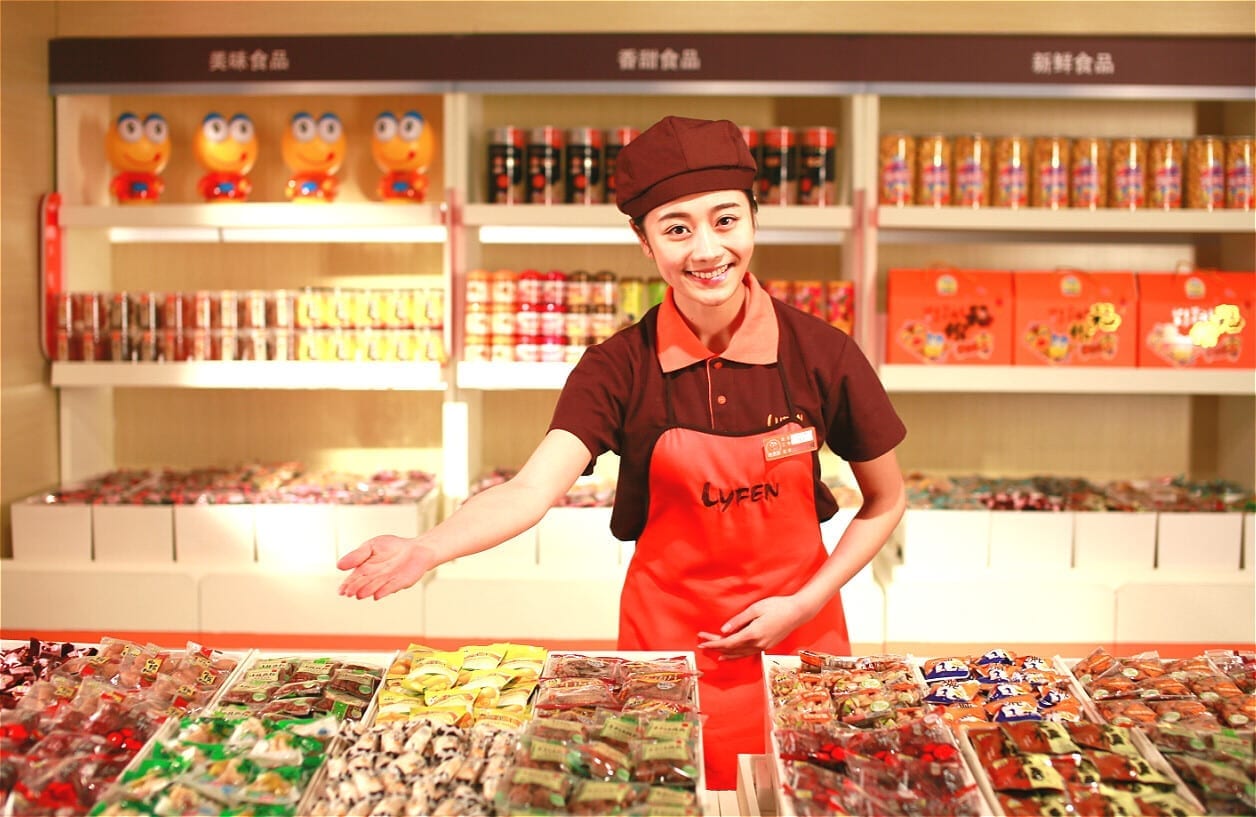
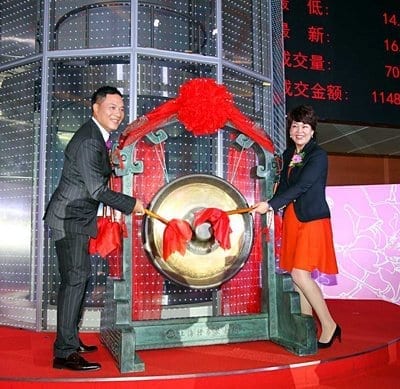
    Shanghai Laiyifen, the owner and operator of a chain of snack food stores in China, has completed an IPO in Shanghai, listing on Wednesday.

    Laiyifen is the first Chinese company specialising in snacks to go public. On the same day its massive advertising hoarding in New York’s Times Square was unveiled.

    shanghai-laiyifen-ipo

    After 17 years, the company has transformed itself from a small snack shop on a Shanghai street into a robust snack foods business, drawing the attention of both domestic and international media organisations by creating a buzz in Shanghai and New York simultaneously.

    Laiyifen opened its first store in 1999 and has since established a network of 2271 outlets across more than 10 Chinese provinces and municipalities, including Jiangsu, Zhejiang, Anhui and Shandong provinces, and the cities of Shanghai, Tianjin and Beijing.

    In addition, the company has deployed an omnichannel marketing model combining online with offline operations. With over 13 million loyal members, Laiyifen boasts annual sales in excess of RMB3 billion (approx. US$450 million) and has served over 450 million consumers in the aggregate.

    Wednesday’s listing raised some RMB660 million (US$98.3 million) by issuing up to 60 million shares (25 per cent of its post-issue share capital), and appointed China Securities as lead underwriter.

    Laiyifen’s controlling shareholders and actual controllers have all made a commitment to restrictions on the number of shares they can hold. The company’s other shareholders have, as well, made a commitment to voluntary lock-up of shares in their possession.

  • Yum China aims to triple outlets

    Yum China aims to triple outlets

    Yum China, being spun off at the end of this month by Yum Brands Inc, says it can triple its number of restaurants.

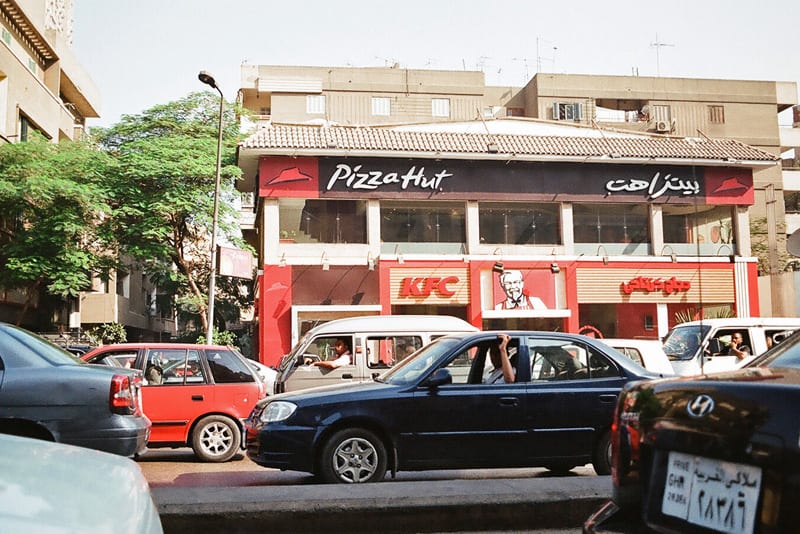
    Yum Brands opened its foray into China with a KFC restaurant in Beijing in 1987. There are now more than 7300 KFC and Pizza Hut outlets.

    “I really don’t see any reason why we cannot have 20,000 restaurants in China,” says Yum China division CEO Micky Pant.

    However, Yum China has had challenges in recent years including marketing blunders, rising competition, bird flu outbreaks, food-safety problems and slowing economic growth. Just this month, executives blamed anti-US protests sparked by political tensions in the South China Sea for a surprise 1 per cent drop in China sales during the latest quarter.

    Pant says those sales are recovering and “the fundamentals of the brands in China are very strong”.

    He says Yum China will have 15 per cent earnings expansion in the world’s fastest-growing economy with plans to  open restaurants in burgeoning mega-cities, major transportation hubs and new shopping malls.

    There are also plans to open Little Sheep and Taco Bell restaurants.

    Partners Primavera Capital and Alibaba Group Holding affiliate Ant Financial, which will buy a US$460 million stake in Yum China, bring competitive advantages such as real-estate market knowledge and digital leadership, Pant says.

    Yum China already is the biggest user of Ant’s Alipay service, and the restaurant group is investing in making its mobile ordering system and loyalty programs even more robust.

    After the separation, Yum China Holdings will become a licensee of Yum! Brands in mainland China with exclusive rights to quick-service restaurant KFC, casual dining brand Pizza Hut and Taco Bell, which is expanding globally but is not yet in China. It will also own the Little Sheep Mongolian hot pot and East Dawning Chinese cuisine concepts. Yum China has more than 400,000 employees in more than 1100 cities, generating more than $8 billion in system sales last year.

    The standalone Yum China is expected to start trading on the New York Stock Exchange on November 1.

  • Jordanian Investors Buys Gorontalo Tuna

    Jordanian Investors Buys Gorontalo Tuna

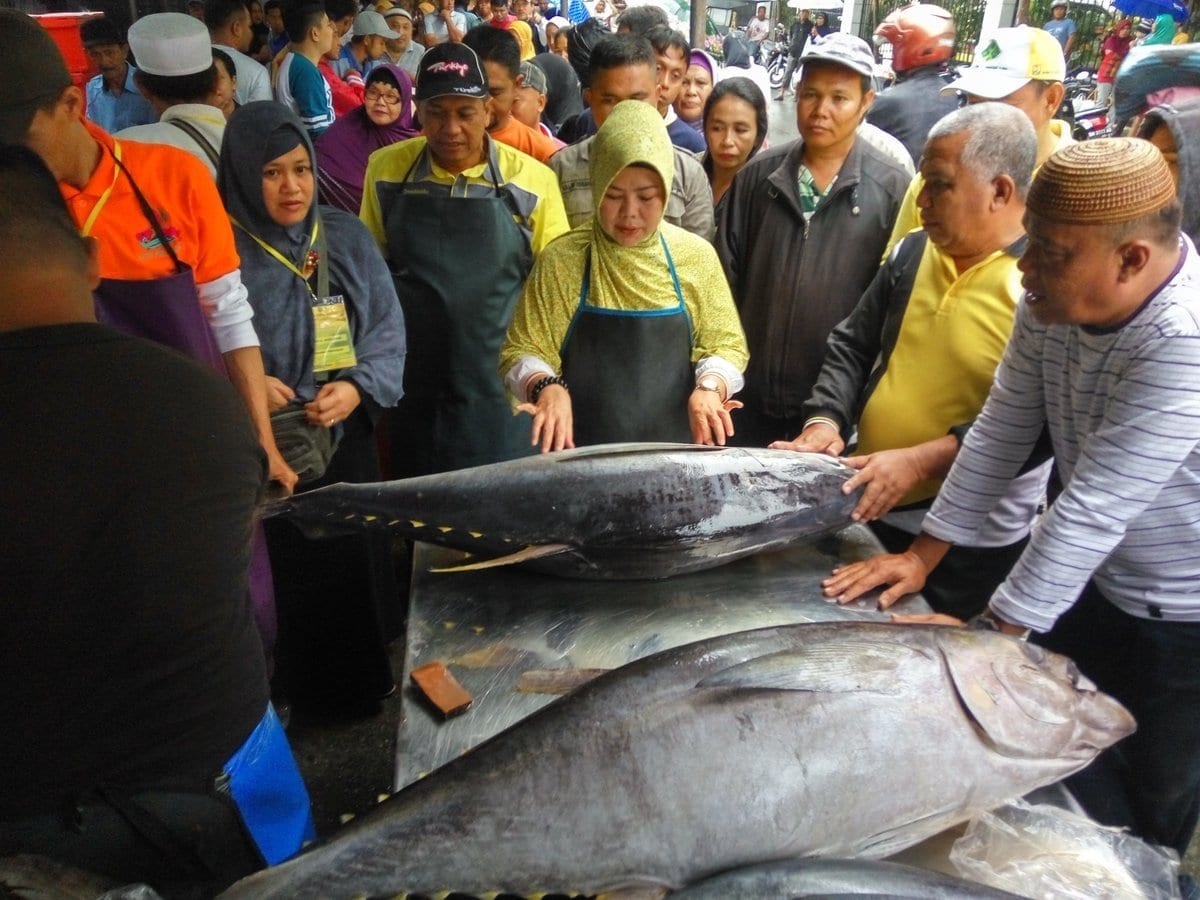
    Jordanian investor Iyad Al Shorafa expressed his interest in purchasing class C tuna from Gorontalo, at the amount of 25 tons per day.

    Al Shorafa is a member of the Middle East trade delegation participating in the Indonesian international trade promotional program, which was initiated by the Foreign Affairs Ministry as a part of the 2016 Trade Expo Indonesia.

    Budianto Sidiki, Chief of Gorontalo Regional Development Planning Agency (Bappeda) explained that Al Shorafa is ready to work together with the Gorontalo fishermen union, and to construct a tuna processing factory specifically for export purposes.

    “Production capacity of Gorontalo fishermen for class C fresh tuna is around five tons each day,” Sidiki said.

    To meet the importer demands, the Gorontalo local government will cooperate with city and regency officials in the region.

  • Kenny Rogers Roasters arrives in India

    Kenny Rogers Roasters arrives in India

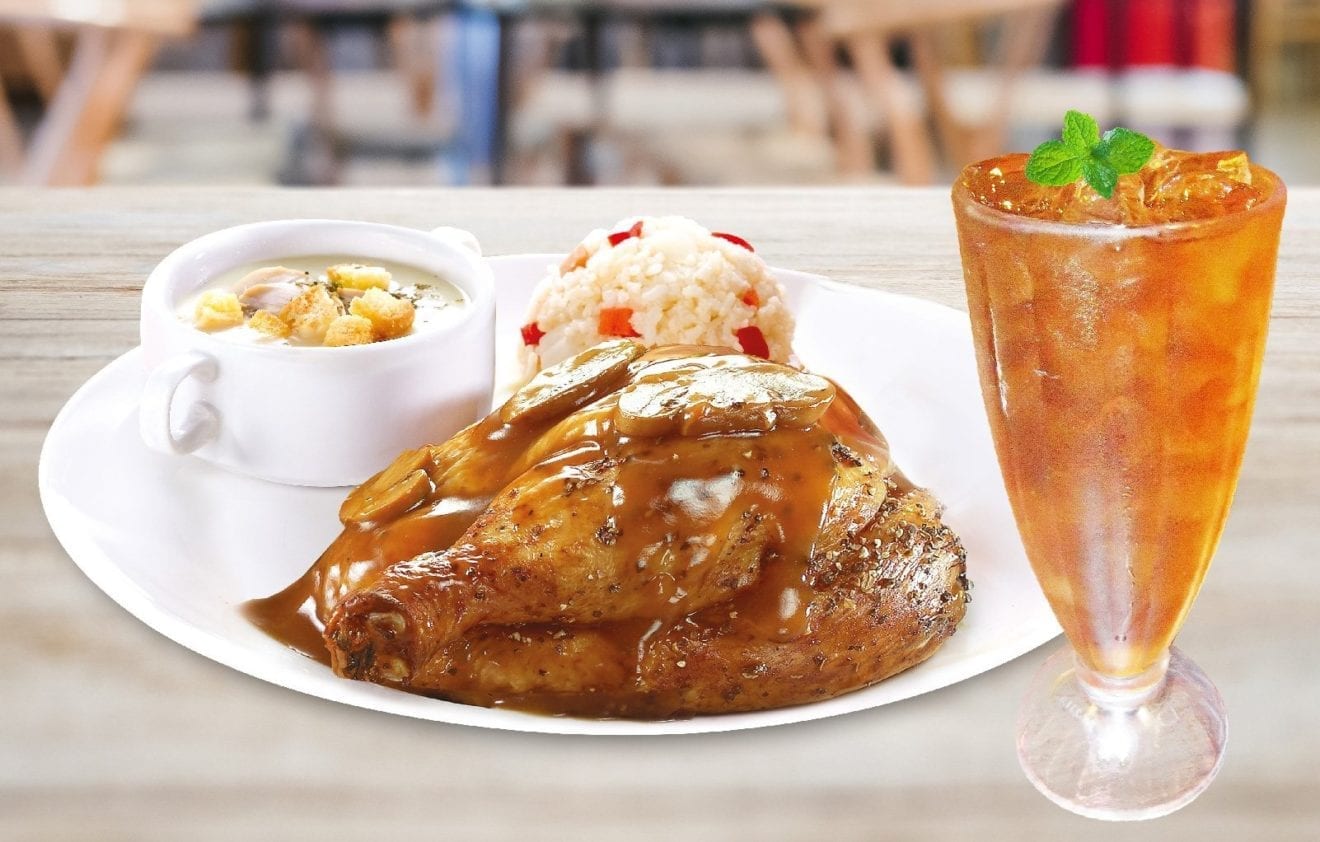
    Malaysia’s chicken-based restaurant chain Kenny Rogers Roasters will open its first outlet in India this month, aiming to expand to up to 50 stores in the next five years.

    Its first restaurant will be in the Gardens Galleria Mall, Noida.

    “We are eyeing a Rs 200-crore [U$30 million] turnover from the Indian market by 2021,” says master franchisee Troika Hospitality India managing partner Rajeev Chawla.

    He says the plan is to open eight to 10 restaurants in north India by the end of next year, after which expansion will cover other parts of India. The stores will be a mix of company-owned and franchises.

    Known for its chicken offerings, Kenny Rogers Roasters will also serve vegetarian food in India, he says.
    Owned by Malaysia’s Berjaya Corporation, there are more than 400 Kenny Rogers Roaster restaurants in 14 countries including China, Malaysia, the Philippines, Singapore and the US.

    Kenny Rogers is an American singer/songwriter and member of the Country Music Hall of Fame who is now 78 years old. He teamed with John Y. Brown, the governor of the state of Kentucky, who had also helped develop Kentucky Fried Chicken, to launch the first Kenny Rogers restaurant in Florida in 1991.

    It expanded to Brunei, China, Indonesia, Malaysia, the Philippines and Singapore, with Berjaya acquiring the group from Nathan’s Famous Inc in 2008.

  • Philippines’ Shakey’s Pizza plans $113m IPO

    Philippines’ Shakey’s Pizza plans $113m IPO

    Shakey’s Pizza Ventures (Spavi) aims to raise more than P5.5 billion (US$113 million) through an initial public offering (IPO) in the Philippine Stock Exchange this year.

    The restaurant chain has filed a prospectus with the Securities and Exchange Commission (SEC)
    to sell up to 352 million primary and secondary shares, including 46 million shares at P115.58 apiece, to meet excess demand.

    Spavi seeks to finalise the offer price in November, and targets its projected listing in December.

    “We intend to use the offer proceeds to expand our in-house commissary, meet working capital requirements, look at potential acquisitions and repay debt,” the company says.

    The chain has appointed Deutsche Bank as sole global coordinator and bookrunner for the deal, while BDO Capital and Investment Corp, and First Metro Investment Corp will serve as joint lead managers and underwriters. Evercore is the financial adviser.

    Majority owned by the Po family conglomerate Century Pacific Group (CPGI), Spavi owns the rights to the Shakey’s trademark in the Philippines. CPGI is the parent company of Century Pacific Food(CNPF).

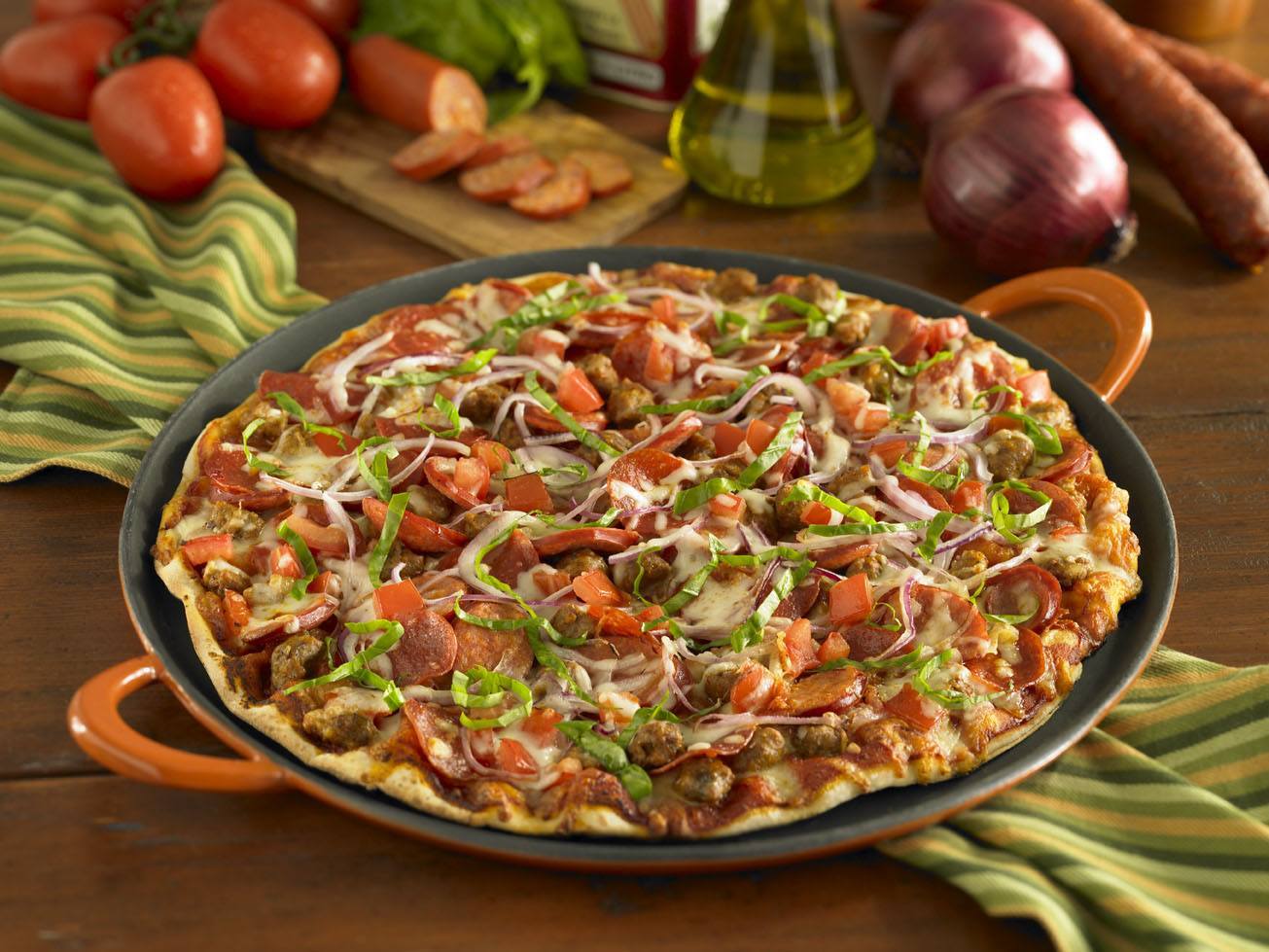
    To create Shakey’s trademark thin-crust pizza, Spavi’s in-house commissary supplies the bulk of its proprietary pizza dough and crust. The global pizza franchise originated in the US in 1954, expanding to Canada, Mexico, Japan and, in 1975, the Philippines. It now has more than 170 stores in the Philippines.

  • Denny’s Manila marks restaurant’s Philippines debut

    Denny’s Manila marks restaurant’s Philippines debut

    American diner Denny’s has arrived in the Philippines, opening at Uptown Parade in Bonifacio Global City (BGC).

    The Denny’s Manila restaurant is the first of several planned for the brand’s newest international market.

    Mall owner Megaworld Corporation founder Kevin Tan says on Instagram that the store is one “one of my favorite restaurants in the world”. He was on hand for the store’s ribbon-cutting ceremony.

    Denny’s started out as a coffee and donut stand in 1953. It went public in 1968 and was listed on the New York Stock Exchange.
    At BGC, it is open all day every day serving American breakfasts, pancakes and omelettes.

    Denny’s also has stores in China and Korea.

  • Thai Union takes bite of Red Lobster

    Thai Union takes bite of Red Lobster

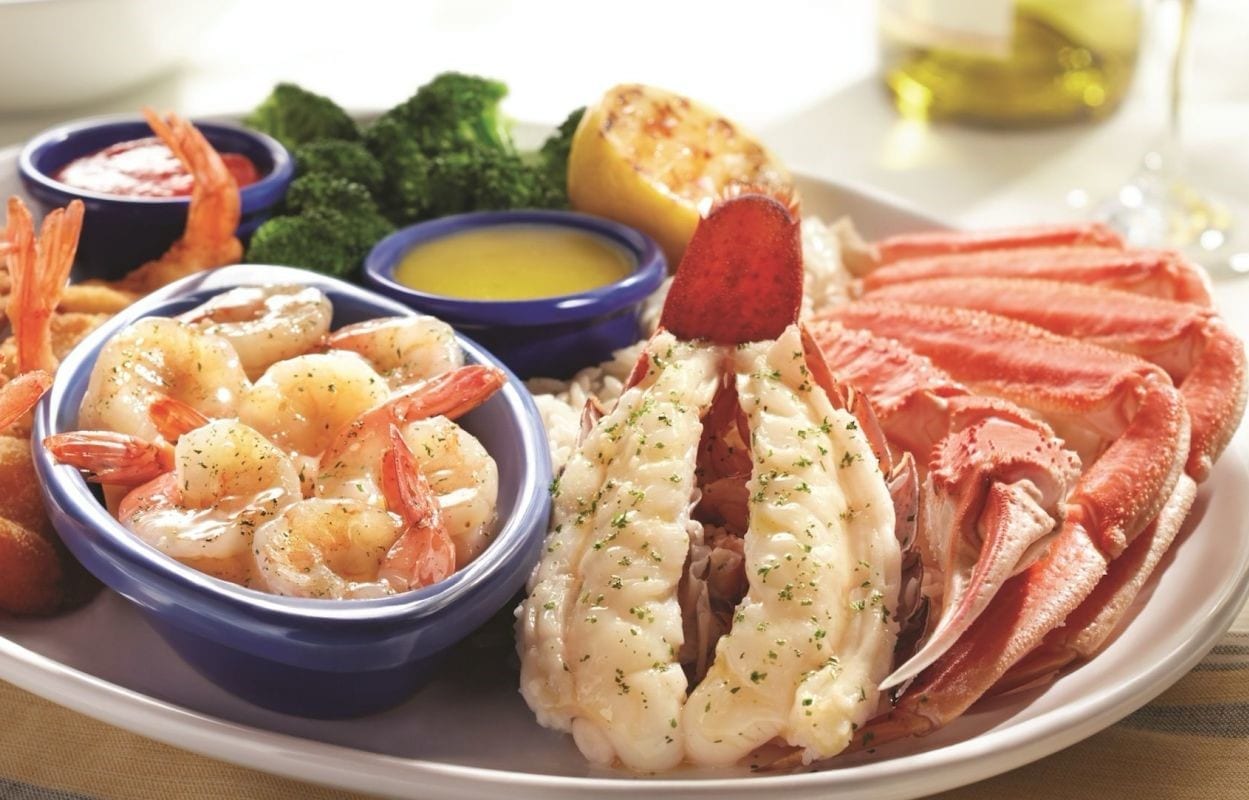
    Seafood producer Thai Union has made a US$575 million strategic investment in US seafood restaurant company Red Lobster.

    Golden Gate Capital retains its majority shareholding in Red Lobster.

    Thai Union is regarded as the world’s largest producer of shelf-stable tuna products with annual sales exceeding THB 125 billion (US$ 3.7 billion) and a global workforce of more than 46,000 people. It says it has taken a 25 per cent interest in the restaurant chain, with the option to acquire an extra 24 per cent through the conversion of preferred shares.

    “Red Lobster is an iconic brand, with a leading market position in seafood casual dining and a world-class management team, and has delivered strong performance since Golden Gate acquired it in 2014,” says Thai Union Group CEO Thiraphong Chansiri.

    “This investment marks a strategic step to build Thai Union’s direct-to-consumer channel, and will enable us to benefit from the extensive restaurant industry expertise of both the Red Lobster management team and Golden Gate.”

    He says Thai Union has worked closely with Red Lobster for more than two decades.

    With 40 years’ industry experience, Thai Union has expanded its product lineup to include lobster, shrimp, sardines, mackerel, tuna, salmon and crab. Its brands include Chicken of the Sea, John West, King Oscar and Petit Navire, and it has production units in 12 countries.

    JP Morgan acted as exclusive financial adviser to Thai Union for the investment.

    Headquartered in Orlando, Florida, Red Lobster claims to be the world’s largest seafood restaurant company. As a private company owned by Golden Gate Capital, Red Lobster has 58,000 employees in more than 700 restaurants in the US and Canada, with a growing international footprint.

    Golden Gate Capital is a San Francisco-based private-equity investment firm with more than $15 billion of capital under management. In addition to Red Lobster, investments sponsored by Golden Gate Capital include California Pizza Kitchen, Pacific Sunwear, Payless ShoeSource and Zales.

  • Taiwan’s DaYung’s Tea opening in US

    Taiwan’s DaYung’s Tea opening in US

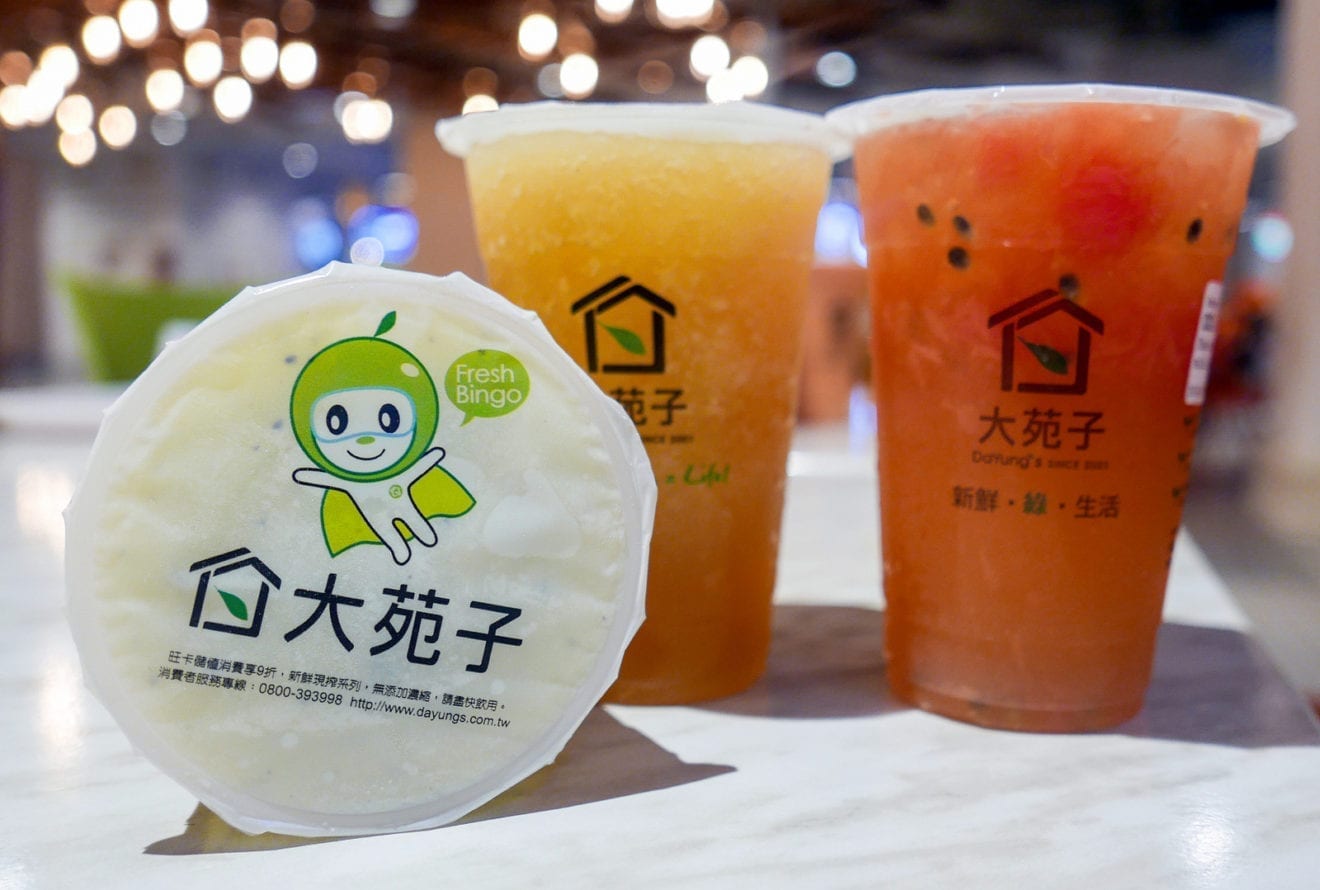
    Taiwan company DaYung’s Tea is about to launch in the US.

    It has leased a 1400 sqft (130 sqm) unit at Mill Plaza in Tempe, in Phoenix, Arizona.

    With 270 stores throughout Asia, DaYung’s offers a mix of fruit tea and smoothie drinks.

    “This hot new concept will blend in perfectly with the other new restaurants at Mill Plaza,” say Judi Butterworth and Lacey Guardado of Orion Investment Real Estate, who represent the tenant. They say the store will be able to serve a huge Asian customer base, as well as a student population.

    More than 61,000 cars drive by the shopping centre each day, according to the Phoenix Business Journal.