Category: Food

Retail News Asia is committed to providing both local and global retailers with the latest Food and Food & Beverage news throughout the Asian market. This on a daily base.

  • Milk tea chain plans Asian expansion

    Milk tea chain plans Asian expansion

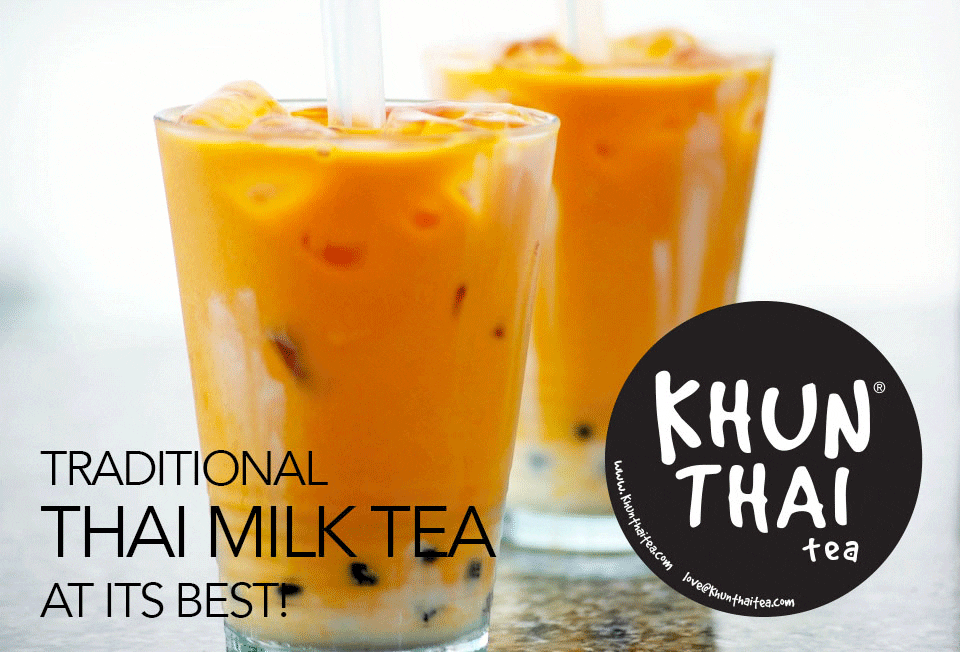
    After early success in the Philippines, Khun Thai Tea is now eyeing three more Asian markets.

    The milk tea concept was co-founded by Bronze Media LLP Singapore owners Jeremy Lee and Elis Chai.

    Lee says the company is about to open its third store in Metro Manila, at MegaMall, with plans for a new kiosk every month moving forward. It is looking for partners in other Southeast Asian markets.

    “We are going to take Khun Thai Tea to Jakarta in Indonesia, Kuala Lumpur in Malaysia, and Taipei in Taiwan,” he says. “Plans to start outlets in these cities are already underway.”

    Local Filipino partner Nancy Padilla says the chain’s drinks are based on an original recipe for a refreshing black iced-tea (‘cha-yen’ in Thai) that dates back to 1955. First created by a Thai native fondly known as Auntie Marlee, the strongly brewed Ceylon tea has since been modernised with a switch from Ceylon to a Thai-grown assam tea known as ‘Bai Miang’. Infusion with spices maintains the headiness of the original recipe and bring out its complex flavours.

    The traditional sugar, condensed milk and evaporated milk-heavy Cha-Yen recipe has also been updated to better suit the tastes of modern health-conscious consumers.

    In addition to the original recipe, says Padilla, Khun Thai Tea outlets also offer variations of the concoction inspired by drink recipes from around Asia, such as a mix of coffee and tea (‘Yuan Yang’), which was first brewed in Hong Kong.

    Drawing inspiration from Taiwanese bubble milk tea recipes, Khun Thai Tea also comes with small chewy tapioca balls (‘boba’, or bubbles) added, to infuse new textures and experiences to the drink.

    The newest menu item, Ice Bandung, is inspired by the original popular Malaysian beverage recipe which combines the alluring taste of rose syrup with the velvety smoothness of milk.

  • EU wants more access to Indonesian F&B market

    EU wants more access to Indonesian F&B market

    The EU demands Indonesia to ease trade barriers in the food and beverage (F&B) sector to give European producers more access to  Southeast Asia’s largest market, an official representing the world’s largest trading bloc has said.

    EU Commissioner of Agriculture and Rural Development Phil Hogan said many European producers had expressed their interest to enter the Indonesian market. However, both tariff and non-tariff measures, such as import quotas and local content requirements, held them back from doing so.

    “Many businesses are interested in Indonesia but they are waiting for improvement in market access,” Hogan said during the 6th EU-Indonesia Business Dialogue in Jakarta on Tuesday.

    He also mentioned the requirement to provide halal certificate as an obstacle for European F&B companies that wanted to explore opportunities in the world’s largest Muslim-majority country. Some European producers, Hogan said, had experiences in producing halal products, but some others did not.

    “We respect religion, but it [halal certification] prevent exports to Indonesia,” he said.

    He suggested that halal certification should be an option instead of being obligatory. Then producers that had not yet obtained certification could still export their products to Indonesia.

    Indonesia and the EU are currently in talks for the Comprehensive Economic Partnership Agreement (CEPA). The anticipated agreement, expected to be concluded by 2019, will remove various trade barriers between both parties.

  • Hong Kong International Wine & Spirits Fair Opens

    Hong Kong International Wine & Spirits Fair Opens

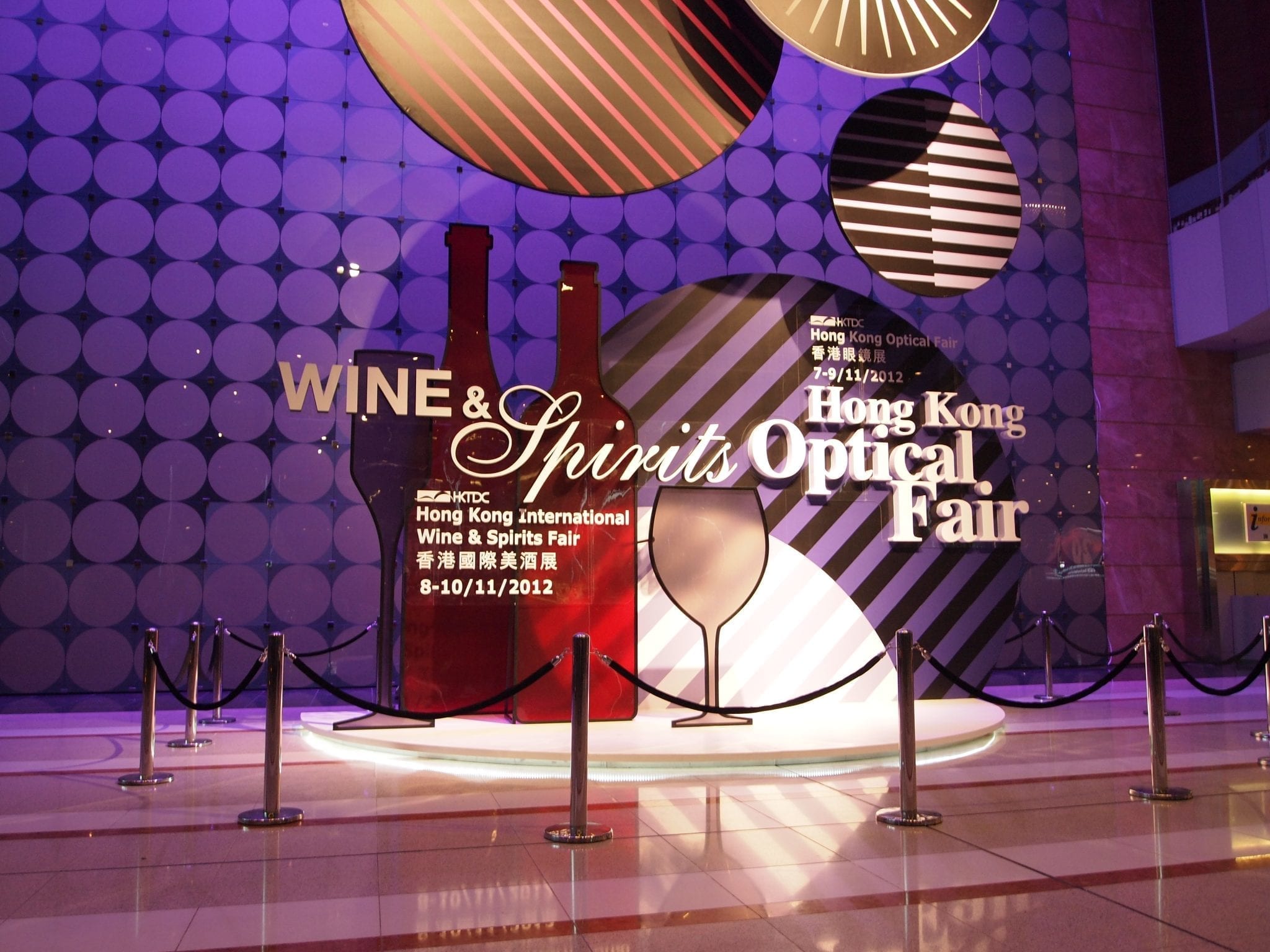
    The ninth HKTDC Hong Kong International Wine & Spirits Fair opened today and continues through 12 November at the Hong Kong Convention and Exhibition Centre (HKCEC). This morning’s opening ceremony was officiated by Gregory So, Secretary for Commerce and Economic Development of the Hong Kong Special Administrative Region (HKSAR) Government and Philip Yung, Permanent Secretary for Commerce and Economic Development (Commerce, Industry and Tourism) of the HKSAR Government.

    Speaking at the opening ceremony, Benjamin Chau, Acting Executive Director, Hong Kong Trade Development Council (HKTDC), highlighted the diverse characteristics of the International Wine & Spirits Fair. “Featuring more than 1,060 exhibitors from 37 countries and regions, the Wine & Spirits Fair is an effective international promotion platform. The success of the fair is due to a variety of factors: Zero duties on Hong Kong wine imports since 2008, a large international exhibitor presence, international buyers especially wine importers from Asia, high value-added business opportunities and networking activities including grand tasting sessions, master classes, wine tastings, cocktail demonstrations as well as seminars,” Mr Chau said.

    Strong international flavour at the fair

    Since the HKSAR Government scrapped import duties on wine in 2008, the wine industry has recorded tremendous growth, attracting industry players to start or expand their business in Hong Kong. The value of Hong Kong’s wine imports rose from HK$1.6 billion in 2007 to HK$10.8 billion in 2015, a more than six-fold increase. Being a well-known wine trading and distributing hub, wine exporting countries are seeking to tap into the Asian market through Hong Kong. Besides Croatia, Finland and the Philippines exhibiting at the fair for the first time, wine producing regions, wine associations and trade commissions from around the world have formed 30 pavilions to promote their products. Among them, first-time group pavilion organisers include the Azerbaijan Export and Investment Promotion Foundation, Bulgarian Wine Export Association, Economic and Information Technology Commission of Guizhou Province from the Chinese mainland, Fukushima Prefectural Government and Kyushu Shochu Culture & Tourism from Japan, FENADEGAS from Portugal, the Distilled Spirits Council of the United States, and the Ministry of Agriculture, Forestry and Food of the Republic of Slovenia.

    Located in South Central Europe, Slovenia is a wine producing country less familiar to consumers in Hong Kong and Asia. Slovenia’s viniculture is characterised by the country’s diverse geography and microclimates; its latitude aligns with many renowned and prolific wine-producing regions like Bordeaux, Burgundy and Northern Rhone. Around 70 per cent of Slovenian wines qualify as premium wine. Aiming to capture the attention of Asia’s developing markets through Hong Kong, Dejan Zidan, Deputy Prime Minister and Minister of Agriculture, Forestry and Food of the Republic of Slovenia, hosted today’s presentation under the theme of “Discover Excellent Wines From Slovenia – Taste the Slovenian Identity”.

    While Slovenia has a particularly high profile at the fair this year, a world of exquisite wines from around the world are also on show including:

    – Wine from Israel, a country with 5,000 years of wine-making history. Produced by Hevron Heights, Armagedon (Booth no.: 3E-D11) is brewed using traditional methods. Using grapes grown on the Judean Mountains at high altitude (950m) and aged for 24 months in French oak barrels, Armagedon is regarded as kosher wine, produced in accordance with Judaism’s religious laws.

    – Bulgarian orange wine from Wine Cellar Villa Melnik Ltd (Booth no.: 3D-B26). Orange wine, in spite of its name, is not made from oranges. Its darker colour results from extended contact of white grape juice with grape skins over a longer period of time. Orange wine is intense with a dry, tannic taste and nuttiness derived from oxidation, and can be paired with a wide variety of dishes ranging from beef to fish.

    – Crown Royal’s Northern Harvest Rye from Canada (Booth no.: 3CON-064). Crown Royal’s Northern Harvest Rye stunned the whisky world as the first Canadian whisky to earn a title in the authoritative Jim Murray’s Annual Whisky Bible with almost full marks and was named World Whisky of the Year 2016.

    In addition to zones such as Wine & Liquor Products, Whisky and Spirits and Friends of Wine, where the perfect food pairings are showcased, there are also dedicated zones promoting the industry’s all-round developments, such as Wine Investment, Wine Education and Wine Storage & Logistics zones.

    Promoting industry interaction

    During the Wine & Spirits Fair, more than 70 special events are arranged to provide a comprehensive platform for trading and exchange. These include the Wine Industry Conference, gala dinner, tasting sessions, master classes and thematic seminars. Close to 50 wine tasting sessions are organised to spotlight wines from Austria, Australia, Bulgaria, France, Germany, Guizhou (Chinese mainland), Japan, Mexico, Portugal, Slovenia, Spain and the US.

    Today’s Wine Industry Conference is titled “Uncover the Opportunities of the New Cool Climate Wine Trend”. Meanwhile, the eighth edition of the Cathay Pacific Hong Kong International Wine & Spirit Competition Award Presentation Ceremony will be held tonight. Following the cocktail reception, the Gala Dinner titled “I FEEL SLOVENIA” will feature a menu prepared by Janez Bratovz, head chef of celebrated Slovenian restaurant JB RESTAVRACIJA. The seminar “How to Reach the Right Customers in China” and the buyer forum “Uncovering Business Opportunities in Booming Markets of Wine and Spirits” will be held tomorrow afternoon for the industry to discuss hot topics.

    Public Day

    On Saturday (12 November), the fair will be open to members of the public aged 18 or above, with tickets priced at HK$200*. Public visitors with full-priced tickets on that day will receive a Lucaris crystal wine glass valued at HK$110 on a first-come first-served basis while stocks last.

    Two master classes will be held on the public day including “Understanding Quality in Wines Currently Trending around the World with Jeannie Cho Lee MW” and “Sensory Experience of Wine by Debra Meiburg MW”. The public are also welcome to join wine tasting sessions, cocktail, whisky and spirit demonstrations and seminars. These include “Gifu Sake and Pottery Appreciation”, “Enjoy Shochu from Kyushu with Kumamon”, “Choosing from a Wine List – Tips and Tricks” and “Hong Kong Inter-University Wine Challenge 2016”.

    This year’s fair once again headlines the Hong Kong Wine Journey citywide promotion, which encompasses a series of wine tastings, wine and food menu pairing, seminars, themed tours and Lan Kwai Fong carnival. More than 160 restaurants will feature promotions such as “Birthday Wine” and “Wine and Food Pairing Menu”. For more details, please refer to the Hong Kong Wine Journey map or the website.

    Wine business keeps flowing through Hong Kong

    In the first nine months of 2016, Hong Kong’s wine imports reached HK$9.1 billion, a 22 per cent year-on-year increase. As for the city’s exports, they totalled HK$4.1 billion, up 25 per cent over the same period last year.

    *Tickets:

    Members of the public can purchase Public Day admission tickets on site priced at HK$200. Tickets for Public Day master classes are priced at HK$350 (including admission) and are available on a first-come first-served basis.

    Fair Website:www.hktdc.com/hkwinefair
  • China Leads the Global Market for Eggs and Eggs Products

    China Leads the Global Market for Eggs and Eggs Products

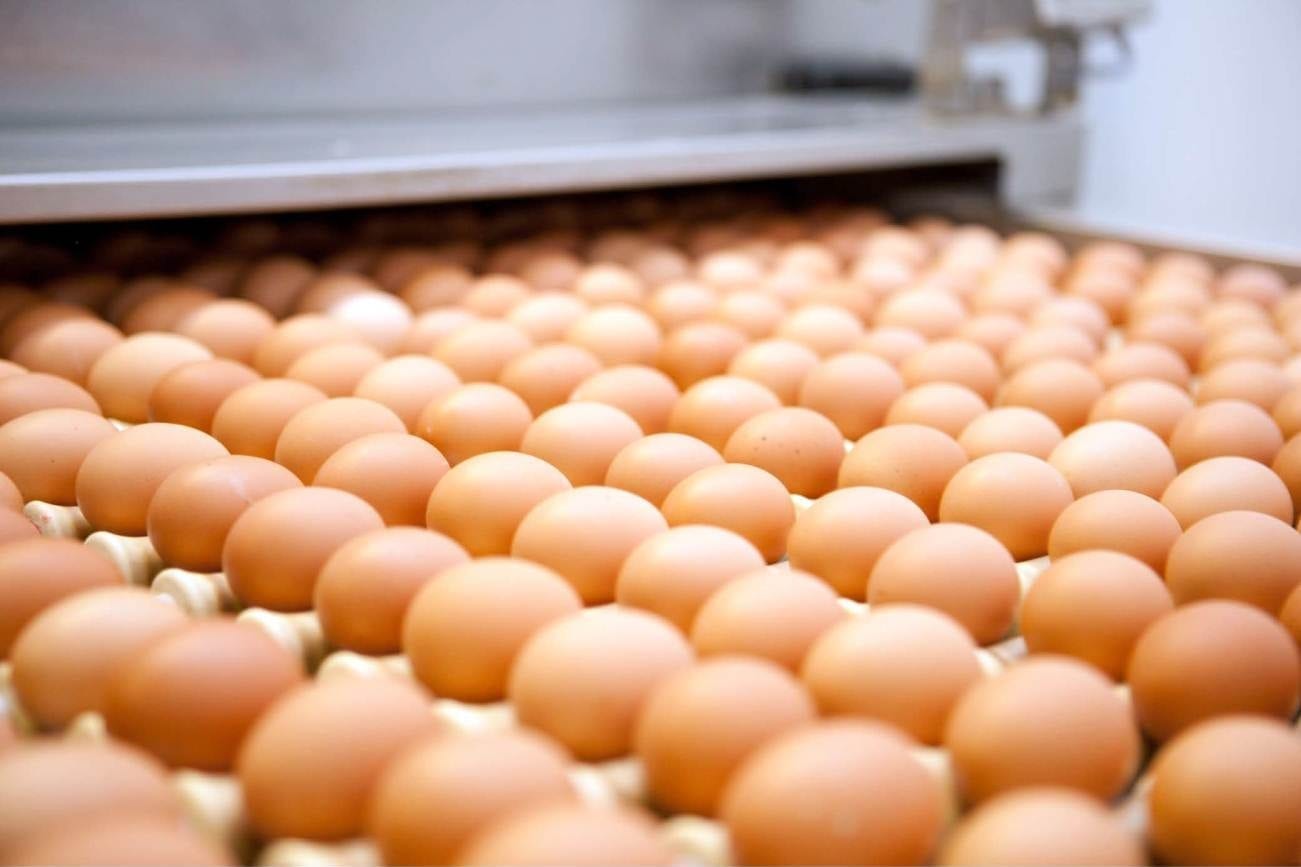
    Eggs, an integral part of the banal breakfast menu, are a rich source of protein. Easy and hassle free to make, their demand has seen a phenomenal spike in the past couple of years on account of a burgeoning world population and their rising disposable income. Even the avian flu, which resulted in culling of millions of livestock worldwide, couldn’t hamper the market growth. Today, a wide variety of eggs are found on supermarket shelves. Not just that, discerning palates of demanding consumers have also spawned another market – that of egg products. Made from different components and blends of eggs, they are edible products ready for consumption.

    Cage-free Eggs are All the Rage These Days
    Reports reveal that around 2 billion eggs are produced in the world in a year. The method of production is, however, set to change.  With growing awareness about the appalling living conditions of the captive egg-laying hens, particularly in developed countries, an outcry has ensued. This has led to a ban on conventional egg farming methods. Fast food giant McDonald, which is one of the biggest egg buyers in the world, pioneered efforts in this direction by announcing in 2015 that it would only use cage-free eggs in all of its US and Canadian restaurants. Other major fast food chains and a handful of multinational food companies followed suit too. This has generated an opportunity for egg producers in Asia and America to fulfill the demand-supply gap created on account of EU nations being unable to carry out the overhaul in logistics and processes involved swift enough.

    China the Largest Producer-cum-Consumer of Eggs and Egg Products
    China, which had pretty much been powering the global growth up until a while back, has been a leader in the global eggs and egg products market as well. Studies show that it produces around 36% of the 70% eggs produced together by Mexico, Japan, China, U.S., India, Indonesia, Brazil, Mexico, and France. China also consumes around 40% of the global eggs. This is because eggs form a vital part of the average Chinese meal. The eggs are also used as additives and ingredients, nationwide.

  • Korean cafe boom drives desserts market

    Korean cafe boom drives desserts market

    The booming networks of Korean cafes has driven a huge rise in the country’s dessert market.

    According to data issued by the government, the sector expanded sales by 13.9 per cent in 2014 from a year earlier – the last year for which figures are available – on rising demand for sweets and non-alcoholic drinks.

    The combined value of the local confectionery and non-alcoholic beverages markets stood at 8.9 trillion won (US$7.9 billion) in 2014, up 13.9 per cent from a year earlier, according to the available data compiled by the Ministry of Agriculture, Food and Rural Affairs.

    The dessert market accounted for 10.7 per cent of the country’s entire food service market worth 83.8 trillion won in 2014.

    The ministry said demand for high-end bakeries and cafes led the sharp growth in the dessert market as people tend to spend their time and money more on their health and well-being.

    The confectionery industry posted sales of 4.6 trillion won in 2014, up 10.5 per cent on-year, while sales of the beverage market jumped 16.8 per cent on-year to 4.3 trillion won.

    In particular, coffee shops saw their sales rise 25 per cent on-year to 2.5 trillion won in 2014, taking up 47 per cent of the country’s coffee market including instant coffee packets and drinks.


  • Foodland, plans to expand lots over the next five years

    Foodland, plans to expand lots over the next five years

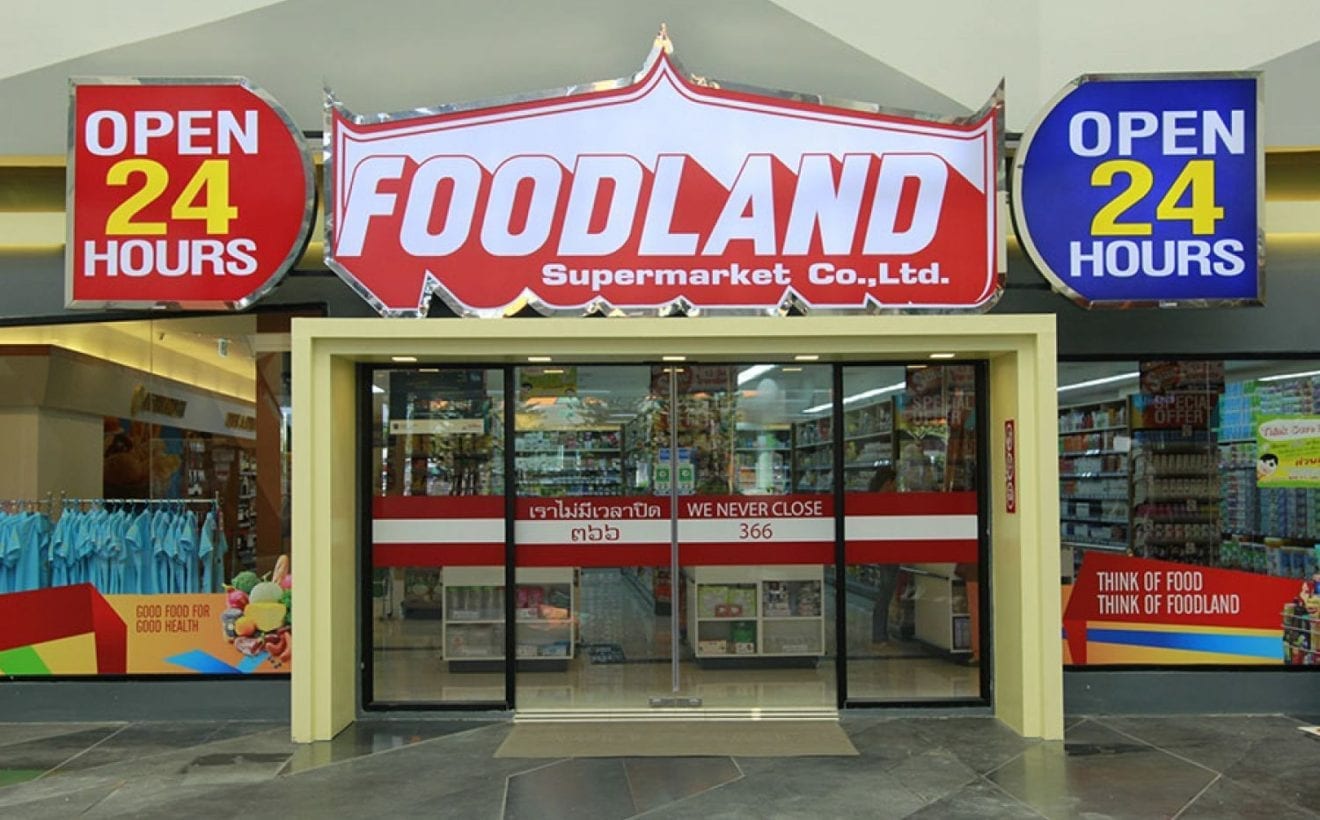
    Expats’ favorite supermarket, Foodland, plans to expand lots over the next five years. The chain has doubled its yearly investment budget to THB500 million to open four or five new grocery stores and add three new types of restaurants to their roster.

    Some of the new locations are already open. There is now a Foodland at The Street community mall on Bangkok’s Ratchadaphisek Road. Another Foodland opened yesterday at Rama 3’s The INT Intersect community. A third is opening soon at the Terminal 21 in Nakhon Ratchasima. The other locations have not yet been announced.

    Foodland’s new restaurants will include a Japanese ramen chain, a Hong Kong-style roasted-goose dining spot and a Singapore-style street food restaurant.

    Chief executive officer Somsak Teerapattanakul said, “As I am getting older, I want to speed our expansion as much as possible. Starting from next year, we plan to open four or five new Foodland stores for five consecutive years,” Somsak said.
    These expansion plans means that the company’s sales might reach THB10 billion in 2017, which would be 25 percent higher than the THB8 billion they should hit this year.

  • Lawmaker wants increase milk production, consumption

    Lawmaker wants increase milk production, consumption

    Legislator of Commission X of the House of Representatives (DPR), Dwita Ria Gunadi wants to increase milk production and consumption because the per capita milk consumption in the country is still lower than other Asian countries.

    “The per capita milk consumption in 2015, based on data from the Agriculture Ministry was only 12.1 liters per annum,” Dwita Ria Gunadi said in a written statement here on Thursday.

    The per capita consumption is still is still lower than the per capita consumption of India, which reached 48.62 liters per annum, Singapores 44.5 liters and Malaysias 36.2 liters.

    Indonesias per capita milk consumption is even lower than that of Thailand, which reached 33.7 liters per annum, the Philippines 17.8 liters and Vietnams 14.3 liters.

    Dwita reminded that the milk imports of Indonesia should meet domestic need, which has exceeded 80 percent.

    “This condition is a cause for concern because our land has potential for developing and breeding milch cows,” Dwita, who is a member of the Greater Indonesia Movement Party, (Gerinda) said.

    She has also started a discourse to boost production though among others, the allocation by local governments of funds to breeders for stimulating milk production.

    It was earlier noted that the fresh milk production of milch cows in the Malang District of East Java, increased from 117,235 tons in 2014 to 132,052 tons in 2015 and during the first semester of 2016 it was pegged at 66,593 tons.

    “In order to increase production and consumption of milk, we provide milch cow assistance to breeders. This year, 92 heads of milch cows were provided, and next year this assistance will continue, but the number will not be as big as this year,” Sudjono, the head of Malangs Animal Husbandry Service, said on November 4.

    He added that over the past five years the number of milch cows provided for breeders accounted for 826 heads.

    The farmers, who got the assistance, were those from milch cow production centers, such as Wajak, Pujon, Ngantang, Poncokusumo and the Jabung sub-districts.

    According to the Cooperatives, Small and Medium-Scale Enterprises (SME) Minister Puspayoga, milch cow farmers must increase and maintain the quality of their milk production. All milk produced domestically, including by members of cooperatives, should be absorbed by the milk-processing industry (IPS) in order to meet the domestic need and reduce imports.

    An executive from one of the countrys food and drinks company, PT Nestle Indonesia, argued that to increase productivity and improve the quality of milk, local milch cow farmers should adopt sustainable breeding practices.

    “The key to increasing production and improving quality is to adopt sustainable breeding practices and to optimize cowshed cleanliness,” R Wisman Djaja, PT Nestle Indonesias director for Sustainability agriculture Development and Procurement Affairs, had said in Malang, East Java last month.

    The government, according to Minister Puspayoga, is now trying to resolve the constraints being faced by milch cow farmers and milk processing industries.

  • Jollibee Japan opening confirmed

    Jollibee Japan opening confirmed

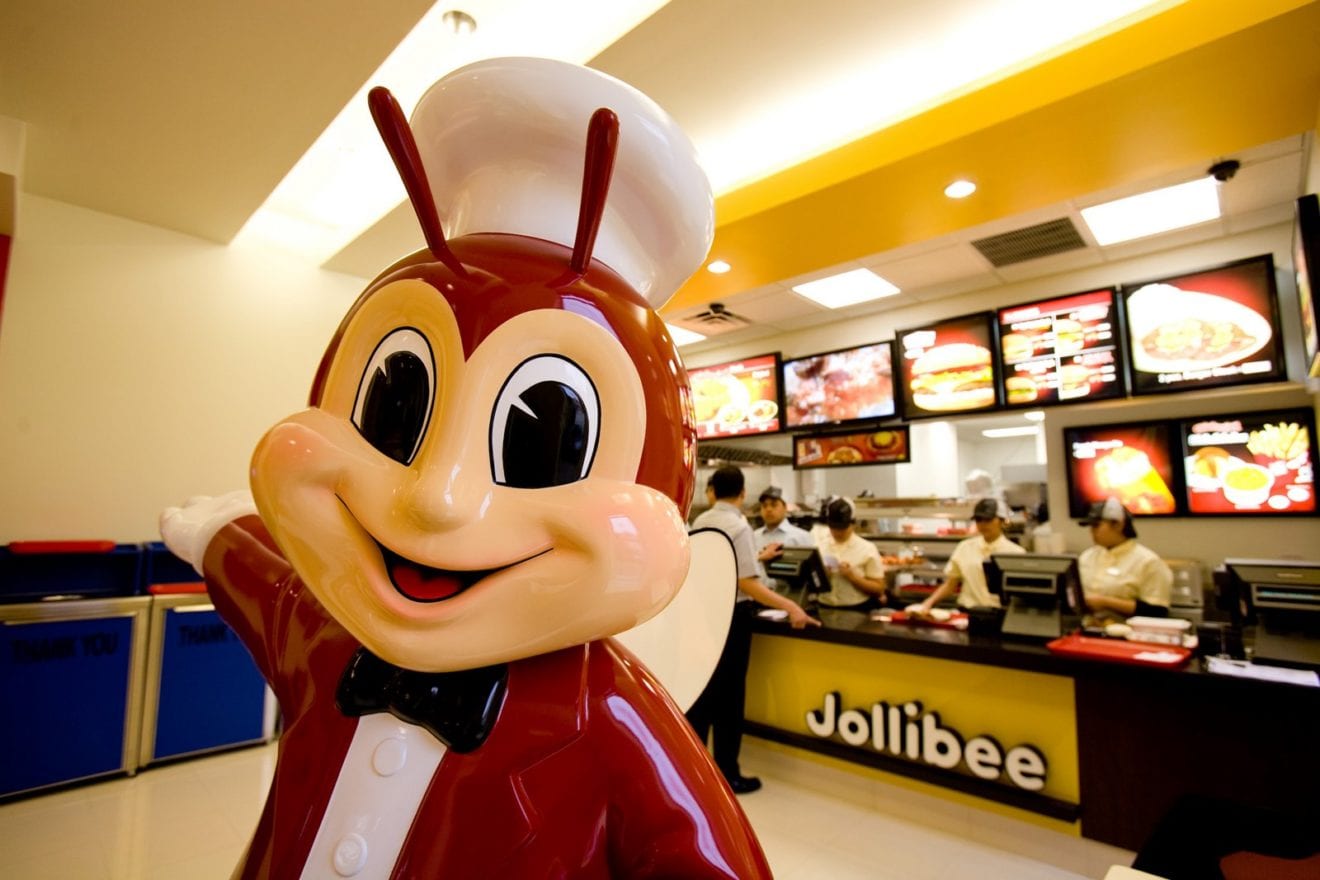
    Following a signing ceremony in Japan last month, founder Tony Tan Caktiong of Filipino fast-food franchise Jollibee says the group may open stores in Japan in 2018.

    Attending the Jollibee Japan ceremony were the leaders of Jollibee Foods and egg producer Ise Foods, as well as President Rodrigo Roa Duterte.

    Caktiong says he plans to open the franchise to cater to Filipinos either living or visiting Japan, as well as introduce the meals to the Japanese community. He has partnered with Ise Foods in Japan to ensure the food meets local expectations.

    Included in the Jollibee Japan partnership is the setting up of poultry farms in Manila, with the eggs to be used for the hamburger and breakfast meals Jollibee will be serving.

  • Japan Food Holding trims offshore outlets

    Japan Food Holding trims offshore outlets

    Singapore-based Japanese restaurant chain Japan Food Holding achieved 10.8 per cent growth in net profit for the six months to September 30.

    This took its net profit to S$2.7 million (US$1.95 million) on the back of a 5.5 per cent increase in revenue to S$33.5 million.

    At the end of the period it had 51 outlets, up six from the same time a year ago.

    On a quarterly basis, the group maintained its net profit at about $1.4 million, while its revenue eased up by 4.7 per cent to $16.6 million.

    Japan Foods says its improved performance was driven mainly by it having more restaurants, with encouraging performances from its new brands including Dutch Baby Cafe, Ginza Kushi-Katsu and New ManLee Bak Kut Teh. There was also a higher gross profit margin for the second quarter, up from 84.3 per cent last year to 85.1 per cent, thanks to constant cost-management efforts such as bulk purchasing and product pricing.

    Outside Singapore, the group’s network dropped to 19 restaurants from 24 with the closure of three Ajisen Ramen restaurants in Malaysia and Vietnam. In Hong Kong, the group’s associated companies closed two Menya Musashi restaurants when their leases expired.

    Takahashi says the coming 12 months are expected to remain challenging in Singapore because of intense competition, tight labour supply, rising business costs and the uncertain economic outlook.

    Executive chairman/CEO Takahashi Kenichi says that consumer sentiment turning “bearish” because of recession fears has been tough on F&B businesses. “However, I believe we are offering good-quality food at reasonable price points, and this has enabled us to continue attracting diners.”

    Despite the solid overall result, the group’s flagship brand and main revenue generator, Ajisen Ramen, as well as its Keika Ramen brand, had a fall in revenue from $6.9 million in last year’s second quarter to $6.5 million for the latest period. This was a result of two Singapore restaurants – at Compass Point and Tiong Bahru Plaza – having to close for mall renovation works.

  • Indonesian ministry to boost fish consumption

    Indonesian ministry to boost fish consumption

    The Indonesia Industry Ministry will continue to encourage and increase fish consumption in various regions to raise domestic demand for fish, in an effort to advance the maritime and fisheries sector.

    “We will boost fish consumption, apart from exports, through developing traditional fish industry, which would increase the demand in the fishery sector at home,” Industry Minister Airlangga Hartarto said.

    The minister made the remarks in his address to the working meeting of the Indonesian Chamber of Commerce (Kadin) on fisheries affairs in Jakarta on Monday.

    Hartarto said that his ministry would also encourage fish consumption on a national scale.

    Slamet Soebjakto, Director General of Fisheries of the Ministry of Maritime Affairs and Fisheries, said his ministry wanted to increase the peoples sources of protein intake through increasing their fish consumption.

    It was earlier reported that the Indonesian government had been giving priority to increase the fisheries production by relaxing regulations for fishermen and local industries. The move is meant to support these sustainable industries in the development of the national fisheries sector and maintain seafood sovereignty.

    As part of the efforts to boost fish production, the government, though the Ministry of Maritime Affairs and Fisheries (KKP), had earlier built 15 Integrated Fisheries and Marine Resource Development Centers (SKPT) in various regions in the country. The aim of the SKPT is to boost fishery exports directly from the center without the need to go to Jakarta.

    The SKPT aims to maintain food resilience, increase fish consumption, foreign exchange earnings through exports, and raise the income of the people.

    Five of the SKPT are located in Simeullue (Aceh), Natuna (Riau Islands), Tahuna (North Sulawesi), Saumlaki (Maluku) and Merauke (Papua).

    Ten others are also built in Mentawai Island (West Sumatera), Nunukan (North Kalimantan), Talaud (North Sulawesi), Morotai (North Maluku), Biak-Numfor (West Papua), Sarmi (Papua), Mimika (Papua), Tual (Maluku), Rote Ndao (East Nusa Tenggara/NTT), and Maluku Barat Daya (Maluku).

  • Siam Makro buys four food companies

    Siam Makro buys four food companies

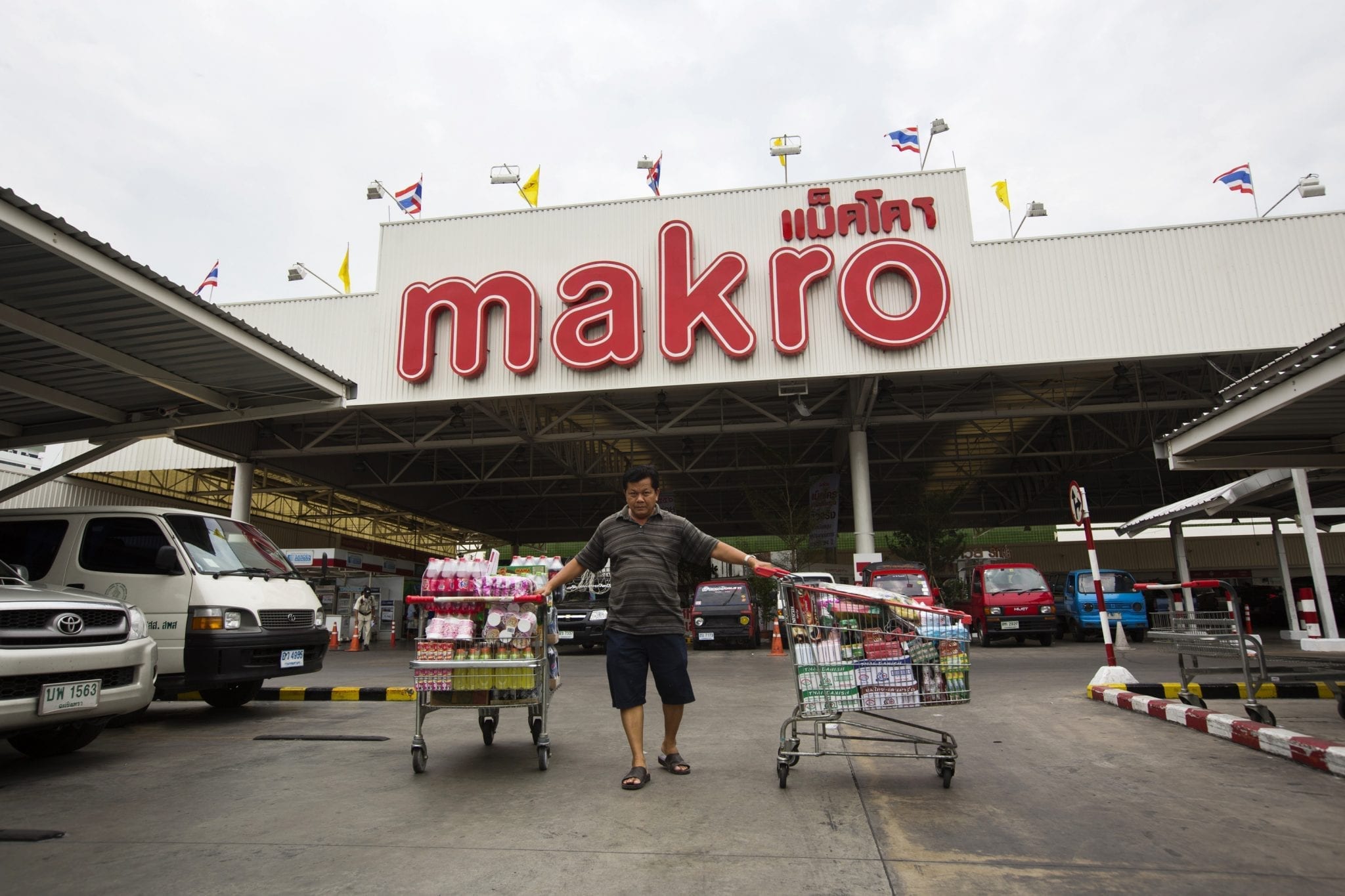
    Siam Makro, which runs the Makro cash-and-carry store chain, has clinched a 3-billion-baht (US$85.75 million) deal to acquire four food companies.

    Through its wholly owned subsidiary Siam Food Services, Siam Makro has entered into an agreement to acquire an 80 per cent stake in each of Indoguna (Singapore), a listed firm on the Singapore Exchange, Indoguna Dubai, Lordly and Just Meat. Indoguna is listed on the Singapore exchange, while Lordly and Just Meat are Hong Kong listed.

    The funds will come from Siam Makro’s cash flow and bank loans.

    Siam Makro’s major shareholder, Charoen Pokphand Group (CP), has its strength in the food and agricultural businesses. CP acquired a 64 per cent stake in the cash-and-carry chain from the Dutch trading company SHV Holdings for $6.6 billion in 2013.

    Siam Makro has partnered with with local companies to take its Makro cash-and-carry chain to Cambodia. The JV is 70 per cent owned by Makro ROH, a wholly owned subsidiary of Siam Makro, and the balance by Cambodian investors, with $2 million in initial registered capital.

    Siam Makro plans to open 10 stores in Thailand this year, bringing its total outlets to 108 nationwide. During the first half, Siam Makro posted a net profit of 2.38 billion baht on revenue totalling 85.7 billion.

  • Apple savvy brought to Xiao Guan Tea store

    Apple savvy brought to Xiao Guan Tea store

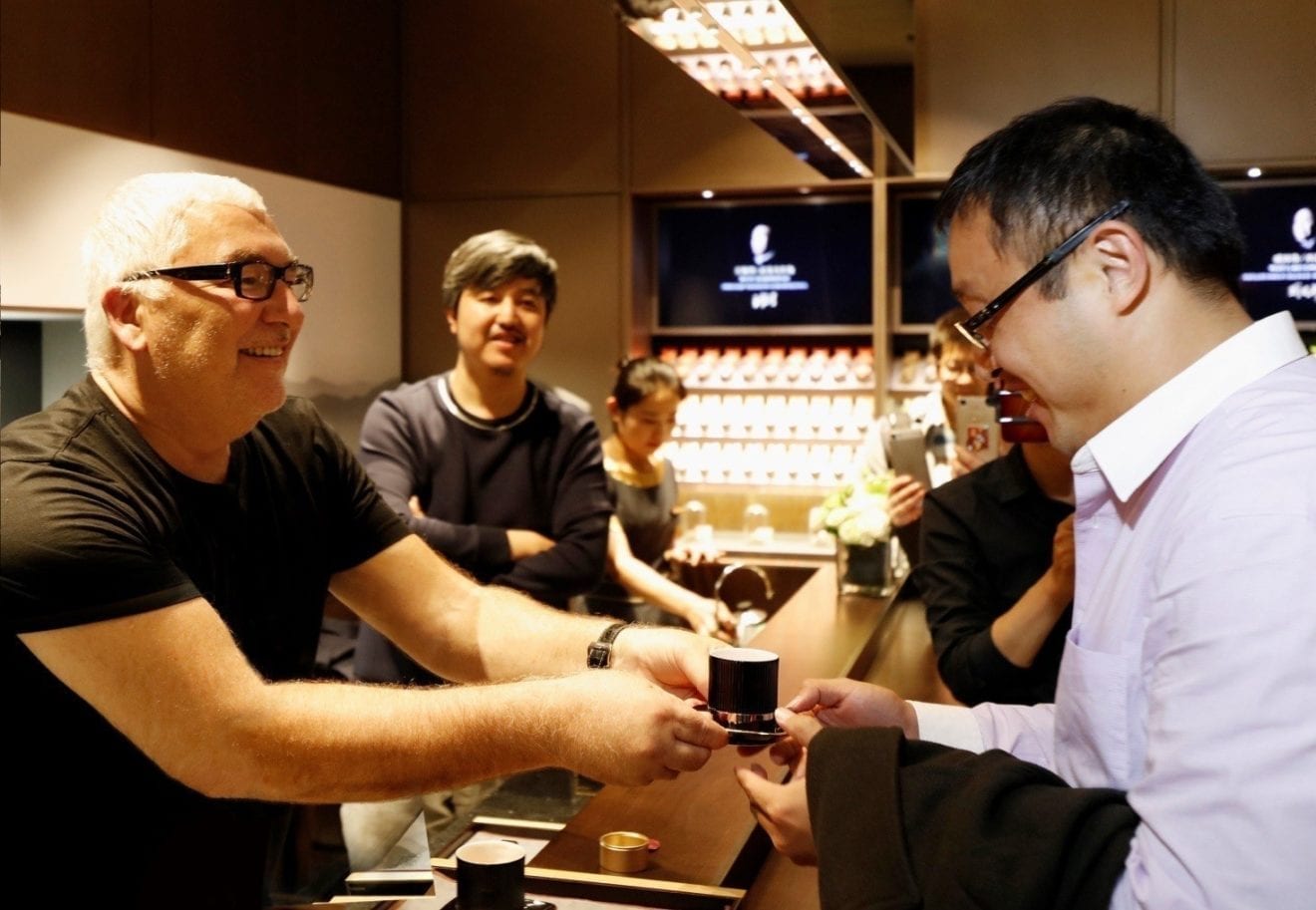
    Apple Store designer Tim Kobe was designer for the Xiao Guan Tea label’s first store, which has opened in Jinan, China.

    At the store’s grand opening, Kobe joined lead designer Jinjiang Yu, innovative experience consultant Shuo Tang and consumer experience director/company partner Hong Li about “Creating a new Chinese tea experience using the same philosophy as Apple Inc”.

    Xiao Guan Tea store 1

    Believing a traditional Chinese tea store would be too outdated for today’s young urban consumers, they analysed how concepts in store design integrate with the Chinese tea culture, proposing fresh ideas for both the tea and design industries.

    Accordingly, the Xiao Guan Tea Store sets about changing the Chinese consumer’s impression of a tea brand right from its entrance. Full-height revolving glass doors display teaware and the company’s specially designed tea capsules.

    Xiao Guan Tea store 2

    On arrival, customers enter the Tea Vault with individual displays for each type of tea, and the Tea Bar where they can sit and sample teas. There are introductory videos, and different varieties of tea leaves can be viewed inside vacuum glass containers.

    Once a customer has made a choice, a tea host places their tea capsules into a gift box.

    Xiao Guan is not just a tea shop or product display centre – it has been designed as a place where people can linger, similar to Apple’s retail philosophy. It approach was to invite eight tea masters, each representing a different style of tea, to create products with uniform quality standards, defined origin of raw materials, and limited picking time and preparation methods to ensure the freshness and authenticity of each leaf.

    Xiao Guan Tea store 3

    Also, the company invited a Japanese master engineer to design an aluminium pod for individual tea brewing.

    All this preparation took two years, the result being not only a new brand but also a more convenient and simple way for people to enjoy tea.

    “With precise product positioning plus advanced marketing strategy, Xiao Guan Tea has created an innovative consumer experience which is very different from the traditional tea industry,” says marketing director Jiang Mei.

    “Chinese tea has always been portrayed with traditional images. We have broken the traditional approach to tea selling with a new brewing method and by creating a brand experience.”

    Photo: Wei Xuliang

  • Manchester United stars to introduce Cafe Football

    Manchester United stars to introduce Cafe Football

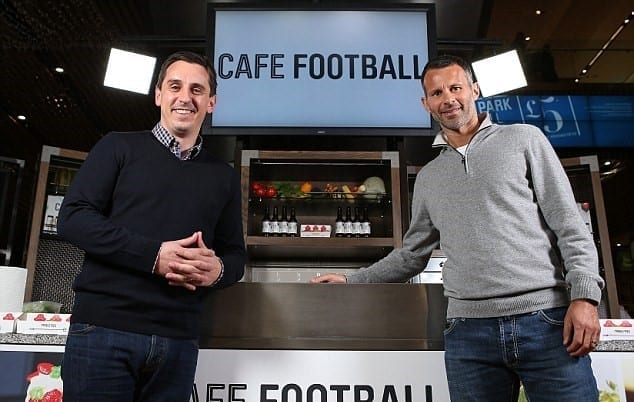
    Former Manchester United stars Ryan Giggs and Gary Neville will open a football-themed cafe in Singapore next year as part of a business venture with real-estate firm Rowsley.

    rmp_cafe_football_0823-1280x853-

    Gary Neville (left) and Ryan Giggs team up.

    Cafe Football is the first overseas venture for the UK franchise, which also includes Hotel Football just beside Old Trafford in Manchester.

    Cafe Football and Hotel Football were initially set up by Singaporean businessman Peter Lim along with five of the Manchester United’s “Class of 92” cohort, which includes Giggs, the Neville brothers Gary and Philip, Paul Scholes and Nicky Butt. Rowsley last year acquired the majority share of both Cafe Football and Hotel Football, as well as hotel management company GG Collections.

    The company has just revealed its intention to bring the franchise to Asia, as well as Europe, over the next decade. It has identified China and India as the main markets it is targeting for expansion.

    “We’ve been approached quite a lot by partners to expand,” says Gary Neville, who played 602 games for the club. “Knowing there’s quite a lot of excitement in the market, we’re filtering down to the best opportunities that support our brand and product.

    “So far, we’ve had fantastic reviews in Manchester, with a more than 80 per cent occupancy rate even during non-match days. Now we are looking for a UK, Europe and Asian expansion over the next 12 to 18 months to add multiple properties.”

    Neville says they hope to build more than 5000 rooms over the next 10 years. They are hoping to open in Indonesia, Malaysia and Thailand, with some developments including both a hotel and cafe, while others will be a cafe only.
    There are currently two Cafe Football outlets in the UK, in Manchester and London. The cafes feature menus divided into “defence, midfield and attack”, with dishes named after football phrases such as “The Special One”, “Mexican Wave” and “El Classico”.

    Lim previously was involved in a football-themed eatery in Singapore. Fashion brand distributor FJ Benjamin, of which Lim is a shareholder, co-owned the now-defunct Devil’s Bar, a sports pub with a Manchester United theme, at Orchard Parade Hotel.

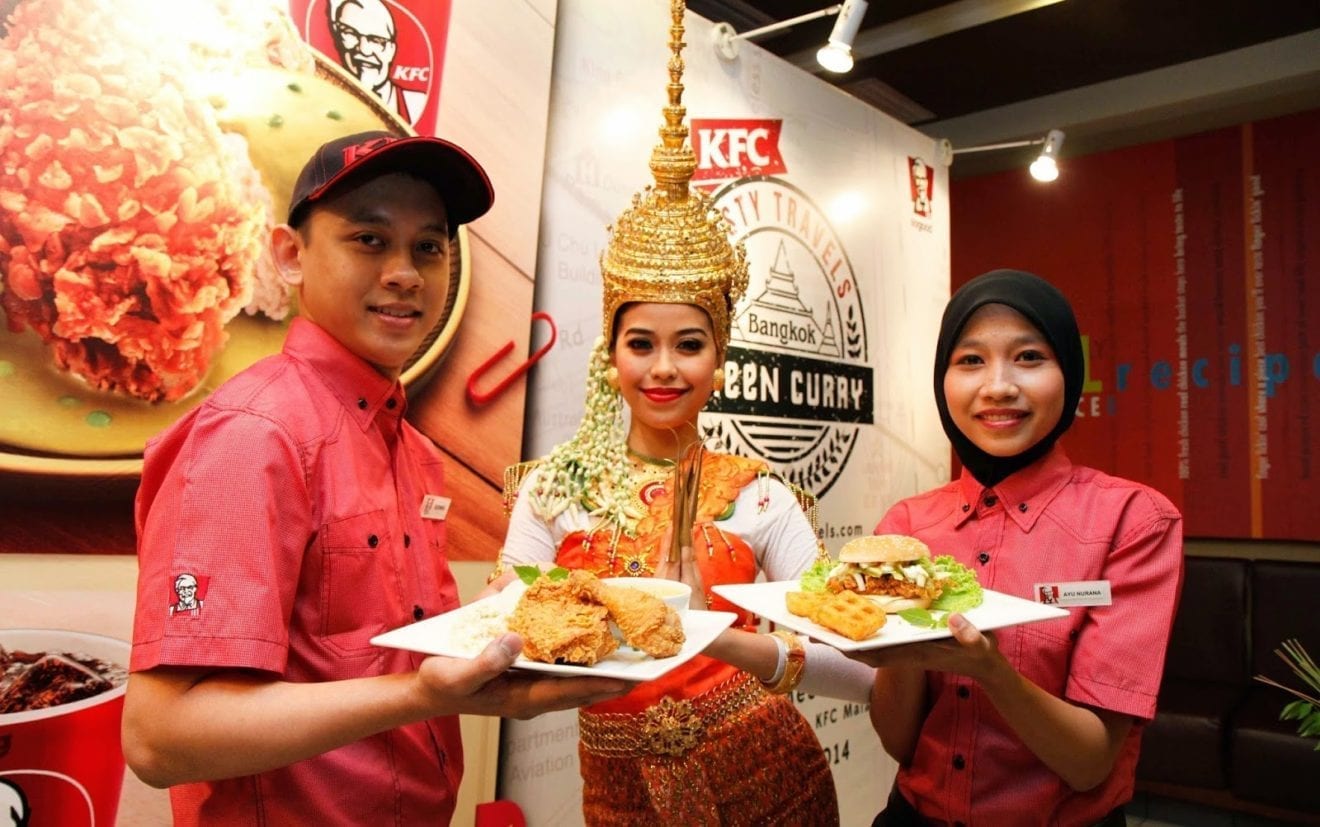
  • KFC Malaysia parent plans IPO

    KFC Malaysia parent plans IPO

    KFC Malaysia parent QSR Brands (M) Holdings, is arranging an IPO next year expected to raise about US$500 million.

    The company, which has both KFC and Pizza Hut restaurant concessions in Southeast Asia,

    Citigroup, Credit Suisse Group and Malayan Banking will lead the offering. QSR has also chosen CIMB Group Holdings and RHB Bank to work on the share sale, reports the Business Times.

    The Kuala Lumpur-based company is seeking a listing after first-time share sales raised US$270 million this year.

    CVC, Employees Provident Fund and Johor Corp took QSR Brands private in 2013. It manages more than 730 KFC restaurants in Brunei, Cambodia, India, Malaysia and Singapore, as well as more than 450 Pizza Hut outlets in Malaysia and Singapore.

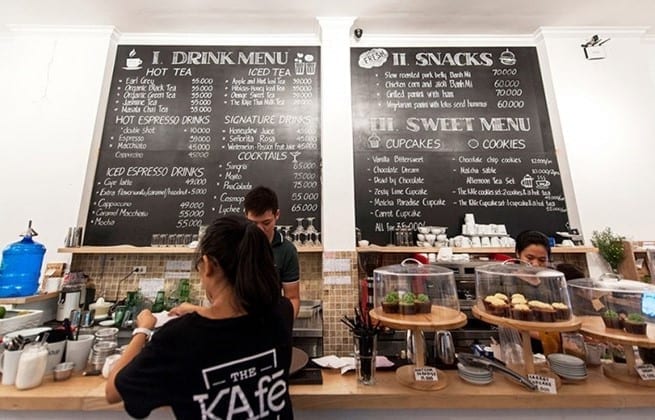
  • Foreigners take control of Vietnam’s KAfe Group

    Foreigners take control of Vietnam’s KAfe Group

    Vietnamese chain KAfe Group has been bought out by foreign investors and its founder ousted.

    The unidentified foreign investors have increased the business’ capital from VND16 billion to VND244.825 billion (US$10 million).

    KAfe’s founder and CEO, Chi Anh Dao, has stepped down from her role and has not been involved in any business activities of The KAfe since October 25.

    In October last year, KAfe Group secured US$5.5 million Cassia Investments-led Series A funding to expand its business throughout Vietnam and the Southeast Asia region. It had also planned to list on the Hong Kong stock exchange.

    But the expansion has not been as successful as anticipated and The KAfe outlets in Hanoi and HCMC have not attracted as many customers as budgeted.

    KAfe Group, founded in 2013, is described as an urban fusion food company. It currently operates 20 outlets in Hanoi and HCMC under four brands: The KAfe, The KAfe Village, The KAfe Box, and The Burger Box. The group has recently bought a cupcake chain, and plans to expand to tea and juice business.

    Before announcing its capital change in June, the KAfe faced financial troubles with reports of suppliers going unpaid.