Category: Food

Retail News Asia is committed to providing both local and global retailers with the latest Food and Food & Beverage news throughout the Asian market. This on a daily base.

  • Packaged food in Thailand – impulse and health to drive premium segments

    Packaged food in Thailand – impulse and health to drive premium segments

    After a period in the economic doldrums, Thailand looks set to be a potential opportunity for domestic and international food manufacturers marketing premium wares. Poorna Rodrigo surveys what is driving demand for premium products in south-east Asia’s second-largest economy.

    A string of political crises may have weakened consumer spending in recent years but Thailand’s economic growth accelerated in 2015 and the country’s GDP in the first half of 2016 was faster still, suggesting south-east Asia’s second-largest economy could again present a lucrative opportunity for premium packaged food markets.

    And there is optimism among industry watchers about demand for packaged premium brands despite the possibility the wave of bomb blasts this summer could affect tourism, which is a driver in the trend of premiumisation and some concerns over the levels of household debts in Thailand.

    The appetite for packaged premium brands remains strong and is expected to grow – and trends including impulse and health are expected to be key to the development of the more premium parts of the market.

    Overall, packaged food sales (retail and foodservice including premium) soared from US$8.06bn in 2011 to US$11.07bn in 2015, according to data from UK-based market researcher Euromonitor International, with sales projected to continue to grow through 2020, albeit at a slower pace.

    The rate of growth in the sales of more upmarket products is predicted to rise, according to Yongyut Ongwattanapat, a Bangkok-based senior manager at US market research company Nielsen. “Premium food grew at four per cent, while the non-premium category grew around six per cent in 2014. Premium food sales are expected to grow around six to seven per cent within the next two years,” Ongwattanapat says.

    Reflecting the growth in the size of Thailand’s middle-class, the increase in premium goods sales is shaping Thailand’s fast moving consumer goods industry, Ongwattanapat explains. One common theme persuading consumers to pay more for premium foods is the ability of brands to “convey functional benefits” Ongwattanapat says. For example, products claiming to have lower or less sugar, high in fibre and protein, organic, and 100% juice content are becoming more appealing to Thai consumers.

    A spokesperson from Euromonitor says the urban lifestyle of many modern Thai consumers is encouraging them to spend more, despite higher living costs and debts. For example, World Bank data says out of 67.9m people overall, nearly 10m live in the capital Bangkok. New product launches are well received, as “adventurous tastes drive consumer willingness to spend on new experiences,” the spokesperson says. “Impulse and indulgent packaged food products” have been instrumental in boosting retail value sales growth, the spokesperson adds.

    Fonterra, the New Zealand dairy giant, has a growing business in Thailand, with its foodservice-oriented business, Anchor Food Professionals, central to its strategy for growth in the category. Anchor Food Professionals supplies a range of dairy products to foodservice and convenience store outlets in Thailand. That part of Fonterra’s operations in Thailand “has seen double-digit growth in the past few years”, Paul Richards, managing director of Fonterra’s branded business in the country, says. Richards points to one category benefiting from growing demand for convenience. “There’s huge potential in the premium segment of the bakery category where more Thai consumers with higher incomes demand greater variety and western-influenced options,” Richards says.

    Looking at other factors industry watchers see as driving demand for premium food, data from UK-based market intelligence firm Mintel suggests wealthier consumers are becoming more interested in ethical food. According to Mintel’s 2016 Asia and Pacific (APAC) consumer lifestyle study, this year 31% of urban Thai consumers prefer products that carry an environmental certification from a credible government or non-profit organisation, Jane Barnett, the firm’s head of insights for South Asia-Pacific  says. This means having a “stamp of approval” from a known organisation works well with consumers, Barnett says, adding this cohort of consumers is willing to pay more.

    She continues: “Forty per cent of metro Thai consumers are willing to pay a premium for products that are safe to use, such as products that have no additives and 27% would pay a premium for products that are natural for example organic or uses pure, naturally-sourced ingredients.”

    A growing fondness for healthier food is also opening doors for foreign investors: 66% of metro Thai consumers hope to achieve eating a healthier diet in 2016, according to Mintel data. Barnett believes “more opportunities for imported health foods in the market will arise”.

    According to Dee Richmond, general manager of AgriSource Company Ltd, a food and agriculture firm based in Bangkok, there is increased interest in quality from Thai food manufacturers in US pulse-based food products such as peas, beans, chickpeas and lentils

    “We have not yet seen very many new products yet, but there are a record number of research and development trials with US pulses taking place in snacks, canned foods, and other value-added products,” she says. “We are also seeing increased availability of US pulse ingredients, including pulse starch, pulse flours, and pulse protein.” Dry pulses provide a hard-to-beat nutritional profile for food processors looking for healthy ingredients, being rich in protein, soluble and insoluble fibre, antioxidants, vitamins, minerals and low in fat and oil content, she adds.

    This premium health-based positioning is even extending to snacks. Bangkok-based snack maker Hanami Foods Company Ltd, a subsidiary of Friendship Company Ltd, sells the Snack Jack extruded green pea snack, while Modern Food Industries (India) Ltd, based in Thailand’s central Pathum Thani province, also produces green pea-based snacks.

    However, the growth in demand for more premium products has also seen some food companies misusing ‘premium’ labelling, forcing the Thai ministry of public health to implement additional controls, according to Siradapat Ratanakorn, a regulatory affairs consultant and food technologist at the Bangkok-based south-east Asian leading law firm Tilleke & Gibbins International.

    “If a food company wishes to claim ‘premium’ on a food label, it needs permission from the Food and Drug Agency, who decides these requests on a case-by-case basis,” Ratanakorn says. For organic products, certification from an official government agency body or approved by an authorised agency official is necessary, he adds.

    Thailand has lagged the growth of some of its neighbours in recent years but there have been signs the country’s economy is getting stronger. There are some concerns about whether Thailand’s high levels of tourism will be affected by the bomb blasts this summer, while household debts could dampen growth. But the continued growth in the country’s urban middle class looks set to drive incomes and, trends including impulse and health, could present opportunities at the more premium end of the market.

  • Pernod Ricard TR sees Q1 improvement in Korea

    Pernod Ricard TR sees Q1 improvement in Korea

    According to Pernod Ricard travel retail witnessed an “improving trend in travel retail Americas” with a “return to growth [and] better performance from duty free across zone, product mix and pricing.”

    However, the travel retail division admitted that it battled a ‘difficult environment’ in Asia for Q1 ‘impacted by tough commercial negotiations’. More positively the same division said that Korea duty free appeared to show improvement.

    A sales decline for travel retail in Europe was apparently caused by weakness in Eastern Europe; something which the company has been battling for the last few years.

    Pernod-Ricard-Q1-FY2017

    Highlights from the Pernod Ricard Q1 FY2017 results. The company does not share its travel retail results, but does provide some commentary on the division.

    Group wide, For FY17, as indicated in September, Pernod Ricard expects good sales growth to continue in USA, India, Jameson and innovation. It also expects sales to improve vs FY16 in China, Absolut and Chivas.

    There will be a ‘continued focus on the operational efficiency roadmap and priority brands and innovations’ and ‘continued deleveraging and strong cash flow generation’.

    Pernod-Ricard-house-of-brands

    Pernod Ricard shares its strong lineup of strategic brands (for the whole group).

    For FY17 the company is looking for organic growth in profit from recurring operations between +2% and +4%.

    *Shipments brought forward from July to June2015 ahead of back-office mutualisation between Ricard and Pernod on 1 July 2015.

  • First Tous les Jours Mongolia store opens

    First Tous les Jours Mongolia store opens

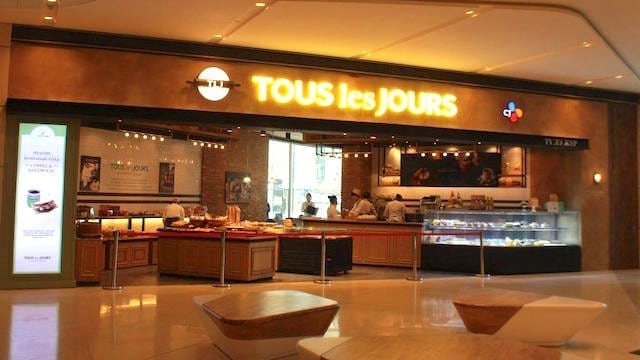
    Korean bakery Tous les Jours has opened its first stores in Mongolia as it broadens its Asian footprint.

    Two Tous les Jours Mongolia shops have opened in Ulaanbaatar in what the company sees as another step in its plan to become a global bakery brand.

    Tous Les Jours Mongolia 2

    Besides Mongolia, the brand’s parent CJ Foodville has 270 Tous les Jours stores in seven countries: Cambodia, China, Indonesia, Malaysia, the Philippines, the US and Vietnam.

    It is the first international bakery to open in Mongolia, where K-pop has amassed a considerable following, raising the profile and acceptance of Korean brands in general – especially music, food and fashion.

    Tous Les Jours Mongolia 3

    A local master franchise has been appointed to lead the brand’s roll-out

    The Korea Times reports that the company’s first Mongolian store in downtown Ulaanbaatar opened on October 31, drawing more than 2000 customers and generating over US$8600 in sales.

    A CJ Foodville spokesman said Tous les Jours opened its second shop at the Shangri-La Mall this week, attracting twice the number of customers it expected.

    tous-les-jours-mongolia

  • Indonesia en route to popularize tropical fruit

    Indonesia en route to popularize tropical fruit

    Thousands of farmers under East Kalimantan farmers group Gapoktan find it unfortunate that people outside Indonesia are missing out on their home-grown fresh and juicy mini papayas, bananas and dragon fruits.

    So far, most of their fresh fruit products are only consumed by locals buying from nearby markets due to a lack of infrastructure, making it expensive to deliver fruit across the country, let alone export them.

    Indonesian fruit exporter EK Prima Ekspor Indonesia, a subsidiary of the United Arab Emirates’ retail giant LuLu Group International, knows firsthand how selling prices at the consumer level end up depending more on transportation costs than on production costs.

    “Transportation — from farmers to warehouses to airports and finally to the destination country — is very expensive. If our unique fruit doesn’t appeal to consumers, we could lose out to other countries, especially if they can produce similar fruit for cheaper prices,” said Irawan Santoso, head of the fruit and vegetable division of EK Prima.

    Indonesia also has mangosteens, rambutans, snake fruits, jackfruits, soursops, breadfruits, guavas and starfruits that grow in the tropical country, but they are not frequently consumed globally or even domestically.

    The government aims to boost tropical fruit production by expanding land for fruit plantations while also improving infrastructure and transportation systems to decrease high distribution costs, as part of efforts to be the biggest tropical fruit producer in Southeast Asia by 2025 and in the world by 2045.

    President Joko “Jokowi” Widodo acknowledges that this is no easy task, especially with farmers’ preferences to use land for high-yielding commodities, such as palm oil, rather than fruit, which takes time to return on investment. Poor infrastructure has also driven up logistics costs for years.

    “If we can have 14 million hectares of oil palm plantations, we should also be able to have that much land for fruit,” Jokowi said during the opening ceremony of the four-day Fruit Indonesia Festival 2016 in the Jakarta Convention Center parking lot on Thursday. The President handed out various tropical fruits to children to remind people of the “love local fruit” movement.

    “If you see a lack of supporting infrastructure that could hamper distribution, please let us know,” he told the audience consisting of scientists, fruit planters as well as local and international trade delegates.

    To expand plantations, provincial administrations have been instructed to provide local farmers with 5 to 50 ha of land for fruit planting per business unit, as part of the bigger goal to provide 400,000 ha of land in Java, Kalimantan, Sulawesi and Sumatra.

    The program started with 100,000 ha in cooperation with state-owned companies. State plantation firms under PTPN also asked to start cultivating their under-utilized land for fruit production.

    “The state firms have been very enthusiastic to give sections of land for fruit plantations. They are used to producing palm oil, rubber, tea and other commodities but not fruit. So, a new management specializing in horticulture needs to be formed,” Bogor Agriculture Institute (IPB) rector Herry Suhardiyanto said.

    IPB is now studying a possibility to form another state company to develop horticulture based on the State-Owned Enterprises Ministry’s request.

    The business community is hopeful that the vision of becoming the world’s largest tropical fruit producer will be honored over time.

    “Let us not change the policy and vision every time we change presidents,” said Karen Tambayong, head of horticulture development with the Indonesian Chamber of Commerce and Industry.

  • How Nestle plans to grow in travel retail

    How Nestle plans to grow in travel retail

    Nestle’s travel retail unit is a US$100m-plus business, which generates the lion’s share of its revenue from confectionery. Stewart Dryburgh, who heads the company’s travel retail business, says the sector, while a small part of the Nestle empire, presents a strong growth avenue for the group. However, Dryburgh acknowledges it is also a competitive and fast-paced channel and those companies that want to cash in need to navigate some unique challenges. Katy Askew spoke to Dryburgh to find out more.

    Nestle generates more than US$100m in annualised revenues through its dedicated travel retail unit, which has gained market share since the world’s largest food maker set it up in 1999.

    The KitKat maker is aiming to capitalise on the expansion in international travel retail, which it expects to see as air travel continues to grow. “There were roughly 3.45bn individual airport travellers last year. Roughly split 50-50 between domestic and international. And that is projected in the next ten years to basically double to over 7bn by 2025,” Stewart Dryburgh, the general manager of Nestle’s international travel retail unit, stresses.

    However, this expanding consumer base makes the high-traffic sector a highly competitive one in which to operate. “Most people want to play here that is for sure,” Dryburgh says. “You have got at the moment [almost] 3.5bn people travelling through airports every year. And if you take the top 50 airports – the likes of Heathrow, Frankfurt, Singapore, Dubai, JFK – internationally there are 1bn travellers going through those airports every year. So there is a huge audience there in what is a relatively limited number of locations that they are going through.”

    Standing out in this competitive environment – especially because consumers are not expressly travelling though terminals to shop but as part of their journey – is one of the key challenges for companies operating in the sector.

    “That is a perpetual challenge no matter what channel you are in. A brand has to work hard to understand consumers needs and remain relevant. I have worked in big domestic markets like the UK, in emerging markets like India and I have looked after some of Nestle’s biggest brands including KitKat. No matter where you sit it is a challenge. Our challenge in this particular industry is to engage in a way that is relevant to the moment that consumers are experiencing. And that is a journey.”

    Of course, there are different types of journey, Dryburgh continues. This gives rise to two distinct need-states Nestle wants to meet through its travel retail range. “It may be a business journey and if they are heading out they might want to take a gift to somebody who they are going to meet, or they might be heading back and want to take something to their loved ones. You might be going off for a long weekend and you want something more snacking oriented. There is a mix if you come very specifically into the confectionery world of gifting chocolate and consumption chocolate. The whole world of millennial consumer and the emerging middle-class consumer in Asia and LatAm continually creates opportunities for us. Then it is understanding how they can be relevant.”

    Within the travel retail channel, chocolate and confectionery “comfortably” account for 80% of Nestle’s sales, Dryburgh notes. “The main category focus is chocolate and confectionery for the simple reason that is one of the key categories within the [travel retail] industry,” he observes.

    The pressure cooker atmosphere of the channel means that trends born out in travel retail frequently develop ahead of the winder market, Dryburgh suggests. “I think as a whole this industry has done things that have been pushing the envelope. I think the challenge is always to stay ahead because often what you see being executed in this industry at certain premium price points then becomes translated into domestic markets. The continual challenge is to stay ahead of that curve.”

    Dryburgh points to Nestle’s decision to expand its Cailler brand via the travel retail channel as part of a push to internationalise the 200-year-old brand of premium Swiss chocolate.

    “We have been focusing in particular on Cailler as a first instance. It is one of the strategic priorities that has been called out by the organisation. Cailler is the original Swiss chocolate brand. It is the home of chocolate in Switzerland. It dates back to 1819 and Francois-Louis Cailler who set up the company making chocolate in the factory where we are [still] manufacturing at the foot of the Alps.

    “This is an undiscovered diamond that Nestle has been sitting on. I would say, Lindt & Sprungli have done an outstanding job of driving the premium end of Swiss chocolate without a doubt, I take my hat off to what the team from Lindt have done. However, Nestle is sitting on the first and the original Swiss chocolate. It is a strong brand in Switzerland, but we have not done a good job of internationalising it.”

    This year, Nestle kicked off “activations” first in Swiss airports, Geneva and Zurich. The company then piloted the brand in Dubai and Singapore, the “two big hub airports heading east”. Dryburgh says this roll out has gone “extremely well”. Marketing has included virtual reality point of sale activities to communicate the brand’s heritage and build a rapport with consumers.

    Rolling out the brand to travel retail is a “premier example” of how Nestle’s travel retail business works to add value to the industry, Dryburgh says. “The way you add value is giving consumers a reason to buy because they are going to get something they can’t get at home. That is one of the things that people look for when they are travelling, part of the experience.”

    Ultimately, Nestle does plan to broaden Cailler’s base, but the company does not intend to roll the brand out in traditional retail channels. “We are going to go high-end with this particular brand. I think the focus is very much on leveraging the travel retail channel as a spearhead in giving consumers the chance to engage with the brand in the first place and then encouraging them out.”

    While confectionery sales dominate Nestle’s travel retail sales, Dryburgh says the trend-setting nature of the sector and evolving consumer demand mean in the longer term the company is likely to capitalise on opportunities to exploit other categories.

    “You will be aware of Nestle’s journey in the direction of health science, delivering nutrition via food and health benefits via food, which is something that has historically always been part of what food brings you. Over the centuries people have understood the more holistic benefits that food can bring when consumed in the right way. That is also where our company is heading. For the future, [our travel retail business] tends to be far broader than confectionery and it will be far broader than that as consumer needs change with ageing populations. In the short term it is still going to focus on confectionery,” he says.

    Nestle is also taking advantage of some niche opportunities in travel retail that are created by local conditions, Dryburgh continues. For example, the company has developed “interesting” business selling milk powders in the Middle East.

    The company spotted an opportunity to cater to “blue collar workers” who have come from the Indian sub-continent to places like Dubai as part of the city’s construction boom. “These individuals have a once a year trip home and the opportunity to sell them milk powder was a very interesting one… What we discovered along with the airport authority was the opportunity to sell a relatively bulky, relatively heavy product like 2 kgs of milk powder in the airport duty-free store. The reason the consumer wanted to buy it there was because they didn’t have to put it in their checked luggage and they could carry it on the plane. It is a very simple little story but it is a hugely successful business. And that is about understanding your local consumer and local needs. That is something that is relatively unique to the Middle East.”

    While Nestle picks up local opportunities such as this, they are not the “core thread” of the business because it would “create such complexity that it wouldn’t be worth focusing on,” Dryburgh adds.

    Nestle’s focus on international brands, such as KitKat or Cailler, does not mean the company does not tailor its offering to cater to local preferences. “You have to deal with regional taste and you have to understand who is flying where. Often, in the bugger hub airports certain airlines fly through certain terminals… You have to tailor your offering subject to the terminal and the airport. If you have a brand that is a global proposition – like KitKat or Cailler – well that proposition is quite universal it is just a function of how you communicate or engage with consumers around it.”

    Those operating in the travel retail sector face some unique channel-specific challenges. According to Dryburgh, while branded manufacturers still have negotiations around pricing “the environment you work within and also the margin structures” are specific to the channel.

    “This is different because of the nature of the industry. Effectively, the way the industry is set up now, the airport authorities as a general rule of thumb earn around 70% plus of their revenue comes in now from non-aeronautical sources,” Dryburgh explains.

    “The very clever game that the airport authorities play is for the main duty-free store they auction the space off. The retailers come and tender for a five or ten-year contract. But it is a very different world to a domestic supermarket world… retailers either win the tender or they don’t, you are either in or out. That means they have to put a very specific sum of money on the table as a guaranteed payment to the airport on an annualised basis. And therefore they demand extremely high margins from brand owners to be in the stores.

    “The big four categories – tobacco, alcohol, perfumes, cosmetics – they are all offering 80-85% margin that is being earned by the retailer. But the retailer is having to earn that money because they are paying extremely high rental costs to the airport authorities. The airport authorities are the ones making the money, and they are ploughing it back into infrastructure because the whole sector has seen a dramatic growth curve. More people are flying so they have to invest in the infrastructure.”

    Overall, Dryburgh says the underlying growth drivers for travel retail are “extremely positive”. However, the sector does face exposure to “very big peaks and troughs” that track ahead of the economic growth curve.

    “For example, when 9-11 happened people tended to travel a little less and people weren’t shopping. The same when the SARS epidemic hit SE Asia back in 2003. That basically stopped people travelling in Hong Kong, Bangkok, Manilla. The industry collapsed. The Singapore industry collapsed. You can get some significantly negative downturns.

    “You can also get some significantly positive upswings. When the globalisation trend was at its peak you had some more Russians travelling, more Brazilians travelling, more Chinese travelling. There were some extremely positive growth years for the industry. It tends to follow a more exaggerated curve than global GDP growth – you get very strong years and negative years. It is more of a roller coaster in that sense.”

    The Nestle executive concedes this aspect of travel retail makes the business more difficult to manage. “If you have a crystal ball and you know what is coming you can do it very easily. But without one it is not so easy to call what is coming. It is one of the first discretionary spend items that goes. It is a challenging channel because of the peaks and troughs, but it is also part of the fun.”

  • MPPA opens its premium supermarket format in Denpasar, Bali

    MPPA opens its premium supermarket format in Denpasar, Bali

    The Foodmart Primo is a professionally designed upmarket supermarket with a café, “boutique” bakery and restaurant, offering a high level of local and imported goods in a pleasant ambience for a more enjoyable shopping experience.

    Director of Foodmart Operations, Dave Rao stated “Level 21 Mall is a life-style mall. Our presence is to provide a “one-stop” experience for the customers, whereby they can enjoy shopping at the various outlets as well as eat, drink and get their complete daily/weekly groceries at Foodmart Primo – all under one roof. Our assortment also includes handicrafts, souvenirs, aromatherapy, local snacks and more to cater to the large tourists precence in Bali.”

    ”To date, the Company had already established a presence in the Kuta area and has been looking for an opportunity to venture further into the residential parts of Bali. So when a location in the Level 21 lifestyle mall in Denpasar became available, MPPA took the opportunity to open another Foodmart Primo there.” he added.

  • ‘Lead or lose’ message for food and grocery

    ‘Lead or lose’ message for food and grocery

    “Lead or lose” – that is the message for food and grocery businesses from chief executive Joanne Denney-Finch of the industry’s research and training charity IGD.

    Outlining her vision for the future of global retailing, she told delegates at the Canadian Grocer Thought Leadership Conference in Toronto that retailing was splitting into two parts: one largely automated and super-efficient, and the other based on delivering inspiration. “The blueprint is already emerging, not in one single place but spread across the world.”

    Drawing on examples of best practice from global retailers and manufacturers, she told how greater automation of everyday, staple purchases would drive shoppers to seek out excitement and creativity for the balance of their grocery shopping.

    “Eventually distribution centres will be run almost entirely by robots, and trucks will drive themselves,” she said. “Our smart appliances will use sensors to guarantee great cooking results, and people will hand over many decisions to their smart devices.

    “We’ll sign up to long-term deals, because that will be easiest and deliver best value. So as shoppers, our key staple items will turn up just in time, whenever we need them.

    “But on the other hand, as people’s lives keep growing more hectic, spontaneous buying and eating will also be even more popular. Online services will respond to this too, with meal kits and ready-to-eat food delivered to the door at rapid speed, but physical stores will always have the edge for instant gratification and for products we like to see before we buy.”

    More exciting

    Stores in convenient locations, such as train stations, would be favoured, so big stores would have to work harder to entice people. “They’ll become much more exciting, featuring lots of fresh food, new products, special events and more ways to taste, learn and discover. Experts will be on hand to give advice and deliver personal service.

    Branded manufacturers will be helping their retail customers to differentiate and deliver excitement, because those that don’t will be marginalised.”

    Retailers would also “compete fiercely” over health, said Denney-Finch, with the provenance of food and the ethics behind it being hugely important. “It will be an even more transparent world, and progressive companies will celebrate this. They’ll be really proud of the standards at every point of the chain for all the food they sell.”

    She said shoppers would be delighted and companies tested, “but the best will really thrive”.

    Denney-Finch said that having the right people with the right mix of skills would be needed to deliver this future of automation, from “highly capable food scientists, quality-control specialists and all-round good managers” to people who could bring new skills to both the in-store environment and supply chains.

    “Our research shows that most British shoppers view the leading supermarkets as largely interchangeable and even as part of the establishment,” she said, “so food stores need to become edgier and more inspirational. Both retailers and suppliers will need to invest in creativity and product expertise, because we’ll need more people in store to advise and recommend.

    “The more automated life becomes, the more essential it will be for companies to have a friendly face and to bring their brands to life.”

    Denney-Finch said a rich range of skills would be needed “as skills will separate the winners from the losers”.

  • Village for Cafe Amazon’s Japan launch

    Village for Cafe Amazon’s Japan launch

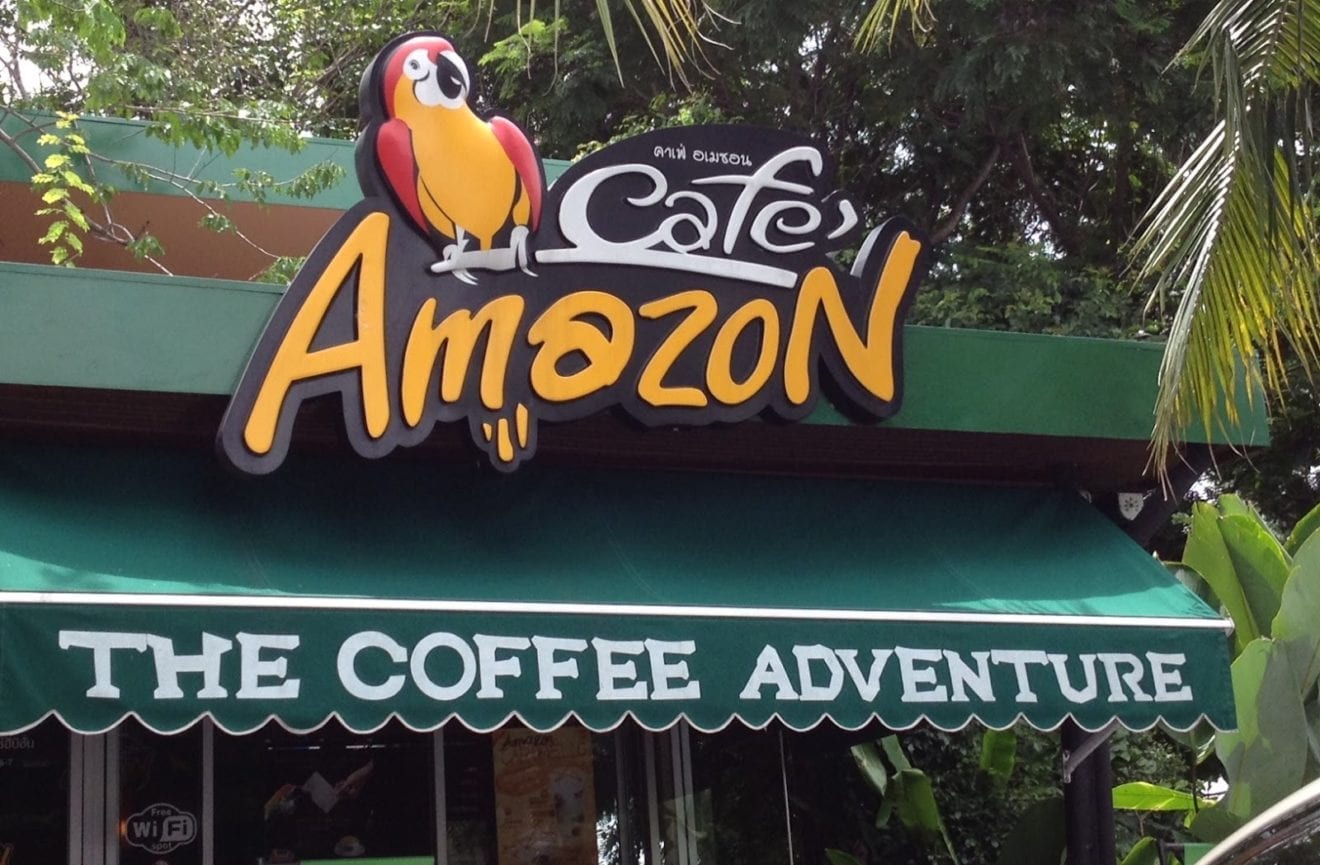
    Rather than a big city, Thai coffee-shop chain Cafe Amazon has chosen a village for its launch into Japan.

    More than 200km from Tokyo, Kawauchi in the Fukushima prefecture has fewer than 2000 residents, and the community is still struggling to recover from the 2011 nuclear disaster.

    Cafe Amazon Japan store

    Kawauchi is about 25km away from the Fukushima Daiichi nuclear power plant, which had meltdowns after the earthquake and tsunami on March 11, 2011. The village was temporarily evacuated, with about 30 per cent of the registered population of 2700 yet to return.

    However, Thai state oil and gas company PTT, which owns the Cafe Amazon chain, believes that starting out in such a location could help to raise brand awareness.

    PTT president/chief executive Kevin Vongvanich, who travelled from Bangkok to attend the Kawauchi shop’s opening ceremony, says the company hopes to open other branches across Japan.

    Cafe Amazon Japan open

    He says one of PTT’s objectives in Kawauchi is to gather consumer feedback. “We have a special coffee designed for the Japanese – a bit lighter than coffee in Thailand. The testing will provide us with information so we can adapt our coffee to suit Japanese tastes.”

    Cafe Amazon is using the same Thai beans it offers in its 1600 domestic outlets. A basic cup of coffee in Kawauchi sells for 250 yen (US$2.30), and the 60-seat shop resembles a wooden house, with customers being asked to leave their shoes at the entrance.

    Japanese building materials maker Codomo Energy, which has a factory in Kawauchi, has the Cafe Amazon franchise for Japan, and the partners plan to open several more branches next year, starting in Osaka.

    For Kawauchi, the cafe represents a rare investment from outside the community. At the opening ceremony, Mayor Yuko Endo said he hoped more outsiders would visit the village because of the cafe.

  • Military minimall for US troops in Korea

    Military minimall for US troops in Korea

    A $6.2 million US military minimall has been officially opened for troops relocating to an expandedCamp Humphreys in South Korea.

    The Army and Air Force Exchange Service (AAFES) centre includes fast-food restaurants, a barber shop and a retail store, across the street from a new barracks at the US Army garrison 88km south of Seoul. This means soldiers will no longer need to take a bus to the central food court and commissary that previously served the whole post.

    Soldiers at the opening ceremony were told the minimall will save them time and help alleviate queues and crowding. The complex also is near a chapel, theatre and gym.

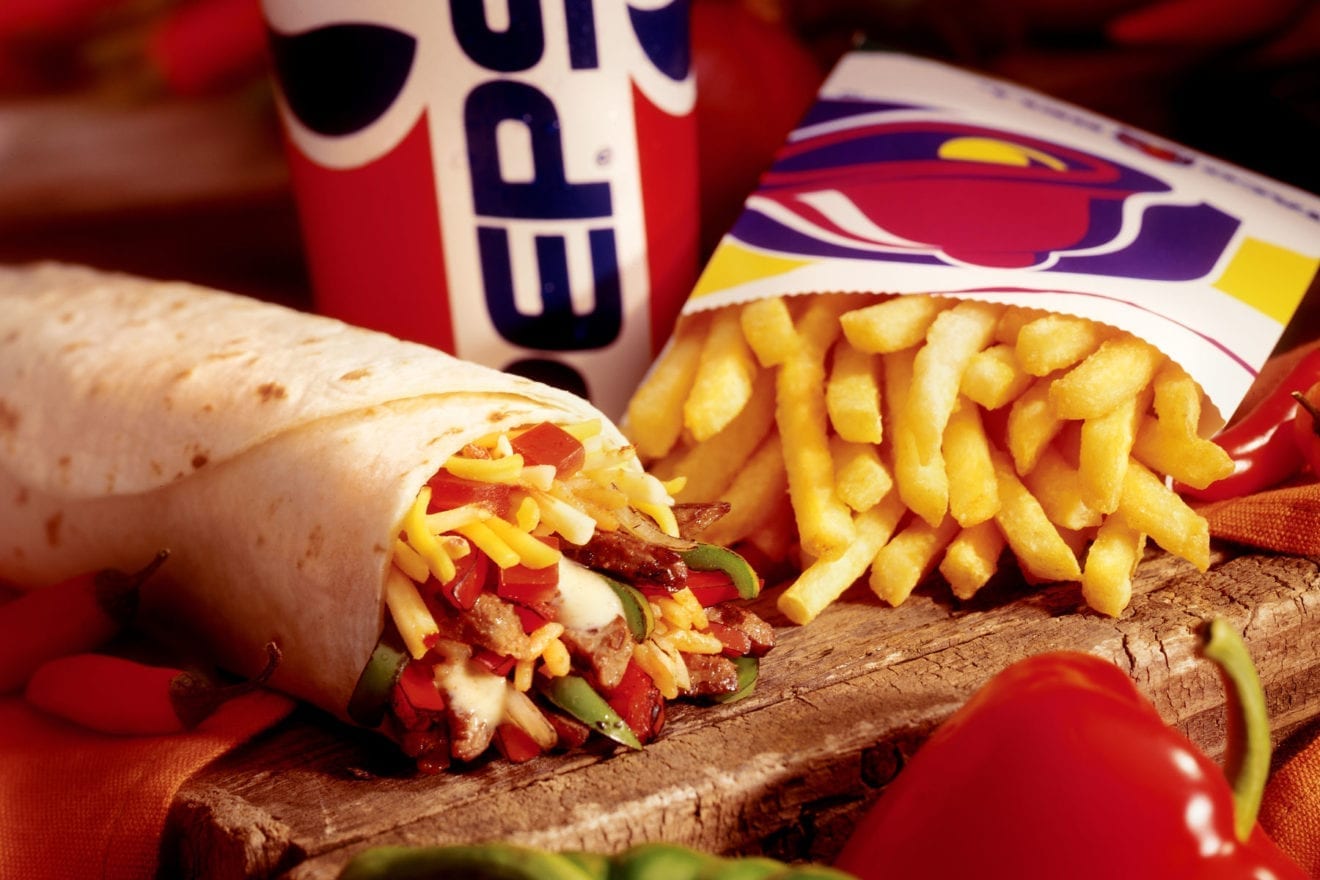
    Its 124-seat dining room has a Starbucks, Subway and Taco Bell. There is also a dry cleaner, an eight-chair barber shop and a grocery store that also sells other items.

    Construction of the almost 24,000 sqft (2229 sqm) building three years ago, with the South Korean government paying $4.4 million and the AAFES $1.8 million. The South Korean government is funding most of the $10.7 billion overall expansion project.

    AAFES regional senior VP Karin Duncan says four more amenities will open late next year, including a 300,000 sqft post exchange.

    The US has about 28,500 serving military in South Korea, which remains technically at war with the North after the 1950-53 conflict ended in an armistice instead of a peace treaty.

  • Jamie Oliver to announce its opening for the first Jamie’s Italian restaurant in Thailand

    Jamie Oliver to announce its opening for the first Jamie’s Italian restaurant in Thailand

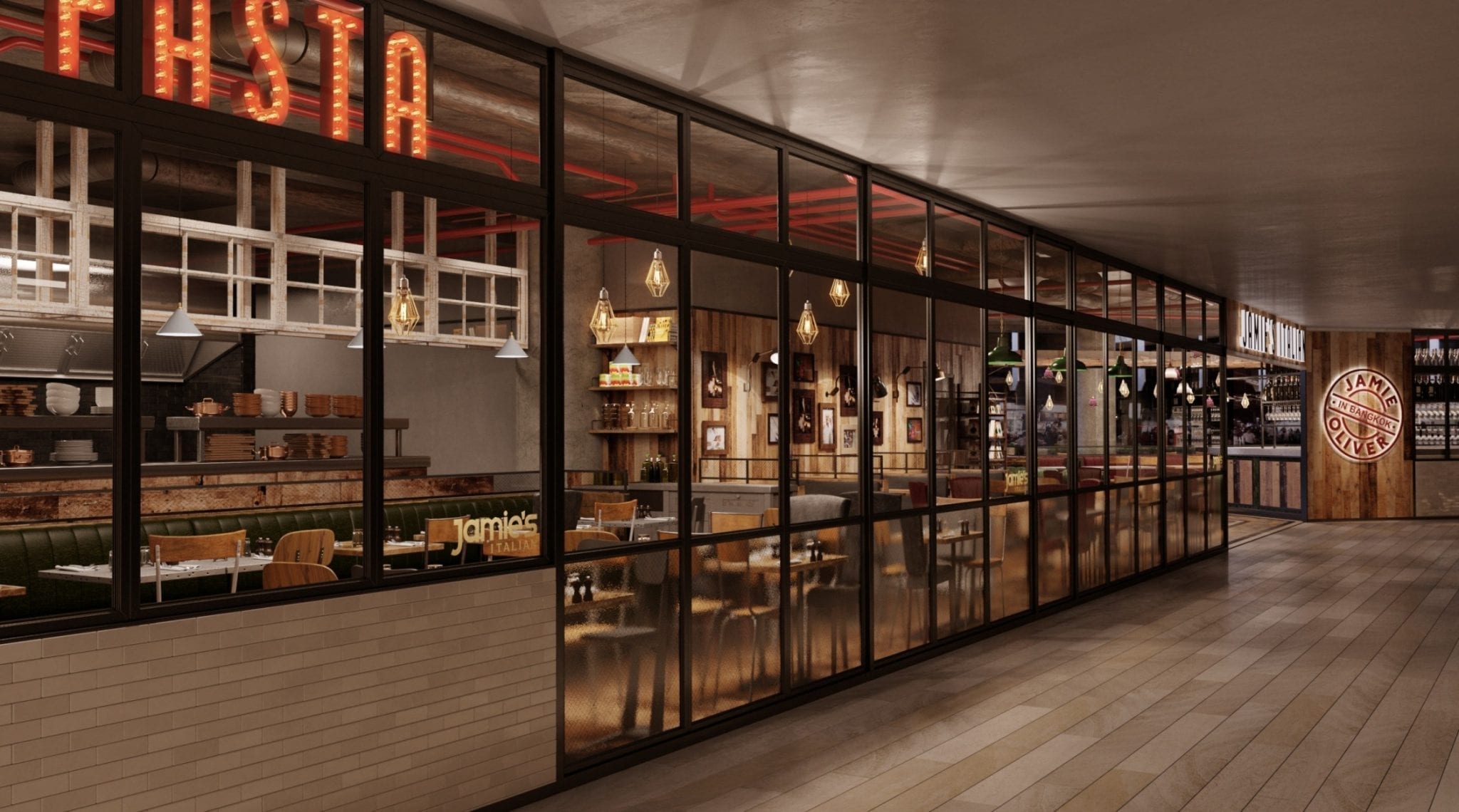
    Jamie’s Italian by Jamie Oliver is pleased to announce its opening head chef for the first Jamie’s Italian restaurant in Thailand, set to open in the fourth quarter of this year. Alex Barman, a dynamic and passionate chef with more than 11 years of culinary experience, will be leading the kitchen team as head chef of Jamie’s Italian Siam Discovery.

    Born in North Wales, UK, Alex started working in restaurants at a young age while still studying, beginning his culinary career as a kitchen assistant in a local hotel restaurant, and then progressing to be a sous chef in a local bistro, and head chef for Whitbread Group in Cardiff. In 2010 he joined the Jamie’s Italian family in Cardiff as a commis chef, moving swiftly through the ranks and taking his first head chef role for Jamie’s Italian in Cheltenham and Birmingham. He was also a member of the training support team for the opening of Jamie’s Italian Westfield, Stratford near the London 2012 Olympic Stadium. Alex moved to Singapore three and a half years ago to open the first Jamie’s Italian in Asia in VivoCity, where he started as the sous chef and was quickly promoted to head chef. In 2015, he moved to Bali as head chef for the new restaurant, Jamie’s Italian Kuta Beach.

    “Everything we serve is made with care,” Alex Barman, the head chef of Jamie’s Italian Siam Discovery said. “Good food is as the heart of everything we do. We are fully committed to supporting Jamie’s fight for better food worldwide, and his mission to make good food accessible for everyone.”

    As with all Jamie’s Italian outlets, the Siam Discovery restaurant will remain committed to sourcing only the best free­range, sustainable and ethically sourced ingredients. The restaurant will also work closely with Thai farmers to showcase local, responsibly grown produce.

    Alex said: “One of the most exciting parts of the job so far has been sourcing ingredients that fit in with Jamie Oliver’s food ethos. It’s not always easy, but it is always enjoyable as I have been able to meet some really amazing people. I am very passionate about sourcing and working with great local suppliers who are as passionate about great ingredients and the food ethos behind them, as I am. I’m really looking forward to seeing these ingredients feature throughout our menu.”

    “Since moving to Asia I’ve always wanted to work in Thailand and experience the culture, people and amazing local food on a regular basis, not just for a holiday, as you never really get to experience the real country and people on short breaks. It’s such a diverse and dynamic country with big differences from one province to another, making it very exciting to travel around and experience all the country has to offer. I love cities and actively seek to work and live in big, bustling, dynamic cities in which Bangkok has to be one of the best so far I’ve lived in.”

    Alex said: “Jamie’s Italian food is simple, rustic and inspired by dishes eaten all over Italy, delivered to the local market at affordable prices, which means it’s great for any occasion. I will also be creating some fantastic daily specials, maximising ingredients I can get at short notice from local markets and suppliers. I’m really looking forward to using some of the interesting products that are available here to create some brilliant dishes, with a new brigade of talented local chefs, and seeing our first guests enjoy our food.”

  • Hong Kong Wine & Spirits Fair Uncorks Asian Opportunities

    Hong Kong Wine & Spirits Fair Uncorks Asian Opportunities

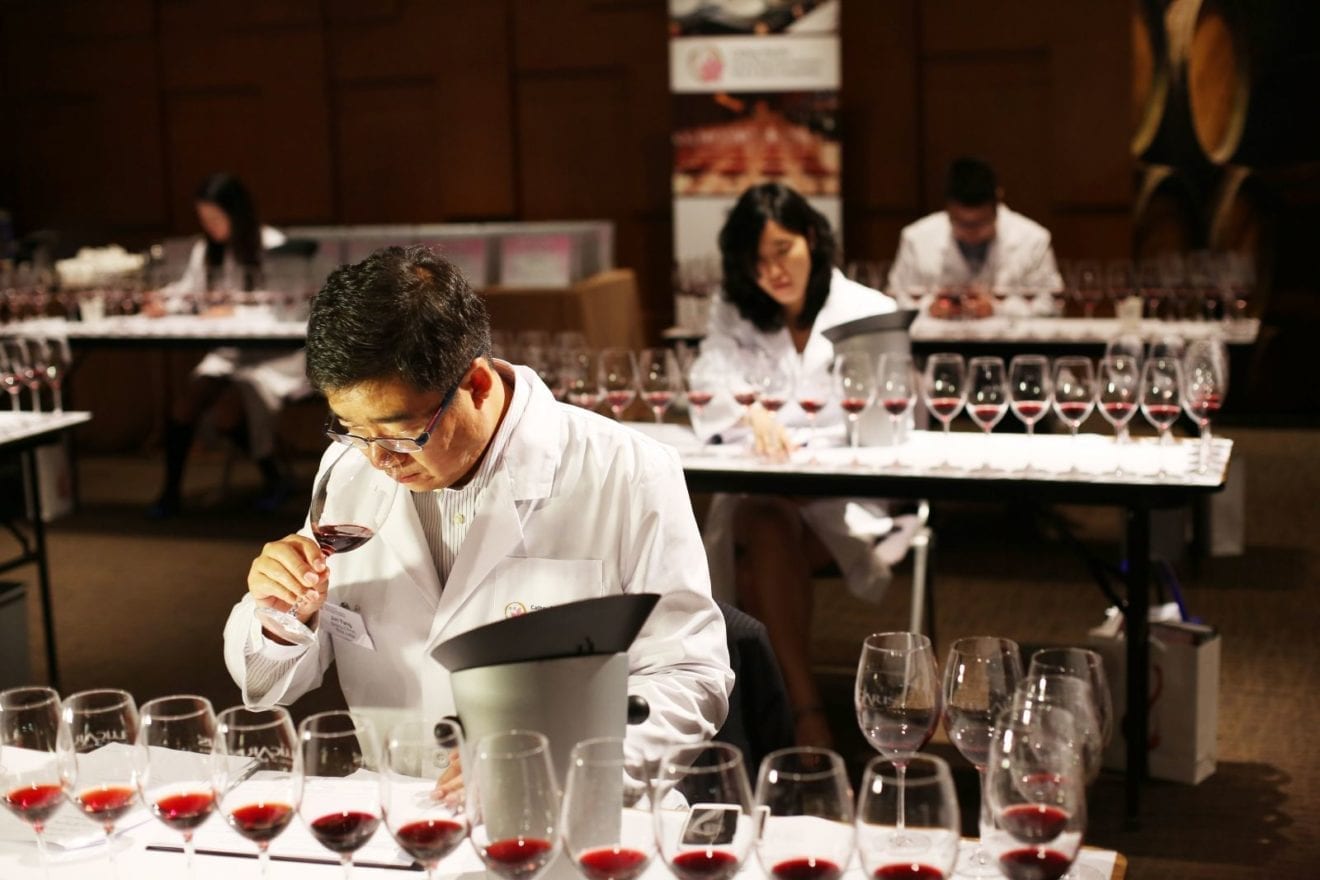
    The ninth Hong Kong International Wine & Spirits Fair, organised by the Hong Kong Trade Development Council (HKTDC), concluded on Saturday (12 November). Held at the Hong Kong Convention and Exhibition Centre (HKCEC) from 10 to 12 November, the fair gathered more than 1,060 exhibitors from 37 countries and regions to showcase a sparkling range of global wine offerings.

    The three-day fair attracted close to 20,000 buyers from 68 countries and regions. Attendance from individual countries recorded encouraging growth including the Chinese mainland, Japan and Taiwan. The final day of the fair (12 November) was open to public visitors and attracted nearly 27,000 wine lovers. The blend of trade and public participants at the fair created a vibrant platform for doing business.

    Benjamin Chau, Deputy Executive Director, HKTDC, noted, “As a duty-free wine port, Hong Kong is seen as an efficient and convenient trading and distribution centre for the region. With growing demand for wine and wine-related products and services in Asia, Hong Kong has fully grasped the opportunities brought about by the trend. The Wine & Spirits Fair has also become an important industry promotion and trading platform for wine exhibitors to expand their business into the Chinese mainland and Asian markets.”

    Slovenia taps global markets through Hong Kong

    This year’s Wine & Spirits Fair welcomed the Ministry of Agriculture, Forestry and Food of the Republic of Slovenia to set up a pavilion at the event for the first time, showcasing quality wines from 18 local wineries. Dejan Zidan, Deputy Prime Minister and Minister of Agriculture, Forestry and Food of the Republic of Slovenia, attended the fair. He said that Slovenia is a unique wine region in Europe that produces a diversity of wines with their own characteristics, and he wants to develop the country’s wine industry and help wineries promote products to global buyers. “Slovenia has been expanding its economic ties over the last two years with China through the ’16+1′ cooperation framework, an initiative aimed at deepening the exchange and relationships between the Chinese mainland and 16 European countries. This fair is a truly international event. We are taking advantage of the Hong Kong fair to reach out to more buyers and promote Slovenian wines internationally,” said Mr Zidan.

    Buyers welcome speciality spirits from Mexico & canned wine from California

    ProMexico Hong Kong introduced a range of spirits including mezcal and tequila from six exhibitors at the fair this year. Alejandro Garcia, Trade Commissioner, ProMexico Hong Kong, noted that, “This is an international trade fair for wine and spirits. On the first day of the exhibition, the exhibitors from Mexico had received the attention of buyers from Hong Kong, Taiwan, the Chinese mainland, Southeast Asia and Europe.”

    Ming KS Sze, Managing Director, Oriental Pearl (HK) Limited, said, “Through promotion at the fair, our Californian canned wines have received wide media coverage with many buyers expressing interest in the product. Canned wine is especially suitable for young people to consume in outdoor activities as it is easy to bring along. During the fair period, we have received enquiries from many buyers from Hong Kong and the Chinese mainland.”

    French and Italian wines in vogue at the fair

    Michel Bettane, Chairman, Bettane+Desseauve, was one of the speakers at the Wine Industry Conference entitled “Uncover the Opportunities of the New Cool Climate Wine Trend”. He said that various French wines continue to be a hit with the Chinese mainland buyers. “This year we have once again organised a number of French exhibitors to showcase a wide range of French wines, and met with buyers and importers, particularly those from Asia. The fair helped us meet clients from the Chinese mainland and explore the huge mainland market. On the first day of the fair, we had already met with a lot of buyers and received a great response,” he said.

    Cave De Saint Chinian is a long-established winery in southern France. Norbert Gaiola, Director General of the winery, has joined the fair for several years. He is satisfied with the results this year. A Chinese buyer from Shanghai confirmed an order to purchase 13,000 bottles of wine. They have also established initial contact with other buyers from Hong Kong, the Chinese mainland, India and Japan.

    Attilia Merzari, Brand Ambassador – Asian Market, Tenuta Sant’ Antonio, said, “A number of buyers from Hong Kong, the Chinese mainland and Vietnam expressed strong interest in our Italian wine Amarone. We’ve got about 100 new contacts so far through the exhibition and will be following up with the order from Chinese mainland customer.”

    Optimistic outlook among Asian buyers

    Despite global economic uncertainty, the Hong Kong wine market is still vibrant and buyers at the fair maintained an optimistic outlook. Joining the fair for the first time, Ashley Wang, Category Supervisor, Wellcome Taiwan Company Ltd., said, “We have met with an Australian beer supplier and will have further negotiations with them. We expect to order a 20-foot shipping container of beer. The fair also features buyers with a wide range of wines. The number of French and Italian exhibitors is the largest among all the exhibiting countries, which is very impressive to me.”

    Park Hyeong Jin, Buyer, Hyundai Department Store Co., Ltd., from Korea said, “I have found some German wines, baijiu and distilled Chinese liquor from the Chinese mainland. A series of business matching meetings have been arranged with five exhibitors selling Japanese sake. I will visit the fair next year.”

    Zhang Shi Wei, Chairman, Jilin Morton Trade Co, Ltd., is a Chinese mainland importer and distributor. He noted, “We are looking for wine and sake. We are interested in placing an order of 2,000 to 3,000 cartons of wine from the Bordeaux supplier Joanne.”

  • Indonesia Falls Behind Vietnam in Pepper Production

    Indonesia Falls Behind Vietnam in Pepper Production

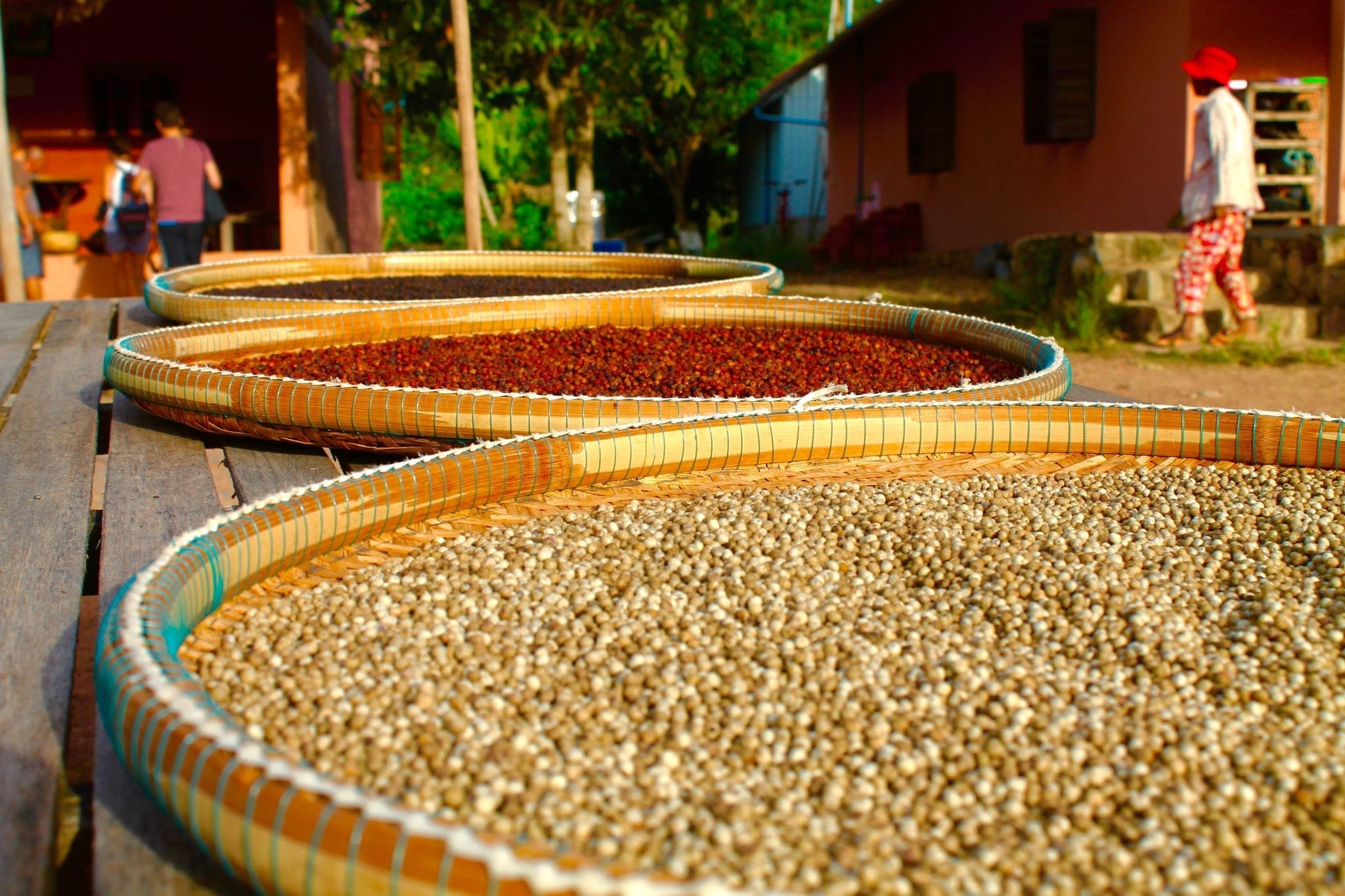
    Indonesia is the world’s second largest pepper producer. In 2013, Indonesia’s pepper production reached 88,700 tons, or an 18.8 percent worldwide market share. Indonesia has the world’s largest pepper production area with 178,000 hectares.

    However, the productivity of Indonesia’s pepper production area is only at 0.5 tons per hectare. “The productivity is low despite having the world’s largest pepper production area,” the head of Trade Study and Development Board, Trade Ministry, Tjahja Widayanti said.

    Whereas Vietnam is the world’s largest pepper producer, boasting a market share of 34.5 percent of world’s total pepper production. Vietnam’s pepper production in 2013 was 163,000 tons, having a “mere” 51,000 hectares of pepper production area.

    Vietnam’s pepper production area is smaller than that of Indonesia and India. “It shows that the productivity of Vietnam’s pepper production area is very high, i.e. 3.2 tons per hectare,” Tjahja said.

    Aside from Vietnam, other countries which have a high productivity of pepper production area are Rwanda at 3.9 tons per hectare, Thailand at 3.4 tons per hectare, Malaysia at 2.5 tons per hectare and Brazil at 2.3 tons per hectare.

    According to the International Pepper Community (IPC), world pepper production this year is expected to fall by 1.75 percent compared to last year’s realization of 403,213 tons. Some 87.22 percent of which, or 351,710 tons, were contributed by IPC member states. In 2017, pepper production is projected to recover, reaching 425,100 tons. “Global pepper industry is still facing challenges of climate change which adversely affects pepper production and quality,” Tjahja said.

    World import of pepper has been increasing. In 2015, the total world import of pepper reached US$3.3 billion with an average annual increase of 15.6 percent throughout 2012-2015. The United States is the world’s largest pepper importer with a 22.8 percent share of the import market. Singapore and India’s pepper imports have significantly increased by 40.7 percent and 27.4 percent, respectively.

  • Starbucks announces the introduction of Nitro Cold Brew in China

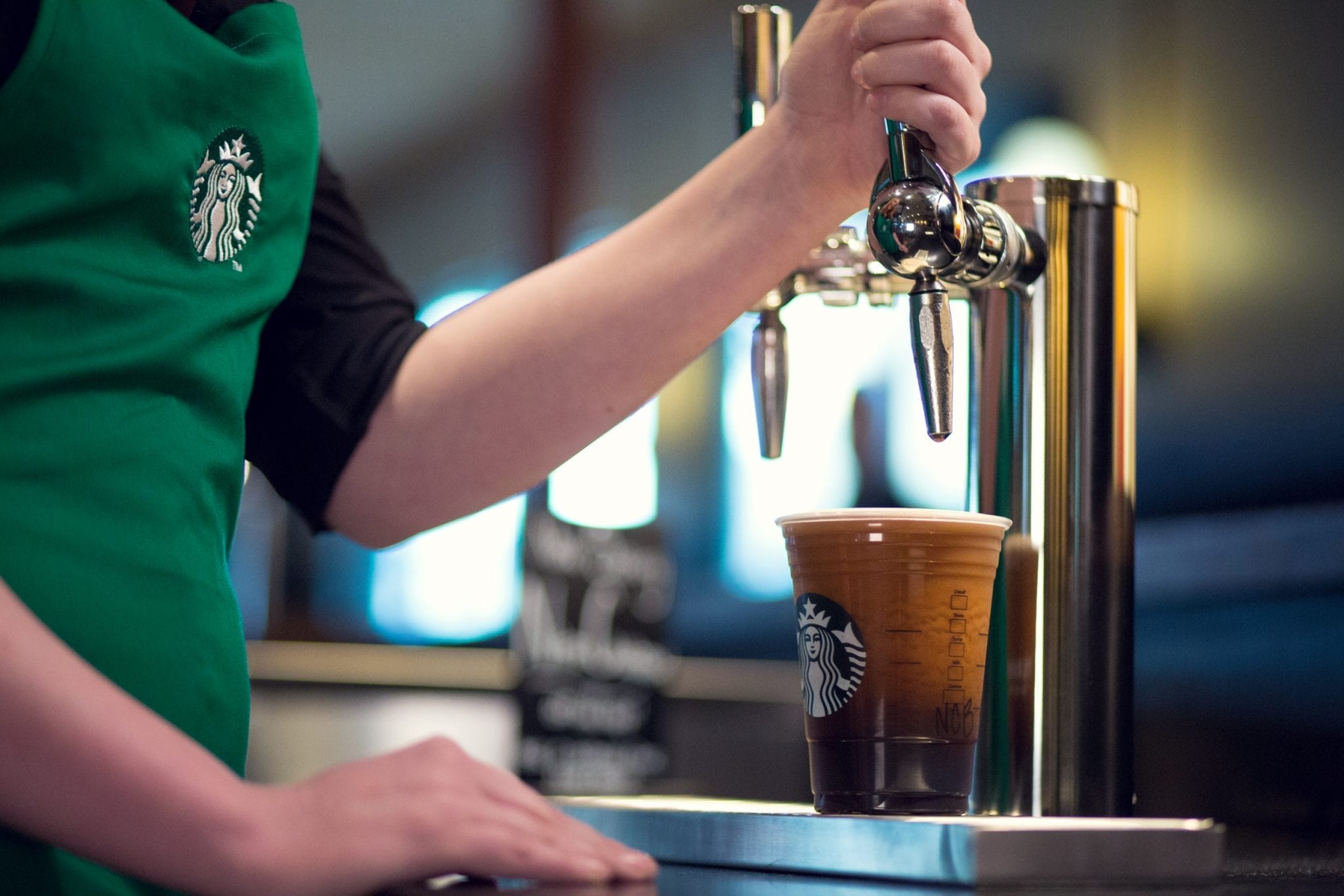
    Starbucks announces the introduction of Nitro Cold Brew in China

  • Neo Group’s 1H net profit soared 65.7% to $0.4m

    Neo Group’s 1H net profit soared 65.7% to $0.4m

    Singapore’s food catering group, Neo Group announced that its revenue for the six-month period ended 30 September 2016 (1H2017) grew 29.6% to S$67.4 million from S$52.0 million in the equivalent period last year.

    Improved performance across most business segments and a S$7.7 million revenue contribution from the Food Trading business segment lifted the integrated catering solutions provider’s 1H2017 topline performance.

    Food Retail grew 11.7% to S$9.8 million in 1H2017 from S$8.8 million on an increase in number of stores and effective promotions launched during the period under review.
    Similarly, Food Manufacturing reported a 45.9% growth in revenue of S$21.9 million compared to S$15.0 million across the comparative periods.

    Impacted mostly by seasonality due to the lack of festivities and in the absence of SG50 celebrations that lifted catering volumes last year, the Food Catering segment
    slid marginally by 1.2% to S$27.3 million in 1H2017 from S$27.6 million in 1H2016.

    In tandem with the stronger topline performance, coupled with other income earned of S$3.0 million, consisting mainly of a S$1.8 million one-time gain on disposal of a noncore
    property, Neo Group reported 1H2017 net profit attributable to owners of the parent (net profit) of S$0.4 million, a 65.7% rise from S$0.3 million in 1H2016.

    For the three-month financial period ended 30 September 2016 (2Q2017), Neo Group reported a 40 times increase in net profit of S$2.9 million compared to S$0.07 million a year ago (2Q2016) on a 13.4% rise in revenue to S$35.5 million from S$31.3 million across the same comparative periods.

    Removing the impact of the one-time gain on disposal, which amounted to S$1.8 million in 2Q2017, the Group reported an operational profit of S$1.1 million, turning
    around from an operational loss recorded in the preceding quarter.


  • Indonesia`s wheat flour consumption expected to increase steadily

    Indonesia`s wheat flour consumption expected to increase steadily

    Indonesias wheat flour consumption is expected to increase steadily with favorable growth of wheat-based culinary business, a businessman said.

    “The increased consumption of wheat flour is correlated to the increased number of cafes. In a cafe, usually customers would not order for rice but cakes that use wheat flour as its basic material,” Marketing Manager of Interflour Indonesia, Dhanny Widjaja, said.

    Indonesian Wheat Flour Producers Association (Aptindo) expected the wheat flour demand in the country to grow by five to six percent with the national economic growth in 2015.

    “We believe that the future trend would be positive, as culinary business is a relatively endurable one,” he said, pointing to its potential in breads, biscuits and noodles industries.

    His company has targeted to increase its market share by 10 percent in 2019.

    “This year (the market share) has reached 8 percent with a total production of 2,800 tons per day from two factories in Makassar and Cilegon,” he said.

    The company has focused on cakes, biscuits and noodle industries in its efforts to expand its product distribution, in addition to its retail markets.

    “We focus on expansion, especially to southern Sumatra,” he said.

    The company would also renew one of its factories in Cilegon, which will be inaugurated in 2017 and will have a production capacity of 400 tons per day.