Category: Food

Retail News Asia is committed to providing both local and global retailers with the latest Food and Food & Beverage news throughout the Asian market. This on a daily base.

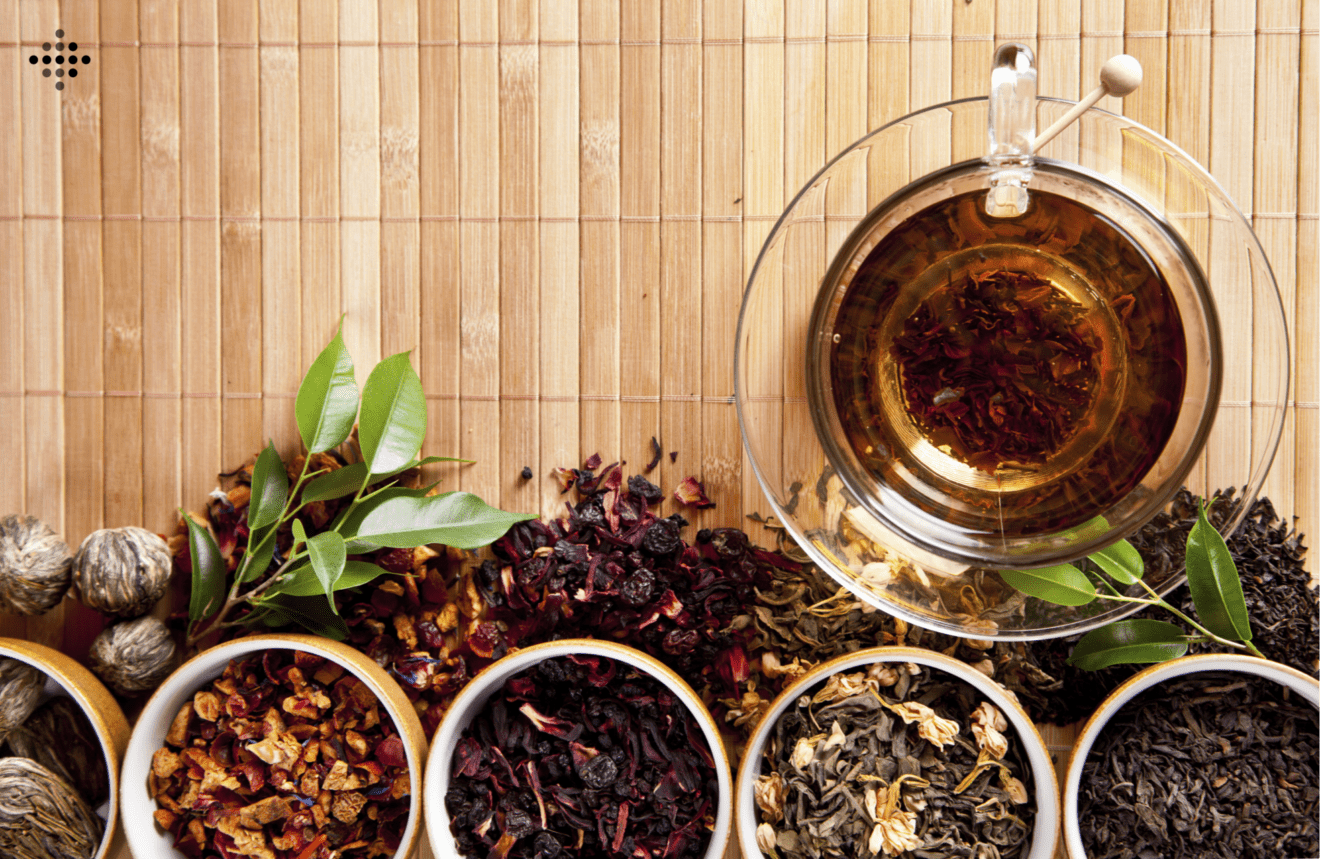
  • Promotion, collaboration sought to boost tea exports

    Promotion, collaboration sought to boost tea exports

    The government should give more attention to Indonesia’s tea industry by intensifying promotional efforts and strengthening collaboration among ministries to reverse the trend of declining exports that started a few years ago, a public policy expert suggests.

    “The Trade Ministry, for example, can collaborate with Pak Arief Yahya [the tourism minister]. So while traveling overseas, they could promote Indonesian teas,” University of Indonesia’s public policy lecturer Riant Nugroho said on Monday.

    The declining tea exports, which was partly caused by there being limited land for tea plantations, could also be solved through better coordination with the Public Works and Public Housing (PUPR) Ministry, he added.

    “Talk to them and find out ways so they won’t use all the available area to build [the planned] Jakarta-Bandung high-speed railway, for example,” he said, referring to the megaproject designed to better connect Jakarta and the capital of West Java, Indonesia’s largest tea-producing region.

    Ranked as the seventh largest tea producer in the world, Indonesia’s tea exports dropped to 62,700 tons last year from 92,000 in 2009, with the value going down to US$128 million from $171 million in the same period.

    Only 6 percent of the 62,700 tons exported last year comprised value-added processed tea.

    “Tea production in the country still faces a lot of challenges, such as the limited area for plantations, outdated machinery and low tea prices at the farm level,” said the Trade Ministry’s director general for foreign trade, Dody Edward.

    Among the largest of Indonesia’s tea export destinations are Russia, Malaysia, Pakistan, Australia and Germany.

  • Nutmeg higher in demand in Europe

    Nutmeg higher in demand in Europe

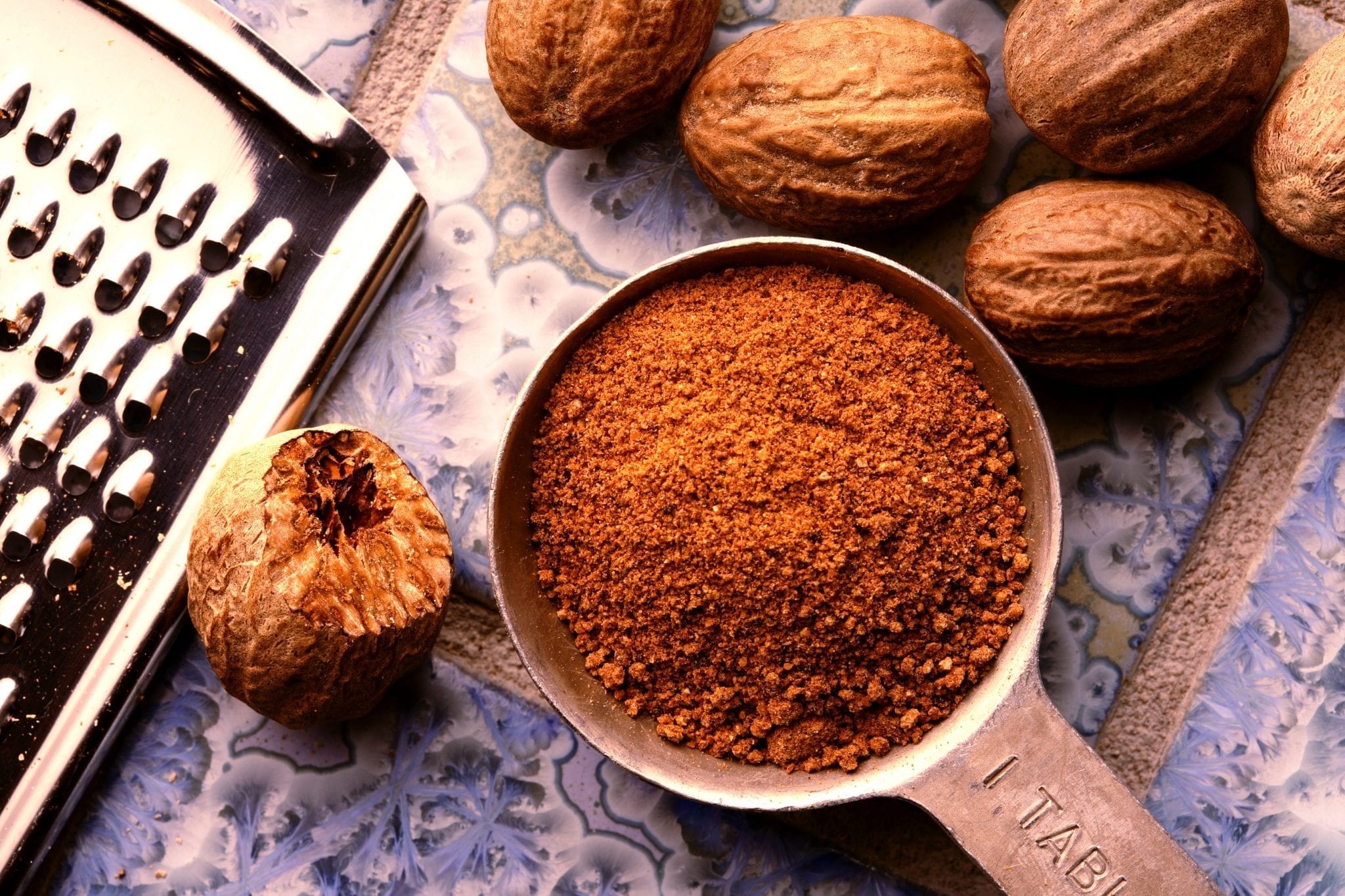
    Exports of nutmeg from Indonesia to Italy has increased toward the end of the year, a North Sulawesi official said.

    “Orders have come more regularly from Italy for North Sulawesi nutmeg. Demand is growing toward the end of the year,” head of the provincial industry and trade office Jenny Karouw said here on Tuesday.

    Jenny said in the third week of November 2016 nutmeg exports to Italy totaled 15 tons worth US$112,500.

    She said nutmeg from the district of Sitaro Islands is high in demand in Europe especially in Italy for its high quality.

    “The quality of nutmeg from the district of Sitaro Islands has been internationally recognized. The exporters, therefore, should maintain the reputation,” she said.

    Buyers from Europe would look for other suppliers once they found the quality is not up yo their expectation, she added.

    Nutmeg from North Sulawesi has been exported to Europe and the United States, where quality is the priority.

  • Cash Crunch Chokes off India Palm Oil Imports From Indonesia & Malaysia

    Cash Crunch Chokes off India Palm Oil Imports From Indonesia & Malaysia

    India’s palm oil imports are expected to slip next month by up to a fifth, including from the top two producers Indonesia and Malaysia, as New Delhi’s removal of high-value rupee notes from circulation disrupts distribution systems and curbs demand.

    Traders in Malaysia, India’s largest palm oil supplier taking up half of its imports last year, say the absence of the large bills has already impacted sales. Indian buyers are delaying shipments and cancelling vessel space bookings, and the traders expect them to hold back further in the month ahead.

    In India – top importer of vegetable oils – traders are forecasting up to a 20 percent drop in crude and refined palm oil imports for December from the previous month, with edible oil refiners reducing purchases as the cash crunch weakens retail demand.

    Having fewer high-value notes in circulation is also hampering distribution because village shops typically pay local wholesale dealers in cash.

    “Bulk buyers are not ready to lift stocks. Most of November shipments we cannot cancel or postpone as tankers have already left Indonesian and Malaysian ports. So we are postponing shipments in December to January,” said a senior official with an Indian oil refiner who declined to be named.

    Cargo surveyor data shows Malaysian palm oil shipments to India for the first half of November have already dropped by 81 percent to 85 percent versus the corresponding period last month.

    “Inquiries have fizzled out since last week,” said a Kuala Lumpur-based trader, who reported an over 50 percent decline in sales volumes. “It’s not going to be easy now for the market to sustain high price levels.”

    Benchmark palm oil prices have been volatile in recent trading sessions, hitting a four-year high a week ago and then posting its biggest intraday drop in more than four months in the next session.

    Palm oil looks set to fall more than 3 percent this week, down about 0.2 percent on Friday around 2,870 ringgit per tonne.

    Purchases from top consumers India and China typically fall-off at year-end because palm oil solidifies during the Northern Hemisphere winter, but this year the numbers are being hit hard.

    India’s total palm oil imports stood at 739,159 metric tons, according to traders, and are expected to fall to 650,000 metric tons in November and by another 20 percent from there in December.

    Total palm oil imports in December 2015 were 790,368 metric tons, according to the Solvent Extractors Association of India (SEA).

    No cash in a cash market

    Exact numbers aren’t available from largest producer Indonesia, but analysts there also expect lower shipments to India because of the cash shortage, while Indian buyers said they have cut vegetable oil imports from all suppliers, even for soyoil from Brazil and Argentina in December.

    Last week, Indian Prime Minister Narendra Modi declared 500 rupee and 1,000 rupee bills no longer legal tender to crack down on corruption and bring unaccounted wealth back into the economy, leaving millions with insufficient cash.

    “Retail sales are going down as many people don’t have cash to buy essential commodities. Refiners are not able to dispose their stocks, so they are likely to cut imports in the short-term,” said B.V. Mehta, executive director of SEA.

    Still, while India cannot do without imports due to limited local supplies, it is not clear how long the slowdown will last.

    Jitendra Kadam, a grocery shop owner from India’s western state of Maharashtra, said consumers have cut down purchases of everything from sugar to edible oils.

    “Until they get notes of smaller denominations, demand will remain weak,” he said.

    Said a Malaysian trader: “Everything is at a standstill. There is not enough cash around, so people are not going to trade much. They are going to wait and see.”

  • Singapore amongst 20 most expensive cities for coffee

    Singapore amongst 20 most expensive cities for coffee

    Online office supply company Service Partner ONE have released the 2016 Coffee Price Index, detailing which cities offer the best value coffee worldwide. The research, which took into account 75 cities from 36 countries across the globe, found that Rio de Janeiro, Brazil offers the least expensive average coffee price, whilst Zurich, Switzerland was the most expensive city researched.

    To create the ranking, the research team averaged the cost of four separate types of coffee: a cup of coffee in an office, a Grande Latte from Starbucks, a medium cappuccino from an independent coffee shop, and a cup of coffee at home. The research looks into costs of coffee from various sources, not just high street outlets, in order to get a clearer picture of the overall value of coffee in each city.

    Singapore is ranked 20th most expensive city for coffee with coffee priced at $2.33(S$3.30) per cup. This compares to Zurich which came in as the most expensive city overall, at an average of $3.52 (S$5), and Rio de Janeiro where coffee was the most affordable, with an average of $1.02 ($1.44).

    In Asian ranking, Hong Kong emerged as the priciest city for coffee. It is ranked 6th in the global ranking with coffee costing $2.88 (S$4.08) per cup.

  • Aldi poised to sell wine in China

    Aldi poised to sell wine in China

    The discounter has been rumoured to be mulling a launch in mainline China since 2014, when it was reported by the Guardian, however a report in German trade publication Lebensmittel Zeitung announcing the online-only move last week has been confirmed to the Australian media by Aldi.

    The Aldi spokesman said the discounter had been researching the market and undertaking feasibility studies for several years and was now ready to launch an e-commerce site in mainland China during the early part of 2017.

    “In the second quarter of 2017, Aldi will commence selling a carefully selected range of everyday grocery items to Chinese consumers,” a spokesman was reported as saying.

    The statement noted that Aldi had enjoyed a strong and long lasting relationships with many of its Australian suppliers since its first stores opened in 2001 and the Australian business had grown rapidly and would benefit from continued investment to expand. “Our growth across the country has provided increased business for these suppliers, allowing them to invest this back into their own operations and contributing to their success. We look forward to further expanding these relationships as we develop further opportunities in Asia,” it said. “We know there is a strong demand among Chinese consumers for Australian manufactured products and our goal is to provide a competitively priced alternative for shoppers seeking quality groceries. We believe our unique offer of high-quality Australian products at unbeatable prices will be an attractive proposition for Chinese consumers.”

    The move will use Aldi’s Australian retail business to supply China, and will concentrate on wine, and ambient groceries.

    There is huge demand for wine in China, and Australia has enjoyed a boom in sales to Chinese consumers. Last year, China overtook the US as Australia’s most valuable market, rising 51% to AUS$474 million during 2015, while last month, the China Association for Imports & Export of Wines & Spirits released figures showing the country imported more than 354 million litres of wines between January and September 2016 – an increase of 19.06% on the same period last year.

    Aldi launched its first UK e-commerce operation in January this year focusing on wine sales, and sold more 3,000 cases on its first day. The team said the it had continued to be  extremely popular, growing sales in key areas of the South of the UK and London, where there are currently fewer stores.

  • Duck-Snack Maker Flounders with Weak IPO Pricing

    Duck-Snack Maker Flounders with Weak IPO Pricing

    One of the year’s quirkier IPOs had its wings clipped after investors’ appetites failed to take off for one of China’s leading makers of popular snack foods made from duck parts.

    After making a splash with its original listing announcement, Zhou Hei Ya International Holdings Co. Ltd. couldn’t impress investors even with a growth story that includes annual profit and revenue growth of more than 40% annually between 2013 and 2015.

    The offering in Hong Kong was ultimately priced at HK$5.88 (76 U.S. cents) per share, or near the bottom of its previously announced range of HK$5.80 to HK$7.80.

    Hong Kong retail investors, who normally flock to IPOs for famous brands, gave the offering an especially cold shoulder. Of the 42.4 million shares available for those mom-and-pop buyers, representing 10% of the total offering, only 81% were actually sold.

    That forced Zhou Hei Ya, whose name means “Zhou Family Black Duck,” to sell about 8 million orphaned shares from that portion of the allotment to institutional investors instead. Zhou Hei Ya raised HK$2.37 billion from the offering, far short of its original target of up to HK$3.3 billion.

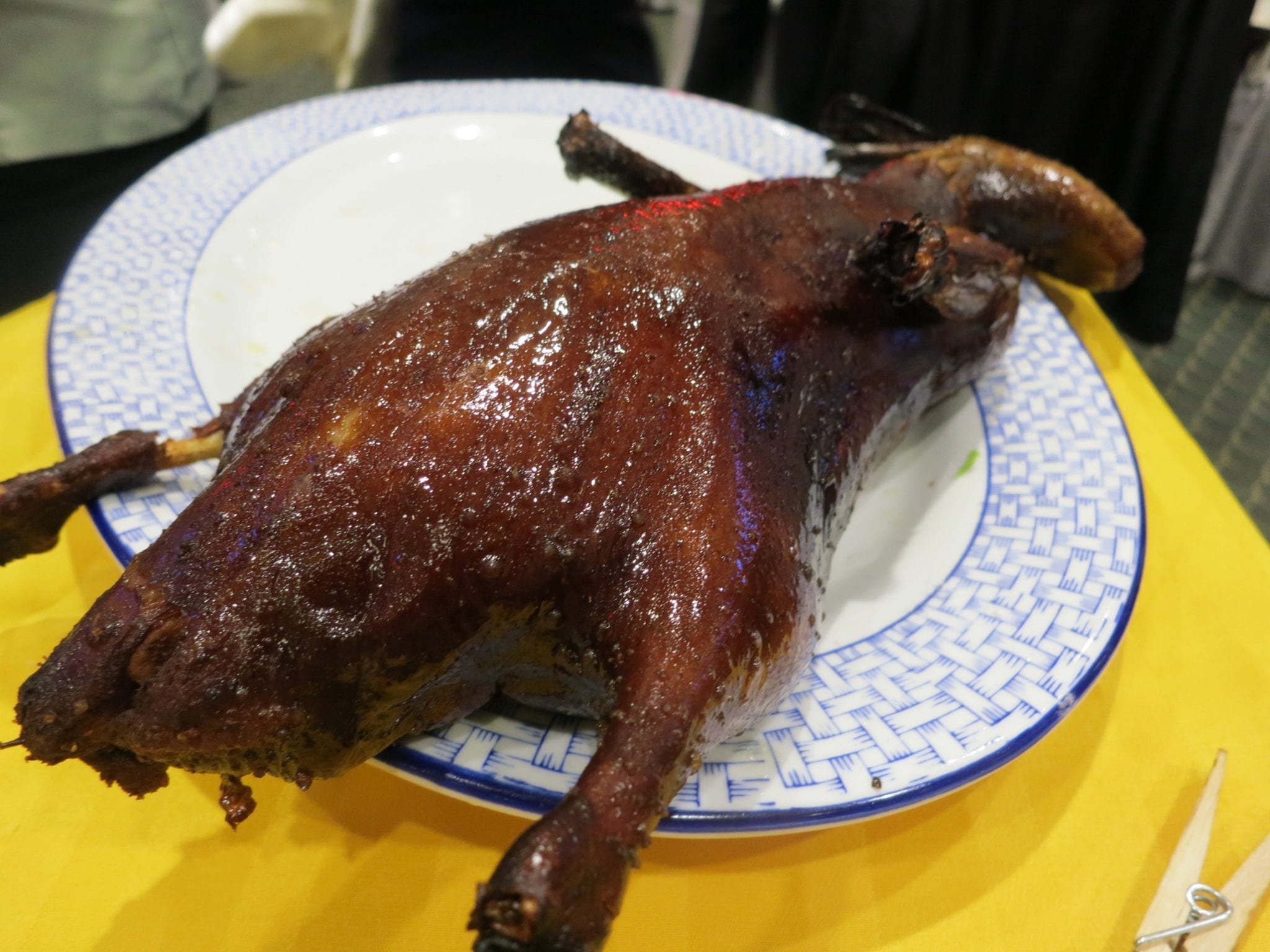
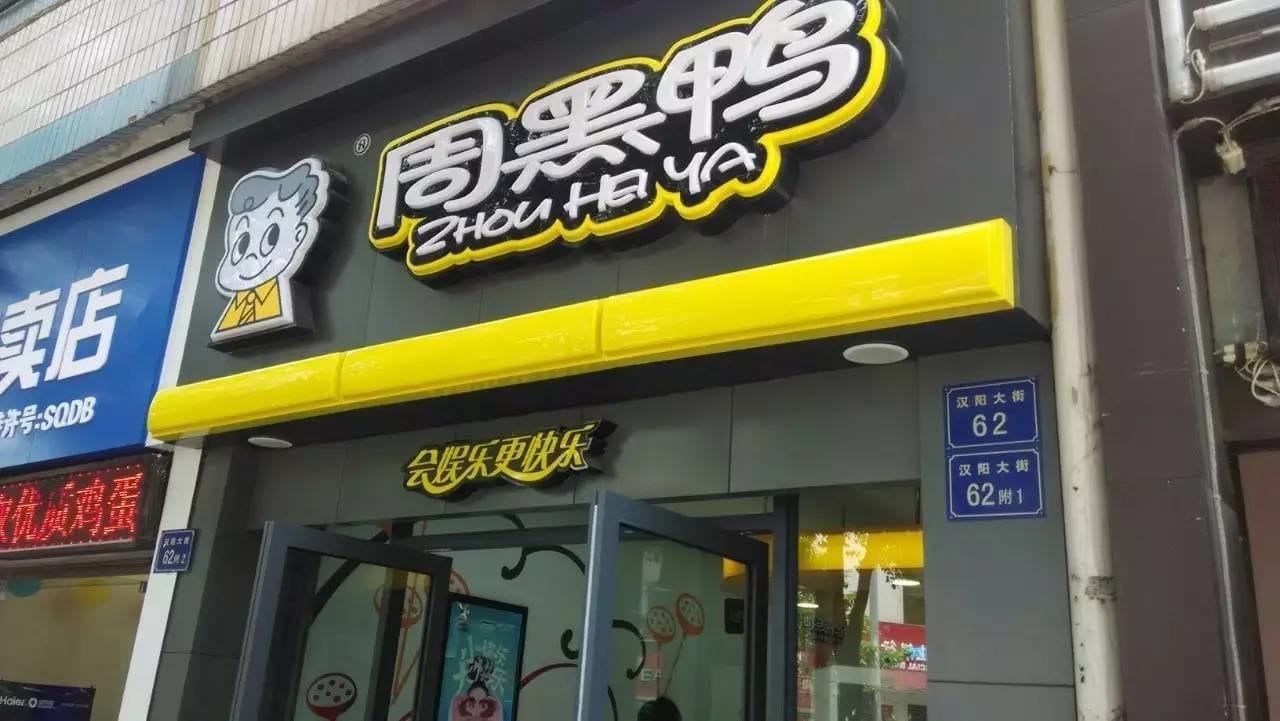
    A big name in the domestic snack-food market, Zhou Hei Ya hopes to use the funds to expand internationally. Started in 2002 as a family-run snack stall in the interior city of Wuhan, Hubei province, the company’s products are now sold in 750 retail stores across 40 Chinese cities. In addition to its namesake duck necks, its products also include local delicacies like duck feet, braised peanuts and duck tongue.

    Braised snacks have a long history in China, where they are commonly sold at roadside stalls. But they are increasingly being marketed by major snack brands. Meat, tofu and other ingredients are simmered for hours in a rich savory broth, and many regions have their own special seasoning blends.

  • Thai farmers receive government loans to stabilize market prices

    Thai farmers receive government loans to stabilize market prices

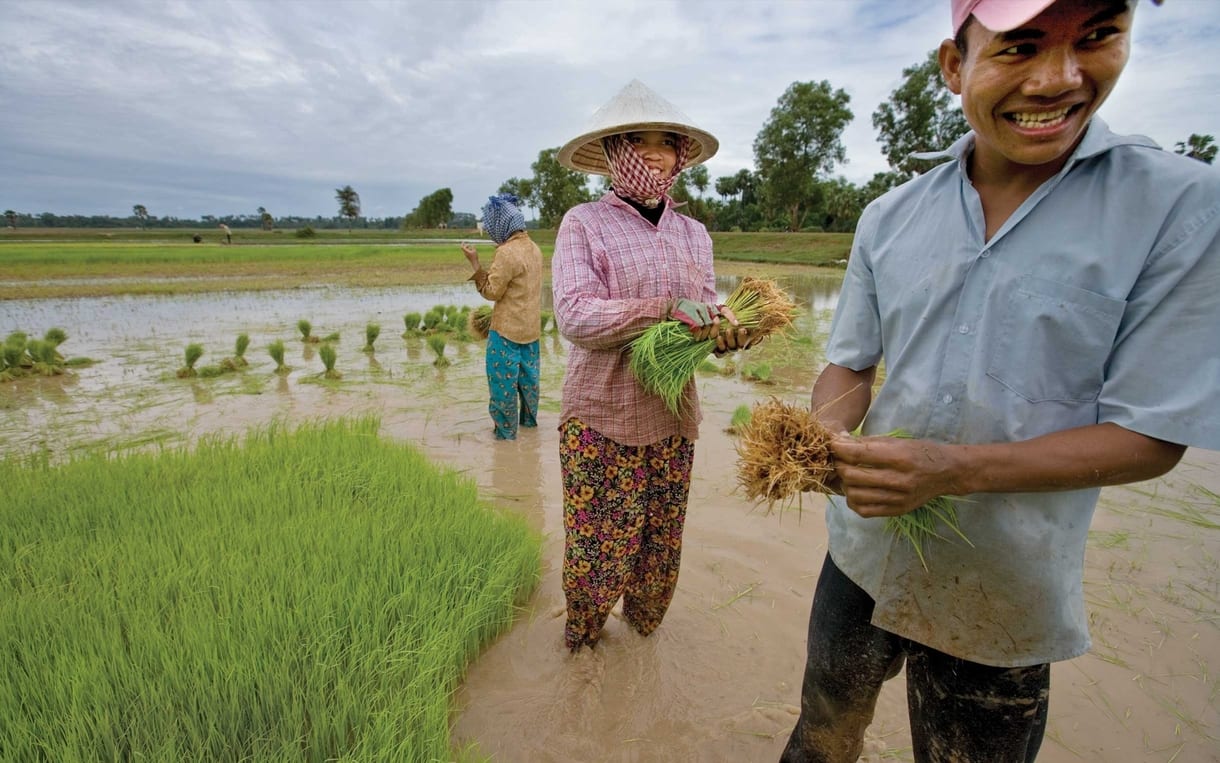
    Thailand is the world’s second largest rice exporter, and it is confronted by a fall in prices that has mostly affected the rice farmers, with prices hitting a thirteen months low. Now the Thai Government has taken action and has proposed a set of measures with would help alleviate the pressure from the country’s rice farmers.

    According to Thailand’s Minister of Commerce Apiradee Tantraporn, rice farmers will receive 10,500 baht, or 299 US dollars, for every tonne of white paddy stored. The measure is aimed at all Thai farmers, with those who store Thai Pathum Thani fragrant rice to receive 11,300 baht, that is 322 US dollars, per tonne.

    “The overall budget is set at 18 billion baht ($514 million). This is to help relieve grievances farmers are facing while the main crop is being harvested,” Mrs. Apiradee Tantraporn told journalists.

    Last week, the government announced it would offer loans worth 1,3 billion US dollars to jasmine rice farmers, if they store the grain for at least six months to slow down market supply.

    Another measure the government has taken is easier access to open rice paddy markets. Mrs. Tantraporn said this is in order to boost competition among rice farmers and for their benefit, in the middle of this period’s price depression. According to state officials, in the province of Udon Thani’s retail centres and PTT gas stations, markets will be opened in the next weeks. Here the farmers will be allowed to sell their rice and negotiate the prices directly with the buyers, circumventing the need for intermediaries.

    Action is also taken in Lopburi and Sukhothai, where the government and other agencies have joined forces in order to promote and allow farmers to sell their rice directly. In Sukhothai, milled rice was on sale at up to 40% discount prices, while in Lopburi, the Si Sa Ket police was put together a market for farmers to sell the rice to their families and police staff.

    In total, there will be no less than  109 open markets organised in 44 provinces, all with the sole purpose to to help farmers sell rice paddy directly to consumers.

  • Finnish Hartwall Original Long Drink now in Hong Kong

    Finnish Hartwall Original Long Drink now in Hong Kong

    Since the summer of 2016 there is new beverage on the market in Hong Kong that originates in Finland – the legendary Hartwall Original Long Drink. This world’s first long drink was originally developed for the 1952 Helsinki Olympics, a very innovative product back then, to say the least: a cocktail in a can, easy to serve and ready to drink.

    It has been a Finnish success ever since but only as recently as in 2015 also been taking Sweden by storm.

    “Hartwall Original Long Drink was supposed to be served only for the Olympic visitors, but since Finns fell so much in love with it, the production has continued ever since. Moreover, it even created a whole new category of ’long drinks’ in Finland – better known as ’lonkero’ among the Finns”, says Eeva Ignatius, Brand Manager of the Hartwall Original Long Drink.

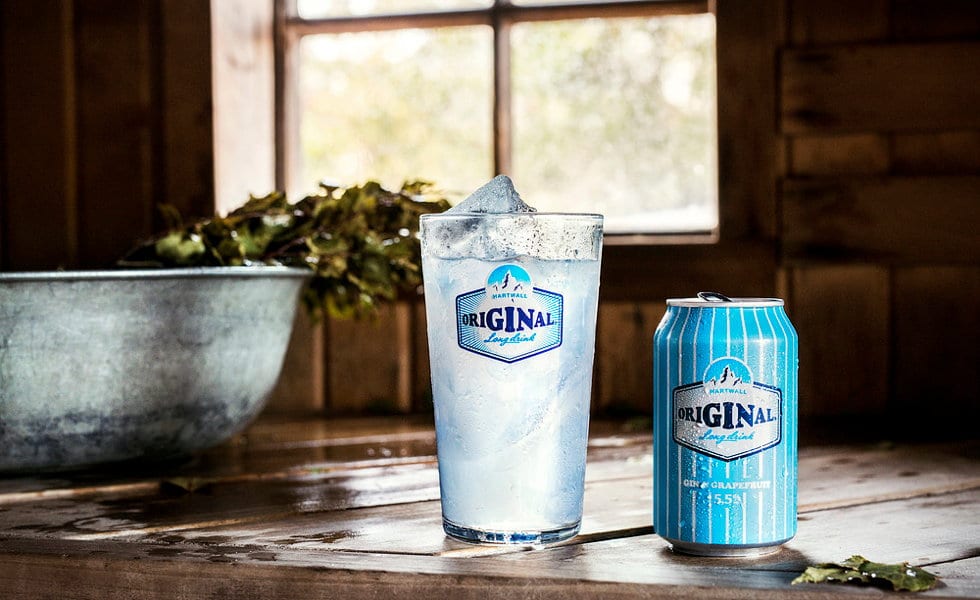
    Hartwall Original Long Drink is a mix of Finnish premium gin and grapefruit soda. “The gin manufacturing process is a carefully cherished artisan work, and the drink is still produced according to the original recipe from 1952.

    All the gin ingredients are hand-selected, and the final quality is ensured with triple filtering. The original taste, a mix of gin and grapefruit, is totally unique and cannot be found anywhere in the world.”

    Year after year, Hartwall Original Long Drink rules the sales statistic as Top 1 alcoholic beverage in Finland. “It is a true Finnish icon and many Finns consider it as our national drink. Even the package symbolizes our national heritage as the blue and white colours come from the Finnish flag. The thin white stripes on the other hand symbolize the running track of Helsinki Olympic stadium and remind us of the history.”

    Now Hartwall Original Long Drink has started to conquer the world, with the long-waited sales started in Sweden in April 2015, resulting in immediate success. At the same time, Hartwall signed a distribution contract in the Netherlands and Belgium.

    “Hartwall Original Long Drink was originally invented to be shared with the world and now it is about to happen”, Ignatius concludes.

    Now the Finnish “lonkero” is sold in 900 7-Elevens around Hong Kong, as Hartwall earlier in 2016 started cooperation with major distributors in Japan, Taiwan and Hong Kong.

    In In Taiwan, the local retail store chain Simplemart added Hartwall Original Long Drink to its selection in its 500 stores.

    “We were not expecting such huge success. In Hong Kong, for instance, many shops are struggling to meet the high demand. The sales figures of long drink are ten times higher that those of a famous international beer brand that was launched using the same retail channel,” says Matti Ristola, Director of Export at Hartwall.

    hartwall-long-drink2

    “The unique taste, great story and easy-to-identify container of Hartwall Original Long Drink have become popular across the world. Furthermore, the long history and strong success of the beverage in the Finnish market give it credibility; before winning over consumers, we must attract distributors to the product,” says Eeva Ignatius.

    “Hartwall has a fine history as a provider of Finnish products that spans 180 years. Finns love our brands, and our foothold in the Finnish market is strong. I believe that many of our high-quality brands that are successful in Finland have what it takes to succeed also abroad. The success story of Hartwall Original Long Drink is a good example of this. Exports are an important part of our growth strategy, and we will continue to investing in them in the future,” Hartwall CEO Kalle Järvinen says.

  • Instant noodles sales slumps in China

    Instant noodles sales slumps in China

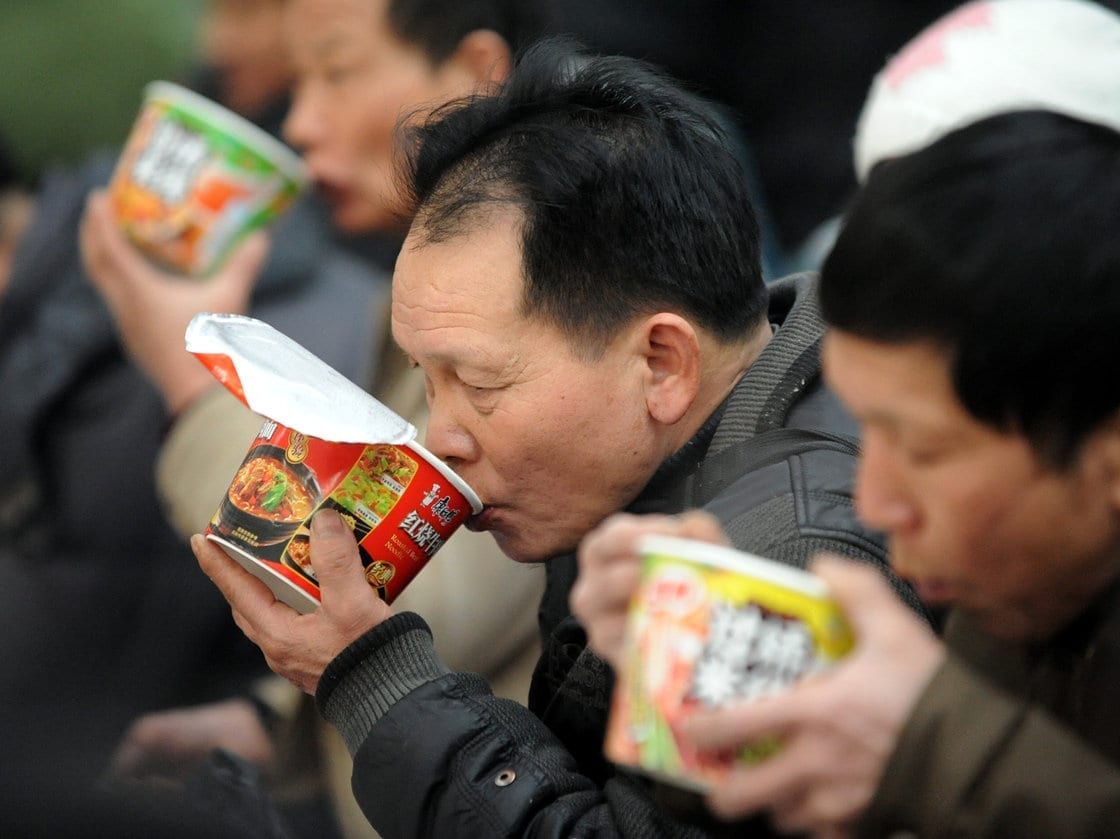
    Instant noodles, once an easy meal for millions of Chinese workers, is getting less popular. Workers scrapping instant noodles are seen as a symbol of the chaining lifestyle of the working class. The sales of instant noodles fell 12.5 percent last year. The King of noodles in China, Taiwanese Tingyi, known for its brand Master Kong (Kong Shifu), was evicted from the Hang Seng Index on the Stock Exchange of Hong Kong in September. Its profits declined by 60 percent last year. According to Bloomberg, this is a classic example of the economic and demographic transition in China.

    Between 2003 and 2008, the instant noodle market has exploded in China, from $ 35 billion to 59 billion yuan ($ 4.7 billion to EUR 7.9 billion). At the time, Chinese growth exceeded 10% of the average (14.2% in 2007). The industry flourished with the boom of construction, heavy industry, and the low-end factories, which needed cheap labor. The coast provinces attracted millions of migrant workers, who relied on these convenient meals.

    Unfortunately for the noodle industry, China has developed. Today, the 25 cents noodle is less exciting. Because of the policy of one-child, the Chinese population of working age began to decline in 2010. And by 2015, for the first time in 30 years, the population of migrants has declined, after having exceeded 250 million.

  • Mobile marketing cuts printing cost for Pizza Hut

    Mobile marketing cuts printing cost for Pizza Hut

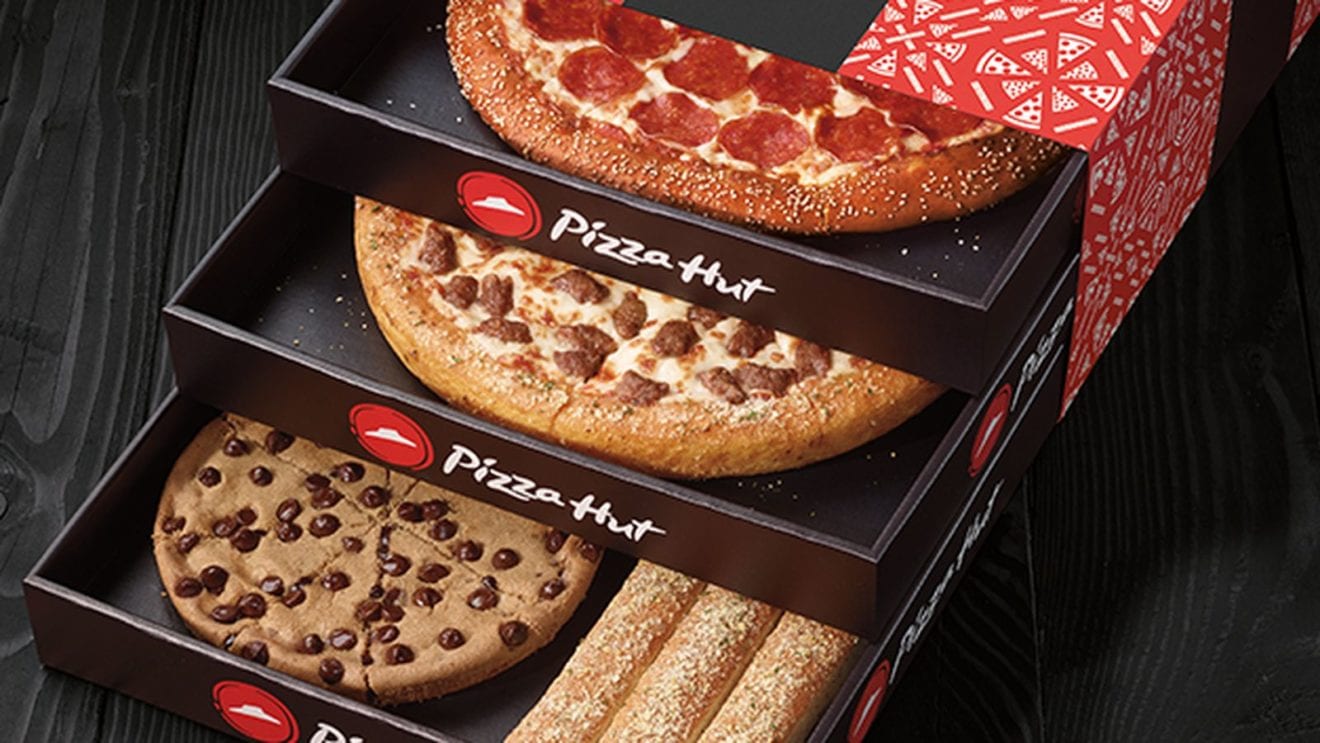
    With over 70 restaurants in the city, half of Pizza Hut’s business in Hong Kong is dine-in. This gives the diner a great incentive, but at the same time, huge pressure to improve its customer experience.

    In 2014, Pizza Hut started its mobile marketing campaign project. The primary objective was to better serve its customers. Additionally, it wanted to cut out a huge portion of its printing costs on direct marketing materials.

    Pizza Hut has been a customer of Salesforce. “When we started the mobile marketing campaign project in 2014, however, we didn’t know that Salesforce Marketing Cloud could help us to manage marketing campaigns,” said Ravel Lai, group IT director at Jardine Restaurant Group Hong Kong and Macau, in an interview with Computerworld Hong Kong. Jardine Restaurant Group operates Pizza Hut and the KFC restaurants throughout the city.

    Lai’s team studied different marketing solutions and decided to adopt Salesforce Marketing Cloud. “We considered other marketing tools such as those from Oracle and Adobe. We had even approached IBM, but they didn’t have a marketing solution,” he recalled.

    Evaluating a marketing solution was different from that of an IT solution. “This was not a traditional ERP solution, but something new to the IT team. We invited the marketing people and bosses at Pizza Hut and KFC to view the solution demo, and then we let everybody vote,” Lai said.

    Extra 7-10% revenue

    “We were not trying to solve a particular technology problem, but to improve on our marketing campaign management,” said Lai.

    In the past, Pizza Hut used to mail cash coupons to its customers. This involved different stages of production, which were all time-consuming, such as graphic design and printing, before it can finally distribute and mail out the coupons.

    With the new solution, conducting mobile marketing campaigns has become much easier. Now, Pizza Hut would only need to involve an in-house graphic designer to design the digital marketing material, which could be ready for distribution in just two hours.

    “Last year on one rainy morning, I asked my team to send a mobile message along with a coupon to our customers. After preparing the customer segmentation, we decided to send the message to 15,000 housewives and office workers at around 11:00 am to catch up with lunchtime at noon,” said Lai. “The results were good, as we generated an extra 7-10% in revenue for the day.”

    90% printing cost savings

    In the past, Pizza Hut used to distribute paper coupons to customers. The printing and mailing costs involved had been 10 times higher than if the marketing campaigns were conducted on Salesforce Marketing Cloud.

    “This is a very good tool for us to do the job. Instead of sending physical leaflets, we now use the mobile marketing platform, which incurs just 10% of the original printing cost,” said Lai.

    “Besides, the replacement of physical leaflets with mobile marketing messages makes Pizza Hut more environmentally friendly, too.”

    Express ticket

    According to Lai, many restaurant groups have developed their own mobile applications, but their primary function is largely limited to remote ticketing. “When everybody does the same thing, we ask ourselves, ‘How should we do it differently?’”

    To distinguish its restaurant mobile app from the competition, Lai borrowed the idea of “Fast Pass” from Disneyland theme park. A Disneyland Fast Pass allows a visitor to shorten his or her waiting time by getting a pass in advance for selected attractions, and return within specific timeframes.

    Using Pizza Hut HK’s mobile app, a user can obtain a queue number before they even reach the restaurant. This cut down the time and money required for us to issue queue numbers.

    By doing proper customer segmentation on Salesforce Marketing Cloud, Pizza Hut can send messages to customers whose last visit was over one month. The typical message would read: “Dear customer, you visited us one month ago and purchased a meal in our restaurant. We are so sorry that you had to wait for 15 mins. Here is an express ticket for you so you can jump queue upon your next visit. The express ticket is good for two weeks,” Lai suggested.

    Loyalty points reward system

    Pizza Hut HK’s mobile app also provides a points rewarding system. With every HK$5 of purchase at the restaurant, a customer gets one point. “With 50 points, our customers can redeem four pieces of chicken wings,” Lai said.

    Pizza Hut’s loyalty points are transferrable. “When you come to the restaurant with your friends, you and your friends can combine the points together to redeem the reward, for example, 50 points for a pizza,” said Lai.

    Social CRM

    With Salesforce Marketing Cloud, Pizza Hut’s mobile marketing campaign platform has enabled the restaurant group to tap on social CRM. “When I sold the idea of social CRM to the management, I emphasized not just on the benefits, but the improvement on the customer journey,” Lai said.

    Regarding Pizza Hut’s implementation of mobile marketing campaign project, Lai summed up, “If I do it now, I am the pioneer. If I do it later, I would just be a follower.”
  • Zhouheiya fast food chain to list in Hong Kong

    Zhouheiya fast food chain to list in Hong Kong

    The initial public offering of Zhouheiya, a Hubei province-based fast food chain known for its spicy-braised duck neck and other ready-to-eat snacks, opened for subscription in Hong Kong, looking to raise up to HK$3.3 billion ($425.7 million).

    The braised food producer and retailer, scheduled to make its trading debut on Nov 11, will sell 424 million shares at an indicative range between HK$5.8 and HK$7.8 apiece.

    Founded in 2002 in Wuhan, Hubei province, Zhouheiya beefed up its business footprint in 38 cities across 12 mainland provinces with 715 self-operated retail stores.

    Executive Director Hao Lixiao told a news conference in Hong Kong on Monday that the company is always looking to expand into the Hong Kong and Macao markets. However, he didn’t reveal a detailed timeline, adding that the firm still deals with the local licenses, not to mention that product research and the buildup of sales networks also takes time.

    Zhouheiya’s Hong Kong IPO highlighted an industrywide trend of mainland duck-food manufacturers floating public shares. Competitors like Jiangxi Huangshanghuang Group listed in Shenzhen back in 2012, while Hunan Juewei has been stuck for more than two years in the Chinese mainland’s clogged pipeline of IPOs.

    “Such a trend indicates that growth of mainland duck-food chains has somewhat run into a bottleneck which pushes them to raise capital via public listings as a growth booster,” said Zhu Danpeng, a researcher at the China Brand Research Institute.

    With rival Hunan Juewei being trapped in a big logjam of mainland IPO filings, Zhouheiya’s decision to join in a cluster of mainland food companies floating in Hong Kong appears to be a time-saving move.

    Choosing Hong Kong as a listing destination helps companies jump the long IPO queue in the Chinese mainland, but low valuation in the Asia’s financial hub remains a sure thing. In particular, Hong Kong investors still view food stocks listed there as generally expensive options, which may explain why some believe shares of Zhouheiya are priced a bit too high, said Hannah Li, a Hong Kong-based strategist with UOB Kay Hian.The IPO logjam that has long beset mainland catering companies accessing mainland capital markets was spotlighted when high- and mid-end restaurant chain Xiao Nan Guo Restaurants Holdings, and hotpot chain Xiabu Xiabu turned to Hong Kong to list in 2014.

  • Record demand for New Zealand avocados in Korea

    Record demand for New Zealand avocados in Korea

    The death of Thailand’s long-serving monarch may be affecting the buying behaviours of Thai consumers but export group leader AVOCO says any shortfall of New Zealand fruit sold will be more than made up in AVOCO’s other markets.

    Thailand is in official mourning following the death of King Bhumjbol Adulyadej on October 13. Popular tourism events have been cancelled and entertainment has been banned for 30 days as Thai people closely observe this period as a sign of respect to the 88-year-old monarch who ruled for seven decades. With fewer people dining out and industries temporarily shutting down, export activity to Thailand has slowed, says AVOCO and AVANZA’s market manager for Thailand, Carwyn Williams.

    “Sales have definitely changed and we are keeping a close eye on what impact this event will continue to have on avocado export volumes to Thailand,” says Mr Williams. “Correspondence has been difficult as business takes a back seat for Thai people during this time. This illustrates the importance of having a diverse range of export markets and the silver lining for us is that we can direct more fruit to our strong performing Korean market.”

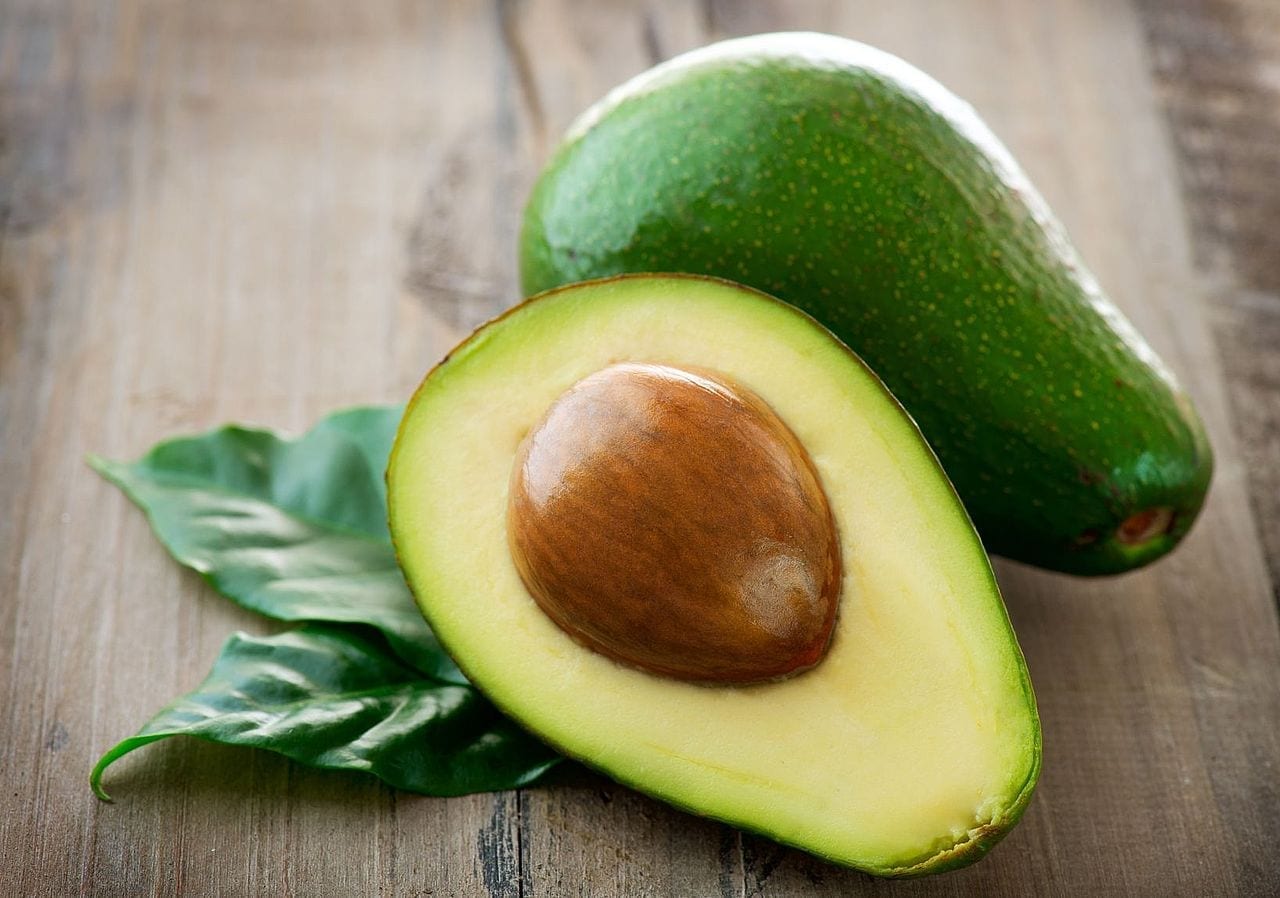
    Shipments of New Zealand avocados to South Korea have reached an industry high with 209,000 trays planned for export this season. Worth about $6 million to the total industry, it is three times the volume exported last year.

    The greater volume reflects the industry’s larger national crop in 2016-17 but more importantly the work AVOCO has put in, under its AVANZA brand name, to promote New Zealand avocados and drive consumption in Asia.

    After a short crop of 2.5 million trays last season, about 5.1 million trays will be exported in 2016-17 – exceeding the previous record of 4.5 million trays two years ago.

    AVOCO will handle the bulk of New Zealand’s crop and this season will export about 3.1 million trays, with 83% destined for Australia. The remaining 17% will be sent to various Asian markets, including Japan, Thailand, Singapore, India and Korea and marketed under the AVANZA brand.

    AVANZA is responsible for 85% of all NZ exports to Korea this season, shipping more than 7000 trays a week over a 25-week supply window. Compare that to last year when AVANZA’s total contribution was just over 65,000 trays.

    Changing diets and promotion of avocados as a healthy food option means the superfood is in demand more than ever in Korea, which has a population of 50 million people. Korean imports of avocados between January and August this year from all origins, including Mexico and the US, was 347,000 trays – an 83% increase on avocado imports during the same eight month period in 2015.

    It’s likely New Zealand avocados will make up about half of all avocado imports this year to Korea where AVANZA market manager Martin Napper says retail and wholesale buyers can’t get enough of the fruit.

    “Korea has been a rapidly growing market for avocados. Two years ago, New Zealand shipped close to 72,000 trays to Korea – anymore and the market could tip over very quickly. But this year, we’ve received unprecedented interest. Avocados have just hit a nerve.”

    Korea, unlike other Asian markets, prefers large size fruit, which gives AVOCO a valuable supply avenue outside Australia for fruit above a certain size profile. The larger size premium fruit (16/18/20/24ct) is retailing for NZ$4 per piece this season which Mr Napper considers to be a “reasonable price point”, given the nature of the product and the inclusion of duties.

    New Zealand’s Free Trade Agreement ratified with Korea in September last year saw the 30% tariff on New Zealand avocados drop to 24% at January 1. The tariff drops 3% annually until it is eliminated in 2024. Mr Napper says that while the duty is still a hindrance to AVANZA, currently accounting for up to US$10 for every bulk carton shipped to Korea, demand for avocados continues unabated.

    “There’s recognition that healthy food items command a premium price and consumers are prepared to pay that.”

    While other New Zealand exporters have shipped fruit to Korea in small volumes in recent years, AVANZA has led the way in developing the market, partnering with similarly health-focussed brands at retail events designed to raise awareness about the health benefits and versatility of New Zealand avocados. This year, they’ve partnered with Korea’s second largest dairy company, Maeil Dairies, to cross-promote smoothies using avocados and soya milk. By the season’s end, Koreans will have taken part in more than 1000 in-store demonstrations promoting AVANZA avocados since 2014.

    AVANZA has also collaborated in the market with the Avocado Industry Council which has helped to promote New Zealand avocados on a website designed specifically for a Korean audience. The NZAIC Korean website offers recipe ideas and fruit handling information to inspire and educate the Korean consumer. It has also engaged Korean celebrity chef Hong Shin Ae to front tasting events and meal demonstrations using avocados.

    “The AIC has also undertaken social media research to better understand the buyer behaviours of consumers throughout Asia. That information is fed back to us to tailor our own marketing strategies to reach our targeted consumer, which in Korea is a woman, aged 20-45. She values health and beauty and makes all the household buying decisions.”

    Additionally, AVANZA has made efforts to educate retailers handling the fruit. Technical consultants Colin Partridge and Jerome Hardy have visited Korean retailers to instruct them on techniques to ripen fruit correctly which have been critical to boosting sales. Supermarkets have been encouraged to put ripe, ready-to-eat fruit on display alongside hard, green fruit – a strategy that can result in a 300% increase in sales because people buy more often and consume the day of purchase.

    “Displaying ripe fruit is a step forward by retailers who would never have done that even two years ago due to perceived wastage. But they recognise now that avocado is an important retail category for them and any wastage will be more than offset by increased sales,” says Mr Napper.

    “It’s one of the experiences we’ve taken out of our market presence in Japan where New Zealand avocados are more established. We’ve noticed the difference these strategies have but timing is everything and Korean retailers are recognising now that avocados are a growth category for them and they’re worth the investment.”

    Nearly 800 avocado growers across Northland and the Bay of Plenty supply AVOCO. Harvesting got underway in the Far North in late-August and will continue until February.

  • Chinese firm plans to process re-fresh cod products for Shanghai retail

    Chinese firm plans to process re-fresh cod products for Shanghai retail

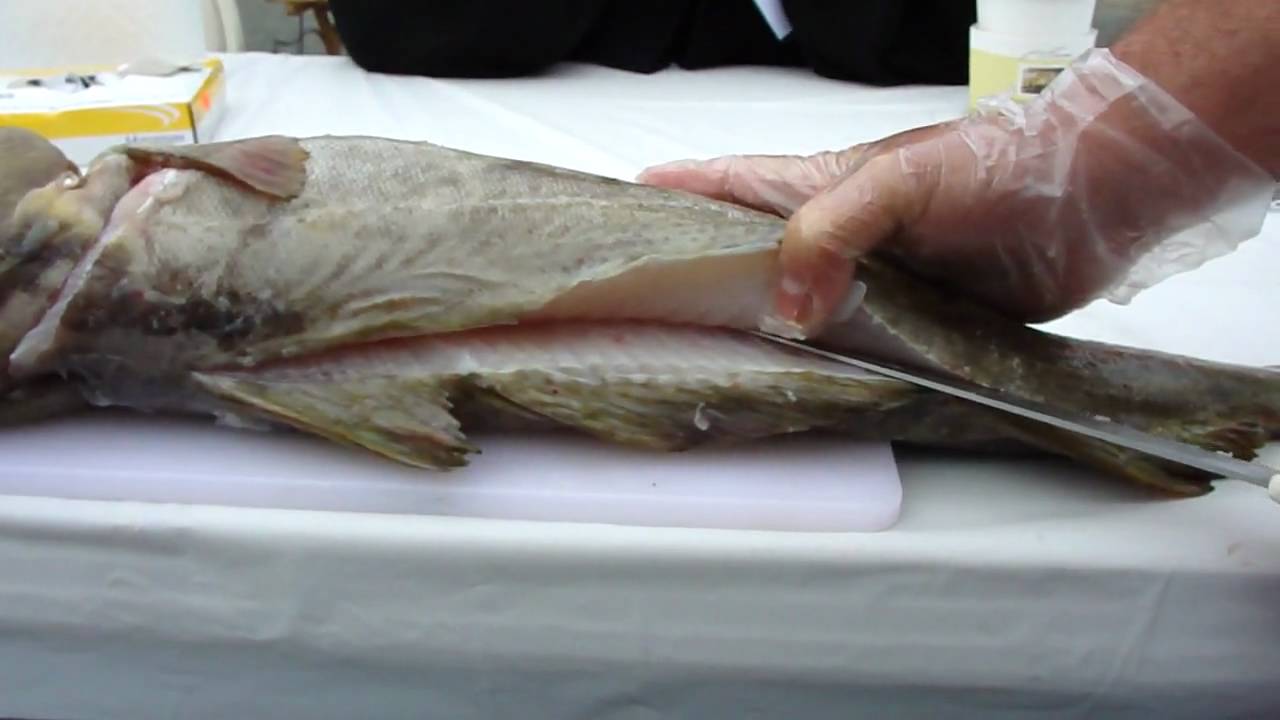
    Beiyang Jiamei Seafood, a Chinese processor switching its business from exports to imports, plans to expand into re-fresh products for the domestic market.

    The company, which is based in Qingdao, hopes to start processing re-fresh, packaged cod products for retail in Shanghai early next year, said Peng Song, its general manager.

    “We have in mind selling re-fresh cod and redfish. I think cod, both Atlantic and Pacific, can be very big in the Chinese market,” he told.

    If this model works, it could then be applied in other Chinese cities, he said. “I think we would be the first company in China to do this,” he said, during the China Fisheries & Seafood Expo.

    The company is also starting to sell frozen cod products into Chinese retail, wholesale and foodservice.

    “For the big, longline Pacific cod, we cut it into steaks. For the Atlantic cod, we make loins, portions and J-cuts,” he said. “I do think this item will boom in China, in a very short time.”

    Chinese in coastal cites do eat Pacific cod, he said, as the same species that is caught by Russians and American vessels is also in Chinese waters.

    But, the species is not sold as “cod” and consumers are unfamiliar. “The catching is inconsistent, so people do not like to promote it. The species may not be new, but to name it Pacific cod, Atlantic cod, that is new,” he said.

    The company is also putting the Marine Stewardship Council (MSC) logo on its cod retail bags.

    “We now have most of our products MSC approved. I think that is the future,” said Song.

    “The MSC is also fully traceable, from catch-to-plate. That is a powerful message for the Chinese consumer, who is worried about food safety,” he said.

    Promoting the traceability angle of the MSC logo is the best way to expand in the China market, he said, due to the concerns over food safety in China.

    Shift to domestic sales

    Beiyang Jiamei now generates around $35 million from domestic sales, as well as the same amount from re-processing and exporting.

    For the re-processing business, cod, haddock and arrowtooth flounder are the main species, he said.

    The company only started doing domestic sales in 2011. Beiyang Jiamei is selling into wholesale, into retail and foodservice, and also via online stores on JD.com and Tmall.

    Beiyang Jiamei’s main brand is “Sea Mix”, but it also has another for families, “Dinosaurs”. Also, the company is launching a high-end brand, “Prime Catch”, for crab and other more expensive items.

    A big focus of the domestic business, including e-commerce, is coldwater shrimp. Beiyang Jiamei imports around 5,000 metric tons of coldwater shrimp a year.

    Due to the quota cuts for coldwater shrimp in Canada, the company is now importing more vannamei from Ecuador and also red shrimp from Argentina.

    “We use coldwater shrimp to open the door to the supermarkets. Then, we try and introduce our other products to them. Coldwater shrimp will remain the most important item to us,” he said.

    “Needless to say, the high prices of coldwater shrimp mean vannamei has taken a share of the market,” said Song.

    “The price is RMB 91.50 ($13.53) per kilogram. This is the same price as L1 [Argentine shrimp] or 30/40 from Ecuador,” he said.

    “In China, if you entertain a guest, you want the bigger size to create a good impression”, meaning the vannamei and Argentina shrimp has a strong appeal, he said.

  • Russian chocolate, beer and baby food companies aim to conquer Asia

    Russian chocolate, beer and baby food companies aim to conquer Asia

    Every time Chinese President Xi Jinping visits Russia, he asks for some Russian ice cream. As a result of this craving, Russian President Vladimir Putin presented a whole box of ice cream to his Chinese counterpart at the G20 summit.

    Chinese tourists share their leader’s love for Russian ice cream so much that there are rumors that China is planning to build its own Russian ice cream factory. Consumers from across Asia are increasingly buying Russian food products thanks to a recent growth in exports from Russia.

    Chocolate

    Alyonka, Babaevsky and Rossyia chocolate bars, which are popular among tourists, are now being exported to Asia.

    “Alyonka is the most popular brand of chocolate that is being sold in China, but Babaevsky and Vdohnovenie chocolate bars are also becoming popular,” says Denis Usalev, marketing manager of Uniconf, which owns all three brands, and is the largest confectionery holding in Eastern Europe.

    He adds that sales of Alyonka grew six-fold year-over-year in China in 2015 and the company expects to see even more growth in 2016. Chinese consumers can buy Russian chocolate through ecommerce platforms as well as in local shops.

    Russian companies are also looking beyond China, and are obtaining Halal certification to compete in Muslim countries in Asia.

    Waffles and biscuits

    The Russian confectionary industry is developing new products specifically for the Asian market to cater to local tastes.

    “Korovka waffles with milk and chocolate fillings is our main driver of sales in China,” says Usalev. “Also around 50 per cent of Alenka biscuits are exported to China.”

    The Jubilee sugar cookies brand was launched in early 1913 and gradually became very popular in Russia. In 2007, Mondelēz International Inc acquired the brand and renamed it to belVita Breakfast. In 2015 belVita Breakfast biscuits were introduced in China and Indonesia . The company has become a global breakfast icon, with sales growing at about 20 per cent annually over the last few years.

    Healthy snack bars

    The organic food market segment has been growing rapidly for years. In 2015, Take a Bite was launched in Hong Kong, China and Singapore. The Russian company relied almost exclusively on retail sales in local super markets, but today buyers can purchase Take a Bite from the TMALL online store.

    Another Russian healthy food brand ECO botanica, which is owned by Uniconf, is also looking to tap into the Asian market.

    “Sales in China grew tenfold in the first nine months of this years,” says Usalev. Next month we will launch the ECO Botanica store on the Alibaba platform.”

    Baby food 

    The leader in the baby food market in Russia, Frutonyanya has also entered the Chinese food market.  “We’ve already received two 40-feet containers of Frutonyanya products and are now waiting for the third one,” says Artem Zhdanov, co-founder and marketing director of UChina, which is helping the Russian baby food company enter the Chinese market.

    “The first consignment went to our Chinese partners, distributers, trade platforms and a food exhibition to enhance brand recognition and to promote the brand name.”

    The company has more than 200 products including fruit drinks, jellies, desserts, fruit puree, milk and milkshakes. It will launch a separate line for pregnant women and breastfeeding mothers.

    Beer

    Baltika, a favorite of former U.S. Ambassador to Russia Michael McFaul, became the first Russian beer to be exported to Asia. It is now available in Vietnam and Malaysia.

    The Russian beer brewer, Ochakovo established licensed production in Japan in 2016. Since July 2016, the company has been supplying three types of canned beer. Ochakovo has also launched beer exports to China.

  • Vinamilk enters Thai market

    Vinamilk enters Thai market

    The Vietnam Dairy Products Joint Stock Company (Vinamilk), Vietnam’s largest milk producer, has selected Top Most Enterprise (TME) – a Thai company – to distribute Vinamilk products in Thailand, a dairy product market worth about $1.7 billion/year.

    Siwat Thamaranothai, TME’s managing director, told the Bangkok Post that he suggested TME serve as the Thai distributor after enjoying Vinamilk yoghurt during a trip to Vietnam.

    The company launched Vinamilk yoghurt in the Thai market at selected modern retail chains such as Lawson convenience stores and The Mall and Foodland supermarkets three months ago.

    This product is priced at 17-19 baht, higher than other brands. TME expects to cover all distribution channels in the second quarter of next year.

    Most Enterprise also plans to launch Vinamilk UHT milk.

    Vinamilk was the only dairy company in Vietnam to make the list of the Top 300 most dynamic companies in Asia, as recently voted upon by the Nikkei Asian Review.

    Its products are now sold in nearly 200 stores in 45 provinces in Vietnam and in more than 43 countries, such as Cambodia, Thailand, South Korea, Japan, China, Turkey, Russia, Canada, and the US.

    The company has also bought a 22.8 per cent stake in Miraka from New Zealand, 70 per cent in Driftwood in the US, and 51 per cent in Angkor Milk in Cambodia, as well as a subsidiary in Poland as a gateway to Europe.

    It plans to build a new milk powder plant in Vietnam next year and will expand production at its New Zealand plant, which is operating at full capacity.