Category: Food

Retail News Asia is committed to providing both local and global retailers with the latest Food and Food & Beverage news throughout the Asian market. This on a daily base.

  • Japanese food products flood Vietnam market

    Japanese food products flood Vietnam market

    Takimoto Koji, chief representative of the Japan External Trade Organization (Jetro) in HCMC, said Vietnam is a market with rapid growth, where consumers easily accept new products.

    According to Jetro, Japanese food exports were bringing $7.5 billion a year, while the Japanese government strives for an annual 30 percent growth rate by 2019.

    In November 2016, Jetro, joining forces with Ministop, FamilyMart and Aeon, the retail chain with 200 shops, will begin selling food products in a program called Japan Fair.

    After Japan Fair runs in Vietnam, it will be organized in Singapore, slated for April 2017.

    The representative of Jetro said Vietnamese people think Japanese products are expensive. However, there are products that fit Vietnamese pockets, though the selling prices in Vietnam are estimated as twice as much the prices in Japan because of additional expenses.

    Jetro has also decided to introduce products in high demand and short supply which have never been sold in Vietnam.

    Of the 78 items to be displayed at Japan Fair, the lowest price will be VND10,000, for candy, and the highest VND359,000, for a package of cookies.

    According to Yamanouchi Hirohisa from Family Mart Vietnam, soft pies (VND53,000-60,000 per box) and ice cream have been selling well.

    Meanwhile, Akihiko Maeda from Ministop Vietnam, said at his retail chain, 30 percent of Japan Fair’s products have been selling well. Ice cream is the best seller despite the high price of VND33,000-47,000, which is three times higher than the average price in Vietnam.

    In HCMC, many shops specialize in distributing Japanese products, such as Daso, Hachi Hachi and Tokyo Mart. Tokyo Mart sells the rice imported from Japan at the price of VND140,000 per kilo, 10 times higher than the average price in Vietnam and 5 times higher than high quality Vietnamese rice.

    Nguyen Van Ngai from the HCMC Agriculture & Forestry University said that many types of food and farm produce can be made or grown in Vietnam, but Vietnamese consumers believe Japanese products are safer. Vietnamese consumers, with improved living standards, are willing to pay higher prices to get safe products.

    Zing News quoted analysts as reporting that Japanese products have for many years been preparing the infrastructure and learning the market thoroughly.

    Not all Japanese products will be brought to Vietnam immediately, but will penetrate the market gradually. Food, cosmetics and fashion products will come to Vietnam first through retail channels, especially convenience stores.
  • World’s First Japan Rail Cafe Now In Singapore

    World’s First Japan Rail Cafe Now In Singapore

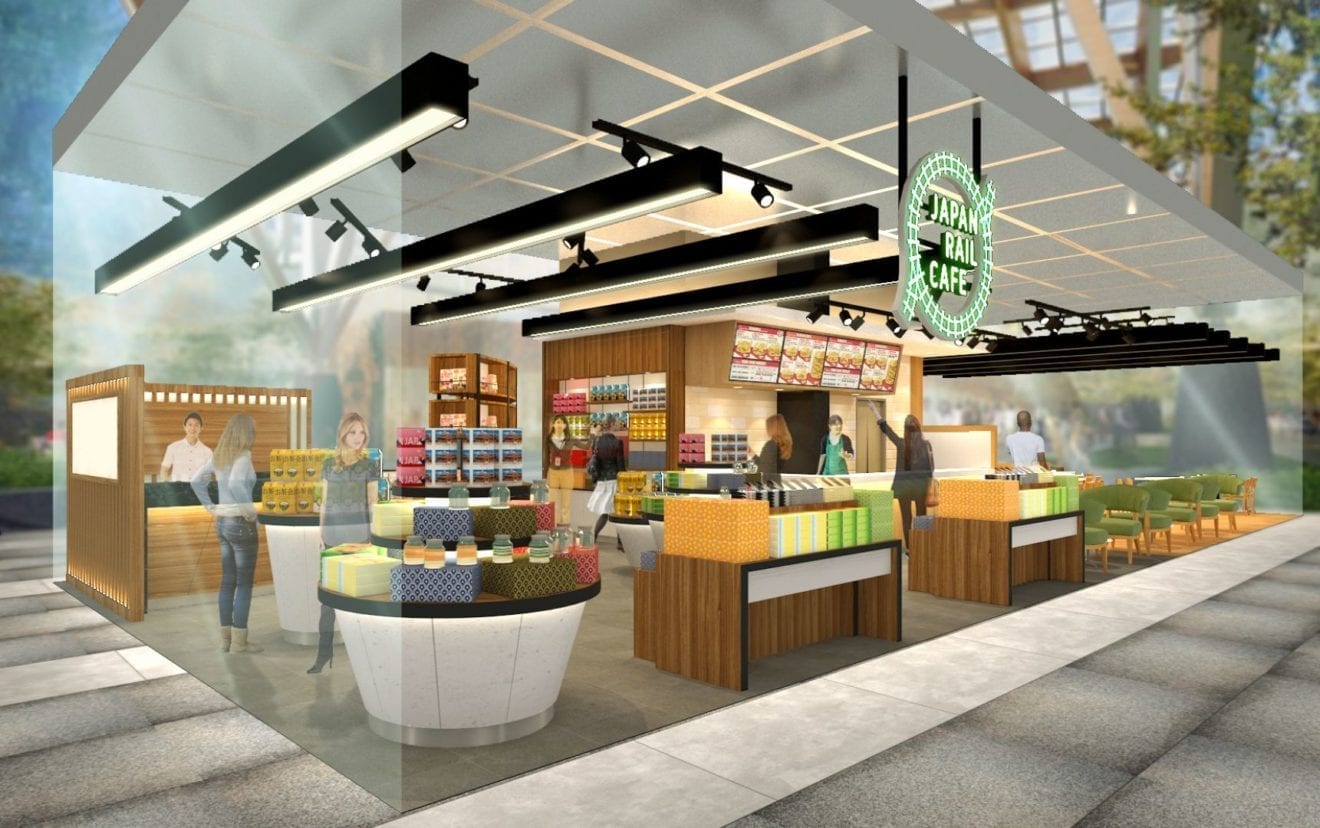
    After encountering a slew of character cafes this year, it was particularly refreshing to discover the travel-themed Japan Rail Cafe. The first of its kind in the world, the cafe is East Japan Railway Company (JR East)’s first overseas venture.

    For the uninitiated, JR East primarily serves the Kanto and Tohoku regions in Japan. Those who’ve been to the Land of the Rising Sun should be pretty familiar with it!

    With its overarching aim to promote Japan travel in Singapore, the cafe is primed to be a one-stop-shop for travelers and hungry cafe hoppers alike.

    The spacious cafe is decked out in warm shades of wood and bright pops of teal. Rail tracks also run all around the cafe, from the walls to the ceilings — a quirky nod to its theme.

    Buy your rail passes here

    Upon entering, a Japan Rail Pass Counter greets you with its huge sign. Here, customers can purchase exchange orders for JR passes before their trips at the instore rail pass ticketing counter operated by JTB Pte Ltd.

    Best of all, the range of rail passes covers not only JR East but all other passes issued by the five other Japan Railway companies, namely JR Kyushu, JR West, JR Shikoku, JR Central and JR Hokkaido. This covers almost all regions in Japan!

    The menu comes in the form of a well-designed newsletter, which currently highlights the Tohoku region of Japan.

    Foodies will be delighted to know that a special menu will be launched each month, where representative dishes of a region will be featured, alongside regular items.kaisen-avocado-don

    Regional delights

    The dishes, though simple, are fuss-free, well-thought out and delicious. In fact, the variety is reminiscent of the quick-service eateries so often found near the rail stations in Japan.

    Their signature Ultimate ABC Burger ($19) is a treat for the palette.

    ABC stands for the key ingredients that make up the burger — avocado, bacon and cheddar cheese, which complements the juicy wagyu beef patty within. The slightly sweet and soft buns make the perfect vessel for these hearty fillings.

    In light of the Tohoku region showcase, diners will also be able to savour the Kaisen Avocado Don.

    The donburi (rice bowl) bursts with the freshness of ingredients like sashimi, ikura (fish roe) and aomori scallops. Topped with mentaiko, sesame and seaweed, the dish is equal parts hearty and healthy.

    watashino-curry-riceIf you’re a fan of Japanese curry, be sure to try the Watashino Curry Rice ($18).
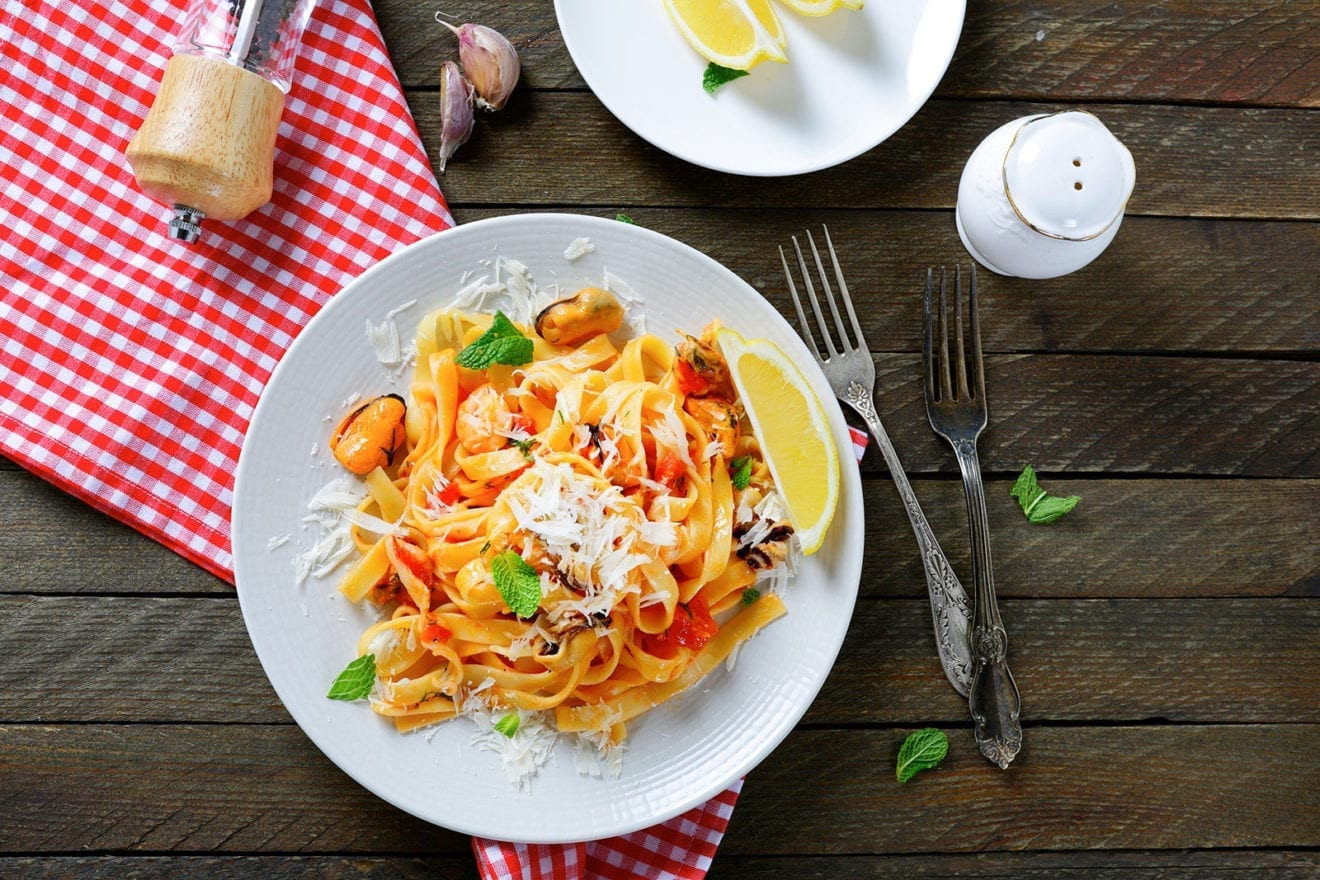
    The satisfying combination of the black pepper-based curry and 10 grain rice is elevated by the fact that you can customise the dish with various mains. Pick from the likes of crispy chicken cutlet, fried oyster and crab cream korokke.

    Retail and workshops

    After you’ve eaten your fill, check out the retail corner at the cafe, lovingly curated by Oishii Japan. Each month, the retail corner will feature various food items from the featured region.

    Plus, there’ll be a range of products from JR East’s retail stores and shopping malls inside JR East train stations — a manifestation of Japan’s new lifestyle phenomenon “Eki Naka”, which means “in-station shopping”.

    And if you’re planning a trip to Japan, the monthly seminars and workshops held at the cafe will be exceptionally useful to attend.

    The cafe looks set to collaborate with partners including Japan National Tourism Organization (JNTO), Japanese local governments and Japanese corporations.

    Looks like the Japan Rail Cafe isn’t just for train otakus!

  • Tech boost for Asia’s rice sector

    Tech boost for Asia’s rice sector

    A new initiative to provide rice breeders across the Asia Pacific region with advanced technologies is expected to help improve crop yields, sustainability and profitability in the vital agricultural sector.

    ‘Rice Action Agenda,’ introduced by the The International Rice Research Institute (IRRI) for the 16-member countries of the Council for Partnership on Rice Research in Asia, calls on parties to share germplasm, collaborate on investments, and exchange rice-breeding techniques.

    Bruce Tolentino, deputy director-general of the Philippine-based IRRI, says the new agenda is “crucial to developing the rice sectors” of the participating countries. He says the new agenda was a response to concerns about diminishing rice stocks in India and Thailand — the two top global exporters.

    IRRI noted in February that the combined rice stocks of India and Thailand were set to decline by almost three-quarters by the third quarter of 2016 as compared to 2013 numbers, mostly due to environmental reasons such as droughts.

    “Fears of another rice crisis early this year was the impetus for the Rice Action Agenda,” Tolentino said.

    Under a 10-point action plan the agenda will introduce superior, higher yield rice varieties; upgrade rice research and breeding pipelines; increase research into global rice varieties; invest in rice education and increase the sustainability of rice cultivation systems.

    The plan also calls for reducing crop losses using mechanised technologies; reforming policies to increase production efficiency; increasing investments in agricultural infrastructure; strengthening food security for consumers and working to implement the ASEAN Rice Breeding Initiative.

    IRRI proposes that participants take advantage of three programmes — the CGIAR Research Programme on Rice, the Sustainable Rice Platform, and the ASEAN+3 Rice Genetics and Breeding Platform. The last includes a suite of tools for fast-tracking germplasm development, including genotyping and molecular markers, high-throughput phenotyping, and breeding informatics.

    Tolentino notes that participating countries are expected to carry out the new Rice Action Agenda using internal funding sources. “The goal is for each of the member countries to adopt the recommendations into each of their own national rice-sector strategies and fund implementation from their own fiscal budgets.”

    Rajeev Varshney, a geneticist at the International Crops Research Institute for the Semi-Arid Tropics, Patancheru, India, tells SciDev.Net that rice is the “most important crop for food as well as nutrition security in Asian countries.”

    According to Varshney, the agenda is a “great opportunity to bring the entire value chain of actors together.” By combining the various programmes proposed in the plan, participants should be able to “make the rice sector stronger.”

  • Some eateries charging more for meal deliveries

    Some eateries charging more for meal deliveries

    Ordering in for dinner? You could be paying more than you bargained for. Some restaurants are charging higher prices for menu items on delivery service platforms such as Deliveroo and Foodpanda, with increases varying from 20 cents to several dollars.

    A check of 50 restaurants found nine that had higher menu prices on these platforms compared to in-house menus.

    Among them are major chains Crystal Jade Kitchen, Crystal Jade La Mian Xiao Long Bao, Nando’s and NamNam Noodle Bar.

    Rochor Thai, NamNam Noodle Bar and Verve Pizza said the mark-ups were necessary to cover packaging and commissions paid to the delivery services, which are as high as 37 per cent per order.

    Rochor Thai, which is partnered with Deliveroo, Foodpanda and UberEats, charges an extra 20 cents for deliveries.

    NamNam’s four outlets on Deliveroo include mark-ups ranging from an average of $1.50 to $10.90 for one of its pho items.

    Verve Pizza, which has three outlets – in Clarke Quay, Bukit Merah and Marina Bay – switched from doing its own delivery to partnering with Deliveroo a month ago, said Ms Karen Coldman, director and owner of parent company Verve Holdings.

    While some of its thin-crust pizzas are costlier by up to $2 to cover extra costs, “entry-level pizzas” are kept low to attract new customers.

    “We are competitively priced, and one of the cheaper ones out there,” said Ms Coldman, 39.

    Crystal Jade and Nando’s declined to comment when queried on the price discrepancies.

    PS Cafe, which was one of the earliest to sign on with Deliveroo when it launched here last year, does not mark up prices for deliveries.

    Said the group’s director of operations, Mr Michael Di Palma: “Overheads are a lot less for deliveries compared with dine-in guests, and we’ve always done takeaway so that cost has been built in for a long time.”

    Its eight cafes and Chop Suey outlets fulfil about 1,000 orders a week through Deliveroo.

    Delivery service providers said that menu prices are not under their purview, and that the commissions they charge restaurants are necessary to cover costs.

    UberEats said restaurants retain the bulk of what they charge customers for their menu items.

    Said a spokesman for Deliveroo, which has over 2,000 restaurant partners in Singapore: “The overwhelming majority of our restaurant partners offer the same prices on Deliveroo as they do in their restaurants, and we strongly encourage them to do so.

    “In a few exceptional cases, some restaurants decide to marginally increase prices to make up for the customary service charge that is added to the bill for on-site consumption.”

    To avoid confusion for customers, Foodpanda said it is updating all prices on its platform to include GST and will absorb the GST for its deliveries.

    This will bring it in line with competitors Deliveroo and UberEats, which include GST charges in menu items and exclude the $3 delivery fee from GST.

    Singapore Polytechnic marketing and retail lecturer Amos Tan said that with the increasing popularity and accessibility of food delivery services, restaurants must be careful not to damage their brands with inconsistent pricing.

    “From a consumer’s point of view, whatever deal a restaurant has with a service provider is not relevant to me. If they are going to charge more, they’d better give me back in value, such as with vouchers.”

    While the issue does not appear to be widespread, “if it escalates, not only will brands suffer, but service providers may lose the trust of customers”, said Mr Tan.

    Art therapist Caitlyn Sarkar, who orders from Deliveroo and Foodpanda at least once a week, said she was surprised to learn of the price difference.

    “I don’t mind paying the delivery fee, but if restaurants want to pass on costs to customers, they should be upfront because consumers assume they’re paying the same price as in the restaurant,” said Ms Sarkar, 33.

    She said: “If it’s hidden, it’s kind of tricking customers.”

  • McDonald’s sells Singapore, Malaysian franchise to Saudi group

    McDonald’s sells Singapore, Malaysian franchise to Saudi group

    McDonald’s said on Friday it had sold the franchise rights for its restaurants in Singapore and Malaysia to Saudi Arabia’s Lionhorn Pte Ltd as part of a plan to move away from direct ownership in Asia.

    The fast-food chain said it transferred its ownership interest in 390 restaurants, more than 80 per cent of which were company-owned, on Dec. 1 to Lionhorn.

    Lionhorn is led by Sheik Fahd and Abdulrahman Alireza, who are franchisees for nearly 100 McDonald’s restaurants in the western and southern regions of Saudi Arabia.

    McDonald’s did not disclose the financial terms of the deal.

    Reuters reported in October that McDonald’s was nearing a deal worth up to $400 million to franchise the outlets to Reza group, which also owns and operates McDonald’s outlets in the western and southern regions of Saudi Arabia.

    The Lionhorn deal is in line with McDonald’s plans to bring in partners in Asia as it switches to a less capital-intensive franchise model.

    The company said it has now franchised about 1,300 outlets as a part of its target to become 95 per cent franchised by the end of 2018.

  • Mercedes Benz Japan sells noodles

    Mercedes Benz Japan sells noodles

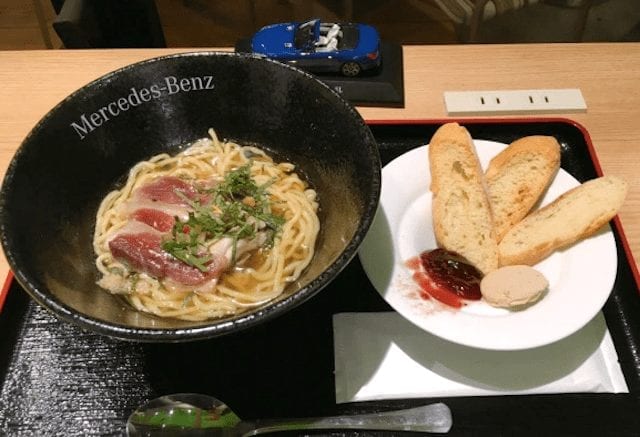
    German luxury car dealer Mercedes Benz Japan has opened a restaurant in its Tokyo showroom.

    But diners can forget caviar – bowls of noodles are the order of the day with a choice of two varieties of ramen, largely considered cheap, fortifying comfort food in Japan.

    All lit up for Christmas, the restaurant is in the showroom of Mercedes Connection Tokyo in the swanky Roppongi neighbourhood.

    mercedes-benz-japan-sells-noodles

    In its usual offhand style, Rocketnews sent its intrepid reporters to test drive the restaurant…

    “While our paychecks put us in less expensive transportation than what is parked in the showroom, we could afford to try both varieties of Mercedes-Benz ramen, which are identically priced at 1200 yen (US$10.60).

    mercedes-benz-japan-sells-noodles-1

    “We started with the Umi (‘ocean’). True to its name, it has a seafood-based broth, made in the Frenchfumet de poisson style, and the nautical theme continues with a pair of scallops being the star toppings. The thin noodles tasted great with the broth, which had notes of grilled fish in its flavour profile.

    “With grilled fish and rice being such a common meal in Japan, we couldn’t resist putting our grilled rice ball, which comes with the Umi ramen, into our leftover broth, providing an excellent finish to the first act.

    mercedes-benz-japan-sells-noodles-3

    “Moving on, the Riku (‘land’) was the polar opposite to the Umi. Even the colour schemes of the bowls are reversed. The noodles are much thicker, and the broth is made from duck ham. It is flavourful and delicious, with no hint of gaminess.


    mercedes-benz-japan-sells-noodles-4

    “Instead of a grilled rice ball, the Riku is accompanied by baguette slices, along with foie gras butter and blackcurrant compote as a dip. If you’re looking for one more way to indulge, you can mix the condiments with the ramen broth, then use their combined form to flavour the bread.

    “Both types of Mercedes-Benz ramen left us fully satisfied.”

    The showroom restaurant is serving ramen until December 25.

  • Starbucks CEO Schultz steps aside

    Starbucks CEO Schultz steps aside

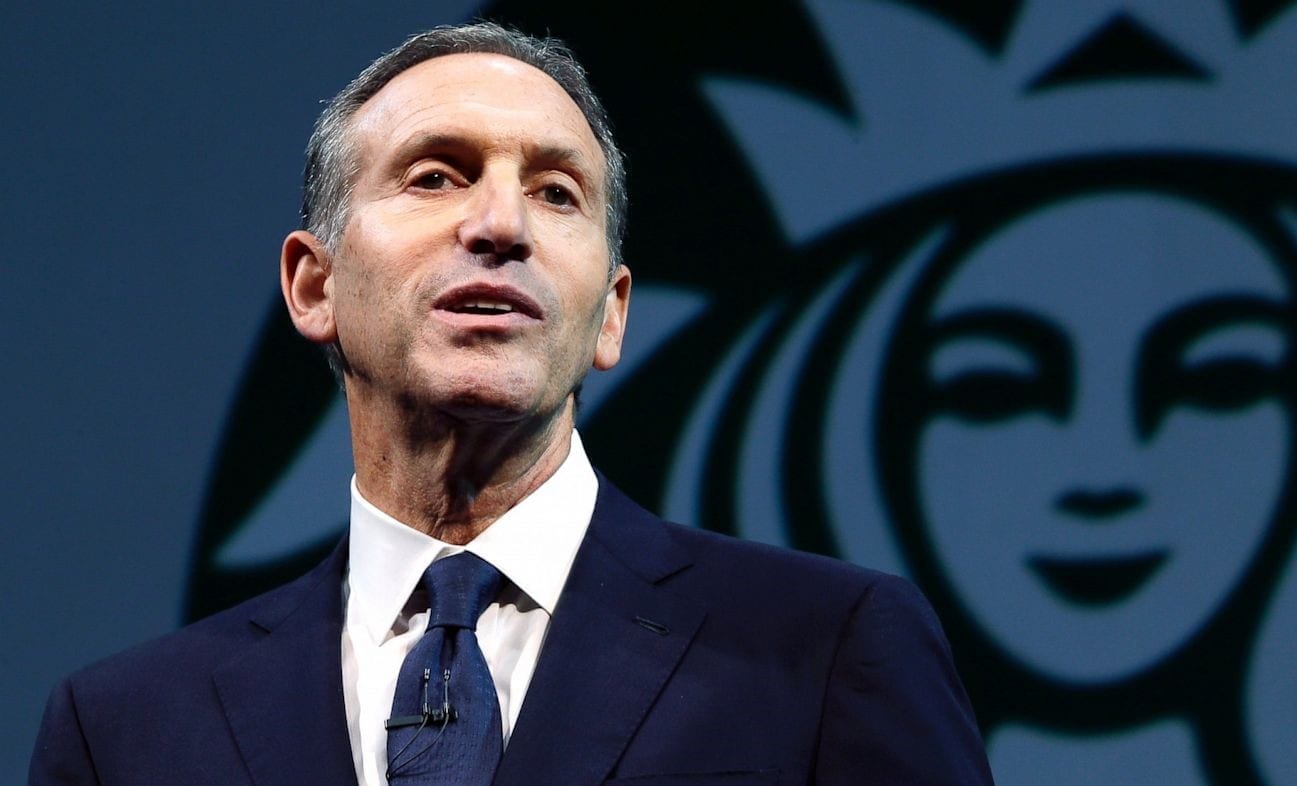
    Starbucks CEO Howard Schultz has stepped aside from the CEO role to take up a new role driving innovation, design and development of the Starbucks Roastery and Reserve retail store formats internationally.

    He will also oversee the company’s social impact initiatives and continue to serve as chairman.

    President and COO Kevin Johnson will expand his responsibilities, assuming the role and responsibilities of president and CEO, effective April 3.

    In his current role, since March 2015, Johnson has led the company’s global operating businesses across all geographies as well as the core support functions of Starbucks supply chain, marketing, human resources, technology, and mobile and digital platforms. Johnson has been a Starbucks board member since 2009, and will continue to serve as a member of the Board.

    “Over the past two decades, I have grown to know Starbucks first as a customer, then as a director on the board, and for the past two years as a member of the management team. Through that journey, I fell in love with Starbucks and I share Howard’s commitment to our mission and values and his optimism for the future,” said Johnson.

    Johnson’s career spans 33 years in the technology industry which included a 16-year career at Microsoft and a five-year tour as CEO of Juniper Networks. At Microsoft, he led worldwide sales and marketing and became the president of the platforms division. In 2008, he was appointed to the National Security Telecommunication Advisory Committee where he served presidents George W. Bush and Barack Obama.

    Announcing the changes overnight, Schultz said the company was continuing to deliver quarter after quarter of record, industry-leading revenue, comp sales and profit growth, and that the newest classes of Starbucks stores continue to deliver record-breaking revenues around the world.

    “The truth is, in all my years at Starbucks I have never been more energised or exhilarated about the opportunities that lie ahead.”

    Schultz said the Roastery concept added a previously unattained level premiumisation into the coffee category.

    “Its success is unparalleled, last year achieving a comp sales increase of 24 per cent and delivering a ticket that is four times the ticket of a typical Starbucks store. The Roastery has become a learning laboratory for breakthrough innovation and experiential design and a beacon for the next wave of Starbucks global growth and evolution.”

    Starbucks will open at least 20 Roasteries around the world, six by the end of 2019 alone.

    “At the same time, elements of the Roastery are forming the basis of the 1000 or more Starbucks Reserve stores we will be opening around the world in the years ahead.”

  • McDonald’s China deal done

    McDonald’s China deal done

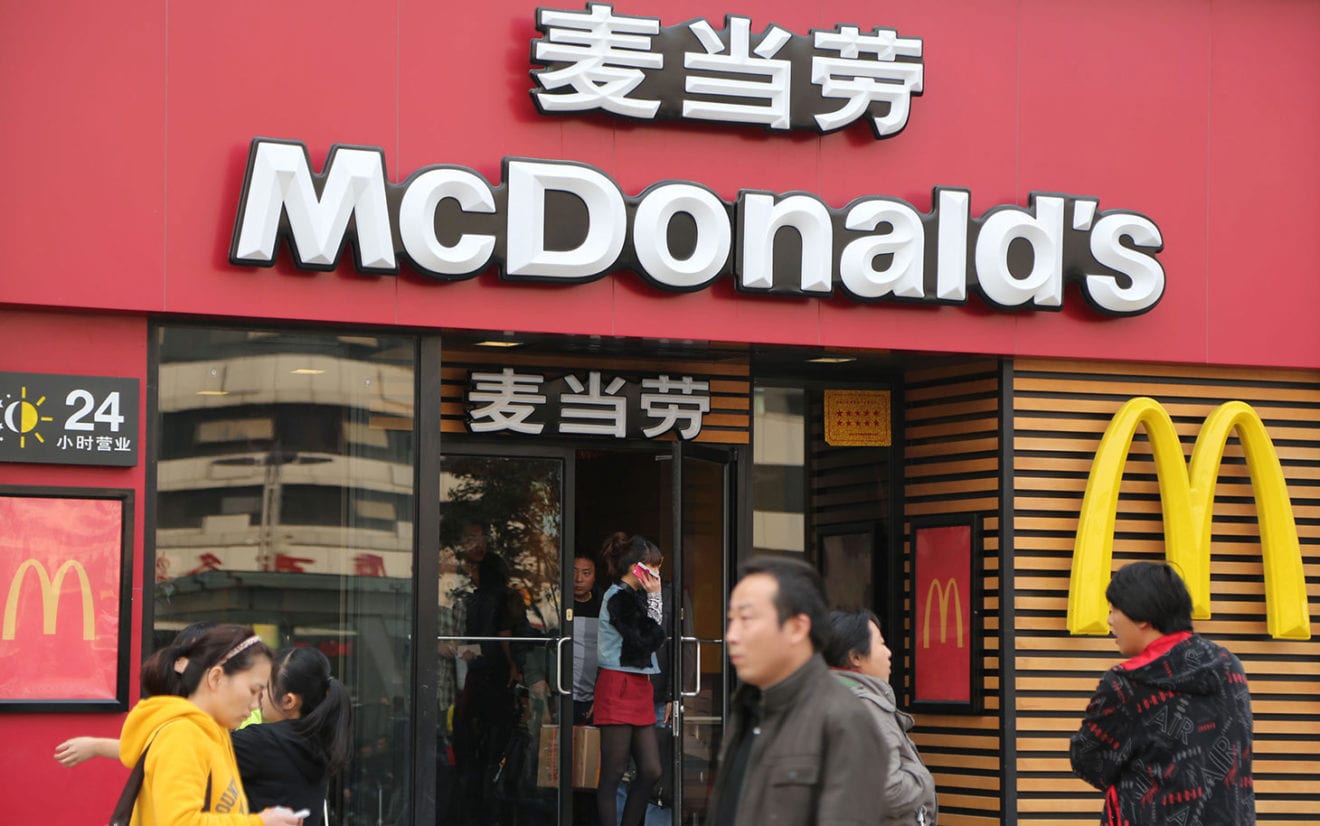
    A private-equity led consortium has been chosen to buy 20-year franchise rights for McDonald’s China and Hong Kong, Reuters is reporting.

    The successful bidder is a consortium led by private-equity firm Carlyle Group and Chinese conglomerate Citic Group, who will pay up to US$3 billion, according to an unidentified source who spoke with Reuters.

    A contract will likely be signed before Christmas.

    As reported in September, consortiums led by private equity firms Carlyle Group and TPG Capital were shortlisted as the bidding process narrowed the field. TPG had teamed with Beijing Capital Agribusiness Group, McDonald’s current China partner.

    Another private equity group, Bain Capital, had already dropped out.

    McDonald’s had previously said it was looking for long-term partners rather than private equity firms, which typically cash out after a few years.

    The deal covers some 2400 restaurants in China and Hong Kong. The 20 year franchise rights come with a 10-year renewal option.

  • McDonald’s near deal to sell China stores

    McDonald’s near deal to sell China stores

    A consortium led by private-equity firm Carlyle Group and Chinese conglomerate Citic Group Corp has neared a deal to buy McDonald’s stores in China and Hong Kong for up to $3 billion, a source with direct knowledge of the matter said.

    The deal is likely to be signed before Christmas, the source said.

    Reuters had reported in October that U.S. buyout firms Carlyle and Bain Capital LLC had been the front runners among the bidders for the fast-food giant’s China assets.

    McDonald’s in March said it was reorganizing operations in Asia, bringing in partners as it switches to a less capital-intensive franchise model.

    The company hired Morgan Stanley to run the sale of about 2,400 restaurants in China and Hong Kong.

    Financial Times reported earlier on Wednesday that Bain Capital had dropped out of the race, and that a group led by Citic Group and Carlyle were the front runners to the deal.

    Carlyle declined to comment, while McDonald’s was not immediately available for a comment.

  • On-Yasai hotpot chain launches in Vietnam

    On-Yasai hotpot chain launches in Vietnam

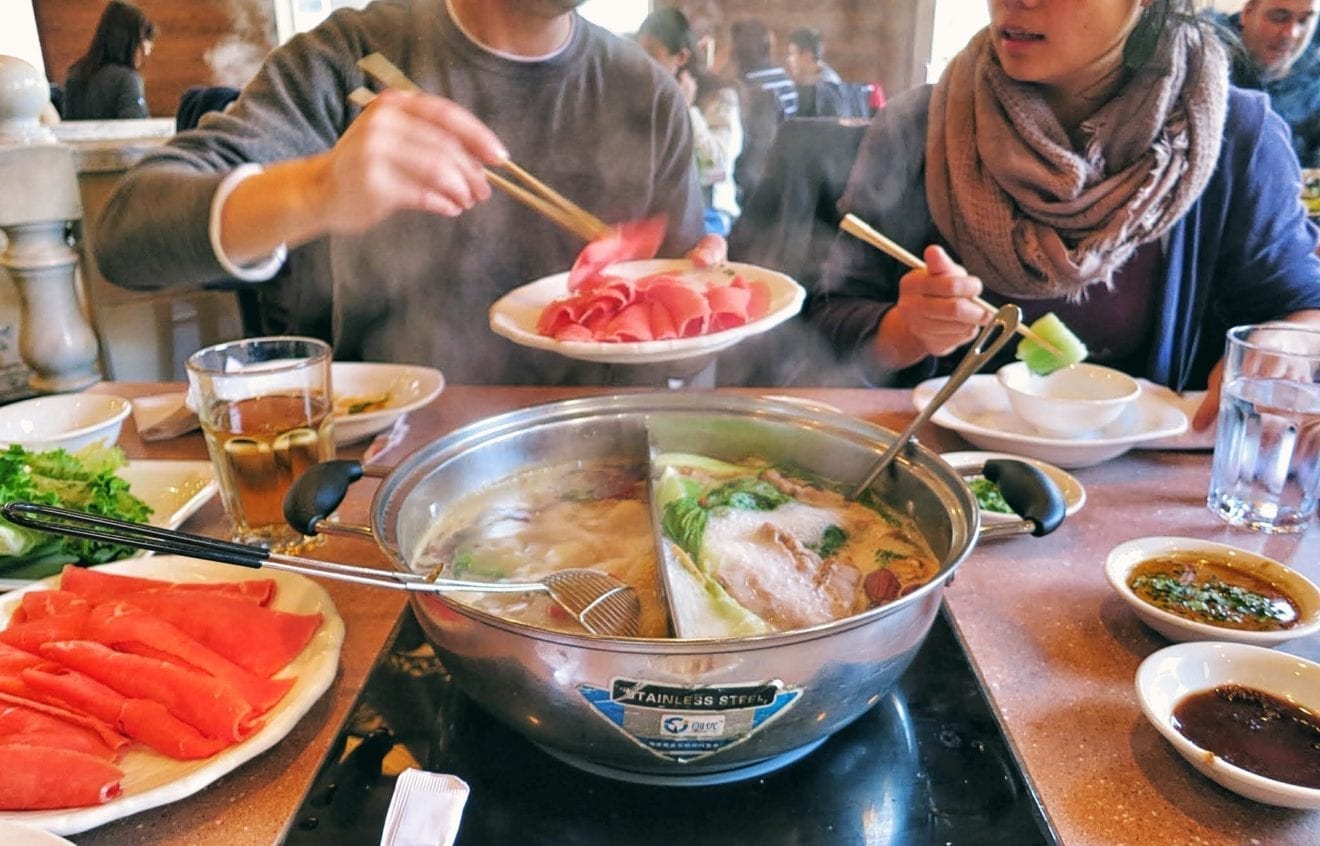
    Japanese restaurant group Colowide is introducing its shabu-shabu hot-pot chain to Vietnam via a franchise network.

    Its first On-Yasai hot pot location opens at Vincom Mega Mall in Hanoi this month, being run by affiliate Colowide Vietnam.

    The 260 sqm outlet seats 128 diners, and the monthly sales target is about US$80,000.

    Colowide already runs Gyu-Kaku yakiniku (grilled meat) restaurants and Japanese-style pubs in Vietnam. Through franchising, it hopes to open 30 On-Yasai locations in Vietnam over the next five years.

    Colowide is also set to acquire Japanese hamburger chain Freshness, and plans to take control of Gyu-Kaku’s North American network this month.

  • Idris Jala to become Heineken Malaysia chairman

    Idris Jala to become Heineken Malaysia chairman

    Performance Management and Delivery Unit (Pemandu) chief executive officer Datuk Seri Idris Jala will join Heineken Malaysia Bhd (formerly Guinness Malaysia Bhd) as chairman starting Jan 1, 2017.

    In a filing with Bursa Malaysia, the Selangor-based brewer said Idris would succeed Tan Sri Saw Choo Boon who had decided to retire as chairman on Dec 31.

    At the request of management, Saw has agreed to continue to support the group as advisor of Heineken Malaysia starting Jan 1, 2017.

    Idris, who served as Minister in the Prime Minister’s Department for six years, is the managing director of the Big Fast Results Institute in addition to helming Pemandu.

    “Datuk Seri Idris Jala is a renowned transformation guru in turning around companies’ performance through his big fast results methodology and transformational strategies that are innovative, rigorous and relevant to today’s demands. He has continuously delivered sustainable socio economic reforms which, in 2014, saw Bloomberg place him among the top 10 most influential policy makers in the world,” Heineken Malaysia said.

    Prior to his Government stint, Idris was managing director/CEO at Malaysia Airlines (MAS) for three years. He was brought on board to turn around the airline which was in crisis brought about by a prolonged bout of losses from operational inefficiencies.

    Before that, he spent 23 years at Shell, rising up the ranks to hold senior positions including vice president (Shell Retail International) and vice president (business development consultancy) based in the UK.

  • Revenue grows for Fairwood Holdings

    Revenue grows for Fairwood Holdings

    Revenue grew 6.8 per cent for fast-food company Fairwood Holdings in its six months to the end of September.

    Fairwood’s positive result coincides with a strong performance from rival corporate restaurateur Cafe de Coral reported earlier this week.

    Fairwood’s interim results show revenue reaching HK$1.257 billion (US$162 million) compared with HK$1.176 billion for the corresponding period last year. Profit attributable to equity shareholders increased by 1.8 per cent to HK$103.8 million.

    Executive chairman Dennis Lo says the company has focussed on “elevating every aspect of the customer experience” while maintaining a happy culture for its staff members.

    “All of these have been the key in fuelling our satisfactory organic growth and driving the dynamism of our brand.”

    He says the Hong Kong restaurant business performed exceptionally, with revenue growing by 8.7 per cent. In response to customer support, the group opened seven more stores in Hong Kong during the review period.

    The group has also enhanced its signature products, launched new and seasonal dishes, and offered table service for dinner in all stores. “The service has set a new standard for the fast-food industry, and has been very well-received by the public,” says Lo.
    There are also plans to expand its specialty restaurant segment, including a second branch of its new Japanese-Western restaurant ASAP.

    Automation expanded

    To manage costs and improve efficiency the group has engaged in global sourcing, menu and production planning, and flexible work scheduling. It has also expanded the automation of its central food-processing plant.

    Despite a challenging business environment, profitability was maintained in China, with a store opening in Guangzhou during the first half. Expansion will be focussed on the residential districts of Guangzhou and Shenzhen.

    “Connecting to senior citizens has always been an integral part of our corporate culture,” says Lo. “To show our appreciation toward senior citizens for their past contribution to society, we have issued more than 50,000 discount cards since 2014 as part of our Care for Seniors program, together with many other initiatives.”

    To address the needs of senior citizens as well as the physically challenged, Fairwood has created stores that address their needs by offering priority seating, stick hooks, handrails in toilets and non-glare menu boards.

    “Aside from treating customers well, Fairwood believes it is equally important to foster a happy work environment,” says Lo. The group has established focus groups to collect staff members’ opinions and feedback, and offered customer-centric training programs, advancement opportunities and team-building activities. “Such efforts have contributed toward achieving higher staff retention across all levels.”

    At the end of September, the group had 128 stores in Hong Kong, including 121 fast-food outlets and seven specialty restaurants, plus 10 stores in China.

  • Taiwan’s SheenHo finds partner for Myanmar

    Taiwan’s SheenHo finds partner for Myanmar

    Taiwanese restaurant chain SheenHo has awarded a master franchise to Myanmar company Creation Strength to open outlets in the frontier market.

    About K1.3 billion (US$995,000) will be invested in opening up to 20 branches over five years, starting in Yangon.

    Chefs from Myanmar will be flown to Taiwan to learn how to prepare the restaurant’s cuisine.
    Meanwhile, Singapore Myanmar Investco (SMI) has partnered with Japanese ramen chain Ippudo to open a branch in Myanmar. SMI has also signed an agreement with Singapore’s Crystal Jade Group to open Chinese restaurants in Myanmar.

  • Jamie’s Italian expands to Thailand

    Jamie’s Italian expands to Thailand

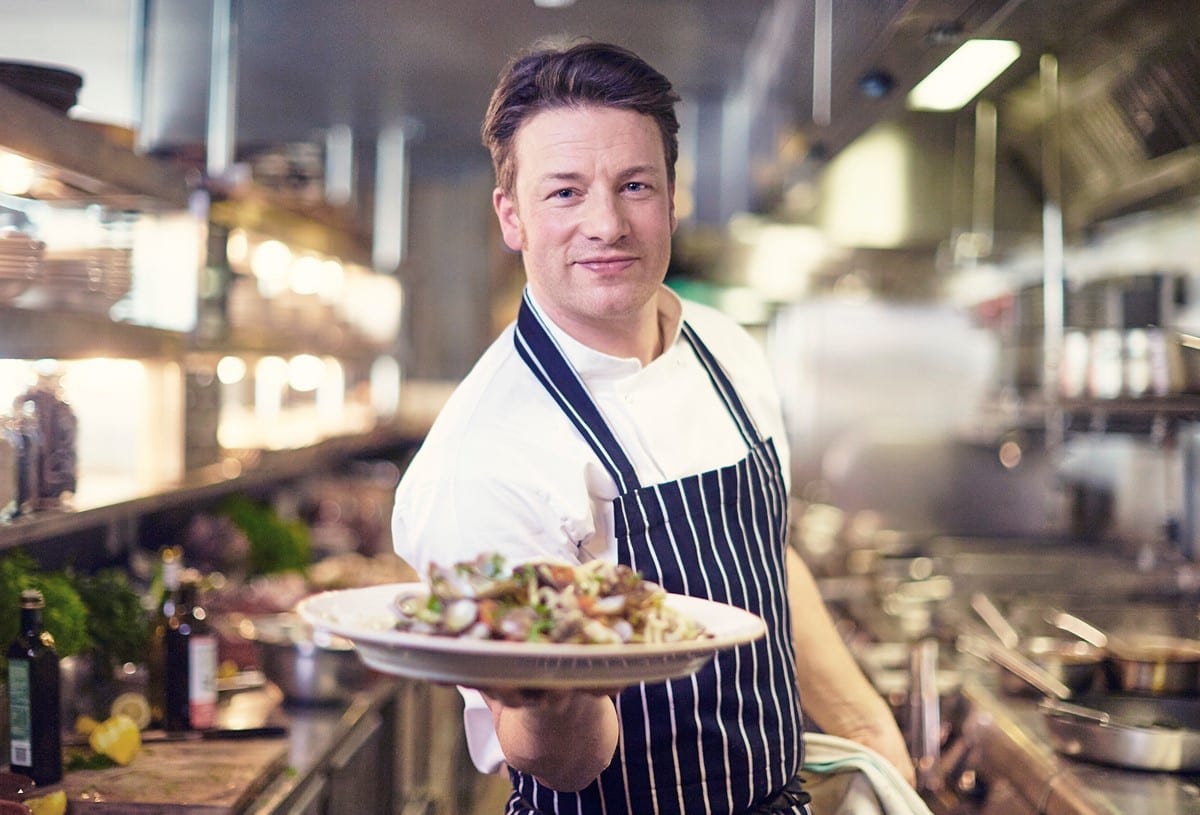
    Thailand’s first Jamie’s Italian restaurant has opened at the newly ­renovated Siam Discovery in Bangkok.

    It is being run by Hotel Properties in partnership with the mall operator, Siam Piwat.

    Jamie’s Italian began as a joint venture between UK celebrity chef Jamie Oliver and his mentor, Italian chef and restaurateur Gennaro Contaldo. The first restaurant opened in Oxford in 2008 and there are now 42 outlets in the UK and more than 25 internationally, including in Australia and Singapore.

    Jamie's Italian Stratfor

    As with all Jamie’s Italian outlets, the Siam Discovery restaurant is committed to sourcing free-range, higher-welfare meat, and sustainable and ethically produced ingredients. All the recipes are Italian classics with a Jamie Oliver twist, including pasta made on site every day.

    The restaurant is working with Thai farmers and suppliers.

    Meat Plank, recommended menu

    Menu highlights at Jamie’s Italian Siam Discovery include antipasti planks, a sharing dish served on wooden boards supported by tins of tomatoes and offering a selection of meats, cheeses, vegetables and pickles.

    The Jamie's Italian Burger, a signature main dish

    Oliver’s cook books and the restaurant’s signature napkins are on sale, as well as gifts.

    Jamie's Italian Spring Summer App Menu Shoot

    Jamie’s Italian Spring Summer App Menu Shoot

    With 184 covers, the restaurant features rustic, reclaimed timber refectory tables, zinc tables and vintage upholstered lounge chairs, with monochromatic and hand­-painted floral tile flooring. The dining area is illuminated with brass spotlights, vintage enamel shades and a textured-glass chandelier.

    Guests can view the open kitchen, watch their antipasti planks being made at the antipasti counter in the main dining room, or relax at Jamie’s Bar.

    Jamie’s Italian Siam Discovery_Interior Design 4

    Jamie’s Italian Siam Discovery_Interior Design 3

    Jamie’s Italian Siam Discovery_Interior Design 1

    Jamie’s Italian Siam Discovery_Interior Design 2

  • Asia’s premium restaurant festival returns to Hong Kong Central Harbourfront

    Asia’s premium restaurant festival returns to Hong Kong Central Harbourfront

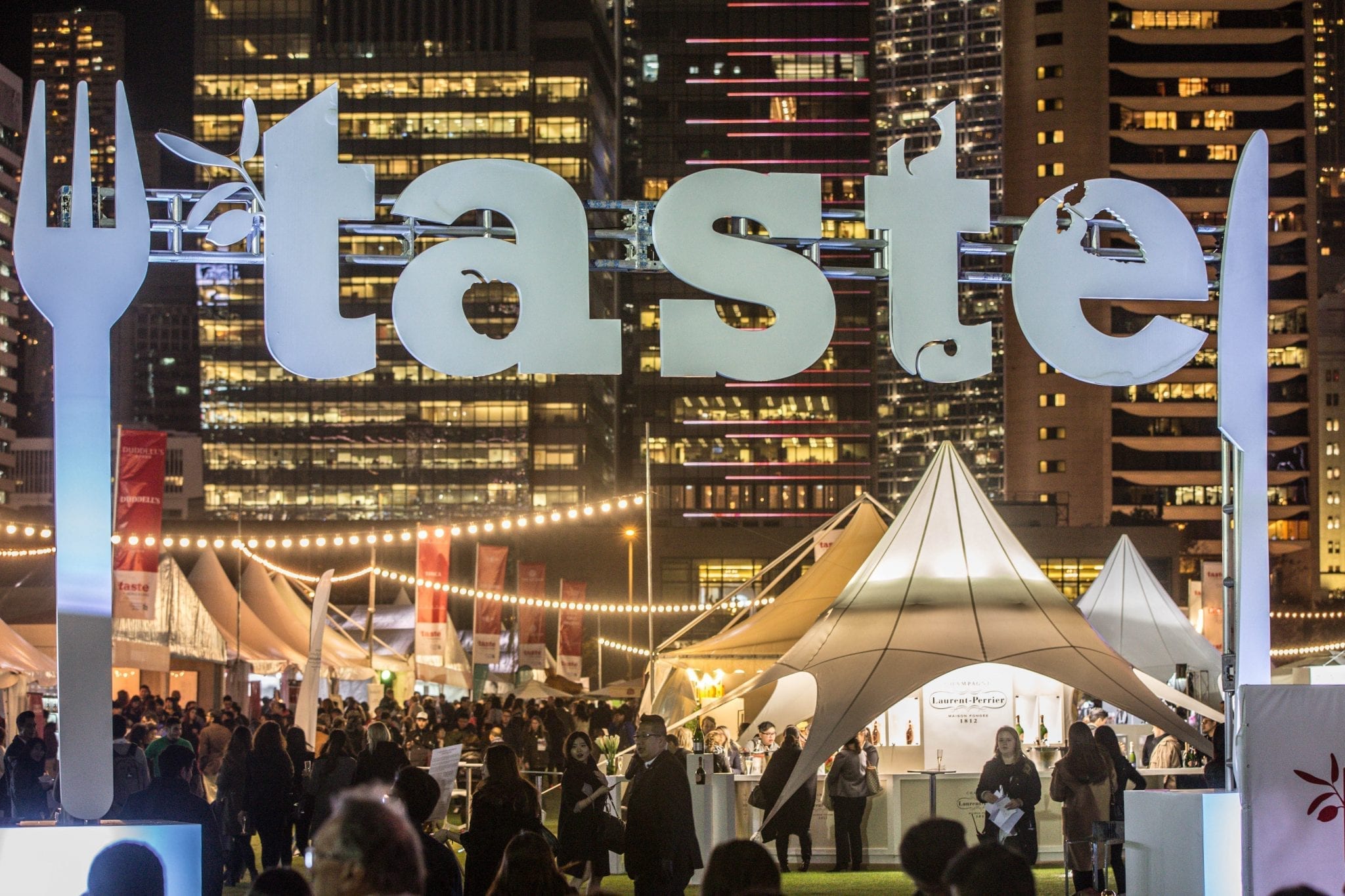
    This second edition of Taste of Hong Kong is set to be even bigger and better with more restaurants, dishes, artisan producers and culinary experiences to savor.

    “It was no question for us that Hong Kong should be the home of Taste Festival’s first Asian location – the city’s exceptional food culture and wealth of culinary talent is internationally recognized as some of the world’s best. The success of the inaugural event, which attracted around 15,000 visitors, solidified Hong Kong’s position and status as one of the world’s top food capitals, proving the city’s impressive appetite and knowledge for top tables and world class cuisine. Seeing Hong Kongers embrace the festival with such a high level of excitement, we decided to make the second edition 25% bigger. Taste of Hong Kong 2017 will be raising the bar once again, bringing some popular favourites and introducing the latest and greatest local and international culinary talent and trends with more premium dishes, exclusive offerings and culinary experiences for taste buds to discover,” says Simon Wilson, Head of IMG Culinary Asia.

    “Many of our Standard Chartered clients enjoyed the 2016 gastronomic festival and we recognise that gourmet food is the way to the hearts of our clients. This is why we want to continue to bring this experience to them and are proud to celebrate our 2nd year of collaboration with IMG,” said Samir Subberwal, Managing Director & Head, Retail Banking, Hong Kong.

    A not-to-be-missed highlight in the social calendar for all Hong Kongers, the world’s greatest restaurant festival will bring Hong Kong’s most celebrated restaurants together to serve a premium menu of more than 50 signature dishes on tasting plates and iconic one-off festival creations. Hong Kong has no shortage of food variety with a significant number of openings every year, building a community of fine hospitality in the industry. New additions to the Taste of Hong Kong 2017 menu include dishes from Kaum at Potato Head, Mercato, Okra, Rhoda and ZUMA. Culinary stars who have had a taste and are returning for more this year are Amber, Arcane, Café Gray Deluxe, CHINO, Duddell’s, Tin Lung Heen, Tosca and Yardbird.

    Discerning Hong Kongers will enjoy access to world class cuisine across the festival as well as the opportunity to shop at The Gourmet Market and the chance to learn a couple of tricks at the Taste Theatre from the region’s finest chefs over the weekend. Festival-goers can take a break and mingle with like-minded foodies while listening to a line-up of live entertainment in one of the many lounge areas at the festival.

    No party is complete without the best champagne. After more than 15 years of work, Laurent-Perrier will unveil the quintessence of its own style at Taste of Hong Kong 2017. This is the first time the La Cuvée will be seen in Asia, chilled and ready for oenophiles to enjoy with the finest Hong Kong cuisine.

    Etihad Airways, the official Airline partner of Taste Festivals will be running their “Taste the world” competition between restaurants at the event. They will send one Hong Kong chef to compete alongside 12 other world-class chef’s in the final of the ‘Taste the World’ competition at Taste of Abu Dhabi in 2017.

    Taste Festivals is celebrated in 22 destinations including Paris, London, Rome, Dubai, Sydney and Sau Paulo.