Category: Food

Retail News Asia is committed to providing both local and global retailers with the latest Food and Food & Beverage news throughout the Asian market. This on a daily base.

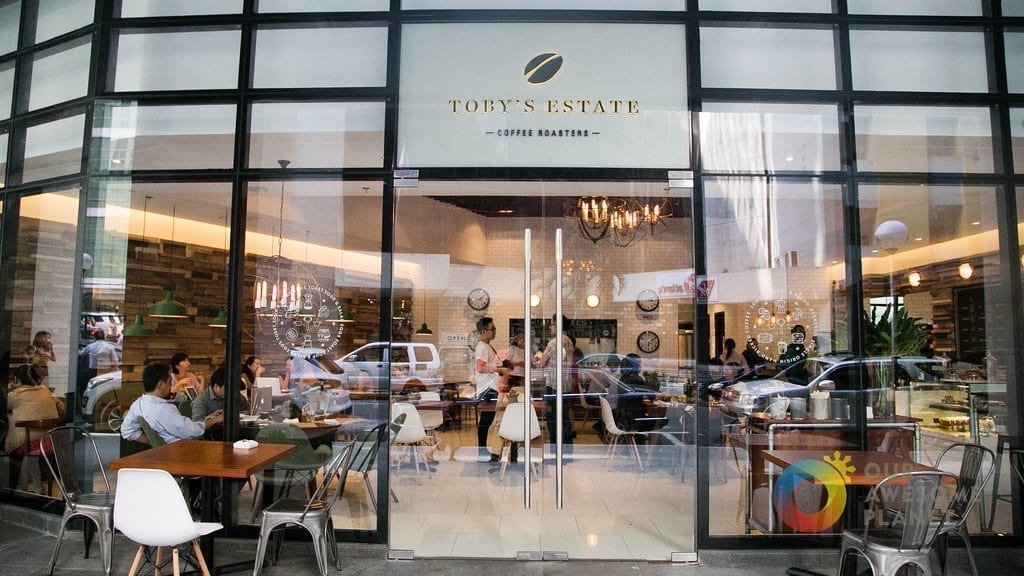
  • Toby’s Estate Indonesia Launches with North Jakarta Flagship

    Toby’s Estate Indonesia Launches with North Jakarta Flagship

    The 15-year-old Australian-born specialty coffee powerhouse Toby’s Estate has expanded its roasting and retail presence to Indonesia, opening a flagship location in Jakarta on Dec. 10.

    Founded by Toby Smith in Sydney in 2001, the company has since expanded to New York and the Philippines, with each market receiving its own roasting division and brand under the Toby’s Estate umbrella. The company has primary Australian retail outposts in Chippendale, Brisbane and Melbourne, and the New York division has four current locations, with at least one more on the way.

    The Jakarta location is naturally the company’s second within a producing region, with Indonesia being the fourth largest producer in the world. Offering a range of single-origin coffees from throughout the world, Toby’s does source from Smith’s own Toby’s Estate farm — Finca Santa Teresa in Panama — while the Jakarta location has opened with at least one single-origin coffee from Mandheling, Indonesia.

    Toby's Estate Indonesia photo.

    In addition to a full food menu with items such as buttermilk fried chicken and Brioche French Toast — along with other Aussie café staples such as avocado toast — the Toby’s team pulled no punches on gear, with a Mavam setup and a Kees van der Westen Spirit helping to power the espresso program.

    Toby’s Estate Indonesia is now open at Pik Avenue Ground Floor, #E2 in North Jakarta.

  • Hopes in the shoulder of JuanFu Hong Kong

    Hopes in the shoulder of JuanFu Hong Kong

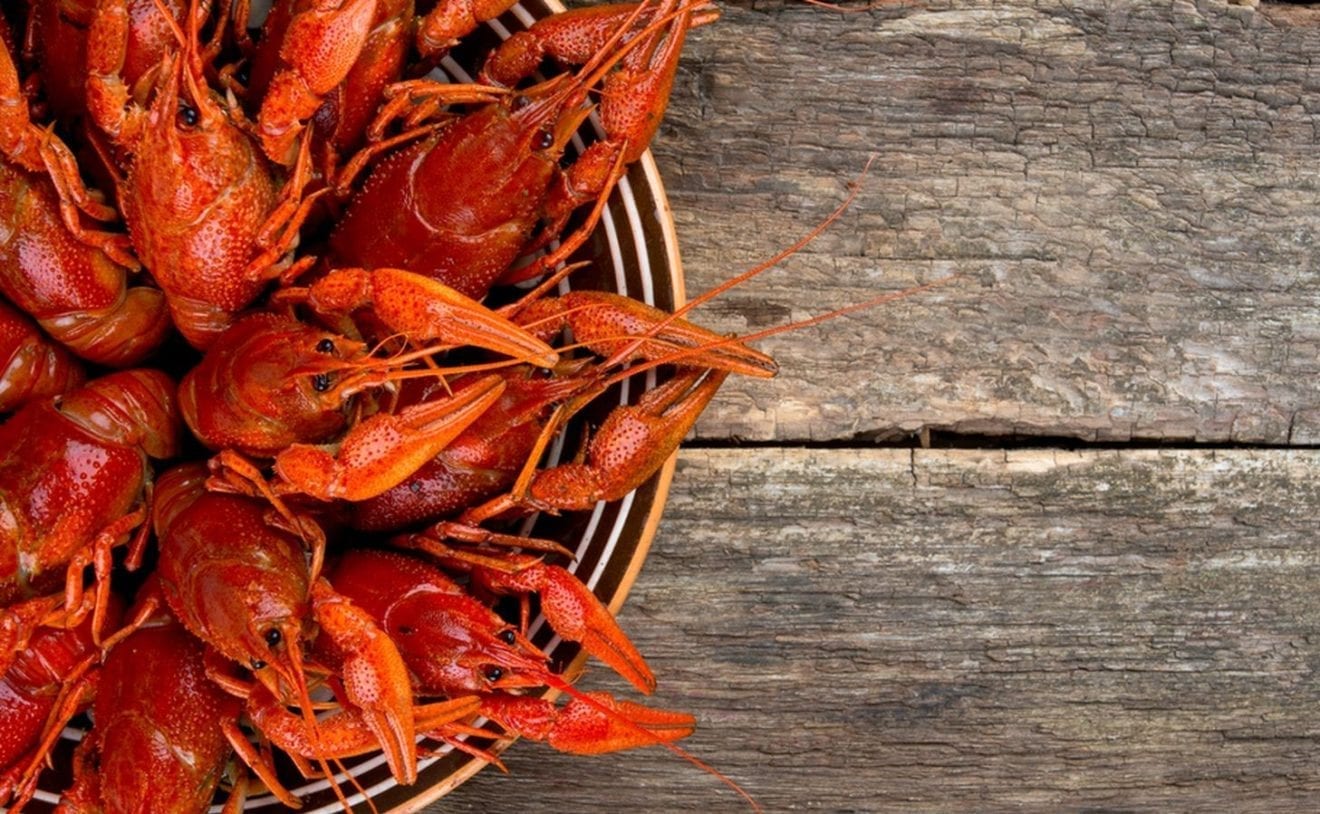
    China-based crawfish specialty brand JuanFu has opened its first restaurant in Hong Kong with hopes this will help it launch worldwide.

    Founded in Shanghai last year, the brand already has 11 outlets spanning different provinces and cities in China. Its Hong Kong outlet in Sheung Wan, Buddies Crawfish, imports crawfish directly from breeding bases in Hunan, Jiangsu and Greece.

    Buddies Crawfish Hong Kong chairman Wu Hsiao says he hopes to promote the brand globally and expand to overseas markets through the opening of the Hong Kong store.

    “Hong Kong is an international city with a good mix of people from different cultures and backgrounds all over the world. The large number of mainland and international visitors offers a good clientele, which also makes Hong Kong the best place for us to promote our brand globally.”

    He believes that a Hong Kong base will help the brand easily enter the Chinese markets in Singapore, Taiwan, Australia and the US.

    “At the moment there are limited supplies of crawfish in the Hong Kong market, so we hope to fill this gap by offering stable supplies of crawfish to the market in different ways. Further down the track we also plan to open another crawfish-themed restaurant and a crawfish fast-food store in Hong Kong, as well as distribute fresh and chilled crawfish to restaurants and supermarkets.”

    Hong Kong’s F&B scene is thriving, says Invest Hong Kong associate director-general of investment promotion Dr Jimmy Chiang. “I am happy JuanFu chose Hong Kong to set up its first restaurant outside the mainland. I believe the brand will make use of the city’s business advantages to expand overseas.”

    Headquartered in Beijing, JuanFu is owned by Shanghai Wan Li Network and Technology, which specialises in developing its own brands for agriculture products.

  • Jollibee Winnipeg first Canadian foothold

    Jollibee Winnipeg first Canadian foothold

    Filipino restaurant company and global fast-food chain Jollibee Foods Corporation (JFC) has opened its first Canadian outlet, Jollibee Winnipeg.

    With 35 stores already in North America, it plans to continue its march into Canada with three more outlets next year, at Winnipeg Northgate, Scarborough, and Mississauga, to be followed by Edmonton in 2018.

    In the US, it is also set to open its first store in the state of Florida, in Jacksonville, and its first store for Manhattan, New York.

    “It has been a joy to see the happiness families experience when visiting our locations in the US, and we are thrilled to now bring that same feeling into Canada at such a festive time like this,” says JFC group president for north America and foreign franchise brands Jose Minana.

    “Winnipeg is a fitting choice for Jollibee’s first Canadian store because it has largest density of Filipinos to the total population of the city,” says JFC North America VP/GM Maribeth dela Cruz.

    JFC is currently the largest Asian restaurant company in market capitalisation, working in 12 markets including Brunei, China, Hong Kong, Singapore and Vietnam. It has 3236 stores globally, of which 1111 are Jollibee branded. Other brands in its portfolio are Burger King, Chowking, Greenwich, Hong Zhuang Yuanm Mang Inasal, Red Ribbon and Yonghe King.

    JFC also has investments with the brands 12 Hotpot, Highlands Coffee, Pho 24, Dunkin Donuts in China, and US-based burger chain Smashburger.

  • Dairy Queen signs to expand into South Korea

    Dairy Queen signs to expand into South Korea

    US fast-food restaurant company International Dairy Queen (IDQ) has signed a multi-unit development agreement to expand into Korea.

    It plans to open 50 DQ Grill & Chill locations within the next five years in conjunction with privately held M2G USA Investment, which has a diversified business portfolio including restaurants, hotels, public storage, household appliance manufacturing, shoes and global real estate. M2G USA Investment is also a partner for Taco Bell restaurants in Korea and the US.
    IDQ president/CEO John Gainor says the brand is continuing to expand into new markets internationally. In Korea its outlets will serve a full range of food options, including its signature GrillBurgers, chicken-strip baskets, chicken sandwiches, salads and sandwiches.

    Korea’s DQ Grill & Chill restaurants will also feature the full menu of DQ treats, including the signature Blizzard Treats, MooLatte frozen coffee-flavoured beverages, soft-serve cones, sundaes and cakes.
    The DQ system has more than 6700 locations, more than 2200 of them outside the US. IDQ is a subsidiary of Berkshire Hathaway, led by investor Warren Buffett.

  • Certified Humane Chicken Arrives in Hong Kong Supermarkets

    Certified Humane Chicken Arrives in Hong Kong Supermarkets

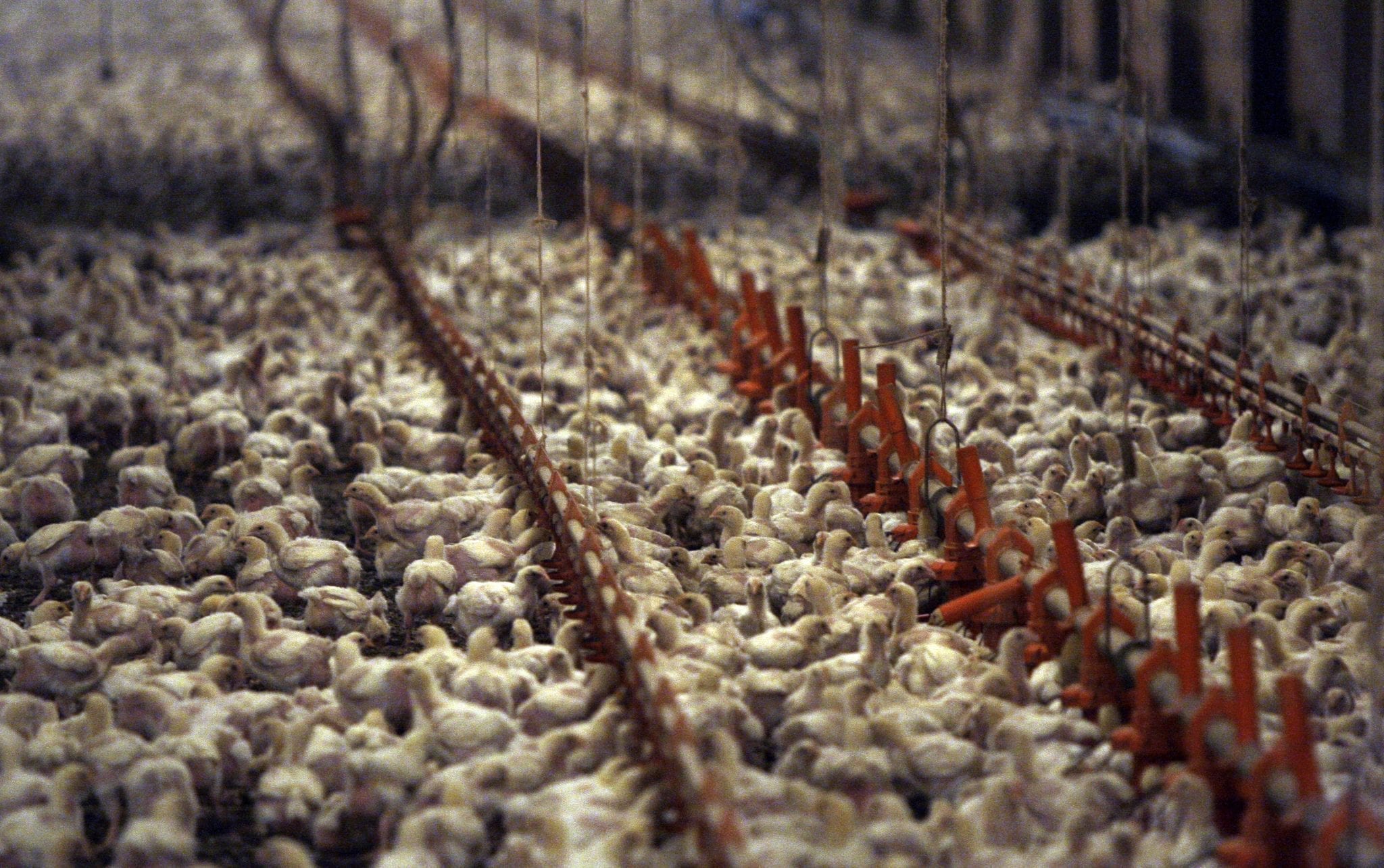
    Humane Farm Animal Care (HFAC), the leading international nonprofit certification program improving the lives of millions of farm animals in food production, announced that Korin Agropecuária, the largest organic chicken producer in Brazil and the first Brazilian company to attain Certified Humane certification in 2009, will export Earth and Barrow frozen chicken pieces with the Certified Humane label to more than 80 PARKnSHOP supermarkets operating in Hong Kong initially and Singapore/Macau afterwards.

    “Hong Kong is a very demanding market, with a high interest in changing food trends,” says Luiz Demattê, Industrial Director for Korin Agropecuária, “Animal welfare certification is a strong selling point for our expanding market. It wasn’t so a few years ago, so we are pleased to be playing a role in bringing this concept to more countries. Our goal is to educate consumers about the Certified Humane® label and the importance of raising food animals humanely.”

    HFAC’s Certified Humane label assures consumers that the meat, poultry, egg, or dairy products they purchase have been produced by farms according to HFAC’s precise Animal Care Standards. Farm animals in the Certified Humane Raised and Handled program must be fed nutritious diets without antibiotics, hormones, and animal by-products. They must also receive proper shelter, resting areas and space sufficient to support natural behaviors, like flapping their wings.

    A scientific committee of 40 farm animal welfare scientists and veterinarians from around the world developed HFAC’s Animal Care Standards to ensure the most humane care of farm animals possible.

    “Consumers are finally becoming more aware of how their food is raised and are demanding more humanely-raised food,” says Adele Douglass, Executive Director for HFAC. “Farm animals don’t have to be mistreated or confined in ways that cause suffering. We’re thrilled at this global awakening and that Hong Kong and Singapore will be the next markets to receive Certified Humane products.”

    Since 2003, more than 514 million farm animals have been raised Certified Humane in the U.S., Canada, Brazil, Peru and Chile. Consumers can download the Certified Humane app in English, French, Spanish and Portuguese to find stores near them that sell Certified Humane products.

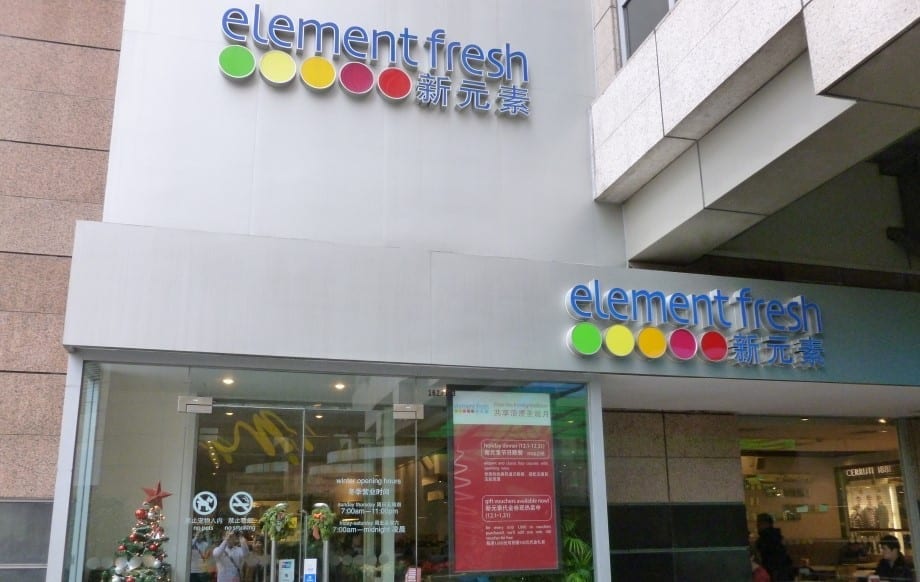
  • Element Fresh plans Asian franchise roll-out

    Element Fresh plans Asian franchise roll-out

    Chinese international restaurant brand Element Fresh plans to grant development rights to franchisees across Asia, with an initial focus on Hong Kong, Japan, Thailand and Singapore.

    Founded in 2002, the group has nearly 40 restaurants in China, mainly in Beijing and Shanghai.

    It forecasts 80 outlets across China by 2020 while it moves to franchise in key countries across Asia.

    “We seek retail-focussed companies that view our cosmopolitan brand as complementing their existing portfolio and aligned with their business strategy,” says Element Fresh international franchising director Paul Barbone. “Our systems and operations have been fine-tuned and engineered to ease the start-up process through to multi-unit management.”

    Most of the brand’s dishes incorporate superfoods, with the seasonal menu innovation cycle giving diners the chance to try innovative ingredients.

    “We are passionate about fresh food, great taste and quality ingredients, making ‘eating right’ easy for our guests,” says CEO Frank Rasche. “People from dozens of countries come to us every day for our diverse menu and seasonal touches.”

    Recent examples include Salmon & Warm Buckwheat Salad, plus the Spicy BBQ Chicken Cobb salad that includes avocado chunks and chimichurri ranch dressing.

    Element Fresh has also just launched www.elementfresh.org, which details the advantages and benefits for franchise partners while showcasing its latest restaurant prototype.

    Barbone says the website offers information and videos for potential franchise partners. He plans to visit key markets in the coming months to meet with qualified groups, with the goal of having outlets open in select key cities by the second half of next year.

    Founded in Shanghai in 2002, Element Fresh is known for its gourmet salads and made-to-order fruit juices and smoothies, its diverse international menu including American-style breakfasts, and its casual dining ambience and service.

  • C-Store Private-Label Brands Thrive in South Korea

    C-Store Private-Label Brands Thrive in South Korea

    South Korean convenience stores have long been a part of the country’s quick, fast-changing lifestyle, and are going a step further by producing their own private brands, as reported.

    “The private brand business here will continue to grow across all industries, centered on firms with strong distribution channels. South Korea has a relatively low private brand penetration rate compared to other OECD (Organization for Economic Cooperation and Development) countries,” Suh Yong-gu, a professor of marketing at Sookmyung Women’s University, told the new source.

    Private-label brands also benefit from a lower price tag, Suh added. 7-Eleven Korea’s introduction of private coffee brand Seven Café is an example of an affordable product that competes with existing brands. The news source notes that Seven Cafe ranked No. 1 in terms of the number of products sold at the chain’s locations this year between July 1 and November 16, which marks the first time a private brand product outperformed established brands sold at 7-Eleven stores. Seven Café began with just 20 vendors in January 2015 and has expanded to more than 4,000 vendors as of November.

    Convenience stores are also collaborating with consumer goods manufacturers for added value, notes the news source. For example, South Korean c-store chain CU this year worked with dairy company Seoul Milk to release CU Big Yogurt. Since launching in April, more than 1 million bottles have been sold every month, and the product topped the list of yogurt beverages sold at CU locations, according to the company. CU has about 1,000 different private brand goods on display, which account for about 25% of all products sold at CU stores.

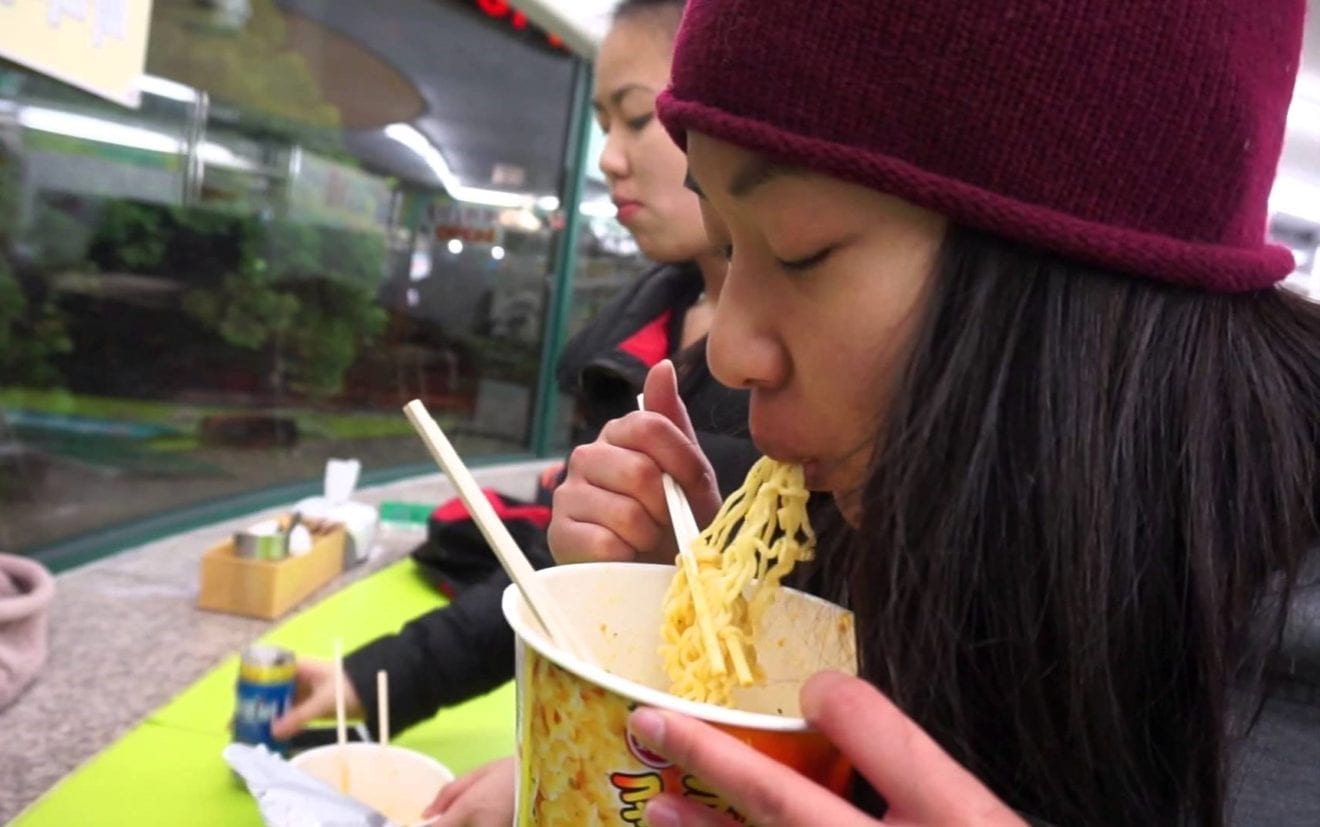
    C-store chain GS 25, operated by GS Retail, and instant noodle maker Paldo recently rolled out Omori Kimchi stew ramen, reports the news source, noting that about 9 million units of the Omori Kimchi stew ramen were sold within a year of its release, surpassing sales of Nongshim’s Shin Ramyun.

    In South Korea, c-store chains aren’t shy about experimenting with private brand products, even when they’re not food or beverage related. For example, in October 2015, CU teamed with local toy maker Oxford Block to introduce three limited edition toys. At 26,000 won ($22), the toys were sold out within five days of release.

    “The rise of private brand products suggests a rosy outlook for convenience retail brands. On the downside, it has cast a cloud over manufacturers of products such as beverages which have to allocate more budget for advertisements and promotions next year,” Kim Tae-hyun, an analyst at IBK Securities, told the news source.

    Industry experts look no further than Japan to gauge the future private brands in convenience stores.

    “Over the past 10 years, Japan has seen a power shift from manufacturing companies to convenience retail businesses on the back of the latter’s distribution channels. For example, Seven & I Holdings, the operator of 7-Eleven Japan, gains 50% of its net sales from private brand products,” said Han Kook-hee, an analyst at NH Investment and Securities, in a report. “Most leading Japanese manufacturing firms are keen to produce private brand products for convenience store brands.”

  • Croatian Beer Now Available for Purchase in Korea

    Croatian Beer Now Available for Purchase in Korea

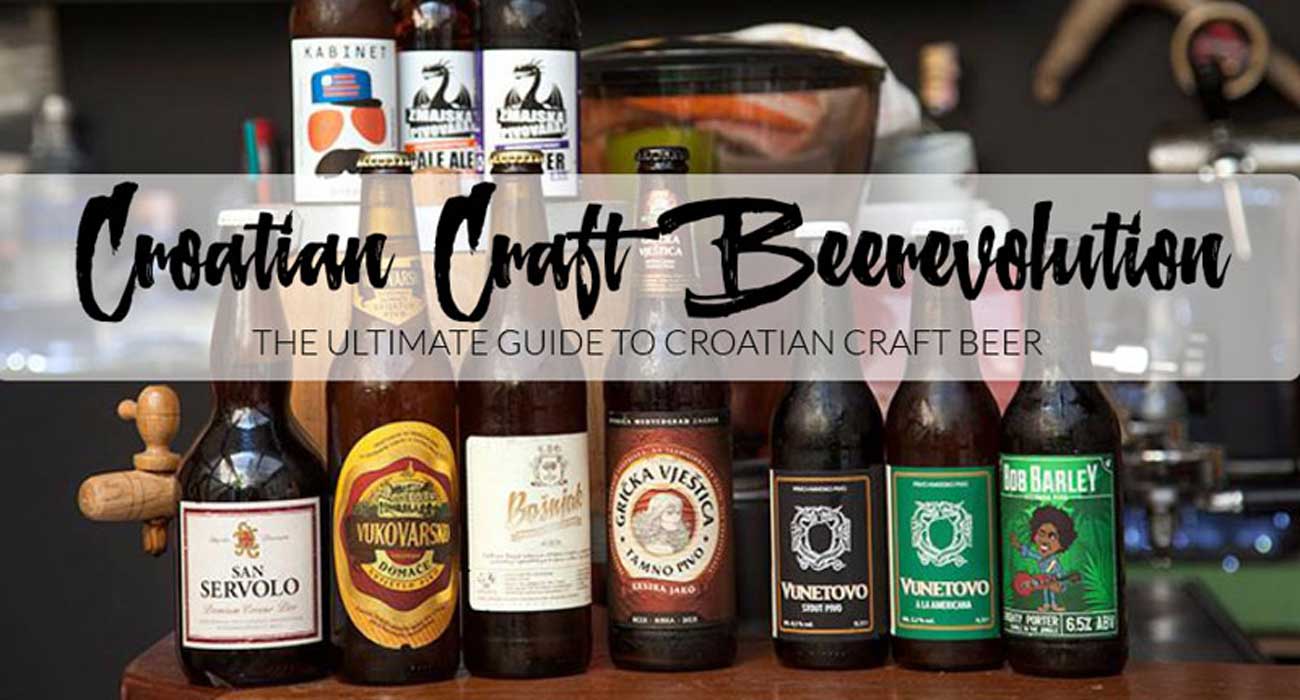
    Korean’s can now have a taste of Croatia under the market slogan, “Croatian beer froths up in the Korean market,” as from last week in South Korea, Croatia’s very own Ožujsko beer can be purchased.

    The liquor importer CKB will be pushing out 4 kinds of Ožujsko to the Korean market, of which two will be lagers and two will be the sweet fruit-flavors (Radler lemon and grapefruit). The lager-style Ožujsko has 5% alcohol content and the fruit-flavored types hold only 2%, assures the Korean portal.

    “Ožujsko is the top-selling beer in the European country, with a 40% market share,” said the statement by CKB, the liquor importer of Ožujsko in Korea.

    You can now find the popular Croatian Ožujsko available in all major retail chains in South Korea, and a 330-milliliter bottle will cost 2,300 won (around 14 kuna), while a 550-milliliter can will cost 2,500 won (around 15 kuna) at big malls across the country.

  • British wine merchants take stock in Hong Kong

    British wine merchants take stock in Hong Kong

    It is 10,000km from Bordeaux to Hong Kong but for two decades now English fine wine merchants have helped Asian wine lovers solve the problem of distance. Berry Bros & Rudd and Farr Vintners were among the earliest to establish full-time businesses in Hong Kong in the late 1990s, alongside a handful of Chinese merchants. A decade later, market deregulation and the abolition of duties were catalysts for other European merchants to set up shop.

    Although relations have been convivial, competition is fierce. Some reported being disappointed by their entry into Hong Kong but those who endured were rewarded. Imports of wine in 2015 reached HK$10.8bn ($1.4bn), more than six times the value in 2007, according to research from the Hong Kong Trade Development Council. Euromonitor International forecasts the Chinese market will grow 7 per cent in volume each year to 2020. Today, well over a dozen of Hong Kong’s 350 importers are English and include some of the most prestigious brands.

    This healthy market, bursting with skilled local merchants who have access to the world’s best wines, begs the question of whether Hong Kong still needs England’s experts.

    For collectors, the argument for trusting the English is compelling. The top merchants have reputations and relationships that extend over more than 300 years. BBR, which was founded in 1698, holds royal warrants for supplying wine to the Queen and Prince Charles. Justerini & Brooks, founded in 1749, has an office in Hong Kong and holds a royal warrant. These merchants gain privileged access to wine at key times, such as when en primeur vintages (wines before they are bottled) are put on sale.

    Amanda Longworth, BBR’s head of marketing and wine services in Hong Kong, says the company’s reach extends beyond en primeur campaigns to unique fine wine parcels (one-off sales): “BBR has more than 9m bottles in warehouses in the UK. This opens up a world of wines generally unavailable in Hong Kong.”

    “Buying from a UK merchant is like being a kid in a candy store,” says Mathieu Thibaut, Asia general manager of merchants Corney & Barrow.

    Hong Kong’s wine collectors are significant players in the global luxury market and, according to a survey for the Guide to the Hong Kong Wine Trade, they represent some 37 per cent of merchants’ sales. Jo Purcell, managing director for Asia at Farr Vintners, says collectors represent the bulk of her business: “Our private customers are big buyers in their own right, some bigger than many wholesale accounts.”

    Private collector Roland Muksch buys more than half of his wine from English merchants. “The range of wines on offer is broad and there is a lot of depth in vintages,” he says. It is also an inducement to him that the merchants will keep his wines in their UK “cellars” (bonded warehouses) for years and that their online platforms, such as BBX (Berry Brothers Exchange), facilitate trading.

    The weak pound makes it especially attractive to buy from Britain: “The UK offers a price advantage of around 20-40 per cent,” Mr Muksch estimates.

    Ms Purcell concurs: “For volume buyers who are cellaring there, long-term, purchasing from an English merchant makes economic sense.”

    Cru World Wine benefits from the buying power of its global network, which has its roots in England. “UK merchants bring rich history and depth of relationships that are very helpful to Cru when it comes to sourcing and allocations,” says Sabrina Hosford, Hong Kong-based global head of retail sales and marketing for the online platform.

    Well-kept collections and access to en primeur wines are one thing but English merchants lack the advantage of speed. They can manage weekly or monthly air freights upon request and for a fee but sea shipments can take four to six weeks, a delay that deters some buyers. Hong Kong-based merchants have overcome this obstacle with local logistics and a wider selection of wines to hand.

    Jason Ginsberg, director at merchants Ginsberg+Chan, says: “Almost all our customers work with the UK trade, but they come to us when they need wines to drink immediately.”

    His clients appreciate the personal touch: “Local and regional customers like dialogue, tips on where to eat and what to drink and they are always looking for deals.”
  • Jollibee Foods quits China restaurant stake

    Jollibee Foods quits China restaurant stake

    “The divestment is part of the company’s intention to concentrate its resources on businesses with greater potential,” Jollibee said in its statement, essentially admitting the business was not performing to expectation.

    The company will now focus on “larger businesses in China”.

    SPW has grown from 34 stores to 71 under Jollibee ownership, mostly located in Nanning in Guangxi province in China’s south. The Philippine company expects to raise US$13 million from the sale, with installments staggered over two years.

  • Quest for franchisee for Focus Brands

    Quest for franchisee for Focus Brands

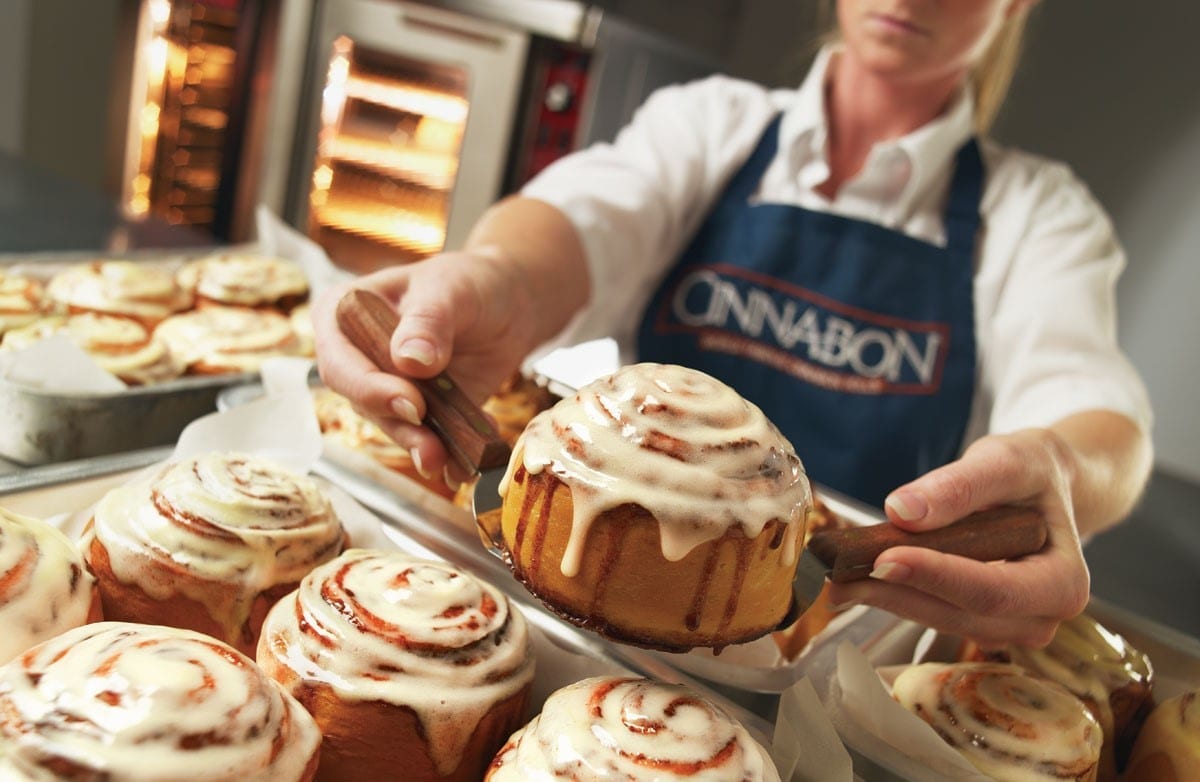
    Focus Brands is seeking franchisees to develop its Cinnabon and Auntie Anne’s brands in China as part of its international growth strategy.

    Founded in 1985, Cinnabon is a cinnamon roll bakery with 580 outlets in 52 countries. Auntie Anne’s, founded in 1988, is a soft-pretzel chain with more than 530 locations in 29 countries.“China is a priority market for us based on consumer insight research that shows our freshly baked products have a broad appeal,” says Focus Brands International president Nicolas Boudet.

    “Both brands have received numerous industry accolades, with Cinnabon being named a top-five quick-service brand in Technomic’s Millennials’ Favorite Chains report. Auntie Anne’s was recognised as a Top 50 limited-service restaurant brand by QSR Magazine.

    This year Cinnabon has opened 64 international locations with plans to add more than 70 next year. Auntie Anne’s has opened 89 international outlets this year and aims for 100 more next year.

    Other Focus Brands franchises include Carvel, McAlister’s Deli, Moe’s Southwest Grill and Schlotzsky’s.

    Based in Atlanta, Focus Brands runs more than 1300 franchised ice-cream shops, bakeries, restaurants, and cafes outside the US. It grew its total international system-wide sales by 10.5 per cent last year.

    Founded in Seattle, Cinnabon has more than 1200 franchised locations worldwide, primarily in high-traffic venues such as shopping malls, airports, train stations, travel plazas, entertainment centres and military establishments.

    At its more than 1600 locations internationally, Auntie Anne’s mixes, twists and bakes pretzels all day long in full view of guests.

  • Greyhound Cafe expands to Singapore

    Greyhound Cafe expands to Singapore

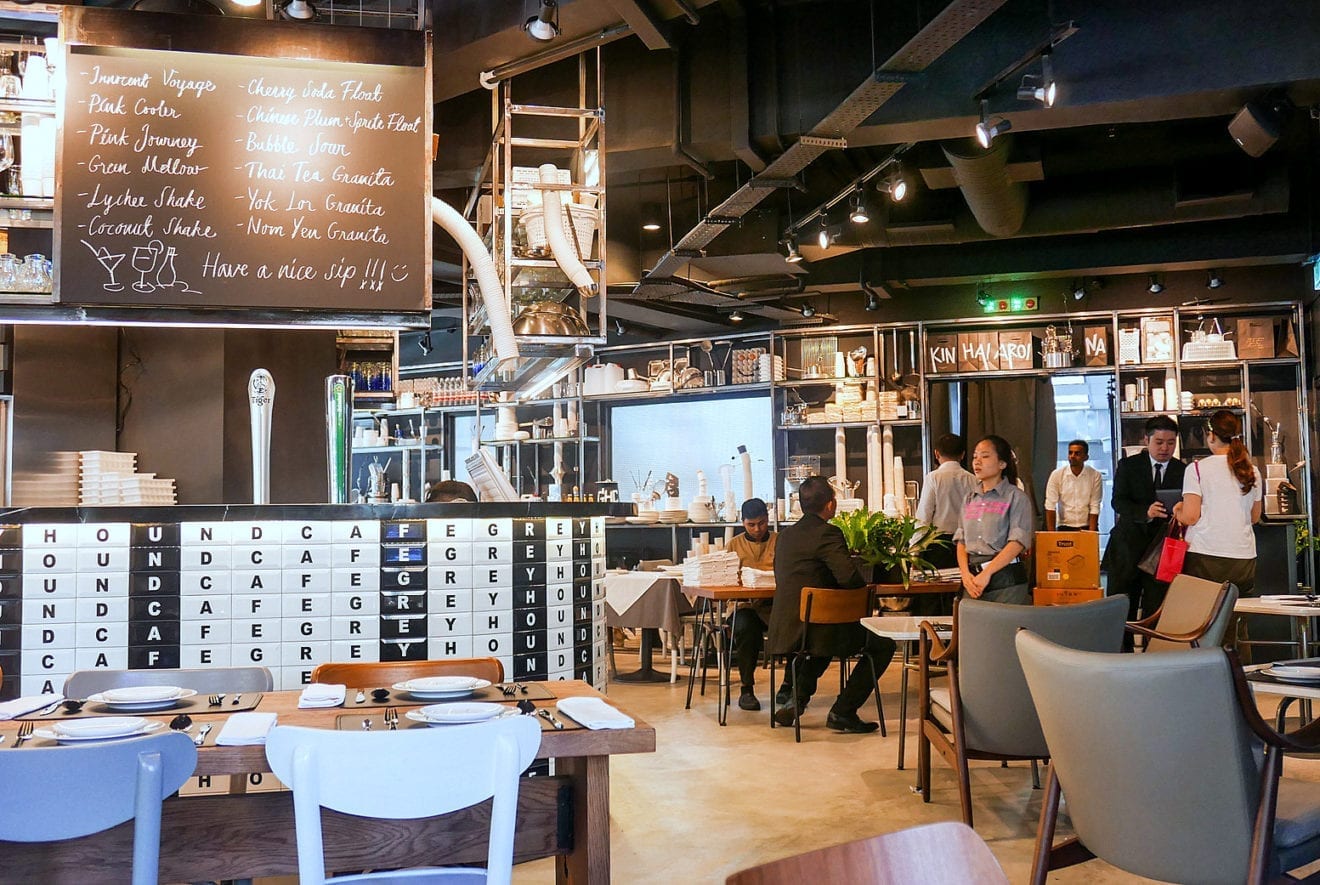
    Thailand’s Greyhound Cafe has opened its 13th international outlet, marking its debut in Singapore.

    It has 14 cafes in Bangkok plus outlets in Beijing, Hong Kong, Kuala Lumpur and Shanghai.

    For Greyhound, the cafe was actually an afterthought to complement to brand’s fashion line. In 1997, founder Bhanu Inkawat was offered an empty unit next to Greyhound’s store at Emporium shopping complex in Bangkok to sell coffee and food.

    greyhound-cafe-paragon-singapore-1

    “We had no knowledge about food, but we thought, ‘Let’s just do it’,” says Inkawat, who is also Greyhound’s executive creative director. “We served a full food menu from the beginning. Yes, we were ambitious.”

    Now the cafe chain is more successful and recognisable than the brand’s fashion business.

    Inkawat and his Thai team attended the opening of the 100-seat Greyhound Cafe at Paragon in Orchard Road, introduced by Singapore F&B company JC Global Concepts.

    Greyhound’s menu is a collection of the childhood memories and travel experiences of the founders, based on old Thai recipes and ingredients. For example, Inkawat grew up eating the cafe’s Complicated Noodle, which involves diners wrapping minced pork and chilli sauce with noodle sheets and lettuce. The other signature item, Greyhound Famous Fried Chicken Wings, is based on a recipe from the grandmother of Greyhound Cafe’s MD Pornsiri Rojmeta.

    greyhound-cafe-paragon-singapore

    Street food twist

    “We know that no matter how beautiful your restaurant is, the food is important,” says Inkawat.

    “In Bangkok we are known as a trendy cafe, so it doesn’t really matter what we serve as long as it is trendy. But when you open outside of Thailand and people know we are from Bangkok, they think we are a typical Thai restaurant. So we present Thai street food in a hip way, but it’s not your traditional Thai food.”

    An exclusive dish to Singapore is the Crispy Pork Leg with Surprisingly Curry Paste, a German- style crispy pork leg marinated with Thai herbs and served with tamarind chilli paste, Jaew sauce (dipping sauce from northeast Thailand) and sticky rice.

    Another four or five Greyhound Cafes will be opened in Singapore within the next five years, including a stand-alone. Hong Kong will gain a seventh outlet, and the company is considering new markets – Indonesia, Taiwan and London.

    For now, there are no plans to expand Greyhound’s sister brands – Sweet Hound, Another Hound, and EverythingHound – beyond Bangkok.

  • Martell to unveil heated taste across Asia travel-retail

    Martell to unveil heated taste across Asia travel-retail

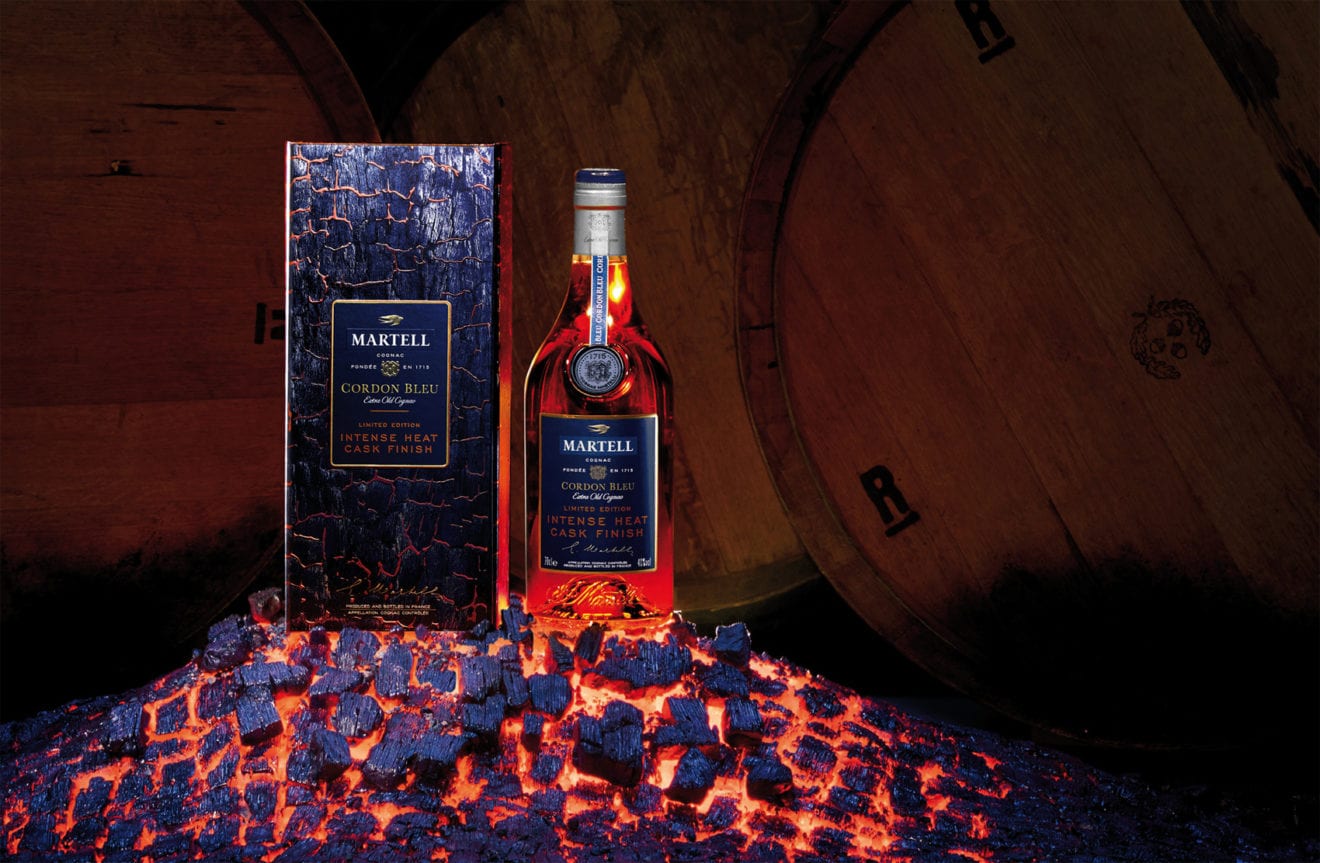
    The House of Martell is to release a limited-edition expression across Asia travel-retail in time for Chinese New Year, defined as its “most ground-breaking cognac to date”, the Martell Cordon Bleu Intense Heat Cask Finish.

    The new listing, which will be available at key travel-retail outlets in Hong Kong International airport (on January 1 2017), Hong Kong borders, Singapore, Taiwan, Shanghai, Beijing, Thailand and Malaysia at $229, is an iconic blend  matured for six months, in casks subjected to intense heat, in a method known as “chauffe crocodile”. The process in making this cognac has never been used before at Martell, which uses a much more intense flame to “burn” the oak.

    “Martell Cordon Bleu Intense Heat Cask Finish was created with the House of Martell’s core pillars of elegance, complexity and balance in mind,” said Martell Cognac Cellar Master Christophe Valtaud. “It celebrates the daring spirit of Martell Cordon Bleu, the most emblematic of all Martell cognacs, created in 1912 by Edouard Martell, the great-grandson and 10th descendent of the House’s founder. This carefully crafted cognac which is also the embodiment of our House’s spirit of curiosity, is set to again redefine the conventions of cognac and offers connoisseurs in Asia yet another truly unique taste experience,” he noted.

    The cognac releases roasted notes of mocha coffee and toasted almonds, characteristic of Martell Cordon Bleu, with sweet spicy notes – candied orange, cinnamon and honey – unleashed on the palate with unexpected intensity.

    The Martell Cordon Bleu Intense Heat Cask Finish is packaged in a deep blue box artfully embossed to replicate the crocodile leather-like pattern (charred wood effect) on the oak casks that results from the chauffe crocodile toasting method.

  • Delivery Hero takes control of Foodpanda

    Delivery Hero takes control of Foodpanda

    Control of the Foodpanda business has been sold by parent Rocket Internet, including the remaining Asian operations.

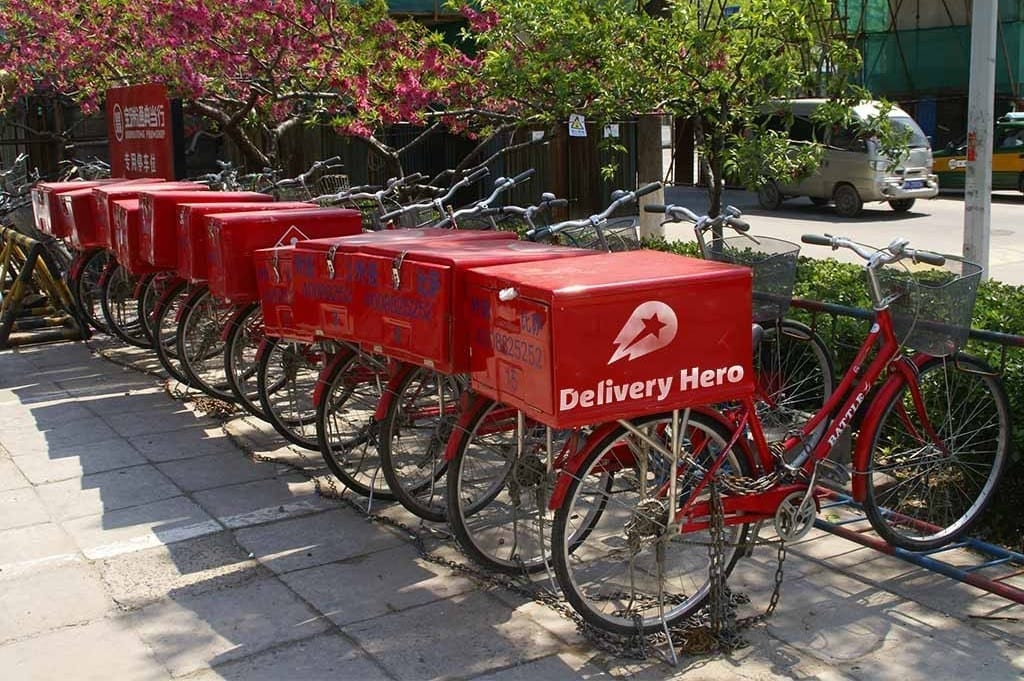
    German-based online food-ordering service Delivery Hero Holding, which is active in 33 countries, has acquired Rocket Internet-backed Emerging Markets Online Food Delivery Holding, parent of the shrinking Foodpanda business.

    Foodpanda, 49 per cent owned by Rocket Internet, has a presence in 22 countries, but shut its Indonesia business in October in the face of growing competition from app-based ride-hailing services that also offer food delivery, such as Go-Jek and Grab Bike. It has also exited Vietnam but remains operational in Singapore, Hong Kong, Thailand, Malaysia, the Philippines and Taiwan.

    In a partial share swap, the deal will see Rocket Internet’s stake in Delivery Hero increase from 30 per cent to 37.7 per cent. The sale will strengthen Delivery Hero’s global leadership position in online food ordering and delivery, with the combined group processing more than 20 million orders a month across 47 countries, says Rocket Internet.

    Bloomberg data shows that both companies together have raised more than $1.5 billion across several funding rounds with investors including Goldman Sachs and Insight Venture Partners.

    “The combination of Foodpanda and Delivery Hero, one of our most important companies, further consolidates key markets,” says Rocket Internet CEO Oliver Samwer. “Delivery Hero is also acquiring new markets.”

  • McDonald’s trims plans to sell parts of Asian operations

    McDonald’s trims plans to sell parts of Asian operations

    McDonald’s has downsized plans to sell parts of its Asia franchise after failing to find a suitable buyer in South Korea. The world’s largest fast-food retailer has a stringent list of terms for the deal, including keeping management and existing suppliers in place for a period of time in the hope of protecting the brand.

    Potential buyers balked at those demands, and prompted the decision to cut the country out of the current deal, said two people close to the matter.

    McDonald’s also plans to take a minority stake in the sale of the franchise in China and Hong Kong of up to 25 per cent, in an attempt to exercise greater control over the business that has in the past suffered from food safety scandals.

    The changes to the deal, which is near closing, with China’s Citic Group Corp and US private equity house Carlyle as the buyers, would reduce the size of the transaction to between $1bn and $2bn from what was originally expected to be as much as $3bn.

    The deal could close by the end of the month, said one of the people close to the deal.

    The sale of the 20-year franchise of 2,400 stores in China and Hong Kong has forced McDonald’s to strike a balance between reducing its exposure to China while also protecting its brand in the region.

    The deal attracted several Chinese bidders but people close to the process said the company turned many of them away because they were not deemed suitable to run the operation. The list of bidders included Sanpower Group, the owner of UK retailer House of Fraser, as well as Cinda Asset Management, a state-run bad-debt investor.

    The terms of the deal were unappealing to some of the private equity funds that originally were interested because McDonald’s has insisted the franchise not be publicly listed. Some private equity investors hoping to squeeze value out of the franchise considered terms such as maintaining management and suppliers for two years oppressive.

    US private equity house TPG, which partnered with Chinese retailer Wumart Stores, dropped out of the process at an early stage, followed later by Bain Capital and Shanghai-based partner GreenTree Hospitality.

    Yum Brands, which is nearly double McDonald’s presence in China, struggled with similar problems earlier this year.

    Yum Brands spun off its China business in a New York Stock Exchange listing in October with China-based private equity fund Primavera Capital and Ant Financial Services, an affiliate of Alibaba, taking a $460m stake in the operation.

    One investor has raised concerns about McDonald’s Latin American partner’s performance and whether McDonald’s would face similar issues in Asia by stepping back from operations on the ground.

    CtW Investment Group, which has a 0.2 per cent stake in McDonald’s and is affiliated to a federation of unions representing more than $250bn in assets, wrote to McDonald’s earlier this year citing worries over corporate governance at the fast-food chain’s master franchiser in Latin America, Arcos Dorados, which it says is hampering the chain’s performance in the market.