Category: Food

Retail News Asia is committed to providing both local and global retailers with the latest Food and Food & Beverage news throughout the Asian market. This on a daily base.

  • Vietnamese expected to drink up this Tet

    Vietnamese expected to drink up this Tet

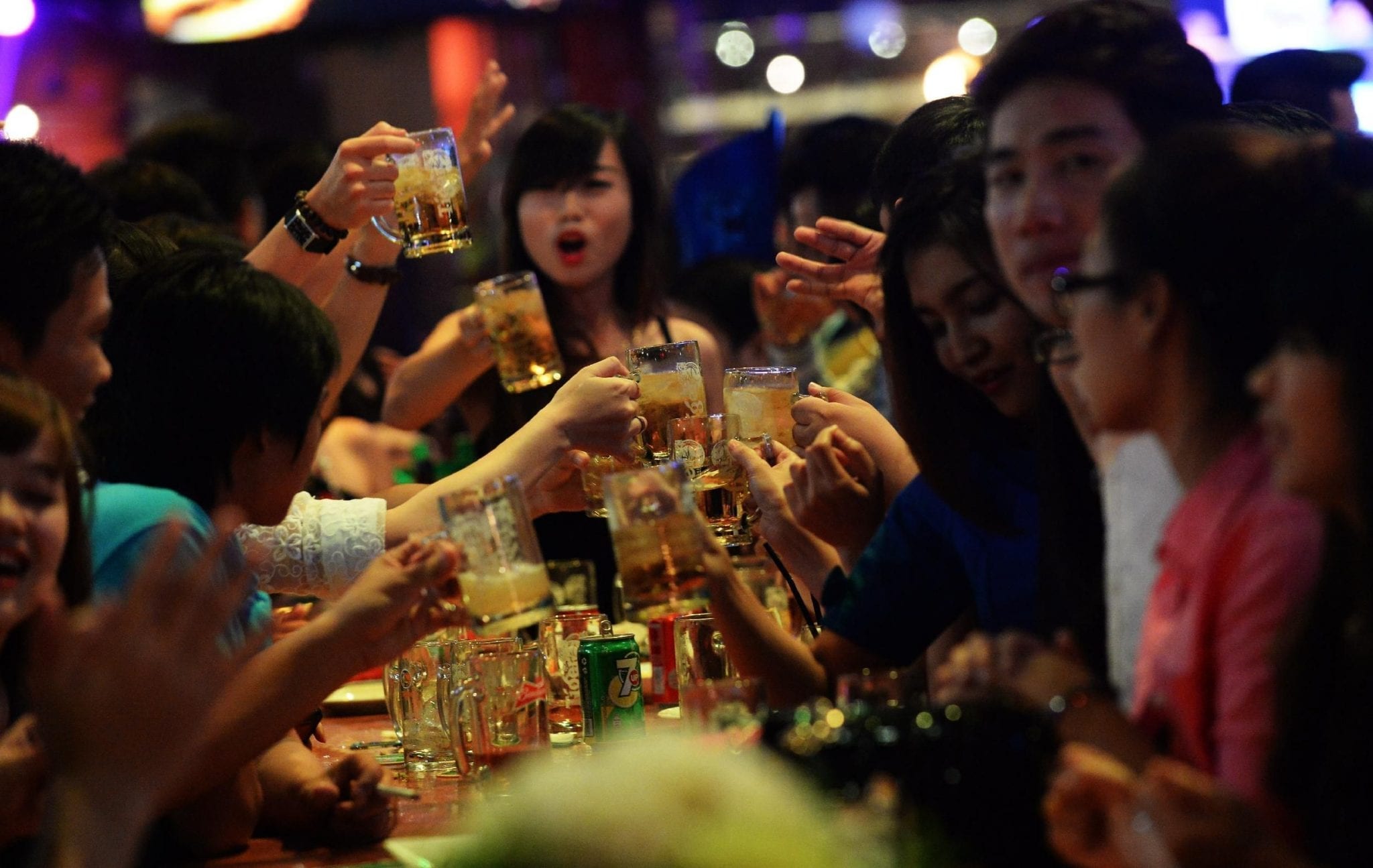
    Top brewer Habeco expects sales of nearly 147 million liters of beer during the biggest holiday, up 6.1 percent year on year. Vietnam’s brewers are gearing up for a massive drink-up this Lunar New Year holidays, or Tet.

    Hanoi-based top brewer Habeco plans to churn out 146.8 million liters of beer during the Lunar New Year, up 6.1 percent from the same period last year, according to the Ministry of Transport’s official mouthpiece Bao Giao Thong.

    Meanwhile, beer consumption in Ho Chi Minh City is projected to jump 30 percent (from last year) to around 40 million liters during Tet, according to estimates released by the municipal Department of Industry and Trade.

    The cities will provide the country’s key booze markets this Lunar New Year, which falls on January 28.

    The Vietnam Beer Alcohol Beverage Association expects beer production to grow by 25 percent, annually, before hitting 4 billion liters in 2020.

    Over the past five years, Vietnam has doubled its consumption of beer to more than 3 billion liters per year. Each Vietnamese person drinks an average of 27.4 liters, placing them squarely in the world’s top 25 beer drinkers.

    In 2015, Vietnam produced an estimated 3.4 billion liters of beer and 300 million liters of liquor.

  • US to help Korea’s egg shortage crisis

    US to help Korea’s egg shortage crisis

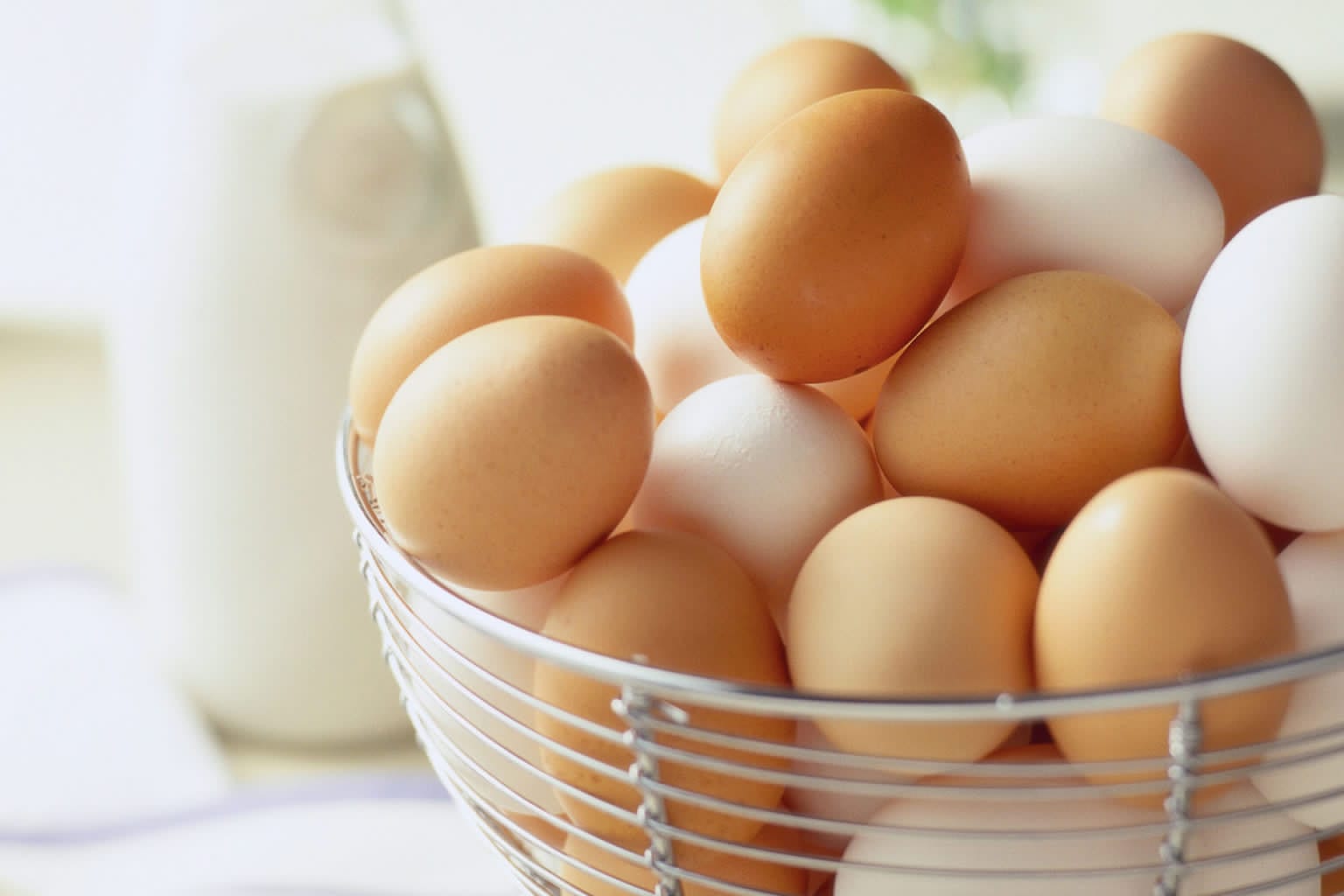
    The U.S. Department of Agriculture said Friday it is discussing with Korea ways for American egg producers to tap into the Korean market that is suffering from an egg shortage as a result of a massive outbreak of avian influenza.

    Amid the rising egg prices due to the outbreak of bird flu that was detected in November, the department spokesperson said that the U.S. and Korea are “engaged in technical discussions to provide access for U.S. egg producers to the Korean liquid egg market.

    “Imports from the U.S. could help limit escalating production costs for processed food manufacturers in Korea and shield consumers from soaring egg prices,” the official added.

    He did not mention when the U.S. will start exporting eggs to Korea.

    Starting Saturday, the Korean discount store chain Homeplus raised the retail price of 30 eggs by 9.6 percent to 7,990 won ($6.67) at its 142 stores. Homeplus has increased its egg prices five times in a month and retail prices have jumped 31.4 percent over the month.

    The latest price hike by Homeplus came a day after its rival Emart increased the price of 30 eggs by 8.6 percent to 7,580 won.

    Officials of the companies expect egg prices to go up again ahead of the Lunar New Year holiday later this month.

    The American spokesperson also said that the U.S. Department of Agriculture is working with the Korean government and U.S. industry associations to facilitate and expedite registration of additional U.S. suppliers of table eggs to the Korean market.

    “In the U.S., many government agencies cooperate to ensure the safety of U.S. egg products including the Agricultural Marketing Service, the Animal and Plant Health Inspection Service, the Food Safety and Inspection Service, and the Food and Drug Administration,” the official said.

    Since the bird flu outbreak, Korea’s quarantine officers have culled more than 30 million birds, including 25.8 million chickens, which has resulted in the reduction of the country’s daily egg output by about 30 percent.

    To encourage imports, the Korean government decided earlier this week to remove import tariffs on egg products until Jun. 30. Currently, Korea imposes tariffs of 8 to 30 percent on imported egg products.

  • Martell launches fiery new edition of its Cordon Bleu cognac

    Martell launches fiery new edition of its Cordon Bleu cognac

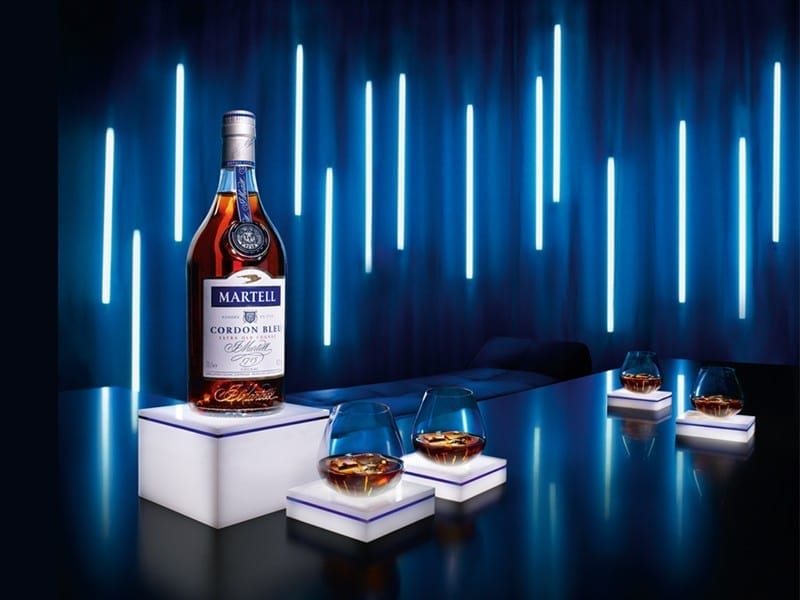
    Pernod Ricard Travel Retail Asia Pacific has launched Martell Cordon Bleu Intense Heat Cask Finish – a limited edition reinterpretation of the Martell Cordon Bleu — featuring an eye-catching new package design.

    Martell Cordon Bleu Intense Heat Cask Finish is created through a toasting and six month finishing process never before used by Martell, which it says results in heightened fruit and spice taste notes. By increasing the heat applied to Martell Oak casks in a technique called ‘chauffe crocodile’, the new cognac “boasts intense aromas, a fruity citrus sweetness, a toasted nuttiness and robust spice”, the company added.

    The new limited edition is presented in a deep blue box, artfully embossed to replicate a charred wood effect. Aditionally, invisible thermochromic inks, which react with body temperature, turn fiery red when the box is rubbed, creating the illusion of glowing embers.

    Throughout January and February 2017, travellers in Hong Kong International Airport, Singapore Changi Airport, Taiwan Taoyuan International Airport, China and Malaysia airports as well as Hong Kong border shops will be able to experience Martell Cordon Bleu Intense Heat Cask Finish through tasting activities in store.

    In addition, to celebrate the Chinese New Year, Asia Pacific travel retail customers who purchase Martell Cordon Bleu Intense Heat Cask Finish will also receive a complimentary special edition red shopping bag.

  • House of Chivas pours Regal Ultis to Qantas First Class customers

    House of Chivas pours Regal Ultis to Qantas First Class customers

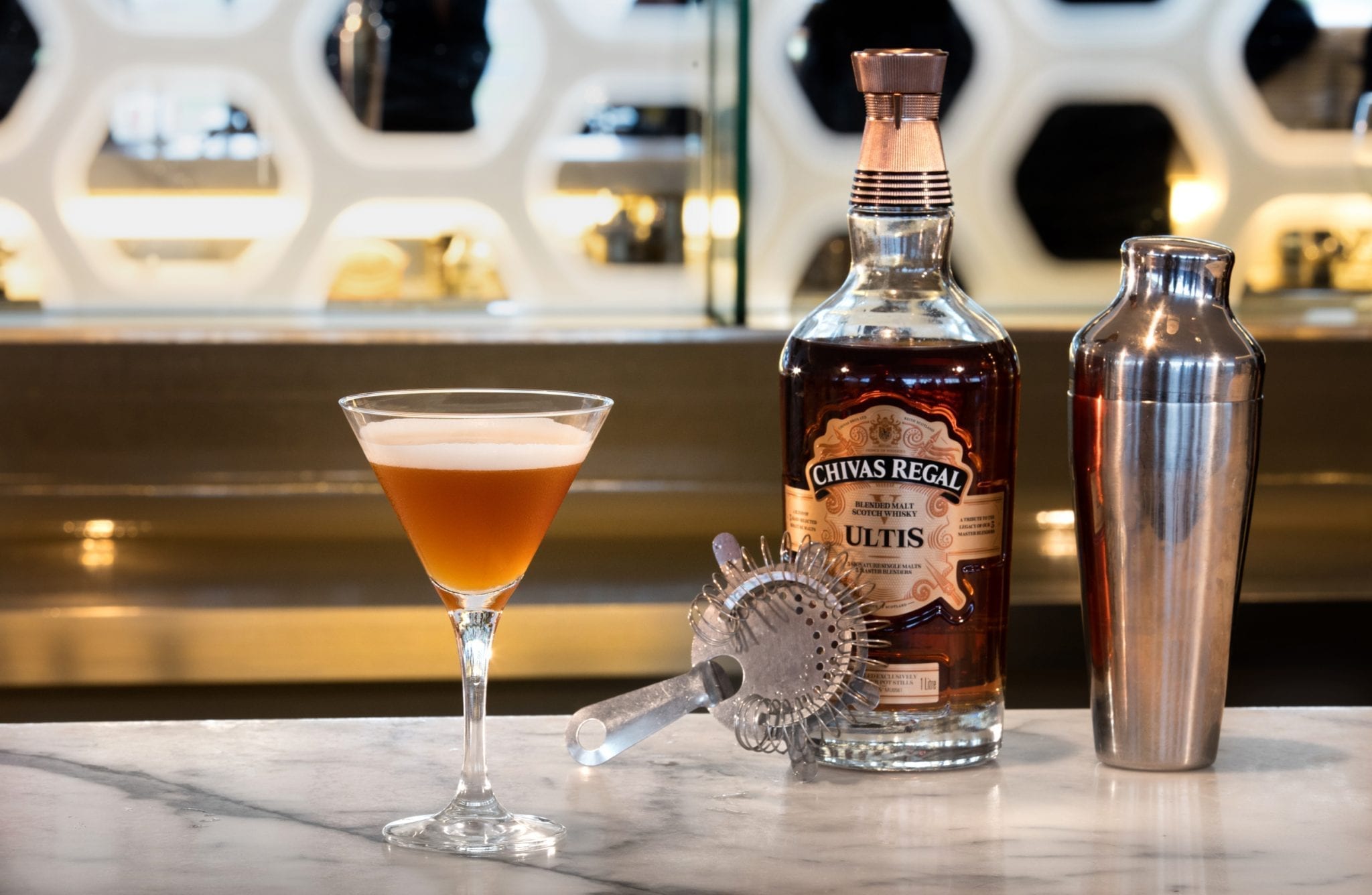
    To celebrate the launch of Chivas Regal Ultis, Pernod Ricard Travel Retail Asia Pacific is offering the blended malt Scotch whisky to Qantas First Class customers until March.

    Chivas Regal Ultis features on the summer menu in the Sydney and Melbourne First Lounges and in a bespoke cocktail called ‘Fine St Blend’. First Class Qantas passengers will also be offered the spirit onboard and can buy it through Qantas epiQure and Qantas inSky shopping pre-order sites.

    Pernod Ricard Travel Retail Asia Pacific Senior Brand Manager Katie Gee said: “We know our Chivas Regal drinker travels frequently and is always discovering and seeking out new experiences. Showcasing our new product, Chivas Regal Ultis, with Qantas is a fantastic platform to connect with whisky enthusiasts along their journey.”

    To further promote the Chivas Regal Ultis launch in the region, Pernod Ricard Travel Retail Asia Pacific has partnered with duty free retailers to create large scale promotions in airports. Tasting bars, ambassador appearances and gifts-with-purchase were featured in December and will continue in selected locations throughout January.

    Chivas Regal Ultis is available now in global travel retail and in selected domestic retailers. The Scotch is also available through Qantas epiQure and Qantas inSky shopping pre-order channels in Asia Pacific.

  • Retailers to raise prices of alcoholic beverages

    Retailers to raise prices of alcoholic beverages

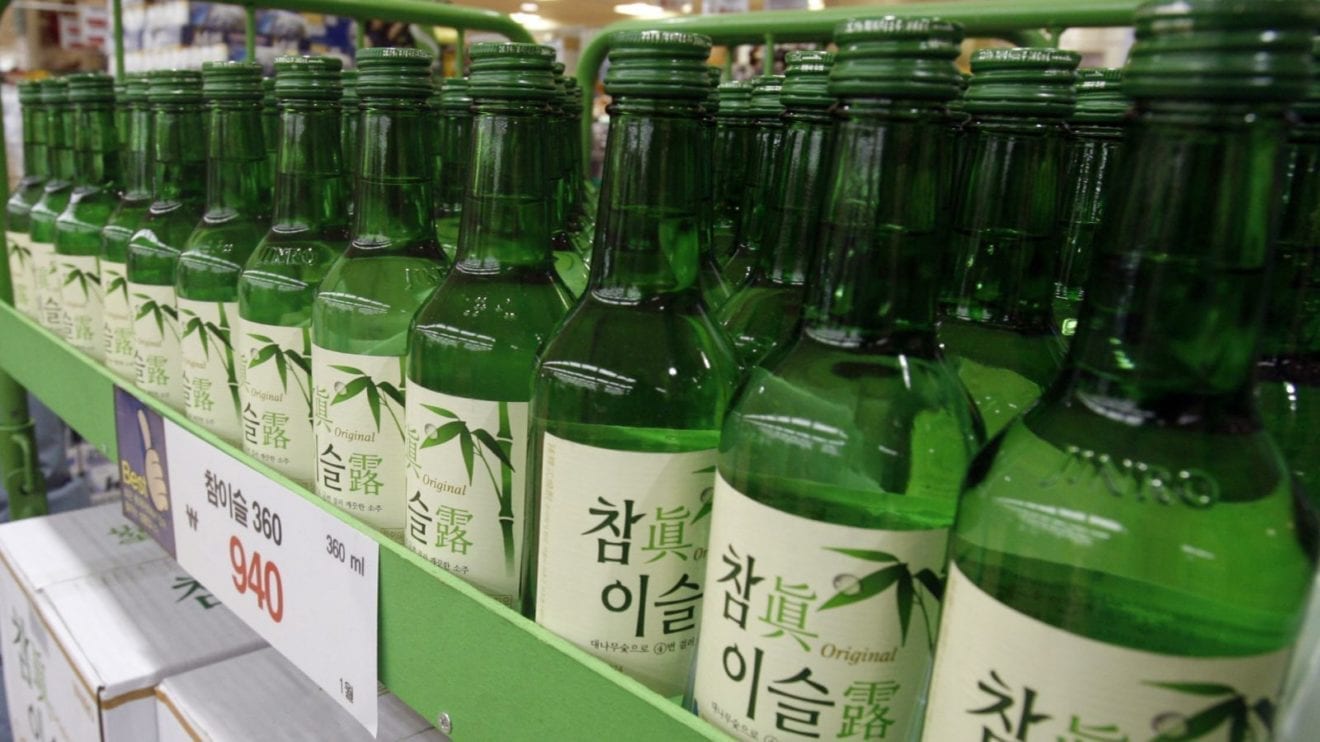
    South Korea’s discount chains and convenience stores said Thursday they will raise prices of beer and soju, a popular Korean distilled beverage, beginning next week.

    CU, a major South Korean convenience store chain, is set to raise prices of two brands of 360 milliliter soju bottles — Hite Jinro’s Chamisul and Lotte Chilsung Beverage’s Chum-Churum — to 1,700 won (US$1.4) from 1,600 won.

    The convenience store also plans to raise prices of Oriental Brewery’s Cass and its rival Hite Jinro’s Hite to 1,900 won each from 1,850 won and 1,800 won, respectively.

    GS25 and Seven Eleven, two other major convenience store chains, also plan to follow suit.

    E-Mart, the No. 1 discount store chain in South Korea, is also set to sell a 500 ml beer bottle for 1,410 won, up from 1,330 won. It will also raise soju prices to 1,220 won from 1,140 won.

    Lotte Mart, a discount store chain operated by South Korea’s retail giant Lotte Group, said it will raise prices of a 640 ml beer bottle to 1,830 won from 1,750 won.

    The planned price hike came in response to a recent government decision to raise a subsidy for empty bottles of beer and soju.

    Consumers can now receive 100 won from retailers in return for handing over an empty soju bottle, compared with 40 won in the past. In case of beer, consumers can receive 130 won, up from 50 won when they return an empty bottle of beer.

    The price hike came just months after Oriental Brewery Co. and Hite Jinro raised their beer prices by an average 6 percent and 6.33 percent, respectively.

    AB InBev, the world’s largest beer producer, purchased Oriental Brewery Co., South Korea’s biggest brewer, in 2014.


  • Vietnam coffee exports grew in 2016 despite drought

    Vietnam coffee exports grew in 2016 despite drought

    Vietnam’s coffee exports have rebounded, notching up double-digit growth this year after being hit by the most-severe drought in almost a century.

    Coffee exports grew, on-year, by 33.6 percent in terms of volume, reaching nearly 1.8 million tons.

    The Ministry of Agriculture and Rural Development said Vietnam’s coffee industry regained its momentum after seeing exports decline by more than 20 percent on-year in 2015.

    Germany and the U.S. remained the two largest buyers of Vietnamese beans and, this year, sales to the two markets grew by 42.4 percent and 49 percent, respectively.

    Exports of coffee also saw impressive increases in emerging markets like the Philippines (83 percent), Algeria (68 percent) and China (50 percent).

    Analysts fear ongoing El Nino conditions could result in a 20 percent decline in coffee production during the coming year.

    Roughly a fifth of Vietnam’s total plantations had been damaged by water shortages, according to the Association of Coffee and Cacao (VICOFA).

    Flooding struck the Central Highlands’ coffee belt in November, making harvesting and drying rather difficult.

    VICOFA chairman Luong Van Tu, however, says Vietnamese enterprises should shift their focus to processing coffee rather than increasingly the amount of raw materials shipped abroad.

    He said new free trade agreements will slash tariffs on coffee sales to the E.U. and South Korea from 15 percent to under five in the coming year.

  • Indonesia seeks to re-brew its coffee glory

    Indonesia seeks to re-brew its coffee glory

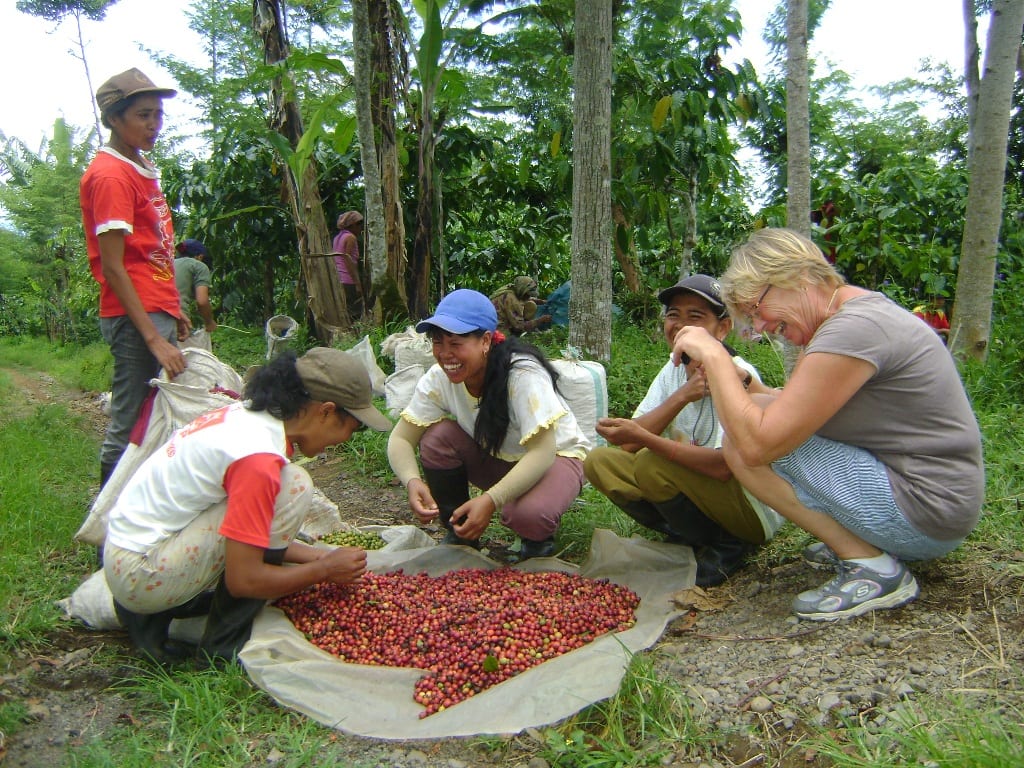
    Wake up and smell the coffee. After four years of posting lower production volume and shrinking plantation area, Indonesia is finally making a move to reverse the situation.

    Despite being the world’s fourth largest coffee producer, the country produces mainly Robusta coffee beans that are of lower quality than Arabica, and its own production volume has been falling over the past few years.

    The fact has prompted the government to rejuvenate 8,850 hectares of unproductive coffee plantations and open 200 ha of new ones in Central Kalimantan.

    For 2017, Rp 35.51 billion (US$2.66 million) has been allocated for that purpose, said the Agriculture Ministry’s plantation director general, Bambang.

    “Our vision is to increase plantation size, supported by programs from the government and various stakeholders. We need support from the latter because the state budget is limited,” he said on Friday.

    Ministry data shows overall plantation size has been steadily shrinking every year since 2013. The figure stood at 1.24 million ha back then and is predicted to have fallen to 1.22 million ha in 2016, with further reduction expected this year.

    Seasonal changes, combined with frequent volcanic eruptions, have been named as culprits behind the falling plantation size.

    With diminishing plantations, production volume has declined as well. While the volume reached 675,881 tons in 2013, it is predicted to have dropped 5 percent to 639,305 tons in 2016 and to slump to 637,537 tons in 2017.

    Bambang acknowledged the rejuvenation program would not yield instant results, as coffee plantations normally take three years to harvest and assured that the government had a few more tricks up its sleeves to improve the situation.

    It is in the process of registering more coffee products under the geographical indication (GI) scheme and specialty coffee to the Law and Human Rights Ministry’s Directorate General of Intellectual Property Rights.

    It is also supporting more farmers to plant Arabica coffee plants, as they only account for 30 percent of total plantations. Arabica coffee and those labeled GI, as well as specialty coffee — such as Gayo, Mandailing, Kintamani, Temanggung,

    Ciwidey, Manglayang, Wamena, Toraja and Gowa — are priced higher than Robusta. Arabica is planted on high land of 600 to 2,000 meters above sea surface, while Robusta, with its low acidity and bitterness, is planted on low land of 200 to 800 m above sea surface.

    Yusriadi, a 37-year-old coffee farmer from Bondowoso, East Java, is among farmers that have enjoyed the benefits of planting Arabica coffee. He has a monthly income of more than Rp 10 million, as Arabica sells higher than Robusta.

    “The central government and regional administration introduced Arabica coffee planting with good SOP [standard operating procedures] in 2011, so we can increase productivity and sell the harvest at a much higher price,” he said.

    Meanwhile, M. Kirom of the Indonesian Coffee Exporters and Industry Association (AEKI) said Indonesia still had room to improve its productivity, which stood at around 700 kg per ha compared to Vietnam with 3 tons per ha.

    “We can increase it to 1.5 tons per hectare and still have better quality than Vietnamese coffee because our soil is just naturally suitable for coffee,” he said.

    Separately, Indonesian Coffee Farmers Association (Apeki) chairman Sumarhum lauded the government’s move.

    “In the past, the government was half-hearted toward this commodity, but that’s not the case now. Coffee prices are good and global demand is huge, there’s no way the government is closing its eyes to it,” he said.
  • Agriculture ministry to stop corn imports in 2017

    Agriculture ministry to stop corn imports in 2017

    Indonesias Agriculture Ministry has targeted to stop the import of corn that is used as raw material for producing livestock feed in 2017, an official of the ministry stated.

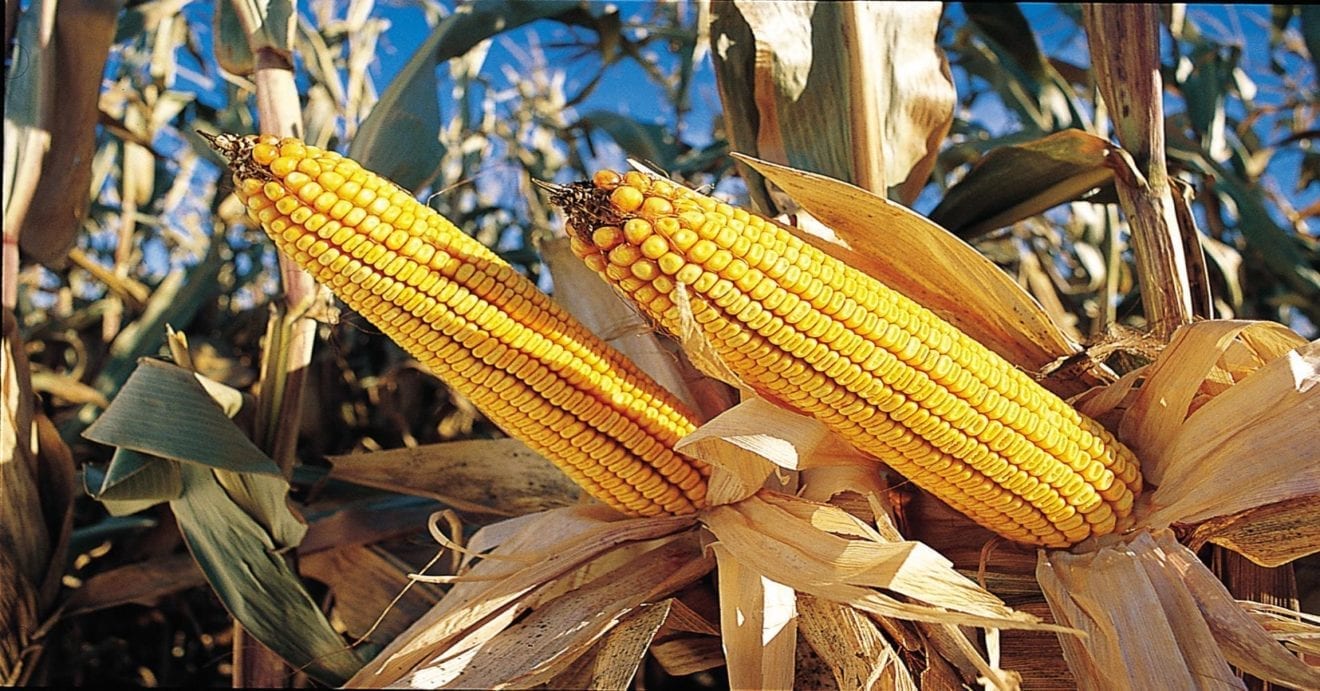
    The ministry has expanded the corn plantation area by two million hectares and has encouraged feed producers to buy corn produced locally, an official of the Ministrys Directorate General of Animal Feed Triastuti Andajani said in a statement.

    Corn is the largest component in livestock feed production.

    “With the increasing population of poultry, including broilers, hens, local chicken, and ducks, the demand for corn has also increased,” she pointed out.

    The Indonesian Feed Millers Association (GPMT) has forecast that feed production in 2017 could reach 18.5 million tons, and it would need 9.25 million tons of corn.

    Independent farmers will need some 3.6 million tons of corn based on the assumption of 300,000 tons of consumption per month.

    Corn demand for animal feed in 2017 is estimated to reach 12.85 million tons, or 1.1 million tons per month on an average.

    In September, the ministry and GPMT had signed a memorandum of understanding, which was followed by cooperation between the agriculture offices in 33 provinces and local feed producers to buy corn produced locally.

    The cooperation is aimed at ensuring that animal feed producers buy locally produced corn, with price reference based on Trade Ministers Regulation No. 21 of 2016.

    The ministrys data revealed that corn imports in 2016, as of December, had declined to 884,679 tons, or 68 percent as compared to imports during the last five years.

    The country had imported 3 million tons of corn in 2011, 1.5 million tons in 2012, 2.95 million tons in 2013, 3.1 million tons in 2014, and 2.74 million tons in 2015.

  • Fatburger China plans big Beijing presence

    Fatburger China plans big Beijing presence

    Under a franchise deal, California chain Fatburger is about to establish a presence in Beijing.

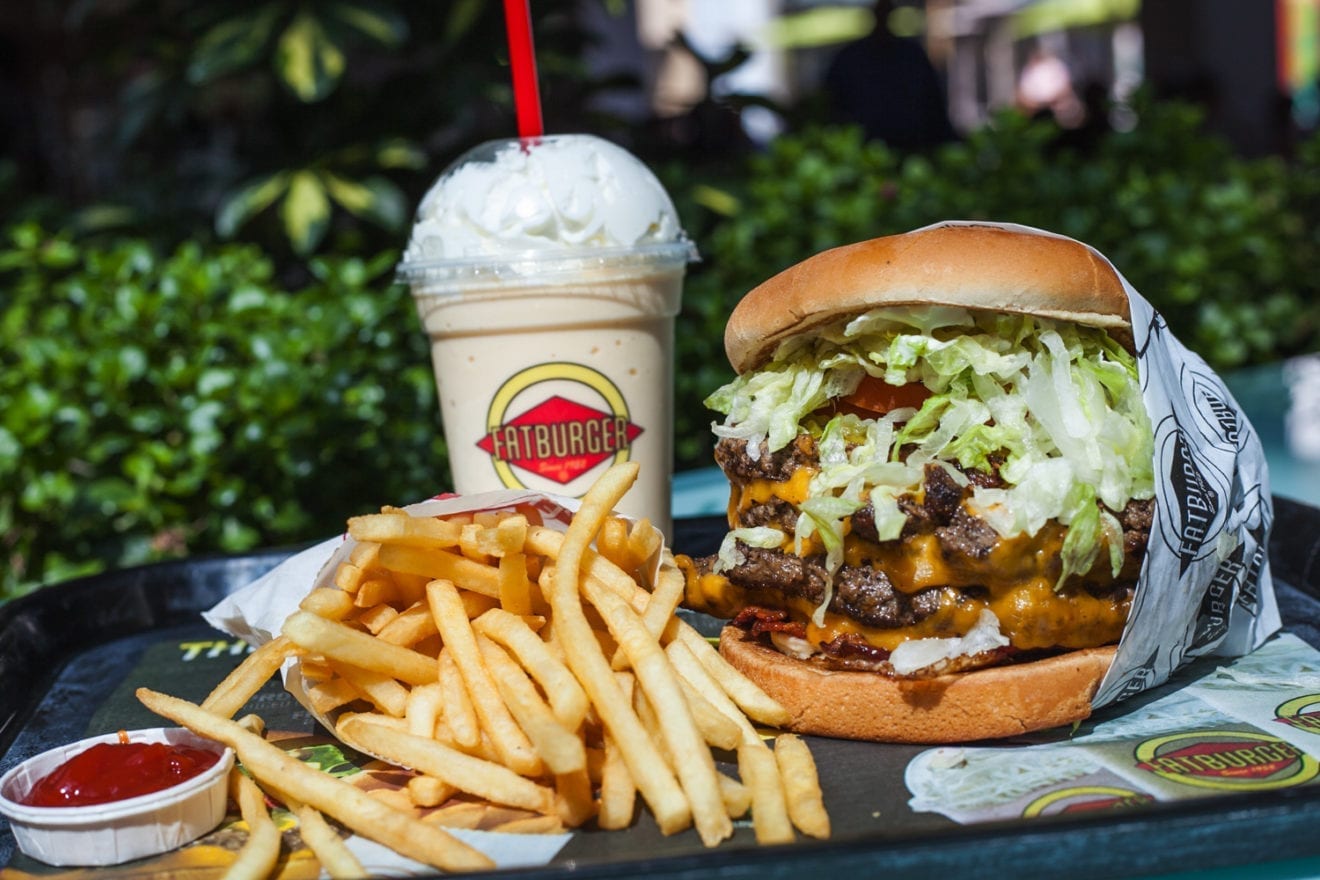
    Known for its made-to-order burgers, shakes and fries, the brand has signed a franchise development contract with Beijing Haisiyamei Restaurant Management, which has committed to build more than 15 Fatburger China restaurants in Beijing.

    This follows the launch of the burger brand in Shanghai, at Sinan Mansions in Huangpu, about to be followed by outlets at BFC and Shanghai Tower.

    In the capital city, the first Fatburger China outlet will be at the Grand Summit Beijing, to be followed by another at Gemdale Plaza Beijing

    Fatburger is aiming to take its all-American dining experience to new territories worldwide, and has opened in 32 countries. It has just launched in the Philippines and has agreements in place for a further 350-plus locations internationally.

    “Sharing core values with key partners is crucial to the growth of the Fatburger brand throughout the world, and we are certain Beijing Haisiyamei Restaurant Management will successfully introduce our menu to new fans,” says Fatburger CEO Andy Wiederhorn.

    Fatburger is a fast-casual restaurant serving burgers crafted specifically for each customer. It started its foray in Asia with its parent, Fog Cutter Capital Group, signing a deal with Puji Capital in Shanghai with the aim of expanding across China, Taiwan and Singapore.

  • Lina’s Paris seeking partners in SE Asia

    Lina’s Paris seeking partners in SE Asia

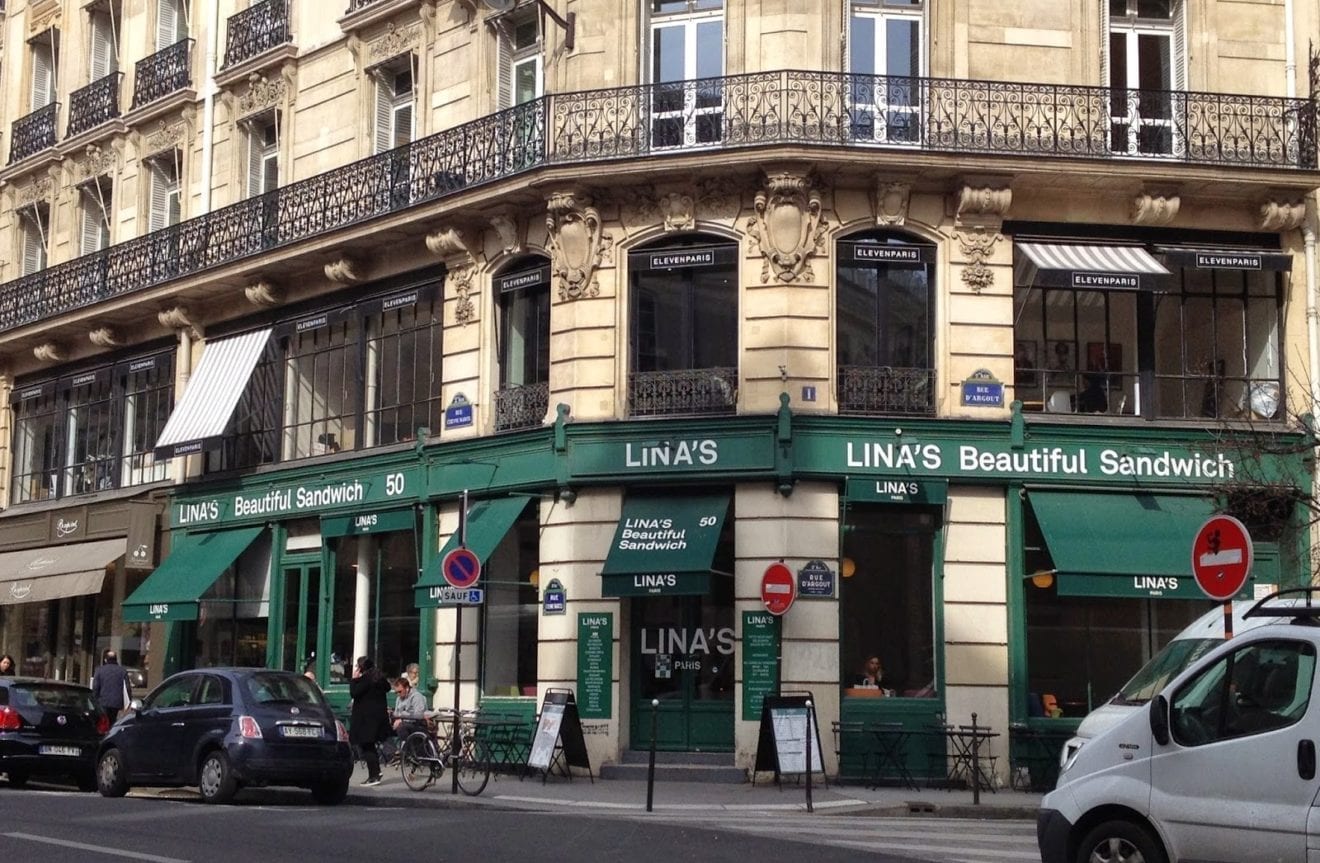
    After launching in Korea, French fast-casual restaurant chain Lina’s Paris is planning to roll out across Southeast Asia.

    Working with a franchisee, it already has 10 restaurants in Korea and has just opened a kiosk in Seoul Art Center with 100 seats.

    linas_sac

    Founded in 1989, Lina’s Paris offers French-style breakfasts, sandwiches, salads, hot dishes, soups, fresh juice, sorbet and pastries. The outlets are designed as comfortable lounges with free WiFi and Parisian decor. In some countries the offer includes organic and gluten-free food.

    Lina’s Paris has nearly 50 restaurants in six countries, and says it is now actively seeking partners in Southeast Asia.

  • Kura Sushi going suburban in Taiwan

    Kura Sushi going suburban in Taiwan

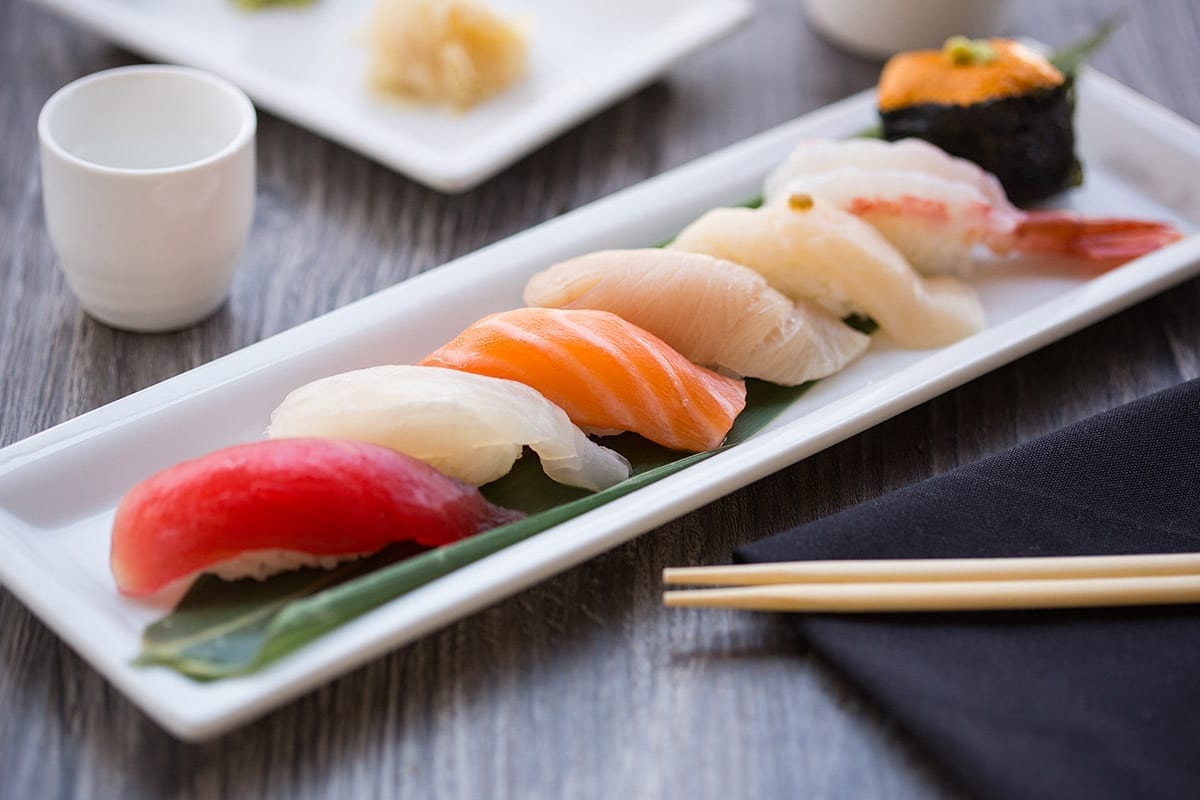
    Japan’s Kura Corporation plans to octuple the number of its Kura Sushi conveyor-belt restaurants in Taiwan to 40 by 2024.

    Its present five sushi-train restaurants are mainly in urban areas, but it plans to move to the suburbs with outlets along busy streets. It plans to open five restaurants this year.

    Kura opened its first restaurant outside Japan in Taiwan in 2014. The five outlets in Taiwan are smaller than their Japanese counterparts, with up to 30 per cent fewer seats. Kura shops in Japan can seat an average of 200 diners. However, on a per-restaurant basis, the group’s Taiwan revenue almost matches that of the outlets in Japan.

    kura-sushi-taiwan

    Reservations can be made online up to two weeks in advance, with the Taiwan restaurants usually fully booked for lunch and dinner.

    With rents rising almost every year in Taiwan as land prices surge, Kura has decided to switch its expansion focus to the suburbs where long-term contracts are still possible. Kura Taiwan president Kentaro Nishikawa also says there are “many more benefits out there”.

    While the Taiwan division only broke even in its last fiscal year, it expects to turn a profit this year.

    Nishikawa says it is hard to manage restaurants that sell alcoholic beverages in Taiwan because Taiwanese usually spend little on dining out and do not drink much. He says many customers come in groups and stay for conversation long after finishing their meals.

    He says Kura will add curry rice using vinegared rice, plus other dishes to its menus in Taiwan. It will also differentiate the Taiwan restaurants from the Japan chain by offering fresh fish bought from local markets and cut in front of the customer.

    Kura also has restaurants in the US and is looking to spread to other countries.

  • DFS opens Whiskey House at Hong Kong airport

    DFS opens Whiskey House at Hong Kong airport

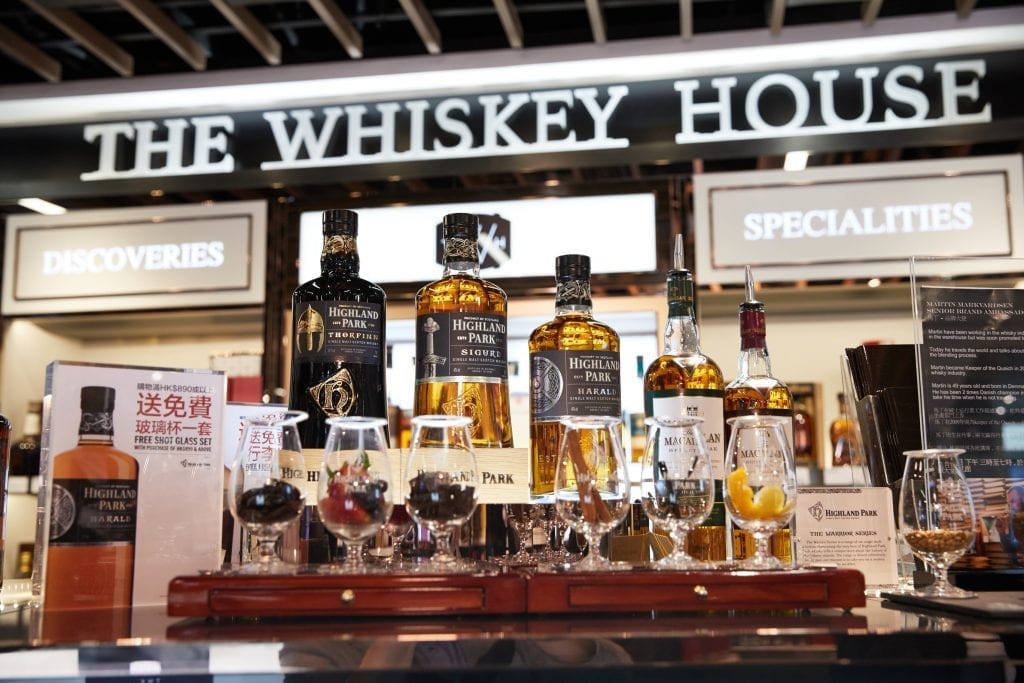
    Over 250 expressions from 50 international brands will be on offer for passengers travelling through Hong Kong’s airport, including the opportunity to sample more than 40 different whiskies every day.

    The Whiskey House has been created by DFS in partnership with William Grant & Sons, whose whisky brands include Balvenie, Tullamore Dew, Grant’s Glenfiddich and Monkey Shoulder as well as rum brand, Sailor Jerry and Hendrick’s gin.

    For whisky enthusiasts there’ll be blind tasting and tasting sessions every weekend from 4-7pm, as well as the chance to have 10% off every purchase when spirits are bought at departure and then collected at arrivals on the return leg of the trip.

    DFS already has its T Galleria retail stores across Hong Kong in Causeway Bay and Tsim Sha Tsui as well as its DFS store at Hong Kong airport.

    Brooke Supernaw, DFS group’s senior vice president of spirits, wine, tobacco, food and gifts, said, “DFS’ The Whiskey House is inspired by our customers and their love of discovery. At The Whiskey House, the discerning traveler can explore and indulge themselves in a world of whiskies from across the globe, enjoy tailored tastings and embark upon a unique travel experience from the moment they enter the airport.”

    Hong Kong has witnessed a boom in interest in whisky over recent years as more consumers explore different expressions and more brands have become available. MHD, LVMH, Edrington and William Grant remain as some of the biggest whisky distributors in Hong Kong, but a number of smaller, specialist ventures have appeared, such as single malt retailers, Caskells in Tsim Sha Tsui.

    Speaking to dbHK at the time of Caskells’ opening last year, owner John Rhodes said:

    “Although Hong Kong has a growing curiosity towards single malts – there is still a lot that can be done to inform people of the very wide scope of whisky there is not only in Scotch but worldwide.

    “Hong Kong – as with any market – is dominated by some big players with some excellent products but there are also a lot of smaller companies that have similar high quality products, and it is these that we want to bring to the general market.”

    The advent of the consumer-focused Whisky Festival and Malt Masters events in Hong Kong has also helped introduce the diversity of the whisky category to Hong Kong’s spirits lovers.

  • Bake Kyoto outlet features Lego counter

    Bake Kyoto outlet features Lego counter

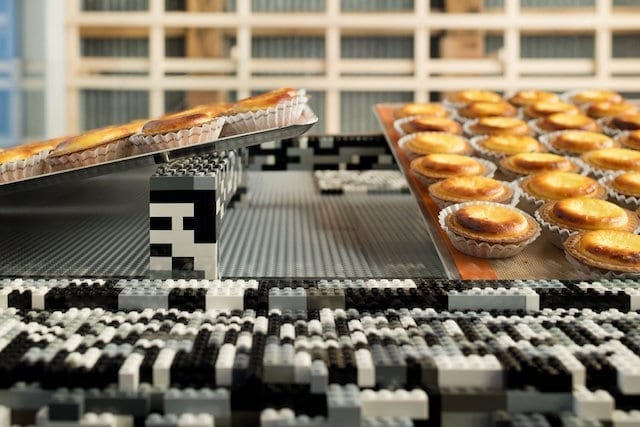
    A counter made from monotone Lego toy building bricks is a feature of Japanese cheese-tart shop Bake  Kyoto’s new outlet.

    Tokyo-based designer Yusuke Seki uses the counter as a centrepiece of the new store to display its products. It joins other new Bake stores that feature a sunset-hued acrylic counter and bespoke aluminium tiles.

    bake-kyoto-outlet-features-lego-counter-1

    Seki says he chose to use Lego pieces as his main material “because it connects to visitors”.

    “This architectural fabric serves as the shared language of communication between those whose spoken language may differ,” he says. “Its appeal is universal, intuitive, and its attraction felt by nearly every generation. It evokes a sense of intimacy, creating a moment that connects people to this space.”

    bake-kyoto-outlet-features-lego-counter-3

    A second, complementary feature of the store is a lattice framework lining the walls on either side of the counter, reports DeZeen.com. The latticework uses a bamboo technique known as shitajimado, which is traditionally used on the windows of Japanese teahouses. Seki has put a contemporary spin on the classic technique, using a pale wood overlaid on partially exposed walls.

    bake-kyoto-outlet-features-lego-counter-8

    bake-kyoto-outlet-features-lego-counter-6

    bake-kyoto-outlet-features-lego-counter-7

    “Left partially exposed, these walls allow customers to interact with a new iteration of tradition, while simultaneously encouraging an interaction with the older exterior wall cladding,” says the designer. “The store is thereby given a firm sense of place, reverberating with a reverence for the region.”

    bake-kyoto-outlet-features-lego-counter-4

    An open kitchen in the back, where the cheese tarts are baked, is another feature. A shelf on one side of the room holds stacks of Bake’s bright yellow takeaway boxes.

    Seki founded his studio in 2008, and his shop interiors are minimalist, often featuring cement and pale wood. His shops include a hand-forged knife specialist and a kimono store.

    Photos: Takumi Ota.

  • Improved quality boosts export of fruits, vegetables

    Improved quality boosts export of fruits, vegetables

    Việt Nam’s fruit and vegetable export in 2016 hit US$2.4 billion, a 30 per cent increase over 2015, and exceeding the Ministry of Industry and Trade’s yearly target of $2.2 billion.

    According to the Vietnam Fruit and Vegetables Association, the result was attributed to efforts to seek new markets and keep traditional markets.

    In 2016, five types of fruits gained entry to four new markets — mangoes to Australia, dragon fruits to Taiwan (China), longans and lychees to Thailand and cashew to Peru — thus expanding the market for Việt Nam’s fruit and vegetable to more than 60 countries and territories.

    China continues to be the largest market for Việt Nam’s fruits and vegetables, accounting for some 70 per cent, followed by the Republic of Korea, the United States and Japan.

    Bùi Sỹ Doanh, from the Department of Plant Protection under the Ministry of Agriculture and Rural Development, said the department would continue negotiations on technical barriers to help more Vietnamese fruits and vegetables enter selective markets like the United States, Japan and Australia.

    In 2017, Việt Nam hopes to win import approval from Australia for its dragon fruits, approval from Japan for red-flesh dragon fruits and from the United States for star apples.

    Nguyễn Hữu Đạt from the Vietnam Fruit and Vegetables Association emphasised the need to further improve post-harvest preservation and processing technologies to meet demands for quality and diverse products in foreign markets.

  • Starbucks launches first single-origin Yunnan coffee in China

    Starbucks launches first single-origin Yunnan coffee in China

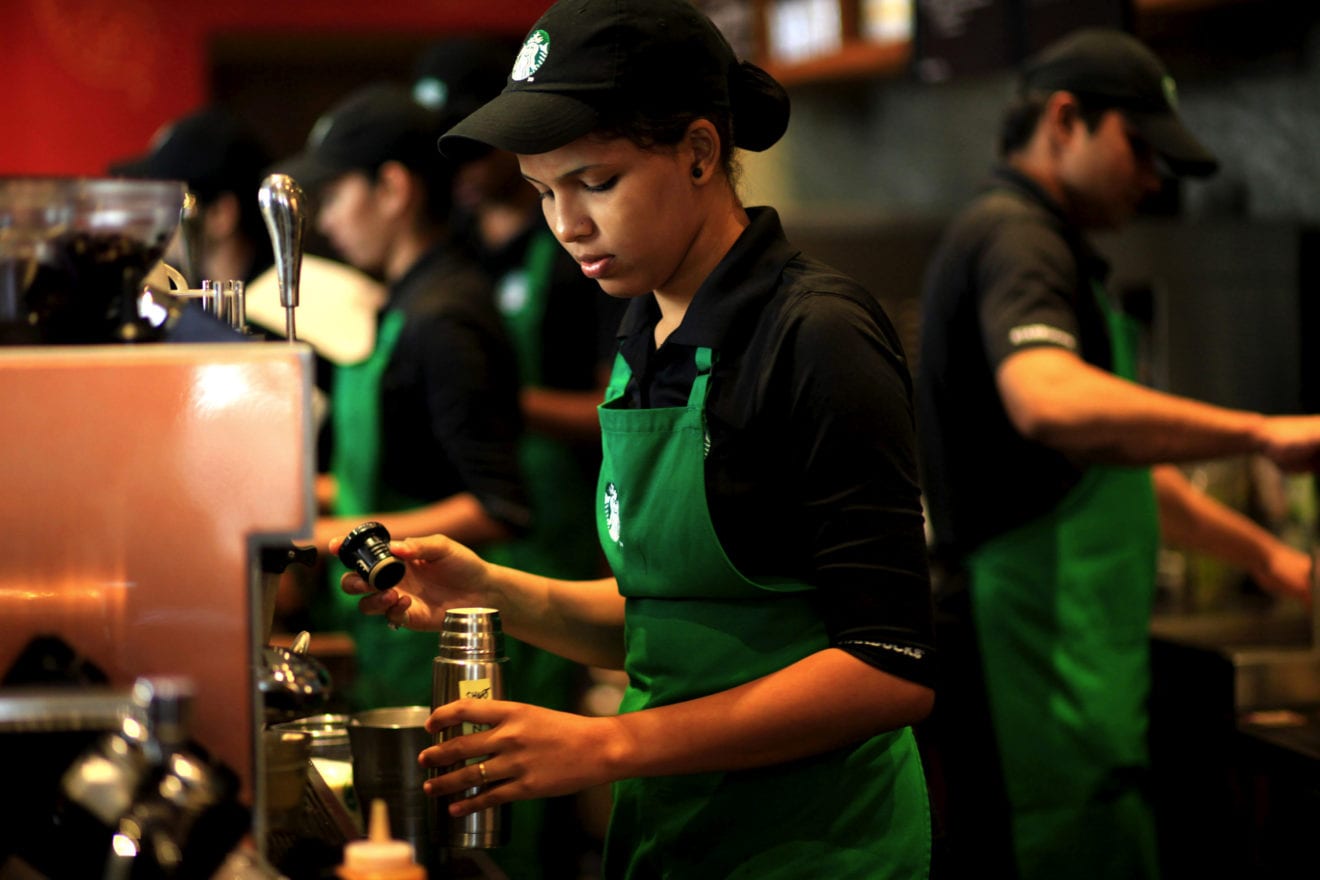
    Starbucks today launched its first Starbucks Single-origin Yunnan coffee to usher in the New Year in China. Available for a limited time across all Starbucks retail locations in Mainland China, the new Starbucks Single-origin Yunnan coffee pays tribute to four years of close collaboration between the Starbucks China Farmer Support Center and local coffee farmers in Pu’er, Yunnan Province. The introduction of the Starbucks Single-origin Yunnan coffee, which features 100 percent arabica coffee from the region, signifies an important step forward to completing the Starbucks China supply-chain, delivering premium coffee from bean to cup.

    “The Starbucks Yunnan Coffee Project is about creating a positive impact on the local coffee farming communities and we are thrilled to bring this vision to life with the launch of the Starbucks Single-origin Yunnan coffee, especially at the beginning of the New Year,” said Belinda Wong, ceo, Starbucks China. “We will continue to build on the strong foundations established by the Starbucks China Farmer Support Center to deepen our partnership with local farmers and to develop even more localized, high-quality coffee that can be celebrated and enjoyed in Starbucks stores across China and globally.”

    Located at the same latitude as other renowned coffee-producing regions, such as Colombia and Jamaica, Pu’er is the coffee capital of China. The distinctive packaging of the Starbucks Single-origin Yunnan coffee is inspired by its sub-tropical landscape, which is home to soaring mountains, running creeks, and vibrant coffee and tea plantations.

    “Over the past few years, we have been extremely humbled by how the local Pu’er coffee farming community has embraced us as part of their extended family,” said Alan Tong, director, Starbucks Farmer Support Center. “The Starbucks® Single-origin Yunnan coffee is the fruits of labour for many local farmers and I am very excited that we are able to share them with our customers in China. This medium-roasted coffee is rich, multidimensional and consistently captures the unique flavors of Yunnan in a Starbucks cup – herbal notes, balanced acidity, and a smooth and elegant mouthfeel.”

    Yunnan plays an important strategic role in Starbucks growth in China. In 2012, Starbucks established its first Asia-based Starbucks Farmer Support Center in Pu’er with the aspiration to help improve the quality of Yunnan coffee and to share it with the world. Over the past four years, the Starbucks Farmer Support Center has trained nearly 10,000 farmers in Yunnan province on sustainable farming practices. It has also certified over 1,200 farms, covering nearly 11,000 hectares of land, through the company’s Coffee and Farmer Equity (C.A.F.E.) Practices, which ensures high-quality coffee that is grown in a socially and environmentally responsible manner. In the 12 months between 2015 and 2016 alone, the Starbucks Farmer Support Center has certified 576 farms.

    Starbucks has a long history of collaboration with Yunnan coffee farmers. In early 2009, as part of the Starbucks 10th Anniversary celebrations in China, the company launched the Starbucks South of the Clouds Blend, featuring high-quality Yunnan arabica coffee beans. With firm support from the local and provincial governments, the Starbucks South of the Clouds Blend is now available in Starbucks stores in numerous locations across Asia and the United States.