Category: Food

Retail News Asia is committed to providing both local and global retailers with the latest Food and Food & Beverage news throughout the Asian market. This on a daily base.

  • Habeco to debut on Hose in Jan

    Habeco to debut on Hose in Jan

    Hà Nội Beer Alcohol and Beverage Joint Stock Corporation (Habeco) will start trading with code BHN on the HCM Stock Exchange (HOSE) on January 19, the southern bourse announced on Wednesday.

    Habeco will list its entire 231.8 million shares, equivalent to the total listing value of nearly VNĐ2.32 trillion (US$103 million), at the reference price of VNĐ127,600 ($5.65) per share, the bourse said in a statement. The share price is allowed to fluctuate +/-20 per cent on the first trading day.

    Shares of the North’s largest brewer are trading at some VNĐ128,000 per share on the Unlisted Public Company Market (UPCoM), which is under the management of the Hà Nội Stock Exchange.

    HCM City’s exchange on December 30, 2016, approved the company’s filing to move its listing from the UPCoM to HOSE.

    By changing its listing to HOSE, which is the main bourse in Việt Nam, with total market capitalisation of some $68 billion, Habeco is expected to improve its reputation and draw more investments.

    The company has become a ‘phenomenon’ on the UPCoM since its debut on October 28 last year, when its price shot from an initial VNĐ39,000 per share to a peak of VNĐ225,800 per share on December 16.

    Headquartered in Hà Nội, it is the largest beer producer in the North and the third-largest beer company in Việt Nam, with popular brands such as Hanoi Beer and Truc Bach Beer. It owns 17 subsidiaries and six affiliated companies, with total production capacity of over 800 million litres of beer per year.

    Ending September 2016, Habeco reported total combined revenues of nearly VNĐ7.65 trillion, down 5 per cent year-on-year. Its net profit declined by a steeper 23.5 per cent year-on-year to VNĐ960.5 trillion.

    The company has not increased its charter capital from the 2008 initial public offering, which remains at over VND2.3 trillion. Its cumulative annual profits are mainly distributed to its investment and development fund, which amounted to VNĐ2.54 trillion until September 30, 2016.
  • Indonesia’s seaweed exports estimated to shrink 30 percent in 2016

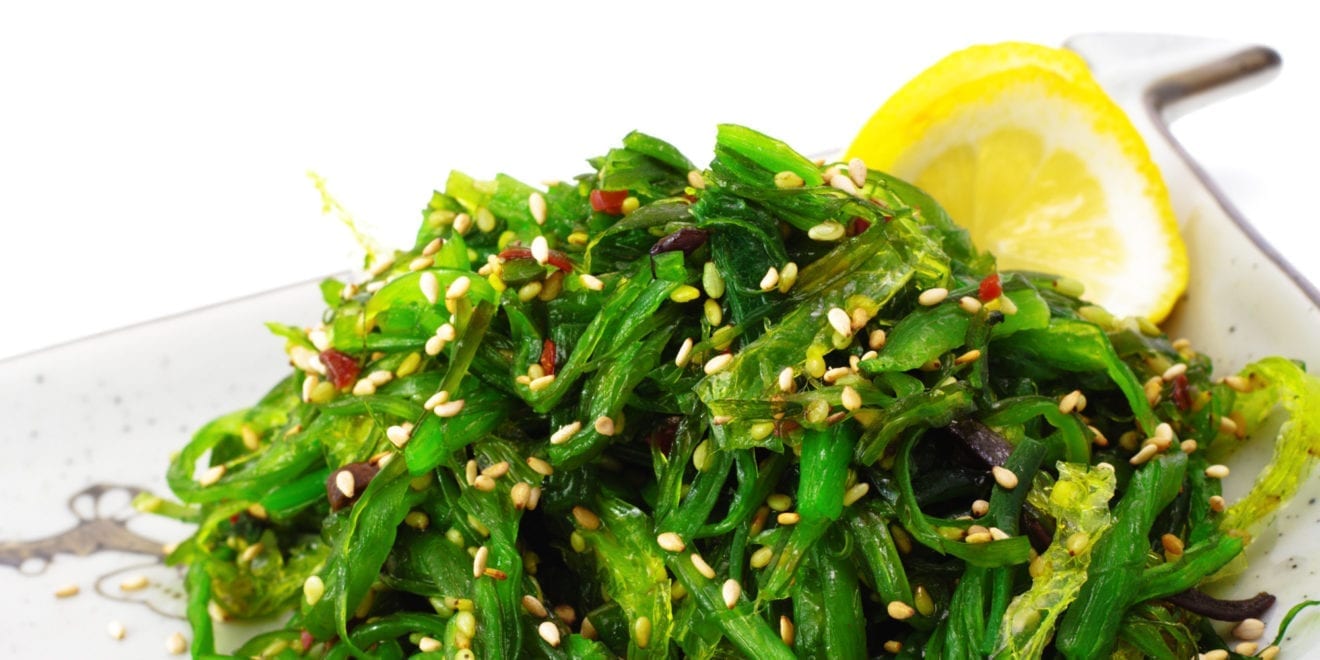
    Indonesia’s seaweed exports estimated to shrink 30 percent in 2016

    The Indonesian Seaweed Association (ARLI) estimated that the countrys exports of seaweed shrank 30 percent in value from US$205.4 million in 2015.

    ARLI general chairman Safari Azis attributed the decline to weak demand amid the global economic crisis and U.S. policy in organic products.

    “In 2016, (seaweed exports) dropped around 30 percent . There was issue in 2016 that the United States would exclude processed seaweed from its list of organic products,” Safari said in a discussion here on Tuesday.

    Based on statistic data at the Marine and Fisheries Ministry, the countrys production of seaweed totaled 1.12 million tons in 2015. Around 21 percent or 236,900 tons of the production were exported to various countries including 97 percent in raw material and 3 percent in processed products.

    The exports of raw seaweed were valued at US$160.4 million and exports of finish products of seaweed was worth US$45 million or 22 percent of the total value.

    In 2016 , in the first 8 months , exports of raw seaweed totaled 121,500 tons valued at US$80 million ; and exports of processed products of seaweed totaled 4,000 tons valued at US$25.4 million.

    Apart from the report that the United States would exclude processed products of seaweed from its list of organic products, there are many factors hampering exports of that commodity, such as export restriction and plan to slap export tax on seaweed.

    “The government plans to impose an export tax of 20-40 percent on raw seaweed . The plan, however, has been shelved. The export tax was planned without consultation with the business players,” Safari said.

    The government is expected to offer incentives for the business players especially investors in seaweed cultivation and industry, he said.

    ARLI predicted that in 2017, exports of seaweed would increase both in raw material and processed products.

    ARLI also hopes more support from the government to develop and boost business in seaweed in the upstream as well downstream asn integrated industry.

  • A cloud of dispute above McDonald’s Korea franchisee

    A cloud of dispute above McDonald’s Korea franchisee

    McDonald’s Korea has become mired in a high-profile dispute with a franchisee.

    The local arm of the US restaurant operator terminated the franchise agreement with McDonald’s Mangwon branch on December 1 of last year. According to McDonald’s, the restaurant owner had been failing to fulfill the terms of agreement, including paying the company franchise commissions amounting to a total of about 700 million won ($586,264).

    The owner retaliated by claiming he suffered losses from another McDonald’s restaurant opening nearby, refused to pay the overdue amount and shuttered the restaurant on December 4 after firing some 60 employees who were owed 50-million-won ($41,865) in unpaid wages.

    This week, former employees and members of the Alba Organization, Korea’s labor union for part-time workers, protested in front of the now-closed Mangwon outlet, affixing signs festooned with angry slogans to the front of the building.

    In an official statement, the Alba Organization demanded that McDonald’s advance the overdue wages and severance pay to the former employees, then demand indemnity from the owner. It also requested that the company provide jobs to employees who wish to continue working at McDonald’s.

    “For part-timers, wages are essential to survival. We demand that McDonald’s resolve this matter as soon as possible,” said a spokesperson.

    McDonald’s Korea responded by saying  it was doing its best to help the employees, and claimed to have already hired 19 of the former Mangwon outlet workers at other McDonald’s restaurants.

    However, as for unpaid wages, officials said, “we need the work data for the part-timers to pay their overdue wages, but only the owner can access the data,” adding that “trying to access the information without the owner’s consent is a violation of the law.”

  • Korea food delivery app popularity booms

    Korea food delivery app popularity booms

    Food delivery has become more accessible than ever in South Korea.

    Korea food delivery apps have brought together thousands of restaurants across the country into a single location-based platform, growing significantly over the past few years.

    According to Woowa Brothers Corp., which operates the leading food delivery app Baedal Minjok, the monthly number of delivery orders exceeded 10 million for the first time last month at 10.7 million, which was an increase from 5.2 million in December 2014 and 7.12 million in 2015.

    Woowa Brothers added that the average number of orders per customer is also increasing steadily, from 3.2 orders per month in 2014 to 3.6 orders in 2015.

    Industry watchers expect the market to continue its growth, taking into consideration new types of food delivery apps with differentiated services entering the market, such as Shikshin Hero, which delivers food from famous restaurants that typically don’t provide delivery services.

    Newly emerging dining trends like eating or drinking alone are also expected to add to the continued growth of delivery apps.

    The Ministry of Agriculture, Food and Rural Affairs and the Korea Agro-Fisheries & Food Trade Corporation predicted last year that “do it yourself hype” and “more food options for take-out or delivery” would drive Korea’s dining trends in 2017, forecasting a positive outlook for the food delivery industry.

    “A greater number of single-person households gave birth to more people drinking and dining alone, and a greater variety of food options are now available for delivery,” said a Woowa Brothers official. “Such factors led to the rapid expansion of the market.”

  • Old Chang Kee expansion to UK

    Old Chang Kee expansion to UK

    Singapore F&B chain Old Chang Kee is forming a JV in the UK so it can expand and build its brand there, primarily in London.

    With Singapore company 13 Wonders, which is mainly involved in the general wholesale trade and food retail, it is forming Old Chang Kee UK (OCK UK), which will be a direct subsidiary of Old Chang Kee. Its initial paid-up share capital of £500,000 (US$608,400) comprises 500,000 shares.

    Under the agreement, Old Chang Kee and 13 Wonders will hold 60 and 40 per cent respectively of the shareholding interest in OCK UK, which will run food retail outlets as well as manufacture, distribute and trade food products in the UK.

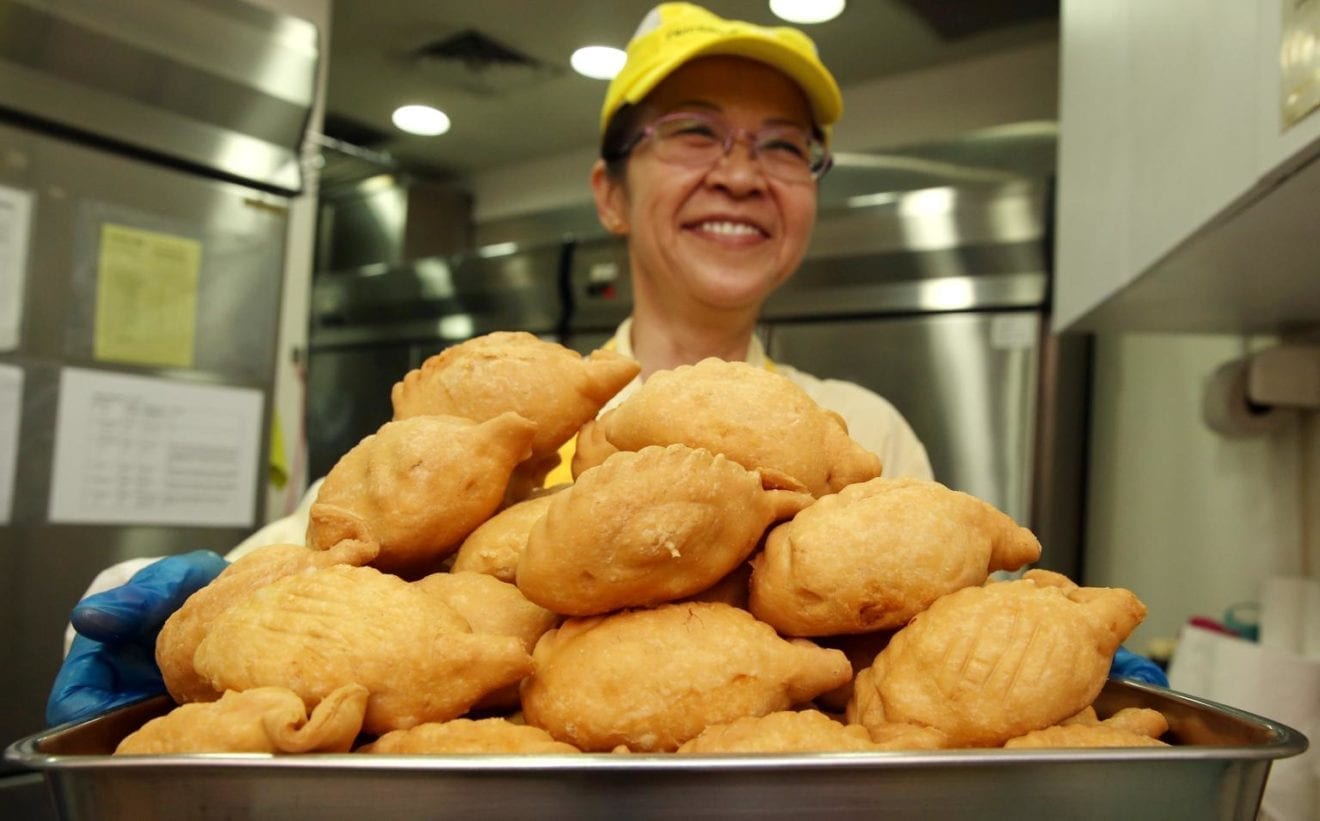
    Old Chang Kee started in 1956 in a stall in a coffee shop near the former Rex Cinema in Mackenzie Road, attracting people from all over Singapore with its curry puff. The brand was bought in 1986 by Han Keen Juan who evolved it into a fast-food chain with its own production factory. Old Chang Kee now markets its range of snack products, including its signature curry puffs, through kiosks and retail outlets at petrol stations and shopping malls.

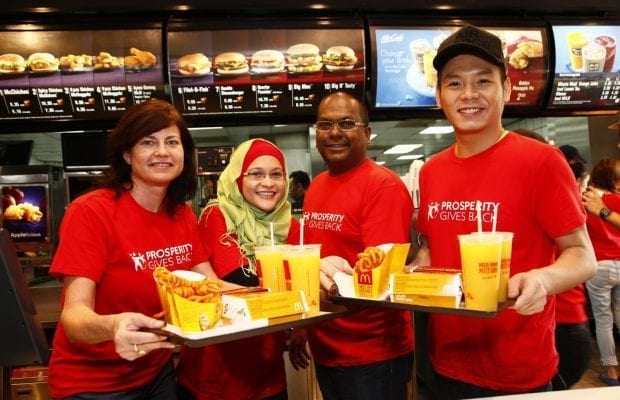
  • McDonald’s Malaysia bans non-halal foods

    McDonald’s Malaysia bans non-halal foods

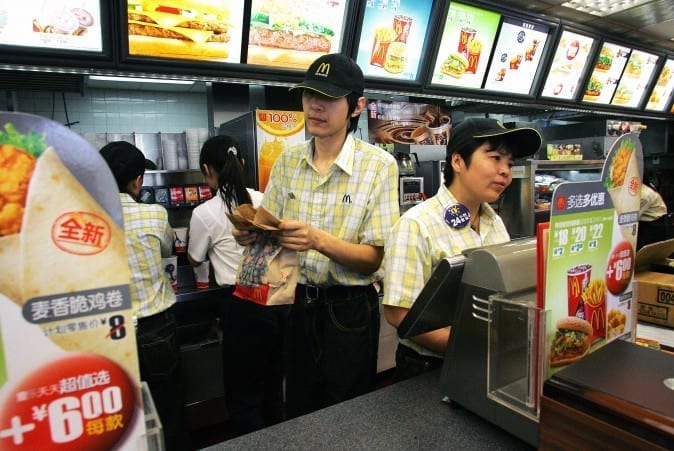
    McDonald’s Malaysia has decided to ban customers taking products that are not halal-certified into its restaurants.

    The fast-food restaurant chain says the measure is necessary to safeguard its own halal status, reports the Malay Mail.

    “This is in line with fulfilling requirements of our halal certification,” company official say.

    The new policy came to notice after an announcement was made in one of its restaurants that birthday cakes taken onto the premises must have halal certification or logo.

    McDonald’s Singapore and Malaysia franchise rights were sold last month to Saudi Arabian company Lionhorn as part of a broader plan by the US company to move away from direct ownership in Asia.

  • Chatime Malaysia master franchisor axed

    Chatime Malaysia master franchisor axed

    Loob Holdings, which owns and runs the Chatime Malaysia outlets, says it will seek legal advice in response to news of a purported termination of the franchise agreement with La Kaffa International of Taiwan.

    Loob CEO Bryan Loo says that while the franchisor owns the brands, all Chatime outlets in Malaysia are owned and run by his company, either through direct ownership, sub-franchisees or joint ventures with sub-franchisees.

    While awaiting the legal process, he says all 165 Chatime outlets in Malaysia will be open as usual with Loob as master franchisee.

    Earlier, La Kaffa chairman Henry Wang announced the termination of Loob Holdings’ Chatime master franchisor contract, which it has held for six year, because of disagreements in the direction of business operations.

    Wang said La Kaffa would take over the Chatime business in Malaysia, assuring franchisees they would continue to receive support from the company.

  • Taco Bell China launches in Shanghai

    Taco Bell China launches in Shanghai

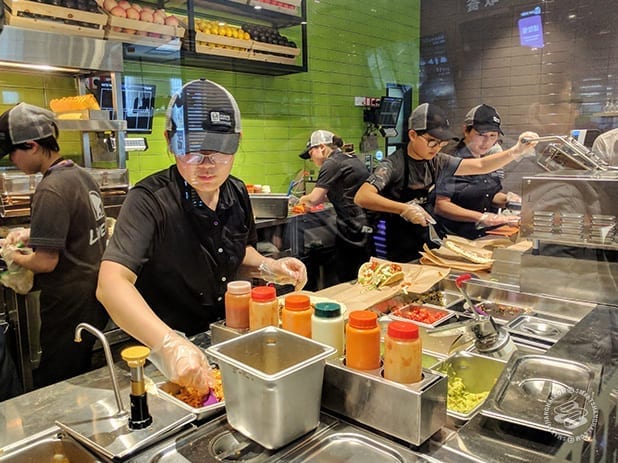
    Mexican-inspired restaurant chain Taco Bell has opened its first outlet in China, near Shanghai’s landmark Oriental Pearl Tower in the Lujiazui business district.

    The restaurant has opened in conjunction with Yum China Holdings, which is the licensee of Yum! Brands in Mainland China.

    “Leveraging our deep insights into Chinese consumer preferences, developed from close to 30 years working in this market, we researched and fine-tuned the Taco Bell menu for China, and the initial response from customers is very encouraging,” says Yum China CEO Micky Pant.

    Favourite items on the brand’s menu have been adapted to local tastes, plus sauces have been developed. Items such as the Shrimp and Avocado Burrito will be offered only in China Taco Bells, and the Crunchy Taco Supreme now has Taco Bell’s signature nacho cheese sauce while the Volcano Chicken Burrito features spicy Sriracha sauce.

    Customers can order shared plates featuring seasoned nacho chips, spicy fried chicken and Mexican fries. Drinks available include cold draft beer and specialty cocktails such as the Margarita and the Mojito.

    There is an open kitchen so customers can see their food being made to order. There are also self-order kiosks.

    The restaurant has been officially launched following a soft opening during which customers have been sharing their experience of the brand through social-media posts, blogs and videos. More than 1000 people took part in a selfie soft-opening promotion.

    taco-bell-shanghai-inside

    California inspiration

    “Built around the concept of ‘Live Mas’, which literally means ‘Live More’, Taco Bell encourages its customers to try new things,” says Pant. “I look forward to creating experiences that surprise and delight people as we expand the Taco Bell brand in China.”

    The Shanghai restaurant showcases Taco Bell’s classic California-inspired look and design. It features surfboards hanging from the ceiling as well as guitars and graffiti art. It also integrates advanced technology throughout, including free Wi-Fi, digital ordering kiosks, digital menu boards and a range of payment options.

    “Building restaurants in new international markets is a key component to the overall growth and evolution of Taco Bell, and we’ve just scratched the surface of our global unit expansion potential,” says CEO Brian Niccol. “The opening of this restaurant in China is an exciting milestone for the brand, as this market holds tremendous growth potential.”

    Taco Bell has more than 7000 restaurants, more than 300 of them in 26 countries outside of the US. It aims to reach 1000 restaurants internationally by 2022.

    Yum China Holdings, with executive offices in Shanghai, has exclusive rights in mainland China to KFC and Pizza Hut as well as Taco Bell. Yum China also owns the East Dawning and Little Sheep concepts. With more than 7300 restaurants and 400,000-plus employees in more than 1100 cities, Yum China generated more than $8 billion in system sales in 2015.

    Taco Bell, a subsidiary of Yum! Brands, was the first quick-service restaurant to offer American Vegetarian Association (AVA) certified menu items. Taco Bell’s 350-plus franchise organisations serve more than 42 million customers each week through 7000 restaurants across the US, as well as through its mobile, desktop and delivery ordering services.

    Based in Louisville, Kentucky, Yum! Brands has nearly 43,000 restaurants in 135 countries and territories. Worldwide, it opens more than six new restaurants a day on average.

  • Indonesia to import 1.5 million tons of sugar in first half

    Indonesia to import 1.5 million tons of sugar in first half

    The government has decided to allow imports of 1.5 million tons of raw sugar to meet domestic demand in the first half of the year.

    Trade Minister Enggartiasto Lukita said 11 companies had been appointed to import the commodity, adding that it was not yet known when the sugar would arrive in Indonesia.

    He said his ministry would change the distribution of sugar to prevent oversupplies in the market.

    Enggar said one of the requirements for firms to import raw sugar was to demonstrate a commitment to develop sugarcane plantations.

    The regulation to develop sugarcane had existed for a long time, and the government would monitor the commitment of each company, he added.

    “The government will always remind the companies to show their commitment. If they fail to meet their commitment, we will not allow them to import raw sugar,” said the minister.

  • Vinamilk stake sale set to flop after Vietnam imposes investment caps

    Vinamilk stake sale set to flop after Vietnam imposes investment caps

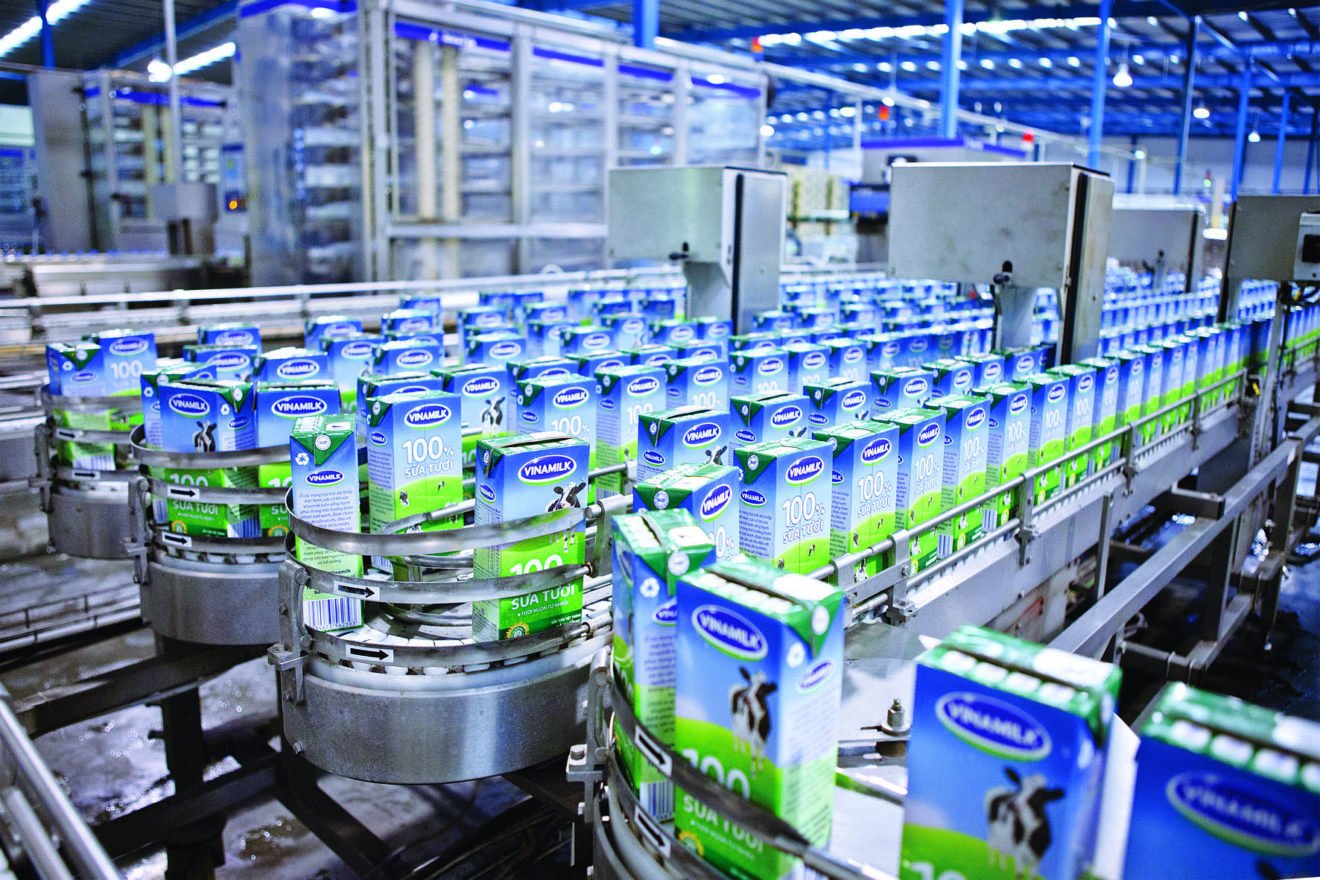
    The market has been surpised by news that each investor could only buy up to 2.7 percent of the dairy giant’s shares. The Vietnamese government will likely fail to sell much of the 9 percent stake it has offered in dairy firm Vinamilk, one of its most attractive assets, with investors put off by highly restrictive investment caps and unfavorable market conditions.

    The State Capital Investment Corporation (SCIC), which represents the government’s 44.7 percent ownership in Vinamilk, took the market by surprise last month when it announced each investor could only buy up to 2.7 percent of Vinamilk’s shares.

    That has helped result in just two bids, worth a combined $500 million, by wholly owned units of Thailand’s Fraser and Neave Ltd for the shares due to sold on Monday. One of the units is already Vinamilk’s second-biggest shareholder with a 10.95 percent stake.

    The muddled sale process has underscored Vietnam’s relative inexperience and investor wariness about state control as the government seeks to push forward with a major privatization drive, one that already been hampered due to the small stakes on offer and concerns about vested interests.

    Also detering investors has been a drop in Vinamilk’s share price below the minimum bidding price set by the government of VND144,000. The stock has been hit by a sell off in Vietnamese shares as investors shun emerging markets amid uncertainties after the U.S. presidential election and a potential rates hike by the Federal Reserve.

    Lessons learned

    “The minimum bidding price of VND144,000 is actually not expensive for a strategic investor in Vinamilk, but the issues are the timing and the restrictions that come with it,” said Nguyen Thanh Lam, deputy manager at Maybank Kim Eng Securities in Vietnam.

    Vinamilk, Vietnam’s top listed firm by market value, is seen as one of the country’s most attractive companies as it commands around half of domestic market for dairy goods and has seen steady earnings growth.

    Its shares have jumped 20 times in value since its debut on the Ho Chi Minh City Stock Exchange 10 years ago.

    Other shares offerings coming up include an initial public offering of budget carrier VietJet Air, which is expected to raise up to $194 million, and the sale of government shares in Vietnam’s top brewers Sabeco and Habeco.

    Fiachra Mac Cana, managing director and head of research at Ho Chi Minh Securities, said the Vinamilk share sale did not necessarily bode ill for other asset sales.

    “I feel that the sale is actually a good initial step with a few lessons learned as to how to do better next time,” he said.

    “In any event, the government hasn’t been doing this for that long so in a way we should expect them to be learning as they go.”

  • Heineken expands production, buys into local top brewer in Vietnam

    Heineken expands production, buys into local top brewer in Vietnam

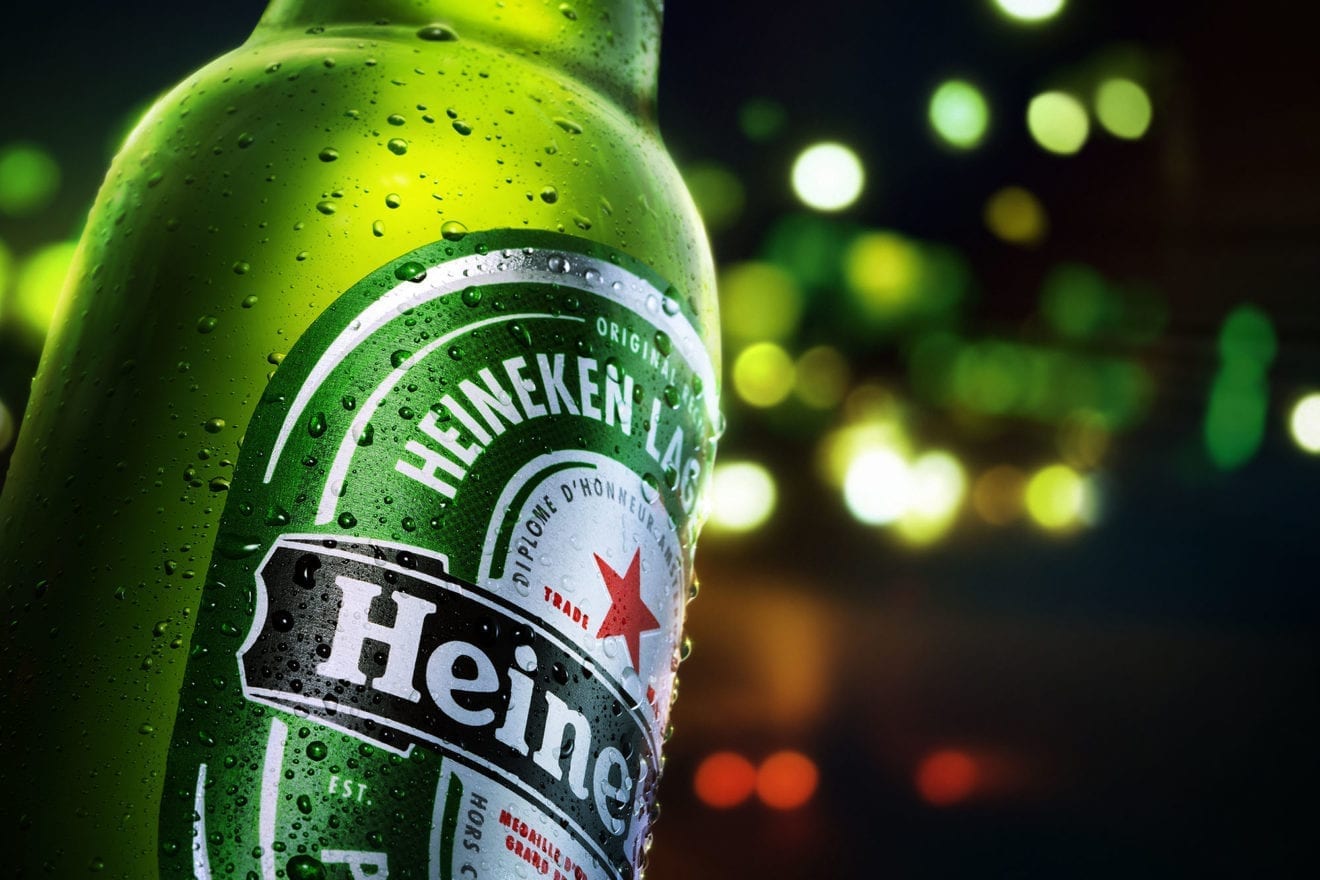
    The beer maker is aggressively pouring money into Vietnam, one of the biggest markets in Asia-Pacific. As Heineken considers Vietnam a vital driver for its business growth in Asia-Pacific, the Dutch beverage giant is trying to grasp more market share.

    Heineken in July took over a facility from rival Carlsberg in the southern port city of Vung Tau in an attempt to boost its brewing capacity to satisfy the thirst of local drinkers who, according to Euromonitor International, are expected to consume more than 4.04 billion liters of beer this year, the most in the region and up from 3.88 billion liters last year.

    The Amsterdam-based company has planned to boost its capacity at the Vung Tau facility to 610 million liters from 50 million liters, the Nikkei Asia reported.

    Heineken, which entered Vietnam in 1991, currently operates in the market through two companies, including wholly-owned Asia Pacific Breweries and Vietnam Brewery, in which Heineken has a 60 percent stake.

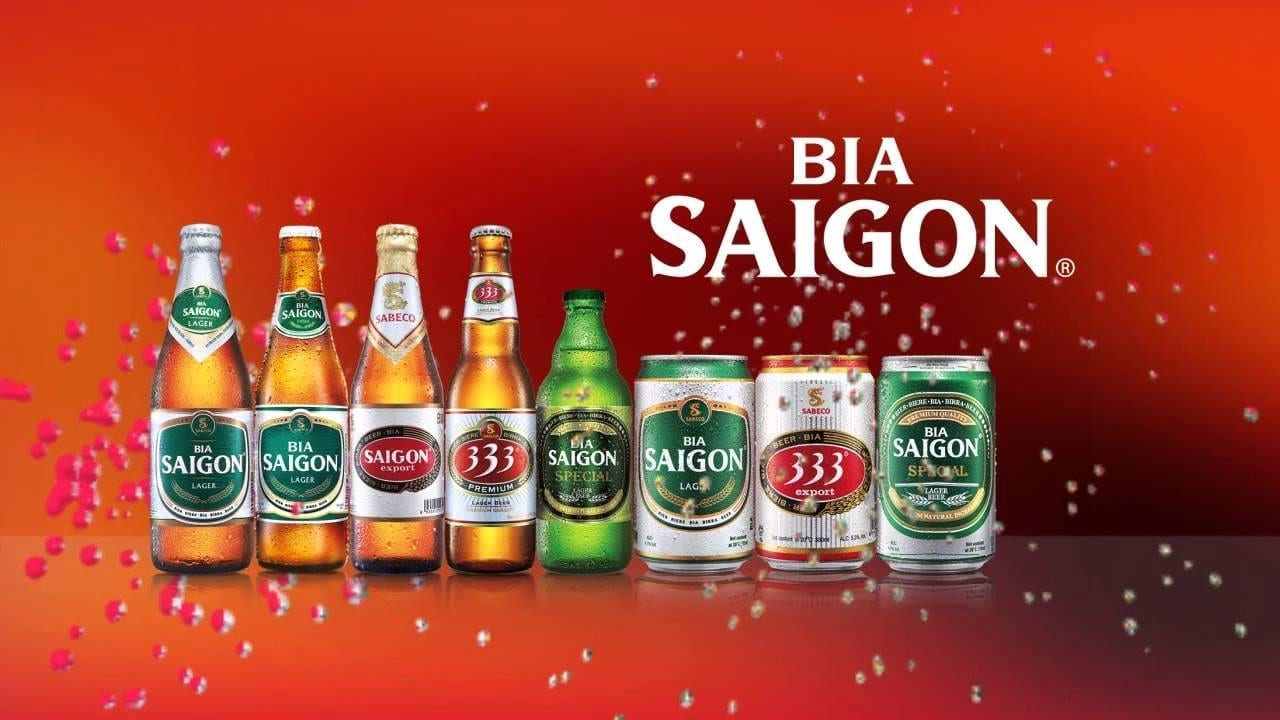
    It is now the second biggest brewer in Vietnam controlling 25 percent of the local beer market, after dominant player Sabeco, which has 40 percent of the market.

    Heineken, which positions itself on the market as the brewer of high-end beers, has increased its annual output by 14 percent since 2012, which is more than twice the output growth rate of Sabeco, the Nikkei Asia reported, citing data from local securities company Viet Capital.

    Heineken produced 729 million liters last year, compared to Sabeco’s 1.38 billion liters.

    As part of its expansion plan, Heineken plans to buy into Sabeco as the government is divesting from the top local brewer.

    Heneiken is seen among potential investors keen to aquire more shares in Sabeco, a 90 percent state-owned company due to be listed in Ho Chi Minh City on December 20 at the latest. Heineken is reported to have already owned 5 percent in Sabeco.

    The Vietnamese government on July 20 scrapped a long standing foreign-ownership cap in many listed companies, but the 49 percent limit stays put for Sabeco.

    In the latest privatization push, the government will sell a 53.6 percent stake in Sabeco this year and the remaining in 2017.

  • Japan tightens inspections on shrimp shipments from Vietnam

    Japan tightens inspections on shrimp shipments from Vietnam

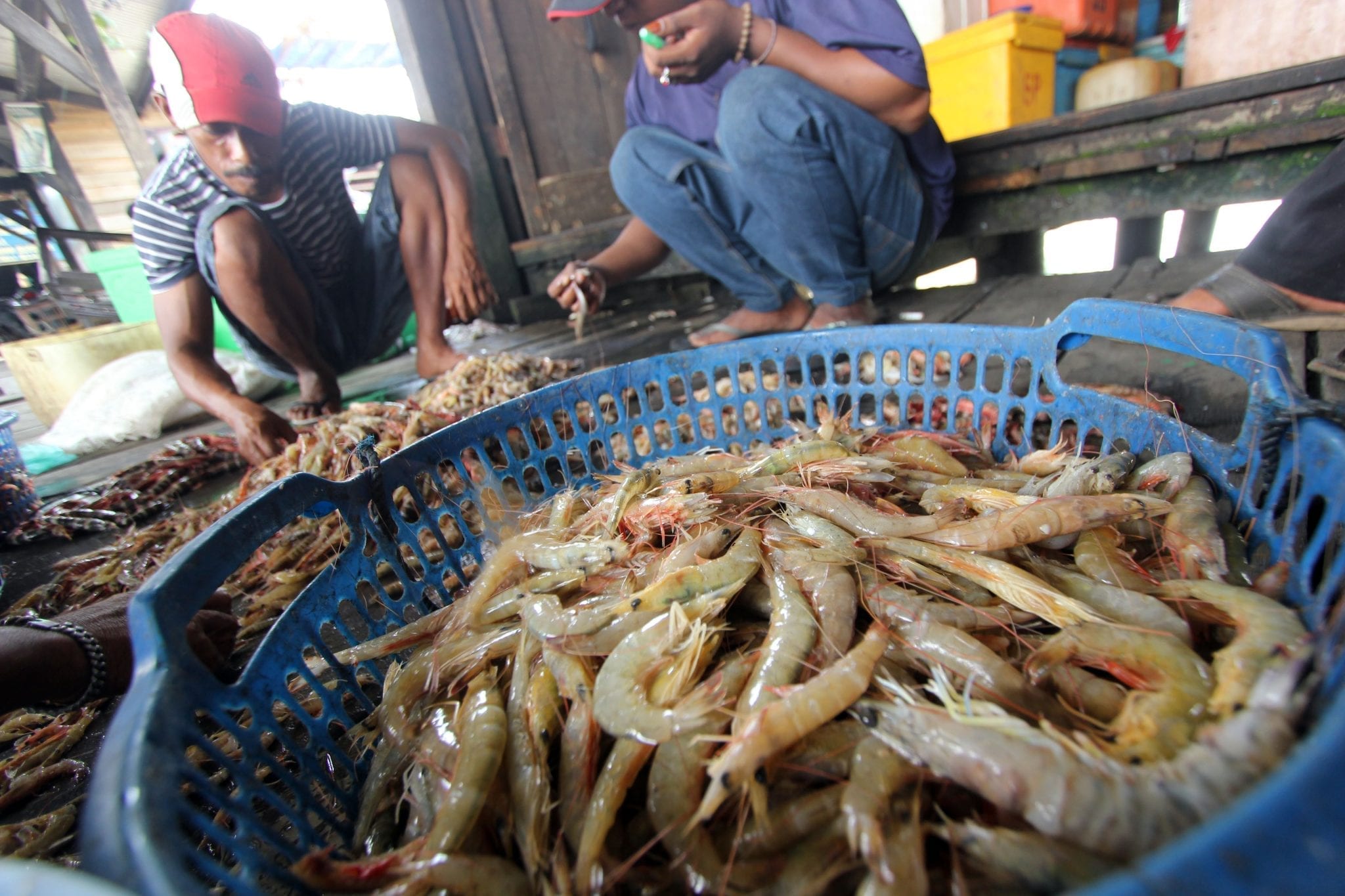
    The island nation now screens every last shrimp export for a banned antibiotic. Japan now screens every shipment of Vietnamese shrimp for a banned antibiotic, according to NAFIQAD Vietnam’s seafood quality control.

    Vietnam does not consider the substance fit for use as a direct food additive in foods for human consumption, according to the Vietnam Association of Seafood Exporters and Producers (VASEP) which reported that Japan raised its shrimp sampling from 30 to 100 percent of imports on December 12.

    Local shrimp exporters have been warned to keep antibiotic sulfadiazine residues below 0.01 parts per million, said Le Hong Phong, deputy head of NAFIQAD.

    By September, the E.U. had rejected 2.2 times more shrimp than the entire preceeding year, according to NAFIQAD, which called for special scrutiny of seafood coming out of the four central provinces affected by Taiwan Formosa Plastics Group’s discharge of toxic waste in April.

    The following month, the European Union reported having rejected 11 shipments of shrimp in the past nine months due to high levels of heavy metals. The European Commission Rapid Alert System for Food and Feed found the shipments contaminated with mercury and cadmium.

    Vietnamese trade commissions in the EU, Japan, and the United States have received roughly 180 warnings about seafood contaminated with dangerous levels of antibiotic and chemical residues so far this year.

    Australia, which remained Vietnam’s largest shrimp importer for the past five years, now requires every seafood shipment from Vietnam to be scrutinized for biological toxins and bacteria.

    During the first eleven months of the year, Vietnam’s seafood exports had edged up 6.9 percent from 2015 to nearly $6.4 billion, customs statistics showed.

    At the start of the year, Vietnam announced plans to export $8 billion worth of seafood this year after reporting $6.6 billion in seafood exports in 2015.

  • McDonald’s China and Hong Kong deal formally announced

    McDonald’s China and Hong Kong deal formally announced

    McDonald’s has confirmed the sale of its China and Hong Kong operations to an investment consortium for US$2.08 billion (HK$16.14 billion).

    Under the deal, the purchasers, Citic Limited, Citic Capital and The Carlyle Group, will open 1500 new outlets.

    Phyllis Cheung, CEO of McDonald’s China, says the Beijing-based Citic companies will together hold a majority 52 per cent stake in the spun-off business and US-based Carlyle and McDonald’s will hold 28 per cent and 20 per cent, respectively. The consortium will run the business for 20 years.

    McDonald’s says it will now re-franchise all its 2600+ stores in Mainland China and Hong Kong to improve sales performances, part of a global effort to cut costs.

    Cheung told China Daily the new company will use its Citic’s strategic relationship with SF Express and Tencent Group Holdings (the owner of WeChat) to facilitate delivery, enhance restaurant convenience and boost its “retail digital leadership and menu innovation”.

    “China and Hong Kong represent an enormous growth opportunity for McDonald’s,” said McDonald’s CEO Steve Easterbrook in a statement confirming the deal, which has been an open secret for some weeks.

    “This new partnership will combine one of the world’s most powerful brands and our unparalleled quality standards with partners who have an unmatched understanding of the local markets and bring enhanced capabilities and new partnerships, all with a proven record of success,” he said.

    The deal will be finalised in mid-2017.

  • Former Petronas regional marketing head to Pizza Hut as CMO

    Former Petronas regional marketing head to Pizza Hut as CMO

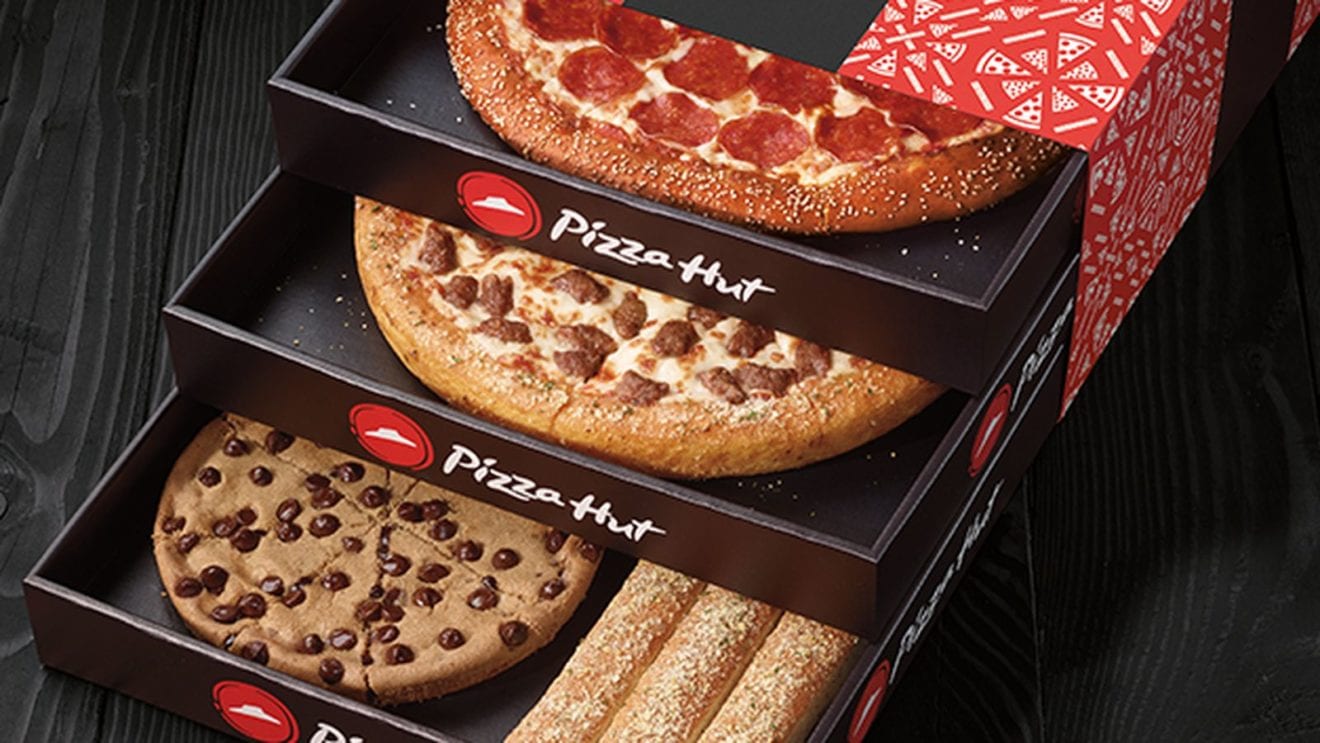
    QSR Brands, one of the largest quick service restaurants operator in Malaysia as well as a leading brand in the Southeast Asia region, is promoting Merrill Pereyra to chief executive officer.   Along with Pereyra’s promotion, it is also appointing Jean Ler as chief marketing officer for Pizza Hut Malaysia.

    Ler will head up marketing, including brand management, innovations and consumer insights to rejuvenate the Pizza Hut brand in Malaysia. She will look to strengthen the relevance and connection to consumers by bringing them delicious products, renewed marketing communications and exciting enhanced experiences.

    Ler has a marketing career that spans 20 years across various reputable local and multinational food & beverage companies. She was most recently regional head of Marketing for Petronas Lubricants AsiaPac following various positions of increased responsibility at Dutch Lady and KraftFoods/Mondelez where she successfully regained market leadership position for the Dairy and Biscuits portfolio of the respective brands.

    Meanwhile, CEO Pereyra joined QSR Brands in June 2016 as COO to further shape the company’s growth story in the region. His current CEO role includes leadership of KFC and Pizza Hut in Malaysia, Singapore, Brunei, and Cambodia. His promotion follows the departure of Rohan St. George who helmed QSR Brands from 2013 to 2016.

    With over 25 years of years of innovative and energetic leadership in the Middle East, South Pacific, Australia and Asia, Pereyra is renowned for leveraging global resources, capabilities, and relationships to promote growth of brands in new markets. He has a successful track record in setting up new businesses in six countries, in developing and implementing strategic business plans as well as fast tracking high potential employees to leadership positions.

    Over the last 30 years, Pereyra has assumed senior leadership, sales and marketing positions at various leading quick service restaurants such as Domino’s, Healthy Habits and McDonald’s. In his last two roles, he was CEO of Domino’s and managing director of Healthy Habits in Australia. Prior to that, he spent 23 years at McDonald’s in four different countries.

    Eric Leong has also been appointed as GM for Pizza Hut and will oversee the planning, coordinating, and managing field activities including restaurant and delivery management, quality assurance, and implementing special projects. This is in line with Pizza Hut’s drive for superior customer service and operational efficiencies to cement a solid foundation for ambitious business growth.

    He brings more than 27 years of experience in the food and beverage industry, with extensive experience in sales and retail. Prior to joining Pizza Hut Malaysia, he was the managing director at Minor Food Group Singapore, which is part of Minor International, one of the largest leisure, F&B and retail companies in the Asia Pacific.

    He was also supervising director and general manager at Berjaya Corporation Berhad in 2012, holding both portfolios comprising Papa John’s Pizza Malaysia and Philippines, as well as Wendy’s Malaysia.

    Both Ler and Leong witll report to  Pereyra in his new role as CEO.

    Pereyra said, “At the heart of everything we do at QSR Brands, is our consumers. This is something Eric and Jean truly understand and embody. They both bring a wealth of experience and a fresh perspective to Pizza Hut.” “I look forward to working closely with them to deliver our plans for 2017 and beyond to improve our brand value and provide Malaysians with new and exciting dining experiences that appeal to their tastes and hearts.”

    This year Pizza Hut celebrates its 35th anniversary in Malaysia

  • Ippudo restaurant owner applies for listing

    Ippudo restaurant owner applies for listing

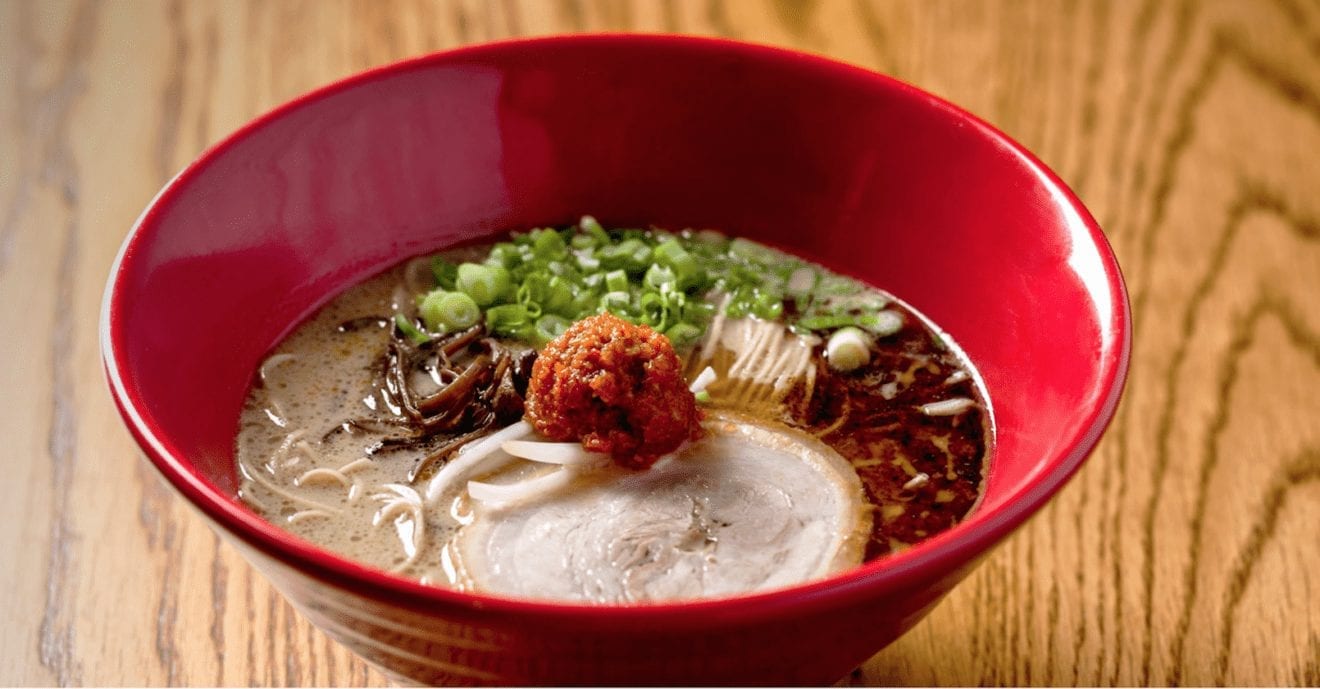
    Ramen restaurant chain Ippudo’s owner is expected to list shares on the Tokyo Stock Exchange as early as March.

    The total market value of the initial offering is projected to be around 30 billion yen (US$259 million).

    Chikaranomoto Holdings has about 60 Ippudo restaurants as well as other brands outside of Japan. It filed an initial listing application in December, which means approval could come next month. The listing is expected to let the group accelerate expansion in domestic and overseas markets.

    Company founder and chairman Shigemi Kawahara opened his first ramen shop in 1985 in Fukuoka Prefecture in southwestern Japan. The company posted group sales of 20.8 billion yen for the year through to March 2016, up 17 per cent from the previous year.

    Ippudo began expanding into foreign markets in 2008, establishing itself first in New York. The chain now has shops in China, France and other countries, and will open its first outlet in Myanmar soon.

    Inspired by New York’s cocktail bars, Chikaranomoto Holdings opened standing-style ramen shops in Tokyo and nearby areas last year, and it plans to open more in Kyushu soon.

    Ippudo also has five branches in the Philippines.