Category: Food

Retail News Asia is committed to providing both local and global retailers with the latest Food and Food & Beverage news throughout the Asian market. This on a daily base.

  • Pie Face expansion plan in Japan and Korea

    Pie Face expansion plan in Japan and Korea

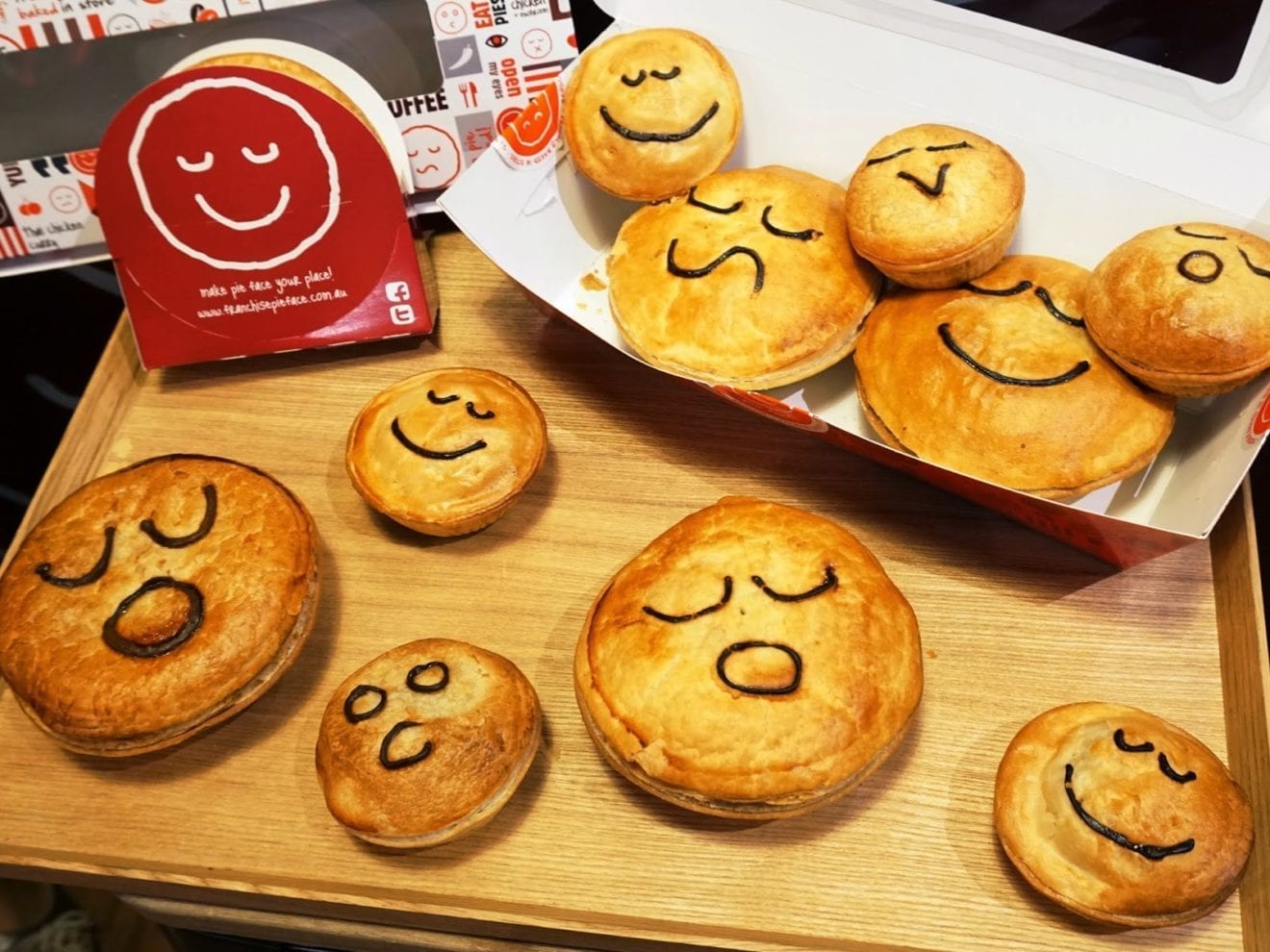
    As it turns around and heads toward profitability again, Australian fast-food chain Pie Face has plans to expand into Japan and South Korea.

    Its receiver flags the hot-pie business will be sold soon, but it has left behind a trail of destruction: secured debt is AU$4 million (US$3 million) and unsecured debt is estimated to be nearly AU$5 million, with employees alone owed more than AU$1 million.

    Also, listed Retail Food Group has made an application to the Queensland Supreme Court to wind up Pie Face Australia over an unpaid debt. But many creditors are unlikely to receive payment out of the receivership, says Pie Face trading entities joint receiver Liam Bailey, a partner at insolvency firm O’Brien Palmer.

    “I can’t speak to what the liquidator may be able to recover and pay them as a dividend, but it’s unlikely a surplus will be generated on the sale of the business, allowing funds to flow to unsecured creditors.”

    The Pie Face company runs a commercial kitchen and wholesaling business, Pie Face Holdings, which owns the intellectual property as well as Pie Face Franchising, which oversees its franchised business in Australia.

    US market

    Bailey became involved after Pie Face went into receivership for the second time in two years late last year. Founded in 2003 by couple Wayne Homschek and Betty Fong, after spreading through Australia the company moved into the US market and planned to open stores in the Middle East, Japan, Korea and the Philippines.

    Investors including retail entrepreneur Brett Blundy, Fat Prophets founder Angus Geddes and Rothschild Australia chairman Trevor Rowe had poured more than $35 million into Pie Face since 2009 with hopes of a sharemarket listing, reports The Age.

    In 2014, Pie Face collapsed owing tens of millions of dollars, sparking store closures, job losses, lawsuits and board changes. Pie Face then struck a deal with financier TCA Global, which took over loans to major lender Macquarie bank.

    Under a deed-of-company arrangement, unsecured creditors such as food suppliers agreed to receive between 14¢ and 19¢ in the dollar over several years, and Pie Face changed its focus to wholesale and direct retail sales.

    When this turnaround bid came unstuck, TCA Global appointed O’Brien Palmer in late October. The business was then restructured for sale. A new CEO and CFO were appointed, 11 unprofitable stores were closed and three franchised stores were opened. Nearly 100 staff members lost their jobs.

    Pie Face now has 30 franchised stores, about 10 people in its head office and 60 to 70 kitchen workers – and plans to expand overseas, particularly in Japan and South Korea.

    Bailey says seven or eight companies are now conducting due diligence, with binding offers due in at the start of next month.

    “We were very much taken aback by the level of interest in the business notwithstanding the bad press it has received over the years,” he says. “There’s a lot of recognition of the growth potential, if properly managed.”
  • Da Niang Dumplings chain sold to hotel group

    Da Niang Dumplings chain sold to hotel group

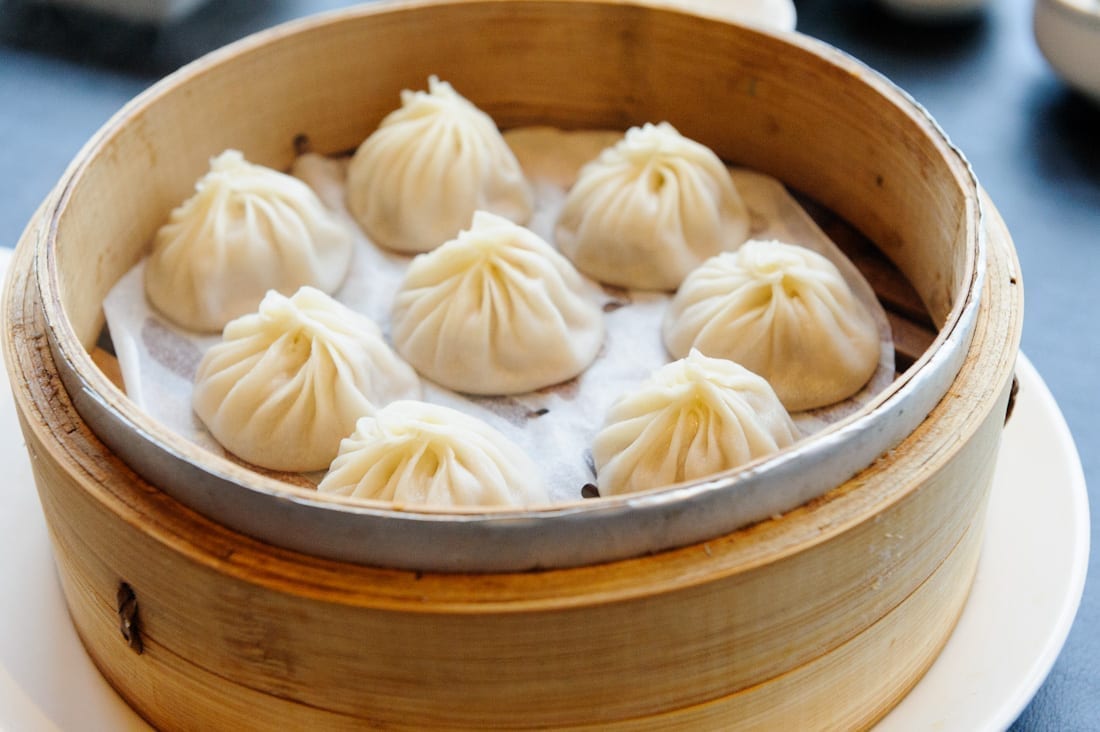
    One of China’s largest dumpling chains has been sold to a local hotel group.

    Da Niang Dumplings, previously owned by private equity company CVC Capital Partners, has been bought by Shanghai-based hotel group GreenTree Inns Hotel Management Group.

    Three years ago, when CVC took control, Da Niang Dumplings boasted more than 440 restaurants across China. It operates an integrated business model, manufacturing dumplings, then preparing and serving them at its restaurants, which target the budget end of the market. This is the first foray into food retailing for GreenTree, which manages and franchises more than 2500 hotels inside and outside China.

    CVC is believed to have exited the business in the second half of last year after a fractious relationship with founder Wu Guoqiang. Last February, Wu publicly accused CVC of poor management leading to revenue declines of 10 per cent in 2014 and again in 2015.

  • Wahlburgers to open 100 restaurants in Asia

    Wahlburgers to open 100 restaurants in Asia

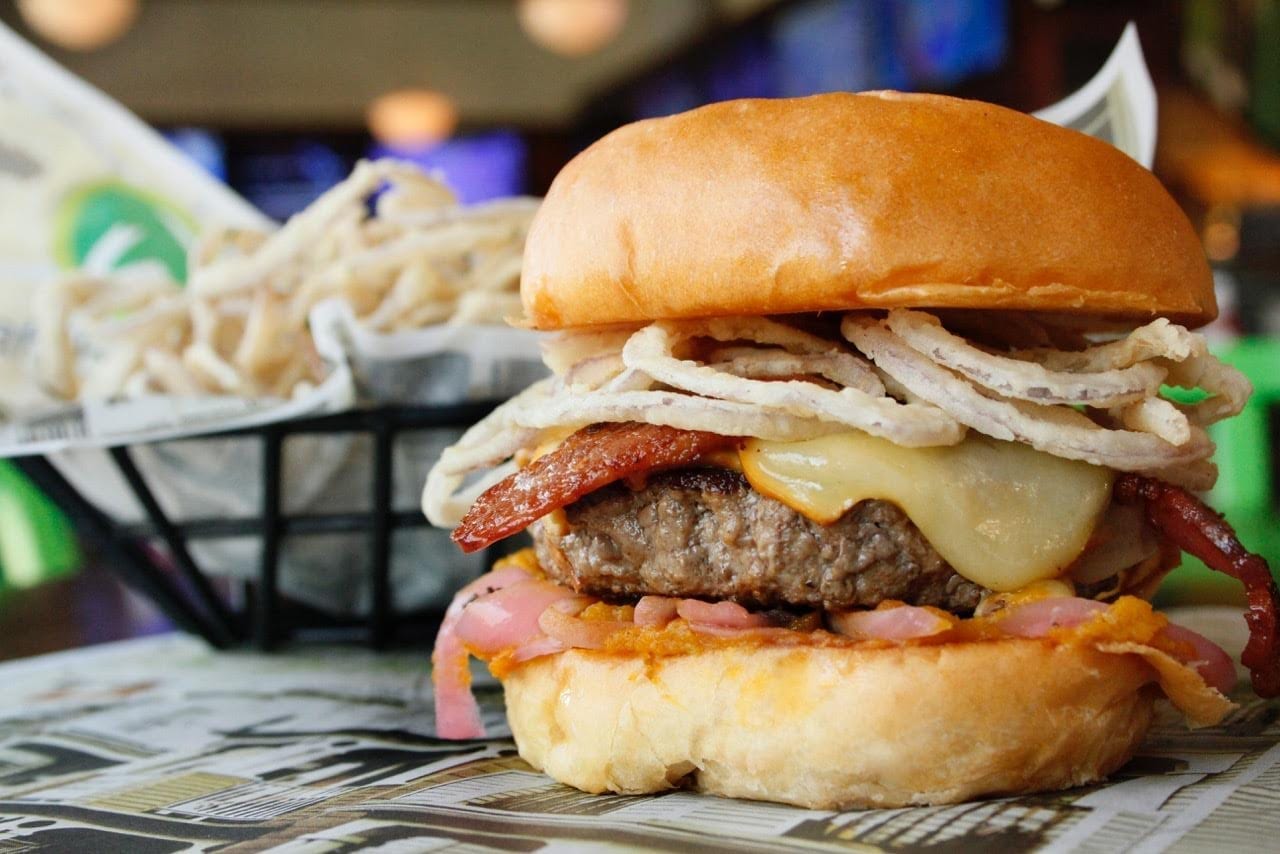
    Wahlburgers – the burger restaurant brand founded by chef Paul Wahlberg and celebrity brothers Mark and Donnie – is to launch in Asia.

    Through a joint venture with Hong Kong-headquartered Cachet Hospitality Group (CHG), Wahlburgers will open in Hong Kong, Mainland China and Thailand this year.

    CHG has signed agreements with World Packaging Center to open the first restaurant in Hangzhou and with Shanghai-based Naked Hub, which will open 20 Wahlburgers in their office complexes in Hong Kong and the mainland, the first two in Wuhan, and Shanghai. Thailand’s Big Ho Corporation will open 20 Wahlburgers inside Big C Supercenter stores throughout northern Thailand.

    Actor Mark, musician Donnie and chef Paul hosted a launch party in Hollywood overnight to commemorate the venture.

    “We’re excited about this wonderful opportunity to grow in Asia,” said Wahlburgers CEO Rick Vanzura.

    “Having a savvy, financially strong partner is essential and we have a great partner in the Cachet Hospitality Group, which will bring an unprecedented level of service and strength to the Wahlburgers brand. Cachet is dedicated to family, community and, of course, bringing diverse groups of people together through great food – the very same values that drive Wahlburgers.

    “Thanks to Cachet, we already have our first confirmed restaurant projects outside of North America, and we look forward to making history together,” said Vanzura.

    CHG CEO Alexander Mirza said the timing of Wahlburgers’ Asian debut was perfect. “There is dramatic growth in US-style destination malls with increasing space committed to restaurants as mall owners see both traffic and income rise dramatically.

    “This combines perfectly with the explosive popularity of international restaurant brands in China’s malls and airports, opening the door to tremendous opportunity for Wahlburgers and our Asia Pacific joint venture,” said Mirza.

    The joint venture plans to open 100 restaurants in China and the surrounding region over the next five years.

    “With two strategic partnerships in place, Wahlburgers Asia Pacific is in a strong position to achieve its goal of opening in a variety of locations, including shopping centers, theme parks, residential and office developments and hotel and resort properties,” the partners said in a statement.

    Wahlburgers made its debut in October 2011 in Hingham, Massachusetts. The subject of an A&E reality show, Wahlburgers offers a fun, casual music-filled atmosphere where guests, like family, share great food, a few laughs and lots of love. While its walls celebrate the story through photos and words of the Wahlberg brothers’ life journeys from Dorchester, Mass. neighborhood kids to rising chef and international superstars, it’s the food at Wahlburgers that takes center stage.

    Crafted by chef Paul and served with heartfelt hospitality, the chef-inspired menu features a variety of fresh burgers, housemade condiments, crispy haddock, seared chicken and vegetarian options. Other signature items include Mom’s Sloppy Joe, thin crispy onion rings, tater tots and thick creamy frappes and floats. Gluten free options are available.

    Wahlburgers’ full-service bar offers adult frappes, cocktails, wines and beers including the signature Wahlbrewski – a Harpoon Brewery custom, unfiltered Pale Ale.

  • New law to stop minors in Hong Kong buying alcohol from shops

    New law to stop minors in Hong Kong buying alcohol from shops

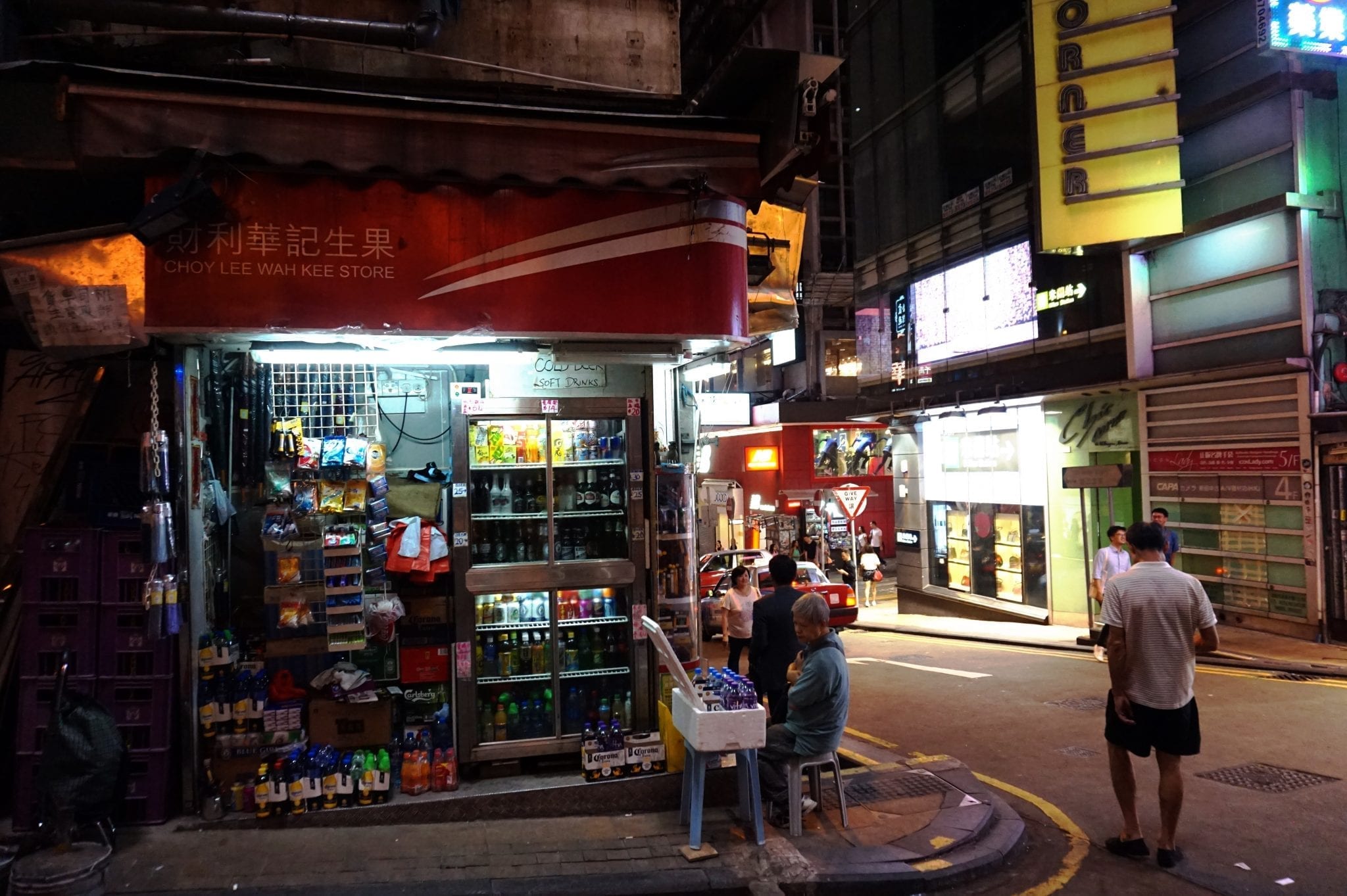
    Convenience stores and shops across Hong Kong will be banned from selling alcohol to minors under new legislation to be proposed by the government this year as it steps up efforts to tackle a rise in underage drinking.

    The law, if passed by the Legislative Council, will prohibit retailers from selling liquor to anyone under the age of 18 – the same as the current restriction on the sale of tobacco.

    Although the city’s bars and clubs are already banned from serving or selling alcoholic drinks to minors, retailers do not have to follow the rule. Leading retail chains such as 7-Eleven have agreed ­voluntarily to refuse to sell liquor to anyone below 18, but staff seldom bother to check the age of customers. This is a problem that has been confirmed by various studies and demonstrated in a test conducted.

    The new move by the Food and Health Bureau comes amid criticism that Hong Kong is slipping behind other developed cities in its handling of underage drinking, and that it remains easy for teenagers to enjoy a tipsy night.

    “The proposed statutory regulatory regime will cover all forms of commercial sale and supply of alcohol, including internet sale … and from the vending machine,” a spokeswoman for the bureau said, confirming the plan to table the legislation this year.

    Sellers will also have to display signs stating that no alcohol may be sold or supplied to anyone aged below 18.

    A government poll in 2014 found that 56.2 per cent of the city’s students had tried alcohol, with 21.9 per cent of those aged 10 or below saying they had done so.

    Last year the Centre for Health Protection found that 43.1 per cent of 1,630 people polled had taken their first sip of alcohol before the age of 18. It also showed a worrying rise in binge drinking among students.

    The Medical ­Association, the city’s largest doctors’ group, said 77 per cent of the 1,003 people it polled supported banning the sale of alcohol to those below 18.

    Allan Zeman, ­chairman of the Lan Kwai Fong Group, supported the move, saying anti-social behaviour among the young at nightspots might damage Hong Kong’s image abroad.

    “Some of the retail chains are very powerful here. I think we should look at what other cities in the world have done and get tough about this,” Zeman said.

    A 7-Eleven spokesman said the chain supported legislation banning the sale of alcohol to those aged below 18.

    The Hong Kong General Chamber of Wine & Spirits has previously said it supports an age limit on the sale of alcohol, but it should be set at 16.

  • US Beef Market Share Grows in South Korea

    US Beef Market Share Grows in South Korea

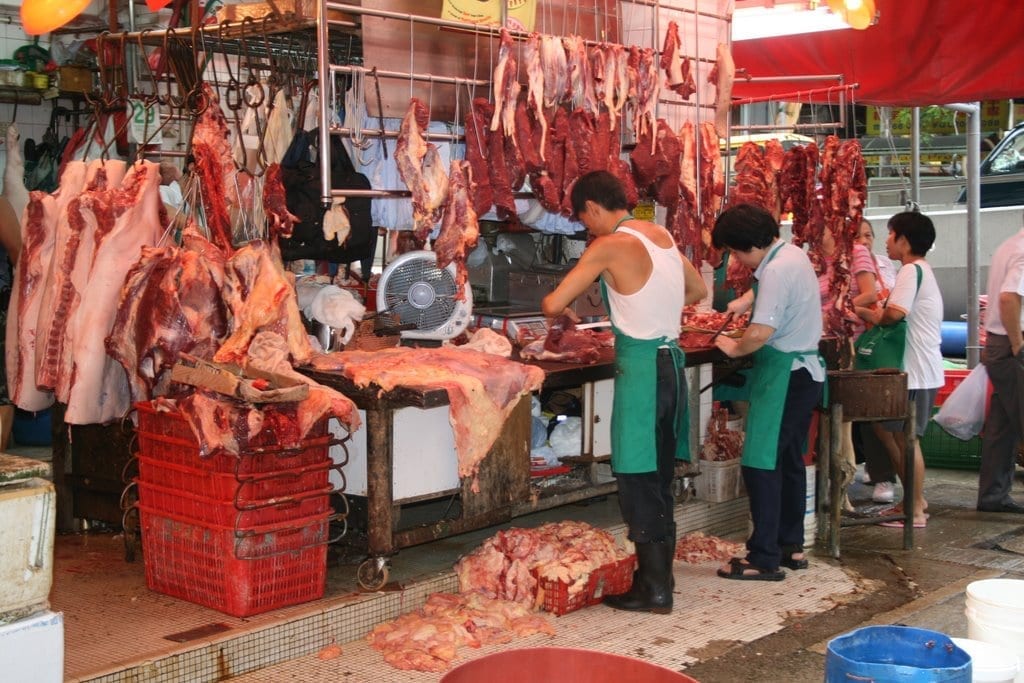
    Despite a regain in consumer interest for imported pork, ostensibly because of bird flu, South Korea’s pork imports slightly decreased over the past year, both overall and from the U.S.

    Contrastingly, beef imports volumes have surged, with the U.S. product the main beneficiary.

    Korea Customs Service figures provided by Meat Export Federation South Korea director Ji-Hae Yang show South Korea’s January-November overall pork imports very slightly dipped from 422,766 to 421,123 metric tons. During the same period, imports from the U.S. went down 4% from 129,224 to 124,093 tons. December 2016 import figures are not available yet.

    South Korea is highly self-sufficient in pork, and domestic production continues to rise, Yang says, explaining the stagnancy of imported product volumes.

    However, it appears consumers have gained interest in imported pork, even if that has not been reflected yet in import volume figures. Sales of imported pork rose 8.7% year-on-year from January to November 2016 at South Korea’s largest retail discount chain E-mart, The Korea Herald reported. The newspaper explained the rise as being a result of declining consumer interest in chicken because of bird flu.

    Things were bright on the beef side, though, with an overall import rise of 25% from 276,852 to 346,878 tons. U.S. beef fared even better, rising 47% from 98,712 to 145,376 tons. U.S. beef market share also rose 6.2% from 35.7% to 41.9%.

    Meanwhile, although beef imports from the U.S.’ main competitor, Australia, rose 10% from 158,080 to 173,104 mt, Aussie beef suffered an almost 8% market share loss, from 57.1% to 49.9%.

    U.S. beef has benefited both from record-high prices and a production decline of South Korea beef, as well as drought in Australia, which has reduced numbers of grazing and feedlot cattle there. “We had drought in the U.S. three to four years ago and we have recovered completely, so that is why we are at an advantage this year,” Yang said.

    Another reason for the import increase of U.S. beef is recovery of consumer confidence in the product’s safety, Yang said. MEF South Korea measures South Korea consumer confidence in U.S. beef with Gallup South Korea every six months. The latest survey, done in December, showed a 52% confidence point, she said.

    In comparison, the March 2012 survey showed confidence at only 15.4%, but still up from a very low 5.3% two years earlier, Yang said.

  • Australian egg farmers have sent the first shipment of eggs to South Korea

    Australian egg farmers have sent the first shipment of eggs to South Korea

    Australian egg farmers have sent the first shipment of eggs to South Korea, to help ease a major shortage caused by an Avian influenza outbreak.

    Approximately 30 million birds have been culled to stem the spread of the disease, causing a shortfall of around 15 million dozen eggs each week.

    Prices of eggs and other poultry products have soared as a result, with retail egg prices rising by around 21.5 per cent to $2.50 (2,207 KRW) for 10 eggs.

    But at the farm gate, farmers have raised the price of eggs they are selling by 50 per cent to $1.75 (1,551 KRW).

    The outbreak is the first in seven months, caused by a highly contagious new strain, H5N6.

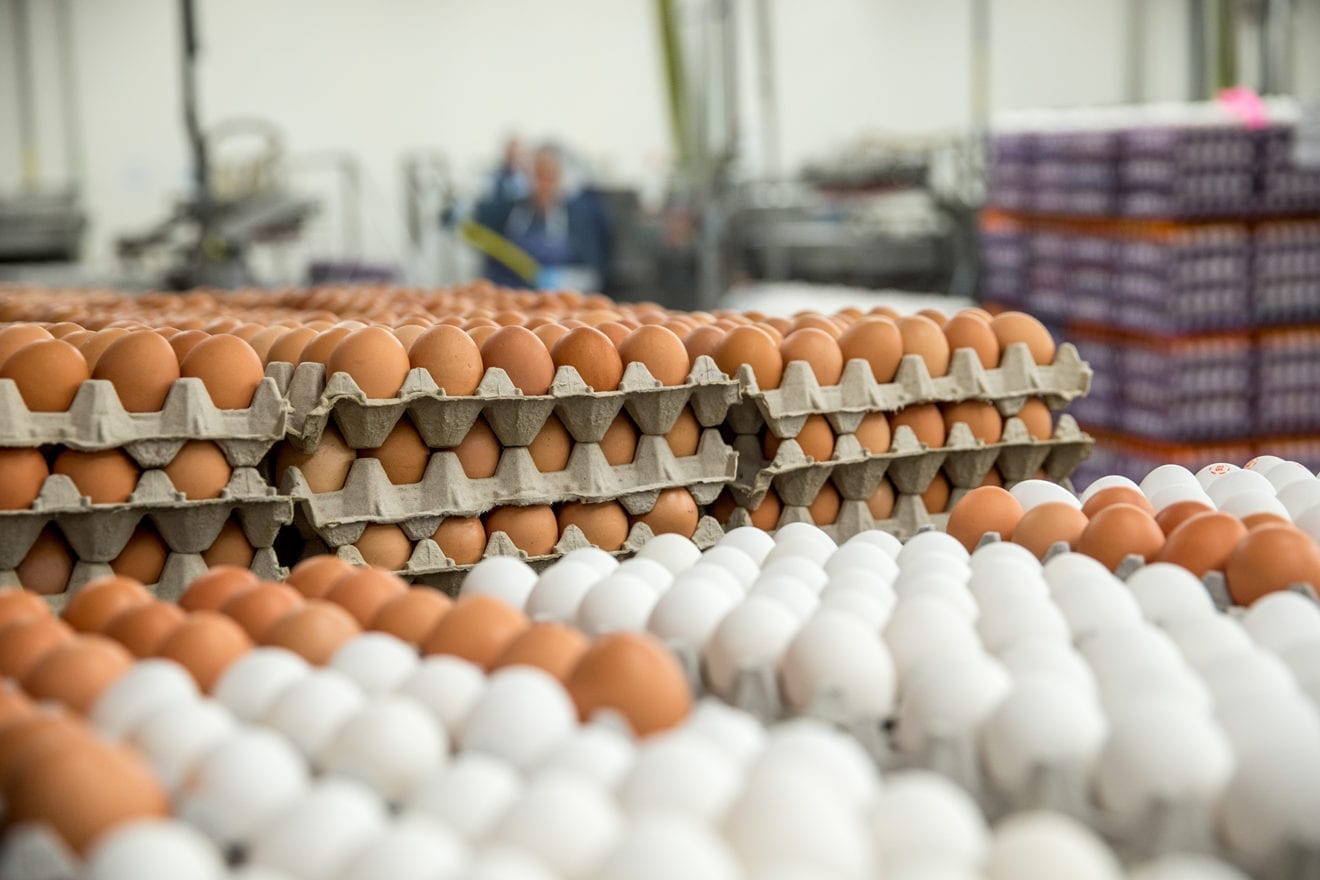
    Huge shipments of white eggs are already arriving from the USA, but Koreans have a preference for brown eggs, and that is where Australian farmers are stepping in.

    It is estimated around $20 million worth of eggs will be sent to South Korea, aided by a recently inked export agreement approved by South Korea, which permits the sale of Australian eggs.

    Industry body, the Australian Egg Corporation Limited managing director Rowan McMonnies said the urgency of the situation had help negotiations between the Australian Department of Agriculture and Water Resources and the South Korean government.

    “South Koreans are some of the biggest egg consumers in the world,” Mr McMonnies said.

    In comparison, Australians east around 227 eggs per person annually, the British consume 182 and South African eat 150 each per year.”

    All tariffs on imported eggs have been suspended until at least 30 June 2017.

    The first shipment of eggs left Australia by air last week, and further shipments will be sent by sea in the coming months.

    Mr McMonnies said the export of eggs to South Korea would not impact domestic supplies.

    “The Australian egg market is very large and Australian egg farmers are always seeking to balance supply and demand.

    “If anything this represents an opportunity for the expansion of the industry.”

  • City begins programme to trace vegetable origins

    City begins programme to trace vegetable origins

    Consumers in HCM City can now use a smartphone app to trace the origin of vegetables sold at Co.opmart, Lotte Mart, Big C and AEON supermarkets under a programme run by the city Department of Agriculture and Rural Development and the Digital Agriculture Association.

    Huỳnh Thị Kim Cúc, the department’s deputy director, said customers could use Zalo on Android or QR code scanning apps to scan the labels on the packages.

    The information they contain includes where and when the vegetables are grown, packaged and distributed and the types of pesticides and fertilisers used, she said.

    The initiative followed growing concerns about food safety, she said.

    The department and the association has surveyed and collected data on vegetable farming models since May last year.

    Now only two co-operatives – Phước An Co-operative in Bình Chánh District and Phú Lộc Co-operative in Củ Chi District – are part of the programme, and they are supplying 18 items, including cabbage, cucurbit, cucumber, bitter melon, broccoli, sweet potato buds, water spinach, and amaranth.

    The programme would be piloted at select supermarkets and VietGap-certificated vegetable co-operatives until March before being expanded to all VietGap-certified co-operatives and more retailers, Cúc said.

    She said her department and other relevant agencies would closely monitor vegetable quality, carrying out surprise tests and quick tests.

    Nguyễn Phước Trung, the department’s director, said a million tonnes of vegetables are consumed in the city every year, with 24 per cent supplied by farms in the city around and the rest by those in other provinces.

    The department said the city was paying more and more attention to the safety of vegetables, resulting in plant protection drug residues decreasing year after year.

    In fact, last year authorities did not detect any plant protection drug residues exceeding permissible levels in key growing areas, down from 1 per cent in 2015, it said.

    Last month, the city launched a programme to enable consumers to trace pork origins at nearly 350 modern outlets by downloading the QR Code decoding application from www.te-food.com to their devices.

  • Vietnamese invest heavily in Australian cattle industry

    Vietnamese invest heavily in Australian cattle industry

    Meat and Livestock Australia (MLA) has unveiled that the first large-scale purchase of an Australian cattle ranch – for beef production – by a Vietnamese company has been made, in the Northern Territory, south of Katherine.

    The purchase of the US$13.6 million cattle ranch by An Vien Pastoral Holding and Agriculture Company is the first far-reaching Vietnamese agricultural investment in the land down under on record, says MLA.

    Per MLA, Pham Nhat Vu, chair of the An Vien Media Group holding company, was listed the official successful bidder of record for the purchase of the 200,000-hectare cattle ranch.

    The deal includes the purchase of 10,000 head of Brahman cattle.

    Commenting, an MLA spokesperson said: When you see high-net-wealth individuals and global corporations making beef investments in Australia, it shows confidence in the Australian beef industry and gives confidence that they believe the consumption of red meat globally is strong.

    Though An Vien did not initially respond to requests for comments on the deal by GlobalMeatNews, says MLA, it is widely speculated the impetus for the investment is that it is much easier for Vietnamese to invest in big ranches in Australia than procure the large amounts of land needed in the Southeast Asian country.

    It is a very complicated undertaking in Vietnam to get even a 100-hectare size plot of land, which is the bare minimum necessary to operate a large-scale ranching operation, says a local Vietnamese rancher.

    For comparison purposes, there are many cattle operations in Australia that cover thousands of hectares each, he says, adding that the move makes good strategic business sense.

    Even though Australian taxes are much higher compared to those in Vietnam, weather and market conditions are more favourable and even a comparatively small US$4 million investment could provide a solid rate of return.

    While Vietnam is better known for receiving foreign direct investment rather than providing it, in recent years, forward thinking Vietnamese companies have been looking to invest in numerous countries— from Laos to Russia, and Australia.

    A spokesperson for the Australian Trade and Investment Commission (Austrade) disclosed that in 2015, Vietnamese outward foreign direct investment into Australia was US$348 million, while Australian investment into Vietnam was an estimated US$1 billion.

    Vietnamese also are acquiring a growing taste for beef, and the An Vien Pastoral Holding and Agriculture Company might be targeting exports back to their home market.

    An Austrade spokesperson said there had been an exponential growth in the number of cattle exported by Australia to Vietnam over recent years, with a peak in 2015 of 360,000 head.

    He forecasts that 200,000-live head of cattle would be imported into Vietnam from Australia in calendar year 2017, in part fuelled by the lack of import tariffs from Australia to Vietnam.

    In addition, the Austrade spokesperson noted that the Vietnam government considers live cattle as a useful input that can have added value within Vietnam through slaughtering and processing.

    Beef consumption per capita per year in Vietnam, according to official sources, currently stands at 2.5 kilograms in a nation of an estimated 95 million people, which is expected to grow in coming years.

  • Has Starbucks met its match?

    Has Starbucks met its match?

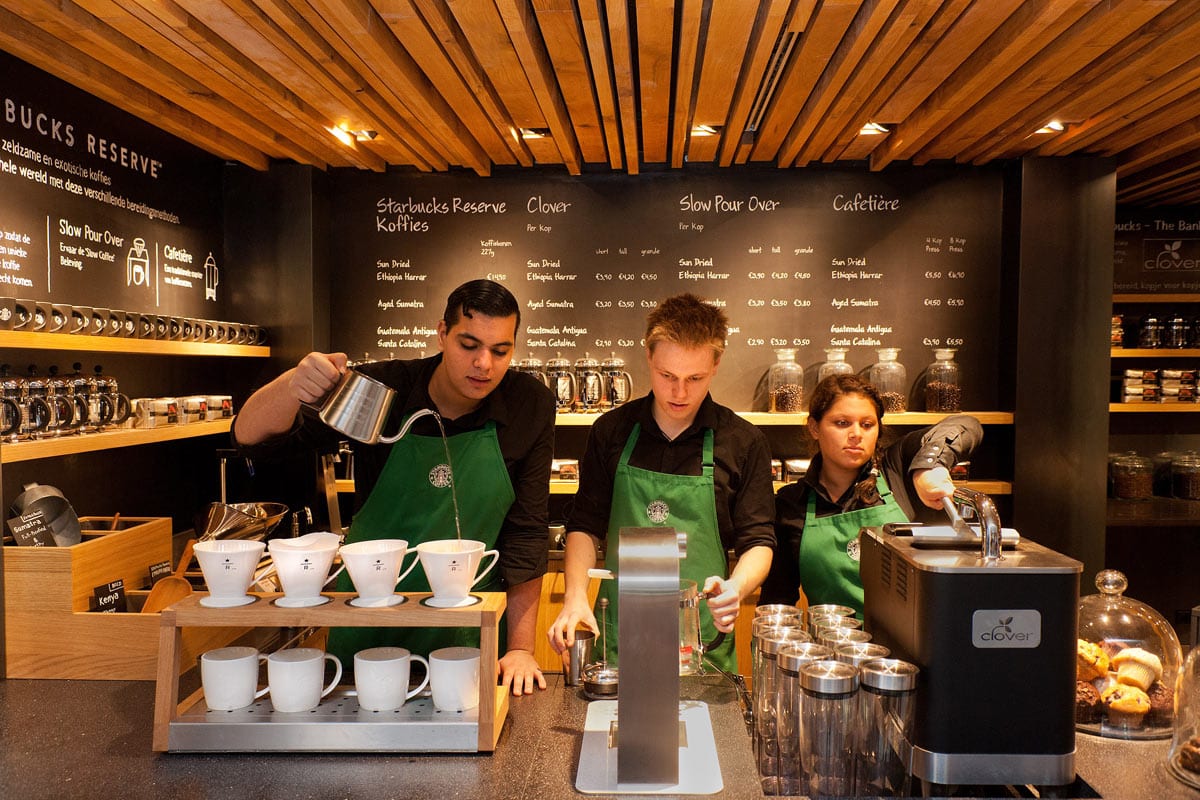
    Vietnam – known for its deep-rooted coffee culture – has become one of the most diverse markets in Asia for the uplifting beverage, with scores of global giants, local chains and small cafés severing a wide variety of freshly roasted beans.

    Domestic chains are competing well against international brands including coffee giant Starbucks, which has opened 24 outlets across Vietnam since its debut in the country four years ago.

    Not long after Starbucks entered Ho Chi Minh City, the country’s southern business hub where people drink coffee from sunrise to sundown, local chain Phuc Long stepped up its game and presented a direct challenge to the global giant.

    At a main intersection at the heart of the city, a Starbucks shop is under fierce competition from two Phuc Long stores just a few steps away.

    Phuc Long has shown a determined attempt to take on international brands like Starbucks by building up its presence in busy downtown areas across Ho Chi Minh City that are densely crowded with office buildings and shopping malls.

    Where there’s a Starbucks outlet, there’s a Phuc Long store to draw in those who otherwise would be Starbucks clients, mostly upper- middle class consumers willing to pay a few extra bucks for a cup of premium-branded coffee.

    “We are not overwhelmed by international brands as we have targeted young consumers who enjoy international products at reasonable prices,” said a Phuc Long executive.

    Phuc Long is definitely not the only local coffee chain going head-to-head with foreign players.

    A survey conducted by Financial Times Confidential Research of 1,000 consumers in each of the five biggest economies in Southeast Asia found that Vietnam was the only country where Starbucks was not as frequently visited by local coffee lovers as local brands Trung Nguyen and Highlands Coffee.

    There remains far more growth potential, with more homegrown chains entering the market.

    Saigon Café opened its first shop in July last year. Since then the domestic chain has reportedly invested about $50 billion ($2.2 million), excluding rental costs, in 10 outlets across the city.

    “Despite increasingly fierce rivalry from international brands, we started generating a net profit not long after our first store opened,” said a Saigon Café executive. “Currently, each outlet is reporting monthly revenues of VND1.5 billion on average. Our estimate is that net profit can range between 20 and 25 percent.”

    Despite the fact international coffee chains such as Starbucks and The Coffee Bean & Tea Leaf have been well received in the Southeast Asian country, there has been a surge in the establishment of homegrown brands.

    On one hand, local coffee chains are confident that locals will stick to the strong taste of Vietnamese coffee. On the other, they have been responsive to the demands of a growing upper-middle class urban population who are more interested in sampling the ambiance of the store than the taste of coffee.

    According to Euromonitor International, a U.K.-based market research organization, annual growth of coffee franchises in Vietnam is currently standing at 7 percent.

  • McDonald’s Japan stake for sale

    McDonald’s Japan stake for sale

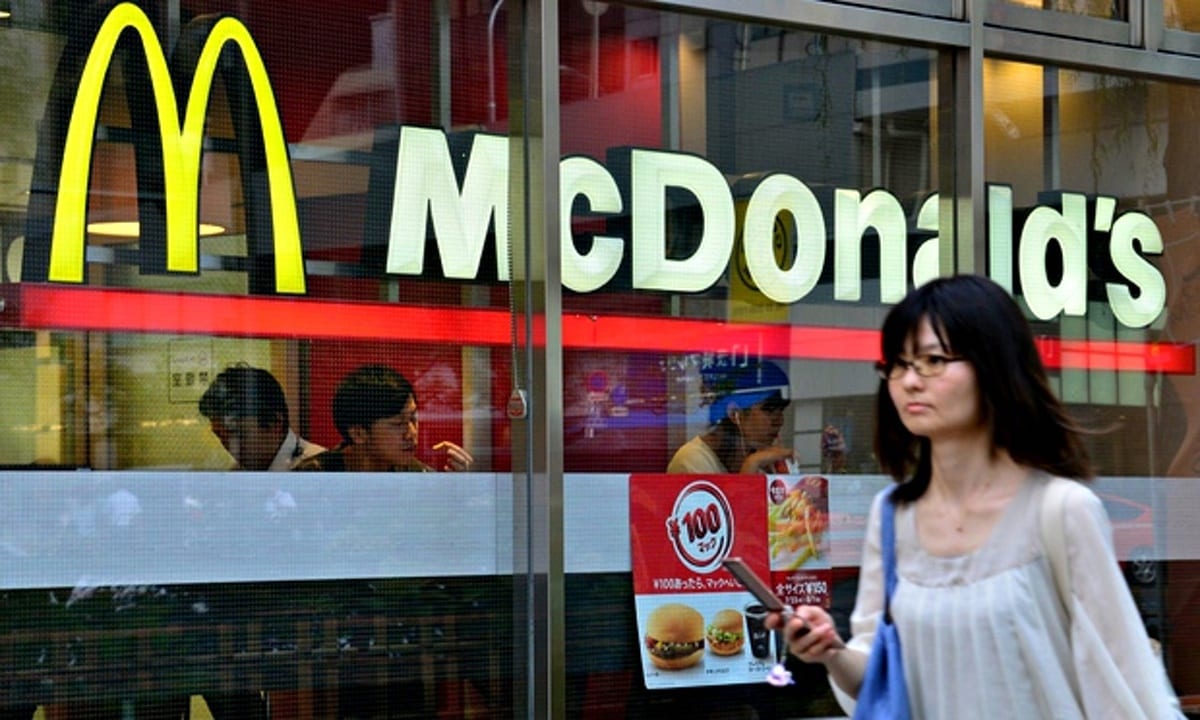
    McDonald’s has reportedly invited bids for a “significant stake”  in its McDonald’s Japan unit.

    The Wall Street Journal has quoted “people familiar with the matter” saying the company is looking for buyers for up to 33 per cent of the shares, from its nearly 50 per cent stake in the listed Japanese company.

    The report said initial bids were due to be lodged this week and that a number of private-equity firms are considering the opportunity.

    Last week McDonald’s released terms of its sale of 80 per cent of its China and Hong Kong business, giving 20-year rights to the brand to state-backed Citic Ltd and private equity company Carlyle Group.

    The beleaguered Japanese business last February reported its first increase in customer numbers in nearly three years after a tumultuous period in which sales plummeted and the store network was heavily rationalised.

    Internal company figures showed footfall at stores open for more than one year rose by more than 10 per cent Japan-wide. Better yet, same-store sales rose by as much as 30 per cent, according to a report by Reuters.

    McDonald’s Holdings Co (Japan) has projected a net profit of about 1 billion yen (US$8.47 million) for the year to December 2016 – which would mark its first time out of the red in three years since a food safety scandal relating to expired chicken hit the brand in 2014. In January 2015 sales plunged 38.6 per cent, customer ranks depleted by 28.5 per cent.

    In April 2015 the company unveiled a plan to cull its restaurant network and revamp remaining stores after a US$319 million loss.

    It also revised its menu, adding salads which has clearly drawn customers back to restaurants.

  • McDonald’s McMasala Breakfast Menu Options Meet ‘Meh’ Response in India

    McDonald’s McMasala Breakfast Menu Options Meet ‘Meh’ Response in India

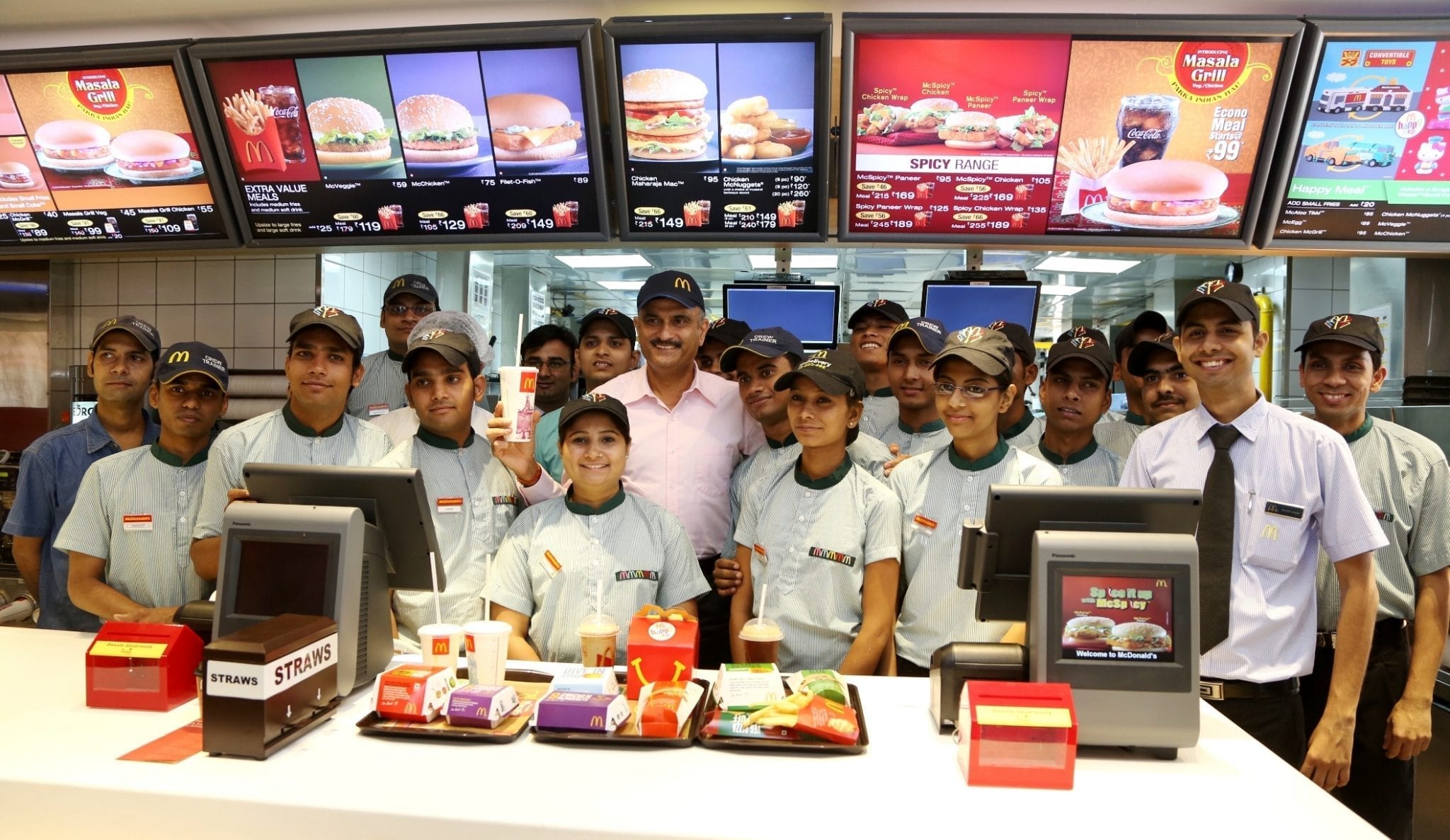
    McDonald’s India has added two new breakfast burgers, the “Masala Dosa Brioche” and “Masala Scrambled Eggs” burgers, to its product line-up to woo local customers amid rising competition from Domino’s and Burger King.

    The two new products will be served alongside more familiar fare such as vegetarian and non-vegetarian burgers, waffles, hotcakes and hash browns.
    The Masala Dosa Brioche burger features a grilled vegetable patty topped with molaga podi chili sauce, a flavor popular in the southern state of Tamil Nadu. The other burger features spiced scrambled eggs on a bun.

    The expanded menu has been rolled out across 44 restaurants, starting with Mumbai on January 13. Items on the McBreakfast menu cost between 30 rupees ($0.50) for a hash brown and 213 rupees ($3) for a meal.

    These items will also be served through McDelivery and takeaway kiosks. The menu will gradually be introduced across India.

    “Breakfast convenience on the go will increase as more people enter the segment. As a western quick service restaurant, we are going to grow the Indian breakfast market dramatically,” Amit Jatia, vice-chairman of Westlife Development, which runs over 240 McDonald’s restaurants throughout western and southern India, told the media.

    McDonald’s first launched its breakfast menu in India back in 2010. Six years later, the fast-food chain is anticipating a good response from its fans. However, initial reactions to the “Masala Dosa Burger” were lukewarm on Twitter, as well as outside its restaurants in Delhi’s Connaught Place where the product has yet to be launched.

    ​A regular McDonald customer told Sputnik, “If I have to east Masala Dosa, why would I come to McDonald’s. I will go to one of those south Indian cuisine restaurants.” Yet another said, “it is worth trying but it is not exactly a masala dosa, which is served with coconut chutney and sambar (a curry).”

  • PappaRich Malaysia considering IPO

    PappaRich Malaysia considering IPO

    Food chain PappaRich Malaysia is considering a Singapore IPO, possibly this year.

    Insiders say the company, which opened its first restaurant in Malaysia in 2006, aims to achieve a valuation of at least S$200 million (US$140 million) in the share sale.

    PappaRich would follow other Southeast Asia-based restaurant chains including ABR Holdings, which runs Swensen’s ice cream parlours, and kopi tiam restaurant chain Oldtown in gaining a listing to fund expansion.

    paparich-logo


    A PappaRich representative says a listing has always been a consideration as the company considers fundraising options to support its expansion plans.

    Oldtown, which makes instant coffee and runs cafes, has risen 18 per cent in Kuala Lumpur trading over the past 12 months, and shares of Thai dessert chain After You, which raised US$21 million in a Bangkok IPO last month, have surged 167 per cent from their offer price.

    More than a million customers dine at the PappaRich outlets monthly, according to its website. The company has about 100 outlets globally including Australia, China, New Zealand, Singapore and the US.

  • Sharetea bubble tea arrives in Vietnam

    Sharetea bubble tea arrives in Vietnam

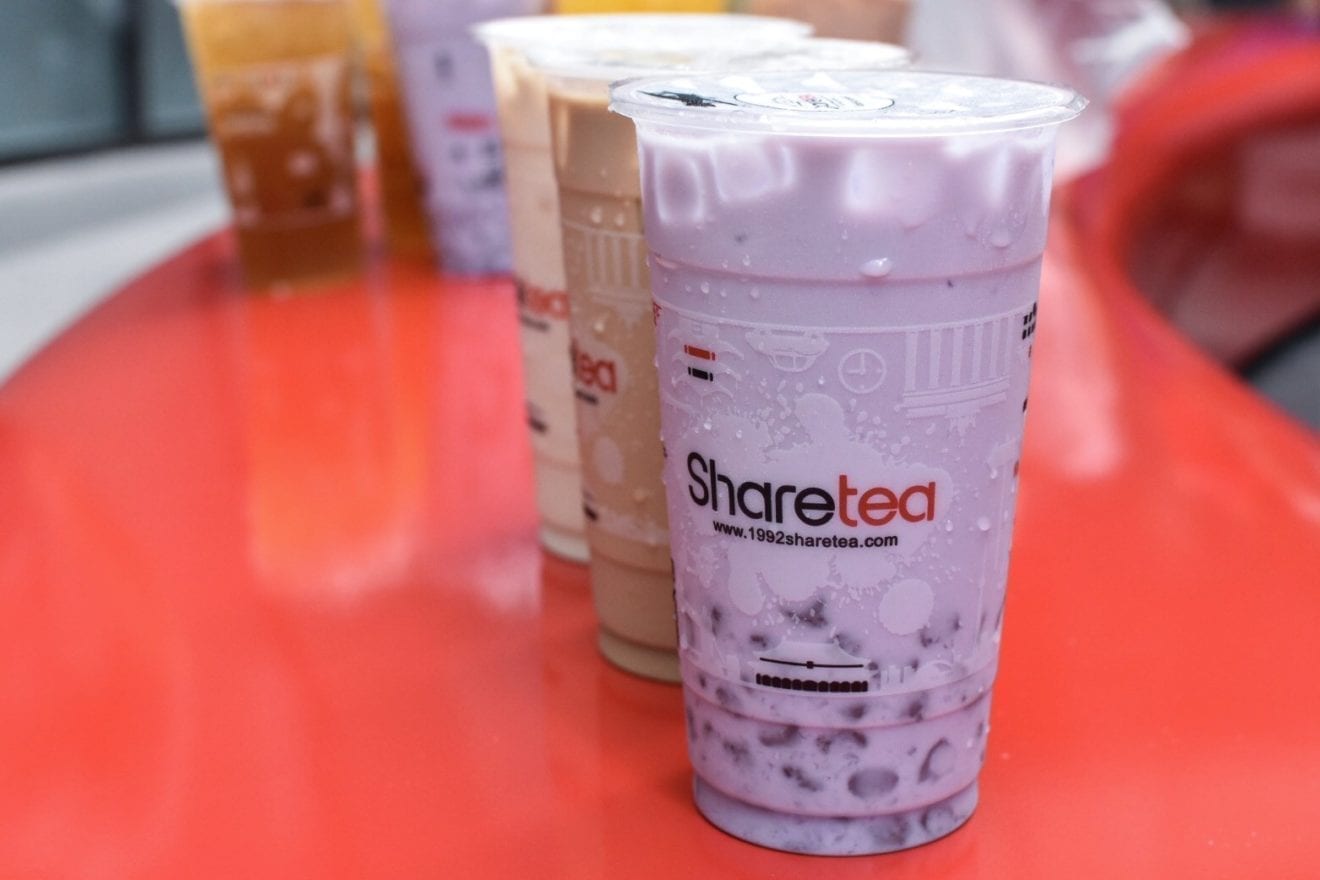
    Taiwanese bubble-tea brand Sharetea has launched into Vietnam with a store on the walking street of Nguyen Hue in central Ho Chi Minh City.

    Sharetea has more than 450 stores in more than 18 countries. Its drinks are made from tea leaves and ingredients shipped directly from Taiwan.

    It says its customers’ favourite drinks include coffee milk tea, kiwifruit tea, whole-lemon green tea and pearl black milk tea.

    Vietnam’s bubble-tea market has yet to reach its potential, say business owners in the sector. Sharetea is competing with other overseas brands like Chatime, Gong Cha and Koi.

  • Movie company VShine Brothers opens oyster bar

    Movie company VShine Brothers opens oyster bar

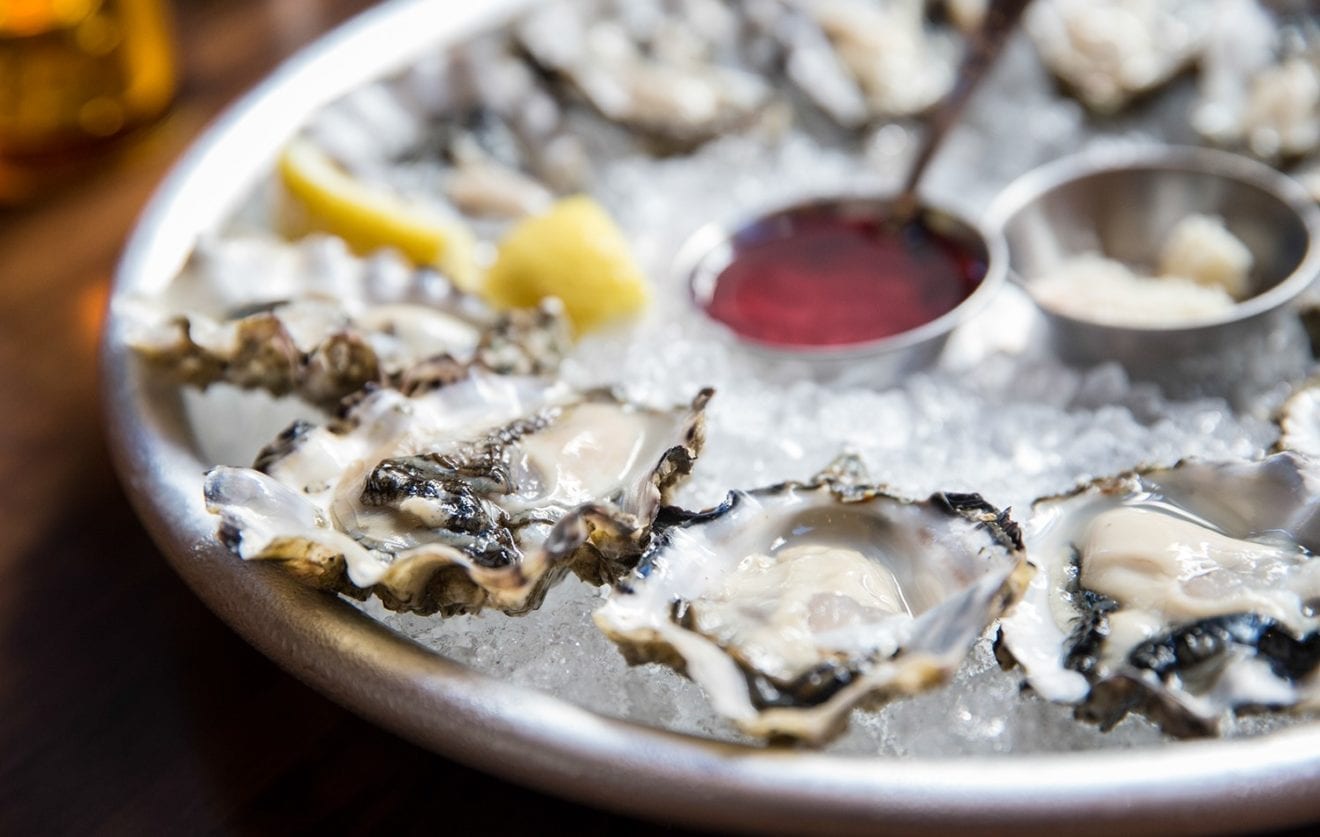
    Movie investment and production company VShine Brothers has opened an oyster bar in Beijing.

    Its VShine Oyster Bar features interior design by A+A Workshop Design, Beijing, inspired by a marine concept.

    A+A Workshop Design says the aim was to create “historical charm” from the 1930s-1940s era. “We use some marine elements such as a cruiseship door, a scuttle, reef stone … the materials used include brass, brick wall, walnut timber wall panels and ceramic tiles.”

    The floor combines marble mosaic and wood, while the ceiling is made of vintage tin-tiles.

    There is a sculptural installation at the entrance – a fake reef stone made of concrete studded with oyster shells.

    At the end of a corridor is a hidden door, which leads to a cigar room with industrial pendant lighting and a vintage Chesterfield sofa as decoration.

    Another touch is glass display cabinets with items including a full suit of armour.

    VShine Brothers was established as Wei Shi Brothers in 2011 and is now a group of companies working in the movie, television and internet sectors. It even has a clothing brand with movie star endorsements.

  • Jennifer Lopez’s footwear steps out with Giuseppe Zanotti

    Jennifer Lopez’s footwear steps out with Giuseppe Zanotti

    Jennifer Lopez’s footwear collection debut with Italian designer Giuseppe Zanotti, christened #GiuseppexJennifer, will hit the brand’s website and US stores on January 23.

    Comprising six designs, the collection channels the singer/actress’s flashy personal style, reports CPP-luxury.com. The star piece looks set to be a pair of lace-up, bejewelled stiletto boots in metallic silver, echoed by a pair of gladiator sandals.

    jennifer-lopezs-footwear-giuseppe-zanotti

    Photos released by the star in July, when the collaboration was announced, showed Lopez trying on a pair of knee-high snakeskin-heeled sandals.

    The project marks Zanotti’s first major celebrity collaboration, and it is also Lopez’s first high-end fashion series following a long-standing partnership with budget retailer Kohl’s, which featured her first collection in 2011.

    Meanwhile, the star is busy this year with a music collaboration with rapper Drake, a Spanish-language album, her Las Vegas residency show All I Have running through October and the second season of her TV show Shades of Blue premiering on NBC in March.