Category: Food

Retail News Asia is committed to providing both local and global retailers with the latest Food and Food & Beverage news throughout the Asian market. This on a daily base.

  • Vietnam targets vegetable, fruit export value at $3b

    Vietnam targets vegetable, fruit export value at $3b

    Việt Nam expects to achieve US$3 billion as its total export value of vegetables and fruits this year, exceeding the vegetable and fruit industry’s target of $2.4 billion.

    “After many years of export value under $1 billion, in recent years, the export value has made a breakthrough, which is why it was able to exceed the target this year, although there were many difficulties,” Huỳnh Quang Đấu, deputy chairman of the Việt Nam Vegetable and Fruit Association told.

    This year and beyond, the vegetable and fruit industry will face long-term difficulties, including climate change, which would result in a reduction of vegetable and fruit output and quality, and land accumulation for the industry, Đấu said.

    Meanwhile, most enterprises of the industry are small- and medium-sized units with less capital, said Đấu, adding that technical barriers in vegetable and fruit importing countries have also increased further.

    However, in recent years, Việt Nam’s vegetable and fruits have entered markets with strict ruless, such as the United States, Japan, South Korea and Taiwan, as well as Australia, New Zealand and Chile, following 4-5 years of successful negotiation by the Ministry of Agriculture and Rural Development. Further, farms and enterprises have produced vegetable and fruit products meeting the quality and food safety standards in those countries, he said.

    “That would be the basis for promoting exports this year and beyond,” Đấu said.

    Nguyễn Đỗ Anh Tuấn, head of the ministry’s Institute of Policy and Strategy for Agriculture and Rural Development, said this year, enterprises and farmers would pour in investment into fruit, cashew and shrimp because those products have great potential in production and business.

    In particular, they would invest in high-technological and clean agriculture to create leading brands for the global market, he said. The enterprises would focus on processing farming, forestry and fishery products to create new value and improve the level of Việt Nam’s products in the international market.

    Fruit has great potential as people’s income increases, so does the demand for high-quality fruit, he said.

    Last year, the nation’s total export value of vegetables and fruits was $2.4 billion, $200 million higher than the yearly target.

    Solutions

    Meanwhile, Mai Văn Trị, director of the Southern Fruit Research Institute (SOFRI), said export value of the vegetable and fruit industry has not met the industry’s potential because there are many kinds of fruits with low prices that do not have high export volume despite the high output.

    For instance, Việt Nam mainly exported dried jackfruit or material of fresh jackfruit. Trị said local enterprises could process soft dried jackfruit to reduce the import of this product, Some other kinds of vegetables and fruits such as pomelo and purple sweet potato have output which just meets local demand, but not high enough to export.

    Enterprises have not diversified their fruit processing and not seen sustainable development in material region for export processing, he said.

    Đinh Cao Khuê, general director of Đồng Giao Export Food Joint Stock Company, said, so far, there are a small number of vegetable and fruit material regions nationwide that meet the demand of the processing industry.

    In the north, there are pineapple regions in Đồng Giao, Ninh Bình and Lao Cai provinces, which produce a total of 70,000 tonnes per year, of which 50 per cent is used for local consumption and 50 per cent is for export processing.

    Lục Ngạn District in Bắc Giang Province and Thanh Hà District in Hải Dương Province have high longan output, but the period for harvesting and processing this product is just one-and-a-half months. Meanwhile, other special fruit products, including orange in Hà Giang Province, Hàm Yên-Tuyên Quang Province, Cao Phong-Hòa Bình Province and Lục Ngạn-Bắc Giang Province, have output that is enough to meet domestic consumption requirements.

    In fact, Việt Nam has many areas that can be used develop material regions of vegetable and fruit for export processing, bringing higher economic efficiency to provinces, Khuê said.

    Central highlands provinces such as Đắk Nông and Gia Lai could develop material regions of passion fruit, Japanese sweet potato, sweet corn, spinach and pepper because there is high demand for these products in the global market. Meanwhile, the northern provinces of Lào Cai, Sơn La and Lai Châu are suitable to grow pineapple instead of rubber trees, which have a low level of development in these provinces.

    The state needs to plan and develop material regions connecting with the development of processing factories and expanding the regions to neighbouring provinces, Khuê said. Đồng Giao Export Food JSC has enough material of pineapple for export processing because along with material regions in Ninh Bình Province, the company must combine with regions in the neighbouring provinces of Thanh Hóa, Thái Bình, Hải Dương and Bắc Giang, as well as Hà Giang and Tuyên Quang.

    Additionally, Khuê said Việt Nam should promote advertising at international fairs for farming products to study and expand export markets, including fairs in Germany, France, Russia and Japan.

    Phạm Công Dũng from the Department of Agricultural Forestry and Fishery Processing and Salt Industry said the Ministry of Agriculture and Rural Development has promoted restructuring of agriculture and planned material regions with advantages.

    For export activities, the ministry has cooperated with relevant state offices to enhance trade promotion activities for Vietnamese fruit products to increase market share, he said.

    Each trade office of Việt Nam in foreign countries would conduct marketing activities for local fruits for the Vietnamese community living abroad and the locals.

    The ministry would control further import of fruits through technical barriers under international rules to protect local fruits in a legal manner and stop illegal fruit imports, he said.
  • More Filipinos shifting to brandy, 3-in-1 coffee mixes

    More Filipinos shifting to brandy, 3-in-1 coffee mixes

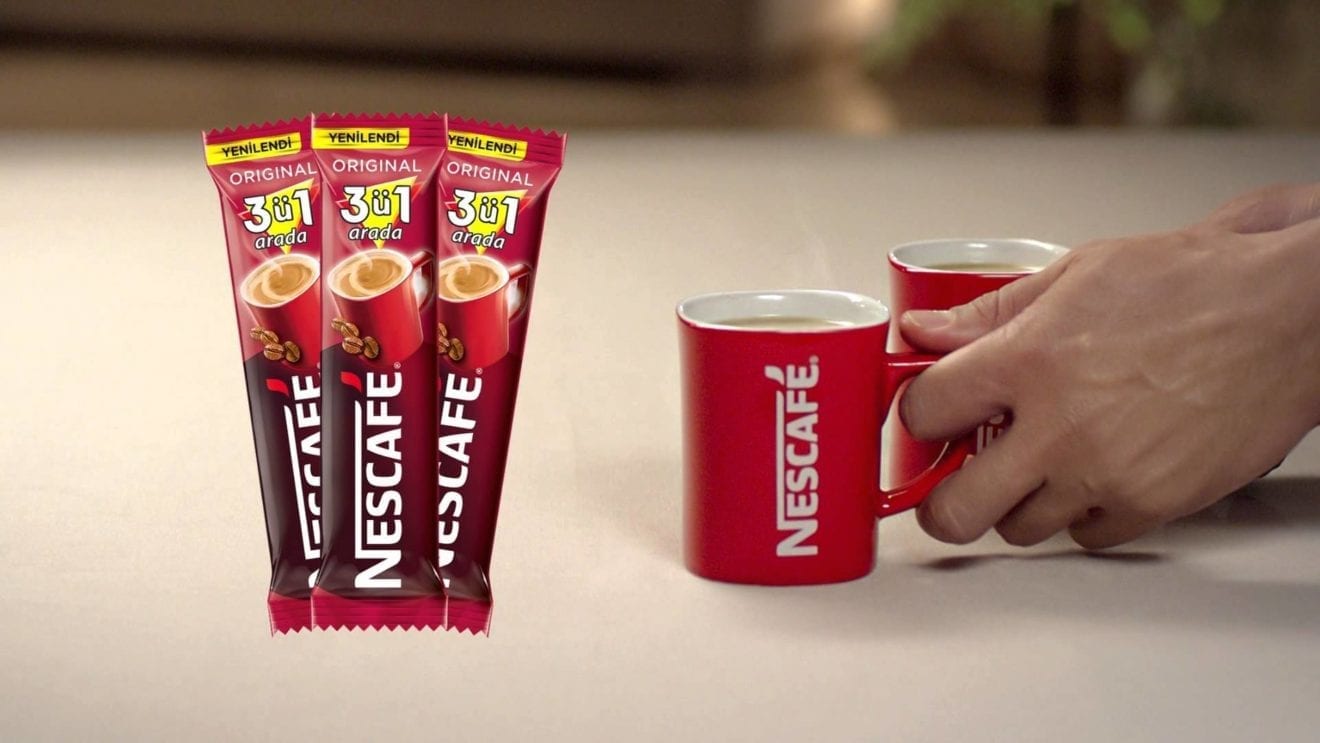
    Great Taste, a local coffee brand, moves up six notches to become the fifth most chosen brand of Filipino consumers in 2014. According to Kantar Worldpanel Philippines’ Brand Footprint ranking, Great Taste leaps to 5th from 11th place due to a 40% increase in Consumer Reach Points (CRPs). However, Nescafe still clinches the top spot with Lucky Me trailing close behind.

    Kantar Worldpanel’s Brand Footprint research provides information on real consumer behaviour. Consumer Reach Points (CRPs), which form the basis of the ranking, is an innovative metric that measure how many households around the world are buying a brand (penetration) and how often (frequency), providing a true representation of the shopper’s choice.

    According to Alexandre Duterrage, General Manager at Kantar Worldpanel Philippines, Great Taste attracted 2.9 million additional shoppers in 2014. It also experienced an increase in frequency of purchase by 4 times more on the average. “Based on the data that we have, the success of Great Taste is propelled by the shift from traditional “pure black coffee” to 3-in-1 coffee mixes, particularly Great Taste White and the introduction of multi-serve packaging formats,” he said.

    Meanwhile, Nescafe recorded 890 billion CRP in 2014, 44 billion more than Lucky Me (846 CRP). Completing the top 5 are Surf (648 billion CRP), Milo (518 billion CRP) and Great Taste (515 billion CRP).

    The 10 Most Chosen Brands in the Philippines revealed by Kantar Worldpanel’s Brand Footprint study are:

    Ten Most Chosen Brands in Philippines

    Rising brands

    Kantar Worldpanel Philippines also listed the top 10 rising brands in the country, which recruited an average of 74 million more homes compared to 2013. Among these emerging stars, only 3 local names found their way to the top 10: Great Taste, Datu Puti and Silver Swan.

    Rising Brands in Philippines

    As most brands struggled to grow in 2014, Datu Puti and Silver Swan managed to maintain their ranking in terms of consumer touchpoints (both with a -1% CRP %change). Kantar Worldpanel notes that stable ranking can be attributed to commercials about the product’s system usage (i.e. using vinegar and soy sauce of the same brand when cooking), and the introduction of new flavours especially for the vinegar category where both brands have product offerings.

    Other PH Brand Footprint highlights:

    1. Importance of personal and home hygiene

    – Calla (a detergent brand manufactured by Peerless) lands into the top 20 Home Care items, surpassing 13 brands. It enticed more households with its budget-friendly offer and gentle-to-hands proposition.
    – Silka and Charmee’s positions in Health & Beauty inched up with a CRP increase of 7% and 5%, respectively. Filipino endorsers, product quality and affordable prices are amongst their success factors.

    2. Products with social function grew well – seen in Health & Beauty and Beverages

    – Dove enhanced consumer touchpoints by 9%, moving up one notch in the health & beauty sector ranking. Thanks to its crusading campaign for real beauty which resonates with consumers emotionally and encourages purchase not only in Philippines but across the world.
    – Krem Top is now amongst the top 20 Beverages in Philippines, jumping by 8 points as it reached more shoppers with the help of its “Change for the Better” campaign which aims to challenge individuals to always strive to become better.

    3. Speed and convenience

    – Ready-to-eat snacks and drinks such as Presto, Clover, Dutch Mill, Pepsi and Royal Tru Orange performed well (CRP growth rates in order: 3%, 4%, 9%, 10% and 18%) as consumers are increasingly turning to FMCG to satisfy hunger between meals.

  • Australian Wine to China

    Australian Wine to China

    Australian wine exporters expect to receive a profit boost from this week, with a further reduction of tariffs to China now in effect.

    China is now Australia’s biggest export market for wine — worth almost half a billion dollars.

    Gemtree vineyards in McLaren Vale, near Adelaide, is confident its 2016 shiraz is a good match for the Chinese market.

    The winery has a Chinese joint venture, and was one of the first to crack the market seven years ago.

    Growth has since stabilised, but from this week exporting to China may be more profitable, with tariffs down to 5.6 per cent.

    The free trade agreement has led to a staged tariff reduction from 14 per cent, hitting zero in 2019.

    “China’s now our biggest market, so this is a great chance to increase our profits,” Tony Battaglene from the Winemakers’ Federation said.

    The Chinese export market grew 50 per cent last year and wine exporter Kandy Xu said her business had also doubled.

    “[In the] beginning we exported about two containers per year, but now from last year we export 15 containers,” she said.

    She said Chinese consumers had developed a wine drinking culture and Australia was now China’s biggest supplier.

    “We’ve got around 24 per cent, 25 per cent of their market ahead of France. We’re now beating the old world at their game so that’s a really good outcome for us,” Mr Battaglene said.

    According to winemakers, about 1.8 million tonnes of grapes were crushed for wine last year in Australia.

  • Bacardi kicks off major CNY promotion in Asia Pacific

    Bacardi kicks off major CNY promotion in Asia Pacific

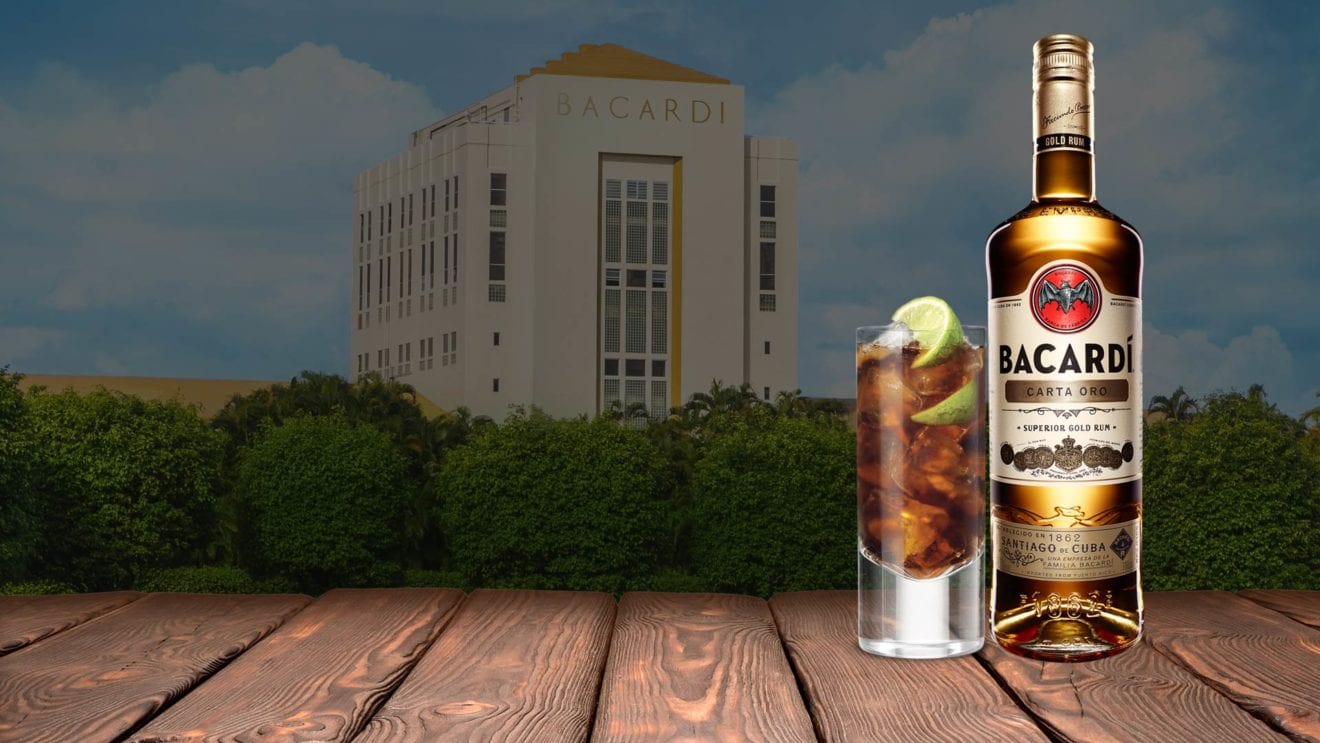
    Bacardi Global Travel Retail is running a major Chinese New Year (CNY) campaign at 11 airport and border crossing locations in six countries across the Asia Pacific region, in a three-month campaign running to March.

    Highly prominent CNY branded activations are now running at airport locations such as: Shanghai and Beijing airports with Sunrise; at Sydney with Heinemann; at Brisbane and Perth airports with JR/Duty Free; at Kuala Lumpur with Eraman and Heinemann; at Seoul with Lotte and Shilla; with Flemingo in Colombo Sri Lanka; Lo Wu and Lok Ma Chau with Anway and Zhuhai land border crossing with Cheer Signal.

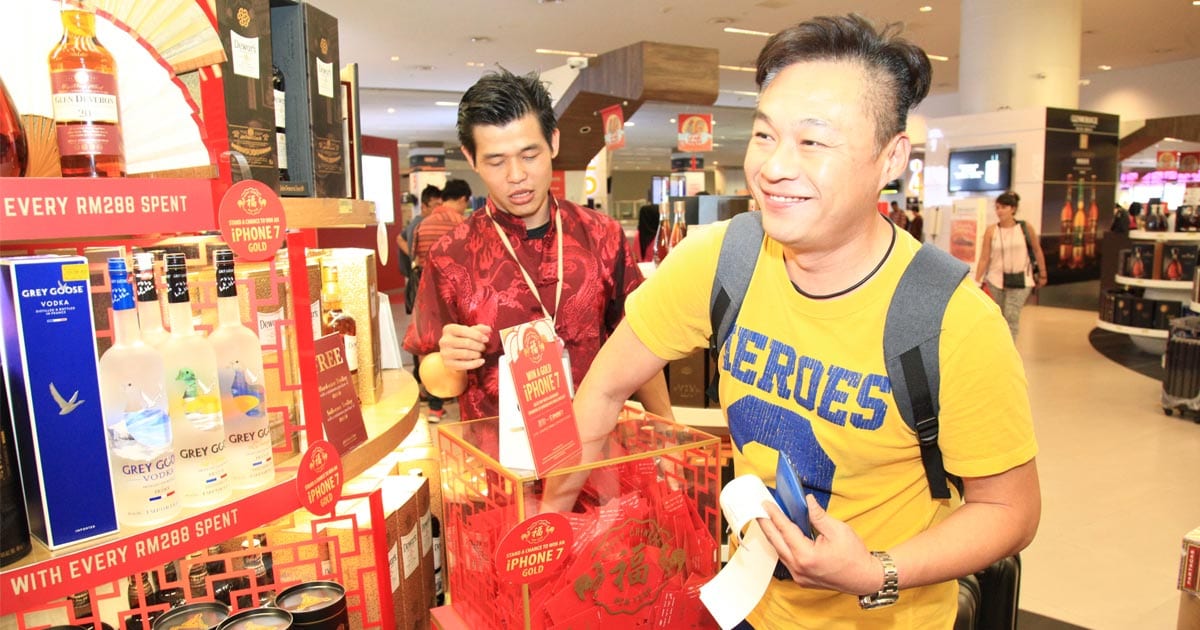
    Part of the campaign involves the offering shoppers the chance to win a range of prizes. Shoppers spending a certain amount (location specific) on Dewar’s whiskies and single malts are invited to try their luck in an Instant Win Lucky Dip by selecting a lucky red envelope to reveal their prize.

    Prizes range from travel-size bottles of spirits in the Bacardi portfolio, travel accessories and top prizes of an Apple Watch or Apple iPhone 7 Gold 32GB (location specific).

    The campaign focuses on the Dewar’s blends portfolio and its single malts Craigellachie, Aberfeldy, Royal Brackla, Glen Deveron and Aultmore as well as Baron Otard cognac.

    BENEDICTINE DOM AT CHANGI AIRPORT

    In addition Benedictine Dom is a key focus with DFS at Singapore Changi with an exclusive, limited edition ‘Good Luck’ gift tin. Sampling is also being made available.

    Vinay Golikeri, Regional Director Asia Pacific, Middle East and Africa, Bacardi Global Travel Retail comments: “We want to make the Chinese New Year period our biggest yet with this shopper engagement campaign across key airports and border crossings in the region.

    “We are focusing on encouraging Chinese travellers to try our brands, especially with our premium whisky portfolio. The extended New Year period is a prime opportunity to engage and connect our brands.”

    Bacardi-GTR-CNY-2017-social-image

    A customer digs for buried envelopes at Kuala Lumpur Airport.

  • First Starbucks roastery coming to Shanghai in 2017.

    First Starbucks roastery coming to Shanghai in 2017.

    Located along Nanjing Road (West), one of the world’s busiest shopping destinations, the Roastery will be part of the soon to be built HKRI Taikoo Hui Project, Shanghai’s newest premium world-class retail, office, and hotel area.

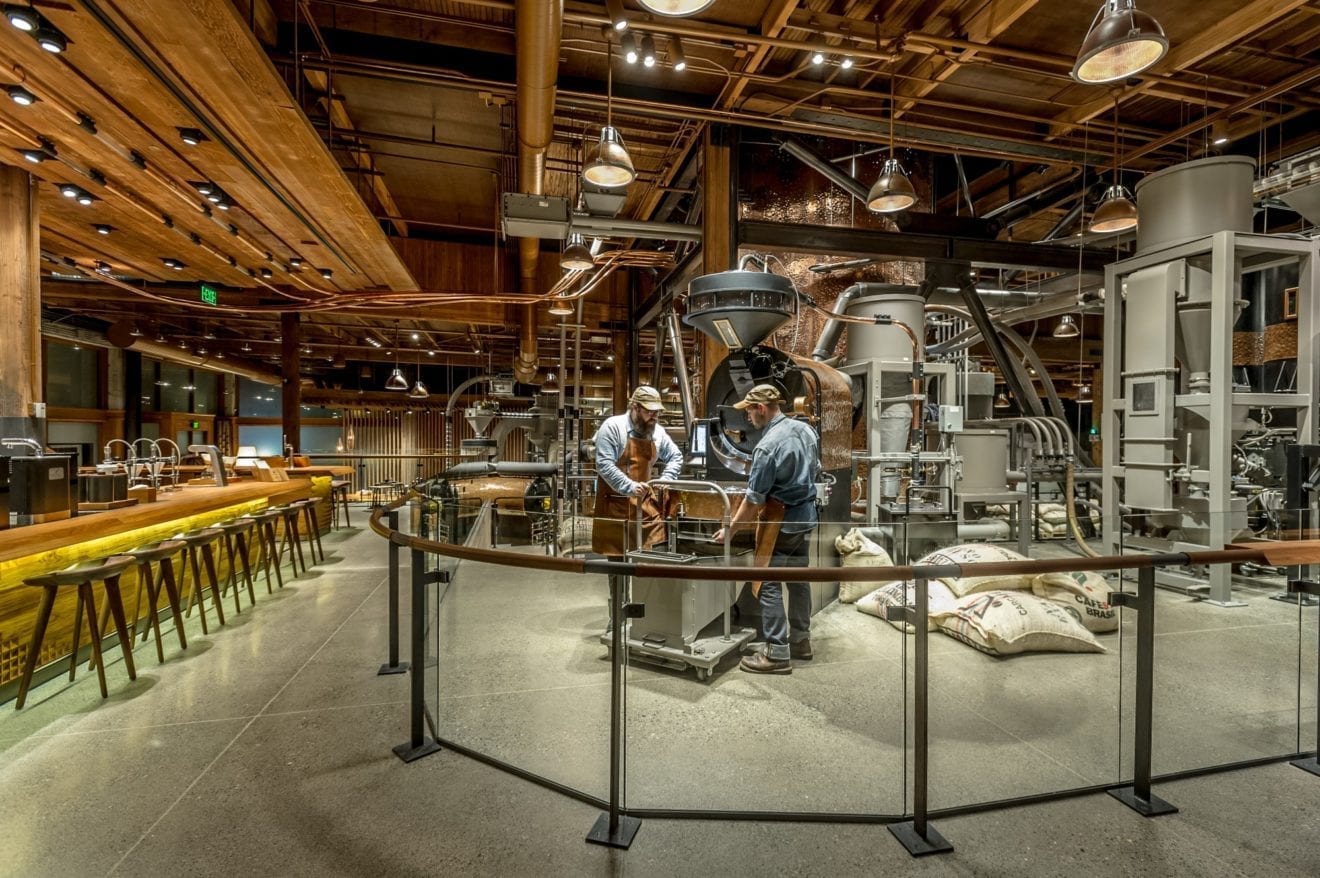
    Scheduled to open in late 2017, the new Starbucks Roastery and Tasting Room in Shanghai will be inspired by the first location that debuted in December 2014 in the company’s hometown of Seattle, Washington. The 2,700 square-meter (30,000 square-foot) Shanghai space will reflect a similar, immersive all sensory experience.  This interactive, retail environment will allow customers in China to better understand the craft of roasting and brewing a range of Starbucks coffees including the rare, limited availability of Starbucks Reserve coffees from around the world.

    “China represents the most important and exciting opportunity ahead of us. As our first international Roastery, we will take even bolder steps to make this Shanghai location our most stunning store, while making it completely unique and relevant to the Chinese customer,” said Howard Schultz, chairman and chief executive officer of Starbucks. “The Starbucks Roastery environment honors coffee innovation as a modern day Willy Wonka experience, where customers are only feet away from the theatre and artistry of our coffee craft. I am confident this will be one of the most highly-anticipated store openings in our international markets.”

    China is, today, Starbucks largest international market with more than 2,100 stores across over 102 cities, including 55 Starbucks Reserve® stores. The new Roastery represents Starbucks 45-year relentless pursuit for coffee excellence and promises to bring to China an unparalleled experience that starts with the passionate Starbucks partners. Exclusively at the Roastery, customers will be able to watch freshly-roasted beans arrive, connect with Starbucks coffee specialists and master roasters, enjoy a unique beverage and food menu, as well as savor some of the most unique, small-lot coffees brewed multiple ways. Starbucks believes this revolutionary retail concept will make the new Roastery one of the city’s latest and most iconic must-visit lifestyle destinations and landmarks, for Shanghainese and visitors from China and around the world.

    The Shanghai Jing’an Government has given Starbucks their full support to bring this first-of-its-kind coffee retail experience that combines coffee roasting, manufacturing, education and retail within a single facility in China. Following a meeting with Starbucks global leaders, Shanghai Jing’an Party Secretary, Mr. An Lusheng, and Shanghai Jing’an Mayor Mr. Lu Xiaodong reiterated: “The new Jing’an is focused on developing high-end commercial sectors, establish new developmental goals for a modern cosmopolitan city, and encourage new retail innovations within our district. The government fully supports this pioneering retail experience and initiative from Starbucks.”

    The Starbucks Roastery will be part of the HKRI Taikoo Hui complex, developed jointly between HKR International Limited and Swire Properties Limited, who are fully committed to launch this pioneering project with sustainability and quality at its core. The revolutionary retail experience of the new Starbucks Roastery will be located within a standalone semi-circle building of the complex that faces the bustling Nanjing Road (West), known as China’s Number One Commercial Street, due to its deep history and rich cultural heritage, which is set to become the most anticipated business and lifestyle destination in Shanghai.

  • Pizza delivers Longfort Group’s Thailand debut

    Pizza delivers Longfort Group’s Thailand debut

    Malaysian headquartered investment company The Longfort Group has made its first acquisition in Thailand, Scoozi Italian Restaurant.

    It completed the deal through its wholly owned Vietnam-based subsidiary, L Concepts, set up in 2015 to operate food and retail concepts across Southeast Asia, starting with several Vietnam businesses.

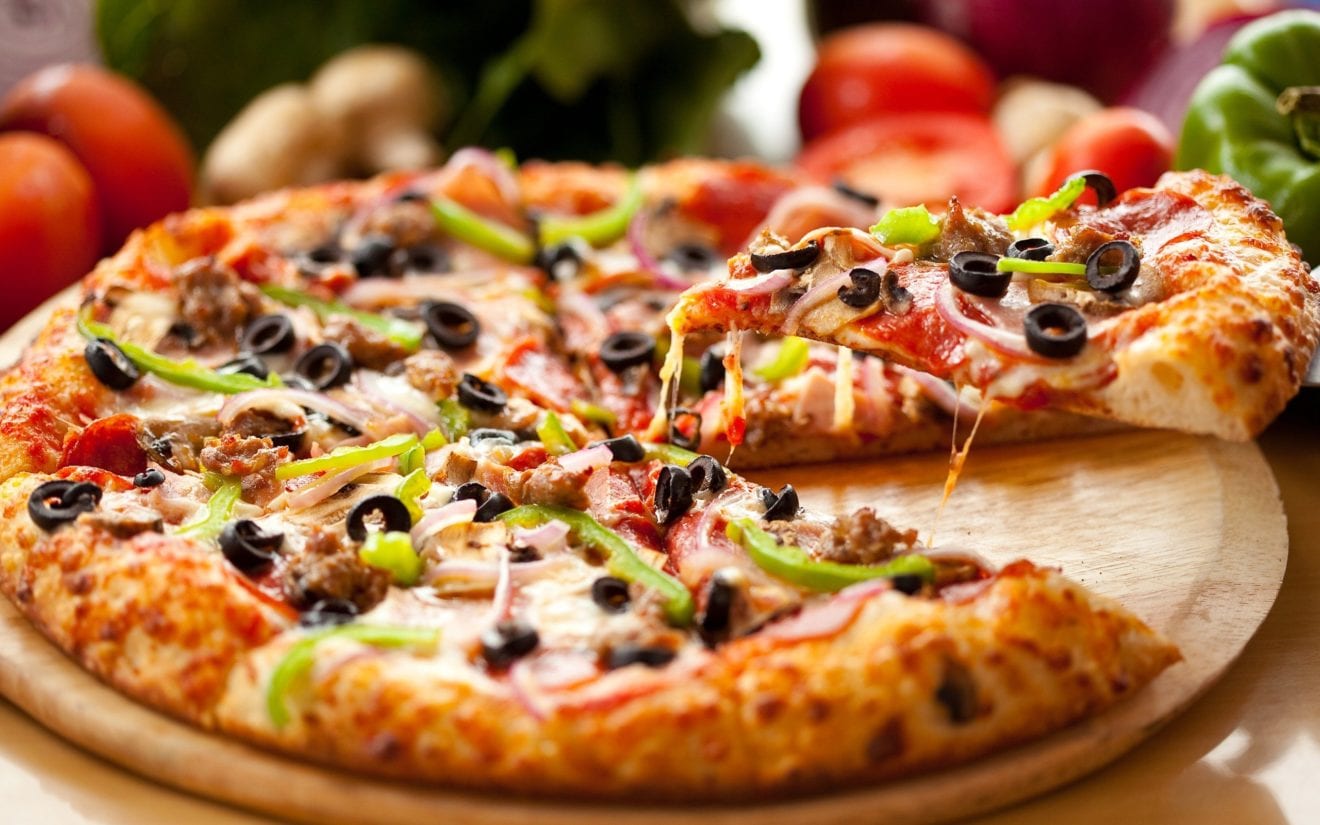
    Scoozi is a craft pizza restaurant with 24 branches across the greater Bangkok area. Its first location opened in downtown Bangkok in 2004. It specialises in Neapolitan-style pizzas made in wood-fired ovens. Scoozi offers both dine-in and delivery formats.

    “We are excited about our foray into the Thai consumer market, especially through such an established platform as Scoozi,” says The Longfort Group CEO TW Pang. “The potential of the brand is enormous.”

    The Longfort Group is a private investment firm backed by an Asian family with a mandate to run a global investment program. It has owned and run businesses across the value chain of the F&B industry in Asia, including the manufacturing of food packaging, canned beverages, confectionery and dairy products.

    It has lately embarked upon a strategic expansion into F&B retail across high-growth markets in Southeast Asia, starting with Vietnam, where it has had a presence for 25 years. As well as Vietnam, the group has an office in Malaysia.

    L Concepts owns and runs a range of lifestyle concepts, restaurant brands and franchises including L’Usine, Namo and Sizzlin’ Steak.

  • O2O Start-up HEMA Fresh Opening 2 Stores in January

    O2O Start-up HEMA Fresh Opening 2 Stores in January

    On January 13, HEMA Fresh, a start-up O2O fresh produce retailer, launched its seventh store in Shanghai, one week after its sixth store was opened for business in the city. Emerged in early 2016 and quickly captured a lot of attention in China’s retail trade, HEMA is apparently speeding up its expansion.

    It has indicated the intention to open another 5-10 new stores in Shanghai in 2017 and to penetrate all first-tier cities such as Beijing, Guangzhou, and Shenzhen etc. It would then gradually roll out to second- and third-tier cities. HEMA’s innovative business model is being closely watched by people in the industry.

    HEMA’s newest store occupies a total floor space of 4,500 square meters. Besides reflecting HEMA’s special character and visual identity, the whole store’s layout was designed for the purpose of delivering unique shopping experience to patrons who would be ordering their goods online.

    On the weekends, shoppers can bring their families to browse around the spacious isles and check out the wide varieties of high quality fresh fruits, vegetables, meat, and seafood.

    At designated sections, they can also enjoy cooked food prepared with the fresh produce sold in the store. During the week, however, shoppers can purchase HEMA’s fresh produce via their mobile APP whenever they have 10 minutes to spare.

    The purchased items would be picked from the store front and consolidated and packed at the depot at the back. Deliveries to homes within a 5-kilometer circumference would be completed within 29 minutes.

    Online purchase has now accounted for 50% of HEMA’s total sales.

    Another key feature of HEMA Fresh is that its shoppers are all subscribers of Alipay which is the only mode of payment accepted for any purchase at HEMA’s stores or via mobile APP. It is the first O2O retailer of its kind.

    It is said that 80-90% of all HEMA’s patrons are among those aged between 25-40, with higher education levels, higher income, and who enjoy high quality of life. Repeat purchase rate among this group of upmarket shoppers is around 50%, indicating that HEMA enjoys good customer loyalty.

    HEMA’s innovation is not confined to its sales approach. Most of the 3,000 types of products it carries are food products. According to HEMA’s management, sales of imported fruits account for more than 60% of HEMA’s total fresh fruit sales. Many of the fresh fruits are shipped to China directly from the growing regions in consumer packing, significantly enhancing the protection of product quality.

    As for vegetables, HEMA offers different choices including organic vegetables, vegetables that are also supplied fo Hong Kong (generally with higher quality), and those produced in Shanghai’s rural areas. HEMA is planning to introduce imported vegetables in future, to give its patrons even wider varieties to choose from.


  • Restructuring bites into McDonald’s global sales

    Restructuring bites into McDonald’s global sales

    Restructuring has taken its toll on McDonald’s global sales as the company refranchises store networks in Asia.

    The US fast food giant reported what one analyst described as a “sombre result” overnight, its fourth quarter sales falling by 1.3 per cent in the US market. However, two-thirds of its sales are achieved outside the US, where the company’s turnaround plan is further advanced.

    Global same-store sales rose 2.7 per cent, but overall sales fell by 5 per cent as the company worked towards spinning off its rights in Korea, China, Malaysia and Singapore.

    In the UK and Germany, McDonald’s is benefitting from technology upgrades such as self-service kiosks, which are also being installed in Hong Kong. Sales in what McDonald’s describes as its “international lead markets” rose 2.8 percent in the fourth quarter.

    Neil Saunders, CEO of Conlumino, said McDonald’s ends its fiscal year on a somber note with figures that put pay to the early optimism which surrounded its turnaround program.

    “McDonald’s is now lapping some tougher comparatives, especially in the US where, this time last year, it was reaping the rewards of menu reconfiguration and the introduction of the All Day Breakfast. These changes were supposed to drive a steady and sustainable uplift in spending rather than a one-off spike in sales, but it is increasingly clear that this strategy is not delivering through.”

    Saunders says widening the audience in a sustainable way is the key issue for McDonald’s as it enters the new fiscal year.

    “This has to be more than about menu change – including the recent introduction of multiple sizes of Big Macs which, in our opinion, does nothing to create step change or to increase real choice. Indeed, it is clear that the menu changes made so far have not completely reinvigorated the brand with younger and more discerning consumer segments, many of whom still shun the chain in favor of what they see as more premium offerings from other players.”

    Saunders believes the majority of the growth is at the quality end of the market, a segment where McDonald’s – which is seen as fast, convenient and low priced – still does not squarely play in the US – although it has made strides in some Asian markets, especially Thailand, with its customisable burgers.

    “In our view, McDonald’s needs to think more fundamentally and more holistically about how to play in this space. This includes looking at the state of its US restaurants – some of which leave a lot to be desired. It also means being more radical, perhaps opening a new type or brand of restaurant with a more premium proposition. What’s clear is that more fundamental change is needed to transform the US business.”

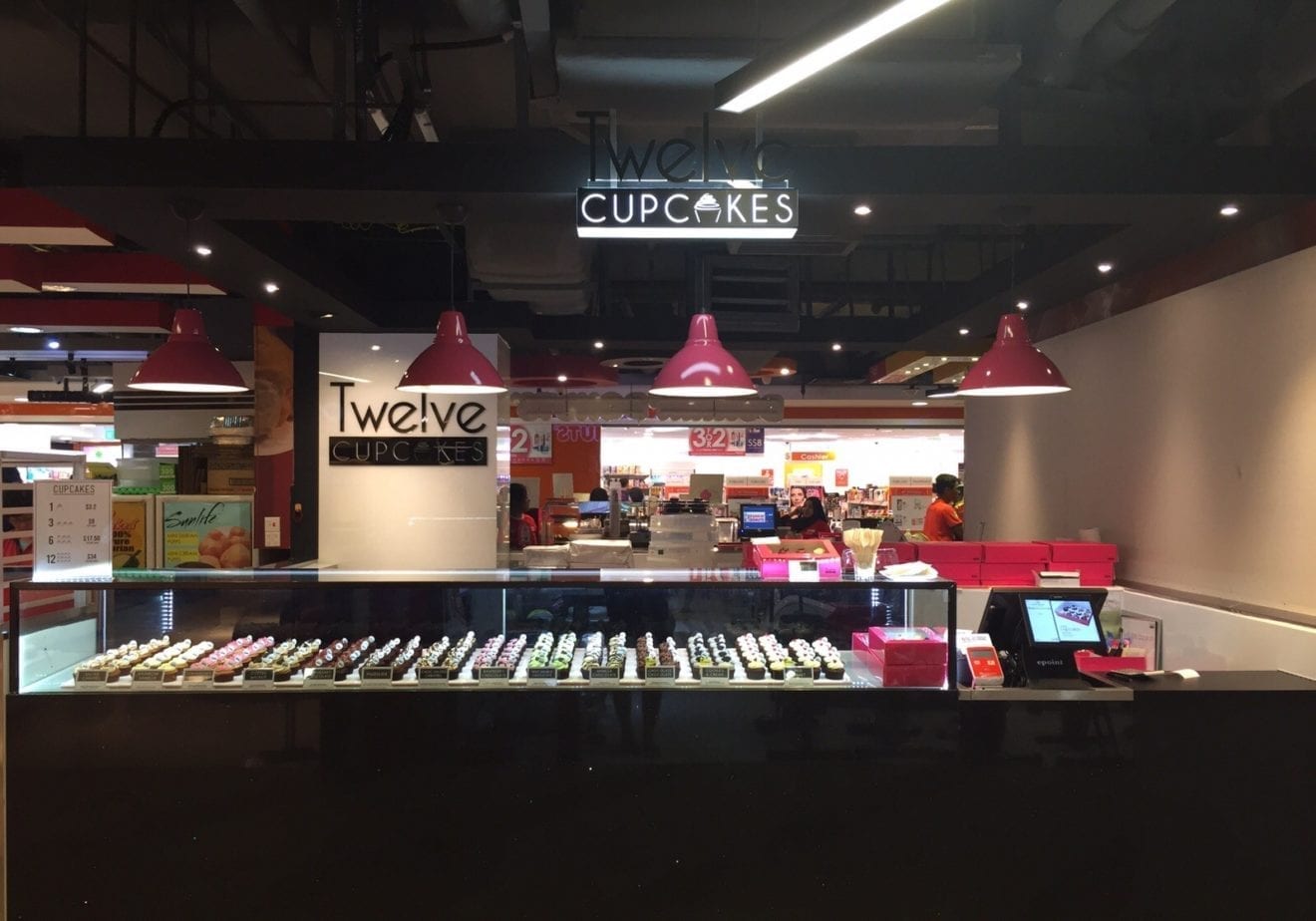
  • Indian company buys Twelve Cupcakes

    Indian company buys Twelve Cupcakes

    Following the divorce of celebrity couple Jaime Teo and Daniel Ong, the Twelve Cupcakes chain they founded in 2011 has been sold.

    One of India’s largest tea producers, Kolkata-based Dhunseri Group, has bought the chain outright for S$2.5 million (US$1.7 million).

    With a presence in 17 malls, the chain offers the group the chance to establish a strong footprint in the F&B space in the Singapore market, says Mrigank Dhanuka, a member of the family that owns the Dhunseri Group.

    “We are looking at turning the business around, which is at just about cash break-even point at this juncture.”

    The sale was completed last month, following the divorce four months earlier of the former beauty queen and the radio deejay. The couple made the news of their divorce public on December 31 on their respective Instagram accounts.

    Twelve Cupcakes has more than 40 outlets across six countries in the region.

    This is Dhunseri Group’s first foray into the F&B space in Singapore, and Dhanuka has relocated to Singapore to head the business in the region.

    “We will be expanding our F&B portfolio under Twelve Cupcakes with new product launches in Singapore,” he says. “We continue to look for value deals here in the confectionery space.”

    In the tea business for more than five decades, the group also has petrochemical interests in India.

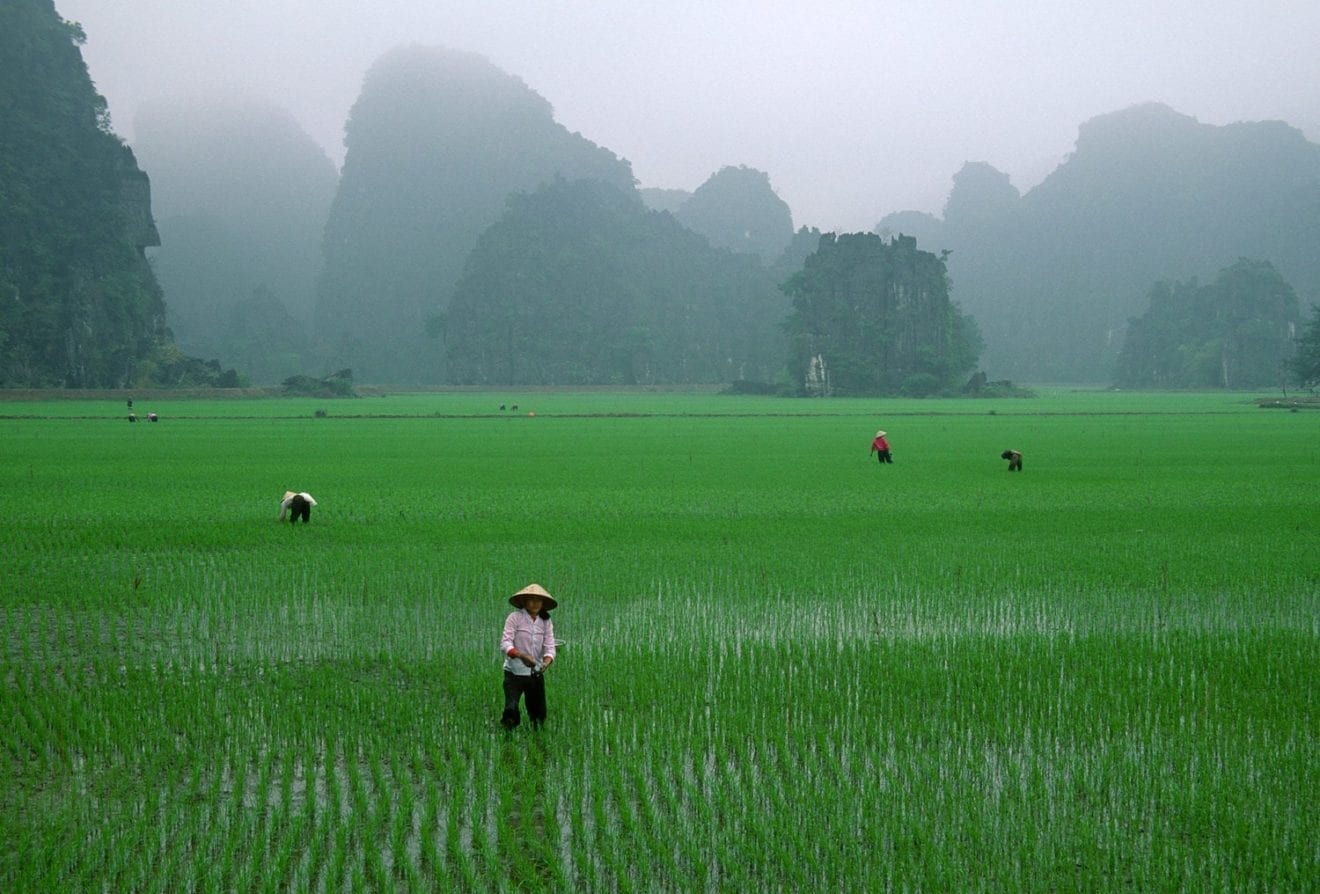
  • Vietnam rice exports set to face another tough year

    Vietnam rice exports set to face another tough year

    Despite facing difficulties, Việt Nam will strive to achieve rice exports of more than 5 million tonnes this year, the Việt Nam Food Association has said.

    Speaking at a meeting to review the VFA’s performance last year in HCM City on Monday, its secretary, Huỳnh Minh Huệ, said last year only 4.89 million tonnes were exported for $2.12 billion, a 25.5 per cent fall in volume and 20.57 per cent decline in value.

    There was excessive supply in the global market last year, and there has been a recent trend of major importing countries increasing domestic production to reduce imports, he said.

    Việt Nam’s rice exports are likely to face another difficult year as supply outstrips demand and global competition intensifies, he said.

    He quoted the US Department of Agriculture as saying global rice output in 2016/17 is estimated to increase by 1.6 per cent from last year to 480 million tonnes due to an expansion in the area under rice in many countries including Australia, Myanmar, Brazil, India, Indonesia, North Korea, Pakistan, Thailand, and the US, he said.

    Global exports are expected to rise by one million tonnes or 2.6 per cent to 40.6 million tonnes, he said.

    Stockpiles have been increasing for the last three years and are expected to reach the highest levels since 2001/02 crop, he said.

    Huỳnh Thế Năng, VFA chairman, said despite the hurdles, rice businesses would strive to export higher volumes than last year to ensure farmers can sell off as much of their outputs as possible.

    In the long term the domestic rice sector targets exports of high-value rice to affluent markets, he said.

    He said the Plant Protection Department and other relevant agencies should take measures to improve the hygiene and food safety of Vietnamese rice to enable more exports to choosy markets.

    The association said rice exporters should meet hygiene and food safety standards and strengthen linkages with farmers to ensure a steady source of the grain to meet market demand.

    Huệ called on the Ministry of Agriculture and Rural Development to build an international standard laboratory in Cần Thơ to help exporters check their rice quality, especially look for plant protection chemical residues, instead of sending to other countries for analysis as is done now.

    Năng said authorities in rice growing localities need to do more to instruct farmers in producing rice meeting safety standards, encourage them to use more certified rice seedlings and improve technical and financial support systems.

    Đỗ Hà Nam, chairman and general director of Intimex Group Joint Stock Company — one of the country’s 10 largest rice exporters — said while exports of other kinds were down, exports of Japonica and sticky rice went up by 136.95 per cent and 96.59 per cent.

    “But farmers have since rushed to grow more sticky rice, which [poses a] risk.”

    He said the Government should work with China to facilitate exports of Vietnamese rice to that country.

    “We face severe competition in terms of price from Pakistan and India.

    “There may be difficulties but if we choose to invest in varieties like fragrant rice and sticky rice, there will be opportunities.”

    Lê Thanh Tùng of the Crop Production Department said Việt Nam has the potential to boost exports of sticky, fragrant, Japonica and high-quality rice varieties.

    Besides improving quality, Vietnamese firms should also focus on building brands, he said.

    Rice stockpile

    The association on Monday called on the Government to approve a programme to stockpile rice temporarily from the winter-spring crop to ensure farmers do not lose.

    Tùng said the Ministry of Agriculture and Rural Development, based on rice production and consumption in February and March, would make specific recommendations for it.

    The quality in the 2016/17 winter-spring crop would be better than last year’s, he added.

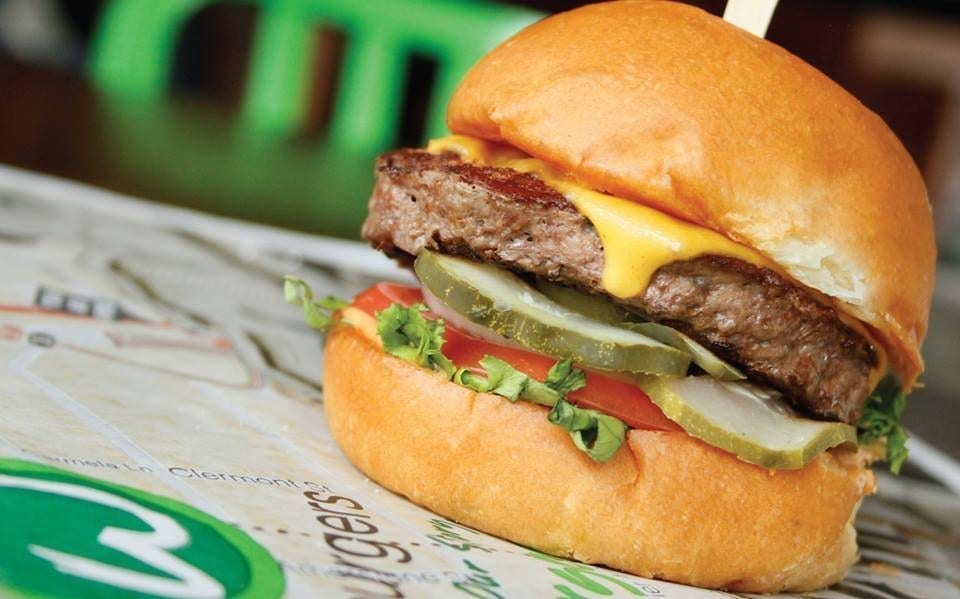
  • Wahlburgers starts Asia expansion with 3 new restaurants in China

    Wahlburgers starts Asia expansion with 3 new restaurants in China

    US burger restaurant brand Wahlburgers is set to expand to Asia in 2017 through a joint venture with Cachet Hospitality Group (CHG), a Hong Kong-based international hospitality branding and management company.

    The first three restaurants are slated to open in Hangzhou, Wuhan, and Shanghai in China.

    Founded by chef Paul Wahlberg and celebrity brothers Mark and Donnie in Hingham, Massachusetts, Wahlburgers offers fresh burgers, housemade condiments, crispy haddock, seared chicken and vegetarian options. Other signature items include Mom’s Sloppy Joe, thin crispy onion rings, tater tots and thick creamy frappes and floats.

    Under the joint venture agreement with CHG, the restaurant will open 100 restaurants in China and the surrounding region over the next five years.

    CHG has signed major agreements with developers who have committed to including Wahlburgers restaurants in their projects. World Packaging Center, an existing CHG developer, agreed to sign the first restaurant in Hangzhou while Shanghai-based naked Hub has agreed to open 20 Wahlburgers in their office building complexes throughout Shanghai and Hong Kong.

    Thailand’s Big Ho Corporation will also open 20 Wahlburgers in its franchise location of Big C Supercenter stores throughout northern Thailand.

    “This is an excellent time to enter the Asia market, especially China, where dramatic growth in US-style destination malls with increasing space committed to restaurants as mall owners see both traffic and income rise dramatically,” said CHG CEO Alexander Mirza in a media statement.

    A third partner, the Arjomand Group, a holding company with businesses based in the Middle East and Africa regions, includes diverse industries such as real estate and manufacturing, is an investor in CHG and will add financial expertise and strength to the expansion plans.

    “We’re excited about this wonderful opportunity to grow in Asia,” said Wahlburgers CEO Rick Vanzura. “Having a savvy, financially strong partner is essential and we have a great partner in the Cachet Hospitality Group, which will bring an unprecedented level of service and strength to the Wahlburgers brand.

  • Capsules serve up competition in Singapore’s coffee market

    Capsules serve up competition in Singapore’s coffee market

    These days, Ms Crystal Ling’s morning coffee comes in the form of a teal-coloured, bucket-shaped capsule.

    By popping it into a Nespresso machine in her office’s pantry, black coffee covered by a light caramel-coloured froth fills her espresso cup in about 40 seconds.

    “I like dark espresso that’s a bit bitter. There’s a café near my office that has what I want but at S$7 a cup, it’s not something that I should be having every day,” said the 27-year-old marketing executive, who is contemplating getting her own coffee machine.

    “Because these capsules need to be used with the Nespresso machine, I’m thinking of having one at home. My parents say it’s an expensive toy but I think ultimately, it will be cheaper than what I have been spending at cafes previously… The capsules cost less than S$1 each and for that price, it’s not bad.”

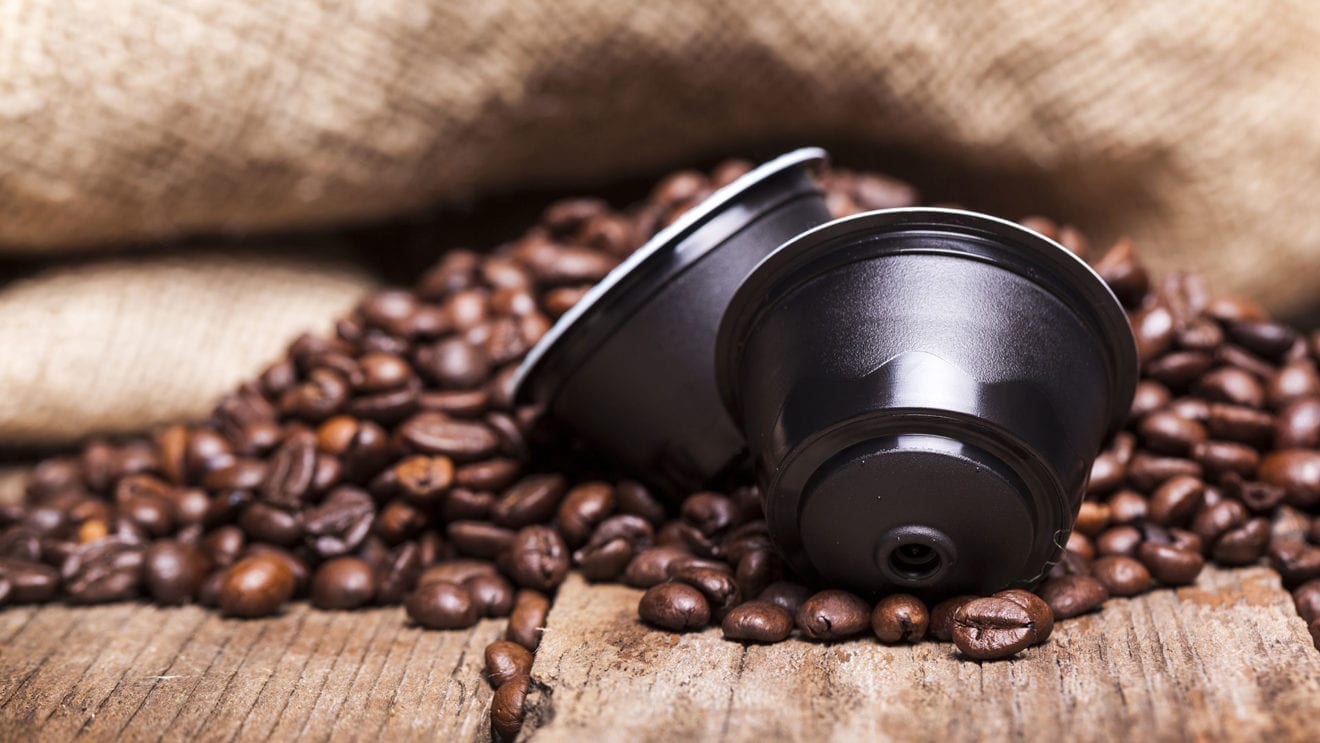
    Banking on novelty, convenience and an array of flavours, coffee capsules and machines, such as those from Nestle’s high-end brand Nespresso, are fast winning over local consumers like Ms Ling. According to research house Euromonitor, single-serve pods – including soft pods made from filter paper and hard pods that are often known as capsules – have been the fastest growing segment in Singapore’s coffee market since 2011, outpacing other segments with average year-on-year growth of nearly 5 per cent in terms of retail value. In comparison, the instant coffee segment grew an average of 2 per cent year-on-year during the same period.

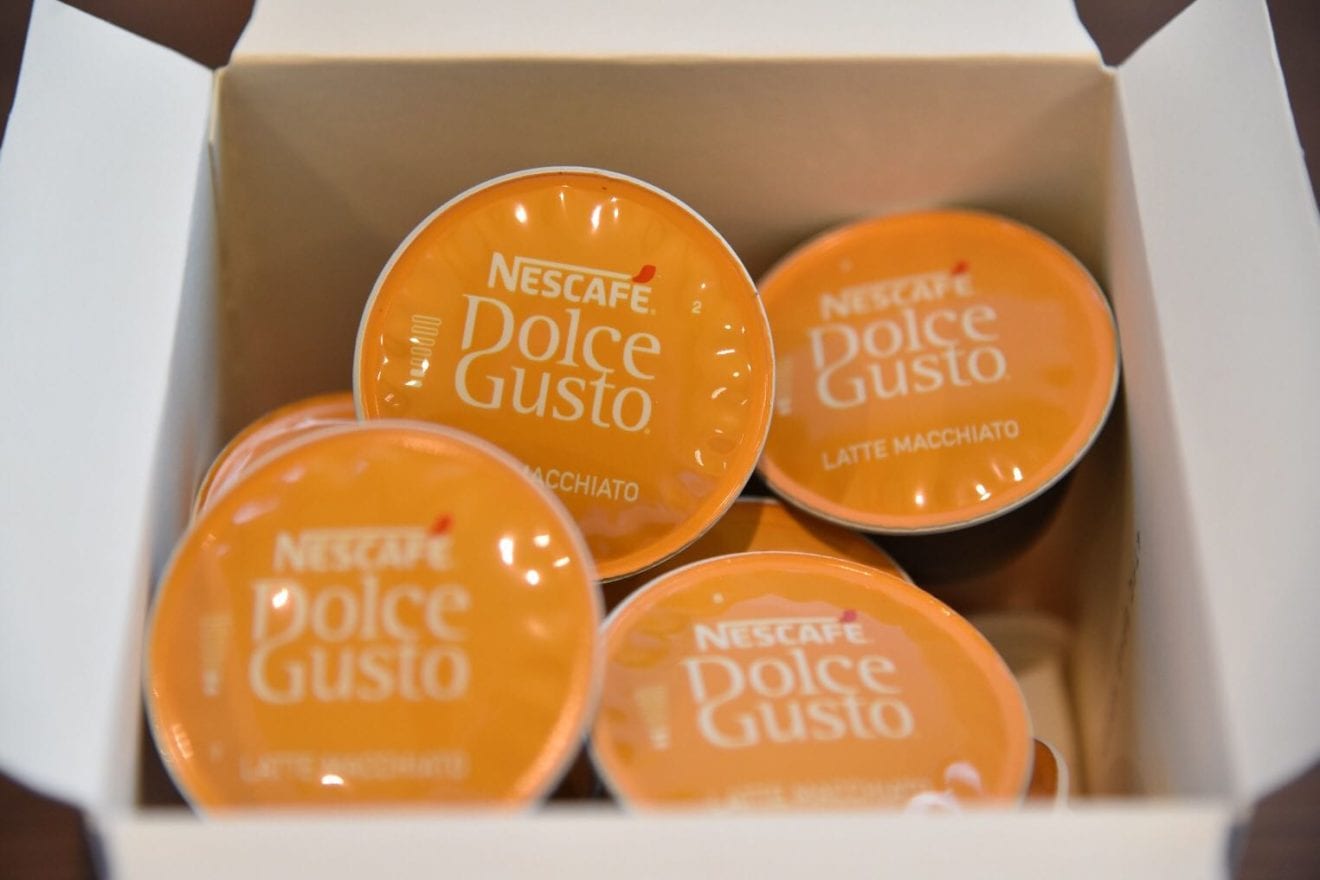
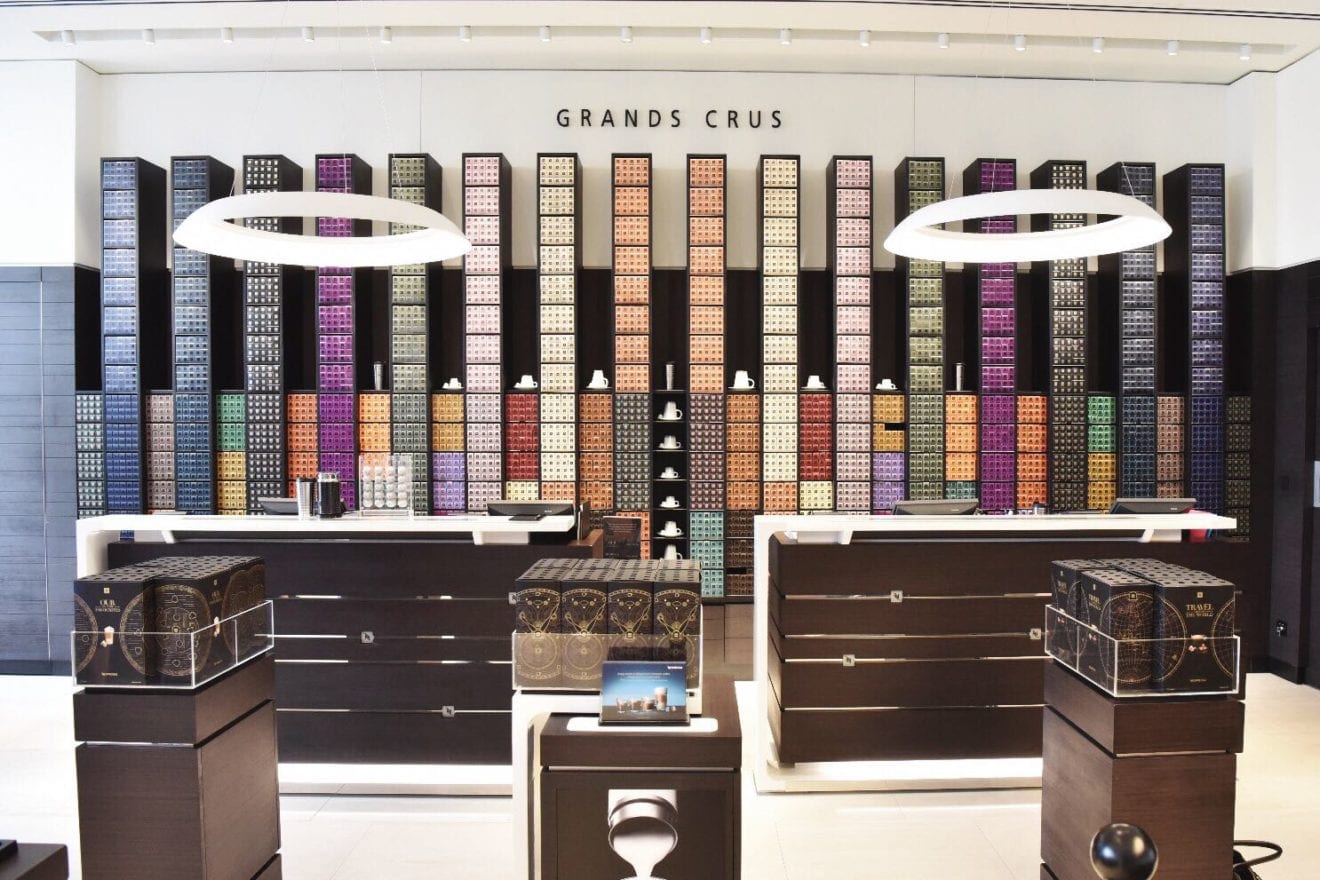
    Within this burgeoning segment, Nespresso, which first entered the local market in 2008, remains the dominant player. Nestle’s younger and cheaper range of single-serve coffee Dolce Gusto follows behind in terms of market share, helped by its lower pricing and wider variety of retail channels, noted Euromonitor’s research analyst Andrea Lianto.

    And even amid an increasingly sluggish economy, industry observers remain upbeat that the coffee-in-a-capsule segment will continue to outperform the broader coffee market in the upcoming years.

    “With higher disposable income, increased need for convenience and growing interest in high-quality coffee, coffee capsules still have room for growth in Singapore,” said Ms Lianto. “(Industry players) need to educate and convince consumers about the convenience and quality of capsules so that consumers are compelled to pay a premium for the product. The sustainability of capsules also depends on players’ efforts to maintain consumers’ excitement in the category, for example through new flavour launches.”

    This optimism is also shared by the market players.

    Nespresso Singapore, for instance, believes that its price adjustment in November means that its capsules have become an “affordable luxury experience” that consumers can have on a daily basis.

    “Even with the slowdown, people will still want to enjoy life and have moments of indulgences… if you look at the new Nespresso capsule prices, you will realise that a cup of Nespresso coffee is now an affordable luxury that you can have every day,” country manager Matthieu Pougin told Channel NewsAsia. “This is what we see in our boutiques as well. Even with the economy slowing down over the past two years, people continued to shop at our boutiques.”

    Over at Nescafe Dolce Gusto, expectations remain for the brand to see more than 5 per cent growth in the coming years. The Nestle range, which stands for “sweet flavour” in Italian, has logged double-digit growth year-on-year since its foray into Singapore six years ago.

    “The Singapore economy is facing some of its toughest challenges now (but) for the coffee capsule segment, there should still be good growth,” said Mr Chow Phee Chat, the brand’s head of business in Singapore. “Currently, the capsule segment remains one of the smallest within the market so we do project that it will still be growing very fast.”

    BREWING COMPETITION

    But for these brands, a slowing economy that could tighten consumers’ purse strings is not just the only potential challenge looming ahead.

    While Nestle’s dual-brand strategy has continued to ensure its dominance in the Singapore capsule market, it is a different picture globally.

    Keen competitors such as US single-serve coffee company Keurig Green Mountain and other upstarts that have begun making less-expensive capsules compatible with Nespresso machines, have been eating into Nestle’s global market share. According to Euromonitor, the Swiss food giant controlled 11.1 per cent of the global coffee capsule market in 2015, down from 13 per cent in 2011.

    In Singapore, a handful of homegrown instant beverage makers like Owl International and Boncafé have rolled out their respective capsule ranges, and there are other brands of Nespresso-compatible pods that can be easily purchased online. While alternative options have emerged, Ms Lianto said the “minimal presence” of these selections means Nestle will likely be unrivalled for now.

    But that does not mean that local capsule coffee lovers have not begun exploring other options.

    Ms Lim Shiyun, who owns a coffee machine from Nespresso, has bought capsules from other brands such as local café chain The Providore. “I’m quite adventurous when it comes to coffee. Since these capsules work with my Nespresso machine, there’s no harm trying out new flavours,” the 29-year-old said.

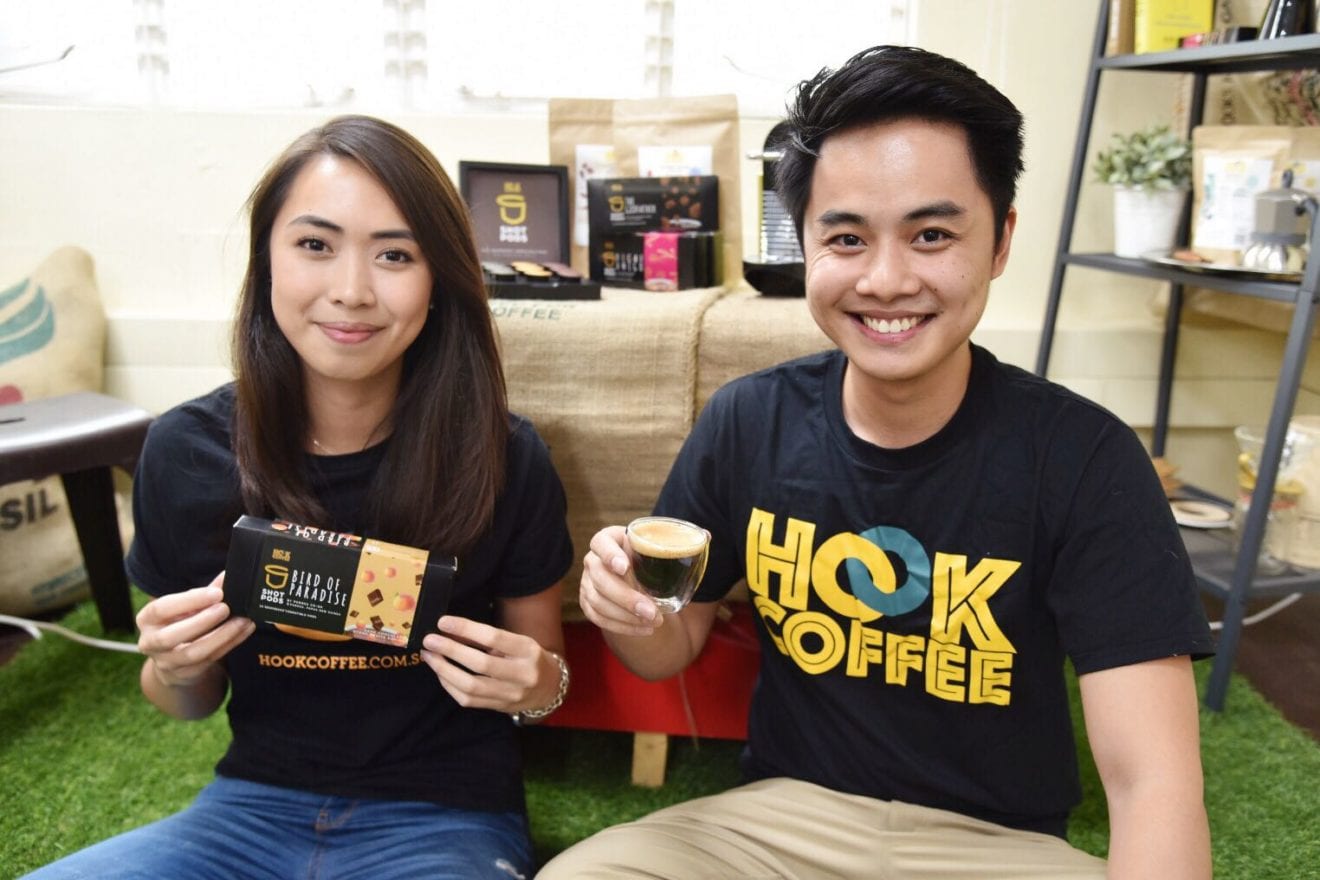
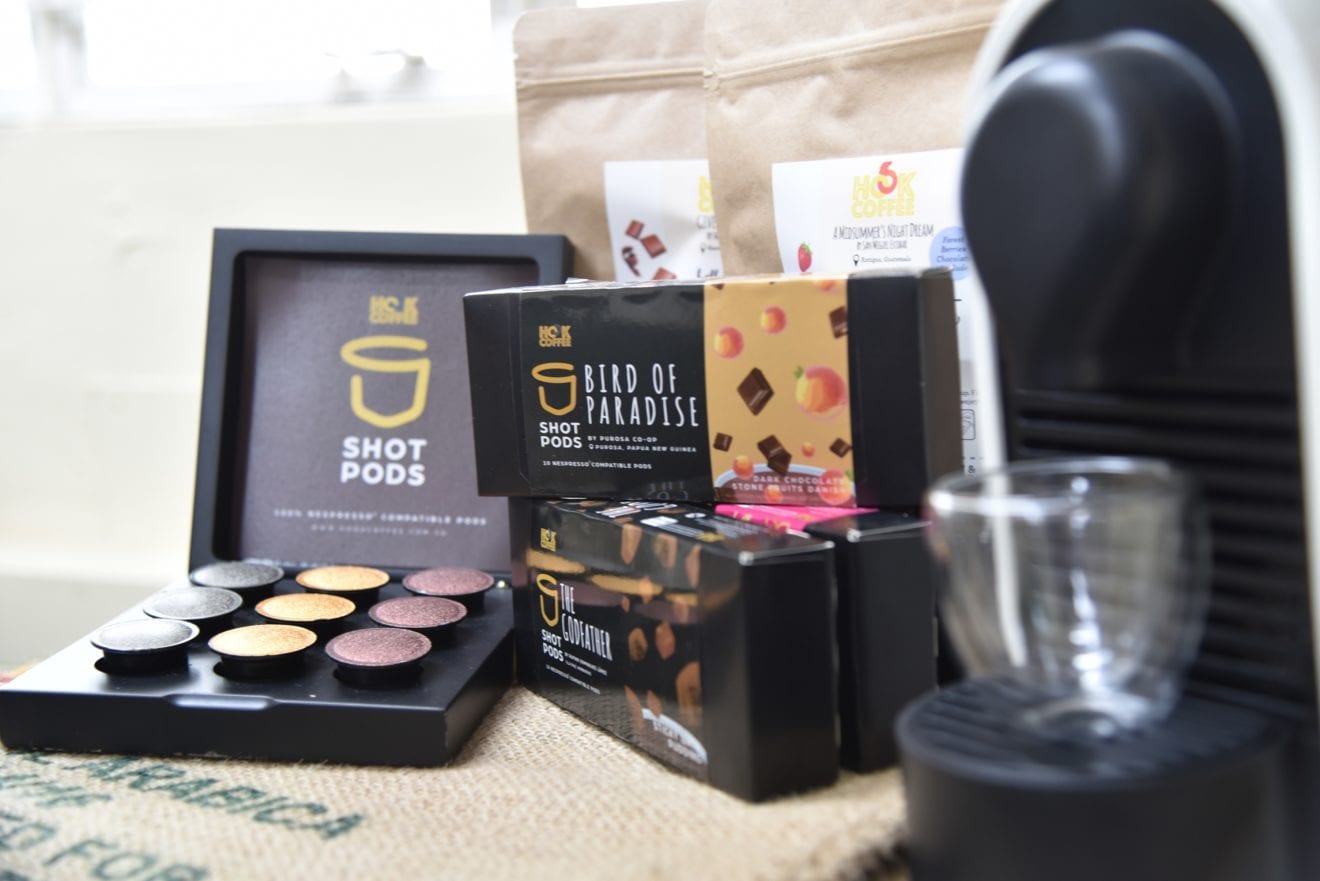
    Singapore-based Hook Coffee, for one, produces Nespresso-compatible capsules with sustainably-grown coffee beans sourced from around the world. Founded in early-2016, the online business also sells specialty coffee in other brewing methods such as French press and drip bags, and offers a coffee subscription service.

    Founders Ernest Ting and Faye Sit told Channel NewsAsia that they introduced capsules to their product line-up last June and since then, sales have been in line with expectations. Given rapid growth in the local capsule market, Mr Ting said the new venture was a no-brainer even if there were significant challenges involved for the young firm.

    For one, the production of capsules involved much more extensive research and development (R&D), compared to other brewing methods.

    “Each pod contains 5.5 grams of coffee and to get the same body and flavour in 30 seconds of extraction time, is very challenging. The roasting technique and the blends have to be precise; even the grinders are different so it’s a very complicated process and a huge amount of R&D investment that goes into making just one pod,” Mr Ting explained.

    That is why the introduction of new capsule flavours have been slower than other brewing options, which usually sees new additions once a month, he added.

    Meanwhile, to prevent wastage, an average of 10,000 capsules are filled during each production cycle. With such a large-sized production, it is crucial for the start-up to get things right before the release of every new flavour, Ms Sit told Channel NewsAsia. “Especially for a small market like Singapore, a large production batch is also tricky so we have to be really careful and do a lot of market research.”

    Despite the difficulties, the two young entrepreneurs still think their five-figure investment into capsules has been worthwhile and remain optimistic on sales, even as competition seems to have been turned up a notch after the market’s biggest player, Nespresso, lowered the prices of its coffee range.

    “Twenty per cent of our total sales right now are capsules. That’s the same as our drip bags and achieved within six months… As more people want convenient options, we think there will be an increase,” said Mr Ting.

    The 25-year-old added: “Interestingly, when Nespresso lowered their prices, we maintained ours but we didn’t see a drop in subscribers. In fact, it increased slowly so we think consumers are coming to us because we offer a more artisanal option.”

    PRICE CUTS, NEW PRODUCTS TO GET A SHOT IN THE ARM

    Still, industry observers said the nearly 30 per cent price reduction follows Nespresso’s recent adjustments in other markets, and will give the high-end brand a shot in the arm when it comes to competing with lower-priced rivals. For instance, Ristretto and Espresso capsules that were S$0.91 each are now S$0.68, cheaper than Dolce Gusto’s Espresso Intenso that retails at S$11.90 for a box of 16.

    Describing Singapore as a “unique market” where “coffee is part of the people’s DNA”, an increasingly discerning taste for coffee among local consumers has spurred Nespresso’s growth over the past eight years, said Mr Pougin. However, he denied that increasing competition was a catalyst for the recent price adjustment, adding that “Nespresso continues to grow in (Singapore) regardless of competition”.

    “We didn’t make the decision to decrease the price because of competition,” Mr Pougin told Channel NewsAsia. “The reason we did that is because we have been here for more than eight years and we now have the ability and want to offer the Nespresso experience to a bigger group of consumers.”

    Meanwhile, Nescafe Dolce Gusto said it has “no plans to relook (at) its pricing”, primarily because the brand’s competitive edge remains in its capsule beverages that go beyond coffee and its diverse retail locations such as supermarkets.

    “We have a place in the market. We offer a variety of beverages not just for coffee enthusiasts… (but) also tea and hot chocolate. We are a coffee system that not only offers good quality coffee, but beverages for the whole family,” said Mr Chow, who added that the brand’s new varieties including healthier options such as its unsweetened Latte Macchiato will continue to “surprise consumers”.

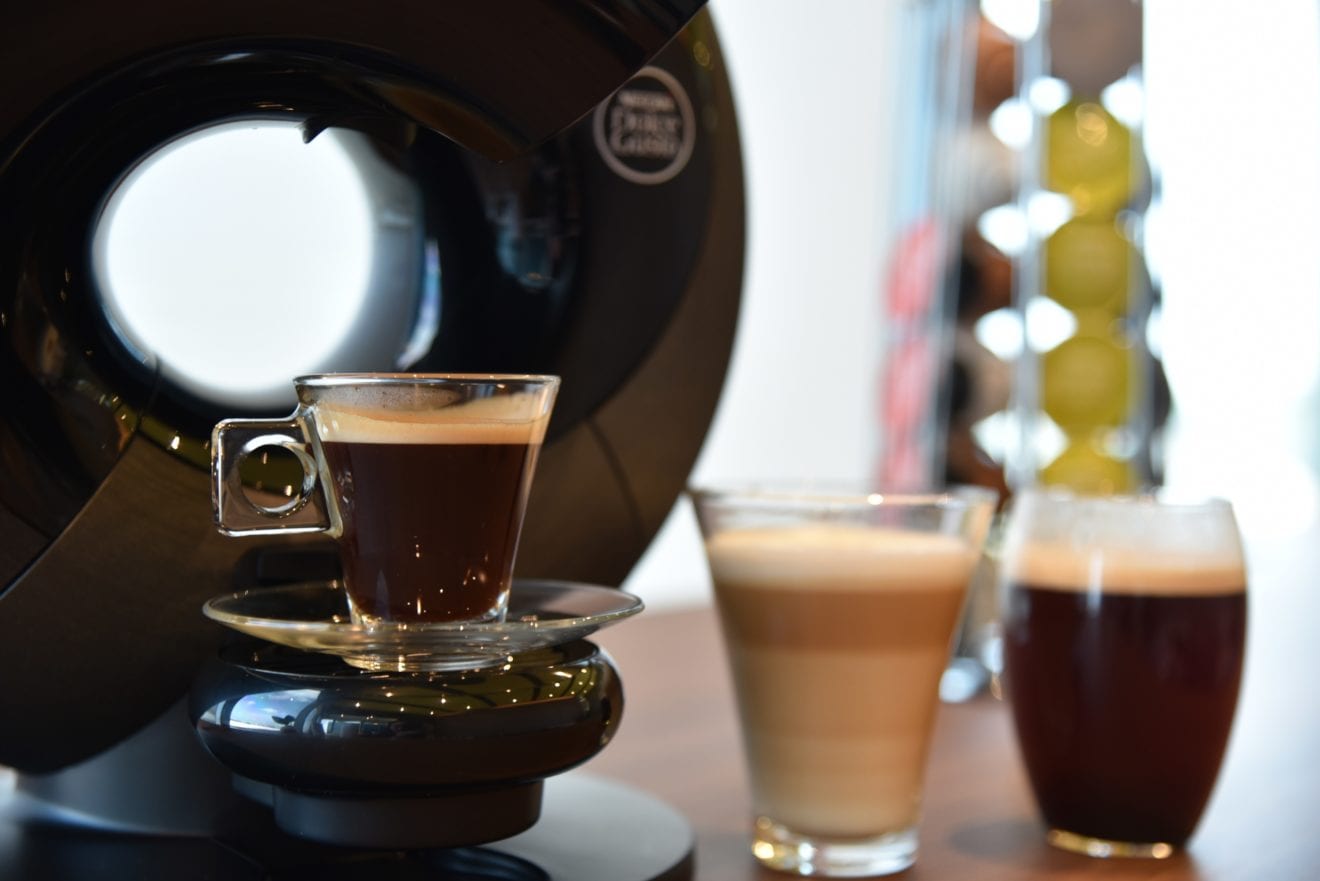
    In the meantime, Dolce Gusto is also betting on new coffee systems to help it keep up with competition. The brand’s latest “Eclipse” machine comes with an unconventional circular design and a touch screen interface.

    DIVERSIFY INTO CAPSULES? MAYBE NOT YET

    Still, there is at least one beverage maker who is opting to sit out of the hype for now.

    Mr Desmond Ng, managing director of local instant coffee brand Gold Kili, told Channel NewsAsia that the rising popularity of coffee capsules has had little impact on sales. The 32-year-old household brand also has no plans to follow in the footsteps of other homegrown beverage makers, given that coffee capsules remain “a non-mainstream option” for now and there are consumers who are not willing to splurge on a coffee machine. “As such, a packet of instant coffee, which is usually four times cheaper than a capsule costing around S$1, remains more attractive to price-sensitive consumers,” Mr Ng added.

    Gold Kili also prides itself on its traditional brew that is achieved by roasting a mixture of Arabica and high-caffeine Robusta coffee beans with sugar or caramel. Even amid the rise of Western-style coffee that uses just Arabica beans, Mr Ng believes that the traditional brew will continue to have its loyal following.

    Eurmonitor’s Ms Lianto agrees: “Instant coffee targets a different segment of consumers through a much lower price point than capsule coffee. On average, one serving of instant coffee costs less than one-third of one serving of capsule coffee.

    “As such, many instant coffee consumers, especially those who are price-sensitive, find themselves reluctant to shift completely to capsule coffee for their regular caffeine fix.”

    However, Gold Kili’s Mr Ng is not ruling out expansion plans to tap on new emerging trends in the local coffee market, such as coming up with specialty coffee bags to attract younger consumers.

    “Capsule machines remain expensive and with capsules far from being the mainstream option for consumers, we won’t be heading in that direction for now,” he told Channel NewsAsia. “But we are considering Western-style coffee bags to cater to the tastes of younger consumers. We think there’s still a gap in this market and there’s a business opportunity for us.”

  • T2 Singapore launches with kaya toast brew

    T2 Singapore launches with kaya toast brew

    For its first outlet in Asia, Australian tea chain T2 Singapore has launched with a new brew that pays homage to local breakfast staple kaya toast.

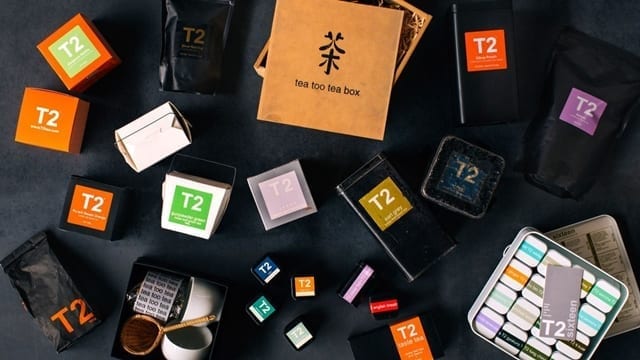
    Its Singapore Breakfast tea is a blend of pu’er (Chinese fermented tea), green tea, coconut flakes and roasted rice. It is among more than 150 types of teas at the new store, in the 313@Somerset mall.

    T2 CEO Nicky Sparshott says Singapore was picked for the company’s Asian debut because of its “strong tea-drinking culture with multicultural influences, from black tea dating back to the colonial period to Asian tea beverages such as teh tarik – Malay for pulled tea – and green tea”.

    Covering 550 sqft (51 sqm), the store offers myriad teas, from black, green and white to rooibos, and herbal and fruit-based tisanes.

    Bestsellers for the company include French Earl Grey, which has bergamot-infused black tea perfumed with rose and sunflower petals and hibiscus; Green Rose, green tea paired with mango, papaya and rose petals; and Fruitalicious tisane, a blend of cranberries, blueberries, dragon fruit and goji berries.

    t2-tea-c

    Singapore has been among T2’s top five markets in online sales over the past two years, and Sparshott hopes the country’s reputation as a tourism hub can expose the tea company to visitors in Asia.

    “Infinite possibilities”

    “Tea has moved from being a beverage for old people to having infinite possibilities … there is an appetite for new invention in teas,” she says.

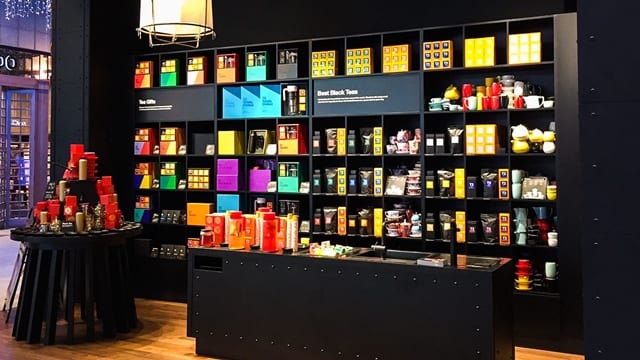
    Like its more than 75 outlets in Australia, New Zealand, the UK and the US, the T2 shop in Singapore has black floor-to-ceiling shelves lined with brightly coloured tea boxes, tea pots, cups and accessories. Taking centre stage is an island brew bar with tea-making apparatus, where six types of hot and iced tea beverages are brewed daily for customers to sample.

    Sparshott says customers can also attend regular tea masterclasses and tea-blending sessions through the tea community group T2 Society, which is free to join.

    She says T2 intends to open another three or four outlets in Singapore in the coming year.

    Started in Melbourne in 1996, T2 was acquired by Unilever in 2013, which owns such tea brands as Lipton.

    Other tea boutiques in Singapore include the TWG Tea chain and The 1872 Clipper Tea Company, which opened a tea retail shop-cum-bar in Ion Orchard last April.

  • Laduree Malaysia plans to open in Pavilion KL

    Laduree Malaysia plans to open in Pavilion KL

    Famed for its macaroons, luxury French bakery Laduree Malaysia is expected to launch soon with a store in Pavilion KL’s Couture Zone.

    No date has been set yet for the opening.

    laduree-malaysia

    With their ganache filling, Laduree macarons come in a variety of flavours, ranging from classics (chocolate, vanilla, lemon, coffee, salted butter caramel and rose petal) to seasonal (chestnut, Morello cherry, lime coconut and matcha).

    The brands beginnings go back to 1862 when Louis Ernest Ladurée, a miller from southwest France, opened a small bakery in Paris. In 1930, his grandson Pierre Desfontaines came up with the original idea of double-decker macaroons by sticking two shells together with a ganache filling. Since then, Ladurée has been selling around 20,000 macaroons every day all over the world.

    International expansion began in 2005 with London. Today, the brand has stores in 17 countries including Thailand, Hong Kong, Japan, the Philippines, Singapore, South Korea and Taiwan.

  • Seafood exports to grow by 5%

    Seafood exports to grow by 5%

    Seafood exports are expected to increase by 5 per cent this year to around US$7.5 billion despite many possible hurdles, according to the Việt Nam Association of Seafood Producers and Exporters (Vasep).

    Speaking at a review meeting held in HCM City on Thursday, Ngô Văn Ích, Vasep chairman, said early last year many difficulties plagued exports before increased global demand enabled a recovery.

    Exports for the full year grew by 7.4 per cent to $7.05 billion, or 24 per cent of the country’s total agricultural, forestry and fisheries exports, he said.

    Shrimp and tra fish exports both rose by 7 per cent to $3.13 billion and $1.67 billion.

    The exports went to 161 countries and territories last year, with the US, EU, Japan, South Korea and China being the largest buyers.

    Trương Đình Hòe, Vasep’s general secretary, said this year the seafood sector would continue to face difficulties, including a fall in fisheries output due to the impacts of climate change.

    Import markets like the US, EU, Australia, and Japan are tightening hygiene and food safety norms for shrimp and applying regulations related to product origin, corporate social responsibility and others, he said.

    Vietnamese exporters are also expected to face fiercer competition from seafood exporters in India, Indonesia, and Thailand, and the increase in minimum wage and a labour shortage are causing difficulties to seafood processors and exporters, he said.

    “Despite difficulties, we believe seafood exports would increase by 5 per cent this year to $7.4 billion.”

    Exports to the US is expected to top $1.5 billion, an increase of 5 per cent, much less than last year’s 11 per cent growth.

    Due to political changes, the devaluation of the euro and slow market recovery in the EU, exports to the market would remain at last year’s level of $1.2 billion, he said.

    Exports to Japan would increase by around 4 per cent to more than $1 billion since the yen is appreciating, he said.

    With an increase in income, demand for seafood products, especially sugpo prawn, has increased in China, but its domestic shrimp production has not increased, he said.

    “China’s demand for imported seafood, especially shrimp, increased strongly last year and the trend would continue,” he said.

    Việt Nam’s exports to the market are expected to cross $1 billion this year compared to $829 million last year, he said.

    Deputy Minister of Agriculture and Rural Development Vũ Văn Tám said some countries tend to erect technical barriers to limit imports to protect their domestic production.

    Vietnamese businesses need to carefully study their target export markets to avoid risks, he added.

    Nguyễn Ngô Vi Tâm, general director of Vĩnh Hoàn Co., Ltd, said to enhance competitiveness, seafood firms need comprehensive policy support with markets, funding, and developing reliable raw material sources.

    Businesses at the meeting agreed that enhancing linkages from breeding to processing and export for both shrimps and tra fish is imperative to cut costs.