Category: Food

Retail News Asia is committed to providing both local and global retailers with the latest Food and Food & Beverage news throughout the Asian market. This on a daily base.

  • Tous Les Jours expansion plan in China

    Tous Les Jours expansion plan in China

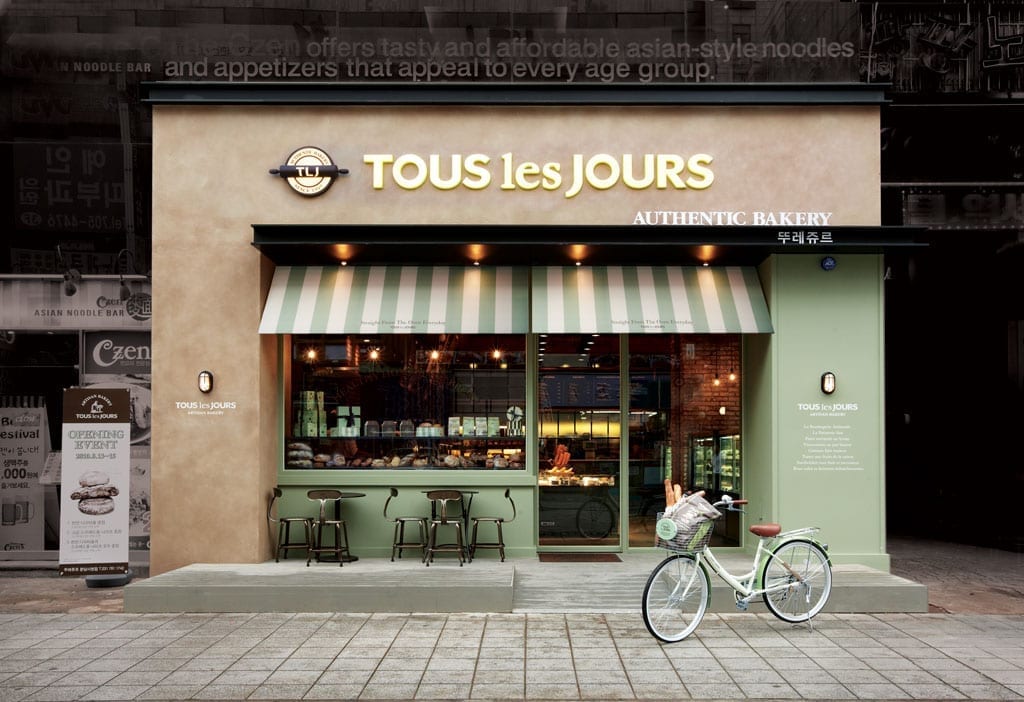
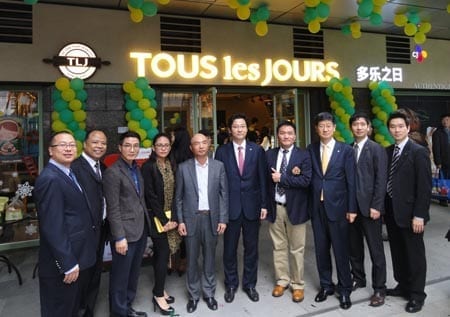
    Korean group CJ Foodville has opened two Tous Les Jours cafes in Chongqing with plans to expand further into China’s inland cities.

    CJ Foodville is running its Tous Les Jours business in China in the form of direct ownership and master franchise. It already has stores in Beijing, Chongqing, Guangzhou, Shanghai, Suzhou, Tianjin and Weihai. It has master franchise chains in 10 provinces plus stores under a master franchise contract in Xinjiang autonomous territory. At the end of December it had a total of 140 stores in China.

    A company official says the aim is to open more than 100 locations in China this year, and more than 1000 by 2020. “With the opening of the Chongqing location, we are set to move into the western part of China.”

  • Jumbo Group signs deal for Vietnam

    Jumbo Group signs deal for Vietnam

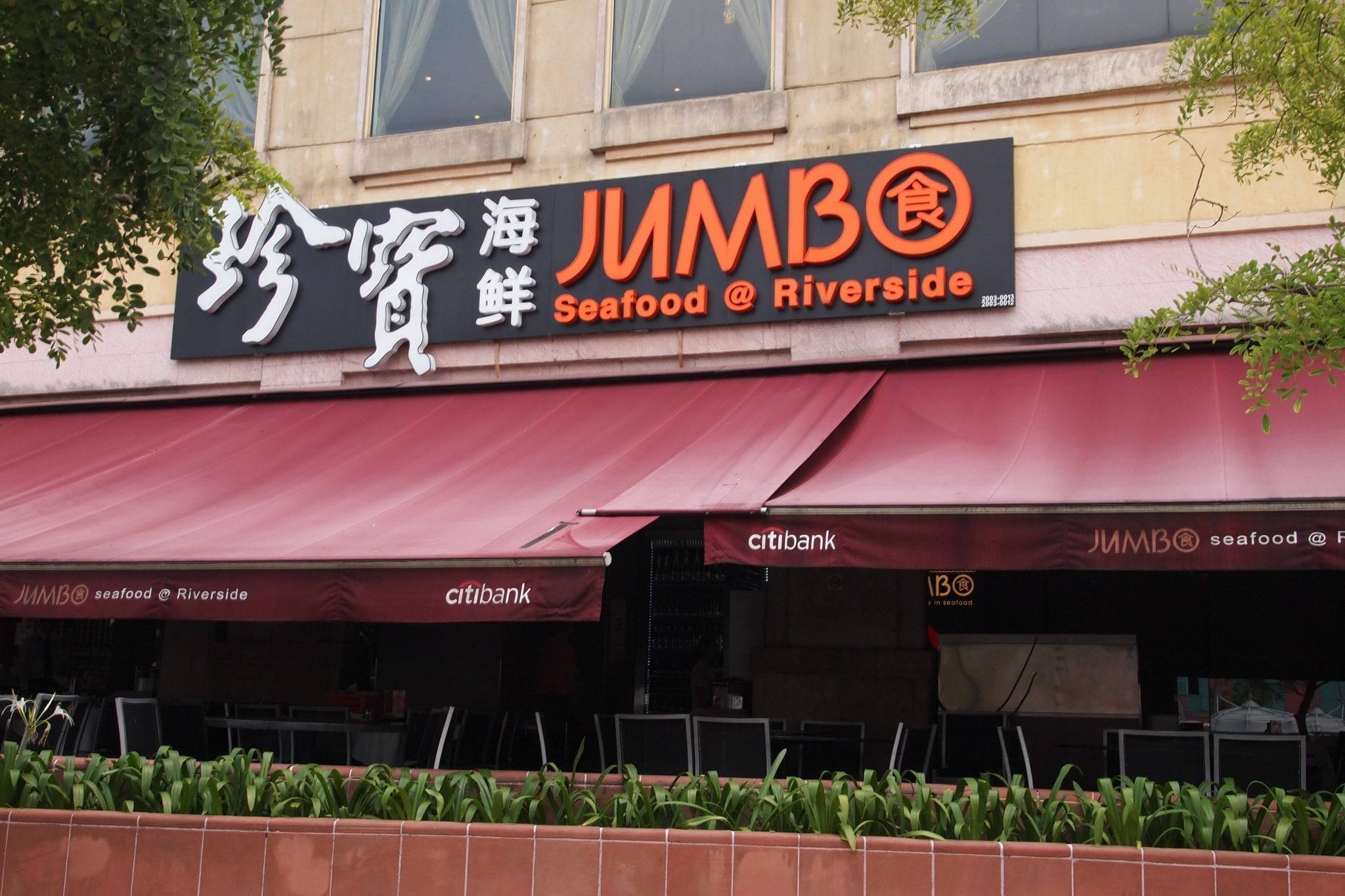
    Singapore seafood restaurant company Jumbo Group has signed a franchise agreement to introduce its brand in Vietnam.

    Known for its chili crab, the F&B chain has granted franchise rights to Vietnam’s Nova Bac Nam 79 Joint Stock Company for it to run Jumbo Seafood restaurants in Ho Chi Minh City and Da Nang.

    Vietnam’s first Jumbo Seafood outlet is expected to open in Ho Chi Minh City in about six months’ time.

    The agreement is for an initial term of 10 years, and it is expected that three Jumbo Seafood outlets will be opened within two years.

    Jumbo Group is a multi-concept dining and F&B group with a network spanning Singapore, China and Japan. It also provides catering services, and in Singapore sells packaged sauces and spice mixes. It has three outlets in Shanghai, with three more planned, and in November reported a full-year profit increase of 17.9 per cent.

  • Korea lifts import duties on eggs

    Korea lifts import duties on eggs

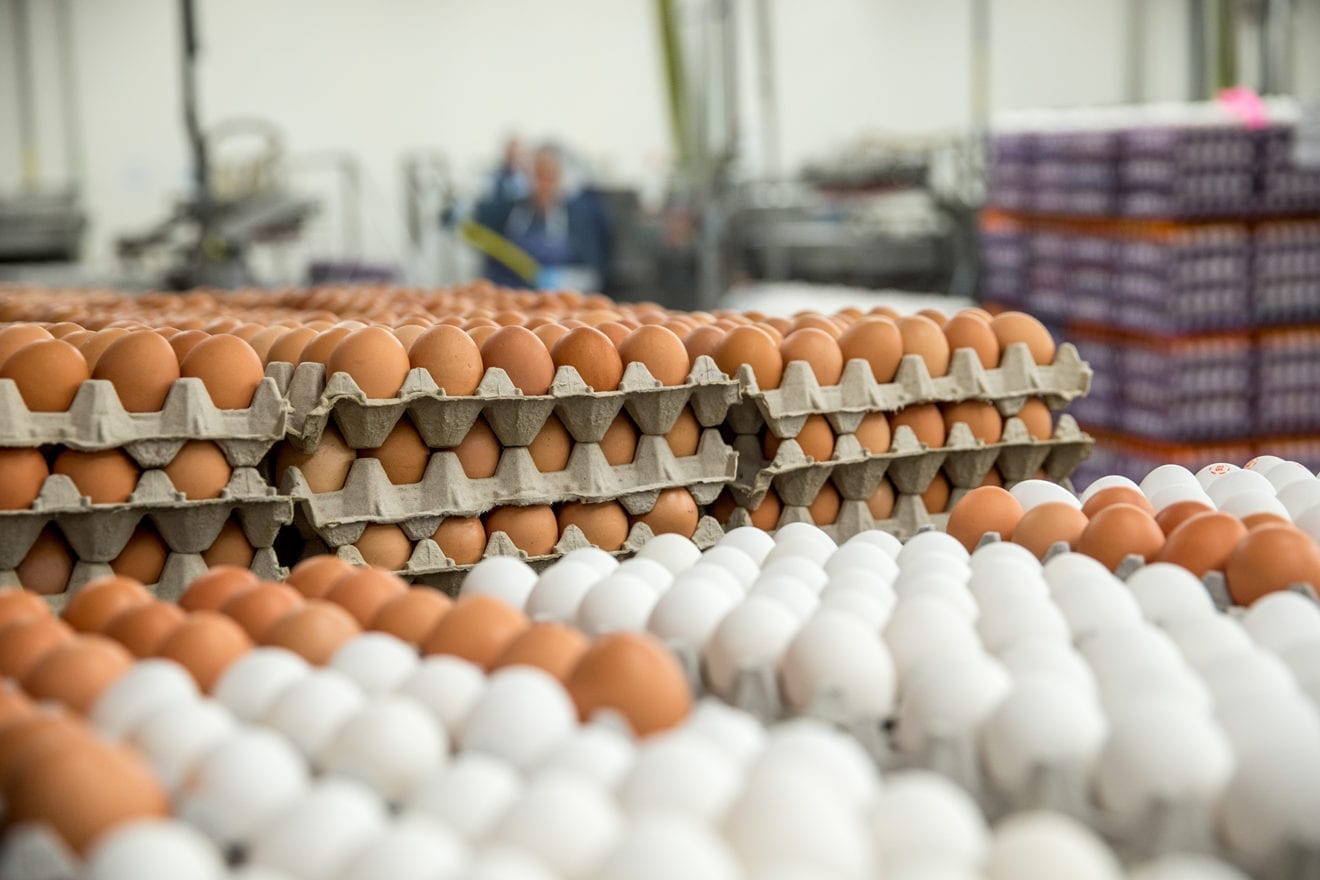
    The government will waive duties on imports of eight types of egg-related products, including fresh and powdered eggs, as the shortage in Korea is deepening after a widespread outbreak of avian influenza, which has led to the culling of nearly 30 million birds.

    The Korean government doesn’t import fresh eggs, but said Tuesday it would do so to alleviate the shortage. This is the first time in 18 years, which was when the country imported a small volume of fresh eggs from Thailand, that the Korean government imported fresh eggs from abroad, an official at the Ministry of Agriculture, Food and Rural Affairs said.

    “The data showed that we had very few occasions of importing fresh eggs from abroad in the past and even though they were imported, they were not for the public to buy at stores, but rather they were for other reasons such as medical research purposes,” said an official at the Ministry of Strategy and Finance. “This will be the first time for the government to allow importing large volume of fresh eggs.”

    The duty exemption will last until June. 30, the Finance Ministry said Tuesday. Currently, the import tariff on egg products ranges from 8 percent to 30 percent, but it will be suspended for six months.

    “The government has decided to remove tariffs on eggs to deal with soaring prices and shortage of them in the country due to AI,” said Kim Young-noh, a director at the Finance Ministry.

    The Finance Ministry said it will expedite inspections to have fresh eggs arrive as early as possible, or before the Lunar New Year holiday, when demand for eggs and poultry products tends to be higher.

    A total of 98,000 tons of egg-related products can be imported without tariffs, and among them 35,000 tons, or about 700 million, will be fresh eggs. The 700 million eggs can meet Koreans’ daily consumption for about 20 days.

    About 30.3 million birds have been slaughtered as of Tuesday, 50 days after the virus started to spread in the country. By type, layer chickens were affected the most. Nearly 22.45 million birds that were killed were layer chickens, which is about 32.1 percent of the layer chickens raised in the country.

    “About 30 percent of layer chickens are killed due to AI and the supply and demand problem will last at least six months from now [since the number of chickens for laying purposes needs to grow], said an official at the Agriculture Ministry.

    The average retail price for a tray of 30 eggs jumped 47.2 percent from 5,604 won ($4.66) a month ago to 8,251 won as of Tuesday due to the outbreak of the AI, according to data compiled by the Korea Agro-Fisheries & Food Trade Corporation (aT).

    The highest price reported to aT for a tray of 30 eggs was 9,700 won, which is 39 percent higher than the highest prices last month, which was when the shortage began after the country was hit by the virus on Nov. 16.

    Meanwhile, the government also has decided to distribute 7,200 tons of reserve fishery products to stabilize the heated market ahead of the Lunar New Year.

    The Ministry of Oceans and Fisheries said it will distribute its fishery products until Jan. 26 and local retailers, including traditional markets, will sell such goods 10 to 30 percent cheaper than retail prices.
  • Vietnam sugar production down 13%

    Vietnam sugar production down 13%

    Sugar output in the 2015-16 crop was 1.23 million tonnes, a year-on-year drop of 12.7 percent, said Phạm Quốc Doanh, Chairman of the Việt Nam Sugarcane and Sugar Association, at a seminar in HCM City last week of sugar producers, distributors and consumers.

    Together with 185,000 tonnes of imports, this fully met the domestic demand forecast by the Ministry of Industry and Trade, he said.

    Prices would not fluctuate much from now through the Lunar New Year on January 28, he said.

    Many sugar mills had signed long-term contracts with beverage production companies and fulfilled them.

    Sugar prices depend much on sugarcane prices and global sugar prices, but with production of six months supplying demand for the whole year, output and prices are often volatile, he said. Sugar traders and food and beverage producers dislike this volatility, he added.

    Representatives of Coca-Cola Vietnam and Tân Hiệp Phát said steady prices should be ensured. They also said the sugar producers should invest more in packaging that is bigger than the current 50kg-bags to reduce loading and unloading costs.

    A representative of Tây Ninh-based Thành Thành Công Trading JSC said sugar quality has improved significantly.

    “Our RE (refined extra) already met quality standards, the newly produced RS (refined standards) sugar is very good, but by the end of the season, the latter’s colour and moisture change much. Sugar producers must work to improve this,” she said.

    Many suggested that the Government should keep a close eye on sugar imported ostensibly for re-export since it is sold surreptitiously in the domestic market, and prevent smuggling to protect the domestic industry.

    Chairman Doanh said the association has suggested to the Government that it should organise auctions for sugar import quotas in the first quarter instead of the third quarter, and only allow import of raw sugar to safeguard local jobs.

    The association said enterprises that fail to utilise their import permits should not be allowed to use them later.

    Doanh quoted the International Sugar Organisation as saying that in 2016-17 the global sugar market would face a shortage of 6.2 million tonnes, and inventories would shrink to their lowest levels since 2010-11. Therefore, global sugar prices would remain high, he said.

  • For 7-Eleven, its all on a par

    For 7-Eleven, its all on a par

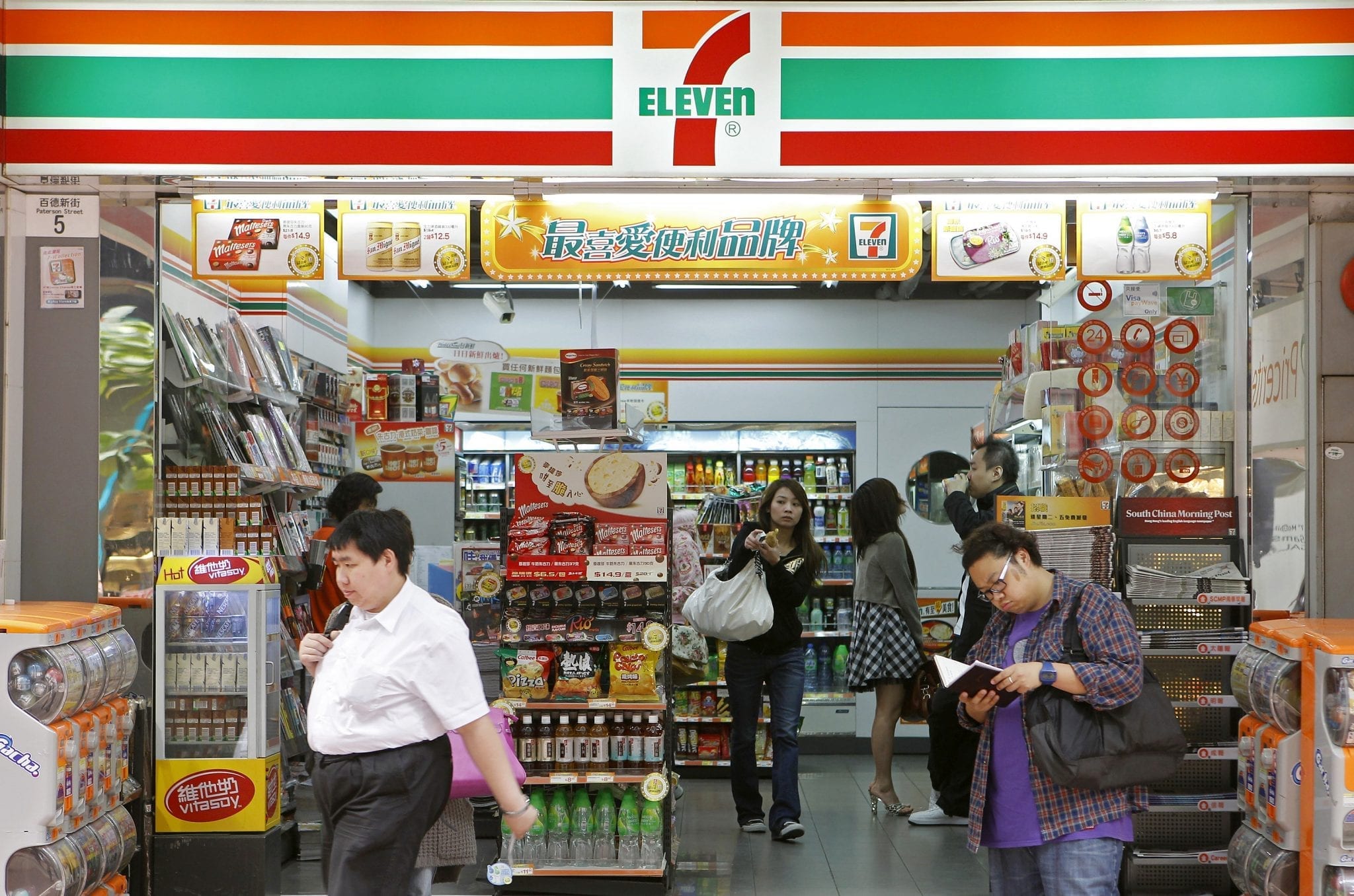
    One yuan fetched HK$1.12 on the foreign currency market yesterday.

    While China’s currency would need to fall 10.7 percent to reach actual parity with the Hong Kong dollar, the exchange rate offered by the city’s largest operator of convenience stores shows how depreciation pressures are making the yuan less attractive to hold.

    “The recent sharp yuan depreciation has hurt local merchants’ willingness to accept yuan,” said Kevin Lai, chief economist for Asia excluding Japan at Daiwa Capital Markets in Hong Kong.

    “The fact that they demand a bigger premium in the exchange rate to accept yuan payments shows the outlook is pretty negative for the Chinese currency.”

    Trading the yuan at parity with the Hong Kong dollar by local retail chain may be a new norm to avoid foreign exchange risk amid a weakening Chinese currency, said Hang Seng Bank (0011) acting chief economist Thomas Shik Chun-sing, who expects the yuan to further soften 3-5 percent this year.

    7-Eleven adjusted its yuan rate in light of recent drastic fluctuations in the currency and will change it whenever necessary, a company spokesman said in an e-mailed reply to questions.

    The convenience store chain has more than 900 stores in Hong Kong and is part of Jardine Matheson Holdings’ Dairy Farm.

    Signs in Circle K, another major convenience store chain, offer an exchange rate of 100 yuan per HK$105. Rates at cosmetic retail chain Sa Sa and Mannings, a personal health retailer under Dairy Farm, are both 100 yuan per HK$110.

    The yuan plunged about 12 percent against the greenback last year.

  • AHDB Reports Beefy Christmas in Hong Kong

    AHDB Reports Beefy Christmas in Hong Kong

    The two pre-packed premium steak lines are listed in Park N Shop, Fusion, Taste and International stores in the territory and Macau and are available now. The launch is supported by publicity and PR.

    This launch comes after major successes for UK lamb, beef and pork products in 2016 with Hong Kong supermarket chains such as Welcome, Aeon and City Super. UK beef exports year to end of October are up 18 per cent in value, making the territory the largest destination for UK beef outside the EU.

    Jean-Pierre Garnier, the Head of Meat Exports for AHDB says: “We are delighted with the level of retail interest for our products. Hong Kong is a very competitive market for meat and, at the top end, congested with offer from all over the world.

    “Nonetheless, we offer a unique, grass-fed, tender and flavoursome product that is attracting a high premium against beef from other origins. The Hong Kong lamb market is smaller but we are leader at the top end of the market.

    “Premium pork, sausages and pork pies have also strong and growing sales. AHDB is consistently investing in promotion in Hong Kong. In 2017, we are planning a large presence at the Hofex and Restaurant & Bar food shows as well as food service and retail promotions.”

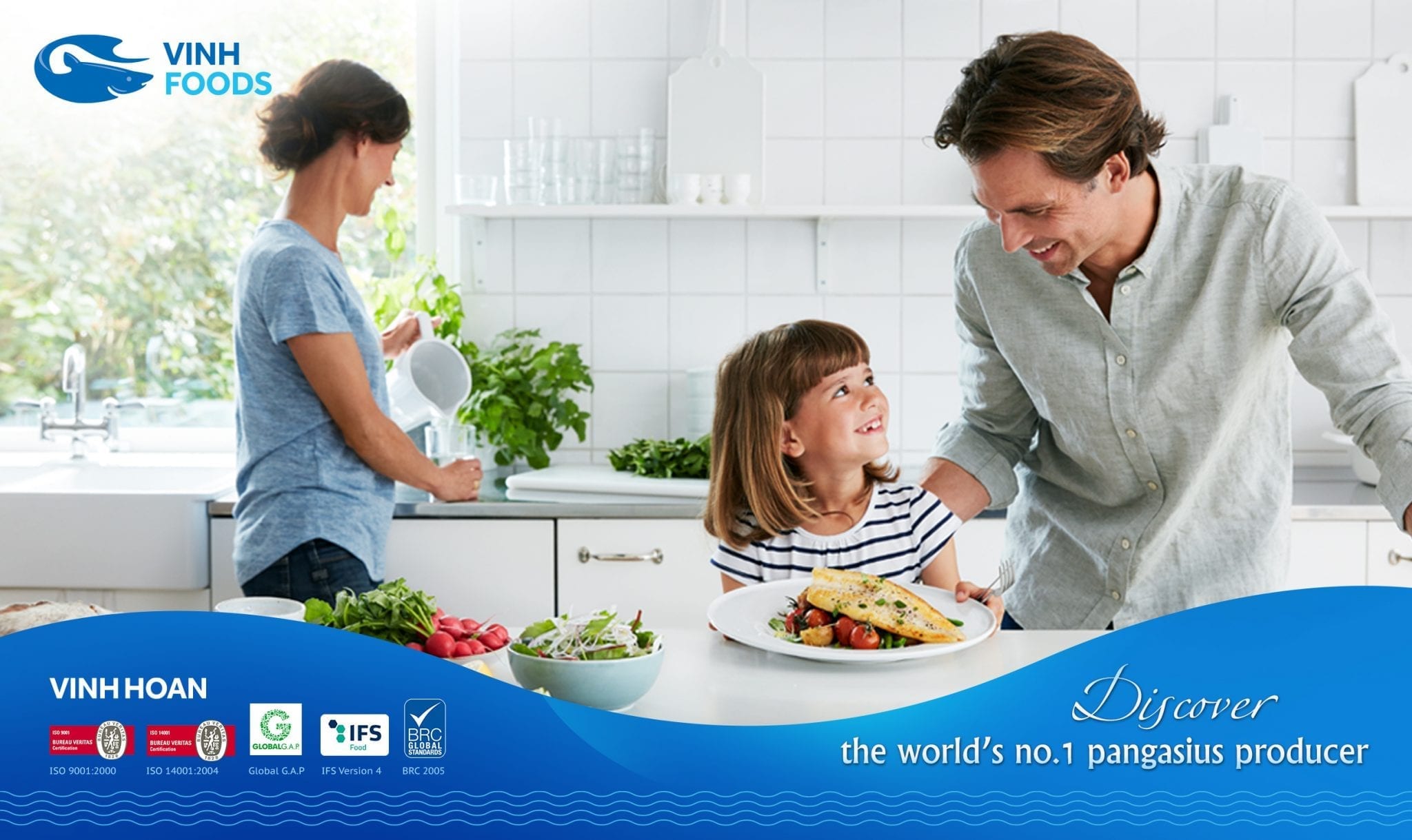
  • Vinh Foods products to be sold in Spain supermarket

    Vinh Foods products to be sold in Spain supermarket

    Vinh Foods products, a brand of catfish processor Vĩnh Hoàn Corporation, have been put on the shelves of Mercadona, the largest supermarket chain in Spain, from December.

    Vĩnh Hoàn Corporation is expected to earn revenue equal to 10 million euros (US$10.5 million) from supplying tra fish to Mercadona in 2017 and 16-19 million euros in 2018-19.

    The company started negotiations with Mercadona in 2015 and the first batch was shipped this September.

    Mercadona owns a chain of 1,598 supermarkets, accounting for nearly 60 per cent of the tra fish retail market in Spain, until October.

    Vĩnh Hoàn Corporation is the largest tra fish exporter in Việt Nam. Statistics showed that in the first 10 months of this year, the company earned revenue of more than $202 million, a rise of 8 per cent over the same period last year.

    Việt Nam earned $1.67 billion from exporting tra fish this year, increasing by 7 per cent over 2015.

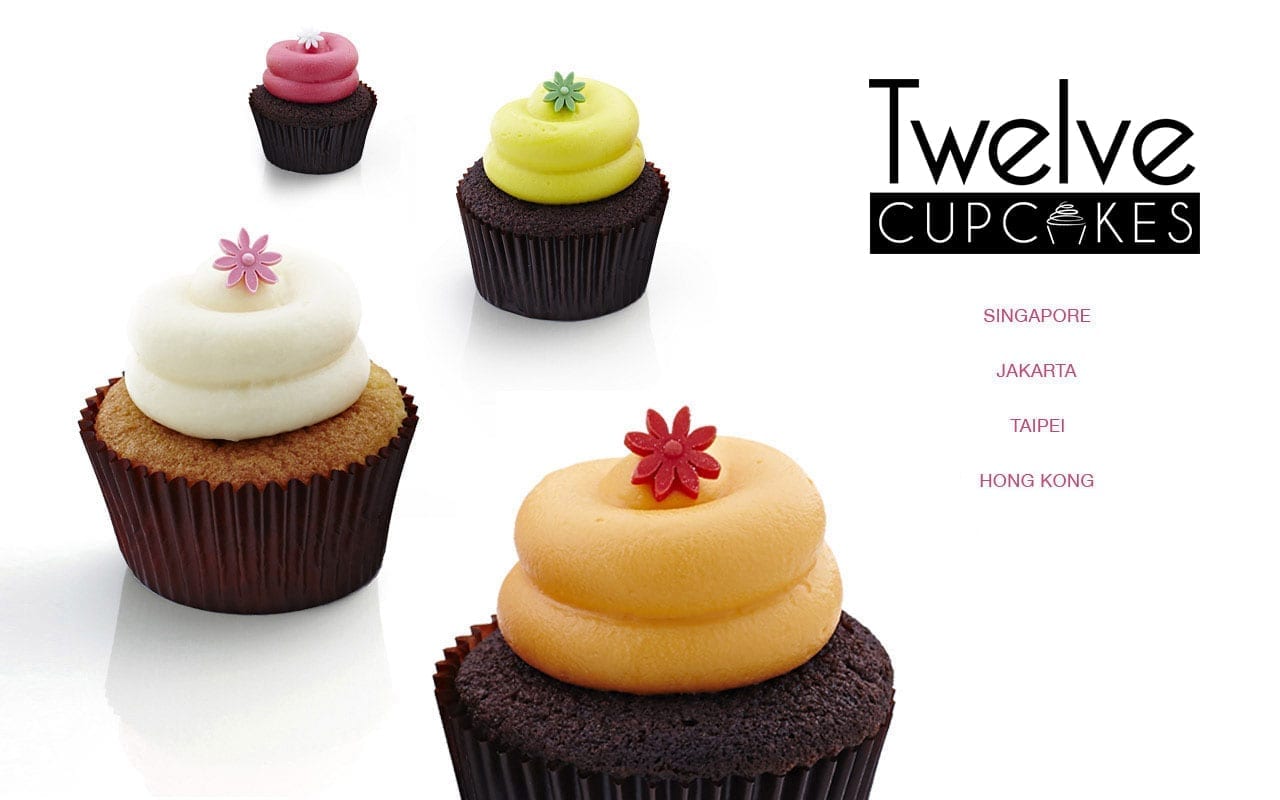
  • Twelve Cupcakes sold to Indian tea company

    Twelve Cupcakes sold to Indian tea company

    Less than a month after celebrity couple Jaime Teo and Daniel Ong made their divorce public, it is now confirmed that Twelve Cupcakes, the cupcake chain they founded in 2011, has been sold to Kolkata-based Dhunseri Group, one of India’s largest tea producers, for S$2.5 million.

    Mr Mrigank Dhanuka, a member of the family that owns the Dhunseri Group, told: “We have acquired a 100 per cent stake in Twelve Cupcakes. The company, with a presence across 17 malls, helps us establish a strong footprint in the food & beverage (F&B) space in the Singapore market. We are looking at turning the business around, which is at just about cash break-even point at this juncture.”

    The sale was completed last December, following the divorce four months earlier of the former beauty queen and the radio deejay.

    The couple made the news of their divorce public on Dec 31 on their respective Instagram accounts.

    They have a six-year-old daughter, Renee, and they both said their focus is on giving her “as normal a childhood as possible”.

    “We have no comment on the story for now,” Mr Ong said in his response to queries about the sale of Twelve Cupcakes, which has expanded to more than 40 outlets across six countries in the region. Ms Teo did not respond by press time.

    The deal marks Dhunseri Group’s first foray into the F&B space in Singapore and the region. Mr Dhanuka has relocated to Singapore to head the operations locally, with plans to widen his firm’s presence in the F&B scene here. “We will be expanding our F&B portfolio under Twelve Cupcakes with new product launches in Singapore. We are also looking at expanding in the region post this acquisition. We continue to look for value deals here in the confectionery space,” he said.

    Dhunseri Group, which has been in the tea business for more than five decades, expanded its holdings to 10 estates in 2012-13 in Assam, from eight estates in 2003-04. The group also has a sizeable presence in the petrochemicals sector in India.

    The Twelve Cupcakes deal comes at a time when the retail industry in Singapore is struggling amid poor consumer sentiment, high costs, labour constraints and, above all, increased competition from e-commerce. The F&B segment has, however, remained largely resilient to the broader retail decline, and malls have increased the F&B share of their tenant mix sharply to attract footfall.

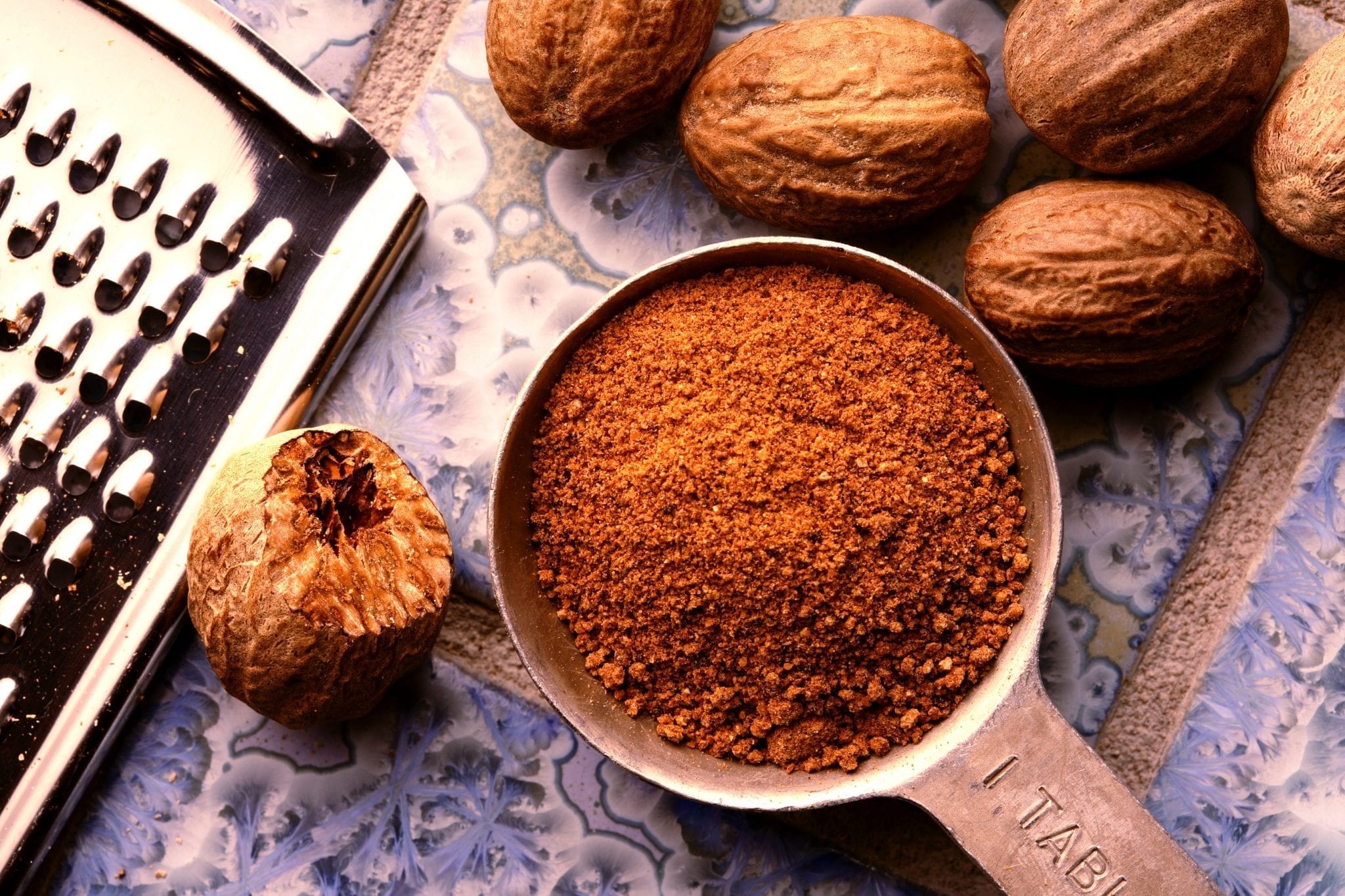
  • Indonesia to boost nutmeg exports to Germany

    Indonesia to boost nutmeg exports to Germany

    The Indonesian government intends to encourage local exporters in North Sulawesi to sell nutmeg to Germany, as the country was the number one buyer of the spice in 2016.

    “The (nutmeg) demand from the Germans is high, with exports occurring every week,” said Secretary of Trade and Industry Department Darwin Muksin here on Tuesday.

    According to the North Sulawesi Trade and Industry Department, the export volume of nutmeg to Germany had reached 29 tons and earned US$234,725 in revenue by the end of 2016.

    Muksin added, the demand from Germany showed a positive trend that tended to increase occasionally, with imports arriving almost every month.

    “The export volume to and revenue from Germany is proof that food commodities have not been shaken by the global financial crisis that started in Europe,” he noted.

    The government is optimistic that the exports from North Sulawesi will continue to increase in December 2016, as no postponement of the trade contract has been reported.

    Besides nutmeg, North Sulawesis prime commodities are coconut powder, crude coconut oil, and fisheries products.

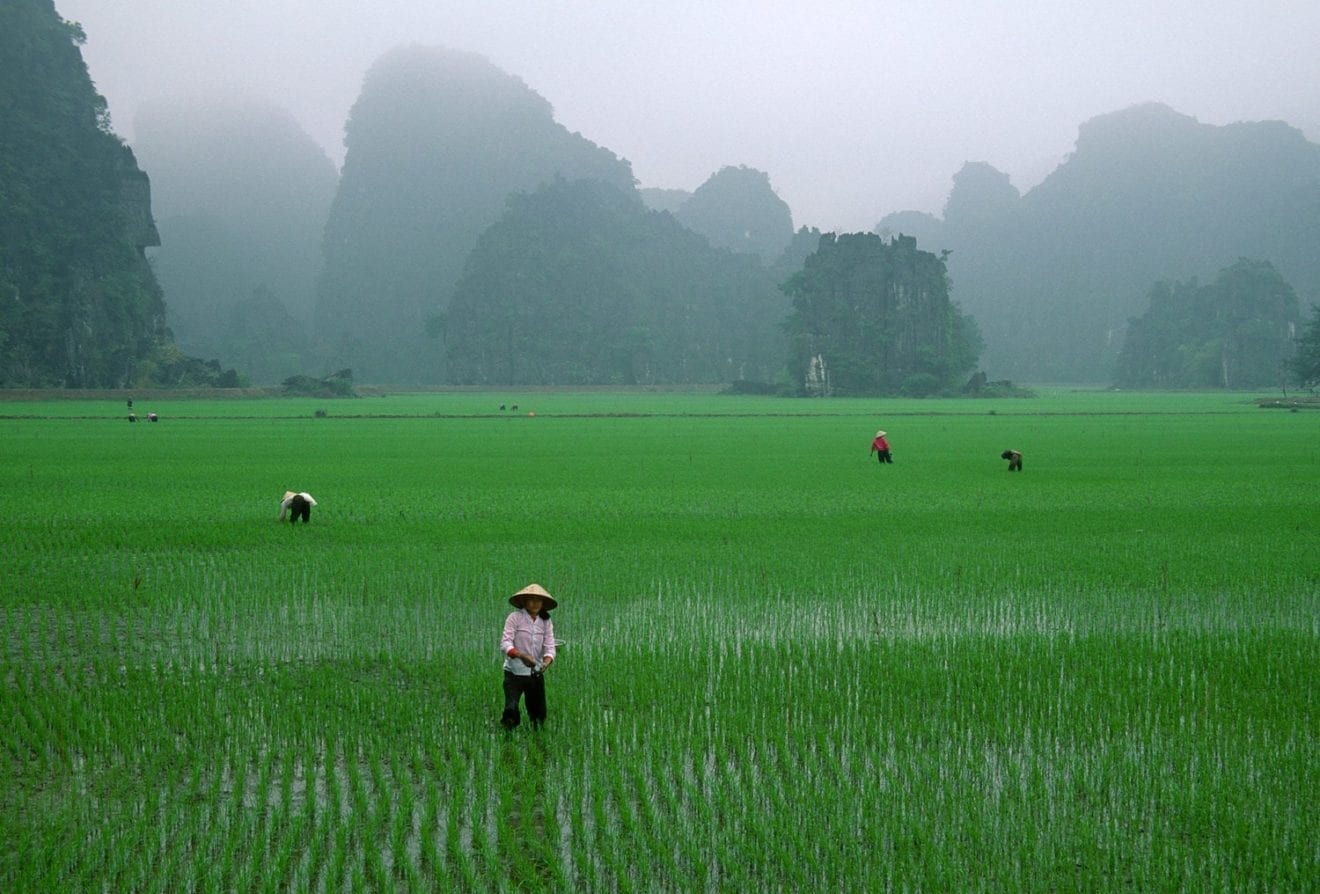
  • China authorises 22 Vietnamese rice exporters

    China authorises 22 Vietnamese rice exporters

    China has authorised 22 Vietnamese businesses to export rice into its market, Việt Nam’s Ministry of Agricultural and Rural Development (MARD) announced.

    China’s General Administration of Quality Supervision, Inspection and Quarantine (AQSIQ) has given only 22 firms permission to start exporting rice and rice products starting January 1, counting from the date of departure from the Vietnamese border.

    Any businesses not listed by AQSIQ will be banned from exporting to the Chinese market from January 1, the ministry’s Plant Protection Department (PPD), which received the related documents from AQSIQ on December 23, said.

    The PPD has notified the Vietnam Food Association, sterilisation companies for exported rice and the 22 listed businesses, and published the list online at www.ppd.gov.vn

    The PPD has ordered the 22 companies to comply strictly with the regulations on food safety and plant quarantine set by both Việt Nam and China. It has also urged sterilisation companies authorised by the AQSIQ to work with rice exporters to maintain the quality of the rice and ensure there are no storage pests.

    The AQSIQ has issued the list after carefully considering numerous Vietnamese businesses that had applied for permission to export. A group of Chinese experts had travelled to Việt Nam to inspect 31 enterprises that had previously applied to the local ministry for export rights to China.

    Among the several countries that import Vietnamese rice, China tops the list with 35.4 per cent of market share in the first three quarters of 2016, according to MARD.

    The total rice export turnover into the Chinese market touched 1.35 million tonnes amounting to $613.4 million, down 23 per cent in terms of quantity and 13.9 per cent in terms of value as compared to the same period in 2015.

  • KFC launches first AI-enabled outlet in Beijing

    KFC launches first AI-enabled outlet in Beijing

    Kentucky Fried Chicken (KFC) has launched its first artificial intelligence-enabled store in the Chinese capital city and plans to further expand its layout of smart restaurants, creating more innovative and interesting dining experiences for customers.

    With the cooperation of Baidu Inc, China’s largest search engine, KFC started its first smart restaurant in the Financial Street area in Beijing.

    At the store, customers are able to take pictures with a machine, which will recognise the diner’s face, sex, age, mood and other features, then help to recommend suitable food and set meals and complete the ordering process.

    “If the consumer visits the store again and takes a picture with the machine, it will be able to recognise his or her face and show the previous purchase history, remember the customer’s dining habits, and help to place an order faster,” Wu Zhongqin, deputy director of the Institute of Deep Learning of Baidu Inc, which helped to develop the technology said.

    With another machine with an augmented reality, or AR function, customers are able to interact with the machine, change facial expressions by shaking their heads in front of the machine, take photos, and save them to their phones.

    In April, KFC, an affiliate of Yum China Holdings Inc, started its first Chinese smart restaurant in Shanghai.

    The outlet is equipped with intelligent robot ordering, debuting the use of artificial intelligence in chain restaurants, state-run China Daily reported.

    Zhao Li, general manager of Beijing KFC, said smart restaurants are not only about the cool hardware, but more about providing convenience to consumers.

    “Our innovations make use of the cutting-edge technologies and they will help to attract more young consumers who prefer fashionable new things. The digitalisation of the restaurant will also help to provide faster and easier services,” she said.

    “We believe that the restaurant dining experiences must continue to upgrade. With 5,000 stores in China, we plan to expand such services nationwide soon, to adapt to the digital age and enable more consumers to experience enjoyable ordering experiences.”

  • Frshly launches automated food dispensing system

    Frshly launches automated food dispensing system

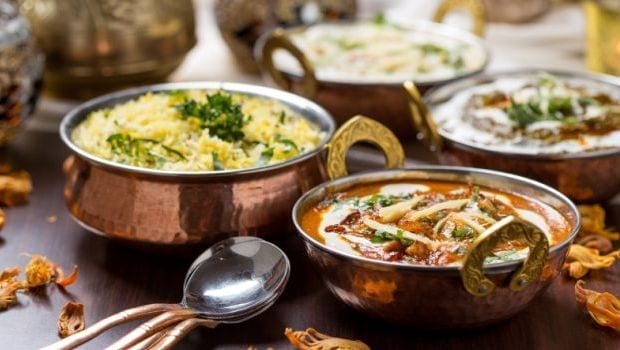
    ‘Frshly’ has launched its service offerings at the Bengaluru Central Railway Station and Chennai international Airport. Frshly is a first-of-its-kind automated retail marketplace that sells fresh and hot food from popular restaurant brands in the city for people who are on the move.

    Currently offering 6 different cuisines with 30 combos, the brand promises unprecedented service quality, convenience and variety to its customers through its state-of-the-art dispensing machines. The brand is currently present across 3 cities – Bengaluru, Chennai and Secundrabad.

    ‘Frshly’ serves piping hot food from popular restaurants across the city including Tadka Singh, Currylicious and Delhi Highway. Anjappar and Nandhana Palace in Bengaluru, while in Chennai food is available from – ‘Anjappar, Kumarakom’, ‘Delhi Highway’, ‘Arab Street’, ‘Madrasi Biryani’ and Eco Kitchen.

    Consumers have a wide range to choose from multiple restaurants at every Frshly outlet.

    Consumers can download theFrshly app from Apple and Google play stores to pick locations, order and pay for their food on the go. The available food options have been priced between – INR 79 – INR 160.

  • Hong Kong is the new target for J.Co Indonesia

    Hong Kong is the new target for J.Co Indonesia

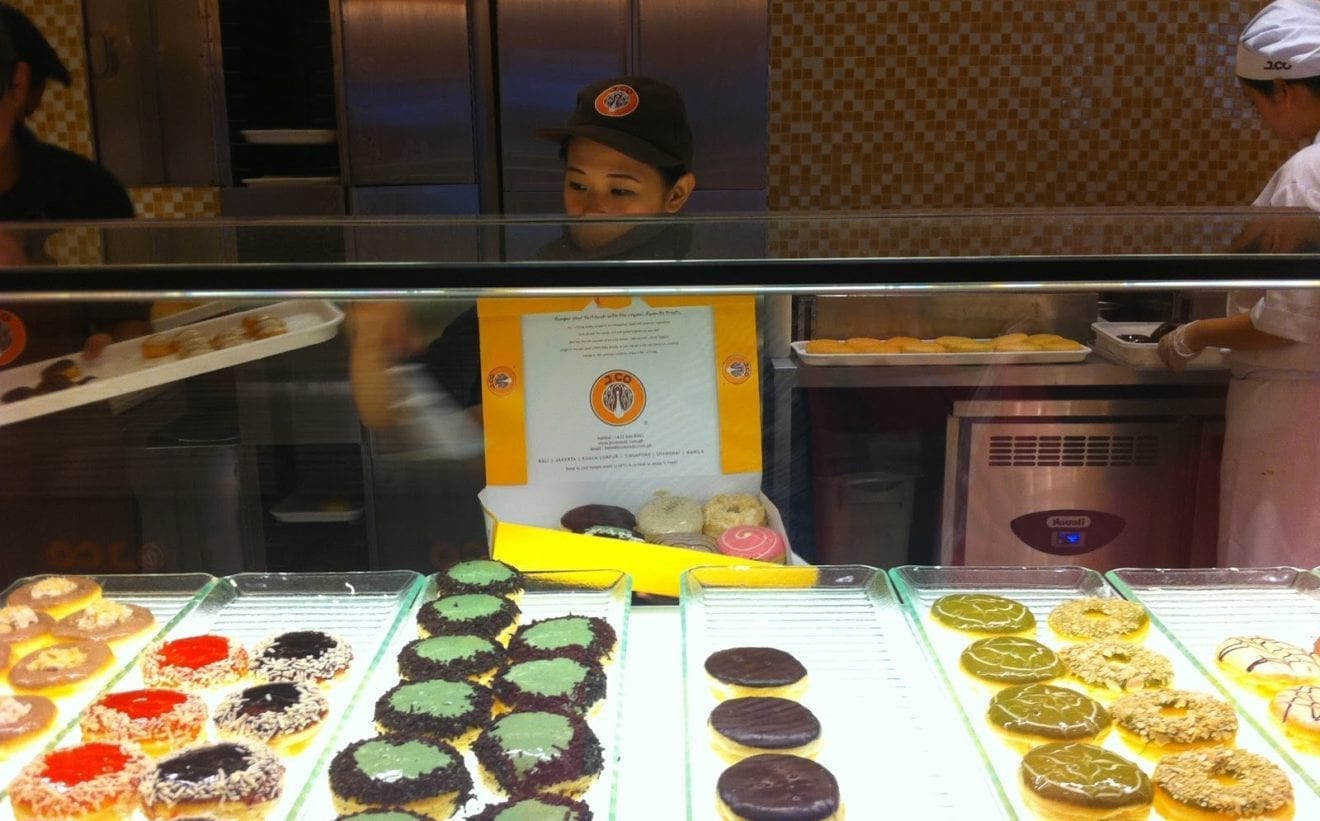
    J.Co Donuts & Coffee, the Indonesian ‘lifestyle cafe’ chain has further expanded its Asian footprint, opening its first store in Hong Kong this week.

    The 11 year-old brand now has 250 stores in its home market,Malaysia, Singapore and the Philippines – and now on Hennessy Road in Wan Chai.

    A review in Coconuts Hong Kong describes the new store as “an indecisive person’s worst nightmare”, because customers can either select their own combinations or let the staff suggest donut-coffee pairings, “like wine pairings, but actually acceptable for children and teetotallers”.

    The store has a core range of 24 flavours – and the indecisive can order a box of mini donuts (one of each flavour) to take away fro HKD98. Standard-sized ones sell for HKD15 each, or HKD88 for six.

    In keeping with the brand’s quirky, unique market positioning which sets it apart from US donut store brands, the food comes in celebrity-inspired names, such as strawberry-and-cream cheesy Berry Spears, the nutty, chocolate Jackie Chunk and the fruity Blueberrymore.

    J.Co Donuts & Coffee also offers an extensive coffee menu, frappes and even a ‘Hot Tiramisu’ drink.


  • First step in Taiwan for Ramen Iroha

    First step in Taiwan for Ramen Iroha

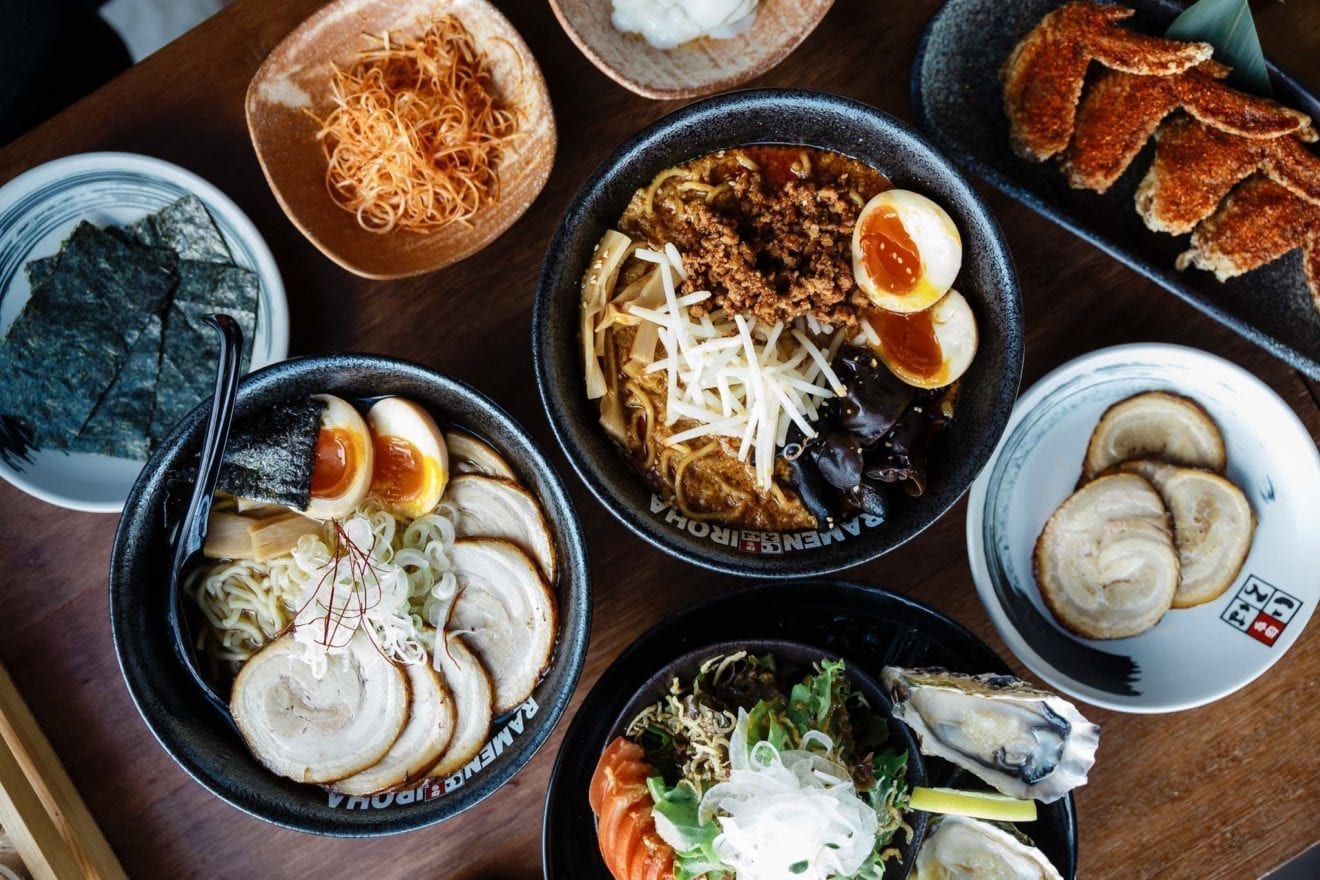
    Japanese restaurant chain Ramen Iroha has opened its first outlet in Taiwan.

    The Ramen Iroha Taiwan restaurant is a joint venture with local partner I-Mei Food which is sourcing ramen ingredients free from additives and chemical residues, and so appeal to health-conscious diners.

    Ramen Iroha, ranked number one in sales for three consecutive years in 2009, 2010 and 2011 at Tokyo Ramen Show, is gradually building a network of restaurants globally, with local partners. It recently opened in Hong Kong’s Causeway Bay.

    Signature dishes include ramen in black soy sauce and ramen with scallion and partially cooked eggs. One of the special features of its noodles is that the ramen is prepared in comparatively mild-flavour.

    The new Taiwan store is located on a street corner near Hsinchu Science Park at No 103 in Ziqiang South Road, Zhubei City, Hsinchu County.

  • Seoul Michelin Guide launched

    Seoul Michelin Guide launched

    The first ever edition of the Seoul Michelin Guide has been released.

    Seoul is enjoying a growing reputation for its eclectic dining scene ranging from royal cuisine restaurants and fine dining establishments to its many specialty Korean one dish restaurants and its popular street food.

    The new guide brings together a selection of the best of all cuisines with every establishment chosen first and foremost for the quality of cooking.  Two restaurants awarded three stars are Korean cuisine restaurants Gaon and La Yeon.  La Yeon on the 23rd floor of Shilla Hotel was named in the Best 50 Restaurants in Asia in 2016.

    Other contemporary Korean restaurants in Seoul like Jungsik and Mingles are well known for their innovative cuisine and the blending of traditional Korean ingredients into modern contemporary dishes with unique Korean flavours.

    Jungsik also made it onto the Best 50 Restaurants in Asia list in 2016 and executive chef Jungsik Yim also has a restaurant in New York.  Mingles executive chef Mingoo Kang trained under Martin Berasetegui in San Sebastian, Spain and later enjoyed stints at Nobu in Miami and the Bahamas.

    Korea is increasingly attracting foodies, not only for fine dining but for its variety of street food popular with locals and visitors alike. Specialty one-dish restaurants serving Samgyetang (whole baby chicken stuffed with ginseng and glutinous rice simmered slowly for hours) and Mandu (Korean style dumplings served with kimchi) abound.