Category: Food

Retail News Asia is committed to providing both local and global retailers with the latest Food and Food & Beverage news throughout the Asian market. This on a daily base.

  • Starbucks, Tencent debut social gifting on WeChat

    Starbucks, Tencent debut social gifting on WeChat

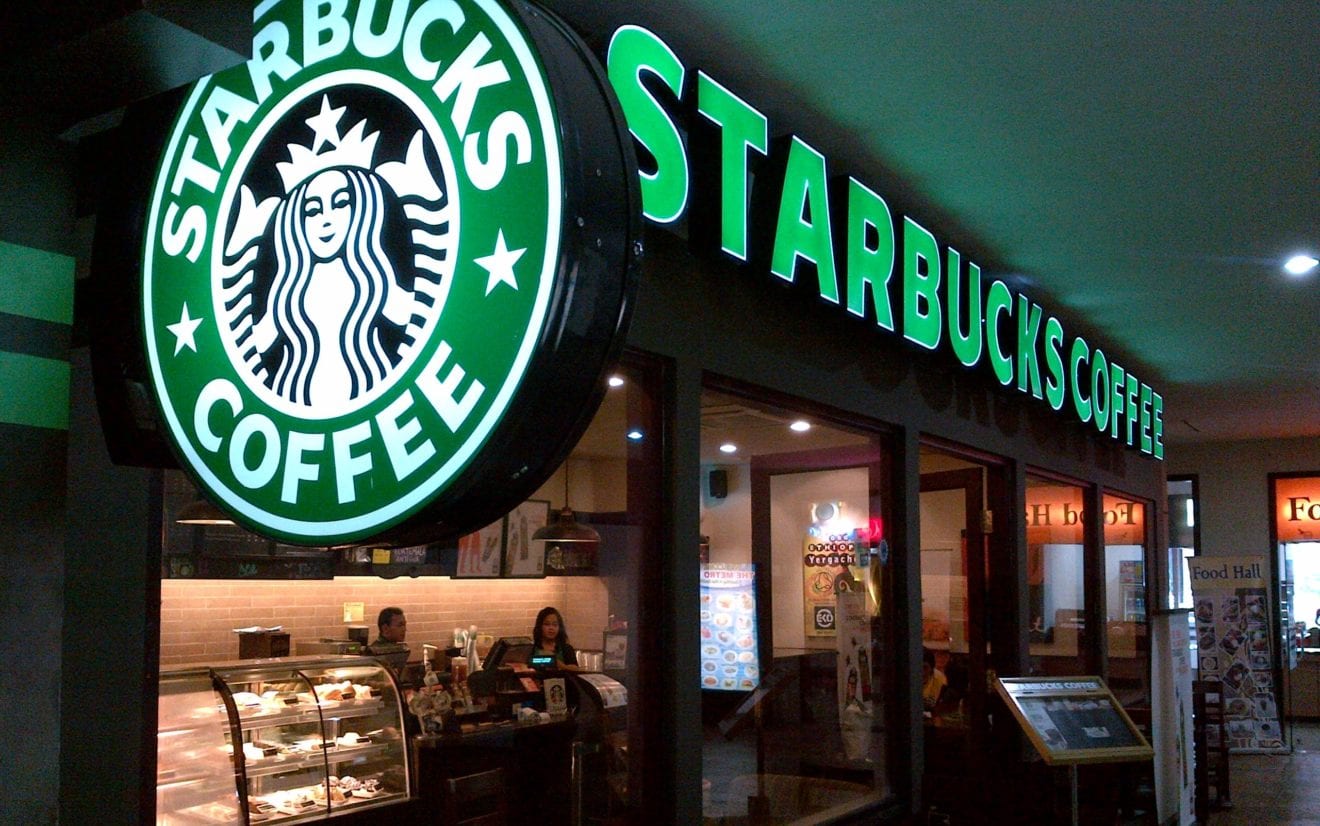
    Starbucks Coffee Company and Tencent Holdings have entered an alliance to co-create a new social gifting feature on WeChat.

    The new service, which will be rolled out early next year, will make it easy for Starbucks China customers to gift items to a friend or a family member.

    Customers will be able to select from Starbucks-branded gifts and products and add a personalized message. Recipients of these personal gifts and messages can save their gifts and memories on their WeChat accounts and redeem their gift at Starbucks stores across China.

    Users can use WeChat Pay to pay for their goods and services from their mobile devices at Starbucks retails stores. In China, more than 300 million users (as of March 2016) have linked their bank cards with WeChat or QQ, another flagship service of Tencent.

    “Just as Starbucks cards are among the most gifted around the globe, we aspire to also become the most gifted brand digitally in China,” said Belinda Wong, Starbucks China’s newly appointed CEO.

    The online social gifting platform is part of the company’s growing digital presence focused on connecting with customers through digital channels, including the Starbucks Mobile App, the My Starbucks Rewards program and social media.

    The announcement also builds on Starbucks rapidly expanding the portfolio of digital innovations in the country, which integrates the in-store experience with the digital “Fourth Place” experience.

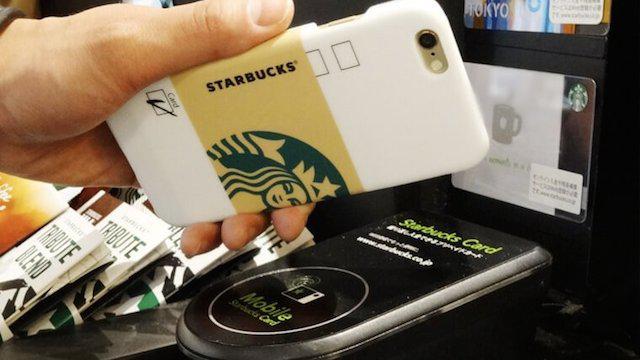
    Earlier this year, Starbucks also launched a mobile payment system in China aimed at providing My Starbucks Rewards (MSR) members access to a fast, seamless and convenient way to pay for purchases, using their pre-loaded Starbucks Gift Card on their mobile devices.

    Wong, who was appointed from president to CEO of Starbucks China in October, has been instrumental in Starbucks unprecedented growth in country – from 400 stores in 2011 to over 2,300 stores today.

    The company said in a news release when her appointment was announced that she will oversee Starbucks plans to double its scale to operate 5,000 stores in China by 2021.

    Aside from focusing on the company’s overall long-term growth strategy, she will be responsible for key areas, including the vast digital and e-commerce opportunities across the market.
  • Burger King sets up second store at new domestic terminal

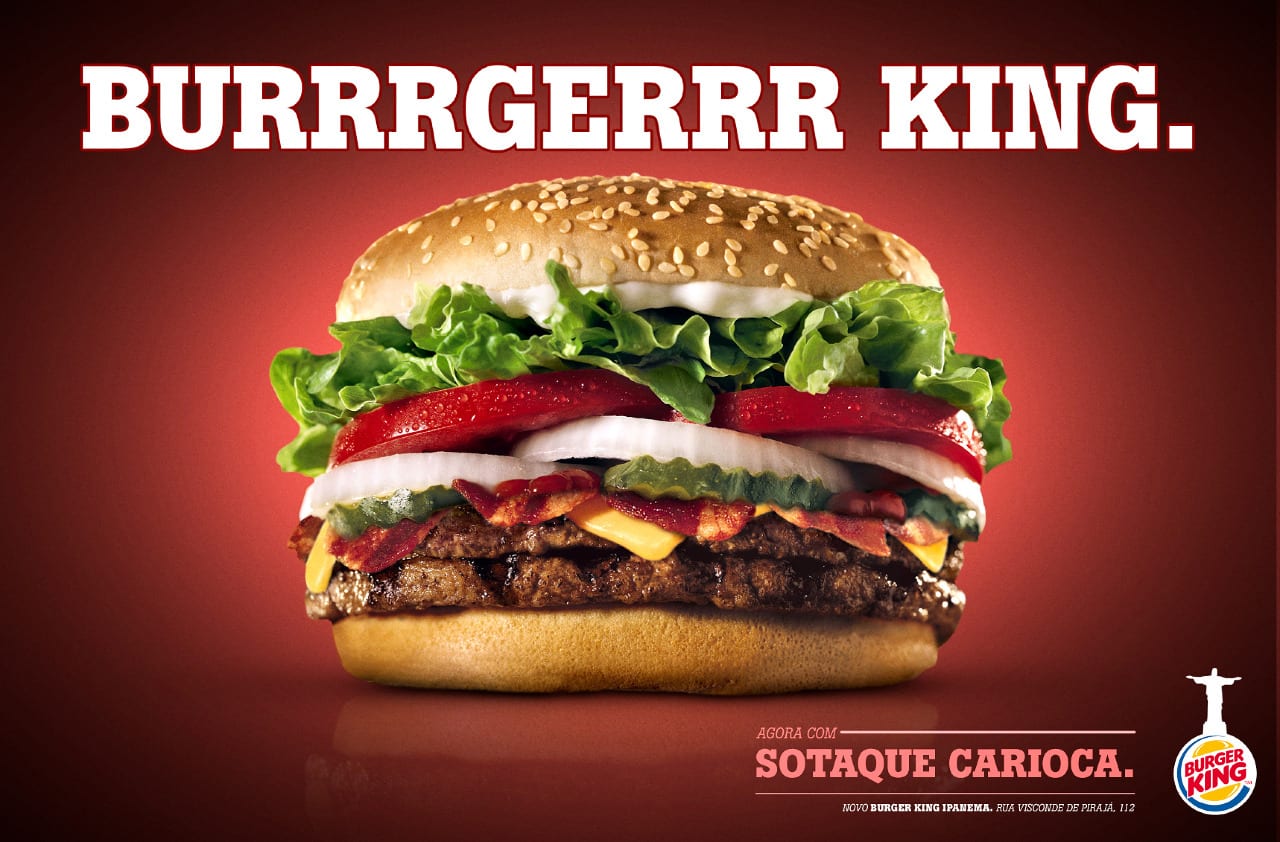
    Burger King sets up second store at new domestic terminal

    Myanmar is getting its first ever publicly-accessible Burger King outlet, although whopper-enthusiasts will have to make their way to Yangon International Airport’s new domestic terminal to slake their hunger.

    The new Asia World-built domestic terminal – T3 – opened yesterday, with the first flights scheduled to take off later this week, according to Asia World.

    T3 spans some 44,000 square metres, boasts 38 check-in counters and will offer domestic passengers a “well-curated mix of world-renowned and local retail outlets and food and beverage options”, the firm said.

    Among the food options is the country’s “first public Burger King outlet”, according to Asia World. The new international terminal, T2, which opened earlier this year, hosts the country’s first Burger King. But that store is only accessible after going through passport control and customs.

    Thai firm Minor Food Group (MFG) has the franchise rights for Burger King in Myanmar, but could not be reached for comment on the new store. Asia World was also unavailable for comment on whether the new outlet was already up and running.

    Prapat Siangjan, MFG’s general manager for Burger King Thailand, told in August that MFG was considering a second outlet in the domestic terminal. That store would have prices denominated in kyat, and help MFG better gauge public demand, he said.

    Prices at the international terminal restaurant are dollar-denominated and geared towards international tourists, with a standard value whopper meal going for US$8.50.

    The new domestic terminal will also boast international brands including Gloria Jean, Coffee Bean and KFC. The latter chain, operated by Yoma Strategic, is well established in Myanmar, with seven outlets in Yangon and a new store in Mandalay scheduled for 2017.

    T3 opens just a few months after T2 – also Asia World-built – started operations. Passenger numbers at Yangon International Airport terminals have risen three-fold over the past five years, according to Asia World. Yangon’s airport handled 4.68 million passengers in 2015, the firm said.

    All domestic airlines are expected to move their operations to the new terminal, Department of Civil Aviation deputy director general U Ye Htut Aung previously told us. Asia World said the first domestic flights are scheduled to take place from December 9.

    Myanmar has 10 airlines operating domestic flights to 26 local destinations, according to Asia World.

  • Pizza Hut China debuts robot waiters

    Pizza Hut China debuts robot waiters

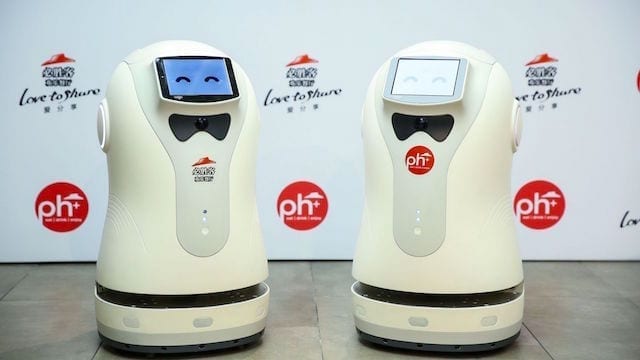
    Pizza Hut China has jumped on the robot restaurant bandwagon with its latest Shanghai outlet featuring two robot waiters.

    On the basement floor of the new Shanghai Tower, which as yet only has its observatory open, it is Pizza Hut’s first concept store, PH+.

    Guests are greeted by the two 80cm robots (both named Casper) at the door. The guest’s table number appears on their screen and one of them will lead the diner to their seat.


    Diners can place their orders via a display screen. Signature dishes include steaks and soft-shell crab pizza, and there are also special cocktails.

    In May, KFC introduced a high-tech outlet at Shanghai’s National Exhibition and Convention Center, where robots take the orders.


  • Stella Artois opens pop-up Toasting Lounge

    Stella Artois opens pop-up Toasting Lounge

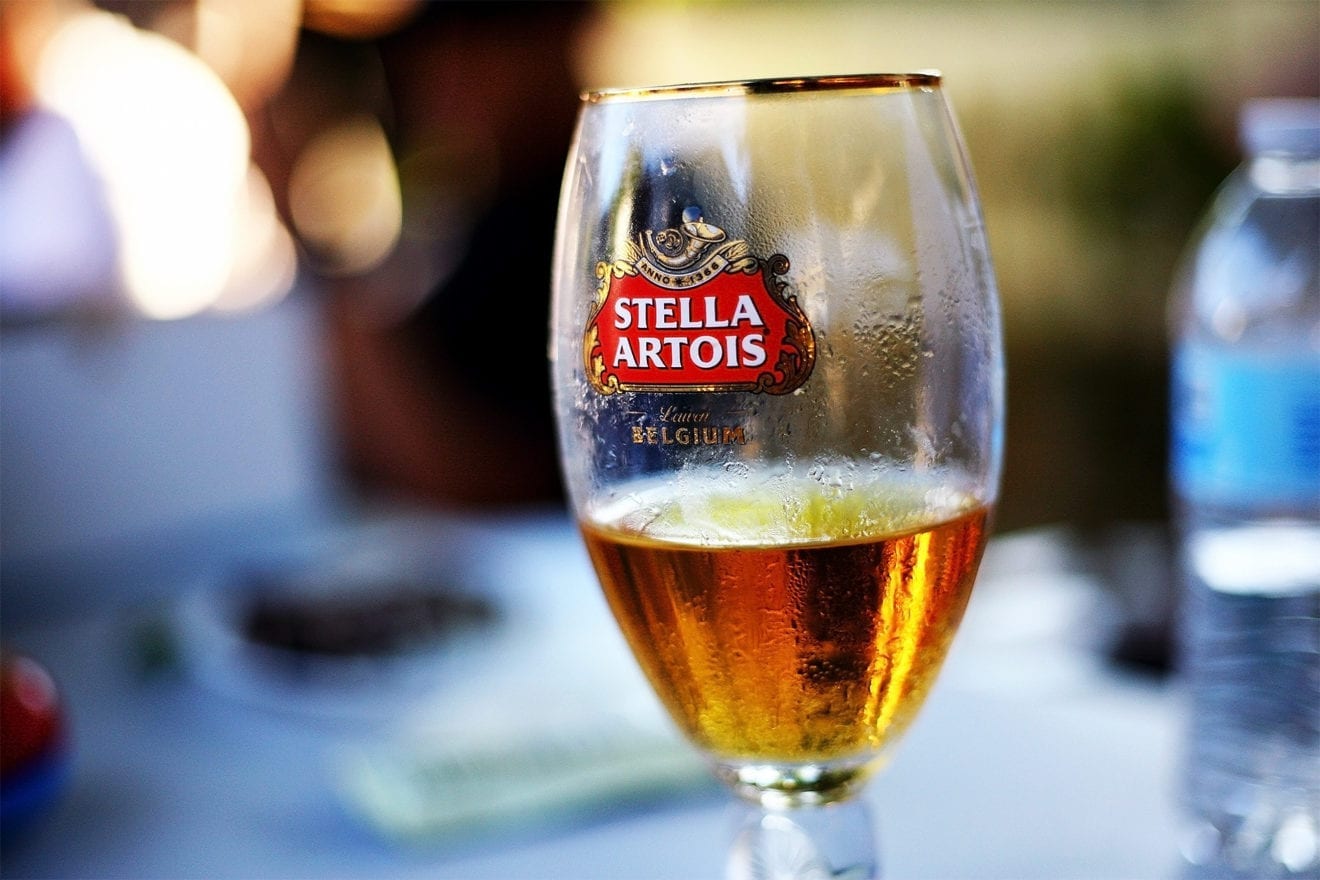
    A pop-up Stella Artois Toasting Lounge has been opened by the Belgian brewer in Pacific Place, Hong Kong.

    chalice-installation_from-the-top

    Until the end of the month, beer lovers and Christmas shoppers can sample a Stella Artois brew and buy the brand’s special Christmas set, exclusive to the lounge. The Christmas set features a limited-edition Stella Artois holiday chalice, which can be engraved on-site with the recipient’s name or a short Christmas greeting. There is also a limited-edition 750ml holiday bottle, which can also be engraved.

    stella-artois-toasting-lounge-in-pacific-place-1

    Both the chalice and bottle incorporate a star in their design, which pays homage to the brand’s origins. The Stella Artois brew was originally created by The Artois Brewery as a Christmas gift for the people of Leuven in Belgium, with “stella” being added to its title as it is Latin for “star”.

    chalice-installation_inside

    stella-artois-bar

    Fun and social social activities are also being offered at the lounge, plus a “happy hour” every day. There will also be surprise happy hours, signalled by the ringing of a bell.

    stella-artois-toasting-lounge-chalice-installation

    Free half-pints are offered for certain social-media activity by guests, plus there are competitions with the limited-edition Christmas Set as a prize.

    There is a special chalice installation where visitors can take selfies including a 360deg. “Moment with the Stars” photo to share on Facebook.

    Open from 11.30am daily until 8.30pm but with specific hours for bar service, the lounge is on Level 1 at Pacific Place.

    stella-artois-toasting-lounge-in-pacific-place-2

  • Changed deal as McDonald’s Corp sells

    Changed deal as McDonald’s Corp sells

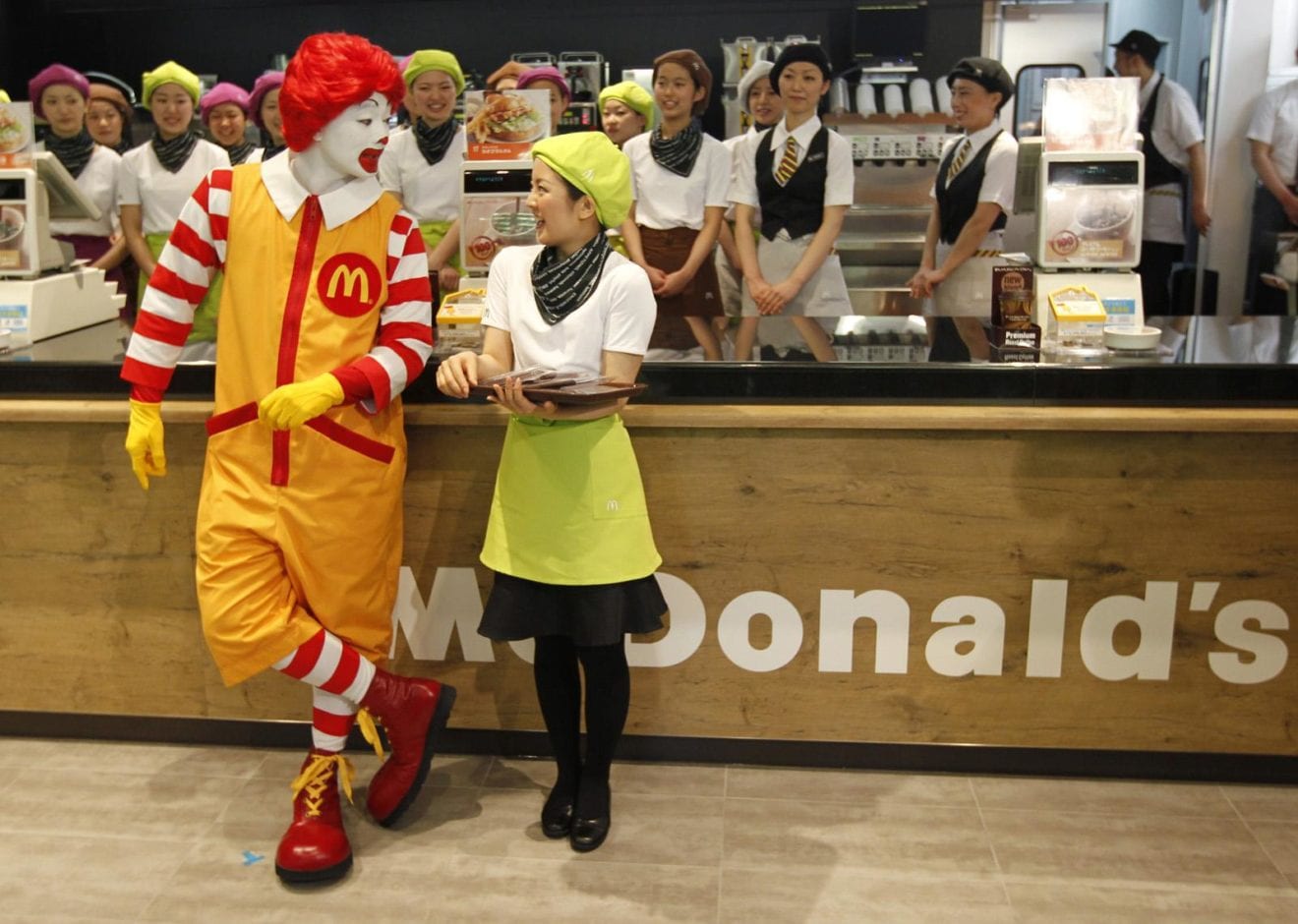
    While finalising a buyer for its China and Hong Kong stores, McDonald’s Corp has decided to keep a “significant” minority stake.

    The US fast-food chain has picked a consortium led by private-equity firm Carlyle Group and Chinese conglomerate Citic Group to buy the stores.

    Its decision to retain the minority stake lowered the price tag from the $3 billion reportedly sought. An insider says McDonald’s decided to keep a slice of the business as it wants exposure to future growth in the world’s second-largest economy.

    Meantime, the company will also keep its stores in South Korea, which it previously also wanted to sell, Reuters reports.

    Early this year McDonald’s said it was reorganising its business in the region, seeking strategic partners in China, Hong Kong and South Korea as it switches to a less capital-intensive franchise model.

  • Asahi Shuzo sake collaborating with chef

    Asahi Shuzo sake collaborating with chef

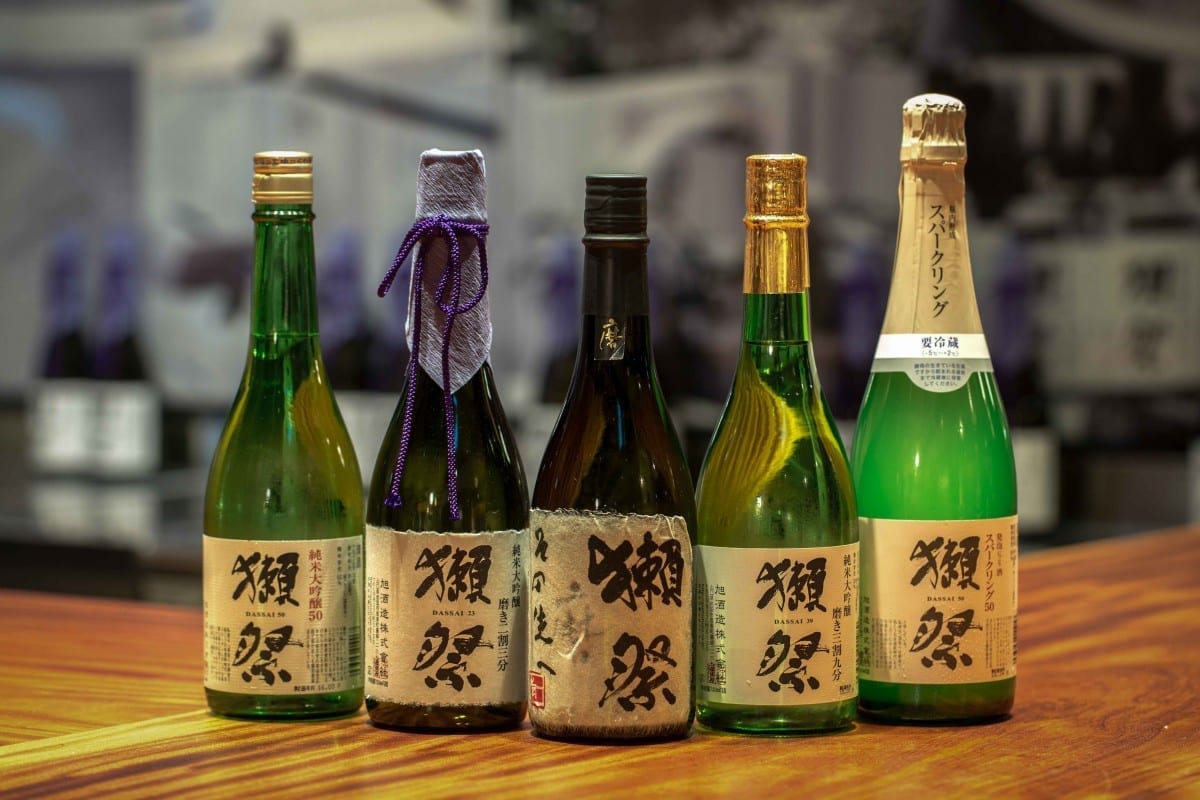
    Japanese sake maker Asahi Shuzo plans to open a shop in Paris next year in collaboration with French chef Joel Robuchon.

    It will have a bar featuring Dassai sake, with Robuchon overseeing a restaurant that will pair the rice wine with French cuisine.

    It is rare for a domestic sake brewery to open a shop overseas.
    Visiting Tokyo, Robuchon said that Dassai – made in Iwakuni, Yamaguchi prefecture – goes well with his dishes.

    “We want to attract people who do not have any particular interest in Japan,” says Asahi Shuzo president Kazuhiro Sakurai about the restaurant venture. ‘We hope to expand the scope of Japanese food and blend it with local culture.”

    Asahi Shuzo and Robuchon will jointly manage the Paris restaurant. The sake maker originally planned to open an outlet in the French capital two years ago.

  • Crown brings back Snyder’s of Hanover pretzels to Korea

    Crown brings back Snyder’s of Hanover pretzels to Korea

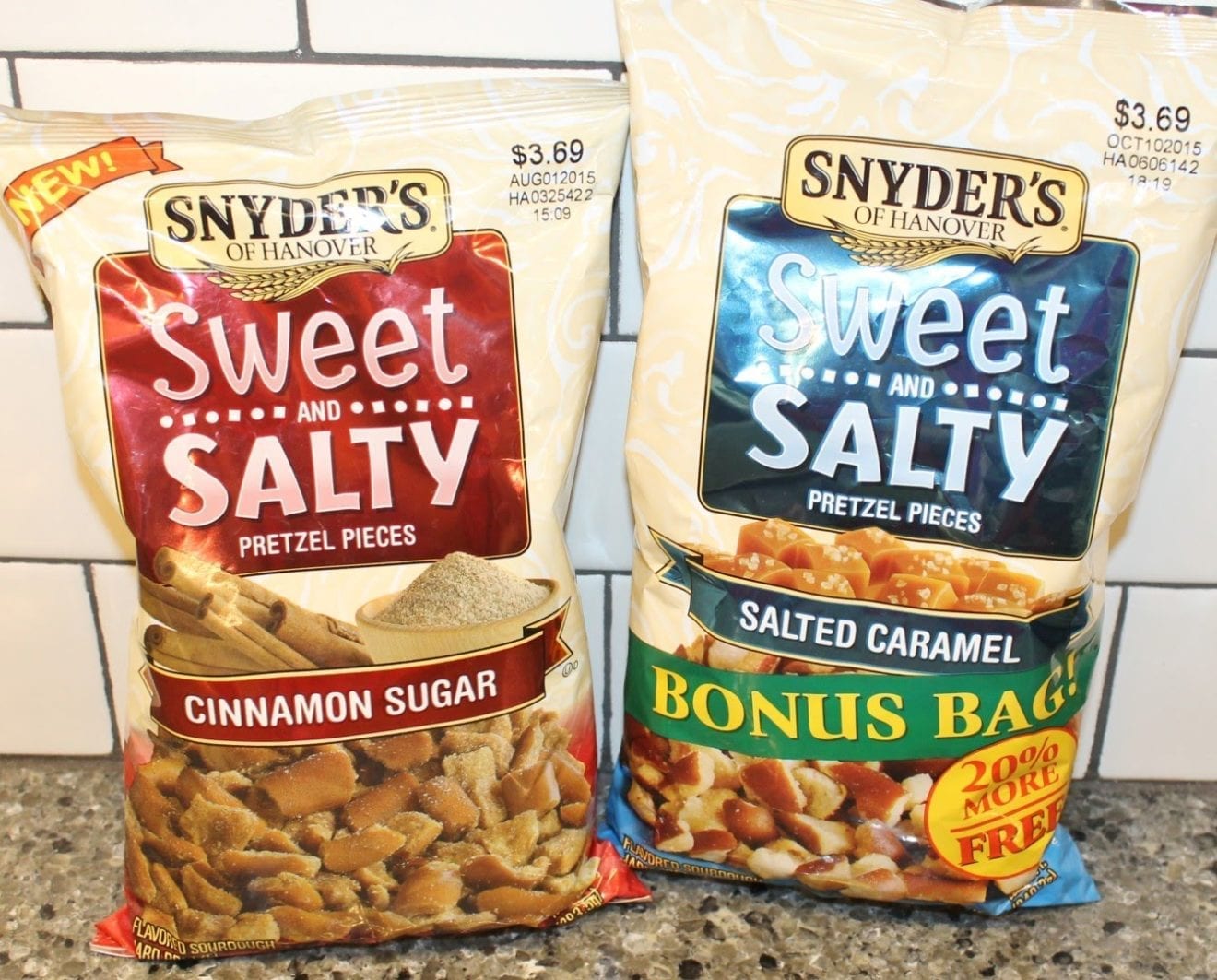
    America’s all-time favorite pretzel brand Snyder’s of Hanover will re-enter South Korean snack market via local snack maker Crown Confectionery Co., with the salty and buttery biscuit gaining popularity as a tidbit among beer and wine lovers in Korea.

    A pretzel is a type of snack made from sourdough most commonly shaped into a twisted knot and has a salty taste. It remains as an all-time favorite snack in the U.S. and Europe.

    Crown Confectionery on Tuesday said it inked an agreement with Snyder`s-Lance Inc., U.S-based snack maker that owns Snyder’s of Hanover brand along with many other snack labels, to form a strategic partnership. Under the agreement, the Korean snack maker will have exclusive rights on pretzel supplies to sell and distribute the Snyder’s of Hanover pretzels in Korea. The Korean snack maker also plans to gradually increase the volume of cross-selling products with Snyder`s-Lance.

    Snyder`s-Lance first entered Korean snack market with its pretzels in 2007 through a bakery company as its reseller but it was forced to exit the market last year after failing to penetrate into Korea’s bigger retail shops. The America’s number one pretzel brand suffered a disgrace in its first attempt due to the marketing strategy of positioning itself as an assortment of bakery products when it actually is a type of snack, industry experts said.

    The American snack maker posted $1.66 billion in net revenue for the full year 2015 and accounts for a 35 percent of pretzel market in the U.S.

    The demand for pretzels is rising sharply, especially among beer lovers, said an unnamed Crown Confectionery official. The estimated size of pretzel market in Korea is around 40 billion won a year, according to local snack makers.

    The pretzel assortments will hit the shelves in near future through Crown Confectionery’s sales network throughout the country, the official added.

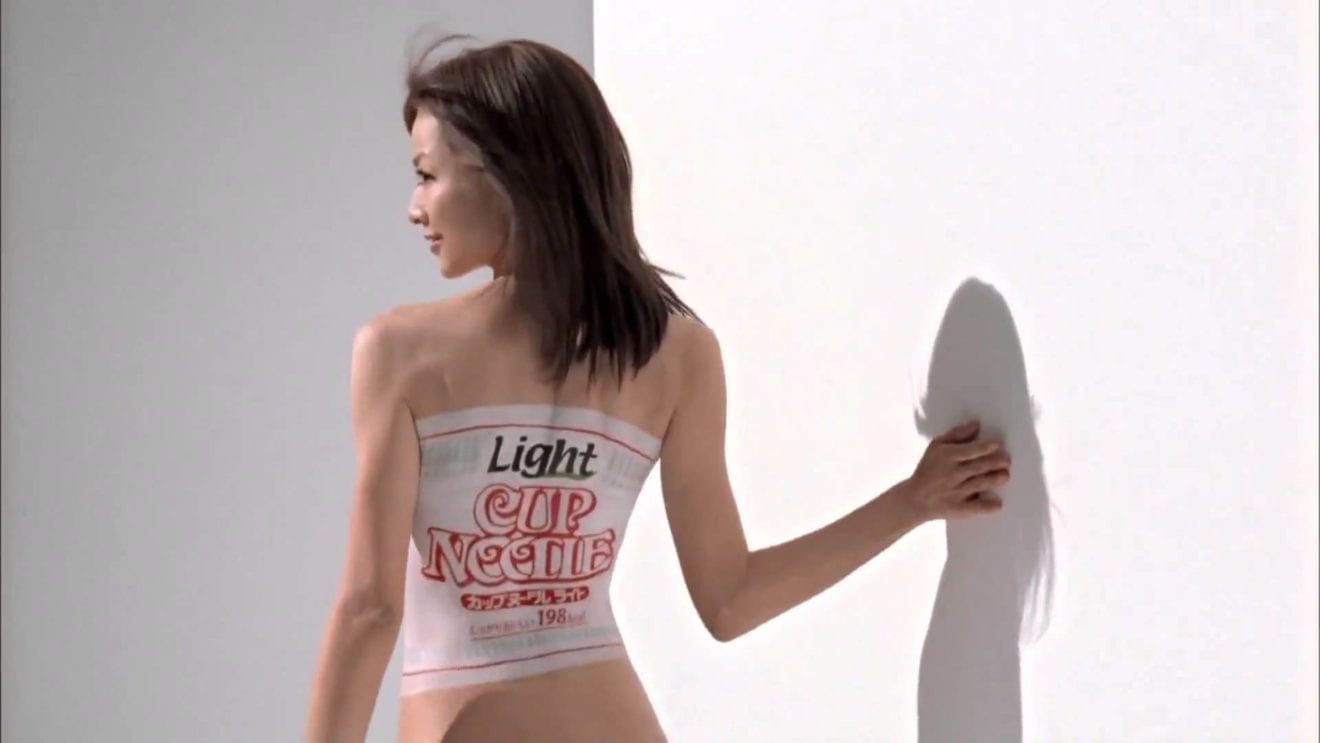
  • Nissin joins up with Final Fantasy XV for awesome “Cup Noodle XV” promotion

    Nissin joins up with Final Fantasy XV for awesome “Cup Noodle XV” promotion

    Put together by the XV development team, this is being billed by its producers as the first-ever official mashup TV commercial in the history of Final Fantasy.

    It was just a few days ago that we heard news of a possible collaboration between Final Fantasy XV and Nissin, the maker of Cup Noodles. After the developers of XV, Square Enix, received a delivery of ramen to congratulate their hard-working team on the game’s release, they responded by promising to return the favour with a special collaborative commercial. We didn’t have to wait long to find out what type of ad they had in mind, because the “CUP NOODLE XV” PR team have now revealed all the details of the collaboration, with the arrival of the special commercial below.

    The first half of the clip, endorsed with the Square Enix logo, shows the current ad for the game, while the second half, which opens with the noodle maker’s name, Nissin Shokuhin, shows Cup Noodles “bringing chaos” to the ad, which features some of the game’s famous scenes. In this part of the video, characters like Ardyn and Luna are pictured holding the well-known instant snack.

    final-fantasy-nissin-4

    final-fantasy-nissin-2

    Regis can now be seen telling an oversized cup of noodles to stand tall.

    final-fantasy-nissin-5

    While Noctis is surrounded by forks with the noodles on his head.

    final-fantasy-nissin-1

    In a particularly dramatic moment, our heroes defend Cup Noodles against the flames.

    final-fantasy-nissin-6

    Could the mystery meat in Cup Noodles actually be made from Leviathan?

    final-fantasy-nissin-3

    To coincide with the release of the new commercial, Nissin will be offering a box of 15 different Cup Noodle varieties to 150 lucky customers who enter a competition on the newly created Cup Noodle XV website.

    final-fantasy-nissin-10

    While the noodles don’t appear with any special limited-edition packaging, unfortunately, the 15 “characters” to be won still look delicious.

    final-fantasy-nissin-11

    Nissin and Square Enix enjoy a close relationship both professionally and geographically, given that the two companies are located a short four-minute walk from each other in Tokyo’s Shinjuku neighbourhood. This new collaboration is actually said to have been created out of their “neighbourly friendship” for each other.

    What started as an in-game collaboration featuring Cup Noodles looks set to grow even stronger now, given this latest promotion. The campaign website even reveals that another 30-second “Special Edition” commercial will be arriving soon, so there’s still more to look forward to from these two iconic Japanese companies!

  • Starbucks Vietnam And The Asia Foundation To Prepare Disadvantaged People to Work

    Starbucks Vietnam And The Asia Foundation To Prepare Disadvantaged People to Work

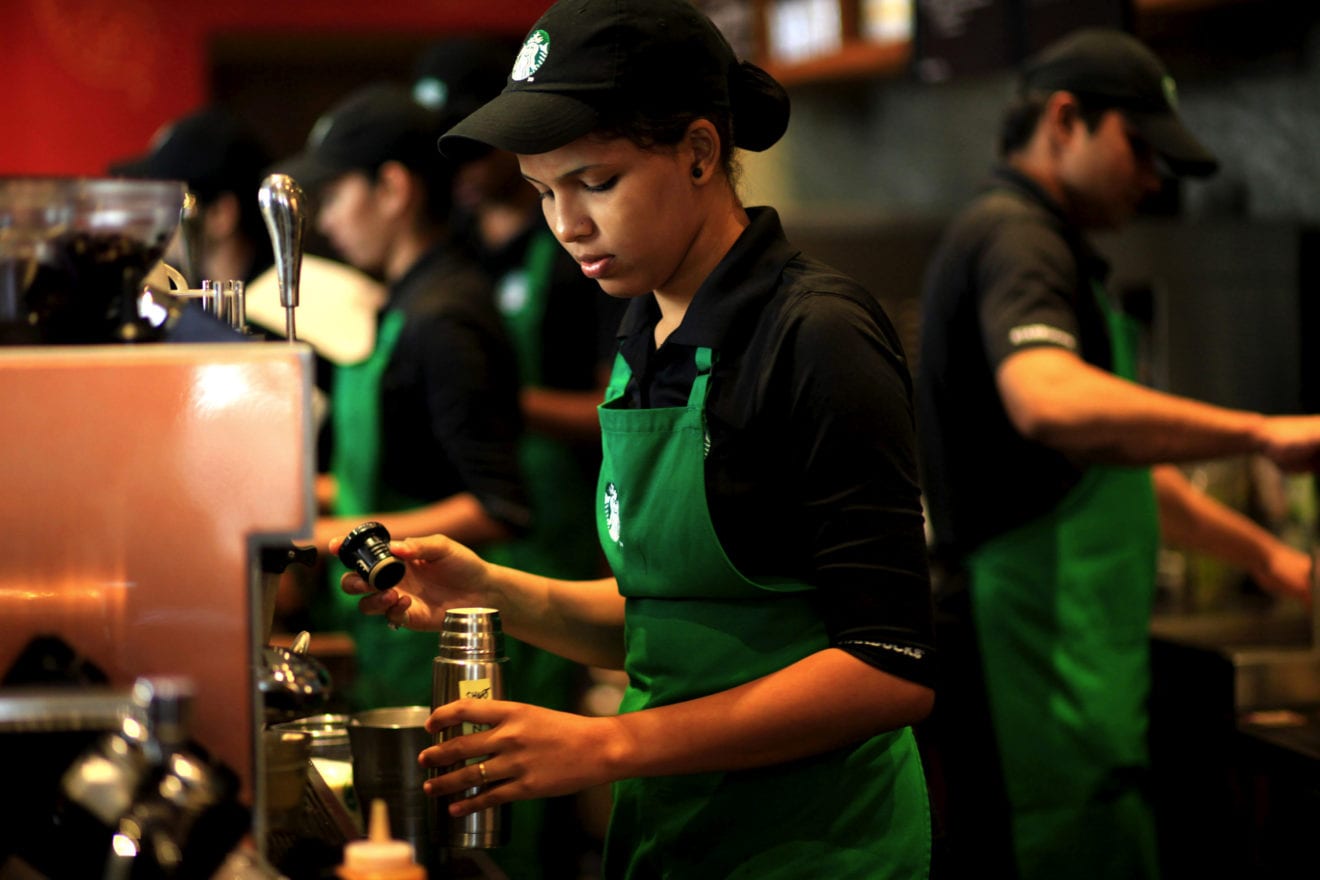
    Starbucks Vietnam and The Asia Foundation, a nonprofit international development organization, today announced a one-year vocational training program in Hanoi to prepare young people from disadvantaged backgrounds for careers in Vietnam’s fast-growing food and beverage industry. The Starbucks Vocational Training program will engage 50 youth between the ages of 18 and 24, including those who have been affected by family violence, human trafficking, and poverty, in a training program where they will acquire the professional and life skills required to succeed in the retail sector.

    As part of the program, youth will receive both classroom instruction focused on subjects such as customer service, English language learning, financial literacy, and work readiness, as well as on-the-job training. Starbucks partners (employees) will actively engage in the program, providing seminars and in store experience. Upon completion of the program, youth will receive six months of follow-up assistance to help them secure full-time employment.

    “Being an active part of the communities we serve in is intrinsic to who we are as a company,” said Mark Ring, president of Starbucks Asia Pacific. “As Starbucks continues to grow in Vietnam and across Asia, so too does our aspiration to build a different kind of company – one committed to performance that is driven through the lens of humanity – and being a positive force in building the future success of young people.”

    “We are proud to partner with The Asia Foundation and REACH to provide lifelong experiences and skills for disadvantaged young people,” said Patricia Marques, general manager for Starbucks Vietnam.

    “Youth in Vietnam represent a huge pool of talent for this dynamic country, but at the same time there are also challenges for many young people to gain access to work. We have created this project to build confidence, self-esteem and training, which will help them to succeed in the economy.”

    Figures from the General Statistics Office in 2015 indicate that the unemployment rate among youth is more than triple the overall unemployment rate, standing at 6.75%. While well-educated workers are able to access expanding opportunities in the private sector, for less educated workers, and particularly those from rural areas, it is much more challenging due to their lack of education, skills and business connections. This leaves them with fewer options and makes them more vulnerable to exploitation.

    “The gap between supply and demand in Vietnam’s fast-growing industries is an opportunity to provide disadvantaged youth with market-driven, practical vocational training. And by providing employers with skilled young people, we are proud to partner with Starbucks Vietnam to contribute to the development of a workforce that can help to meet the demands of Vietnam’s rapidly changing economy, while empowering some of the country’s most disadvantaged communities,” said Dinh Thi Kieu Nhung, The Asia Foundation’s project manager.

    Starbucks Vietnam and The Asia Foundation will implement this program in partnership with REACH, a local non-governmental organization specializing in providing vocational training, career advice, and job placement to some of Vietnam’s most disadvantaged youth. Funding for the project is supported by The Starbucks Foundation.

  • Starbucks unveils plans for 12000 new stores over next 5 years

    Starbucks unveils plans for 12000 new stores over next 5 years

    Starbucks said it expects its fast-growing China business could one day eclipse its U.S. market. The company said Wednesday it plans to open 12,000 additional stores globally in the next five years, taking the chain to a total of about 37,000 outlets. Half of the new units will be in the U.S. and China.

    “Our core business has never been stronger in the U.S. and around the world,” Starbucks Chairman and CEO Howard Schultz told analysts at the coffee retailer’s investor day event in New York.

    The CEO also emphasized something he’s said before: “These are the early days of the growth and development of the company. If Starbucks was a 20-chapter book, I still think we’re in chapter 4 or 5.”

    “Demand is there, and our ability to deploy capital and get the return on invested capital is very strong,” Starbucks President and COO Kevin Johnson told attendees. Johnson will become CEO of Starbucks in April, succeeding Schultz, who will continue as the Seattle-based company’s chairman.

    Executives during presentations Wednesday highlighted how the company is focusing on both its flagship Starbucks stores and the higher-end Reserve Roastery and Tasting Room outlets for future growth. The company also has targeted the Reserve Roastery stores, which will sell premium coffee at around $10 a cup, to represent about one-fifth of total outlets by 2021.

    Also, Starbucks plans to open new stand-alone outlets under Princi, a high-end Italian bakery the company invested in over the summer. The bakery will serve pizza and have locations in major markets such as New York, Seattle and Chicago by 2018. Also, Princi food is expected to be offered at all of the company’s new Roastery locations.

    At the meeting, Starbucks presented a five-year strategic plan to grow revenue by 10 percent and earnings per share to 15 to 20 percent. At the same time, the company targeted “mid-single digit” comparable-store sales each year.

    “I know some of you are concerned about the slowdown in U.S. comps, which candidly I don’t share,” Schultz told analysts.

    Schultz said the retailer continues to open 500 to 600 stores annually and the new store performance on a sequential basis has been “better than the year before. There’s no better evidence of the health, the strength, the equity of the brand and the relevance of the Starbucks business.”

    On the international front, Schultz said China is one market that remains particularly attractive for the retailer.

    “Not only will China one day be bigger than the U.S., but our business in China will demonstrate that we will be one of the…most significant winners in terms of a Western consumer brand,” he said.

    Indeed, China remains the company’s fastest growing market and management sees revenue and operating income nearly tripling there over the next five years. The chain is opening a new Starbucks store in China about every 15 hours and will soon reach 2,500 stores in 118 cities.

    “Despite our early success, we are only in the beginning chapters of our growth story,” Starbucks China CEO Belinda Wong told analysts Wednesday. “In the next five years, we’re well positioned to double our scale to 5,000 stores in over 200 cities.”

    Wong said urbanization and an emerging middle class in China will help drive the rapid expansion of the specialty coffee market.

    According to Wong, more than 230 million people in China have been lifted into the middle class in the past decade due to the Asian nation’s booming economy, and over the next six years she said another roughly 300 million people will also attain middle-class status.

    “Coffee consumption in China is currently low, but growing rapidly,” Evercore ISI analyst Matt McGinley said in a research note this week. “On a per person basis, Chinese people consume less than 2 percent of the coffee of U.S. consumers and less than 3 percent of the coffee of Japanese people.”

    The company also said it sees food innovation and its cold coffee beverages as key areas fueling its future growth.

  • Starbucks and Tencent Announce Strategic Partnership to Launch Social Gifting on WeChat

    Starbucks and Tencent Announce Strategic Partnership to Launch Social Gifting on WeChat

    Starbucks Coffee and Tencent Holdings, a leading provider of internet value-added services in China, today pioneered a strategic partnership to co-create a new social gifting feature on WeChat, China’s leading mobile social communications service, in early 2017.

    This partnership positions Starbucks as the first retail brand to combine and bring a locally-relevant social gifting and digital payment experience to life on WeChat in China. Tapping into the 846 million global monthly active user accounts (as of the third quarter of 2016), the new integrated feature will seamlessly allow customers in China to instantly and conveniently gift Starbucks to a friend or loved one. Beginning today, Starbucks customers will also be able to use WeChat Pay to make purchases at close to 2,500 Starbucks stores across Mainland China.

    “Starbucks and Tencent share similar values to enable greater human connections through our respective products and services, and I am pleased to partner with an established and respected social and mobile industry leader in China,” said Belinda Wong, ceo, Starbucks China. “This new strategic partnership will leverage the strengths of both Starbucks and WeChat to create a true online-to-offline social gifting platform that will deepen our engagement with our customers in a unique and powerful way. Just as Starbucks cards are among the most gifted around the globe, we aspire to also become the most gifted brand digitally in China.”

    “The strategic cooperation between WeChat and Starbucks enables us to bring the unique Starbucks retail experience seamlessly to hundreds of millions of WeChat users in China,” said Allen Zhang, Senior Executive Vice President of Tencent. “We are happy to be the partner of choice of Starbucks and look forward to deepening our connection to our users through the highest-quality services.”

    Starbucks is committed to innovative digital experiences that surprise, delight and deliver an elevated Starbucks Experience for its customers across China. The online social gifting platform is part of the company’s growing digital presence focused on connecting with customers through digital channels, including the Starbucks® Mobile App, the My Starbucks Rewards® program and social media.

    Jointly created by Starbucks and WeChat, the social gifting feature encourages everyday acts of kindness and appreciation among family and friends. Customers will be able to select from Starbucks-branded gifts and products and add a personalized message of love, of gratitude or to simply uplift someone’s day. Recipients of these personal and simple acts of kindness can save their gifts and memories on their WeChat accounts and redeem their gift at Starbucks stores across China to enjoy the unparalleled Starbucks Experience.

    As part of this partnership, Starbucks will introduce the use of WeChat Pay for purchases in its retail stores in a continued effort to elevate the in-store experience for customers. This cash-free digital payment experience, which allows users to pay for their goods and services from their mobile devices, is one of the most popular payment methods in China, with more than 300 million users linking their bank cards with WeChat or QQ, another flagship service of Tencent, as of March 2016.

    Today’s announcement builds on Starbucks rapidly expanding portfolio of digital innovations in China, which integrates the exceptional in-store experience with the digital Fourth Place experience. Earlier this year, Starbucks launched a mobile payment system in China aimed at providing My Starbucks Rewards® (MSR) members access to a fast, seamless and convenient way to pay for purchases, using their pre-loaded Starbucks Gift Card on their mobile devices.

  • China’s wine imports forecast to grow 25% in 2016

    China’s wine imports forecast to grow 25% in 2016

    The country imported 505 million litres of wines, worth about US$1.9 billion in the first 10 months of the year, a year-on-year increase of 18.01% in value, according to data released earlier by the China Association for Imports and Export of Wine & Spirits.

    The fourth quarter, as forecasted by industry insiders, is expected to continue to grow in both volume and value terms as consumers are likely to stock up on wines for the upcoming Chinese Spring Festival on January 28, as reported.

    A commentator on China’s food industry Zhu Danpeng, however, noted that the growth seen in the third quarter in particular was largely due to importers and retailers underselling their stocks, citing massive price cuts that have been rolled out by retailers, e-commerce shops and restaurants across China since the mid-autumn festival in September.

    A Sichuan-based retailer, 1919 Wines & Spirits, which topped Tmall.com’s top selling wine shop list during its 9 September Wine & Spirits Festival, saw its gross profit drop by about 5% compared with 2015, despite massive increase in sales volumes, Zhu told the newspaper, explaining how the sales increase have driven down profit margins.

    “Sales growth gained by massive price cuts are vicious growth,” he said.

    One company that has reportedly been suffering of late is Dynasty Fine Wines, which, late last month, began selling off vast quantities of top Bordeaux.

  • Asian grocery boom predicted by IGD

    Asian grocery boom predicted by IGD

    Asia will continue to be the biggest engine of growth in the grocery market with its sales set to exceed those of Europe and North America combined within five years, according to new forecasts from research organisation IGD.

    Global growth will be driven by a combination of inflation, population and rising incomes.

    Highlights from IGD’s latest global grocery forecasts to 2021 include:

    * Asia’s grocery market is set to increase by $1.073 trillion, an annual compound growth rate (CAGR) of 6.3 per cent.

    * China will extend its lead over the US as the world’s biggest grocery market, with India in third place closing the gap.

    “Although there are several risks to the global economy and a danger of new barriers to trade in particular, we are optimistic these can be surmounted,” says IGD chief executive Joanne Denney-Finch. “We expect all regions to grow their grocery markets over the next five years, presenting big opportunities globally for manufacturers and retailers.”

    Asia’s grocery market will continue to prosper with China remaining comfortably in first place and three other Asian countries within the top 10, Denney-Finch says. “Millions more people across Asia will become middle class, and many more consumer goods companies will view this region as the key to their growth strategy.”

    IGD’s projected figures for 2021 show that China’s grocery market will be worth $1612 billion with a CAGR of 5.5 per cent.

    This compares with a market worth of $1.311 trillion for the US, with a CAGR of 3.6 per cent.

    India comes in third with a $735 billion market and a CAGR of 9.1 per cent.

    Japan is in fifth place after Brazil with a $399 billion market and a CAGR of 0.7 per cent.

    Rounding up the top markets in Asia is Indonesia, in eighth position with a market value of $305 billion and a CAGR of 9 per cent.

    A food and grocery research and training charity, IGD defines the grocery retail market as all food, drink and non-food products – such as health and beauty, pet care, clothing, DIY – sold through retail outlets selling predominantly food. Modern retail formats, such as supermarkets and hypermarkets, are included as well as traditional retail formats like markets and traditional food stores such as bakers. It excludes wholesale and foodservice formats and drugstores/pharmacies.

  • Mongolian Hot Pot Coming to Phnom Phen

    Mongolian Hot Pot Coming to Phnom Phen

    Little Sheep Hot Pot, a Yum Brands Inc. company, yesterday signed a partnership agreement with HGB Food Industry Co. Ltd. to bring its Mongolian hot pot restaurant to Cambodia.

    HGB Food Industry is a subsidiary of private local investment company HGB Group, which focuses on the domestic automobile industry, food and retail goods.

    Little Sheep’s director of field operations Aileen Wu said the company would bring good quality food to the Kingdom through its cooperation with HGB Food Industry.

    “The partnership between Little Sheep Hot Pot with HGB Food Industry Co., Ltd. to step into the Cambodian market with branches of new restaurants is aimed at bringing fun and the delicious hot pot of Mongolia to Cambodia with many new branches,” she said, adding that they would be located in downtown Phnom Penh.

    HGB Food Industry representative Austin Tan said that the restaurant would bring healthy food to Cambodian people.

    “The market here shows high potential for the demand of healthy food. That’s why we are preparing to enter the market,” he said.

    Little Sheep Hot Pot began operations in 1999 with its first restaurant in Mongolia. In the past 17 years, the company has expanded to 300 branches in 110 countries. Yum Brands, which owns KFC, Taco Bell and Pizza Hut, bought the Mongolian hot pot chain in 2012.

    HGB Group is the sole-appointed distributor in Cambodia for Rolls-Royce Motor Cars, Bentley Motors, Mazda, Kia, Kawasaki and Harley-Davidson motorcycles.

    HGB Food Industry Co., Ltd. is a leading food and beverage distributor and retailer of quality imported food and beverages. The company has been operational in this field for eight years and is a preferred supplier of beverages to hotels and resorts, restaurants, cafes and retail stores in Cambodia.

  • McDonald’s Singapore franchise rights sold to Lionhorn

    McDonald’s Singapore franchise rights sold to Lionhorn

    McDonald’s Singapore and Malaysia franchise rights have been sold to Saudi Arabian company Lionhorn as part of a broader plan by the US fast food company to move away from direct ownership in Asia.

    It has transferred its ownership interest in 390 restaurants, more than 80 per cent of which were company-owned.
    Lionhorn is led by Sheik Fahd and Abdulrahman Alireza, who are franchisees for nearly 100 McDonald’s restaurants in the western and southern regions of Saudi Arabia.

    McDonald’s has not disclosed the financial terms of the deal. It says it has now franchised about 1300 outlets as a part of its target to become 95 per cent franchised by the end of 2018.

    “This transaction marks another milestone in our company’s ongoing efforts to identify strategic partners who share our values and vision to accelerate our growth and scale across diverse markets, drive innovation and place us closer to our customers and the communities we serve,” says McDonald’s president/CEO Steve Easterbrook.

    Under the developmental licensee (DL) structure, Lionhorn will provide the capital necessary to support and grow the business. It will pay an initial franchise fee and an ongoing royalty to McDonald’s.

    Leading the day-to-day management of the Malaysia and Singapore markets, respectively, will be local partners Azmir Jaafar and Kenneth Chan, both of whom previously held senior leadership positions at McDonald’.

    Jaafar will continue as the Malaysia market’s MD. He was previously chief development officer of McDonald’s China and MD of the company’s Middle East markets.

    Chan joins Lionhorn as MD for Singapore. Before this he was division president for China and Greater Asia as well as CEO of Greater China and MD of Singapore with oversight to Malaysia, Korea and Taiwan.

    McDonald’s has more than 36,000 locations in more than 100 countries. More than 80 per cent of its restaurants worldwide are franchised, with McDonald’s having used the DL ownership structure for more than 30 years.