Category: Food

Retail News Asia is committed to providing both local and global retailers with the latest Food and Food & Beverage news throughout the Asian market. This on a daily base.

  • Pop-up cafe inspired by PPAP

    Pop-up cafe inspired by PPAP

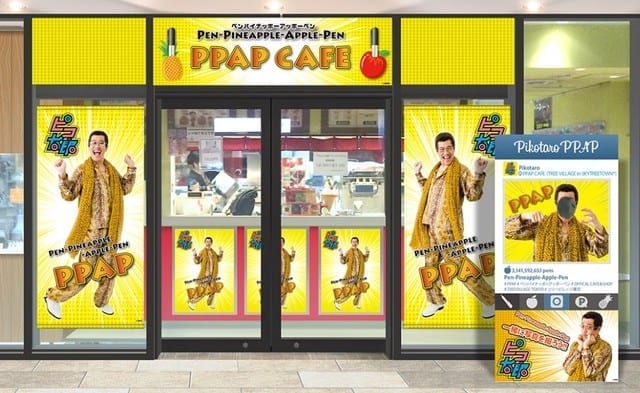
    With a bright exterior and unusual menu, the world’s first official PPAP cafe opens in Tokyo tomorrow.

    PPAP? That stands for Pen Pineapple Apple Pen, a music video by Japanese comedian Kosaka Daimaou’s stage character Piko Taro. It made its debut on YouTube on August 25, receiving more than 7.9 million views and 4000 comments within its first month.
    ppap

    There are even spin-off products including Pen Pineapple Apple Bread from a Japanese bakery in Kanagawa. Now the comedian’s management company has teamed up with the Tree Village store area at the foot of Tokyo Skytree for an official cafe.

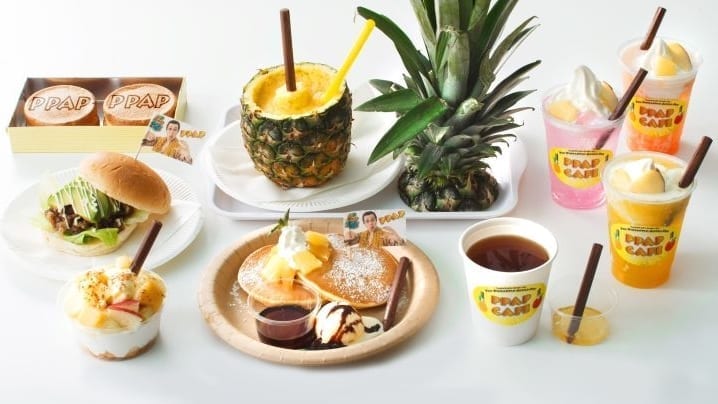
    The pop-up cafe, open until November 20, features Piko Taro surrounded by the colours of a golden pineapple, while the store sign includes images of a pen pineapple and an apple pen. The menu features items branded with the PPAP logo, including parfaits, pancakes, soft drinks, a burger, and fresh pineapple juice served inside a whole fruit. Prices range from 420 yen (US$3.99) for the tea up to 878 yen for the pineapple juice.

    Most of the items include a chocolate “pen” and slices of fruit so diners can act out the song while eating. Customers can also take home a souvenir coaster with each order. There will also be branded merchandise to buy

    Daimaou has meanwhile been awarded a Guinness World Record for the shortest song to appear on the US Billboard Hot 100 charts, where PPAP made its debut at number 77.

    Dragon Ball

    Also cashing in on Japan’s taste for the bizarre, three cafes are opening to pay tribute to anime hit Dragon Ball, which burst on to TV in Japan 30 years ago.

    In a collaboration with Tower Records, three Dragon Ball cafes will be opened in Japan, serving food and drinks inspired by creator Akira Toriyama.

    The cafe interiors will be decorated with art from the martial arts series, with the outlets in Tokyo’s Shibuya and Osaka’s Umeda neighbourhoods offering Vegeta Salad, Yamcha Spaghetti, and Bulma’s “I’ll Give You Romantic” Cake, all featuring character artwork. The drink menu includes beverages based on Goku’s Flying Nimbus cloud and the mystic Dragon Balls themselves, plus latte art coffee featuring Master Roshi’s insignia and the series logo.

    Tokyo’s second Dragon Ball Cafe, on the swanky Omotesando avenue in Harajuku, has a different food offering such as Goku’s Finishing Technique Kaio-ken Red Curry, Majin Buu’s Turn You Into Candy Sweets Plate, Flying Nimbus Pancake and Piccolo’s Ma Junior Soda.

    Customers will also receive special coasters while supplies last, plus there will be limited-edition merchandise.
  • Jollibee Foods counts down to 1000

    Jollibee Foods counts down to 1000

    Jollibee Foods (JFC) has opened the 991st branch of its flagship brand Jollibee in the Philippines, in the Ma-a area of Davao.

    It marks the start of its countdown to its 1000th store, to be unveiled in the first quarter of next year. Its expansion is spread around Cebu, Luzon and Metro Manila “so all the regions will be well represented”, says Jollibee corporate PR and events manager Dennis Reyes.

    “The 1000th store is symbolic, but we cannot divulge yet the exact location,” he says.

    The company opened its first branch in Cubao, Quezon City, and its latest story is the 26th in Davao and 115th in Mindanao.

    Reyes says the countdown campaign is part of Jollibee’s way of thanking its patrons, celebrating its continued expansion as well as the contribution to the local economy with an average of 70 jobs created for every new branch.

    JFC is investing P10.4 billion (US$214.8 million) for capital expenditure this year, with P7.5 billion set for the opening of 200 outlets as well renovations.

    For its latest six months, JFC netted P3.06 billion, or 13.4 per cent more than the same period last year, following a 14.9 per cent increase in system-wide retail sales to P71.45 billion.

    At the end of June, the company had 2528 restaurant outlets in the Philippines under the brands Burger King (62), Chowking (457), Greenwich (237), Jollibee (939), Mang Inasal (455) and Red Ribbon (378).

    JFC also has a 50 per cent interest in 12 Hotpot, Highlands Coffee and Pho 24 (Vietnam), plus a 40 per cent interest in Smashburger (US).

    Outside the Philippines, Jollibee has 80 stores including Vietnam (32) and Hong Kong (1).

  • 37 European F&B companies in Singapore to promote their quality products

    37 European F&B companies in Singapore to promote their quality products

    Romanian angus beef, fresh milk from Poland and organic apples from Italy. Singaporeans, known for their love for good food, may soon find these together with other quality European food and beverage products at a store near them.

    Discussions on ways to make this happen in Singapore will feature prominently from November 5 to 7. That’s when a high-level visit from the European Union (EU) food and beverage sector arrives in the city-state.  The visit is part of a key regional promotion to four South-east Asian cities to explore market opportunities. Apart from Singapore, other stops include: Hanoi, Ho Chi Minh City, and Jakarta. 

    The delegation to Singapore includes 45 top business representatives from 37 EU F&B companies and aims to promote safe, quality and nutritious European food and beverage (F&B) products to buyers and importers in Singapore.  

    F&B companies and associations on this visit are from various EU Member States including Belgium, Bulgaria, Denmark, Finland, France, Germany, Greece, Hungary, Ireland, Italy, Netherlands, Poland, Portugal, Romania, Spain and the UK.  They will be promoting a wide variety of agricultural and F&B products from fruits and vegetables to fresh meat, poultry, processed foods, dairy products and wine & spirits.

    The delegation will visit several local retail stores  such as NTUC FairPrice, la Petite Boutique, Le Quartier, Giant, Pasarbella, and Sheng Siong to gain insights into Singapore’s F&B industry. 

    To further understand the local market, the delegation will also participate in a business seminar, which focuses on market access, local rules and regulations. In addition, there will be a food tasting session highlighting the sheer diversity and range of European food and beverage products. Delegates, ambassadors, trade or agri counsellors of EU Member States’ in Singapore, local buyers and other stakeholders will also get to interact and network during a lunch session.  

    Another highlight of the high-level mission will be a B2B matchmaking event where EU producers will get to meet Singaporean importers, distributors and retailers to discuss opportunities for future collaboration. 

    Dr Michael Pulch, the EU Ambassador to Singapore calls this “a step forward,” in deepening EU-Singapore cooperation in the booming food and beverage sector. “Singapore serves as an important hub for European food and beverage exports to the broader South-east Asian region.”

    Singapore is already the EU’s 17th largest global trading partner (in terms of goods) and the largest among ASEAN countries.  In 2015, total EU-Singapore trade in goods grew by 7.7% in 2015 reaching 48.6 billion Euro while trade in services grew by 15.4% amounting to 36.1 billion Euro. Singapore is also a major destination for European investments in Asia, as well as Asia’s second largest investor in the EU. In 2014, the EU was ASEAN’s largest investor with 184 billion Euro in FDI stocks held in the region at year-end, with Singapore accounting for 56% of EU FDI.

    Additionally, more than 10,000 EU companies are established in Singapore and use the country as a hub to serve the Pacific Rim.

    ” Our strong performance has enabled the EU to confirm its position as one of Singapore’s most important trade partners and the city-state’s foremost investor,” says Dr Pulch.

  • Government issues permit to import 123,800 feedlot cows

    Government issues permit to import 123,800 feedlot cows

    Indonesias Trade Ministry has issued a license to import 123,800 feedlot cows in the third semester of this year after feedlot businesses committed to import 20 percent heifers of the total cattle imports.

    “For the third semester of 2016, the import agreement letter (SPI) has been issued for 32 importer companies to import 123,800 heads of cows,” Director General of Internal Trade of the Trade Ministry, Oke Nurwan, told a press conference here on Friday.

    The director general said the permits should have been issued in September but the government issued these in October only after feedlot importers made a commitment to import 20 percent heifers when they import cows. The government has made it obligatory upon importers to also include heifers while importing feedlot cattle.

    According to Oke, a license for importing cows is given to importers for shipment until the end of December 2016.A limited cabinet meeting held previously had agreed to allow import of 150 thousand heads of cattle in the third semester.

    Indonesia needed to import one million heads of cows this year to meet the domestic need for beef. The Ministry of Agriculture and the Ministry of Trade, therefore, require importers to include heifers while importing feedlot cattle.

    “We hope that some 20 percent of the 700 thousand imported feedlot cattle are heifers,” Agriculture Minister Amran Sulaiman had pointed out in Yogyakarta on October 6.

    To expedite cattle production, the Ministry of Agriculture and the Ministry of Trade have made it obligatory for importers to include mother cows in their feedlot cattle imports.

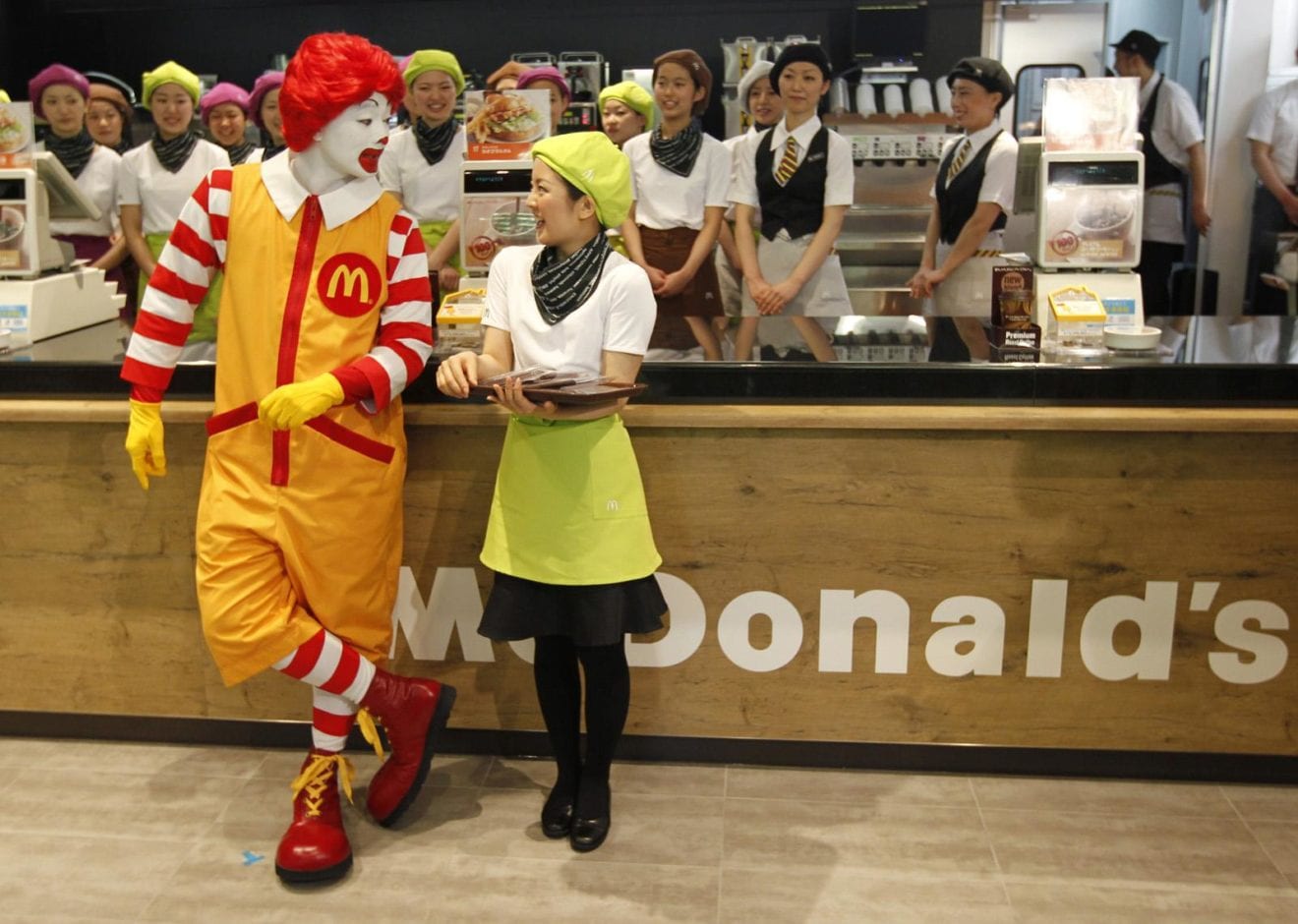
  • McDonald’s Korea sale collapses

    McDonald’s Korea sale collapses

    And in the simultaneous divestment process for the 20-year McDonald’s China franchise rights, TPG Capital has reportedly withdrawn leaving two rival private equity firms in the race – Bain Capital and Carlyle Group – competing with two Chinese companies previously reported to be in the negotiations: retailer Wumart Stores and Sanpower Group.

    With Maeil Dairies Industry Co dropping out of the running for McDonald’s Korea, that sale process seems at best stalled.

    McDonald’s, which directly manages about 400 stores in South Korea, has been looking for local partners to run the Korean outlets as franchise stores that pay annual commissions instead. The deal initially drew interests from several investors, including CJ and NHN Entertainment, but they have nixed their plans.

    Maeil Dairies had formed a consortium with Carlyle Group, but pulled out after failing to agree on terms of contract, industry sources familiar with the matter told the Yonhap news agency.

    “We can’t verify the specific details as McDonald’s headquarters office is in charge of the bidding process, but the sales process is still under way,” an official at McDonald’s Korea said, without elaborating on the deal.

    Meanwhile, in China, TPG’s withdrawal was confirmed overnight by unidentified sources close to the matter and reported by several news networks.

    Carlyle Group has partnered with Citic Group and Bain with GreenTree Hospitality, a hotel group.

    McDonald’s is seeking as much as $3 billion for the China rights, which come with a 10-year expansion option.

    There are about 2400 McDonald’s restaurants in China and Hong Kong and the US company wants its master franchisee to expand that network rapidly to compete with rival Yum! China’s expansion plans.

    The ongoing presence of private equity bidders in the process is surprising, because McDonald’s has made it clear it is seeking a long-term partner rather than private equity firms, which typically cash out after a few years.

  • No more rice imports this year

    No more rice imports this year

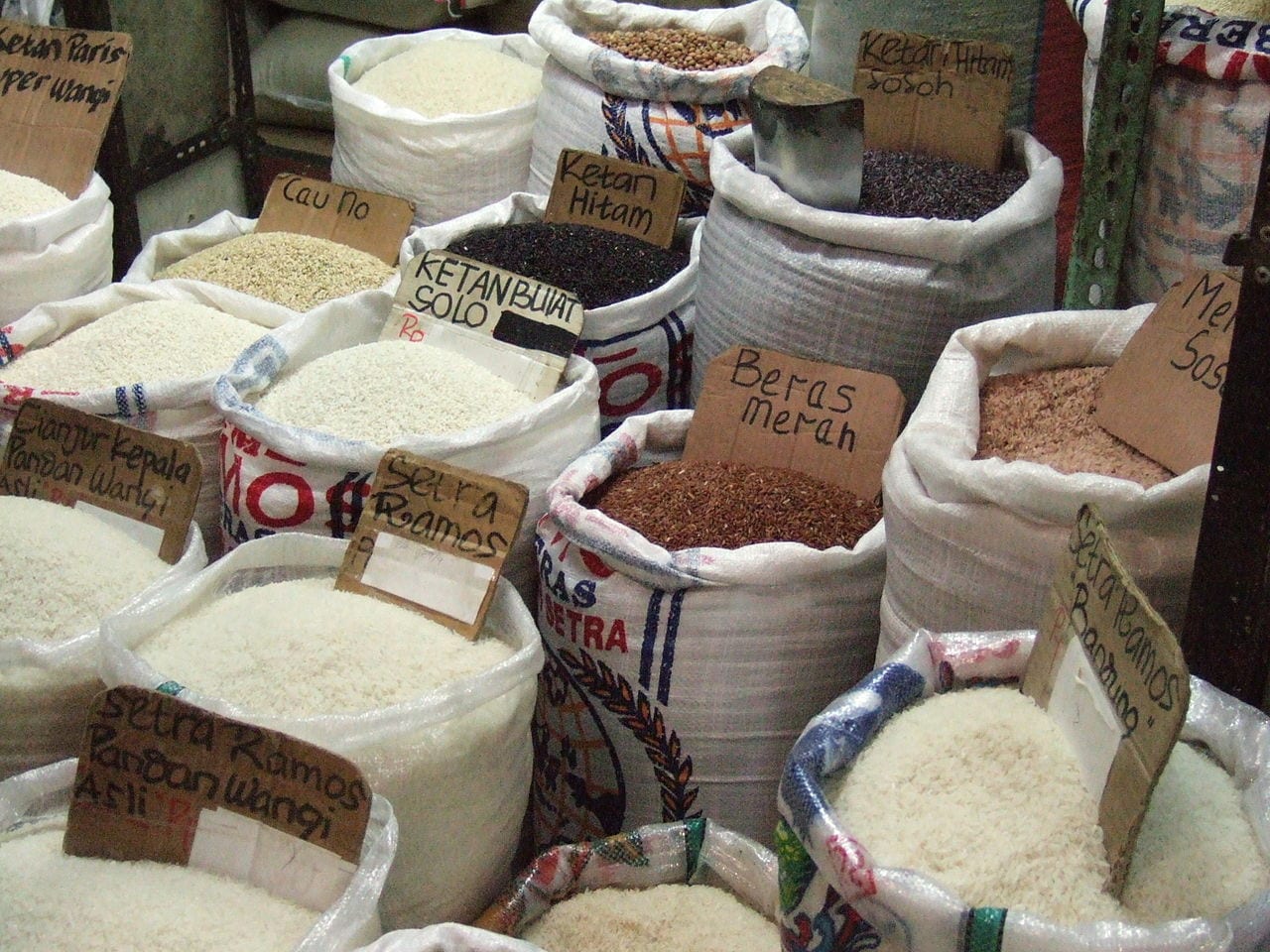
    President Joko Widodo (Jokowi) has assured that Indonesia will not import rice at the end of this year because the countrys rice stock is adequate until May 2017.

    Rice production has increased dramatically from some 1,030,000 tons during September to October 2015, to 1,990,000 tons in October 2016.

    The increase was merely thanks to prime paddy seed utilization and adequate rainfall.

    The government will focus on increasing the rice stocks before deciding to export rice later, he said, after witnessing a grand harvesting of Super Jajaran Legowo-type paddy in Trayu village, Banyudono sub-district, Boyolali.

    Boyolali is also a pilot project for Inpari 32 paddy variety.

    “Later, if it is successful, we will expand it and multiply it in order to significantly increase the national rice production,” the president said.

    At noon, President Jokowi and First Lady Iriana were scheduled to observe the 36th anniversary of World Food Day to be held at the Boyolali square.

    Boyolali is known as a region which has successfully implemented the food production diversification program. The district produces among other things Tongkol 2 Prolific hybrid maize and Jajar Legowo-type paddy.

    Home Affairs Minister Tjahjo Kumolo and Head of the Presidential Staff Teten Masduki joined the presidential entourage.

    FAO celebrates World Food Day each year on October 16 to commemorate the founding of the Organization in 1945.

    Events are organized in over 150 countries across the world, making it one of the most celebrated days of the United Nations (UN) calendar.

    These events promote worldwide awareness and action for those who suffer from hunger and for the need to ensure food security and nutritious diets for all.

    FAOs global message for World Food Day 2016 is “Climate is changing. Food and agriculture must too.”

    It resonates with the crucial time in which the day will be observed, just before the next UN Climate Change Conference, COP 22, from November 7 to 18, 2016 in Marrakech, Morocco.

  • Liao Fan hawker stall may go global

    Liao Fan hawker stall may go global

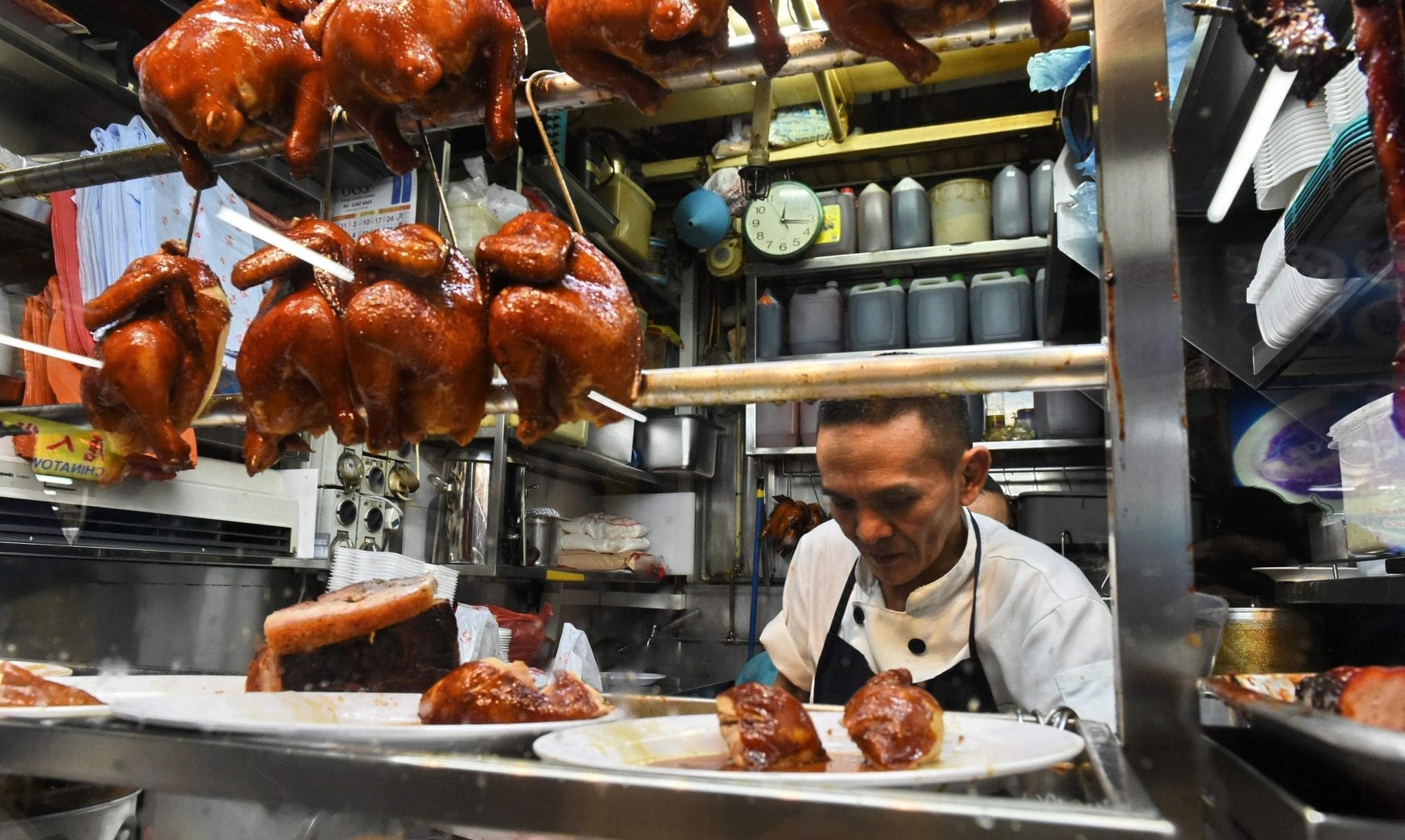
    Singapore’s Michelin-starred soya-sauce chicken rice-and-noodle stall Liao Fan may be going international.

    Shooting to fame in July after being awarded a star by the Singapore Michelin Guide, the hawker stall says it is collaborating with brand manager Hersing Culinary on global expansion plans.

    Hersing owns the Asia Pacific franchising rights to Hong Kong’s Michelin-starred dim sum eatery Tim Ho Wan.
    But even as his business expands, Liao Fan owner Chan Hon Meng says his outlet at Chinatown Food Complex will stay. The 51-year-old’s business was one of two hawker stalls awarded a one-star rating by Michelin, the other being Hill Street Tai Hwa Pork Noodle in Crawford Lane.

    Queues formed at Chan’s stall before it had even opened the day after its star was awarded, and he says he had since received offers from five companies to buy his recipe.

    Chan says he wants to remain a partner even after selling the recipe, and has laid out three criteria for potential partners – an offer of at least $2 million as a “guaranteed co-operation fee” for the recipe and cooking expertise; the partner has the resources to expand the brand “all over the world”; and the company needs to ensure the taste of his soya-sauce chicken is replicated and standardised in all the outlets.

    He says his ambition is to become the “No. 2 chicken eatery chain” after KFC. A key reason for his intention to expand overseas is the increase in the number of tourists visiting his stall since the award. He estimates they form about 90 per cent of his customers.

  • President Jokowi leaves for Boyolali to commemorate World Food Day

    President Jokowi leaves for Boyolali to commemorate World Food Day

    President Joko Widodo (Jokowi) and First Lady Iriana left for Boyolali District, Central Java Province, to attend a function commemorating World Food Day.

    They left by the presidential plane Indonesia-1 from Halim Perdana Kusuma Air Force Base, East Jakarta, at 7:50 a.m. local time.

    They would first join a paddy grand harvesting activity in Banyudono Sub-district Boyolali, and later visit a Technological Innovation Expo.

    At noon, the 36th anniversary of World Food Day was scheduled to be held at the Boyolali square.

    Boyolali is known as a region which has successfully implemented the food production diversification program. The district produces among other things Tongkol 2 Prolific hybrid maize and Jajar Legowo-type paddy.

    Home Affairs Minister Tjahjo Kumolo and Head of the Presidential Staff Teten Masduki joined the presidential entourage.

    FAO celebrates World Food Day each year on October 16 to commemorate the founding of the Organization in 1945.

    Events are organized in over 150 countries across the world, making it one of the most celebrated days of the United Nations (UN) calendar.

    These events promote worldwide awareness and action for those who suffer from hunger and for the need to ensure food security and nutritious diets for all.

    One of the biggest issues related to climate change is food security. The worlds poorest – many of whom are farmers, fishers and pastoralists – are being hit hardest by higher temperatures and an increasing frequency in weather-related disasters.

    At the same time, the global population is growing steadily and is expected to reach 9.6 billion by 2050.

    To meet such a heavy demand, agriculture and food systems will need to adapt to the adverse effects of climate change and become more resilient, productive and sustainable. This is the only way that we can ensure the wellbeing of ecosystems and rural populations and reduce emissions.

    Growing food in a sustainable way means adopting practices that produce more with less in the same area of land and use natural resources wisely. It also means reducing food losses before the final product or retail stage through a number of initiatives including better harvesting, storage, packing, transport, infrastructure, market mechanisms, as well as institutional and legal frameworks.

    This is why FAOs global message for World Food Day 2016 is “Climate is changing. Food and agriculture must too.”

    It resonates with the crucial time in which the day will be observed, just before the next UN Climate Change Conference, COP 22, from November 7 to 18, 2016 in Marrakech, Morocco.

    FAO is calling on countries to address food and agriculture in their climate action plans and invest more in rural development.

    By strengthening the resilience of smallholder farmers, we can guarantee food security for the planets increasingly hungry global population and also reduce emissions.

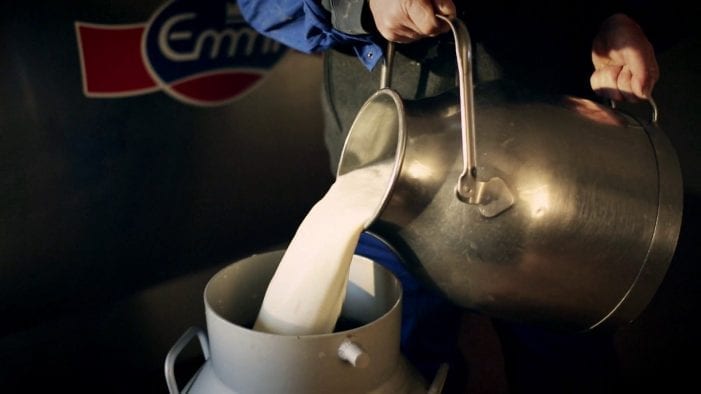
  • Emmi milk plans Asian expansion through Amazon

    Emmi milk plans Asian expansion through Amazon

    Emmi, a Swiss milk processor and dairy products company headquartered in Lucerne, plans to expand its Asian sales through a strategic partnership with internet giant Amazon. Emmi has been relatively uninvolved in Asia, with only a turnover of around CHF 20 million. CEO Urs Riedener said he believes he could double total sales “over the next five years”. In Asia, Emmi is pursuing an export strategy and is not producing on the spot.

    In Hong Kong, Emmi is already the third strongest yoghurt brand. In Singapore, Riedener sells Emmi products in many four- and five-star hotels and Singapore Airlines in Business Class as well as in expat shops in China. ording to Riedener, the happenings in Asia are analyzed “repeatedly”. But one must remain realistic: “We are a relatively small company, our opponents are world giants.” Emmi is currently active in twelve countries, perhaps it could be 15. “Can we have 25?” I believe this would be self-assessment, “said the Emmi CEO.

    However Riedener considers the pricing model at Amazon “difficult”. In principle, the dealer determines the final selling price. “Amazon keeps its margin in any case. This is relatively ugly in the calculation for the manufacturer. “Such a clause would not enter Riedener for the manufacturer and supplier Emmi with Amazon.

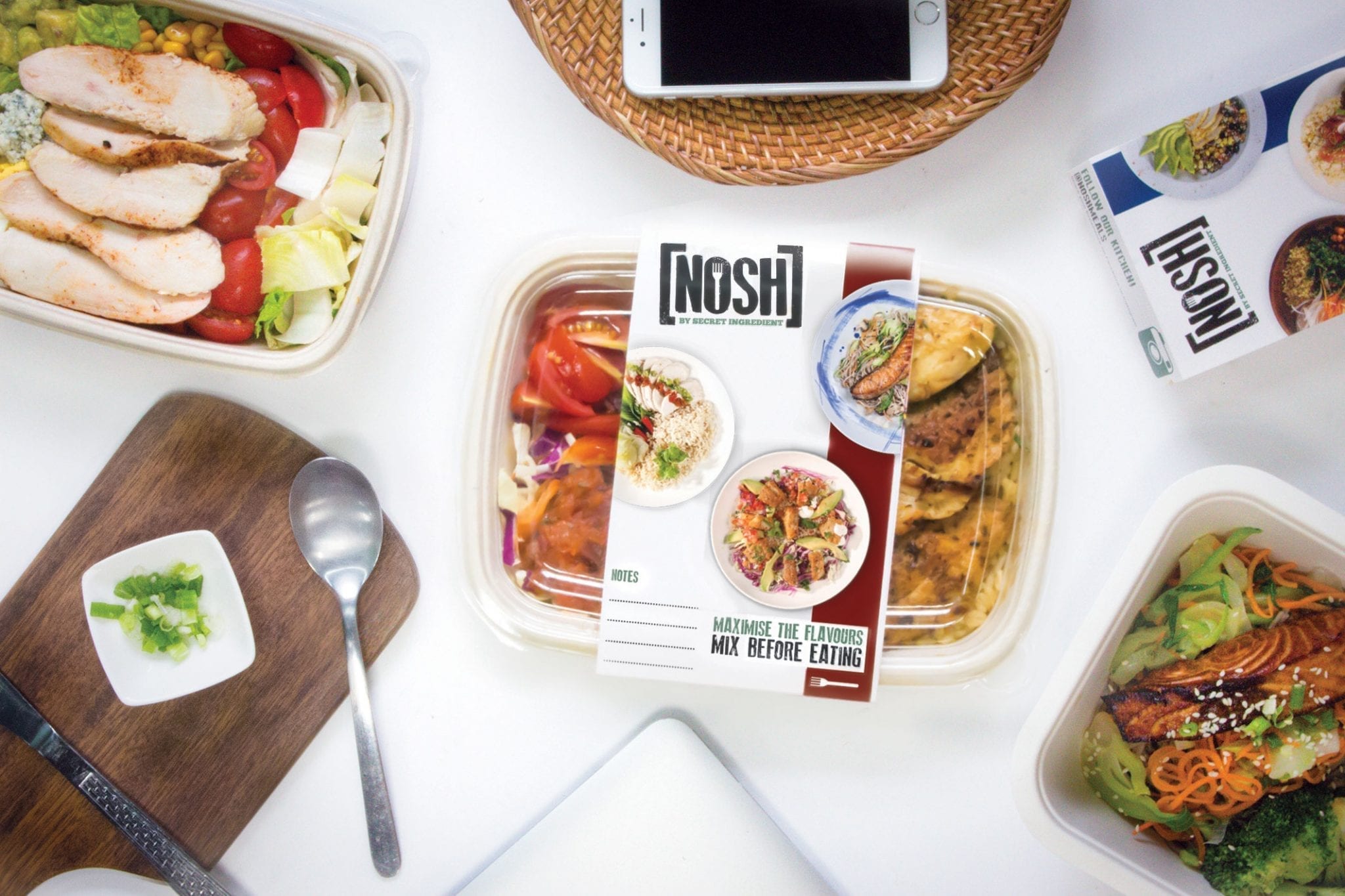
  • Hong Kong’s NOSH by Secret Ingredient Wins Investment with Alibaba Entrepreneur Fund

    Hong Kong’s NOSH by Secret Ingredient Wins Investment with Alibaba Entrepreneur Fund

    Hong Kong’s first online to offline (O2O) healthy meal delivery concept, NOSH announced its latest round of fund-raising with the Alibaba Entrepreneur Fund. The investment will support NOSH in further revolutionising the food delivery and takeaway industry, meeting Hong Kong’s fast-growing market demand for convenient and affordable healthy meals.

    Created by the entrepreneur and chefs behind the award-winning Secret Ingredient, NOSH designs healthy meal options and uses cooking methods backed by a unique operation model specifically tailored for delivery. All chef-prepared nutritional meals contain less than 550 calories and are formulated to travel well, delivering to customers within 30 minutes.

    Alibaba Entrepreneur Fund, a not-for-profit fund launched by Alibaba Group, focuses specifically on finding opportunities with start-ups in Hong Kong.  Its financial investment will support NOSH in network expansion, sales & marketing and securing future partnerships. Alibaba’s international network and eco-system will also help the company grow its focus on inventory management and customer data.

    Founder Max Von Poelnitz shares, “We are extremely excited to work with Alibaba to change the game in the food delivery market in Hong Kong and abroad, making healthy, delicious and responsibly sourced food conveniently accessible and more affordable to our Hong Kong customers.”  

    “Without a restaurant space, we have created a unique meals-to-your-door concept that enables our delivery and retail partners to meet the evolving demands of our time-constrained, quality-conscious and price-sensitive consumers.”

    In line with the investment, the business is diversifying their offering by developing a complete Chinese-cuisine series that will use sustainable produce.  NOSH also has a full corporate business line that caters to companies across Hong Kong, giving their staff healthy and fresh meal options. Currently partnering with over 50 corporates, they are working towards joining forces with schools and hospitals. 

    Partnering with Food Panda, Deliveroo and Mai Dan, NOSH is available for individual orders between Kennedy Town and Chai Wan, while delivering corporate orders to Hong Kong Island and Kowloon.  In mid-November, the company will soon expand its service to Olympic and Tseung Kwan O to cover customers in Kowloon and the New Territories.

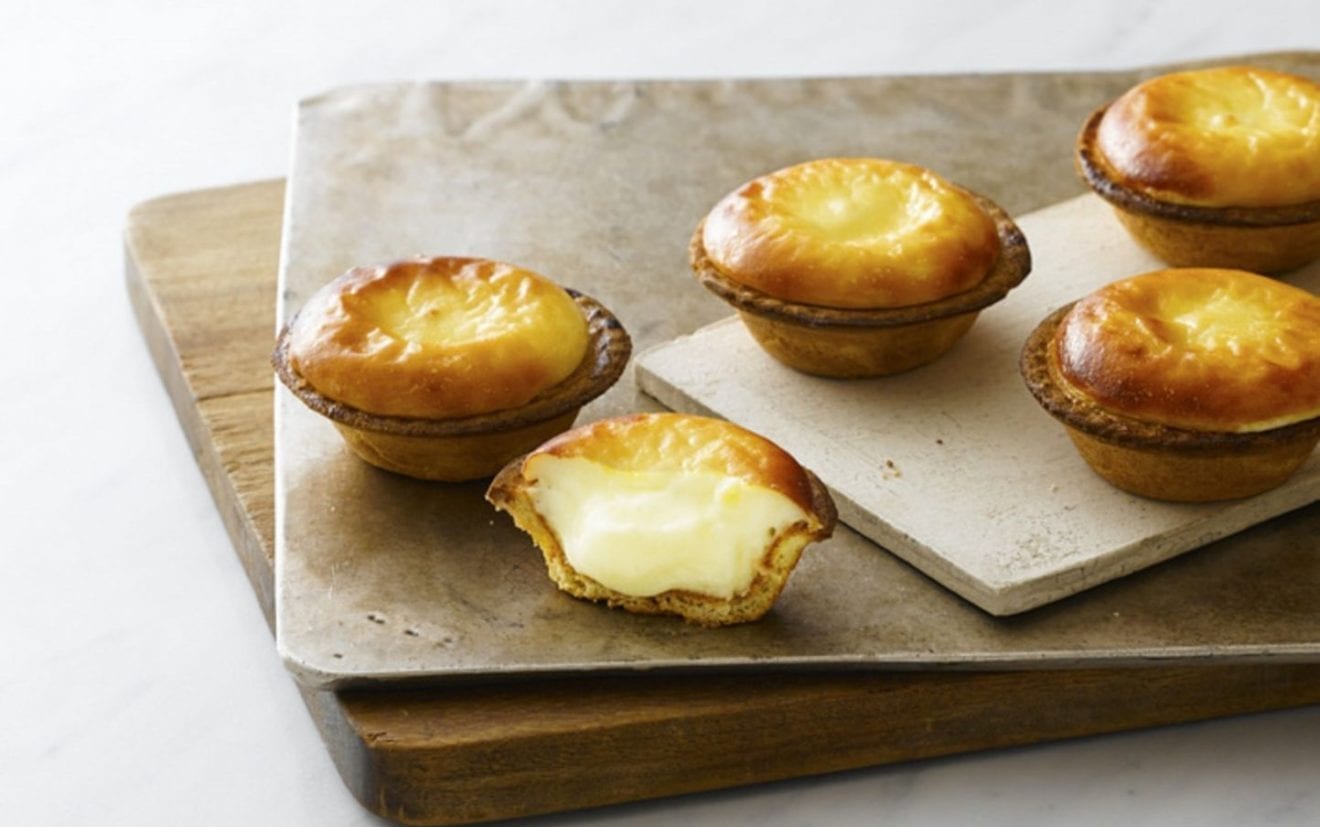
  • Hokkaido Baked Cheese Tart heads to Australia

    Hokkaido Baked Cheese Tart heads to Australia

    Food enterprise ST Group has launched Japanese-style Hokkaido Baked Cheese Tart outlets in Australia.

    Using a traditional recipe involving three cheeses from Japan’s dairy heartland of Hokkaido, the tarts have already been introduced in Brunei, Indonesia, Malaysia, Shanghai and Singapore. Six outlets are planned for Australia, three in Melbourne to be followed by three in Sydney next year.

    The first Hokkaido Baked Cheese Tart stores launched in Malaysia this year, selling up to 20,000 units a day.

    Designed by Eat Architects, Hokkaido Baked Cheese Tart kiosks are compact with a luxury aesthetic, featuring marble benchtop displays and low-slung designer lighting. The tarts are displayed like precious gems.

    ST Group MD Tatt Ghee Saw says Australia’s multicultural society is continually evolving, along with its palate and cuisine preferences. “At ST Group we are passionate about sharing the foods we love in Southeast Asia. ”

    Tatt Ghee Saw

    He established the group in 2011, recognising the need for comforting cultural eateries, much like the hawker’s markets and corner laksa stores of his native Kuala Lumpur.

    His first venture was PappaRich in Melbourne, which attracted long queues. It is now a major franchise enterprise with 26 stores throughout Australia and New Zealand. The group’s other brands are NeNe Chicken, Gong Cha (New Zealand only) and iDarts Australia.

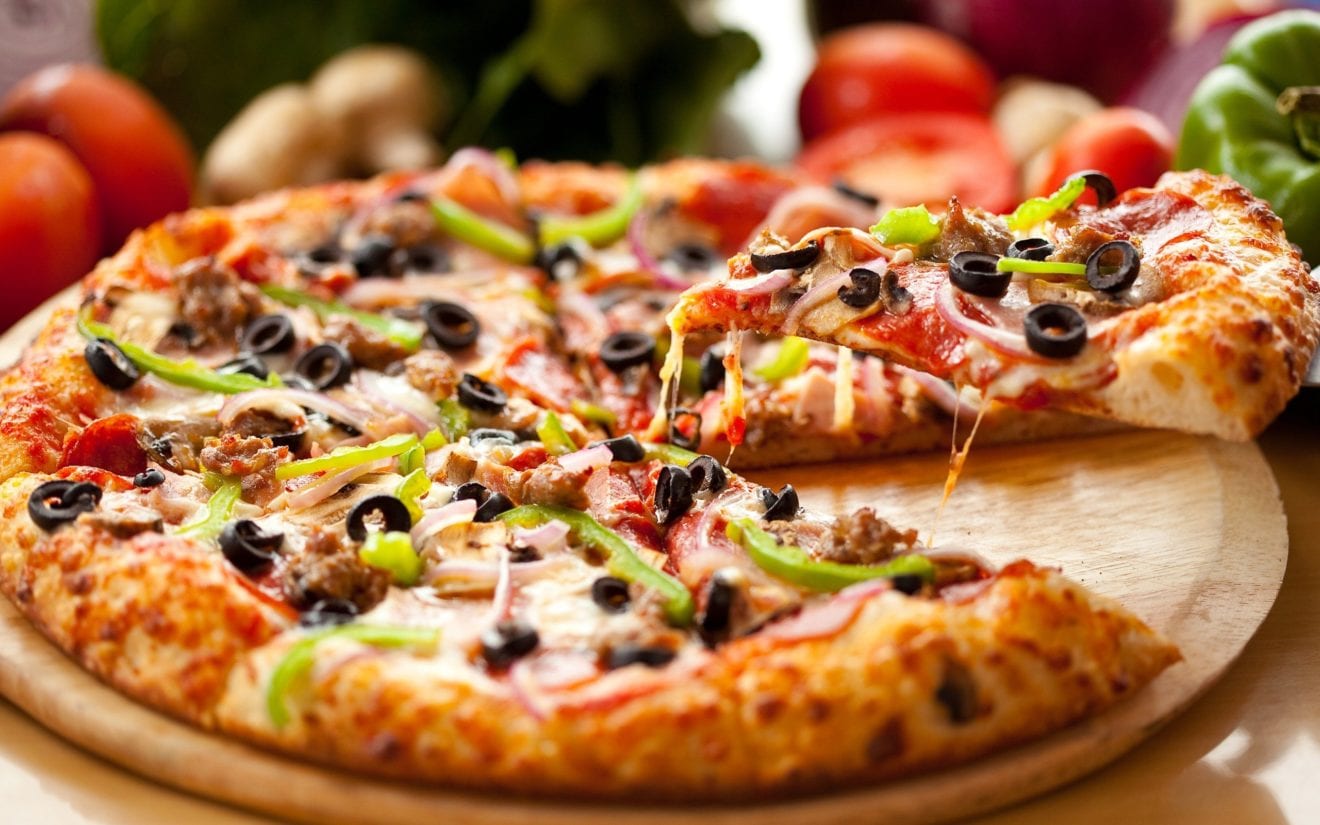
  • Laziz Pizza to fast-track growth with 100 new stores

    Laziz Pizza to fast-track growth with 100 new stores

    Overwhelmed by response to its first 50 stores across India, local brand Laziz Pizza plans to double its outlets in the short term.

    Owned by Laziz Food and Beverages, the chain is primarily targeting tier-one, -two and -three cities.

    Founder/CEO Keirron Patil says the company started franchising in 2013, and as well as India now has its expansion sights set on Malaysia (it already has one store in Johor Bahru), Singapore, Sri Lanka, Bangladesh and Nepal.

    Laziz allows its franchisees to team its outlets with other brands so they can offer customers multiple products under one roof, including a vegetarian outlet. An unusual aspect of the Laziz business is that franchisees are not charged a royalty fee nor have to share profits with the franchisor.

  • Starbucks Reserve Roastery Japan for Tokyo

    Starbucks Reserve Roastery Japan for Tokyo

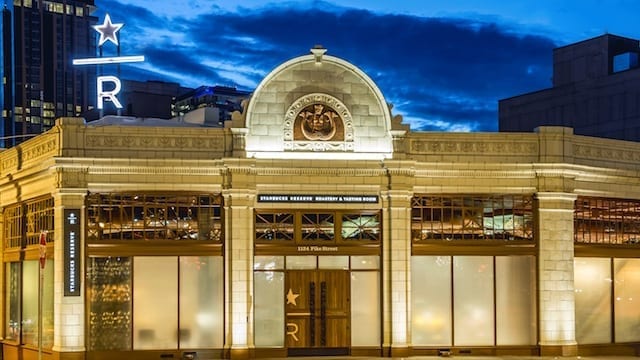
    A Starbucks Reserve Roastery Japan will open in Tokyo’s Nakameguro district in 2018.

    Starbucks Coffee Company says the 1200 sqm space will be in an upscale neighborhood known for its boutiques and art galleries. It will offer customers an immersive coffee environment unlike any other in the market.

    Starbucks Roastery Lower Bar

    Customers will be able to watch green coffee beans arrive, connect with coffee specialists and master roasters and choose from a curated range of handcrafted beverages.

    Starbucks Roastery Scoop Bar

    Artisan food and breads baked on site by Italian food purveyor Princi will also feature at the roastery.

    Starbucks Roastery Copper R

    Architect and Tokyo Olympics 2020 designer Kengo Kuma is leading the design of the roastery, which will blend art and nature with a Japanese design sense to pay tribute to coffee artistry and craft. His design for the Starbucks store in Fukuoka has won awards.

    Starbucks Roastery Upper Bar1

    Starbucks Roastery Upper Bar

    Japan is one of the largest markets in Asia Pacific for Starbucks and is regarded as a key driver of the company’s global growth.

    Starbucks Roastery


    Starbucks Roastery had its debut in Seattle in 2014, the most successful store opening in the company’s history. The company has announced new Roastery locations for Shanghai next year and New York in 2018.

  • Starbucks plans to double its stores in China to 5000 by 2021, opening a new one every day

    Starbucks plans to double its stores in China to 5000 by 2021, opening a new one every day

    Starbucks announced that it plans to double the number of its stores in China from more than 2,300 to 5,000 by 2021. According to CNN, Starbucks says that it will open more than one new store a day for the next five years.

    To oversee this task (which Starbucks also hinted at in January), the company promoted Belinda Wong to Starbucks China CEO. According to the company’s official statement, Wong will also be in change of “digital and e-commerce opportunities across China,” as well as the opening of Starbucks’ first international Roastery and Reserve Tasting Room in Shanghai in 2017.

    belinda_wang.jpgAs Starbucks China’s former president, Wong led a team that drove the company’s growth in China from 400 stores in 2011 to more than 2,300 stories currently, operating in over 100 cities.

    The 45-year-old Starbucks Coffee Company opened its first store in China 17 years ago. In an interview with CNN, Starbucks CEO Howard Schultz discussed the initial road bumps the company encountered in the tea-obsessed country. “We had to educate and teach many Chinese about what coffee was — the coffee ritual, what a latte was… So in the early years, we did not make money,” Schultz said.

    Since then, excluding some meat scandals, Starbucks China’s business has been doing quite well. The South China Morning Post reports that “Starbucks’ second-quarter sales rose 18% in China, a faster pace than the company’s worldwide revenue increase of 9% over the same period.” Starbucks’s growth is even more impressive given that China’s economic growth was just 6.7% this quarter (again).

    Compared to Starbucks, other Western brands have not fared so well in China. Disappointed with its poor profits and earnings for the third quarter this year, the CEO of Yum Brands, which owns KFC and Pizza Hut, has pointed blame at the South China Sea ruling. This rise and fall of Western food brands is also apparent in retail brands.

    Hopefully customers will show as much loyalty to the company as one “Starbucks uncle” during the recent flooding in Hong Kong.

  • TWG Tea makes debut in Canada

    TWG Tea makes debut in Canada

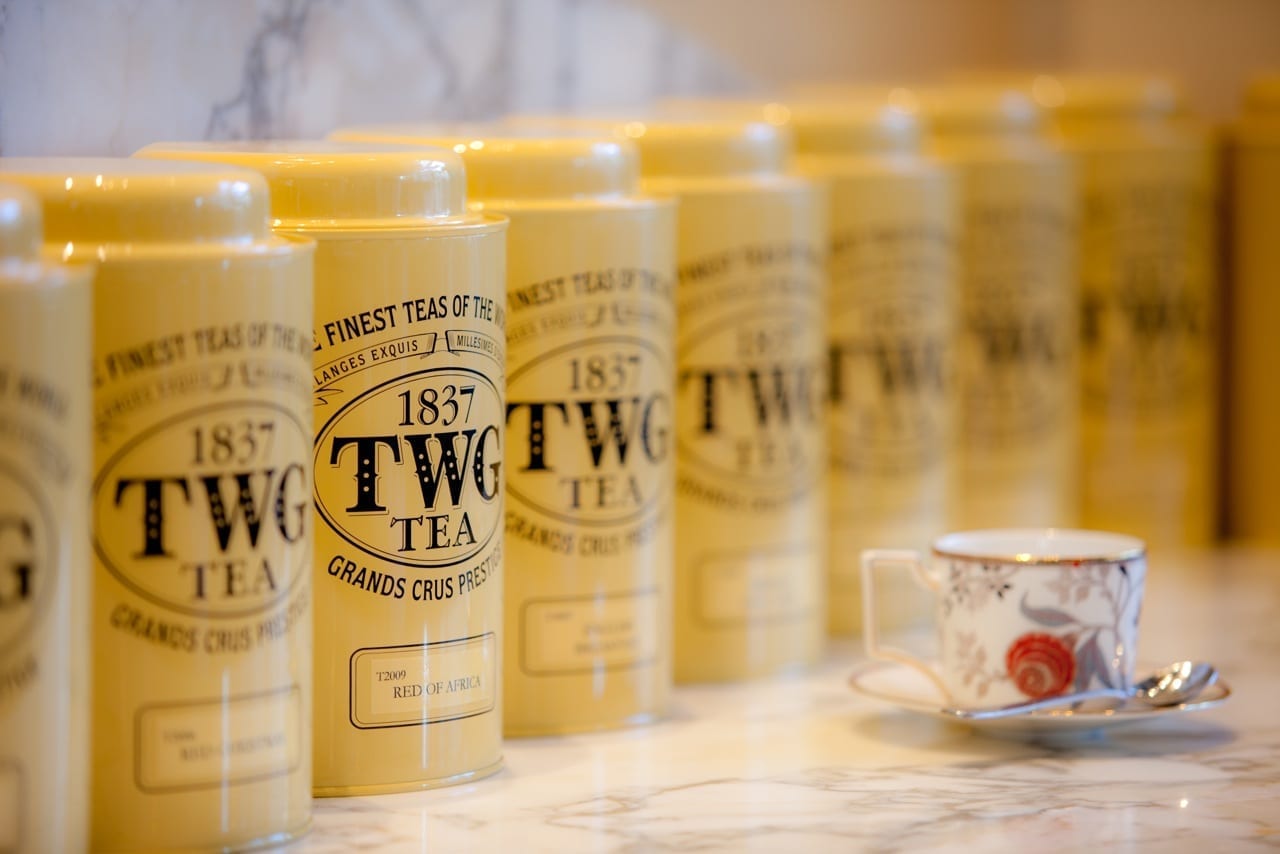
    Singaporean brand TWG Tea has entered the North American market with a store in Vancouver.

    In its eight years, TWG Tea has opened 56 owned and franchised boutiques and salons in 17 cities including Dubai, London and Shanghai.

    In Canada, its franchise and distribution rights have been bought by Tom and Karinna James, who previously owned Urban Tea Merchants in Vancouver. The city is ideal for TWG’s North American debut because of its tea culture, large Asian population and local appreciation for niche and artisanal beverages.

    “Our Asian population are very sophisticated tea drinkers,” says Tom James, thanks to the introduction of tea concepts such as Davids Tea and Starbucks’ Teavana.

    Tea sales in Canada reached $1.3 billion last year, with 40 per cent growth by 2020 predicted.

    Tom and Karinna James opened luxury tea house Urban Tea Merchant in 2004. The shop has been closed and will reopen as TWG next month with a boutique, salon and small wholesale component focussing on hotels and gourmet stores.

    Tea will be served in 18-carat gold-plated teapots, says James, who plans to open several stores in Canada.