Category: Food

Retail News Asia is committed to providing both local and global retailers with the latest Food and Food & Beverage news throughout the Asian market. This on a daily base.

  • Panda Express heading for Japan

    Panda Express heading for Japan

    US Chinese fast-food chain Panda Express, a staple of mall food courts in California, is about to launch in Japan.

    It will be in the hands of I&P Runway Japan, a joint entity set up last year between Panda Express owner Panda Restaurant Group and Chikara no Moto, the restaurant management group behind the tonkotsu ramen chain Ippudo. Originally formed to help Ippudo gain a foothold in the US, the JV is now aiming to open the first Japanese Panda Express before the end of the year.

    Other American fast-food chains such as KFC, Krispy Kreme and McDonald’s have had success in Japan, tweaking their menus to suit local tastes.

  • Indonesian coffee potential grows unlimited

    Indonesian coffee potential grows unlimited

    The Australian Ambassador to Indonesia, Paul Grigson, who is also a coffee connoisseur, said the potential in unlimited for the Indonesian coffee agriculture and industry.

    In a press release from the Australian Embassy in Jakarta on Friday, the ambassador said the Australians and Indonesians enjoy drinking coffee, often in cozy cafes.

    “As the third largest coffee producer and exporter in the world, Indonesia is a haven for coffee addicts,” he said.

    He added the Australian Rural Development Program (PRISMA), which is part of the Australia Indonesia Partnership For Rural Economic Development (AIP-Rural), has helped more than 2,200 farmers and is expected to reach 10,000 coffee producers in 2018.

    “I was amazed by the incredible coffee culture, where coffee can be cold fusion, pour-over or tubruk. And there’s also some inspiring latte foam art,” Grigson said.

    “Tubruk” coffee is Indonesian-style coffee, in which coarse coffee grounds are boiled, along with solid sugar, resulting in a thick drink.

    According to Grigson, during his stay in Indonesia, almost all coffee grown in the country was enjoyed by him, including Gayo coffee from Aceh, Toraja coffee from South Sulawesi, and Bajawa Flores coffee from East Nusa Tengggara.

    “Jakartas thriving coffee culture not only makes it easier for me to get my coffee, but it opens up more opportunities for young people to enter the business. With many Indonesian baristas learning their art in Australia, this is a fusion of cultures we can all enjoy,” the ambassador said.

    Along with the increase in coffee consumption worldwide, Indonesia, as the third largest coffee producer after Brazil and Vietnam, has a great opportunity to improve the quality and volume of coffee production, in order to meet the international demand for specialty coffee.

    East Java province is estimated to have 54,300 coffee farmers, and a coffee production land area equivalent to 8.1 percent of the nation’s production area.

    Meanwhile, East Nusa Tenggara province has about 51,752 coffee farmers and its area for coffee production reaches 57 percent of the nation’s production area.

  • Why Is China The Center-Piece Of Starbucks’ Growth Story?

    Why Is China The Center-Piece Of Starbucks’ Growth Story?

    China is the brightest star of the Starbucks growth story. The company has almost 2,300 stores in over 100 cities in China, and continues to open more than one store per day. China outshone the other regions in the June quarter, by posting 7% comparable sales growth due to increased traffic. Further, China accounts for over 10 million of the 19 million Starbucks Reward members in China and Asia Pacific (CAP). To reinforce China’s growth potential, Starbucks has plans to open up 2,500 stores for the next five years in the region.

    s1

    Why Is The Focus On China?

    Starbucks is facing intense competition from western brands like McDonald’s, Dunkin’ Donuts, and Burger King, to establish a foothold in China, not to mention the existing domestic players. However, Starbucks differs from the other food chains in the fact that it is seeing continued success in the region, while others, like McDonald’s, which is selling-off its restaurants in mainland China, are seeing their business flailing. The question to be asked here is why is everyone focusing on China. There are a number of reasons. Firstly, the American market is largely mature. Consequently, a large growth impetus cannot be expected from the U.S. That means Starbucks, like others, needs to look at emerging countries and markets with low penetration to drive revenues. This leads us to China, which is the second largest economy in the world. The middle income class in China is expected to double over a period as short as five years. Although, its economy has slowed down recently, China is still among the fastest growing nations, far ahead of Europe and the States.

    s2

    What Is The Reason Behind Starbucks’ Success In China?

    According to data from Roland Berger, Starbucks dominated the Chinese coffee market with an impressive 60% share, while McDonald’s and Costa only make for 13% and 11% of the total. One of the major reasons behind Starbucks’ success in China, when others are failing, is its commitment towards delivering what customers want. Instead of trying to pitch the U.S. bestsellers in China, it came up with new and innovative products, such as green-tea flavored coffee, which holds appeal for the country’s masses. Secondly, rather than pushing take-out orders, which account for the majority of American sales, Starbucks adapted to local consumer wants and promoted dine-in service. Although dine-in services bring in lesser revenue per square meter, Starbucks’ high pricing strategy in the area results in China being as profitable a market as the U.S.

    In addition to all this, Starbucks proved itself to be an employee-friendly workplace. While most western conglomerates treat their Chinese employees like cheap labor, causing the turnover rate to be high, Starbucks has invested in its employees through programs like student loans and subsidized accommodation. This further strengthened Starbucks position in China as satisfied employees are the best marketing agents a company can possibly ask for as they are the ones responsible for customer experience. Moreover, it has smartly partnered with local companies in various parts of China to overcome hurdles, deal with the complex foreign laws, and thus, grow effectively. The recent partnerships with the Chinese company, Tingyi, to manufacture and sell “ready to drink” products in China, is one example.

    s3

    What Is Next For Starbucks In China?

    According to the management, Starbucks plans to make China its largest retail market by the end of 2019. As mentioned before, it plans to open 2,500 new stores over the next five years in the region, even as the concerns about the slowdown in China increase. In 2017, it plans to open up a 30,000 square-foot Starbucks Shanghai Roastery and Tasting Room to appeal to the growing and increasingly rich upper class of China.

    Starbucks has also begun sourcing its coffee beans from areas within China, to seem less foreign and help the domestic coffee industry flourish. Further, Starbucks has branched out into selling tea drinks, such as Teavana, in China. According to Euromonitor, the size of China’s retail tea market was nearly $10 billion in 2014, the largest in the world and far ahead of second-positioned Russia.

    s3

  • Future Group buys Sangam Direct chain

    Future Group buys Sangam Direct chain

    Indian retail giant Future Group has bought Sangam Direct, a chain of grocery stores previously known as Sabka Bazaar, from Wadhawan Retail Ventures.

    Future group CEO Kishore Biyani has announced the deal without disclosing any figures.

    It is Future Group’s third acquisition in northern India in the food and groceries space in the past three years after Big Apple and EasyDay. In the south, the company acquired Nilgiris last year and is in talks to buy the retail business of Heritage Foods.

    Sangam Direct and Heritage Foods will add Rs800 crore (US$120 million) to Future Group’s annual revenue, says Biyani.

    Heritage Foods, which has 114 stores in Bengaluru and Hyderabad, reported revenue of Rs582.9 crore for 2015-16, up 18 per cent. Sangam Direct, which has about 35 stores across Bengaluru and Delhi, was started by Hindustan Unilever in 2001 as its online groceries delivery platform. It was acquired in 2007 by the Wadhawan group, which owned the Spinach retail chain.

    Future Group, through Future Retail and Future Consumer Enterprise, has about 800 stores. About 500 are small-format EasyDay and Nilgiris convenience stores, the rest being the larger-format stores of Big Bazaar and FBB, which is the group’s fashion retail offering.

    Future Consumer Enterprise also runs 5000 Annapurna Bhandars in partnership with the government of Rajasthan. Future Group is the parent of listed retail companies Future Retail, Future Lifestyle Fashions and Future Consumer Enterprise.

  • Tokyo Tsuta ramen eatery to open in Singapore

    Tokyo Tsuta ramen eatery to open in Singapore

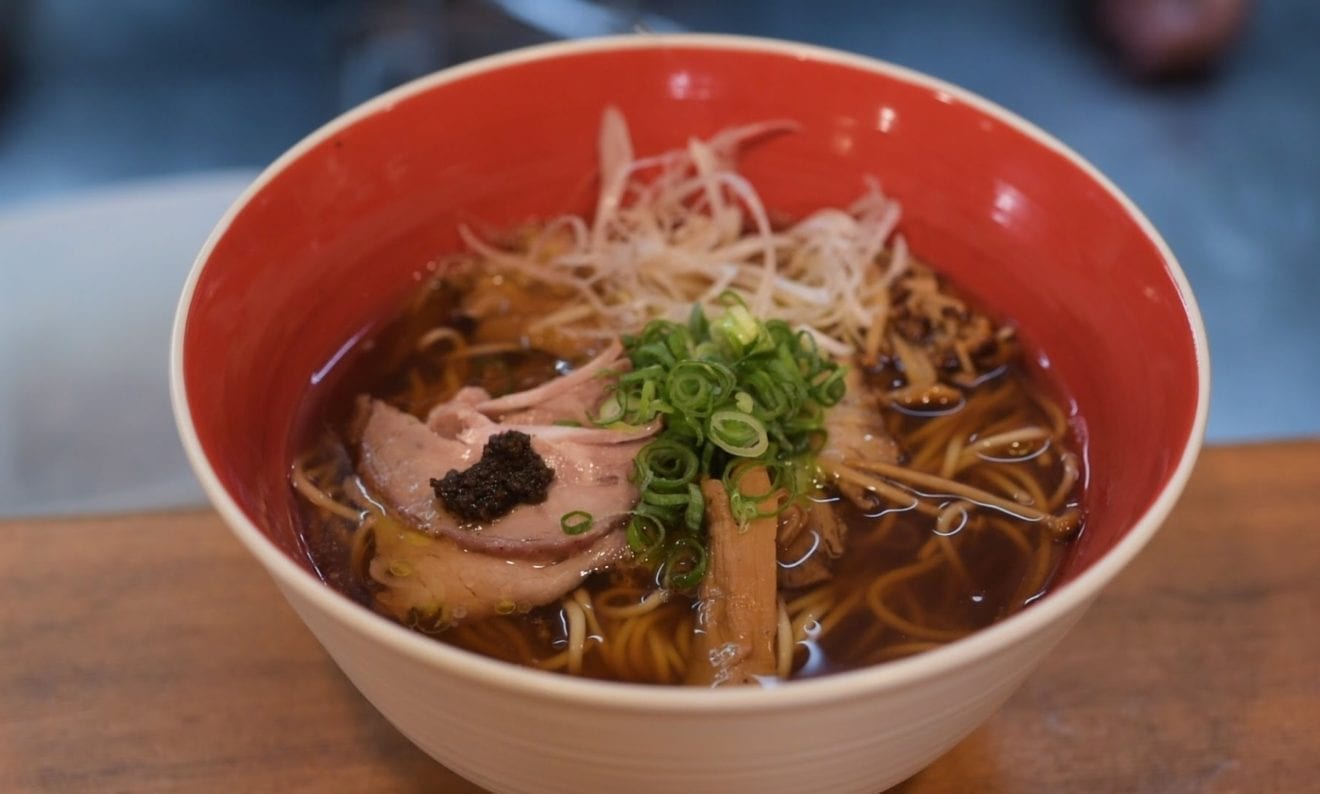
    The world’s only Michelin-starred ramen restaurant Tsuta is to open in Singapore in October.

    The Japanese eatery has been signed up by Pacific Plaza on Scotts Rd and will mark the restaurant’s first location outside its home market.

    Earning a coveted Michelin star this year has boosted the already-popular Tokyo establishment into something approaching cult status. The restaurant, located in the suburb of Sugamo, has just nine seats and limits its servings of ramen to 150 bowls each day. That has prompted customers to queue from as early as 6am so as not to risk missing out and tickets for a day’s dining usually sell out by 8am.

    The Pacific Plaza restaurant will be twice the size, with 18 seats and offer three soup bases – miso, Shoyu soba and shio soba. Chefs will be carefully trained to ensure the quality of the dishes served match those sold in Tokyo – and that the ramen sold is “the best in Singapore”.

    Tsuta ramen seats

    Founder Onishi says there are many pork-bone ramen shops in Asia, but he was determined to be different.

    “My aim is to create a ramen shop that can leave an impact with its unique dashi and umami flavours, and become as popular as tonkotsu ramen. For me, shoyu ramen is what usually comes to mind when one thinks of Japanese ramen.”

    Images courtesy of Mitsueki, Singapore food and travel blogger. Read more about Tsuta and view more photos here.

  • Australia Introduces Premium Dairy Products to Indonesian Chefs

    Australia Introduces Premium Dairy Products to Indonesian Chefs

    Australia’s Victorian Agricultural Minister Jaala Pulford collaborated with Podomoro University’s culinary students, Indonesian vocational schools and Dairy Australia to showcase Victorian  premium dairy products during a cooking demo held at Podomoro University in Jakarta.

    Victoria State’s Commissioner to Indonesia Brett Stevens said that Indonesian chefs are expected to acquire skills to creatively and innovatively process dairy products since demands on such products from domestic and foreign markets are increasing.

    “Therefore, we are happy to support this event,” Stevens said in a press release received by Tempo on Tuesday, September 27, 2016.

    The event was held as a part of Victoria State administration’s commitment to work with Indonesia’s education and hospitality sectors to develop both sides’ competitiveness and to transfer skills and knowledge.

    Minister Pulford’s visit to Indonesia was aimed to strengthen trade cooperation and investment between the two countries, in addition to improve cooperation in major sectors, such as education and professional service.

    Victora State is the largest Australian dairy producer well-known for its safe and high-quality products.

    The cooperation is expected to improve the quality of Indonesian professionals in the culinary sector by introducing them to new culinary techniques.

  • Bangkok’s Greyhound Cafe heads to Singapore

    Bangkok’s Greyhound Cafe heads to Singapore

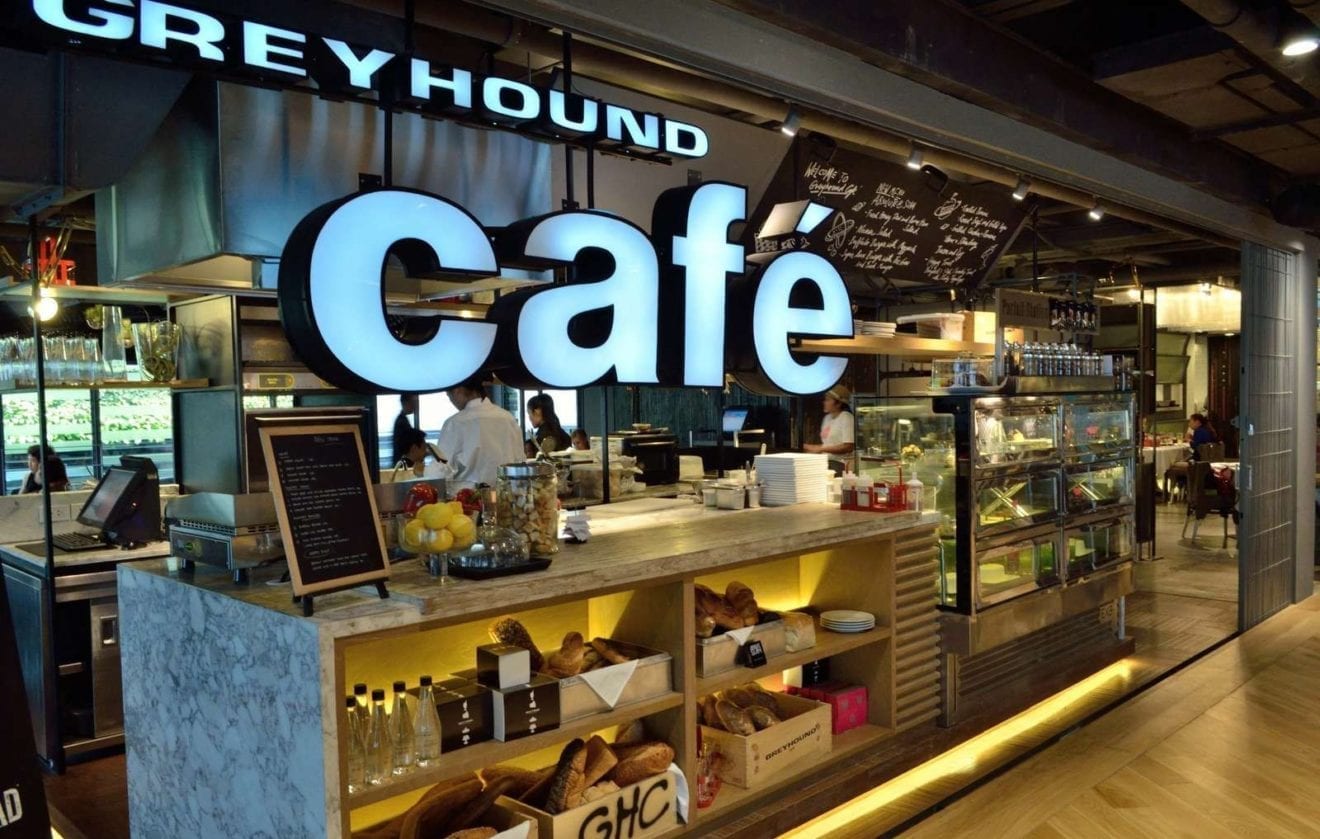
    From Bangkok, fashion and lifestyle venue Greyhound Cafe will open in Singapore in November.

    Greyhound started as a fashion brand in 1980 with a casual menswear outlet. In 1997 it decided to bring together fashion and lifestyle by opening its own cafe in the Emporium Shopping Complex in Bangkok.

    Design is a strong element in its cafes, with its seven outlets in Bangkok all featuring such modern touches as murals and monochromatic furnishings, as well as specially designed staff uniforms.

    Greyhound is known for its fried wings, Thai iced tea granita and coconut crepe cake, and has been described by Fortune magazine as “the hottest seats in Bangkok”. Signature dishes include Complicated Noodle (a self-assembled dish), Fried Rice Noodle with Chicken and Dried Squid, and Spaghetti with Crab Meat and Prawn Cream Sauce.

    Singapore’s Greyhound Cafe will be in Paragon on Orchard Road.

    Early this month, Greyhound Thailand’s parent, Mudman, launched an IPO to raise capital for further investment at home and abroad.

  • CJ pulls out of McDonald’s Korea race

    CJ pulls out of McDonald’s Korea race

    CJ Group says it has withdrawn from the bidding process for franchise rights for McDonald’s Korea.

    The Korean multinational gave no reason for its loss of interest.

    McDonald’s US is seeking buyers for 20 year franchise rights for its business in China, Hong Kong and Korea as it moves to a franchise partnership model outside the US.

    CJ Group, whose interests include cinema chains in Asia and the Tous Les Jours bakery chain, said this week it had not entered the latest round of bidding for the business.

    That leaves a consortium including Maeil Dairy Industry and another group with KG Group and NHN Entertainment Corp as the last two potential buyers on the shortlist.

    McDonald’s hopes to earn about US$280 million from the Korean master franchise rights.

  • Multi Bintang Cancels Factory Expansion

    Multi Bintang Cancels Factory Expansion

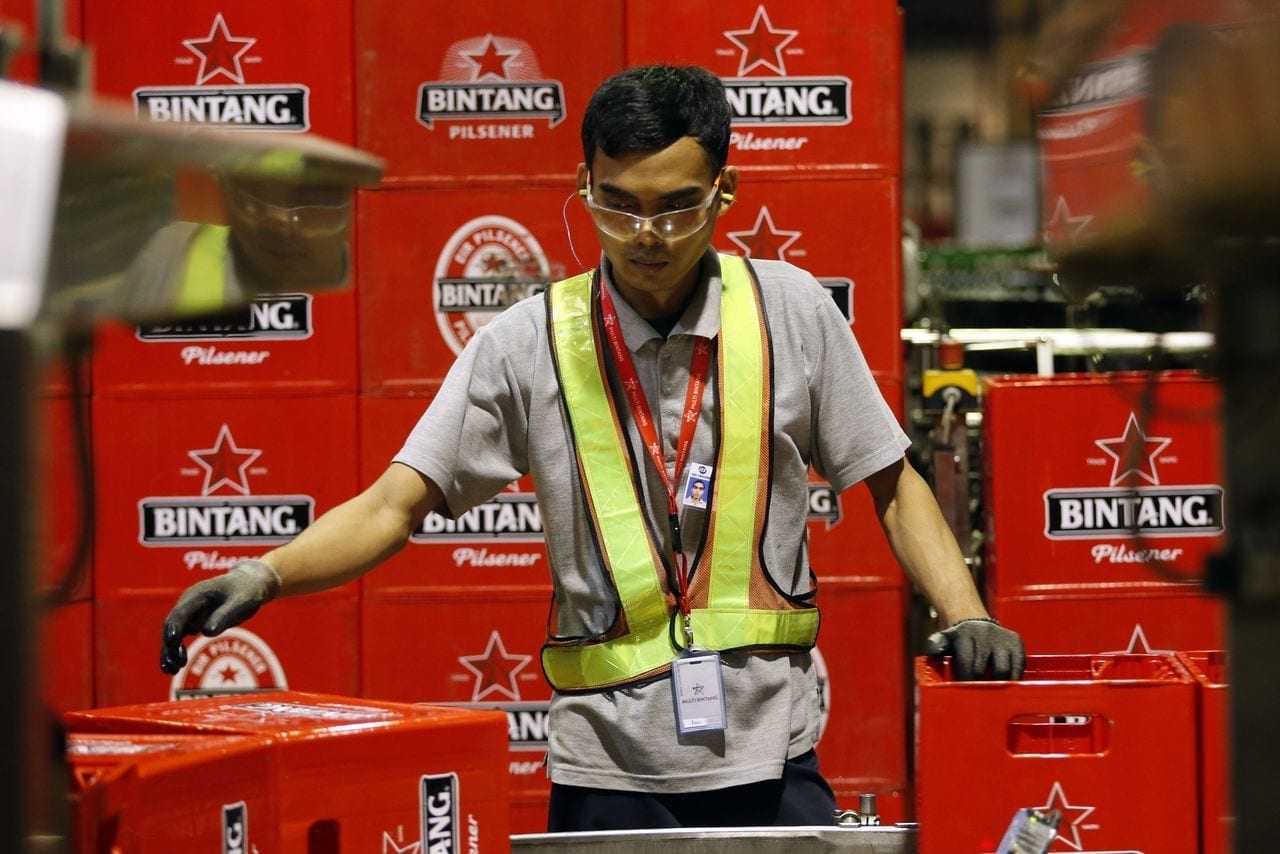
    PT Multi Bintang Indonesia (MLBI) has decided to postpone plans to expand its factory in Mojokerto. The decision was made as the company faced difficulties with Trade Minister Regulation on the distribution of alcoholic beverages and the Draft Bill on alcoholic beverages, which is still being discussed by the House of Representatives.

    Bambang Britono, Director of Corporate Relationship of the company said that the Trade Minister Regulation No. 6/M-DAG/PER/1/2015 on the Control and Supervision on Procurement, Distribution and License for Alcoholic Beverages have forced the company to reschedule its plant to expand production facilities.

    “It is actually depends on time and supply. Previously [our sales] had dropped because of the Trade Minister Regulation. So we have decided to do a reschedule,” Bambang said on Friday, September 23, 2016.

    In addition, the government’s plan to pass the Draft Bill on Alcoholic Beverages, which bans the production, distribution and consumption of alcoholic beverages with an alcohol level of one up to 55 percent have disrupted the company’s distribution activities. Nevertheless, Bambang is certain that the government will be able to come up with a just policy for alcoholic beverages company.

    “Because the [alcoholic beverages] industry has quite large [contribution], not only in terms of levy and taxes revenue, but also multiplier effect on other industries, such as tourism. So the government will consider its own discretion,” Bambang said.

  • Pei Wei Asian Diner plans 11 Korean stores

    Pei Wei Asian Diner plans 11 Korean stores

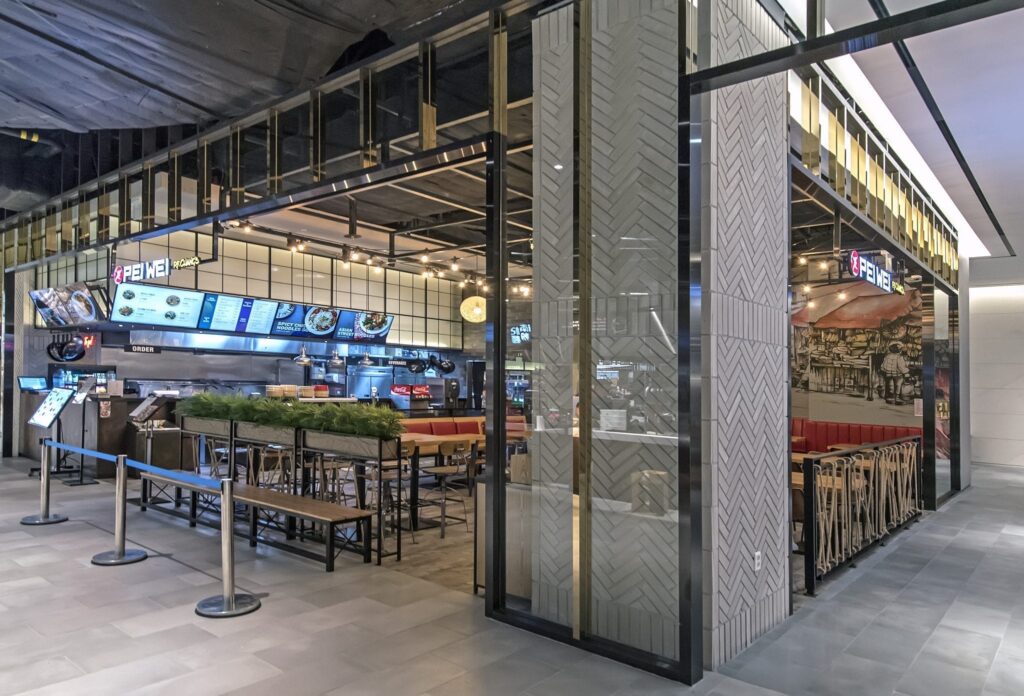
    Pei Wei Asian Diner, the fast casual pan-Asian US restaurant chain, has opened the first of 11 restaurants planned for South Korea.

    Known for bold flavors and an affordable Asian-inspired menu, the US company has partnered with ELX Food & Beverage, led by chef Justin Choi for its first foray into Asia.

    The inaugural store has opened at Starfield Hanam, the country’s largest shopping mall. The company is planning to open 10 more Pei Wei locations by end of 2017 including Daejeon Galleria Department Store and Busan Seomyun Lotte Department Store.

    pei-wei-outlet

    Choi will supervise the brand in Korea and Pei Wei will offer its characteristic ‘scratch and open kitchen’, which allows customers to see the cooking process that includes Chinese woks.

    Pei Wei is the second brand of the globally popular P F Chang’s which was brought by ELX F&B to the South Korean market.

    “South Korea’s sophisticated yet practical customers are a perfect target for Pei Wei’s simple, yet healthy and high-quality dishes,” said Kwak Ki-hoon, CEO of ELX F&B. “Through our insights and experience behind our successful launch of P F Chang’s, I look forward to leading local dining trends through Pei Wei’s flavorful selection and fresh offerings.”

    The Pei Wei menu in Korea will feature the same items popular in the US, including its signature Lo Mein and Quinoa & Fire Chicken, in addition to the ‘Wok Classics’ Noodle & Rice bowl options, soups, salads and Small Plate offerings.

    Founded in 2000, in Scottsdale, Arizona, Pei Wei owns and operates more than 200 restaurants in the US, Middle East, South Korea and airports.

  • The evolution of BreadTalk Singapore through the years

    The evolution of BreadTalk Singapore through the years

    It rolls out new bakery concepts every four years.

    To stay relevant in this difficult operating environment amidst the onslaught of e-commerce, constant make-over and product innovation are inevitable for retail stores.

    Standing out amongst retailers in Singapore is homegrown bakery brand BreadTalk, which carried out a series of space revamps and exhibited willingness to experiment.

    RHB analyst Juliana Cai notes that BreadTalk launches a new bakery concept every four years to maintain a fresh brand image. It also rolled out 50 new products along with its latest concept launch.

    Here are the four major faces of BreadTalk from year 2000 to the present, from a simple boutique bakery to a store with rustic feel:

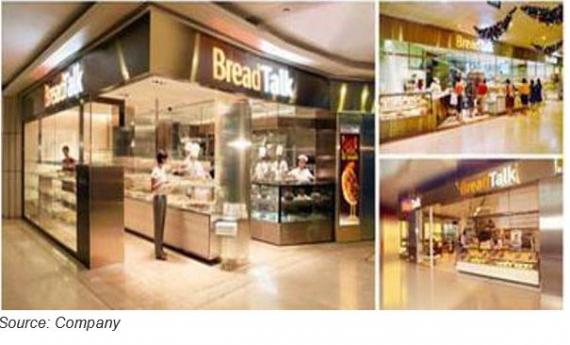
    1
    Generation One – boutique bakery (2000-2004)


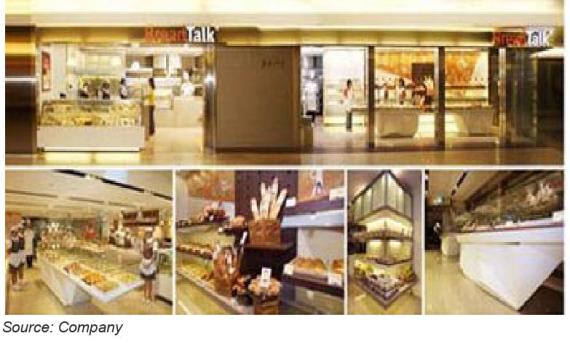
    2
    Generation Two – eye on elegance (2004-2008)


    3
    Generation Three – jewellery casing (2008-2011)


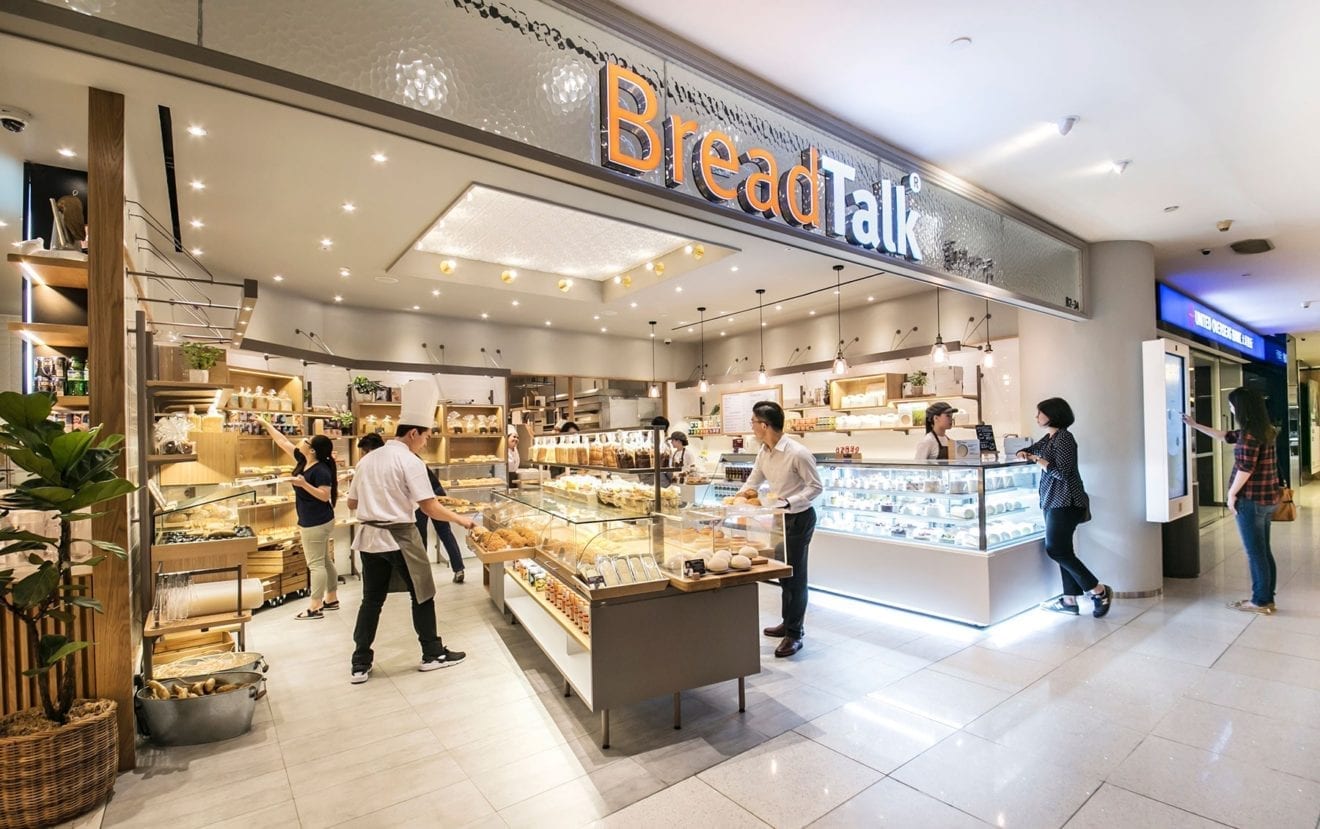
    4-breadtalk
    Generation Four – rustic feel (2012-present day)


    What do you think? Leave a comment about BreadTalk transformation.

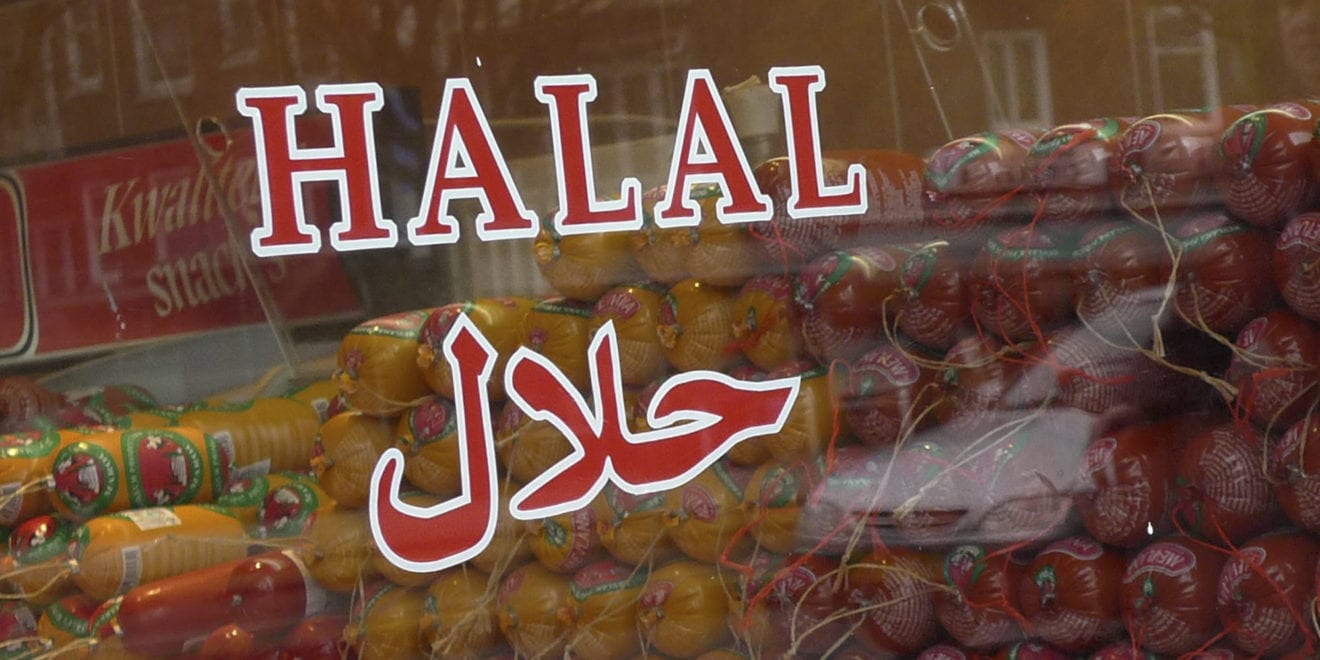
  • South Korea to explore halal food market in Indonesia

    South Korea to explore halal food market in Indonesia

    The South Korean Ministry of Agriculture, Food and Rural Affairs, through the Korea Agro-Fisheries and Food Trade Corporation, will explore the possibility of entering the halal food market in Indonesia.

    Lee Kyu Baek from the Korea Agro-Fisheries and Food Trade Corporation made the statement in Jakarta, Tuesday, during a press conference about the upcoming Korean Festival, scheduled to begin on Sep 30.

    As a part of the month-long festival, the Trade Corporation will hold a Korean food fair themed Safe and Healthy Lifestyle with Premium K-Food from 6 to 9 October.

    “This effort is being made to increase the demand for Korean foods, as well as heightening its recognition in Indonesia,” he said.

    Lee further explained that the halal food industry in Korea is still small, which is why the Korean government has launched a Moslem friendly policy to ensure the convenience of Moslem tourists who come to visit.

    It has been reported that some 740,000 Moslem tourists have visited South Korea, as of last year, and the Indonesia K-Food Fair 2016 event is seeking to further promote both Korean cuisine and tourism to the Indonesian public.

    The cuisine-based fair will be divided into two segments, one being an export conference, scheduled to be held at the Ritz-Carlton Hotel on Oct 6 and 7.

    “We will be holding a seminar in which representatives from Korea will explain halal policies, as well as the steps to obtain halal certification in detail,” he said.

    The business-to-business conference will see 20 Korean exhibitors and 40 Indonesian buyers participating, he remarked.

    In addition, a consumer experience event (B2C) will be held in Kota Kasablanka from October 8 to 9, where visitors can taste traditional Korean foods being promoted in separate halal, easy products and healthy food zones.

  • McDonald’s Follows Yum Brands, Prepares China Exit

    McDonald’s Follows Yum Brands, Prepares China Exit

    McDonald’s is finalizing a sale of the right to operate its China and Hong Kong restaurants. Prompted by stagnating market share and an increasingly challenging operating environment, the move allows McDonald’s to keep a presence in China without the burden of ownership.

    The world’s biggest fast-food chain is considering final offers from three leading groups, believed to be U.S. private equity firm Carlyle Group and Chinese investment firm CITIC Group, U.S. private equity firm TPG Capital and Chinese retailer Wumart Stores, and a group led by Beijing Tourism Group and Chinese retail giant Sanpower Group, according to Reuters.

    With the sale, McDonald’s Corp. joins fast-food rival Yum Brands Inc. in making the decision to sell its China business. Yum, which owns China’s biggest food chain KFC, and McDonald’s are currently the No. 1 and No. 2 fast-food chains in China. Both arrived on the scene in the 1980s—KFC opened its first outlet in Beijing’s Tiananmen Square in 1987, and McDonald’s opened its first store a few years later in the southern city of Shenzhen.

    Their decision to abandon one of the world’s biggest fast-food markets marks a dramatic about-face for the two fast-food giants, once hailed as prime examples of how American companies can succeed in the communist country.

    But the companies diverge in their methods of exiting China.

    Yum chose to spin off Yum China as a separately listed company on the New York Stock Exchange. Yum China recently secured prominent Chinese investors Primavera Capital and Ant Financial Services Group as anchor investors ahead of the listing in November. Primavera was founded by the former head of Goldman Sachs Group Inc.’s Greater China business, and Ant is a subsidiary of internet giant Alibaba Group. Well-known anchor investors are common in Chinese IPOs, and their presence can help drum up interest from retail investors ahead of the listing.

    McDonald’s, meanwhile, chose a different path. Instead of selling the business altogether, McDonald’s is converting its corporate-owned outlets to the franchise model by selling a 20-year franchise operating agreement to run all of the stores to potential bidders. This ensures that McDonald’s will hold branding and product development rights over existing and new restaurants, similar to its relationship with franchisees in the United States.

    The 20-year operating license for McDonald’s Chinese outlets could fetch as much as $3 billion, analysts predict.

    Declining Market Share

    Both McDonald’s and Yum have lost their early luster and are facing declining market share in China.

    MDC_market

    China market share of McDonald’s and KFC. Data source: Euromonitor. (Epoch Times)

    Since 2010, Yum’s share of China’s fast-food market has declined from 39 percent to 23.9 percent in 2015. During the same period, McDonald’s market share dropped form 15.1 percent to 13.8 percent, according to market research firm Euromonitor.

    Yum has about 8,000 outlets in China, mostly consisting of KFCs and Pizza Huts, contributing to half of its global revenues and profit. McDonald’s has 2,200 locations in China. While both companies opened new locations last year, their market shares have dropped.

    Unfriendly Operating Environment

    Employees work at a McDonald's in in Beijing in 2007.  (FREDERIC J. BROWN/AFP/Getty Images)

    Employees work at a McDonald’s in Beijing in 2007.

    McDonald’s and Yum are two of the world’s most successful fast-food chains and have around 30 years of experience in China. So what’s causing the market share decline in recent years?

    The main challenge is shifting consumer taste. During McDonald’s and Yum’s early years in China, Western cuisine was scarce, and unlike in the United States where fast food is cheap and low-quality, McDonald’s hamburgers and KFC fried chicken were considered gourmet fare. Chinese consumers visited these restaurants during special occasions, and their prices were comparatively high.

    In recent years as median Chinese income has risen, consumers have also developed more selective tastes and are increasingly moving upmarket in their restaurant preferences. American fast-food brands now operate in the price segment of the casual-dining restaurants. On the lower end of the market, however, the fast-food segment is increasingly being occupied by a new wave of local competitors selling Chinese food, Japanese food, and fried chicken at lower prices than American fast food.

    Another significant hurdle facing McDonald’s is the Chinese Communist Party’s economic and competition policy, which in recent years has favored domestic businesses while marginalizing foreign competitors.

    In 2014, an undercover reporter for state mouthpiece CCTV reported that meat supplier Shanghai Husi Foods allegedly sold expired meats to several American restaurant brands, including McDonald’s, KFC, Papa John’s, and Burger King.

    Restaurants owned directly by foreign companies also face challenges in finding suitable real estate for new stores. Negotiations are often done face-to-face with local powerbrokers, and U.S. listed companies operating under the Foreign Corrupt Practices Act often cannot compete with local competitors.

    For McDonald’s and other foreign companies, outsourcing the operational aspect of running the business resolves most of these issues inherent in China. The same factors are also major drivers behind Wal-Mart’s sale of its Chinese e-commerce business Yihaodian to JD.com, and Hewlett-Packard’s sale of a majority stake of its Chinese networking business to local state-owned H3C Technologies.

    Given this backdrop, McDonald’s is wise to cede ownership of its Chinese stores to local partners. The move could bring stable income from royalties, higher growth potential, and better treatment than it would otherwise be able to manage on its own, while the company still enjoys prominent brand presence.
  • “20 -30% growth year on year in China”

    “20 -30% growth year on year in China”

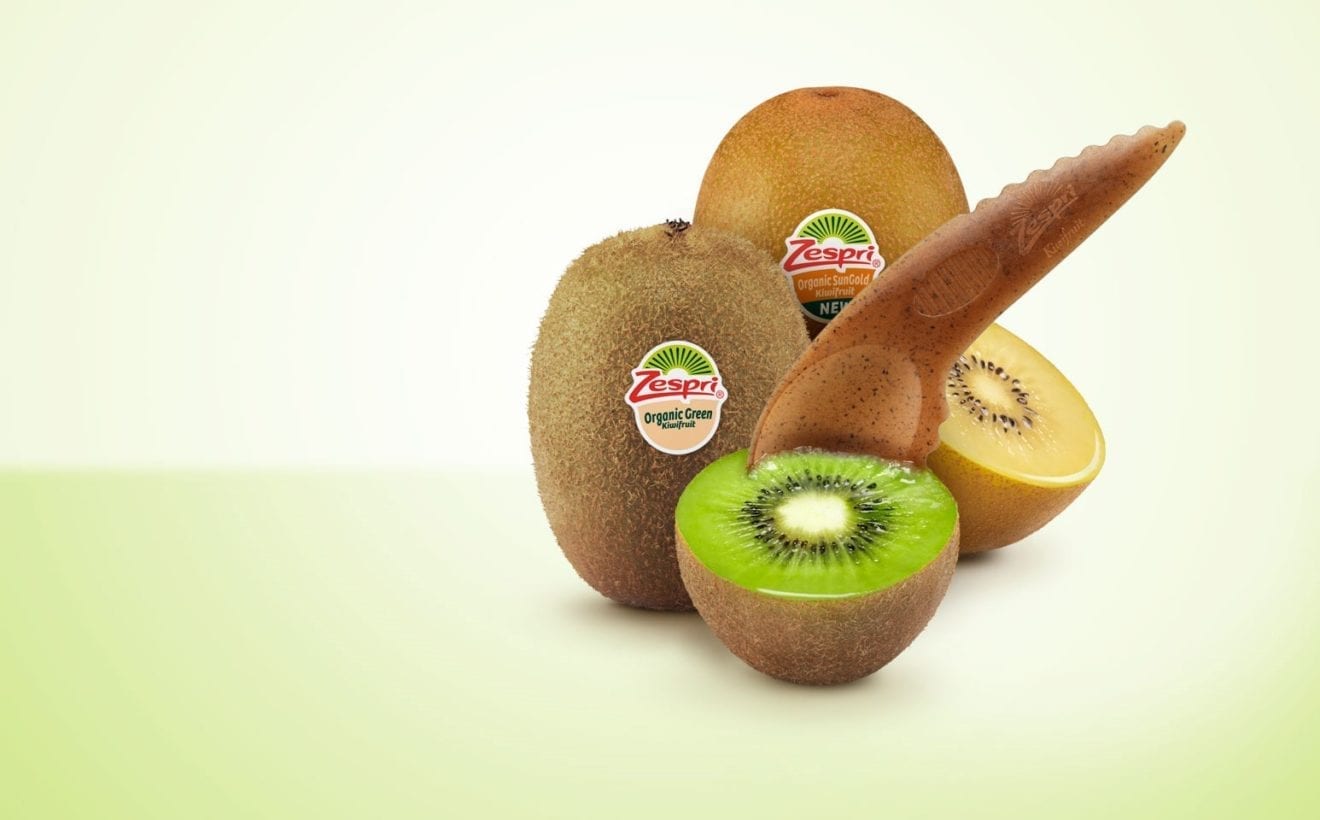
    As many companies are looking to Asia for the first time, some have been in these markets for a while and are strengthening ties within the region. Zespri is one of these companies and have made big in roads into Asia in recent years and are continuing to expand in current markets while exploring new ones.

    “We continue to see significant growth in China, with increases in volume of 20 to 30% year on year for several years now, there a good rise in the volumes of SunGold being sent there as well. But Japan, the cornerstone for New Zealand for many years, is showing growth as well which we expect to continue for the coming years,” explains Mr Simon Limmer, COO of Zespri.

    Besides Japan and China, which are similar in terms of volume, Limmer says that prospects are positive overall in SE Asia, “There are exciting opportunities in a handful of different markets such as South Korea, where we have recorded an amazing season this year. We are starting to see the benefit of the free trade agreement now that the playing field has been levelled with other countries such as Chile, who have had zero tariffs for a few years. Taiwan has also shown great growth.”

    Zespri are making further in roads into China with new relationships with Chinese importers, this week they announced a collaboration with Fruitday who will now become a direct retail customer, giving them the position of being the Zespri’s largest direct retail customer in China.

    Zespri is still a while away from actually growing any kiwifruit in China.

    “We are still involved in the preparation process,” acknowledges Limmer. “We are working with partners in China trying to raise the standard of domestic kiwifruit. This is also allowing us to build relationships from a scientific perspective in trying to understand the growing environment and finding the most suitable varieties. In short, not only do we need to be convinced that the quality is sufficient for the brand, but we also need to make sure that Chinese consumers who are already buying the imported product will be open to a ‘Made in China’ fruit.”

    Zespri has long been aware of the growing volumes and quality of domestic kiwifruit; “The branding is also becoming more sophisticated and for us this is both an opportunity and a threat,” explains Limmer. “We have the benefit of the counter seasonality of fruit out of New Zealand and we are no stranger to competition throughout the year where ever we are in the world.”

    Although red kiwis have been in trials for a few years, Zespri has not produced commercial volumes as yet. “We need to make sure we have all the attributes and characteristics right before we launch a new kiwi on the market – agronomically, yield, size, storage and cost of production for example. Reds are particularly susceptible to Psa and also have storage issues, but we clearly acknowledge and understand the opportunity for a red in the market.”

    Another challenge in the Chinese market has been protection of the intellectual property, as the image and reputation of the brand is strongly linked to the product’s quality. “There have been some developments in this regard in China and certainly willingness and motivation to shift, but it’s taking time,” admits Limmer. “Most importantly, the consumer needs to be educated on what’s genuine, giving them comfort with the knowledge that what they are buying has all the guarantees regarding quality or safety, something in which social media can play a decisive role.”

  • Napa cabbage prices skyrocketed last month

    Napa cabbage prices skyrocketed last month

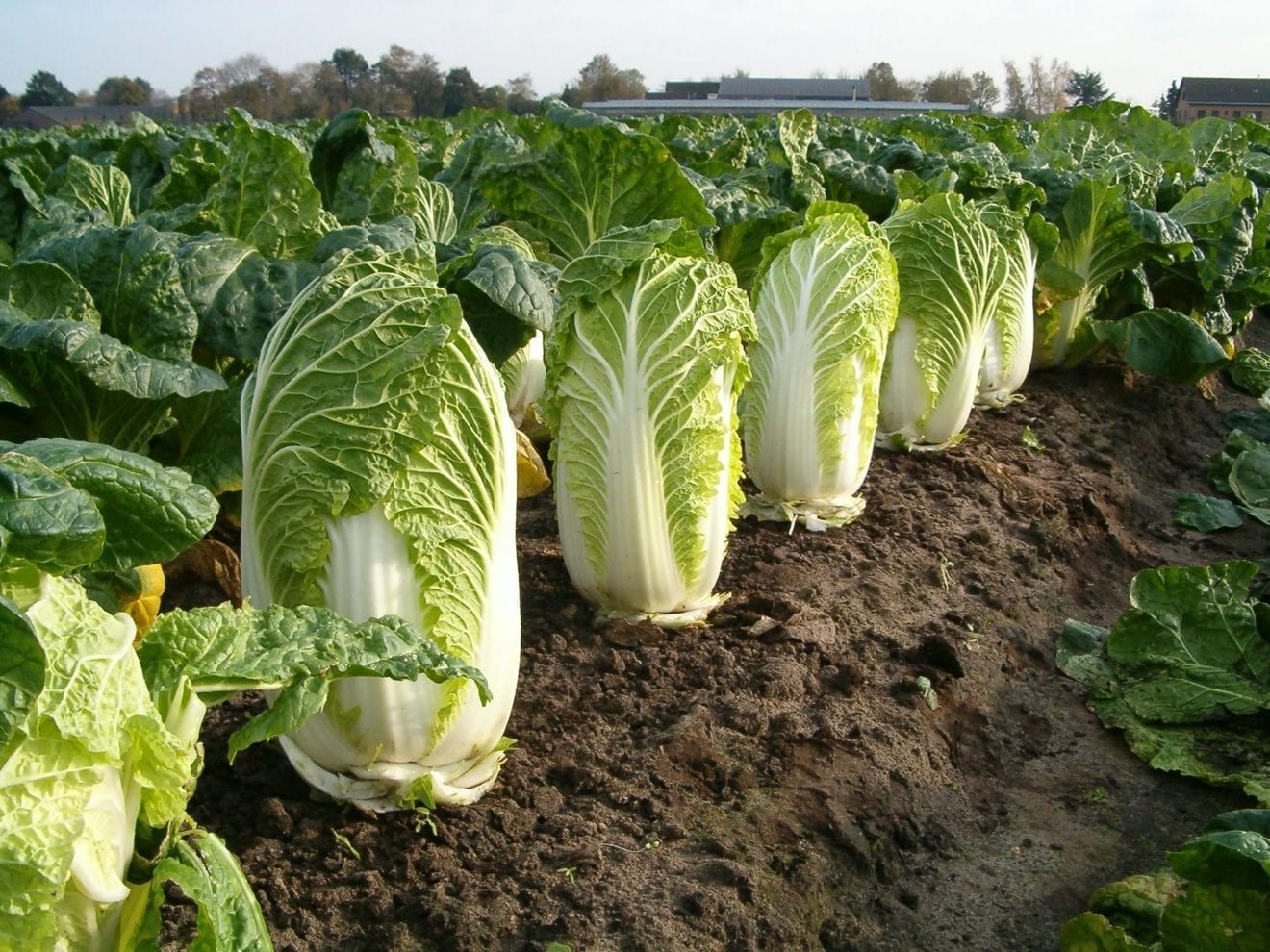
    The average price of napa cabbages at local retail stores rose significantly last month compared to the previous month as the supply likely dropped due to the abnormally hot weather that hit the country this summer.

    Prices of napa cabbage, a Korean staple and key vegetable for making kimchi, rose 63.7 percent month-on-month to a record 5,303 won ($4.73) a head, the Korea Consumer Agency (KCA) said Monday. The price of 1.5 kilograms (3.3 pounds) of white radishes rose 29.2 percent to 2,279 won and 1.5 kilograms of onions rose 5.3 percent to 3,217 won.

    “We don’t know the exact reason for the rise in some vegetable prices, but we believe that the supply in general dropped due to the high temperature and drought,” said KCA researcher Kim Eun-ji.

    Additionally, a recent report by the Bank of Korea attributed the long-term rise in cabbage prices to Chinese imports of kimchi.

    Samgyeopsal, or pork belly, one of the most popular meats among Koreans, was 11.2 percent cheaper at 2,005 won per 100 grams, while beef prices rose 3.8 percent to 8,601 won. The fall in pork prices is mainly due to the base effect from June, when prices rose 22.2 percent month on month, ahead of the summer vacation season in Korea.

    The KCA analyzed the price of 402 major products in 373 stores across the country, and the agency found that the price varied by types of stores.

    In fact, the average price of napa cabbage sold at corporate run retail stores was the highest at 6,965 won, and was lowest at large discount chains at 3,702 won.

    Onion prices had a 77.2 percent gap by store type, KCA said. The price of 1.5 kilograms of onions was 2,429 won at traditional markets and 4,303 won at department stores.

    Beef, napa cabbages, radishes and onions were some of the products that were cheaper at large discount stores and traditional markets in July.

    Meanwhile, the year-on-year growth rate for napa cabbage was 84.5 percent, the highest among major products sold in retail stores and traditional markets. It was followed by beef (25.5 percent) and radishes (15.6 percent). The price of pork, on the other hand, fell 14.2 percent year on year, and onion prices dropped 13.2 percent during the same period.

    “The price varies by the store types and the government will provide the retail prices online [www.price.go.kr] so that people can research the price and promotion events ahead of their shopping,” said Kim at the KCA.