Category: Food

Retail News Asia is committed to providing both local and global retailers with the latest Food and Food & Beverage news throughout the Asian market. This on a daily base.

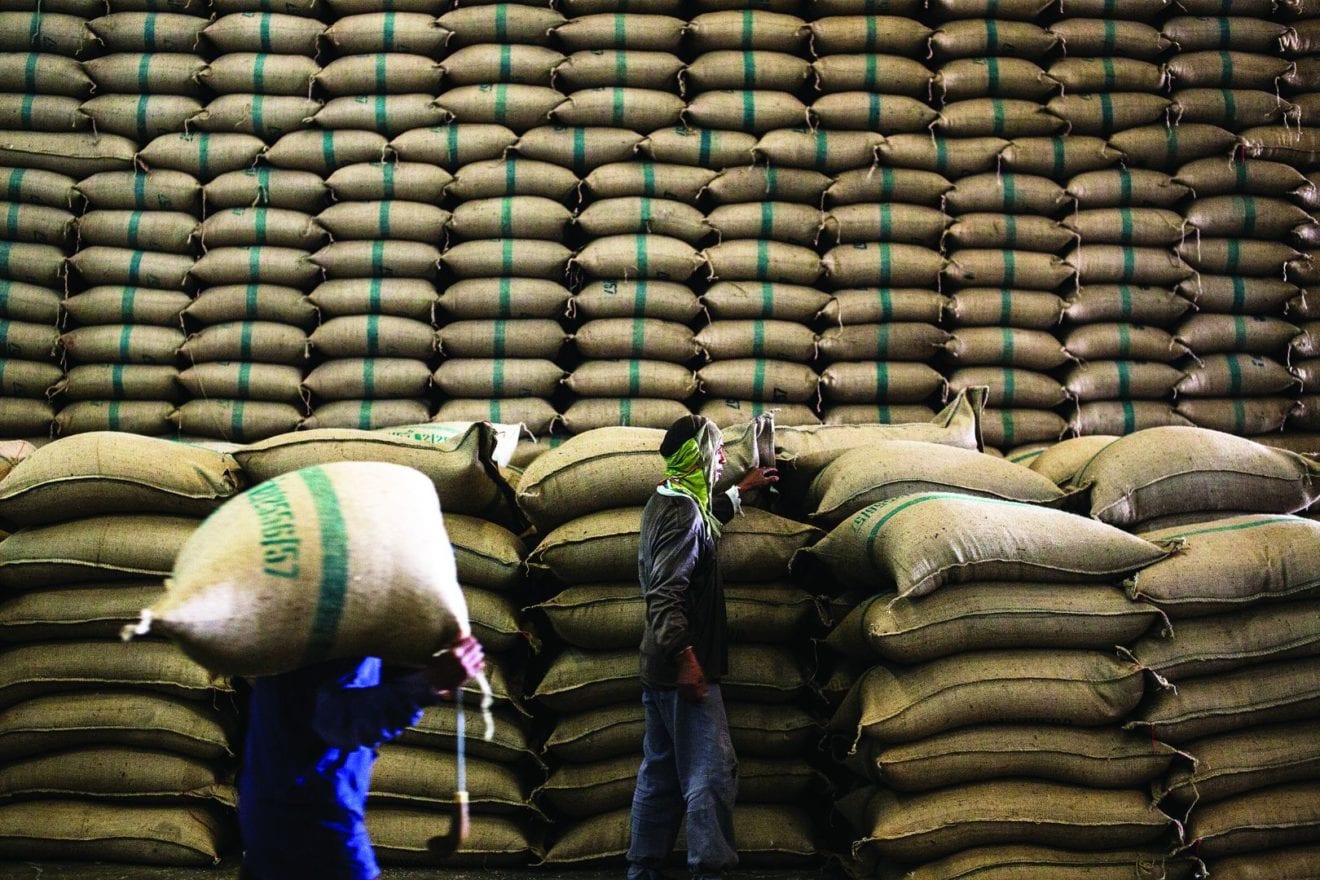
  • Minister sees off organic rice export to Belgium

    Minister sees off organic rice export to Belgium

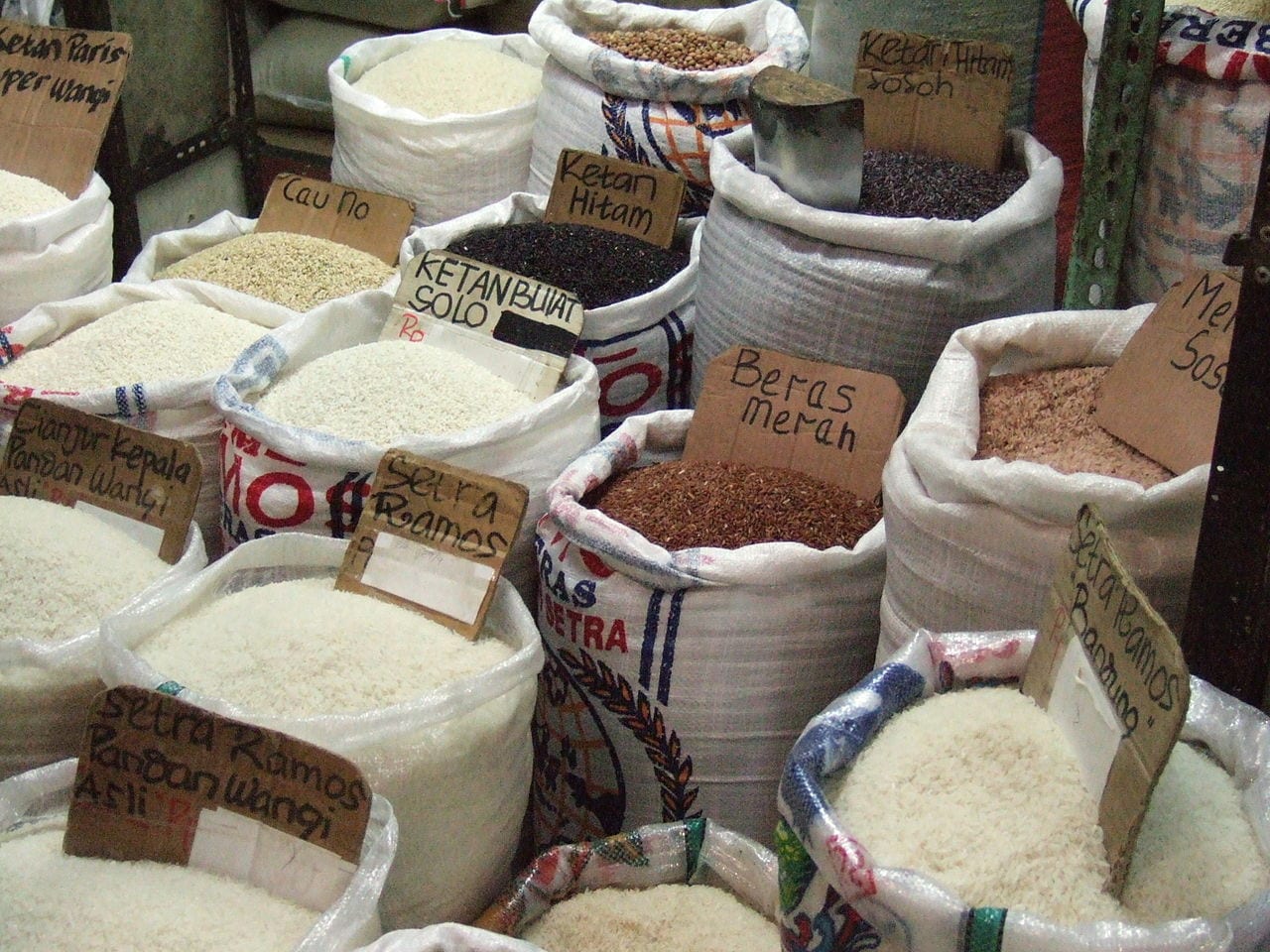
    Agriculture Minister Andi Amran Sulaiman here on Thursday saw of the shipment 40 tons of organic rice produced by a farmer group of Simpatik in Mekar Wangi village, West Java to Belgium.

    The shipment marked eight years of organic rice export from the farmer group to Belgium.

    The exported rice was packed in airtight plastic that can last for months. One pack of rice weighed five kilograms with a label of Indonesia Rice on it.

    In addition to Belgium, the other importer countries are Singapore, Italy, United States, and United Arab Emirates.

    The rice price at the farm level reaches Rp 20 thousand per kilogram, but in Belgium it is Rp90,000 per kilogram.

    At the farmers level, the price of the rice is Rp20,000 per kilogram, while in Belgium it reaches Rp90,000 per kilogram.

    Amran said every year Indonesia is able to export 100 thousand tons of organic rice, so that it will be the future of Indonesian agricultural products.

    “It is a smart agriculture. I have asked the Research Agency to support the organic rice farming. This is the future of rice exports. We just improve the regulation to make this sector competitive,” he said.

    The minister said that in addition to Java, Sumatra and Kalimantan also have potential in the rice organic agriculture.

  • More stores in Asia for Guzman y Gomez

    More stores in Asia for Guzman y Gomez

    Australia’s Mexican food chain Guzman y Gomez (GYG) has done so well in Japan and Singapore it is planning to open more outlets in both countries this year.

    It opened its first taqueria in Singapore in 2014, since adding three more, plus a second in Tokyo. It plans to open at least five more in Japan this year, plus two in Singapore.

    Guzman y Gomez Japan 1

    “We have outstanding partners in both Japan and Singapore who are incredibly experienced in introducing Australian brands into their local markets,” says CEO Mark Hawthorne. “They are executing the brand to a very high standard.”

    GYG opened its first restaurant in Sydney in 2006, and now has 73 outlets across Australia. It was named Australia’s fastest-growing fast-food brand in the latest Consumer Report on Eating Share Trends.

  • Singapore Changi announces latest retail and F&B openings

    Singapore Changi announces latest retail and F&B openings

    Singapore Changi Airport has announced a number of new store openings across its terminals.

    In the transit areas, Electronics by Sprint-Cass and childrens’ clothing retailer BloomB have commenced operations in Terminal 1.

    The transit retail area in Terminal 3 offers a range of stores, with Ermenegildo Zegna the latest addition

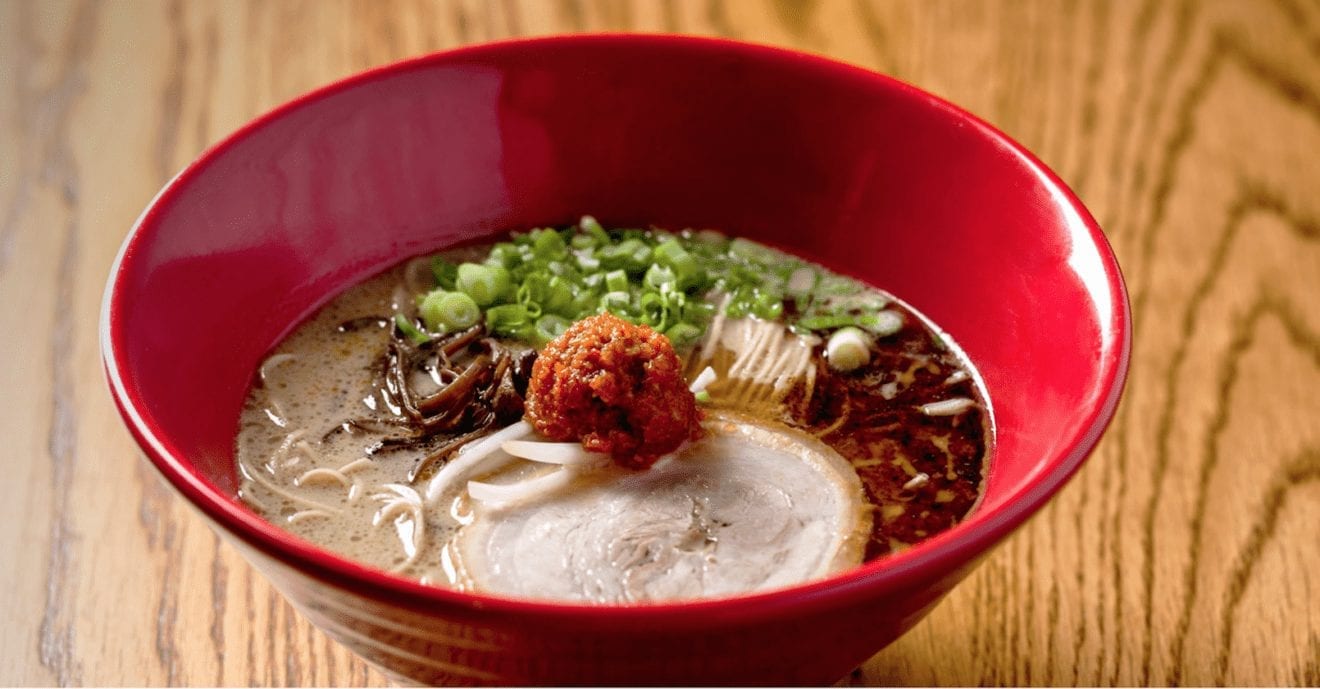
    In Terminal 2, ramen emporium Ippudo Express, local quick bite outlet Old Chang Kee and American footwear brand Converse have opened.

    Italian luxury fashion house Ermenegildo Zegna has opened its first Changi store in Terminal 3. It offers a range of men’s clothing and accessories.

    The airport also noted that Travelex Money Changer now operates six 24-hour money changing outlets across all three terminals.

    In the public areas, Peach Garden Chinese Dining has opened in Terminal 2 (Level 3), serving classic Chinese dishes and dim sum in a contemporary style. Snacks store Umeya is now operating an island kiosk at Terminal 3 (Basement 2).

    The airport handled 5.18 million passengers in July, a +5.9% year-on-year increase. Aircraft movements were +4.7% higher at 30,790 landings and takeoffs.

    All of Changi’s top five country markets achieved growth of at least +5% during the month. Passenger traffic between Singapore and China rose +13.4% to over half a million movements. Among Changi’s top ten city destinations, Denpasar (+13.1%) and Melbourne (+20.6%) recorded the strongest growth.

  • Indonesia-based HappyFresh announces Series B round, leaves Philippines and Taiwan

    Indonesia-based HappyFresh announces Series B round, leaves Philippines and Taiwan

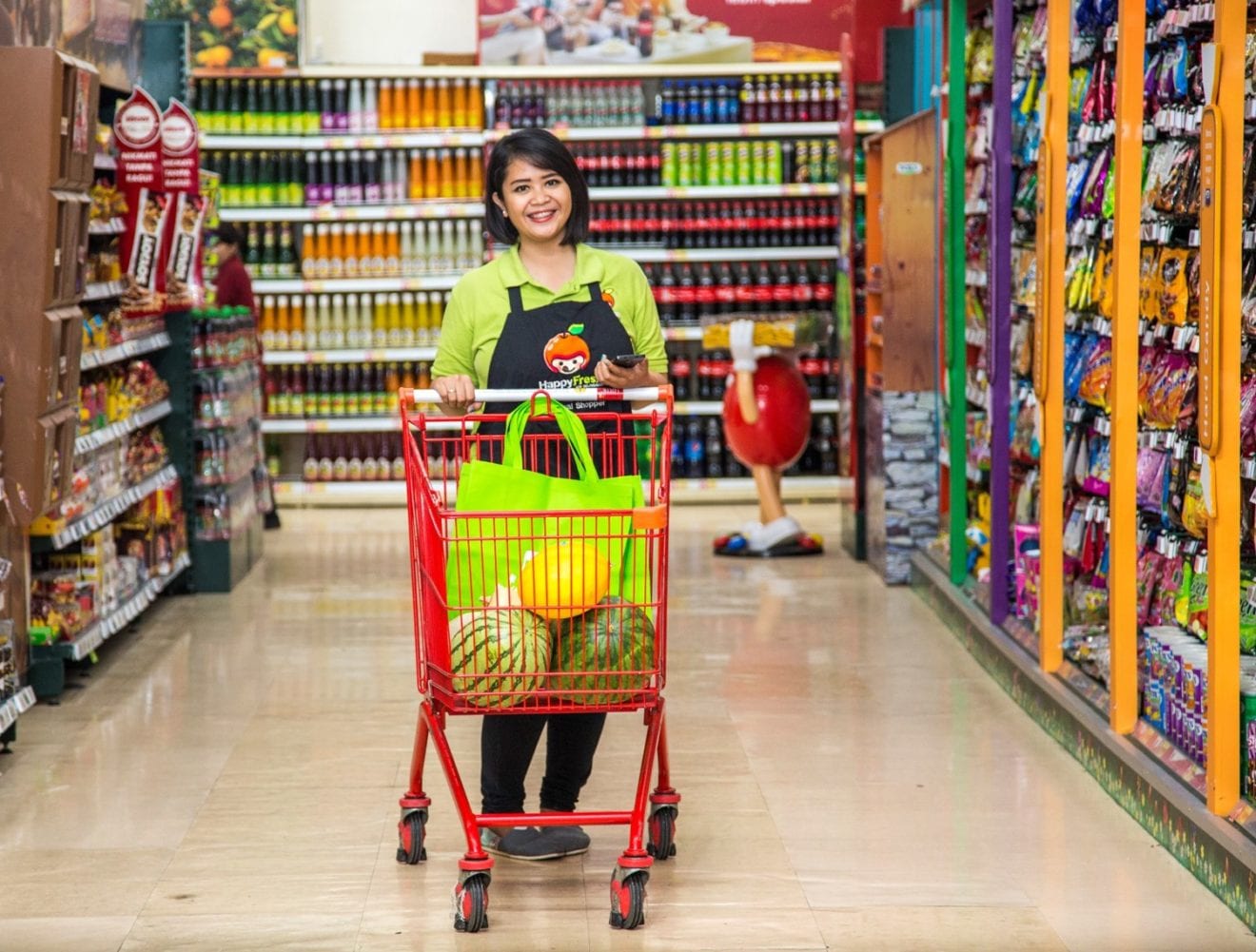
    HappyFresh, the Jakarta-based grocery delivery platform, announced yesterday it has raised an undisclosed Series B round while also revealing it will be consolidating operations and pulling out of the Philippines and Taiwan.

    The round was led Dubai-based private equity firm Samena Capital, with HappyFresh CEO Markus Bihler said a major reason for the partnership was Samena’s status as a leading investment firm for logistics.

    “Number one, given that our business is, to a significant extent, a logistics business, we feel the support on logistics is very value-add,” said Bihler.

    “And number two, they are a classic large-cap private equity firm with significant ties to offline retail, which is the second arm of the HappyFresh business,” he said.

    Other participants in the round were Vertex Ventures, the venture-arm of Singapore’s Temasek Holdings, Sinar Mas Digital Ventures of Indonesia’s Sinarmas Group and Endeavor Catalyst, a New York-based venture arm of Endeavor Capital.

    The fundraising, which was larger than the US$12 million Series A the company raised in September 2015, remains undisclosed in large part because Bihler said it brought unnecessary attention to the number.

    In regards to the decision to pull out of the Philippines and Taiwan, Bihler said a crucial goal for HappyFresh is to focus on its core markets.

    “I believe that companies who are profitable and independently sustainable are companies that last, and therefore can continue to serve, in our case, the end customers and offline retail partners,” he said.

    The decision to consolidate the company to Indonesia, Thailand and Malaysia was a fast decision. It comes six months after the company entered the Philippines back in March and less than a year since it launched in Taiwan.

    “What we have decided is we will focus our effort on the three core markets that we have chosen to operate in, which is Indonesia, Malaysia and Thailand,” said Bihler.

    Because HappyFresh puts emphasis on the role of logistics in the decision to go with Samena Capital, e27 asked Bihler to provide some details as to how that looks on-the-ground.

    “I think if I go back and look at what HappyFresh is, we are a digital marketplace for offline retailers on the front end. And on the backend we are a digitally enabled fulfillment operation. So the largest efficiency gains that we have seen historically, and I am very sure that we will see in the future, is driven by technology,” said Bihler.

    This means intelligent use of routing, the increase of prediction software, and more efficient usage of resources (the time and availability of the shopper and drivers in the company).

    HappyFresh was founded in October 2014 and began operating in March of 2015.

    Its operating model is similar to that of competitor honestbee — in which shoppers visit specific grocery stores and shop for the consumer before the food is delivered. As a comparison, another grocery delivery player, RedMart, has its own warehouses and thus does not ‘shop’ for customers.

  • Pizza Hut develops diet pizza range

    Pizza Hut develops diet pizza range

    Pizza Hut Japan has teamed with Rizap, a Japanese company promoting nutrition and exercise, to create a ‘diet pizza’.

    The two companies aim to make the fast-food favourite more healthy, and have released three sugar-reduced varieties with Pizza Hut Japan.

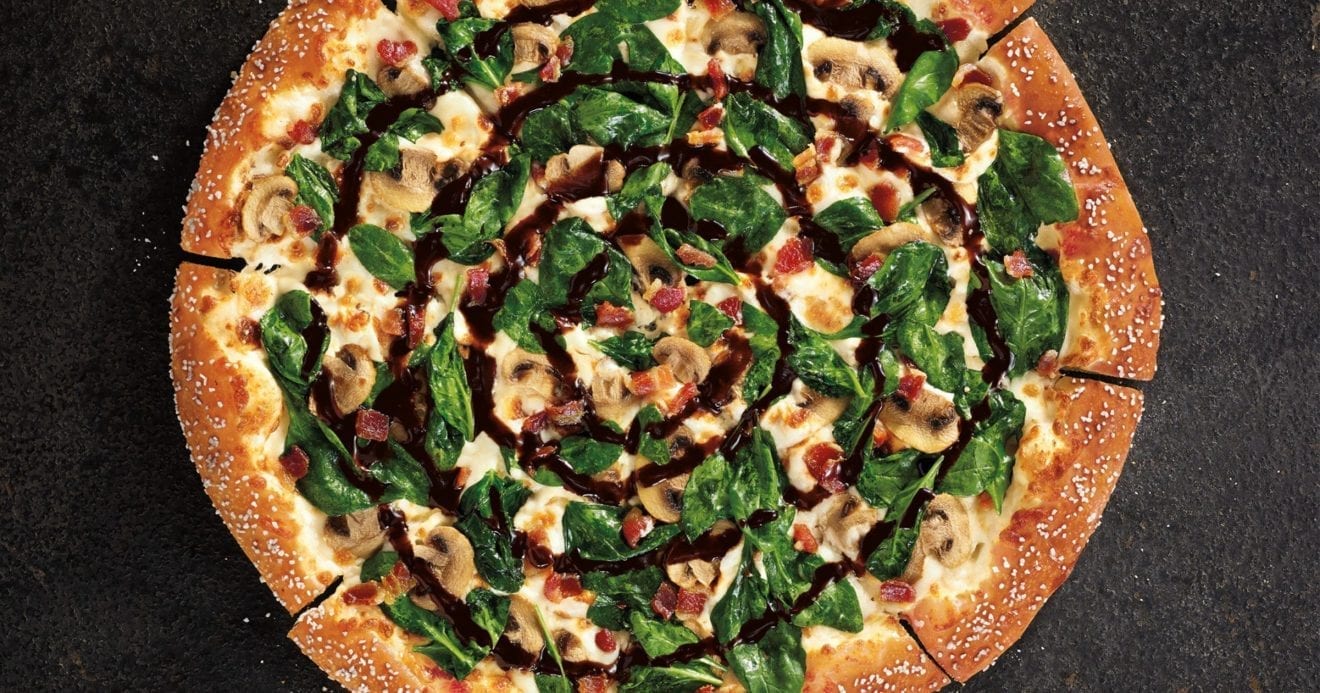
    Six stores around Tokyo’s Kanto area are offering the healthier options, including thick-cut bacon and grilled vegetables, savory bulgogi and teriyaki egg. They come baked fresh in a personal pan size.

    As well as take-out, deliveries are available, each of the pizzas costing 1000 yen (US$9.99).

    Each pizza crust has had its sugar content halved, while overall the new pies contain less than 30g of sugar (regular pizzas contain 55.2g).

    Unfortunately, the healthy-style pizzas will be offered only until October 23.

  • Starbucks Korea hosted 2nd annual Barista Championship for Partners with Disabilities

    Starbucks Korea hosted 2nd annual Barista Championship for Partners with Disabilities

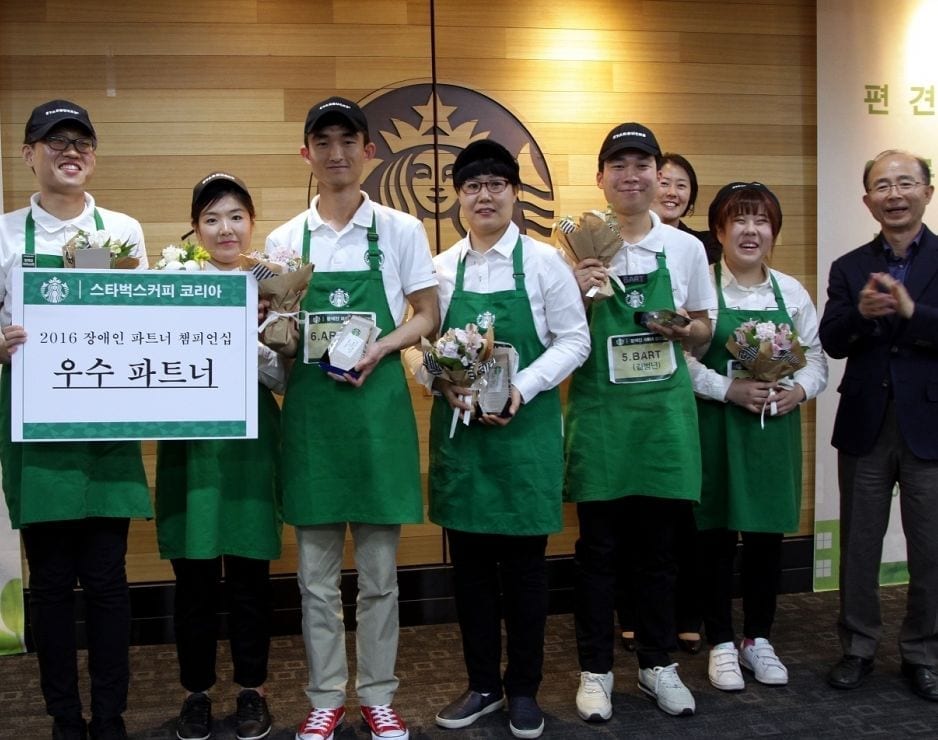
    Learning that she was the winner of Starbucks Korea’s Barista Championship for Partners with Disabilities was a surprise for Banny M.H. Choi.

    “When I found out about this championship, I wasn’t sure if I could do it, but I decided to challenge myself,” said Choi, who has a hearing loss. “When they announced that I was the winner I couldn’t believe it. I didn’t expect to earn first prize because I was so nervous.”

    Excelling in the competition was a source of pride for Choi.

    “I have always tried my best to eliminate prejudice about the disabled,” Choi said. “After winning this competition, I am confident that I can do anything regardless of my disability.”

    Starbucks Korea hosted the championship for the second consecutive year, as a way to recognize partners (employees) with disabilities. Choi and the remaining nine finalists were selected to participate based on recommendations from their district managers.

    During the competition, they were judged by three partners from the Starbucks Coffee Leadership and Operations Service Team on beverage quality, speed of service, cleanliness and latte art. As the victor, Choi received a trophy and a Starbucks Card loaded with 100,000 Korean Won (approximately USD$90.00).

    “We take pride in the fact that Starbucks is a welcoming workplace for everyone,” said S.K. Lee, president, Starbucks Coffee Korea. “We hope to demonstrate the talents of all our baristas and change perceptions about the abilities of people with disabilities.”

    The company’s effort to hire and train people with disabilities has not gone unnoticed. In April, Starbucks Korea received the presidential award from the Korea Employment Agency for the Disabled and the Ministry of Employment and Labor.

    “This year’s finalists had very impressive skills, which made it difficult to select one winner,” said Lee. “Next year, we will offer a competition in each market in the China and Asia Pacific region to recognize more of our partners.”


  • Jamba Juice Opens First Location in Indonesia

    Jamba Juice Opens First Location in Indonesia

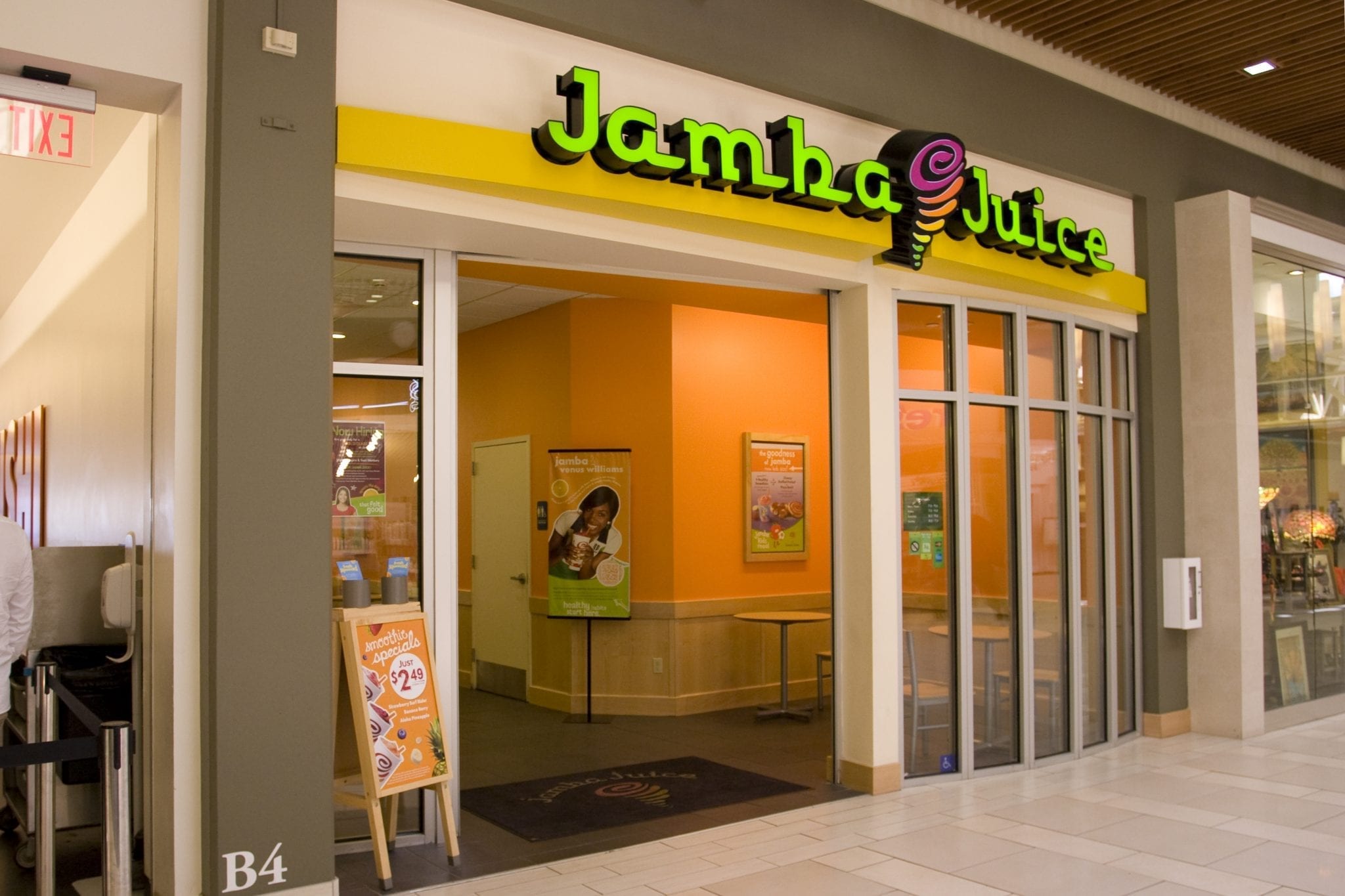
    Jamba Juice Company, a leading lifestyle brand with a passion for making healthful living fun, announced today that the Panen Lestari Internusa (“PLI”) group has opened the first Jamba Juice location in Indonesia. The store is located in the popular Central Park Mall, in Jakarta. PLI is a subsidiary of Mitra Adiperkasa (“MAP”), the largest retailer in Indonesia, with more than 1,800 retail outlets, a portfolio of 150 brands, and over 22,000 employees.

    The Jakarta store brings the total number of Jamba locations to 886 stores globally.

    “We are excited to introduce the Jamba Juice brand in Indonesia,” said Agus Gozali, Managing Director of PT, PLI. “Their menu of local fruit-based products are aligned with our consumers’ needs. Central Park Mall is one of the largest premium lifestyle malls in Indonesia and by adding a lifestyle brand like Jamba Juice to the mall we will ensure consumers have access to menu offerings that are both fit and fun. The Jamba store will be located at one of the mall’s major entrances, making it highly convenient for mall guests.”

    In addition to Jamba’s top selling products like Strawberries Wild® and Banana Berry™, the Indonesian menu will include several local products featuring popular Indonesian fruits, including guava and dragon fruit.

    “The launch of our first Indonesian location is significant for the Jamba brand and business. We continue to see demand for our hand-made, premium products across the globe,” noted Arnaud Joliff, Senior Vice President, Chief Systems Officer and GM International at Jamba Juice. “We are very fortunate to be represented in Indonesia by such a knowledgeable, passionate and well-established partner as PLI. We look forward to many years of partnership as we build the Jamba Juice brand in Indonesia.”

    Jamba Juice is currently awarding franchise opportunities in other select markets around the globe. For more information, please visit www.jambafranchise.com.

  • Korean department stores trigger restaurant battle

    Korean department stores trigger restaurant battle

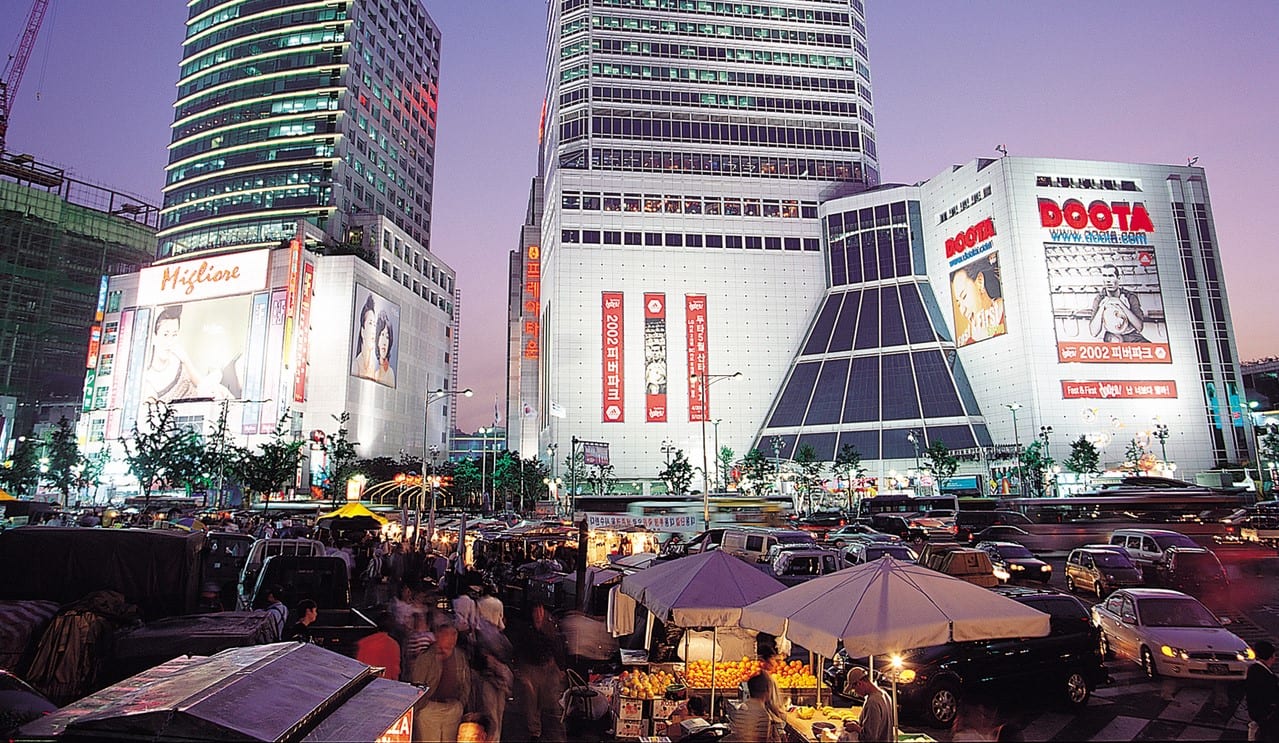
    Korean department stores have become the new battleground for Korean restaurant chains.

    Restaurants have long been a lucrative business for department store operators – accommodating hundreds of weary shoppers every day, they have sometimes been referred to as a ‘goose that lays a golden egg’.

    However, until now, opening such a restaurant had been a near-impossible task without deep connections to the store’s higher-ups.

    According to retail industry sources, several new restaurants are set to open next month in the food court section of Lotte’s flagship department store in Myeongdong, which is currently being renovated. Of note, the new owners didn’t have to lobby Lotte management or be a member of a Lotte family to open their establishments.

    Lotte faced significant criticism in June when the media spotlighted Seo Mi-kyung, Lotte founder Shin Kyuk Ho’s third wife, and her company Yuki Co, which operates a bibimbap restaurant (Yukyung),  naengmyeon restaurant (Yuwonjeong) and coffeehouse (Margaret) at the Lotte’s Myeongdong store.

    “We’re in the middle of clearing up our business with Seo’s company,” said the department store official. “We plan to operate our food court based on the popularity of restaurants and their competitive advantage.”

    A high-end sushi restaurant, Sushi Chohi, Chinese restaurant Luii, and European casual restaurant Elbon Grand Cafe operated by chef Choi Hyun-seok are among the new eateries that will open in mid-September.

    Hyundai Department Store, once criticised for giving favors to its subsidiary Hyundai Green Food, is also rearranging the food courts at its stores to accommodate popular restaurants from across Korea. And although it still operates Hyundai Green Food-owned restaurants like Bonga Sushi and Hansol Naengmyeon at its branches, it’s now focusing its efforts on attracting other popular restaurants.

    “Bonga Sushi and Hansol Naengmyeon have made a name for themselves, and their inclusion is not necessarily due to the Hyundai family relationship,” said a Hyundai Department Store official. “We’re concentrating more on attracting well-known restaurants to our food courts, because restaurants with no competitive edge aren’t likely to survive.”

    Italian restaurants Le Jiu and Signature Lab opened their latest locations at the Samseong-dong branch, while Amorino, an Italian gelato franchise, opened a new eatery at Hyundai’s Apgujeong branch.

    Shinsegae Department Store also introduced new restaurants this year. Youth-driven restaurants from Gangnam and Hongdae, including Chinese cuisine franchise Choma, steakhouse restaurant Fukuoka Hambageu, and premium tteokbokki restaurant Villa de Spicy, according to Shinsegae, were met with high acclaim.

    Shinsegae also said that new restaurants tend to attract more customers to its stores.

    “Department stores are no longer solely a place for shopping. They’re transforming into one integrated living space for consumers to spend their free time,” said a retail industry official. “Given the circumstances, the stores will continue with their efforts to accommodate more popular and competitive restaurants.”

  • Uber Japan about to launch UberEats

    Uber Japan about to launch UberEats

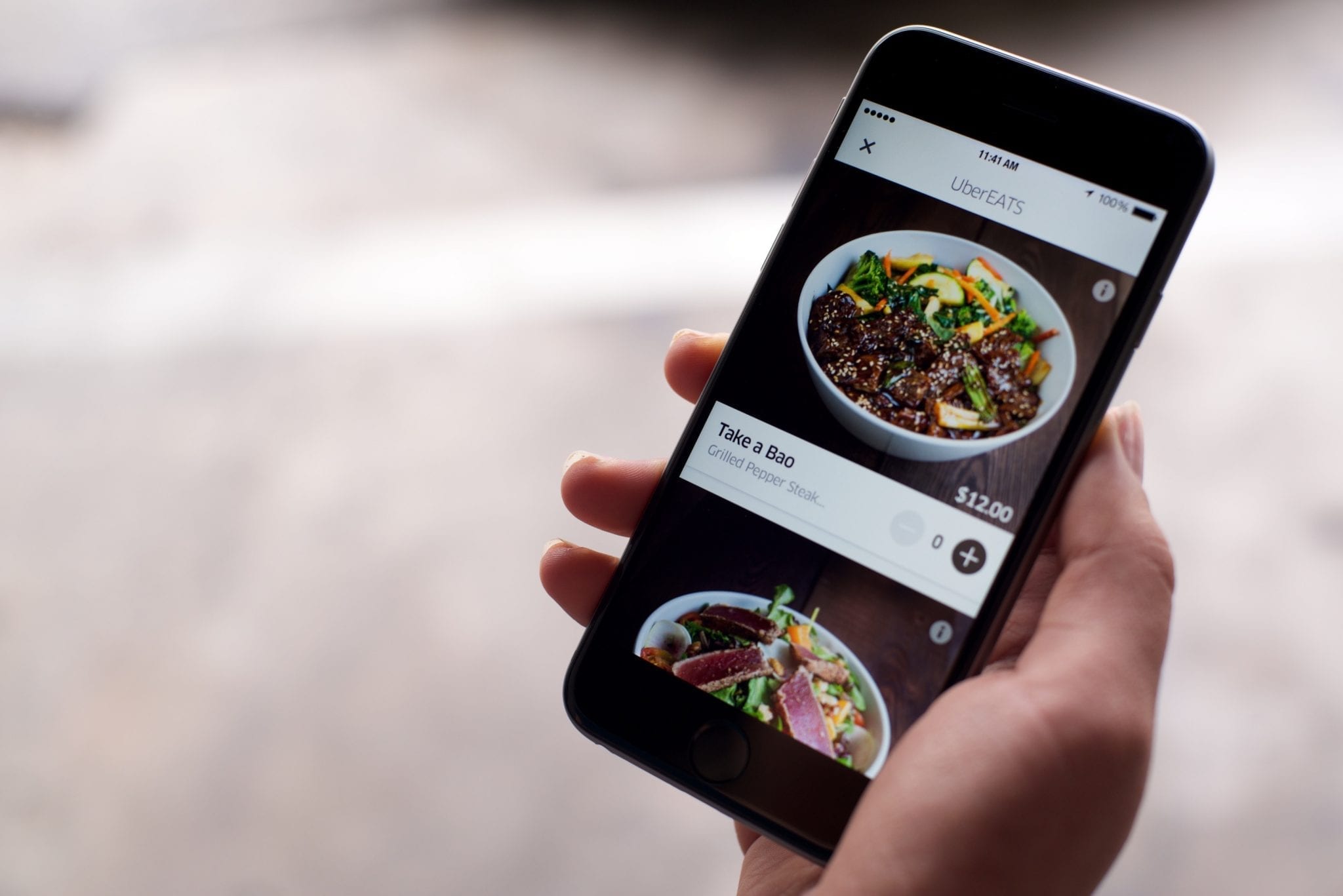
    Uber Japan is about to launch UberEats, with advertisements for bicycle and motorcycle delivery positions appearing on its Japan Facebook page last week, as well as a related video.

    An UberEats Japan website is already up, but only with a link for Tokyo restaurants to register.
    Launched in March, UberEats is available in 28 cities internationally.

    Generally, Uber has struggled in Japan, reports Tech in Asia. As regulations prevent drivers from accepting money from passengers in a private vehicle, Uber works more like a taxi. Its trial program in Fukuoka last year was shut down for paying drivers, and protests from taxi companies have prevented similar trials in other regions. There was also backlash from the taxi industry when Toyota invested in Uber this year.

    However, non-professional drivers can accept payments in areas where public transport is not available. Uber took advantage of this by launching a service with a non-profit organisation in Kyotango city.

  • Surplus predicted in Indonesia`s rice supply

    Surplus predicted in Indonesia`s rice supply

    The agriculture ministry said the country is expected to have a surplus of 11.38 million tons in supply of milled rice by the end of this year.

    Chief spokesman of the ministry Agung Hendriadi said rice supply is estimated to reach 43.69 million tons as against requirement of 32.3 million tons this year.

    “A surplus , therefore, is expected to reach 11.38 million tons, even there would be an excess of 20 million tons in supply on stocks including early year stock and Bulog stocks and harvest 8.8 million tons,” Agung said.

    Similarly excesses are also estimated in the supply of other foodstuff including 2.1 million tons of corn grains, 339,400 tons of sugar, 18.5 million tons of cooking oil, 131,800 tons of red onion, 414,400 tons of chili, 1.59 million tons of chicken meat and 1.44 million tons of eggs.

    Meanwhile, deficit is expected in the supply of beef and soybeans.

    Deficit in beef supply is estimated to reach 220,000 tons with supply totaling 441,8000 tons as against consumption of 662,300 tons, and deficit in soybean is around 1.09 million tons with supply totaling only 1.5 million tons as against consumption of 2.59 million tons.

    Agung, however, said in general supply of the 11 strategic commodities is relatively safe until the end of the year.

    “Deficit would be recorded only in the supply of two commodities until the end of the year,” he said.

  • Jollibee Hanoi makes it five

    Jollibee Hanoi makes it five

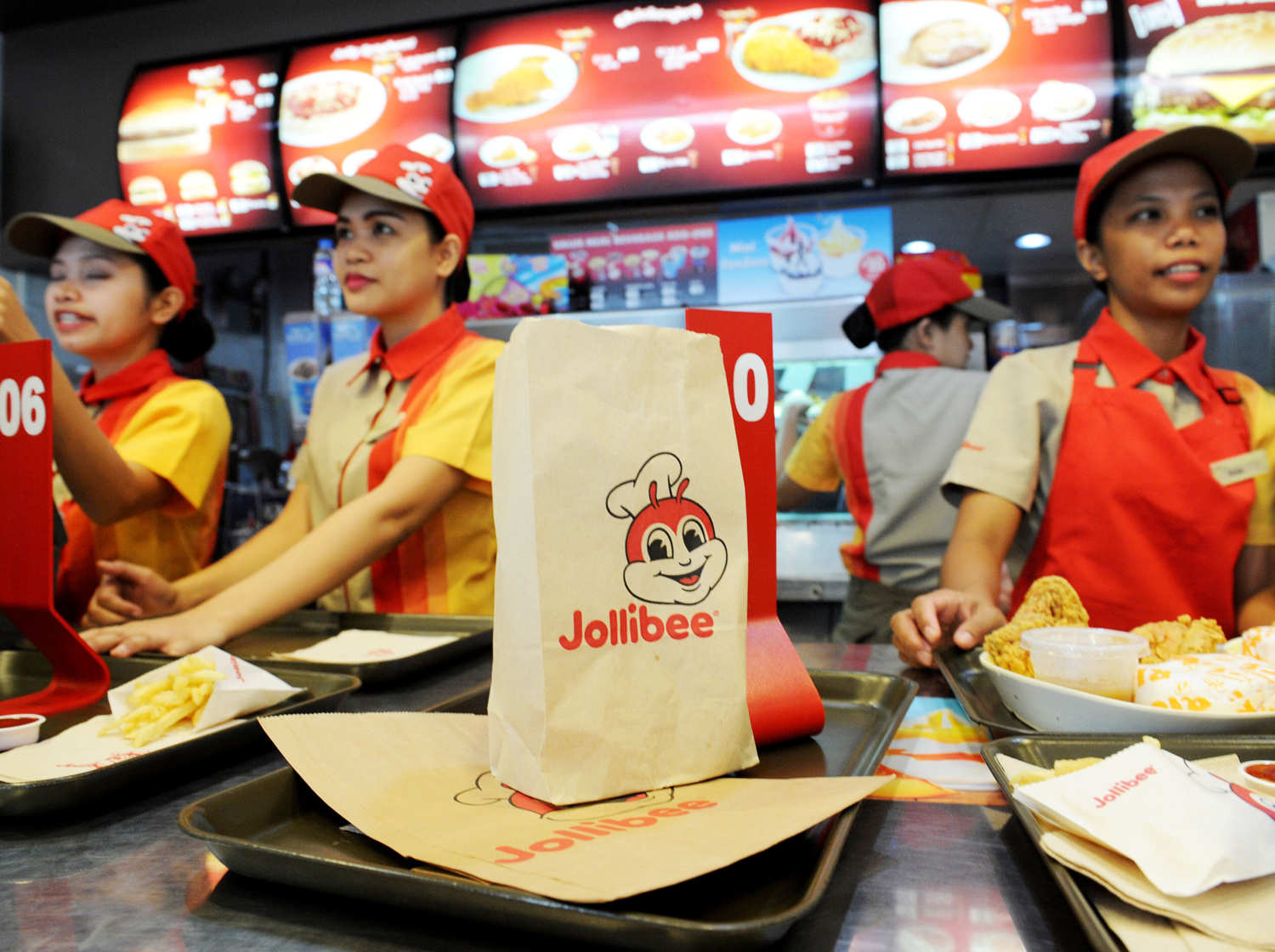
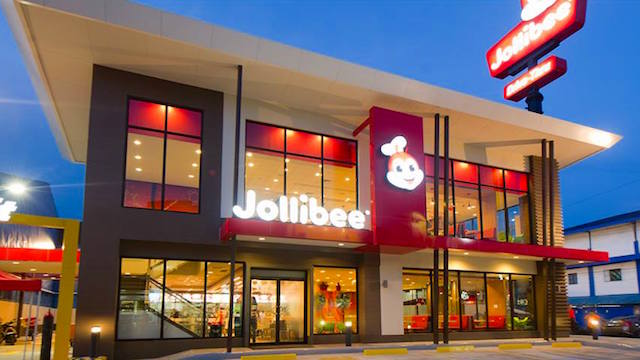
    Jollibee Hanoi has opened its fifth outlet, taking its Vietnam store count to 81.

    “The outlet in To Hieu St in Cau Giay district is a key, strategic location for us to serve customers,” Tran Ngoc Hoai Thuong, PR manager at Jollibee Vietnam, said in an interview.

    jollibee

    Earlier, Jollibee Vietnam announced plans to add 20 outlets in the country every year, and that it would seek partners for further expansion through franchising.

    Jollibee Foods Corp (JFC), Jollibee’s parent company, has reported that its system-wide sales grew by 15.1 per cent in the second quarter compared to sales for the same period of 2015.

    As of June 30, JFC has a 50 per cent  interest in joint ventures with Highlands Coffee (Vietnam, Philippines), Pho 24 (Vietnam, Indonesia, Cambodia, Korea and Australia) and 12 Hotpot (China). It also has a 40 per cent interest in Smashburger that has 366 outlets, mostly in the US.

    JFC was operating 2528 restaurant outlets in the Philippines and more than 600 abroad, according to its latest financial report.

  • Philippines grocery retail market ‘stands out in Asia’

    Philippines grocery retail market ‘stands out in Asia’

    According to retail analyst IGD, the Philippines is one of the fastest-growing countries in Southeast Asia, with its GDP growth hitting 6.9% in the first quarter of 2016, and further strong expansion predicted on the back of robust domestic consumption, rapid urbanisation and rising wages. A young and increasingly skilled workforce also has a major part to play in the country’s growth.

    The country’s newly elected president, Rodrigo Duterte, is expected to implement further economic reforms and provide a better business environment, through investments in infrastructure and the cutting of red tape.


    From these factors, IGD projects that the grocery market, currently worth US$99bn, will see a 10% compound annual growth rate to reach US$157bn by 2020.

    Similar to many developing countries, the Philippine grocery market is dominated by traditional trade. Modern retailing makes up around just 30%.

    Yet the Philippines’ leading retailers have made extraordinary progress in transforming the country’s modern retail landscape. These have strong financial backing and entrepreneurial spirit, says Jenny Li, a senior retail analyst for IGD.

    SM Retail, Puregold and Robinsons Retail are the top three domestic players in the country. All of them are scaling up their footprints with significant store network expansion and consistent sales growth,” she said.

    SM Retail, for instance, has opened 99 new stores in various formats in the past year; Puregold, with 305 stores across the country, has reported an impressive 20% increase in sales in the first quarter of 2016.

    IGD’s latest report, “Philippines in Focus: Retail Landscape and Channel Outlook”, has identified a number of key trends driving the country’s retail channel development. Among others, building a diversified portfolio strategy has been successful for most leading retailers.

    Modern retailing in the Philippines started with hypermarkets and supermarkets; increasingly, however, retailers are embracing a multi-format strategy by building their presence in smaller formats and online channels,” said Li.

    Source: IGD

    This enables them to create differentiated offers to target a broader audience, with unique demographic profiles and different shopping needs. Furthermore, emerging channels, such as convenience stores and e-commerce, are growing faster and are best placed to capitalise on the higher margins of discretionary spend categories.”

    A subsidiary of the pan-Asian retail giant Dairy Farm, Rustan’s Philippines is the leader in premium retailing and is well-established to target upscale shoppers. Over the past few years, the company has been developing Wellcome, which follows a neighbourhood supermarket format and combines daily staple products with competitive pricing.

    Meanwhile, Rustan’s convenience store network, created via a joint-venture with FamilyMart, is gaining popularity among busy office workers.

    It’s clear that the Philippine retail market presents great opportunities for future growth,” said Li.

    If you are looking to invest in Asia, or seeking to expand into new markets, the Philippines is one region to consider.”

    However, she warns that success lies in the ability to build a solid understanding of the local market and establish strategic partnerships with local players, as well as provide relevant and flexible solutions to support retailers’ multichannel strategies.
     

  • Starbucks Asia showcases local art

    Starbucks Asia showcases local art

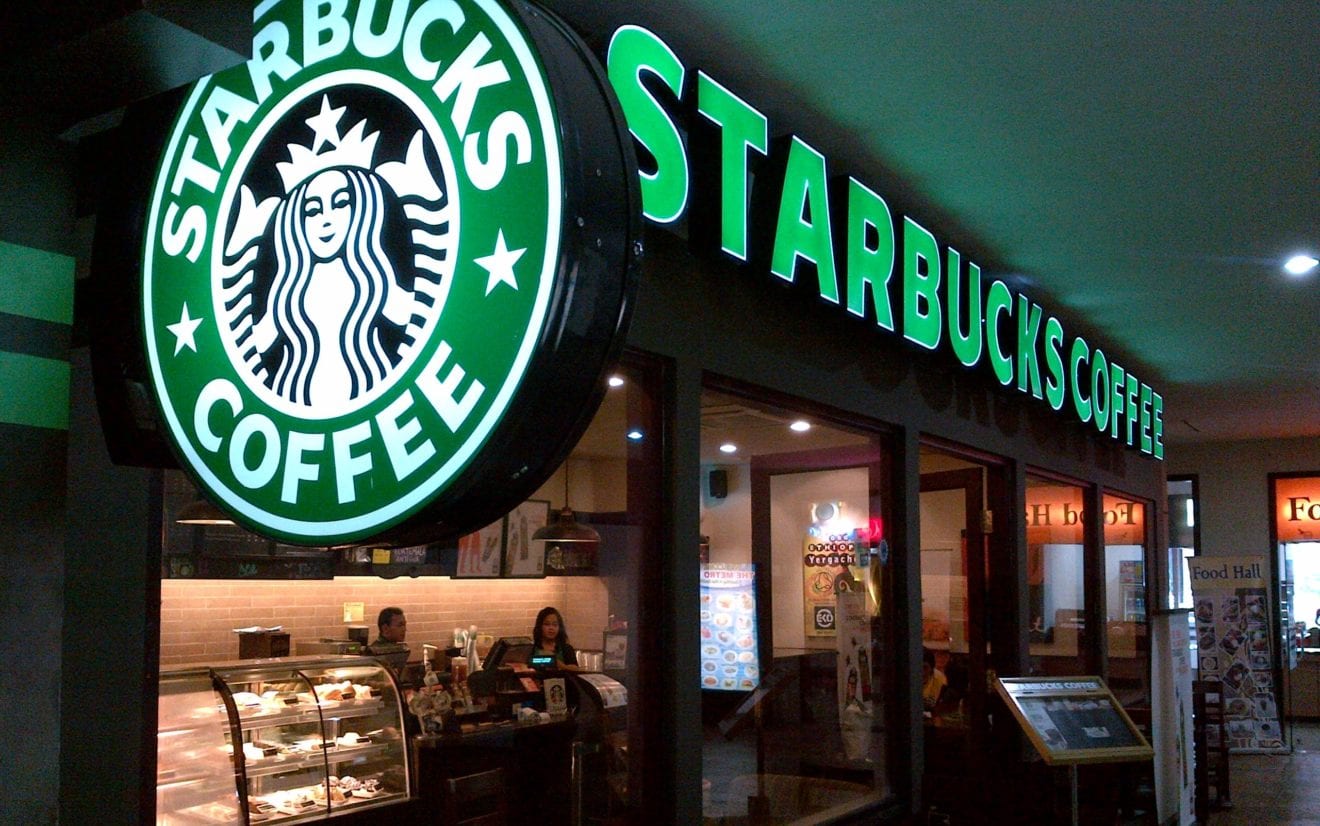
    Art is playing a major role in the store design of Starbucks Asia.

    Michael Izon, director of store design in Starbucks China/Asia Pacific region, says his team works with artists, who work in a variety of mediums, to enhance stores in the Philippines and Thailand.

    Gaysorn_Starbucks_Thailand_(1)

    “Sometimes we seek the help of companies that represent local artists, while other times we find artists by chance. We once discovered an artist’s work while walking the streets of Hong Kong and asked to commission his work for one of our stores,” Izon said.

    Decisions about artwork occur at the beginning of the store design process.

    “We call our process holistic store design because we don’t want elements like artwork to look additive, we want them integrated in the overall design and become a natural part of the store,” said Izon.

    He added, art in Starbucks stores should be visually pleasing, but also informative in telling the brand’s story.

    One of the artists whom Starbucks was worked with is Ella Hipolito. Known for using coffee grounds to create realistic paintings, Hipolito has created artwork for Starbucks Philippines, including one for the S’Maison Starbucks in Pasay City.

    SMaison_Starbucks_Philippines_(5)

    “We wanted to highlight the work that takes place on Philippine coffee farms. Ella created a huge landscape painting on one of the walls in the store that depicts farmers harvesting coffee cherries,” Izon said.

    In Thailand, as customers enter the Gaysorn Starbucks in Bangkok, they encounter a mural that represents Starbucks’ travel around the world to source coffee. The mural was created in partnership with Jeentee Baiposuwan, a local artist and graduate of Silapakorn University.

    Gaysorn_Starbucks_Thailand_(3)

    Gaysorn_Starbucks_Thailand_(4)

    “Jeentee is a traditional Thai painter and used this style to develop a wonderful piece depicting the Starbucks Siren and the beginning of the Starbucks coffee journey,” said Izon.

    Smaller landscape paintings featured throughout the store share the story of single origin coffees and farmers.

    “Gaysorn is a premium mall, so the store has a luxurious look to it and the artwork reflects that as well,” added Izon.

    Gaysorn_Starbucks_Thailand_(2)

    When Izon and team received the design brief for the Siam Discovery store in Bangkok, the vision was to showcase Starbucks global social responsibility efforts in addition to highlighting coffee.

    Siam_Discovery_Starbucks_Thailand_(2)

    In the seating area of the store is Jeentee Baiposuwan’s large wire-art installation depicting 12 of Starbucks social impact initiatives.

    “There’s a lot of satisfaction knowing that what we design on paper for several months, will engage customers for many years,” said Izon.

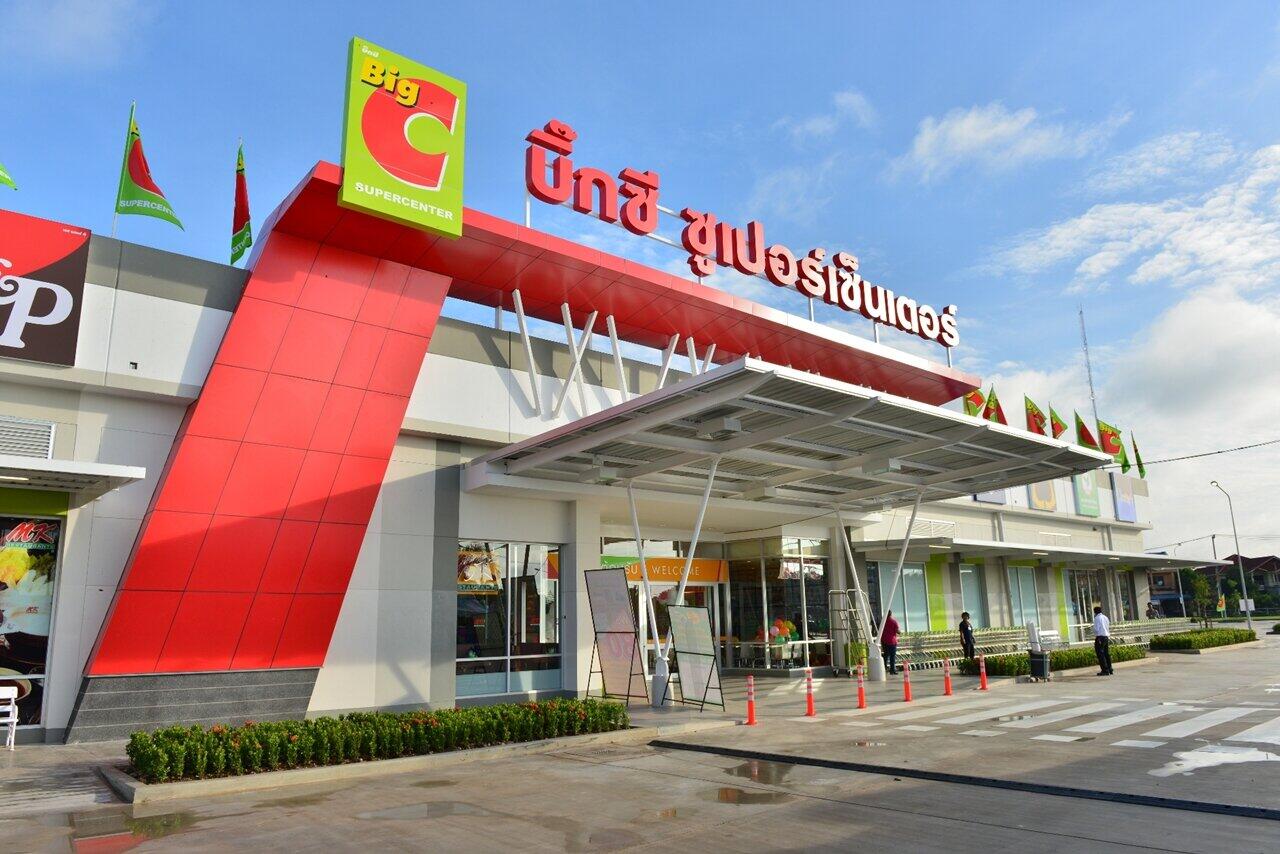
  • Sales ease for Big C Thailand

    Sales ease for Big C Thailand

    A strong profit margin has helped Big C Supercenter weather a slight decline in sales for its second quarter.

    The Big C Thailand operator says “lukewarm economic conditions” continued, with the tourism sector and government spending continuing to act as the main drivers for the economy.

    “Some signs of improving agricultural prices and less severe drought conditions were seen during the quarter, but this has not yet translated into improved consumer confidence,” the company said in a stock exchange filing.

    During the quarter the company introduced a fundamental change in the way it trades. “We shifted our focus to the quality of sales rather than just the absolute sales amount,” says its report.

    “This does not mean we are neglecting our price position among retail customers; rather, we are limiting the number of ‘big-basket coupons’ we have previously used when targeting professional customers.

    “In order to be able to better answer to our customers’ local tastes and preferences, we started to reorganise and decentralise our store operations teams.

    “The work to capture synergies between the company and the BJC group, our new major shareholder, has also started.” For example, the company has been using combined volumes when re-negotiating with suppliers.

    More stores

    During the quarter, the group’s store network continued to grow across formats. A hypermarket opened in Ranong, Big C Markets opened in Pakthongchai and Somdet, 11 Mini Big C stores opened, including three at gasoline stations plus three franchise stores, and two Pure Drugstores. This brought the store total at the end of June to 126 large-format stores (Big C Supercenter, Extra and Jumbo), 57 Big C Markets, 408 Mini Big Cs (including 167 in gas stations and six franchise stores) and 149 Pure Drugstores.

    Big C’s total revenues from retail sales, rental and service income, and other income, reached baht 33,796 million (US$975.36 million) for the quarter, representing a 1.1 per cent decline of Baht 362 million compared with the same period last year.

    This decrease was driven by a 1.5 per cent retail sales decline.

    The group’s dual retail-property model continued its steady performance with rental income for the year increasing by 3 per cent.

  • Google India delivers for food fans

    Google India delivers for food fans

    Working with local partners, Google India has made online ordering and restaurant bookings easy.

    When people use their phones to search Google for nearby restaurants, the search results offer an option to “place an order”.

    By tapping the option, users can choose a delivery service and be taken to its website to complete their order. Users can also make a one-click reservation if they prefer to visit the restaurant.

    Google has partnered with startups Swiggy and Zomato for food delivery, and Bytplus and Dineout for reservations. The services can be used on Google Search and the Google app for both Android and iOS devices.

    “These features are just rolling out and we’ll be adding more partners and evolving the look and feel over time,” Google says in an official blog.

    Earlier, Google Maps stitched in Ola and Uber services on its platform in India, showing fares and riding options from the app-based taxi aggregators.