Category: Food

Retail News Asia is committed to providing both local and global retailers with the latest Food and Food & Beverage news throughout the Asian market. This on a daily base.

  • Lao Dairy Farm carves out healthy market niche

    Lao Dairy Farm carves out healthy market niche

    The farm is located in Naxineua village, Naxaithong district. It keeps a variety of animals, including goats, pigs, ducks, chicken, and fish, but its mainstay is ists herd of dairy cows.

    Farm Director Sengmany Yathotou told last week that they began in 2014 with 16 cows which they kept for the family’s use and tended to after work because the family enjoyed agricultural activities.

    To start with, they never thought about how much milk they obtained from the cows each day and didn’t think about selling it. They used it only for their own consumption, sometimes giving some to their neighbours, friends or relatives.

    After a year, people in the neighbourhood and nearby shops started asking them to provide milk for sale because they had tried it and liked the taste.

    They started to sell the milk in markets and shops in Vientiane such as M-Point Mart, and coffee and cake shops, and have since expanded their distribution from four to eight minimarts.

    Their 16 original cows were bred in Australia but were imported from Thailand. The family now has 110 cows including some calves that were born on the farm.

    Sengmany says the farm is equipped with modern technology that ensures all the milk is hygienically produced and the milk-based products are made on the premises.

    The farm is now promoting its “Crysta” brand and hopes it will become widely recognised and be able to compete with overseas milk brands.

    The cows are milked twice a day, with each giving 10 to 15 litres, making a daily total of about 450 litres.

    Sengmany plans to expand her milk market in the provinces of Luang Prabang, Xieng Khuang and Attapeu, and is currently looking at transport costs.

    “Keeping a dairy herd is still something new for us, especially getting the cows pregnant so that they produce calves. It’s very difficult as we’re not very familiar with this and run the risk of the newborn being a male rather than a female, and of course we would prefer females,” she says.

    “The second challenge is that we have to get more people interested in eating and drinking food produced in Laos. But we’re sure that if they try our products they will find that the taste and quality is the same as international brands.”

    The farm covers more than 10 hectares, including fields of Napier grass and sweetcorn for the cows to eat.

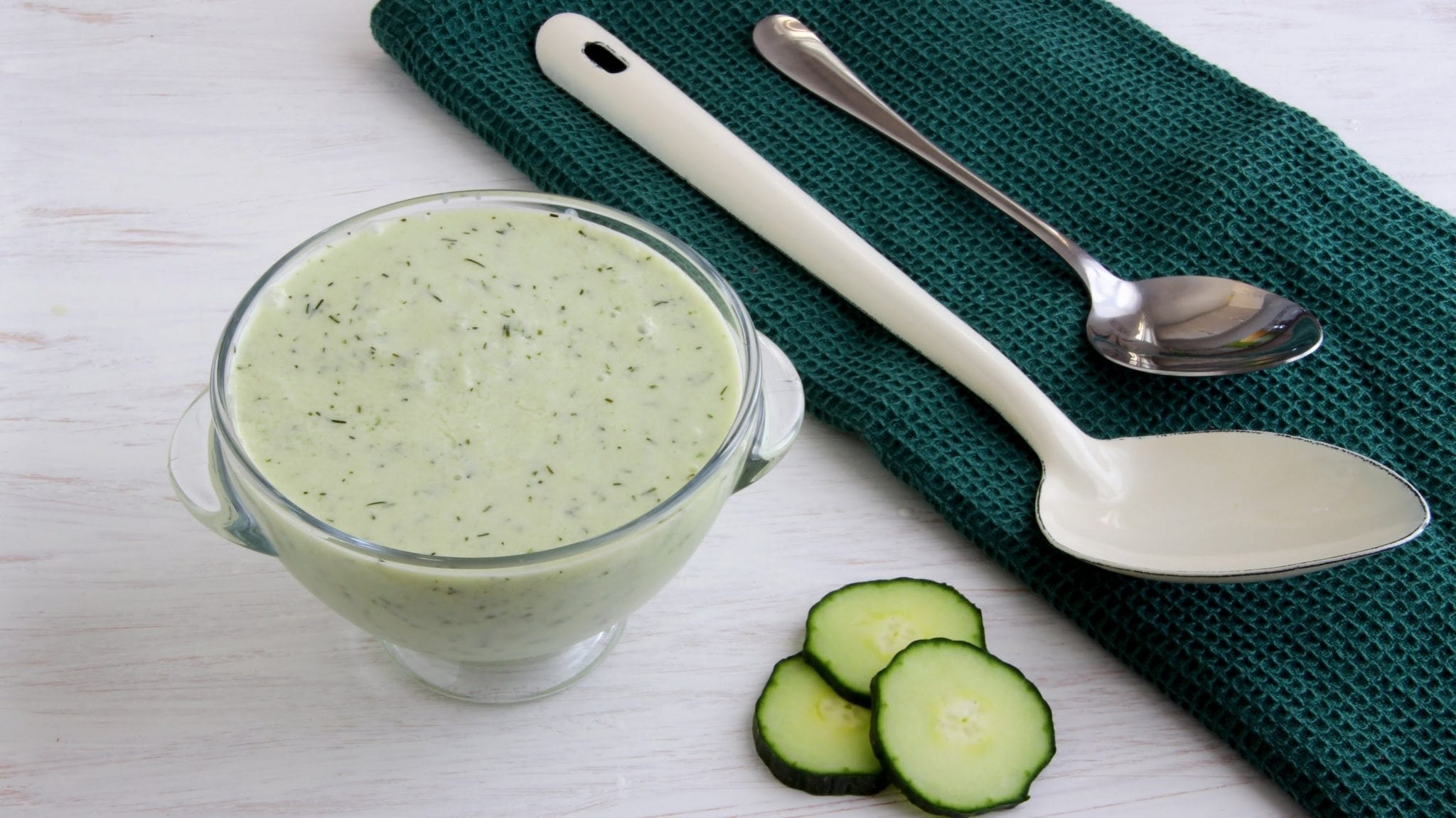
    The family makes pasteurised milk, yogurt, and yogurt drinks.

    The milk is popular with expatriates and is also used to make cheese, which is sold to shops.

    The Lao Dairy Farm employs 40 people including two specialists from Thailand and Vietnam who studied milk production in Denmark.

    “Some of our cows are pregnant and there are three or four births each month, so that means we will have more cows and we’re sure to get at least 700 litres of milk a day in the next three months and then we will expand our market to the provinces,” Sengmany says.

    The cows’ pregnancy lasts for nine months after which they produce milk. The calves can become pregnant when they are one year old.

    Some of her customers ask Sengmany why her products are not cheaper since they are made in Laos. But she explains that everything on the farm is new and imported, especially the medicines and vitamins that are given to the cows. They use high quality materials but she points out that their retail prices are no higher than anyone else’s.

    The Lao Dairy Farm plans to open a cafe on the first floor of Lao-ITECC, which will feature milk and yogurt, as part of its market expansion plans.

  • Starbucks’ social gifting feature launches in China

    Starbucks’ social gifting feature launches in China

    Starbucks has extended its social gifting promotions into China, where it has launched a major expansion program to double its stores within the next five years.
    The coffee giant’s new “Say It With Starbucks” program, created by Starbucks and Weixin, China’s leading mobile social communications app, enables users to gift a Starbucks beverage or digital gift card via a social gifting platform.
    A sister product of WeChat, China’s leading mobile social messaging app, Weixin’s platform has 846 million global monthly active users, as of third quarter 2016. The launch comes on the heels of a strategic partnership between Starbucks and Tencent, WeChat’s developer, in December 2016.
    Users will be able to select from a curated selection of Starbucks-branded gifts and add a personalized message in the form of text, images or video to uplift the day of a loved one, Starbucks explained. Once a gift is received, it will be saved in the recipient’s Weixin app and can be redeemed at any Starbucks store in Mainland China.
    During the initial launch period, Weixin added access to ‘Say it with Starbucks’ users in its Weixin Wallet-function. This partnership makes Starbucks the first retail brand to bring a locally-relevant social gifting experience in China, the coffee giant said.
    Starbucks launched a trial phase two weeks ago among employees and Starbucks customers.
  • Lotte looks to US to boost sales of 3 drinks

    Lotte looks to US to boost sales of 3 drinks

    The Korean energy drink Hot 6 will take on Red Bull and Monster in the American market from this month.

    Lotte Chilsung Beverage said Thursday, it will start selling the caffeinated drink from this month in the U.S., starting in on the West Coast.

    The company said it has already shipped 2,000 boxes of 30 units each.

    Korea’s energy drink industry saw a boom in the early part of this decade and became a 100 billion won ($87.3 million) market. Pioneers Red Bull from Austria and California-based Monster were followed by the launch of Hot 6, which sells for a cheaper price.

    But growth has stalled in recent years with the number of health-conscious consumers rising in Korea. Health authorities have also warned the public not to drink too many caffeinated drinks.

    According to industry sources, the energy drink market in Korea has slipped to 70 billion won and Hot 6 has a 60 percent market share.

    Its U.S. marketing will begin at the Genesis Open 2017 PGA golf tournament in California, which will be held from Feb. 13 to 19.

    Lotte Chilsung Beverage said it will introduce the drink with the slogan “Brand New No. 1 Korean Energy Drink” and emphasize its natural caffeine extracted from guarana.

    Lotte’s global ambition will continue by expanding U.S. retail sales of its Milkis and Chilsung Cider soft drinks. Milkis was introduced in 1989 and has loyal customers fond of its unique, yogurt-like flavor. Chilsung Cider was a pioneer in Korea’s soft drink industry when it was launched in 1950.

    Until now, Milkis, a white opaque fizzy drink, and Chilsung Cider, a Korean version of Sprite, have been only available online or in small retailers and Korean markets in the United States.

    “There are five flavors of Milkis being sold in Korea, including strawberry and melon. If the local response is good, the possibility of launching different flavors in the U.S. also exists,” the company spokesman said.

    The company said two of its drinks will be retailed at 2,000 branches of Kroger, the No. 1 supermarket chain in the U.S., from March.

    “Lotte Chilsung Beverage aims to create a ‘Hallyu beverage’ in the U.S. by expanding retail channels to appeal not only Koreans but Americans as well. Hot 6, Chilsung Cider and Milkis will be at the forefront,” the beverage subsidiary said in a statement.

    Lotte Chilsung Beverage’s foray into the U.S. is part of the group’s effort to expand beyond Asia. To become more global, Lotte Group has been holding the LPGA Tour Lotte Championship in Hawaii since 2012 and acquired the New York Palace Hotel located in Manhattan in 2015, renaming it the Lotte New York Palace Hotel.

  • Dak Lak to shift coffee strategy

    Dak Lak to shift coffee strategy

    The Central Highlands province of Dak Lak plans to increase the proportion of processed coffee such as instant coffee and powdered coffee from less than 10 per cent to 15 per cent in total coffee output by 2020 and up to 30 per cent by 2030.

    Pham Ngoc Nghi, chairman of the province’s People’s Committee, said the province’s policies were being adjusted to attract more domestic and foreign enterprises to invest in coffee processing.

    He said that most locally based processing companies were private firms whose market access and product advertising capacity were modest.

    Dak Lak, which has the largest coffee area and output in Viet Nam, has more than 200,000ha and an annual coffee bean output of 450,000 tonnes.

    However, the province only has 145 coffee processing facilities with a total capacity of 32,100 tonnes, accounting for 5.55 per cent of the province’s total coffee bean output.

    To achieve the targets, the province has created a more favourable investment environment for both domestic and foreign enterprises, particularly those specialising in roasting and grinding, to invest in processing factories.

    The province has also helped coffee enterprises improve their corporate governance, promoted the use of advanced post-harvest and processing techniques and expanded market access for local companies.

    Coffee farmers, producers and businesses are being encouraged to produce beans that can be certified by the coffee global certification programme (UTZ), the fair-trade labelling organisation (FLO), Rainforest Alliance (RFA) and 4C (Common Code for the Coffee Community).

    The province, which has helped organisations, enterprises and co-operatives build brands, has offered assistance to companies to acquire rights to the geographical indication for processed coffee products.

    Last year, Dak Lak produced 28,000 tonnes of processed coffee, including 23,000 tonnes of powdered coffee and 5,000 tonnes of instant coffee.

    It exported 4,520 tonnes of instant coffee worth nearly US$ 27 million, accounting for 7.5 per cent of the province’s coffee export revenue.

    In the 2016-17 coffee season, Dak Lak estimates it will export 230,000 tonnes of coffee to 75 countries and territories.

    Export potential

    Viet Nam’s processed coffee exports are predicted to increase in the coming years due to more investment from domestic and foreign enterprises, according to experts.

    Many coffee companies, including Trung Nguyen, Me Trang and Vinacafe, for instance, are expanding the scale of their production.

    In addition, Viet Nam’s free trade agreements with the EU, Europe-Asian Economic Union and the Republic of Korea will create opportunities to boost Viet Nam’s processed coffee exports.

    Under free trade agreements, exports of Viet Nam’s processed coffee are taxed at only 0-5 per cent compared to 15 -20 per cent in the past.

    The country’s coffee industry is raising the value of coffee beans by speeding up the processing of powdered and instant coffee and other products.

    Processed coffee products from Viet Nam are sold in many international markets.

    The G7 instant coffee of Trung Nguyen, for example, has passed the requirements of Walmart Stores, Inc and is now sold at Walmart stores in many countries such as Chile, Brazil, Mexico and China.

    Luong Van Tu, chairman of the Viet Nam Coffee and Cocoa Association, said China was one of the most important markets for Viet Nam’s processed coffee.

    Coffee consumption in China is rising rapidly, particularly among younger consumers exposed to Western coffee drinking habits, he said.

  • Hooters of Singapore leads Asia expansion

    Hooters of Singapore leads Asia expansion

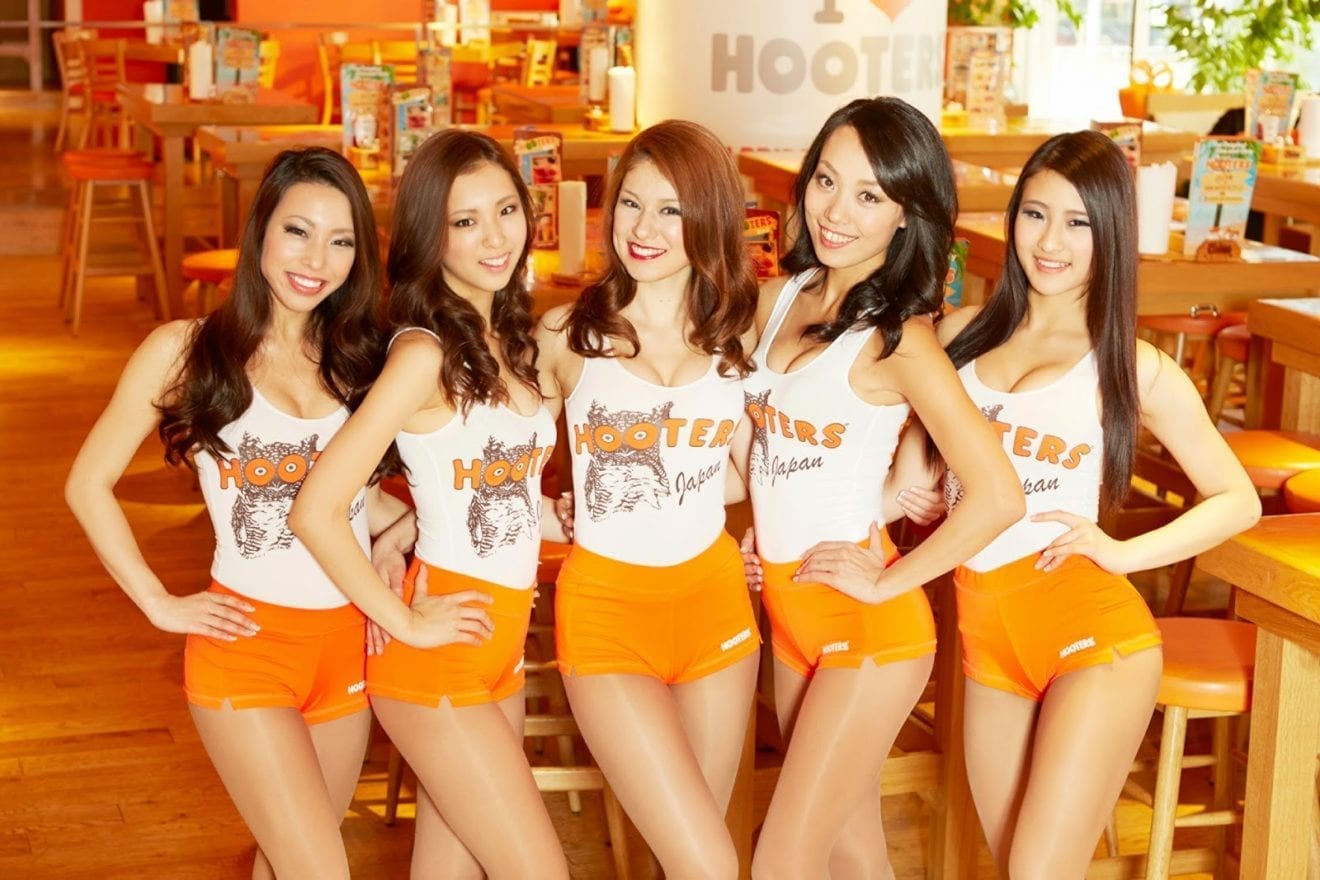
    Hooters of Singapore – Marina Bay has opened in Marina Boulevard, led by franchisee Destination Properties Group.

    Hooters Marina Bay - Singapore 3

    Covering 2336 sqft (217 sqm) and close to Marina Bay Sands and Marina Bay Financial Center, the restaurant features more than 22 large-screen televisions. The US chain is known for its hostesses, wings and live televised sports.

    “The growth of Hooters locations in Asia is continuing its momentum,” says Destination Properties Group CEO Gary Murray.

    Hooters Marina Bay - Singapore 4

    Hooters Marina Bay - Singapore 5

    Hooters Marina Bay - Singapore 6

    Hooters Marina Bay - Singapore 7


    Hooters Marina Bay - Singapore 9

    Hooters Marina Bay - Singapore 8

    The new venue is part of a 35-location Southeast Asia development agreement between Hooters and the Singapore-based international franchisee. There are now 24 outlets in Asia, with plans to open more this year in Phnom Penh, Samui, Jakarta, Singapore (Fusionopolis), Taipei and multiple locations in Manila.

    Meanwhile, the brand is seeking further restaurant sites in Bali, Bangkok, Ho Chi Minh City, Hong Kong and Kowloon, Jakarta, Krabi, Kuala Lumpur, Macau, Manila, Cebu and Davao, Siem Reap, Singapore, Taipei and Yangon.

    Hooters plans to open more than 30 restaurants globally this year.

    Hooters Marina Bay - Singapore 1

  • Big opportunities for F&B, says JLL China report

    Big opportunities for F&B, says JLL China report

    China offers “enormous room for growth” for foreign F&B brands, according to a new whitepaper from JLL China and retail data specialist LocalGravity.

    The Foreign F&B Expansion in China report explores the trends behind foreign F&B operators expanding in China and the lessons these hold for upcoming market entrants.

    With China’s middle class embracing foreign dining, Asian and Western F&B brands have expanded aggressively and become fixtures in China’s malls and shopping streets, says the report, which takes an in-depth look at the roll-out strategies of 32 international brands.

    Key insights from the report:

    ·  Overall expansion rates were high at more than 20 per cent year-on-year in 2015
    ·  Foreign brands remain active in coastal and tier-one cities, and are also expanding with increased confidence in lower-tier cities and remote regions
    ·  There is some risk in the less-wealthy provincial capitals, where many brands have over-expanded
    ·  Cafe-format shops selling coffee, tea and ice cream were the most active category, expanding 30 per cent year-on-year in 2015.

    •  Regional bias is strong among most chains, especially in the south, and there is room to catch up in wealthy east China cities.

    Closure rates

    The JLL China report has also explored closure rates by format. Analysis has revealed higher closure rates in the fast-food segment relative to other formats.

    Expansion potential has been explored to understand how store presence varies across city tiers. Of the 32 brands studied, many were found to have a strong presence in China’s top cities. However, “white spaces” across cities down to the third tier show there is an ample room for growth.

    Furthermore, many of the foreign F&B brands appear to be concentrated in south China, with other parts of the country offering untapped potential.

    “Many foreign F&B brands view the China market with understandable enthusiasm—after all, capturing even a small slice of the market translates into huge, absolute sales volumes,” says JLL head of retail research for Asia Steven McCord. “Yet the road to successfully taking advantage of the China opportunity is difficult, as some restaurant chains have discovered too late.”

    “The China F&B market is now one of the world’s largest and fastest moving, but it is still quite fragmented with enormous room for growth,” says JLL China head of retail James Hawkey.

  • Amazon India proposes $500m food venture

    Amazon India proposes $500m food venture

    Amazon India has applied to the government to invest US$500 million in a wholly owned venture that will allow the US eCommerce giant to stock locally produced food items and sell them online.

    If successful, it would become the first foreign retailer to enter the segment.

    Amazon already has an eCommerce marketplace in India, but while 100 per cent overseas capital is permitted for such platforms, they cannot sell products of their own. Last year, the government allowed for 100 per cent foreign investment in the retailing of processed foods made in India.

    Amazon has filed its application with the Department of Industrial Policy & Promotion (DIPP), which handles foreign investment in retailing and e­Commerce. The company plans to invest $500 million over five years and could start selling locally produced food items within six months of obtaining approval, says an insider.

    “We are excited by the government’s continued efforts to encourage foreign direct investment in India for a stronger food-supply chain,” says an Amazon spokesperson. “We have sought an approval to invest and partner with the government in achieving this vision.”

    Only Indian grocery delivery companies Big­Basket and Grofers have applied under
    the category, prompting the government to invite companies including CP Foods (Thailand), Heinz, Nestle and Walmart to provide feedback and investment plans.

    This followed the minister for food-processing industries Harsimrat Kaur Badal visiting London with a team of officials last year to meet representatives of such companies as Cobra Beer, Harrods, Marks & Spencer, Sainsbury’s and Tesco to drum up support for the policy.

    Amazon’s current online platform is open to Indian-­owned entities, and similar platforms are run by Flipkart, the country’s largest eCommerce company, and Snapdeal.

  • Heavy rain damages rice crops in southern Vietnam

    Heavy rain damages rice crops in southern Vietnam

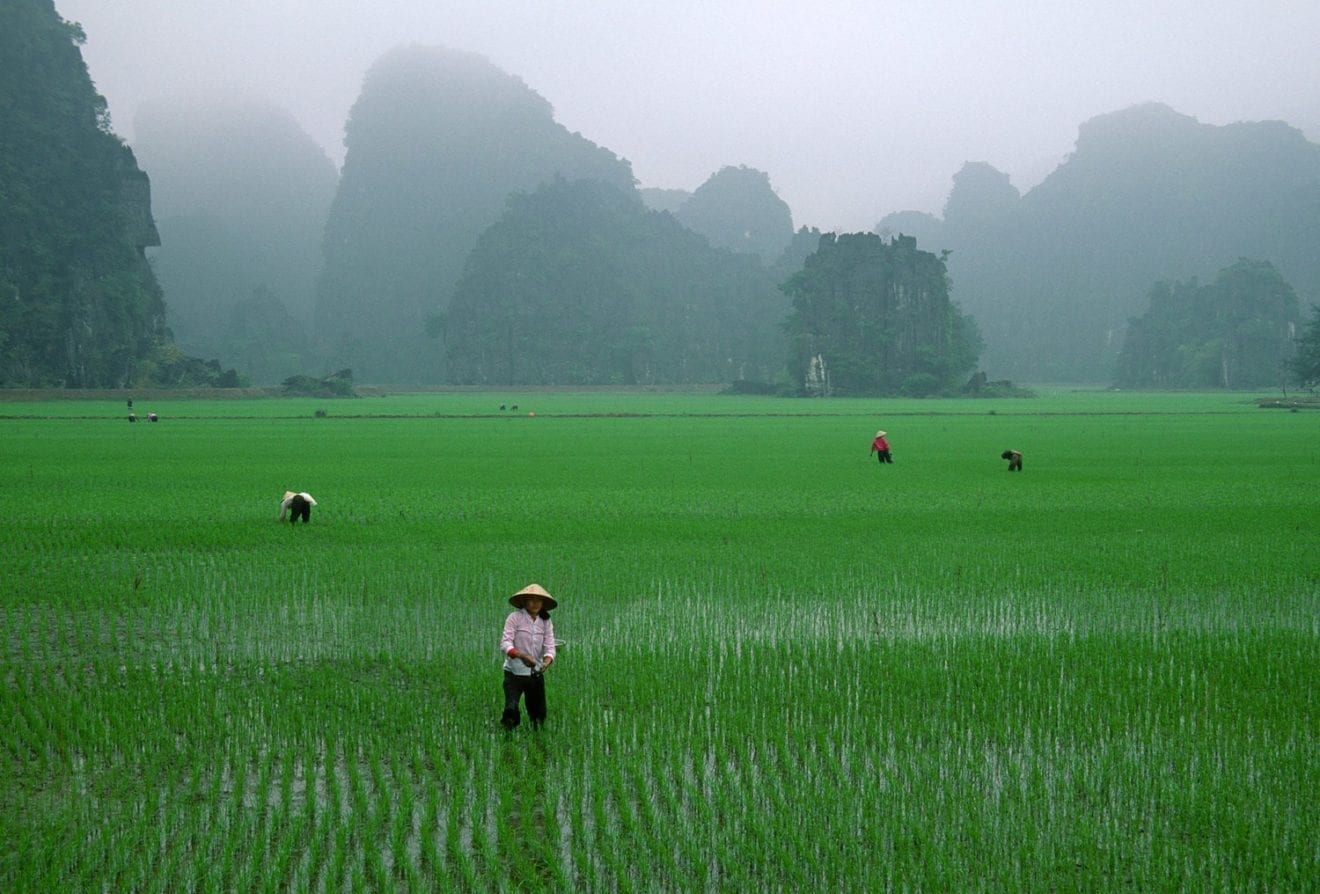
    Mekong Delta provinces, which just recovered from a historic drought a year ago, is bracing for more unfavorable weather. Vietnamese farmers in the Mekong Delta are seeing their rice crops being damaged after heavy downpours hit the region in recent days.

    Nguyen Van Cung from Can Tho City said that his family is trying to dig ditches to save nearly 1,000 hectares (247 acres) of rice submerged under water.

    “We can’t harvest now because the crops are not ready,” he said.

    Latest statistics showed that more than 7,000 hectares of rice in the two Mekong Delta provinces of Ca Mau anh Hau Giang have been ravaged by rain. Many shrimp farms are also threatened by flooding.

    They said the Mekong Delta should expect to see more unusual weather patterns, with more rain likely coming until the end of February.Experts said the heavy rains were caused by the weather phenomenon La Nina, which came after the devastating El Nino last year.

    Last year, a historic drought and saltwater intrusion damaged more than 400,000 hectares of crops and resulted in severe water shortages for 1.5 million people.

    The region, Vietnam’s main rice and fruit grower, is among those most vulnerable to the impacts of climate change, various studies have suggested.

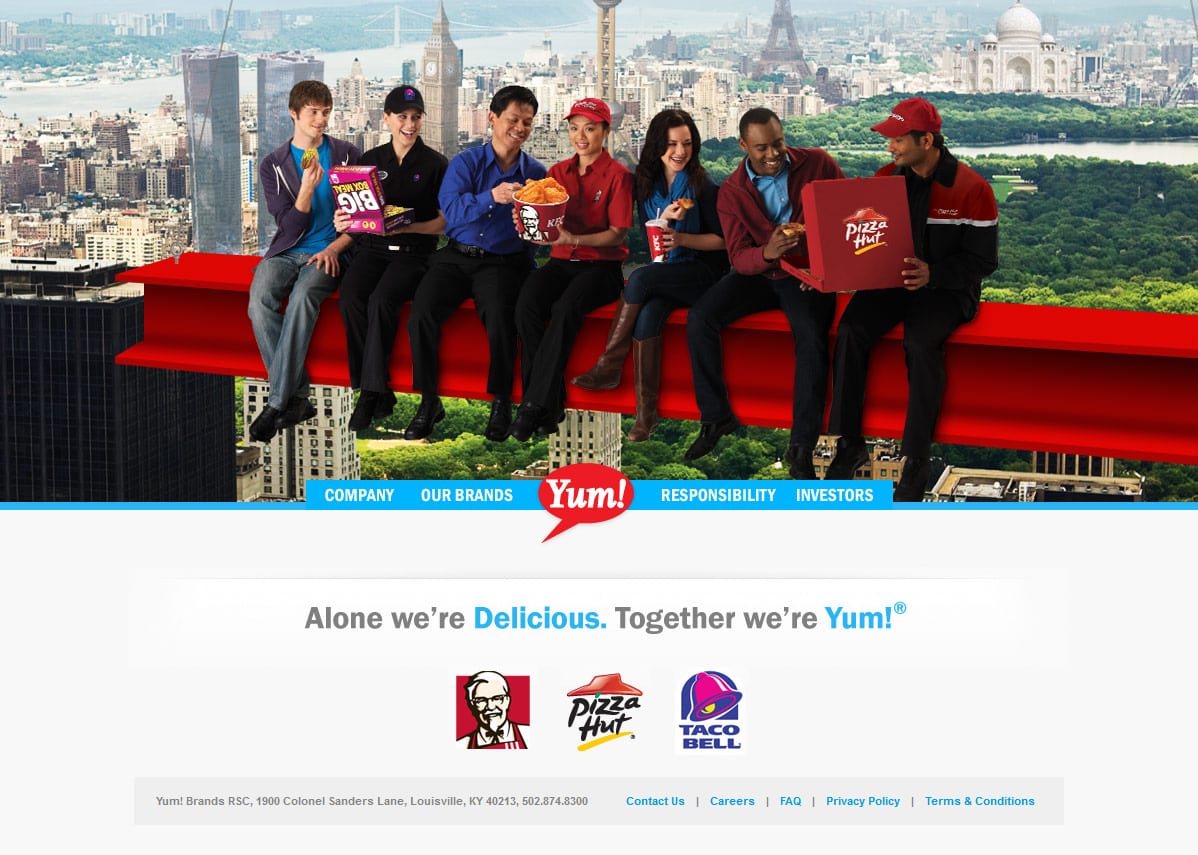
  • Yum China tramples expectations; profit up 31%

    Yum China tramples expectations; profit up 31%

    Yum China’s first earnings report as an independent company proves that sometimes breaking up can be a very beautiful thing. In fact, its first report since the October spin-off from Louisville-based Yum Brands not only surpassed estimated sales projections for the company but showed its full-year operating profit was up 31 percent year over year to $640 million, according to a news release.

    For the year and fourth quarter that ended Dec. 31, Yum China reported a profit of 17 cents a share, up from the average estimate of 10 cents. The company also attributed much of the financial success of the last year to expansion and new openings, as well as same-store sales growth at KFC. 

    The only clouds inside this silver-lined report came from the direction of the performance of Pizza Hut, which was worse than expected, according to the news release.

    Yum China’s board of directors also authorized the repurchase of up to $300 million of common stock.

    “This was a momentous year for Yum China,” CEO Micky Pant said in the news release. “We successfully became an independent, publicly traded company while simultaneously improving our business performance and investing for future growth. At year end 2016 with over 7,500 restaurants nationwide, we extended our market-leading position in China.” 

    Full-Year Highlights
    •    Total system sales grew 5 percent, including growth of 6 percent at KFC and 3 percent at Pizza Hut Casual Dining, excluding foreign currency translation.
    •    Opened 575 new restaurants for the full year, or 5 percent net growth, surpassing 7,500 restaurants in China.
    •    Same-store sales were flat, with an increase of 3 percent at KFC, offset by a decline of 7 percent at Pizza Hut Casual Dining.
    •    Total restaurant margin increased 2.7 percentage points to 15.3 percent, primarily aided by the impact of retail tax structure reform implemented on May 1, 2016.
    •    Reported operating profit grew 31 percent, primarily aided by the impact of retail tax structure reform. Foreign currency translation negatively impacted operating profit by $36 million. Excluding foreign currency translation and special items, and Special Items, operating profit grew 37 percent.

    Fourth-Quarter Highlights
    •    Total system sales grew 4 percent, including growth of 4 percent at KFC and 6 percent at Pizza Hut Casual Dining, excluding foreign currency translation.
    •    Opened 302 new restaurants during the quarter.
    •    Same-store sales were flat, with an increase of 1 percent at KFC, offset by a decline of 3 percent at Pizza Hut Casual Dining.
    •    Foreign currency translation negatively impacted operating profit by $5 million.

    “For our shareholders, we exceeded our 2016 financial targets in operating profit, restaurant margin and adjusted EBITDA,” Pant said. “We continue to focus on our long-term growth formula: new unit development, same-store sales growth, and continued restaurant margin improvement. Right now, our top priority is consistently delivering positive same-store sales growth. During 2016, we continued to build a foundation for long-term growth with emphasis on product innovation, investments in refurbishing our restaurants, and focus on digital engagement with our customers.”

    New leaders named

    Yum China also announced Tuesday afternoon that it has appointed Joey Wat as president and COO of Yum China and Johnson Huang as KFC business general manager. Wat was previously CEO of the company’s KFC business and Huang was previously chief information and marketing support officer

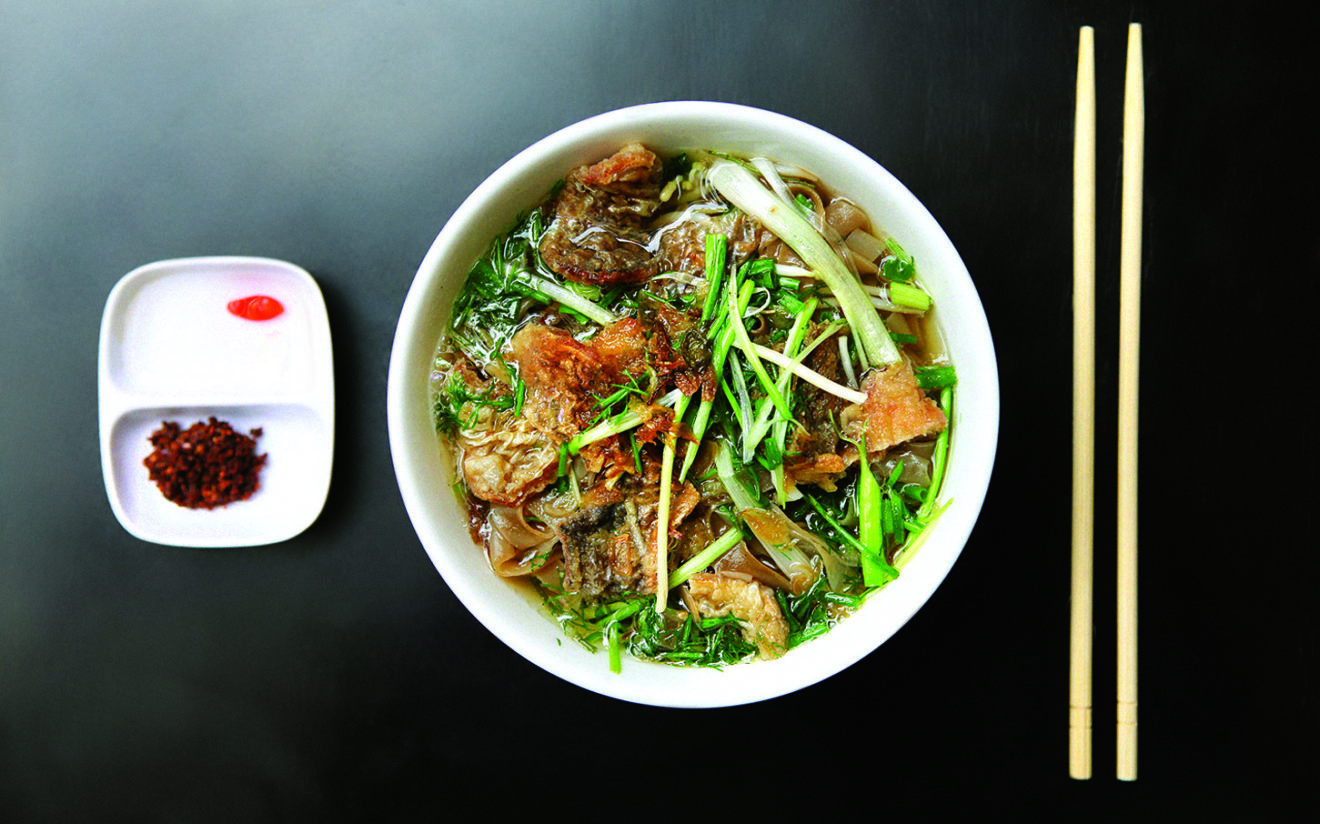
  • New food truck dishes out noodles at Hong Kong Disneyland’s doorstep

    New food truck dishes out noodles at Hong Kong Disneyland’s doorstep

    Hong Kong’s latest food truck may have found its sweet spot on Disneyland’s doorstep after its first location was deemed too remote.

    Mein by Maureen, which offers lo mein (noodles in seafood sauce), has made its new home on Park Promenade, the only thoroughfare between the public transport drop-off points and the theme park’s entrance.

    Although existing rules prohibit visitors from bringing in outside food, the new food truck effectively competes with more expensive restaurants inside the park. It is a stone’s throw away from the MTR station and next to the luggage valet counter.

    Some food truck operators had complained that the original site, near the parking lot for coaches, was too remote, prompting the park to designate a new location last month.

    Mein by Maureen started taking orders from hungry customers at 10.40am on Tuesday, after a 40-minute delay.

    Operator Maureen Loh Mo-lin explained that her staff were still experimenting with the operation.

    Traffic heading into Sunny Bay on Lantau Island was also an unexpected hiccup.

    “Last week it was smooth and perfect … but this morning there was a big traffic jam crossing the harbour,” she said, referring to her commute from Wan Chai at about 7.30am.

    “Maybe people were heading back for work.”

    One of Loh’s first customers was Mika Shimizu, a Japanese expatriate and Disney fan who visits the park once a week.

    She and her friend forked out HK$48 each for a serving of lo mein. They both felt the price was reasonable.

    “It was tasty, and the portion was right. I think I would visit again,” she said.

  • Pakistan boosts orange exports to Indonesia

    Pakistan boosts orange exports to Indonesia

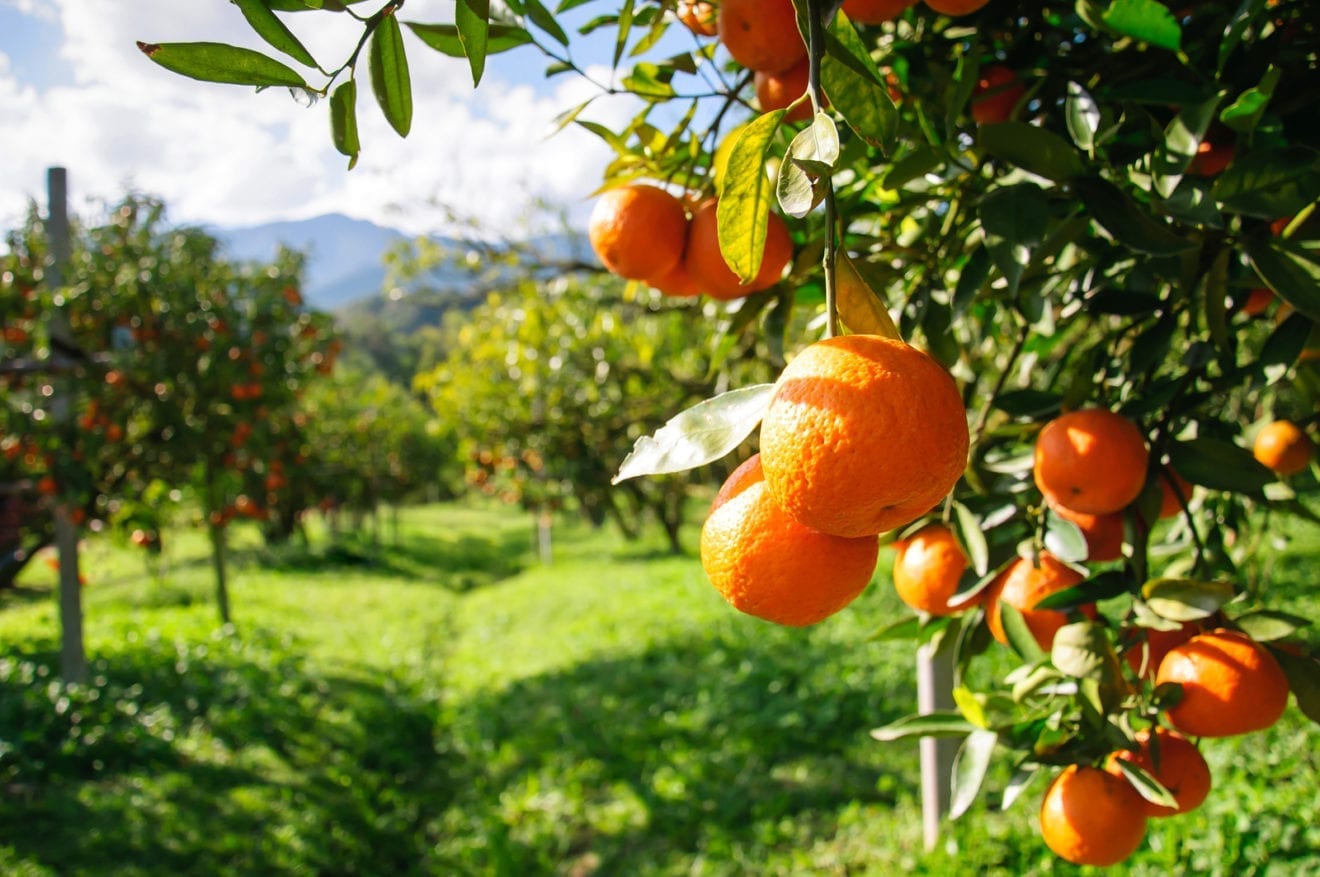
    Indonesian fresh fruit importers say Pakistan will face tough rivalry from China. Pakistan hopes to see an increase in exports of its famous Kinnow oranges to Indonesia, as it has started to infiltrate the market through giant retailers.

    A press statement from the Pakistani Embassy made available to The Jakarta Post states that consignments of the Pakistani Kinnow have started arriving in Jakarta, and are currently being sold in many major grocery chains, including Carrefour, Ranch Market, Hypermart and Giant.

    The Kinnow is a larger orange, touted to be extremely easy to peel and is cited as having a unique flavor as a result of the soil and climate in which they are grown.

    “The Pakistani Kinnow made its entry into the Indonesian market at New Year and the Chinese New Year, to make them more joyous occasions. Last year, Pakistan’s exports of Kinnow oranges to Indonesia amounted to US$23 million and this figure is expected to grow significantly in 2017,” the press statement read.

    Indonesia has a preferential trade agreement (PTA) with Pakistan, which began in 2013, and Pakistan’s Kinnow oranges are allowed access through the country’s main port in Tanjung Priok, North Jakarta.

    In exchange, Pakistan exempts Indonesia, the world’s largest crude palm oil (CPO) producer, from paying 10 percent import duty on that commodity.

    Following the PTA, imports of Kinnow oranges from Pakistan reached $19.3 million in 2014, from $3 million in 2013.

    However, Indonesian Fresh Fruit and Vegetables Exporters and Importers Association chairman, Kafi Kurnia, said that it was unlikely Pakistan could significantly boosts its exports of Kinnow oranges because of fierce competition from similar oranges from China.

    Kafi noted that since existing regulations limited the size of imports of certain fruits, importers tended to be choosier.

    “The Kinnow imports arrived during a very good time, at around Chinese New Year. However, they have a lot of fierce competition, mostly from Chinese exporters. If my importing quota was limited, especially during this time, I would definitely prioritize oranges from China,” he told on Monday.

    Even so, the Kinnow orange will remain a major competitor for locally produced oranges, as there was a lack of research and development that could help raise the quality of local fruit and vegetables.

    Indonesia is also home to many other tropical fruits such as mangosteen, rambutan, snake fruit, jackfruit, soursop, breadfruit, guava and starfruit, but they are not exported in great quantities or even consumed heavily at home.

    The government aims to boost tropical fruit production by expanding land for fruit plantations while also improving infrastructure and transportation systems to reduce high distribution costs, as part of efforts to become the biggest tropical fruit producer in Southeast Asia by 2025 and in the world by 2045.

    Meanwhile, National Agriculture Council chairman Benny Kusbini concurred that a lack of uniform quality among locally produced fruit was an obstacle when it came to competing with imported fruit sold in Indonesia.

    He also noted that poor infrastructure remained a problem as some fruits were cheaper to import than to transport from regions in Indonesia.

    “The Kinnow, for example, can be very cheap to import from Pakistan to Indonesia. Sometimes 10 kilograms of Kinnows can be imported for only $5 to $6. Compared to oranges from Medan, for example, it is difficult to compete with those prices,” he told the Post.

    Indonesia imported $666.37 million worth of fruit and $558.08 million worth of vegetables in 2015, according to data from Trade Map.

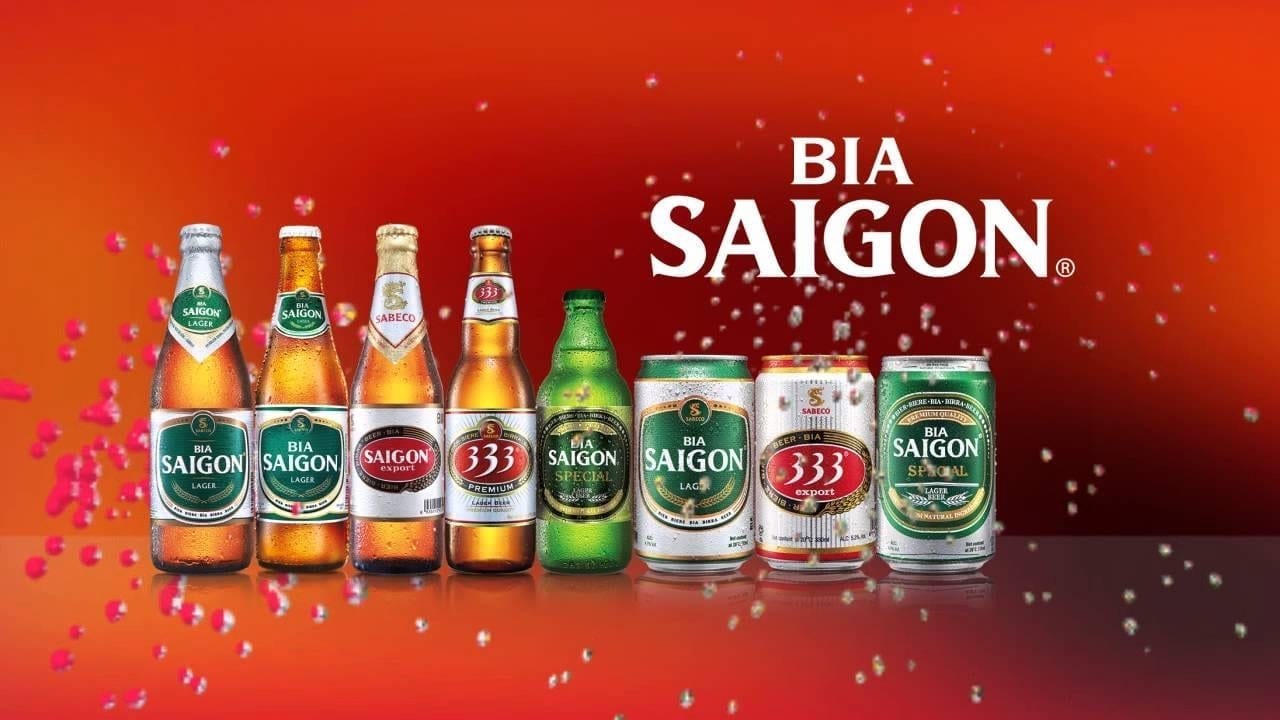
  • Vietnam’s top brewer Sabeco posts record profit in 2016

    Vietnam’s top brewer Sabeco posts record profit in 2016

    Together Sabeco and Habeco, both controlled by the state, account for about 60 percent of the domestic market. The country’s biggest brewer Sabeco has reported a profit of VND4.6 trillion ($205 million) for last year, a 33 percent jump from 2015 and 27 percent higher than its target, according to a statement filed at the Ho Chi Minh Stock Exchange.

    Saigon Beer Alcohol Beverage, as the company is officially known, just listed its shares on the country’s main bourse in December, eight years after its initial public offering. It reported VND30.66 trillion in revenue last year, up 13 percent from a year ago.

    Sabeco, one of a few state-owned companies which have performed relatively well, currently remains 89.59 percent owned by the government.

    With a share of nearly 41 percent of the domestic beer market, Sabeco is among the most sought-after companies by foreign investors, with suitors including Japan’s Kirin Holdings, Thai Beverage and Dutch beverage giant Heineken, according to an official from the trade ministry.

    In an attempt to accelerate the privatization of state-owned enterprises, the Vietnamese government said it would sell its entire stake in Sabeco this year.

    Meanwhile, Hanoi Beer Alcohol Beverage, or Habeco, posted a net profit of VND740 billion, down 20 percent from 2015.

    Habeco, with a 19.8 percent market share, is the third largest brewer in Vietnam, behind Sabeco with a market share of 41 percent and Heineken with 21.6 percent, according to the Vietnam Beverage Association.

    That means as combined, Sabeco, known for Bia Saigon and 333 brands, and Habeco account for about 60 percent of the domestic market.

    According to market research company Nielsen, while Sabeco has managed to raise its market share in northern provinces to 15.5 percent in the first half of last year from 10 percent in 2014, Habeco has failed to strengthen its dominant position in the north. The latter controlled 50 percent of the northern market in the first six months of last year, down from 55 percent in 2014.

    Beer consumption in Vietnam rose 12 percent year-on-year to reach 3.8 billion liters last year, according to the trade ministry.

    Vietnam is Asia’s third largest beer consumer by volume after China and Japan.

    Industry expects annual growth of 4 percent to 5 percent for the next five years. The country’s annual beer output is forecast to hit 4.1 billion liters by 2020, according to  government projections.

    The stock market debuts of both Sabeco and Habeco have been sped up in the government’s latest attempt to boost investment and increase transparency.

  • Top 5 yogurt brands in Singapore

    Top 5 yogurt brands in Singapore

    A recent study by Kadence International, in Singapore, found that Meiji is the number 1 yogurt brand, in terms of number of consumers using it, followed closely by Marigold.

    In addition, nearly all Singaporeans are aware of Meiji (96%) and Marigold (97%). Just under half of consumers (49%) currently eat Meiji yogurt, and in second place is Margiold (46%).

    Top 5 brands:

    1. Meiji
    2. Marigold
    3. F&N Magnolia
    4. F&N Magnolia 0% fat
    5. Nestlé Natural

    These two brands dominate the yogurt market in Singapore, with F&N Magnolia and F&N Magnolia 0% Fat significantly behind, taking up the third (33%) and fourth spots (20%) respectively.

    Nestlé Natural rounds off the top five, with 14% of Singaporeans currently consuming it.

    The online study conducted by Kadence included 1,555 respondents in Singapore to understand their perceptions of different yogurt brands and the influence of health trends upon this.

    When asked what imagery comes to mind about the brand, Meiji was seen to represent great taste, a great choice of flavors and was most likely to be considered a brand consumers trust. In contrast, consumers were much less able to associate other yogurt brands with particularly imagery or perceptions.

    The strong association between taste and trust helps explain the success of Meiji, as these are the main factors consumers look for when they shop the category.

    Taste is the most important driver of consumption for yogurt, and an area where Meiji dominates. The strong brand awareness of 96% and 97% respectively also means that Meiji and Marigold get chosen from the retail shelves.

    Healthy lifestyles

    The study also looked into current healthy eating perceptions in Singapore. It is of no surprise that many consumers pursue a healthier lifestyle, which includes food consumption.

    Two-thirds of Singaporeans (66%) said they try to eat healthily, but sometimes fall short. Whereas a fifth (17%) said they always eat healthily. In contrast, 17% of Singaporeans responded that they do not endorse a healthy eating lifestyle.

    The fortunes of yogurt brands change dramatically when looking only at those healthiest 17% of Singaporean consumers. For those following a healthy diet and lifestyle, Meiji and Marigold are replaced as the most consumed brands of yogurt by Fage (68%) and Chobani (60%).

    In contrast, both brands had very low levels of consumption when it comes to all Singaporeans in general, only 1% and 3% respectively, suggesting both brands represent a niche yogurt territory targeted towards healthy consumers.

    Both brands focus on their health credentials, promoting their all-natural Greek strained yogurt and very low fat content.

    These messages give them clear brand differentiation and resonate with the healthiest segment of consumers, as perceptions of Chobani as a brand that helps maintain a healthy diet jumps by 30% between all consumers and the healthy focused.

    Consumers also felt strongly that Chobani is a good choice of yogurt for the whole family, although relatively lacking on having a wide range of taste and exciting flavors. Fage enjoys a similarly strong shift in perceptions when it comes to the health-conscious segment. However Fage shows more positive numbers in having exciting flavors and formats as well as a brand with a ‘buzz.’

    The importance of trust in a brand’s health credentials become more important when choosing a yogurt for the health focused consumer group, rising from eighth place for all consumers to second place for the health focused.

    Health priorities for professionals

    When looking into who makes up the healthiest consumers in Singapore, we find that there are few differences in terms of age and gender.

    However, there is one group that does stand out. Doctors, lawyers, accountants, bankers and engineers are all more likely to say they always eat healthily.

    In contrast, students are more likely to identify with an unhealthy lifestyle.

    Arguably, those in the professions are more aware of the importance and role of diet in maintaining a healthy lifestyle and general health benefits; especially compared to students. Similarly, students have a tendency to focus on price, and so put a lower emphasis on health versus value for money, in contrast to those who can afford to maintain a healthy lifestyle.

    Taste vs. health

    Looking at the study results, it seems that there is a perception taste and healthy ingredients do not coexist in most yogurt products out in the market today – and this would be an area for yogurt brands to develop their products further.

    Currently, however, each brand and products are positioned to target different consumer segments – consumers looking for rich flavor, health-conscious consumers, children and teens, and the elderly, to name a few.

    Chobani, Farmer’s Union and F&N Marigold 0% are all perceived as healthy product choices endorsed by health-conscious consumer groups, but they lack in the diversity of flavors available on the shelves.

    Meiji, Marigold and F&N Marigold all provide a wide selection for consumers, but are perceived as not being produced with the finest ingredients.

    Of course larger dairy producers such as F&N or Yoplait already have a range of products within their portfolio to meet different consumer demands. However, knowing both the general and niche demands and the latest consumer trends according to different target groups helps when it comes to brand positioning, regardless of whether a brand is big or relatively small.

  • New look for Pierre Herme Japan flagship

    New look for Pierre Herme Japan flagship

    A decade after opening, French chocolatier Pierre Herme Japan has renovated its flagship store at Aoyama in Tokyo.

    Behind the new look is interior designer Masamichi Katayama, whose Wonderwall firm has worked on projects in Australia, Europe, the US and other parts of Asia. The renewed space reflects on the notion that every day is a whole new day presenting an opportunity to discover new tastes, sensations and pleasures.

    pierre-herme-renovated-flagship-store-tokyo-4

    Right from the store’s entrance, visitors are presented with a spread of products, from macarons to viennoiseries.

    pierre-herme-renovated-flagship-store-tokyo-2

    By the staircase is a new area, the “Crossover”, where original items are displayed including more than 40 recipe books written by Pierre Herme.

    pierre-herme-renovated-flagship-store-tokyo-1

    Called “Heaven”, the upper level features an aerial kitchen where the chefs can be seen at work.
    Throughout, the store features eclectic art such as a neon sign created by artist Makiko Tanaka, as well as a service counter that seamlessly doubles as a DJ booth for private events.

  • Vietnamese beer market big enough for all brewers

    Vietnamese beer market big enough for all brewers

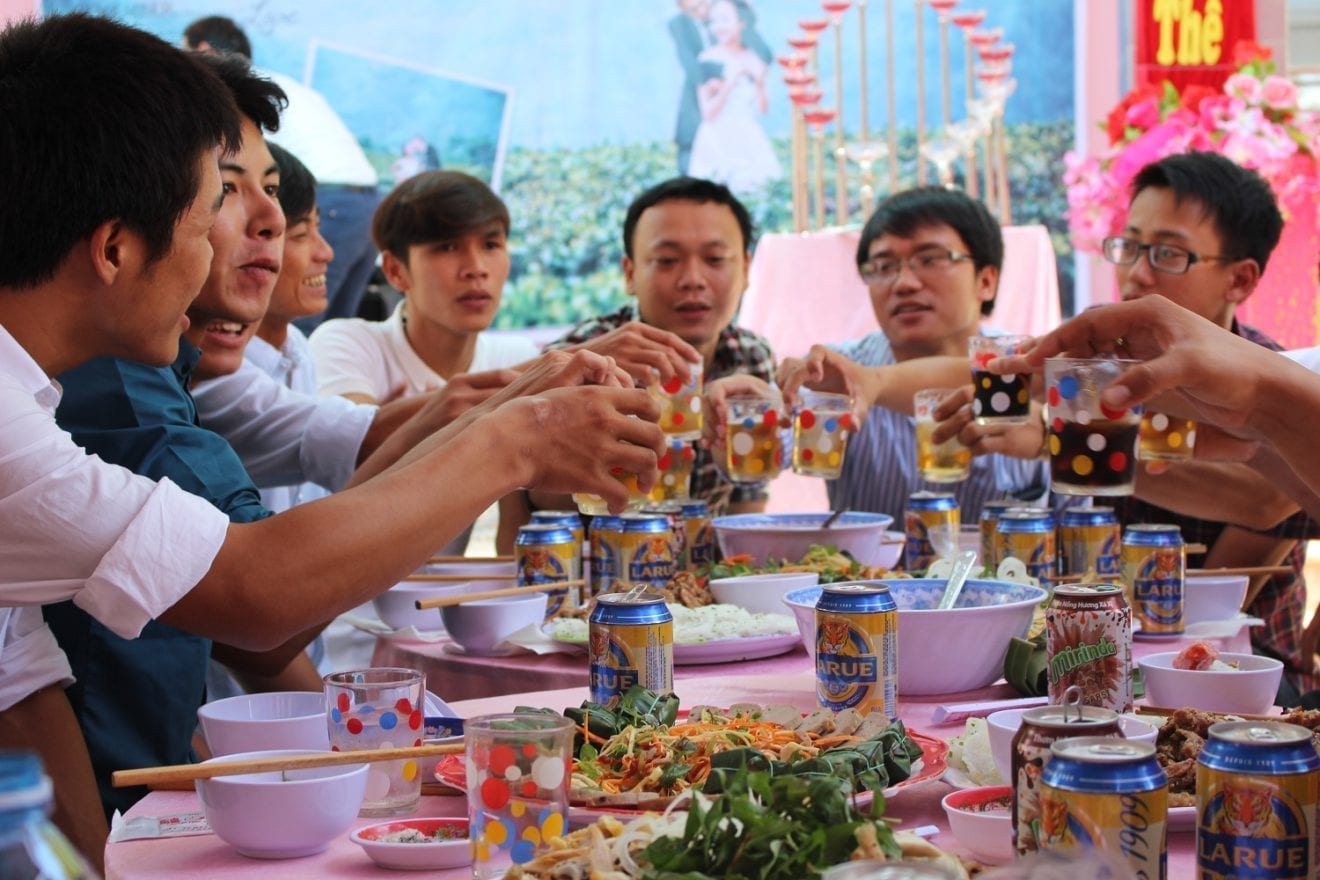
    Analysts repeatedly warned that the competition in Vietnam would be fiercer as more and more big players, including foreign ones such as Asahi (Japan), Singha (Thailand), Corona (Mexico) and Royal (the Netherlands), have joined the market. However, surprisingly, all of brewers can make big money in Vietnam.

    A representative of Heineken Vietnam said that purchasing power was 20 percent higher than the same period of the previous year.

    At Big C, beer sales have increased by 30-40 percent compared with the end of 2016 as people rush to buy beer to prepare for Tet. The demand is so high that the retailer sells no less than two boxes of beer to one client every day.

    On January 7, at a conference reviewing its operation in 2016, Sabeco, the largest brewer, said 1.584 billion liters of beer were sold in the year, an increase of 8 percent over 2015.

    In fact, beer sales not only have increased on pre-Tet days, but have been increasing steadily over the last 15 years.

    A survey by Sabeco showed that the consumed beer volume increased from 2.33 billion liters in 2010 to 3.6 billion liters in 2015. Every Vietnamese adult drinks 35.5 liters of beer a year, with which Vietnam ranks the second in the world in terms of beer consumption per capita.

    A report by Euromonitor International released in June 2016 showed that the beer sales increased from VND82.376 trillion in 2010 to VND153.943 trillion in 2015, which means a sharp increase of 86.1 percent. The figure was VND166.388 trillion in 2016 and is expected to reach VND218.292 trillion by 2020.

    With an average population increase of 1 percent per annum and a popular beer culture, beer sales are expected to increase in the coming years.

    It is expected that 4.84 billion liters of beer would be consumed by 2020, including 492.9 million liters of high-end products, 3 billion liters of mid-range and 1.34 billion liters of low-cost products.

    Sales are predicted to see an average growth rate of 7.2 percent in the 2015-2020 period.

    Brewers continue to expand production and run marketing campaigns to retain their market share.

    Sapporo Vietnam, which has succeeded with Sapporo Premium Beer, has launched Blue Cap, another brand.

    In late December 2016, Saigon-Binh Tay JSC, belonging to Sabeco, marketed the first products bearing the Sagota brand. Meanwhile, Heineken Vietnam has launched Strongbow, a fermented fruit juice.

    Leo Evers, general director of Heineken Vietnam, said the company was planning to increase production capacity in Vietnam by 2025.

    Sapporo announced that its production capacity would increase from 40 million to 100 million liters.