Category: Food

Retail News Asia is committed to providing both local and global retailers with the latest Food and Food & Beverage news throughout the Asian market. This on a daily base.

  • ‘Lead or lose’ message for food and grocery

    ‘Lead or lose’ message for food and grocery

    “Lead or lose” – that is the message for food and grocery businesses from chief executive Joanne Denney-Finch of the industry’s research and training charity IGD.

    Outlining her vision for the future of global retailing, she told delegates at the Canadian Grocer Thought Leadership Conference in Toronto that retailing was splitting into two parts: one largely automated and super-efficient, and the other based on delivering inspiration. “The blueprint is already emerging, not in one single place but spread across the world.”

    Drawing on examples of best practice from global retailers and manufacturers, she told how greater automation of everyday, staple purchases would drive shoppers to seek out excitement and creativity for the balance of their grocery shopping.

    “Eventually distribution centres will be run almost entirely by robots, and trucks will drive themselves,” she said. “Our smart appliances will use sensors to guarantee great cooking results, and people will hand over many decisions to their smart devices.

    “We’ll sign up to long-term deals, because that will be easiest and deliver best value. So as shoppers, our key staple items will turn up just in time, whenever we need them.

    “But on the other hand, as people’s lives keep growing more hectic, spontaneous buying and eating will also be even more popular. Online services will respond to this too, with meal kits and ready-to-eat food delivered to the door at rapid speed, but physical stores will always have the edge for instant gratification and for products we like to see before we buy.”

    More exciting

    Stores in convenient locations, such as train stations, would be favoured, so big stores would have to work harder to entice people. “They’ll become much more exciting, featuring lots of fresh food, new products, special events and more ways to taste, learn and discover. Experts will be on hand to give advice and deliver personal service.

    Branded manufacturers will be helping their retail customers to differentiate and deliver excitement, because those that don’t will be marginalised.”

    Retailers would also “compete fiercely” over health, said Denney-Finch, with the provenance of food and the ethics behind it being hugely important. “It will be an even more transparent world, and progressive companies will celebrate this. They’ll be really proud of the standards at every point of the chain for all the food they sell.”

    She said shoppers would be delighted and companies tested, “but the best will really thrive”.

    Denney-Finch said that having the right people with the right mix of skills would be needed to deliver this future of automation, from “highly capable food scientists, quality-control specialists and all-round good managers” to people who could bring new skills to both the in-store environment and supply chains.

    “Our research shows that most British shoppers view the leading supermarkets as largely interchangeable and even as part of the establishment,” she said, “so food stores need to become edgier and more inspirational. Both retailers and suppliers will need to invest in creativity and product expertise, because we’ll need more people in store to advise and recommend.

    “The more automated life becomes, the more essential it will be for companies to have a friendly face and to bring their brands to life.”

    Denney-Finch said a rich range of skills would be needed “as skills will separate the winners from the losers”.

  • Village for Cafe Amazon’s Japan launch

    Village for Cafe Amazon’s Japan launch

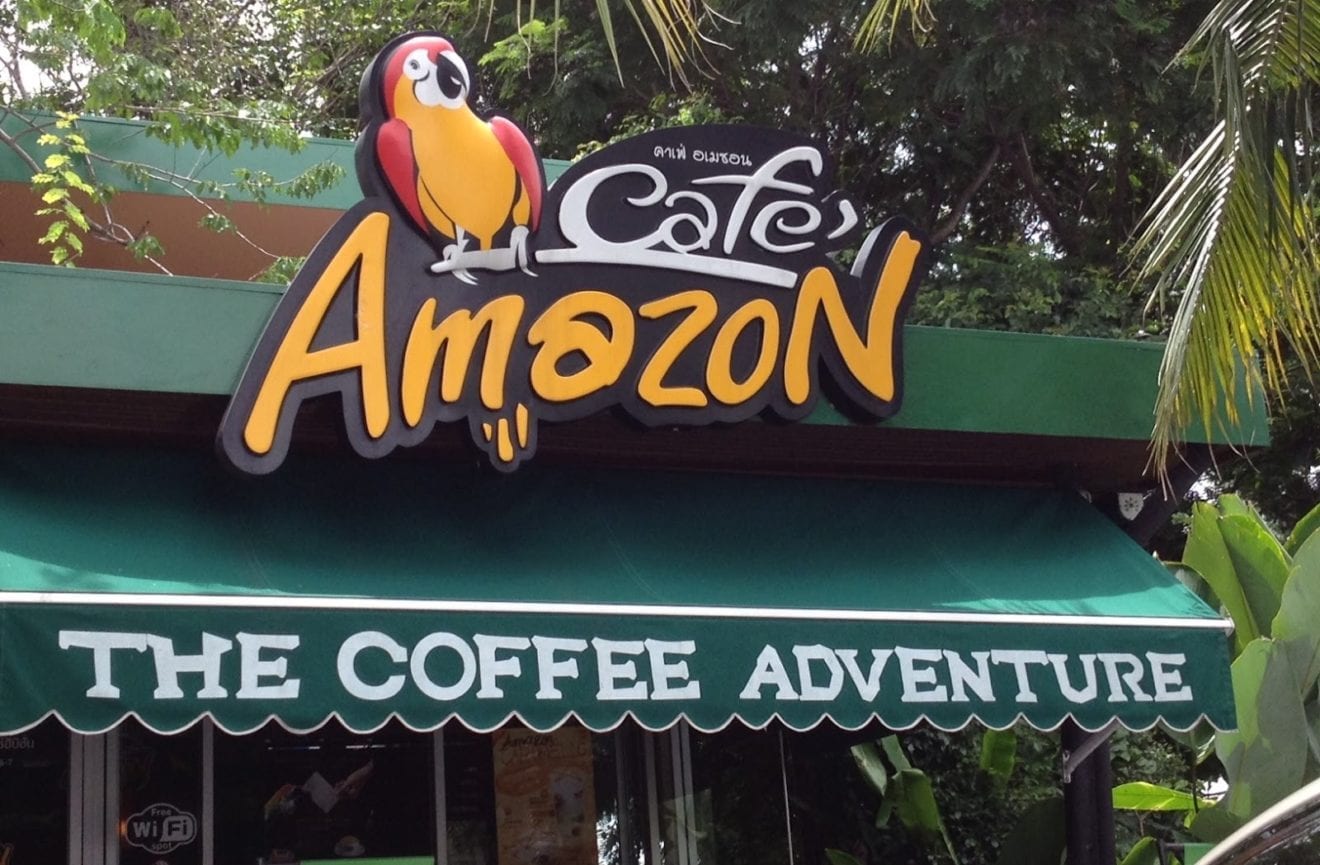
    Rather than a big city, Thai coffee-shop chain Cafe Amazon has chosen a village for its launch into Japan.

    More than 200km from Tokyo, Kawauchi in the Fukushima prefecture has fewer than 2000 residents, and the community is still struggling to recover from the 2011 nuclear disaster.

    Cafe Amazon Japan store

    Kawauchi is about 25km away from the Fukushima Daiichi nuclear power plant, which had meltdowns after the earthquake and tsunami on March 11, 2011. The village was temporarily evacuated, with about 30 per cent of the registered population of 2700 yet to return.

    However, Thai state oil and gas company PTT, which owns the Cafe Amazon chain, believes that starting out in such a location could help to raise brand awareness.

    PTT president/chief executive Kevin Vongvanich, who travelled from Bangkok to attend the Kawauchi shop’s opening ceremony, says the company hopes to open other branches across Japan.

    Cafe Amazon Japan open

    He says one of PTT’s objectives in Kawauchi is to gather consumer feedback. “We have a special coffee designed for the Japanese – a bit lighter than coffee in Thailand. The testing will provide us with information so we can adapt our coffee to suit Japanese tastes.”

    Cafe Amazon is using the same Thai beans it offers in its 1600 domestic outlets. A basic cup of coffee in Kawauchi sells for 250 yen (US$2.30), and the 60-seat shop resembles a wooden house, with customers being asked to leave their shoes at the entrance.

    Japanese building materials maker Codomo Energy, which has a factory in Kawauchi, has the Cafe Amazon franchise for Japan, and the partners plan to open several more branches next year, starting in Osaka.

    For Kawauchi, the cafe represents a rare investment from outside the community. At the opening ceremony, Mayor Yuko Endo said he hoped more outsiders would visit the village because of the cafe.

  • Military minimall for US troops in Korea

    Military minimall for US troops in Korea

    A $6.2 million US military minimall has been officially opened for troops relocating to an expandedCamp Humphreys in South Korea.

    The Army and Air Force Exchange Service (AAFES) centre includes fast-food restaurants, a barber shop and a retail store, across the street from a new barracks at the US Army garrison 88km south of Seoul. This means soldiers will no longer need to take a bus to the central food court and commissary that previously served the whole post.

    Soldiers at the opening ceremony were told the minimall will save them time and help alleviate queues and crowding. The complex also is near a chapel, theatre and gym.

    Its 124-seat dining room has a Starbucks, Subway and Taco Bell. There is also a dry cleaner, an eight-chair barber shop and a grocery store that also sells other items.

    Construction of the almost 24,000 sqft (2229 sqm) building three years ago, with the South Korean government paying $4.4 million and the AAFES $1.8 million. The South Korean government is funding most of the $10.7 billion overall expansion project.

    AAFES regional senior VP Karin Duncan says four more amenities will open late next year, including a 300,000 sqft post exchange.

    The US has about 28,500 serving military in South Korea, which remains technically at war with the North after the 1950-53 conflict ended in an armistice instead of a peace treaty.

  • Jamie Oliver to announce its opening for the first Jamie’s Italian restaurant in Thailand

    Jamie Oliver to announce its opening for the first Jamie’s Italian restaurant in Thailand

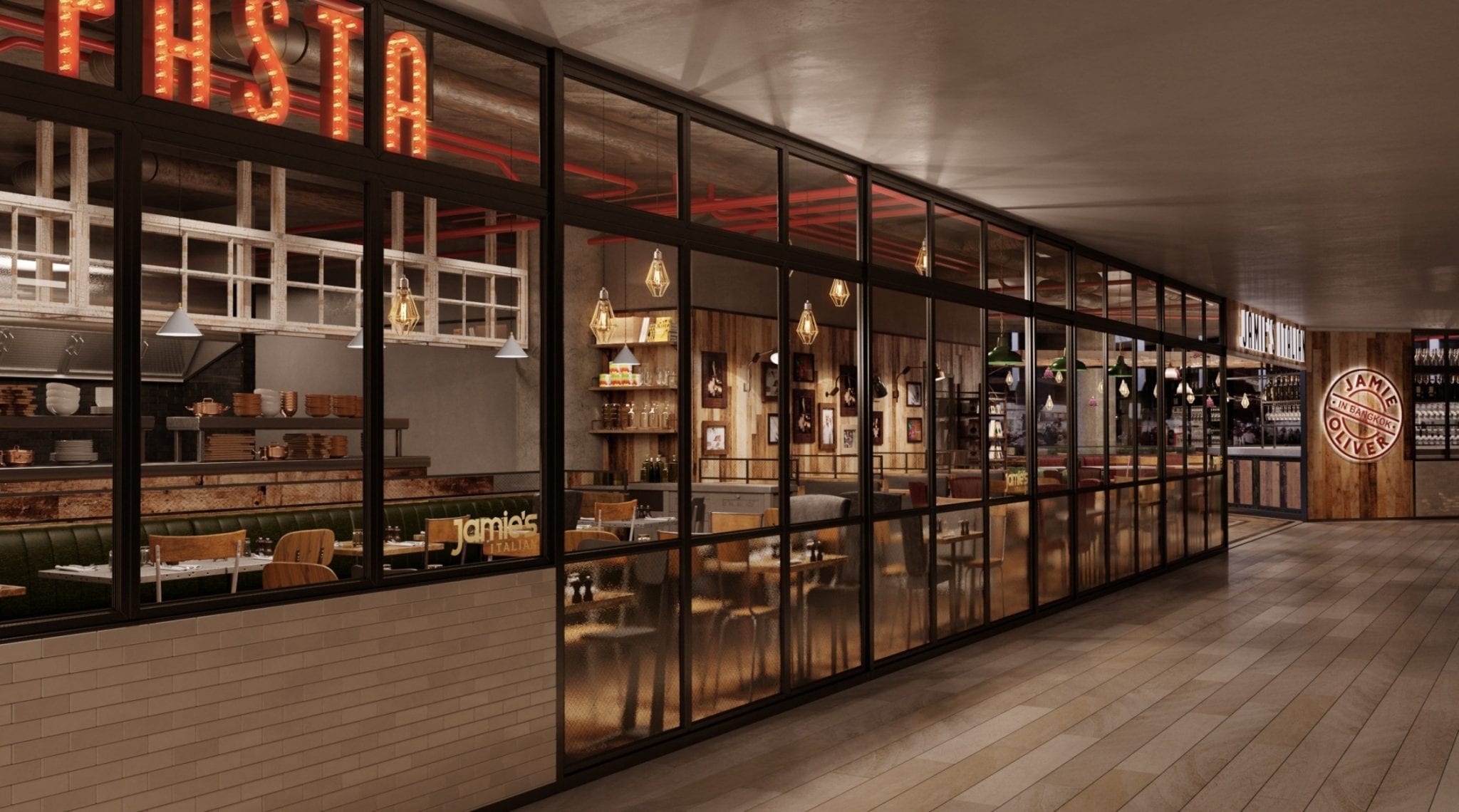
    Jamie’s Italian by Jamie Oliver is pleased to announce its opening head chef for the first Jamie’s Italian restaurant in Thailand, set to open in the fourth quarter of this year. Alex Barman, a dynamic and passionate chef with more than 11 years of culinary experience, will be leading the kitchen team as head chef of Jamie’s Italian Siam Discovery.

    Born in North Wales, UK, Alex started working in restaurants at a young age while still studying, beginning his culinary career as a kitchen assistant in a local hotel restaurant, and then progressing to be a sous chef in a local bistro, and head chef for Whitbread Group in Cardiff. In 2010 he joined the Jamie’s Italian family in Cardiff as a commis chef, moving swiftly through the ranks and taking his first head chef role for Jamie’s Italian in Cheltenham and Birmingham. He was also a member of the training support team for the opening of Jamie’s Italian Westfield, Stratford near the London 2012 Olympic Stadium. Alex moved to Singapore three and a half years ago to open the first Jamie’s Italian in Asia in VivoCity, where he started as the sous chef and was quickly promoted to head chef. In 2015, he moved to Bali as head chef for the new restaurant, Jamie’s Italian Kuta Beach.

    “Everything we serve is made with care,” Alex Barman, the head chef of Jamie’s Italian Siam Discovery said. “Good food is as the heart of everything we do. We are fully committed to supporting Jamie’s fight for better food worldwide, and his mission to make good food accessible for everyone.”

    As with all Jamie’s Italian outlets, the Siam Discovery restaurant will remain committed to sourcing only the best free­range, sustainable and ethically sourced ingredients. The restaurant will also work closely with Thai farmers to showcase local, responsibly grown produce.

    Alex said: “One of the most exciting parts of the job so far has been sourcing ingredients that fit in with Jamie Oliver’s food ethos. It’s not always easy, but it is always enjoyable as I have been able to meet some really amazing people. I am very passionate about sourcing and working with great local suppliers who are as passionate about great ingredients and the food ethos behind them, as I am. I’m really looking forward to seeing these ingredients feature throughout our menu.”

    “Since moving to Asia I’ve always wanted to work in Thailand and experience the culture, people and amazing local food on a regular basis, not just for a holiday, as you never really get to experience the real country and people on short breaks. It’s such a diverse and dynamic country with big differences from one province to another, making it very exciting to travel around and experience all the country has to offer. I love cities and actively seek to work and live in big, bustling, dynamic cities in which Bangkok has to be one of the best so far I’ve lived in.”

    Alex said: “Jamie’s Italian food is simple, rustic and inspired by dishes eaten all over Italy, delivered to the local market at affordable prices, which means it’s great for any occasion. I will also be creating some fantastic daily specials, maximising ingredients I can get at short notice from local markets and suppliers. I’m really looking forward to using some of the interesting products that are available here to create some brilliant dishes, with a new brigade of talented local chefs, and seeing our first guests enjoy our food.”

  • Hong Kong Wine & Spirits Fair Uncorks Asian Opportunities

    Hong Kong Wine & Spirits Fair Uncorks Asian Opportunities

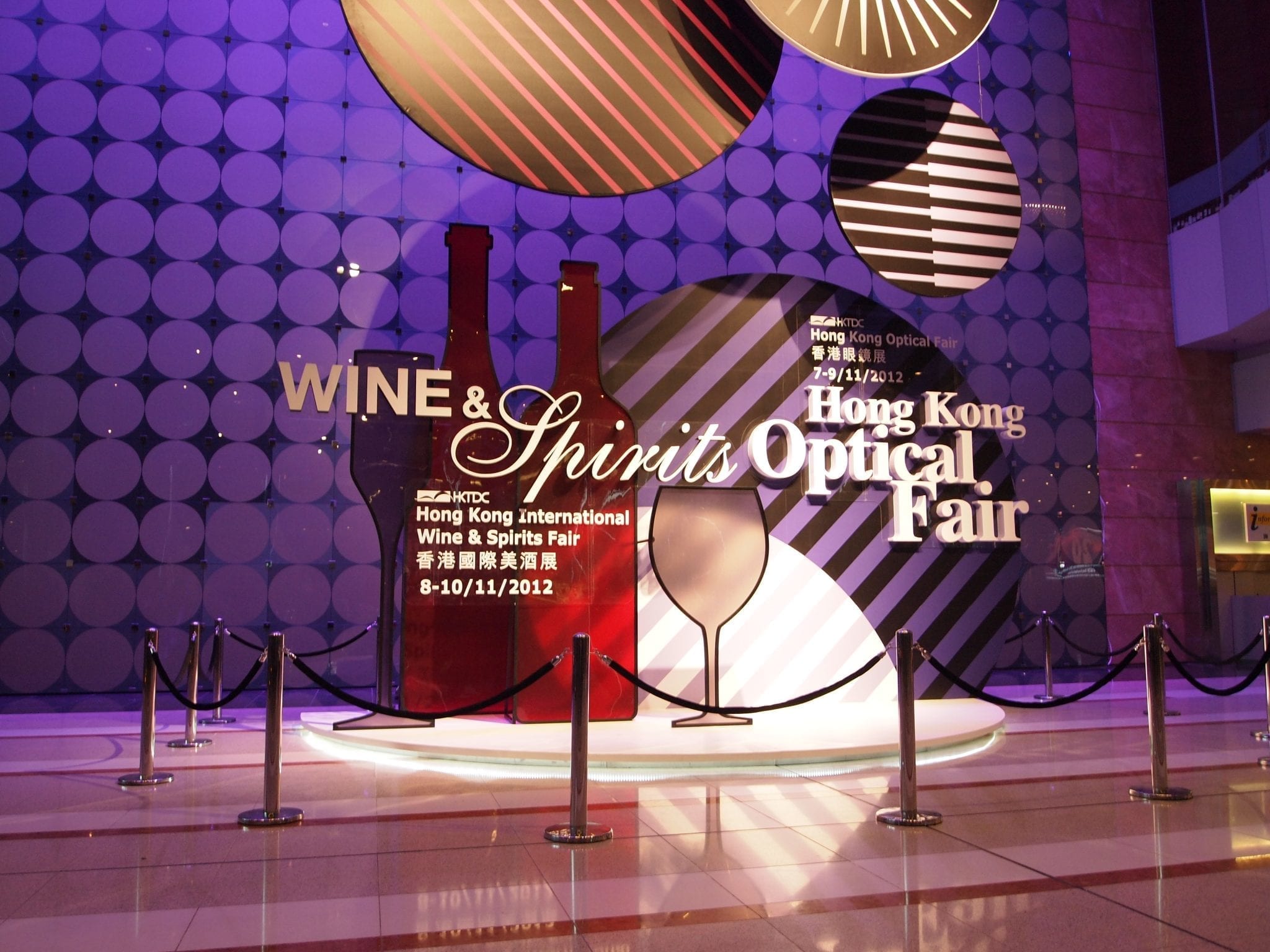
    The ninth Hong Kong International Wine & Spirits Fair, organised by the Hong Kong Trade Development Council (HKTDC), concluded on Saturday (12 November). Held at the Hong Kong Convention and Exhibition Centre (HKCEC) from 10 to 12 November, the fair gathered more than 1,060 exhibitors from 37 countries and regions to showcase a sparkling range of global wine offerings.

    The three-day fair attracted close to 20,000 buyers from 68 countries and regions. Attendance from individual countries recorded encouraging growth including the Chinese mainland, Japan and Taiwan. The final day of the fair (12 November) was open to public visitors and attracted nearly 27,000 wine lovers. The blend of trade and public participants at the fair created a vibrant platform for doing business.

    Benjamin Chau, Deputy Executive Director, HKTDC, noted, “As a duty-free wine port, Hong Kong is seen as an efficient and convenient trading and distribution centre for the region. With growing demand for wine and wine-related products and services in Asia, Hong Kong has fully grasped the opportunities brought about by the trend. The Wine & Spirits Fair has also become an important industry promotion and trading platform for wine exhibitors to expand their business into the Chinese mainland and Asian markets.”

    Slovenia taps global markets through Hong Kong

    This year’s Wine & Spirits Fair welcomed the Ministry of Agriculture, Forestry and Food of the Republic of Slovenia to set up a pavilion at the event for the first time, showcasing quality wines from 18 local wineries. Dejan Zidan, Deputy Prime Minister and Minister of Agriculture, Forestry and Food of the Republic of Slovenia, attended the fair. He said that Slovenia is a unique wine region in Europe that produces a diversity of wines with their own characteristics, and he wants to develop the country’s wine industry and help wineries promote products to global buyers. “Slovenia has been expanding its economic ties over the last two years with China through the ’16+1′ cooperation framework, an initiative aimed at deepening the exchange and relationships between the Chinese mainland and 16 European countries. This fair is a truly international event. We are taking advantage of the Hong Kong fair to reach out to more buyers and promote Slovenian wines internationally,” said Mr Zidan.

    Buyers welcome speciality spirits from Mexico & canned wine from California

    ProMexico Hong Kong introduced a range of spirits including mezcal and tequila from six exhibitors at the fair this year. Alejandro Garcia, Trade Commissioner, ProMexico Hong Kong, noted that, “This is an international trade fair for wine and spirits. On the first day of the exhibition, the exhibitors from Mexico had received the attention of buyers from Hong Kong, Taiwan, the Chinese mainland, Southeast Asia and Europe.”

    Ming KS Sze, Managing Director, Oriental Pearl (HK) Limited, said, “Through promotion at the fair, our Californian canned wines have received wide media coverage with many buyers expressing interest in the product. Canned wine is especially suitable for young people to consume in outdoor activities as it is easy to bring along. During the fair period, we have received enquiries from many buyers from Hong Kong and the Chinese mainland.”

    French and Italian wines in vogue at the fair

    Michel Bettane, Chairman, Bettane+Desseauve, was one of the speakers at the Wine Industry Conference entitled “Uncover the Opportunities of the New Cool Climate Wine Trend”. He said that various French wines continue to be a hit with the Chinese mainland buyers. “This year we have once again organised a number of French exhibitors to showcase a wide range of French wines, and met with buyers and importers, particularly those from Asia. The fair helped us meet clients from the Chinese mainland and explore the huge mainland market. On the first day of the fair, we had already met with a lot of buyers and received a great response,” he said.

    Cave De Saint Chinian is a long-established winery in southern France. Norbert Gaiola, Director General of the winery, has joined the fair for several years. He is satisfied with the results this year. A Chinese buyer from Shanghai confirmed an order to purchase 13,000 bottles of wine. They have also established initial contact with other buyers from Hong Kong, the Chinese mainland, India and Japan.

    Attilia Merzari, Brand Ambassador – Asian Market, Tenuta Sant’ Antonio, said, “A number of buyers from Hong Kong, the Chinese mainland and Vietnam expressed strong interest in our Italian wine Amarone. We’ve got about 100 new contacts so far through the exhibition and will be following up with the order from Chinese mainland customer.”

    Optimistic outlook among Asian buyers

    Despite global economic uncertainty, the Hong Kong wine market is still vibrant and buyers at the fair maintained an optimistic outlook. Joining the fair for the first time, Ashley Wang, Category Supervisor, Wellcome Taiwan Company Ltd., said, “We have met with an Australian beer supplier and will have further negotiations with them. We expect to order a 20-foot shipping container of beer. The fair also features buyers with a wide range of wines. The number of French and Italian exhibitors is the largest among all the exhibiting countries, which is very impressive to me.”

    Park Hyeong Jin, Buyer, Hyundai Department Store Co., Ltd., from Korea said, “I have found some German wines, baijiu and distilled Chinese liquor from the Chinese mainland. A series of business matching meetings have been arranged with five exhibitors selling Japanese sake. I will visit the fair next year.”

    Zhang Shi Wei, Chairman, Jilin Morton Trade Co, Ltd., is a Chinese mainland importer and distributor. He noted, “We are looking for wine and sake. We are interested in placing an order of 2,000 to 3,000 cartons of wine from the Bordeaux supplier Joanne.”

  • Indonesia Falls Behind Vietnam in Pepper Production

    Indonesia Falls Behind Vietnam in Pepper Production

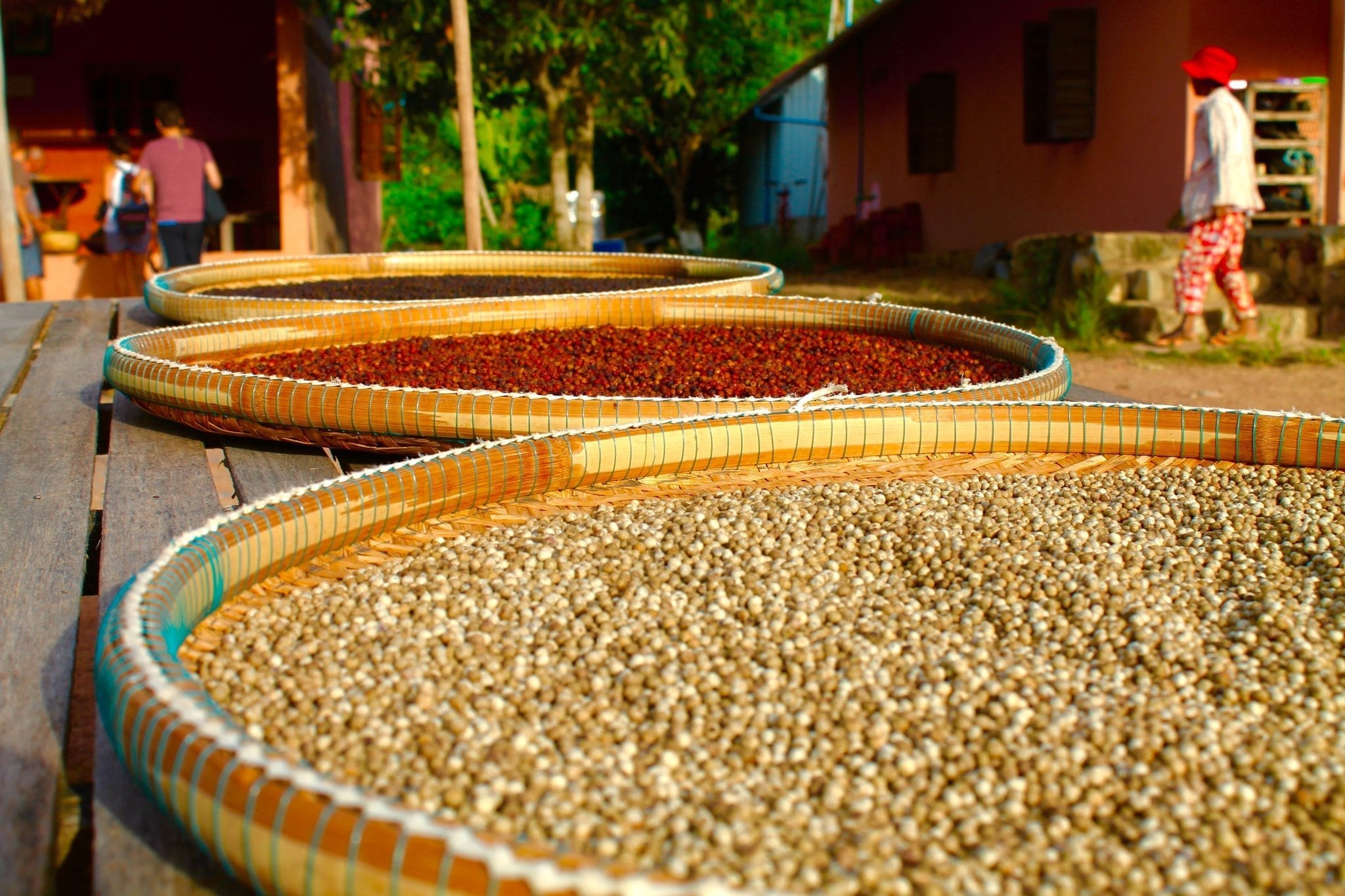
    Indonesia is the world’s second largest pepper producer. In 2013, Indonesia’s pepper production reached 88,700 tons, or an 18.8 percent worldwide market share. Indonesia has the world’s largest pepper production area with 178,000 hectares.

    However, the productivity of Indonesia’s pepper production area is only at 0.5 tons per hectare. “The productivity is low despite having the world’s largest pepper production area,” the head of Trade Study and Development Board, Trade Ministry, Tjahja Widayanti said.

    Whereas Vietnam is the world’s largest pepper producer, boasting a market share of 34.5 percent of world’s total pepper production. Vietnam’s pepper production in 2013 was 163,000 tons, having a “mere” 51,000 hectares of pepper production area.

    Vietnam’s pepper production area is smaller than that of Indonesia and India. “It shows that the productivity of Vietnam’s pepper production area is very high, i.e. 3.2 tons per hectare,” Tjahja said.

    Aside from Vietnam, other countries which have a high productivity of pepper production area are Rwanda at 3.9 tons per hectare, Thailand at 3.4 tons per hectare, Malaysia at 2.5 tons per hectare and Brazil at 2.3 tons per hectare.

    According to the International Pepper Community (IPC), world pepper production this year is expected to fall by 1.75 percent compared to last year’s realization of 403,213 tons. Some 87.22 percent of which, or 351,710 tons, were contributed by IPC member states. In 2017, pepper production is projected to recover, reaching 425,100 tons. “Global pepper industry is still facing challenges of climate change which adversely affects pepper production and quality,” Tjahja said.

    World import of pepper has been increasing. In 2015, the total world import of pepper reached US$3.3 billion with an average annual increase of 15.6 percent throughout 2012-2015. The United States is the world’s largest pepper importer with a 22.8 percent share of the import market. Singapore and India’s pepper imports have significantly increased by 40.7 percent and 27.4 percent, respectively.

  • Starbucks announces the introduction of Nitro Cold Brew in China

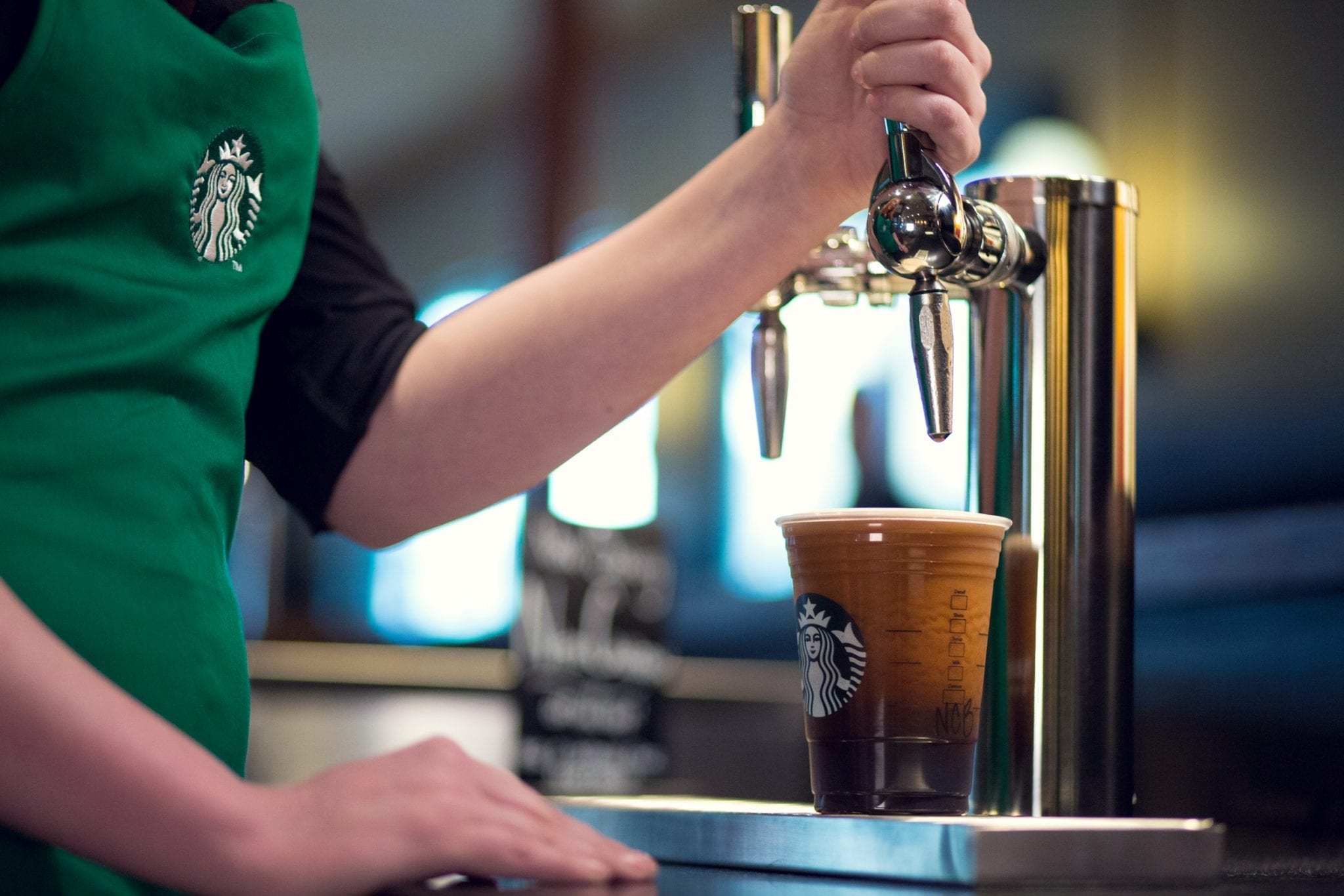
    Starbucks announces the introduction of Nitro Cold Brew in China

  • Neo Group’s 1H net profit soared 65.7% to $0.4m

    Neo Group’s 1H net profit soared 65.7% to $0.4m

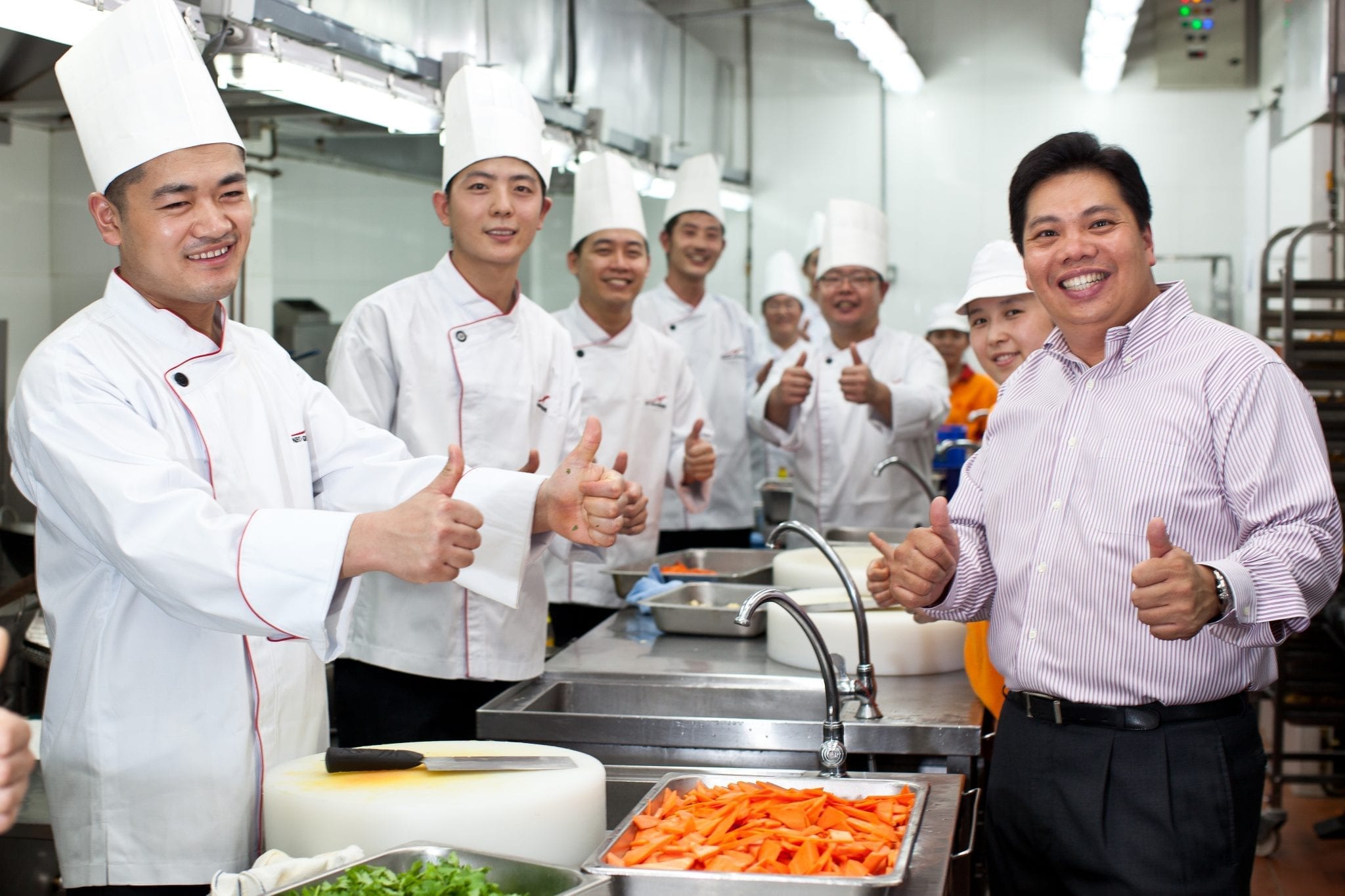
    Singapore’s food catering group, Neo Group announced that its revenue for the six-month period ended 30 September 2016 (1H2017) grew 29.6% to S$67.4 million from S$52.0 million in the equivalent period last year.

    Improved performance across most business segments and a S$7.7 million revenue contribution from the Food Trading business segment lifted the integrated catering solutions provider’s 1H2017 topline performance.

    Food Retail grew 11.7% to S$9.8 million in 1H2017 from S$8.8 million on an increase in number of stores and effective promotions launched during the period under review.
    Similarly, Food Manufacturing reported a 45.9% growth in revenue of S$21.9 million compared to S$15.0 million across the comparative periods.

    Impacted mostly by seasonality due to the lack of festivities and in the absence of SG50 celebrations that lifted catering volumes last year, the Food Catering segment
    slid marginally by 1.2% to S$27.3 million in 1H2017 from S$27.6 million in 1H2016.

    In tandem with the stronger topline performance, coupled with other income earned of S$3.0 million, consisting mainly of a S$1.8 million one-time gain on disposal of a noncore
    property, Neo Group reported 1H2017 net profit attributable to owners of the parent (net profit) of S$0.4 million, a 65.7% rise from S$0.3 million in 1H2016.

    For the three-month financial period ended 30 September 2016 (2Q2017), Neo Group reported a 40 times increase in net profit of S$2.9 million compared to S$0.07 million a year ago (2Q2016) on a 13.4% rise in revenue to S$35.5 million from S$31.3 million across the same comparative periods.

    Removing the impact of the one-time gain on disposal, which amounted to S$1.8 million in 2Q2017, the Group reported an operational profit of S$1.1 million, turning
    around from an operational loss recorded in the preceding quarter.


  • Indonesia`s wheat flour consumption expected to increase steadily

    Indonesia`s wheat flour consumption expected to increase steadily

    Indonesias wheat flour consumption is expected to increase steadily with favorable growth of wheat-based culinary business, a businessman said.

    “The increased consumption of wheat flour is correlated to the increased number of cafes. In a cafe, usually customers would not order for rice but cakes that use wheat flour as its basic material,” Marketing Manager of Interflour Indonesia, Dhanny Widjaja, said.

    Indonesian Wheat Flour Producers Association (Aptindo) expected the wheat flour demand in the country to grow by five to six percent with the national economic growth in 2015.

    “We believe that the future trend would be positive, as culinary business is a relatively endurable one,” he said, pointing to its potential in breads, biscuits and noodles industries.

    His company has targeted to increase its market share by 10 percent in 2019.

    “This year (the market share) has reached 8 percent with a total production of 2,800 tons per day from two factories in Makassar and Cilegon,” he said.

    The company has focused on cakes, biscuits and noodle industries in its efforts to expand its product distribution, in addition to its retail markets.

    “We focus on expansion, especially to southern Sumatra,” he said.

    The company would also renew one of its factories in Cilegon, which will be inaugurated in 2017 and will have a production capacity of 400 tons per day.

  • Yogyakarta`s coffee business potential reaches Rp350.4 billion

    Yogyakarta`s coffee business potential reaches Rp350.4 billion

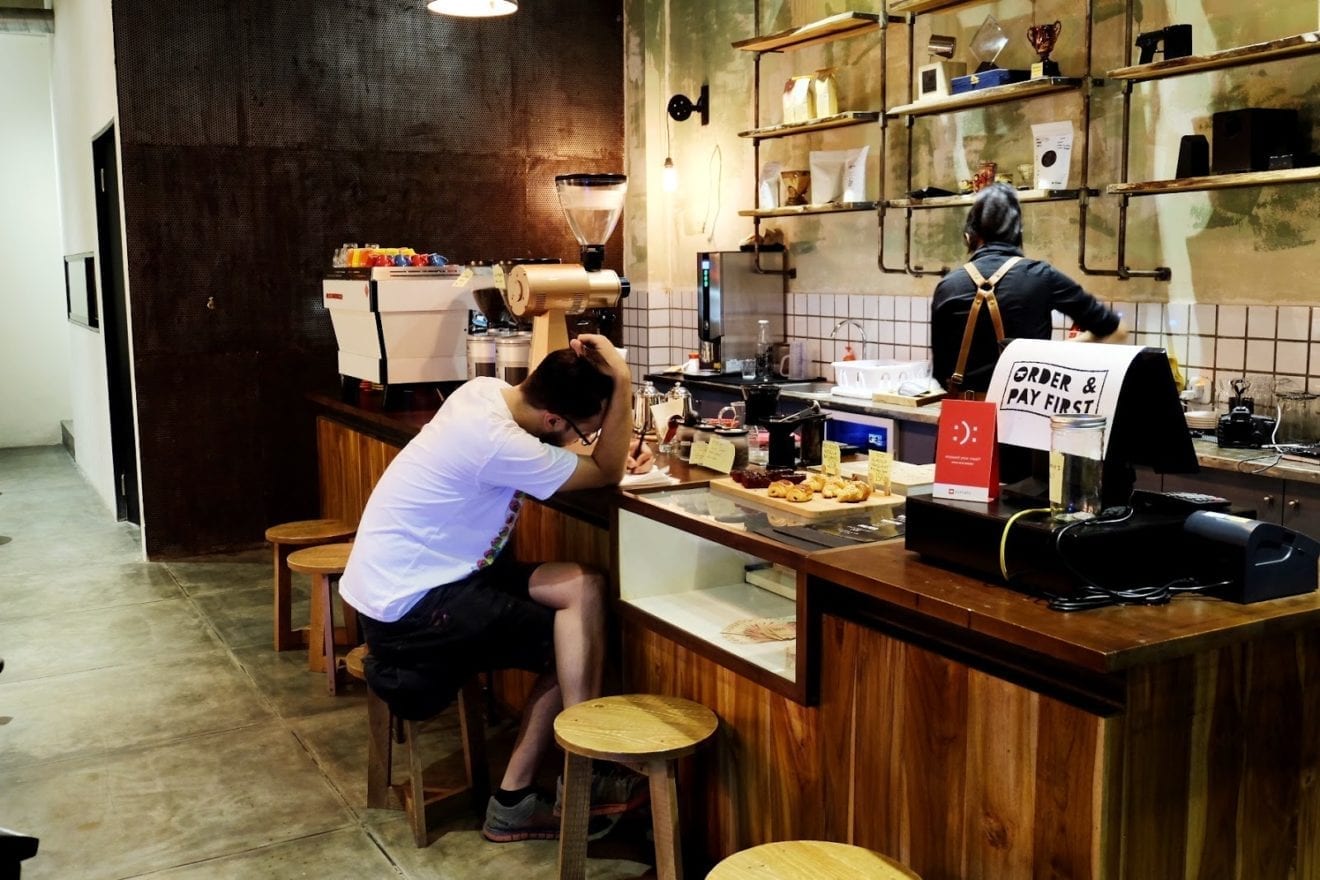
    Coffee shop ventures generate significant economic potentials in Jogjakarta, and it can reach Rp350.4 billion a year, generated from 800 coffee shops in the city.

    “The current economic realization that comes from 600 registered coffee shops in Jogjakarta reaches Rp262.8 billion per year,” the owner of Pitutur Coffee Shop Ponco Kusumo in Jogjakarta said on Monday.

    He explained in detail that a coffee shops economic realization comes from the volume of coffee sold each day, multiplied by the retail price of each cup.

    For example, every day there would be 80 cups of coffee sold in each shop, at a price of Rp15 thousand per cup.

    “That means that every coffee shop generates Rp1.2 million a day. When we multiply the total with the number of registered coffee shops across the town, the result comes out to be Rp262.8 billion, which is a substantial number,” he reiterated.

    The registered coffee shops are the ones that have signed up for the coffee business community, and there could be twice as many shops that are yet to be registered by the owners, he said.

    To reach a sales target of 80 cups per day, the shops need to operate from 10 am to 10 pm.

    “Our customer target includes students, general public and foreign visitors, who enjoy coffee,” he concluded.

  • Milk tea chain plans Asian expansion

    Milk tea chain plans Asian expansion

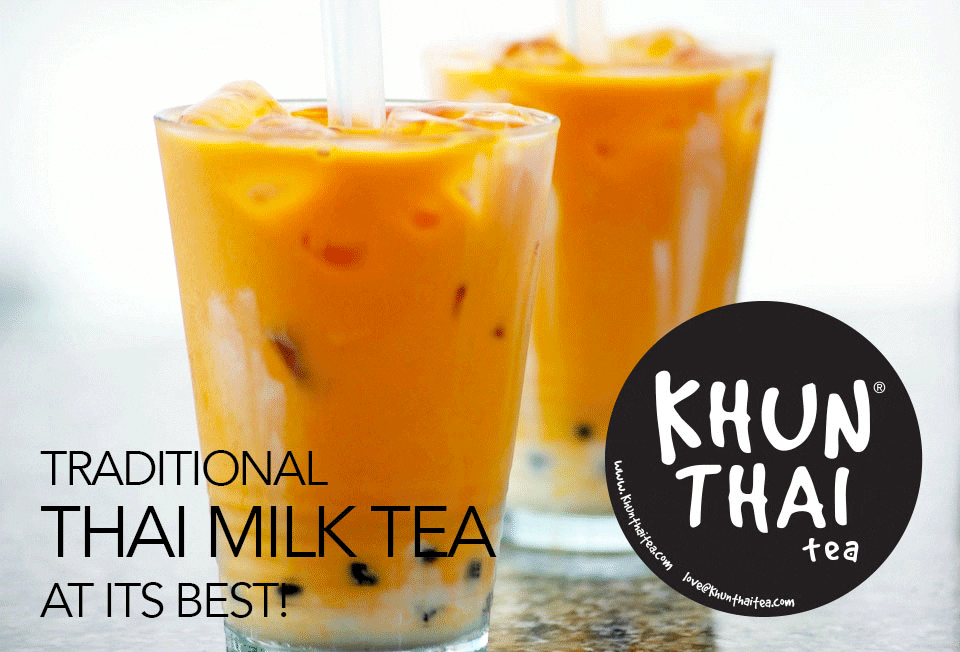
    After early success in the Philippines, Khun Thai Tea is now eyeing three more Asian markets.

    The milk tea concept was co-founded by Bronze Media LLP Singapore owners Jeremy Lee and Elis Chai.

    Lee says the company is about to open its third store in Metro Manila, at MegaMall, with plans for a new kiosk every month moving forward. It is looking for partners in other Southeast Asian markets.

    “We are going to take Khun Thai Tea to Jakarta in Indonesia, Kuala Lumpur in Malaysia, and Taipei in Taiwan,” he says. “Plans to start outlets in these cities are already underway.”

    Local Filipino partner Nancy Padilla says the chain’s drinks are based on an original recipe for a refreshing black iced-tea (‘cha-yen’ in Thai) that dates back to 1955. First created by a Thai native fondly known as Auntie Marlee, the strongly brewed Ceylon tea has since been modernised with a switch from Ceylon to a Thai-grown assam tea known as ‘Bai Miang’. Infusion with spices maintains the headiness of the original recipe and bring out its complex flavours.

    The traditional sugar, condensed milk and evaporated milk-heavy Cha-Yen recipe has also been updated to better suit the tastes of modern health-conscious consumers.

    In addition to the original recipe, says Padilla, Khun Thai Tea outlets also offer variations of the concoction inspired by drink recipes from around Asia, such as a mix of coffee and tea (‘Yuan Yang’), which was first brewed in Hong Kong.

    Drawing inspiration from Taiwanese bubble milk tea recipes, Khun Thai Tea also comes with small chewy tapioca balls (‘boba’, or bubbles) added, to infuse new textures and experiences to the drink.

    The newest menu item, Ice Bandung, is inspired by the original popular Malaysian beverage recipe which combines the alluring taste of rose syrup with the velvety smoothness of milk.

  • EU wants more access to Indonesian F&B market

    EU wants more access to Indonesian F&B market

    The EU demands Indonesia to ease trade barriers in the food and beverage (F&B) sector to give European producers more access to  Southeast Asia’s largest market, an official representing the world’s largest trading bloc has said.

    EU Commissioner of Agriculture and Rural Development Phil Hogan said many European producers had expressed their interest to enter the Indonesian market. However, both tariff and non-tariff measures, such as import quotas and local content requirements, held them back from doing so.

    “Many businesses are interested in Indonesia but they are waiting for improvement in market access,” Hogan said during the 6th EU-Indonesia Business Dialogue in Jakarta on Tuesday.

    He also mentioned the requirement to provide halal certificate as an obstacle for European F&B companies that wanted to explore opportunities in the world’s largest Muslim-majority country. Some European producers, Hogan said, had experiences in producing halal products, but some others did not.

    “We respect religion, but it [halal certification] prevent exports to Indonesia,” he said.

    He suggested that halal certification should be an option instead of being obligatory. Then producers that had not yet obtained certification could still export their products to Indonesia.

    Indonesia and the EU are currently in talks for the Comprehensive Economic Partnership Agreement (CEPA). The anticipated agreement, expected to be concluded by 2019, will remove various trade barriers between both parties.

  • Hong Kong International Wine & Spirits Fair Opens

    Hong Kong International Wine & Spirits Fair Opens

    The ninth HKTDC Hong Kong International Wine & Spirits Fair opened today and continues through 12 November at the Hong Kong Convention and Exhibition Centre (HKCEC). This morning’s opening ceremony was officiated by Gregory So, Secretary for Commerce and Economic Development of the Hong Kong Special Administrative Region (HKSAR) Government and Philip Yung, Permanent Secretary for Commerce and Economic Development (Commerce, Industry and Tourism) of the HKSAR Government.

    Speaking at the opening ceremony, Benjamin Chau, Acting Executive Director, Hong Kong Trade Development Council (HKTDC), highlighted the diverse characteristics of the International Wine & Spirits Fair. “Featuring more than 1,060 exhibitors from 37 countries and regions, the Wine & Spirits Fair is an effective international promotion platform. The success of the fair is due to a variety of factors: Zero duties on Hong Kong wine imports since 2008, a large international exhibitor presence, international buyers especially wine importers from Asia, high value-added business opportunities and networking activities including grand tasting sessions, master classes, wine tastings, cocktail demonstrations as well as seminars,” Mr Chau said.

    Strong international flavour at the fair

    Since the HKSAR Government scrapped import duties on wine in 2008, the wine industry has recorded tremendous growth, attracting industry players to start or expand their business in Hong Kong. The value of Hong Kong’s wine imports rose from HK$1.6 billion in 2007 to HK$10.8 billion in 2015, a more than six-fold increase. Being a well-known wine trading and distributing hub, wine exporting countries are seeking to tap into the Asian market through Hong Kong. Besides Croatia, Finland and the Philippines exhibiting at the fair for the first time, wine producing regions, wine associations and trade commissions from around the world have formed 30 pavilions to promote their products. Among them, first-time group pavilion organisers include the Azerbaijan Export and Investment Promotion Foundation, Bulgarian Wine Export Association, Economic and Information Technology Commission of Guizhou Province from the Chinese mainland, Fukushima Prefectural Government and Kyushu Shochu Culture & Tourism from Japan, FENADEGAS from Portugal, the Distilled Spirits Council of the United States, and the Ministry of Agriculture, Forestry and Food of the Republic of Slovenia.

    Located in South Central Europe, Slovenia is a wine producing country less familiar to consumers in Hong Kong and Asia. Slovenia’s viniculture is characterised by the country’s diverse geography and microclimates; its latitude aligns with many renowned and prolific wine-producing regions like Bordeaux, Burgundy and Northern Rhone. Around 70 per cent of Slovenian wines qualify as premium wine. Aiming to capture the attention of Asia’s developing markets through Hong Kong, Dejan Zidan, Deputy Prime Minister and Minister of Agriculture, Forestry and Food of the Republic of Slovenia, hosted today’s presentation under the theme of “Discover Excellent Wines From Slovenia – Taste the Slovenian Identity”.

    While Slovenia has a particularly high profile at the fair this year, a world of exquisite wines from around the world are also on show including:

    – Wine from Israel, a country with 5,000 years of wine-making history. Produced by Hevron Heights, Armagedon (Booth no.: 3E-D11) is brewed using traditional methods. Using grapes grown on the Judean Mountains at high altitude (950m) and aged for 24 months in French oak barrels, Armagedon is regarded as kosher wine, produced in accordance with Judaism’s religious laws.

    – Bulgarian orange wine from Wine Cellar Villa Melnik Ltd (Booth no.: 3D-B26). Orange wine, in spite of its name, is not made from oranges. Its darker colour results from extended contact of white grape juice with grape skins over a longer period of time. Orange wine is intense with a dry, tannic taste and nuttiness derived from oxidation, and can be paired with a wide variety of dishes ranging from beef to fish.

    – Crown Royal’s Northern Harvest Rye from Canada (Booth no.: 3CON-064). Crown Royal’s Northern Harvest Rye stunned the whisky world as the first Canadian whisky to earn a title in the authoritative Jim Murray’s Annual Whisky Bible with almost full marks and was named World Whisky of the Year 2016.

    In addition to zones such as Wine & Liquor Products, Whisky and Spirits and Friends of Wine, where the perfect food pairings are showcased, there are also dedicated zones promoting the industry’s all-round developments, such as Wine Investment, Wine Education and Wine Storage & Logistics zones.

    Promoting industry interaction

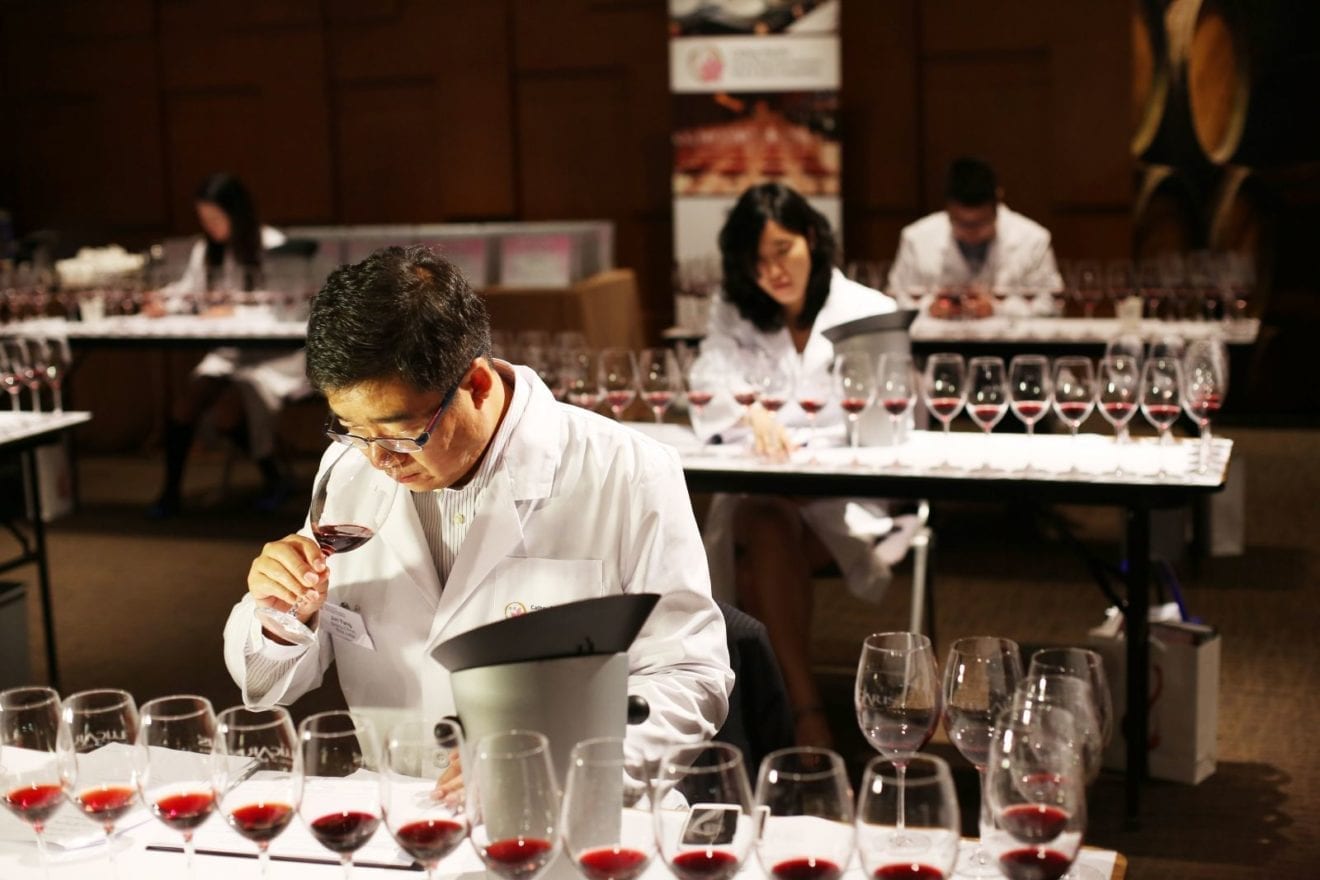
    During the Wine & Spirits Fair, more than 70 special events are arranged to provide a comprehensive platform for trading and exchange. These include the Wine Industry Conference, gala dinner, tasting sessions, master classes and thematic seminars. Close to 50 wine tasting sessions are organised to spotlight wines from Austria, Australia, Bulgaria, France, Germany, Guizhou (Chinese mainland), Japan, Mexico, Portugal, Slovenia, Spain and the US.

    Today’s Wine Industry Conference is titled “Uncover the Opportunities of the New Cool Climate Wine Trend”. Meanwhile, the eighth edition of the Cathay Pacific Hong Kong International Wine & Spirit Competition Award Presentation Ceremony will be held tonight. Following the cocktail reception, the Gala Dinner titled “I FEEL SLOVENIA” will feature a menu prepared by Janez Bratovz, head chef of celebrated Slovenian restaurant JB RESTAVRACIJA. The seminar “How to Reach the Right Customers in China” and the buyer forum “Uncovering Business Opportunities in Booming Markets of Wine and Spirits” will be held tomorrow afternoon for the industry to discuss hot topics.

    Public Day

    On Saturday (12 November), the fair will be open to members of the public aged 18 or above, with tickets priced at HK$200*. Public visitors with full-priced tickets on that day will receive a Lucaris crystal wine glass valued at HK$110 on a first-come first-served basis while stocks last.

    Two master classes will be held on the public day including “Understanding Quality in Wines Currently Trending around the World with Jeannie Cho Lee MW” and “Sensory Experience of Wine by Debra Meiburg MW”. The public are also welcome to join wine tasting sessions, cocktail, whisky and spirit demonstrations and seminars. These include “Gifu Sake and Pottery Appreciation”, “Enjoy Shochu from Kyushu with Kumamon”, “Choosing from a Wine List – Tips and Tricks” and “Hong Kong Inter-University Wine Challenge 2016”.

    This year’s fair once again headlines the Hong Kong Wine Journey citywide promotion, which encompasses a series of wine tastings, wine and food menu pairing, seminars, themed tours and Lan Kwai Fong carnival. More than 160 restaurants will feature promotions such as “Birthday Wine” and “Wine and Food Pairing Menu”. For more details, please refer to the Hong Kong Wine Journey map or the website.

    Wine business keeps flowing through Hong Kong

    In the first nine months of 2016, Hong Kong’s wine imports reached HK$9.1 billion, a 22 per cent year-on-year increase. As for the city’s exports, they totalled HK$4.1 billion, up 25 per cent over the same period last year.

    *Tickets:

    Members of the public can purchase Public Day admission tickets on site priced at HK$200. Tickets for Public Day master classes are priced at HK$350 (including admission) and are available on a first-come first-served basis.

    Fair Website:www.hktdc.com/hkwinefair
  • China Leads the Global Market for Eggs and Eggs Products

    China Leads the Global Market for Eggs and Eggs Products

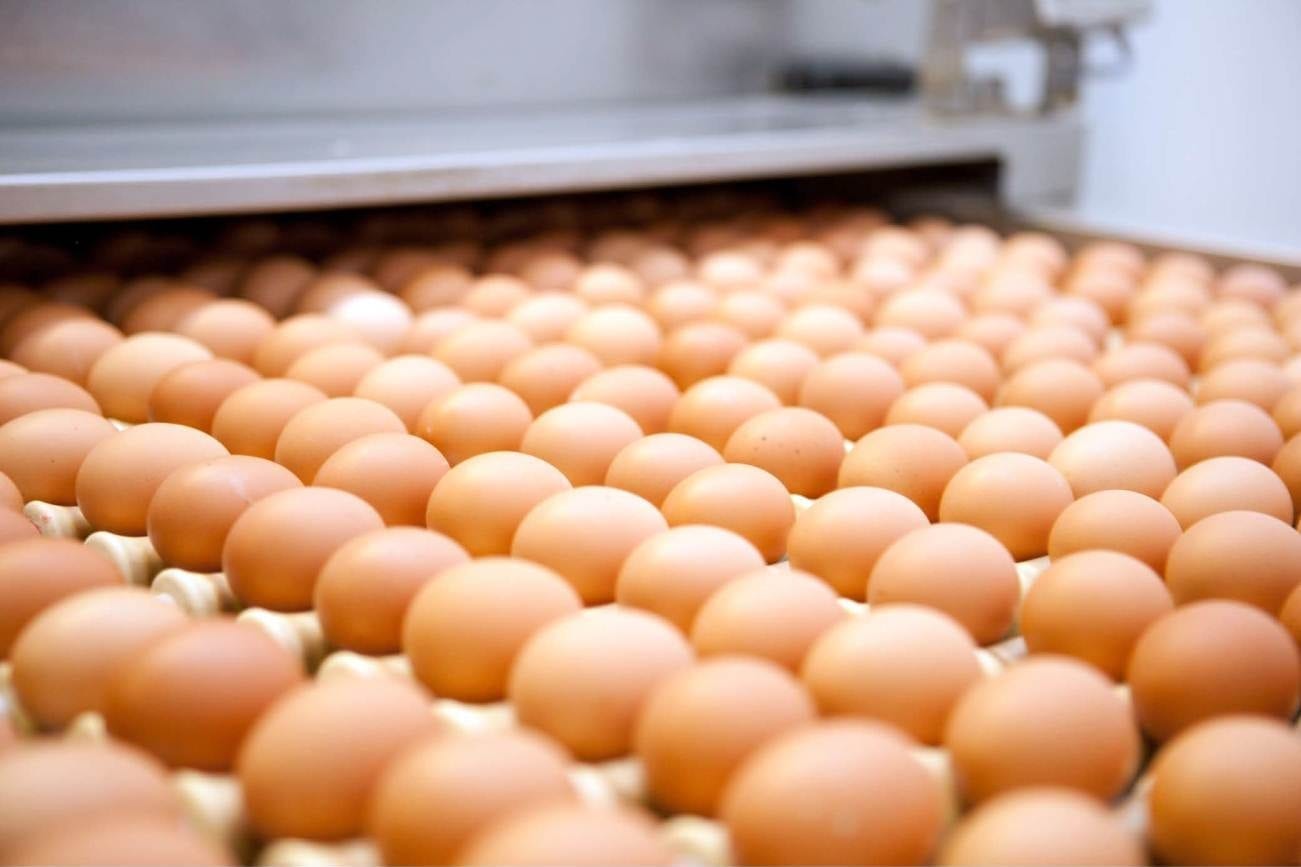
    Eggs, an integral part of the banal breakfast menu, are a rich source of protein. Easy and hassle free to make, their demand has seen a phenomenal spike in the past couple of years on account of a burgeoning world population and their rising disposable income. Even the avian flu, which resulted in culling of millions of livestock worldwide, couldn’t hamper the market growth. Today, a wide variety of eggs are found on supermarket shelves. Not just that, discerning palates of demanding consumers have also spawned another market – that of egg products. Made from different components and blends of eggs, they are edible products ready for consumption.

    Cage-free Eggs are All the Rage These Days
    Reports reveal that around 2 billion eggs are produced in the world in a year. The method of production is, however, set to change.  With growing awareness about the appalling living conditions of the captive egg-laying hens, particularly in developed countries, an outcry has ensued. This has led to a ban on conventional egg farming methods. Fast food giant McDonald, which is one of the biggest egg buyers in the world, pioneered efforts in this direction by announcing in 2015 that it would only use cage-free eggs in all of its US and Canadian restaurants. Other major fast food chains and a handful of multinational food companies followed suit too. This has generated an opportunity for egg producers in Asia and America to fulfill the demand-supply gap created on account of EU nations being unable to carry out the overhaul in logistics and processes involved swift enough.

    China the Largest Producer-cum-Consumer of Eggs and Egg Products
    China, which had pretty much been powering the global growth up until a while back, has been a leader in the global eggs and egg products market as well. Studies show that it produces around 36% of the 70% eggs produced together by Mexico, Japan, China, U.S., India, Indonesia, Brazil, Mexico, and France. China also consumes around 40% of the global eggs. This is because eggs form a vital part of the average Chinese meal. The eggs are also used as additives and ingredients, nationwide.

  • Korean cafe boom drives desserts market

    Korean cafe boom drives desserts market

    The booming networks of Korean cafes has driven a huge rise in the country’s dessert market.

    According to data issued by the government, the sector expanded sales by 13.9 per cent in 2014 from a year earlier – the last year for which figures are available – on rising demand for sweets and non-alcoholic drinks.

    The combined value of the local confectionery and non-alcoholic beverages markets stood at 8.9 trillion won (US$7.9 billion) in 2014, up 13.9 per cent from a year earlier, according to the available data compiled by the Ministry of Agriculture, Food and Rural Affairs.

    The dessert market accounted for 10.7 per cent of the country’s entire food service market worth 83.8 trillion won in 2014.

    The ministry said demand for high-end bakeries and cafes led the sharp growth in the dessert market as people tend to spend their time and money more on their health and well-being.

    The confectionery industry posted sales of 4.6 trillion won in 2014, up 10.5 per cent on-year, while sales of the beverage market jumped 16.8 per cent on-year to 4.3 trillion won.

    In particular, coffee shops saw their sales rise 25 per cent on-year to 2.5 trillion won in 2014, taking up 47 per cent of the country’s coffee market including instant coffee packets and drinks.