Category: Food

Retail News Asia is committed to providing both local and global retailers with the latest Food and Food & Beverage news throughout the Asian market. This on a daily base.

  • Foodland, plans to expand lots over the next five years

    Foodland, plans to expand lots over the next five years

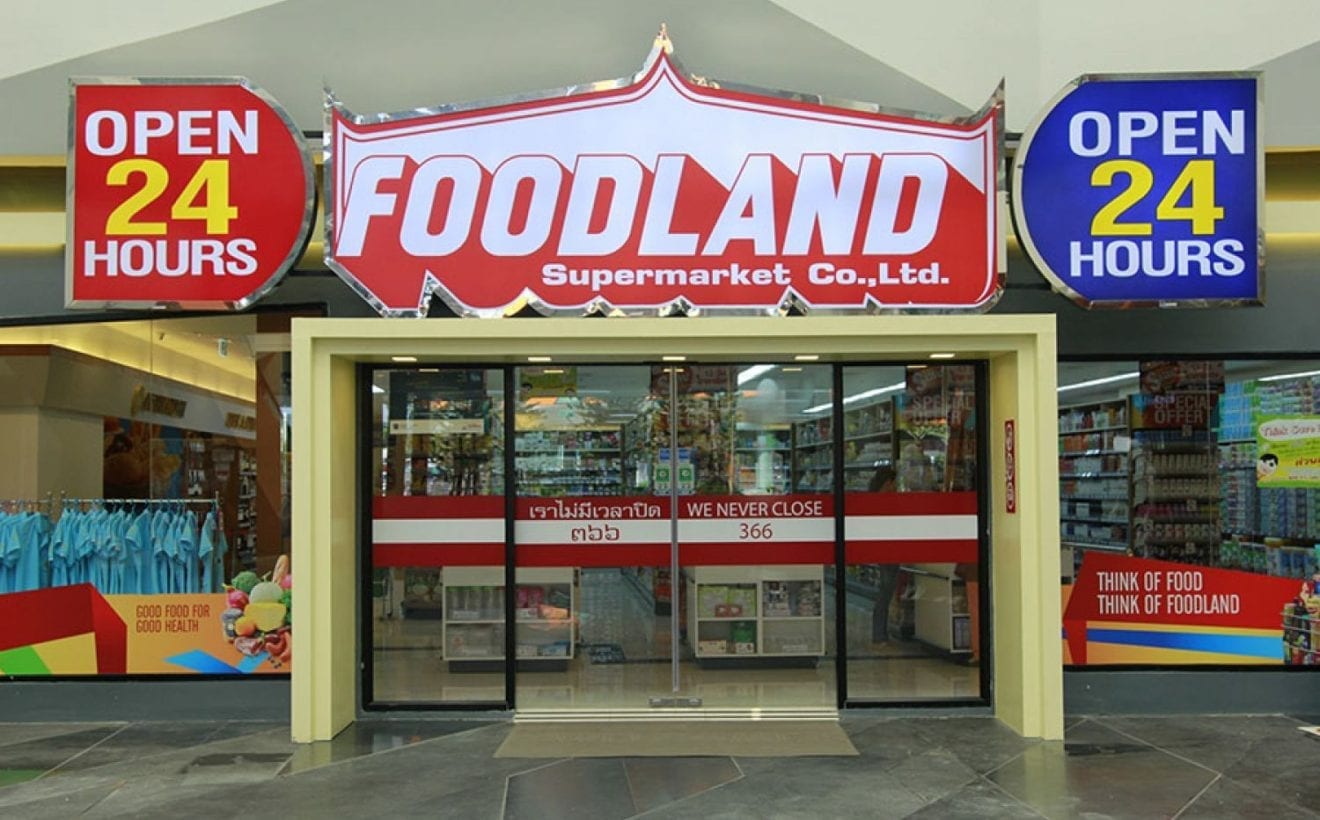
    Expats’ favorite supermarket, Foodland, plans to expand lots over the next five years. The chain has doubled its yearly investment budget to THB500 million to open four or five new grocery stores and add three new types of restaurants to their roster.

    Some of the new locations are already open. There is now a Foodland at The Street community mall on Bangkok’s Ratchadaphisek Road. Another Foodland opened yesterday at Rama 3’s The INT Intersect community. A third is opening soon at the Terminal 21 in Nakhon Ratchasima. The other locations have not yet been announced.

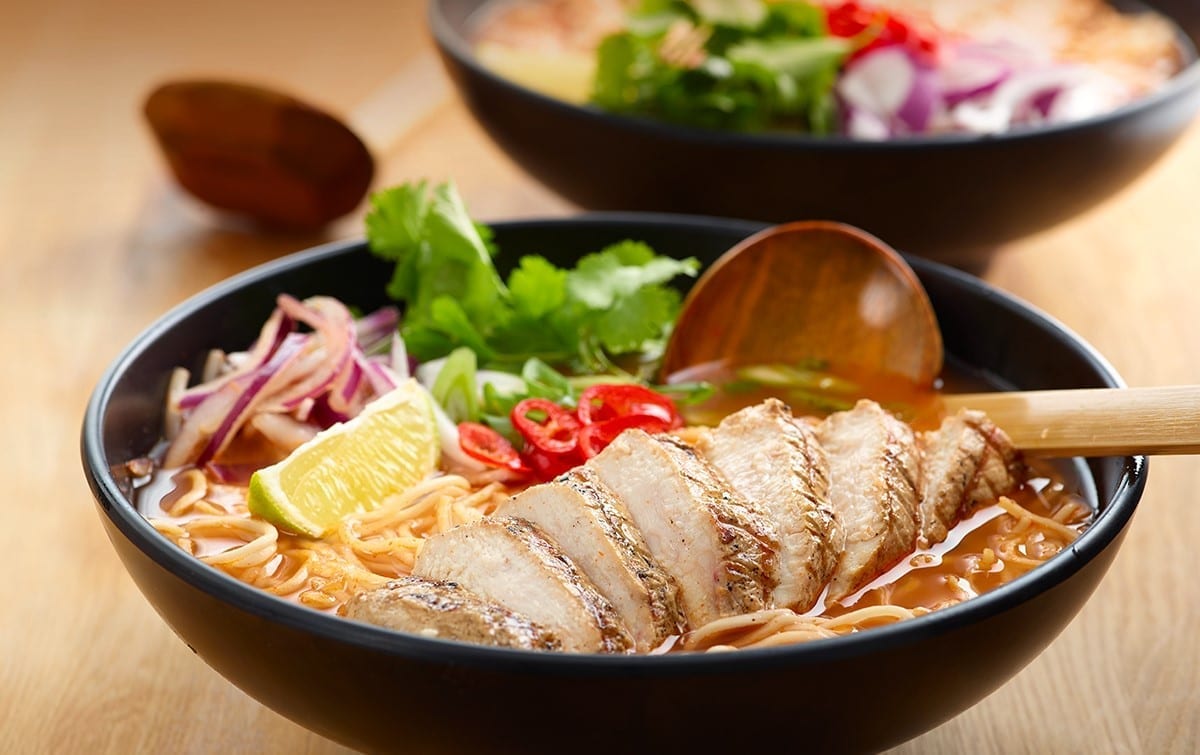
    Foodland’s new restaurants will include a Japanese ramen chain, a Hong Kong-style roasted-goose dining spot and a Singapore-style street food restaurant.

    Chief executive officer Somsak Teerapattanakul said, “As I am getting older, I want to speed our expansion as much as possible. Starting from next year, we plan to open four or five new Foodland stores for five consecutive years,” Somsak said.
    These expansion plans means that the company’s sales might reach THB10 billion in 2017, which would be 25 percent higher than the THB8 billion they should hit this year.

  • Lawmaker wants increase milk production, consumption

    Lawmaker wants increase milk production, consumption

    Legislator of Commission X of the House of Representatives (DPR), Dwita Ria Gunadi wants to increase milk production and consumption because the per capita milk consumption in the country is still lower than other Asian countries.

    “The per capita milk consumption in 2015, based on data from the Agriculture Ministry was only 12.1 liters per annum,” Dwita Ria Gunadi said in a written statement here on Thursday.

    The per capita consumption is still is still lower than the per capita consumption of India, which reached 48.62 liters per annum, Singapores 44.5 liters and Malaysias 36.2 liters.

    Indonesias per capita milk consumption is even lower than that of Thailand, which reached 33.7 liters per annum, the Philippines 17.8 liters and Vietnams 14.3 liters.

    Dwita reminded that the milk imports of Indonesia should meet domestic need, which has exceeded 80 percent.

    “This condition is a cause for concern because our land has potential for developing and breeding milch cows,” Dwita, who is a member of the Greater Indonesia Movement Party, (Gerinda) said.

    She has also started a discourse to boost production though among others, the allocation by local governments of funds to breeders for stimulating milk production.

    It was earlier noted that the fresh milk production of milch cows in the Malang District of East Java, increased from 117,235 tons in 2014 to 132,052 tons in 2015 and during the first semester of 2016 it was pegged at 66,593 tons.

    “In order to increase production and consumption of milk, we provide milch cow assistance to breeders. This year, 92 heads of milch cows were provided, and next year this assistance will continue, but the number will not be as big as this year,” Sudjono, the head of Malangs Animal Husbandry Service, said on November 4.

    He added that over the past five years the number of milch cows provided for breeders accounted for 826 heads.

    The farmers, who got the assistance, were those from milch cow production centers, such as Wajak, Pujon, Ngantang, Poncokusumo and the Jabung sub-districts.

    According to the Cooperatives, Small and Medium-Scale Enterprises (SME) Minister Puspayoga, milch cow farmers must increase and maintain the quality of their milk production. All milk produced domestically, including by members of cooperatives, should be absorbed by the milk-processing industry (IPS) in order to meet the domestic need and reduce imports.

    An executive from one of the countrys food and drinks company, PT Nestle Indonesia, argued that to increase productivity and improve the quality of milk, local milch cow farmers should adopt sustainable breeding practices.

    “The key to increasing production and improving quality is to adopt sustainable breeding practices and to optimize cowshed cleanliness,” R Wisman Djaja, PT Nestle Indonesias director for Sustainability agriculture Development and Procurement Affairs, had said in Malang, East Java last month.

    The government, according to Minister Puspayoga, is now trying to resolve the constraints being faced by milch cow farmers and milk processing industries.
  • Jollibee Japan opening confirmed

    Jollibee Japan opening confirmed

    Following a signing ceremony in Japan last month, founder Tony Tan Caktiong of Filipino fast-food franchise Jollibee says the group may open stores in Japan in 2018.

    Attending the Jollibee Japan ceremony were the leaders of Jollibee Foods and egg producer Ise Foods, as well as President Rodrigo Roa Duterte.

    Caktiong says he plans to open the franchise to cater to Filipinos either living or visiting Japan, as well as introduce the meals to the Japanese community. He has partnered with Ise Foods in Japan to ensure the food meets local expectations.

    Included in the Jollibee Japan partnership is the setting up of poultry farms in Manila, with the eggs to be used for the hamburger and breakfast meals Jollibee will be serving.

  • Japan Food Holding trims offshore outlets

    Japan Food Holding trims offshore outlets

    Singapore-based Japanese restaurant chain Japan Food Holding achieved 10.8 per cent growth in net profit for the six months to September 30.

    This took its net profit to S$2.7 million (US$1.95 million) on the back of a 5.5 per cent increase in revenue to S$33.5 million.

    At the end of the period it had 51 outlets, up six from the same time a year ago.

    On a quarterly basis, the group maintained its net profit at about $1.4 million, while its revenue eased up by 4.7 per cent to $16.6 million.

    Japan Foods says its improved performance was driven mainly by it having more restaurants, with encouraging performances from its new brands including Dutch Baby Cafe, Ginza Kushi-Katsu and New ManLee Bak Kut Teh. There was also a higher gross profit margin for the second quarter, up from 84.3 per cent last year to 85.1 per cent, thanks to constant cost-management efforts such as bulk purchasing and product pricing.

    Outside Singapore, the group’s network dropped to 19 restaurants from 24 with the closure of three Ajisen Ramen restaurants in Malaysia and Vietnam. In Hong Kong, the group’s associated companies closed two Menya Musashi restaurants when their leases expired.

    Takahashi says the coming 12 months are expected to remain challenging in Singapore because of intense competition, tight labour supply, rising business costs and the uncertain economic outlook.

    Executive chairman/CEO Takahashi Kenichi says that consumer sentiment turning “bearish” because of recession fears has been tough on F&B businesses. “However, I believe we are offering good-quality food at reasonable price points, and this has enabled us to continue attracting diners.”

    Despite the solid overall result, the group’s flagship brand and main revenue generator, Ajisen Ramen, as well as its Keika Ramen brand, had a fall in revenue from $6.9 million in last year’s second quarter to $6.5 million for the latest period. This was a result of two Singapore restaurants – at Compass Point and Tiong Bahru Plaza – having to close for mall renovation works.

  • Indonesian ministry to boost fish consumption

    Indonesian ministry to boost fish consumption

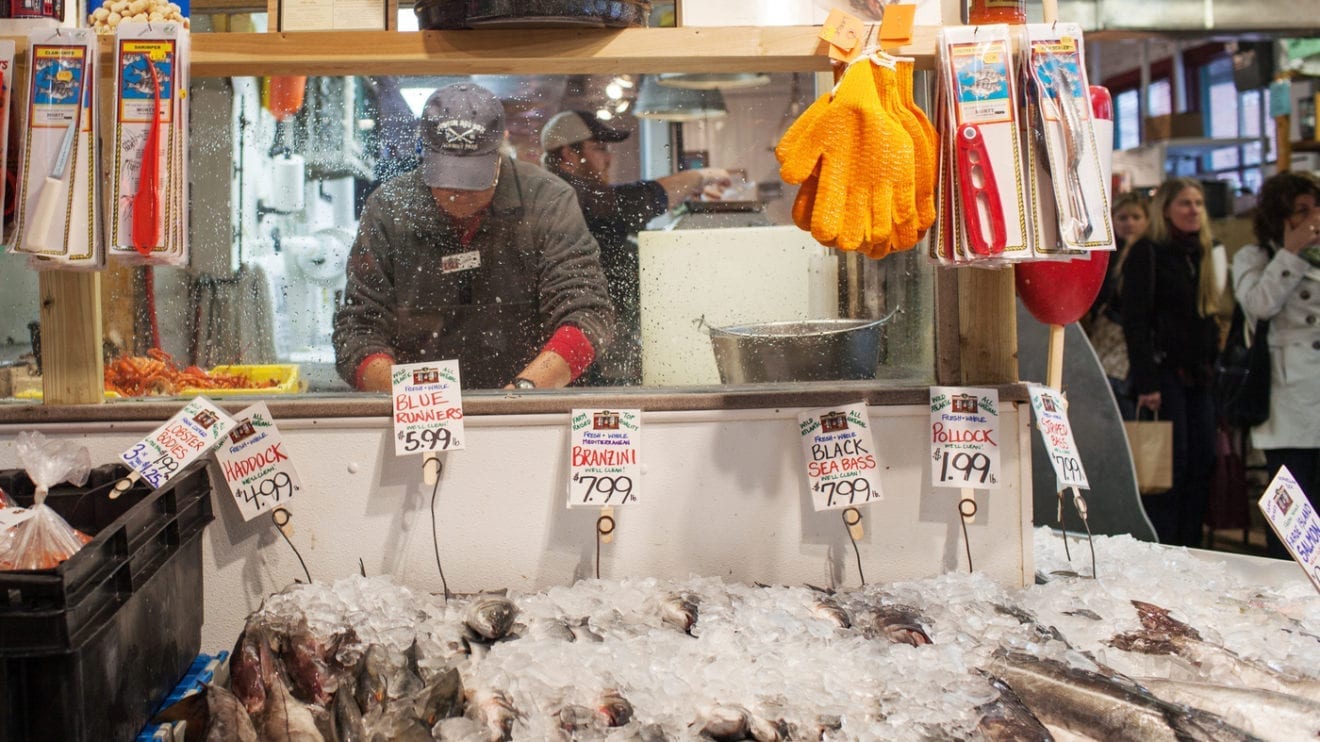
    The Indonesia Industry Ministry will continue to encourage and increase fish consumption in various regions to raise domestic demand for fish, in an effort to advance the maritime and fisheries sector.

    “We will boost fish consumption, apart from exports, through developing traditional fish industry, which would increase the demand in the fishery sector at home,” Industry Minister Airlangga Hartarto said.

    The minister made the remarks in his address to the working meeting of the Indonesian Chamber of Commerce (Kadin) on fisheries affairs in Jakarta on Monday.

    Hartarto said that his ministry would also encourage fish consumption on a national scale.

    Slamet Soebjakto, Director General of Fisheries of the Ministry of Maritime Affairs and Fisheries, said his ministry wanted to increase the peoples sources of protein intake through increasing their fish consumption.

    It was earlier reported that the Indonesian government had been giving priority to increase the fisheries production by relaxing regulations for fishermen and local industries. The move is meant to support these sustainable industries in the development of the national fisheries sector and maintain seafood sovereignty.

    As part of the efforts to boost fish production, the government, though the Ministry of Maritime Affairs and Fisheries (KKP), had earlier built 15 Integrated Fisheries and Marine Resource Development Centers (SKPT) in various regions in the country. The aim of the SKPT is to boost fishery exports directly from the center without the need to go to Jakarta.

    The SKPT aims to maintain food resilience, increase fish consumption, foreign exchange earnings through exports, and raise the income of the people.

    Five of the SKPT are located in Simeullue (Aceh), Natuna (Riau Islands), Tahuna (North Sulawesi), Saumlaki (Maluku) and Merauke (Papua).

    Ten others are also built in Mentawai Island (West Sumatera), Nunukan (North Kalimantan), Talaud (North Sulawesi), Morotai (North Maluku), Biak-Numfor (West Papua), Sarmi (Papua), Mimika (Papua), Tual (Maluku), Rote Ndao (East Nusa Tenggara/NTT), and Maluku Barat Daya (Maluku).

  • Siam Makro buys four food companies

    Siam Makro buys four food companies

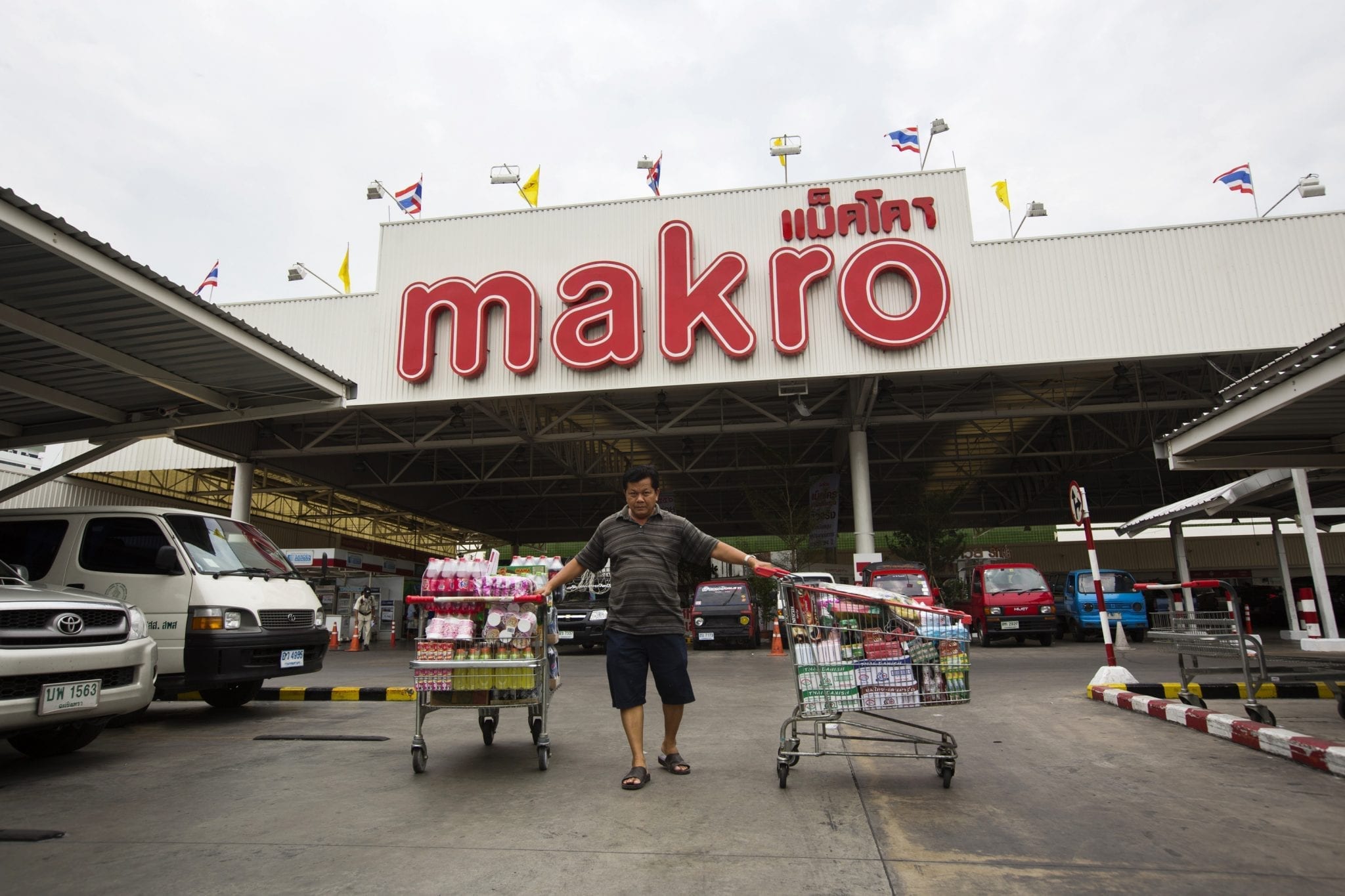
    Siam Makro, which runs the Makro cash-and-carry store chain, has clinched a 3-billion-baht (US$85.75 million) deal to acquire four food companies.

    Through its wholly owned subsidiary Siam Food Services, Siam Makro has entered into an agreement to acquire an 80 per cent stake in each of Indoguna (Singapore), a listed firm on the Singapore Exchange, Indoguna Dubai, Lordly and Just Meat. Indoguna is listed on the Singapore exchange, while Lordly and Just Meat are Hong Kong listed.

    The funds will come from Siam Makro’s cash flow and bank loans.

    Siam Makro’s major shareholder, Charoen Pokphand Group (CP), has its strength in the food and agricultural businesses. CP acquired a 64 per cent stake in the cash-and-carry chain from the Dutch trading company SHV Holdings for $6.6 billion in 2013.

    Siam Makro has partnered with with local companies to take its Makro cash-and-carry chain to Cambodia. The JV is 70 per cent owned by Makro ROH, a wholly owned subsidiary of Siam Makro, and the balance by Cambodian investors, with $2 million in initial registered capital.

    Siam Makro plans to open 10 stores in Thailand this year, bringing its total outlets to 108 nationwide. During the first half, Siam Makro posted a net profit of 2.38 billion baht on revenue totalling 85.7 billion.

  • Apple savvy brought to Xiao Guan Tea store

    Apple savvy brought to Xiao Guan Tea store

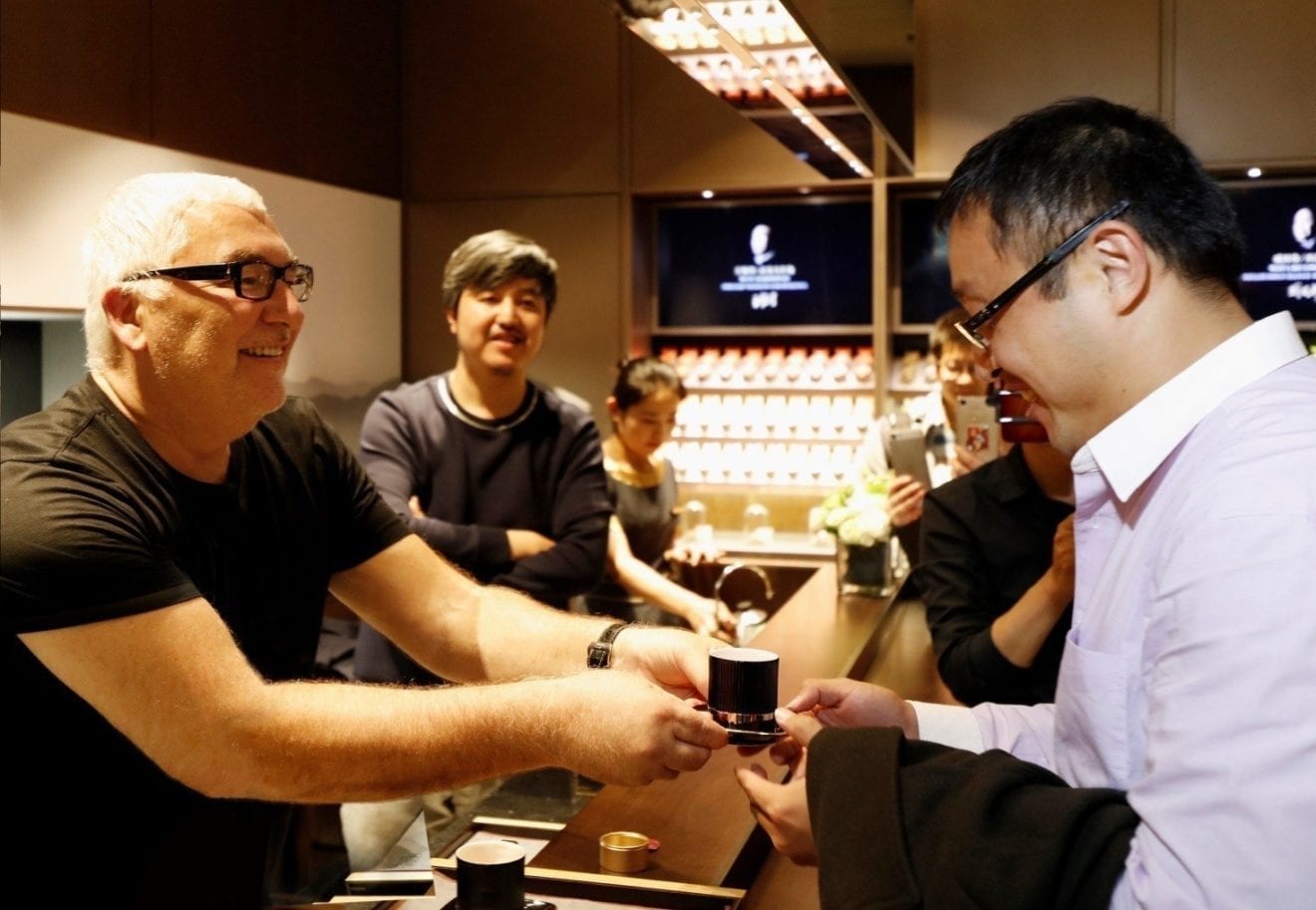
    Apple Store designer Tim Kobe was designer for the Xiao Guan Tea label’s first store, which has opened in Jinan, China.

    At the store’s grand opening, Kobe joined lead designer Jinjiang Yu, innovative experience consultant Shuo Tang and consumer experience director/company partner Hong Li about “Creating a new Chinese tea experience using the same philosophy as Apple Inc”.

    Xiao Guan Tea store 1

    Believing a traditional Chinese tea store would be too outdated for today’s young urban consumers, they analysed how concepts in store design integrate with the Chinese tea culture, proposing fresh ideas for both the tea and design industries.

    Accordingly, the Xiao Guan Tea Store sets about changing the Chinese consumer’s impression of a tea brand right from its entrance. Full-height revolving glass doors display teaware and the company’s specially designed tea capsules.

    Xiao Guan Tea store 2

    On arrival, customers enter the Tea Vault with individual displays for each type of tea, and the Tea Bar where they can sit and sample teas. There are introductory videos, and different varieties of tea leaves can be viewed inside vacuum glass containers.

    Once a customer has made a choice, a tea host places their tea capsules into a gift box.

    Xiao Guan is not just a tea shop or product display centre – it has been designed as a place where people can linger, similar to Apple’s retail philosophy. It approach was to invite eight tea masters, each representing a different style of tea, to create products with uniform quality standards, defined origin of raw materials, and limited picking time and preparation methods to ensure the freshness and authenticity of each leaf.

    Xiao Guan Tea store 3

    Also, the company invited a Japanese master engineer to design an aluminium pod for individual tea brewing.

    All this preparation took two years, the result being not only a new brand but also a more convenient and simple way for people to enjoy tea.

    “With precise product positioning plus advanced marketing strategy, Xiao Guan Tea has created an innovative consumer experience which is very different from the traditional tea industry,” says marketing director Jiang Mei.

    “Chinese tea has always been portrayed with traditional images. We have broken the traditional approach to tea selling with a new brewing method and by creating a brand experience.”

    Photo: Wei Xuliang

  • Manchester United stars to introduce Cafe Football

    Manchester United stars to introduce Cafe Football

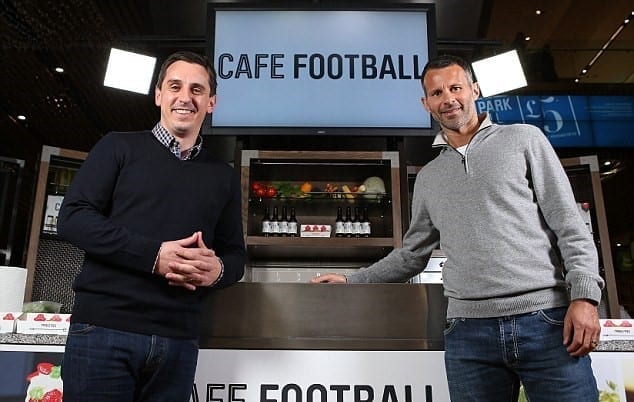
    Former Manchester United stars Ryan Giggs and Gary Neville will open a football-themed cafe in Singapore next year as part of a business venture with real-estate firm Rowsley.

    rmp_cafe_football_0823-1280x853-

    Gary Neville (left) and Ryan Giggs team up.

    Cafe Football is the first overseas venture for the UK franchise, which also includes Hotel Football just beside Old Trafford in Manchester.

    Cafe Football and Hotel Football were initially set up by Singaporean businessman Peter Lim along with five of the Manchester United’s “Class of 92” cohort, which includes Giggs, the Neville brothers Gary and Philip, Paul Scholes and Nicky Butt. Rowsley last year acquired the majority share of both Cafe Football and Hotel Football, as well as hotel management company GG Collections.

    The company has just revealed its intention to bring the franchise to Asia, as well as Europe, over the next decade. It has identified China and India as the main markets it is targeting for expansion.

    “We’ve been approached quite a lot by partners to expand,” says Gary Neville, who played 602 games for the club. “Knowing there’s quite a lot of excitement in the market, we’re filtering down to the best opportunities that support our brand and product.

    “So far, we’ve had fantastic reviews in Manchester, with a more than 80 per cent occupancy rate even during non-match days. Now we are looking for a UK, Europe and Asian expansion over the next 12 to 18 months to add multiple properties.”

    Neville says they hope to build more than 5000 rooms over the next 10 years. They are hoping to open in Indonesia, Malaysia and Thailand, with some developments including both a hotel and cafe, while others will be a cafe only.
    There are currently two Cafe Football outlets in the UK, in Manchester and London. The cafes feature menus divided into “defence, midfield and attack”, with dishes named after football phrases such as “The Special One”, “Mexican Wave” and “El Classico”.

    Lim previously was involved in a football-themed eatery in Singapore. Fashion brand distributor FJ Benjamin, of which Lim is a shareholder, co-owned the now-defunct Devil’s Bar, a sports pub with a Manchester United theme, at Orchard Parade Hotel.

  • KFC Malaysia parent plans IPO

    KFC Malaysia parent plans IPO

    KFC Malaysia parent QSR Brands (M) Holdings, is arranging an IPO next year expected to raise about US$500 million.

    The company, which has both KFC and Pizza Hut restaurant concessions in Southeast Asia,

    Citigroup, Credit Suisse Group and Malayan Banking will lead the offering. QSR has also chosen CIMB Group Holdings and RHB Bank to work on the share sale, reports the Business Times.

    The Kuala Lumpur-based company is seeking a listing after first-time share sales raised US$270 million this year.

    CVC, Employees Provident Fund and Johor Corp took QSR Brands private in 2013. It manages more than 730 KFC restaurants in Brunei, Cambodia, India, Malaysia and Singapore, as well as more than 450 Pizza Hut outlets in Malaysia and Singapore.

  • Foreigners take control of Vietnam’s KAfe Group

    Foreigners take control of Vietnam’s KAfe Group

    Vietnamese chain KAfe Group has been bought out by foreign investors and its founder ousted.

    The unidentified foreign investors have increased the business’ capital from VND16 billion to VND244.825 billion (US$10 million).

    KAfe’s founder and CEO, Chi Anh Dao, has stepped down from her role and has not been involved in any business activities of The KAfe since October 25.

    In October last year, KAfe Group secured US$5.5 million Cassia Investments-led Series A funding to expand its business throughout Vietnam and the Southeast Asia region. It had also planned to list on the Hong Kong stock exchange.

    But the expansion has not been as successful as anticipated and The KAfe outlets in Hanoi and HCMC have not attracted as many customers as budgeted.

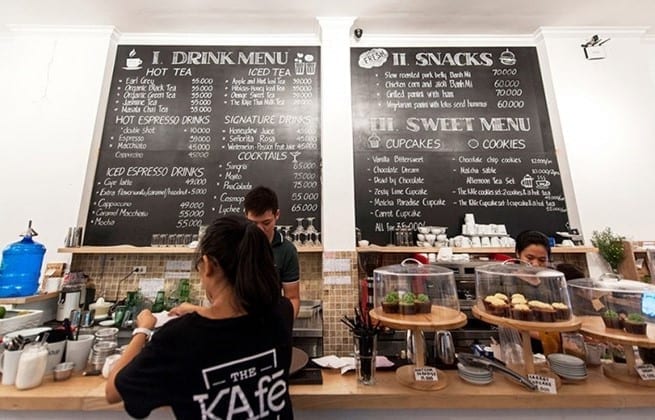
    KAfe Group, founded in 2013, is described as an urban fusion food company. It currently operates 20 outlets in Hanoi and HCMC under four brands: The KAfe, The KAfe Village, The KAfe Box, and The Burger Box. The group has recently bought a cupcake chain, and plans to expand to tea and juice business.

    Before announcing its capital change in June, the KAfe faced financial troubles with reports of suppliers going unpaid.

  • Pop-up cafe inspired by PPAP

    Pop-up cafe inspired by PPAP

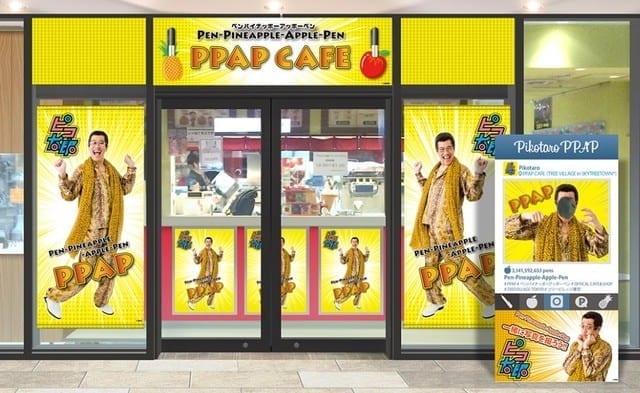
    With a bright exterior and unusual menu, the world’s first official PPAP cafe opens in Tokyo tomorrow.

    PPAP? That stands for Pen Pineapple Apple Pen, a music video by Japanese comedian Kosaka Daimaou’s stage character Piko Taro. It made its debut on YouTube on August 25, receiving more than 7.9 million views and 4000 comments within its first month.

    ppap

    There are even spin-off products including Pen Pineapple Apple Bread from a Japanese bakery in Kanagawa. Now the comedian’s management company has teamed up with the Tree Village store area at the foot of Tokyo Skytree for an official cafe.

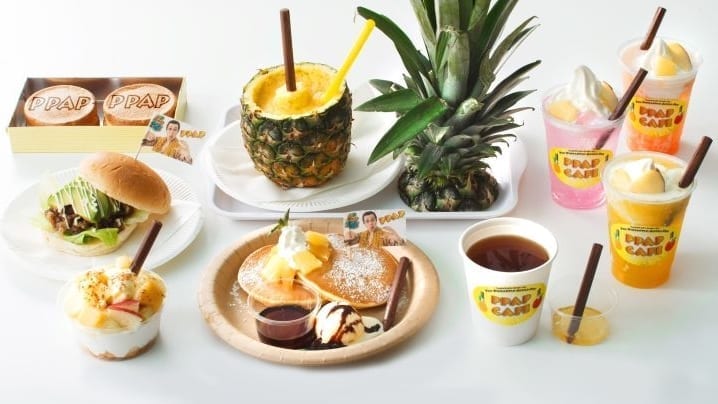
    The pop-up cafe, open until November 20, features Piko Taro surrounded by the colours of a golden pineapple, while the store sign includes images of a pen pineapple and an apple pen. The menu features items branded with the PPAP logo, including parfaits, pancakes, soft drinks, a burger, and fresh pineapple juice served inside a whole fruit. Prices range from 420 yen (US$3.99) for the tea up to 878 yen for the pineapple juice.

    Most of the items include a chocolate “pen” and slices of fruit so diners can act out the song while eating. Customers can also take home a souvenir coaster with each order. There will also be branded merchandise to buy

    Daimaou has meanwhile been awarded a Guinness World Record for the shortest song to appear on the US Billboard Hot 100 charts, where PPAP made its debut at number 77.

    Dragon Ball

    Also cashing in on Japan’s taste for the bizarre, three cafes are opening to pay tribute to anime hit Dragon Ball, which burst on to TV in Japan 30 years ago.

    In a collaboration with Tower Records, three Dragon Ball cafes will be opened in Japan, serving food and drinks inspired by creator Akira Toriyama.

    The cafe interiors will be decorated with art from the martial arts series, with the outlets in Tokyo’s Shibuya and Osaka’s Umeda neighbourhoods offering Vegeta Salad, Yamcha Spaghetti, and Bulma’s “I’ll Give You Romantic” Cake, all featuring character artwork. The drink menu includes beverages based on Goku’s Flying Nimbus cloud and the mystic Dragon Balls themselves, plus latte art coffee featuring Master Roshi’s insignia and the series logo.

    Tokyo’s second Dragon Ball Cafe, on the swanky Omotesando avenue in Harajuku, has a different food offering such as Goku’s Finishing Technique Kaio-ken Red Curry, Majin Buu’s Turn You Into Candy Sweets Plate, Flying Nimbus Pancake and Piccolo’s Ma Junior Soda.

    Customers will also receive special coasters while supplies last, plus there will be limited-edition merchandise.

  • Jollibee Foods counts down to 1000

    Jollibee Foods counts down to 1000

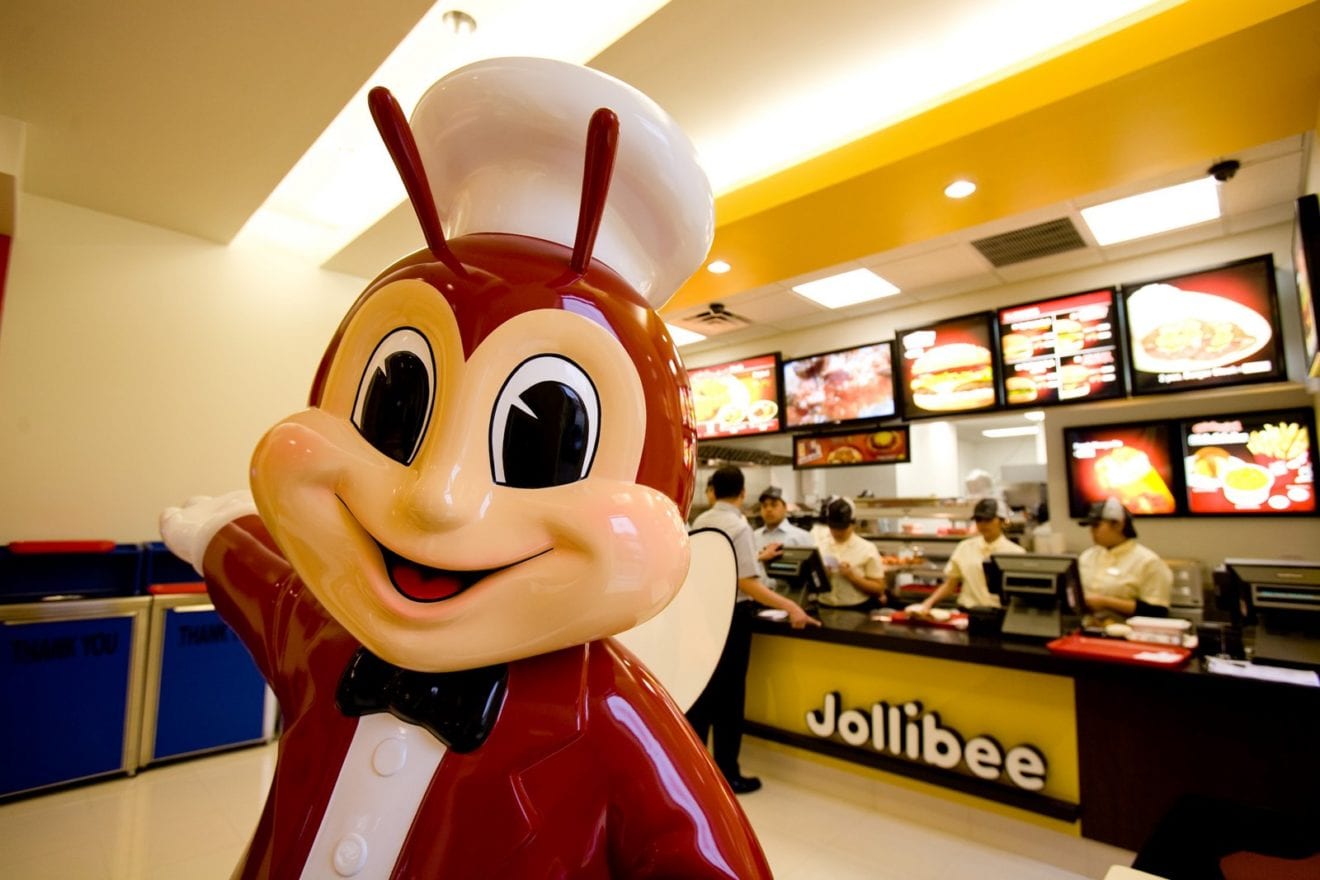
    Jollibee Foods (JFC) has opened the 991st branch of its flagship brand Jollibee in the Philippines, in the Ma-a area of Davao.

    It marks the start of its countdown to its 1000th store, to be unveiled in the first quarter of next year. Its expansion is spread around Cebu, Luzon and Metro Manila “so all the regions will be well represented”, says Jollibee corporate PR and events manager Dennis Reyes.

    “The 1000th store is symbolic, but we cannot divulge yet the exact location,” he says.

    The company opened its first branch in Cubao, Quezon City, and its latest story is the 26th in Davao and 115th in Mindanao.

    Reyes says the countdown campaign is part of Jollibee’s way of thanking its patrons, celebrating its continued expansion as well as the contribution to the local economy with an average of 70 jobs created for every new branch.

    JFC is investing P10.4 billion (US$214.8 million) for capital expenditure this year, with P7.5 billion set for the opening of 200 outlets as well renovations.

    For its latest six months, JFC netted P3.06 billion, or 13.4 per cent more than the same period last year, following a 14.9 per cent increase in system-wide retail sales to P71.45 billion.

    At the end of June, the company had 2528 restaurant outlets in the Philippines under the brands Burger King (62), Chowking (457), Greenwich (237), Jollibee (939), Mang Inasal (455) and Red Ribbon (378).

    JFC also has a 50 per cent interest in 12 Hotpot, Highlands Coffee and Pho 24 (Vietnam), plus a 40 per cent interest in Smashburger (US).

    Outside the Philippines, Jollibee has 80 stores including Vietnam (32) and Hong Kong (1).

  • 37 European F&B companies in Singapore to promote their quality products

    37 European F&B companies in Singapore to promote their quality products

    Romanian angus beef, fresh milk from Poland and organic apples from Italy. Singaporeans, known for their love for good food, may soon find these together with other quality European food and beverage products at a store near them.

    Discussions on ways to make this happen in Singapore will feature prominently from November 5 to 7. That’s when a high-level visit from the European Union (EU) food and beverage sector arrives in the city-state.  The visit is part of a key regional promotion to four South-east Asian cities to explore market opportunities. Apart from Singapore, other stops include: Hanoi, Ho Chi Minh City, and Jakarta. 

    The delegation to Singapore includes 45 top business representatives from 37 EU F&B companies and aims to promote safe, quality and nutritious European food and beverage (F&B) products to buyers and importers in Singapore.  

    F&B companies and associations on this visit are from various EU Member States including Belgium, Bulgaria, Denmark, Finland, France, Germany, Greece, Hungary, Ireland, Italy, Netherlands, Poland, Portugal, Romania, Spain and the UK.  They will be promoting a wide variety of agricultural and F&B products from fruits and vegetables to fresh meat, poultry, processed foods, dairy products and wine & spirits.

    The delegation will visit several local retail stores  such as NTUC FairPrice, la Petite Boutique, Le Quartier, Giant, Pasarbella, and Sheng Siong to gain insights into Singapore’s F&B industry. 

    To further understand the local market, the delegation will also participate in a business seminar, which focuses on market access, local rules and regulations. In addition, there will be a food tasting session highlighting the sheer diversity and range of European food and beverage products. Delegates, ambassadors, trade or agri counsellors of EU Member States’ in Singapore, local buyers and other stakeholders will also get to interact and network during a lunch session.  

    Another highlight of the high-level mission will be a B2B matchmaking event where EU producers will get to meet Singaporean importers, distributors and retailers to discuss opportunities for future collaboration. 

    Dr Michael Pulch, the EU Ambassador to Singapore calls this “a step forward,” in deepening EU-Singapore cooperation in the booming food and beverage sector. “Singapore serves as an important hub for European food and beverage exports to the broader South-east Asian region.”

    Singapore is already the EU’s 17th largest global trading partner (in terms of goods) and the largest among ASEAN countries.  In 2015, total EU-Singapore trade in goods grew by 7.7% in 2015 reaching 48.6 billion Euro while trade in services grew by 15.4% amounting to 36.1 billion Euro. Singapore is also a major destination for European investments in Asia, as well as Asia’s second largest investor in the EU. In 2014, the EU was ASEAN’s largest investor with 184 billion Euro in FDI stocks held in the region at year-end, with Singapore accounting for 56% of EU FDI.

    Additionally, more than 10,000 EU companies are established in Singapore and use the country as a hub to serve the Pacific Rim.

    ” Our strong performance has enabled the EU to confirm its position as one of Singapore’s most important trade partners and the city-state’s foremost investor,” says Dr Pulch.

  • Government issues permit to import 123,800 feedlot cows

    Government issues permit to import 123,800 feedlot cows

    Indonesias Trade Ministry has issued a license to import 123,800 feedlot cows in the third semester of this year after feedlot businesses committed to import 20 percent heifers of the total cattle imports.

    “For the third semester of 2016, the import agreement letter (SPI) has been issued for 32 importer companies to import 123,800 heads of cows,” Director General of Internal Trade of the Trade Ministry, Oke Nurwan, told a press conference here on Friday.

    The director general said the permits should have been issued in September but the government issued these in October only after feedlot importers made a commitment to import 20 percent heifers when they import cows. The government has made it obligatory upon importers to also include heifers while importing feedlot cattle.

    According to Oke, a license for importing cows is given to importers for shipment until the end of December 2016.A limited cabinet meeting held previously had agreed to allow import of 150 thousand heads of cattle in the third semester.

    Indonesia needed to import one million heads of cows this year to meet the domestic need for beef. The Ministry of Agriculture and the Ministry of Trade, therefore, require importers to include heifers while importing feedlot cattle.

    “We hope that some 20 percent of the 700 thousand imported feedlot cattle are heifers,” Agriculture Minister Amran Sulaiman had pointed out in Yogyakarta on October 6.

    To expedite cattle production, the Ministry of Agriculture and the Ministry of Trade have made it obligatory for importers to include mother cows in their feedlot cattle imports.

  • McDonald’s Korea sale collapses

    McDonald’s Korea sale collapses

    And in the simultaneous divestment process for the 20-year McDonald’s China franchise rights, TPG Capital has reportedly withdrawn leaving two rival private equity firms in the race – Bain Capital and Carlyle Group – competing with two Chinese companies previously reported to be in the negotiations: retailer Wumart Stores and Sanpower Group.

    With Maeil Dairies Industry Co dropping out of the running for McDonald’s Korea, that sale process seems at best stalled.

    McDonald’s, which directly manages about 400 stores in South Korea, has been looking for local partners to run the Korean outlets as franchise stores that pay annual commissions instead. The deal initially drew interests from several investors, including CJ and NHN Entertainment, but they have nixed their plans.

    Maeil Dairies had formed a consortium with Carlyle Group, but pulled out after failing to agree on terms of contract, industry sources familiar with the matter told the Yonhap news agency.

    “We can’t verify the specific details as McDonald’s headquarters office is in charge of the bidding process, but the sales process is still under way,” an official at McDonald’s Korea said, without elaborating on the deal.

    Meanwhile, in China, TPG’s withdrawal was confirmed overnight by unidentified sources close to the matter and reported by several news networks.

    Carlyle Group has partnered with Citic Group and Bain with GreenTree Hospitality, a hotel group.

    McDonald’s is seeking as much as $3 billion for the China rights, which come with a 10-year expansion option.

    There are about 2400 McDonald’s restaurants in China and Hong Kong and the US company wants its master franchisee to expand that network rapidly to compete with rival Yum! China’s expansion plans.

    The ongoing presence of private equity bidders in the process is surprising, because McDonald’s has made it clear it is seeking a long-term partner rather than private equity firms, which typically cash out after a few years.