Category: Food

Retail News Asia is committed to providing both local and global retailers with the latest Food and Food & Beverage news throughout the Asian market. This on a daily base.

  • No more rice imports this year

    No more rice imports this year

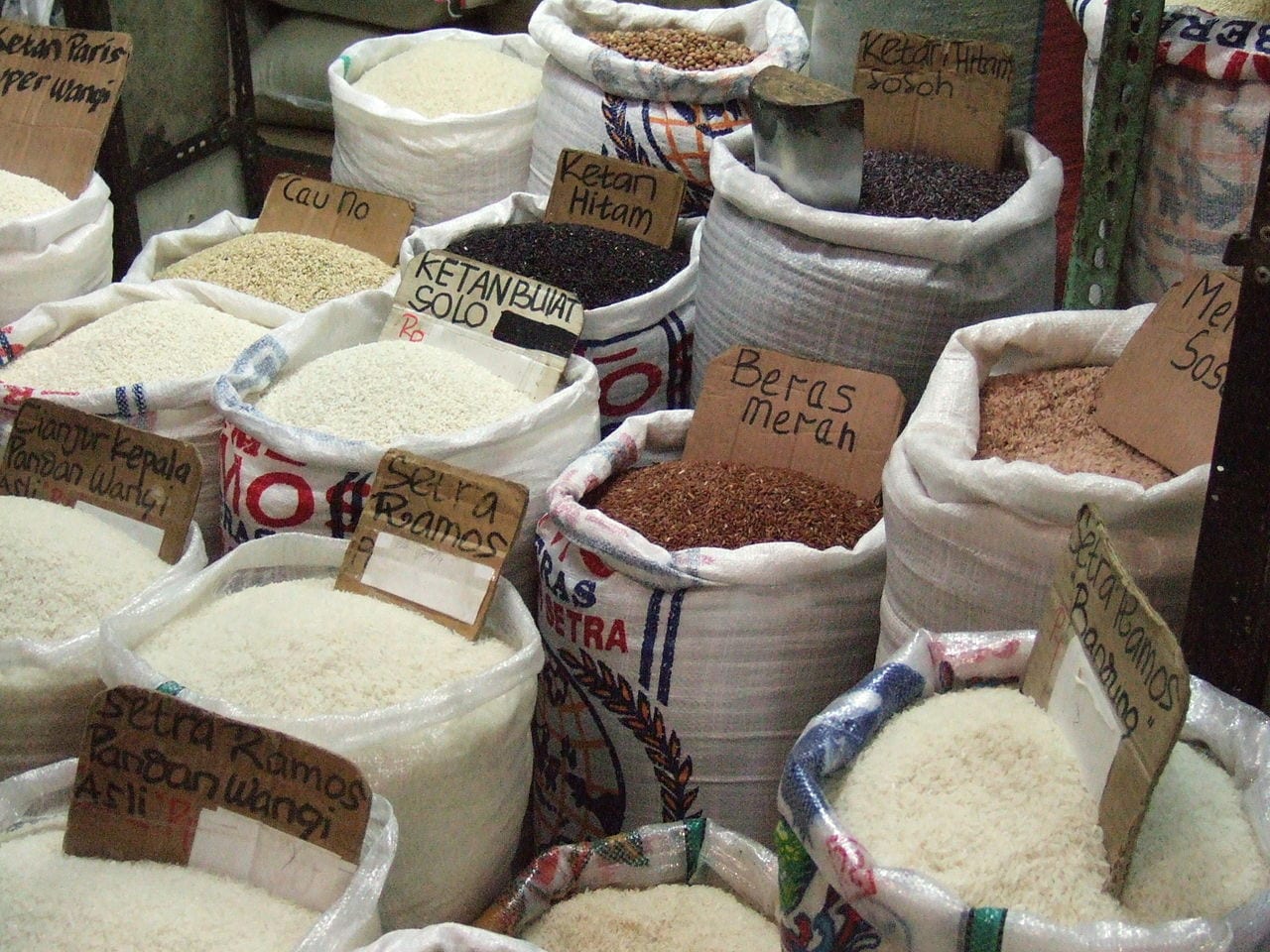
    President Joko Widodo (Jokowi) has assured that Indonesia will not import rice at the end of this year because the countrys rice stock is adequate until May 2017.

    Rice production has increased dramatically from some 1,030,000 tons during September to October 2015, to 1,990,000 tons in October 2016.

    The increase was merely thanks to prime paddy seed utilization and adequate rainfall.

    The government will focus on increasing the rice stocks before deciding to export rice later, he said, after witnessing a grand harvesting of Super Jajaran Legowo-type paddy in Trayu village, Banyudono sub-district, Boyolali.

    Boyolali is also a pilot project for Inpari 32 paddy variety.

    “Later, if it is successful, we will expand it and multiply it in order to significantly increase the national rice production,” the president said.

    At noon, President Jokowi and First Lady Iriana were scheduled to observe the 36th anniversary of World Food Day to be held at the Boyolali square.

    Boyolali is known as a region which has successfully implemented the food production diversification program. The district produces among other things Tongkol 2 Prolific hybrid maize and Jajar Legowo-type paddy.

    Home Affairs Minister Tjahjo Kumolo and Head of the Presidential Staff Teten Masduki joined the presidential entourage.

    FAO celebrates World Food Day each year on October 16 to commemorate the founding of the Organization in 1945.

    Events are organized in over 150 countries across the world, making it one of the most celebrated days of the United Nations (UN) calendar.

    These events promote worldwide awareness and action for those who suffer from hunger and for the need to ensure food security and nutritious diets for all.

    FAOs global message for World Food Day 2016 is “Climate is changing. Food and agriculture must too.”

    It resonates with the crucial time in which the day will be observed, just before the next UN Climate Change Conference, COP 22, from November 7 to 18, 2016 in Marrakech, Morocco.
  • Liao Fan hawker stall may go global

    Liao Fan hawker stall may go global

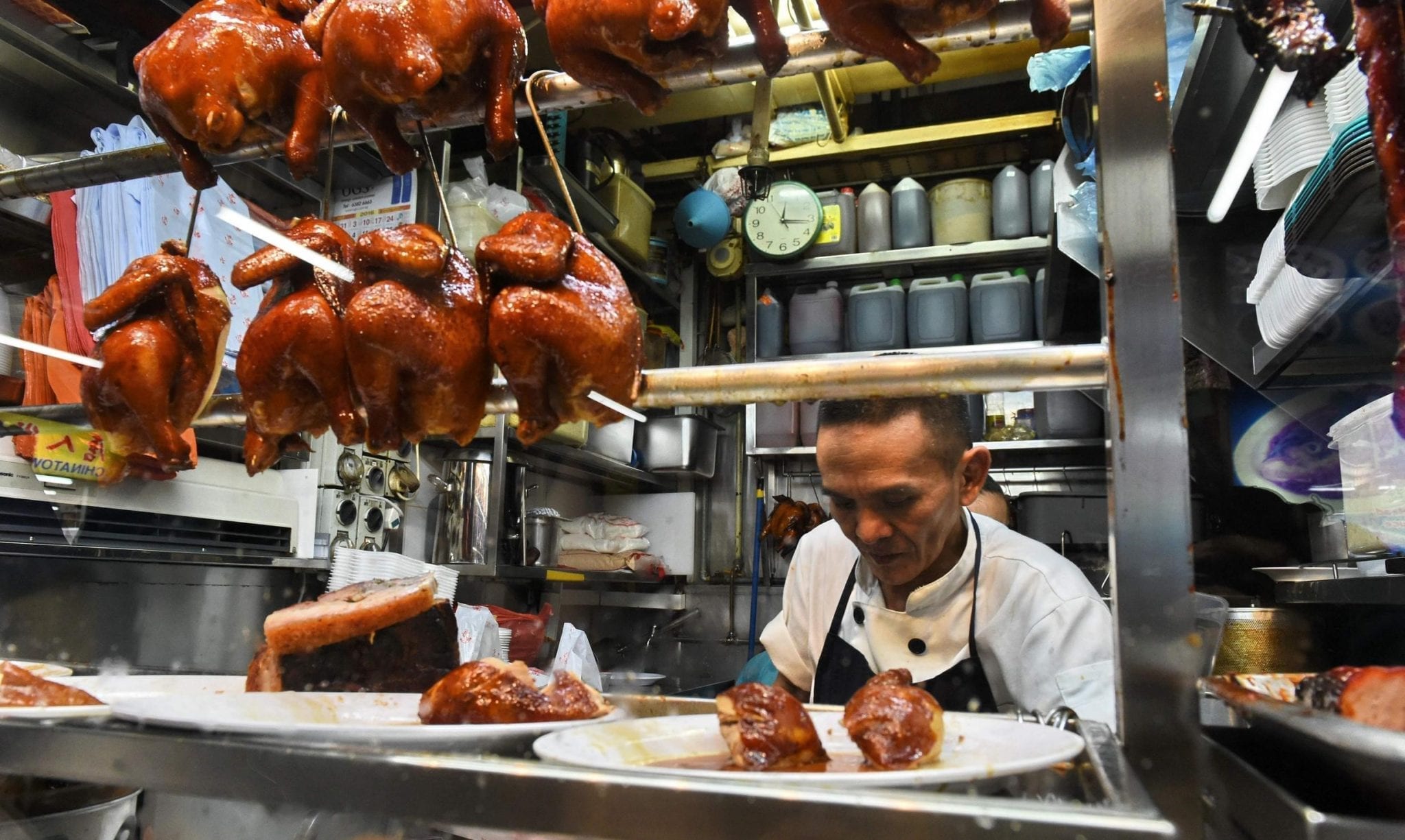
    Singapore’s Michelin-starred soya-sauce chicken rice-and-noodle stall Liao Fan may be going international.

    Shooting to fame in July after being awarded a star by the Singapore Michelin Guide, the hawker stall says it is collaborating with brand manager Hersing Culinary on global expansion plans.

    Hersing owns the Asia Pacific franchising rights to Hong Kong’s Michelin-starred dim sum eatery Tim Ho Wan.
    But even as his business expands, Liao Fan owner Chan Hon Meng says his outlet at Chinatown Food Complex will stay. The 51-year-old’s business was one of two hawker stalls awarded a one-star rating by Michelin, the other being Hill Street Tai Hwa Pork Noodle in Crawford Lane.

    Queues formed at Chan’s stall before it had even opened the day after its star was awarded, and he says he had since received offers from five companies to buy his recipe.

    Chan says he wants to remain a partner even after selling the recipe, and has laid out three criteria for potential partners – an offer of at least $2 million as a “guaranteed co-operation fee” for the recipe and cooking expertise; the partner has the resources to expand the brand “all over the world”; and the company needs to ensure the taste of his soya-sauce chicken is replicated and standardised in all the outlets.

    He says his ambition is to become the “No. 2 chicken eatery chain” after KFC. A key reason for his intention to expand overseas is the increase in the number of tourists visiting his stall since the award. He estimates they form about 90 per cent of his customers.

  • President Jokowi leaves for Boyolali to commemorate World Food Day

    President Jokowi leaves for Boyolali to commemorate World Food Day

    President Joko Widodo (Jokowi) and First Lady Iriana left for Boyolali District, Central Java Province, to attend a function commemorating World Food Day.

    They left by the presidential plane Indonesia-1 from Halim Perdana Kusuma Air Force Base, East Jakarta, at 7:50 a.m. local time.

    They would first join a paddy grand harvesting activity in Banyudono Sub-district Boyolali, and later visit a Technological Innovation Expo.

    At noon, the 36th anniversary of World Food Day was scheduled to be held at the Boyolali square.

    Boyolali is known as a region which has successfully implemented the food production diversification program. The district produces among other things Tongkol 2 Prolific hybrid maize and Jajar Legowo-type paddy.

    Home Affairs Minister Tjahjo Kumolo and Head of the Presidential Staff Teten Masduki joined the presidential entourage.

    FAO celebrates World Food Day each year on October 16 to commemorate the founding of the Organization in 1945.

    Events are organized in over 150 countries across the world, making it one of the most celebrated days of the United Nations (UN) calendar.

    These events promote worldwide awareness and action for those who suffer from hunger and for the need to ensure food security and nutritious diets for all.

    One of the biggest issues related to climate change is food security. The worlds poorest – many of whom are farmers, fishers and pastoralists – are being hit hardest by higher temperatures and an increasing frequency in weather-related disasters.

    At the same time, the global population is growing steadily and is expected to reach 9.6 billion by 2050.

    To meet such a heavy demand, agriculture and food systems will need to adapt to the adverse effects of climate change and become more resilient, productive and sustainable. This is the only way that we can ensure the wellbeing of ecosystems and rural populations and reduce emissions.

    Growing food in a sustainable way means adopting practices that produce more with less in the same area of land and use natural resources wisely. It also means reducing food losses before the final product or retail stage through a number of initiatives including better harvesting, storage, packing, transport, infrastructure, market mechanisms, as well as institutional and legal frameworks.

    This is why FAOs global message for World Food Day 2016 is “Climate is changing. Food and agriculture must too.”

    It resonates with the crucial time in which the day will be observed, just before the next UN Climate Change Conference, COP 22, from November 7 to 18, 2016 in Marrakech, Morocco.
    FAO is calling on countries to address food and agriculture in their climate action plans and invest more in rural development.

    By strengthening the resilience of smallholder farmers, we can guarantee food security for the planets increasingly hungry global population and also reduce emissions.

  • Emmi milk plans Asian expansion through Amazon

    Emmi milk plans Asian expansion through Amazon

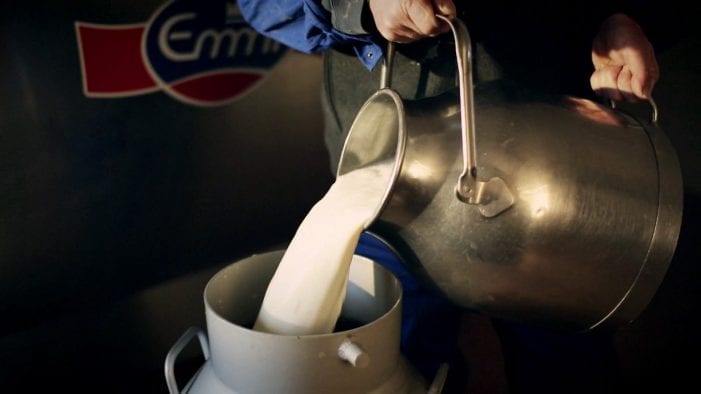
    Emmi, a Swiss milk processor and dairy products company headquartered in Lucerne, plans to expand its Asian sales through a strategic partnership with internet giant Amazon. Emmi has been relatively uninvolved in Asia, with only a turnover of around CHF 20 million. CEO Urs Riedener said he believes he could double total sales “over the next five years”. In Asia, Emmi is pursuing an export strategy and is not producing on the spot.

    In Hong Kong, Emmi is already the third strongest yoghurt brand. In Singapore, Riedener sells Emmi products in many four- and five-star hotels and Singapore Airlines in Business Class as well as in expat shops in China. ording to Riedener, the happenings in Asia are analyzed “repeatedly”. But one must remain realistic: “We are a relatively small company, our opponents are world giants.” Emmi is currently active in twelve countries, perhaps it could be 15. “Can we have 25?” I believe this would be self-assessment, “said the Emmi CEO.

    However Riedener considers the pricing model at Amazon “difficult”. In principle, the dealer determines the final selling price. “Amazon keeps its margin in any case. This is relatively ugly in the calculation for the manufacturer. “Such a clause would not enter Riedener for the manufacturer and supplier Emmi with Amazon.

  • Hong Kong’s NOSH by Secret Ingredient Wins Investment with Alibaba Entrepreneur Fund

    Hong Kong’s NOSH by Secret Ingredient Wins Investment with Alibaba Entrepreneur Fund

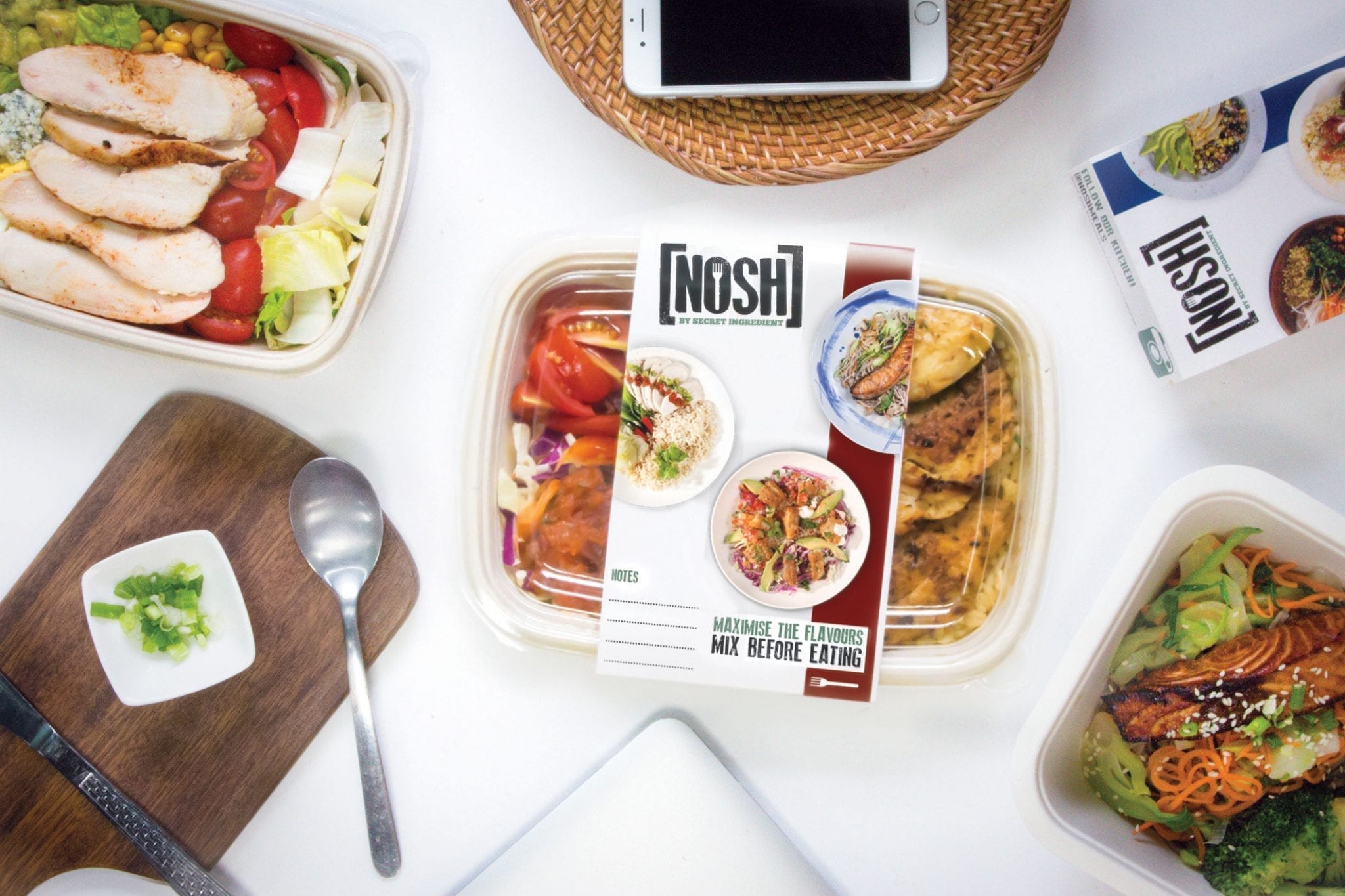
    Hong Kong’s first online to offline (O2O) healthy meal delivery concept, NOSH announced its latest round of fund-raising with the Alibaba Entrepreneur Fund. The investment will support NOSH in further revolutionising the food delivery and takeaway industry, meeting Hong Kong’s fast-growing market demand for convenient and affordable healthy meals.

    Created by the entrepreneur and chefs behind the award-winning Secret Ingredient, NOSH designs healthy meal options and uses cooking methods backed by a unique operation model specifically tailored for delivery. All chef-prepared nutritional meals contain less than 550 calories and are formulated to travel well, delivering to customers within 30 minutes.

    Alibaba Entrepreneur Fund, a not-for-profit fund launched by Alibaba Group, focuses specifically on finding opportunities with start-ups in Hong Kong.  Its financial investment will support NOSH in network expansion, sales & marketing and securing future partnerships. Alibaba’s international network and eco-system will also help the company grow its focus on inventory management and customer data.

    Founder Max Von Poelnitz shares, “We are extremely excited to work with Alibaba to change the game in the food delivery market in Hong Kong and abroad, making healthy, delicious and responsibly sourced food conveniently accessible and more affordable to our Hong Kong customers.”  

    “Without a restaurant space, we have created a unique meals-to-your-door concept that enables our delivery and retail partners to meet the evolving demands of our time-constrained, quality-conscious and price-sensitive consumers.”

    In line with the investment, the business is diversifying their offering by developing a complete Chinese-cuisine series that will use sustainable produce.  NOSH also has a full corporate business line that caters to companies across Hong Kong, giving their staff healthy and fresh meal options. Currently partnering with over 50 corporates, they are working towards joining forces with schools and hospitals. 

    Partnering with Food Panda, Deliveroo and Mai Dan, NOSH is available for individual orders between Kennedy Town and Chai Wan, while delivering corporate orders to Hong Kong Island and Kowloon.  In mid-November, the company will soon expand its service to Olympic and Tseung Kwan O to cover customers in Kowloon and the New Territories.

  • Hokkaido Baked Cheese Tart heads to Australia

    Hokkaido Baked Cheese Tart heads to Australia

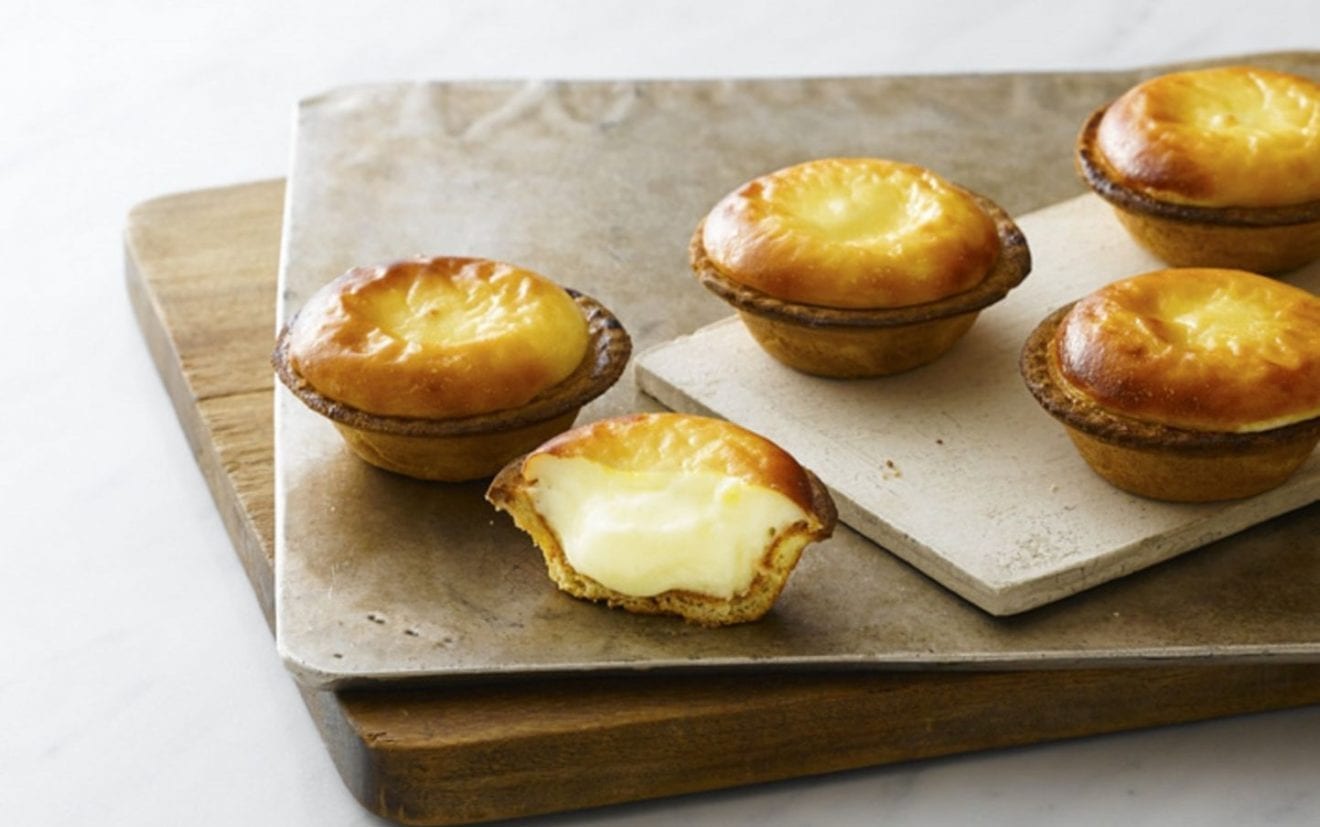
    Food enterprise ST Group has launched Japanese-style Hokkaido Baked Cheese Tart outlets in Australia.

    Using a traditional recipe involving three cheeses from Japan’s dairy heartland of Hokkaido, the tarts have already been introduced in Brunei, Indonesia, Malaysia, Shanghai and Singapore. Six outlets are planned for Australia, three in Melbourne to be followed by three in Sydney next year.

    The first Hokkaido Baked Cheese Tart stores launched in Malaysia this year, selling up to 20,000 units a day.

    Designed by Eat Architects, Hokkaido Baked Cheese Tart kiosks are compact with a luxury aesthetic, featuring marble benchtop displays and low-slung designer lighting. The tarts are displayed like precious gems.

    ST Group MD Tatt Ghee Saw says Australia’s multicultural society is continually evolving, along with its palate and cuisine preferences. “At ST Group we are passionate about sharing the foods we love in Southeast Asia. ”

    Tatt Ghee Saw

    He established the group in 2011, recognising the need for comforting cultural eateries, much like the hawker’s markets and corner laksa stores of his native Kuala Lumpur.

    His first venture was PappaRich in Melbourne, which attracted long queues. It is now a major franchise enterprise with 26 stores throughout Australia and New Zealand. The group’s other brands are NeNe Chicken, Gong Cha (New Zealand only) and iDarts Australia.

  • Laziz Pizza to fast-track growth with 100 new stores

    Laziz Pizza to fast-track growth with 100 new stores

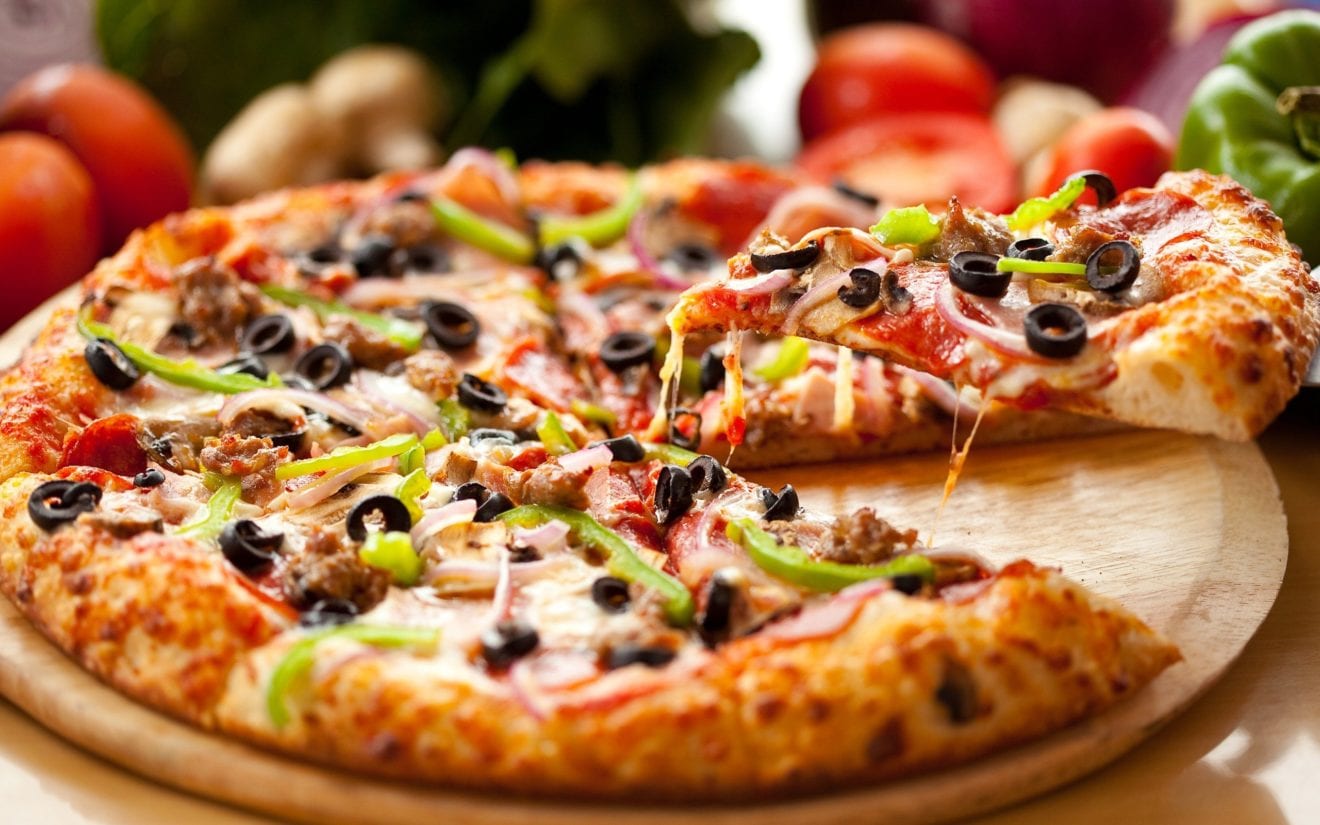
    Overwhelmed by response to its first 50 stores across India, local brand Laziz Pizza plans to double its outlets in the short term.

    Owned by Laziz Food and Beverages, the chain is primarily targeting tier-one, -two and -three cities.

    Founder/CEO Keirron Patil says the company started franchising in 2013, and as well as India now has its expansion sights set on Malaysia (it already has one store in Johor Bahru), Singapore, Sri Lanka, Bangladesh and Nepal.

    Laziz allows its franchisees to team its outlets with other brands so they can offer customers multiple products under one roof, including a vegetarian outlet. An unusual aspect of the Laziz business is that franchisees are not charged a royalty fee nor have to share profits with the franchisor.

  • Starbucks Reserve Roastery Japan for Tokyo

    Starbucks Reserve Roastery Japan for Tokyo

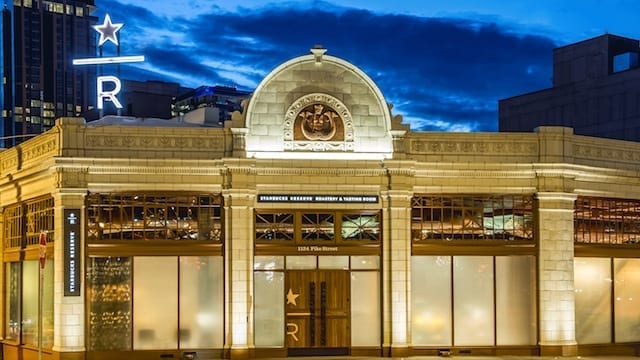
    A Starbucks Reserve Roastery Japan will open in Tokyo’s Nakameguro district in 2018.

    Starbucks Coffee Company says the 1200 sqm space will be in an upscale neighborhood known for its boutiques and art galleries. It will offer customers an immersive coffee environment unlike any other in the market.

    Starbucks Roastery Lower Bar

    Customers will be able to watch green coffee beans arrive, connect with coffee specialists and master roasters and choose from a curated range of handcrafted beverages.

    Starbucks Roastery Scoop Bar

    Artisan food and breads baked on site by Italian food purveyor Princi will also feature at the roastery.

    Starbucks Roastery Copper R

    Architect and Tokyo Olympics 2020 designer Kengo Kuma is leading the design of the roastery, which will blend art and nature with a Japanese design sense to pay tribute to coffee artistry and craft. His design for the Starbucks store in Fukuoka has won awards.

    Starbucks Roastery Upper Bar1

    Starbucks Roastery Upper Bar

    Japan is one of the largest markets in Asia Pacific for Starbucks and is regarded as a key driver of the company’s global growth.

    Starbucks Roastery


    Starbucks Roastery had its debut in Seattle in 2014, the most successful store opening in the company’s history. The company has announced new Roastery locations for Shanghai next year and New York in 2018.

  • Starbucks plans to double its stores in China to 5000 by 2021, opening a new one every day

    Starbucks plans to double its stores in China to 5000 by 2021, opening a new one every day

    Starbucks announced that it plans to double the number of its stores in China from more than 2,300 to 5,000 by 2021. According to CNN, Starbucks says that it will open more than one new store a day for the next five years.

    To oversee this task (which Starbucks also hinted at in January), the company promoted Belinda Wong to Starbucks China CEO. According to the company’s official statement, Wong will also be in change of “digital and e-commerce opportunities across China,” as well as the opening of Starbucks’ first international Roastery and Reserve Tasting Room in Shanghai in 2017.

    belinda_wang.jpgAs Starbucks China’s former president, Wong led a team that drove the company’s growth in China from 400 stores in 2011 to more than 2,300 stories currently, operating in over 100 cities.

    The 45-year-old Starbucks Coffee Company opened its first store in China 17 years ago. In an interview with CNN, Starbucks CEO Howard Schultz discussed the initial road bumps the company encountered in the tea-obsessed country. “We had to educate and teach many Chinese about what coffee was — the coffee ritual, what a latte was… So in the early years, we did not make money,” Schultz said.

    Since then, excluding some meat scandals, Starbucks China’s business has been doing quite well. The South China Morning Post reports that “Starbucks’ second-quarter sales rose 18% in China, a faster pace than the company’s worldwide revenue increase of 9% over the same period.” Starbucks’s growth is even more impressive given that China’s economic growth was just 6.7% this quarter (again).

    Compared to Starbucks, other Western brands have not fared so well in China. Disappointed with its poor profits and earnings for the third quarter this year, the CEO of Yum Brands, which owns KFC and Pizza Hut, has pointed blame at the South China Sea ruling. This rise and fall of Western food brands is also apparent in retail brands.

    Hopefully customers will show as much loyalty to the company as one “Starbucks uncle” during the recent flooding in Hong Kong.

  • TWG Tea makes debut in Canada

    TWG Tea makes debut in Canada

    Singaporean brand TWG Tea has entered the North American market with a store in Vancouver.

    In its eight years, TWG Tea has opened 56 owned and franchised boutiques and salons in 17 cities including Dubai, London and Shanghai.

    In Canada, its franchise and distribution rights have been bought by Tom and Karinna James, who previously owned Urban Tea Merchants in Vancouver. The city is ideal for TWG’s North American debut because of its tea culture, large Asian population and local appreciation for niche and artisanal beverages.

    “Our Asian population are very sophisticated tea drinkers,” says Tom James, thanks to the introduction of tea concepts such as Davids Tea and Starbucks’ Teavana.

    Tea sales in Canada reached $1.3 billion last year, with 40 per cent growth by 2020 predicted.

    Tom and Karinna James opened luxury tea house Urban Tea Merchant in 2004. The shop has been closed and will reopen as TWG next month with a boutique, salon and small wholesale component focussing on hotels and gourmet stores.

    Tea will be served in 18-carat gold-plated teapots, says James, who plans to open several stores in Canada.

  • FPT Retail Vietnam sets up milk store chain

    FPT Retail Vietnam sets up milk store chain

    Vinamilk and FPT Retail Vietnam have entered a joint venture to open a chain of stores specialising in dairy products.

    This “uncommon partnership” is hoped to bring benefits to both parties, FPT adding extensive retail industry experience and insight, Vinamilk a household name and favourite brand.

    A six-month pilot program will see the concept trialled at two of 200 FPT stores in Ho Chi Minh City, with a nationwide rollout to follow if the trial proves a success. Most of the stores will be located alongside an FPT store.

    Vinamilk-FPT instore

    The two sides hope this ‘win-win partnership’ will maximise their own strengths in manufacturing, distribution and retail.

    Shoppers at the Vinamilk stores will have access to product information, direct or online consultation, delivery and other promotions and offers.

    Vinamilk started selling dairy products online earlier this month to compete with new players in the dairy market, including Dutch Lady, Mead Johnson, Nestle, Abbott and TH True Milk.

  • Carl’s Jr Cambodia opens first drive-through

    Carl’s Jr Cambodia opens first drive-through

    Cambodia has its first quick-service drive-through restaurant with the opening of a Carl’s Jr burger outlet in Phnom Penh, being run by TH F&B Co.

    Carl’s Jr Cambodia has been franchised by California-based CKE Restaurants Holdings, the parent company of Carl’s Jr and Hardee’s.

    “We’ve been experiencing phenomenal international growth this year,” says CKE international president Ned Lyerly. “In fact, Cambodia comes on the heels of successful openings in Australia, Japan and Kenya, and marks the 40th country CKE International has entered.

    “This is an important market for our overall expansion strategy, and we plan to open 15 restaurants in Cambodia.”

    Carl’s Jr Cambodia store

    As well as burgers, the Carl’s Jr brand offers chicken sandwiches, all made fresh to order. Its burgers feature chargrilled Australian beef. Also on the menus are ice-cream shakes.

    “We’re confident that Cambodia, with its large youthful population and increased awareness and desire for western brands, is going to love having this global burger chain,” says TH F&B MD Hav Norm.

    On the corner of Street 51 and Street 310 in Phnom Penh, the restaurant is open 12 hours daily, offering partial table service, an “all you can drink” beverage bar and complimentary Wi-Fi.

    Carl’s Jr Cambodia

    A privately held company headquartered in Carpinteria, California, CKE had its beginnings with Carl Karcher’s hot-dog cart in the 1940s. It now has 3729 franchised or company-run Carl’s Jr Restaurants and Hardee’s outlets in 44 states and 40 countries.

    Awarded with the master franchise and the exclusive rights to run Carl’s Jr in Cambodia, TH F&B Co has a portfolio including Cold Stone Creamery and Gyu-Kaku Japanese BBQ.

  • Gong Cha Korea to expand globally

    Gong Cha Korea to expand globally

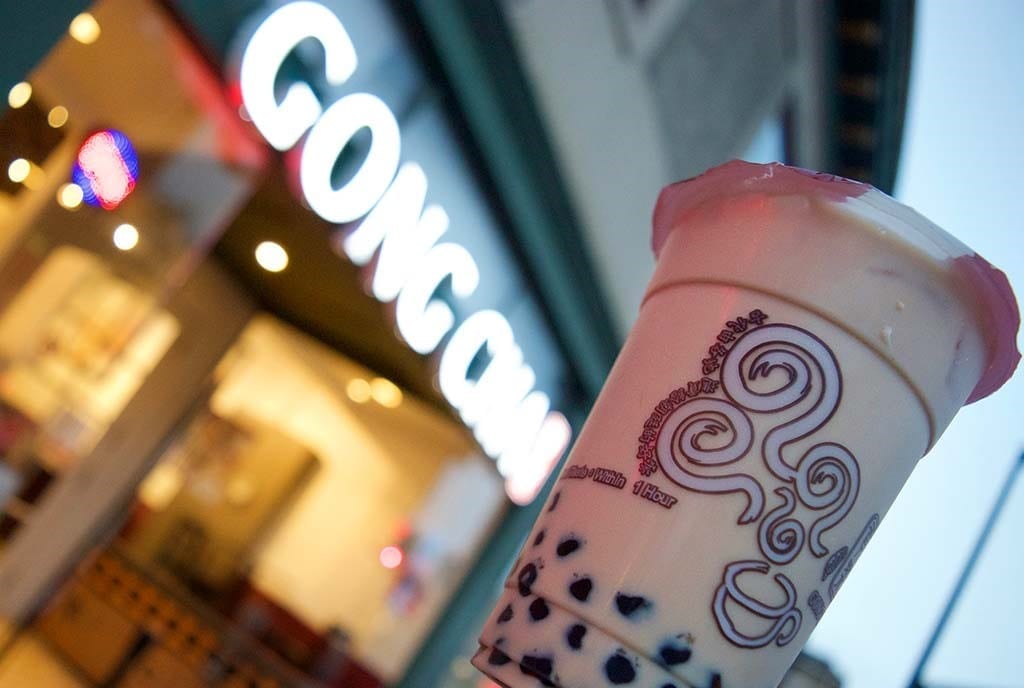
    Bubble tea brand Gong Cha Korea is planning international expansion.

    Aided by the global passion for Hallyu, or the so-called Korean Wave, Gong Cha plans to open stores in the Middle East and Europe. It will also buy more than 1380 stores in 18 countries, including the US, Canada, Australia, New Zealand, China, Japan, Singapore, the Philippines, and Hong Kong.

    Currently, Gong Cha Korea operates only about 360 stores in its home market, which last year brought in KRW8 billion (US$7 million) profit – representing 11 per cent growth year-on-year.

    As most of Gong Cha’s customers are aged from 10 to their 30s, the company expects entering new foreign markets will be easier through creating synergies with Hallyu.

    The expansion will be facilitated by a share transaction with its parent company Royal Tea Taiwan in which the Korean business will progressively boost its ownership from 35 per cent to 70 per cent by January 2017.

    Royal Tea Taiwan was launched in 2006, and introduced to Korea by franchisee Kim Yeo-jin in 2012. Two years later, Japanese private equity fund Unison Capital bought 70 per cent of the Korean business.

  • Indonesia`s  food and beverage companies show their product in Paris

    Indonesia`s food and beverage companies show their product in Paris

    Twenty of Indonesias food and beverage companies from around the country have displayed their products at Salon International de Lalimentation (SIAL) in Paris, France.

    The Industry Ministry of Indonesia has assisted these companies in displaying the diversity of Indonesia’s leading products, ranging from coffee, soft drinks, processed oil, health drinks, snacks, biscuits, instant noodles, processed fruit and processed fish, as well as organic foods, said Secretary of the Directorate General of Agro Industry of Industry Ministry, Enny Ratnaningtyas, in a press release received here on Tuesday.

    The Indonesian companies reflect the competitiveness of Agro products from Indonesia in international markets, as well as opening opportunities for broadening export markets.

    According to Enny, the SIAL Paris 2016 event will bring Indonesian food and beverage products to the European community, as well as the world, due to the attendance by businessmen and visitors from many foreign countries.

    “Moreover, the SIAL Paris 2016 exhibitors can interact with all potential buyers from Europe and Asia, as well as visitors from around the world who will be present at this exhibition,” said Enny.

    Enny also said the twenty companies will be located in the Indonesian pavilion, in Hall 4 booth 4M138 at the Paris-Nord Villepinte.

    The booth is located close to the Indonesian Trade Promotion Center of Lyon.

    Separately, Director General of the Ministry of Industry Panggah Ago Susanto noted that the nation’s food and beverage industry has been able to excel in both the domestic and global markets.

    This is reflected in its positive performance, such as in 2015, which accounted for 30.84 percent of the GDP of the non-oil processing industry and 5.61 percent of the national GDP.

    Meanwhile, the export value of Indonesian food and beverage products in 2015 amounted to 26.539 billion US dollars.

    “Special food and drink exports to France in 2015 reached 34.5 million US dollars, or 0.13 percent of the total exports of food and beverage products to the world,” said Panggah.

  • Korea’s Mangosix arrives in Japan

    Korea’s Mangosix arrives in Japan

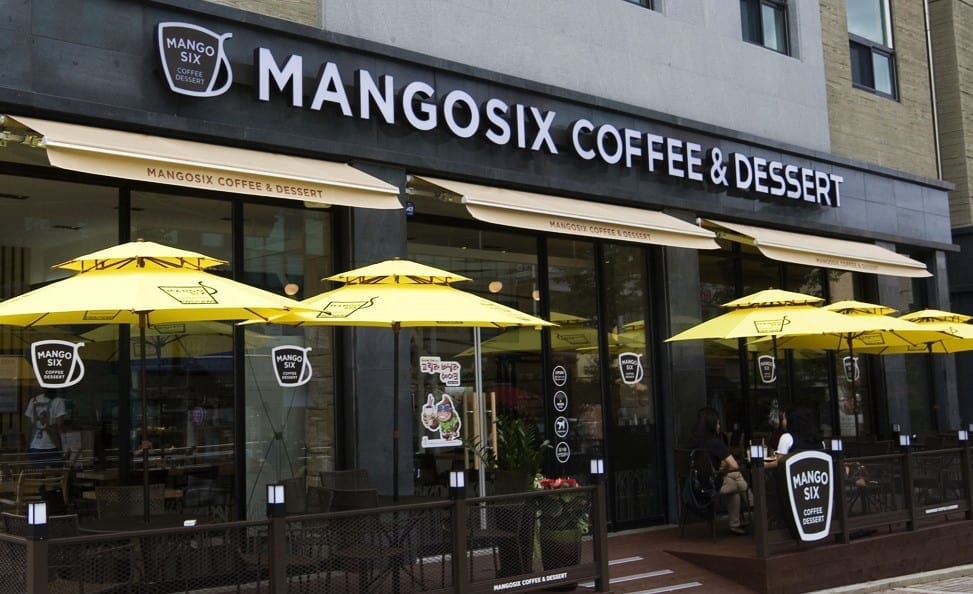
    Korean cafe chain Mangosix has opened its first branch in Japan, in Don Quijote Miyakojima store in Nishisato, Hirara, in Okinawa.

    With mango juice as its main product, Mangosix opened its first store in 2011 and now has about 230 outlets in Asia, Europe and the US.

    For the first time, Mangosix will also offer ice brewed coffee at its Japanese store. Milkissimo’s gelato from Hokkaido is used for sweets and coffee toppings. Miyako-jima island is known for its mangoes, which is why the company decided to open its first store there.

    Mangosix Japan president Akira Kito says the company aims to open 30 stores in Japan within the next three years.