Category: Food

Retail News Asia is committed to providing both local and global retailers with the latest Food and Food & Beverage news throughout the Asian market. This on a daily base.

  • Malaysia Milk recalls Marigold HL products

    Malaysia Milk recalls Marigold HL products

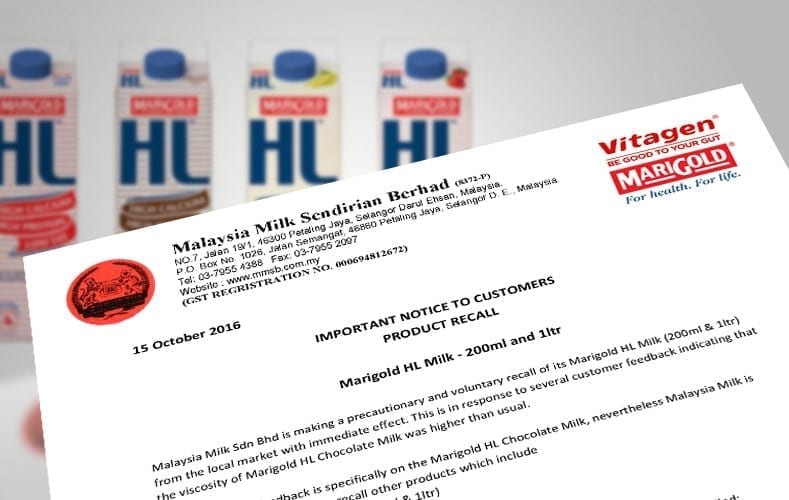
    Malaysia Milk has fully recalled its Marigold HL milk products from Malaysia retail outlets following customer complaints, the company said on Monday (Oct 17).

    The quality of the milk had been compromised due to bacterial contamination, but this has since been rectified, Malaysia Milk added. “Side effects of consuming the compromised quality of milk may include mild stomach discomfort. There are no long-term side effects,” it said in a statement.

    New batches of milk have been delivered to retailers, the company said.

    Malaysia Milk announced on Saturday that all Marigold HL milk products expiring before Nov 7 for Peninsular Malaysia and before Nov 11 for the Sabah, Sarawak and Labuan markets are being recalled, in response to customer feedback that the viscosity of its Marigold HL chocolate milk was higher than usual. Viscosity refers to the “thickness” of a liquid.

    “While customer feedback is specifically on the Marigold HL chocolate milk, nevertheless Malaysia Milk is taking proactive measures to recall other products which include Marigold HL plain milk (200ml and 1L), Marigold HL strawberry milk (200ml and 1L) and Marigold HL with plant sterols (1L),” it said over the weekend.

    Malaysia Milk stressed that customers’ health and safety is its top priority. “We have taken proactive measures and have successfully recalled all our products from retail outlets. An additional and more stringent Quality Control is now in place on finished products to keep a daily check on products to ensure conformity with the highest international standards,” said Malaysia Milk general manager Poh Eng Lip.

    Customers who have purchased the affected products should return them to Malaysia Milk for a replacement or contact its customer service team at 1800-885587 or feedback@mmsb.com.my.

    The recall does not affect the company’s products in Singapore, local manufacturer Malaysia Dairy Industries said.
  • Brazil Challenges Indonesia`s Halal Certification Policy

    Brazil Challenges Indonesia`s Halal Certification Policy

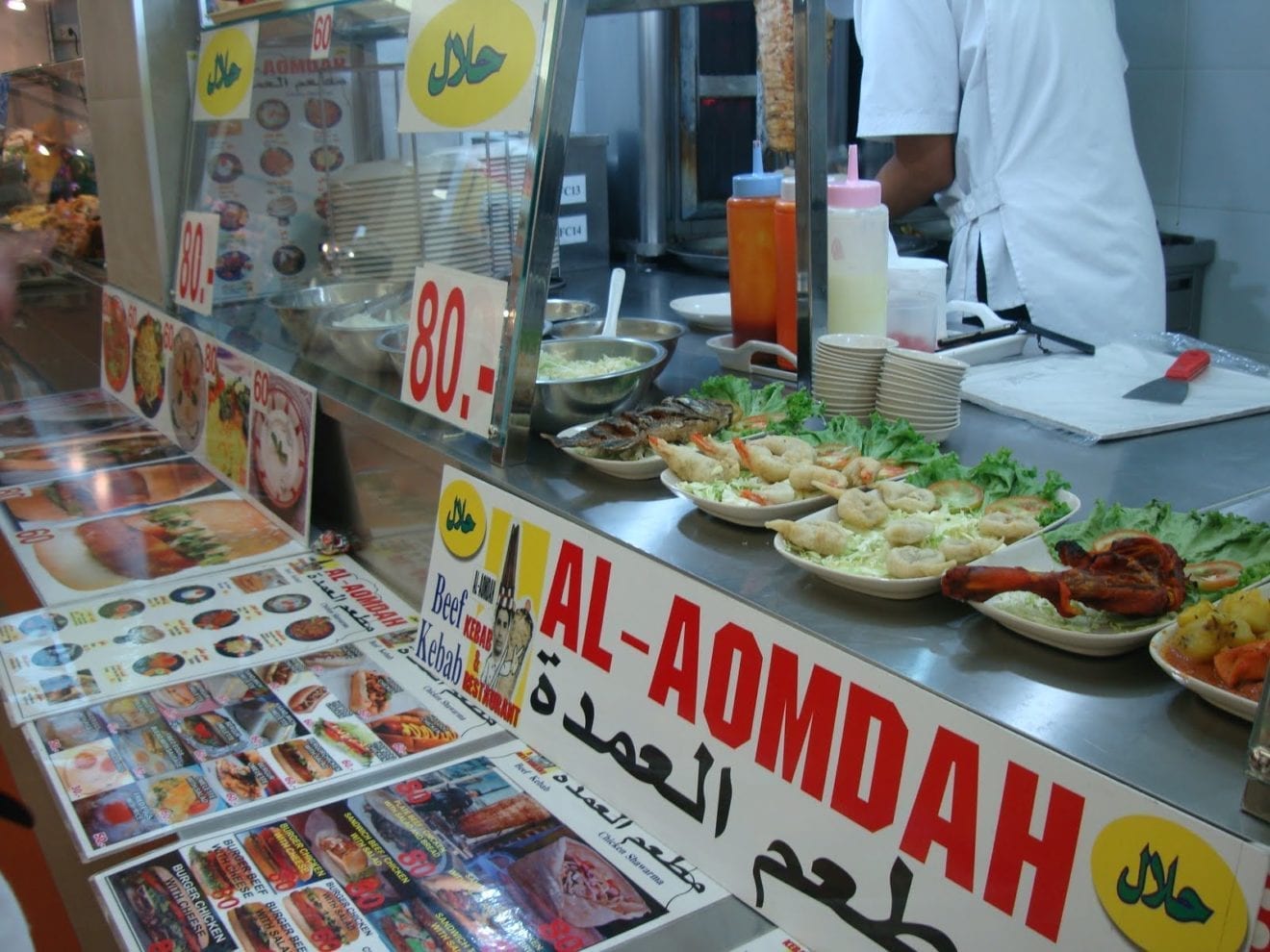
    Brazil has filed a complaint against Indonesia to the World Trade Organization (WTO), challenging Indonesia’s halal certification requirements for imported meat.

    The trade dispute has been registered in Indonesia-Measures Concerning the Importation of Chicken Meat and Chicken Products No. DS:484. The second substantive meeting was held on October 11-12 at the headquarters of the WTO in Geneva, Switzerland.

    Ahmad Firdaus Sukmono, head of Trade Advocacy Bureau, the Trade Ministry, said that the policy is implemented as part of the government’s consumer protection efforts. “The dispute is focused on Indonesia’s rights to ensure compliance with food safety and halal requirements,” he said on Friday.

    Brazil has also lodged claims against Indonesia for its import restrictions, namely the positive list, usage requirements, transportation modes in import and suspension of sanitation requirement approval. Brazil claims that such policies have hampered Brazil’s export to Indonesia.

    Being the world’s largest chicken exporter, Brazil sees that the access to Indonesian market has been shut down in the past seven years. Because Indonesia only allows exported halal whole chickens which are slaughtered individually in henhouses. “We suspect that Brazil has yet to implement it,” Firdaus said.

    Firdaus said Indonesia has responded to Brazil’s claims. “Indonesia has been very transparent in import regulations and requirements.”

    Malaysia had also filed complaints about the difficulty in obtaining halal certification in Indonesia even though Malaysia has got its products halal certified by Jabatan Kemajuan Islam Malaysia, according to Malaysia’s International Trade and Industry Minister Dato’ Sri Mustapa Mohamed. However, Indonesia requires imported products to be halal certified by the Indonesian Ulema Council.

  • Shanghai Laiyifen IPO to fund expansion

    Shanghai Laiyifen IPO to fund expansion

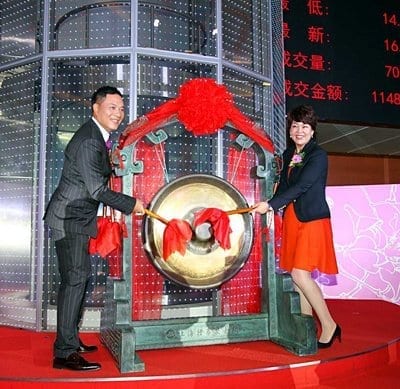
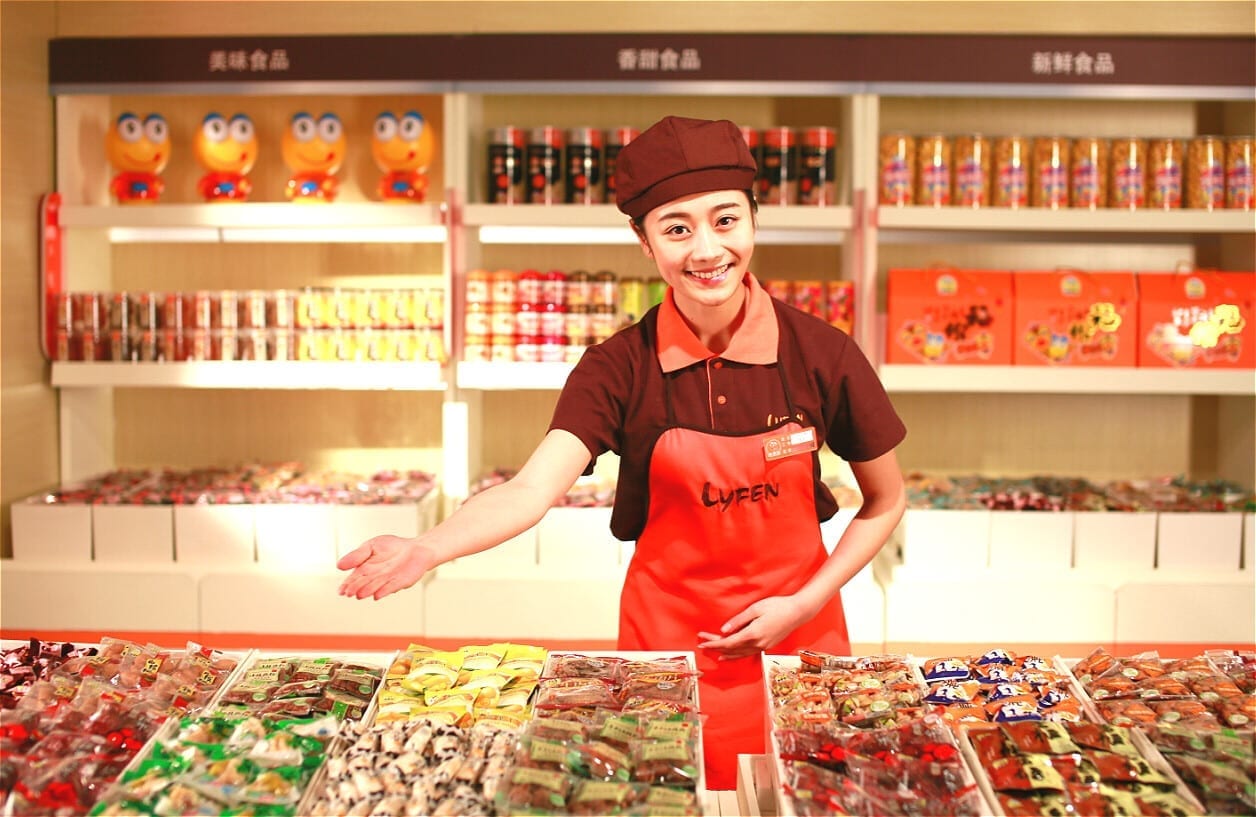
    Shanghai Laiyifen, the owner and operator of a chain of snack food stores in China, has completed an IPO in Shanghai, listing on Wednesday.

    Laiyifen is the first Chinese company specialising in snacks to go public. On the same day its massive advertising hoarding in New York’s Times Square was unveiled.

    shanghai-laiyifen-ipo

    After 17 years, the company has transformed itself from a small snack shop on a Shanghai street into a robust snack foods business, drawing the attention of both domestic and international media organisations by creating a buzz in Shanghai and New York simultaneously.

    Laiyifen opened its first store in 1999 and has since established a network of 2271 outlets across more than 10 Chinese provinces and municipalities, including Jiangsu, Zhejiang, Anhui and Shandong provinces, and the cities of Shanghai, Tianjin and Beijing.

    In addition, the company has deployed an omnichannel marketing model combining online with offline operations. With over 13 million loyal members, Laiyifen boasts annual sales in excess of RMB3 billion (approx. US$450 million) and has served over 450 million consumers in the aggregate.

    Wednesday’s listing raised some RMB660 million (US$98.3 million) by issuing up to 60 million shares (25 per cent of its post-issue share capital), and appointed China Securities as lead underwriter.

    Laiyifen’s controlling shareholders and actual controllers have all made a commitment to restrictions on the number of shares they can hold. The company’s other shareholders have, as well, made a commitment to voluntary lock-up of shares in their possession.

  • Yum China aims to triple outlets

    Yum China aims to triple outlets

    Yum China, being spun off at the end of this month by Yum Brands Inc, says it can triple its number of restaurants.

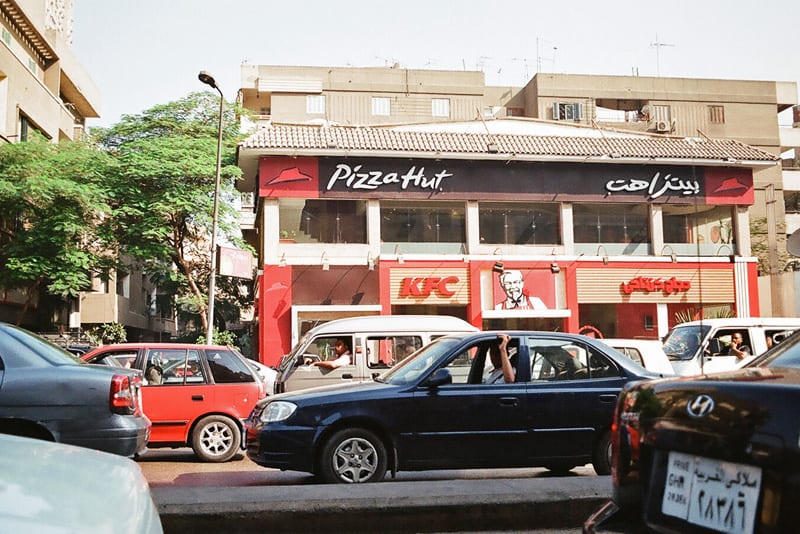
    Yum Brands opened its foray into China with a KFC restaurant in Beijing in 1987. There are now more than 7300 KFC and Pizza Hut outlets.

    “I really don’t see any reason why we cannot have 20,000 restaurants in China,” says Yum China division CEO Micky Pant.

    However, Yum China has had challenges in recent years including marketing blunders, rising competition, bird flu outbreaks, food-safety problems and slowing economic growth. Just this month, executives blamed anti-US protests sparked by political tensions in the South China Sea for a surprise 1 per cent drop in China sales during the latest quarter.

    Pant says those sales are recovering and “the fundamentals of the brands in China are very strong”.

    He says Yum China will have 15 per cent earnings expansion in the world’s fastest-growing economy with plans to  open restaurants in burgeoning mega-cities, major transportation hubs and new shopping malls.

    There are also plans to open Little Sheep and Taco Bell restaurants.

    Partners Primavera Capital and Alibaba Group Holding affiliate Ant Financial, which will buy a US$460 million stake in Yum China, bring competitive advantages such as real-estate market knowledge and digital leadership, Pant says.

    Yum China already is the biggest user of Ant’s Alipay service, and the restaurant group is investing in making its mobile ordering system and loyalty programs even more robust.

    After the separation, Yum China Holdings will become a licensee of Yum! Brands in mainland China with exclusive rights to quick-service restaurant KFC, casual dining brand Pizza Hut and Taco Bell, which is expanding globally but is not yet in China. It will also own the Little Sheep Mongolian hot pot and East Dawning Chinese cuisine concepts. Yum China has more than 400,000 employees in more than 1100 cities, generating more than $8 billion in system sales last year.

    The standalone Yum China is expected to start trading on the New York Stock Exchange on November 1.

  • Jordanian Investors Buys Gorontalo Tuna

    Jordanian Investors Buys Gorontalo Tuna

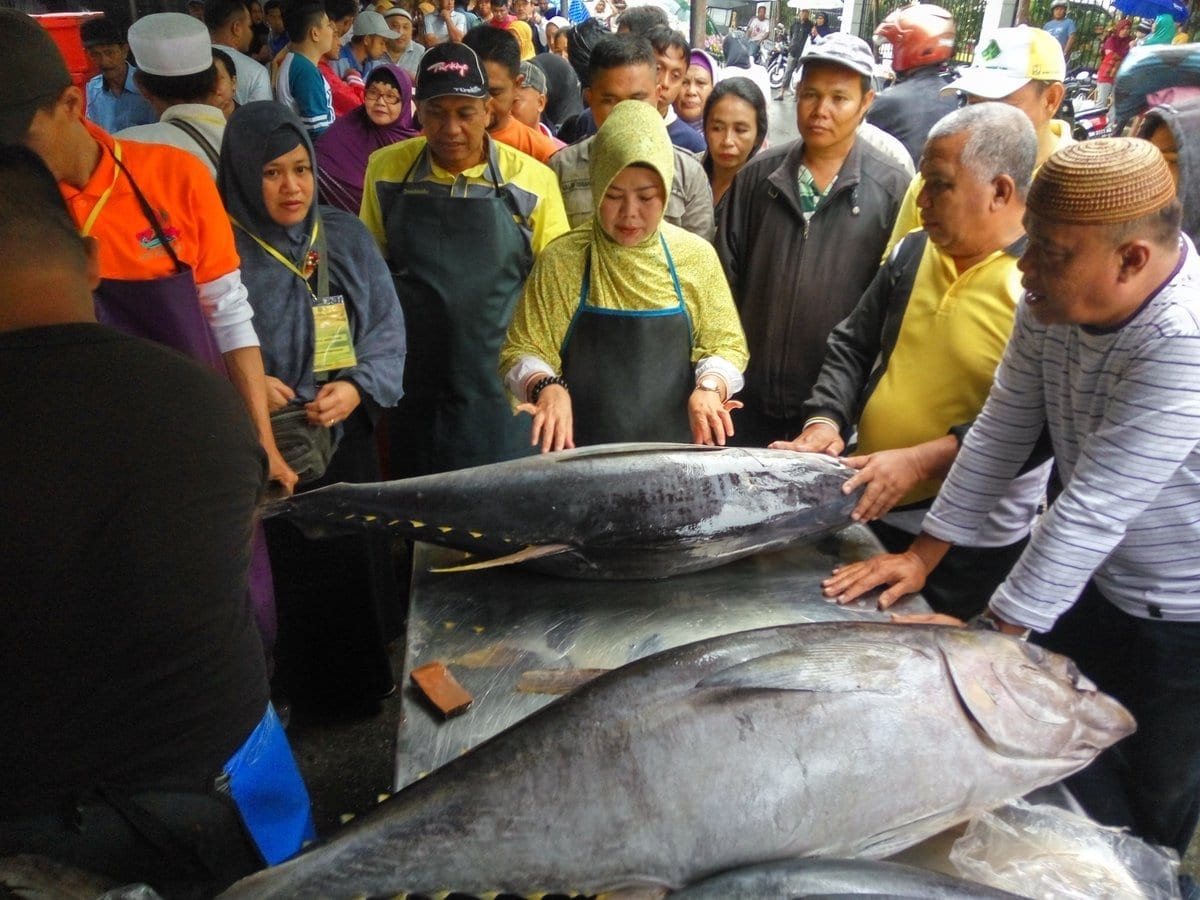
    Jordanian investor Iyad Al Shorafa expressed his interest in purchasing class C tuna from Gorontalo, at the amount of 25 tons per day.

    Al Shorafa is a member of the Middle East trade delegation participating in the Indonesian international trade promotional program, which was initiated by the Foreign Affairs Ministry as a part of the 2016 Trade Expo Indonesia.

    Budianto Sidiki, Chief of Gorontalo Regional Development Planning Agency (Bappeda) explained that Al Shorafa is ready to work together with the Gorontalo fishermen union, and to construct a tuna processing factory specifically for export purposes.

    “Production capacity of Gorontalo fishermen for class C fresh tuna is around five tons each day,” Sidiki said.

    To meet the importer demands, the Gorontalo local government will cooperate with city and regency officials in the region.

  • Kenny Rogers Roasters arrives in India

    Kenny Rogers Roasters arrives in India

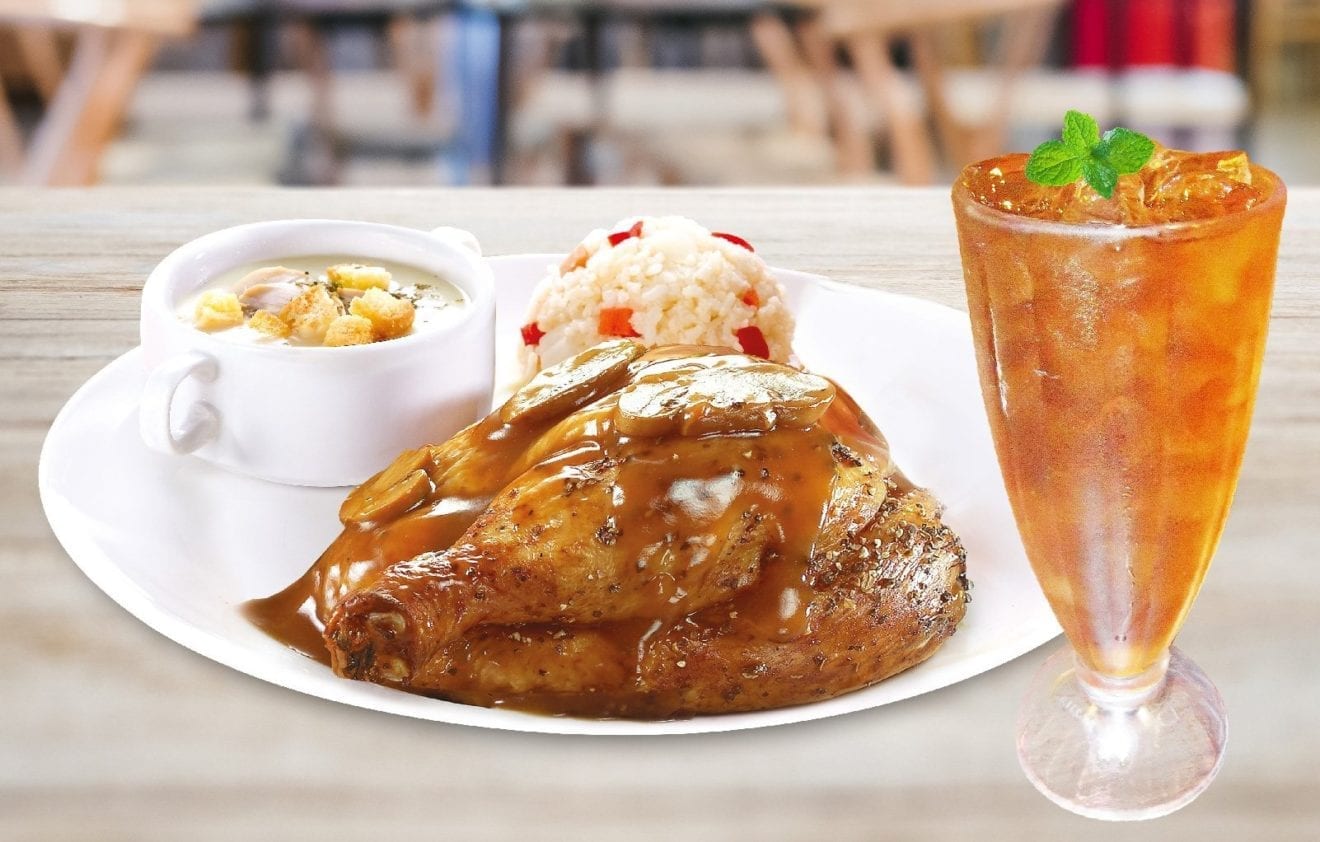
    Malaysia’s chicken-based restaurant chain Kenny Rogers Roasters will open its first outlet in India this month, aiming to expand to up to 50 stores in the next five years.

    Its first restaurant will be in the Gardens Galleria Mall, Noida.

    “We are eyeing a Rs 200-crore [U$30 million] turnover from the Indian market by 2021,” says master franchisee Troika Hospitality India managing partner Rajeev Chawla.

    He says the plan is to open eight to 10 restaurants in north India by the end of next year, after which expansion will cover other parts of India. The stores will be a mix of company-owned and franchises.

    Known for its chicken offerings, Kenny Rogers Roasters will also serve vegetarian food in India, he says.
    Owned by Malaysia’s Berjaya Corporation, there are more than 400 Kenny Rogers Roaster restaurants in 14 countries including China, Malaysia, the Philippines, Singapore and the US.

    Kenny Rogers is an American singer/songwriter and member of the Country Music Hall of Fame who is now 78 years old. He teamed with John Y. Brown, the governor of the state of Kentucky, who had also helped develop Kentucky Fried Chicken, to launch the first Kenny Rogers restaurant in Florida in 1991.

    It expanded to Brunei, China, Indonesia, Malaysia, the Philippines and Singapore, with Berjaya acquiring the group from Nathan’s Famous Inc in 2008.

  • Philippines’ Shakey’s Pizza plans $113m IPO

    Philippines’ Shakey’s Pizza plans $113m IPO

    Shakey’s Pizza Ventures (Spavi) aims to raise more than P5.5 billion (US$113 million) through an initial public offering (IPO) in the Philippine Stock Exchange this year.

    The restaurant chain has filed a prospectus with the Securities and Exchange Commission (SEC)
    to sell up to 352 million primary and secondary shares, including 46 million shares at P115.58 apiece, to meet excess demand.

    Spavi seeks to finalise the offer price in November, and targets its projected listing in December.

    “We intend to use the offer proceeds to expand our in-house commissary, meet working capital requirements, look at potential acquisitions and repay debt,” the company says.

    The chain has appointed Deutsche Bank as sole global coordinator and bookrunner for the deal, while BDO Capital and Investment Corp, and First Metro Investment Corp will serve as joint lead managers and underwriters. Evercore is the financial adviser.

    Majority owned by the Po family conglomerate Century Pacific Group (CPGI), Spavi owns the rights to the Shakey’s trademark in the Philippines. CPGI is the parent company of Century Pacific Food(CNPF).

    To create Shakey’s trademark thin-crust pizza, Spavi’s in-house commissary supplies the bulk of its proprietary pizza dough and crust. The global pizza franchise originated in the US in 1954, expanding to Canada, Mexico, Japan and, in 1975, the Philippines. It now has more than 170 stores in the Philippines.

  • Denny’s Manila marks restaurant’s Philippines debut

    Denny’s Manila marks restaurant’s Philippines debut

    American diner Denny’s has arrived in the Philippines, opening at Uptown Parade in Bonifacio Global City (BGC).

    The Denny’s Manila restaurant is the first of several planned for the brand’s newest international market.

    Mall owner Megaworld Corporation founder Kevin Tan says on Instagram that the store is one “one of my favorite restaurants in the world”. He was on hand for the store’s ribbon-cutting ceremony.

    Denny’s started out as a coffee and donut stand in 1953. It went public in 1968 and was listed on the New York Stock Exchange.
    At BGC, it is open all day every day serving American breakfasts, pancakes and omelettes.

    Denny’s also has stores in China and Korea.

  • Thai Union takes bite of Red Lobster

    Thai Union takes bite of Red Lobster

    Seafood producer Thai Union has made a US$575 million strategic investment in US seafood restaurant company Red Lobster.

    Golden Gate Capital retains its majority shareholding in Red Lobster.

    Thai Union is regarded as the world’s largest producer of shelf-stable tuna products with annual sales exceeding THB 125 billion (US$ 3.7 billion) and a global workforce of more than 46,000 people. It says it has taken a 25 per cent interest in the restaurant chain, with the option to acquire an extra 24 per cent through the conversion of preferred shares.

    “Red Lobster is an iconic brand, with a leading market position in seafood casual dining and a world-class management team, and has delivered strong performance since Golden Gate acquired it in 2014,” says Thai Union Group CEO Thiraphong Chansiri.

    “This investment marks a strategic step to build Thai Union’s direct-to-consumer channel, and will enable us to benefit from the extensive restaurant industry expertise of both the Red Lobster management team and Golden Gate.”

    He says Thai Union has worked closely with Red Lobster for more than two decades.

    With 40 years’ industry experience, Thai Union has expanded its product lineup to include lobster, shrimp, sardines, mackerel, tuna, salmon and crab. Its brands include Chicken of the Sea, John West, King Oscar and Petit Navire, and it has production units in 12 countries.

    JP Morgan acted as exclusive financial adviser to Thai Union for the investment.

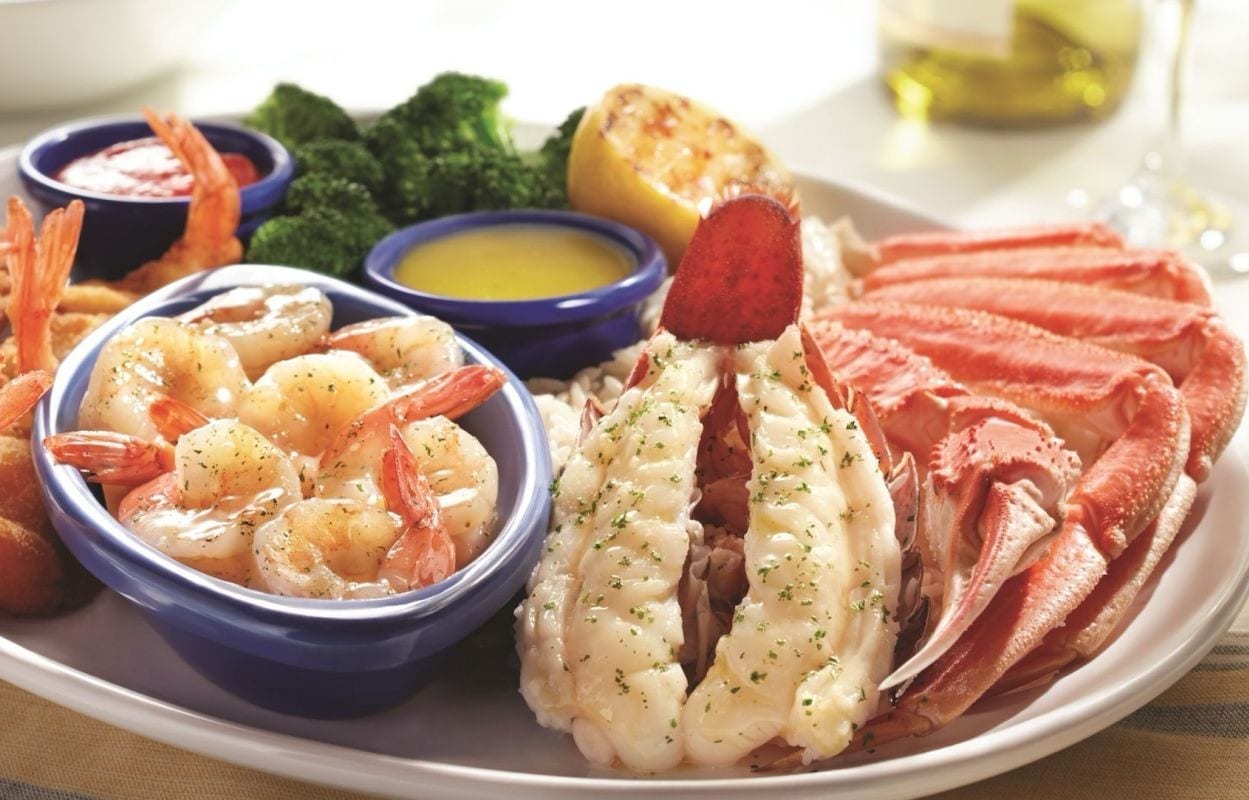
    Headquartered in Orlando, Florida, Red Lobster claims to be the world’s largest seafood restaurant company. As a private company owned by Golden Gate Capital, Red Lobster has 58,000 employees in more than 700 restaurants in the US and Canada, with a growing international footprint.

    Golden Gate Capital is a San Francisco-based private-equity investment firm with more than $15 billion of capital under management. In addition to Red Lobster, investments sponsored by Golden Gate Capital include California Pizza Kitchen, Pacific Sunwear, Payless ShoeSource and Zales.

  • Taiwan’s DaYung’s Tea opening in US

    Taiwan’s DaYung’s Tea opening in US

    Taiwan company DaYung’s Tea is about to launch in the US.

    It has leased a 1400 sqft (130 sqm) unit at Mill Plaza in Tempe, in Phoenix, Arizona.

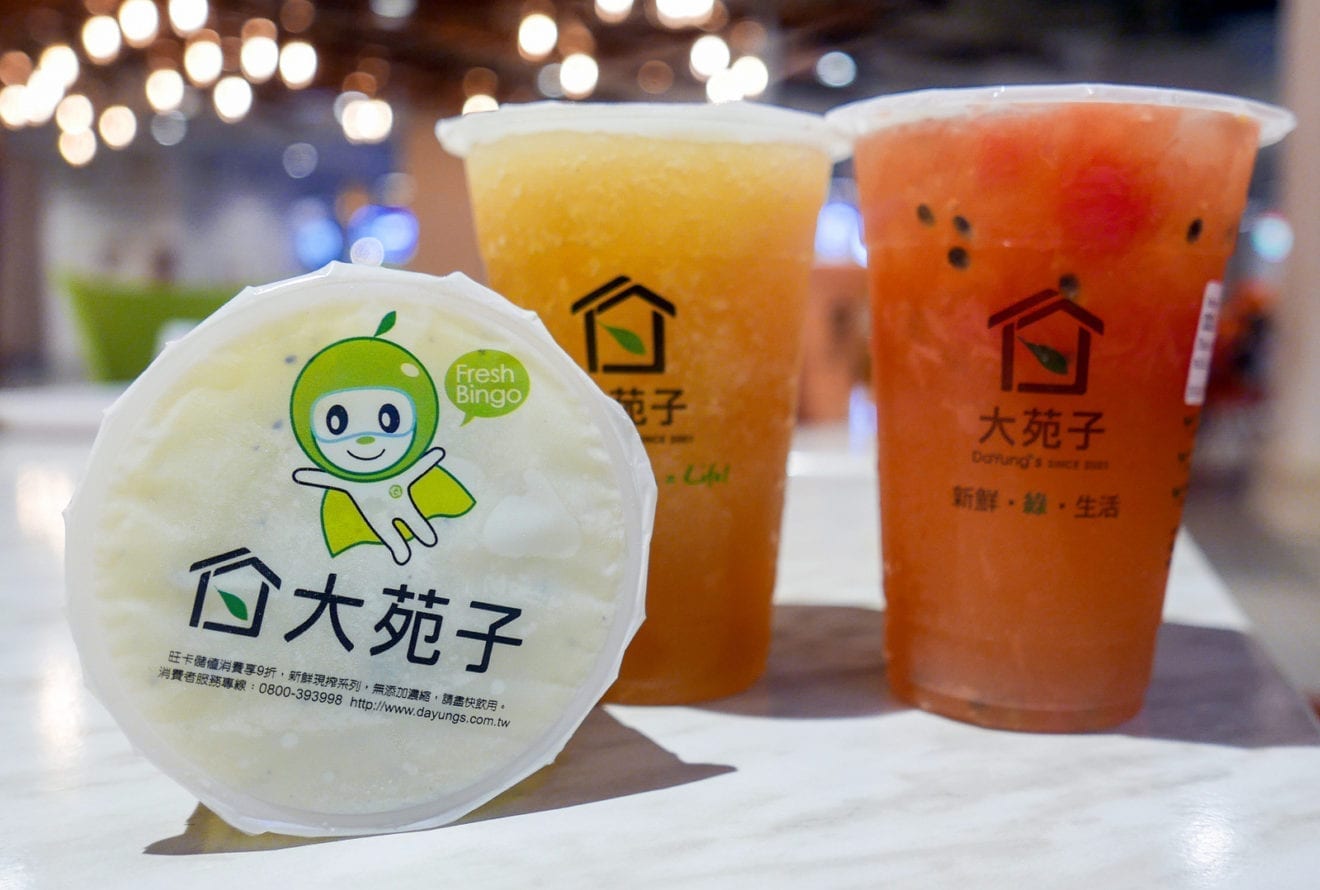
    With 270 stores throughout Asia, DaYung’s offers a mix of fruit tea and smoothie drinks.

    “This hot new concept will blend in perfectly with the other new restaurants at Mill Plaza,” say Judi Butterworth and Lacey Guardado of Orion Investment Real Estate, who represent the tenant. They say the store will be able to serve a huge Asian customer base, as well as a student population.

    More than 61,000 cars drive by the shopping centre each day, according to the Phoenix Business Journal.

  • Inside Starbucks Cambodia flagship

    Inside Starbucks Cambodia flagship

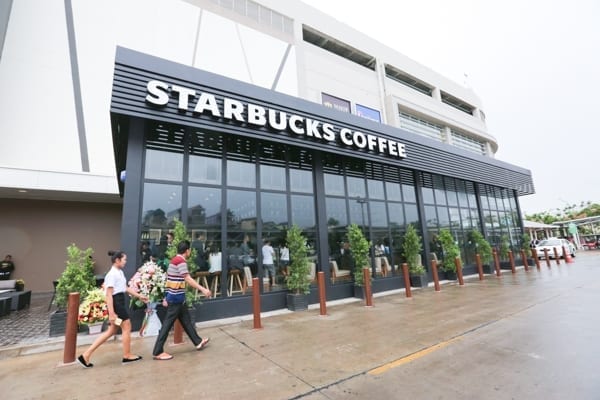
    Starbucks Cambodia has opened a new flagship store in Phnom Penh, in partnership with regional partner Maxim’s Group of Hong Kong.

    Cambodia is Starbucks 16th market in the China/Asia Pacific region, where it has more than 6200 stores. This is the third store in the country. Last month, Starbucks celebrated 20 years since the opening of its first store outside North America – in Japan.

    Starbucks BKK

    The Starbucks Cambodia Phnom Penh flagship, in the Boeung Keng Kang neighbourhood, will introduce Starbucks Reserve coffees to Cambodia, says Starbucks Asia Pacific president Mark Ring. An interactive coffee bar will allow customers to experience a range of brewing techniques including siphon, cold brew, pour-over, coffee press and espresso machine.

    Starbucks BKK

    Inspired by Starbucks’ 45-year history, the flagship store features not only the brand’s core menu but also rare, small-lot coffees. For the store opening, baristas handcrafted two small-lot Starbucks Reserve coffees, Colombia La Union 16 and Papua New Guinea Luoka. Over time, the store will showcase a variety of coffees from small-lot coffee farmers in various countries. All Starbucks Reserve coffee is roasted in Seattle.

    Starbucks BKK

    Starbucks BKK

    Through its licensed partner Coffee Concepts (Cambodia), a subsidiary of Hong Kong Maxim’s Group, Starbucks entered the Cambodian market in December 2015. It has two stores at Aeon Mall and Phnom Penh International Airport.

    Photo: Nick Sells at www.SoShootMeStudio.com

    It latest store covers 650 sqm over two levels and features local craftsmanship as well as iconic global images, including a hand-carved Cambodian sandstone siren, an illustration of Starbucks first store on a textured rattan canvas, a coffee landscape tapestry made of fabric woven on a rattan frame, and a metal sculpture over the bar.

    Starbucks BKK

    The centerpiece is a hand-painted mural over the stairs to the second floor, illustrating the Cambodian folklore of Sovann Maccha, the siren princess with a tail that is transformed into two Naga dragons.

    Starbucks BKK

    Starbucks is working with Cambodian Children’s Fund, a non-government organisation that works with children in one of the most underserved areas of Phnom Penh.

  • Starbucks Coffee Company opened the doors to its store in Phnom Penh, Cambodia

    Starbucks Coffee Company opened the doors to its store in Phnom Penh, Cambodia

    Starbucks Coffee Company last week opened the doors to its newest flagship store in Asia, located in Phnom Penh, Cambodia, building on its long-term relationship with Hong Kong Maxim’s Group. Cambodia is Starbucks 16th market in the China and Asia Pacific region. In September, Starbucks celebrated 20 years since the opening of its first store outside North America in Japan and today, the company has more than 6,200 stores across the China and Asia Pacific Region.

    “We are proud to bring an elevated experience to Cambodia with the introduction of our Starbucks Reserve™ coffees,” said Mark Ring, president, Starbucks Asia Pacific. “Our new flagship store in Phnom Penh’s vibrant Boeung Keng Kang neighborhood will excite Cambodian customers with a unique coffee experience that showcases our deep passion for some of the finest coffees from around the world, while honoring the country’s rich heritage and culture.”

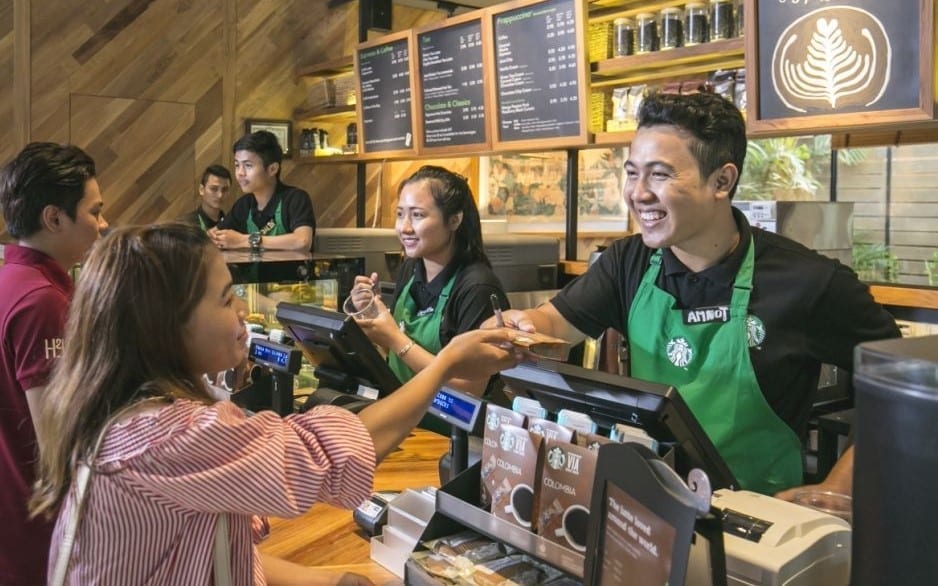
    At the flagship store, customers can discover exceptional coffees, engage with Starbucks partners (employees) and form a deeper connection with Starbucks coffee heritage. With an atmosphere that invites customers to explore the tastes and flavors of coffees from around the world, they can sit at the interactive coffee bar and experience a range of brewing techniques including Siphon, Cold Brew, Pour-over, Coffee Press and the state-of-the-art Black Eagle espresso machine. In the hands of Starbucks skilled baristas, the Black Eagle espresso machine delivers a smooth quality and consistent taste profile that complements Starbucks® signature handcrafted beverages.

    Inspired by Starbucks 45-year history of sourcing, roasting and serving some of the world’s finest coffees, the flagship store features Starbucks core menu in addition to rare small-lot coffees through its exclusive Starbucks Reserve™ coffee program. For the store opening, baristas are handcrafting two small lot Starbucks Reserve™ coffees: Colombia La Unión 16 and Papua New Guinea Luoka. Over time, the store will showcase a rich variety of coffees that draw on Starbucks relationships with small lot coffee farmers from the world’s coffee growing regions. All Starbucks Reserve™ coffee is roasted at the Starbucks Reserve™ Roastery and Tasting Room in Seattle.

    To further elevate the coffee experience for customers, select partners at the store are Starbucks Coffee Masters. The Coffee Master program recognizes their expertise with the special designation of the black apron after they pass written and taste tests.

    Through its licensed partner Coffee Concepts (Cambodia) Limited, a subsidiary of Hong Kong Maxim’s Group, Starbucks entered the Cambodian market in December 2015 and currently operates two stores at Aeon Mall and the Phnom Penh International Airport.

    “We are pleased to further strengthen the partnership between Maxim’s and Starbucks in Asia and look forward to continuing to deliver the unique Starbucks Experience through coffee leadership, high-quality products, exceptional service and engaging baristas in a welcoming environment to customers across Cambodia,” said Michael Wu, Chairman and Managing Director, Hong Kong Maxim’s Group.

    A Perfect Blend of Cultures

    The design of the new two-story, 650 square-meter (7,000 square-feet) store features local craftsmanship and iconic global images, including a hand-carved Siren made of Cambodian sandstone, an illustration of Starbucks first store at the Pike Place market on a textured rattan canvas, a coffee landscape inspired tapestry made of fabric tightly woven on a rattan frame, and a metal sculpture hanging over the bar inspired by the coffee aroma.

    The centerpiece is a hand-painted mural over the staircase to the second floor, and illustrates the popular Cambodian folklore of Sovann Maccha, the siren princess with a tail that is transformed into two majestic Naga dragons. Illustrated by prominent local urban artists Peap Tarr and Lisa Mam, the artist highlights the distinct beauty and characteristics of urban Khmer art.

    Long-term Community Investments
    As Starbucks continues to expand its store footprint in Cambodia, it is deeply committed to being an active member of the community and a catalyst for positive change. Currently, Starbucks is working with Cambodian Children’s Fund, a non-government organization that works with children in one of the most underserved areas of Phnom Penh. The Cambodian Children’s Fund aims to transform the country’s most impoverished children into future leaders, by delivering education, family support and social development programs to the local community.


  • 30 percent of Egyptian coffee from Indonesia

    30 percent of Egyptian coffee from Indonesia

    Indonesia’s Ambassador to Egypt, Helmy Fauzy, said that some 30 percent of the coffee in Egypt comes from Indonesia, which is the leading coffee importer in Egypt.

    “This is the reason we bring potential investors from Egypt to Gorontalo, to meet the coffee suppliers, especially to see Robusta coffee,” said Helmy at the “Indonesia Middle East Update (IMEU) 2016”, held in Gorontalo on Oct 9, 2016.

    He explained that Indonesias relationship with Egypt has always been very close, as there are about 4,500 Indonesian students studying in Egypt.

    According to Helmy, Indonesian products have superior penetration in some markets in Egypt, though the volume remains small, at about 1.42 percent. Conversely, imports from Egypt to Indonesia are just 0.09 percent, but volume continues to increase sharply.

    “In the first half year, the trade volume between the two countries has almost reached one billion US dollars and continues to increase,” he said.

    An official of the Ministry of Foreign Affairs, Ridwan Yasin, explains that IMEU is a concrete form of cooperation between the Ministry of Foreign Affairs and the Middle East Directorate of the Ministry of Foreign Affairs, in cooperation with local governments.

    “This is a concrete manifestation of cooperation between the foreign ministry and the local government, to improve the economy in this area,” he explained.

    He said he hoped this year that the IMEU could provide great benefits and a real contribution to economic development in Gorontalo province, and cooperation with countries in the Middle East.

    He added that the Ministry of Foreign Affairs, through Indonesian embassies abroad, never stops scheduling promotions, which provide an opportunity for the region to offer a variety of investments.

    “But the most important thing to keep the investment climate in the area is changing society’s mindset, so they can accept foreigners and work together here, for the mutual benefit of both sides,” he said.

  • McDonald’s Malaysia, Singapore ‘buyer found’

    McDonald’s Malaysia, Singapore ‘buyer found’

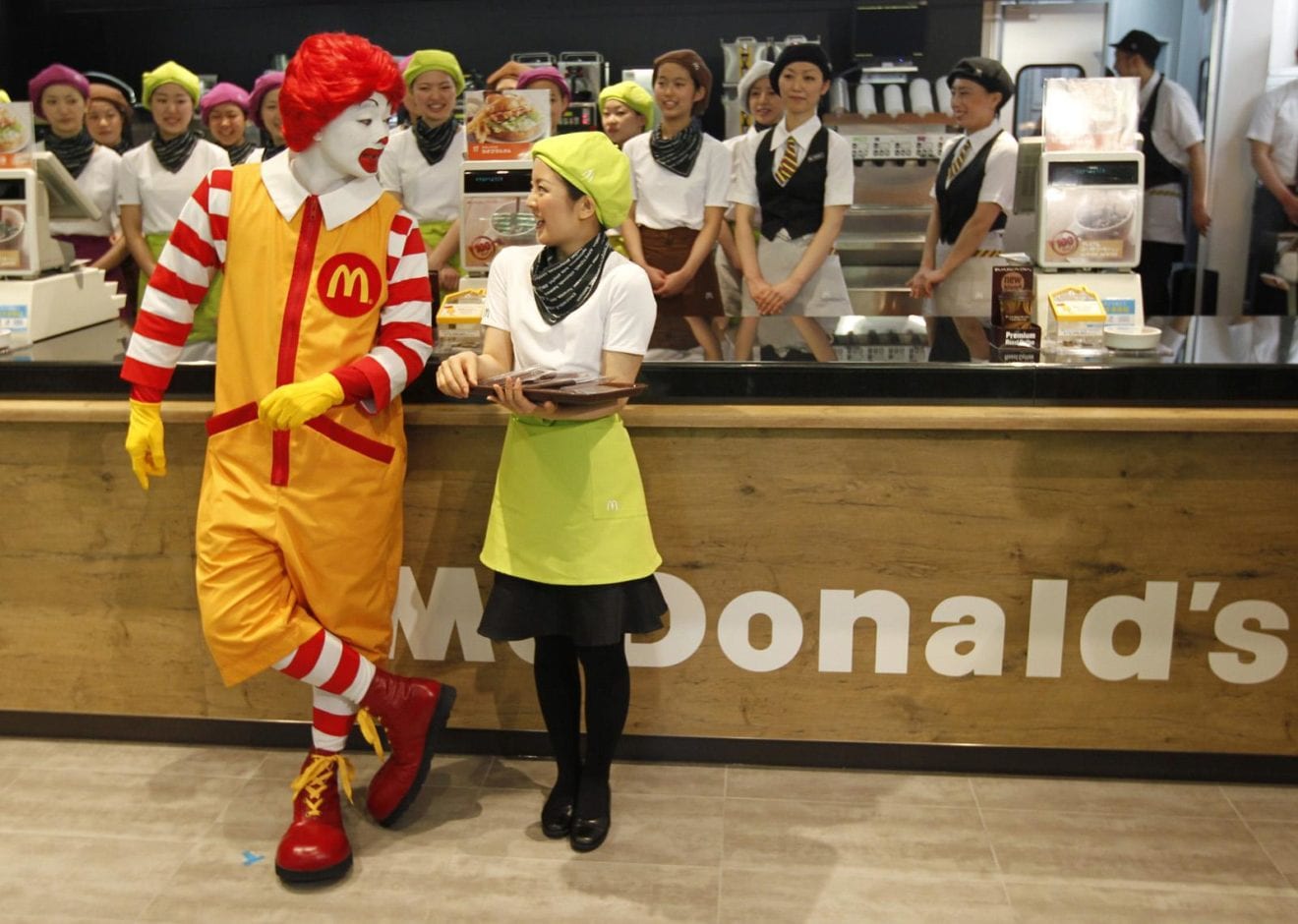
    Twenty-year franchise rights for McDonald’s Malaysia and Singapore outlets have been conditionally sold to a Saudi Arabian group for up to US$400 million.

    Reza Food Services, which owns McDonald’s restaurants in Saudi Arabia, is seeking finance from Malaysian bank CIMB to finance the transaction, insiders say.

    McDonald’s is moving to bring in partners as it switches to a less capital-intensive franchise model in Asia, and has said it wants regional family-owned groups and local tycoons as long-term partners.

    Insiders say the basic terms of the agreement with Reza have been finalised, with the deal expected to be completed by the end of the year.

    McDonald’s, which has about 260 restaurants in Malaysia and about 120 in Singapore, is also selling its China and Hong Kong outlets, and has received final bids from at least three groups.

  • Thai police bust fake instant Nestle coffee factory

    Thai police bust fake instant Nestle coffee factory

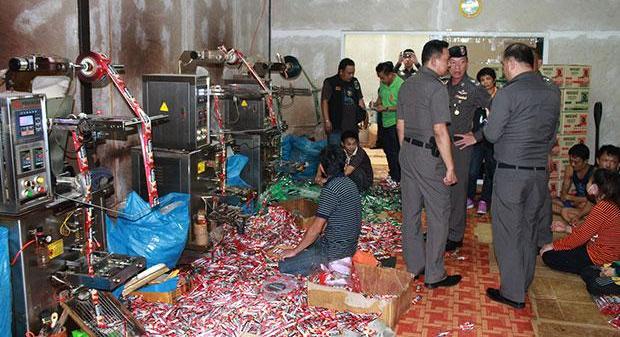
    Thai police have busted a fake Nestle instant coffee factory in Bangkok’s northern suburbs.

    Acting on a tip-off, a team of police descended on a business premises in Pathum Thani on Thursday armed with a search warrant. Inside they found 2 million THB worth of fake Nestle instant coffee, (equivalent to about US$60,000 at retail value).

    fake-nescafe

    They discovered machinery including four mixing machines, four packaging machines and 19 sacks of mixed instant coffee awaiting packaging, falsely branded Nescafe 3-in-1.  More than 89,000 sachets of fake instant coffee destined for distribution were seized, along with 280,000 empty packs.

    The factory was staffed by nine foreign migrant workers, including four Laos nationals.

    Police are now trying to track down the man running the factory, believed to be from Chiang Rai.

    Once caught he will be charged with producing and selling bogus food products and with producing and selling foods with unlicensed labels. The penalty, if convicted, is a prison term of up to 10 years and a fine of up to 100,000 baht ($3000).