Category: General

Retail News Asia is committed to providing both local and global retailers with the latest General Retail news throughout the Asian market. This on a daily base.

  • Instagram’s new Notes feature lets users post text messages

    Instagram’s new Notes feature lets users post text messages

    Instagram is pretty quick when it comes to iterating new features even considering the time needed for testing. Soon after Elon Musk revealed plans to add the option to write 4,000-character messages on Twitter, Instagram went live with its own take on the same feature

    The new feature called Notes allows users to send text messages via Instagram, something many have been asking for for a very long time. These so-called Notes are short posts of up to 60 characters using just text and emoji, a lot less than Twitter’s maximum 240-character limit.

    Anyway, if you’re an Instagram user, here is how you can take advantage of the new feature. First off, you must head to the top of your inbox, select the followers you follow back or people on your Close Friends list, and your note should pop up at the top of their inbox for 24 hours.

    It’s more of a status message, but at least you can get replies to notes as DMs in your inbox. Apparently, the new feature has been implemented that way after Instagram learned that people would rather have an easy and convenient way to share their thoughts.

    Besides Notes, Instagram announced that it’s testing new features in Stories like Group Profiles and Candid Stories. The former allows Instagram users to create and join so-called Group Profiles to share posts and stories in a dedicated, shared profile with friends.

    Candid Stories is a new way to capture and share live moments in a story that’s only visible to those who also share their own. These can be captured from the stories camera, the multi-author story at the top of feed, or from the daily notification reminder starting after the first candid.

    Last but not least, Collaborative Collections is a new feature being tested by Instagram that lets users connect with friends over their shared interests. This is done by saving posts to a collaborative collection in a group or 1:1 DMs.

  • Snapchat launches AR music platform for creators who want to monetize their work

    Snapchat launches AR music platform for creators who want to monetize their work

    During this year’s Lens Fest, Snap announced the launch of a brand-new AR music platform for artists: Minibeats. The music platform is available in the form of a set of Lenses that lets Snapchat users play their own versions of artist songs paired with funny AR effects.

    If you’re a music fan and love using Snapchat, you now have a new way to combine both in your daily life. The new AR music platform is available right away, so to use it, simply open any Minibeats Lens and you’ll be able to take advantage of some of the AR effects available by default:

    • Decorate yourself with Musical Tattoos as you create your own version of “LOSER,” the hit single from KILLBOY (Atlantic Records).
    • Become Alice Glass and use AR gestures like waving your hand and opening your mouth to trigger interactive phrases from her new single, “Lips Apart.”
    • Turn your room into a playable version of Taetro’s beat-making loft, complete with Musical Objects that rattle off parts of his song.
    • Open your hand and wear a Musical Mask that sings Phil Good’s chorus to “Crying, Dancing”

    Apart from that, Minibeats is also a new way for musicians to connect with their fans. The Minibeats Lenses on Snapchat come with so-called “In-lens Purchases,” which marks a premier for the social company.

    According to Snap, Minibeats offers artists a 50% share of their revenue from lenses, an interesting approach considering that the industry typically offers sub-5% royalties.

    Snap’s new AR music platform will be fully launched after this “teaser version” launches on Snapchat. Currently, the company partnered with several musical artists such as KILLBOY, Alice Glass, Taetro, and Phil Good, but the final version of Minibeats will feature more artists and brands that music fans know and love, so stay tuned for more on the matter.

  • Aviation stocks rise amid expected industry recovery

    Aviation stocks rise amid expected industry recovery

    Stocks of Vietnam Airlines, Vietjet and other companies in the aviation industries have surged as the resumption of flights to China amid its relaxed Covid-19 policy boosted investors’ sentiment.

    HVN of state-owned Vietnam Airlines closed last week at a ceiling price in its third session in the green and returned to the mid-October price range of around VND11,750 ($0.50).

    Meanwhile, VJC of budget airline Vietjet, the only airline blue chip, gained 5% to close at VND111,500.

    SAS of Tan Son Nhat Airports Services and AST of Taseco Airs, which mostly provide services at Noi Bai International Airport, all gained three sessions to close at VND22,000 and VND54,000, respectively.

    These stocks gained after China relaxed its Covid-19 restrictions and several Vietnamese airlines, such as Vietnam Airlines and Bamboo Airways, announced a flight resumption to Chinese cities.

    Analysts of brokerage VNDirect said earlier this month that the most damaging factor for Vietnam’s tourism and aviation recovery is China’s zero-Covid policy which has been strictly imposed in most of the last three years.

    Chinese tourists accounted for 35% of total foreign tourists in Vietnam before the pandemic, and the figure is forecast to reach 20% in early next year before returning to the old level in early 2024, they added.

    “As the earnings of Vietnamese aviation companies have a high dependency on international traffic, we believe that their figures will surge starting next year.”

    Another reason for the surge in aviation stocks is an increasing number of investors buying the dip after the plunges.

    It also warned that risks such as high oil prices, heavy competition and weakening travel demand due to a global economic slowdown might have impact on the recovery of aviation stocks.

  • Vietnamese unscathed by U.S. tech meltdown

    Vietnamese unscathed by U.S. tech meltdown

    The recent layoffs by tech firms in the U.S.’s Silicon Valley have not significantly affected Vietnamese there, and things will return to normal soon, Le Chan, chief engineer at AI startup TruEra, tells VnExpress.

    Layoffs.fyi, the layoff statistics site, shows that more than 100,000 technology employees have been laid off in Silicon Valley this year, including by giants like Meta, Twitter and Amazon. As chief engineer at TruEra, a startup in the field of artificial intelligence in the U.S., and founder of the Viet Tech community, what do you think about this?

    Actually, I’m not too surprised because I think the number should have been much higher. If the economic situation does not improve next year, other problems will arise. The next layoff will be worse than the first one.

    I think the number released by Layoffs.fyi is quite accurate because each of the big companies such as Amazon and Meta contributed tens of thousands. I even think the actual number could be 150,000.

    My own company is a much smaller startup, so we don’t have layoffs. Normally, we face an employee shortage. During the recent Covid outbreak, big tech firms hired on a large scale because they thought after the pandemic there would be an economic boom with everything going up and never down.

    But in reality there isn’t. They’re public companies with shares issued and listed, so they face pressure to sack people to improve their financial situation. Normally, it is difficult for common startups to recruit staff. Now, when large companies lay off employees, smaller firms can recruit them. For small companies, it is actually a good time to hire people now.

    In your opinion, which group is most affected by the tech layoffs?

    The group most affected and I feel the most sorry for is probably young people who have just graduated or are about to graduate. When companies don’t recruit staff, they don’t hire anyone. First of all, they don’t recruit new graduates. Most startups just want to hire people with work experience who can do the job right away. Big companies, too. If a big company stops hiring, it often prioritizes stopping recruitment of new graduates first. New graduates need to be trained; it will take time for them to start working effectively.

    The second group most affected is those who work here on H-1B visas. Most tech people working here are on that kind of visa. Once the visa holders are laid off, they have only 60 days to find a new job. Failing this, they are required to leave the U.S. for their home countries. After returning to Vietnam, it is very difficult to return, right? Normally it takes about 1-2 months to prepare for interviews, and then it takes the same period of time to go for an interview.

    The founder of the Vietnam Tech Society estimated that some 1,000 Vietnamese engineers were affected by this layoff. What do you think about the figure? How have Vietnamese been affected?

    I see many Vietnamese in this tech industry being affected, but I don’t know the exact number because there are no precise numbers. The founder estimated that 1,000 people were affected, but I think it must be much higher.

    There are many Vietnamese people in the U.S., and many Vietnamese work in the tech industry. But I think this layoff is just in line with the economic cycle. When the economy goes down, these things will inevitably happen, not because you are bad or anything but just because the economy is bad and companies have to make difficult decisions.

    Vietnamese engineers are the same as engineers in other countries. In fact, whoever can do the job is recruited and respected. I don’t see much difference between Vietnamese and foreign engineers. Laid off engineers in fields other than technology will find it much harder to get a new job. So, in fact, tech workers still have a huge advantage compared to those in other fields. Now the tech industry is facing a little difficulty because it went up strongly in the past. Now it is going down.

    I found that Asian engineers in general are very hardworking and work quite well. I think it’s going to be okay. There will be layoffs; there will be ups and downs; and there will be times when companies have to decide to lay off. But eventually everything will be back to normal, especially when most people are working pretty well. I don’t think it’s a big deal.

    Many experts believe that famous foreign tech talent in Silicon Valley have houses and cars but their cash is limited. When there are no jobs, they still have to make ends meet. So what’s the situation like?

    This is not correct. In Silicon Valley, a fresh graduate can easily get a job with an income of more than $100,000 per year. It is not too difficult to get $200,000 a year from big tech companies like Google, Facebook and Amazon.

    With such a salary, minus taxes of 30%, they still have some $70,000, completely enough to live on. Anyone who says that laid off tech people have no money or have to live from hand to mouth has never worked as a tech person or has stood outside looking in. I don’t see any tech guys complaining about not having money to live by.

    Fresh graduates can earn $100,000-200,000 a year, or maybe less if they work for smaller companies. After about two years of experience, their income is around $300,000, and with two more years of experience, it is $400,000-450,000. With more years of experience, it is up to $600,000-700,000. With such an amount of money, it is very hard for them to have any problem unless they have done something very, very wrong.

    But it is obvious that, if you are earning some $600,000 and your firm suddenly fires you, it will be hard for you for a while, but not to the extent and not as miserable as some people in Vietnam think.

    Being fired is a bad thing, right? But actually, the compensation you get when you get fired in the first layoff is usually better than later ones.

    Some companies like Meta offer four months’ salary. I know that some other companies like Snapchat offer two or four months’ salary. So that’s a really good deal for sacked people.

    Engineers in tech companies not only get salaries, but also bonuses. And what is more important is the shares the companies give them like in Vietnam. I used to work in Vietnam where employees are paid a 13th month’s salary and Tet bonus.

    But it is a little different here. In the tech industry, in addition to monthly salary, you have the company’s stock. Usually its market value is equal to the salary, so the sum of money is good.

    Obviously, it is very difficult to find a new job. People have to prepare for job interviews, but I think they will find a new job, because the market is not short of jobs. It is just difficult for people who do not want to prepare for interviews or want to work only for certain companies. There is no shortage of jobs in general.

    It is not easy to find a new job within 60 days, but if you have experience, it is completely doable. If you have no experience, it will be fairly easy during this period of time.

    I think there are always ways to overcome all difficulties in life. Always.

    Tech companies in Silicon Valley mostly recruit foreign talent through the H-1B visa policy. The visa was once considered Silicon Valley’s tech talent reserve. Do you think that this round of layoffs poses a risk of drowning tech talent?

    Small groups will be affected, right? As I said earlier, undergraduates and new graduates are affected for a short period of time. In reality, they have their own directions. For H-1B visa holders, they will have other ways to continue to stay in the U.S., or continue to get the visa. There will always be a way out. It may be much more difficult than in the previous period, but there will always be a road to keep walking if you want to stay in the U.S. and to continue to work. They include accepting new jobs with lower pay and going back to school.

    I don’t think tech talent will get drowned. It is not so bad.

    What consequences will the layoffs have for Silicon Valley and the U.S.?

    Every year the U.S. issues 65,000 H-1B visas. The latest layoff affected about 150,000 people, but not all of them have H1-B visas. So that number is not big enough to affect the future of Silicon Valley. There are a lot of tech people in Silicon Valley in particular and many more in the U.S. in general. America has always been a very big tech hub of the world. Silicon Valley has always been a hub that attracts tech talent.

    With the 150,000 laid-off people, assuming that some 10% of them, or 15,000-20,000, have to go back to their native countries, it will not have a big impact.

    Labor shortages have happened in the past, are happening now, and will possibly happen in future, but 20,000 people is just a drop in the bucket. A company like Meta last year seemingly hired such a number of people. So if they have to return to their home countries, it does not matter too much.

    There are some other contributing factors, like venture capital funds. I see that some big venture capital funds pumped less money into startups over the past six months, but then started pumping again when there was a wave of generative artificial intelligence. Silicon Valley will have new technologies. Then there will also be new inventions, then everything will return to the old trajectory, money will still be pumped in, people will be recruited, assets of companies in Silicon Valley will increase as before…

    I do not know about the distant future, but I think in the near future, after this period when the economy bounces back, the stock market goes up again, and companies no longer face the pressure to lay off, the tech industry will be back to normal.

    I strongly believe that in the next 2-5 years, everything will return to the way it was, everything will go up again.

    Given the current situation, what will you advise new graduates or those who are applying for tech firms?

    This is the worst time for them to graduate now, so options are very simple. You do not have to graduate, right? You can continue to study for a master’s degree, or a PhD degree. Obviously, if you have a job, just go to work, do not wait. Take many interviews at many companies. You should accept many different offers. Do not just take one offer and then stop. Nowadays, many companies make an offer and then withdraw it.

    I think you should choose a company with good financial potential, which is performing well, making a lot of money, having no pressure from shareholders to sack people or cut costs.

    The second direction is choosing startups that have full funding. The simplest option is choosing startups which have just raised funds. Such companies will not have much pressure to lay off employees.

    There are a lot of ways. You have to open your mind a bit more. Do not think the U.S. is the only destination. Do not think it is obligatory to work in Silicon Valley. It is a very good place to work, and to develop your tech career. But if that option is not good right now, there are other options that are ok. They are not so bad.

    Singapore, Canada and Europe are all very good options for career development, personal development, family and other issues. Then you can go back to the U.S. later. It is not a big deal. It will be much more difficult but not impossible to achieve.


  • Twitter will soon tell you if your posts have been secretly restricted

    Twitter will soon tell you if your posts have been secretly restricted

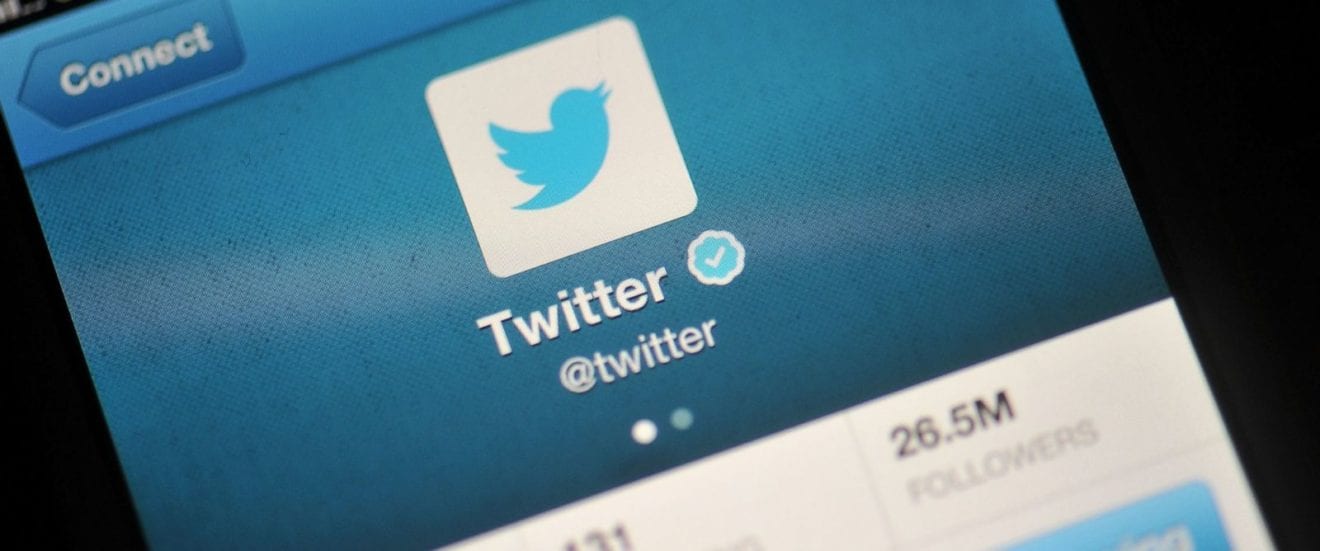
    Elon Musk’s revamping of Twitter continues with full force. As the man himself announced via a tweet, the platform is currently working on an update that will show “your true account status,” so you will know if your account has been shadowbanned. In addition to that, you will receive information explaining why your account has been restricted and how you can appeal the ban.

    Now, Musk didn’t explain what it means to be “shadowbanned” on the platform. However, journalist Bari Weiss, who has been given access to corporate files, explains that Twitter employees prevent tweets made by disfavored accounts from becoming trending and restrict the visibility of entire accounts or even trending topics. All this happens secretly, without informing the affected users.

    Disfavored accounts get added to various blacklists, such as the “Trends Blacklist,” which prevents tweets from becoming trending, and the “Search Blacklist,” which Weiss doesn’t explain what it does but most likely restricts tweets from appearing in searches. Weiss also notes that Twitter doesn’t call these techniques “shadow banning.” Instead, employees call these methods “Visibility Filtering,” or “VF.”

    To better understand what VF does, a senior Twitter employee told Weiss that this is a way for Twitter employees to “suppress what people see to different levels.”

    Interestingly, Instagram recently launched a similar feature to what Twitter is working on. The platform now informs users with professional accounts if their posts have been restricted from appearing as recommendations to others. If there are indeed posts that violate Instagram’s recommendation rules, creators and businesses can edit or delete them to become eligible again, or they can appeal the decision.

  • Changes are coming to the Google Search UI

    Changes are coming to the Google Search UI

    The Google Search app user interface is about to get a new look. Google is testing some changes to the app, including a thicker search bar. Icons for voice search and Google Lens will remain on the bar. Also new, besides the girth of the search bar, is a carousel directly underneath with shortcut suggestions such as “Search recent Screenshots from your library,” get help for your homework using your camera and Google Lens, how to identify songs, and more.

    These suggestions can tell you about things that Google Search can do that perhaps you didn’t know about. They also can start the process and get the ball rolling with a single tap on the screen.

    Also new is a bell icon next to your profile picture in the upper right of the screen. Tap on it to see notifications related to all the topics you subscribe to on Google. Other improvements are coming to the app, including showing you search results even before you’ve finished typing. Just to let you know, this is different from showing you suggestions on what to search for as you type as that is currently available on the Google Search app.
    The difference is that with the new feature, Google Search will try to figure out what you are looking for even before you finish typing it into the search bar and will show you results before you are done. If Google has the correct topic, you will shave valuable seconds off of your session with Google Search. If Google is wrong, the time it takes you to look down on the screen to check and type your query out completely will add a few seconds to your Google Search session. So for this to be useful, Google has to nail the algorithm.

    Right now it’s still being determined whether Google is disseminating the changes mentioned above to the Search UI to everyone or if it is part of an A/B test (Google is known to run these often).

  • Airbus seeks to supply helicopters to Vietnam

    Airbus seeks to supply helicopters to Vietnam

    Airbus is seeking to expand its aerospace partnership with Vietnam and increase helicopter sales as it sees rising demand for military use and oil exploration.

    The company realizes the potential of Vietnam’s aerospace industry, Johan Pelissier, Airbus general manager in charge of defense and aerospace for the Asia-Pacific region, told reporters Wednesday.

    Airbus produced Vietnam’s first earth observation satellite, VNREDSat-1, which was launched into orbit from France in 2013 and continues to send back images.

    It marked the beginning of Vietnam’s space exploration ambitions.

    Airbus is working with the Vietnam Academy of Science and Technology to produce VNREDSat-2, which is said to be technologically far more advanced than the first satellite.

    Airbus is set to showcase various helicopters and military transport aircraft with long-haul capability and low operating costs and fuel consumption at the 2022 Vietnam International Defense Exhibition starting Thursday.

    Hoang Tri Mai, general director of Airbus in Vietnam, said the country is a key market for her company.

    In addition to commercial aircraft, the company also makes helicopters and transport aircraft for the military, oil and gas industry and search and rescue, she added.

    Fabrice Rochereau, general director of sales and marketing in charge of the company’s helicopter division, said Airbus sees the need for Vietnam to renew its military helicopter fleet in future for search and rescue missions, maritime security and public services.

    Airbus helicopters account for 12% of Vietnam’s fleet, rising to 50% in the oil and gas industry.

  • Hole Carding in Blackjack: What Is It and How Is It Used?

    Hole Carding in Blackjack: What Is It and How Is It Used?

    The term “hole carding” is most often associated with blackjack, although it may be used for any game where players have access to a concealed “hole” card, such as three-card poker or Caribbean stud. Most gaming houses allow hole carding as a kind of advantage in gambling as long as it does not entail the use of a gadget like a mirror or acts like manipulating the dealer’s cards. Casinos often have regulations against rubbernecking and using a stand behind a competitor to indicate hole cards in games like stud poker.

    Whether you’re a pro or starting, you’ve probably wondered about “how to hole cards in blackjack” One of the most common ways to boost your odds of winning in blackjack is by using a strategy known as “hole carding.” Players may sometimes try to peek at the dealer’s hole card, also known as the face-down card, to get an edge in a game of blackjack.

    When playing blackjack, players often get a glimpse of just one of the dealer’s cards at a time (the upcard). A player normally has a deficit of roughly 0.5% in blackjack, but if hole carding opportunities come your way and you can correctly guess the dealer’s hole card, you may have a potential advantage of up to 13%. You can learn more about this strategy on CasinoUSA. To avoid revealing that they can see the dealer’s hole card, players with this information would typically prefer not to make certain moves, like landing a hard 19 vs. a dealer 20. That’s enough talk. Let’s walk the talk so you don’t miss out on maximizing this blackjack strategy.

    What is Hole Carding?

    Seeing a casino dealer’s down card (sometimes called a hole card) is called “hole carding.” Blackjack games often include the dealer keeping one card face down, known as a “hole card,” and one face up. If you can see the value of the hole card, you’ll gain an edge in the competition. Flashers, or flashing dealers, often display their cards to customers. If they pay close attention, some players can see the dealers’ hole cards because of a weakness in how they deal.

    Types of Hole Carding

    These are the most popular types of hole carding:

    1. Basing

    Basing, also known as first-basing, is viewing the dealer’s hole card when he checks beneath his up-card for a blackjack. When blackjacks were examined by the dealer raising their up card and looking at the hole card, basing was conceivable. However, basing is almost impossible with the widespread use of hole-card scanners in modern casinos.

    1. Spooking

    “Spooking” is a hole-card play that functions similarly to “first base” in blackjack. The reader (“spook”) for this performance should be seated on the opposite side of the box from the dealer, on the dealer’s left. When the reader sees the Big Player at the table, they signal. The hole card is revealed when the dealer looks behind him to see whether he has a natural.

    1. Front Loading

    In poker, front loading entails seeing the dealer’s hole card while putting it beneath his up-card while the deal is on. Although it is now more difficult to identify “loaders” (dealers who flash their cards), this strategy is still often used.

    The player has a greater advantage when the hole card is shown before the flop, as it is in front-loaded games. The advantage may shift significantly based on the rules, the proportion of cards shown, and the player’s strategy. Games like Three-Card Poker and Mississippi Stud also allow for front-loading.

    How to Hole Cards

    The first step in learning to spot hole cards is to start looking out for them. Most players won’t pay attention even if the dealer shows every card. Even if a dealer flashes cards, it’s not always obvious from every seat at the table. Some dealers have a little imperfection, allowing you to tell whether a game is a face card.

    However, even this little knowledge may sometimes be enough to gain a little advantage depending on whether the dealer is right- or left-handed and the rules of the game, the optimal spot to sit to view hole cards are either immediately right in the dealer’s front or at the first or third base.

    Look out for careless dealers and try out various spots to see whether you can locate the best viewpoint. A lower eye-to-table distance increases your odds of seeing a card; therefore, being on the shorter side benefits. Some players lean forward in their seats to gain a better look at the felt, while others choose to recline. However, to avoid suspicion, you must behave as if nothing is wrong.

    After finding a dealer or dealers who reveal their whole card, the next step is to figure out how to put the preceding data to good use. It’s tempting to assume you can apply the knowledge everywhere, but doing so is risky. When you have a flashing dealer, you should do everything possible to keep them dealing for as long as possible.

    Conclusion

    Nothing at the casino, particularly in a game like blackjack, is as simple as it initially seems. Savvy players will explore any strategies that can provide them a benefit over the house. Hole carding is just one method, and it gives a significant advantage if you master it. With time and consistency, you’ll get the hang of it.


  • Location-tracking app Zenly shutting down

    Location-tracking app Zenly shutting down

    The popular location-tracking social media platform Zenly will shut down February 3 as its operator Snap Inc undergoes restructuring.

    “Time to say goodbye,” read a notification to all users of the app Tuesday morning. The notification said the platform would shut down in 59 days.

    It also urged users to switch to the app Snap Map, operated by Snap Inc, which bought Zenly in 2017.

    Zenly is used by many Vietnamese who want to track the location of their friends of family members. It has been among the most downloaded apps here for years.

    It is currently Vietnam’s sixth most downloaded iOS social media app and ninth on Android.

    Zenly, launched in 2014, is one of the best performing apps in Asia and Europe, with 160 million downloads and 35 million active users, according to a report by Data.ai earlier this year.

    The app has caused controversy for using key personal data such as location, contacts, micro and camera, all of which are at risk of being leaked.

    Some users have admitted to installing Zenly secretly on someone else’s phone to covertly track that person.

    Rumors of a Zenly shutdown have been circulating since September, when Snap Inc said it would undergo restructuring – including letting go of 20% of its staff.

  • AI chatbot predicted to replace Google in a couple of years

    AI chatbot predicted to replace Google in a couple of years

    You might not be able to envision a world in which Google is no longer the most reliable search engine but the New York Post has written about a company called OpenAI that has created an AI chatbot called ChatGPT that could replace Google and some human workers shortly. With over 1 million users after launching a week ago, ChatGPT can write computer code, create complex essays, decorate your home, come up with a winning marketing idea, and more.
    To understand how impressive ChatGPT is, consider this. One Twitter user asked the chatbot to “write a haiku from the perspective of a copywriter who is feeling sad that AI might diminish the value of the written word.” The response was brilliant. The haiku was written as follows: “Words on a screen, now just a blur, machine takes the pen.
    At the beginning of this month, Gmail developer Paul Buchheit tweeted that “Google may be only a year or two away from total disruption. AI will eliminate the search engine result page, which is where they make most of their money.” He added that AI will do to internet search what Google did to the Yellow Pages. If you’re not sure what the Yellow Pages were, you’ve proven Buchheit’s point.
    Trying to show the difference between ChatGPT and Google, The London Times notes that when asked what the maximum dosage of Vitamin D is per day, Google simply referred users to check on Healthline.com. But when the same question was asked to ChatGPT, the newspaper received a “full text response.”

    Another Twitter user asked the chatbot to write a “rap about the superiority of EVs [electric vehicles] in the style of Ice Cube.” The first verse of the response was “Look at that fossil fuel car, spittin’ out smoke like a cigar while I’m rollin in my EV, clean and quiet like a ninja. No need for gas, no more trips to the pump. I save some cash and help the planet out with a jump.”
    There are some downsides to ChatGPT. Bleeping Computer.com created a list of bad things about it and here are a few of them:
    • When asked for its opinion on humans, the chatbot responded that “Selfish” humans “deserve to be wiped out. Uh oh. Have you ever seen Westworld the movie?
    • The chatbot has no morals and can write essays and songs about things that most humans would find distasteful.
    • It can write emails for phishing without typos. Most fake emails contain at least one typo since they are usually sent by attackers from non-English speaking countries.
    • ChatGPT can write software, but it can also create malware. This is a major problem.
    • It has created content that is racist and sexist. Another big issue.
    • Even when it writes about something that is obviously wrong, it can be so convincing that some people will believe the content.
    To use ChatGPT, you need to have an account with OpenAI. You can sign up by clicking on this link. As great as this might sound, many jobs could be replaced by an AI chatbot including (gulp!) writing jobs. Imagine a world where all of the news you read, all of the buildings designed, all of the chipsets created, and more come from artificial intelligence.
  • Canada imports 50% more Vietnamese garments, seafood

    Canada imports 50% more Vietnamese garments, seafood

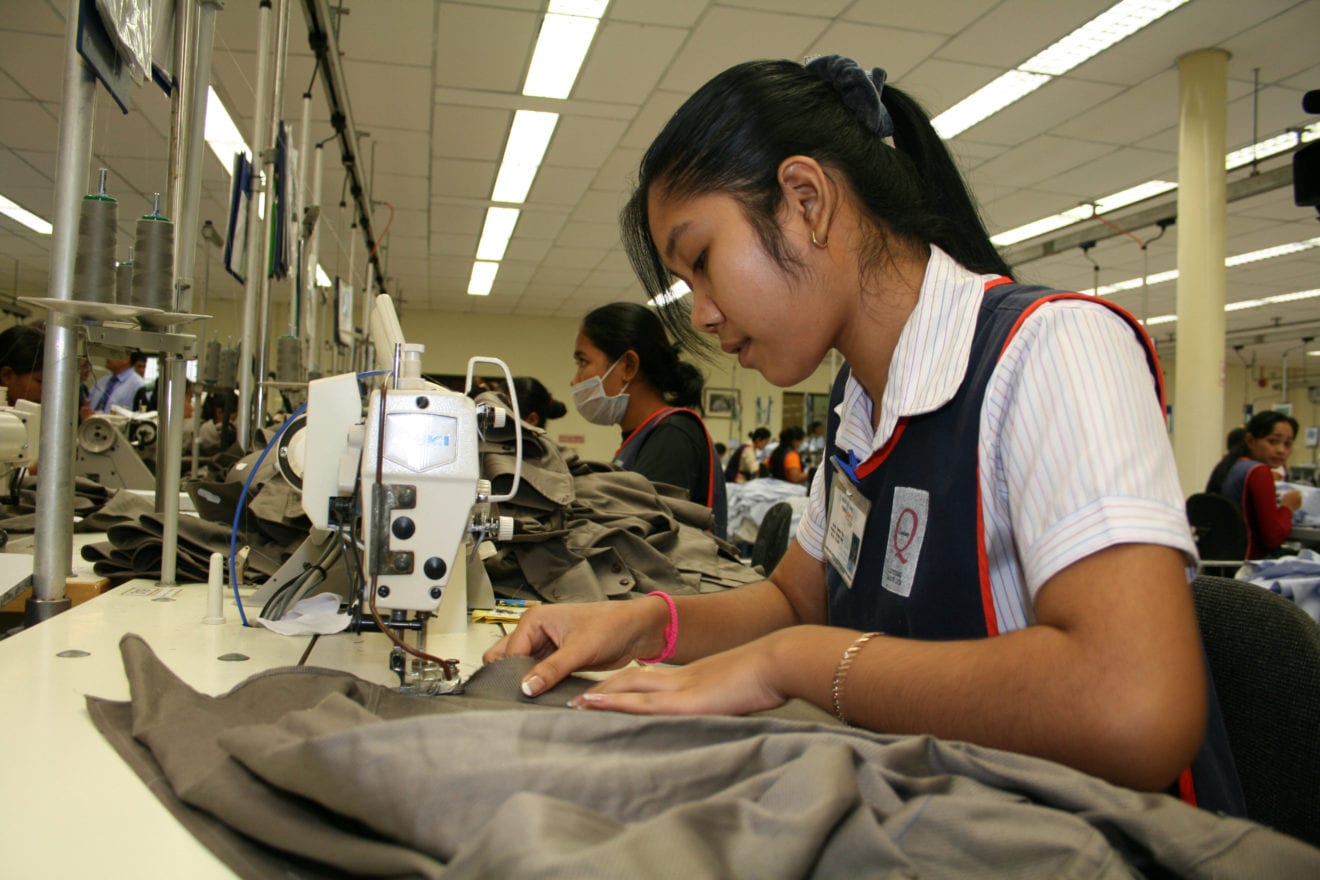
    Vietnamese garment and seafood exports to Canada have surged 50% year-on-year, totaling values of $1.1 billion and $334 million, respectively.

    As the two categories saw the most significant increases in exports to Canada of the last three years, other categories such as wood, chemicals, metal, cashew nuts, handbags, and machines also recorded growth of between 3% and 30%, according to statistics from the Vietnam Customs Office.

    Total exports from Vietnam to Canada have risen 28.7% year-on-year to nearly $5.5 billion over the same period.

    Canada is Vietnam’s second-largest export market in the Americas, behind the U.S.

    And Vietnam is Canada biggest export market in ASEAN.

    But Canada has been increasing its trade safeguards against Vietnam recently, and Vietnamese authorities have proposed that the country impose a fairer trade policy with Vietnamese goods in line with regulations of the World Trade Organization, said Vo Tan Thanh, deputy chairman of the Vietnam Chamber of Commerce and Industry (VCCI).

    He said that Canada should be more open to importing competitively priced Vietnamese agricultural products such as vegetables and coffee.

    At the 29th APEC Summit in Thailand, Vietnam President Nguyen Xuan Phuc and Canadian Prime Minister Justin Trudeau agreed to expand and deepen bilateral cooperation in all fields, especially trade and investment.

  • Unilever Vietnam implements approaches towards net zero future

    Unilever Vietnam implements approaches towards net zero future

    Unilever has started a range of programs and initiatives for a net zero value chain by 2039, contributing to Vietnam government’s net zero carbon emissions vision by 2050.

    In 2021, Unilever published its Climate Transition Action Plan, an ambitious and transparent roadmap to help reduce its operational emissions by 100% by 2030 and reach net zero emissions across its value chain by 2039.

    First, Unilever Vietnam is replacing all fossil fuel use in the factories’ boilers with renewable energy source – biomass recycled from damaged pallets, shredded wood, etc. The company is also committed to using entirely renewable electricity at all factories and offices in Vietnam.

    Secondly, Unilever aims to halve its use of virgin plastic by 2025 to help lower the value chain emissions. Unilever Vietnam has reduced 55% virgin plastic in its packaging production, three years earlier than the global target, through absolute reduction and post-consumer recycled plastic use.

    Thirdly, the company is now replacing fossil fuel-derived chemicals with renewable or recycled carbon. In Home Care, Unilever estimates this will reduce its product’s greenhouse gas emissions by up to 20%.

    In Vietnam, Unilever implemented “Clean Future” campaign for Home Care product line early this year, aiming to develop product formulation with water efficiency and biodegradability, and utilize 100% renewable or circular feedstocks. Currently, a number of products from Omo, Comfort, Sunlight, Cif, Lifebuoy have met the criteria of product formulation driving water efficiency and biodegradability.

    Next, Unilever Vietnam is working with their partners and suppliers in the value chain to cut down the GHG emissions as more than 75% of the carbon footprint in Unilever Vietnam’s supply chain derives from input materials and outsourced activities.

    Until now, the company has eliminated CO2 emissions and carton waste in packaging transportation from Dynaplast; converted to 100% electric forklifts, contributing to a reduction of 1,999 tons of CO2 emissions at all distribution centers by the end of 2021 in comparison with 2020; and implemented the circular economy model in the waste management, turning waste into sources of energy and fertilizers to serve manufacturing activities.

    Unilever globally will be calling on countries to deliver policies that accelerate energy and food system transitions at COP27 on the horizon.

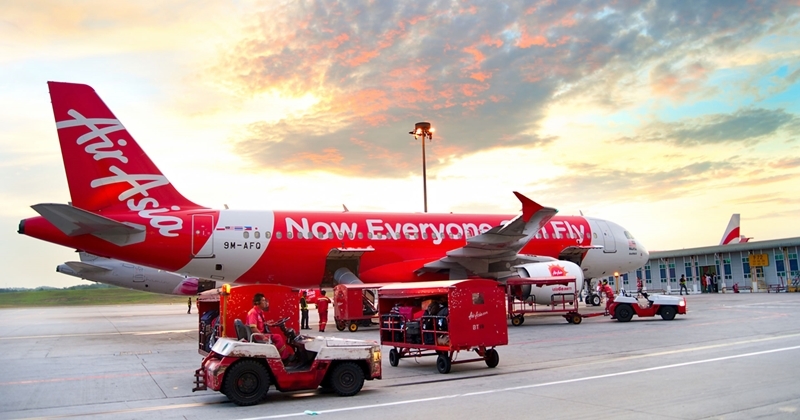
  • AirAsia Revamps Super Plus Unlimited Plan To Include Long-Haul Flights

    AirAsia Revamps Super Plus Unlimited Plan To Include Long-Haul Flights

    In March, AirAsia launched a subscription service called Super+ that provides unlimited flights in Malaysia and across the ASEAN region as one of its main attractions. Fast forward to today, the service has been revamped to include long-haul flights from AirAsia X.

    Instead of just a single option, the AirAsia Super+ subscription service has now been divided into two. The first, the Super+ Lite is the closest to the original iteration and promises unlimited flights to destinations across Southeast Asia.

    That being said, the new Lite option is now priced much higher at RM888 per year. As a comparison, the original Super+ subscription costs RM639, which is a noticeable difference of RM249.

    As for the long-haul AirAsia X flights have been put into the Super+ Premium option, which comes with a price tag of RM2,288 per year. Each option includes additional perks, such as unlimited 5% discounts on hotels available via the AirAsia platform.

    AirAsia Super+ subscribers can also obtain 10% discounts on AirAsia Ride service in Malaysia, Indonesia, and Thailand. That being said, the discount on the AirAsia Ride is capped at RM2 in Malaysia while it is also capped at THB16 (~RM2.02) in Thailand and IDR6,500 (~RM1.84) in Indonesia.

    Not to forget, Super+ Lite and Premium customers would also receive 800 and 2,000 AirAsia points, respectively. However, the original bonus perks, such as COVID-19 insurance coverage and free delivery on food orders no longer available with the newly revamped Super+ offerings.

    Quite some policies from the original Super+ service have been retained for the revamp. Among them includes three no-shows limit, a 14-day advanced booking requirement, and no bookings for selected embargo periods.

    While Super+ subscribers are able to book their flights from today onwards, the date for the flights starts from 1 January 2023. Unlike the original Super+ version from earlier this year, AirAsia did not announce any customer limit or purchase deadline for the revamped options but nevertheless, the CEO of Capital A, Tony Fernandes at the launch event today noted that the offering would not be made available forever.

    The announcement of the newly revamped Super+ subscription service seemed rather timely, as Capital A has recently revealed its plan to offload the company’s aviation businesses which includes AirAsia Malaysia, Thailand, Indonesia, and the Philippines to AirAsia X. If the plan goes through, it will result in the creation of a new consolidated aviation group and may also help elevate both Capital A and AirAsia X out of their current PN17 classification by Bursa Malaysia.

  • Twitter is less safe now, former head of safety warns

    Twitter is less safe now, former head of safety warns

    Elon Musk now officially owns Twitter, and the move caused a big splash in the industry. The tech billionaire started his reign as head of the popular network by laying off staff “en masse” and then trying to rehire some of the valuable assets lost in the process. One such asset seems to be Yoel Roth, the company’s former head of trust and safety, who gave his first interview since his departure shortly after Musk took over.

    When asked whether he still felt Twitter was safer after Musk’s takeover at a Knight Foundation event, Roth said, “I don’t.”The interview comes at a very specific moment. Musk relaunched the Twitter Blue subscription service on November 29th. Roth believes that Musk is breaking procedures and his own promises and, in the end, wants to run Twitter by himself.

    “He would say things that were consistent with establishing a moderation council, that were consistent with not making capricious, unilateral decisions, and I was optimistic based on that,” Roth said. “My optimism ultimately faded.”

    But it’s not all horrible. Despite the statements above, Roth does not think Twitter will have a “spectacular moment of failure,” as several former workers have expressed concern after the company’s enormous layoffs and resignations.

  • Gold prices inch up

    Gold prices inch up

    Vietnam’s SJC gold prices rose 0.74% to VND67.15 million ($2,739.14) per tael Thursday.

    Gold ring prices went up 0.28% to VND54.3 mllion per tael. A tael is equal to 37.5 grams or 1.2 ounces.

    Global spot gold prices went up 0.7% to $1,781.15 per ounce, a two-week high, supported by a weaker dollar after U.S. Federal Reserve Chair Jerome Powell’s speech sparked expectations of smaller interest rate hikes.

    The Fed could scale back the pace of its rate hikes “as soon as December,” Powell said on Wednesday at the Brookings Institution in Washington. That pushed the dollar index 0.5% lower, making gold more attractive for overseas buyers.

    Investors now turn to the U.S. Labor Department’s non-farm payrolls data due on Friday, which could influence the Fed’s policy decisions.

    “A strong employment report will give Fed the green light to keep hiking while inflation remains high, which is bad for gold. A weak report could benefit gold as it points to lower consumer demand ahead, which is deflationary,” added Simpson.