Category: General

Retail News Asia is committed to providing both local and global retailers with the latest General Retail news throughout the Asian market. This on a daily base.

  • Agro exports hit new record high

    Agro exports hit new record high

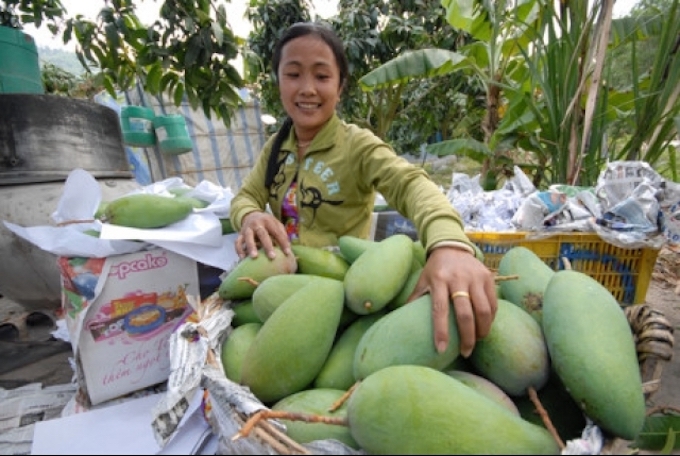
    Vietnamese agriculture, forestry and fishery exports climbed to a new record of over $49 billion in value through November this year, an 11.8% hike year-on-year.

    As Vietnam’s largest foreign agriculture market, the U.S. accounted for $12.3 billion in shipments, 25% of the total.

    Orders from the robust Chinese economy followed the U.S. market at $9.3 billion.

    Continentally, Asia accounted for 44.7% of the total, trailed by the Americas at 27.4%, and then finally, Europe at 11.3%.

    More Vietnamese agricultural products were exported this year than ever, with fresh pomelo officially added to U.S. shipments for the first time this November after six years of negotiation.

    Fresh durian was officially exported to China in September, along with passion fruit, yams and bird’s nest.

    Vietnam’s Ministry of Agriculture and Rural Development reported that it is negotiating with China, Japan, South Korea and other countries to continue expanding the list of local agro products shipped abroad.

  • Trade surplus at $10.6B for 2022

    Trade surplus at $10.6B for 2022

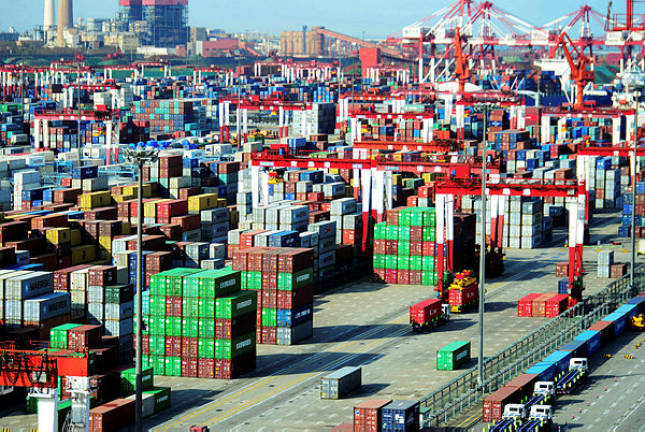
    The trade surplus was US$0.78 billion in November, which took the year’s figure to $10.6 billion, the General Statistics Office said Tuesday.

    The surplus in the same period last year was $0.6 billion.

    But exports fell in November by 8.4% to $29.18 billion, which took the full-year figure to $342.21 billion.

    The U.S. has been Vietnam’s biggest export market ($101.5 billion).

    Meanwhile, imports were worth $331.61 billion, a year-on-year increase of 10.1%.

    They included shipments of $109.9 billion from China, the biggest exporter to Vietnam.

    Last year exports had been worth $336.31 billion, up 19%, and imports, $332.23 billion, up 26.5%, for a trade surplus of $4.08 billion.

    The surplus has been growing since 2016, according to the GSO.

  • Vietnam gold price drops despite global gain

    Vietnam gold price drops despite global gain

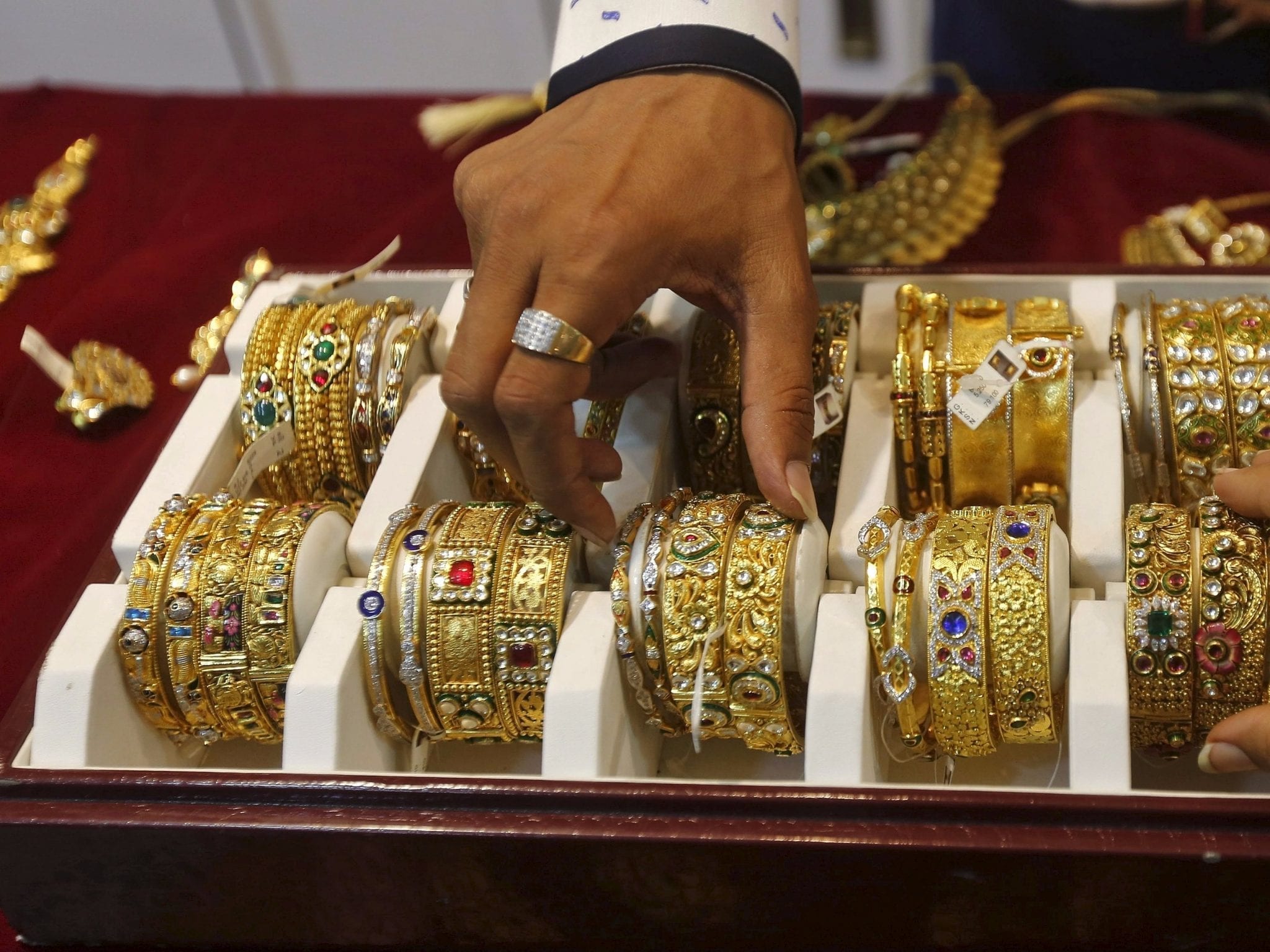
    Prices of gold bars branded SJC on Wednesday decreased 0.15% from the previous day to VND67.1 million ($2,722.11) per tael.

    But gold ring prices went up 0.28% to VND54.15 million per tael. A tael is equal to 37.5 grams or 1.2 ounces.

    Global spot gold was up 0.1% at $1,751.89 per ounce, aided by a dip in the U.S. dollar, with investors largely focusing on Federal Reserve Chair Jerome Powell’s speech for insights into the U.S. central bank’s monetary policy path.

    Powell’s speech is the main focus for the market, said Edward Meir, an analyst with ED&F Man Capital Markets.

    “If Powell takes a hawkish stance, the dollar will strengthen and gold will move lower, probably back to the $1,745 level. But if he sounds more conciliatory, gold could move up to the $1,780 level.”

    Meanwhile, top gold consumer, China reported a slight drop in new Covid cases for Nov. 29, the National Health Commission said.

    Gold needs a strong China as it drives risk appetite and could bolster jewelry demand, and bullion could gain if China’s health authorities provide some clear signals that they are close to tweaking their zero-Covid policy, Edward Moya, senior analyst with OANDA, said in a note.

  • Musk suggests that he wants to “go to war” against Apple, starts lobbing “tweet grenades”

    Musk suggests that he wants to “go to war” against Apple, starts lobbing “tweet grenades”

    These days you have to wonder just exactly what is going through the mind of multi-billionaire Elon Musk. After spending $44 billion to buy Twitter, Musk is acting like someone who never made a major decision in his life. He says one thing, reverses direction in a day and reverts back to his original thought a few days later. Can Twitter board members trust him to pick which flavor of ice cream cone to buy at Baskin Robbins? After all, the ice cream purveyor offers 31 flavors.
    Now, Elon is focusing (best as he can) on Apple. Reuters reports that Musk has disseminated several tweets in which he accuses the tech giant of trying to block Twitter from the App Store and said in a tweet that “Apple has mostly stopped advertising on Twitter. Do they hate free speech in America?” If true, Apple would be one name from a list of advertisers that have left the platform since the Musk era began for Twitter.
    He also tagged Apple’s CEO in a tweet that asked, “What’s going on here @tim_cook?” Ad metrics firm Pathmatics shows that Apple spent $131,600 on Twitter ads between November 10th and the 16th. That was down 40% from the $220,800 that Apple spent on Twitter ads between October 16th and October 22nd. That was the week before Musk closed on his Twitter purchase.

    According to a Twitter internal document, Apple was the top advertiser on Twitter during the first quarter of this year having spent $48 million which accounted for 4% of Twitter’s revenue during the three months.

    Musk also railed against the so-called “Apple Tax,” which is the 15% to 30% cut of in-app transactions that Apple collects from developers for using its in-app payment platform. But in what can only be called an unhinged tweet, Musk writes “Did you know Apple puts a secret 30% tax on everything you buy through their App Store?” At this point, especially after the current legal battle with Epic Games, we would hardly call this a secret tax. Nor would we call this tweet a “spoiler alert” as Musk writes.

    In a meme that the executive posted on Twitter and then removed, Musk suggests that he will “go to war” with Apple. Of course, some politicians used Elon’s ranting to complain about the App Store which has been under attack by lawmakers who see it as a monopoly since iOS does not allow sideloading. That is the use of third-party app stores to download apps on a device. Google allows this on Android, but Apple says that it bans sideloading to protect users from installing malware.

    Rep. Ken Buck (R-Colo.), who was one of the lawmakers seeking to pass antitrust legislation against large tech companies like Apple and Google, said, “This is why we need to end the App Store duopoly before the end of this year. No one should have this kind of market power.”
    White House press secretary Karine Jean-Pierre noted that the White House was following the situation and in a statement, it was clear that the Biden administration is focusing on another, more troubling aspect of Musk’s acquisition of Twitter. ” She stated that “We have always been very clear that when it comes to social media platforms, it is their responsibility to make sure that when it comes to misinformation, when it comes to the hate that we’re seeing, that they take action.”
    Since Elon purchased Twitter, many users have complained about a proliferation of hate speech that apparently is now being tolerated on the platform. Such activity could get Twitter banned from the App Store and Google Play Store. According to a previous tweet from Musk, such action would lead him to develop an alternative phone to compete with iOS and Android handsets.
  • Daiso eyes increasing its US store network more than 10 fold

    Daiso eyes increasing its US store network more than 10 fold

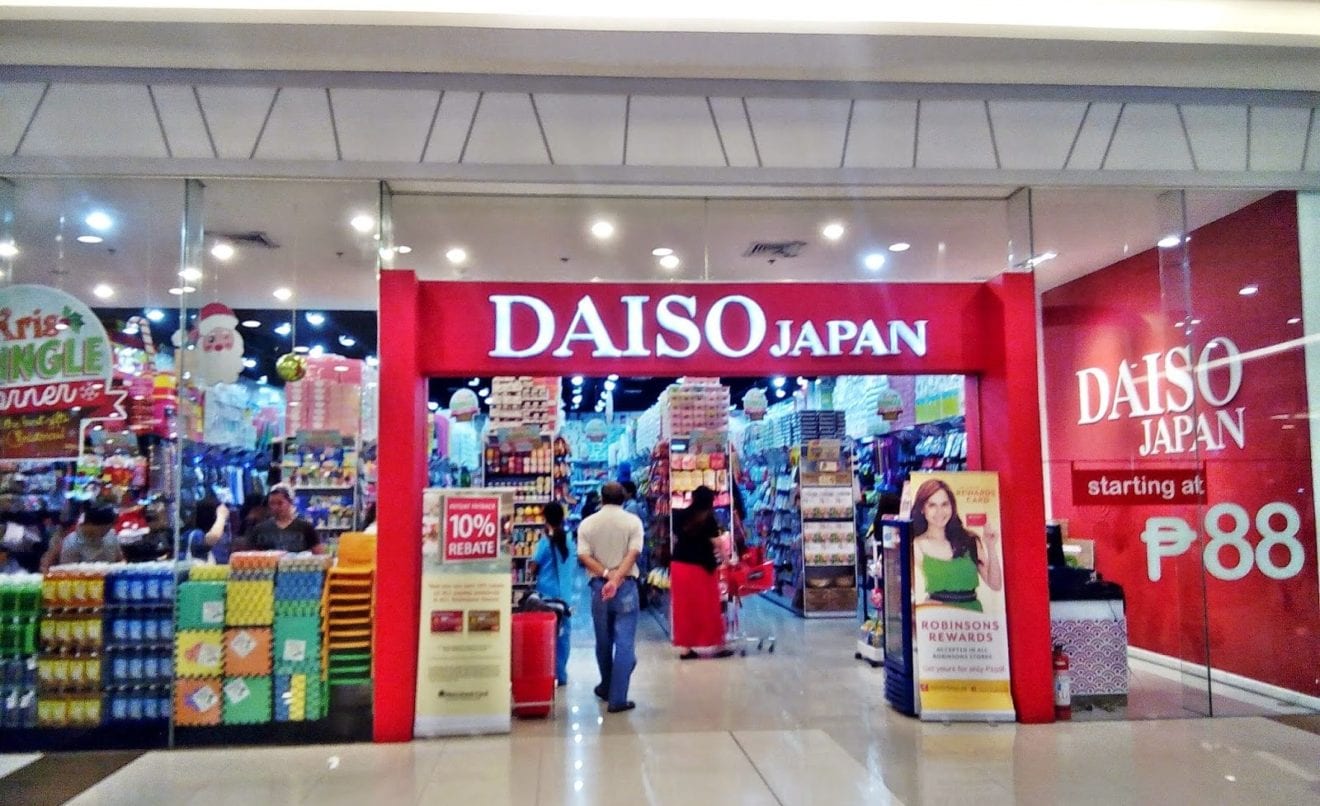
    Japanese ¥100 shop operator Daiso Industries aims to increase the number of its stores in the United States more than 10-fold in the long-term, as soaring inflation has spurred more American consumers to look for high-quality products on a budget.

    The value retailer, which has won over customers in Japan during the country’s decadeslong deflation, currently operates more than 80 U.S. stores in states such as California and Texas.

    The operator said it will add about 30 more outlets in the state of Arizona and elsewhere during the next fiscal year, with plans to eventually bring the total number of its U.S. stores to 1,000.

    “We think high-quality, single-price products will catch on overseas, too,” a Daiso official said. “We will aggressively go into new areas abroad.”

    Daiso’s plan comes as dollar shops become increasingly popular in the country where runaway inflation is shrinking disposable income.

    Amid such a trend, the Hiroshima Prefecture-based company in July opened an outlet in the Manhattan district of New York City, its first in the area.

    The operator aims to attract more American customers by launching new products at frequent intervals and increasing its selection of goods, it said.

    Since opening its first overseas store in Taiwan in 2001, Daiso has accelerated its overseas expansion as the retailer’s wide range of inexpensive products — from toys to kitchen utensils to hardware — gained popularity.

    As of February, it operated about 2,300 stores in 25 countries and regions outside of Japan. Most are located in Asia, with South Korea boasting more than 1,300 outlets.

    Daiso expanded its business in deflation-afflicted Japan as stagnant wage growth made its stores a go-to place for daily necessities for many.

  • EU Demands Quick Fix From U.S. Of Green Subsidy Law

    EU Demands Quick Fix From U.S. Of Green Subsidy Law

    European Union ministers warned on Friday that time was running out to resolve differences with Washington over U.S. plans to give tax credits to consumers buying electric vehicles and other green products as long as they are made in North America.

    The EU argues the $430 billion Inflation Reduction Act, to take effect in January, will make the United States a world leader in the electric vehicle market at its expense.

    Czech industry and trade minister Jozef Sikela said all 27 EU members were concerned. He told reporters before a meeting of national trade ministers that time was running out and expressed hope a solution could be found by Dec. 5 when top U.S. and EU officials will meet.

    Ministers were set to be briefed on the progress made by a joint U.S.-EU task force launched at the start of November to address the issue. Dutch trade minister Liesje Schreinemacher, describing the act as “very worrisome”, said the task force had to “get a move on” and produce results as soon as possible.

    Swedish counterpart Johan Forssell said the time frame was tight.

    “We cannot wait too long until we make a decision… So I think the need for action will be pretty soon,” he said.

    Irish deputy prime minister Leo Varadkar said the EU and the United States would ideally come to an arrangement at the Trade and Technology Council meeting in December, but that, failing that, the EU would have to respond.

    French minister Olivier Becht said the U.S. transition towards a greener economy should be based on fair competition rather than measures that breached World Trade Organization rules.

    He said ministers would discuss persuading the United States to modify its act. Otherwise, the EU would have to consider “other measures”.

    “There is a range of measures that can be put on the table. The objective

  • Personal Data of Passengers, Employees Stolen in Ransomware Attack on AirAsia

    Personal Data of Passengers, Employees Stolen in Ransomware Attack on AirAsia

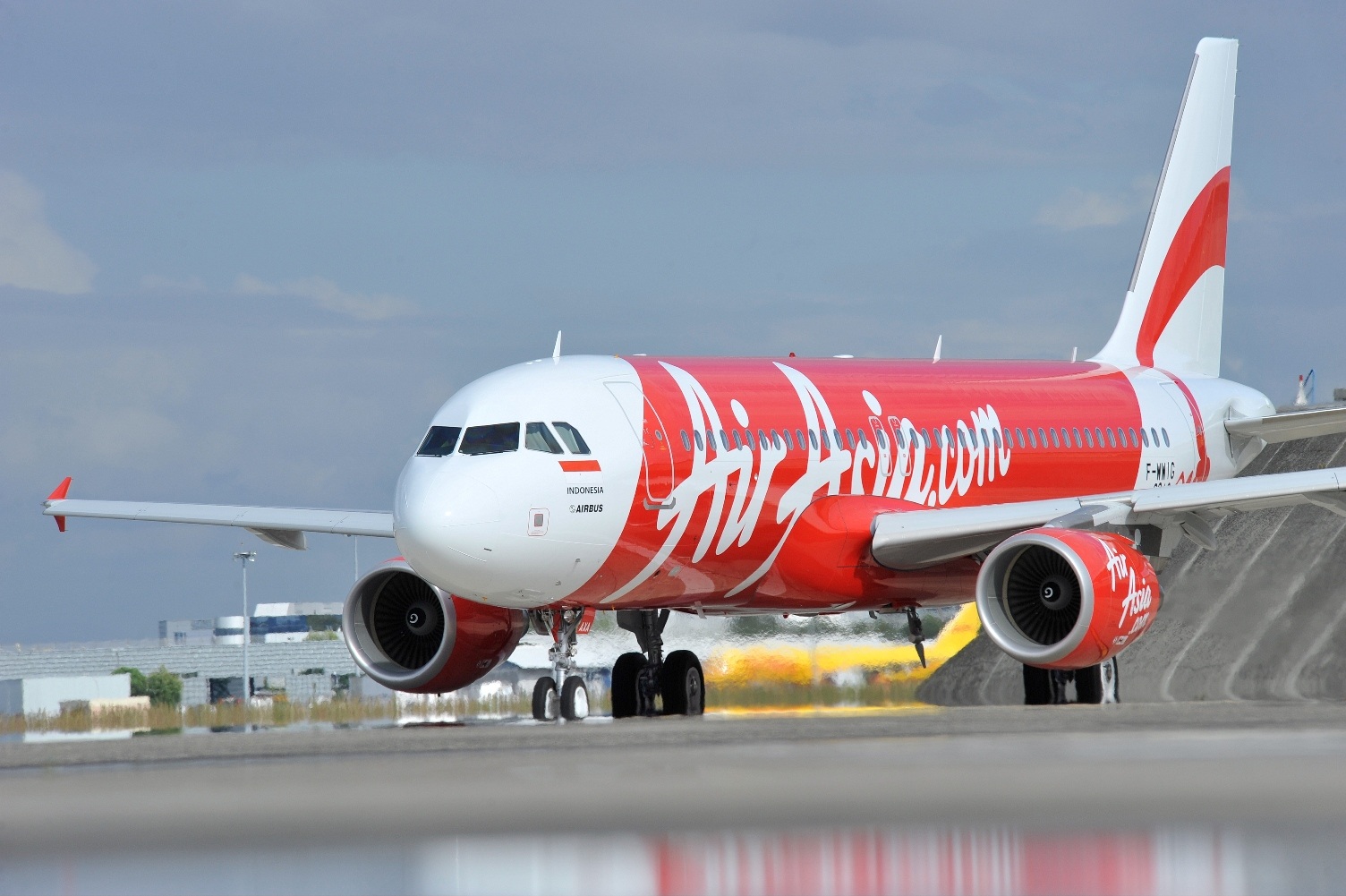
    AirAsia, a budget airline that operates out of Malaysia, is dealing with the aftermath of a ransomware attack that saw the personal data of some five million people stolen.

    To add insult to injury, the gang of responsible cyber criminals said they would not follow up on the beleaguered airline due to how “sloppy” its internal organization and management appeared to be.

    The perpetrators of the ransomware attack appear to be “Daixin Team,” a group that is thought to be based in or around China and that has become active enough in recent months to merit an alert from the FBI and CISA. The group has been active since at least June 2022, but previously had shown a strong preference for targeting healthcare and public health facilities via unpatched VPN vulnerabilities.

    The ransomware attack on AirAsia occurred on November 11 and 12, with samples of the stolen personal data being leaked to the group’s dark web site about a week later. The posted samples contain employee personal information as well as passenger booking information. The group says that it has captured “all employees” personal data and an unspecified quantity of passenger data.

    While Daixin Team continues to shake down AirAsia using the stolen personal data, it said there would be no further ransomware attacks on the company due to its “chaotic organization” and poor cybersecurity. However, this did not appear to be out of pity, but at frustration at having to sort through a tangled internal network to find information of value; the group said it would leave it to “newcomers” to pick through the “garbage.” However, the hackers also said they would stop short of locking anything that could be life-threatening, such as air traffic control and radar systems.

    Founded in 1993, AirAsia has the largest fleet in Malaysia and flies to the greatest range of international and domestic destinations. The airline carried a total of about 4.81 million passengers in 2021, indicating that the personal data stolen by the attackers may be limited to bookings taking place within the last year or so. Part of the leak of sample data stolen during the ransomware attack shows a database of passenger names with ID numbers and the total cost of their ticket.

    Ransomware attacks have become both more frequent and more expensive to weather in recent years, but they have also become more dangerous. Attackers have now demonstrated that they are willing to cause real-world damage, potentially even death, if they think it will increase their chances of a payout. That was a red line that was really not crossed before the major attacks on critical infrastructure and hospitals in 2021.

    It is unclear if Daixin Team’s claim that it had access to air traffic control and other sensitive airline applications that could cause physical damage is accurate. This would generally require direct access to an individual airport’s systems rather than an airline’s internal network or booking system. There have been numerous attacks on both airlines and the public-facing portion of airport websites at this point, none of which have yielded that sort of access; about the closest example was an attack on Bristol Airport in 2018 that caused outages of the flight status screens for two days, but did not impact actual aircraft operations. Another attack in India earlier this year disrupted flight scheduling for several days, but did not prevent planes from flying. FedEx’s air shipment service has also been hit by ransomware attacks at least twice, but flight operations are not known to have been impacted.

    Ransomware attacks have been demonstrated to be capable of indirectly causing death at this point, however, in the health care industry that Daixin Team likes to target. In 2020 a German patient being transported by ambulance for emergency services was turned away from a hospital that had its systems shut down by ransomware, and died en route to the next closest facility. And in 2021, a baby in Alabama died after a mother was not given tests that may have saved its life, due to ransomware limiting hospital capabilities at the time. Though hospitals are generally not well-funded, hackers target them due to the wealth of personal data they hold and the fact that they cannot afford to have systems down for any length of time.

    Nick Tausek, Lead Security Automation Architect at Swimlane, notes that this is a risk that all types of organizations now need to consider: “Since June of this year, the Daixin Team has attacked several healthcare organizations, including the OakBend Medical Center in Texas and the Fitzgibbon Hospital in Missouri. Both attacks resulted in the exposure of personally identifiable information (PII) on the dark web and represented a significant threat to patient and employee safety. Now, the Daixin Team seems to be shifting towards new targets – global critical infrastructure. Like prior Daixin Team attacks, the attack on AirAsia has resulted in sensitive data exposure. Unfortunately, AirAsia will most likely face large financial burdens and a crisis of confidence from its consumer base due to this attack.”

    “To mitigate the chances of similar attacks in the future, it is imperative that organizations adopt low-code security automation to help detect and respond to threats in real-time by allowing complete visibility into IT environments. Endpoint security tools that integrate low-code security automation give organizations a cohesive protection strategy that protects customers and employees as well as keeps essential services like air travel up and running,” recommended Tausek.
  • AirAsia X says it’s back in profit

    AirAsia X says it’s back in profit

    AirAsia X (AAX) said it posted a quarterly net profit of RM25.1 million (US$5.6 million) compared to a net loss of RM652.5 million in the preceding quarter. Revenue was slightly lower at RM100.1 million as compared to RM107.2 million during the period ending 30 June 2022 (4Q22) on the back of a reduction in revenue from the freight services segment due to normalized scheduled flight operations.

    In other segments, recovery across all key metrics has significantly improved as scheduled passenger and charter flights as well as ancillary revenues, have demonstrated a strong recovery compared to the preceding quarter. For 5Q22, the Company posted earnings before interest, taxes, depreciation, and amortization (EBITDA) of RM25.4 million, while profit before tax for the period stood at RM23.8 million.

    Operationally, the Company reported Passenger Load Factor (PLF) was recorded at 73% during the quarter – less than ten percentage points short of its pre-COVID-19 PLF of 81% in 2019. The Company carried a total of 80,385 passengers during the period under review, compared to 8,892 passengers from April – June 2022. Seat capacity grew to 110,615 during the quarter from 27,521 in the preceding quarter as additional markets and frequencies were introduced in 5Q22.

    During the period under review, the total number of sectors flown increased to 291 sectors from 226 sectors in 4Q22. Following its return to scheduled services in April 2022, the Company has made notable progress in its network recovery – adding Sydney and two new dense-short-haul routes to Kota Kinabalu and Kuching to its network in September 2022. AAX also introduced increased frequency to existing markets in Seoul and Delhi to cater to strong pent-up demand.

    In terms of balance sheet and cash flow, the Company charted a cash balance of RM79.5 million for the period ending 30 September 2022 – an increase of beyond 100% as compared to RM25.1 million in the preceding quarter. This was achieved predominantly on the back of a V-shaped air travel revival supporting the resumption of scheduled passenger flights to many of its most popular and profitable destinations, along with charter and cargo flights.

    AirAsia X Malaysia CEO Benyamin Ismail said: “AAX is now well on track in its recovery path even as the airline is compelled to operate in a challenging operational environment dictated by high fuel prices and a weakened Malaysian Ringgit against the US Dollar. While we are cautious of the strenuous operating conditions, we remain confident that the recovery of the Company is on the horizon, if not already within our reach. In the previous quarter we resumed our scheduled passenger flights to Seoul and Delhi, and are pleased to report that we have also resumed our services to Sydney and introduced additional frequencies to Seoul and Delhi in 5Q22.

    Due to high demand, AAX had also commenced operations to dense, short-haul routes during the quarter where demand has exceeded currently available aircraft capacity; namely Kota Kinabalu and Kuching. At the beginning of 5Q22, AAX was charting three flights per week and this surged to 23 flights per week by the end of the period under review.”

  • Gold prices continue to drop

    Gold prices continue to drop

    Prices of gold bars branded SJC on Monday dropped 0.4% from the weekend to VND67.35 million ($2,716.82) per tael.

    Selling prices of gold rings remained unchanged, reaching VND54.05 million per tael. A tael is equal to 37.5 grams or 1.2 ounces.

    Globally, gold prices slipped on Monday, as a stronger U.S. dollar made the greenback-priced metal more expensive for buyers holding other currencies.

    Spot gold was down 0.2% at $1,752.66 per ounce, as of 0016 GMT. U.S. gold futures fell 0.1% to $1,751.80, according to Reuters.

    SPDR Gold Trust, the world’s largest gold-backed exchange-traded fund, said its holdings rose 0.2% to 908.96 tonnes on Friday from 906.93 tonnes on Wednesday.

  • Workers worry about pink slip as global economic woes dry up orders

    Workers worry about pink slip as global economic woes dry up orders

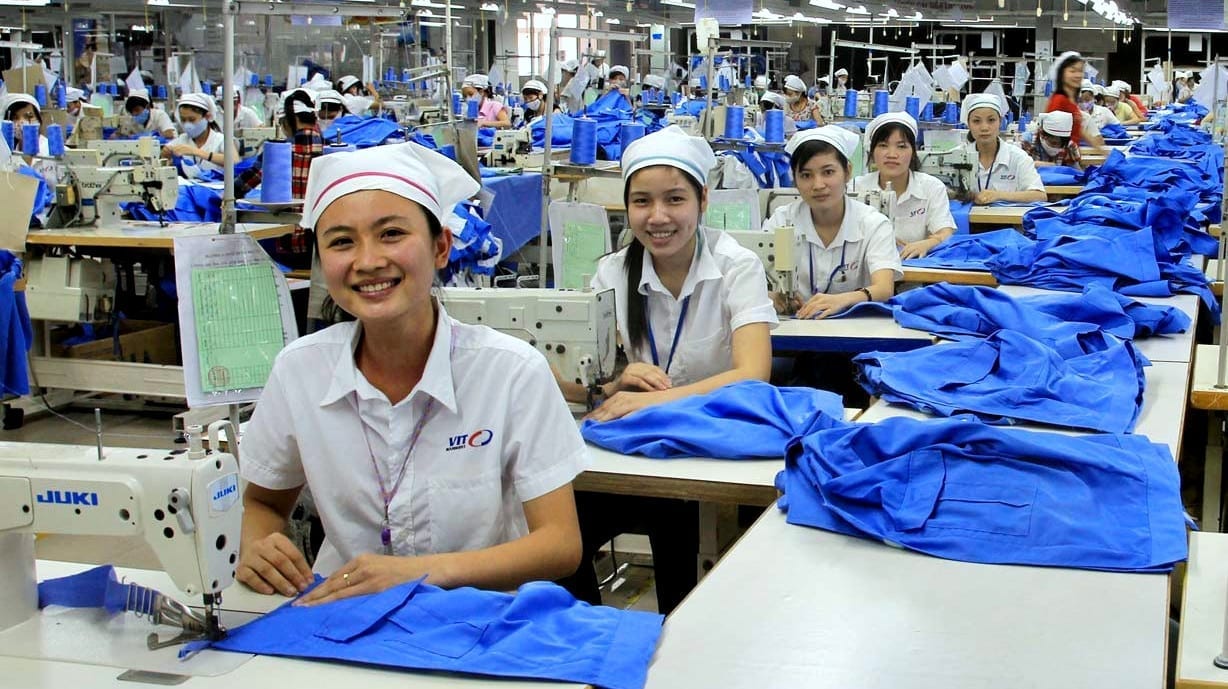
    With her company planning to cut its payroll from 300 to 20, Ngoc has a constant dread of being fired, and does not even dare take sick leave.

    “Everyone goes to work with a constant worry, not knowing who will be fired next,” she says.

    She returns home at 9 p.m. after four straight shifts. “Our company does not have new orders, and so people have to manage existing ones.”

    She works for a steel company in the southern province of Long An that does not have enough cash flows to pay salaries and so is laying off workers gradually.

    Those still with jobs have to work harder and harder.

    Ngoc works overtime, but does not get extra pay though the law requires payment of 150-300% of normal wages for overtime.

    “My salary is VND250,000 (US$10) per day. My overtime rate remains the same. But I don’t dare quit since I don’t know what to do next.”

    Ngoc is one of many workers worried about losing their job amid the fewer orders due to rising global inflation and economic instability.

    The Long An Province Trade Union of Industrial Parks recently reported that more than 4,100 workers in local industrial parks have been sacked or had their working hours reduced.

    In another province next to HCMC, Binh Duong, some 28,000 workers have been laid off without compensation this year, and 240,000 others have cut their working hours.

    In Ho Chi Minh City, 2,858 workers have been let go from 27 companies.

    More than 61,400 people in Hanoi applied for unemployment benefits in the first 10 months of this year, up 14% from the same period last year, according to the Hanoi Employment Service Center.

    The HCM City Business Association said a number of textile and apparel businesses have had to downsize their workforce and production as a result of lack of orders and financial challenges.

    As the pandemic faded away orders had surged from the fourth quarter of 2021, and this lasted until July this year.

    But recently consumption has declined drastically as a result of high inflation, particularly in Vietnam’s major textile and apparel export markets such as the U.S. and E.U.

    The conflict between Russia and Ukraine has had a significant impact on logistics and raw material costs. Some 95% of textile and apparel exports to Russia have come from Vietnam, but shipments have fallen by 42% during the conflict.

    Other challenges businesses must deal with include the strengthening dollar, rising oil prices and surging bank interest rates.

    Le, a garment worker in Binh Duong, has also been particularly worried since her company has laid off close to 1,000 employees recently.

    Those remaining are rotated due to the lack of orders at the moment.

    She says: “There is far less work to do. It will take us just two to three hours to complete the work. The salary is not enough for daily expenses, but I don’t know where to apply for a new job since all companies face the same challenges.”

    Mai, a worker at a leather footwear company in Ho Chi Minh City, is not so lucky and is set to get a pink slip this month.

    She says: “Many of our company’s products are unsold. Frequently buyers complain about and return products, which causes the inventory to swell. Before Covid sometimes I would not have time to relax, but now I spend way too much time not working.”

    Most people are trying to retain their jobs at least until Tet so that they can get the annual bonus.

    “After a year of hard work, everyone looks forward to the Tet bonus to take care of our family. If I quit now, there will be no Tet bonus, and getting a new job at year-end is incredibly difficult.”

    A loan package worth VND10 trillion ($402.37 million) out of a total of VND20 trillion has been urgently rolled out to provide immediate support to workers at industrial parks across the country since tens of thousands are losing their jobs or having their working hours and wages reduced.

    The union is also making an effort to assist workers during this Lunar New Year.

    The Binh Duong Province Confederation of Labor is trying to mobilize resources along with union funding to support workers through the difficult period until they can return to work.

    Le and other workers hope things will get better in the new year.

    The Bac Giang Province native says she will try to stay at this job at least through Tet. She feels luckier than others for still having a job though it does not pay too well.

  • Gold prices surge as Fed signals slower rate hikes

    Gold prices surge as Fed signals slower rate hikes

    Marked ingots of 99.99 percent pure gold are placed in a cart at the Krastsvetmet non-ferrous metals plant in the Siberian city of Krasnoyarsk, Russia March 10, 2022.

    Gold prices rose as soon as the U.S. Federal Reserve announced that it may slow the pace of interest rate hikes in the future. The price of SJC branded gold bars surged VND100,000 ($4.04) from the previous day to VND67.6 million per tael. A tael is equal to 37.5 grams or 1.2 ounces.

    The selling price of gold rings also increased by VND200,000 to VND54.1 million per tael.

    SJC gold prices are typically higher than the world average by some VND15.5 million per tael

    The minutes of the Fed’s Nov. 1-2 meeting showed that a “substantial majority” of Fed policymakers agreed it would “likely soon be appropriate” to slow the pace of interest rate hikes.

    Fed fund futures are now pricing in an 85% chance of 50-basis point (bps) increase in the December meeting, after four straight 75 bps hikes.

    Globally, gold prices bounced above the key $1,750an ounce level on Thursday, consolidating gains after minutes of the U.S. Federal Reserve’s latest meeting signalled slower interest rate hikes.

    Spot gold rose 0.4% to $1,755.73 per ounce by 0321 GMT. U.S. gold futures advanced 0.6% to $1,755.90.

  • Budget carrier MYAirline to begin competing against AirAsia in December 2022

    Budget carrier MYAirline to begin competing against AirAsia in December 2022

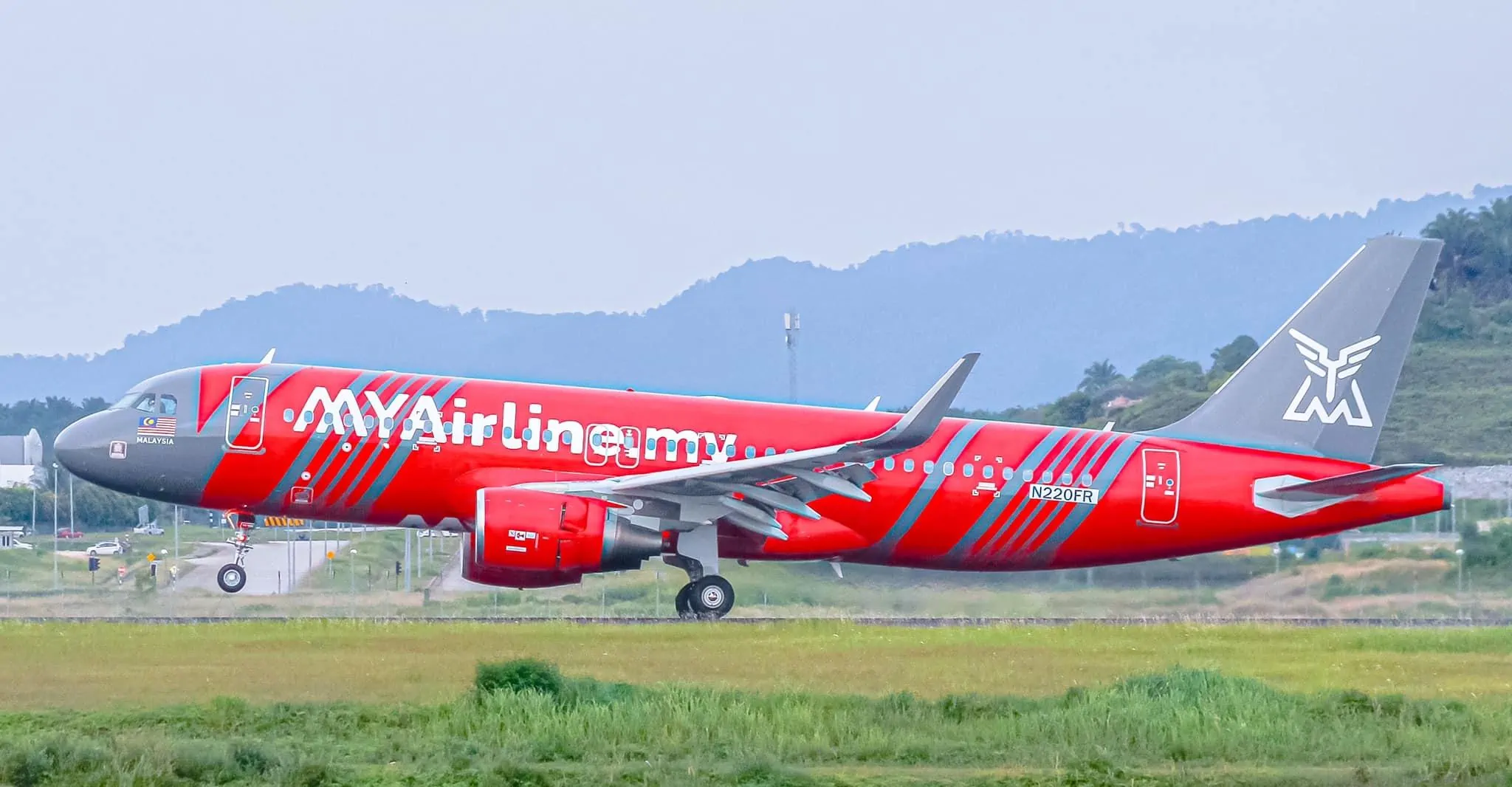
    After much anticipation, it’s been revealed that new Malaysian low-cost carrier MYAirline will begin flying in December 2022, with reports having confirmed approvals from the Malaysian Aviation Commission (Mavcom) and Civil Aviation Authority (CAAM) for the company to start selling tickets.

    Also, the airline took to its social media pages to hint at its very first flight destinations, which will most likely include Malaysian cities such as Kuching, Kota Kinabalu, and Langkawi, judging by the graphics in its posts.

    This comes after the airline’s CEO Rayner Teo said that MYAirline would seek domestic air traffic rights, with flights to begin very soon after approvals.

    “We’re hoping to start flying before the end of this year,” he said. “We’re looking at domestic destinations within the Peninsula.”

    The airline — which currently has 330 employees and is still hiring — will look to start off its operations with three Airbus A320 aircraft flying from Kuala Lumpur International Airport 2 (KLIA2).

    While all of the airline’s planes are currently under lease, Teo also revealed that the airline has the goal of increasing its fleet to 50 aircraft within the next four years.

    As an aside, he mentioned that starting the company during the height of the COVID-19 pandemic was crucial to helping it learn from competitors about how to operate such a business and serve its customers better.

    “A lot of feedback that we hear is that it’s hard to reach the airline after you have purchased a flight ticket,” heMYAirline explained. “As for us, we’ll ensure that our passengers can communicate with us effectively.”

    “We won’t be looking at chatbots, but rather focus on human interaction. On-time performance is also something that we’ll focus on.”

    With the travel industry now opening up around the world following the pandemic, flyers in Southeast Asia (especially Malaysia) will more than likely be pleased at the arrival of more competition in the space, especially when considering the many well-documented issues faced by travelers dealing with more established rivals like AirAsia.

  • Gold prices rise

    Gold prices rise

    Prices of gold bars branded SJC on Wednesday increased VND100,000 ($4.02) from the previous day to VND67.5 million ($2,706) per tael.

    Prices of gold rings branded SJC dropped VND250,000 from the previous day to VND53.85 million per tael.

    SJC gold prices are higher than the world average by some VND15.3 million per tael.

    Globally, gold prices were flat on Wednesday, as investors held back from making big bets ahead of the U.S. Federal Reserve’s latest policy meeting minutes, which could offer clues on further interest rate hikes, Reuters said.

    “There is some nervousness in the market ahead of the Fed minutes,” said Edward Meir, an analyst with ED&F Man Capital Markets.

    Market participants are awaiting the minutes of Fed’s Nov. 1-2 policy meeting due at 1900 GMT. U.S. durable goods data and weekly initial jobless claims are also on the radar.

    Although gold is seen as a hedge against inflation, rising U.S. interest rates dull non-yielding bullion appeal.

    “In the near term, expect gold prices to work a bit higher from here into year-end because I see the dollar weakening some more and we are very close to peaking out on inflation and interest rates,” Meir said.

  • AirAsia X turns first profit since 2019, plans to double its A330s by mid-2023

    AirAsia X turns first profit since 2019, plans to double its A330s by mid-2023

    AirAsia X (AAX), the low-cost medium and long-haul airline of AirAsia Group, turned a net profit of RM25.1 million ($5.4 million), its first profit since 2019.  AirAsia X restarted its passenger operations in February 2022 and announced the completion of its 17-month-long debt restructuring scheme in March 2022.

    In its fifth quarter (5Q22) financial statement ending September 30, 2022, the airline outperformed a net loss of RM652.5 million ($142.6 million) posted in the previous quarter, recording a quarterly revenue of RM100.1 million ($218 million) in 5Q22.

    The airline almost tripled its cash balance to RM79.5 million ($17.3 million), up from RM25.1 million ($5.4 million) during the previous quarter.

    In a statement, the airline attributed its results to the recovery of key metrics and improved revenues across scheduled passengers, charter flights and ancillary revenues.

    “AAX is now well on track in its recovery path even as the airline is compelled to operate in a challenging operational environment dictated by high fuel prices and a weakened Malaysian Ringgit against the US Dollar,” Benyamin Ismail AirAsia X Malaysia CEO said.

    Ismail added: “While we are cautious of the strenuous operating conditions, we remain confident that the Company’s recovery is on the horizon, if not already within our reach.”    

    On the back of its positive 5Q22 results, AirAsia X has resumed previous scheduled passenger flights to Seoul, Delhi and Syndey.

    High demand for its mid-range network has also driven the airline to announce the return of its services to some of its popular destinations such as Melbourne, Perth, Auckland, Tokyo-Haneda, Hokkaido-Sapporo, Jeddah and Bali-Denpasar.

    Ismail also confirmed that demand on some short-haul routes (Kota Kinabalu and Kuching) exceeded the current available aircraft capacity during the quarter and that the airline will be reactivating more aircraft capacity.

    “We look forward to welcoming everyone back onboard with us as we rise up to meet the strong pent-up demand for medium haul air travel across Asia. Importantly I am also thrilled to confirm that we are reactivating more aircraft to service, bringing back furloughed staff by the first quarter of next year and are now recruiting new flight crew once again.”

    AirAsia X to double A330 aircraft by the first half of 2023 

    AAX currently operates a fleet of six A330s from a fleet of nine A330 aircraft.

    However, AAX expects to increase its operating fleet to 13 A330 aircraft by the first half of 2023 to meet strong consumer demand.

    Tunku Dato’ Mahmood Fawzy, Chairman of AirAsia X stated that the airline expects to reach more than 15 hours of aircraft utilization and introduce daily frequencies to its core markets for selected routes with high demand.

  • Gold demand recovers to its pre-pandemic level

    Gold demand recovers to its pre-pandemic level

    Vietnam’s gold consumption reached 45.6 tons the first nine months of 2022, compared to 45 tons during the same period in the pre-pandemic year of 2019.

    In Q3, the country’s gold demand more than tripled to 12 tons from 3.3 tons a year earlier. Bullion and coin sales rose to 8.5 tons from 2.4 tons, and jewelry sales to 3.5 tons from 0.9 tons, according to a report by the World Gold Council.

    Andrew Naylor, Managing Asia-Pacific Director of (excluding China) of WGC, said Vietnam’s economic recovery boosted gold demand in Q3.

    In the first nine months of last year, consumption was just 34.5 tons because of pandemic impacts .

    In Vietnam, gold prices in have gained by over 9.3% since the beginning of the year.

    On Tuesday, gold price at the state-owned Saigon Jewelry Company (SJC) dropped 0.15% to VND67.4 million ($2,712) per tael. A tael is equal to 37.5 grams or 1.2 ounces. Jewelry firm DOJI maintained its price at VND67.4 million.

    In total, the world’s gold demand amounted to 1,181 tonnes in July-September, up 28% from 922 in the same period in 2021, the WGC said.

    Demand for gold was also strong from jewelers and buyers of gold bars and coins, the WGC said in its latest quarterly report, but exchange traded funds (ETFs) storing bullion for investors shrank.

    Gold is typically seen as a safe asset for times of uncertainty or turmoil, but many financial investors sold shares in gold-backed ETFs as interest rates rose and pushed up returns on other assets.

    “Looking ahead, we anticipate central bank buying and retail investment to remain strong,” Reuters quoted WGC analyst Louise Street as saying.

    “We also expect to see jewelery demand continue to perform strongly in some regions such as India and Southeast Asia,” she said.