Category: General

Retail News Asia is committed to providing both local and global retailers with the latest General Retail news throughout the Asian market. This on a daily base.

  • Singapore Airlines Set To Fly The Airbus A350 to Ahmedabad

    Singapore Airlines Set To Fly The Airbus A350 to Ahmedabad

    Singapore Airlines will roll out one of its A350-900s on its new route between Singapore and Ahmedabad in Gujarat, India. Singapore Airlines’ new service is set to take flight from 1 February 2020. Ahmedabad will be the airline’s seventh Indian destination.

    The service would operate six days a week from the start of February, ramping up to a daily service at the beginning of April 2020.

    The outbound flights will push back from Singapore’s Changi Airport at dinner time for a mid-evening arrival into Ahmedabad’s Sardar Vallabhbhai Patel International Airport. The return flight is a late evening departure from Ahmedabad, flying through the night for a breakfast time arrival into Singapore. Flying time is five hours and 40 minutes. For the first two months, the flights will not operate on Wednesdays.

    The Singapore Airlines A350 is a popular option for the Simple Flying team. In April 2019, Jay Singh flew from Singapore to Johannesburg on an SQ A350, an experience he described as ‘almost perfect.’

    Well, he was drinking Charles Heidsieck and eating a chicken curry rustled up through the airline’s ‘Book the Cook’ service. What’s not to like about that?

    Now he wants to do the ultra long haul Singapore to Newark A350 flight.

    A few months later, Nick Cummins found himself on the same aircraft type when flying Singapore Airlines. He flew from Germany to Singapore in October 2019. Nick liked it so much he made a video about it.

    Having had a few dodgy airline ham and cheese toasties in his time, he’s now on a quest to discover the best and worst airline ham and cheese toasties. The Singapore Airlines toastie got the thumbs up. Nick’s only real complaint was the airline didn’t have an endless supply of desserts.

    This all bodes well for passengers on the same aircraft type on the new service to Ahmedabad. If, like Nick and Jay, you are lucky enough to be in business class, you’ll enjoy your Piper with 40 other passengers relaxing in lie-flat seats in a 1-2-1 layout. Even back in the main economy 3-3-3 cabin, the 263 passengers can enjoy one of the best economy class products in the sky.

    Services will be six days a week initially before going daily two months later. Photo: Singapore Airlines.
     

    The new service to Ahmedabad will provide local residents with one-stop access to North America, Oceania, Asia, and if you are not put off by a little backtracking, Africa, the Middle East and Europe.

    The six days a week Singapore Airlines A350 service between Singapore and Ahmedabad will begin on 1 February 2020. It will become a daily service on 29 March 2020.

  • Assa Abloy plans 500 Yale Smart Shop franchise stores across Asia

    Assa Abloy plans 500 Yale Smart Shop franchise stores across Asia

    Locks and security-solutions company Assa Abloy plans to expand its Yale Smart Shop franchise network to 500 stores across Asia after a successful pilot in Toa Payoh, Singapore.

    The company has launched a franchise program for Yale Smart Shop with a new store in Tiong Bahru, Singapore.

    The store-in-store retail concept includes modular display cases which are geared for rapid deployment in new stores, the company said in a statement. The e-commerce platform fully supports a scalable yet sustainable business model to translate offline experiences into online purchases.

    To ensure a consistent brand experience and smooth launch and operations at new locations, all franchisees will receive a Yale Smart Shop playbook, a store operator starter kit, and comprehensive training at the pilot store in Singapore.

    “During the first few months, franchisees will receive all the support they need to build awareness in their neighborhood and local area,” said Patrick Ng, GM at Assa Abloy Singapore.

    “We are very encouraged by the record-breaking results recorded at the pilot store in Singapore and look forward to significantly growing the Yale brand and e-commerce sales across the Asia-Pacific region over the next two years,” he added.

    Adding to the eight Yale Smart Shops across five countries already operational in Asia Pacific, Assa Abloy plans to open 100 stores this year and add 400 stores by the end of next year.

  • Don Don Donki opens largest Singapore store yet

    Don Don Donki opens largest Singapore store yet

    Don Don Donki has opened a new store at Jem mall in Jurong, its largest store yet in Singapore.

    Spanning two floors, Don Don Donki at Jem mall has turned the old Marks & Spencer department-store space into its food court.

    The new Don Don Donki store offers a wide selection of Japanese products including lifestyle, homewares and cosmetics. It also features a sushi counter where its customers can buy freshly made sushi.

    The Orchard Central outlet, which opened in 2017, was previously the brand’s largest store in the city state.

  • GS25 opens futuristic c-store concept

    GS25 opens futuristic c-store concept

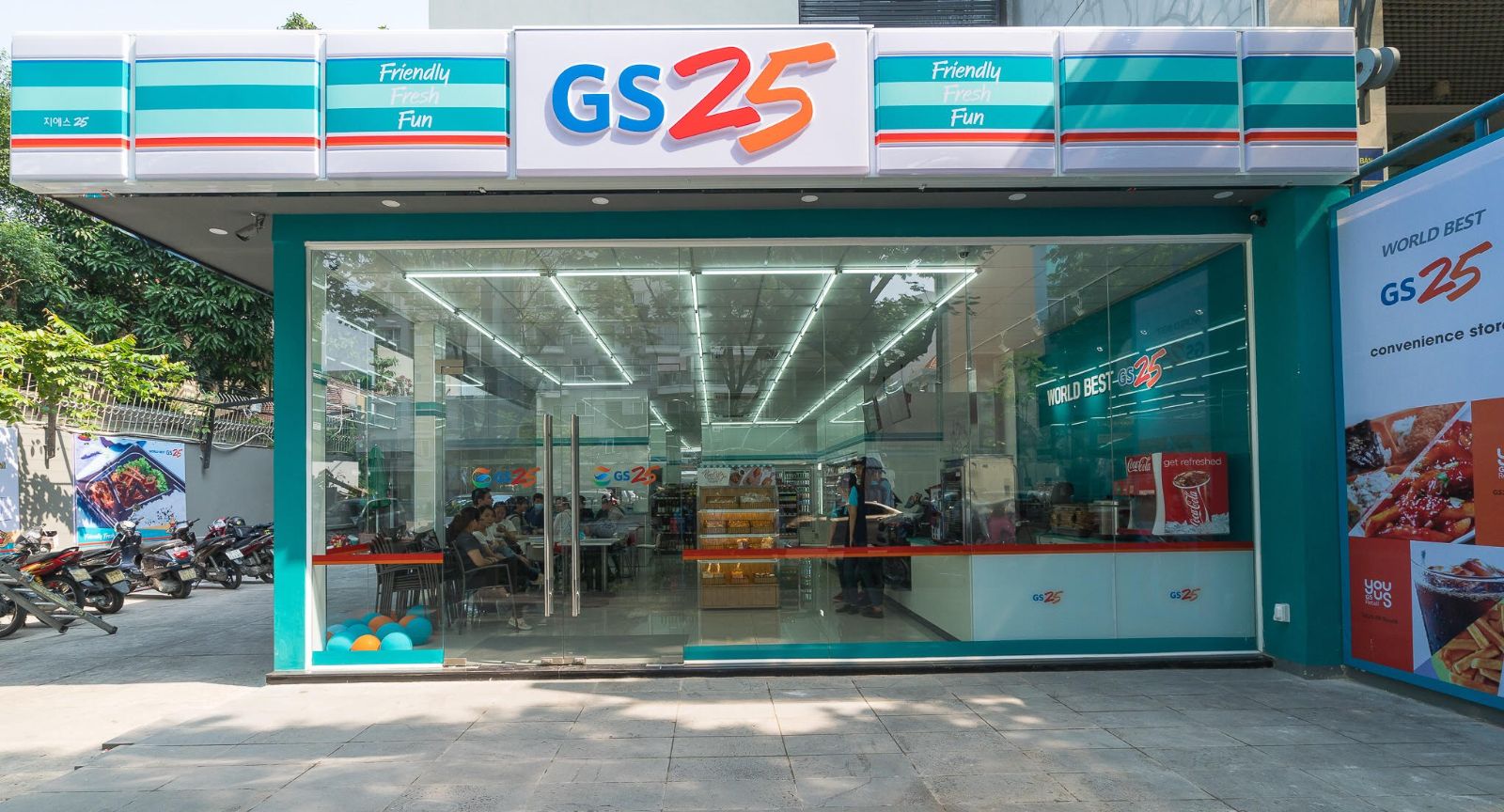
    South Korean convenience-store chain GS25, owned by GS Retail, has opened a futuristic convenience store without a checkout counter in Jung District, Seoul this week.

    The store, which is located in the headquarters building of a local credit card company BC Card, is similar to Amazon Go, checkout-free offline malls in the US.

    One can enter the convenience store by scanning a BC Paybook QR code from BC Card’s mobile payment app at the speed gate.

    When customers enter the store, 34 ‘deep-learning cameras’ will recognise their behaviour. In addition, some 300 weight sensors installed throughout the store detects the number of items that customers choose.

    When a customer chooses their purchases and exit the speed gate, all the items will be automatically paid for through a payment system using artificial intelligence (AI) technology, and a mobile receipt will be issued.

    A video-recognition speaker is also installed, where a pre-set voice will guide the customers through speakers. If customers are standing at some point or do a particular action, the speaker will provide assistance.

    In the future, the company will gradually introduce technologies that guide customers to promotions when they approach a presentation product stand.

  • Watsons China launches WeChat Work and Cloud stores

    Watsons China launches WeChat Work and Cloud stores

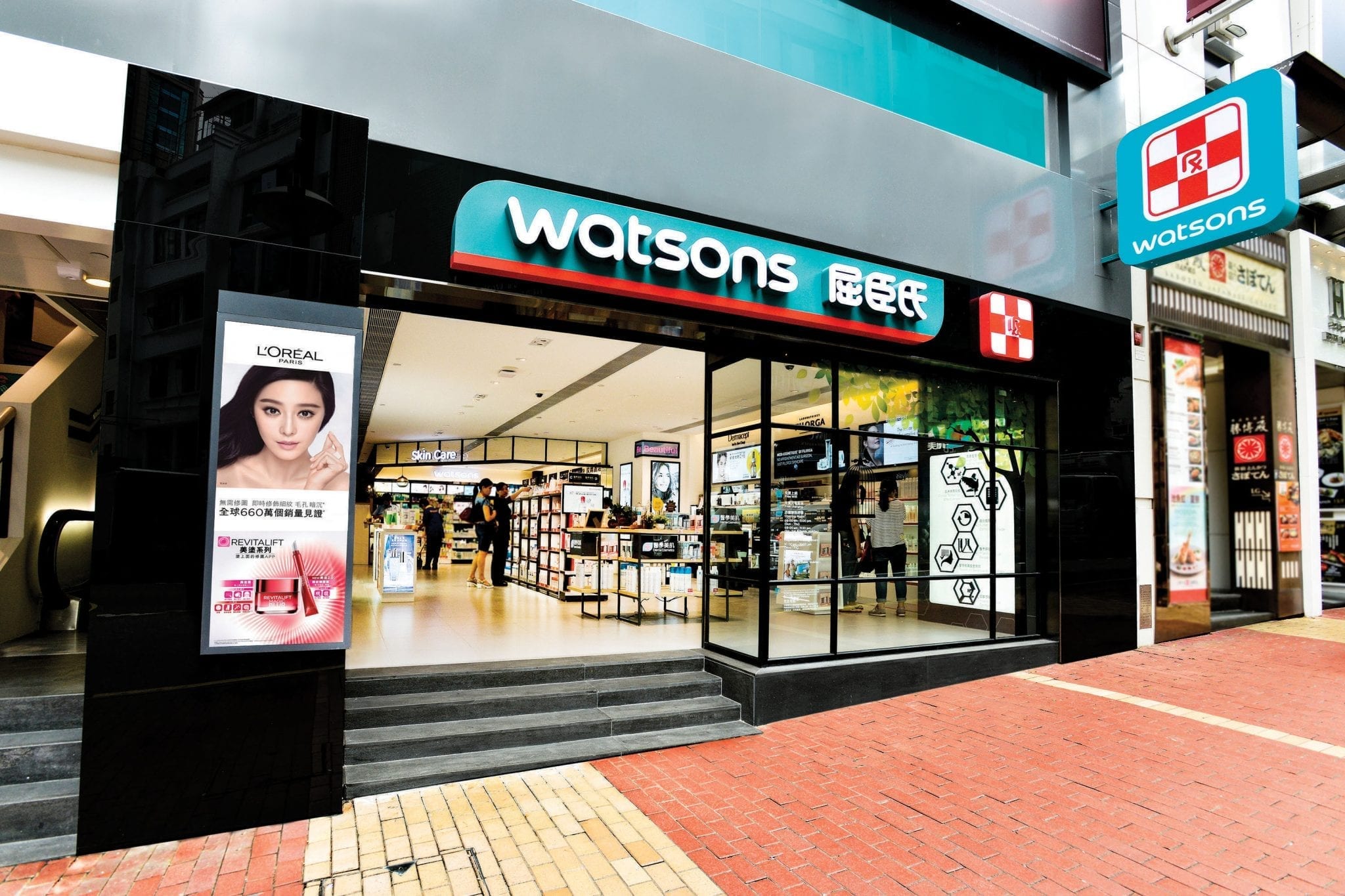
    Health and beauty retailer Watsons has partnered with Tencent’s WeChat Work platform to establish an online presence and launch cloud-based WeChat stores this quarter.

    Watsons China’s launch on WeChat Work and the establishment of cloud stores will enable the brand to provide more personalised, round-the-clock services to its more than 65 million-strong customer base shopping at Watsons’ 3800 physical outlets – each of which will have a corresponding cloud store under the new system.

    “To retain our over 65 million loyal members as well as appeal to new customers, we have to be at the cutting edge of retailing, and find a way to stay close with them,” said Watsons China CEO Kulvinder Birring. “With big data technology, these social-commerce platforms add another dimension to our relationship with customers, enabling us to connect and interact with them, and ultimately become the most-loved brand of our customers.”

    “We’ve been working very closely with Watsons,” said WeChat Work senior industry director Hau Lu. “Combining the advantages of both parties, we will further cooperate and jointly search for more business opportunities.”

    The new Watsons China’s WeChat Work platform will establish a communication channel in which customers can add store staff as WeChat friends, who then become their personal beauty consultants. Customers can seek advice from store staff at any time, from anywhere, and enjoy one-to-one customer service. If a product is not available from a customer’s nearest branch, store staff can help to order the item in the cloud store system. Customers can also choose to have their order delivered via courier, “click & collect” or the “one-hour flash delivery” service.

    “WeChat Work helps us nurture a closer relationship with our customers,” said Wanda Plaza ZhengZhou Watsons store manager Ellen Shen. “They can now contact us any time for personalised service and advice. We’re glad to be able to earn their trust and become their friends. Since its launch, we’ve received very positive response from customers who have added us as friends to enjoy this one-to-one service.”

    Watsons has also introduced an AI chatbot called Wilson, who is a virtual spokesperson for the brand available 24/7 via WeChat Work. The bot can provide customers with professional and personalised advice, aimed at providing an entertaining and useful addition to the shopping experience.

  • Liverpool FC pop-up store opens in Vietnam

    Liverpool FC pop-up store opens in Vietnam

    Liverpool FC has partnered with CRC Sports to launch a merchandise pop-up store in Vietnam.

    Located at Estella Place shopping mall in District 2, the pop up offers fans a full range of New Balance replica kit as well as authentic Liverpool FC merchandise, apparel and fashion accessories.

    “Our new store in Vietnam will enable us to continue to expand our retail operations, so all our fans can enjoy authentic LFC experiences and purchase our whole range of official merchandise,” said Mike Cox, senior VP, merchandising at Liverpool FC.

    During the Liverpool FC store’s launch event, fans were given the opportunity to meet and take photos with former Liverpool forward Luis Garcia.

  • No positive outlook likely for Hong Kong-based retailers

    No positive outlook likely for Hong Kong-based retailers

    Hong Kong-based retailers will continue to face tough times as domestic and international issues impact the economy according to a leading analyst.

    Anne Ling, an equity analyst at investment bank and financial-services company Jefferies Group,  says every 10 percent decline in retail sales impacts the earnings-before-tax (EBIT) of Hong Kong retail companies by between 7 percent and 55 percent. Retail sales in October and November fell by about 24 per cent and during the first 11 months of last year were down by 10.34 percent.

    “For international brands like Prada, Samsonite and L’Occitane, we estimate the impact at the sales level is not that material [because] Hong Kong [represents] less than 2 percent to 5 percent of sales. However, at the EBIT level (circa 3 percent to 7 percent) Hong Kong has a higher contribution.”

    Ling warns Hong Kong-based retailers are vulnerable to a risk of further market slowdown from a higher unemployment rate and weaker consumer confidence in the city.

    “In such times, the immediate lever to hand for brands and retailers is to increase cash flow by reducing inventory and staff and/or rental costs. However, over the medium term, we would expect most players to reset or readjust their Hong Kong store networks to avoid over-reliance on tourist spending.

    “We see a need for the Hong Kong and international brands and retailers listed in Hong Kong, which have heavily de-rated in recent years, to review their business strategies and seek out new business drivers, [so] that they remain relevant to investors.”

    Ling says she expects Sino-US tensions to continue while the mainland Chinese government focuses on stabilizing economic growth this year.

    Given that backdrop, Jeffries would favor recommending investment in Hong Kong-based retailers and manufacturers of low-ticket items like staple goods, food retailers and the fast-food segment, as they are more resilient.

  • Typo Vietnam stores open as Australian stationer stretches its Asian reach

    Typo Vietnam stores open as Australian stationer stretches its Asian reach

    Typo Vietnam has launched its second store in Ho Chi Minh City, a month after making its debut in the country.

    Located at Crescent Mall, the new Typo Vietnam store features a wide collection of gifts, decor and travel accessories.

    The Australian stationery brand also offers special products featuring characters from Disney, Marvel and Star Wars.

    Opening last month, the first Typo Vietnam store is located at the new development Aeon Mall Ha Dong in the capital city of Hanoi.

    Founded in 2009, Typo operates more than 250 stores in 14 countries and regions, as well as an online destination that ships globally. It is owned by the Cotton On Group.

  • Masan Group to shutter hundreds of Vinmart stores

    Masan Group to shutter hundreds of Vinmart stores

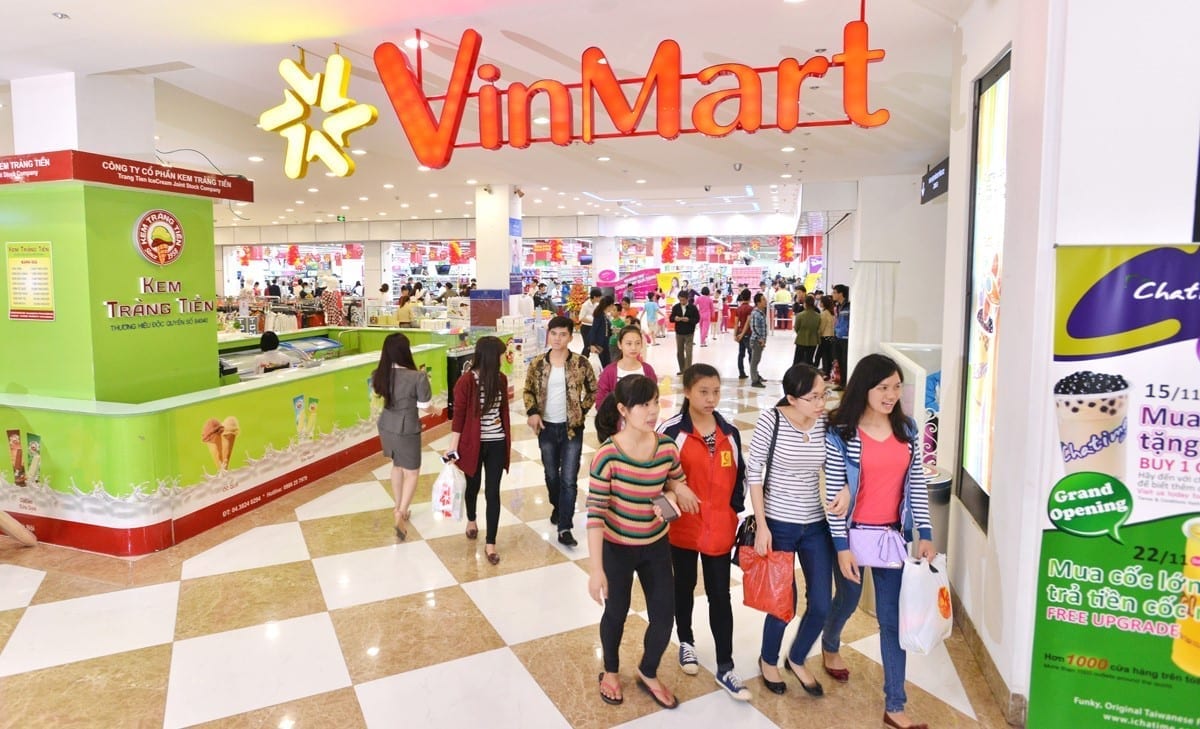
    Vietnam consumer-goods company Masan Group says it plans to shut down hundreds of VinMart and VinMart+ stores it purchased from VinGroup last year.

    The company said they will open 10-30 new Vinmart supermarkets and close 100-300 Vinmart+ stores this year to focus on improving profitability of existing locations instead of following the program of massive expansion followed by the previous owner.

    Masan will shift its focus to supermarkets of less than 1500 sqm that bring the best revenue, cut inefficient supermarkets in Hanoi, Ho Chi Minh City, Nha Trang and Can Tho and expand into tier 2 cities and within Vincom shopping centres.

    The VinMart+ chain operated 2888 stores last year and had targeted opening 300 to 500 new stores while closing 150-300 less efficient stores.

    Post merger, Masan aims to increase VinCommerce’s revenue to more than VND42 trillion, a year-on-year increase of 64 per cent. Masan has spent an estimated VND5.4 trillion (US$233 million) to buy a controlling stake in VinCommerce, which runs VinMart and VinMart+ stores in 50 provinces and cities and 14 VinEco hi-tech farms.

    Meanwhile, VinGroup closed its VinPro chain of appliance stores on December 31 and has since announced the closure of a network of smartphone stores trading under the Vien Thong A brand. And this week, VinGroup said it was dropping plans to launch an airline as well as it seeks to focus its business on industrial categories – including cars (VinFast), and phones and flatscreen TVs (VinSmart) – along with its Vincom shopping centres and VinPearl resorts.

  • AirAsia and Google to launch Asia’s first ‘tech academy’

    AirAsia and Google to launch Asia’s first ‘tech academy’

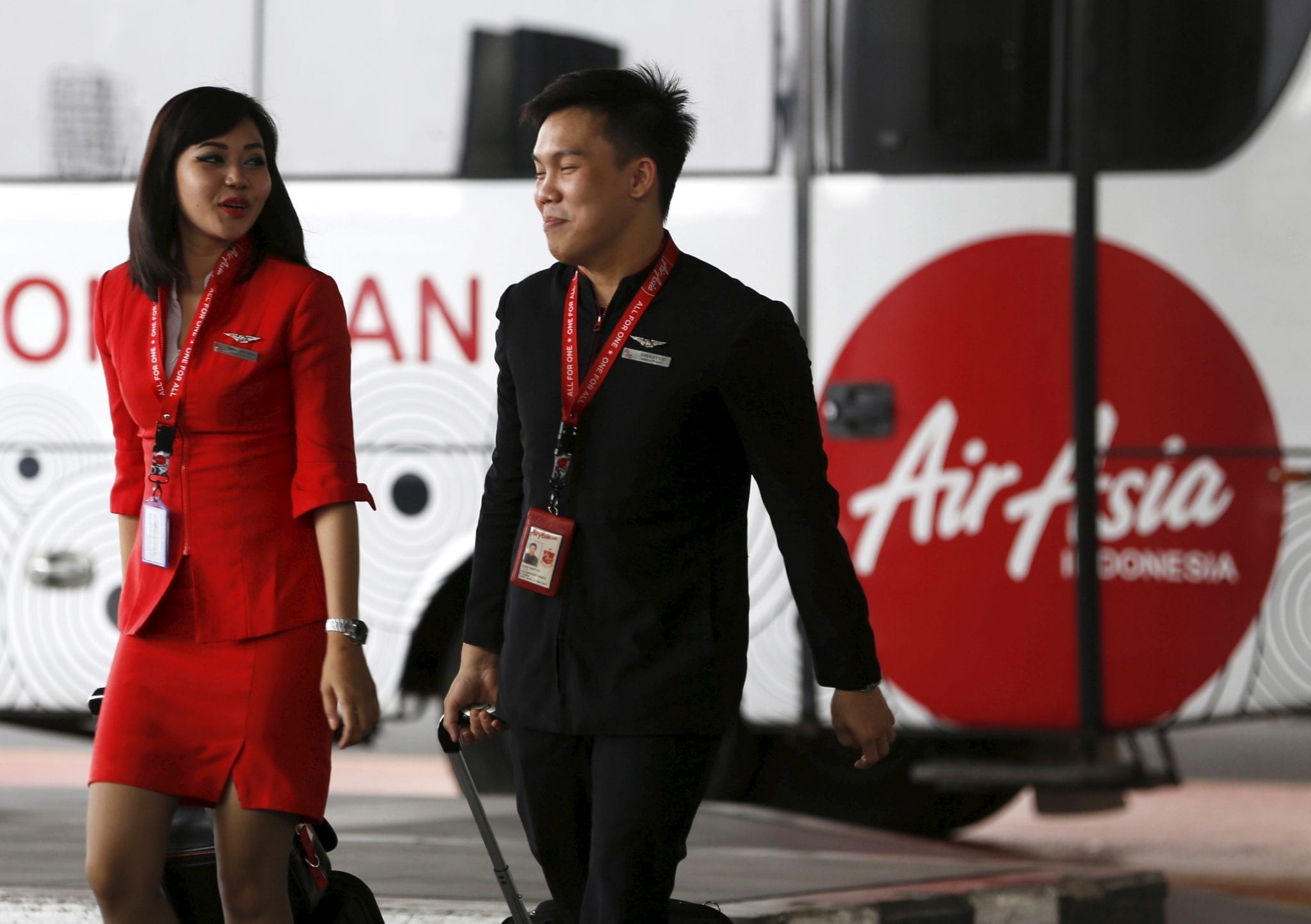
    Malaysia’s AirAsia Group says it will co-found a tech-training facility with Silicon Valley giant Google, as Southeast Asia’s biggest budget carrier by fleet continues its push to become a technology-led company.

    AirAsia Group President Aireen Omar told the Nikkei Asian Review that fresh tech talent would play a vital role in developing new businesses within the group and help fulfill plans by Group CEO Tony Fernandes to remake AirAsia into a digital era disrupter.

    “Because we have a long-term partnership with them, we said to Google why not collaborate with us to set up a tech academy, and they agreed,” Aireen said in an interview.

    Tim Synan, Google Cloud’s Southeast Asia regional director, said the AirAsia-Google Cloud Academy is a collaboration between AirAsia’s RedBeat Ventures and Google Cloud.

    “Together we’re working to upskill AirAsia AllStars with relevant expertise in Google Cloud technologies and build deep technical knowledge and Cloud expertise including Kubernetes, smart analytics, Cloud AI and more,” Synan saidi.

    “Google Cloud and our authorized training partners also offer Cloud training and enablement to AirAsia AllStars through self-paced labs, on-demand courses via Coursera, classroom training and advanced solutions labs with Google Cloud Certifications.”

    Last year AirAsia, which already offers limited travel plans on its website, announced plans to expand its online service to include booking flights with rival airlines and e-commerce in a step toward becoming a full-service travel booking company.

    As profits tumble in the face of rising fuel costs and intensifying competition, Fernandes is seeking alternative sources of revenue.

    Last year he told Nikkei that he intended to invest 100 million Malaysian ringgit ($24.6 million) a year and use the data amassed from the 100 million passengers he transports to create an “Amazon of travel.”

    AirAsia’s digital arm Redbeat Ventures acquired nine non-airline digital businesses from AirAsia in June 2018, for a dedicated focus on growing the aviation group’s noncore businesses which are envisioned to overtake the profit contribution of the airline operations.

    The nine companies included AirAsia BIG Loyalty, e-money service provider BigPay, in-flight magazine travel360, in-flight Wi-Fi operator ROKKI, duty-free platform Ourshop, cargo and parcel businesses RedCargo Logistics and RedBox Logistics, as well as travel platform Vidi and online ticketing platform RedTix.

    Last month Fernandes announced that Redbeat Ventures would open five restaurants and franchise 100 cafes over the next three-to-five years overseas, including in London and New York, as well as cities in China and Australia.

    “We can’t be a lifestyle brand without food,” said Fernandes following the launch of the company’s first fast-food restaurant. “Our airline food has been successful. [We are] the first airline ever to commercialize food.”

    Most of the group’s non-airline units are in the red, except logistics arm Teleport which recorded a small operating profit of 62.12 million ringgit. All in all, those businesses also accounted for less than 6% of AirAsia’s total revenue during the quarter ended September.

    AirAsia’s tech academy venture comes amid tumbling profits and rising fuel costs as carriers grapple with fierce competition at a time of overcapacity in the market and soft passenger demand.

    That has partly forced AirAsia to rein in regional expansion, sell some of its holdings, and shift into an asset-light model in the longer run.

    The first venture of its kind for AirAsia, as well Google, Aireen said the training facility would be open to public students by the end of this year.

    “For a start, the academy will be open to internal AirAsia employees next month who want to be reskilled to suit our current and future business operations,” Aireen said.

    The training facility would also serve as a kind of “tech talent pipeline” to help to retrain AirAsia staff for other roles within the group as more processes become automated.

    “More jobs might become redundant in the next three years, so we are giving our employees the opportunities to reskill to suit the digital economy,” said Aireen.

    Among courses to be offered include digital marketing, digital product management, software engineering and courses on building and designing tech infrastructure.

    Aireen said the academy would have its own dedicated campus, with all courses offered to be accredited by Google.

    The Silicon Valley tech giant and AirAsia have a long-term partnership which began in October 2018 when AirAsia joined hands with Google Cloud to integrate Google Cloud’s machine learning and artificial intelligence into its business processes and accelerate its transformation into a digital airline.

  • Update allows Android users to quickly rate their apps and add reviews

    Update allows Android users to quickly rate their apps and add reviews

    Rolling out to some Android users starting today, is a server-side update that adds a dedicated review section. This will show up in the Play Store under My apps & games under the Installed tab. There, a section called Reviews opens up a page with a pair of new tabs, Unreviewed and Posted. The former shows apps that you have yet to review and gives you the opportunity to quickly do so.
    The Posted tab will show you reviews that you’ve already published. There are some things that you might not like about this new system. The Unreviewed list will show some apps that are no longer on your phone, and the order that these apps are listed in appears to be haphazard.
    We have yet to have this new feature appear on our Pixel 2 XL running Android 10, but we hope to see it added soon. Since it is a server-side update, all you can do is sit back and wait for the update to hit your phone.
  • Instagram’s latest update brings some long-awaited new features

    Instagram’s latest update brings some long-awaited new features

    The launch of TikTok is forcing Instagram and other similar social network services to introduce new features meant to keep them relevant in the industry. Some of these features have been long-asked-for, so we probably have to thank the competition that they are finally coming.

    TechCrunch reports Instagram is adding a handful of new effects to Boomerang, its dedicated video loop creator. The new changes will allow users to edit videos and add effects like SlowMo, Echo blurring, and Duo rapid rewind, as well as adjust the length of the videos.

    The update, which is probably the most important for Boomerang, is available to all Instagram users starting this weekend. If you’ve already updated to the latest version of the app, you’ll find the new special effects by swiping left at the bottom of the screen’s shutter selector after you open the Stories composer.

    Four new effects can be used for Boomerang videos: SlowMo, Echo, Duo, and Trimming. As the name suggests, SlowMo allows users to reduce the speed of the videos to half so they play for two seconds in each direction instead of one second.

    Then, the Echo effect adds a motion blur effect, while Duo rapidly rewinds the video to the beginning with a digitized look. Last but not least, Trimming lets users adjust the length of their Boomerangs with similar controls to iPhone’s camera roll or the Instagram feed video composer.

    Of course, none of the new effects are innovative, but they can turn many Boomerangs into something really funny if used creatively. Hopefully, the new effects will be expanded to Instagram and won’t remain exclusive to Boomerangs for too long, although Facebook may want to add a few more before bringing them to a larger audience.

  • Cebu Pacific working to gradually resume flights

    Cebu Pacific working to gradually resume flights

    Budget carrier Cebu Pacific is working to gradually resume flights at the Ninoy Aquino International Airport (NAIA) starting 11:00 a.m. on Monday, Jan. 13, 2020.

    “Following the effects of ashfall, Cebu Pacific is working towards the gradual resumption of flights at NAIA beginning 11 a.m. today, January 13,” it said in an advisory.

    “We are conducting maintenance checks on all aircraft prior to restarting flights to ensure safety,” the airline added.

    Flights arriving at the NAIA were suspended from 7:00 p.m. on Sunday, January 12, while flights departing NAIA were suspended from 6:22 p.m. the same day.

    The Manila International Airport Authority (MIAA) and the Civil Aviation Authority of the Philippines (CAAP) have yet to make any announcement on the resumption of operations.

    The MIAA and the CAAP were still assessing the situation on Monday morning, according to an advisory issued by the MIAA.

    “The resumption of flight operations depend on the state of ash clouds within the NAIA aerodrome as well as the ash fall along the runways and taxiways,” the MIAA said.

    “Airplanes will be allowed to land and take-off only when the airspace and runways are clear of volcanic debris. As soon as ash stops falling from the sky, the ash fall will have to be washed off the runways and taxiways before flights are allowed to resume,” it added.

    The MIAA advised passengers to check with their airline companies first on the status of their flights before proceeding to NAIA.

  • Walmart India lays off management executives

    Walmart India lays off management executives

    Walmart India will let go around a third of its top executives at its Gurugram headquarters. The retailer has been struggling in the territory and is now responding by laying off more than 100 top-level executives, with more terminations expected to come later. It will also close its Mumbai fulfillment center and its largest warehouse, and will hold plans to open new stores within the Indian market.

    “We are always looking for ways to operate more effectively to serve our members,” said a spokesperson for Walmart India. “This requires us to review our corporate structure to ensure that we are organized in the right way to best meet the needs of our members. Impacted associates have been offered enhanced severance benefits and outplacement services to support their transition.”

    Following a decade of trade within India, Walmart’s sales growth has remained problematic, with the firm recording a net loss of US$24.26 million during the last fiscal year.

  • South Korean convenience stores wind back 24-hour service

    South Korean convenience stores wind back 24-hour service

    South Korean convenience-store owners are canceling 24-service as minimum wage rise has eroded profits.

    Last year, president Moon Jae-in launched a campaign to raise the hourly minimum wage by 29 percent over two years. With night-shift employees earning time-and-a-half pay, franchisees have been struggling to pay part-time staff during the small hours.

    Not all stores traded around the clock when Shinsegae group launched the Emart convenience-store chan in 2014. Three Korean c-store giants, GS Retail, BGF Retail and Lotte Group, now allow its franchisees to close stores at night if the outlets lose money overnight for three months.

    In a market with the highest rate of c-stores per capita, South Korean convenience-store owners are shifting their focus to automated, unmanned stores. Emart is trialing a cashier-free store in Seoul with more than 30 cameras installed. Payments are made with credit card information stored in advance. Meanwhile, Lotte operates 17 unmanned outlets where products are scanned and identified by its shapes.

    Last year, many 7-Eleven and Familymart stores in Japan had to overturn its 24-hour operations as they were suffering from the labor shortage.